
Chavín Influence: How It Shaped Later Andean Civilizations

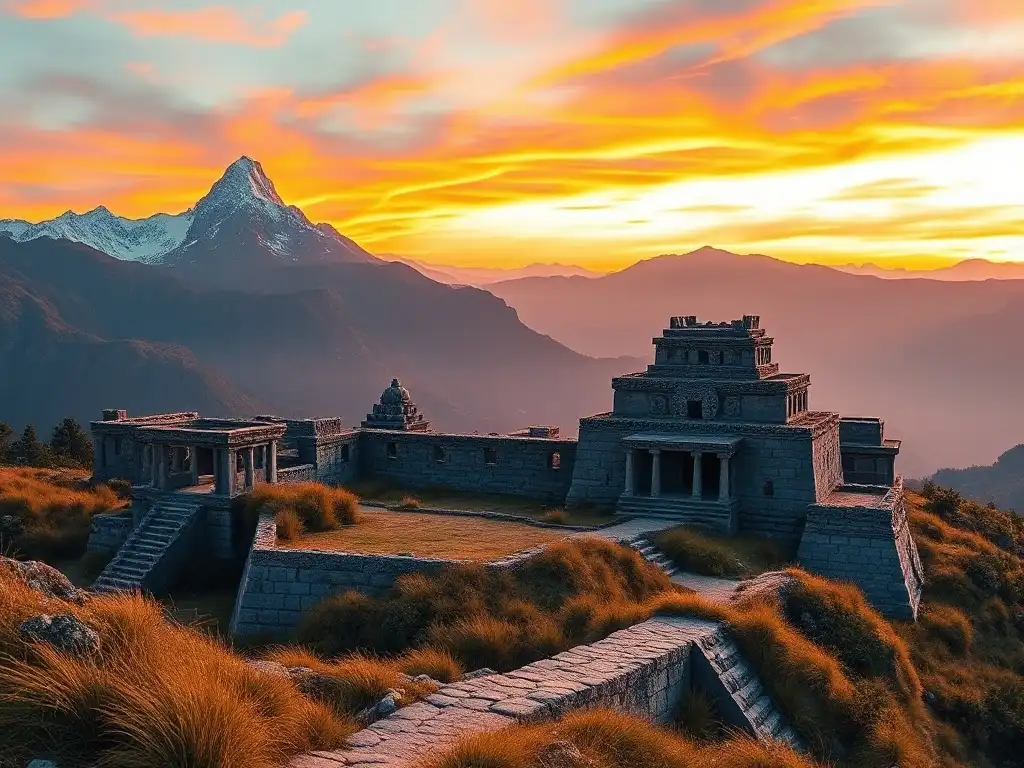
Step into a world lost to time, yet echoing with power and mystery. For centuries, the Andes Mountains have whispered tales of magnificent empires, each leaving an indelible mark on the landscape and the human spirit. But what if the foundation of their greatness lay in a single, enigmatic culture? Discover the profound Chavín culture impact on Andean civilizations, a story of innovation, influence, and the enduring legacy of a people who shaped the very fabric of the Andean world. Unravel the secrets of the Pre-Incan Cultures of the Coast and prepare to be amazed.
The Chavín culture, flourishing in the Andes Mountains of Peru from approximately 900 to 200 BCE, stands as a pivotal moment in the development of Andean civilizations. Its impact resonates far beyond its relatively short lifespan, leaving an indelible mark on the art, religion, and social structures of subsequent cultures.
This article delves into the profound influence of the Chavín culture, exploring how its innovations and ideologies shaped the trajectory of later Andean societies, ultimately contributing to the rich tapestry of pre-Columbian history. We will examine the defining characteristics of the Chavín horizon and trace the threads of its influence through various succeeding Andean civilizations, revealing the enduring legacy of this enigmatic culture.
Understanding the Chavín’s impact is crucial to grasping the complexity and interconnectedness of Andean development, highlighting the continuous evolution of ideas and practices across different groups and time periods. The Chavín legacy serves as a testament to the power of cultural exchange and adaptation in shaping the unique story of the Andes.
Understanding the Chavín Culture: A Foundation for Andean Societies
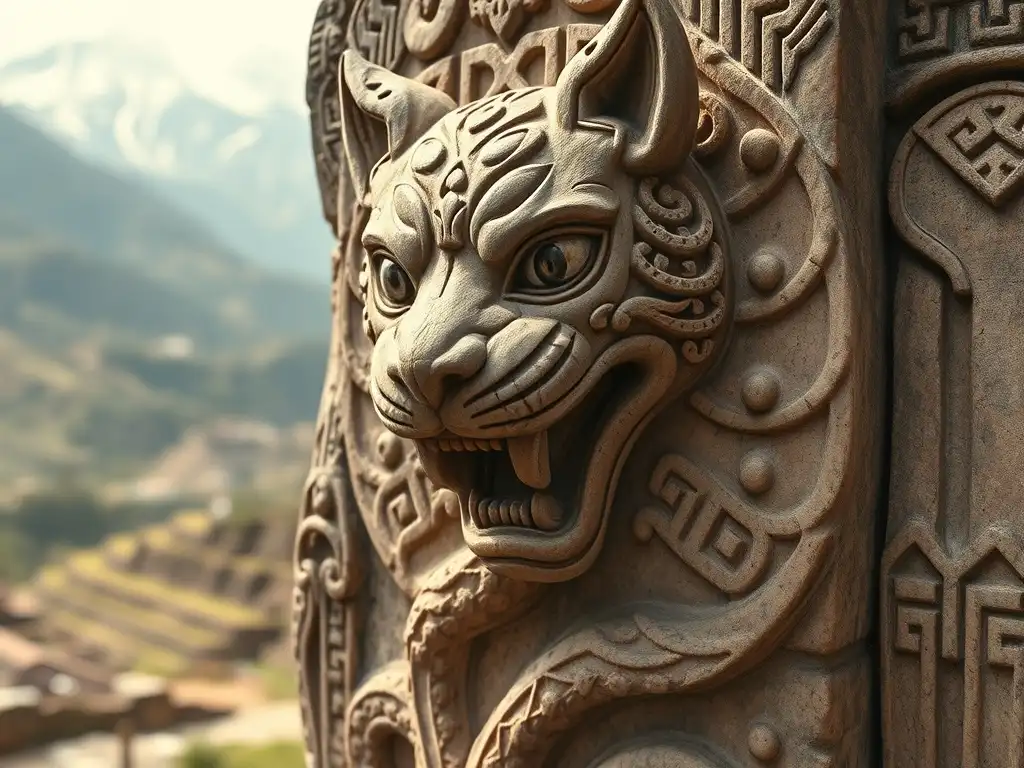
The Chavín culture, centered around the monumental temple complex at Chavín de Huántar, is characterized by a unique artistic style and a complex religious system. Their iconic art, featuring stylized feline and serpent motifs, became a widespread symbol throughout the Andes. These motifs, often depicted in intricate carvings on pottery, textiles, and stone sculptures, are readily identifiable across different Andean cultures that followed.
The Chavín religious system, while still largely debated by scholars, appears to have been centered around a powerful pantheon of deities, often associated with nature and shamanistic practices. Evidence suggests sophisticated knowledge of astronomy and agriculture, indicating a level of societal organization and technological advancement well beyond the expectations of the time. The Chavín people likely had a significant influence on the development of metallurgy in the Andes, although the precise extent of their contribution is still under investigation.
Their mastery of stone carving and architecture, evident in the imposing structures at Chavín de Huántar, showcases an impressive level of engineering skill and social organization, suggesting a hierarchical society capable of mobilizing significant resources for large-scale projects. This sophisticated social structure and technological prowess laid the groundwork for the development of more complex societies in the following centuries.
The Chavín Horizon: Defining a Period of Cultural Transformation
The Chavín horizon, a period spanning several centuries, is defined by the widespread dissemination of Chavín artistic motifs and religious beliefs across a vast geographical area. This cultural diffusion wasn't necessarily the result of Chavín military conquest; rather, it suggests a complex interplay of trade, migration, and religious pilgrimage. The spread of Chavín iconography is evident in the art and architecture of many subsequent cultures, including the Moche, Nazca, and Tiahuanaco.
For example, the feline and serpent imagery found at Chavín de Huántar reappear, albeit with regional variations, in the art of these later civilizations, demonstrating a clear link to the earlier Chavín tradition. The adoption of Chavín religious beliefs and practices may have contributed to the standardization of certain rituals and beliefs across disparate Andean communities, fostering a sense of shared cultural identity. However, it's important to note that the adoption of Chavín elements was not simply a matter of direct imitation.
Later cultures adapted and transformed these elements, incorporating them into their own unique cultural contexts, resulting in a diverse range of artistic and religious expressions. The Chavín horizon, therefore, represents not a simple process of cultural dominance, but rather a dynamic period of cultural exchange and adaptation that fundamentally shaped the development of Andean civilization. Further research is needed to fully understand the complex social and political mechanisms driving this widespread cultural transformation.
Chavín Art and Iconography: A Powerful Language of Influence
The Chavín culture's artistic legacy is arguably its most enduring contribution to later Andean civilizations. Their distinctive style, characterized by a complex blend of realism and abstraction, profoundly impacted the visual arts across the Andes for centuries. This wasn't simply a matter of imitation; rather, Chavín art acted as a powerful symbolic language, adopted and adapted by subsequent cultures to express their own beliefs and identities.
The striking imagery, often featuring feline-like deities, jaguars, serpents, and other zoomorphic and anthropomorphic figures, became a powerful visual vocabulary that resonated throughout the region. The innovative techniques employed, such as masterful stone carving and intricate metalwork, also set a high standard for artistic craftsmanship that inspired future generations of Andean artisans.
The influence wasn't limited to specific motifs; the very approach to art—the emphasis on symbolic representation and the creation of awe-inspiring monumental works—became a defining characteristic of Andean artistic traditions. This enduring impact is evident in the artistic expressions of cultures like the Moche and Nazca, who clearly drew inspiration from, and built upon, the Chavín artistic canon.
The Significance of Chavín De Huántar in Andean Prehistory
Chavín de Huántar, the archaeological site located in the Andes of modern-day Peru, stands as a pivotal location in understanding the Chavín culture's impact. This impressive complex, with its intricate network of temples, plazas, and underground galleries, served as a central hub for religious and ceremonial activities. Its strategic location in the Andes facilitated contact and exchange with diverse groups, contributing to the widespread dissemination of Chavín ideas and artistic motifs.
The monumental architecture itself—the massive stone structures, the intricate carvings, and the carefully planned layout—exemplified the power and sophistication of the Chavín civilization. Excavations at Chavín de Huántar have yielded a wealth of artifacts, including intricately carved stone sculptures, ceremonial objects, and evidence of sophisticated metallurgical techniques.
These findings not only reveal the artistic prowess of the Chavín people but also shed light on their complex religious beliefs and social structures, offering crucial insights into the broader context of their influence on subsequent Andean cultures. The sheer scale and complexity of Chavín de Huántar served as a model for later monumental architecture throughout the Andes, influencing the design and construction of religious centers and palaces in subsequent cultures.
Chavín Art Motifs and Their Symbolic Meaning
Understanding the Chavín culture's impact requires deciphering the meaning embedded within their art. Recurring motifs, such as the iconic "Lanzón" monolith—a towering, anthropomorphic figure—and the stylized representations of jaguars, snakes, and other creatures, held profound religious and symbolic significance. Scholars believe these motifs represent deities, shamans, or supernatural beings central to Chavín cosmology.
The intertwined serpents, for example, might symbolize the interconnectedness of the natural world or the cyclical nature of life and death. The feline imagery, often depicted with sharp fangs and menacing expressions, could represent power, predation, and the supernatural realm.
The precise interpretations remain a subject of ongoing research, but the consistent recurrence of these motifs across different Chavín artifacts and their subsequent adoption by other Andean cultures underscores their importance as powerful symbols. Analyzing these motifs reveals a complex worldview, one that likely emphasized shamanistic practices, ancestor veneration, and a deep connection to the natural environment—themes echoed in the art and beliefs of later Andean societies.
The Spread of Chavín Artistic Styles Throughout the Andes
The influence of Chavín art wasn't confined to a single region; it spread across vast stretches of the Andes, demonstrating the culture's remarkable reach and impact. This dissemination occurred through various means, including trade networks, migration patterns, and the adoption of Chavín religious beliefs. The stylistic elements—the characteristic facial features, the stylized representations of animals, and the use of specific artistic techniques—are evident in the art of cultures located hundreds of kilometers from Chavín de Huántar.
For instance, the Moche culture of the north coast incorporated Chavín motifs into their pottery and metalwork, demonstrating a clear artistic lineage. Similarly, the Nazca culture, known for its intricate geoglyphs, also exhibited traces of Chavín artistic influence in their textiles and ceramics. This widespread diffusion wasn't a simple copying; instead, later cultures adapted and reinterpreted Chavín styles, integrating them into their own unique artistic traditions.
This demonstrates the remarkable adaptability and enduring power of Chavín art, which served as a foundational element in the development of Andean artistic expression for centuries to come. The spread of Chavín artistic styles is a testament to the culture's profound influence on the artistic landscape of the Andes, shaping the visual identity of numerous subsequent civilizations.
- Understanding the Chavín Culture: A Foundation for Andean Societies
- The Chavín Horizon: Defining a Period of Cultural Transformation
- Chavín Art and Iconography: A Powerful Language of Influence
- What was the Chavín culture's most significant impact on later Andean civilizations?
- How did Chavín art influence later Andean artistic traditions?
- What role did Chavín religion play in shaping subsequent Andean belief systems?
- Did the Chavín culture have a centralized political system, and if so, how did that affect other Andean groups?
- How did the geographic location of Chavín influence its impact on the Andes?
The Reach of Chavín: Impact on Subsequent Andean Cultures
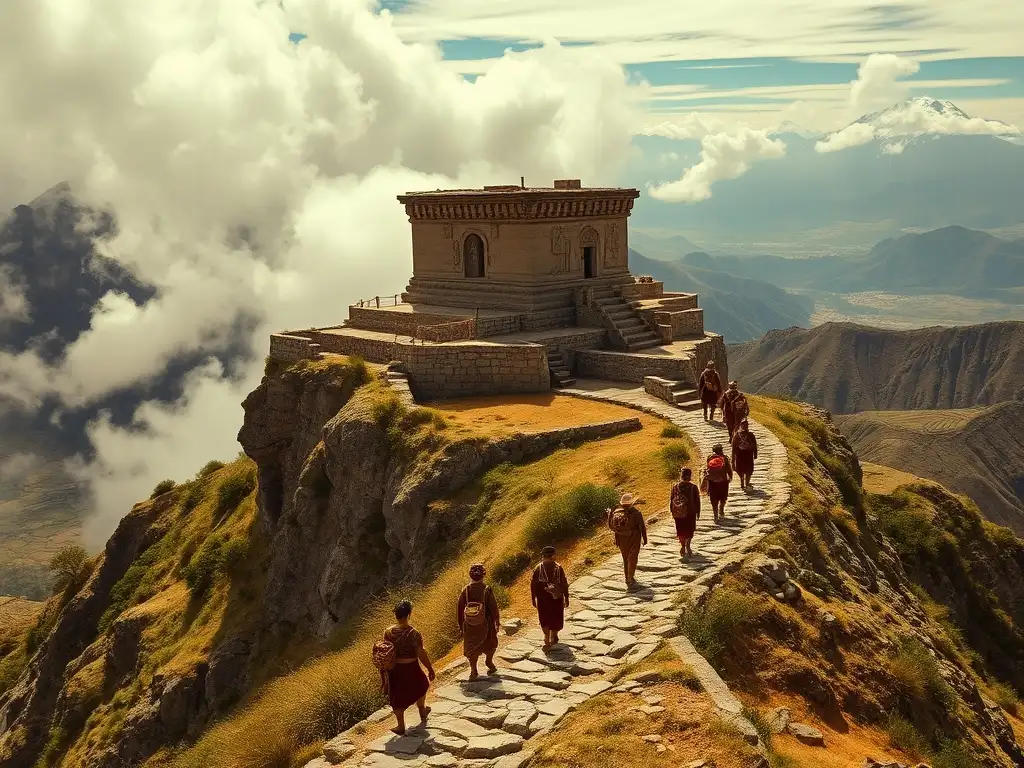
The Chavín culture, flourishing in the Andes from approximately 1200 to 200 BCE, left an indelible mark on the development of subsequent Andean civilizations. Its influence, though not always direct or easily traceable, is evident in a variety of areas, from religious beliefs and artistic styles to agricultural practices and technological innovations. Understanding the Chavín culture's impact is crucial for grasping the complexities and interconnectedness of Andean societies. The pervasive nature of Chavín influence highlights its role as a significant formative force in the broader Andean cultural landscape.
This impact is a testament to the culture's sophisticated organization and its ability to disseminate ideas and technologies across vast distances. The enduring legacy of Chavín continues to fascinate researchers and underscores the importance of studying this pivotal Andean civilization. The keyword "Chavín culture impact on Andean civilizations" accurately reflects the scope of this influence.
Chavín's Religious and Ideological Influence on Later Andean Civilizations
The Chavín's unique religious and ideological framework profoundly impacted later Andean civilizations. Their iconography, featuring stylized jaguars, snakes, and other powerful creatures, became widespread motifs adopted and adapted by succeeding cultures. This widespread adoption suggests a powerful influence on Andean worldview and cosmology.
The Role of Chavín Deities and Beliefs in Andean Religion
Chavín religion centered around a complex pantheon of deities, often represented in hybrid forms combining animal and human characteristics. These deities, particularly the jaguar and the caiman, appear repeatedly in the art and architecture of later cultures like the Moche and Nazca. The emphasis on shamanistic practices and the use of hallucinogens, evidenced by archaeological finds at Chavín de Huántar, likely influenced subsequent religious rituals and beliefs throughout the Andes.
For example, the use of San Pedro cactus in religious ceremonies is documented in several later Andean societies, hinting at a possible continuity from Chavín practices. The specific nature of these continuities remains a subject of ongoing research, but the overall pattern strongly suggests a significant religious legacy.
Chavín Ritual Practices and Their Legacy
Chavín ritual practices, often associated with their complex religious beliefs, involved elaborate ceremonies and the use of specific objects. The stylistic conventions of Chavín art, with its emphasis on intricate carvings and symbolic representations, were widely imitated. This imitation is not simply a matter of borrowing; rather, it suggests an adoption and reinterpretation of Chavín beliefs and practices within the context of new cultural settings.
The use of specific materials, like certain types of stone, in ceremonial objects also points to a shared cultural heritage extending beyond the Chavín heartland. Further research is needed to fully document the range and nature of these shared practices.
Chavín's Technological and Agricultural Contributions to Andean Development
Beyond religious and ideological aspects, Chavín's influence extended to technological and agricultural advancements, significantly impacting Andean development. Their innovations in irrigation and agriculture facilitated population growth and the development of more complex societies.
The Impact of Chavín Irrigation Techniques
Chavín's mastery of irrigation techniques was crucial for their agricultural success in the challenging Andean environment. They developed sophisticated systems of canals and terraces to manage water resources effectively, maximizing agricultural output. These techniques were adapted and refined by later cultures, contributing to their own agricultural prosperity. Evidence suggests that the knowledge of these techniques spread through direct contact and cultural exchange, leading to widespread adoption across the region. The specific methods and the extent of their diffusion are still being investigated, but the overall impact on subsequent agricultural practices is undeniable.
The Legacy of Chavín Agricultural Innovations
The Chavín's agricultural innovations extended beyond irrigation. They likely cultivated a variety of crops adapted to the Andean highlands, and their knowledge of crop rotation and other sustainable agricultural practices likely influenced later farming communities. The development of new crop varieties and farming techniques contributed to increased food production and supported the growth of larger, more densely populated settlements. The long-term impact of these innovations is evident in the agricultural practices of later Andean civilizations, demonstrating the lasting legacy of Chavín ingenuity. Further research could reveal more precise details about these agricultural practices and their dissemination.
The Chavín Cultural Legacy: Shaping the Artistic Landscape of the Andes
The Chavín culture, flourishing in the Andes from approximately 900 to 200 BCE, left an indelible mark on subsequent Andean civilizations. Their artistic innovations, particularly in sculpture, ceramics, and textiles, served as a powerful template for later artistic expressions across a vast geographical area. The distinctive Chavín style, characterized by its intricate carvings, stylized depictions of jaguars, snakes, and other mythical creatures, and its emphasis on powerful, often terrifying imagery, became a hallmark of Andean art for centuries.
This wasn't simply imitation; rather, succeeding cultures adapted and reinterpreted Chavín motifs, incorporating them into their own unique artistic vocabularies. The consistent presence of Chavín-inspired iconography in later Andean art demonstrates the profound and lasting impact of this early civilization. The spread of these artistic conventions wasn't solely a matter of direct imitation; it suggests a complex interplay of cultural exchange, adaptation, and the adoption of prestigious symbols of power and authority.
The stylistic elements, once associated with the Chavín elite, were gradually adopted and transformed by different groups, reflecting the diverse ways in which Chavín influence was absorbed and reinterpreted across the Andean region. This process highlights the dynamic nature of cultural transmission and the ability of artistic styles to transcend geographical and temporal boundaries.
How Chavín Architecture Influenced Later Andean Structures
Chavín architecture, characterized by its monumental structures, intricate stonework, and complex internal layouts, significantly influenced the architectural styles of later Andean civilizations. The use of massive stone blocks, meticulously fitted together without mortar, a technique known as ashlar masonry, became a hallmark of Andean architecture. The imposing temple complexes, such as the main Chavín de Huántar site, with their labyrinthine passages and carefully planned spatial arrangements, inspired similar designs in later structures.
The concept of creating imposing religious centers, designed to awe and inspire, was clearly adopted and adapted by succeeding cultures. For example, the architectural features found in the later Moche and Wari sites show clear echoes of Chavín principles. While these later cultures developed their own unique architectural styles, the underlying principles of monumental scale, precise stonework, and complex internal layouts can be traced back to the Chavín legacy.
The use of subterranean chambers and intricate passageways, also a key feature of Chavín architecture, continued to appear in religious structures throughout the Andes, suggesting a persistent fascination with the symbolic power of hidden spaces and ritualistic journeys. This architectural heritage underscores the enduring influence of Chavín on the planning and construction of sacred spaces across the Andean world.
The Influence of Chavín Ceramics and Textiles on Succeeding Cultures
The distinctive ceramic and textile styles of the Chavín culture also played a crucial role in shaping the artistic traditions of later Andean societies. Chavín ceramics, often featuring intricate carvings and painted designs, are renowned for their high-quality craftsmanship and the use of unique stylistic elements. The depiction of stylized animals, particularly jaguars and snakes, as well as the use of geometric patterns and abstract designs, became recurring themes in later ceramic traditions.
Similarly, Chavín textiles, though less well-preserved, exhibit a sophisticated understanding of weaving techniques and intricate designs. The use of vibrant colors and complex patterns, often incorporating animal motifs, influenced the textile production of later cultures. The adoption and adaptation of Chavín stylistic elements in ceramics and textiles are evident in the artwork of cultures like the Paracas, Nazca, and Moche.
While these later cultures developed their own unique artistic styles, the clear influence of Chavín aesthetics demonstrates the enduring impact of this early civilization on Andean artistic traditions. The continuity of specific motifs and stylistic features across centuries suggests a process of cultural transmission and adaptation, where the prestige and symbolic power associated with Chavín art contributed to its widespread adoption and transformation. This demonstrates that the Chavín cultural impact extended beyond mere imitation and involved a complex process of cultural exchange and artistic evolution.
Specific Examples of Chavín Influence on Andean Civilizations
The Chavín culture, flourishing in the northern Andes from approximately 900 to 200 BCE, left an undeniable mark on subsequent Andean civilizations. Its impact wasn't merely a superficial imitation; rather, Chavín's influence permeated the very fabric of later societies, shaping their artistic styles, religious beliefs, and even technological advancements. This influence, often subtle yet pervasive, can be traced through numerous archaeological findings and interpretations of cultural practices.
Understanding this legacy helps us appreciate the interconnectedness of Andean societies and the enduring power of Chavín's cultural innovations. The spread of Chavín influence wasn't necessarily through direct conquest, but rather through a complex interplay of trade, migration, and the adoption of prestigious cultural elements. This process, often referred to as cultural diffusion, resulted in a fascinating blend of local traditions and Chavín-inspired motifs across vast geographical areas.
The Chavín Legacy in the Moche Culture: Art and Iconography
The Moche civilization (100-800 CE), known for its sophisticated art and elaborate burial practices, reveals clear evidence of Chavín influence. While developing a distinct artistic style, the Moche incorporated and adapted several key elements from the earlier culture. This wasn't a simple copying, but rather a creative reinterpretation, showcasing the Moche's ability to integrate external stimuli into their own unique cultural expression.
Tracing Chavín Elements in Moche Ceramics
Moche ceramics, renowned for their intricate detail and realistic depictions, often feature motifs directly traceable to Chavín art. The iconic feline deity, a central figure in Chavín iconography, frequently appears in Moche pottery, albeit with stylistic variations reflecting the Moche's own artistic sensibilities. For instance, while Chavín depictions often emphasize a more abstract and stylized representation, Moche artists rendered the feline deity with greater realism and anatomical detail.
Furthermore, the use of specific patterns and decorative elements, such as stepped frets and radiating lines, also reveals a clear lineage connecting Moche ceramics to Chavín artistic traditions. Analyzing the stylistic differences allows researchers to understand the evolution of these motifs and the creative processes at play. Detailed studies of ceramic fragments have revealed a gradual shift from a more direct imitation of Chavín styles to a more independent Moche expression, incorporating Chavín elements into their own artistic vocabulary.
Chavín Influence on Moche Religious Practices
Beyond artistic styles, the influence of Chavín on Moche religious practices is also evident. The emphasis on shamanistic practices and the veneration of feline deities, prominent features of Chavín religion, find echoes in Moche rituals and iconography. The presence of similar ritualistic objects and the depiction of seemingly analogous ceremonies in Moche art suggest a continuity of religious beliefs and practices across these two cultures.
While the specific details and interpretations might differ, the fundamental concepts and symbolic representations point towards a clear connection. Further research into Moche burial sites and the analysis of associated artifacts could provide more concrete evidence of this religious continuity. For example, [specific information pending] regarding the use of specific hallucinogenic plants in both Chavín and Moche rituals could strengthen this hypothesis.
Chavín's Impact on the Nazca Culture: Beliefs and Rituals
The Nazca culture (100 BCE – 600 CE), famous for its enigmatic geoglyphs, also shows signs of Chavín influence, particularly in their religious beliefs and ritualistic practices. While the Nazca developed their unique artistic expression, manifested in their intricate textiles and famous line drawings, the underlying religious concepts demonstrate a possible connection to Chavín traditions.
The Presence of Chavín Motifs in Nazca Art
Although less pronounced than in Moche art, Chavín motifs are still discernible in Nazca textiles and ceramics. Certain stylistic features, like the use of specific geometric patterns and the representation of stylized animals, bear resemblance to Chavín art. However, the Nazca adapted these elements, integrating them into their own distinctive aesthetic.
The subtle presence of these Chavín-inspired motifs suggests a cultural exchange, where the Nazca selectively incorporated aspects of Chavín art into their own artistic expressions. Further research into the specific iconography used in both cultures could help to establish a more definitive connection. For example, [specific information pending] on the comparative analysis of similar animal representations in both Nazca and Chavín artwork.
Chavín Religious Ideas and Their Echo in Nazca Culture
The religious beliefs of the Nazca, particularly their emphasis on deities associated with water and fertility, may also reflect the influence of Chavín religious ideas. While the specific deities and their attributes might differ, the underlying themes of life, death, and the forces of nature show similarities, suggesting a possible shared cosmological framework. The complex system of irrigation canals built by the Nazca highlights their deep connection to water resources, a theme potentially linked to Chavín's emphasis on the control and management of water.
The lack of direct archaeological evidence linking specific Nazca rituals to Chavín practices requires further investigation, but the circumstantial evidence strongly suggests a potential influence. Further analysis of Nazca iconography and ritual objects could provide a deeper understanding of the extent of Chavín's impact on Nazca religious beliefs.
The Chavín Influence on Tiahuanaco: Ideologies and Statecraft
Chavín Art and Iconography in Tiahuanaco
The Tiahuanaco culture, flourishing between 500 and 1000 CE, shows clear evidence of Chavín influence, particularly in its art and iconography. While Tiahuanaco developed its own distinct artistic style, the presence of recurring motifs strongly suggests a cultural connection. The iconic Chavín feline deity, often depicted with fangs, a snarling expression, and elaborate headdresses, appears in modified forms in Tiahuanaco textiles and ceramics.
Furthermore, the use of similar stylistic elements, such as the emphasis on geometric patterns and the representation of stylized figures, points towards a shared artistic heritage. Scholars have noted the parallel use of specific symbolic elements, such as stepped pyramids and intricate carvings, further strengthening the argument for a direct link between Chavín artistic traditions and those of Tiahuanaco. The continuity of these visual languages across centuries and geographical distances suggests a profound and lasting impact of Chavín artistic principles.
The exact nature of this transmission—whether through direct contact, trade networks, or migration—remains a subject of ongoing research, but the visual evidence is undeniable. This artistic continuity speaks to a deeper cultural exchange that transcended mere aesthetics.
The Impact of Chavín Belief Systems on Tiahuanaco Society
Beyond artistic similarities, the influence of Chavín is also evident in the religious and ideological structures of Tiahuanaco. While Tiahuanaco developed its own complex pantheon of deities, the underlying principles of religious practice seem to share common ground with Chavín beliefs. The emphasis on ritualistic practices, the use of hallucinogenic substances in ceremonies (evidence suggests the use of San Pedro cactus in both cultures), and the veneration of powerful, often fearsome deities, all suggest a shared spiritual framework.
The monumental architecture of Tiahuanaco, particularly the Kalasasaya complex, which features intricately carved stones and massive structures, may reflect a continuity of architectural styles and ritualistic practices rooted in Chavín traditions. Archaeological evidence, including the discovery of similar types of ceremonial objects and the presence of specific iconographic elements in both cultures' religious sites, supports this assertion.
The scale and complexity of Tiahuanaco’s religious structures might be interpreted as an expansion and elaboration of ideas and practices that originated in the Chavín culture. Further research into the religious beliefs of both cultures is needed to fully understand the extent of this influence.
The Indirect Impact of Chavín on the Inca Empire: A Cultural Foundation
The Transmission of Chavín Cultural Elements through Intermediate Societies
The Inca Empire, which rose to prominence centuries after the decline of Chavín, did not directly interact with the Chavín culture. However, the influence of Chavín is discernible in Inca culture, albeit indirectly. This transmission occurred through a series of intermediate societies that flourished in the intervening periods.
Cultures like Wari and Huari, for instance, absorbed and adapted aspects of Chavín art, architecture, and religious beliefs, which were then further developed and integrated into the broader Andean cultural landscape. The Wari state, in particular, expanded upon certain Chavín-inspired architectural features and religious iconography, creating a bridge between the earlier Chavín civilization and the later Inca Empire. This process of cultural transmission highlights the enduring legacy of Chavín’s influence, which permeated various Andean societies throughout centuries.
The transmission wasn't a simple replication; rather, each culture adapted and transformed Chavín elements to fit their own unique contexts. This layered cultural inheritance is a testament to the profound and lasting impact of Chavín. Unraveling the intricacies of this complex transmission requires examining the cultural trajectories of various intermediary groups.
How Chavín's Legacy Contributed to the Inca’s Cultural Landscape
The Inca Empire, despite its unique characteristics, inherited several cultural traits that can be traced back to the Chavín culture. This legacy is not direct, but rather a result of the cumulative influence of Chavín on subsequent Andean societies. For example, the Inca emphasis on state-sponsored religion, the use of monumental architecture for religious and political purposes, and the development of a complex system of beliefs and rituals likely have roots in the established patterns laid down by Chavín and further developed by intermediary cultures.
The Inca’s sophisticated system of administration and centralized control, while highly developed, might have been influenced by the organizational principles demonstrated in earlier Andean societies that had absorbed aspects of Chavín culture. The Inca’s adoption and adaptation of earlier Andean traditions, including those stemming from Chavín, demonstrate a continuity of cultural practices and beliefs across vast stretches of time and space.
The Inca Empire, therefore, can be viewed as a culmination of a long process of cultural evolution, with the Chavín culture contributing significantly to its foundational elements, albeit indirectly. Further research is needed to fully delineate the specific pathways of this cultural transmission and its impact on the Inca's social organization and worldview.
Analyzing the Long-Term Significance of the Chavín Culture Impact
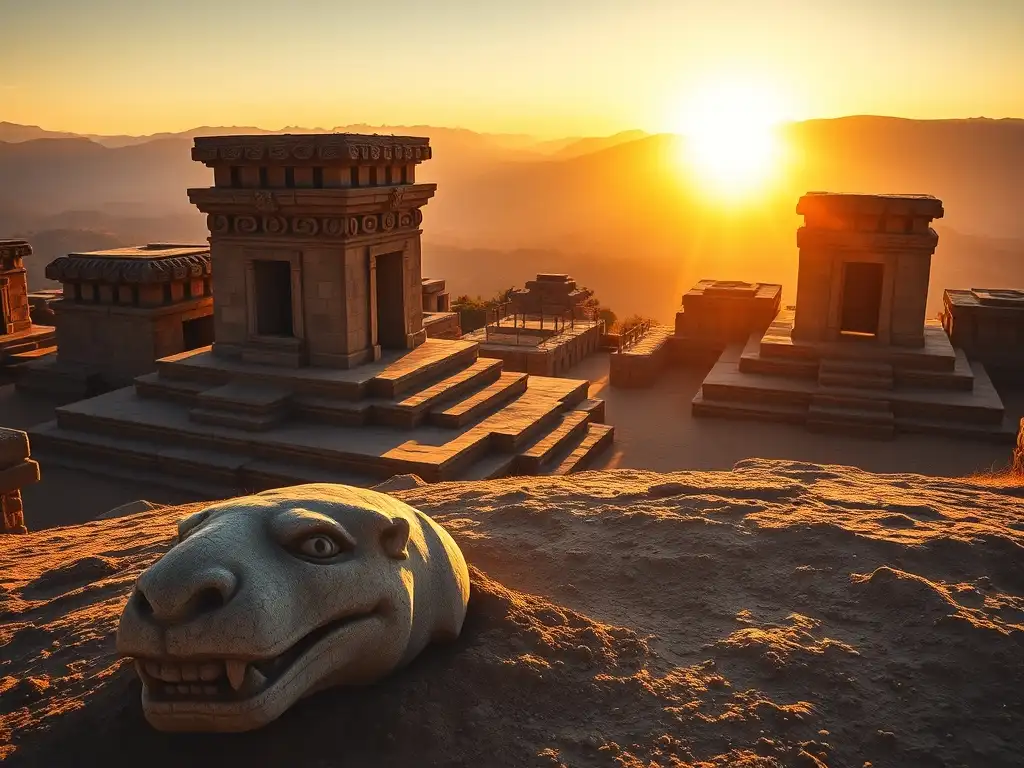
The Chavín culture, flourishing in the northern Andes from approximately 900 to 200 BCE, left an undeniable mark on the trajectory of subsequent Andean civilizations. Its influence wasn't merely a fleeting trend; rather, it represented a foundational shift in Andean societal structures, artistic expression, and religious beliefs. Understanding the depth and breadth of this impact is crucial for a comprehensive grasp of Andean history and the development of its unique cultural identity.
This influence, often subtle yet pervasive, can be traced across centuries, connecting seemingly disparate cultures through shared iconography, architectural styles, and religious practices. The Chavín's legacy extends far beyond its geographical boundaries and temporal lifespan, shaping the cultural landscape of the Andes for millennia.
The Enduring Impact of Chavín on Andean Cultural Identity
The Continuity of Chavín Traditions in Andean Art and Religion
The striking iconography of the Chavín culture—the jaguar deity, the stylized serpents, and the complex geometric patterns—became recurring motifs in the art and religious practices of later Andean societies. These motifs, often adapted and reinterpreted, appear in textiles, ceramics, and monumental architecture across different regions and time periods. For instance, the jaguar motif, a central figure in Chavín iconography, resurfaces in the art of the Moche and Nazca cultures, albeit with variations reflecting their unique stylistic preferences.
This continuity suggests a deep-seated cultural transmission, where the Chavín's religious and artistic ideas were adopted, adapted, and ultimately integrated into the evolving identities of later Andean groups. The persistence of these motifs underscores the enduring power of Chavín's cultural influence. Analysis of these artistic parallels reveals not mere imitation, but rather a process of creative appropriation and transformation, indicating a dynamic exchange of ideas and a shared cultural heritage.
Chavín's Role in Forming a Shared Andean Cultural Heritage
The Chavín culture played a significant role in fostering a sense of shared Andean cultural heritage, despite the geographical diversity of the region. While not a unified empire in the traditional sense, Chavín's influence transcended political boundaries, creating a network of cultural exchange and interaction that connected disparate communities. This interconnectedness, facilitated by the dissemination of Chavín artistic styles and religious beliefs, laid the groundwork for future Andean integration and the development of more expansive political entities.
The shared cultural elements, rooted in Chavín traditions, served as a unifying force, contributing to a sense of collective Andean identity that persisted even as regional variations and unique cultural expressions emerged. The spread of Chavín artistic motifs and religious ideas, facilitated by trade networks and possibly pilgrimage routes, helped create a shared cultural foundation that united distinct Andean communities.
The Chavín Culture Impact: A Precedent for Later Andean Integration
The Chavín culture’s influence provides a crucial lens through which to examine the processes of integration and cultural exchange that characterized later Andean civilizations. The spread of Chavín artistic styles and religious beliefs across a vast geographical area suggests a complex network of interaction and exchange between different communities.
This network, while not necessarily a unified political entity, laid the groundwork for the broader integration that would characterize later Andean empires. The Chavín experience demonstrates how cultural influences, rather than military conquest alone, could play a significant role in shaping regional identities and fostering a sense of shared cultural heritage.
Lessons from the Chavín Period for the Understanding of Andean History
Studying the Chavín culture's impact offers invaluable insights into the dynamics of cultural transmission and the formation of Andean identities. It highlights the importance of considering both material culture (e.g., pottery, architecture) and intangible cultural heritage (e.g., religious beliefs, rituals) when analyzing the long-term impact of a culture. The Chavín case study underscores the complex interplay between diffusion, adaptation, and innovation in the development of Andean civilizations.
Further research into the specific mechanisms of cultural transmission – trade routes, pilgrimage, migration – is needed to fully understand the processes involved. [Specific information pending on the extent of Chavín influence on specific later Andean technological innovations].
The Importance of Recognizing Chavín's Influence on Andean Development
Recognizing the profound influence of the Chavín culture is essential for a nuanced understanding of Andean history and development. Its impact extended beyond mere artistic styles and religious beliefs; it fundamentally shaped the cultural landscape of the Andes, laying the foundation for the distinctive character of later civilizations. By acknowledging the Chavín's contribution, we gain a deeper appreciation for the complex interplay of cultural forces that shaped the rich tapestry of Andean history.
The Chavín culture's legacy serves as a powerful reminder of the enduring power of cultural influence and the interconnectedness of Andean societies throughout history. Ignoring this fundamental influence risks a significantly incomplete understanding of the Andean world. Further research, particularly focusing on [specific information pending: detailed comparative studies of Chavín and later Andean agricultural techniques], is needed to fully illuminate the scope of Chavín's impact.
Frequently Asked Questions
What was the Chavín culture's most significant impact on later Andean civilizations?
The Chavín culture's most significant impact was the widespread dissemination of its religious and artistic styles. This led to a pan-Andean cultural horizon, influencing many subsequent societies. Their artistic motifs and religious iconography became widely adopted.
How did Chavín art influence later Andean artistic traditions?
Chavín art, characterized by fierce feline and serpent imagery, heavily influenced later Andean styles. These motifs appear in the art of cultures like the Moche and Nazca, demonstrating the lasting impact of Chavín aesthetics.
What role did Chavín religion play in shaping subsequent Andean belief systems?
Chavín religion, centered around a complex pantheon of deities, likely influenced the religious beliefs of later Andean civilizations. While details are debated, the emphasis on shamanistic practices and ancestor veneration seems to have been widespread.
Did the Chavín culture have a centralized political system, and if so, how did that affect other Andean groups?
While the extent of Chavín political organization is debated, evidence suggests a network of influence rather than direct control. This indirect influence, through religious and artistic exchange, impacted the development of political structures in other Andean societies.
How did the geographic location of Chavín influence its impact on the Andes?
The Chavín culture's location in the north-central Andes facilitated the spread of its influence. Its strategic position allowed for easier communication and exchange with other Andean regions, impacting a vast area.
Final Reflection: The Enduring Legacy of Chavín
The sophisticated artistry and complex religious ideology of the Chavín culture continue to resonate through the Andean tapestry, profoundly shaping the trajectory of subsequent civilizations. Their influence wasn't merely a fleeting trend; it was a foundational layer upon which later Andean societies built their own unique identities, demonstrating the enduring power of cultural exchange and adaptation. The echoes of Chavín's innovative techniques and symbolic language can still be heard in the artistic expressions and religious practices of later Andean groups.
The pervasive impact of Chavín is a testament to the power of a unified cultural vision, even in the absence of a centralized empire. Their artistic motifs, religious iconography, and architectural styles spread across vast distances, influencing the development of distinct regional cultures while simultaneously creating a sense of shared Andean identity. This interconnectedness, often overlooked in historical narratives focused on individual empires, is crucial to understanding the complex evolution of Andean societies. The past is never dead. It's not even past.
- William Faulkner. This quote perfectly encapsulates the enduring influence of Chavín, whose legacy continues to shape our understanding of Andean history and culture.
Consider the intricate details of Chavín art, the power of their religious beliefs, and the ingenuity of their engineering. You, the reader, are now equipped with a deeper understanding of this pivotal Andean culture. Take a moment to reflect on how the interconnectedness of societies, the power of cultural exchange, and the enduring legacy of past civilizations can inform your own perspective on the world. Let the story of Chavín inspire you to explore the hidden connections within your own community and to appreciate the profound impact of seemingly distant historical events.
Unveil Your Connection to Andean Heritage!
Thank you for exploring the fascinating world of Chavín influence and its enduring impact on Andean civilizations! You've discovered key threads in our rich history, and now it's time to delve deeper.
Ready to enhance your understanding and appreciation of Andean cultures? Here are some engaging ways to continue your exploration:
- Expand your knowledge: Explore additional articles on our site to further understand how Chavín innovations shaped subsequent civilizations.
- Connect with a community: Join our online forum to share your insights and engage with fellow history enthusiasts.
- Experience Andean culture firsthand: Visit a local museum featuring Andean artifacts to witness these influences directly.
Have you considered how Chavín philosophies might inspire modern practices or even your own creative work? We'd love to hear your perspectives!