
Moche Ceramic Molds: The Tools of the Trade

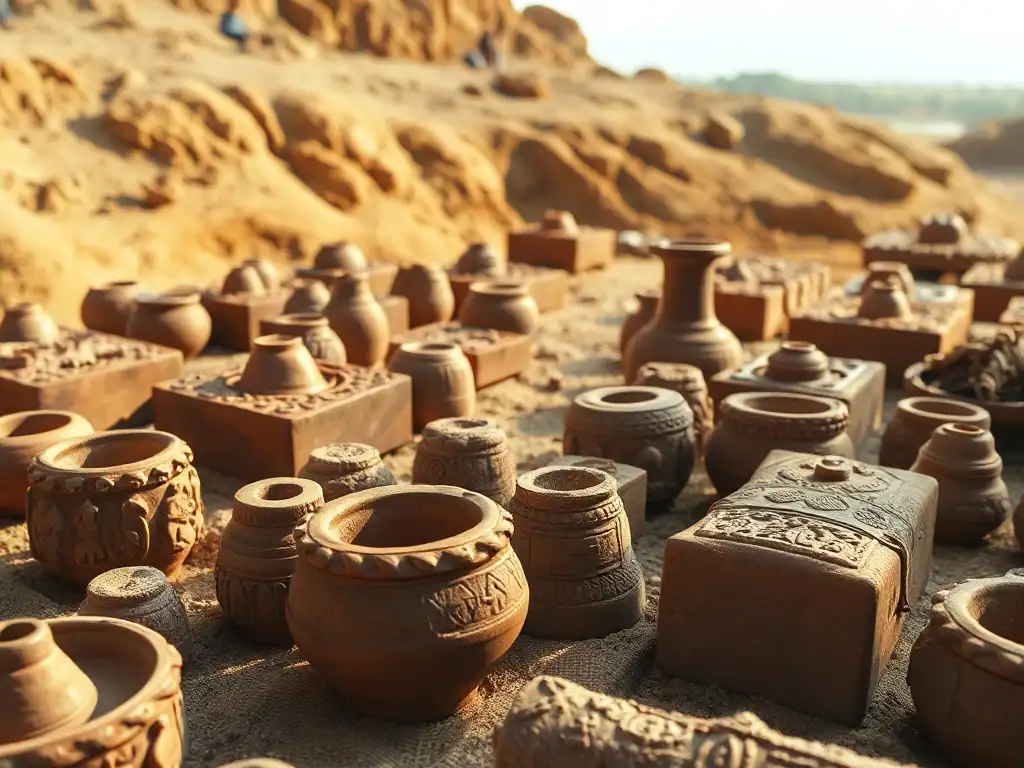
Uncover the secrets of a lost world. For centuries, the breathtaking artistry of the Andean civilizations has captivated the imagination. But have you ever wondered how they achieved such stunning detail? Prepare to be amazed as we delve into the ingenious Moche pottery mold techniques, revealing the masterful craftsmanship behind the iconic ceramics of the Moche civilization. Journey with us to unlock the mysteries of their artistry – and discover a legacy that continues to inspire awe.
The Moche civilization (circa 100-800 CE), renowned for its sophisticated artistry and intricate iconography, left behind a remarkable legacy of ceramic artifacts. Understanding the creation of these stunning pieces requires exploring the ingenious techniques employed by Moche artisans. This article delves into the world of Moche pottery mold techniques, examining the tools and processes that allowed them to mass-produce their distinctive pottery while maintaining a high level of artistic detail. We will investigate the types of molds used, the materials involved, and the overall impact these techniques had on the flourishing of Moche art and its enduring influence on our understanding of Andean culture.
The mastery of Moche ceramic mold techniques represents a significant technological advancement, showcasing the sophisticated level of organization and artistry within this remarkable civilization. Prepare to be amazed by the ingenuity and skill of these ancient masters! 🎉
Types of Moche Ceramic Molds
Moche artisans utilized a variety of molds to create their ceramics, demonstrating a remarkable understanding of material science and manufacturing processes. Evidence suggests they primarily employed two main types: one-piece molds and two-piece molds.
One-piece molds, often made from clay itself, were used for simpler forms. These molds would be carefully shaped and then used to create a single ceramic piece at a time. The process likely involved pressing the clay into the mold, smoothing the surface, and then carefully removing the finished piece. This method was probably best suited for smaller, less intricate items.
Two-piece molds, on the other hand, allowed for the creation of more complex and detailed pieces. These molds consisted of two halves that fitted together precisely, creating a hollow cavity into which the clay was pressed. This technique enabled the production of more elaborate vessels with intricate designs and three-dimensional features. The precision required to create and use these two-piece molds highlights the advanced skill of the Moche potters. The use of two-piece molds also allowed for greater consistency and efficiency in mass production.
Materials Used in Moche Mold-Making
The creation of Moche ceramic molds required specific materials carefully selected for their properties. While precise compositions are still under investigation by archaeologists, evidence points to the prevalent use of clay, a readily available resource in the Andean region. The type of clay used likely varied depending on regional availability and the desired properties of the mold, such as durability and ease of shaping.
Beyond the primary clay component, other materials may have been added to enhance the mold's properties. These additives could have included tempering materials like sand or crushed rock, to increase the mold's strength and reduce shrinkage during drying. The use of organic materials, such as plant fibers, is also a possibility, although this requires further research. The careful selection and preparation of these materials were crucial to the success of the molding process and the quality of the resulting ceramics.
The Moche Mold-Making Process: A Step-by-Step Reconstruction
While we cannot directly observe the Moche creating their molds, careful analysis of surviving artifacts and archaeological evidence allows us to reconstruct a probable step-by-step process. This process likely involved several stages:
- Clay Preparation: The selected clay would have been carefully cleaned and prepared, possibly with the addition of tempering agents.
- Mold Construction: The clay would then be shaped into the desired mold form, either as a single piece or two interlocking halves. Tools such as carving knives and smoothing implements would have been used to achieve the desired level of detail.
- Drying and Firing: The molds would then be carefully dried to prevent cracking before being fired in a kiln. The firing process would harden the mold, making it durable enough for repeated use.
- Ceramic Production: Once fired, the molds would be used to create the ceramic pieces. Clay would be pressed into the mold, excess clay removed, and the mold carefully opened to reveal the finished piece.
- Finishing Touches: Finally, the ceramic pieces would undergo further finishing, such as smoothing, painting, and polishing, to enhance their visual appeal and durability.
This meticulous process, repeated countless times, resulted in the vast and impressive collection of Moche ceramics we admire today.
The Significance of Moche Mold Techniques
The development and mastery of Moche ceramic mold techniques had a profound impact on the civilization's art and society. The ability to mass-produce ceramics allowed for the widespread distribution of pottery, impacting daily life, religious practices, and social status.
The consistent quality and intricate detail achieved through molding also contributed significantly to the distinctive aesthetic of Moche art, leaving a lasting legacy on Andean artistic traditions. Furthermore, the sophisticated organization required to manage the production of molds and ceramics points to a high level of social complexity and specialized labor within Moche society.
The use of molds also enabled the creation of larger-scale pieces, which were often used for ceremonial purposes, highlighting the importance of pottery in Moche religious beliefs and practices. The impact of these techniques extends beyond the Moche themselves, influencing subsequent Andean cultures and leaving a rich tapestry of artistic and technological innovation for us to explore and appreciate.
- Types of Moche Ceramic Molds
- Materials Used in Moche Mold-Making
- The Moche Mold-Making Process: A Step-by-Step Reconstruction
- The Significance of Moche Mold Techniques
Understanding Moche Pottery Production: An Overview
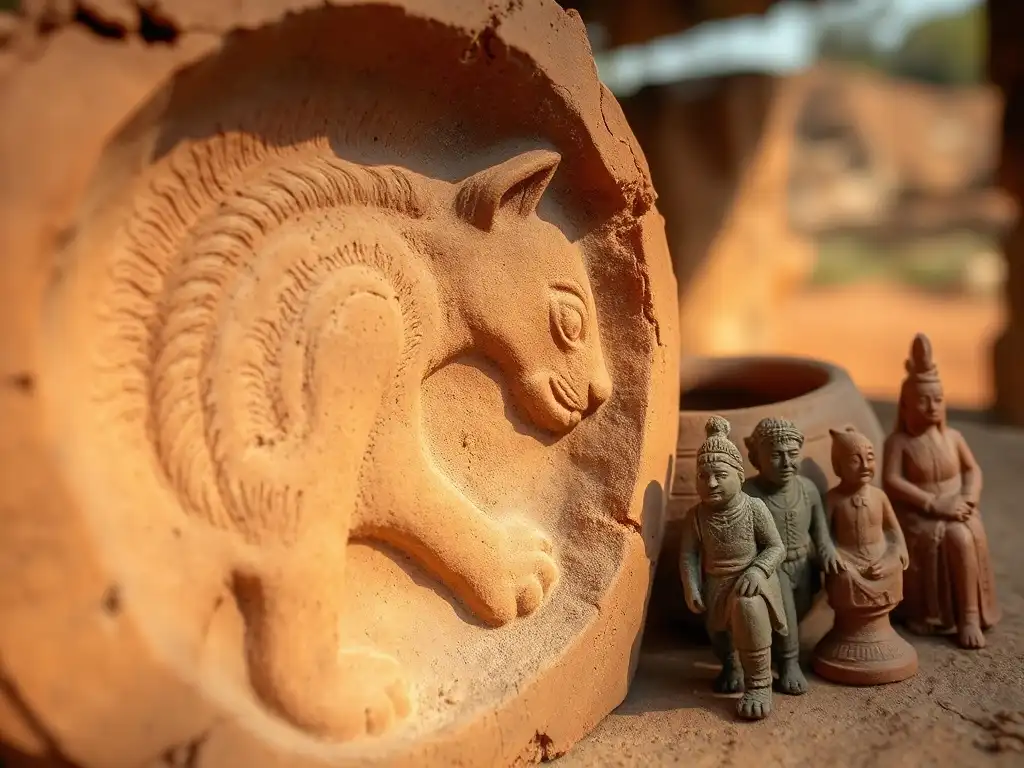
The Moche civilization (c. 100 – 800 CE), renowned for its exquisite and elaborate pottery, achieved a level of ceramic artistry unmatched by many of its contemporaries. Their mastery wasn't simply about artistic skill; it was also about efficient production techniques. Understanding Moche pottery production requires acknowledging the sophisticated organization and technological advancements that fueled their prolific output.
Beyond the striking imagery depicting deities, rituals, and daily life, lies a complex system of production that relied heavily on specialized labor and innovative methods, significantly involving the use of Moche pottery mold techniques. The scale of their ceramic production suggests a well-organized system involving multiple workshops, specialized artisans, and a sophisticated understanding of materials and processes. The standardization seen in many Moche ceramic pieces points towards the use of molds, a crucial element in their mass production capabilities.
This section will explore the role of ceramic molds in achieving this impressive level of production and artistic consistency. The intricate details and consistent quality across numerous pieces strongly suggest a highly organized and efficient production process.
The Importance of Ceramic Molds in Moche Society
The use of ceramic molds wasn't merely a technical shortcut for the Moche; it held significant social and economic implications. The widespread adoption of mold-making technology speaks volumes about the Moche understanding of production efficiency and the societal demand for their distinctive pottery. These molds weren't simply tools; they were integral to the economic structure of the society, facilitating mass production and potentially contributing to the social stratification evidenced in Moche art.
The standardization enabled by molds allowed for the creation of large quantities of pottery, potentially for use in rituals, trade, or everyday life. The complexity of some molds, with their intricate details and multiple components, suggests a high degree of skill and specialization among the artisans creating them. This specialization likely contributed to the hierarchical structure within the Moche society, with mold-makers occupying a significant position within the production chain.
Furthermore, the consistent quality achieved through the use of molds likely contributed to the prestige and value associated with Moche pottery, both within and outside the Moche territory. The discovery of numerous molds in various archaeological sites supports the hypothesis of widespread use and the importance of this technology within their culture. The Moche pottery mold techniques were not only crucial for production, but also reflected the sophisticated organization and social dynamics of the civilization.
Mass Production and the Moche Artisan
The adoption of Moche pottery mold techniques allowed for a level of mass production previously unseen in the region. This wasn't simply about creating more pottery; it was about standardizing forms and allowing for a division of labor among artisans. Instead of each artisan creating a piece from scratch, the process likely involved multiple individuals specializing in different stages of production. Some artisans might have focused on creating the molds themselves, showcasing exceptional skill and artistic precision.
Others might have specialized in preparing the clay, while still others focused on the casting and finishing processes. This division of labor undoubtedly increased efficiency and allowed for a larger output of pottery. The standardization also ensured a degree of consistency in style and design across different pieces, reflecting the organizational capacity of the Moche.
Consider the implications: a single mold could create numerous identical vessels, dramatically increasing production capacity. This allowed for the creation of large quantities of pottery for various purposes, from everyday use to elaborate rituals and funerary contexts. Archaeological evidence suggests that some Moche workshops were quite large, capable of producing vast quantities of pottery in a relatively short amount of time.
The efficiency gained through the use of molds and the division of labor allowed for the Moche to meet the significant demand for their distinctive pottery, further cementing their cultural influence and economic prosperity. The intricate details found on many Moche ceramics, despite being mass-produced, highlight the skill and precision of the artisans involved in each step of the process, from mold creation to final decoration. The combination of advanced Moche pottery mold techniques and specialized labor resulted in a truly impressive feat of ceramic production.
Moche Pottery Mold Techniques: A Deep Dive
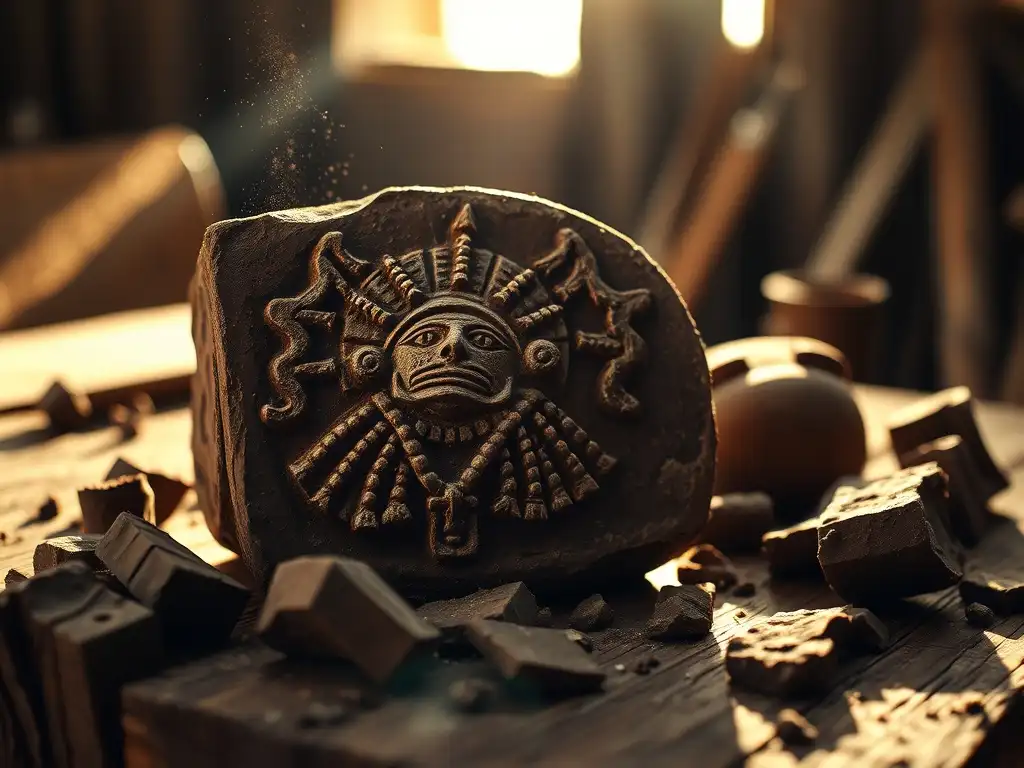
This section delves into the fascinating world of Moche pottery mold techniques, exploring the materials, processes, and ingenuity behind the creation of these iconic artifacts. Understanding these techniques offers invaluable insight into the sophisticated artistry and technological prowess of the Moche civilization. The mastery of Moche pottery mold techniques allowed for mass production of high-quality ceramics, showcasing both standardized designs and remarkable individual artistry.
This intricate process, passed down through generations, reflects the deeply ingrained cultural significance of pottery within Moche society. Analyzing these techniques allows us to appreciate the complexity and skill involved in creating the vibrant and detailed ceramics that define Moche art.
The Materials Used in Moche Mold Making
The creation of Moche pottery molds relied on readily available natural resources, showcasing the resourcefulness of the artisans. The primary material was clay, carefully selected for its plasticity and ability to hold intricate details. Different clay types may have been used depending on the desired properties of the final mold, with some clays possibly offering better durability or finer detail retention.
Evidence suggests that the clay was often mixed with temper—inorganic materials like crushed rock, sand, or shell fragments—to improve its workability and prevent cracking during firing. These tempers also affected the mold's texture and its ability to release the ceramic piece once fired.
Beyond the clay itself, other materials played supporting roles. Some molds show evidence of coatings or washes applied to the inner surfaces, perhaps to facilitate easier removal of the finished ceramic or to improve the mold's longevity. These coatings might have been composed of fine clay slips or other organic materials, the precise composition of which remains a subject of ongoing research.
Furthermore, the use of tools like spatulas or smoothing stones is evident in the meticulous detail of many surviving molds. The selection and preparation of these materials demonstrate a careful understanding of material properties and their impact on the final product. This detailed attention to material selection highlights the sophisticated understanding of material science inherent in Moche pottery production.
Types of Moche Ceramic Molds: Single and Multi-Part
Moche artisans employed two primary types of molds: single-part and multi-part molds. Single-part molds, as the name suggests, consisted of a single piece of clay shaped to create the desired ceramic form. These were simpler to create but limited the complexity of the final product, typically used for simpler shapes or smaller vessels.
Multi-part molds, on the other hand, involved assembling several sections of clay to create more intricate and larger ceramic pieces. This approach allowed for greater detail and the creation of more complex three-dimensional forms. The precise joining of these sections required significant skill and precision, showcasing the advanced techniques employed by Moche potters.
The choice between single-part and multi-part molds likely depended on several factors, including the complexity of the desired design, the size of the final ceramic piece, and the available resources and time. Analysis of surviving molds suggests a preference for multi-part molds for larger, more elaborate vessels, while single-part molds were suitable for smaller, simpler forms. The development and use of multi-part molds represent a significant advancement in pottery technology, reflecting the Moche's innovative approach to ceramic production. This innovative approach allowed for the creation of incredibly detailed and complex ceramic pieces, reflecting both technical skill and artistic vision.
Creating a Single-Part Mold: The Basic Process
The creation of a single-part Moche pottery mold involved a series of meticulous steps. First, the artisan would carefully shape a lump of prepared clay into the desired form, paying close attention to the details of the final ceramic piece. This required a deep understanding of three-dimensional form and a skilled hand. Any imperfections in this initial shaping would be replicated in the final ceramic. Once the basic form was established, the artisan would carefully refine the surface, smoothing out any irregularities and ensuring a consistent texture. This step was crucial for ensuring a clean and well-defined mold.
Following this, the mold might have undergone further treatment, such as the application of a surface coating or wash, as discussed previously. This process likely aimed to improve the mold's properties, such as its ability to release the fired ceramic or its durability. The precise techniques and materials used for these coatings remain an area of ongoing research.
Finally, the mold would be carefully dried and then fired to harden it, making it ready for repeated use in ceramic production. The entire process demanded patience, skill, and a keen eye for detail, underscoring the high level of expertise within Moche society. The repetitive use of these molds, coupled with slight variations in application, likely accounts for the subtle differences seen across seemingly identical Moche ceramic pieces, highlighting the artistry involved even within standardized production.
The Complexity of Multi-Part Molds: Achieving Intricate Designs
The Moche artisans' mastery extended beyond simple, single-piece molds. To create their incredibly detailed and lifelike ceramic pieces, they frequently employed multi-part molds, a testament to their advanced understanding of ceramic production and engineering. These molds, often composed of three or more sections, allowed for the creation of vessels with complex shapes and intricate surface decorations that would have been impossible to achieve with a single mold.
Imagine the precision required to align these numerous sections perfectly, ensuring a seamless final product. The process involved meticulous planning and execution, starting with the creation of individual mold pieces, each carefully carved to represent a portion of the final vessel's form.
The construction of these multi-part molds was a significant undertaking. Evidence suggests the Moche potters used various materials, including clay itself, and possibly even materials like wood or other organic substances that have since decayed, to construct the mold's framework. The individual mold pieces would have been carefully shaped and then assembled, likely using a binding agent such as a clay slip or a natural resin.
The joining points would have needed to be flawlessly smooth to prevent any imperfections from transferring to the final ceramic piece. The creation of these molds was undoubtedly a highly specialized skill, requiring years of training and practice to master. It's a testament to the organizational structure of Moche society that these complex techniques could be consistently reproduced across numerous workshops and over extended periods.
Consider the implications of this advanced molding technique. The ability to create multi-part molds allowed Moche artists to produce highly standardized ceramic forms, potentially facilitating mass production of certain types of vessels. While each piece retained its unique artistic qualities, the underlying mold ensured consistency in shape and size, which would have been crucial for both ceremonial and everyday use. This efficiency, combined with the artistic skill involved, speaks volumes about the sophistication of Moche ceramic production.
The complexity of these molds, and the skill required to use them, is a key factor in understanding the high artistic level achieved in Moche pottery and its enduring legacy. Further research into the specific materials and techniques used in creating these multi-part molds is necessary for a complete understanding of this remarkable aspect of Moche technology. The surviving examples of Moche ceramics are a powerful testament to this sophisticated process.
The Significance of Moche Molded Pottery
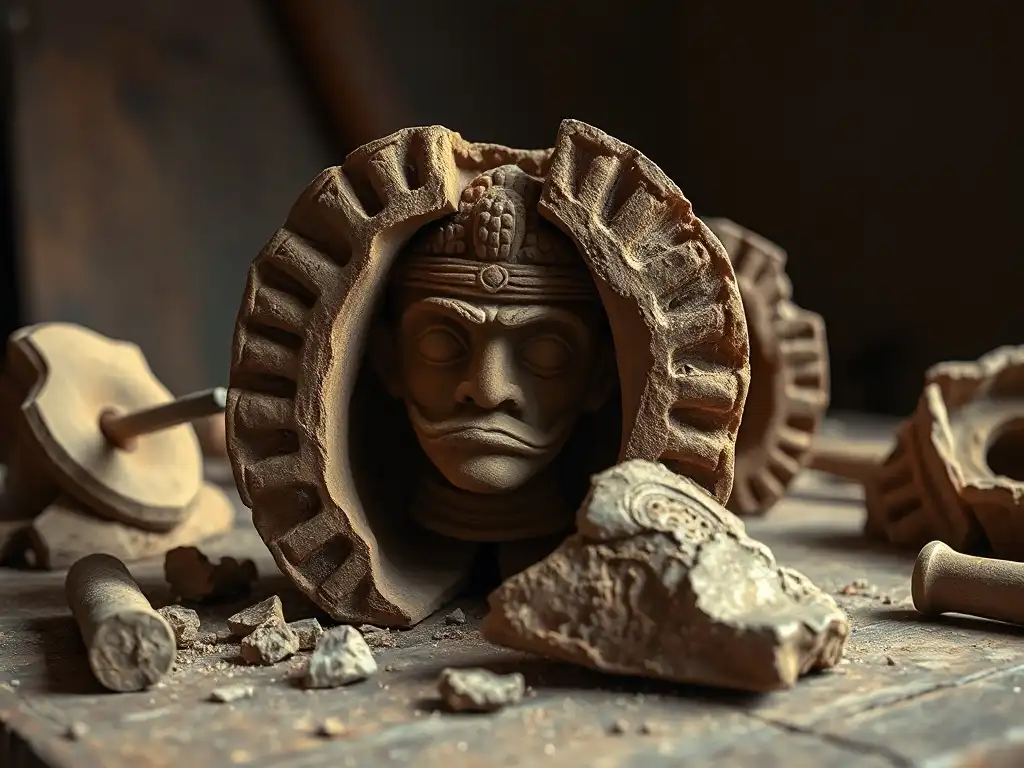
The Moche civilization (c. 100-800 CE) of northern Peru is renowned for its exquisite pottery, characterized by its incredibly detailed and lifelike depictions of figures, scenes, and motifs. A crucial element in understanding the production and dissemination of this art is the extensive use of ceramic molds. These molds weren't simply tools; they were integral to the artistic process, reflecting the societal structure, artistic conventions, and cultural values of the Moche people.
Understanding Moche pottery mold techniques is key to unlocking a deeper understanding of their artistic achievements and the sophisticated technology they employed. This section will explore the various aspects of Moche ceramic molds, emphasizing their importance in shaping the artistic landscape of the civilization.
The sheer number of surviving molded pieces, along with the variations observed in mold construction and usage, reveals a complex system of production that warrants further investigation. The prevalence of these molds suggests a level of standardization and control over the artistic output that is rarely seen in other contemporary cultures.
Standardized Forms and Iconography in Moche Ceramics
The use of molds in Moche pottery production facilitated the creation of standardized forms and the widespread dissemination of specific iconographic elements. Many Moche vessels share remarkably similar shapes, sizes, and decorative features, a testament to the effective use of reusable molds. This standardization wasn't simply a matter of efficiency; it also served a crucial cultural function.
The repetition of certain motifs, such as portraits of elite figures, mythological beings, or scenes depicting ritual practices, reinforces the importance of these subjects within Moche society. For instance, the recurring depiction of decapitated figures in Moche pottery, often created using molds, likely served a symbolic purpose related to warfare, sacrifice, or ritual. The standardization achieved through mold-making ensured that these powerful symbols were consistently reproduced and widely disseminated throughout the Moche realm, strengthening collective identity and reinforcing social hierarchies.
Analysis of surviving molds reveals subtle variations in details, suggesting that artisans might have customized molds to create unique pieces or to reflect regional styles, adding a layer of complexity to this seemingly standardized production process. This nuanced approach shows a sophisticated understanding of both mass production and artistic individuality.
Molds as a Reflection of Moche Artistic Conventions
Moche pottery molds weren't just functional tools; they were also a direct reflection of the artistic conventions and stylistic choices of the Moche artisans. The precision and detail evident in many molded pieces demonstrate the high level of skill and artistry involved in mold creation itself. The molds themselves often show evidence of careful planning and execution, with intricate details carefully carved into the mold surfaces.
These details, ranging from finely rendered facial features to complex textile patterns, were then faithfully reproduced on the finished vessels. This intricate detail points to a well-defined artistic tradition passed down through generations of artisans, with a clear understanding of form, proportion, and composition. Furthermore, the choice of materials and techniques used in mold-making – including the selection of clay types, the construction methods, and the application of slip and paint – also reveals insights into Moche artistic preferences and technological capabilities.
Studying the molds themselves, therefore, provides a unique window into the artistic process and the cultural values that shaped Moche aesthetic sensibilities. The consistency of style across different vessels produced from the same mold underscores the importance of adhering to established artistic canons and the role of molds in maintaining this artistic coherence.
How Molds Enabled the Dissemination of Moche Culture
The widespread use of molds significantly contributed to the dissemination of Moche culture throughout its vast territory. The standardization afforded by molds allowed for the mass production of pottery, enabling the distribution of similar vessels across diverse regions. This facilitated cultural exchange and the sharing of artistic styles and iconographic motifs.
The uniformity of certain pottery types, particularly those featuring specific mythological figures or scenes of ritual activities, helped reinforce a sense of shared identity and cultural cohesion across geographically dispersed Moche communities. The presence of similar molded pottery in different archaeological sites indicates a high degree of interaction and trade between various Moche settlements. Furthermore, the use of molds likely facilitated the transmission of artistic techniques and knowledge, contributing to the widespread adoption of Moche artistic conventions in different regions.
This efficient method of production and distribution, enabled by the innovative use of molds, played a significant role in shaping the cultural landscape of the Moche civilization and its lasting legacy. The impact of mold-made pottery on the dissemination of Moche cultural elements is undeniable, showcasing the civilization's sophisticated understanding of cultural unification through artistic means. The enduring presence of these artifacts serves as a testament to the effectiveness of this strategy.
Examining Specific Examples of Moche Molds
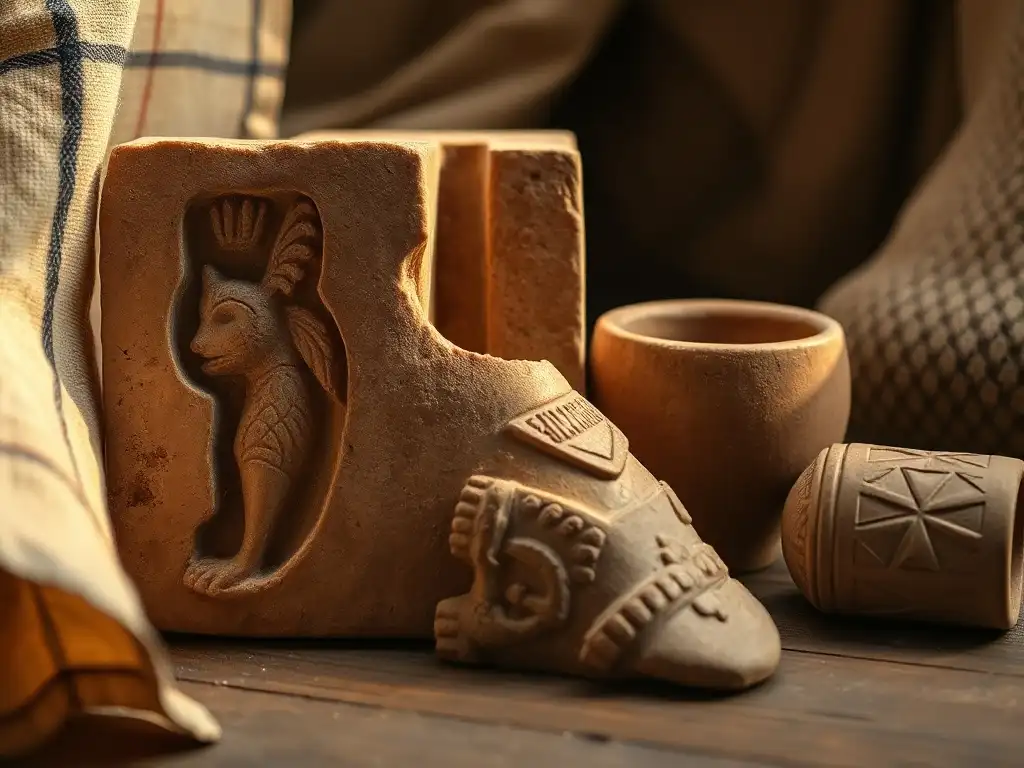
This section delves into the specifics of Moche pottery mold techniques, examining actual examples to illustrate the ingenuity and sophistication of their ceramic production. The Moche weren't simply potters; they were master mold-makers, employing diverse techniques to achieve remarkable results in their iconic pottery. Understanding these techniques provides invaluable insight into their artistic processes and societal organization.
We will explore specific examples of molds and the vessels they produced, revealing the technological prowess behind Moche ceramic artistry. The analysis of these molds is crucial for understanding the evolution of Moche pottery mold techniques and their impact on the broader cultural landscape.
Case Study: The Stirrup Spout Vessel Mold and its Use
The stirrup spout vessel is arguably the most iconic artifact of the Moche culture. These complex vessels, characterized by their distinctive spout resembling a stirrup, were not created individually but through the use of carefully crafted molds. Evidence suggests that these molds were often made from multiple pieces, possibly clay or even a more durable material like stone, fitted together to create the complete form. The process involved pressing damp clay into the mold, carefully smoothing the surface, and then removing the vessel once it had dried sufficiently.
The complexity of the stirrup spout design – often incorporating intricate figural decorations, elaborate spouts, and detailed handles – demands a high level of precision in the mold's construction. Slight imperfections in the mold could lead to significant flaws in the finished vessel, highlighting the skill and experience required of the Moche mold-makers. Analysis of surviving molds reveals meticulous attention to detail, with smooth surfaces and precisely defined features, indicating a high level of standardization in the production process.
This standardization suggests a level of specialization within Moche society, with dedicated craftspeople responsible for mold creation and others for the actual vessel production. The efficiency offered by these molds allowed for the mass production of these complex vessels, ensuring a consistent supply of this culturally significant object.
Case Study: The Mold for Portrait Vessels and its Unique Features
Beyond the stirrup spouts, Moche potters also created incredibly realistic portrait vessels. These vessels, often depicting individuals of high social standing or perhaps even deities, showcase an exceptional level of artistic skill. The molds used for these portraits required an even higher level of precision than those used for stirrup spouts. The realistic rendering of facial features, hairstyles, and adornments necessitates a sophisticated mold-making process.
Unlike the often multi-piece molds used for stirrup spouts, some evidence suggests that portrait vessel molds might have been created as single, more intricately carved pieces. This would allow for finer details and a more seamless final product. The creation of such molds would have involved a significant investment of time and skill, reinforcing the high social status of the individuals depicted in these vessels.
Furthermore, the consistent quality and realism across many portrait vessels suggest a high level of training and expertise within the Moche mold-making community. The use of these molds allowed the Moche to create highly individualized, yet standardized, portraits, effectively capturing individual likenesses while maintaining a consistent artistic style. The precision and skill involved in crafting these molds underscore the advanced pottery mold techniques employed by the Moche.
Analysis: How Molds Reveal Moche Technology
The study of Moche ceramic molds reveals much more than simply artistic techniques; it provides valuable insights into the technology and social organization of the culture. The complexity and precision of the molds demonstrate a high level of technological sophistication, suggesting specialized labor and a well-organized production system. The standardization evident in many mold types points to a level of mass production, indicating a significant demand for certain vessel types.
The materials used in creating the molds, while not always fully preserved, provide clues about the resources available to the Moche and their understanding of material properties. Further research into the specific clay compositions, the use of any additives, and the firing techniques used in mold creation is crucial to fully understanding their pottery mold techniques. The analysis of surviving fragments, combined with ethnographic studies of later Andean ceramic traditions, can provide further insights into the lost techniques and the organization of Moche ceramic production.
This allows us to better appreciate the sophisticated technological and organizational skills that underpinned the widespread production of these iconic vessels. Ultimately, the study of Moche molds illuminates the interconnectedness of art, technology, and society within the Moche civilization.
The Legacy of Moche Molded Ceramics
The Moche civilization's mastery of ceramic mold techniques left an undeniable mark on Andean artistic traditions, influencing pottery styles for centuries after their societal collapse. Their innovative methods, characterized by the use of complex multi-part molds and meticulous detailing, weren't simply replicated; they were adapted and reinterpreted by subsequent cultures.
While the specific techniques might have evolved, the fundamental principles of mold-making – the ability to mass-produce intricate designs while maintaining high quality – continued to shape Andean ceramic production. This enduring influence can be seen in the pottery of later cultures such as the Chimú and Inca, who, although developing their own distinct styles, demonstrably built upon the foundation laid by the Moche.
Analyzing the stylistic similarities and technological advancements across these cultures reveals a direct lineage in ceramic production, highlighting the Moche's significant contribution to Andean artistic heritage. Understanding the legacy of Moche pottery mold techniques provides crucial context for interpreting later Andean art and appreciating the continuity of artistic traditions across vast spans of time.
Influence of Moche Pottery Techniques on Later Andean Cultures
The impact of Moche pottery mold techniques extended far beyond their own time. Later Andean cultures, notably the Chimú, adopted and refined Moche methods, resulting in a recognizable continuity of style and technique. While the Chimú developed their own unique aesthetic, characterized by geometric patterns and a more austere palette, the underlying technology of mold-making remained central to their ceramic production.
Evidence suggests that Chimú artisans likely learned from and built upon existing Moche techniques, adapting them to their own artistic preferences. For instance, the use of pre-fired mold sections, a hallmark of Moche production, is also evident in Chimú ceramics, indicating a direct transmission of knowledge and skill. Furthermore, the widespread use of standardized molds in both cultures points to a shared understanding of the economic and artistic advantages of mass production.
This continuity in technology underscores the deep-rooted influence of Moche ceramic traditions on the artistic development of later Andean societies. The legacy of the Moche is not merely a matter of artistic inspiration; it's a tangible inheritance of technological know-how.
Modern Studies and the Ongoing Research on Moche Molds
Modern researchers continue to uncover new insights into Moche pottery mold techniques through meticulous archaeological excavations and advanced scientific analysis. The study of Moche molds isn't simply about cataloging artifacts; it involves detailed chemical analysis of the clay compositions, three-dimensional modeling of mold structures, and examination of the manufacturing process itself. This interdisciplinary approach, combining archaeological fieldwork with scientific techniques, provides a far richer understanding of the Moche's technological prowess.
For example, recent studies using X-ray fluorescence spectrometry have revealed the specific mineral compositions of Moche clays, shedding light on their sourcing and the potential impact on the final product's durability and appearance. Furthermore, digital 3D modeling of fragmented molds allows researchers to reconstruct the original forms and understand the manufacturing processes with greater accuracy.
This ongoing research is not only enriching our understanding of Moche Moche pottery mold techniques, but also offering valuable insights into ancient Andean technology and artistry. The field is constantly evolving, with new discoveries continually refining our knowledge of this remarkable civilization.
The Enduring Fascination with Moche Ceramic Art
The enduring appeal of Moche ceramic art stems from a captivating combination of technical skill and artistic expression. The intricacy of the molded designs, the vibrant colors, and the compelling iconography continue to fascinate researchers and art enthusiasts alike. This fascination is fueled by the sheer artistry involved in creating such detailed and lifelike representations, often depicting scenes of daily life, religious rituals, and mythical figures.
The technical mastery demonstrated in the creation of these artifacts is equally impressive. The precision required to assemble multi-part molds, ensuring perfect alignment and a seamless final product, speaks volumes about the skills and knowledge of Moche artisans. Moreover, the survival of so many well-preserved pieces is a testament to the quality of their craftsmanship.
The enduring fascination with Moche ceramics reflects not only an appreciation for aesthetic beauty, but also an admiration for the ingenuity and technical sophistication of a civilization that flourished centuries ago. The legacy of Moche pottery continues to inspire awe and wonder, highlighting the enduring power of art to transcend time and culture. 👨🎨🏺
Frequently Asked Questions
What were Moche ceramic molds used for?
Moche artisans used molds to create mass-produced pottery, achieving standardized shapes and designs efficiently. This allowed them to create large quantities of ceramics for various purposes.
What materials were typically used to make Moche pottery molds?
Molds were often made from clay, sometimes fired for durability, and occasionally incorporated other materials for specific effects. The choice depended on the desired outcome and the complexity of the design.
How did the Moche use molds to create such intricate designs?
Moche potters employed pre-made mold sections assembled to form the complete vessel shape. They then applied slip and paint to add intricate details and vibrant colors to their creations.
Were all Moche ceramics made using molds?
No, while molds were widely used for mass production of certain forms, many Moche pieces were created using hand-building techniques, showcasing the artist's individual skill and creativity.
What can Moche pottery molds tell us about their society?
The standardization and mass production evident in mold-made pottery suggest a complex social organization and potentially a centralized system of production. The designs themselves also offer insights into their beliefs and worldview.
Final Reflection: Echoes of the Moche in Modern Hands
The intricate artistry of Moche ceramic molds, far from being relics of a distant past, offers a powerful testament to the enduring human impulse for creative expression and technological innovation. These ancient tools, meticulously crafted and employed with remarkable skill, continue to resonate with contemporary artisans and inspire new generations of artists. Their legacy is not merely historical; it is a living testament to the power of human ingenuity.
The sophistication of Moche mold-making techniques, their understanding of materials science and their commitment to artistic excellence, profoundly impacted the development of ceramic artistry in the Americas and beyond. Their influence can be seen in subsequent cultures, and their innovative approaches continue to challenge and inspire modern ceramicists. The past is never dead. It's not even past.
– William Faulkner. This quote perfectly encapsulates the enduring relevance of the Moche and their remarkable contributions to the world of ceramics. Their legacy is not confined to museums; it lives on in the hands of those who continue to explore the possibilities of clay.
Consider the implications of this ancient technology. The Moche's mastery of mold-making wasn't just about producing beautiful objects; it was about efficiency, standardization, and the democratization of artistic expression. You, too, can draw inspiration from their dedication and ingenuity. Think about how you can apply the principles of innovation and precision to your own creative endeavors, whatever they may be. Let the echoes of the Moche inspire you to push your own boundaries and create something truly remarkable.
Unveil the Artistry of Moche Ceramics!
Thank you for exploring the fascinating world of Moche ceramics with us! You've gained valuable insights into how these ancient artisans expressed their culture and skill. Now let's delve deeper!
Here are some ways to further your understanding and appreciation of Moche pottery:
- Take a pottery class to experience the creative process firsthand and connect with the spirit of a Moche artisan.
- Share your newfound knowledge with friends and family. Host a discussion or virtual gathering to explore ancient art together.
- Visit a museum or gallery showcasing Moche pottery. Engage with the curators to learn more about these remarkable artifacts.
What aspect of Moche ceramics captivates you most, and how will you incorporate that inspiration into your own creative endeavors?