
More Than Adornment: The Functional Uses of Metals in Andean Societies

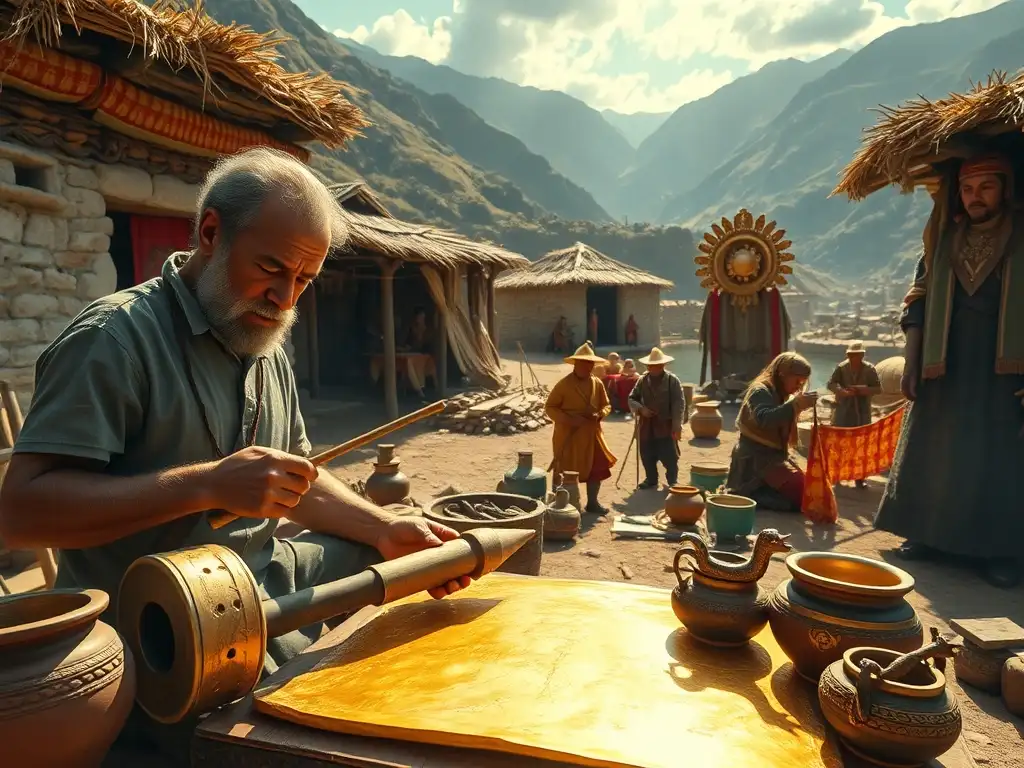
Dive into a world lost to time, yet echoing with innovation. Forget glittering gold – the Andean civilizations harnessed metals for far more than mere adornment. Prepare to uncover the surprising functional uses of Andean metalwork, a testament to their ingenuity and mastery of technology. Discover how these ancient societies shaped metal into tools and objects crucial to their daily lives – a story far more intricate than you might imagine. Explore the fascinating details now and unravel the secrets hidden within the Andean legacy.
The shimmering gold, the intricate silver, the practical bronze – Andean metalwork is often perceived solely through the lens of its aesthetic beauty. Museums showcase dazzling artifacts, highlighting the artistry and skill of ancient Andean metallurgists. However, this perspective overlooks a crucial aspect of Andean metalworking: its profound functionality within the social, political, and everyday lives of these sophisticated societies.
This article delves into the diverse and often unexpected functional uses of metals in Andean civilizations, revealing the crucial role they played beyond mere ornamentation. We will explore how these societies harnessed the properties of metals to shape their world, from agricultural tools to religious objects, demonstrating the ingenuity and technological advancement that characterized their mastery of metallurgy.
Understanding these functional aspects provides a richer, more complete picture of Andean ingenuity and societal structures. We will examine specific examples from various Andean cultures, including the Incas, Moche, Nazca, and Tiahuanaco, to illustrate the breadth and depth of Andean metalworking's practical applications.
Agricultural Implements and Tools
Andean societies relied heavily on agriculture for sustenance. Metal, particularly bronze and copper alloys, played a vital role in enhancing agricultural productivity. While stone tools remained prevalent, metal tools offered superior durability, sharpness, and efficiency. Evidence suggests the widespread use of metal hoes, plows (in certain regions), sickles, and axes for tasks such as tilling the land, harvesting crops, and clearing forests.
The precise designs varied across different cultures and time periods, reflecting adaptations to specific environmental conditions and agricultural practices. The increased efficiency provided by metal tools likely contributed to the intensification of agriculture and the support of larger, more complex societies. The superior durability also meant less frequent replacement, reducing labor costs and improving long-term productivity. Furthermore, the production of these tools itself required specialized skills and knowledge, contributing to the development of a skilled artisan class within Andean communities.
Weapons and Warfare
The strategic importance of metal in warfare is undeniable. Andean civilizations utilized metal to create a range of weapons, including swords, spears, knives, and mace heads. The quality and type of metal used often reflected the status and power of the warrior or the society itself. Gold and silver, while sometimes incorporated into weapons for symbolic purposes, were not always the most practical choices for combat due to their malleability.
Instead, bronze and copper alloys, known for their hardness and durability, were more commonly employed in the creation of effective and lethal weaponry. The development of sophisticated metalworking techniques allowed for the creation of increasingly complex and effective weapons, contributing to shifts in military power and the dynamics of warfare across the Andean region. Analysis of these weapons reveals insights into the military strategies and technological advancements of different Andean cultures.
Religious and Ceremonial Objects
Beyond practical applications, metals held immense symbolic and religious significance in Andean societies. Gold, in particular, was often associated with the sun and divinity, making it a prized material for crafting religious artifacts. These included intricately crafted figurines, masks, and ornaments used in rituals and ceremonies. Silver, too, held religious importance, often associated with the moon or other celestial bodies.
The creation of these objects required exceptional skill and artistry, demonstrating the high social status and specialized knowledge of the artisans involved. The meticulous craftsmanship and the use of precious metals underscore the importance of religion and ritual in the lives of Andean peoples. The symbolic representation through metal objects provides a window into their cosmology and beliefs.
Textiles and Clothing Production
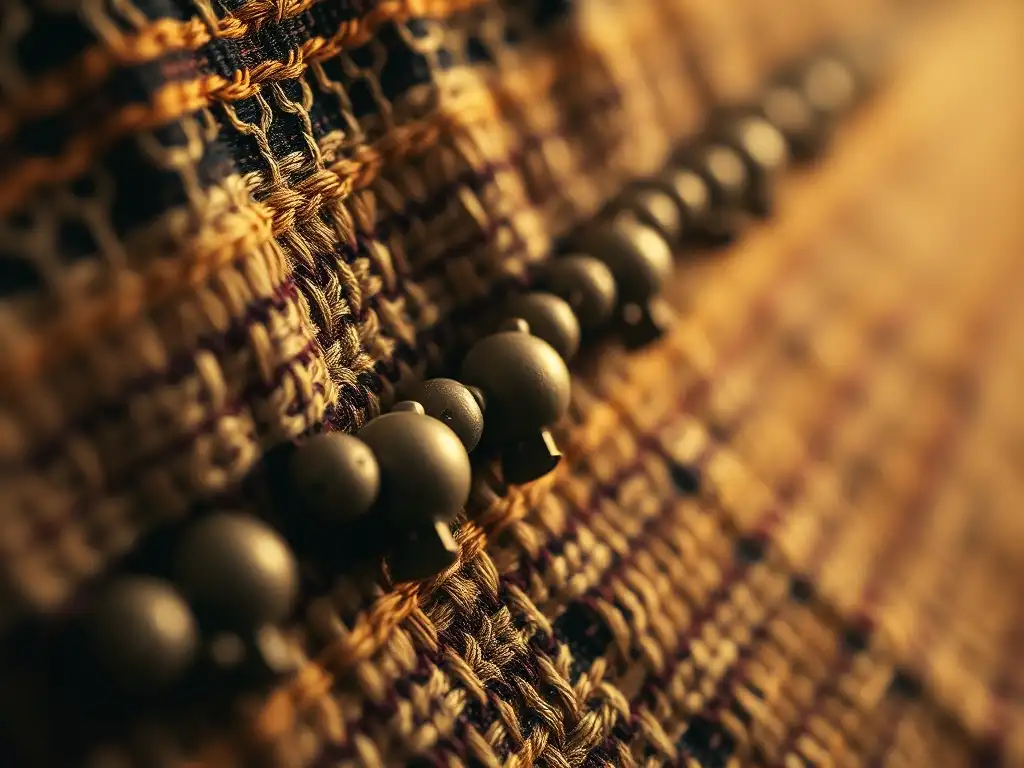
While not directly used in the construction of textiles, metals played a crucial role in their production. Metal needles, for example, were used for weaving and stitching, allowing for the creation of more intricate and durable garments. The use of metal tools in textile production highlights the interconnectedness of different aspects of Andean technology and demonstrates how the mastery of metallurgy impacted various facets of daily life.
Analysis of surviving textile fragments often reveals traces of metal tools used in their creation, further supporting this connection. The quality and variety of textiles, in turn, reflected the social status and wealth of the wearer.
Everyday Objects and Tools
Finally, the functional uses of metals extended to numerous everyday objects and tools. Metal was used to create items as diverse as jewelry (which served practical purposes beyond adornment, such as protection and status indicators), agricultural tools as mentioned above, utensils for food preparation and consumption, and even components of building structures. This widespread use underscores the integral role of metal in the daily lives of Andean people across various social strata.
The diversity of these objects reflects the adaptability and ingenuity of Andean metallurgists in applying their skills to a wide range of practical needs. Studying these objects offers invaluable insights into the daily routines and technological capabilities of these ancient societies.
- Agricultural Implements and Tools
- Weapons and Warfare
- Religious and Ceremonial Objects
- Textiles and Clothing Production
- Everyday Objects and Tools
- What were some of the everyday functional uses of metals in Andean societies?
- How did the Incas use metals in a functional way, beyond ornamentation?
- Did all Andean cultures use metals in the same way?
- What types of metals were most commonly used by Andean civilizations for functional purposes?
- Where can I learn more about the functional uses of Andean metalwork?
Andean Metalworking Beyond Decoration: An Introduction
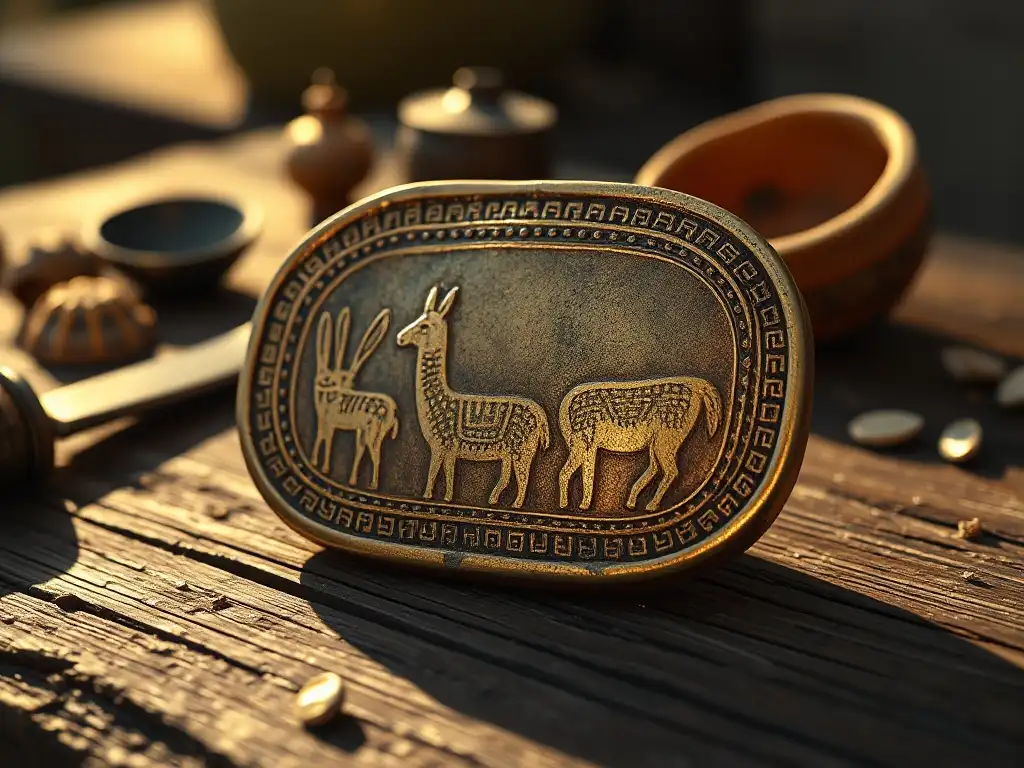
This section delves into the multifaceted roles of metal in Andean societies, moving beyond the commonly perceived aesthetic function to explore its crucial contributions to daily life, social structures, and ritual practices. The term "Andean metalwork functional uses" often overlooks the intricate interplay between the symbolic and the practical. While the exquisite craftsmanship and artistry of Andean metalwork are undeniable, a deeper understanding reveals a complex system where functionality was intrinsically linked to social status, religious beliefs, and technological prowess.
We will examine specific examples to illustrate how metal objects served far more than mere adornment. The sophistication of Andean metallurgy, particularly its impact on daily life, warrants a closer look at its practical applications.
The Significance of Metallurgy in Andean Civilizations
Metallurgy's emergence in the Andes marked a transformative period. The mastery of metalworking wasn't simply about creating beautiful artifacts; it signified significant advancements in technology, social organization, and religious practices. The ability to extract, refine, and shape metals like gold, silver, copper, and bronze signified control over valuable resources and fostered specialized labor. This expertise wasn't evenly distributed; access to and control over metalworking techniques often reflected social hierarchy.
For example, the elite classes often commissioned elaborate gold and silver objects, highlighting their power and status. But the functional uses of metal extended far beyond the elite, impacting the lives of commoners in various ways. The development of metal tools, for instance, significantly improved agricultural practices and increased productivity.
This increased efficiency had a cascading effect on the entire society, influencing food production, population growth, and the overall societal structure. The profound impact of metallurgy on Andean civilizations underscores its importance beyond its artistic merit. The sheer range of objects crafted, from intricate jewelry to practical tools, reflects the versatility and importance of metal in their daily lives.
Understanding the Scope of Andean Metal Craft
The scope of Andean metal craft was incredibly diverse. While gold and silver were highly prized for their aesthetic qualities and used in ceremonial objects and elite adornment, copper and bronze played crucial roles in practical applications. Consider the following breakdown:
| Metal | Functional Uses | Examples | Social Significance |
|---|---|---|---|
| Gold | Ceremonial objects, elite adornment, religious rituals | Masks, tumbagas, jewelry, decorated weaponry | Symbol of power, divinity, and high social status |
| Silver | Similar to gold, but also used in utilitarian objects | Plates, bowls, tools | High value, but also practical applications |
| Copper | Tools, weapons, domestic implements | Axes, knives, needles, chisels | Essential for agriculture and daily life |
| Bronze | Tools, weapons, ornaments | Bells, figurines, tools | Enhanced durability and versatility |
The development of alloys, such as tumbaga (a gold-copper alloy), demonstrates the advanced metallurgical knowledge of Andean societies. This wasn't simply a matter of combining metals; it involved a sophisticated understanding of the properties of different metals and how to manipulate them to achieve desired results. The creation of tumbaga objects, often with intricate designs and varying shades of color, showcases both artistic skill and metallurgical expertise.
The precise techniques used in creating these alloys remain a subject of ongoing research, highlighting the depth and complexity of Andean metalworking traditions. The functional uses of these alloys ranged from everyday tools to highly valued ceremonial objects, underscoring their versatility and importance within Andean society. Further research into specific techniques and the social context of metal production is crucial to fully appreciate the significance of Andean metalwork.
Functional Applications of Metals in Daily Andean Life
This section delves into the practical applications of metalwork in the daily lives of Andean societies, moving beyond the often-highlighted aesthetic aspects of their artistry. The mastery of metallurgy wasn't merely for creating dazzling ornaments; it was crucial for technological advancement across various sectors of Andean life. The ingenuity demonstrated in Andean metalwork significantly improved efficiency and quality of life, profoundly shaping their civilization. Understanding the functional uses of Andean metalwork provides a more complete picture of their advanced technological capabilities and societal organization. The term "Andean metalwork functional uses" itself highlights this often-overlooked aspect.
Metal Tools for Agriculture: The Chaquitaclla and Raucana
Agriculture formed the backbone of Andean societies, and metal tools played a vital role in optimizing agricultural practices. The chaquitaclla, a distinctive Andean foot plow, is a prime example. Unlike plows pulled by animals, the chaquitaclla was a lightweight, hand-held tool crafted from bronze or copper alloys. Its design, featuring a flat, blade-like base and a long handle, allowed for efficient soil turning and aeration, particularly effective in the challenging Andean terrains. Its widespread use demonstrates the importance of metalworking in increasing agricultural productivity and supporting a growing population.
Furthermore, the raucana, a type of metal hoe, complemented the chaquitaclla. Made from durable metals, the raucana's robust construction allowed for effective weeding and tilling, further enhancing agricultural yields. The development and widespread adoption of these metal tools represent a significant technological leap, enabling Andean farmers to cultivate larger areas and produce more food, contributing significantly to their societal stability and prosperity. Specific alloys used in their construction, while needing further research, likely varied depending on regional access to minerals and desired tool properties (e.g., hardness, flexibility). This highlights the sophisticated understanding of metallurgy within different Andean communities.
Mining Implements: Picks, Chisels, and Hammers
The Andean civilizations were adept miners, extracting valuable metals like copper, gold, and silver. This extensive mining activity required specialized tools, and metalworking played a crucial role in their creation. Metal picks, chisels, and hammers, forged from durable alloys, were essential for excavating ore and shaping tunnels within mines. The use of metal tools significantly improved mining efficiency compared to earlier stone implements, allowing for deeper and more extensive mining operations.
The design of these tools reflects an understanding of material science and engineering principles. For example, picks were designed with sharpened points for breaking rock, while chisels were crafted with broader, flatter heads for shaping and smoothing surfaces. Hammers, often made of heavier metals, provided the necessary force for breaking and shaping materials.
The precision and craftsmanship evident in these tools underscore the highly skilled nature of Andean metalworkers and their critical contribution to the extraction of valuable resources that fueled their economic and technological advancements. The prevalence of these tools in archeological findings provides concrete evidence of the scale and sophistication of Andean mining activities.
Metal Utensils for Food Preparation: Knives, Spoons, and Cooking Plates
Beyond agriculture and mining, Andean metalwork extended to the realm of food preparation. Metal knives, spoons, and cooking plates, often decorated with intricate designs, were not merely utilitarian objects; they also reflected the aesthetic sensibilities of Andean cultures. However, their functional role in daily life was paramount. Metal knives, for instance, allowed for more precise and efficient cutting of food, improving food preparation and potentially influencing dietary habits.
Metal spoons, crafted from various alloys, provided a more hygienic and durable alternative to wooden or bone spoons. Similarly, metal cooking plates offered improved heat distribution and durability compared to earthenware, potentially leading to changes in cooking techniques and food preservation. The variety of shapes, sizes, and alloys used in these utensils indicates a sophisticated understanding of the properties of different metals and their suitability for specific culinary tasks.
Further research into the specific types of alloys and their impact on cooking practices could yield valuable insights into Andean culinary traditions and their connection to metallurgical advancements. The discovery of these implements in various archeological sites strongly supports the widespread use of metal utensils in Andean kitchens.
Metal Craftsmanship in Textile Production: Needles, Spindles, and Loom Parts
The intricate textiles produced by Andean cultures were not solely the product of skillful weaving techniques; the tools employed played a vital role in achieving the high quality and complexity of the finished products. Metal, particularly copper and bronze, proved invaluable in the creation of these essential tools. The development of sophisticated metalworking techniques allowed for the production of needles, spindles, and loom parts with unparalleled precision and durability. This significantly enhanced the efficiency and quality of textile production, impacting both domestic and elite crafts.
Consider the humble needle. While bone and wood needles existed, metal needles offered a superior combination of strength and sharpness. This allowed for the manipulation of finer threads and the creation of more intricate patterns. The durability of metal needles meant less breakage and less time spent replacing worn-out tools, boosting productivity for weavers. Archaeological finds consistently reveal the presence of metal needles in various Andean contexts, illustrating their widespread use across different social strata. The shapes and sizes varied depending on the intended use, reflecting a level of specialization in metalworking tailored to the textile industry.
Spindles, crucial for spinning yarn, also benefited from the adoption of metal. Metal spindles, often crafted from copper alloys, were heavier and more durable than their wooden counterparts. This weight helped maintain a consistent spin, resulting in a more even and finer yarn.
The improved balance and weight distribution of metal spindles likely increased spinning speed and reduced fatigue for the spinner, leading to a greater output of yarn. The design of these spindles also often incorporated decorative elements, highlighting the importance of textile production within Andean society and the prestige associated with the skilled artisans who produced both the spindles and the textiles themselves.
Finally, the incorporation of metal into loom parts represents a significant advancement in weaving technology. While the basic structure of Andean looms remained largely unchanged for centuries, the use of metal for specific components, such as heddles or weights, improved their functionality. Metal heddles, for example, would have provided greater control over the warp threads, allowing for more complex weaving patterns and greater precision in the finished textile.
Similarly, metal weights would have been more durable and consistent in their application of tension to the warp, ensuring evenness in the woven fabric. The use of metal in these components further underscores the close relationship between metalworking and textile production in Andean societies. The integration of metal into these tools represents a significant leap in technological advancement, enhancing efficiency and enabling the creation of the remarkable textiles for which the Andean cultures are renowned.
Military and Defense Applications of Andean Metalwork
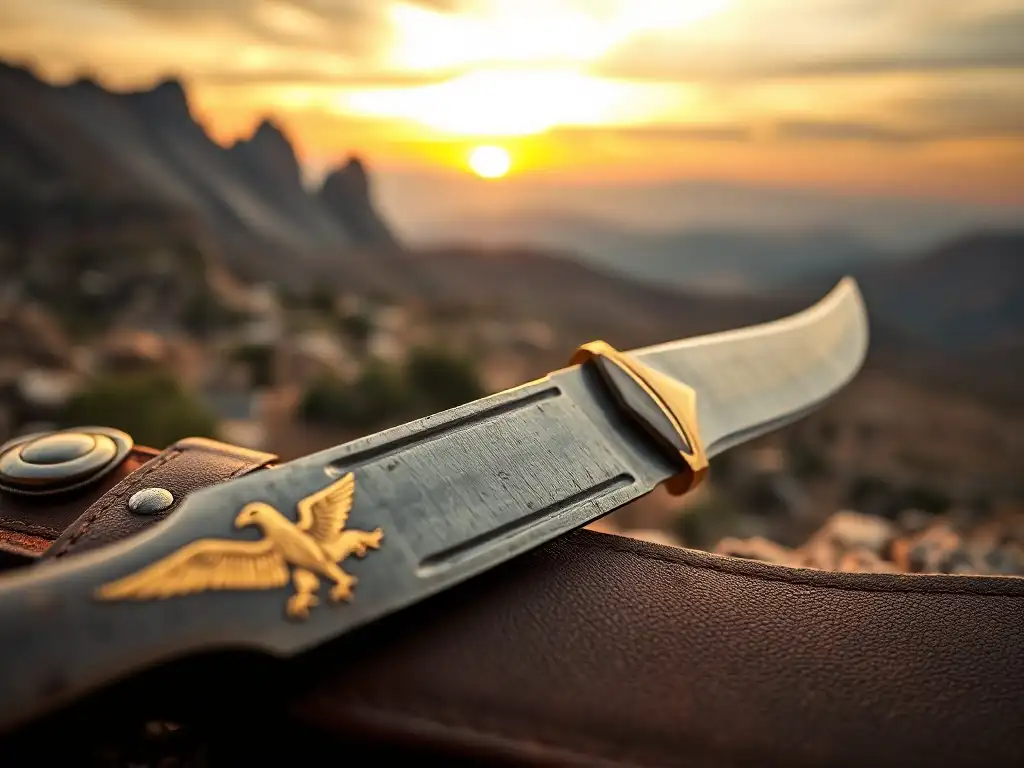
The mastery of metallurgy in the Andes wasn't solely for aesthetic purposes; it played a crucial role in military might and defense strategies. Andean metalwork functional uses extended far beyond ornamentation, significantly impacting warfare and societal protection. The skilled artisans of various Andean cultures, including the Incas, Moche, and Chimú, produced a range of metal implements specifically designed for combat and fortification. The sophistication of these technologies underscores the advanced understanding of metallurgy within these societies and their strategic importance in maintaining power and security.
Metal Weaponry: Axes, Spears, and Mace Heads
Metal weaponry significantly enhanced the effectiveness of Andean armies. While stone tools remained in use, the introduction of metal – primarily copper, bronze, and later, gold and silver alloys – provided a decisive advantage in close-quarters combat. Axes, for instance, were crafted with meticulously shaped blades, often reinforced with additional metal bands for durability. These weren't merely chopping tools; they were fearsome weapons capable of delivering devastating blows.
Similarly, spear points, meticulously crafted from bronze or copper alloys, were designed to penetrate armor and inflict significant damage. The careful shaping of the spear points, often with barbs to prevent easy removal, demonstrates a high level of technological skill. Mace heads, fashioned from dense metals like bronze, delivered crushing force, capable of breaking bones and disabling opponents.
Archaeological findings consistently reveal the prevalence of these metal weapons across various Andean cultures, highlighting their importance in warfare. The size and weight of these weapons varied according to their intended use and the social status of the warrior wielding them. For example, larger, more elaborately decorated axes might have been reserved for elite warriors or ceremonial purposes.
Protective Gear: Breastplates and Headgear
Beyond offensive weaponry, Andean metalworking also contributed to defensive capabilities. While full suits of armor were not common, certain protective gear was crafted using metal. Breastplates, often made from hammered copper or bronze sheets, provided crucial protection for the torso against blows from weapons.
These breastplates weren't standardized; their design and construction varied depending on the specific needs and resources of the individual or group. Some were simple, flat plates, while others were more complex, incorporating additional features such as reinforcing ribs or decorative elements. Similarly, metal headgear, ranging from simple metal plates to more elaborate helmets, offered protection for the head, a vital area in close-combat situations.
The creation of these defensive items showcased a deep understanding of metallurgy and an ability to shape metal into forms that provided effective protection. Further research is needed to fully understand the extent of protective gear usage across different Andean cultures and its impact on military tactics and strategy. [Specific information pending on the prevalence of different types of protective gear across various Andean cultures].
Metal in Fortifications: Reinforcements and Gate Hardware
Andean metalworking also played a crucial role in strengthening fortifications. While stone remained the primary building material for walls and structures, metal was strategically incorporated to enhance defensive capabilities. Metal reinforcements, such as plates or bars, were used to strengthen vulnerable points in walls, gates, and other defensive structures.
Metal was also used in the construction of gate hardware, including hinges, locks, and other mechanisms. These metal components increased the durability and security of fortifications, making them more difficult to breach. The use of metal in fortifications highlights the interconnectedness between metallurgical advancements and military engineering in Andean societies.
The strategic placement of metal reinforcements suggests a sophisticated understanding of defensive architecture and the importance of combining different materials to create strong and resilient structures. Further analysis of archaeological sites is required to fully understand the extent and variations of metal usage in Andean fortifications across different time periods and cultures. The study of these fortifications promises to reveal more about the strategic thinking and engineering prowess of these ancient Andean civilizations.
Ritualistic and Ceremonial Uses of Metals in the Andes
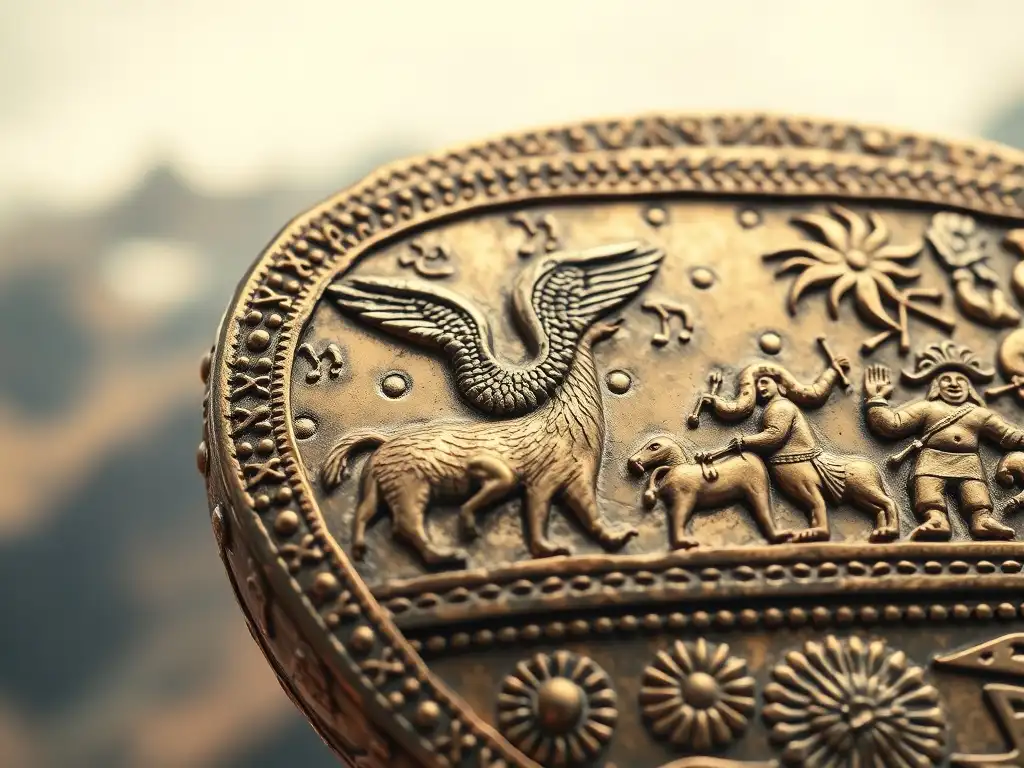
The shimmering allure of gold, silver, and copper wasn't solely for aesthetic purposes in Andean societies. While undeniably valued for their beauty, these metals played a crucial role in religious practices, signifying power, divinity, and connection to the spiritual realm. The meticulous craftsmanship evident in many artifacts underscores the profound significance attributed to metalwork within Andean religious beliefs. Understanding the functional uses of metals in this context reveals a deeper appreciation for the sophisticated worldview of these ancient cultures. This section explores the diverse ways Andean civilizations incorporated metals into their rituals and ceremonies.
Metal Offerings: Figurines, Cups, and Plaques
Metal figurines, often depicting deities, animals, or humans, served as important offerings to the gods. These weren't simply decorative items; they were carefully crafted objects imbued with spiritual power, intended to appease or honor supernatural entities. The meticulous detail in these figurines, from the intricate facial features to the carefully rendered clothing, highlights the dedication and skill of the Andean metalworkers.
For example, Moche gold figurines, frequently depicting warriors or shamans, often show remarkable detail in their headdresses and weaponry. These were not mass-produced; each piece represents a significant investment of time and skill, reflecting their importance in ritualistic contexts. Furthermore, elaborate gold and silver cups and plaques were used in ceremonies, possibly containing offerings of chicha (a fermented corn beverage) or other sacred substances.
The presence of these objects in tombs and ceremonial sites strongly suggests their ritual significance. Analysis of the chemical composition of the metals used, and the techniques employed in their creation, can provide further insights into the specific rituals and beliefs of these cultures. The size and complexity of some offerings also suggest a hierarchy in the offerings themselves, with larger, more intricately crafted pieces potentially reserved for particularly important ceremonies or deities.
Metal Masks and Regalia: Crowns, Headdresses, and Ornaments
Beyond figurines and vessels, metals were extensively used to create masks and regalia for both the living and the dead. Gold and silver masks, often covering the entire face, were frequently found in elite burials, suggesting their use in funerary rituals or as representations of deceased rulers or deities. The craftsmanship of these masks was exceptional, with intricate details capturing the expressions and features of the individuals they represented.
Similarly, crowns, headdresses, and other ornaments made of gold, silver, and copper were worn by individuals of high social standing during ceremonies and rituals. These items were not merely decorative; they served as powerful symbols of authority, status, and connection to the divine. The use of precious metals in these regalia emphasized the wearer's elevated position within society and their closeness to the spiritual world.
The weight and size of some headdresses, especially those incorporating feathers and other materials alongside metal, suggests the significant physical and symbolic burden associated with wearing them, further highlighting their importance in rituals and ceremonies. Studying the iconography present on these masks and regalia can provide valuable information about Andean cosmology and religious beliefs.
The Symbolic Significance of Metal: Power, Status, and Divine Connection
The use of metals in Andean rituals was deeply intertwined with concepts of power, status, and divine connection. Precious metals like gold, often associated with the sun and its life-giving properties, were considered sacred and were closely linked to the realm of the gods. Silver, on the other hand, was associated with the moon and the underworld. The careful selection and combination of metals in ritual objects likely reflected specific religious beliefs and cosmological understandings.
The possession and display of metal objects, particularly those made of gold and silver, were clear markers of social status and power. Elites frequently wore elaborate metal ornaments and were buried with lavish metal grave goods, reflecting their elevated position within society and their access to the resources and expertise required to create these objects. The symbolic association of metals with power and divinity is also reflected in the iconography present on many metal artifacts. For example, representations of deities often included metal elements, emphasizing their divine status and power.
The careful study of these symbols and their context within the broader Andean worldview helps us to better understand the multifaceted role of metals in their culture. The scarcity and difficulty of working with these metals only added to their perceived value and symbolic significance. The sophisticated metallurgical techniques developed by Andean civilizations further enhanced the prestige and power associated with their metalwork.
Engineering and Construction Applications of Andean Metal Technology
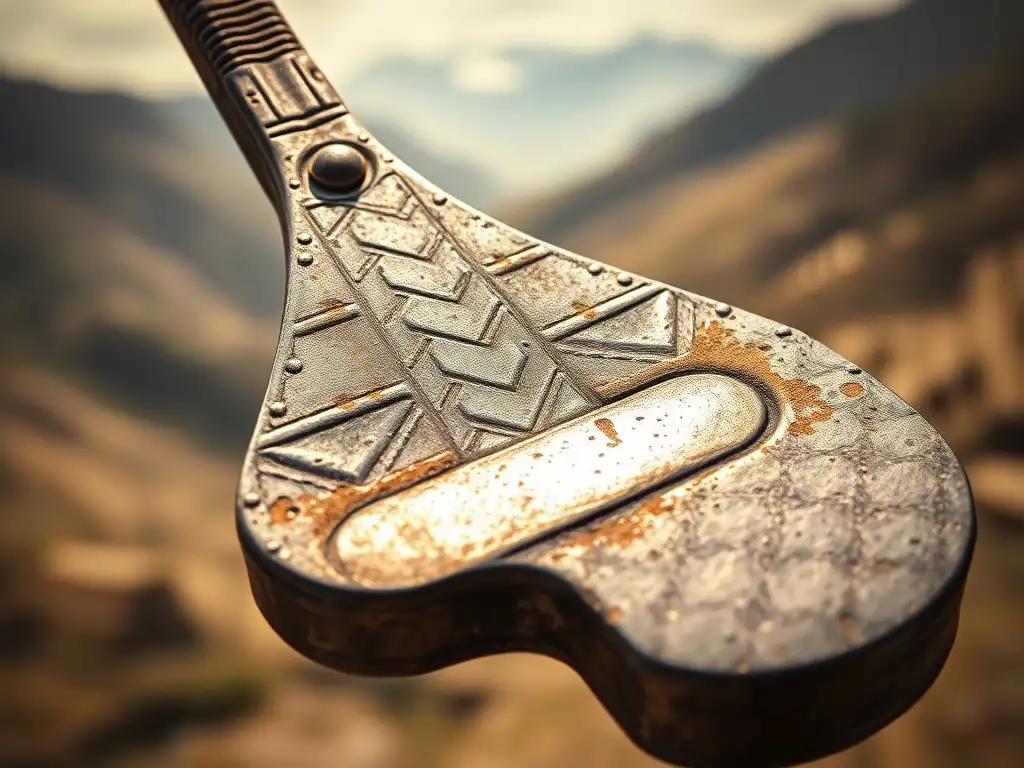
The mastery of metallurgy in Andean societies extended far beyond the creation of exquisite jewelry and ceremonial objects. Metalworking played a crucial role in engineering and construction, significantly impacting the infrastructure and architecture of these impressive civilizations. The ingenuity displayed in applying metals to practical applications showcases a sophisticated understanding of material properties and engineering principles.
Analyzing the functional uses of Andean metalwork reveals a level of technological advancement often underestimated. This section will explore some key examples of how Andean peoples integrated metals into their building projects and infrastructure. The impact of these innovations on Andean society can't be overstated; their metalwork enabled more complex and ambitious constructions.
Metal Fasteners: Clamps, Staples, and Dowels in Stone Structures
Andean builders utilized various metal fasteners to enhance the stability and precision of their stone structures. While stone-on-stone construction was prevalent, the use of metal clamps, staples, and dowels provided crucial reinforcement, particularly in monumental architecture. These metallic elements, often made of copper alloys or bronze, were carefully shaped and inserted into pre-drilled holes or grooves in the stone blocks. This technique improved the structural integrity of walls, preventing shifts and collapses.
Analysis of surviving structures reveals that these metal fasteners were not merely decorative; they were essential components of the construction process. Evidence suggests that the choice of metal and the design of the fasteners were tailored to the specific structural needs of the building, indicating a sophisticated understanding of engineering principles. The precision required to create these fasteners and to integrate them into the stonework is a testament to the skill and expertise of Andean metalworkers. Furthermore, the use of these metal components showcases the careful planning and execution involved in the construction of even the most massive structures.
The strategic application of these metal elements highlights their importance in ensuring the longevity and stability of Andean constructions. For example, studies of Inca masonry frequently reveal the use of copper alloy pins and clamps securing massive stone blocks together. The precise fitting of these metal components demonstrates a high level of engineering prowess, which was crucial for building the impressive stone structures found throughout the Andes.
Metal in Irrigation Systems: Channels and Water Control Devices
The ingenuity of Andean civilizations is also evident in their sophisticated irrigation systems, essential for agriculture in the challenging Andean terrain. Metal played a significant role in the construction and maintenance of these systems. Copper and bronze were used to create channels, pipes, and water control devices, enhancing efficiency and durability.
These metal components were often integrated into larger systems of canals and aqueducts, allowing for precise water management and distribution. The use of metal in irrigation systems demonstrates an advanced understanding of hydraulic engineering and the importance of water resource management for Andean societies. Specific examples of metal components used in irrigation include: bronze nozzles for precise water flow control; copper pipes for channeling water over long distances; and metal clamps and fasteners for securing components of the irrigation infrastructure.
While detailed information on the specific types and quantities of metal used in various irrigation systems is still being researched, available evidence strongly supports the significant role of metallurgy in this vital aspect of Andean life. The longevity and efficiency of these irrigation systems are a testament to the effective use of metal in this application. Further research into specific sites and the recovery of more metal artifacts will provide a more comprehensive understanding of Andean metalwork's role in irrigation technology.
The Use of Metal in Andean Road Construction: Anchors and Supports
The extensive road network of the Inca Empire, renowned for its engineering feats, also benefited from the application of Andean metalworking. While stone and other materials formed the bulk of the roads, metal played a crucial role in providing stability and support, particularly in challenging terrain. Metal anchors and supports were used to secure sections of roadways, bridges, and retaining walls.
These metal components, often crafted from durable alloys, helped to prevent erosion, landslides, and other hazards that could disrupt travel and trade. The strategic placement of metal anchors and supports demonstrates a keen understanding of structural engineering and the challenges of road construction in mountainous regions. While precise details on the types and quantities of metals used in road construction are limited, archeological findings support the idea that metal played a functional role in maintaining the integrity of this vital infrastructure.
The enduring nature of many Inca roads, even today, is a testament to the effectiveness of their construction techniques, which included the strategic use of metal components. Further research focusing on the analysis of roadbed remnants in various Andean regions could shed more light on the specific types of metal used and their precise application in road construction. The enduring legacy of the Inca road network highlights the significance of Andean metalworking in supporting the empire's impressive infrastructure.
The Legacy of Andean Metalwork: Functional Innovation and Artistic Mastery
The Andes Mountains, a breathtaking landscape of towering peaks and fertile valleys, were also the crucible for remarkable advancements in metallurgy. Andean metalwork, far from being purely decorative, played a crucial role in the daily lives and societal structures of various cultures, from the pre-Inca civilizations to the Inca Empire itself. This section delves into the functional applications of Andean metals, showcasing their ingenuity and highlighting their lasting impact.
Understanding the functional uses of Andean metalwork reveals a sophisticated understanding of material science and engineering far beyond simple ornamentation. The sheer diversity of applications, from agricultural tools to ceremonial objects, underscores the integral role of metal in Andean societies.
This sophisticated understanding of material science and engineering is evident in the diversity of applications, ranging from agricultural tools to ceremonial objects, highlighting the metal's integral role in Andean societies. The key to understanding Andean metalwork lies in recognizing its multifaceted nature: a blend of artistic expression and practical functionality.
The Enduring Impact of Andean Metal Technology
The influence of Andean metal technology extends far beyond the geographical boundaries of the Andes. The techniques developed and refined over centuries – including sophisticated casting, hammering, and alloying processes – left an indelible mark on subsequent metallurgical practices in the Americas. Consider, for instance, the advanced techniques used in creating the intricate gold and silver objects found in Moche tombs.
The precision casting of these pieces, often depicting deities or scenes of daily life, demonstrates a mastery of lost-wax casting that remained unparalleled for centuries. Furthermore, the development of specialized alloys, such as tumbaga (a gold-copper alloy), showcased an understanding of material properties and their manipulation to achieve specific aesthetic and functional outcomes. The legacy of these techniques is evident in the continued study and appreciation of Andean metalwork by archaeologists, metallurgists, and art historians alike.
The impact of this knowledge continues to inspire modern artisans and researchers. The enduring appeal of Andean metalwork is a testament to the ingenuity and skill of its creators.
Preserving and Studying Andean Metallurgical Practices
The preservation and study of Andean metallurgical practices present unique challenges. Many artifacts have suffered from centuries of exposure to the elements, looting, and the ravages of time. However, ongoing efforts by researchers and conservationists are helping to safeguard these invaluable pieces of history.
Detailed analysis of surviving artifacts, using techniques such as X-ray fluorescence (XRF) and electron microscopy, allows researchers to identify the specific alloys used, understand the manufacturing processes, and piece together the technological advancements made across different Andean cultures. This meticulous work is essential for reconstructing the intricate details of Andean metalworking, providing insights into the social organization, economic systems, and religious beliefs of these ancient societies. Moreover, the study of ancient mining sites and metallurgical workshops offers further clues into the scale and complexity of Andean metal production.
Careful excavation and documentation of these sites are crucial for preserving our understanding of these ancient technologies. The ongoing preservation efforts are vital for ensuring that future generations can appreciate and learn from the remarkable achievements of Andean metallurgists.
Current Research on Andean Metal Alloys and Production Techniques
Modern research continues to unravel the secrets of Andean metal alloys and production techniques. Scientists are employing advanced analytical methods to study the composition and microstructure of ancient metals, revealing surprising insights into the sophistication of Andean metallurgy. For example, research has shown that Andean metallurgists had a deep understanding of the properties of different alloys, skillfully adjusting their compositions to achieve specific characteristics such as hardness, malleability, and corrosion resistance.
Studies are also shedding light on the innovative techniques used in metalworking, such as the use of pre-Columbian furnaces and the precise control of temperature and atmosphere during smelting and casting. The ongoing research on Andean metalwork not only enriches our understanding of ancient Andean societies but also provides valuable lessons for modern materials science and engineering. The detailed analysis of ancient techniques may inspire new approaches to material processing and the development of novel alloys.
Further investigation into the precise compositions of specific alloys, particularly those with unique properties, is crucial to fully appreciate the extent of Andean metallurgical knowledge. The ongoing work in this area promises to yield even more exciting discoveries in the years to come. The study of Andean metalwork offers a unique opportunity to bridge the gap between ancient knowledge and modern science, potentially leading to advancements in material science and technology.
Frequently Asked Questions
What were some of the everyday functional uses of metals in Andean societies?
Andean metalwork wasn't just for decoration. Metals like gold, silver, and copper were used to create practical tools such as knives, axes, and needles, crucial for daily life. Agricultural tools were also crafted from metal.
How did the Incas use metals in a functional way, beyond ornamentation?
The Inca Empire utilized metals for infrastructure projects, including tools for mining and construction. They also crafted weapons and ceremonial objects with both practical and symbolic significance. Metalworking was a key part of their economy.
Did all Andean cultures use metals in the same way?
No, different Andean cultures had distinct metalworking traditions and functional applications. For example, the Moche were known for their elaborate metal weaponry, while other cultures focused on agricultural implements. Technological advancements varied across groups.
What types of metals were most commonly used by Andean civilizations for functional purposes?
Copper was a primary metal used for tools due to its relative abundance and ease of working. Gold and silver, while prized, were also used for practical items, though less frequently than copper, because of their value. Bronze alloys were also employed.
Where can I learn more about the functional uses of Andean metalwork?
You can explore further by searching for scholarly articles and books on Andean archaeology and metallurgy. Many museums with Andean collections also offer detailed information on metal artifacts and their uses. Online resources dedicated to Andean civilizations are also a valuable source.
Final Reflection: The Enduring Legacy of Andean Metalwork
The ingenious functionality of Andean metalwork transcends mere ornamentation; it represents a sophisticated technological and societal achievement that continues to resonate today. The intricate techniques and diverse applications of these ancient metals speak volumes about the ingenuity and resourcefulness of Andean cultures, challenging simplistic notions of "primitive" societies. Their mastery of metallurgy wasn't just about aesthetics; it was about survival, power, and the forging of a unique cultural identity.
The impact of Andean metalwork extends far beyond its historical context. Its influence can be seen in contemporary artistic expressions, archaeological studies, and even our understanding of ancient societal structures. The sheer artistry and technical prowess displayed in these artifacts continue to inspire awe and wonder. The metals themselves were not just inert materials, but active participants in the creation of meaning and social order.
This quote encapsulates the profound social and spiritual significance woven into every hammered piece, every meticulously crafted ornament. Understanding this deeper meaning allows us to appreciate the true legacy of these remarkable objects.
Consider the ingenuity and resilience demonstrated by these ancient Andean societies. Their mastery of metalworking, driven by necessity and innovation, offers a powerful lesson for us today. Think about the challenges you face and how resourcefulness and creativity can provide solutions. Let the legacy of Andean metalwork inspire you to approach your own challenges with the same ingenuity and determination, transforming obstacles into opportunities for growth and innovation. Embrace the spirit of resourceful creation, and discover the potential within yourself to shape a better future.
Thank you for exploring the intricate relationship between metals and Andean cultures. We hope you appreciate both the artistry and the vital role these metals played in shaping Andean societies. Now, let's put this knowledge into practice!
Here are some ways to delve deeper into the rich history of Andean civilizations:
- Visit local museums and exhibitions showcasing Andean artifacts to experience the exquisite craftsmanship firsthand.
- Join online communities and forums to share insights and connect with fellow history enthusiasts, discussing the practical applications of metal in ancient Andean societies.
- Organize or participate in a workshop focusing on traditional Andean metalworking techniques, fostering community engagement and appreciation for this cultural heritage.
How does understanding the practical uses of metals reshape our perception of ancient Andean societies? Share your thoughts in the comments!