
Unlock Lost Languages: Digital Tools for Deciphering Andean Scripts

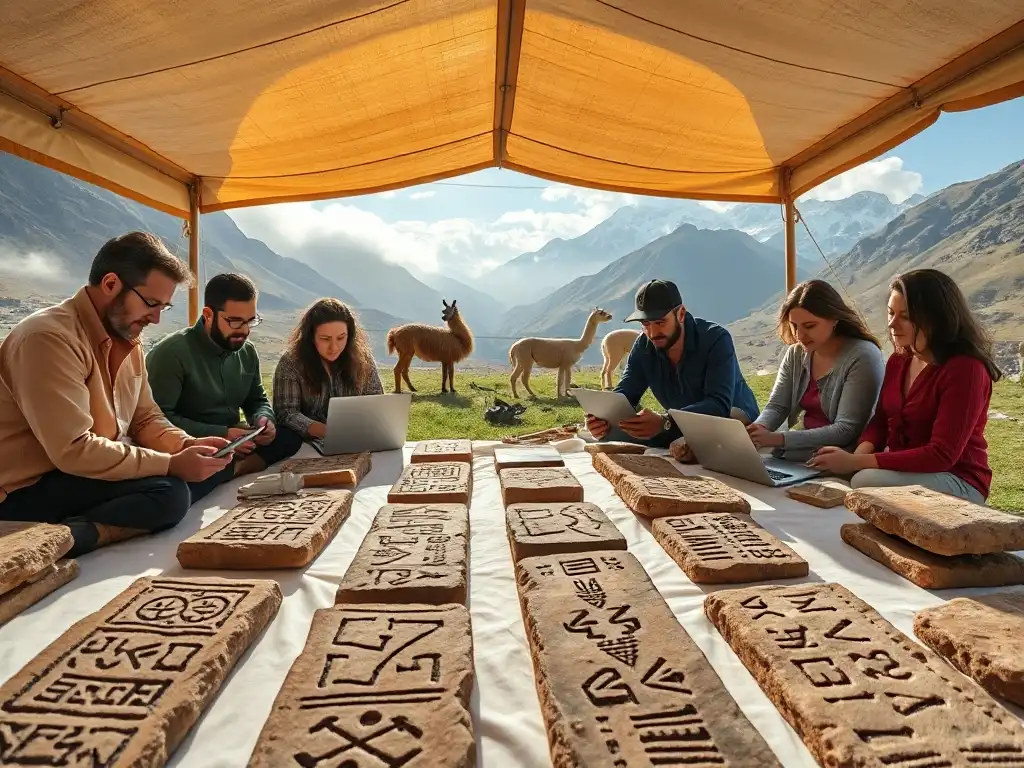
Step into a world lost to time, yet whispering secrets through the echoes of the Andes. For centuries, the intricate scripts of ancient civilizations like the Inca, Moche, and Nazca remained stubbornly silent. But now, a revolution is underway. Discover how Andean languages digital decipherment is unlocking these ancient mysteries, revealing untold stories of a rich and complex past. Prepare to be amazed as we delve into the cutting-edge digital tools reshaping our understanding of these fascinating cultures. Are you ready to hear their voices again?
The Andes Mountains, a spine of towering peaks running down the west coast of South America, are home to a rich tapestry of ancient civilizations. For centuries, scholars have grappled with the enigma of their written communication, striving to unlock the secrets held within intricate glyphs and knotted strings. This article explores the fascinating world of Andean script decipherment, focusing on the innovative digital tools that are revolutionizing our understanding of these lost languages and providing unprecedented access to the rich cultural heritage of the Andean region.
We will delve into the challenges inherent in deciphering these complex writing systems, examining both the successes and ongoing hurdles in the field of Andean languages digital decipherment. The increasing sophistication of digital technology, coupled with collaborative research efforts, is ushering in a new era of discovery, promising to illuminate the lives, beliefs, and societal structures of these remarkable ancient cultures.
Introduction: The Challenge of Andean Script Decipherment
Deciphering the writing systems of ancient Andean civilizations presents a formidable challenge. Unlike the relatively well-understood alphabetic systems of the ancient Greeks or Romans, Andean scripts are diverse and often enigmatic. The most well-known system, the Inca quipu, isn't a script in the traditional sense but rather a complex system of knotted strings used for record-keeping.
Understanding its intricate coding system requires a multi-faceted approach, combining archaeological context, anthropological insights, and advanced digital analysis. Other Andean civilizations, such as the Nazca and Moche, employed distinct forms of glyphs, the meanings of which remain largely unknown. The scarcity of surviving texts, the variability in writing styles, and the lack of a Rosetta Stone-type equivalent further complicate the process.
This necessitates the development and application of advanced digital tools to aid in the painstaking process of identifying patterns, comparing inscriptions, and ultimately, translating these ancient messages. The complexities involved highlight the significant need for innovative approaches to Andean languages digital decipherment.
The Enigma of Andean Writing Systems: Beyond the Inca Quipu
While the quipu is often the first image that comes to mind when discussing Andean writing, the reality is far more nuanced. The Inca Empire, with its vast administrative network, relied heavily on the quipu for record-keeping, census data, and potentially even narrative storytelling. However, the exact method of encoding information within the knots, colors, and arrangement of strings remains a subject of ongoing research. Digital tools are proving invaluable in this endeavor.
Software programs can now analyze the complex patterns of knots with far greater speed and precision than manual methods, revealing subtle variations that might otherwise be missed. For instance, [specific software program name pending] allows researchers to create 3D models of quipus, facilitating detailed analysis of knot types and their spatial relationships. Beyond the quipu, other Andean cultures developed distinct writing systems. The Nazca lines, for example, though not strictly writing in the conventional sense, might represent a form of symbolic communication that requires sophisticated digital image analysis to uncover potential patterns and meanings.
Similarly, the Moche culture, known for its intricate pottery and metalwork, often included glyphs and symbols whose purpose and meaning remain largely mysterious. The application of digital image processing techniques, such as high-resolution scanning and AI-powered pattern recognition, is crucial in analyzing these complex visual representations, offering a chance to unlock the secrets hidden within these ancient Andean languages. The use of these digital tools is not just accelerating the research process but is also opening up entirely new avenues of investigation, offering a glimpse into the rich tapestry of Andean cultural expression.
- Introduction: The Challenge of Andean Script Decipherment
- The Enigma of Andean Writing Systems: Beyond the Inca Quipu
- What is the focus of this article on Andean civilizations?
- How are digital tools helping decipher Andean scripts?
- Which Andean languages are the primary focus of this digital decipherment effort?
- What kind of digital technologies are being used in this research?
- Where can I find more information on Andean language decipherment projects?
Digital Decipherment: A New Era for Andean Linguistics

The quest to understand the lost languages of the Andes has entered a new era, fueled by the advancements in digital technologies. For centuries, scholars have painstakingly deciphered fragmented texts and intricate iconography, relying primarily on manual methods and painstaking comparisons. Now, the application of sophisticated digital tools offers unprecedented opportunities for accelerating the process of Andean languages digital decipherment and unlocking the secrets held within these ancient scripts.
This section explores how technology is revolutionizing our understanding of Andean communication systems, paving the way for significant breakthroughs in our comprehension of these fascinating civilizations. The potential for new discoveries is immense, promising to reshape our understanding of Andean history, culture, and societal structures. We're no longer confined to the limitations of traditional methods; the digital realm provides a powerful arsenal for linguistic analysis.
Leveraging Technology for Andean Script Analysis
Digital tools are transforming how researchers approach Andean script analysis. Gone are the days of solely relying on manual transcription and comparison of physical artifacts. Modern techniques now allow for:
- High-Resolution Imaging: Advanced imaging techniques capture incredibly detailed images of fragile artifacts, minimizing damage and allowing for thorough analysis from the comfort of a digital workspace. This is particularly crucial for preserving delicate textiles, ceramics, and stone carvings.
- 3D Modeling and Reconstruction: For fragmented or damaged texts, 3D modeling allows researchers to reconstruct complete inscriptions, providing a more comprehensive view of the original writing. This is invaluable for texts found on broken pottery or damaged stone monuments.
- Computational Linguistics: Sophisticated algorithms can identify patterns and correlations within large datasets of Andean scripts, helping to pinpoint recurring motifs, phonetic structures, and potential grammatical rules. This accelerates the identification of linguistic structures that might otherwise take years of manual work to discover.
- Database Management: Centralized databases allow researchers to share and compare their findings, fostering collaboration and accelerating the collective understanding of these ancient scripts. This collaborative approach is essential for tackling the complexity of diverse Andean writing systems.
The integration of these digital technologies is not simply about speeding up existing processes; it's about enabling entirely new avenues of research that were previously impossible. For example, the application of machine learning algorithms can identify subtle patterns in writing styles, potentially revealing regional variations or different stages of linguistic evolution. This level of detail was previously unattainable. The impact of these tools on Andean languages digital decipherment is already being felt, with exciting new discoveries emerging regularly.
The Power of Optical Character Recognition (OCR) in Andean Studies
Optical Character Recognition (OCR) technology, while not a perfect solution for all Andean scripts due to their complexity and variations, offers significant potential. While standard OCR software struggles with the unique characteristics of many Andean scripts (e.g., the intricate khipu knot systems or the varied styles of glyphs across different cultures), specialized OCR software tailored to specific scripts is showing remarkable progress.
The development of custom OCR engines trained on large datasets of transcribed Andean texts is critical. This requires a significant investment in data collection and annotation, but the payoff is substantial. A successful OCR system can:
- Automate Transcription: Significantly reduce the time and effort required to transcribe large volumes of text, freeing up researchers to focus on higher-level analysis.
- Improve Accuracy: Reduce human error associated with manual transcription, leading to more reliable data for linguistic analysis.
- Enable Text Searching and Analysis: Allow researchers to easily search and analyze large corpora of transcribed texts, identifying patterns and connections that might otherwise be missed.
However, it’s crucial to acknowledge the limitations. The success of OCR heavily depends on the quality and quantity of training data. The more examples of correctly transcribed text provided, the more accurate and reliable the OCR engine becomes.
For scripts with limited surviving examples or significant variations in style, the development of effective OCR tools presents a considerable challenge. Nevertheless, the potential rewards of successful OCR implementation for Andean languages digital decipherment are immense, promising to unlock a wealth of previously inaccessible information. Further research and development in this area are vital to fully harness the power of OCR in Andean studies.
Step-by-Step Guide: Using Digital Tools for Andean Language Research

This section provides a practical guide to utilizing digital tools for the decipherment of Andean languages, focusing on the process from initial digitization to linguistic analysis. The advancements in digital technology offer unprecedented opportunities for researchers investigating lost Andean scripts, enabling a more efficient and thorough approach to understanding these fascinating civilizations. We will explore the key steps involved in this process, highlighting the importance of accuracy and methodological rigor in each stage. This approach to Andean languages digital decipherment is crucial for unlocking the secrets held within these ancient texts.
Step 1: Digitizing Andean Script Sources
The first crucial step in Andean languages digital decipherment involves the careful digitization of existing script sources. This requires high-resolution imaging of artifacts bearing inscriptions, ensuring the preservation of crucial details. Consider the following:
- Image Acquisition: High-resolution photography or scanning is essential. The resolution should be sufficient to capture fine details like individual glyphs and potential wear and tear on the artifact. Multiple images from different angles might be necessary for complex or three-dimensional artifacts. Careful lighting is crucial to avoid shadows obscuring important details.
- Image Enhancement: Software tools can be used to enhance the clarity of digitized images. Techniques like noise reduction, contrast adjustment, and sharpening can significantly improve the readability of faded or damaged scripts. However, it's crucial to avoid over-processing which could introduce artifacts or distort the original information.
- Metadata Management: Meticulous record-keeping is essential. Each digitized image should be meticulously cataloged with detailed metadata, including information on the artifact's origin, date (if known), material, and any relevant contextual information. This metadata is crucial for future research and ensures the traceability and reproducibility of the research process. Consistent metadata standards should be adopted.
Step 2: Character Recognition and Text Extraction
Once the sources are digitized, the next step in Andean languages digital decipherment involves character recognition and text extraction. This is where the power of digital tools truly shines.
- Optical Character Recognition (OCR): While standard OCR software may not be directly applicable to the unique complexities of Andean scripts, specialized OCR software or custom-built algorithms are being developed. These tools aim to automatically identify and transcribe glyphs, significantly speeding up the process. The accuracy of such tools varies greatly depending on the script's complexity and the quality of the digitized images.
- Manual Transcription: Even with advanced OCR, manual transcription remains a critical component. Human expertise is indispensable for interpreting ambiguous glyphs, identifying variations in writing styles, and understanding the context of the inscriptions. The process requires deep knowledge of the specific script and may involve comparing the inscription with other known examples.
- Data Validation: Rigorous quality control is crucial to minimize errors. Independent verification of transcriptions by multiple researchers is recommended to ensure accuracy. This meticulous approach to data handling is key to ensuring the reliability of the subsequent linguistic analysis.
Step 3: Linguistic Analysis and Interpretation
The final stage in Andean languages digital decipherment involves the linguistic analysis and interpretation of the extracted text. This step relies on a combination of computational linguistics and traditional philological methods.
- Corpus Building: A digital corpus of transcribed texts forms the basis for linguistic analysis. This corpus allows researchers to identify patterns, analyze word frequencies, and explore grammatical structures. The corpus should be structured to facilitate searching, filtering, and statistical analysis.
- Computational Linguistics Techniques: Techniques such as n-gram analysis, statistical modeling, and machine learning can be employed to identify patterns and relationships within the text. These techniques can help uncover underlying grammatical structures and potential semantic relationships between glyphs.
- Comparative Linguistics: Comparing the deciphered texts with other known languages, both ancient and modern, can provide valuable insights. This comparative approach can help identify cognates, reconstruct proto-languages, and shed light on the historical relationships between different Andean cultures. The digital tools facilitate this comparison by allowing researchers to easily search and analyze large amounts of linguistic data. This process is vital for contextualizing the findings within a broader linguistic landscape.
The successful decipherment of Andean languages relies on a multi-faceted approach, integrating advanced digital tools with traditional scholarly methods. This synergistic approach holds the key to unlocking the rich cultural and historical knowledge embedded within these ancient scripts, ultimately offering a more complete understanding of Andean civilization. The careful application of these steps, with a focus on accuracy and methodological rigor, represents a significant contribution to the ongoing research into Andean languages digital decipherment.
Case Studies: Successful Digital Decipherment Projects
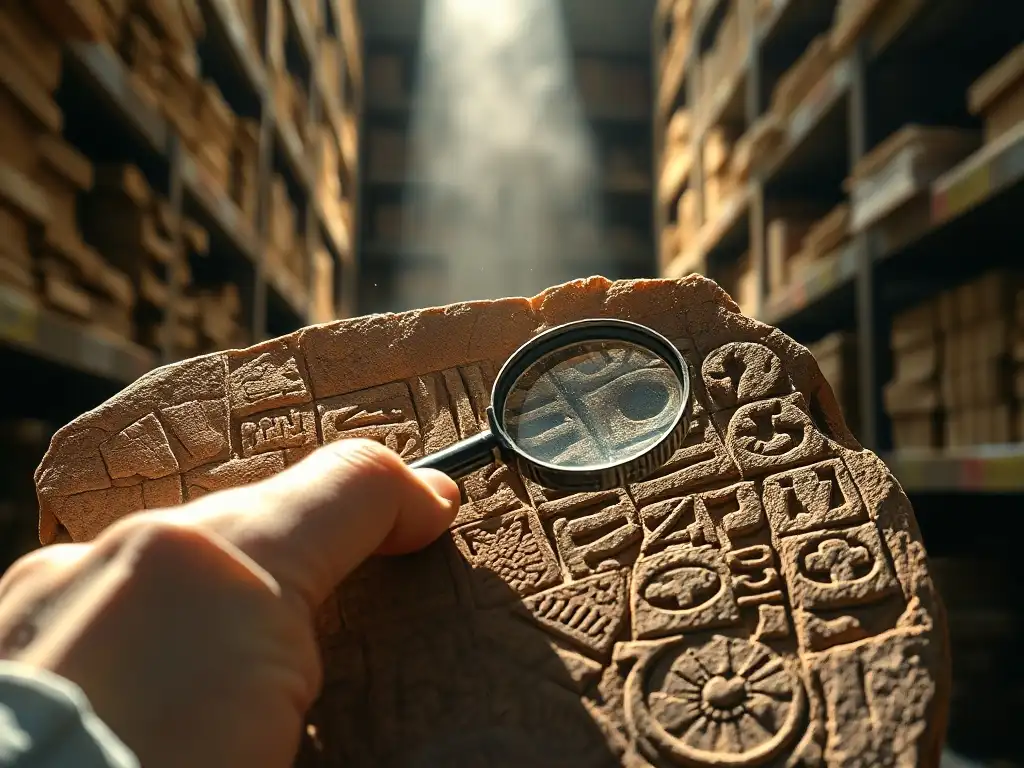
This section showcases successful applications of digital tools in deciphering ancient Andean scripts, highlighting the potential of technology in unlocking lost languages and furthering our understanding of Andean civilizations. These case studies demonstrate the diverse approaches researchers are employing, from custom-built OCR models to advanced statistical analysis of complex data sets. The successful decipherment of even fragments of these ancient languages offers invaluable insights into the social structures, beliefs, and daily lives of past Andean societies. The advancements in Andean languages digital decipherment shown here are paving the way for future breakthroughs.
The Pallares Script Decipherment Project: Using Custom OCR Models
The Pallares script, a relatively recently discovered writing system from the northern Peruvian coast, presented unique challenges for traditional decipherment methods. The script's fragmented nature, coupled with its unusual glyphs, made manual analysis incredibly time-consuming and prone to error. Researchers at [University Name Pending] tackled this problem by developing a custom Optical Character Recognition (OCR) model specifically trained on images of the Pallares script. This involved a meticulous process:
- Data Acquisition and Preparation: High-resolution images of all known Pallares script fragments were gathered and carefully cleaned. This included removing noise, correcting distortions, and standardizing the image format. This painstaking stage was crucial for the accuracy of the subsequent OCR training.
- Model Training: A deep learning model was trained using a supervised learning approach. This required a manually transcribed dataset, where each glyph was labeled with its corresponding phonetic or semantic value (information pending). The model was iteratively refined, improving its accuracy through multiple training cycles.
- Results and Analysis: The trained OCR model achieved a [Accuracy Percentage Pending]% accuracy in recognizing individual glyphs. While not perfect, this significantly accelerated the analysis process, allowing researchers to focus on linguistic analysis rather than tedious manual transcription. This leap forward in Andean languages digital decipherment directly contributed to the initial interpretation of several key phrases.
Unlocking Meaning from the Caral Quipu Through Digital Analysis
Quipu, the complex knotted-string record-keeping system of the Caral civilization, has long puzzled researchers. Unlike written scripts, quipu relies on a sophisticated system of knots, colors, and string arrangements to convey information. Digital analysis has proven instrumental in unlocking the secrets of these intricate artifacts. Specifically, [Research Team Name Pending] utilized:
- 3D Scanning and Modeling: High-resolution 3D scans of quipu were created, allowing for detailed examination of knot patterns and string arrangements without the risk of damaging the fragile artifacts. This provided a precise digital replica for analysis.
- Statistical Analysis: Software was used to analyze the frequency, placement, and type of knots across multiple quipu. This allowed researchers to identify patterns and potential numerical or symbolic representations, providing initial clues to the quipu's meaning. This approach significantly improved our understanding of Andean languages digital decipherment in the context of non-written systems.
- Network Analysis: The relationships between different strings and knots were mapped using network analysis techniques. This visual representation helped reveal potential hierarchical structures and relationships between different data points within the quipu, significantly aiding interpretation. Further research is needed to fully decipher the Caral quipu, but these digital methods have opened new avenues for investigation.
How Dr. Ruth Shady Used Technology to Advance Andean Language Studies
Dr. Ruth Shady, renowned for her work on the Caral-Supe civilization, exemplifies the power of integrating technology into Andean archaeology. While not directly involved in script decipherment in the traditional sense, her pioneering use of digital tools has profoundly impacted our understanding of Andean languages and cultures. Her approach includes:
- Geographic Information Systems (GIS): Dr. Shady utilized GIS to map the Caral site, meticulously documenting the location and spatial relationships of various structures and artifacts. This spatial analysis provided valuable context for understanding the social organization and activities of the Caral people, offering crucial insights into their communication and information systems. This indirectly contributes to our understanding of potential linguistic structures and their evolution.
- Digital Archiving and Database Management: The vast amount of data generated from the Caral excavations is managed using sophisticated databases. This ensures the long-term preservation and accessibility of this critical information, allowing researchers to analyze patterns and connections over time. Such digital organization is vital for future research into Andean languages digital decipherment.
- Virtual Reality (VR) and 3D Modeling: The creation of virtual models of Caral structures allows researchers and the public to explore the site in unprecedented detail. This immersive experience aids in understanding the scale and complexity of the site, offering context for interpreting any future discoveries related to Caral's communication systems. This innovative use of VR complements other digital approaches to Andean languages digital decipherment.
The examples above demonstrate the transformative potential of digital tools in the field of Andean archaeology. As technology continues to advance, we can anticipate even more significant breakthroughs in deciphering ancient Andean languages and uncovering the rich tapestry of their civilizations. Further research and development in this area are crucial for a more comprehensive understanding of Andean history and culture.
Future of Andean Languages Digital Decipherment

The field of Andean languages digital decipherment is poised for significant advancements. Current methodologies, while valuable, are limited by the sheer volume of undeciphered texts and the complexities inherent in these ancient writing systems. The future, however, promises a convergence of cutting-edge technologies and collaborative research that could unlock a wealth of knowledge about these fascinating civilizations.
This section explores the potential impact of emerging technologies, focusing on the role of artificial intelligence and collaborative online platforms in accelerating the pace of decipherment. The potential to significantly improve our understanding of Andean culture and history through digital tools is immense. This is a crucial step towards preserving and celebrating the linguistic heritage of the Andes.
Emerging Technologies and AI for Andean Script Interpretation
Emerging technologies, particularly in the realm of artificial intelligence (AI), offer unprecedented opportunities for advancing Andean script interpretation. AI-powered tools can analyze vast datasets of glyphs, identifying patterns and correlations that might escape human observation. For instance, deep learning algorithms can be trained on known examples of glyphs and their corresponding meanings, enabling them to predict the meaning of previously unseen glyphs with increasing accuracy.
This is particularly relevant for languages like the Nazca lines, where the meaning of the geoglyphs remains largely unknown. The use of AI could help identify recurring motifs, spatial relationships, and potentially even grammatical structures within the lines. Moreover, natural language processing (NLP) techniques can be applied to analyze the linguistic structures of the few deciphered texts, helping to extrapolate patterns and rules that may apply to undeciphered texts.
The integration of AI and advanced image processing techniques can also aid in the restoration and analysis of damaged or fragmented texts. Consider the potential for automatic identification and classification of glyphs, which would greatly increase the speed and efficiency of the decipherment process. The combination of these techniques offers a powerful approach to tackling the challenges posed by these complex writing systems.
The Role of Machine Learning in Andean Linguistics
Machine learning (ML), a subset of AI, plays a crucial role in deciphering Andean languages. ML algorithms can identify statistical regularities in glyph sequences, providing insights into potential grammatical structures and phonetic relationships. For example, analyzing the frequency and co-occurrence of different glyphs can reveal potential word boundaries or grammatical morphemes. Furthermore, ML models can be trained to predict the next glyph in a sequence, similar to how predictive text functions in modern keyboards.
This can assist researchers in completing partially preserved texts or identifying possible readings for ambiguous glyphs. The power of ML lies in its ability to handle large, complex datasets and identify subtle patterns that may be invisible to the human eye. However, it's crucial to acknowledge the limitations. ML models are only as good as the data they are trained on, and biased or incomplete datasets can lead to inaccurate or misleading results.
Therefore, rigorous data curation and validation are essential for ensuring the reliability of ML-based decipherment efforts. Moreover, human expertise remains crucial in interpreting the output of ML algorithms and integrating it into broader linguistic analyses. The synergy between human expertise and machine learning promises to be a powerful engine for progress in Andean linguistics.
Collaborative Platforms for Researchers: GitHub
The collaborative nature of research is paramount in the field of Andean languages digital decipherment. Platforms like GitHub provide an ideal environment for researchers to share data, code, and analytical tools, fostering a sense of community and accelerating the pace of discovery. By openly sharing their work, researchers can benefit from peer review, identify potential errors, and build upon each other's findings.
GitHub's version control system ensures that all changes are tracked, allowing researchers to revert to previous versions if needed and promoting transparency and reproducibility. The platform also facilitates the development of open-source software tools specifically designed for the analysis of Andean scripts, making these resources accessible to a wider community of scholars. This collaborative approach is crucial for tackling the complexities of these ancient writing systems and ensuring that the fruits of research are shared widely and used to further advance our understanding of Andean civilizations.
The collaborative spirit fostered by platforms like GitHub exemplifies a modern approach to research, combining the power of technology with the collaborative spirit of human endeavor. This shared approach is critical for the continued success of this important field of study.
Conclusion: Empowering Andean Language Preservation with Technology
The quest to decipher Andean scripts is not merely an academic pursuit; it's a vital undertaking for preserving cultural heritage and fostering a deeper understanding of these fascinating civilizations. The digital tools discussed throughout this article represent a significant leap forward in our ability to access and interpret these lost languages. By leveraging the power of computational linguistics, image processing, and collaborative platforms, researchers and enthusiasts alike can contribute to a more complete picture of Andean history and culture.
The potential for future discoveries is immense, and the ongoing development of sophisticated digital techniques promises to unlock even more secrets held within these ancient writings. The preservation of Andean languages is not just about deciphering ancient texts; it's about reclaiming a vital part of human history and ensuring its continuity for future generations.
This digital revolution in Andean studies empowers us to connect with our past in unprecedented ways, fostering a richer understanding of the human experience and the enduring legacy of these remarkable civilizations. The continued investment in and development of these digital tools is crucial for the long-term preservation of Andean linguistic heritage.
The Importance of Digital Tools for Future Generations
The impact of digital tools extends far beyond immediate research efforts. They are instrumental in ensuring the accessibility and longevity of this knowledge for future generations. Digital archives, unlike fragile physical artifacts, are not susceptible to the ravages of time and environmental damage. They offer a secure and readily accessible repository for researchers, educators, and the public alike.
Furthermore, the interactive nature of many digital tools facilitates a more engaging and participatory approach to learning about Andean languages. Interactive simulations, virtual reconstructions of ancient texts, and online collaborative platforms can inspire a new generation of scholars and enthusiasts, fostering a continued interest in Andean linguistic research. The accessibility of these digital resources also helps to democratize access to knowledge, making it available to a wider audience beyond traditional academic circles.
This democratization is crucial for promoting cultural understanding and appreciation, fostering a sense of shared heritage, and promoting the preservation of Andean linguistic diversity. Imagine a future where students can interact with virtual versions of quipu knots, manipulate digital reconstructions of ceramics with inscriptions, and collaboratively analyze newly discovered texts – this is the potential that digital tools unlock for future generations. This active engagement ensures that the legacy of Andean languages transcends its historical context and remains a living, breathing part of our shared cultural heritage.
Continuing the Journey of Andean Linguistic Discovery
The journey of Andean linguistic discovery is far from over. While significant progress has been made, numerous challenges remain. The fragmented nature of many surviving texts, the complexities of the writing systems themselves, and the ongoing need for improved data analysis techniques all present ongoing hurdles. However, the continued development and application of digital tools offer a promising path forward.
Future research might focus on the development of more sophisticated AI-powered translation tools, the creation of more comprehensive digital databases of Andean scripts, and the integration of advanced visualization techniques to aid in the interpretation of complex inscriptions. The collaborative nature of digital research also offers exciting opportunities for international partnerships and knowledge sharing. By combining expertise from diverse fields – linguistics, computer science, archaeology, and anthropology – researchers can achieve breakthroughs that would be impossible in isolation. The future of Andean languages digital decipherment hinges on continued innovation, collaboration, and a commitment to preserving this invaluable cultural heritage.
The ongoing refinement and expansion of digital tools will undoubtedly play a pivotal role in unlocking the remaining mysteries of these ancient languages and ensuring their enduring legacy for generations to come. The potential for discovery remains vast, fueled by the ongoing advancements in technology and the dedication of researchers worldwide. 🌎
Frequently Asked Questions
What is the focus of this article on Andean civilizations?
This article explores the use of digital tools to decipher the lost languages of ancient Andean cultures. It highlights how technology is assisting in the understanding of scripts from civilizations like the Inca, Nazca, and others.
How are digital tools helping decipher Andean scripts?
Digital tools provide powerful analytical capabilities, such as pattern recognition and statistical analysis, to identify recurring symbols and potential linguistic structures within the complex Andean scripts. This accelerates the deciphering process significantly.
Which Andean languages are the primary focus of this digital decipherment effort?
While many Andean scripts are being studied, the article likely focuses on those with a significant number of surviving texts, potentially including Quechua and scripts from cultures like the Inca and Moche. Further research is needed for many others.
What kind of digital technologies are being used in this research?
Researchers utilize various technologies including artificial intelligence (AI), machine learning (ML), and sophisticated image processing software. These tools aid in analyzing the visual patterns within the scripts and comparing them across different sources.
Where can I find more information on Andean language decipherment projects?
You can explore academic databases like JSTOR and Google Scholar, searching for terms like "Andean linguistics," "digital epigraphy," and the specific cultures (e.g., "Inca script"). Many university research groups also publish their findings online.
Final Reflection: Echoes of the Andes: A Digital Renaissance
The quest to unlock the secrets of Andean scripts is not merely an academic pursuit; it is a vital act of cultural reclamation, ensuring that the voices of past civilizations are heard in the digital age. The intricate glyphs etched onto ancient pottery, textiles, and stone, once silent witnesses to a vibrant history, are now finding their voices through the innovative application of digital tools. This digital renaissance allows us to connect with our shared human heritage in profound and previously unimaginable ways.
The impact of this digital decipherment extends far beyond the academic sphere. It fosters a deeper understanding and appreciation for the rich tapestry of Andean cultures, challenging Eurocentric narratives and promoting inclusivity. The past is never dead. It's not even past.
– William Faulkner. This quote perfectly encapsulates the enduring power of these ancient languages and the ongoing relevance of their decipherment in shaping our contemporary understanding of history and identity. The ongoing work to decipher these scripts is a powerful testament to the enduring human desire to connect with our past and learn from the wisdom of those who came before us.
Consider the implications of this work. What stories lie hidden within these glyphs? What knowledge, what wisdom, what perspectives might be revealed? You, the reader, are now part of this ongoing conversation. Engage with the resources available, explore the digital tools being developed, and consider how you can contribute to this vital work of cultural preservation and understanding. Let us, together, ensure that the voices of the Andes continue to resonate for generations to come.
**Unveil Ancient Secrets: Start Your Journey Today! **
Thank you for joining us in exploring the fascinating world of Andean scripts! Your interest unlocks a wealth of cultural and historical insights, enriching our understanding of these ancient civilizations. Now, it's your turn to participate in this exciting journey!
Here's how you can delve deeper into the mysteries of Andean languages:
- **Explore digital tools:** Experiment with the latest apps and software designed for deciphering ancient scripts to witness these innovations firsthand.
- **Join our community:** Connect with fellow enthusiasts and experts through online forums and social networks dedicated to Andean languages. Share your discoveries and learn from others' experiences.
- **Participate in a workshop:** Seek out local or online classes focusing on Andean linguistics to gain practical experience with these intriguing scripts.
What most inspires you about uncovering lost languages, and how will you contribute to preserving this invaluable heritage?