
Beyond the Blade: Exploring the Cutting Tools of Ancient Andean Cultures

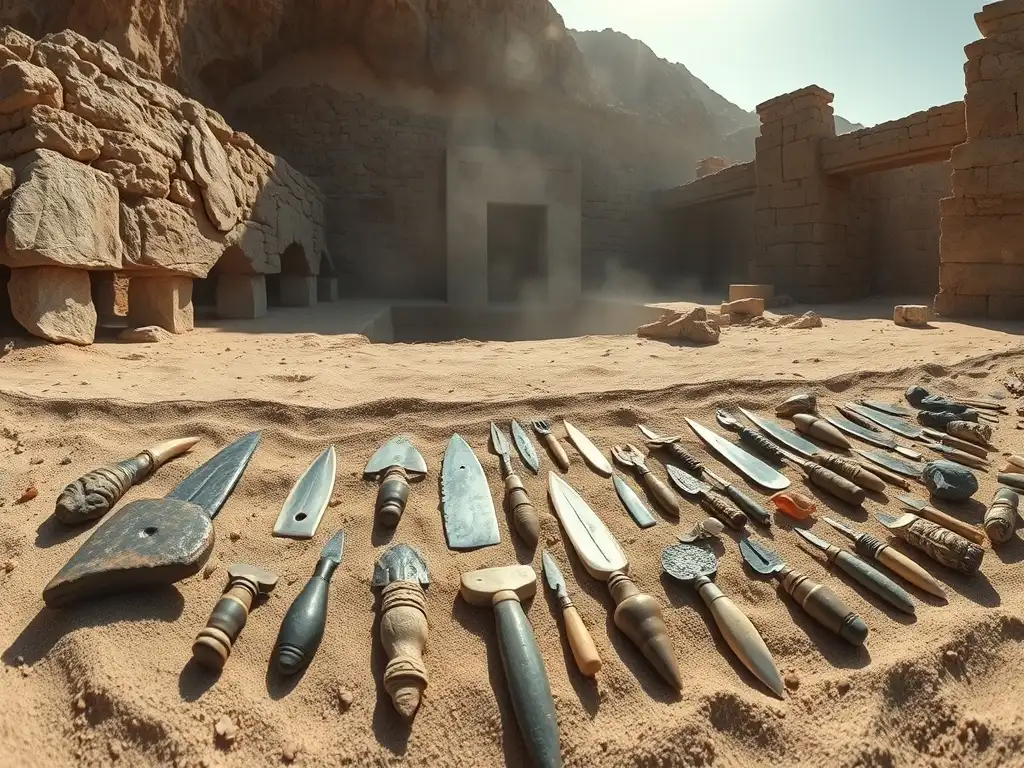
Uncover the mysteries hidden within the mountains! Journey with us into the heart of the Andean Civilizations, where ingenuity thrived amidst breathtaking landscapes. Forget everything you think you know about ancient tools; the sophistication of Ancient Andean cutting tools will leave you breathless. Prepare to be amazed by the technological prowess of these remarkable cultures – their innovations are far more intricate and advanced than you can imagine. Dive in and explore the secrets waiting to be revealed!
The Andes Mountains, a spine of towering peaks running down the western coast of South America, were home to a succession of remarkable civilizations. From the sophisticated irrigation systems of the Nazca to the intricate textiles of the Inca, Andean ingenuity is evident throughout their history. Less often explored, however, is the remarkable development of their cutting tools.
This article delves into the fascinating world of ancient Andean cutting tools, examining the diverse materials employed, the innovative techniques used in their manufacture, and the crucial role they played in the daily lives and societal advancements of these remarkable cultures. We will explore the ingenuity behind these tools, revealing how their design and materials reflected the technological prowess and resourcefulness of Andean societies, ultimately contributing to their unique cultural achievements.
Understanding these tools provides a deeper appreciation for the complexity and sophistication of ancient Andean civilizations, offering a glimpse into their daily lives and technological innovations, far beyond the image often associated with just the Inca Empire. This exploration will focus on the materials used, showcasing the adaptability and skill of Andean artisans in shaping their environment to serve their needs.
Introduction to Ancient Andean Cutting Tools
Ancient Andean societies developed a diverse array of cutting tools, essential for tasks ranging from agriculture and food preparation to construction and craftsmanship. These tools, crafted from readily available materials and reflecting a deep understanding of material properties, were integral to the daily lives and economic prosperity of these cultures. The effectiveness and variety of these tools showcase a remarkable level of technological sophistication, often surpassing expectations for pre-Columbian societies.
The ingenuity exhibited in their design and manufacture demonstrates a deep understanding of both material science and the demands of their environment. From the finely crafted obsidian blades to the robust stone tools used for more demanding tasks, the development and use of cutting tools significantly impacted the cultural trajectory of the Andes.
The study of these tools gives us invaluable insights into the daily lives, resource management, and technological innovation of these ancient peoples. The following sections will detail the materials used in their creation and the resulting variations in tool design and function.
Materials Used in Andean Cutting Tool Manufacturing
The Andean region boasted a rich variety of raw materials suitable for crafting cutting tools. The choice of material often depended on the intended use of the tool, the availability of resources in a specific region, and the desired level of sharpness and durability. The most common materials included obsidian, chert, quartz, and later, copper and bronze.
Each material presented unique properties that shaped the design and application of the resulting tools. The skillful artisans of the Andes expertly adapted their techniques to maximize the advantages of each material, demonstrating a sophisticated understanding of material science. Let's delve deeper into the specifics of each material and its application in ancient Andean toolmaking.
Obsidian Tools: Sharpness and Precision in the Andes
Obsidian, a volcanic glass, was highly prized for its exceptional sharpness and ability to retain a keen edge. Andean artisans utilized obsidian to create a range of tools, from small, delicate blades used for intricate carving and surgery to larger knives and projectile points used for hunting and warfare. The superior sharpness of obsidian tools allowed for precise work, crucial for crafting intricate textiles, delicate jewelry, and performing surgical procedures.
The sourcing of obsidian often involved extensive trade networks, highlighting the importance of this material in Andean societies. [Specific data on obsidian trade routes pending]. The mastery of obsidian knapping—the process of shaping obsidian by striking it with another stone—demonstrates a sophisticated level of technological skill and a deep understanding of the material's properties.
Chert and Quartz: Durable Materials for Andean Tools
Chert and quartz, both cryptocrystalline forms of silica, were readily available throughout the Andes and provided durable alternatives to obsidian. While not as sharp as obsidian, chert and quartz were significantly more resistant to breakage, making them suitable for tools used in more demanding tasks, such as agricultural implements, grinding stones, and heavy-duty cutting tools. The variety of colors and textures available in chert and quartz also allowed for aesthetic variation in tool design.
[Examples of specific tools made from chert and quartz pending]. The prevalence of these materials in archaeological sites indicates their widespread use and importance across various Andean cultures.
Copper and Bronze: Metalworking and Cutting in Andean Societies
The introduction of metalworking marked a significant technological advancement in the Andes. Copper, initially used in its pure form, was later alloyed with tin to create bronze, resulting in stronger and more durable tools. Copper and bronze tools, though relatively late in Andean technological development, quickly became highly valued for their strength, sharpness, and versatility.
These metals were used to create a wider range of tools including axes, chisels, and knives, allowing for greater efficiency in agriculture, construction, and other essential activities. The transition to metalworking signifies a significant leap in Andean technological capabilities and reflects an expanding understanding of metallurgy and material science. [Specific examples of copper and bronze tools and their uses pending] The development of metalworking profoundly impacted Andean societies, leading to advancements in agriculture, architecture, and warfare.
Types of Cutting Tools in Ancient Andean Civilizations
The diverse geography and lifestyles of the Andean civilizations led to a wide array of cutting tools, each adapted to specific needs and materials. From the high-altitude plains to the coastal deserts, ingenious solutions were developed to address the challenges of daily life. These tools weren't merely functional; they often held symbolic and ritual significance, reflecting the deep connection between Andean peoples and their environment.
The sophistication of these tools showcases the advanced technological capabilities of these cultures, often surpassing what might be initially assumed about pre-Columbian societies. Understanding the variety of these tools provides valuable insight into the daily lives, social structures, and spiritual beliefs of the ancient Andean peoples.
Knives and Blades: Essential Tools for Daily Life
Knives and blades were ubiquitous in Andean societies, serving a multitude of purposes. Simple obsidian blades, meticulously flaked to razor sharpness, were used for butchering animals, preparing food, and processing hides. More elaborate knives, often crafted from copper or bronze in later periods, were likely used for more specialized tasks, potentially reflecting social status or craft specialization.
Archaeological evidence reveals a wide range of sizes and shapes, suggesting diverse applications, from small paring knives to larger tools suitable for heavy-duty work. The prevalence of these tools underscores their fundamental role in the daily lives of Andean communities. The quality of craftsmanship evident in many examples points to a high degree of skill and expertise among the toolmakers.
Axes and Adzes: Woodworking and Construction Tools
Axes and adzes were crucial for woodworking and construction in the Andes. Early examples were made from stone, typically volcanic rock like obsidian or basalt, carefully shaped and sharpened. Later, metal axes and adzes, made from copper and bronze alloys, appeared.
These tools were essential for felling trees, shaping timber for houses and other structures, and crafting various wooden implements. The size and shape of these tools varied depending on their intended use, with larger, heavier axes used for felling trees and smaller, more precise adzes used for woodworking. The development of metal tools significantly increased efficiency in woodworking and construction, contributing to the impressive architectural achievements of Andean civilizations.
Scrapers: Preparing Hides and Other Materials
Scrapers were indispensable tools for processing animal hides, a vital task in many Andean communities. Made from stone, bone, or shell, these tools were used to remove fat and flesh from hides, preparing them for tanning and the creation of clothing, containers, and other leather goods. The shape and size of scrapers varied depending on their specific function, with some being broad and flat for scraping large surfaces, while others were smaller and more pointed for intricate work.
The craftsmanship involved in creating these tools demonstrates a deep understanding of material properties and a commitment to creating efficient and durable implements. The prevalence of scrapers in archaeological sites highlights the significant role of hide processing in Andean economies.
Sickles and Reaping Tools: Harvesting Crops in the Andes
The cultivation of crops, particularly maize, potatoes, and beans, was fundamental to Andean agriculture. To harvest these crops efficiently, Andean farmers employed sickles and other reaping tools. Early versions were likely made from obsidian or other sharp stones, while later examples incorporated metal blades.
These tools allowed for the rapid and efficient harvesting of crops, maximizing yield and minimizing labor. The design of these tools would have been adapted to the specific crops being harvested, reflecting the diversity of Andean agriculture and the ingenuity of its farmers. The efficiency of these harvesting tools was crucial to sustaining the large populations of Andean societies.
Tumi Knives: Specialized Surgical and Ritual Tools
The tumi, a distinctive T-shaped knife, stands out among Andean cutting tools. Primarily associated with the Inca and pre-Inca cultures, the tumi was not just a practical tool but also held significant ritual and symbolic meaning. While used for surgical procedures, including trepanation (skull surgery), its ceremonial role is equally important.
The tumi's elegant design and meticulous craftsmanship suggest a high degree of artistry and skill. The use of precious metals like gold and silver in some tumi examples further emphasizes their ritual significance and the social status of their owners. The tumi represents a fascinating intersection of practical technology and spiritual belief.
The Technology Behind Andean Cutting Tools
The creation of Andean cutting tools involved sophisticated techniques reflecting a deep understanding of materials and their properties. The processes employed demonstrate ingenuity and a remarkable level of technical skill. The evolution of these techniques over time mirrored advancements in material science and production methods.
Flaking and Percussion Techniques for Stone Tools
The production of stone tools relied heavily on flaking and percussion techniques. Flaking involved carefully chipping away small pieces of stone to create sharp edges and desired shapes. Percussion techniques, using a hammerstone or other impact tool, were crucial in initiating the flaking process. The skill required to control the force and angle of impact to achieve the desired results was considerable, requiring years of practice and experience. The precision evident in many Andean stone tools demonstrates a high level of mastery of these techniques.
Grinding and Polishing for Refinement
Grinding and polishing were essential steps in refining stone tools and enhancing their functionality and durability. Grinding, using abrasive materials like sandstone, removed irregularities and smoothed surfaces. Polishing, often using finer-grained materials, gave the tools a high luster and improved their sharpness and cutting efficiency. These processes increased the tools’ lifespan and made them more effective for their intended purposes. The time and effort invested in these finishing processes underscore the value placed on quality and durability.
Metal Casting and Shaping of Copper and Bronze Tools
The introduction of metalworking, particularly copper and bronze casting, represented a significant technological advancement. The process involved melting metal ores, pouring the molten metal into molds, and then shaping the resulting castings. This required specialized knowledge of metallurgy and the construction of suitable furnaces and molds. The development of bronze alloys, combining copper and tin, resulted in stronger and more durable tools. The ability to cast and shape metal tools greatly increased the efficiency and effectiveness of various tasks.
Hafting and Mounting: Securing Blades to Handles
The hafting process, securing blades to handles, was critical for creating functional and ergonomic tools. Various techniques were employed, depending on the material of the blade and handle. Stone blades were often hafted using resins or other binding materials. Metal blades were sometimes secured using rivets or other fastening methods. The effectiveness of the hafting process was crucial for the tool's usability and safety. The careful design and execution of hafting show a strong understanding of ergonomics and tool design.
The Function and Uses of Ancient Andean Cutting Tools
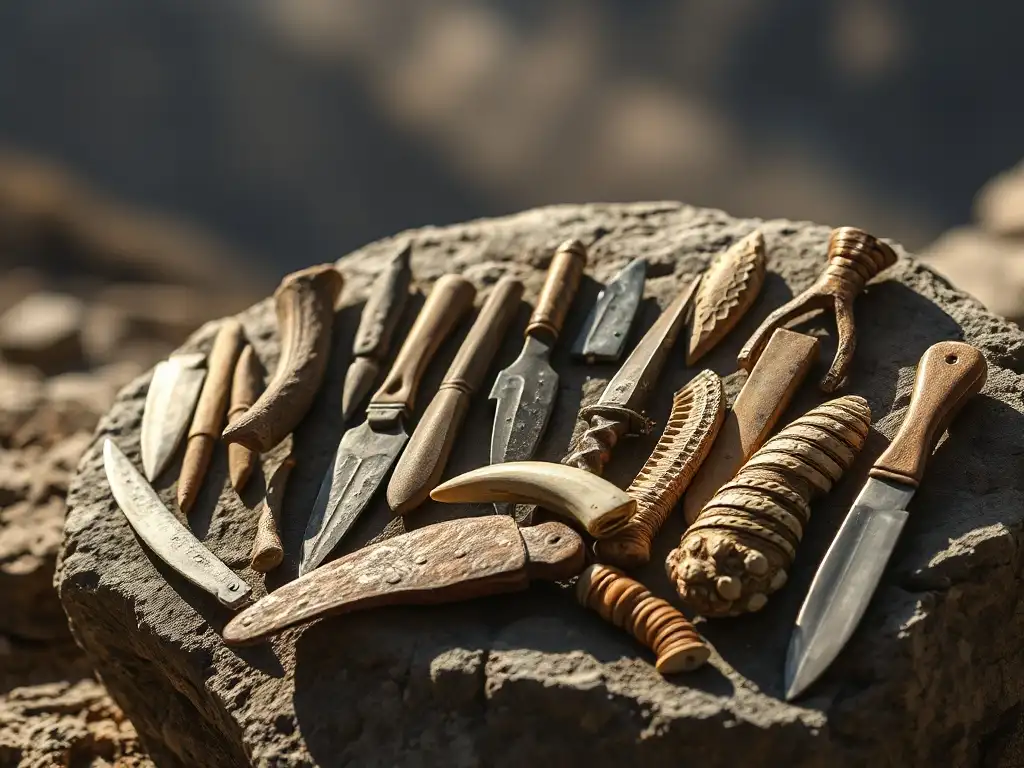
Ancient Andean cutting tools were incredibly versatile, playing a crucial role in various aspects of daily life. Their functionality extended far beyond simple cutting, impacting agriculture, construction, textile production, ritual practices, and even hunting. The ingenuity and adaptability of these tools reflect the sophisticated understanding of materials and techniques possessed by Andean civilizations.
The specific tools used varied depending on the region and the time period, but their overall importance remained consistent throughout different Andean cultures. The materials used in their construction ranged from readily available obsidian and volcanic rock to more specialized materials like shell and bone, demonstrating a keen awareness of the properties of different resources and their suitability for specific tasks. The craftsmanship involved in creating these tools was remarkable, often involving intricate shaping and polishing techniques that resulted in highly efficient and durable implements.
Agriculture and Food Processing
Cutting tools were indispensable for Andean agriculture. Knives, sickles, and adzes, often made from obsidian or other sharp stones, were used for harvesting crops such as maize, potatoes, and quinoa. These tools facilitated efficient harvesting, reducing the time and effort required to gather the harvest. Beyond harvesting, these implements played a critical role in preparing food.
For example, specialized knives were used for butchering animals and processing various plant materials. The efficiency of these tools directly contributed to the success of Andean agricultural practices, supporting the large populations and complex societies that flourished in the region. The design of these tools, often featuring ergonomic handles and carefully sharpened blades, showcases a deep understanding of both agricultural needs and human ergonomics.
Construction and Infrastructure Development
The monumental architecture of the Andes, including impressive structures like Machu Picchu and the Tiahuanaco complex, relied heavily on sophisticated cutting tools. Adzes, chisels, and hammers, often made from durable stone like andesite or diorite, were used to shape and refine massive stone blocks. The precision and skill required to create the intricate stonework evident in many Andean structures demonstrate the mastery of cutting technology.
These tools were not only used for shaping stones but also for creating precise joints and fitting blocks together with remarkable accuracy. The development of such effective tools was essential to the construction of complex irrigation systems, terraces, and roads that supported the Andean populations. The precision of the tools allowed for the creation of complex structures that have stood the test of time.
Textile Production and Craftsmanship
Cutting tools were essential for the textile production that was a hallmark of Andean civilizations. Sharp obsidian blades or shell tools were used to shear alpaca and llama fleece, preparing the fibers for spinning and weaving. These tools facilitated the creation of the incredibly fine and intricate textiles for which the Andes are renowned.
Beyond shearing, cutting tools were also used in the creation of intricate designs and patterns in textiles. Specialized knives and scissors were employed for cutting and shaping fabrics, enabling the creation of complex garments and decorative items. This demonstrates the multi-faceted role of cutting tools, extending beyond basic utility to encompass artistic expression and craftmanship.
Ritual and Ceremonial Uses
Cutting tools were not only functional but also held significant symbolic meaning in Andean cultures. Obsidian blades, in particular, were often associated with ritual and ceremonial practices. They were used in sacrificial offerings and other religious ceremonies.
Some blades were intricately carved or decorated, suggesting that they held a special status beyond their practical use. The association of obsidian with ritual practices highlights the multifaceted role of cutting tools in Andean society, extending beyond their practical utility to encompass spiritual and symbolic significance. The careful craftsmanship of these ritual objects demonstrates the importance placed on these tools in religious contexts.
Hunting and Gathering Practices
Cutting tools played a vital role in hunting and gathering practices in the Andes. Sharp obsidian knives and projectile points were used for hunting various animals, while other tools were used for processing the gathered plants and animals. The effectiveness of these tools was essential for providing food resources and raw materials for the Andean societies.
The design and material of these tools were often adapted to the specific needs of the hunting and gathering activities, reflecting the diverse environments and hunting strategies employed by Andean peoples. The development of these specialized tools demonstrates the close relationship between technology and the environment in Andean cultures.
The Significance of Cutting Tools in Ancient Andean Society
Cutting tools were far more than mere instruments; they were fundamental to the social, economic, and religious structures of ancient Andean societies. Their significance transcended mere practicality, shaping social hierarchies and influencing trade networks. The mastery of cutting tool technology was a testament to the ingenuity and resourcefulness of Andean cultures.
Tools as Status Symbols
The quality and craftsmanship of cutting tools could often serve as indicators of social status. Intricately carved or made from rare materials, certain cutting tools were likely owned only by members of the elite classes. The possession of such tools could signify wealth, power, and access to specialized resources. This social stratification, reflected in the ownership of tools, further highlights the importance of these implements in Andean society.
The Role of Craftspeople and Toolmakers
The creation of cutting tools required specialized skills and knowledge. Craftspeople and toolmakers held respected positions within Andean societies, responsible for producing the implements essential for daily life and ritual practices. Their expertise ensured the availability of high-quality tools, contributing significantly to the success of Andean societies. The transmission of these skills through generations highlights the value placed on craftsmanship and technological knowledge.
Cutting Tools and Trade Networks
The distribution of specific types of stone and other materials used in the creation of cutting tools suggests the existence of extensive trade networks across the Andes. Obsidian, for example, was often traded over long distances, indicating the importance of these tools and the value placed upon the materials used in their production. These networks facilitated the exchange of not only raw materials but also knowledge and technology, contributing to the cultural exchange and innovation within the region.
The Legacy of Andean Cutting Technology
The legacy of Andean cutting technology is evident in the remarkable achievements of these ancient cultures. The sophistication of their tools, the mastery of their craftsmanship, and the impact of these tools on their societies continue to inspire awe and admiration. Understanding these tools provides valuable insights into the ingenuity, resourcefulness, and complexity of ancient Andean civilizations. The study of these tools continues to contribute to our understanding of ancient Andean societies and their remarkable achievements.
Conclusion: The Enduring Ingenuity of Ancient Andean Cutting Tool Design
The study of ancient Andean cutting tools reveals not just a sophisticated understanding of materials and techniques, but also a remarkable adaptability to diverse environments and needs. From the obsidian blades meticulously crafted by the Nazca to the robust copper chisels employed by the Inca, each tool reflects a deep connection between the artisan and their surroundings. The ingenuity displayed in their design, often utilizing readily available resources in innovative ways, is a testament to the advanced technological capabilities of these cultures. The precision and efficiency of these tools, evident in the surviving artifacts and archaeological evidence, speak volumes about the skill and knowledge passed down through generations of Andean craftspeople.
These weren't simply tools for survival; they were instruments of creation, shaping landscapes, constructing monumental architecture, and contributing to the rich tapestry of Andean civilization. Further research into these fascinating objects promises to uncover even more about the innovative spirit and technological prowess of these ancient societies. The enduring legacy of these cutting tools lies not only in their functionality but also in their ability to illuminate the ingenuity and resourcefulness of the people who created them, offering valuable insights into the complexities of ancient Andean life.
Understanding their design and application provides a deeper appreciation for the remarkable achievements of these cultures and contributes to a more complete picture of their technological sophistication. The study of ancient Andean cutting tools is, therefore, a vital area of research that continues to enrich our understanding of these fascinating civilizations. The legacy of these tools continues to inspire awe and admiration for the ingenuity of their creators, reminding us of the enduring power of human innovation.
- Introduction to Ancient Andean Cutting Tools
- Materials Used in Andean Cutting Tool Manufacturing
- Types of Cutting Tools in Ancient Andean Civilizations
- The Technology Behind Andean Cutting Tools
- The Function and Uses of Ancient Andean Cutting Tools
- The Significance of Cutting Tools in Ancient Andean Society
- Conclusion: The Enduring Ingenuity of Ancient Andean Cutting Tool Design
Frequently Asked Questions
What types of materials were used to make ancient Andean cutting tools?
Ancient Andean cultures utilized a variety of materials, including obsidian, volcanic rock, shell, bone, and copper. The choice of material often depended on the intended use and availability of resources.
How were obsidian blades made?
Obsidian blades were crafted using techniques like pressure flaking, which involved carefully chipping away at the obsidian core to create sharp edges. This required significant skill and precision.
What were some of the common uses for ancient Andean cutting tools?
Ancient Andean cutting tools served diverse purposes, including agricultural tasks, butchery, woodworking, and textile production. They were essential for daily life and the development of sophisticated technologies.
Did the different Andean cultures use similar cutting tools?
While there were similarities, each culture developed its own unique styles and techniques. For example, the Incas' use of copper alloys differed from the Moche's reliance on obsidian. However, the fundamental principles of cutting and shaping remained consistent.
Where can I learn more about ancient Andean cutting tools?
You can explore museums with collections of Andean artifacts, research academic journals and archaeological publications, or visit sites like the Andean Civilizations website for more information. Digital archives also offer many resources.
Final Reflection: Echoes of the Andes: Legacy of Ancient Cutting Tools
The intricate artistry and ingenious functionality of ancient Andean cutting tools remain profoundly relevant today, a testament to human ingenuity and adaptation in the face of challenging environments. These weren't merely instruments of survival; they were expressions of cultural identity, technological prowess, and a deep connection to the Andean landscape. Their legacy continues to resonate in the archaeological record and inspires ongoing research into the sophistication of pre-Columbian societies.
The enduring impact of these tools extends far beyond their practical applications. They offer a window into the social structures, belief systems, and artistic sensibilities of the cultures that crafted them. The meticulous craftsmanship evident in obsidian blades, the symbolic significance of certain materials, and the innovative techniques employed in their creation all speak to a rich and complex cultural tapestry. The past is never dead. It's not even past.
– William Faulkner. This quote perfectly encapsulates the ongoing relevance of understanding these tools and the societies that created them; their echoes continue to shape our understanding of the past and inform our present.
Consider the ingenuity, the patience, the deep understanding of materials and their properties that went into creating these tools. You, too, can cultivate a similar spirit of innovation and resourcefulness in your own life. Take a moment to appreciate the craftsmanship around you, to recognize the human effort and ingenuity embedded in even the simplest objects. Let the legacy of the ancient Andean artisans inspire you to approach challenges with creativity, resilience, and a profound respect for the resources at your disposal. Embrace the spirit of innovation, and discover the potential within yourself to create something lasting and meaningful.
Unveil the Secrets of Andean Cutting Tools!
Thank you for exploring the fascinating world of ancient Andean cultures with us! You've discovered the unique significance of their cutting tools, revealing a remarkable blend of craftsmanship and innovation that profoundly shaped their daily lives. Let's build on this knowledge!
Here are some ways to further your understanding and connect with this incredible heritage:
- Explore further: Visit a local museum with a collection of Andean artifacts, or explore online resources to learn more about these ancient tools and the people who created them.
- Share your discoveries: Post a short reflection on social media about what most surprised you about Andean cutting tools. Use the hashtag #AndeanArtifacts to join the conversation!
- Connect with others: Find online forums or local groups dedicated to Andean history and archaeology to connect with fellow enthusiasts and expand your knowledge.
What aspect of Andean cutting tools has captivated you the most, and how will you continue to explore it? We'd love to hear your thoughts!