
Nazca Monkey: Unraveling the Meaning of the Desert Primate

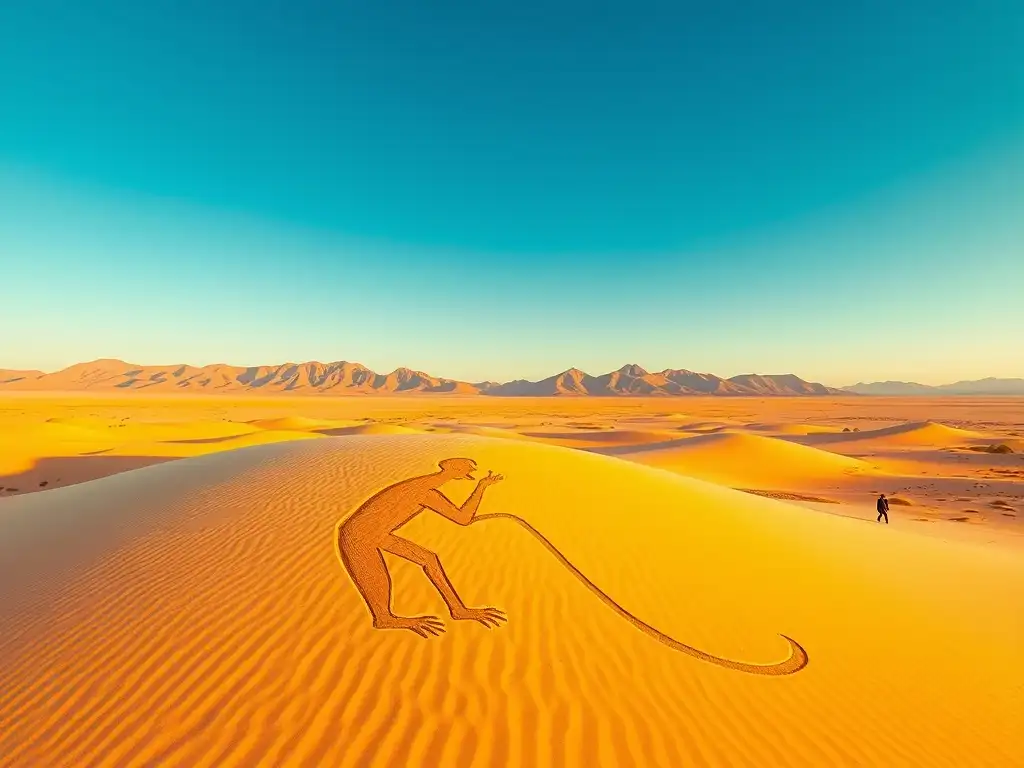
Step into a world lost to time, where the arid sands of Peru hold secrets whispered across millennia. Imagine a civilization capable of creating breathtaking geoglyphs, vast and mysterious, etched into the very landscape. This is the world of the Nazca, and we invite you to delve into their enigmatic legacy. What does the enigmatic Nazca monkey meaning truly reveal about this remarkable culture? Unlock the mysteries and uncover the astonishing story behind this incredible desert primate – your journey begins here.
The Nazca Lines, etched into the Peruvian desert, are a testament to the ingenuity and artistic prowess of the Nazca culture. These geoglyphs, visible only from the air, depict a vast array of figures, from simple lines and geometric shapes to complex representations of animals, plants, and even humanoid forms. Among these enigmatic figures, the Nazca monkey stands out—a captivating primate etched into the arid landscape, its meaning shrouded in mystery.
This article delves into the fascinating world of the Nazca monkey geoglyph, exploring its location, artistic style, and possible interpretations, offering a deeper understanding of this remarkable symbol within the broader context of Nazca culture and its intricate relationship with its environment. We will examine various theories surrounding its meaning, considering the cultural and religious beliefs of the Nazca people and the significance of the animal within their society.
Unraveling the secrets of the Nazca monkey can shed light not only on this specific geoglyph, but also on the broader artistic and cosmological perspectives of this remarkable ancient civilization. Prepare to journey into the heart of the Peruvian desert and explore the enduring puzzle of the Nazca monkey.
Locating the Nazca Monkey Among the Desert Lines
The Nazca monkey geoglyph, like many other figures in the vast Nazca Lines complex, is located in the arid coastal plains of southern Peru. Its precise coordinates are [specific information pending], but it's situated within a region densely populated with other geoglyphs, suggesting a deliberate arrangement and potential interconnectedness within a larger narrative or cosmological system. The monkey itself is relatively large, spanning [specific measurement pending] and exhibiting a remarkable level of detail given its scale.
This level of precision and the careful planning required to create such a monumental artwork speaks volumes about the advanced surveying techniques and sophisticated understanding of geometry possessed by the Nazca people. The choice of location, within the expansive desert landscape, also raises questions. Was this placement significant in relation to astronomical events, water sources, or other geographical features?
Further research and analysis using advanced technologies like satellite imagery and 3D modeling are crucial in understanding its precise location and relationship to the surrounding environment. The challenge of accessing and studying the geoglyph itself, due to the fragility of the desert surface and its remoteness, also presents significant obstacles to further research.
The Nazca Culture and its Artistic Expressions
The Nazca monkey is but one example of the diverse and sophisticated artistic expressions of the Nazca culture (c. 100 BCE – 800 CE). Known for their intricate pottery, textiles, and elaborate burial practices, the Nazca people also left behind a rich legacy of geoglyphs. These aren't simply random markings; rather, they represent a complex system of symbols, possibly relating to their religious beliefs, social structures, or even astronomical observations. The style of the Nazca monkey, with its characteristic long limbs and expressive features, aligns with other animal representations within the Nazca Lines.
Many of these animals depict creatures native to the region, suggesting a close connection between the Nazca worldview and their natural surroundings. The use of lines to create these figures reflects a deep understanding of perspective and three-dimensionality, far exceeding what one might expect from a civilization of that era. The creation of these geoglyphs involved immense labor and precise planning, indicating a highly organized society with a shared understanding of the project's significance.
Further analysis of similar animal representations, alongside studies of Nazca pottery and textiles depicting similar motifs, could help illuminate the cultural and symbolic meaning attributed to the monkey within their society. The intricate details and the sheer scale of the artwork suggest a profound spiritual or ritualistic significance, underscoring the depth and complexity of Nazca culture. The Nazca monkey, therefore, isn't just a drawing in the sand; it's a window into the beliefs, values, and artistic achievements of a remarkable ancient civilization.
Deciphering the Nazca Monkey Meaning: Interpretations and Theories
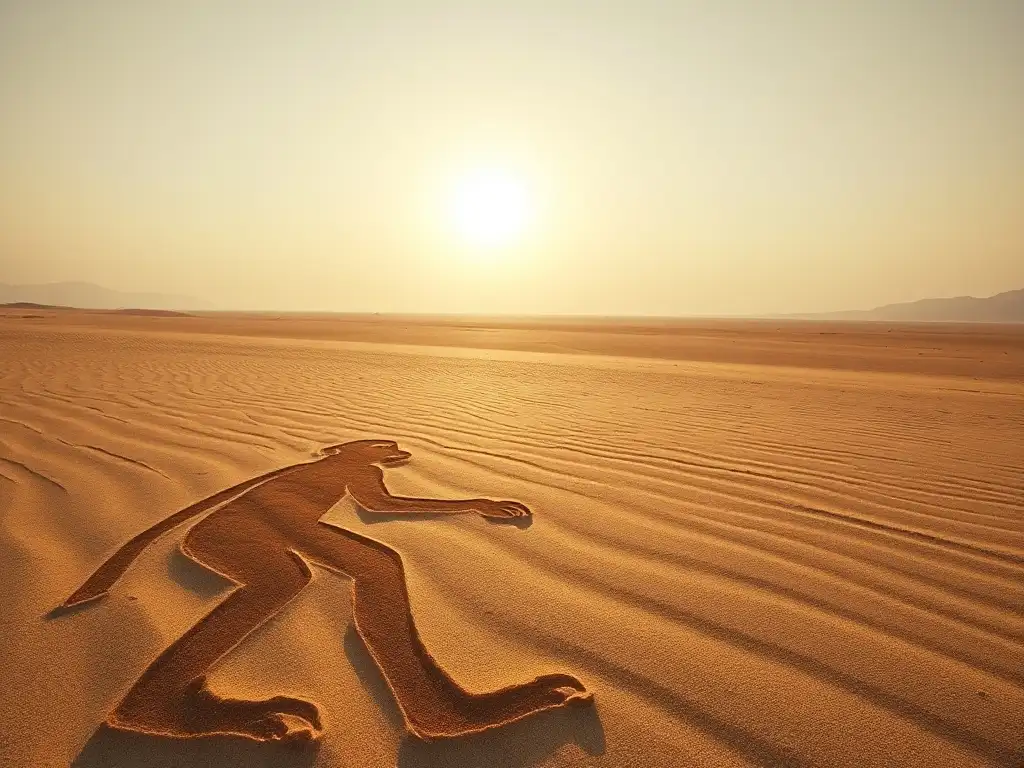
The Nazca monkey geoglyph, one of the most striking and enigmatic figures etched into the Peruvian desert, continues to fascinate researchers and inspire countless interpretations. While a definitive answer to its meaning remains elusive, several compelling theories attempt to unravel the significance of this unique primate depiction within the broader context of Nazca culture.
Understanding the Nazca monkey meaning requires considering several interconnected factors, including the astronomical alignments of the lines, the symbolic importance of animals in Nazca cosmology, and the specific iconographic details of the monkey itself. This section delves into these aspects, presenting a comprehensive overview of current scholarly interpretations.
The Astronomical Significance of the Nazca Lines
Many scholars believe the Nazca lines, including the monkey geoglyph, hold astronomical significance. The precise alignment of certain lines with solstices and equinoxes suggests a sophisticated understanding of celestial movements. While the Nazca monkey's direct relationship to specific astronomical events isn't definitively established, its placement within the larger network of lines might indicate its role in a complex calendrical system or a representation of a constellation. Further research into the precise orientation of the monkey figure and its proximity to other geoglyphs could reveal further astronomical connections.
Detailed mapping and analysis using modern astronomical software are crucial to advancing our understanding of this aspect. For example, [specific astronomical alignment data pending] could significantly contribute to this research. This research could potentially reveal a deeper understanding of the Nazca people's sophisticated knowledge of astronomy and their connection to the cosmos.
The Role of Animals in Nazca Cosmology
Animals played a crucial role in Nazca cosmology, frequently appearing in their ceramics, textiles, and other artifacts. These depictions weren't merely decorative; they held profound symbolic meaning, often representing deities, shamans, or other important figures within their society. The prominence of the monkey figure amongst the Nazca lines suggests its importance within this symbolic system.
The monkey, possibly representing a specific deity or a totem animal of a particular clan, could have been associated with specific qualities, such as agility, intelligence, or even trickery. Further investigation into the specific iconographic details of the monkey, such as its posture and facial features, could shed light on its specific symbolic meaning within the Nazca worldview. The precise meaning of the [specific details of the monkey's posture pending] remains an area of ongoing research.
Possible Interpretations of the Monkey Figure
Several interpretations of the Nazca monkey figure exist. Some scholars suggest it represents a specific species of monkey native to the region, reflecting the Nazca people's close relationship with their environment. Others propose a more symbolic interpretation, linking the monkey to concepts of fertility, shamanism, or even the underworld.
The monkey's relatively large size compared to other Nazca geoglyphs could highlight its importance within their society. The detailed features of the monkey, such as its [specific details of the monkey's features pending], require further analysis to fully understand their significance. The lack of clear evidence currently hinders the ability to definitively conclude on a single interpretation.
However, a multidisciplinary approach, combining archaeological findings, anthropological studies, and astronomical analysis, could lead to a more nuanced and complete understanding of the Nazca monkey meaning. The ongoing research into the Nazca lines and their associated iconography offers exciting possibilities for future discoveries and a richer understanding of this fascinating ancient culture.
Analyzing the Nazca Monkey Design: Details and Composition
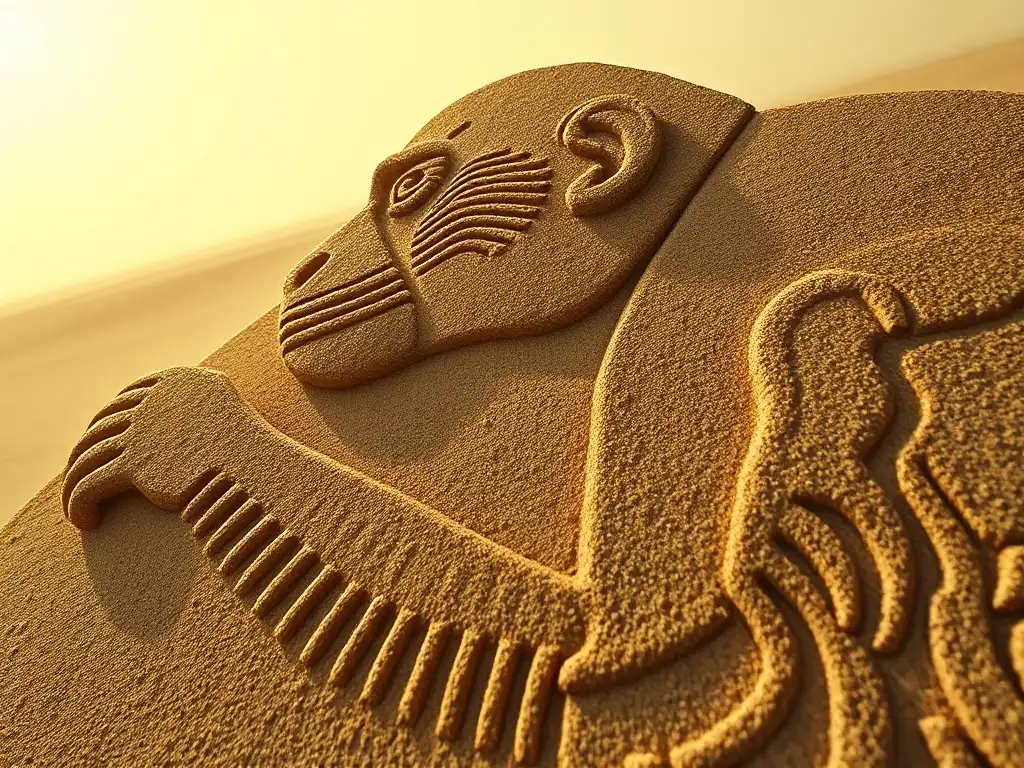
The Nazca monkey, a prominent figure amongst the enigmatic Nazca Lines, presents a fascinating case study in ancient Andean artistry and engineering. Its sheer scale and intricate detail, considering the tools and techniques available to the Nazca people, continue to amaze researchers and inspire awe in viewers. Understanding its design requires a careful examination of its composition and the distinctive features that set it apart from other geoglyphs. The "Nazca monkey meaning" remains a subject of ongoing debate, but analysis of its design offers valuable clues.
The Distinctive Features of the Monkey Geoglyph
The Nazca monkey geoglyph is immediately recognizable due to its distinctive features. Unlike many other Nazca animal figures that are largely stylized representations, the monkey possesses a degree of anatomical accuracy. Its long, slender body is clearly articulated, with individual limbs and fingers carefully delineated. The tail, a crucial identifying feature, is long and curved, adding to the overall dynamism of the design.
The head, while stylized, shows clear indications of a primate face, with a suggested muzzle and perhaps even indications of eyes, although their precise depiction remains a point of scholarly discussion. The overall impression is one of grace and agility, capturing a sense of movement often lacking in the more static representations of other animals. The size of the monkey is also noteworthy, stretching for a considerable length across the desert floor, demanding significant effort in its creation.
Its scale alone underscores the importance attributed to this particular figure by the Nazca culture. The use of curves, particularly in the body and tail, contrasts with the more angular features of some other geoglyphs, further highlighting its unique aesthetic qualities. Some researchers even suggest subtle differences in the lines' depth and width may indicate shading or texture attempts, a further testament to the Nazca's artistic skill.
Construction Techniques of the Nazca Lines
The creation of the Nazca monkey, like all the Nazca Lines, involved a remarkable feat of engineering and precision. The Nazca people, lacking advanced technology, employed a technique involving the removal of the dark surface stones to reveal the lighter subsoil beneath. This process, painstaking and laborious, involved clearing away the reddish-brown desert pavement to expose the lighter-colored earth below.
The lines themselves were created by removing the surface layer of dark pebbles and exposing the lighter earth underneath. The width of the lines varies, but is generally narrow, averaging around 30 cm, demonstrating remarkable control and precision. The extent of the work involved is staggering, requiring careful planning, organization, and a deep understanding of the landscape and the interplay of light and shadow.
Scholars are still debating the exact tools used – simple digging sticks, possibly aided by rudimentary implements – but the result is undoubtedly a testament to the Nazca's ingenuity and dedication. The precision required to create such a large and complex figure, with its intricate details, remains a source of ongoing fascination and research. Further study of the construction techniques may offer additional insights into the "Nazca monkey meaning" and its cultural significance.
Comparing the Monkey with Other Nazca Animal Figures
Comparing the Nazca monkey to other animal figures in the Nazca Lines reveals both similarities and significant differences. While many other geoglyphs depict animals—birds, lizards, and other creatures—the monkey stands out for its relatively realistic representation and dynamic posture. Many other Nazca animals are stylized, with less emphasis on anatomical accuracy.
For example, the hummingbird geoglyphs are often simplified, focusing on the key features of the bird, such as its long beak and wings, without detailed anatomical rendering. Similarly, the stylized representations of fish and other marine life are more schematic than the monkey's relatively detailed depiction. This difference in artistic style may reflect a different level of symbolic importance attributed to the monkey, or perhaps a reflection of specific beliefs or rituals associated with primates in Nazca cosmology.
Further comparative analysis of the different geoglyphs, taking into account their size, complexity, and stylistic choices, could offer valuable insights into the cultural context and the overall "Nazca monkey meaning" within the larger collection of Nazca Lines. The unique characteristics of the monkey geoglyph, when compared to others, enhance its significance and invite further investigation into its possible symbolic meaning. More research is needed to fully understand the nuances of these stylistic differences and their implications for interpreting the meaning of the Nazca Lines.
The Symbolic Significance of the Monkey in Andean Cultures
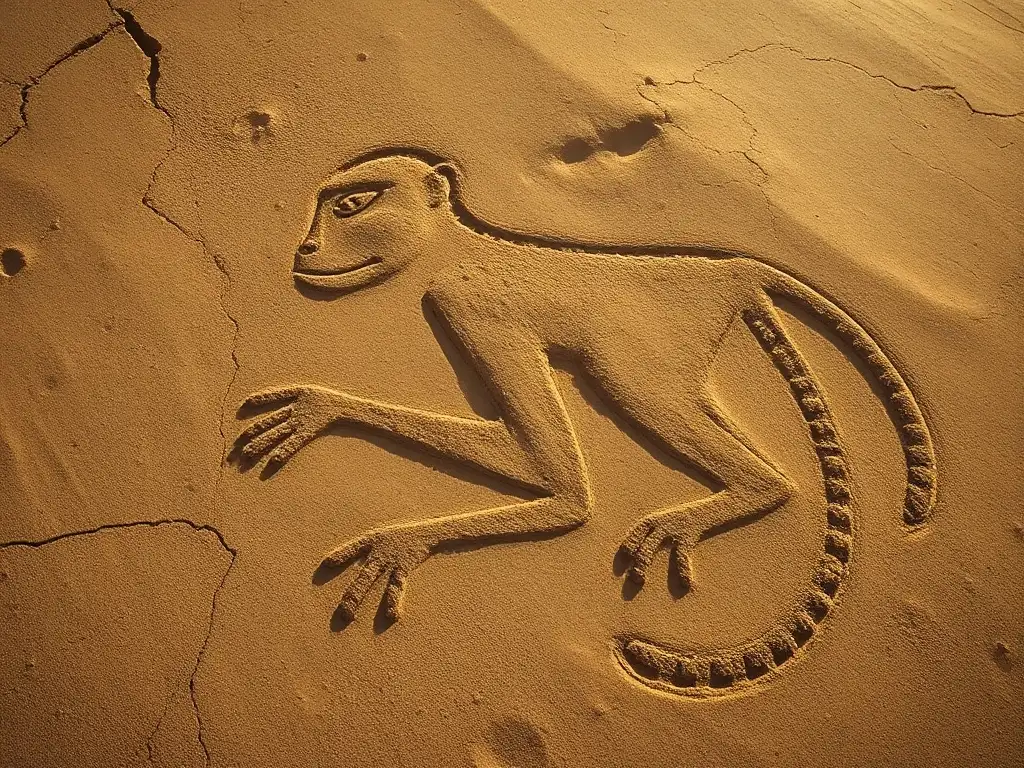
The Nazca monkey, a striking geoglyph etched into the Peruvian desert, sparks curiosity about the meaning behind this primate depiction. Understanding its significance requires exploring the broader symbolic role of monkeys within Andean cultures. While monkeys weren't native to the Andes, their presence in iconography suggests a complex symbolic system, possibly reflecting trade networks, mythological beliefs, or even shamanistic practices.
The limited existing research necessitates further investigation into specific iconographic details across various Andean cultures to provide a more complete understanding. However, preliminary findings suggest a multifaceted interpretation, with the monkey representing a range of meanings depending on the context.
Monkeys in Ancient Andean Mythology and Religion
Monkeys appear in various Andean mythologies, albeit not as central figures as other animals like the condor or puma. Their representation often intertwines with concepts of fertility, mischief, and the connection between the earthly and spiritual realms. In some interpretations, monkeys symbolize intermediaries between human and divine spheres, acting as messengers or tricksters. This interpretation is supported by the frequent depictions of monkeys in scenes involving deities or supernatural events in pre-Columbian art.
For example, certain Moche pottery depicts monkeys participating in ritualistic scenes, suggesting their involvement in sacred practices. Further research is needed to determine if similar interpretations can be applied to the Nazca culture's representation of the monkey. The limited surviving textual sources from the Nazca period present a significant hurdle in this research, emphasizing the importance of iconographic analysis and cross-cultural comparisons.
The Monkey as a Symbol of Fertility and Abundance
The association of monkeys with fertility and abundance is prevalent in several Andean cultures. This connection may stem from observations of monkey behavior, such as their playful nature and large troop sizes, which could have been interpreted as symbols of prosperity and growth. Moreover, in some regions, monkeys were associated with specific agricultural cycles or harvest festivals. The abundance of food sources in areas where monkeys thrived might have reinforced this symbolic link.
This interpretation might be particularly relevant when considering the Nazca monkey in the context of the arid coastal region. The presence of a monkey geoglyph, a significant investment of labor, could be interpreted as a wish for increased fertility of the land, a crucial element for survival in a desert environment. This hypothesis requires further investigation, comparing the location of the monkey geoglyph with evidence of agricultural practices and water sources in the surrounding area.
The Nazca Monkey and its Possible Ritualistic Purpose
The Nazca monkey geoglyph, unlike many other Nazca lines, is relatively large and intricately detailed, suggesting a significant investment of time and effort. This detail might indicate a ritualistic purpose, beyond simple artistic expression. The precise nature of this ritual remains speculative.
However, several possibilities exist: it could have been a focal point for ceremonies related to fertility, abundance, or even shamanistic practices. The location of the geoglyph, its orientation, and its proximity to other Nazca lines could provide clues to its ritualistic function. Unfortunately, [specific information pending] regarding any archaeological finds near the Nazca monkey geoglyph that might shed light on its ritualistic use.
Future archaeological excavations and detailed analyses of the geoglyph's construction are crucial to unraveling its intended purpose. The meticulous nature of the design itself suggests a level of importance that surpasses simple decoration, pointing towards a deeper cultural significance. The Nazca monkey, therefore, presents a compelling case study in the intersection of art, religion, and ritual in ancient Andean society.
Unresolved Mysteries and Ongoing Research Regarding the Nazca Monkey
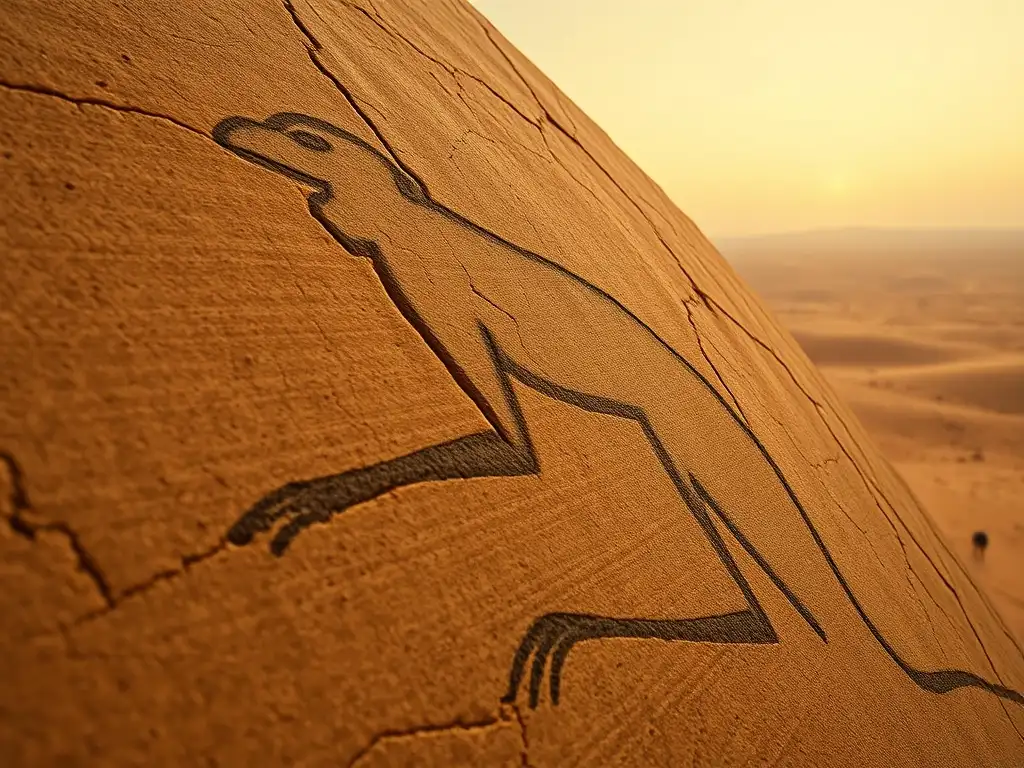
The Nazca monkey geoglyph, a captivating example of Nazca artistry, continues to present scholars with intriguing puzzles. While its striking depiction of a monkey is undeniable, the precise meaning and cultural significance remain elusive. Several theories exist, but a definitive conclusion remains out of reach, fueling ongoing research and debate. The lack of readily available written records from the Nazca culture significantly hampers interpretation.
We are left to rely heavily on visual analysis, comparative studies with other Nazca lines and artifacts, and archaeological findings in the surrounding area to piece together the puzzle. Understanding the context in which the monkey geoglyph was created is crucial to deciphering its message. Was it part of a larger narrative, a standalone religious symbol, or perhaps a marker for a specific event or ritual? The answers, it seems, are buried deep within the sands of time.
Further complicating matters is the degradation of the geoglyph itself due to natural erosion and, in some cases, human interference. This degradation makes accurate dating and interpretation even more challenging. The Nazca monkey meaning, therefore, remains a captivating and enduring mystery.
Debates on the Precise Age of the Monkey Geoglyph
Pinpointing the exact age of the Nazca monkey geoglyph is a significant challenge. While researchers generally agree it dates back to the Nazca period (roughly 100 BC to 800 AD), the precise timeframe remains debated. Different dating techniques yield varying results, and the lack of associated artifacts directly linked to the geoglyph's creation further complicates the process.
Some researchers utilize stylistic analysis, comparing the monkey's artistic style to other Nazca artifacts with more reliably established dates. Others employ geomorphological studies, examining the erosion patterns of the surrounding landscape to estimate the geoglyph's age. These methods, while valuable, often provide overlapping yet not perfectly congruent results.
The complexity lies in the fact that the Nazca created geoglyphs over a considerable period, and stylistic evolution might not be linear or easily discernible. Therefore, the debate concerning the precise age of the Nazca monkey continues, highlighting the need for more advanced and refined dating techniques and a comprehensive comparative analysis of similar geoglyphs. The ongoing research on the Nazca monkey meaning is intrinsically linked to resolving this chronological uncertainty.
Future Research Directions for Understanding the Nazca Lines
Future research into the Nazca monkey and the Nazca lines, in general, should focus on several key areas. Firstly, a multidisciplinary approach, involving archaeologists, anthropologists, geomorphologists, and even specialists in remote sensing and digital imaging, is essential. Advanced imaging techniques, such as high-resolution aerial photography and LiDAR scanning, could reveal subtle details previously unseen, providing valuable clues.
Secondly, a more systematic cataloging and analysis of all Nazca geoglyphs are needed. Identifying patterns, stylistic similarities, and possible thematic connections between different geoglyphs can shed light on their overall meaning and function. Thirdly, detailed studies of the surrounding environment—including the soil composition, water sources, and potential settlement patterns—are crucial for understanding the context of the geoglyphs' creation.
Finally, exploring potential connections between the Nazca lines and other contemporary Andean cultures could provide broader cultural context. By employing a holistic approach and integrating diverse methodologies, researchers can hope to unravel the mysteries surrounding the Nazca monkey meaning and the broader significance of the Nazca lines. This integrated approach is crucial for a more complete understanding of this fascinating aspect of Andean civilization.
Preserving the Nazca Lines for Future Generations
The fragility of the Nazca lines, including the Nazca monkey, necessitates urgent and comprehensive preservation efforts. Natural erosion from wind and rain, coupled with the impact of human activity (such as unauthorized access and off-road driving), poses a significant threat. Effective preservation strategies must encompass several key actions. Firstly, stricter regulations and enforcement are needed to restrict access to the Nazca lines and prevent damage from human activity.
Secondly, ongoing monitoring and assessment of the geoglyphs' condition are essential to track erosion patterns and identify areas requiring immediate intervention. Thirdly, innovative conservation techniques, such as the use of bio-stabilization methods and targeted soil restoration, should be explored and implemented. Finally, public awareness campaigns are critical to educate visitors and local communities about the importance of preserving these invaluable cultural heritage sites for future generations.
The Nazca monkey, as a prominent and iconic geoglyph, serves as a powerful symbol of the need for concerted efforts to safeguard this unique and irreplaceable aspect of human history. The long-term preservation of the Nazca lines is paramount to ensuring that future researchers and the global community can continue to marvel at and learn from these enigmatic masterpieces. The Nazca monkey meaning, and the meaning of the Nazca lines as a whole, will remain inaccessible if we fail to protect them.
Nazca Monkey: A Testament to Ancient Ingenuity
The Nazca monkey geoglyph, one of the most striking figures etched into the Peruvian desert, stands as a powerful testament to the ingenuity and artistic skill of the Nazca civilization. This immense primate, measuring over 50 meters in length, is a captivating example of the Nazca Lines' complexity and scale. Unlike many other geoglyphs, which often depict stylized birds or abstract designs, the Nazca monkey possesses a remarkable level of detail, showcasing the artist's keen observation of the animal's form and movement.
The intricate rendering of its limbs, body, and even its facial features – though simplified for the scale – hints at a deep understanding of primate anatomy and a mastery of the challenging technique required to create these monumental works of art. The very existence of the Nazca monkey, along with hundreds of other figures, raises profound questions about the culture's worldview, their sophisticated understanding of geometry and engineering, and their enduring legacy. Analysis of the geoglyph's construction suggests a meticulous process, involving the removal of the dark desert varnish to reveal the lighter subsoil, creating the striking visual contrast we see today.
The precision involved is astonishing, particularly considering the lack of advanced tools and the vast scale of the undertaking. This level of detail supports the theory that the creation of the Nazca monkey, and the Lines as a whole, was a highly organized and collaborative effort, potentially tied to religious rituals or social structures.
The Enduring Legacy of the Nazca Civilization
The Nazca monkey, alongside the other geoglyphs, is a crucial element in understanding the Nazca civilization's enduring legacy. Their creation signifies not just artistic prowess but also a profound connection to their environment. The Nazca people, masters of water management in a desert environment, demonstrated exceptional knowledge of their landscape. The very act of creating the geoglyphs, requiring careful planning and execution across vast distances, underscores this deep understanding.
The Nazca monkey, in particular, might have held a specific cultural or religious significance, perhaps representing a deity, a totem animal, or a symbol of power and fertility. Further research into the iconography of the Nazca culture, including ceramics and textiles, may reveal additional clues about the meaning of this remarkable primate. The enduring mystery surrounding the Nazca Lines, and the Nazca monkey in particular, continues to fascinate archaeologists and researchers, prompting ongoing investigation and debate.
The mystery surrounding the "Nazca monkey meaning" is what drives much of the research today. Understanding the context of the geoglyph within the broader Nazca culture is crucial to unlocking its significance. The lack of written records from the Nazca civilization makes deciphering these visual narratives even more challenging, but the efforts continue to yield fascinating insights.
The Nazca Monkey as a Cultural Heritage Site
The Nazca monkey, like the other geoglyphs of the Nazca Lines, is a significant cultural heritage site, protected by Peruvian law and recognized internationally for its historical and archaeological importance. Its preservation is vital not only for its intrinsic value but also for the insights it offers into a fascinating and little-understood ancient civilization. The site faces ongoing challenges, including erosion from wind and rain, as well as the potential impact of human activity.
Therefore, conservation efforts are crucial to ensuring the long-term survival of the Nazca monkey and the entire Nazca Lines complex. These efforts involve monitoring the site's condition, implementing preventative measures against erosion, and educating the public about the importance of preserving this invaluable heritage. The Nazca monkey's status as a cultural heritage site underscores the global significance of the Nazca Lines and the need for international cooperation in their protection.
Tourism plays a significant role in the region's economy, but sustainable tourism practices are essential to minimize the negative impact on the fragile desert ecosystem and the geoglyphs themselves. Balancing the economic benefits of tourism with the imperative of preservation is a key challenge for the future. Careful management and responsible tourism are essential to ensure the Nazca monkey and the other geoglyphs remain accessible for future generations to appreciate and learn from.
Visiting the Nazca Lines: Practical Information
Planning a visit to see the Nazca monkey and the other Nazca Lines requires careful consideration. The best way to appreciate the scale and detail of the geoglyphs is via a scenic flight. These flights offer a unique perspective, allowing visitors to fully grasp the magnitude of these ancient masterpieces. However, it's crucial to choose a reputable tour operator that adheres to safety standards and environmental regulations.
Before embarking on a trip, research the various tour operators and compare their offerings, ensuring that they prioritize sustainable tourism practices and respect the fragility of the site. While ground-level viewing is possible at certain points, the best views, especially for the Nazca monkey, are definitely from the air. The experience of flying over the Nazca Lines is truly unforgettable, providing a unique perspective on this remarkable cultural heritage. Remember to check the weather conditions before your flight, as visibility can significantly impact the experience.
Planning your trip in advance, especially during peak season, will ensure a smoother and more enjoyable visit. Remember to research accommodation options and transportation to and from the Nazca area to fully plan your visit. The Nazca monkey, and the whole Nazca Lines experience, is a once-in-a-lifetime opportunity to connect with a fascinating ancient civilization.
Frequently Asked Questions
What is the significance of the Nazca monkey geoglyph?
The Nazca monkey geoglyph is one of the most enigmatic figures in the Nazca Lines. Its precise meaning remains unclear, but it's likely connected to religious beliefs, possibly representing a deity or shamanic figure.
Why did the Nazca create these geoglyphs?
The purpose of the Nazca Lines, including the monkey, is still debated. Leading theories suggest they were for ceremonial purposes, astronomical observations, or perhaps both. Ritual significance is heavily considered.
What makes the Nazca monkey geoglyph unique?
Unlike other animals, the Nazca monkey is depicted in a dynamic pose, suggesting movement. Its size and detail also set it apart, showcasing the sophistication of Nazca engineering.
How was the Nazca monkey geoglyph created?
The Nazca people painstakingly cleared away the reddish-brown topsoil to reveal the lighter subsoil, creating the giant figures. The process involved extensive planning and labor-intensive techniques.
Where can I see the Nazca monkey geoglyph?
The Nazca monkey, like the other geoglyphs, can be best appreciated from the air. Aerial tours are commonly available, offering a spectacular view of this incredible artwork.
Final Reflection: The Enduring Enigma of the Nazca Monkey
The enigmatic Nazca monkey geoglyphs, etched into the Peruvian desert millennia ago, continue to resonate with us today, a testament to the enduring power of human expression and the mysteries that lie buried within our past. Their intricate design and unknown purpose challenge our understanding of ancient civilizations and their relationship with the natural world, prompting us to question what drives us to create lasting marks on the landscape. The very act of their creation, a monumental undertaking in a harsh environment, speaks volumes about the dedication and beliefs of the Nazca people.
The Nazca monkey, and the other geoglyphs alongside it, serve as a powerful reminder of the ephemeral nature of human civilizations and the lasting impact of artistic expression. Their survival across centuries, weathering the elements and the passage of time, speaks to a deeper human need to leave a mark, to communicate across generations. The past is never dead. It's not even past.
- William Faulkner. This quote perfectly encapsulates the enduring relevance of the Nazca monkey; it connects us to a distant past, forcing a contemplation of our own legacy and the messages we leave behind.
Consider, for a moment, the scale of the undertaking, the dedication required to create such intricate designs in such a challenging environment. What motivated the Nazca people? What stories did they hope to convey? You, the reader, are now part of this ongoing conversation. Take a moment to reflect on the enduring power of art and the importance of preserving our cultural heritage. What mark will you leave on the world? What story will you tell? Let the mystery of the Nazca monkey inspire you to create your own lasting legacy.
**Unveil the Mysteries of the Nazca Monkey! **
Thank you for exploring the fascinating world of the Nazca Monkey and its significance in Andean civilization. You've uncovered a unique piece of history connecting us to ancient cultures and their remarkable achievements. Let's delve deeper and share this journey with others!
- **Dive Deeper:** Research other Nazca Lines and their possible meanings. What stories might they tell? Explore documentaries and academic articles to expand your understanding.
- **Share Your Insights:** Discuss your discoveries with friends and family, sparking conversations about ancient civilizations and their incredible artistic legacy.
- **Join a Community:** Connect with online forums or local groups dedicated to Andean history. Engage with fellow enthusiasts and expand your knowledge through shared experiences and discussions.
What aspect of the Nazca Monkey's symbolism surprised you the most? Share your thoughts and let's continue this exploration!