
The Ingenious Design of Andean Food Storage Structures: A Study in Engineering

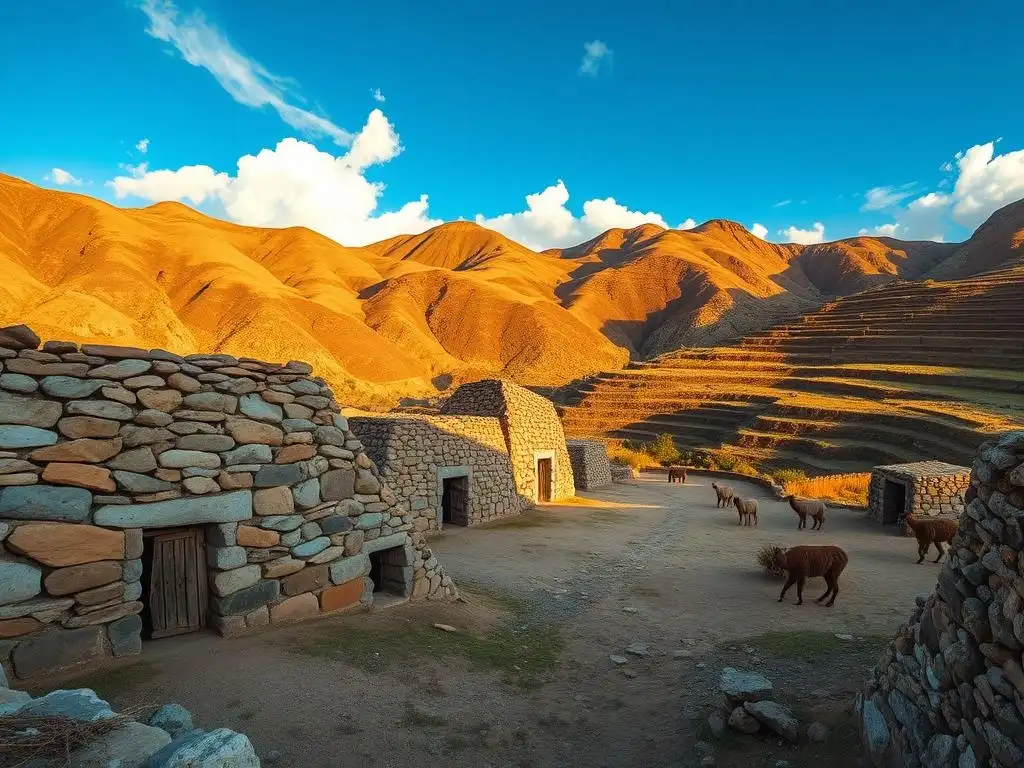
Step into a world lost to time, yet echoing with ingenuity. For centuries, the Andes Mountains witnessed the rise and fall of magnificent civilizations, each leaving behind a legacy of breathtaking artistry and remarkable innovation. But what secrets lie hidden within their ingenious food storage structures? Journey with us as we unravel the mysteries behind Andean food storage structures, exploring the advanced engineering and cultural significance that allowed these civilizations to thrive in one of the world's most challenging environments. Prepare to be amazed.
The Andes Mountains, a formidable yet fertile landscape, presented unique challenges and opportunities for the ancient civilizations that thrived within its embrace. The ingenuity of these cultures extended beyond their impressive architectural feats like Machu Picchu; it permeated even the seemingly mundane aspects of daily life, such as food storage.
This article delves into the remarkable engineering behind Andean food storage structures, showcasing the diverse techniques employed by different civilizations to preserve their harvests and ensure survival in a harsh environment. From the cleverly designed qollqas of the Inca to the less understood but equally effective methods of earlier cultures like the Nazca, we will explore the innovative solutions that allowed these societies to flourish for centuries.
Understanding these structures provides crucial insight into the sophisticated agricultural practices and resource management strategies that were essential to the success of Andean civilizations, highlighting their remarkable adaptability and deep connection to their environment. We'll examine the materials used, the construction techniques, and the overall effectiveness of these structures in preserving vital food supplies, ultimately illustrating the ingenuity and resilience of Andean peoples.
The Inca Qollqas: A Masterclass in Stone Construction
The Inca qollqas are perhaps the most well-known examples of Andean food storage structures. These stone-built granaries, often found in clusters near agricultural areas and administrative centers, showcase remarkable architectural skill. Built from precisely cut and fitted stones, without the use of mortar, these structures were incredibly durable and resistant to the elements.
Their design incorporated features such as ventilation systems to regulate temperature and humidity, crucial for the long-term preservation of grains, potatoes, and other staple crops. The size and number of qollqas varied depending on the size and needs of the community they served, ranging from small, single-room structures to large, complex complexes capable of storing vast quantities of food. The precise arrangement of stones, often incorporating subtle angles and curves, further enhanced their stability and longevity.
The construction of these structures required considerable planning and coordination, demonstrating a high level of social organization and engineering prowess. Archaeological evidence suggests that the Inca utilized a sophisticated system of record-keeping to track food stocks within the qollqas, ensuring equitable distribution among the population.
Beyond the Inca: Food Storage Techniques in Pre-Inca Societies
While the Inca qollqas are iconic, various pre-Inca Andean cultures developed their own innovative approaches to food storage. The Nazca, for example, are known for their elaborate irrigation systems, but their methods of preserving food remain less documented. Evidence suggests they employed a variety of techniques, possibly including subterranean storage pits and raised platforms to protect food from moisture and pests.
Further research is needed to fully understand their sophisticated strategies for preserving harvests, especially considering the arid climate of the Nazca region. Similarly, the Moche and Tiahuanaco cultures likely utilized different methods suited to their specific environments and agricultural practices. Understanding these diverse techniques provides a richer and more complete picture of Andean agricultural practices and highlights the adaptive nature of these ancient societies.
The lack of extensive documentation for these pre-Inca methods underscores the ongoing need for archaeological investigation and the importance of preserving and interpreting existing evidence. Further study may reveal innovative techniques that were later adapted and refined by the Inca.
The Environmental Impact and Sustainability of Andean Food Storage
The design and construction of Andean food storage structures were not merely practical solutions; they also reflected a deep understanding of the environment and a commitment to sustainable practices. The use of locally sourced materials, such as stone and adobe, minimized environmental impact. The design features, such as ventilation and protection from pests, ensured the long-term preservation of food without resorting to artificial preservatives.
This approach to food storage contrasts sharply with modern practices that often rely on energy-intensive methods and environmentally harmful chemicals. The ingenuity and sustainability of Andean food storage methods offer valuable lessons for contemporary societies grappling with issues of food security and environmental stewardship. Analyzing these ancient techniques can inspire innovative and environmentally friendly approaches to food preservation and storage in the 21st century.
The integration of these principles into modern design could lead to more efficient and sustainable food systems globally. The legacy of Andean ingenuity continues to inspire.
Technological Advancements and Their Influence on Food Storage
The development of Andean agriculture and food storage was intrinsically linked to technological advancements. The mastery of irrigation techniques, for example, allowed for increased agricultural yields, which in turn necessitated more sophisticated storage solutions. The development of improved tools and techniques for harvesting and processing crops also played a significant role. Similarly, advancements in pottery and weaving enabled the creation of containers for storing food, further enhancing preservation efforts. The interplay between agricultural innovation and technological progress is evident in the evolution of Andean food storage structures, demonstrating a continuous process of adaptation and improvement. Further research into the specific technologies used in the construction and maintenance of these structures could reveal important insights into the technological capabilities of Andean societies and their understanding of materials science. The evolution of these structures reflects a continuous drive for improvement and highlights the interconnectedness of technology and food security in Andean civilizations.
- The Inca Qollqas: A Masterclass in Stone Construction
- Beyond the Inca: Food Storage Techniques in Pre-Inca Societies
- The Environmental Impact and Sustainability of Andean Food Storage
- Technological Advancements and Their Influence on Food Storage
- What types of food storage structures did Andean civilizations use?
- How did the design of these structures help preserve food?
- Were these structures solely for food storage?
- Which Andean cultures are known for their advanced food storage techniques?
- What materials were commonly used in the construction of these structures?
Understanding the Need for Andean Food Preservation
The Challenge of Food Security in the Andes
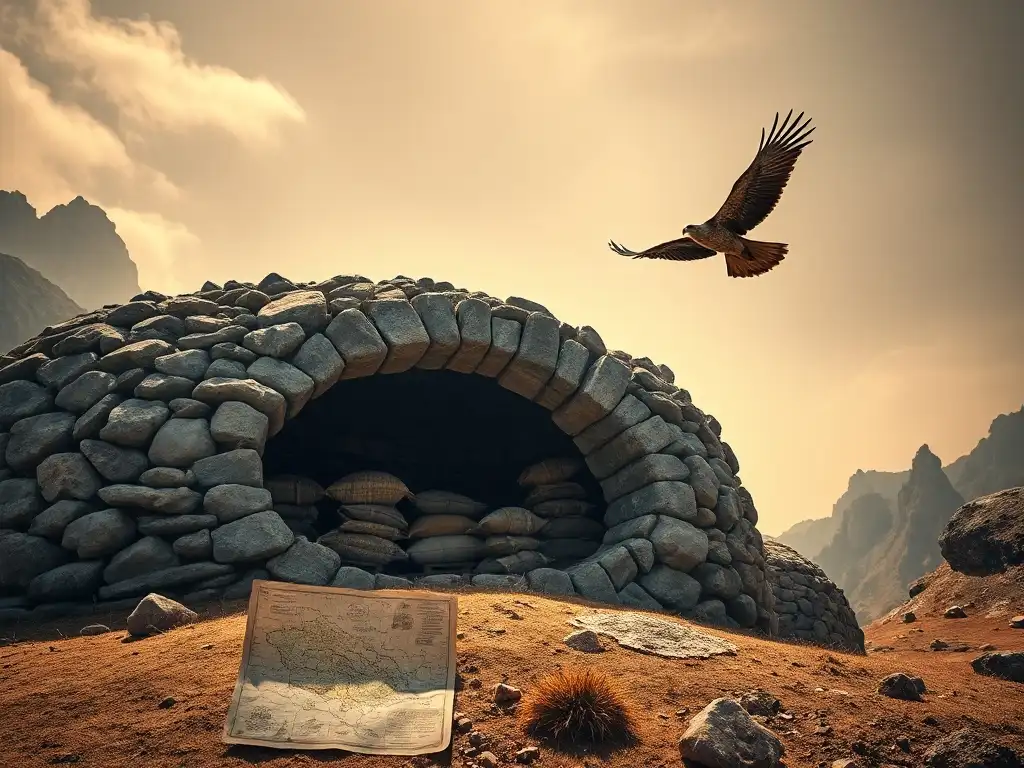
The Andes Mountains present a unique and formidable challenge to food security. The steep slopes, diverse microclimates, and unpredictable weather patterns—ranging from intense droughts to torrential rains—created a constant need for innovative food preservation and storage techniques. Ancient Andean societies, far from being passive recipients of their environment, developed sophisticated strategies to mitigate these risks. Their survival depended on it.
Successful harvests were not guaranteed, and the ability to store surplus food was crucial for enduring lean periods and ensuring societal stability. This wasn't simply a matter of individual survival; it was essential for maintaining complex social structures and supporting large populations. The ingenuity displayed in their food storage solutions reflects a deep understanding of their environment and a remarkable capacity for adaptation.
Evidence suggests that food security was a central concern, influencing social organization, religious practices, and even urban planning. The construction of elaborate storage facilities underscores the high value placed on food preservation and its crucial role in the Andean worldview. Without effective food storage, the remarkable achievements of these civilizations would have been severely hampered.
Climate and Altitude: Factors Influencing Storage Needs
Altitude significantly impacted Andean food storage requirements. At higher elevations, shorter growing seasons and harsh weather conditions demanded more robust storage solutions. The lower temperatures at higher altitudes offered some natural preservation advantages, slowing down spoilage, but this was far from a guaranteed solution. Variations in rainfall and temperature across different altitudinal zones also necessitated diverse storage techniques tailored to specific environments.
For example, areas prone to heavy rainfall required structures that offered excellent protection from moisture, while drier regions might necessitate strategies to prevent desiccation. The precise needs varied considerably depending on the specific location and the types of crops being stored. This explains the diversity of storage structures found across the Andes, reflecting the remarkable adaptability of Andean engineering to the unique challenges of each region. Understanding the interplay between climate, altitude, and storage techniques is key to appreciating the sophistication of Andean food preservation practices.
Moreover, the variability in microclimates within relatively small geographical areas further complicated matters. A single valley might contain diverse microclimates, each demanding unique storage solutions. This necessitates a nuanced understanding of the specific environmental pressures faced by different Andean communities, highlighting the localized nature of their technological adaptations.
The Importance of Food Storage for Andean Societies
Food storage was not merely a practical necessity for Andean civilizations; it was deeply intertwined with their social, economic, and religious life. Stored food played a vital role in maintaining social order and political power. Elites often controlled access to stored resources, reinforcing their authority and influence. Granaries served not only as repositories of food but also as symbols of power and prosperity, often incorporated into ceremonial centers and religious complexes.
The careful management of stored food was a key component of Andean economic systems, influencing trade, taxation, and redistribution networks. Furthermore, the rituals and ceremonies associated with food storage underscore its importance in the Andean worldview. These practices may have included offerings to deities to ensure bountiful harvests and the protection of stored food.
This highlights the holistic nature of Andean societies, where practical considerations were seamlessly integrated with spiritual and social beliefs. The importance of food storage in Andean societies is thus far more profound than simply a matter of survival; it was a cornerstone of their social, economic, and religious structures, reflecting the deep interconnectedness of these aspects of their lives. The meticulous design and strategic placement of storage structures are testament to the central role they played in the functioning of these complex societies.
Types of Andean Food Storage Systems
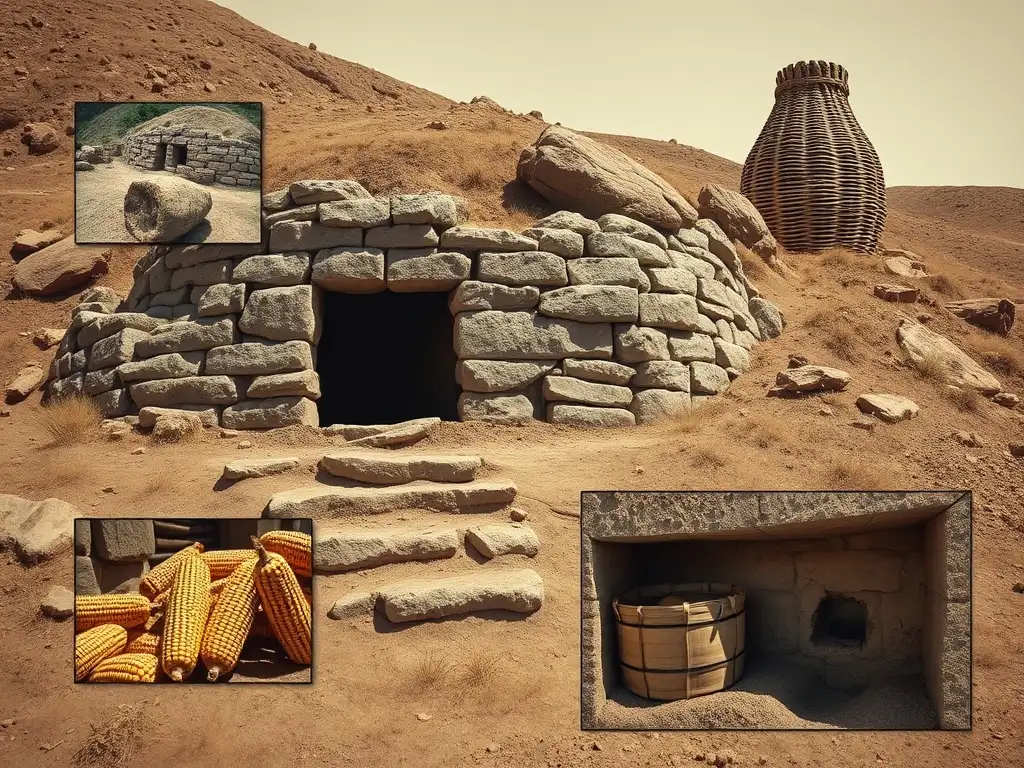
Andean food storage structures represent a remarkable feat of engineering, reflecting the ingenuity and adaptability of ancient Andean civilizations in their quest to ensure food security. These systems, developed over centuries, varied significantly depending on the specific environment, available resources, and the types of crops being stored. Understanding these diverse approaches provides invaluable insight into the sophisticated agricultural practices and societal organization of these cultures. The effectiveness of these systems was crucial for their survival, particularly during lean times or periods of unpredictable climate.
The design and construction of these structures were not merely practical; they also held symbolic and social significance within their respective communities. The meticulous attention to detail in their creation highlights the deep connection between these communities and their environment. This section will explore some of the most prevalent types of Andean food storage structures.
Colcas: The Ubiquitous Storage Warehouses
Colcas, the iconic stone structures found throughout the Andes, are perhaps the most recognizable example of Andean food storage technology. These rectangular or circular buildings, typically built into hillsides or cliffs for added protection, were designed for storing a wide variety of food products, including maize, quinoa, potatoes, and dried meats. Their construction varied depending on the region and the available materials, but they generally featured thick, stone walls designed to regulate temperature and humidity. The interior often consisted of multiple compartments, allowing for the segregation of different food types.
The construction process itself was impressive. Large, precisely cut stones were meticulously fitted together without mortar, demonstrating advanced masonry skills. The size and complexity of colcas varied significantly.
Some were small, single-room structures suitable for family use, while others were large, multi-chambered complexes capable of storing substantial quantities of food for entire communities. The strategic placement of colcas, often in defensible locations, also suggests their importance in ensuring community food security against potential threats. Archaeological evidence reveals that colcas were not just simple storage facilities; they were often incorporated into larger agricultural complexes, highlighting the integrated nature of Andean food production and storage systems.
Underground Storage Pits: Preserving Tubers and Roots
In contrast to the above-ground colcas, underground storage pits provided a different approach to food preservation, particularly well-suited for storing tubers and roots such as potatoes and oca. These pits, often dug into the earth and lined with stones or other materials, offered a relatively stable environment characterized by consistent temperature and humidity. This stable environment helped to slow down spoilage and extend the shelf life of perishable food items.
The depth and size of these pits varied based on the needs of the community. Smaller pits might have been used by individual families, while larger, more elaborate pits were likely utilized by larger groups or communities. The lining of the pits played a crucial role in preventing moisture damage and maintaining the integrity of the stored food.
Materials used for lining included stones, clay, and even woven textiles. The careful selection and placement of these materials underscore the sophisticated understanding of material properties and their impact on food preservation possessed by ancient Andean communities. Furthermore, the strategic location of these pits, often in well-drained areas, reflects a detailed knowledge of local geography and its influence on food storage.
Elevated Granaries: Protecting Grains from Pests and Moisture
Elevated granaries, another ingenious Andean food storage solution, offered a distinct advantage in protecting grains from pests and moisture. These structures, raised above the ground on posts or stilts, prevented rodents and other animals from accessing the stored grain. The elevated position also improved air circulation, helping to reduce humidity and prevent mold growth.
The construction of these granaries involved a range of materials and techniques. The posts supporting the structure were often made of durable wood, while the granaries themselves might have been constructed from woven materials, such as reeds or grasses, or from clay. The design of these structures varied across different regions, reflecting the available resources and local building traditions.
However, the fundamental principle of raising the stored grain above the ground remained consistent, providing an effective method of preserving grains and ensuring their availability throughout the year. The design of these granaries showcases the practical understanding of environmental factors and their influence on food preservation. The meticulous construction and strategic placement of these structures demonstrate the advanced knowledge of engineering and agricultural practices characteristic of Andean civilizations.
Specialized Storage Techniques: Chuno Production and Air-Drying of Meats
The Andes' challenging environment, characterized by high altitudes and variable climates, necessitated the development of ingenious food preservation methods. Two prominent examples showcasing Andean ingenuity are chuno production and the air-drying of meats. These techniques weren't merely about extending shelf life; they were crucial for ensuring food security throughout the year, especially during harsh winters and periods of scarcity. The mastery of these processes reflects a deep understanding of both agricultural practices and the principles of food preservation.
The creation of chuno, a freeze-dried potato product, is a remarkable feat of Andean agricultural technology. Potatoes, a staple crop in the Andes, are harvested and subjected to a rigorous process. First, they are left to freeze overnight under extremely cold conditions, often at high altitudes. This initial freezing step is critical for breaking down the potato's cellular structure.
Then, during the day, the potatoes are trampled underfoot, releasing excess water. This process is repeated several times over several days, resulting in a dehydrated product that can be stored for extended periods without spoiling. Different types of chuno exist, varying in texture and taste depending on the length and intensity of the freezing and trampling process.
The production of chuno is not merely a preservation technique; it's a testament to the Andean people's ability to adapt to and thrive in a demanding environment. The process also demonstrates a profound understanding of the potato's properties and how to best utilize them for long-term sustenance. The entire process, passed down through generations, is a crucial element of Andean cultural heritage.
Air-drying of meats, another vital preservation technique, similarly leveraged the Andean climate. This method, while seemingly simple, involved careful selection of the meat, precise drying conditions, and a deep understanding of preventing spoilage. The process often involved cutting the meat into thin strips to maximize surface area for efficient drying. These strips were then hung in well-ventilated areas, often in the sun, allowing for natural dehydration.
The altitude, with its low humidity and intense sunlight, played a critical role in the success of this method. This technique wasn't limited to a specific type of meat; various animals, including llama, alpaca, and vicuña, were processed in this manner. The dried meat, once properly prepared, could be stored for months, providing a valuable source of protein during lean times.
The effectiveness of this method highlights the Andean people's intimate knowledge of their environment and their resourcefulness in utilizing available resources for survival. This practice, like chuno production, wasn’t just about preserving food; it was intrinsically linked to their survival strategies and cultural practices. The careful selection of drying locations and precise timing demonstrate a sophisticated understanding of environmental factors and their impact on food preservation.
Engineering Principles Behind Andean Storage Structures
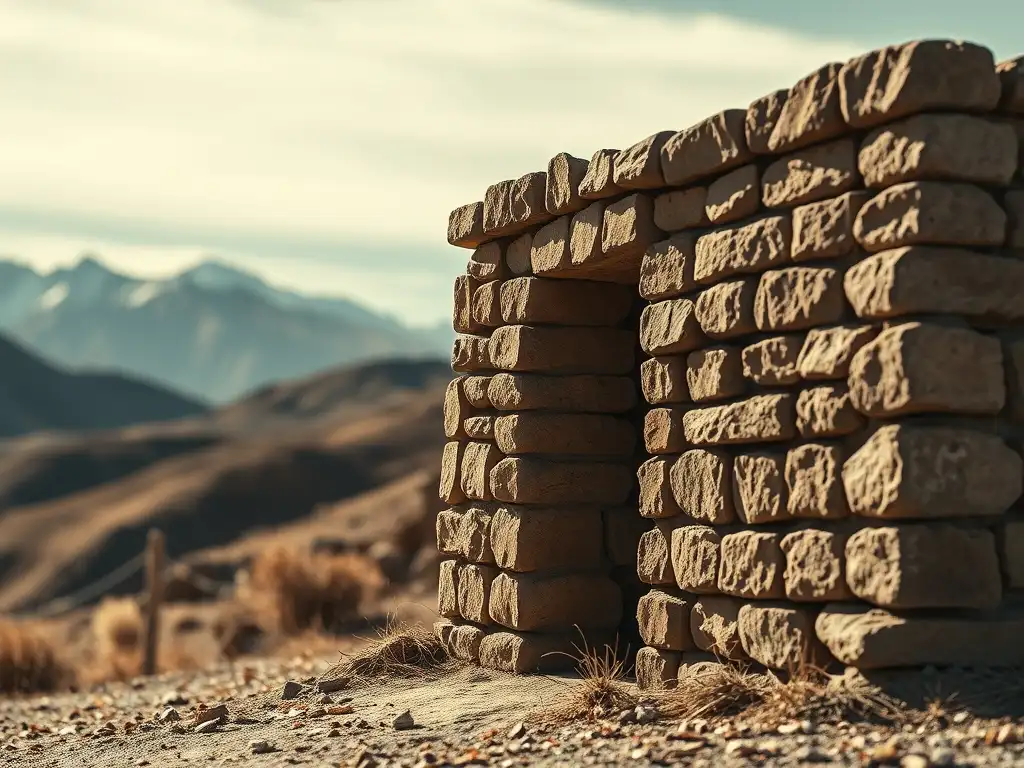
The ingenuity of Andean civilizations extended beyond their impressive architectural feats like Machu Picchu; it's also evident in their sophisticated food storage systems. These weren't simply haphazard piles of produce; they were carefully designed structures employing advanced engineering principles to preserve vital food supplies for months, even years, ensuring community survival through challenging Andean climates and unpredictable harvests. Understanding the engineering behind these structures reveals a deep knowledge of materials science, thermodynamics, and structural mechanics, highlighting the advanced technological prowess of these ancient societies. The strategic use of "Andean food storage structures" showcases their mastery over their environment.
Material Selection: Using Local Resources like Stone and Adobe
Andean food storage structures were built primarily using locally sourced materials, a testament to sustainable practices and resourcefulness. Stone, readily available in the mountainous regions, was a favored choice for its durability and resistance to pests. Larger stones formed the foundational walls, while smaller ones filled gaps, creating robust structures capable of withstanding harsh weather conditions, including seismic activity common in the Andes. Adobe, a sun-dried brick made from clay and organic materials, was another popular material, particularly in lower altitudes. Its thermal properties played a crucial role in temperature regulation within the storage spaces.
The selection wasn't arbitrary. Different materials were chosen based on their specific properties and the local environment. For instance, in drier regions, stone might have been preferred for its resistance to moisture damage, while in areas with abundant clay, adobe provided a readily available and effective building material. This careful material selection demonstrates a profound understanding of the interaction between materials and the environment, optimizing the longevity and functionality of the storage structures. The choice of materials also impacted the overall design and construction methods, further showcasing the integration of engineering principles with readily available resources.
Ventilation and Temperature Control: Natural Cooling Techniques
Maintaining optimal temperature and humidity levels was critical for preserving food. Andean engineers employed ingenious passive cooling techniques, minimizing the need for energy-intensive artificial methods. Ventilation was paramount. Strategic placement of openings, often small and carefully positioned to harness prevailing winds, allowed for natural air circulation. This minimized the build-up of moisture and prevented mold and mildew growth, preserving the quality and longevity of stored food.
Furthermore, the design often incorporated thick walls made from materials with high thermal mass, such as stone. This thermal mass acted as a buffer, moderating temperature fluctuations between day and night, preventing extreme temperature swings that could spoil perishable goods. The orientation of the structures also played a role, often positioned to minimize direct sunlight exposure during the hottest parts of the day.
This combination of ventilation strategies and thermal mass management ensured a relatively stable and cool internal environment, ideal for long-term food preservation. Evidence suggests that different designs were adapted to various altitudes and microclimates, demonstrating a highly nuanced approach to environmental engineering.
Structural Design: Ensuring Stability and Longevity
The structural design of Andean food storage structures reflects a deep understanding of engineering principles, ensuring stability and longevity in often challenging terrain. The use of load-bearing walls, often reinforced with internal supports, created robust structures capable of withstanding the weight of stored food and the pressures of environmental forces. The design frequently incorporated techniques like interlocking stones or adobe bricks, enhancing structural integrity and resistance to earthquakes.
The size and shape of the structures varied depending on the needs of the community and the available space. Some were small, single-chamber structures suitable for household use, while others were larger, multi-chamber complexes capable of storing significant quantities of food for entire villages. The integration of ramps or stairs for easier access to upper levels in larger structures further highlights the careful planning and practical considerations involved in their design.
These structures, built to last for generations, stand as a testament to the sophisticated engineering skills and foresight of Andean civilizations. Their longevity speaks volumes about the effectiveness of their design and construction techniques.
Adaptation to Terrain: Terraced Construction and Foundation Techniques
Andean food storage structures weren't simply placed wherever convenient; their construction was deeply intertwined with the challenging topography of the Andes Mountains. The ingenious solutions employed by Andean engineers showcase a profound understanding of both the environment and the principles of structural stability. Terracing, a hallmark of Andean agriculture, played a crucial role in creating level platforms for building these structures, even on steep slopes.
This wasn't merely a matter of aesthetics; it was a necessity for creating a stable foundation capable of withstanding seismic activity common in the region. The terraces themselves were carefully constructed, often using retaining walls made of stone, earth, and other locally available materials. These walls weren't just barriers; they acted as buttresses, distributing the weight of the stored food and the structure itself across a wider area, thereby reducing the pressure on any single point.
The foundation techniques employed were equally impressive. Depending on the specific terrain and the type of structure, different methods were used. In some cases, deep foundations were dug into bedrock, providing an incredibly stable base. In other instances, shallower foundations were employed, but these were often reinforced with carefully placed stones and compacted earth to create a firm and level platform.
The choice of foundation technique wasn't arbitrary; it reflected a deep knowledge of soil mechanics and an understanding of the load-bearing capacity of different materials. This careful consideration ensured that the structures could withstand the weight of the stored food, as well as the elements, including heavy rains and strong winds. The integration of the structures into the landscape, through careful terracing and foundation techniques, was not just a practical solution but also a testament to the ingenuity and engineering prowess of Andean civilizations.
The ability to build stable structures on uneven terrain was crucial for efficient food storage and contributed significantly to the success of these societies. The precise methods varied across different regions and cultures within the Andes, reflecting the adaptation of these techniques to local conditions. Further research into specific sites and regional variations would provide a richer understanding of the diverse range of techniques used.
Case Studies of Andean Storage Structures
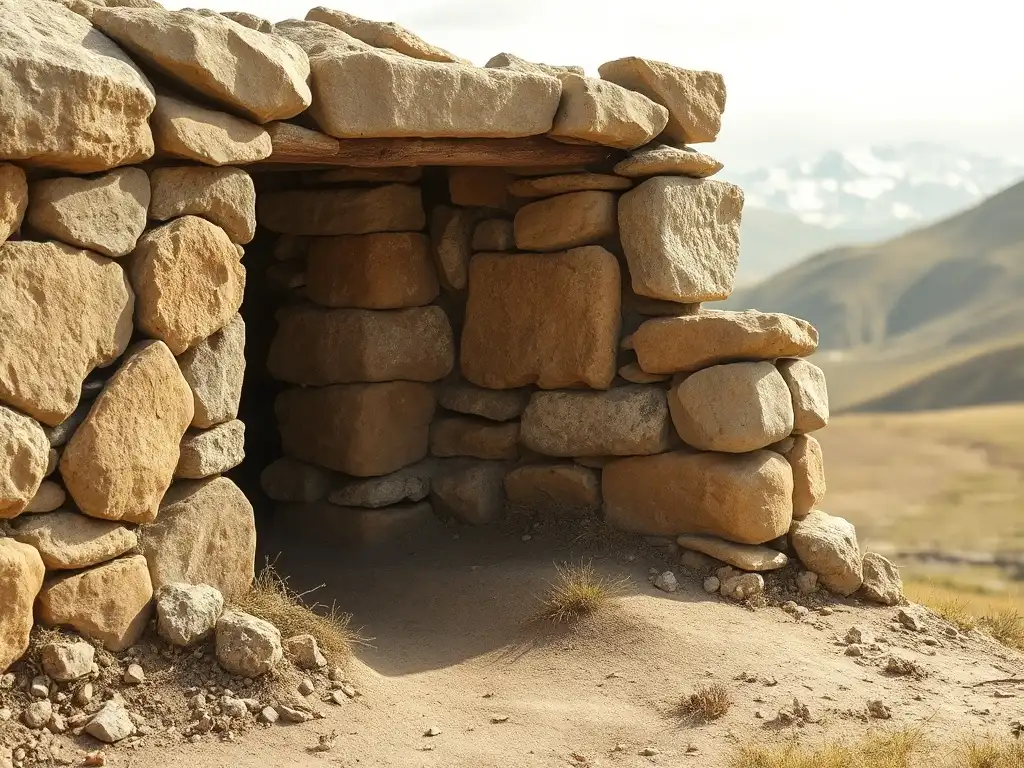
This section delves into specific examples of Andean food storage structures, showcasing the ingenuity and adaptability of their design across diverse geographical locations and cultural groups. We will examine the construction techniques, materials used, and the overall effectiveness of these systems in preserving vital food supplies for Andean communities. Understanding these structures is key to appreciating the sophisticated agricultural and logistical capabilities of these ancient civilizations.
The careful planning and execution evident in these designs highlight the importance placed on food security and the resilience of Andean societies in the face of challenging environmental conditions. The diversity of these structures also reflects the varied ecological niches and cultural practices across the Andes.
The Colcas of Ollantaytambo: A Detailed Examination
Ollantaytambo, a remarkably preserved Incan site in the Sacred Valley of Peru, boasts a significant number of colcas, the iconic cylindrical stone structures used for food storage. These are not simply rudimentary pits; rather, they represent a sophisticated understanding of engineering and environmental control. The colcas of Ollantaytambo are typically built into the hillside, utilizing the natural slope to enhance their functionality. Their circular design, often with a conical roof, minimizes surface area, thereby reducing heat exchange and maintaining a stable internal temperature.
The construction itself is impressive. Precisely cut and fitted stones, characteristic of Incan masonry, form the walls, creating a strong and durable structure capable of withstanding the harsh Andean climate. The stones are often laid without mortar, demonstrating a mastery of dry-stone construction techniques.
The internal spaces are typically small, sometimes only large enough to hold a few sacks of grain, but their abundance suggests a system of decentralized storage optimized for local needs. Evidence suggests that the colcas were likely sealed with materials like mud or clay to further protect the stored goods from moisture and pests. The strategic placement of these structures, often near agricultural terraces, minimized transport distances and maximized efficiency.
This meticulous attention to detail underscores the importance of food storage within the broader Incan agricultural system. Further research is needed to fully understand the exact capacity and usage patterns of these individual structures within the broader network of Ollantaytambo's agricultural economy.
Incan Storage Practices in Cusco: A Regional Analysis
Cusco, the Incan capital, presents a different picture of food storage compared to Ollantaytambo. While colcas were undoubtedly present, the urban context of Cusco necessitated different approaches. The sheer scale of the city and its population required a more centralized and organized system. Archaeological evidence suggests the use of a variety of storage facilities within Cusco, including larger, more complex structures integrated into the urban fabric.
These might have included subterranean chambers or purpose-built rooms within larger buildings, potentially incorporating features to control temperature and humidity. Unlike the isolated colcas of Ollantaytambo, Cusco's storage likely involved a complex network of interconnected facilities, managed by a sophisticated bureaucratic system to ensure the efficient distribution of food throughout the empire. This system facilitated the provisioning of the large urban population and the redistribution of surpluses from agricultural regions.
The precise nature and capacity of these urban storage facilities remain an area of ongoing research. Detailed analysis of archaeological finds, including organic residues and pottery fragments, is needed to reconstruct the types of foods stored and the management practices employed. The intricate organization of Incan society, with its highly structured hierarchy and advanced administrative capabilities, undoubtedly played a crucial role in the success of this complex food storage and distribution system. Further investigation into administrative records (if any survive) would significantly enhance our understanding of the logistics and management of food resources within the Incan capital.
Pre-Incan Storage Systems in the Lake Titicaca Region: A Comparative Look
The Lake Titicaca region, home to pre-Incan cultures like the Tiahuanaco, offers a fascinating comparative perspective on Andean food storage. While sharing some similarities with later Incan techniques, these earlier systems often reflect unique adaptations to the high-altitude environment and specific agricultural practices. The challenges posed by the harsh climate and the unique agricultural landscape of the altiplano influenced the design and construction of storage structures.
Evidence suggests the use of subterranean storage pits, often lined with stone or clay, to protect stored goods from the elements. These pits, while less visually striking than the iconic colcas, were likely highly effective in maintaining a stable temperature and humidity.
The types of materials used also reflect the available resources in the region. The use of reeds, for example, may have been common in constructing temporary or smaller storage units, while stone was reserved for more permanent and larger-scale structures. Understanding the differences between pre-Incan and Incan storage techniques highlights the evolutionary process of Andean agricultural technology.
A comparative analysis, integrating data from various archaeological sites in the Lake Titicaca region, is crucial to fully appreciate the diversity and ingenuity of Andean food storage across different time periods and cultural groups. Further research into the specific materials and construction techniques employed, alongside analyses of preserved organic material, will be critical in advancing our understanding of these fascinating pre-Incan storage systems.
The Pinkuylluna Colcas: A Unique Example of Andean Storage Engineering
The Pinkuylluna colcas, located in the Cusco region of Peru, represent a fascinating example of sophisticated Andean food storage engineering. Unlike many other colcas which are often simple, rectangular structures, the Pinkuylluna colcas are characterized by their unique, cylindrical design. This cylindrical shape, achieved through meticulous stonework, likely served a specific purpose beyond simple aesthetics.
The rounded walls minimized stress points and offered greater structural integrity, especially important given the often-unstable terrain of the Andes. This design likely also aided in maintaining a more consistent internal temperature and humidity, crucial factors in preserving stored food for extended periods. The precision of the stonework itself is remarkable, showcasing the advanced masonry techniques employed by the Andean builders.
The tight-fitting stones, often without the use of mortar, demonstrate a deep understanding of structural mechanics and an impressive level of craftsmanship. These features, combined with their strategic placement within the landscape, suggest a highly developed understanding of environmental factors and their impact on food preservation.
The Pinkuylluna colcas also demonstrate a keen awareness of the challenges posed by the Andean climate. Their location, often at higher altitudes and on slopes, required careful consideration of drainage and protection from the elements. The structures are typically built into the landscape, taking advantage of natural features to maximize stability and minimize the impact of weather.
Researchers believe that the orientation of the colcas, often facing away from prevailing winds, further enhanced their ability to protect stored food from damage. Further study of the Pinkuylluna colcas could reveal additional insights into Andean agricultural practices and their ability to adapt to the harsh environmental conditions of the Andes. Analyzing the materials used in construction, the internal layout, and the surrounding agricultural systems would offer a more comprehensive understanding of their function within the broader Andean socioeconomic context.
This detailed examination could reveal further examples of ingenuity and adaptation in Andean food storage technologies. The Pinkuylluna colcas stand as a testament to the sophisticated engineering capabilities of Andean civilizations and their remarkable ability to overcome environmental challenges in order to ensure food security. The unique cylindrical design, precise stonework, and strategic placement all contribute to a compelling case study of Andean ingenuity in the realm of food storage.
The Legacy of Andean Food Storage Techniques
The ingenious designs of Andean food storage structures weren't merely practical solutions; they represent a sophisticated understanding of environmental factors and material science, deeply intertwined with the cultural and spiritual beliefs of the Andean people. These structures, reflecting centuries of adaptation and innovation, offer valuable insights into sustainable food preservation and resource management. Understanding their legacy allows us to appreciate the remarkable achievements of these ancient civilizations and potentially glean practical lessons for modern food systems.
The diverse range of techniques employed, from simple pits to complex granaries, showcases a remarkable adaptability to varied climates and terrains across the Andes. The effectiveness of these systems, often passed down through generations, ensured the survival and prosperity of Andean communities for millennia.
This enduring legacy is evident in the continued use of some of these techniques even today, highlighting their remarkable resilience and efficiency. Analyzing their design principles, construction materials, and overall effectiveness allows for a deeper understanding of the ingenuity and resourcefulness of Andean civilizations.
Lessons for Sustainable Food Preservation Today
The Andean approach to food storage offers many valuable lessons for contemporary sustainable food systems. Their emphasis on natural methods, minimizing energy consumption, and utilizing locally sourced materials stands in stark contrast to many modern industrial practices. For example, the use of subterranean storage, common throughout the Andes, effectively utilizes the natural temperature stability of the earth to preserve food.
This passive cooling system reduces the need for energy-intensive refrigeration, aligning perfectly with the principles of sustainable food preservation. Furthermore, the selection of specific building materials, such as stone and adobe, demonstrates an understanding of material properties and their influence on preserving food quality. These materials provided excellent insulation and breathability, preventing spoilage and maintaining optimal humidity levels.
By studying these traditional methods, we can explore alternative, environmentally friendly approaches to food storage and reduce our reliance on energy-intensive technologies. The design principles behind these structures, prioritizing natural insulation and ventilation, offer valuable insights into building sustainable and efficient storage solutions for modern applications. This could lead to innovative designs for community-based food preservation initiatives or even inspire new technologies for long-term food storage.
The Enduring Impact on Andean Agriculture
Andean food storage structures played a crucial role in shaping the agricultural practices of these civilizations. The ability to store surplus harvests provided a crucial buffer against periods of scarcity, ensuring food security and enabling population growth. This reliable food storage facilitated the development of complex agricultural systems, including terracing and irrigation, which were essential for maximizing crop yields.
The surplus food, safely stored in these structures, also allowed for specialization of labor and the development of more complex social structures. The impact on agricultural practices extended beyond mere food preservation; it fostered economic stability, social organization, and cultural continuity. The design and construction of these structures were often communal efforts, strengthening social bonds and reinforcing community identity.
The successful implementation of such large-scale storage solutions demonstrates a high degree of social organization and cooperation within Andean communities. The long-term success of Andean agriculture is inextricably linked to the ingenuity of their food storage solutions.
Modern Applications of Ancient Storage Principles
The principles underlying Andean food storage structures continue to hold relevance today. Researchers are exploring ways to adapt these ancient techniques to modern contexts, particularly in developing countries where food security remains a challenge. For example, the use of subterranean storage is being investigated as a potential solution for preserving perishable goods in regions with limited access to refrigeration.
Similarly, the use of locally available, sustainable materials in the construction of storage facilities can significantly reduce environmental impact and promote economic self-sufficiency. Modern adaptations may include incorporating improved ventilation systems or using modified building materials to enhance performance while retaining the core principles of natural temperature regulation and protection from pests. These adaptations could lead to more resilient and sustainable food systems, particularly in regions facing climate change and resource scarcity.
The enduring legacy of Andean ingenuity offers a wealth of knowledge that can be applied to address contemporary challenges in food security and sustainable development. Further research into the precise construction techniques and material properties used in these ancient structures is crucial to unlocking their full potential for modern applications. The integration of traditional knowledge with modern engineering principles holds immense promise for developing innovative and sustainable solutions for food storage and preservation worldwide.
The Significance of Traditional Knowledge
The ingenuity of Andean food storage techniques wasn't solely a matter of engineering prowess; it was deeply intertwined with a rich tapestry of traditional knowledge passed down through generations. This knowledge wasn't simply a collection of recipes or building instructions; it represented a holistic understanding of the environment, encompassing intricate knowledge of local climates, microclimates, and the specific needs of different crops.
Farmers weren't simply constructing structures; they were actively participating in a complex dialogue with their environment, adapting their techniques to the unique challenges presented by the Andes' diverse geography. This intimate connection fostered a deep respect for the land and its resources, resulting in sustainable practices that ensured food security for communities over centuries.
Understanding this traditional knowledge is crucial for appreciating the full scope of Andean innovation in food storage. It's not just about the physical structures, but the sophisticated understanding of ecology and resource management that underpinned their creation and successful utilization.
The preservation of this traditional knowledge is also paramount for contemporary applications. Many of the principles employed in traditional Andean food storage – such as utilizing natural ventilation, optimizing humidity levels, and selecting appropriate building materials – remain highly relevant in modern food preservation techniques. The wisdom embedded within these practices offers valuable insights for developing sustainable and efficient food storage solutions, particularly in regions facing similar environmental challenges.
By studying these time-tested methods, we can learn to minimize waste, enhance food security, and promote more environmentally responsible agricultural practices. The continued study and documentation of traditional Andean knowledge is therefore not merely an academic exercise, but a vital contribution to global food security and sustainability initiatives. This knowledge offers a powerful counterpoint to modern, often resource-intensive, methods of food preservation.
For example, the precise selection of building materials – from specific types of stone and clay to carefully chosen thatch – wasn't arbitrary. Each material was chosen based on its thermal properties, its ability to regulate humidity, and its resistance to pests and decay. This level of detail demonstrates the depth of understanding that Andean communities possessed regarding the interplay between materials, climate, and food preservation.
Furthermore, the placement of storage structures within the landscape was also carefully considered, taking into account factors such as sunlight exposure, wind patterns, and proximity to water sources. These seemingly minor details contributed significantly to the overall effectiveness of the storage systems.
The meticulous attention to detail, reflecting generations of accumulated wisdom, underscores the profound significance of traditional knowledge in the successful development and implementation of Andean food storage structures. The legacy of this intricate knowledge system remains a testament to the ingenuity and resourcefulness of Andean cultures.
Frequently Asked Questions
What types of food storage structures did Andean civilizations use?
Andean civilizations employed a variety of ingenious structures, including qollqas (stone-lined storage bins) built into hillsides, underground cellars, and elevated platforms for drying food. These varied based on the specific needs of the culture and environment.
How did the design of these structures help preserve food?
The designs incorporated features like excellent ventilation, protection from moisture, and stable temperatures, all crucial for preserving food over extended periods. Many were also strategically placed to take advantage of natural environmental conditions.
Were these structures solely for food storage?
While primarily used for food storage, some structures likely also served ceremonial or administrative purposes. The exact function often depended on the size, location, and associated artifacts.
Which Andean cultures are known for their advanced food storage techniques?
Many Andean cultures, including the Inca, Moche, and Nazca, are recognized for their sophisticated food storage systems. Their methods reflected advanced understanding of engineering and agricultural practices.
What materials were commonly used in the construction of these structures?
Common materials included stone, adobe bricks, and wood, reflecting the available resources in different regions. The construction techniques varied depending on the specific materials and the intended purpose of the structure.
Final Reflection: Echoes of Ingenuity in Andean Food Storage
The ingenious design of Andean food storage structures remains a powerful testament to human adaptability and resourcefulness, a legacy that continues to resonate in contemporary challenges of food security and sustainable practices. These ancient techniques, far from being relics of the past, offer valuable lessons for modern agricultural and engineering solutions, particularly in the face of climate change and increasing population pressures. Their enduring relevance underscores the importance of understanding and appreciating the wisdom embedded within traditional knowledge systems.
The impact of these structures extends far beyond their purely functional role; they represent a deep connection between Andean communities and their environment, a symbiotic relationship built on careful observation and sustainable resource management. The earth provides, but only to those who respect and understand her rhythms.
This unspoken principle guided the construction and use of these storage systems, highlighting the importance of a holistic approach to food production and preservation that we would do well to emulate today. Their enduring presence in the landscape serves as a constant reminder of the ingenuity and resilience of Andean cultures.
Consider the ingenuity of these structures, their elegant simplicity, and their profound impact on the survival and prosperity of Andean communities for centuries. You, the reader, are now empowered to reflect on the parallels between these ancient solutions and the contemporary challenges we face. How can we integrate the principles of sustainability and resourcefulness demonstrated in Andean food storage into our own lives and communities? Let the echoes of this ingenuity inspire you to seek innovative and sustainable solutions for the future, ensuring food security for generations to come.
Unlock the Secrets of Andean Ingenuity!
Thank you for exploring the fascinating world of Andean food storage! Your journey through the ingenious designs and engineering marvels of these structures has undoubtedly deepened your understanding of their cultural significance. Now, let's put that knowledge to practical use.
- **Expand your knowledge** of Andean history by visiting a local museum or cultural center showcasing indigenous engineering. Consider focusing on specific examples, like the intricate canal systems or sophisticated storage structures.
- Share your newfound appreciation for Andean ingenuity **with others**—what aspects of their food storage techniques surprised or inspired you the most?
- Experiment with traditional Andean preservation methods. Perhaps try growing a small herb garden and preserving your harvest using techniques described in the article. How can you adapt these age-old methods to your modern lifestyle?
What creative ways can you integrate ancient Andean techniques into your modern life?