
The Puzzle of the Past: Unlocking the Secrets of Andean Roof Construction

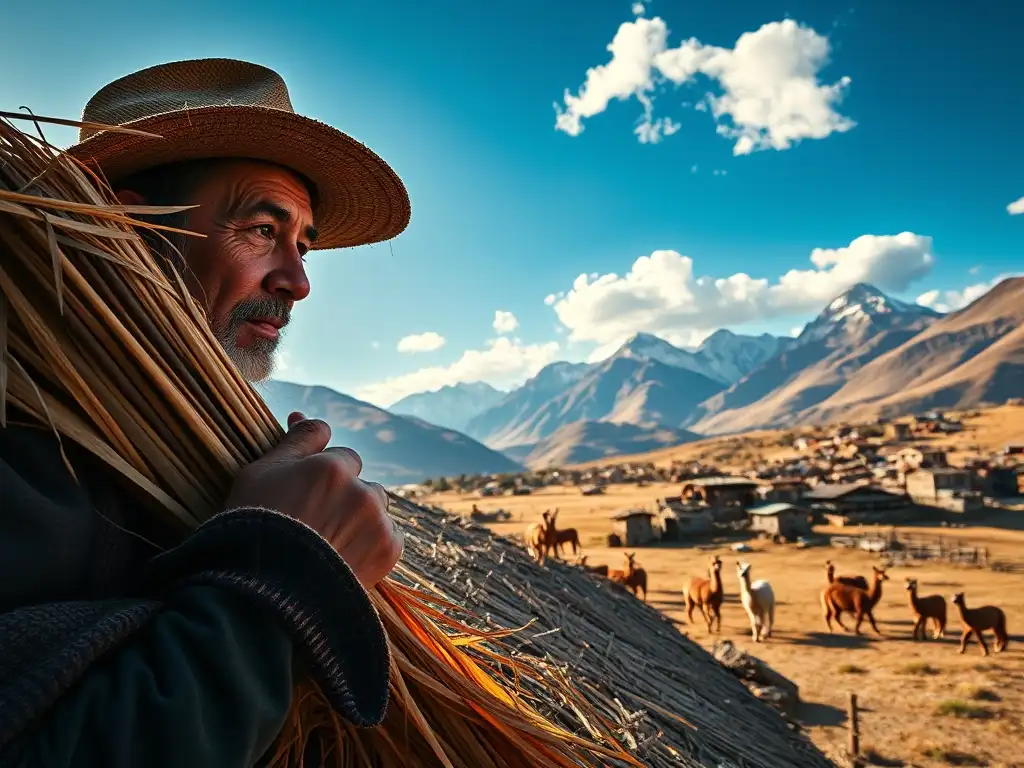
Step into a world lost to time, yet echoing with ingenuity. For centuries, the towering peaks of the Andes have guarded the secrets of remarkable civilizations. Prepare to be amazed by the intricate artistry and unparalleled engineering of the ancient Andean cultures. But what truly held these majestic structures aloft? Discover the fascinating story behind Andean roof construction techniques, a testament to human resilience and innovation, and unravel the puzzle of their enduring legacy. Explore the mysteries that await within.
The Andes Mountains, a spine of towering peaks stretching along the western edge of South America, are home to a rich tapestry of ancient civilizations. For centuries, these cultures—including the Incas, Moche, Nazca, and Tiahuanaco—developed remarkable architectural feats, defying the challenging terrain and harsh climate. Central to their ingenuity was their mastery of roof construction, a testament to their advanced understanding of engineering and resource management.
This article delves into the fascinating world of Andean roof construction techniques, exploring the materials, methods, and innovations that allowed these societies to create durable and aesthetically pleasing structures that have, in many cases, withstood the test of time. We will uncover the secrets behind their success, examining the specific challenges they faced and the ingenious solutions they implemented to create roofs that protected their communities and reflected their unique cultural identities.
Understanding these techniques provides invaluable insights into the ingenuity and resilience of Andean cultures, revealing a sophisticated level of architectural knowledge often overlooked in broader historical narratives. This exploration of Andean roof construction techniques offers a unique perspective on the remarkable achievements of these ancient societies and highlights the enduring legacy of their architectural prowess.
Materials Used in Andean Roof Construction
Andean roof construction wasn't a monolithic process; it varied significantly depending on the specific culture, the geographical location, and the availability of resources. However, several common materials emerge as key components. Stone, readily available throughout the Andes, formed the foundation of many structures. Large, precisely cut stones were used for load-bearing walls, while smaller stones filled gaps and provided structural support.
Wood, particularly from the Queuña and other resilient high-altitude trees, played a crucial role in creating the roof framework. The type of wood used varied depending on availability and the specific requirements of the structure. Thatch, reeds, and other plant materials were frequently used for roofing, providing insulation and weather protection. The choice of thatch varied depending on the altitude and climate.
For example, higher altitude regions might have utilized tougher, more durable grasses capable of withstanding harsh weather conditions. Finally, mud and clay were employed as binding agents and for plastering, adding further strength and weather resistance to the structures. The combination of these materials demonstrates a deep understanding of local resources and their properties, highlighting the sustainable practices employed by Andean builders.
Diverse Roof Structures Across Andean Cultures
The Andean region isn't a monolith; various cultures developed unique architectural styles. The Incas, known for their sophisticated empire, employed sophisticated techniques incorporating precisely cut stone and intricate wood frameworks to create impressive structures with durable, sloped roofs. In contrast, the Nazca, famed for their geoglyphs, utilized different techniques tailored to their specific environmental conditions. [Specific examples of Nazca roof construction pending].
The Moche, on the other hand, developed [Specific details of Moche roof construction pending], reflecting their distinct architectural preferences. The Tiahuanaco culture, known for its monumental architecture, employed [Specific examples of Tiahuanaco roof construction techniques pending], showcasing a remarkable level of engineering skill. This diversity highlights the adaptability and resourcefulness of Andean builders, who adapted their techniques to suit local conditions and cultural preferences.
Advanced Techniques and Innovations
Andean builders didn't simply rely on brute force; they employed sophisticated techniques to enhance the strength and longevity of their roofs. Precise stonework, often achieved without the use of mortar, showcases an impressive understanding of engineering principles. The intricate interlocking of stones created incredibly stable structures capable of withstanding seismic activity and harsh weather conditions. The use of advanced carpentry techniques, such as mortise and tenon joints, further strengthened the wooden frameworks.
[Specific examples of advanced joinery techniques pending]. Furthermore, the incorporation of drainage systems and overhangs helped to protect the structures from water damage. These innovations, often developed over generations, demonstrate a remarkable level of technological sophistication. The ingenuity displayed in these techniques is a testament to the advanced knowledge and skill of Andean builders.
The Enduring Legacy of Andean Roof Construction
The legacy of Andean roof construction extends far beyond the ruins that still stand today. The principles of sustainable building, resourcefulness, and adaptation to the environment remain relevant in contemporary architecture. Understanding these ancient techniques can inform modern building practices, offering valuable insights into creating durable, energy-efficient structures that minimize environmental impact.
Moreover, the aesthetic beauty and cultural significance of Andean architecture continue to inspire artists and architects worldwide. The study of Andean roof construction not only enriches our understanding of the past but also provides a valuable resource for shaping the future of architecture. The intricate details, innovative techniques, and enduring legacy of Andean roof construction serve as a powerful reminder of the ingenuity and resilience of these remarkable ancient cultures.
- Materials Used in Andean Roof Construction
- Diverse Roof Structures Across Andean Cultures
- Advanced Techniques and Innovations
- The Enduring Legacy of Andean Roof Construction
- What unique challenges did Andean builders face when constructing roofs?
- What materials were commonly used in Andean roof construction?
- How did Andean roof designs differ between different cultures?
- What makes Andean roof construction techniques so remarkable?
- Where can I learn more about specific Andean roof construction techniques?
Introduction to Andean Roof Construction Techniques

This section delves into the fascinating world of Andean roof construction techniques, exploring the ingenuity and adaptability employed by ancient Andean civilizations in creating durable and aesthetically pleasing roofs across diverse climates and terrains. Understanding these techniques provides crucial insight into their architectural prowess and societal organization. The ingenuity displayed in Andean roof construction reflects not only practical considerations but also deep-seated cultural and spiritual beliefs.
Analyzing these methods offers a window into the resourcefulness and sophisticated understanding of engineering principles possessed by these ancient cultures. We will explore the diverse materials used, the varying construction methods adapted to different environments, and the lasting impact these techniques have had on Andean architecture. Mastering the intricacies of Andean roof construction techniques is key to understanding the broader context of Andean civilization and its enduring legacy.
The Importance of Roofs in Ancient Andean Architecture
Roofs in ancient Andean architecture were far more than just a protective layer against the elements. They held significant cultural and symbolic weight, reflecting social status, religious beliefs, and the integration of architecture with the surrounding environment. For example, the elaborate, tiered roofs of Inca palaces symbolized power and authority, while the simpler, thatched roofs of rural dwellings represented a connection to the land.
The design and construction of a roof were deeply intertwined with the overall architectural plan, often reflecting the cosmological beliefs of the culture. The orientation of the roof, the materials used, and even the shape could all have spiritual significance. The durability and effectiveness of the roof were also critical for the preservation of the structure and its contents, ensuring the longevity of homes, temples, and storage facilities.
This underscores the importance of understanding these techniques not only from an engineering perspective but also from a socio-cultural one. The meticulous attention to detail evident in Andean roof construction highlights the deep integration of practical needs with spiritual and social values. Further research into specific sites and the surviving remnants of roofing structures could reveal even more nuanced details about their cultural significance.
Overview of Andean Building Materials for Roofs
Andean roof construction utilized a remarkable variety of materials, reflecting the diverse geographical landscape and the ingenuity of the builders. The choice of materials was dictated by factors like availability, climate, and the intended function of the building. Common materials included:
- Thatch: Widely used across many Andean cultures, particularly in rural areas. Different grasses, reeds, and even straw were employed, depending on local availability. The process of thatching varied, but typically involved layering and securing the material to a supporting framework. The longevity of thatched roofs depended on the quality of the material and the skill of the thatcher.
- Wood: Various types of wood were used for roof beams, rafters, and supporting structures. The selection of wood depended on its strength, durability, and resistance to decay. The scarcity of suitable timber in some regions led to innovative techniques for maximizing the use of available resources.
- Stone: In regions with abundant stone resources, stone slabs were often used for roofing, particularly in larger, more substantial structures such as temples or palaces. This required advanced techniques for shaping, fitting, and securing the stones to create a watertight and durable roof. The precision of stonework in Andean architecture is a testament to the builders' skill and knowledge of stone construction.
- Adobe: Sun-dried mud bricks were used extensively in Andean construction, including roofs. Adobe blocks were often combined with other materials such as wood or thatch to create a composite roof structure. The effectiveness of adobe roofs depended heavily on the quality of the bricks and the techniques used in their construction. Proper curing and protection from the elements were essential for the longevity of adobe roofs.
- Combined Materials: Often, Andean builders skillfully combined different materials to create robust and adaptable roof systems. For example, a framework of wood might be covered with layers of thatch or adobe, creating a layered approach that enhanced both insulation and protection from the elements. This demonstrates a sophisticated understanding of material properties and their complementary capabilities.
The selection and combination of these materials demonstrate the adaptability and resourcefulness of Andean builders, who expertly utilized locally available resources to create functional and aesthetically pleasing roofs tailored to their specific environment and needs. Further investigation into the specific properties and sourcing of these materials would provide a more complete picture of Andean construction practices.
Diverse Approaches to Andean Roofing Systems
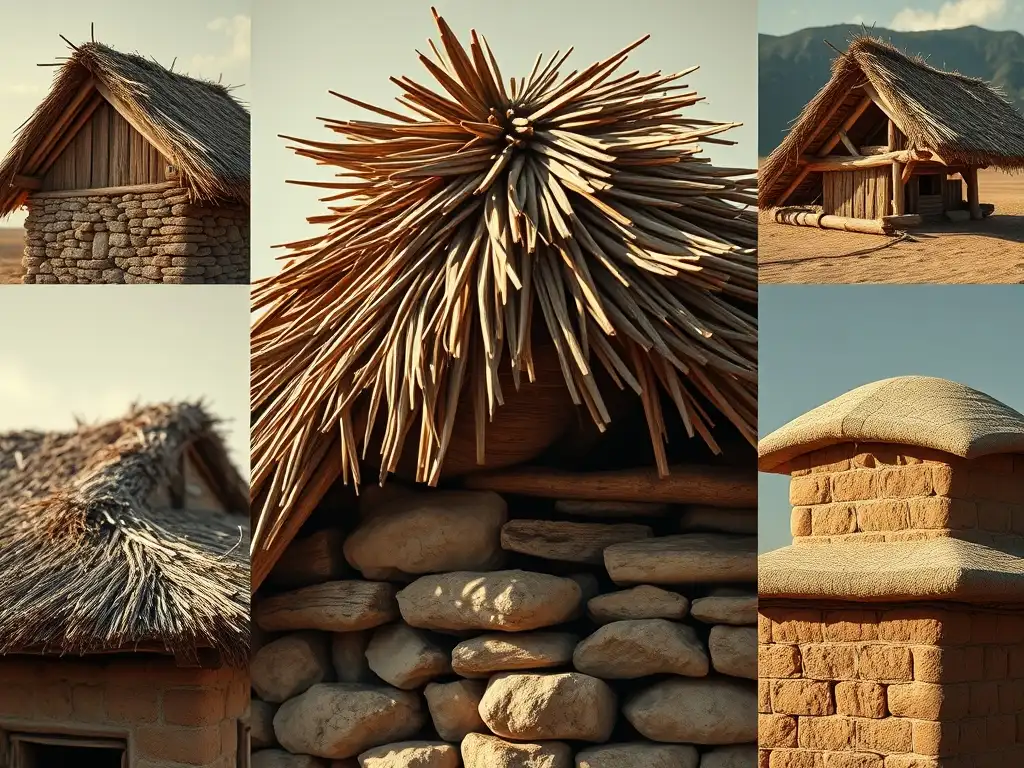
Andean roof construction techniques varied significantly across different cultures and geographical regions. The choice of materials and construction methods depended heavily on factors such as climate, available resources, and the specific architectural style of the era and culture. While thatch was prevalent, particularly in warmer, lower-altitude areas, other materials, such as stone, adobe, and reeds, played crucial roles in creating durable and aesthetically pleasing roofs.
The ingenuity of Andean builders is evident in their ability to adapt their techniques to diverse environments and challenges. Understanding these varied approaches is vital to appreciating the complexity and sophistication of Andean architecture. Analyzing the structural solutions employed, from the simplest thatched roofs to the more complex stone structures, provides key insights into the remarkable engineering skills of these ancient societies.
The diversity of techniques reflects not only the ingenuity of the builders but also the rich tapestry of Andean cultures. One could argue that the Andean roof, in its myriad forms, is a microcosm of the broader Andean civilization itself – diverse, adaptive, and remarkably resilient.
The Use of Indigenous Materials in Andean Roofs
The Andean people demonstrated a remarkable understanding of their environment, skillfully utilizing locally sourced materials for their construction projects. This sustainable approach minimized environmental impact and ensured the ready availability of building resources. For example, ichhu (a type of Andean grass) was a common material for thatch, its resilience and water resistance making it ideal for roofing in many regions.
In higher altitudes, where ichhu might be less abundant, builders adapted, using other readily available plants like reeds or even carefully selected stones. The selection of materials was not arbitrary; it was a careful consideration of factors such as durability, insulation properties, and availability. This close relationship between the available resources and the building techniques is a hallmark of Andean construction practices, showcasing a deep understanding of sustainable building practices long before the modern era.
The use of indigenous materials also allowed for regional variations in roofing styles, reflecting the unique environmental conditions and cultural preferences of different communities. For instance, coastal communities might have favored materials resistant to salt spray, while high-altitude communities prioritized insulation against harsh weather.
Andean Thatch Roofing: A Traditional Technique
Andean thatch roofing, a technique passed down through generations, represents a sophisticated approach to construction. The process was far from simple; it involved meticulous harvesting, preparation, and layering of the thatch material. The specific techniques varied slightly depending on the region and the type of thatch used, but the general principles remained consistent.
Typically, the thatch was carefully bundled and layered, creating a thick, insulating roof that effectively protected against rain, wind, and the intense Andean sun. The longevity of these roofs often depended on proper maintenance and periodic repairs, demonstrating a commitment to long-term sustainability. Evidence suggests that the angle of the roof slope also played a crucial role in efficient water runoff, minimizing the risk of damage from prolonged rain.
This meticulous attention to detail highlights the high level of skill and craftsmanship involved in creating these durable and effective roofing systems. Furthermore, the aesthetic appeal of thatch roofs varied, with some communities creating intricately patterned roofs, adding a decorative element to their homes.
Understanding the Structure of Andean Thatched Roofs
The structural integrity of Andean thatched roofs relied on a combination of careful layering, supporting frameworks, and clever techniques to manage weight and water runoff. While the thatch itself provided insulation and weather protection, the underlying framework was crucial for stability. This framework often consisted of wooden beams and supports, carefully arranged to distribute the weight of the thatch evenly. The beams were usually made from locally sourced timber, chosen for its strength and durability.
The angle of the roof slope was carefully considered, ensuring efficient water runoff and preventing waterlogging. In some cases, additional layers of materials were used beneath the thatch to provide further protection and insulation. This layered approach provided a strong, resilient roof capable of withstanding the harsh Andean climate for extended periods.
The precise construction methods, while differing slightly across regions, all shared a common goal: creating a robust and sustainable roof using readily available materials. Detailed archaeological studies of surviving structures continue to reveal new insights into the intricacies of these remarkable roofing systems. The sophistication of these structures challenges assumptions about the technological capabilities of Andean civilizations.
Engineering Marvels: Advanced Andean Roofing Methods
The ingenuity of Andean civilizations is vividly displayed in their remarkable architectural achievements, particularly their roofing techniques. These techniques, adapted to diverse geographical challenges and resource availability, represent a fascinating blend of practicality and aesthetic sophistication. Understanding these methods reveals a deep knowledge of engineering principles and a keen awareness of the environmental context.
The Andean roof, far from being a simple shelter, was a testament to the builders' mastery of materials and construction. This section delves into the specific methods employed, highlighting their innovation and effectiveness. Analyzing these techniques provides valuable insight into the resourcefulness and advanced understanding of structural mechanics possessed by these ancient cultures, solidifying their place as masters of Andean roof construction techniques.
Stone Slab Roofing in Andean Highland Architecture
Andean highland regions, characterized by their rugged terrain and abundant stone resources, saw the development of unique stone slab roofing systems. These systems, far from being rudimentary, showcased a sophisticated understanding of weight distribution and structural integrity. Large, flat stones, carefully selected and shaped, were layered to create a strong, durable roof. The size and weight of these slabs necessitated precise planning and execution.
Evidence suggests that the stones were often interlocked or bound together using mortar made from locally sourced materials, enhancing the roof's stability and longevity. This method, while seemingly simple, required considerable skill and precision, demonstrating a deep understanding of statics and engineering principles. The precision in stone selection and placement minimized the need for extensive binding agents, showcasing an economical and sustainable approach to Andean roof construction techniques.
The construction process likely involved a complex system of levers, ramps, and human power to lift and maneuver the heavy stones into place. Archaeological findings reveal remnants of these systems, suggesting a well-organized and coordinated workforce. Moreover, the orientation and arrangement of the slabs were likely influenced by local climate conditions, with consideration given to factors such as rainfall, wind, and snow accumulation.
The careful consideration of these factors showcases a deep understanding of the environmental context and its influence on structural design. Further research is needed to fully elucidate the exact techniques employed in the precise placement and interlocking of these massive stones [specific information pending on detailed analysis of stone interlocking techniques].
Innovative Uses of Timber in Andean Roof Structures
While stone dominated highland construction, timber played a crucial role in Andean roof structures in lower-altitude regions with greater forest access. The use of timber allowed for more complex roof designs, including gabled roofs and variations incorporating thatch or other materials. However, the scarcity of large timber in certain areas led to innovative solutions.
Instead of relying on single, massive beams, Andean builders frequently employed smaller timbers skillfully joined together using intricate mortise-and-tenon techniques. This allowed for the creation of strong, load-bearing frameworks capable of supporting substantial roof structures. These techniques are a testament to the advanced woodworking skills of these cultures.
The types of timber used varied across different regions, reflecting the local availability of resources. Some species were favoured for their strength and durability, while others were selected for their aesthetic qualities or ease of working. The selection process likely involved a deep understanding of the properties of different timbers and their suitability for specific structural applications.
Further analysis of the timber remains from various Andean sites is needed to fully understand the range of species used and the reasons behind their selection [specific information pending on timber species identification and analysis]. The intricate joinery techniques employed in these structures, often involving complex interlocking patterns, showcase a high level of craftsmanship and a sophisticated understanding of structural mechanics. These techniques were crucial in Andean roof construction techniques, allowing for the creation of durable and visually appealing roofs.
The Role of Terracing in Roof Stability
Terracing, a hallmark of Andean agriculture, also played a significant role in enhancing the stability of roof structures, particularly those built on slopes. By creating level platforms, terraces provided a stable foundation for buildings and reduced the risk of landslides or erosion. This is particularly relevant in the context of Andean roof construction techniques, as a stable foundation is crucial for the long-term integrity of any roof structure.
The construction of terraces involved significant earthworks, requiring careful planning and execution. The precise alignment and grading of terraces minimized the strain on the structures built upon them, enhancing their stability and longevity.
The relationship between terracing and roofing is often overlooked but is crucial to understanding the holistic approach to construction in the Andes. The integration of terracing into the overall design of buildings ensured that the roof was not only structurally sound but also well-integrated into the surrounding landscape. This holistic approach minimized environmental impact and maximized the use of available resources.
The precise techniques used in terracing varied depending on the slope and soil conditions, demonstrating a deep understanding of geotechnical engineering principles. Further research into the specific methods of terracing employed in conjunction with different roof types would provide valuable insights into the interconnectedness of Andean construction practices [specific information pending on correlation between terrace types and associated roof structures]. The careful consideration of all these factors showcases the sophisticated Andean roof construction techniques used in these remarkable structures.
Regional Variations in Andean Roof Building
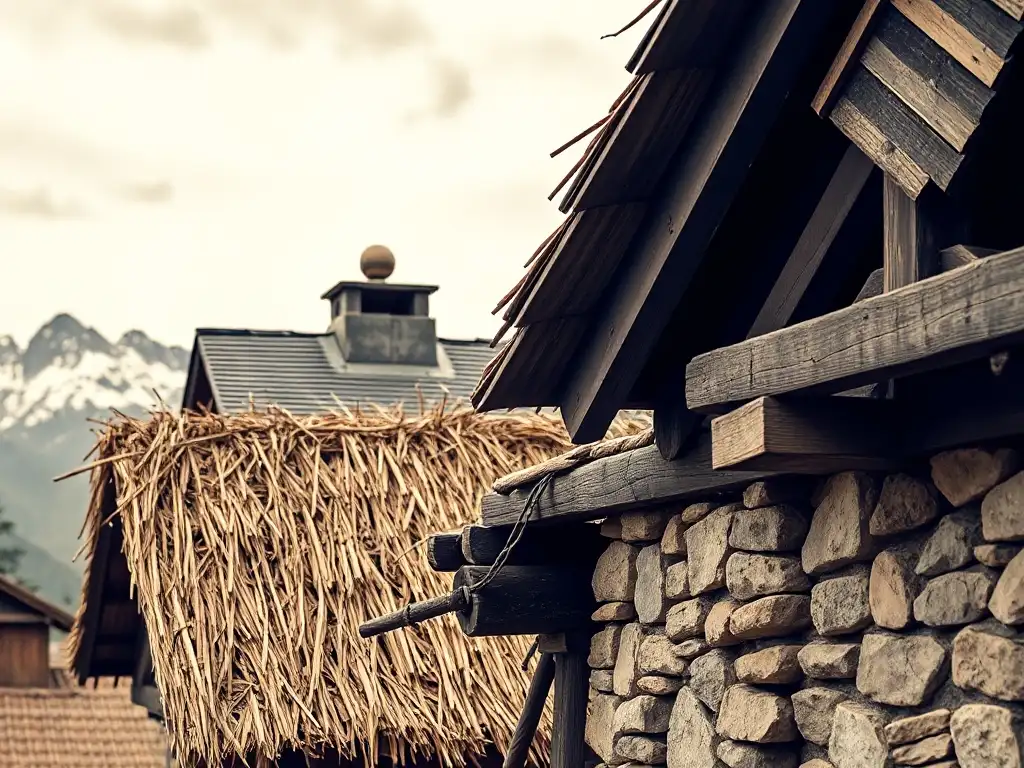
The diverse geography of the Andes Mountains profoundly impacted the architectural styles and, specifically, the roofing techniques employed by the various Andean cultures. From the arid coastal plains to the high-altitude highlands and the humid Amazonian rainforest, builders adapted their methods to the unique environmental challenges of each region. Understanding these regional variations is crucial to appreciating the ingenuity and adaptability of Andean roof construction techniques.
The materials used, the structural designs, and the overall aesthetic varied significantly, reflecting the interplay between available resources and environmental pressures. This section will explore these regional differences in detail, highlighting the innovative solutions developed by Andean builders to create durable and functional roofs across diverse landscapes.
Coastal Andean Roof Construction: Adapting to Climate
Coastal Andean regions, characterized by arid climates and scarce rainfall, presented unique challenges for roof construction. The scarcity of timber in many areas forced builders to utilize alternative materials. Adobe bricks, readily available due to the abundance of clay, formed the foundation of many structures. Roofs were often constructed using lightweight materials such as reeds (totora) or cactus stalks, arranged in layers to create a water-resistant surface.
These materials, while less durable than timber, proved effective in a climate with minimal rainfall. The design often incorporated steep slopes to facilitate rapid runoff of any moisture, minimizing the risk of water damage. Furthermore, the use of sun-dried adobe bricks ensured that the building materials themselves contributed to a naturally cool interior, mitigating the effects of the intense sun.
The construction process itself was likely highly communal, reflecting the cooperative nature of Andean societies. Expert craftspeople, potentially specialized in roofing techniques, would have overseen the construction, ensuring the structural integrity and water-tightness of the roofs. While precise details of the construction methods remain largely undocumented, archaeological evidence suggests a sophisticated understanding of material properties and structural mechanics, tailored to the specific climatic conditions of the coast. Evidence from surviving structures indicates a focus on simple yet effective designs, prioritizing functionality and adaptability to the harsh environment.
Highland Andean Roofing: Overcoming Environmental Challenges
The high-altitude highlands of the Andes presented even more significant challenges for Andean roof construction techniques. The harsh weather conditions, including intense sun, freezing temperatures, and strong winds, necessitated robust and resilient roofing solutions. While adobe was still employed, timber, when available, played a more crucial role in the highlands due to its greater strength and durability. This frequently involved the use of locally sourced wood species, carefully selected for their resistance to decay and weathering.
The steep slopes of many highland roofs were not simply for water runoff; they also helped to shed heavy snow accumulations during the winter months. The roofs were often constructed using a combination of timber framing and thatch, with the thatch providing insulation and waterproofing. This layered approach provided a multi-functional roofing system, offering protection against both the elements and temperature fluctuations.
The design often incorporated overhanging eaves to provide additional protection for the walls and foundations of the structures from the elements. The construction of these more complex highland roofs likely involved more specialized labor and a greater degree of planning and coordination compared to their coastal counterparts.
Amazonian Andean Roofing Techniques: A Different Approach
The humid and densely forested Amazonian regions offered a different set of materials and challenges for Andean roof construction. The abundance of timber in the rainforest allowed for the construction of larger and more complex structures. However, the high humidity and frequent rainfall necessitated the use of durable and water-resistant materials.
Indigenous peoples developed sophisticated techniques for selecting and treating timber to enhance its longevity and resistance to decay. Frequently, they integrated local plant materials such as palm leaves and various types of vines in their roofing systems, creating layered roofs that provided excellent insulation and protection from the rain.
Unlike the arid coast and high Andes, the Amazonian roofs often incorporated intricate designs and decorative elements, reflecting the rich cultural traditions of the region. The construction methods likely involved a deep understanding of the properties of rainforest materials, including the strength and flexibility of different types of vines and the natural water resistance of certain palm leaves. The creation of these roofs was a complex process, requiring skilled craftsmanship and a detailed knowledge of the local flora and its properties.
The survival of these techniques, often passed down through generations, speaks to the enduring legacy of Andean ingenuity in adapting building practices to diverse ecological contexts. Further research into Amazonian Andean roofing techniques could reveal even more about the sophisticated knowledge systems employed by these communities.
Andean Roofing: Symbolism and Cultural Significance
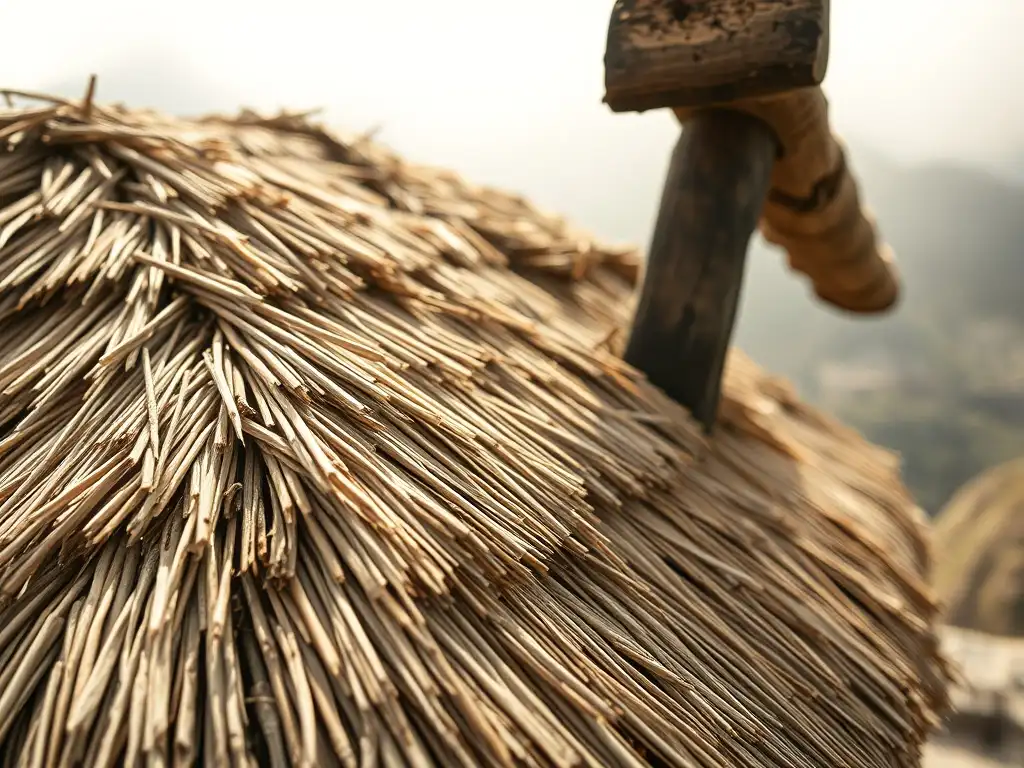
Andean roof construction techniques weren't merely practical solutions to shelter needs; they were deeply embedded within the cultural and spiritual fabric of these societies. The design, materials, and orientation of roofs held significant meaning, reflecting social status, religious beliefs, and cosmological understandings. This section delves into the symbolic weight carried by these seemingly simple architectural elements.
Understanding this symbolic aspect is crucial to fully appreciating the ingenuity and sophistication of Andean architectural achievements. The meticulous attention to detail in Andean roof construction speaks volumes about the worldview and priorities of these ancient civilizations. This is a key aspect of understanding Andean roof construction techniques.
Roof Designs as Markers of Status and Identity
The complexity and materials used in Andean roof construction often served as visual indicators of social standing. Elaborate, multi-tiered roofs, perhaps adorned with intricate carvings or unique materials like gold leaf (in the case of elite structures), signified wealth and high social status. Simpler, thatched roofs were common among commoners. This wasn't merely a matter of practicality; the roof design itself actively communicated social hierarchy within the community.
For example, the use of specific types of thatch—like ichu grass, readily available but requiring skilled weaving—might indicate a certain level of craftsmanship and, by extension, social standing within a village. Archaeological evidence supports this, showing clear distinctions in roof construction between elite residences and those of commoners in various Andean cultures. Further research is needed to fully quantify the relationship between roof design complexity and social status across different Andean cultures [specific data pending on quantitative analysis of archaeological findings].
The Spiritual Meaning of Andean Roof Orientation
The orientation of Andean roofs wasn't arbitrary. Many structures were carefully aligned with cardinal directions, reflecting a deep connection to the cosmos and the Andean worldview. This deliberate alignment suggests a belief that the roof itself acted as a conduit between the terrestrial and celestial realms. The precise orientation could vary depending on the specific purpose of the building and the prevailing cosmological beliefs of the particular culture.
For instance, temples might be oriented to capture the rising sun on specific solstice dates, reflecting the importance of solar cycles in Andean religious practices. Similarly, residential buildings may have been oriented to optimize sunlight exposure or to align with specific constellations believed to influence human life. [Further investigation is needed into the precise alignment variations across different Andean sites and cultures]. This careful planning showcases a sophisticated understanding of astronomy and its integration into daily life and religious practices.
Andean Roofs as a Reflection of Cosmological Beliefs
Andean cosmological beliefs heavily influenced roof construction. The roof wasn't merely a physical structure; it represented the celestial dome, connecting the earthly realm with the heavens. The use of specific materials, such as brightly colored textiles or carefully arranged stones, may have been intended to invoke specific deities or cosmic forces.
The shapes and forms of the roofs themselves – from the gently sloping thatched roofs to the more complex, layered structures of elite buildings – likely reflected the Andean understanding of the cosmos and its layered structure. The integration of architectural design with religious beliefs is a powerful testament to the holistic nature of Andean culture. For example, the use of specific colours in roof construction might have been connected to the Andean concept of Pachamama, the Earth Mother, reflecting a desire to maintain harmony with the natural world.
More research is needed to fully understand the specific symbolic meanings associated with different materials and roof designs across different Andean cultures. This is a rich area of study, and further exploration could reveal fascinating insights into the relationship between Andean cosmology and architectural practices. The study of Andean roof construction techniques reveals a deep understanding of both practical building and sophisticated symbolic representation.
Preservation and Study of Andean Roof Construction
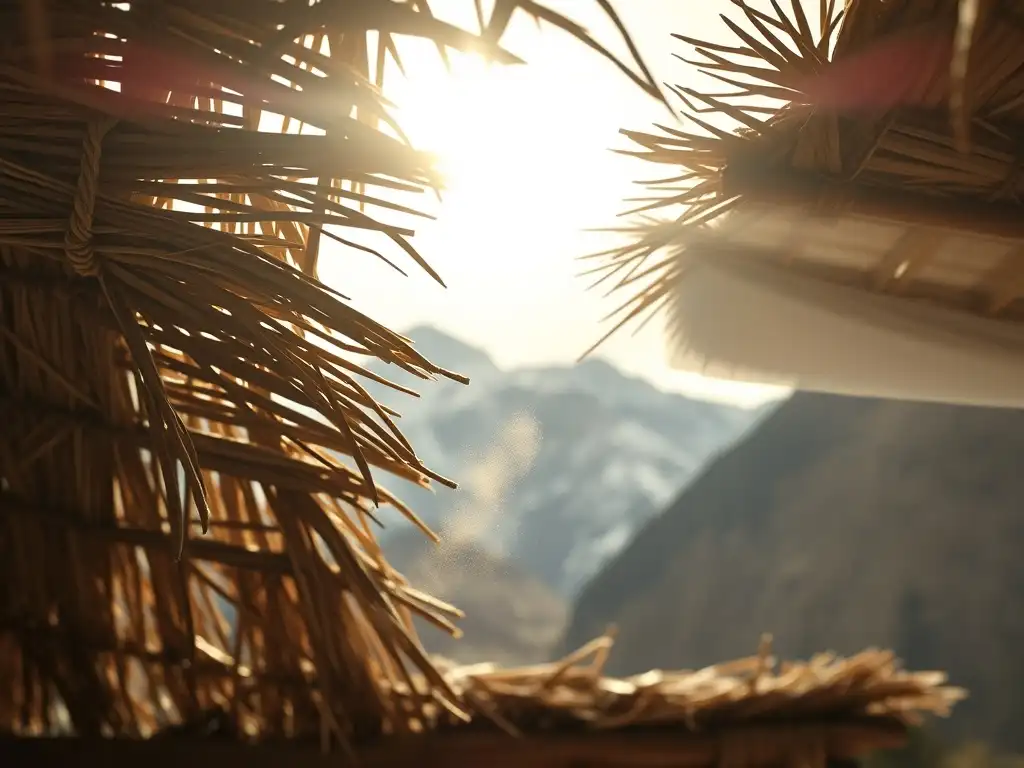
The preservation of ancient Andean roofs presents a significant challenge for archaeologists and preservationists alike. These structures, often built with materials vulnerable to the harsh Andean climate and centuries of weathering, face constant threats from degradation. Understanding the original construction techniques is crucial for effective preservation strategies.
But the very act of studying these fragile structures can accelerate their deterioration. The delicate balance between research and conservation requires careful planning and innovative approaches. For example, the use of non-invasive techniques like LiDAR scanning and photogrammetry is becoming increasingly important, allowing for detailed documentation without physical contact.
This digital preservation offers a crucial safeguard against future loss. Furthermore, the development of specialized conservation materials and techniques adapted to the unique characteristics of Andean building materials – such as adobe, stone, and thatch – is a continuous area of research and development. The goal is to find methods that are both effective and respectful of the historical integrity of the sites.
Challenges in Conserving Ancient Andean Roofs
Conserving ancient Andean roofs presents a unique set of challenges. The high altitude, intense UV radiation, fluctuating temperatures, and frequent precipitation in the Andes all contribute to the rapid deterioration of building materials. Many ancient roofs were constructed using organic materials like thatch, wood, and reeds, which are particularly susceptible to decay and insect infestation.
Even stone and adobe structures, while more durable, suffer from weathering, erosion, and seismic activity. Furthermore, the lack of original construction documentation makes understanding the original design and construction methods difficult, hindering the development of effective preservation strategies. For instance, determining the optimal humidity levels for adobe preservation is a constant challenge, as excessive dryness can lead to cracking and crumbling, while excessive moisture can promote mold and mildew growth.
The need for further research into the long-term effects of various preservation techniques is paramount. We need more data on the efficacy of different methods for various materials in different Andean microclimates.
Modern Research on Andean Construction Methods
Modern research utilizes a multidisciplinary approach to uncover the secrets of Andean roof construction. Archaeologists meticulously excavate sites, carefully documenting the arrangement of materials and construction techniques. Material scientists analyze the composition of ancient building materials, providing insights into their properties and durability. Engineers apply principles of structural mechanics to understand how these roofs withstood seismic activity and extreme weather conditions. For example, recent studies on Incan roof structures have revealed sophisticated techniques involving interlocking stone blocks and precisely fitted wooden beams, demonstrating a deep understanding of engineering principles. The use of advanced imaging techniques, such as ground-penetrating radar and thermal imaging, allows researchers to investigate buried structures and detect hidden features without causing damage. Ethnoarchaeological studies, which examine the construction practices of contemporary Andean communities, offer valuable insights into traditional methods and their adaptation to modern materials. This interdisciplinary approach yields a more complete understanding of Andean construction expertise.
Lessons from the Past: Applying Andean Techniques Today
Studying ancient Andean roof construction techniques offers valuable lessons for modern architecture and engineering. The ingenuity and adaptability demonstrated in these ancient structures, often built with locally sourced materials and sustainable methods, are particularly relevant in today's context of increasing environmental awareness and resource scarcity. For example, the use of interlocking stone construction, which minimized the need for mortar, offers a sustainable and environmentally friendly approach to building.
Moreover, the incorporation of natural ventilation and insulation techniques in many ancient Andean roofs provides a model for energy-efficient designs. Understanding the resilience of these ancient structures to earthquakes and other natural disasters can inform the development of more earthquake-resistant building practices.
By carefully analyzing and adapting these time-tested techniques, we can create more sustainable and resilient structures for the future, while also honoring the legacy of Andean architectural ingenuity. This approach promotes a holistic understanding of Andean roof construction, bridging the gap between past practices and modern applications 🏠.
Conclusion: The Enduring Legacy of Andean Roofing
The study of Andean roof construction techniques reveals not only remarkable ingenuity but also a deep understanding of the Andean environment and its challenges. From the steep slopes of the Andes to the unpredictable weather patterns, these ancient builders demonstrated an impressive ability to adapt their building methods to their surroundings. Their solutions, often employing readily available materials like stone, thatch, and wood, stand as a testament to their resourcefulness and problem-solving skills.
The durability and effectiveness of many of these structures, even after centuries of exposure to the elements, highlight the sophistication of their techniques and the quality of their craftsmanship. Understanding these methods offers valuable insights into the resilience and adaptability of Andean civilizations, enriching our appreciation for their cultural heritage.
The legacy of Andean roof construction continues to inspire modern architects and engineers seeking sustainable and environmentally responsible building solutions. The principles of utilizing local materials, understanding environmental factors, and employing innovative techniques remain highly relevant today.
The Ingenuity of Andean Roof Design and Engineering
The ingenuity of Andean roof design is particularly evident in the diverse adaptations found across different regions and cultures. For example, the steeply pitched roofs of the Inca Empire, often constructed with carefully fitted stone slabs, effectively shed snow and rainwater, minimizing damage from the harsh mountain climate. This contrasts with the more gently sloping roofs seen in coastal regions, which often utilized thatch or reeds, materials better suited to warmer, drier conditions.
The integration of architectural features like overhanging eaves and carefully designed drainage systems further enhanced the functionality and longevity of these structures. Detailed analysis of surviving structures reveals a nuanced understanding of structural mechanics, with techniques like interlocking stonework and the strategic use of timber beams to distribute weight and ensure stability. The precision and skill involved in these constructions are remarkable, demonstrating a high level of technical expertise.
Furthermore, the use of organic materials like thatch, while seemingly simple, involved a complex understanding of material properties and their impact on the structure's performance. Careful selection and preparation of these materials were crucial for ensuring the roof's durability and weather resistance. The sophisticated understanding of materials and structural mechanics evident in Andean roof construction surpasses simplistic interpretations, revealing a sophisticated engineering approach.
Future Research Directions in Andean Construction
Further research into Andean roof construction techniques could significantly enhance our understanding of ancient Andean societies and their technological achievements. Areas requiring further investigation include a more comprehensive analysis of the materials used, including a detailed study of their sourcing, processing, and durability. Advanced techniques like isotopic analysis could help pinpoint the origin of materials and track trade networks.
Moreover, a more thorough documentation of surviving structures, utilizing 3D modeling and other digital tools, could provide valuable insights into the construction process and the evolution of roof designs over time. Comparative studies of different Andean cultures and their respective building methods would also offer valuable perspectives on regional variations and the diffusion of technological innovations. Finally, interdisciplinary research incorporating archaeological, anthropological, and engineering expertise is crucial for a holistic understanding of this fascinating aspect of Andean heritage.
This combined approach would enable a more thorough investigation of the social, economic, and environmental factors that shaped Andean building practices. The potential for new discoveries and insights from these areas of research is immense.
Appreciating the Architectural Heritage of the Andes
Appreciating the architectural heritage of the Andes requires a multi-faceted approach. It involves not only recognizing the aesthetic beauty of these structures but also understanding the immense technological and engineering achievements they represent. The ingenuity and resourcefulness of Andean builders, their deep understanding of their environment, and their mastery of construction techniques are truly remarkable.
Preserving these structures for future generations is crucial, demanding ongoing conservation efforts and responsible tourism practices. Educational initiatives that highlight the importance of Andean architectural heritage can foster a deeper appreciation and understanding among the wider public. Promoting research and scholarship in this area can contribute to a more comprehensive understanding of this vital aspect of Andean culture.
Ultimately, a holistic appreciation of Andean roof construction—and Andean architecture more broadly—requires an understanding of its cultural, historical, and technological significance, allowing us to connect with the remarkable achievements of past Andean civilizations and learn from their sustainable practices. This understanding offers valuable lessons for modern approaches to building and design.
Frequently Asked Questions
What unique challenges did Andean builders face when constructing roofs?
Andean builders faced challenging terrain, including mountains and earthquakes. They also had to work with limited resources and adapt to varied climates. Their solutions were ingenious and sustainable.
What materials were commonly used in Andean roof construction?
Common materials included stone, adobe bricks, and thatch. The specific materials varied depending on the region and the availability of resources. Wood was also used where available.
How did Andean roof designs differ between different cultures?
Roof designs varied significantly. The Inca used sophisticated techniques, while other cultures like the Nazca developed unique styles adapted to their environments. Regional variations are crucial to understanding the diversity of Andean architecture.
What makes Andean roof construction techniques so remarkable?
Andean roof construction was remarkable for its adaptability, durability, and integration with the environment. Techniques often involved complex interlocking systems and earthquake-resistant designs. These techniques showed a deep understanding of engineering principles.
Where can I learn more about specific Andean roof construction techniques?
You can find more information in academic journals, archaeological publications, and museum exhibits focusing on Andean civilizations. Many online resources also offer valuable insights into this fascinating subject.
Final Reflection: Echoes of the Andes: A Legacy in Wood and Thatch
The ingenious techniques of Andean roof construction, once vital for survival in harsh climates, continue to resonate today, offering valuable lessons in sustainable building and cultural preservation. These ancient methods, far from being relics of a bygone era, hold the key to addressing modern challenges in architecture and environmental responsibility. Their resilience speaks volumes about the ingenuity and deep connection to the land held by Andean communities.
The enduring legacy of Andean roof construction extends far beyond mere functionality; it represents a profound understanding of environmental harmony and community collaboration. These structures, built with locally sourced materials and adapted to specific microclimates, stand as testaments to sustainable design principles. Their intricate details, passed down through generations, are a living testament to the power of cultural transmission. The mountains are our teachers; they show us how to build in harmony with nature.
– (Hypothetical quote from an Andean elder, adapt as needed for your article's sources).
Consider the implications of this knowledge. You now understand the intricate balance between material selection, structural integrity, and environmental adaptation inherent in Andean roof construction. Think about how these principles can inform your own choices, whether you are a builder, an architect, or simply a citizen concerned about sustainable practices. Let the echoes of the Andes inspire you to build a more resilient and environmentally conscious future, one roof at a time.
Unlock the Secrets of Andean Architecture Today!
Thank you for exploring the captivating world of Andean roof construction! We hope you enjoyed learning about these ancient techniques and were inspired by the ingenuity of Andean civilizations. Now, let's put that inspiration to work!
Here's how you can delve deeper into this fascinating subject:
- Explore Further: Visit our website to discover more articles on Andean architecture and culture, enriching your understanding and appreciation of these remarkable civilizations.
- Join the Conversation: Share your thoughts and questions in the comments below! We'd love to hear your perspective on the lasting influence of Andean building methods.
- Connect with the Community: Follow us on social media for the latest updates and resources celebrating Andean history.
What aspects of Andean construction intrigue you most, and how do you see them influencing modern architecture? Let's discuss!