
The Condor's Flight: Exploring the Symbolism of Andean Birds of Prey

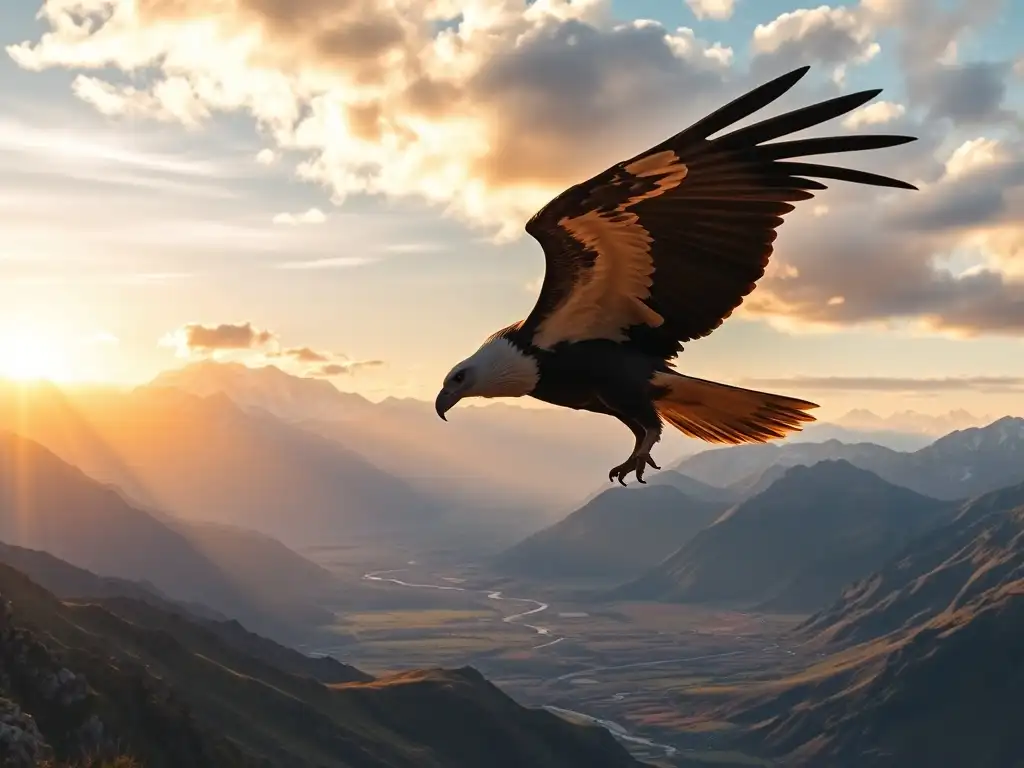
Unravel the mysteries of the Andes! Journey with us into a world where the sky held profound meaning, and majestic birds of prey, like the powerful condor, were more than just creatures of flight. Explore the captivating realm of Andean bird symbolism—a key to understanding the rich cosmology and worldview of ancient civilizations. Discover how these soaring creatures shaped beliefs, rituals, and art, leaving behind a legacy that continues to fascinate us today. Prepare to be amazed.
The Andes Mountains, a spine of towering peaks stretching along the western coast of South America, have nurtured a rich tapestry of cultures for millennia. These civilizations, including the Incas, Moche, Nazca, and Tiahuanaco, didn't just inhabit this dramatic landscape; they were deeply intertwined with it. Their worldview, cosmology, and even their social structures were profoundly shaped by the natural world surrounding them.
Nowhere is this connection more evident than in their reverence for birds of prey, particularly the majestic condor. This article delves into the complex symbolism associated with Andean birds of prey, exploring how these creatures transcended mere animal status to become potent symbols in Andean cosmology and worldview, reflecting power, divinity, and the very fabric of life in the high Andes.
Understanding this symbolism provides a crucial key to unlocking a deeper appreciation for the spiritual and cultural richness of these ancient Andean societies. We will explore not only the condor's significance, but also the roles played by other raptors, revealing a fascinating interconnectedness between avian life and Andean beliefs.
The Majestic Condor: King of the Andes
The Andean condor ( Vultur gryphus), with its immense wingspan and piercing gaze, reigns supreme in the Andean imagination. For centuries, it has been considered a sacred creature, embodying power, strength, and the ability to bridge the earthly and spiritual realms. Its soaring flight, effortlessly traversing the vast Andean landscape, was seen as a connection between the human world and the celestial sphere.
In many Andean cultures, the condor was associated with the sun, representing its life-giving energy and power. Depictions of condors adorn textiles, pottery, and even monumental architecture, serving as powerful reminders of this divine connection. Moreover, the condor's longevity was interpreted as a symbol of endurance and resilience, mirroring the ability of Andean communities to persevere in the challenging high-altitude environment.
Detailed observations of condor behavior, such as their scavenging habits, likely influenced certain aspects of Andean funerary rituals and beliefs about the afterlife. The condor was not merely a symbol; it was a living embodiment of Andean spiritual beliefs, a powerful reminder of the forces that shaped their lives.
Other Birds of Prey in Andean Symbolism
While the condor undeniably holds a central position, other birds of prey also played significant roles in Andean symbolism, albeit often with nuanced interpretations. For example, the hawk, with its sharp vision and swift hunting prowess, might have symbolized precision, vigilance, and even prophecy. Smaller raptors like the kestrel or caracara likely held different meanings depending on the specific culture and context.
Unfortunately, detailed information regarding the symbolic significance of these lesser-known birds remains fragmented, requiring further research to fully elucidate their roles within the broader Andean cosmology. However, the available evidence strongly suggests a rich and multifaceted avian symbolism extending beyond the condor's iconic status. The study of Andean iconography and mythology continues to reveal new insights into these lesser-known avian figures, offering a more complete picture of the Andean relationship with the natural world.
Andean Bird Symbolism and its Modern Relevance
The enduring legacy of Andean bird symbolism extends far beyond the ancient past. These powerful avian images continue to hold cultural significance in contemporary Andean communities. Condors, for example, remain important figures in Andean folklore and continue to inspire artistic expression.
Understanding the historical context of this symbolism is vital for respecting and interpreting these contemporary expressions. Moreover, the study of Andean bird symbolism offers valuable insights into broader themes of environmental stewardship and the interconnectedness between humans and nature. In a world increasingly concerned with biodiversity and ecological balance, the ancient Andean reverence for birds of prey serves as a potent reminder of the importance of respecting and preserving the natural world.
The continued study and appreciation of Andean bird symbolism provides an opportunity to learn from the past and build a more sustainable future. The rich tapestry woven from ancient beliefs and contemporary perspectives ensures that the flight of the condor, and other birds of prey, continues to inspire and resonate across generations.
- The Majestic Condor: King of the Andes
- Other Birds of Prey in Andean Symbolism
- Andean Bird Symbolism and its Modern Relevance
Andean Bird Symbolism: A Window into Ancient Worldviews
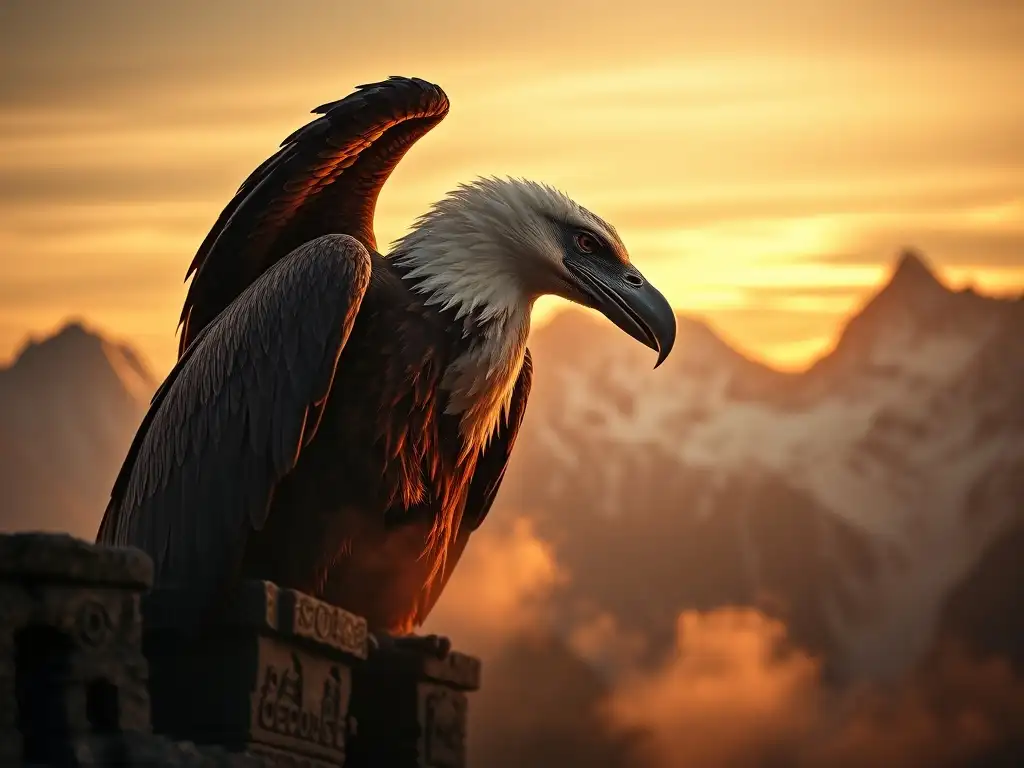
Andean bird symbolism offers a captivating lens through which to understand the complex cosmology and worldview of ancient Andean cultures. Birds, with their ability to traverse both earthly and celestial realms, held profound significance, representing a range of concepts integral to Andean life, from spiritual power and social hierarchy to ecological balance and agricultural cycles. This wasn't simply a matter of assigning arbitrary meanings; rather, the symbolism was deeply interwoven with their understanding of the natural world and their place within it.
The careful observation of avian behavior, migration patterns, and physical characteristics informed their intricate belief systems, shaping their rituals, art, and social structures. Understanding Andean bird symbolism is key to unlocking a deeper appreciation for the rich tapestry of their spiritual and material lives.
The diverse array of species, from hummingbirds to condors, each carried unique symbolic weight, contributing to a nuanced and multifaceted system of meaning. This section delves into the specific significance of birds, particularly birds of prey, within this rich tapestry.
The Significance of Birds in Andean Cosmology
In Andean cosmology, the world was not perceived as a static entity but rather as a dynamic interplay between the terrestrial and celestial realms. Mountains, considered sacred entities, served as connecting points between these two worlds, with birds acting as messengers and intermediaries. Their flight symbolized the movement between these realms, reflecting the cyclical nature of life, death, and rebirth. Certain bird species were associated with specific deities or spirits.
For example, the hummingbird, with its incredible speed and agility, was often linked to the sun god, Inti, representing his radiant energy and life-giving power. Conversely, nocturnal birds might have been associated with the underworld and the realm of the dead. This complex network of associations highlights the sophisticated understanding of the Andean peoples regarding the interconnectedness of all living things. The detailed iconography found in Andean textiles, ceramics, and metalwork further underscores the importance of birds within their worldview.
These artistic representations often depict birds in highly stylized ways, emphasizing specific features or behaviors that reinforced their symbolic meaning. The meticulous attention to detail in these artworks demonstrates the deep reverence and understanding these cultures held for the avian world. Furthermore, the use of bird imagery in ritual objects suggests their importance in ceremonies and religious practices.
Why Birds of Prey Held Special Meaning
Birds of prey, such as the condor and the hawk, occupied a particularly prominent position within Andean symbolism. Their power, agility, and ability to hunt from great heights made them potent symbols of authority, strength, and spiritual potency. The condor, in particular, held a revered status, often associated with the highest deities and the ruling elite. Its majestic presence and soaring flight were seen as manifestations of divine power. Depictions of condors frequently appear in royal iconography, reinforcing their association with leadership and sovereignty.
The hawk, another prominent bird of prey, often symbolized vigilance, keen observation, and the ability to perceive hidden truths. Their sharp eyesight and predatory skills made them potent symbols of both power and protection. Moreover, the Andean people understood the ecological role of birds of prey in maintaining balance within the ecosystem. Their hunting activities contributed to the overall health and stability of the environment, underlining the interconnectedness of all living beings.
This nuanced understanding of the natural world is reflected in the careful and respectful way in which these cultures incorporated birds of prey into their beliefs and practices. The use of feathers from birds of prey in ceremonial headdresses and adornments further emphasizes their importance as symbols of power and prestige. Analyzing the specific contexts in which these birds appear in Andean art and artifacts provides valuable insight into the rich symbolism associated with them. Further research into specific regional variations in Andean bird symbolism is needed to fully appreciate the diversity of interpretations across different cultures and time periods.
The Andean Condor: A Majestic Icon
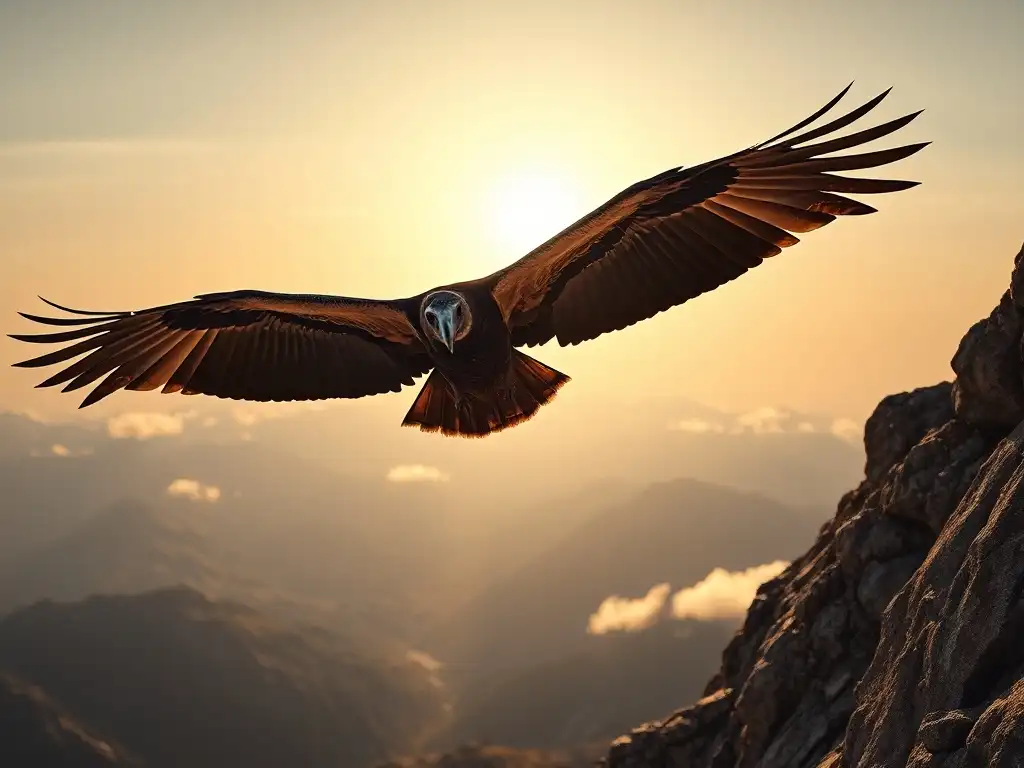
The Andean condor ( Vultur gryphus), with its impressive wingspan and regal presence, reigns supreme in the Andean bird symbolism. Its significance transcends mere biological observation; it embodies a complex tapestry of spiritual, political, and social meanings woven deeply into the fabric of Andean cultures. For centuries, this magnificent bird has been revered, feared, and meticulously integrated into the worldview of Andean peoples, shaping their art, mythology, and daily lives.
Understanding the condor's symbolism provides crucial insight into the Andean understanding of power, cosmology, and the interconnectedness of the natural and spiritual worlds. This section will delve into the multifaceted symbolism of the Andean condor, exploring its role as a potent symbol of power, its prominent place in mythology and legends, and its recurring representation in artistic and architectural expressions.
The condor's association with power and authority is deeply rooted in its physical attributes. Its immense size, commanding flight, and sharp gaze project an aura of strength and dominance. In many Andean societies, the condor was directly linked to ruling elites.
For example, Inca rulers often adopted the condor as a symbol of their divine right to rule, associating themselves with the bird's majestic power and its elevated position in the Andean ecosystem. This association is evident in various aspects of Inca imperial iconography, including royal regalia, textiles, and monumental architecture. The condor's association with power wasn't limited to the Inca; many pre-Inca cultures, such as the Chimu and Wari, also incorporated condor imagery into their representations of leadership and authority.
The use of condor feathers in ceremonial headdresses and garments further reinforced this powerful symbolism, signifying high status and connection to the spiritual realm. The condor's ability to soar high above the mountains, seemingly closer to the gods, solidified its position as a potent symbol of earthly power reflecting divine authority.
The Condor's Role in Andean Mythology and Legends
Andean mythology is rich with stories and legends featuring the condor, often portraying it as a powerful intermediary between the earthly and spiritual realms. Some myths depict the condor as a messenger of the gods, carrying messages between the celestial and terrestrial worlds. Other narratives portray the condor as a guardian spirit, protecting communities and individuals from harm.
The condor's ability to navigate treacherous mountain landscapes and extreme altitudes further enhanced its mythical significance, reinforcing its association with supernatural abilities. The precise details of these myths vary across different Andean cultures, but the recurring theme of the condor's spiritual significance remains consistent, highlighting its importance in the Andean worldview.
For example, some legends associate the condor's soaring flight with the sun's journey across the sky, connecting the bird to the celestial cycle and the cyclical nature of life and death. Further research is needed to fully document the diversity of condor-related myths across various Andean groups, [specific information pending] particularly regarding lesser-known cultures.
Condor Imagery in Andean Art and Architecture
The enduring presence of the condor in Andean art and architecture serves as a powerful testament to its cultural importance. From intricately woven textiles to monumental stone carvings, the condor's image appears repeatedly, reflecting its multifaceted symbolism. In Inca art, for instance, condors are often depicted in battle scenes, symbolizing strength and military prowess. In other contexts, they are portrayed in more serene settings, signifying connection to the spiritual realm and the Andean cosmology.
The precise style of representation varied across different Andean cultures and time periods, reflecting the unique artistic traditions and stylistic preferences of each group. Analysis of Andean art reveals a fascinating interplay between stylistic conventions and symbolic meanings, showcasing the condor's enduring role as a powerful cultural icon. Consider, for example, the differences in condor depictions found in Nazca pottery compared to those in Tiahuanaco stone sculptures.
These variations, while reflecting distinct artistic styles, also hint at nuanced differences in the cultural interpretations of condor symbolism. Further investigation into the stylistic evolution of condor imagery across different Andean cultures would provide valuable insights into the changing perceptions and interpretations of this powerful symbol over time. The meticulous craftsmanship and attention to detail evident in these artistic expressions underscore the profound respect and reverence that Andean cultures held for this magnificent bird.
Other Important Birds of Prey in Andean Culture
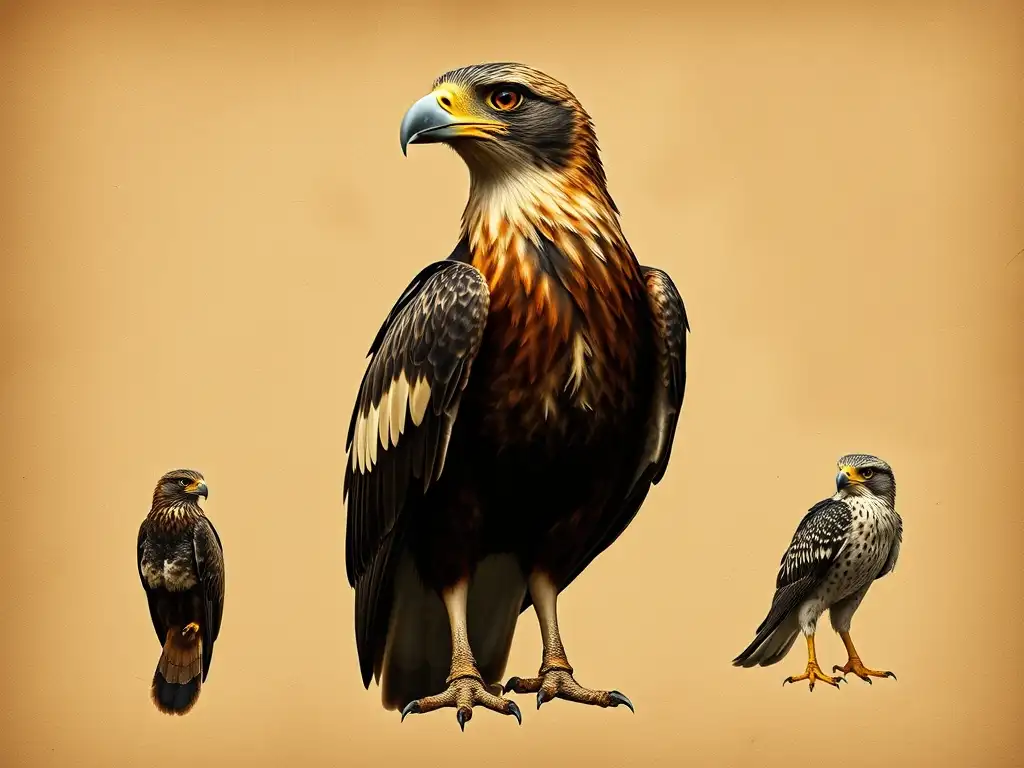
The Andean worldview is rich with symbolism, and birds of prey hold a particularly significant place within this complex tapestry of beliefs and practices. While the condor reigns supreme, other raptors played vital roles in the spiritual and practical lives of various Andean cultures. Understanding the symbolism of these birds provides a deeper appreciation for the nuanced relationship between Andean peoples and their environment. This section will delve into the cultural significance of the eagle, hawk, and falcon within the context of Andean bird symbolism.
The Eagle: A Symbol of Strength and Vision
The eagle, a powerful and majestic bird, embodies strength, vision, and the ability to perceive from a higher perspective. In many Andean cultures, the eagle was associated with the sun and its life-giving energy. Its sharp eyesight symbolized clarity and foresight, crucial for leadership and decision-making.
Archaeological findings, such as depictions on ceramics and textiles, frequently showcase the eagle in scenes of power and authority. For example, some Moche pottery illustrates eagles alongside human figures, suggesting a connection between human rulers and the eagle's divine attributes. The eagle's ability to soar to great heights was interpreted as a connection to the celestial realm, reflecting the Andean belief in the interconnectedness between the earthly and spiritual worlds.
Furthermore, the eagle's fierce nature and predatory skills underscored the importance of strength and protection in Andean society. The eagle's symbolism, therefore, transcended mere aesthetic representation; it served as a powerful symbol of leadership, spiritual insight, and the ability to overcome challenges. Detailed studies of Andean iconography consistently reveal the eagle's prominent role in conveying these core values.
The Hawk: Messenger and Hunter in Andean Beliefs
Unlike the eagle's association with supreme power, the hawk often held a more ambiguous position in Andean symbolism. While its hunting prowess represented skill and efficiency, the hawk also served as a messenger, bridging the gap between the earthly and spiritual realms. Its swift flight and keen observation skills made it a suitable intermediary, carrying messages and insights between the human world and the gods.
Some scholars suggest that the hawk's role as a messenger might be connected to shamanic practices, where the bird's ability to traverse different planes of existence was seen as a metaphor for the shaman's journey into the spiritual world. Additionally, the hawk's association with hunting highlighted the importance of resourcefulness and survival within Andean societies. Depictions of hawks on textiles and pottery often appear alongside scenes of hunting or agriculture, emphasizing the bird's role in the daily lives and sustenance of Andean communities.
The hawk's symbolism, therefore, was less about absolute power and more about adaptability, communication, and the crucial balance between the earthly and spiritual realms. Further research is needed to fully understand the nuanced interpretations of the hawk across various Andean cultures.
The Falcon: Speed and Precision in Andean Symbolism
The falcon, with its exceptional speed and accuracy in hunting, represented precision, swiftness, and the ability to achieve goals with focused determination. In Andean symbolism, the falcon's attributes were often associated with successful hunting, skilled craftsmanship, and the precise execution of tasks. The falcon's sharp eyesight and lightning-fast reflexes made it a potent symbol of efficiency and effectiveness.
While less prevalent than the condor or eagle in major iconographic representations, the falcon's symbolism is still evident in smaller artifacts and textiles. Its presence often suggests a focus on skills requiring dexterity and precision, emphasizing the importance of craftsmanship and expertise within Andean communities. The falcon's symbolism, therefore, highlights the value placed on focused effort and the attainment of specific goals within the broader Andean context.
Further investigation into regional variations in falcon symbolism would provide a more comprehensive understanding of its role within different Andean cultures. The analysis of additional artifacts and texts could shed light on the multifaceted interpretation of this swift and agile bird of prey.
The Spiritual Connection: Birds as Intermediaries

The Andean worldview deeply intertwined the natural world with the spiritual realm, and birds of prey, particularly the condor, held a pivotal role in this intricate cosmology. Their ability to soar effortlessly between the earth and the sky made them potent symbols, acting as intermediaries between the human world and the divine. This wasn't merely symbolic; these birds were believed to possess a unique capacity to bridge the gap between different planes of existence, carrying messages, prayers, and even souls.
Understanding this spiritual connection is crucial to grasping the significance of Andean bird symbolism, particularly the prevalence of the condor in art, mythology, and ritual practices. The pervasive imagery reflects not just aesthetic appreciation but a profound belief in the birds' active participation in the spiritual life of the Andean people.
The power of these birds wasn't limited to their physical attributes; their symbolic power extended to their ability to traverse the realms, carrying the weight of spiritual significance. This understanding shaped various aspects of Andean life, from religious ceremonies to daily routines.
Birds as Links between the Earthly and Heavenly Realms
Andean cosmology often depicted the universe as a three-tiered structure: the kay pacha (the underworld), the aqui pacha (the earthly realm), and the hanan pacha (the heavenly realm). Birds of prey, with their ability to traverse these realms with ease, served as crucial links connecting these distinct spheres. Their flight, therefore, wasn't simply a physical act; it was a powerful metaphor for the connection between the divine and the human.
The condor, for instance, often depicted with outstretched wings, visually represented this connection, its soaring flight symbolizing the movement of souls between the worlds. Specific rituals involved releasing birds, particularly condors, as a way to send messages or offerings to the gods in the hanan pacha. This act wasn't a passive gesture; it was an active participation in the spiritual dynamics of the Andean universe.
Furthermore, the descent of birds of prey was often interpreted as a sign from the spiritual world, carrying messages or omens for communities. The careful observation of bird behavior, therefore, became an integral part of Andean spiritual practice. The intricate relationship between bird behavior and spiritual interpretation highlights the deep interconnectedness of the natural and supernatural realms in Andean thought.
Andean Shamanism and Bird Imagery
Andean shamanism heavily incorporated bird imagery and symbolism into its practices. Shamans, often considered intermediaries between the human and spirit worlds, were believed to possess the ability to transform into birds or communicate with them. This ability was often depicted in art and described in oral traditions, reinforcing the shaman's role as a spiritual mediator.
The shaman's connection to birds, particularly birds of prey, enhanced their credibility and power within the community. The use of feathers in shamanic rituals and costumes further underscores the significance of birds in Andean spiritual practices. For example, condor feathers were often used in headdresses and ceremonial robes, symbolizing the shaman's connection to the divine and their ability to access the spiritual realms.
The use of these feathers wasn't just decorative; it was a powerful symbolic representation of the shaman's spiritual authority and their ability to communicate with the spirit world. Furthermore, the shaman's ability to interpret bird behavior and flight patterns was believed to provide insights into the future and divine will. The intricate relationship between shamanism and bird symbolism showcases the profound integration of the natural and supernatural in Andean spiritual life.
The Importance of Flight in Andean Spirituality
The act of flight itself held profound spiritual significance in Andean cosmology. It represented freedom, transcendence, and the connection to the divine. The ability of birds of prey to soar effortlessly above the earthly realm symbolized the ability to escape the limitations of the physical world and connect with the spiritual.
This symbolism is deeply embedded in Andean art, where images of soaring birds, especially condors, are frequently depicted in monumental architecture, textiles, and pottery. The representation of flight wasn't merely aesthetic; it conveyed a powerful spiritual message. The upward trajectory of the bird's flight embodied the aspiration towards the heavenly realm, towards a connection with the divine.
Different birds held varying levels of spiritual significance, reflecting the diverse beliefs and practices across different Andean cultures. The symbolic meaning of flight varied subtly depending on the specific bird and the context, yet the overarching theme of transcendence and connection to the spiritual remained consistent. The enduring presence of avian imagery in Andean art and culture serves as a testament to the enduring significance of flight in Andean spirituality.
Decoding the Meaning: Interpreting Andean Bird Motifs
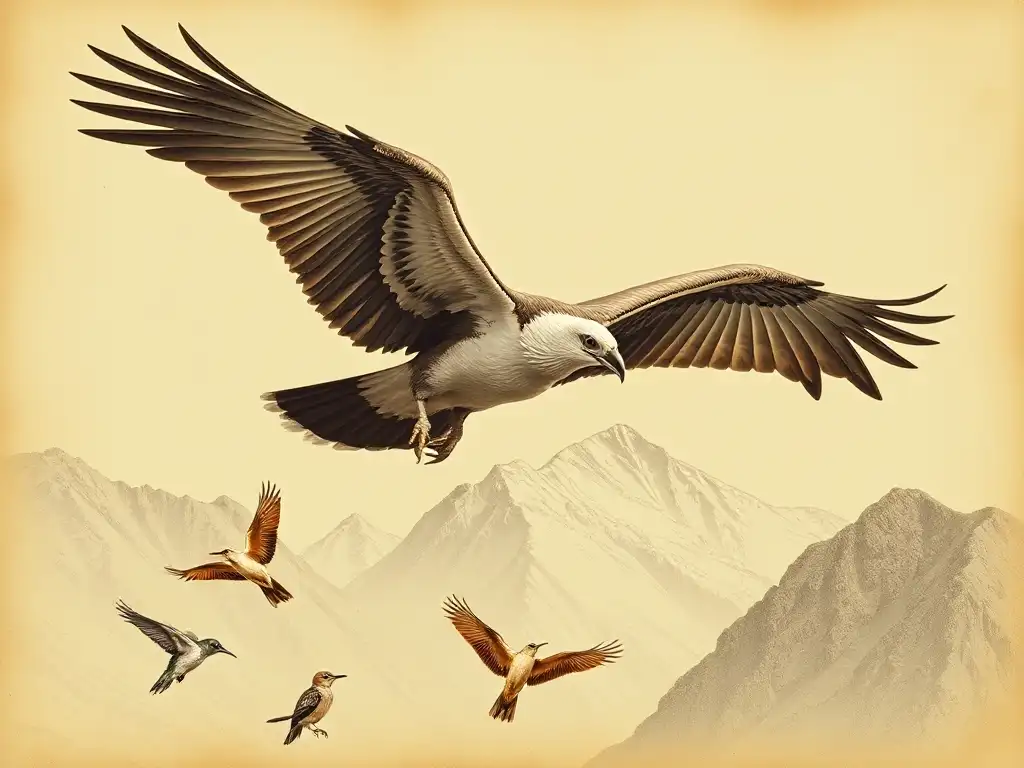
Andean bird symbolism is deeply interwoven with the cosmology and worldview of the ancient Andean civilizations. Birds, particularly birds of prey, held significant spiritual and symbolic meaning, reflecting the complex relationship between humans and the natural world. Their representation in art, textiles, and rituals provides invaluable insights into Andean beliefs about power, fertility, and the afterlife. Understanding these representations requires careful consideration of cultural context, artistic style, and the specific bird depicted.
The prevalence of certain bird motifs across various Andean cultures, while exhibiting regional variations, points to a shared understanding of their symbolic significance within the broader Andean worldview. Analyzing these motifs reveals a rich tapestry of beliefs, reflecting the intricate connection between the Andean people and the avian world. The consistent presence of birds in Andean iconography underscores their importance in shaping Andean religious practices and spiritual understanding.
Variations in Bird Representation Across Andean Cultures
The representation of birds varied significantly across different Andean cultures. While the condor often held a prominent position as a symbol of power and the celestial realm, its depiction differed subtly depending on the specific civilization. For instance, the Incas often portrayed condors with highly stylized features, emphasizing their majestic presence and power. In contrast, the Moche civilization, renowned for its intricate ceramics, depicted condors with a greater degree of naturalistic detail, capturing the bird's physical attributes with remarkable accuracy.
The Nazca culture, famous for its geoglyphs, represented birds in a more abstract manner, often integrating them into complex designs that also incorporated other motifs, such as geometric patterns and stylized plants. This variation reflects not only artistic styles but also distinct cosmological beliefs and interpretations of the bird's symbolic meaning within each culture.
The Tiahuanaco culture, known for its monumental architecture, employed a more formalized and stylized representation of birds, often incorporating them into intricate stone carvings and textiles. These variations highlight the rich diversity of Andean artistic expression and the nuanced interpretations of bird symbolism across different societies.
| Culture | Condor Representation Style | Other Notable Avian Representations |
|---|---|---|
| Inca | Stylized, emphasizing power and majesty | Smaller birds often depicted in textiles |
| Moche | Naturalistic, detailed physical features | Variety of birds, often in ceramic art |
| Nazca | Abstract, integrated into complex designs | Hummingbirds, often in geoglyphs |
| Tiahuanaco | Formalized, stylized stone carvings | Stylized birds in textiles and stonework |
The Use of Bird Imagery in Rituals and Ceremonies
Bird imagery played a crucial role in Andean rituals and ceremonies. Feathers, particularly those of condors and other birds of prey, were highly valued and incorporated into ceremonial attire, headdresses, and other sacred objects. The use of feathers signified power, prestige, and connection to the spiritual realm. Ceremonial dances often mimicked the flight and movements of birds, symbolizing the connection between the earthly and celestial realms.
Furthermore, the offering of birds as sacrifices was a common practice, believed to appease the gods and ensure good fortune. The precise nature of these rituals and the specific meanings associated with them varied across different Andean cultures and contexts, but the consistent use of bird imagery highlights its central role in Andean religious life. Archaeological findings, such as the discovery of elaborate featherwork and the remains of sacrificial birds, provide tangible evidence of the importance of bird imagery in these rituals.
Many rituals involved the use of specific bird species, each carrying unique symbolic weight. For example, the hummingbird, with its incredible speed and agility, might have symbolized swiftness, agility, and the messenger of the gods. The owl, associated with nocturnal activities and wisdom, might have held significance in shamanistic practices. The study of ritual contexts reveals fascinating details about the symbolic meanings that were assigned to different birds within the Andean worldview. The careful arrangement of feathers and the specific choice of bird species in rituals suggest a deeply considered symbolic system.
The Meaning of the Hummingbird, Owl, and Caracara
The hummingbird, often associated with the sun and its life-giving energy, represented speed, agility, and the connection between the earthly and spiritual realms. Its tiny size belied its importance, symbolizing the delicate balance of nature. The owl, a nocturnal creature often associated with the underworld, represented wisdom, prophecy, and the unseen forces of the cosmos. Its presence in Andean art and rituals suggests a complex understanding of the duality of light and darkness, life and death.
The caracara, a bird of prey known for its scavenging habits, held a more ambiguous symbolic meaning. While it could represent aspects of death and decay, its opportunistic nature also symbolized adaptability and resourcefulness. The interpretation of the caracara's symbolism often depended on the specific context in which it was depicted. These three birds — the hummingbird, the owl, and the caracara — represent a fraction of the rich avian symbolism present within Andean cultures.
Further research continues to unveil the complex and multifaceted meanings associated with these and other birds, enriching our understanding of Andean cosmology and worldview. The diversity of meanings associated with these birds reflects the Andean people's deep understanding and respect for the natural world. 🐦
Andean Bird Symbolism: A Legacy of Wisdom
Andean bird symbolism represents a profound connection between ancient Andean cultures and the avian world. Far from simply observing birds, these civilizations integrated avian imagery into their daily lives, religious practices, and artistic expressions. This deep-seated relationship, woven into the fabric of Andean cosmology, reveals a sophisticated understanding of the natural world and its interconnectedness.
The symbolism wasn't arbitrary; specific birds held unique meanings, often reflecting their behaviors, habitats, and perceived power. For example, the condor, with its majestic flight and lofty perch in the Andes mountains, symbolized power, royalty, and the connection between the earthly and spiritual realms. Smaller birds, like hummingbirds, often represented agility, grace, and the ephemeral beauty of life.
This rich tapestry of avian symbolism continues to resonate today, offering valuable insights into the worldview of these ancient societies. The study of Andean bird symbolism provides a window into the complex belief systems and spiritual practices that shaped these vibrant cultures.
The Enduring Impact of Andean Bird Symbolism
The influence of Andean bird symbolism persists in contemporary Andean cultures. While the specific interpretations may have evolved over time, the fundamental respect for birds and the symbolic weight attributed to them remain. Many modern Andean communities continue to incorporate avian imagery into their art, textiles, and ceremonies. The condor, for instance, still holds a significant place in Andean iconography, often appearing in celebrations and traditional rituals.
Furthermore, the enduring presence of these symbols highlights the resilience of Andean cultural heritage. The continued use of avian imagery serves as a powerful reminder of the deep connection between past and present, demonstrating the enduring legacy of Andean traditions. Careful documentation and preservation of these practices are crucial to understanding the evolution of Andean symbolism and its ongoing significance.
Ethnographic studies focusing on contemporary Andean communities can illuminate the ways in which these ancient symbols continue to be interpreted and used in modern contexts. This ongoing engagement with the past enriches our understanding of Andean culture and its enduring legacy. The persistence of these symbols underscores the importance of preserving indigenous knowledge and cultural practices.
Preserving the Cultural Heritage of Andean Birds
Preserving the cultural heritage associated with Andean birds requires a multifaceted approach. This includes not only protecting the birds themselves from habitat loss and other threats but also safeguarding the cultural knowledge and traditions related to them. This involves supporting initiatives that promote sustainable practices in Andean communities, ensuring that traditional knowledge is passed down through generations, and fostering collaboration between researchers, communities, and conservation organizations.
The preservation of Andean bird symbolism is intrinsically linked to the conservation of biodiversity in the Andes region. Protecting the habitats of these birds is essential to preserving the cultural significance they hold. Furthermore, supporting local communities in their efforts to protect these birds can empower them to safeguard their own cultural heritage.
The creation of protected areas and the implementation of sustainable tourism practices can contribute to the long-term preservation of both the birds and their cultural significance. Education and awareness campaigns can also play a vital role in promoting the appreciation and understanding of Andean bird symbolism and its importance to the region's cultural identity. The task requires a collaborative effort, bringing together diverse stakeholders committed to preserving this unique heritage.
The Importance of Continued Study and Appreciation
Continued study and appreciation of Andean bird symbolism are crucial for several reasons. Firstly, it allows us to deepen our understanding of the complex worldview of ancient Andean civilizations, gaining valuable insights into their beliefs, values, and social structures. Secondly, it fosters a greater appreciation for the rich cultural diversity of the Andes region. Thirdly, it highlights the importance of preserving biodiversity and protecting the habitats of these birds.
The ongoing research into Andean bird symbolism can reveal new layers of meaning and complexity, enriching our understanding of these cultures. This research should involve collaboration with Andean communities, ensuring that indigenous perspectives and knowledge are central to the process. By engaging in this collaborative approach, we can not only advance our understanding of Andean bird symbolism but also contribute to the preservation of this invaluable cultural heritage. Further research should focus on the connections between avian symbolism and other aspects of Andean cosmology, exploring the interplay between the spiritual and material worlds.
The study of Andean bird symbolism is not merely an academic exercise but a vital contribution to the preservation of a rich and complex cultural legacy. It requires a sustained commitment to research, collaboration, and education. The future of Andean bird symbolism depends on our collective commitment to understanding, appreciating, and protecting it.
Frequently Asked Questions
What is the significance of birds of prey in Andean culture?
Birds of prey, especially the condor, held immense religious and symbolic importance in many Andean cultures. They were often associated with power, strength, and the connection between the earthly and spiritual realms. Their flight symbolized freedom and transcendence.
Why was the condor particularly revered?
The condor's size, majestic appearance, and ability to soar to great heights made it a powerful symbol. It was often associated with divinities and rulers, representing authority and spiritual power. Its role as a scavenger also linked it to the cyclical nature of life and death.
Were all Andean birds of prey viewed similarly?
No, different birds held different meanings. While the condor was often associated with power and the sun, other raptors like the hawk or eagle represented different aspects of the natural world and held distinct symbolic values depending on the specific culture.
How did Andean people depict birds of prey in their art?
Andean art frequently depicts birds of prey in textiles, ceramics, and metalwork. These depictions often highlight the bird's powerful presence and symbolic attributes, reflecting their importance in religious ceremonies and daily life. Stylized representations were common.
Where can I learn more about Andean bird symbolism?
To delve deeper, explore museums showcasing Andean artifacts and consult academic resources and books focusing on Andean mythology and iconography. Websites dedicated to Andean history and culture, like this one, offer further insights into Andean bird symbolism.
Final Reflection: Soaring Beyond Symbolism: The Enduring Legacy of Andean Birds of Prey
The enduring power of Andean bird symbolism resonates deeply within contemporary society, a testament to the enduring connection between humanity and the natural world. These magnificent creatures, far from being mere symbols, reflect our own aspirations for freedom, strength, and spiritual connection, mirroring the challenges and triumphs of Andean cultures throughout history. Their continued presence serves as a powerful reminder of the delicate balance between human progress and environmental preservation.
The impact of Andean bird symbolism extends far beyond academic discourse; it permeates art, literature, and spiritual practices, shaping cultural identities and inspiring generations. These birds are not simply beautiful creatures; they are living embodiments of cultural narratives, carrying the weight of history and tradition on their powerful wings. The condor's flight is a metaphor for the human spirit's capacity to overcome adversity and rise above limitations,
a sentiment echoed across Andean communities for centuries. Understanding this symbolism allows us to appreciate the richness and complexity of Andean cultures and their profound connection to their environment.
Consider the flight of the condor, the majestic sweep of its wings against the backdrop of the Andes. Let its image inspire you to embrace your own potential, to rise above challenges, and to find strength in the face of adversity. Embrace the symbolism of these magnificent birds, not just as a historical artifact, but as a living testament to the enduring power of nature and the human spirit. Let their flight remind you of the importance of preserving the biodiversity of our planet and honoring the rich cultural heritage that intertwines with it.
Soar Higher: Embrace the Spirit of Andean Birds of Prey!
Thank you for exploring the rich symbolism of Andean birds of prey. Your interest in these magnificent creatures deepens your understanding of Andean culture and connects you to the spirit of freedom and strength they embody. Let's put that knowledge into action!
- Join a local or online birdwatching group to experience these incredible birds firsthand.
- Share this article with friends and family interested in Andean wildlife and culture.
- Volunteer with a wildlife conservation organization dedicated to protecting Andean bird habitats.
How has learning about the symbolic significance of Andean birds of prey impacted you, and how will you integrate their spirit of strength and freedom into your own life?