
The Royal Tombs of Sipán: A Treasure Trove of Moche Riches

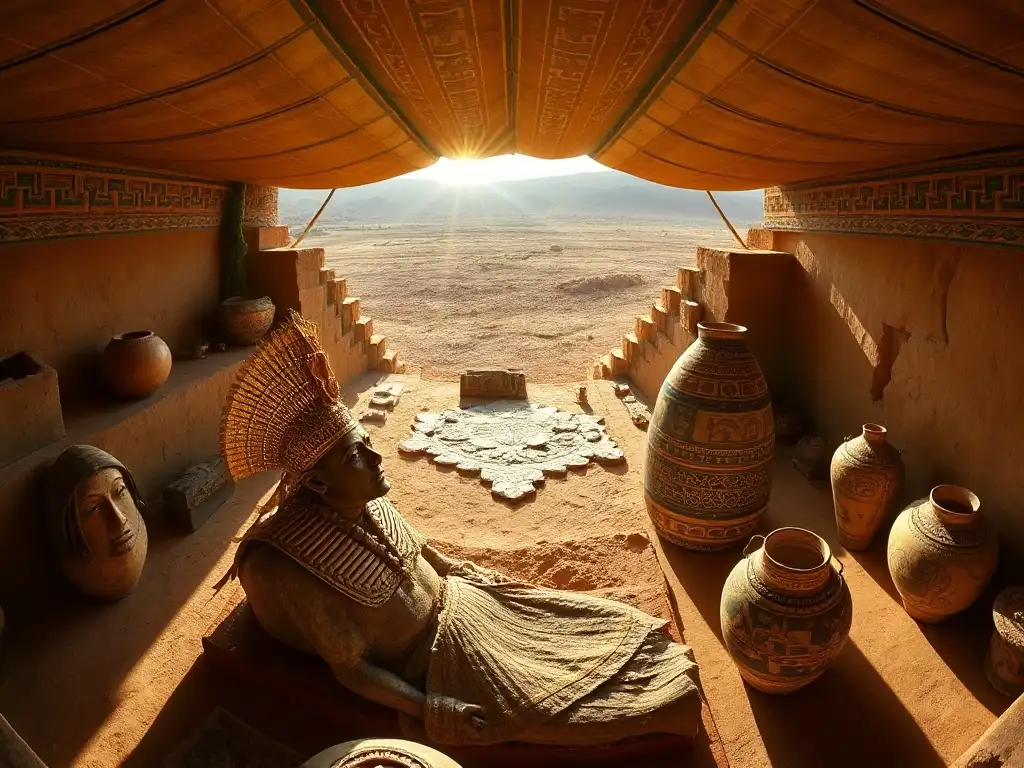
Dive into a world lost to time, yet echoing with power and mystery. Prepare to be captivated by the Andean Civilizations, where empires rose and fell, leaving behind breathtaking legacies. The discovery of Moche royal tombs at Sipán unveiled treasures beyond imagination – a glimpse into a sophisticated society unlike any other. Uncover the secrets of their artistry, their rituals, and the astonishing wealth buried with their rulers. Dare to explore the enigma...
The discovery of the Royal Tombs of Sipán in northern Peru represents one of the most significant archaeological finds of the 20th century, revolutionizing our understanding of the Moche civilization (c. 100-800 CE). This remarkable site, located near the modern-day town of Sipán in the Lambayeque region, unveiled an unparalleled collection of artifacts and provided invaluable insights into the complex social structure, religious beliefs, and artistic achievements of this powerful pre-Columbian culture.
This article delves into the incredible story of the Sipán tombs, exploring the process of discovery, the significance of the findings, and the enduring legacy of these Moche royal treasures, which are key to understanding the Moche royal tombs Sipán treasures. We will examine the meticulous excavation techniques, the breathtaking artifacts unearthed, and the profound implications of this discovery for our comprehension of Moche society and culture.
Prepare to be amazed by the opulence and artistry of a civilization that continues to captivate and inspire.
Unveiling the Moche Royal Tombs at Sipán
The Moche civilization, known for its sophisticated irrigation systems, impressive architecture, and intricate metalwork, left behind a rich legacy. However, much of their culture remained shrouded in mystery until the groundbreaking discoveries at Sipán. Unlike many other ancient Andean cultures, the Moche left behind relatively few monumental structures. Their power and wealth were instead expressed through elaborate burial practices, with the tombs of their elite reflecting their social hierarchy and religious beliefs.
The Sipán tombs, unlike simpler burials, revealed a level of opulence and ritual complexity previously unknown, highlighting the power and prestige of the Moche elite. The sheer quantity and quality of the artifacts found within the tombs provided unprecedented evidence of Moche artistry, craftsmanship, and social organization. The discovery was a watershed moment, challenging existing assumptions about the Moche and opening up new avenues of research.
The Discovery of Sipán's Moche Burial Site
The story of Sipán's discovery begins with the tireless work of local grave robbers. Their illicit activities, while destructive in some ways, inadvertently alerted archaeologists to the presence of something extraordinary beneath the surface. In the early 1980s, the Peruvian archaeologist Walter Alva, following up on rumors and initial finds, began a systematic excavation of the site.
This was no ordinary tomb; it was a complex network of burial chambers containing the remains of high-ranking Moche individuals, accompanied by a breathtaking array of grave goods. The meticulous and careful excavation process, led by Alva, was crucial in preserving the integrity of the site and maximizing the value of the discoveries. It was a race against time, not just against grave robbers, but also against the ravages of time and the elements.
The Significance of the Sipán Archaeological Site
The Sipán archaeological site holds immense significance for several reasons. Firstly, it offers a rare glimpse into the lives of the Moche elite, providing valuable insights into their social hierarchy, religious practices, and worldview. The elaborate burial rituals and the accompanying grave goods reveal a highly stratified society with a powerful ruling class. Secondly, the site showcases the exceptional artistic skills of the Moche artisans.
The gold and silver ornaments, intricate textiles, and finely crafted pottery are unparalleled examples of Moche artistry and technological prowess. These artifacts provide tangible evidence of their advanced metallurgical techniques and sophisticated artistic sensibilities. Finally, the Sipán tombs help us to understand the broader context of Moche culture within the wider Andean region, providing valuable comparisons and contrasts with other contemporary civilizations.
Initial Excavations and the First Finds
The initial excavations at Sipán yielded astonishing results. The first tomb, known as the "Tomb of the Lord of Sipán," revealed the remarkably well-preserved remains of a high-ranking Moche individual adorned with an array of exquisite jewelry, including a gold mask, elaborate headdresses, and numerous necklaces and ornaments. Along with the Lord of Sipán’s remains, archaeologists discovered a wealth of other artifacts including finely crafted pottery depicting scenes of daily life, warfare, and religious ceremonies, elaborately woven textiles, and intricately carved wooden objects.
The sheer quantity and quality of these initial discoveries immediately signaled the immense importance of the site and the potential for further groundbreaking discoveries. The careful documentation and analysis of these early finds laid the foundation for future research and helped establish Sipán as a site of global significance.
The discovery of the “Tomb of the Old Man,” and the “Priestess” tomb further solidified the understanding of the Moche social structure and burial practices. The meticulously planned and executed burials provided irrefutable evidence of the importance of ritual and ceremony in Moche society.
Moche Royal Tombs: A Glimpse into Moche Elite Life
The discovery of the royal tombs at Sipán offered an unparalleled glimpse into the lives of the Moche elite. These weren't simply burial sites; they were elaborate, carefully constructed mausoleums reflecting the power, beliefs, and societal structure of the Moche civilization. The sheer scale of the tombs, the richness of the grave goods, and the meticulous arrangements of the bodies all speak to the immense reverence afforded to the Moche rulers and their importance in the social hierarchy.
The careful placement of offerings and the evident investment in creating these final resting places suggest a strong belief in an afterlife and the continued importance of the deceased in the spiritual realm. Studying these tombs allows archaeologists to reconstruct a more complete picture of Moche social organization, religious practices, and artistic achievements.
The sheer opulence displayed within the tombs emphasizes the vast wealth and power concentrated in the hands of the Moche elite, providing crucial insights into their worldview and the structure of their society. The Moche royal tombs at Sipán are not simply graves; they are time capsules, preserving a wealth of information about a sophisticated and influential ancient civilization.
The Lord of Sipán: Unearthing a Moche Ruler
The most famous find from Sipán is undoubtedly the tomb of the "Lord of Sipán," a high-ranking Moche individual whose burial revealed an astonishing array of artifacts. His tomb, a complex structure with multiple chambers, contained a wealth of gold ornaments, elaborate textiles, and finely crafted ceramics. The Lord of Sipán was interred with his most prized possessions, reflecting his high social status and the power he wielded during his lifetime.
Analysis of his skeletal remains suggests he was a physically imposing figure, adding to the image of a powerful and respected leader. The discovery of the Lord of Sipán's tomb dramatically changed our understanding of Moche society, demonstrating a level of complexity and sophistication previously unknown. The sheer richness of his burial reveals a highly stratified society with a powerful elite who controlled considerable resources.
The artifacts found with him further elucidate the Moche's artistic skills and religious beliefs. His tomb remains a pivotal discovery in the study of Moche civilization, offering invaluable insights into their culture and social structure.
The Warrior Priest: Another High-Ranking Moche Figure
Beyond the Lord of Sipán, other notable burials at Sipán have yielded remarkable insights into Moche society. One such discovery is the tomb of the "Warrior Priest," another high-ranking individual whose burial contained a similarly impressive collection of grave goods. Unlike the Lord of Sipán's burial, which emphasized regal attire, the Warrior Priest's tomb featured more militaristic elements, suggesting a significant role in both religious and military affairs.
The presence of both religious and martial artifacts within the tomb highlights the intertwining of religious and secular power within Moche society. The artifacts found with the Warrior Priest are also exceptional examples of Moche craftsmanship, further demonstrating the advanced level of artistry within the civilization.
The discovery further supports the theory of a complex social structure with individuals holding multiple, significant roles within the community. The Warrior Priest's tomb serves as a testament to the multifaceted nature of power and authority in the Moche world.
The Old Lord of Sipán: Evidence of Ancestral Power
The discovery of the "Old Lord of Sipán" provided further evidence of the Moche's reverence for their ancestors and the importance of lineage in their social structure. This tomb, though less opulent than the Lord of Sipán's, still contained significant artifacts and revealed valuable insights into Moche funerary practices. The Old Lord's burial suggests a continuity of power and tradition across generations, emphasizing the importance of ancestral veneration within Moche society.
The presence of specific artifacts alongside the Old Lord helps archaeologists understand the evolution of Moche culture and the transmission of power and traditions across generations. The Old Lord's grave, although less extravagant in terms of artifacts, provides a crucial counterpoint to the more opulent burials, showcasing the various levels of elite status within the Moche social hierarchy and highlighting the importance given to even less powerful, yet still influential, members of the ruling class.
Sipán Treasures: Exploring the Moche Artifacts
The artifacts recovered from the Sipán tombs represent some of the finest examples of Moche artistry and craftsmanship. These treasures offer invaluable insights into the Moche's artistic skills, technological prowess, and worldview. The sheer quantity and quality of the artifacts found are testament to the wealth and power of the Moche elite and their significant role within the society. The careful preservation of these objects through centuries underscores the importance of understanding and interpreting this remarkable cultural heritage.
Gold Ornaments and Regalia of the Moche Elite
The gold ornaments and regalia found within the Sipán tombs are particularly striking. These objects, crafted with remarkable skill, include intricate headdresses, masks, and jewelry. The use of gold, a precious and highly valued metal, clearly indicates the wealth and power of the individuals buried within the tombs.
The complexity and artistry of the goldwork showcase the advanced metallurgical techniques employed by the Moche. These artifacts often depict religious and mythological figures, suggesting their importance in the Moche belief system. The gold ornaments and regalia are not merely decorative; they are powerful symbols of status, authority, and connection to the spiritual realm.
Moche Ceramics and Pottery Found in the Tombs
The Moche were renowned for their exceptional ceramics, and the Sipán tombs are brimming with examples of this artistry. The pottery found within the tombs is incredibly diverse in style and function, ranging from everyday vessels to elaborate ceremonial objects. Many of the vessels are decorated with intricate scenes depicting religious rituals, warfare, or daily life.
The high quality of the ceramics, their intricate designs, and the variety of forms and uses reveal the advanced ceramic technology and artistic skill of the Moche potters. These ceramic artifacts provide crucial insights into the Moche worldview, social structures, and daily life. The ceramic pieces found in the tombs are as much a testament to the Moche's mastery of ceramic techniques as they are sources of information about their culture.
Elaborate Moche Jewelry and Metalwork
Beyond gold, the Moche demonstrated mastery over other metals, creating elaborate jewelry and metalwork. Copper, silver, and various alloys were skillfully used to create intricate pieces, including necklaces, earrings, and decorative elements for clothing. The precise craftsmanship evident in these objects highlights the advanced metallurgical techniques of the Moche.
The intricate designs and the use of various materials demonstrate a sophisticated understanding of metalworking and a keen artistic sensibility. The jewelry and metalwork found in the tombs, in conjunction with the gold pieces, exemplify the Moche’s advanced metallurgical capabilities and their unparalleled artistic talent. These artifacts are not just adornments; they are powerful symbols of status, wealth, and religious significance within Moche society.
Textiles and Fabrics Revealing Moche Craftsmanship
The textiles and fabrics found within the Sipán tombs are equally impressive, showcasing the remarkable weaving skills of the Moche artisans. These textiles are often intricately woven with colorful designs, depicting various scenes and motifs. The use of different fibers and techniques reveals a sophisticated understanding of textile production.
The preservation of these textiles provides valuable information about Moche clothing styles, social practices, and artistic traditions. The textiles are not simply functional garments; they are works of art, reflecting the Moche's aesthetic sensibilities and their technical mastery of weaving. The discovery of these textiles adds another layer of understanding to the richness and complexity of Moche culture and craftsmanship.
The Moche Rituals and Beliefs Reflected in the Tombs
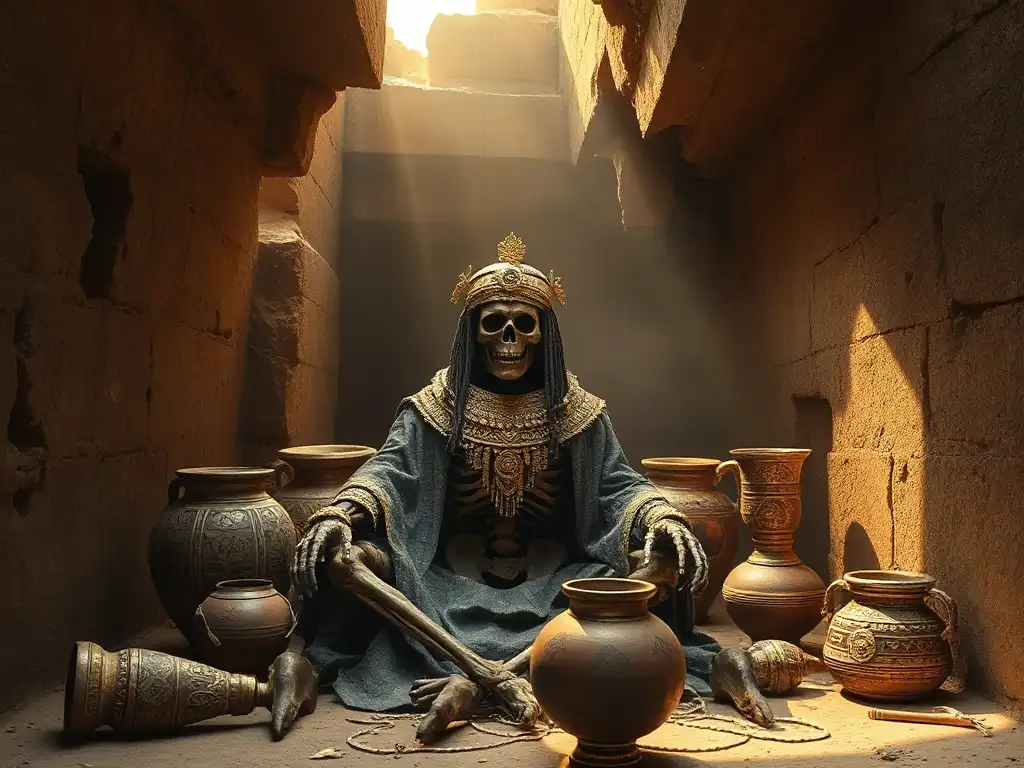
The opulent burials unearthed at Sipán offer unparalleled insights into the Moche worldview and religious practices. The elaborate preparations of the bodies, the inclusion of numerous artifacts, and the overall arrangement of the tombs all speak volumes about Moche rituals and beliefs surrounding death and the afterlife. The sheer scale of the offerings suggests a deeply held belief in a powerful afterlife, where the deceased would require possessions and servants to continue their existence.
Furthermore, the careful placement of specific objects near the bodies suggests a complex understanding of ritual significance and symbolic meaning. The presence of both human and animal sacrifices underscores the importance of these rituals in maintaining the cosmic order, as perceived by the Moche.
The intricate craftsmanship of the artifacts further emphasizes the importance placed on these ceremonies and their connection to the Moche ruling elite. The detailed nature of the burials reflects a sophisticated understanding of social hierarchy and the power dynamics within Moche society, with the royal tombs showcasing the immense wealth and power of the Moche elite.
The Significance of Moche Burial Practices
Moche burial practices were not simply a matter of disposing of the dead; they were elaborate rituals designed to ensure a successful transition to the afterlife. The careful placement of the deceased, the inclusion of specific grave goods, and the construction of the tombs themselves all reflect a complex system of beliefs and practices.
The sheer effort invested in creating these tombs – a feat of engineering and artistry in itself – highlights their importance within Moche society. The meticulous nature of the preparations, including the adornment of the bodies with elaborate jewelry and the provision of food and drink, reflects a desire to provide the deceased with everything they might need in the afterlife.
This attention to detail suggests a belief in the continued existence and importance of the deceased, even after death. The elaborate nature of the royal tombs, in particular, emphasizes the importance and power of the Moche elite.
Moche Cosmology and Afterlife Beliefs
The Moche cosmology, as revealed through the Sipán tombs, was likely centered around a complex interplay of deities, ancestors, and the natural world. The presence of specific artifacts, such as those depicting deities or mythological creatures, suggests a rich pantheon of gods and spirits. The abundance of offerings, including food, drink, and luxury goods, points towards a belief in the continued existence of the deceased and the need to provide for their needs in the afterlife.
The inclusion of sacrificed individuals and animals further strengthens this interpretation, suggesting a belief in the need for attendants and offerings to sustain the deceased in their journey into the next world. The careful arrangement of the objects within the tombs may also reveal a deeper understanding of Moche cosmology, with specific placements holding symbolic significance related to their worldview.
The presence of certain motifs and symbols repeatedly appearing in the artifacts may provide clues to understanding their cosmology. The study of these elements provides a deeper understanding of their beliefs about the afterlife and their relationship with the supernatural world.
Sacrificial Offerings and Ritual Objects
The Sipán tombs contain a wealth of sacrificial offerings and ritual objects, providing invaluable insight into Moche religious practices. Human sacrifices, often of young women and children, were a significant part of these rituals, suggesting a belief in the need for human sacrifice to appease the gods or ensure the success of the deceased's journey to the afterlife. The presence of numerous finely crafted objects, such as gold ornaments, ceramic vessels, and textiles, reflects the importance of these offerings as expressions of devotion and as provisions for the deceased.
The variety of materials and the intricate craftsmanship of these objects point to a highly developed artistic tradition and a strong connection between the material world and the spiritual realm. The selection and arrangement of these objects likely held specific meaning within the context of Moche rituals and beliefs.
Further analysis of these objects could reveal more about their symbolic meaning and their role in the larger context of Moche religious practices. The careful selection of these objects demonstrates the importance of ritual and the significant role of these items in their spiritual world.
The Impact of Sipán's Moche Discoveries on Understanding Moche Culture
The discovery of the Sipán royal tombs revolutionized our understanding of Moche culture. Prior to Sipán, knowledge of Moche society was largely based on fragmented evidence. The Sipán findings provided a wealth of previously unknown information, offering a more complete picture of their social structure, religious beliefs, and artistic achievements.
The sheer scale and richness of the tombs challenged existing assumptions about Moche complexity and social organization. The detailed analysis of the artifacts and human remains, combined with advancements in archaeological techniques, has dramatically increased the depth of our understanding of Moche society and culture. The discoveries have also stimulated further research and exploration, leading to a renewed interest in the Moche civilization and the broader context of Andean archaeology.
The Importance of Sipán for Moche Archaeology
Sipán stands as a landmark achievement in Moche archaeology. It represents a turning point in our understanding of this civilization, providing a previously unseen level of detail about their social structure, religious practices, and artistic achievements. The site's significance lies not just in the quantity of artifacts discovered, but also in their exceptional quality and preservation.
The intricate craftsmanship and the elaborate burial rituals revealed at Sipán provide rare and invaluable insights into Moche society. The discovery prompted the development of new archaeological techniques and methodologies, particularly in the area of preservation and analysis of delicate artifacts and human remains. The ongoing research and analysis of the Sipán findings continue to yield new discoveries and insights into Moche culture, making it a crucial site for understanding the complexities of this ancient civilization.
Reconstructing Moche Society Through Sipán Findings
The Sipán discoveries have been instrumental in reconstructing Moche society. The elaborate royal tombs, with their rich contents and complex arrangements, offer a glimpse into the social hierarchy and power structures of this civilization. The presence of human sacrifices and the abundance of luxury goods suggest a stratified society with a powerful ruling elite.
The analysis of the human remains, combined with the artifacts, has provided insights into the health, diet, and lifestyle of both the elite and commoners. By studying the artifacts and their context within the tombs, archaeologists have been able to reconstruct aspects of Moche daily life, religious practices, and artistic traditions. This allows for a more nuanced understanding of the dynamics and complexities of Moche society, moving beyond simple descriptions to a more detailed and comprehensive picture of their social structure.
The Legacy of Sipán's Moche Royal Burials
The royal tombs of Sipán represent a lasting legacy, not just for Moche studies, but for Andean archaeology as a whole. The discoveries have permanently shifted our understanding of pre-Columbian civilizations in South America, revealing a level of sophistication and complexity previously unknown. The site has become a symbol of Peru's rich cultural heritage and a major tourist attraction, drawing visitors from around the world.
Moreover, the ongoing research and analysis of the Sipán findings continue to generate new knowledge and inspire further investigation into the Moche civilization and other Andean cultures. The meticulous preservation efforts and the ongoing academic research ensure that the legacy of Sipán will continue to illuminate our understanding of the past for generations to come. The impact of the Sipán discoveries is undeniable, leaving an enduring mark on the field of archaeology and our collective knowledge of ancient Andean cultures.
Preserving the Moche Treasures of Sipán
The discovery of the Sipán royal tombs presented an unprecedented challenge: how to preserve these incredibly fragile artifacts for future generations while also allowing the world to appreciate their significance. The Moche artifacts, crafted from gold, silver, copper, and textiles, were remarkably well-preserved due to the arid climate and the tomb's careful construction. However, exposure to light, humidity, and temperature fluctuations could rapidly degrade these priceless objects.
Therefore, meticulous conservation methods were immediately implemented. This involved careful excavation techniques to minimize damage, the use of specialized tools and materials, and the development of controlled environments for storage and display. The delicate nature of the textiles, for example, required advanced cleaning and stabilization procedures to prevent further deterioration.
Each artifact, from the ornate headdresses to the intricately woven tapestries, received individualized attention, reflecting the immense value placed on safeguarding this unique historical record. The initial urgency of preservation efforts was paramount, ensuring the stability of the artifacts before detailed study could begin. This immediate action laid the foundation for the long-term protection of the Moche treasures.
Conservation Efforts at the Sipán Archaeological Site
The conservation of the Sipán site itself is as crucial as the preservation of the artifacts. Ongoing efforts focus on protecting the tombs from the elements and preventing looting. This includes stabilizing the surrounding land to prevent erosion and implementing security measures to deter illegal excavations.
The fragile nature of the adobe structures necessitates ongoing monitoring and maintenance to ensure their long-term survival. Furthermore, research continues into the best methods for preserving the ancient pigments and materials used in the construction of the tombs. Environmental monitoring is crucial, closely tracking factors such as temperature, humidity, and soil composition to detect any potential threats to the site's integrity.
The site’s long-term preservation strategy involves a multi-faceted approach, combining archaeological techniques with environmental monitoring and community engagement, ensuring the site remains accessible for research and education while maintaining its integrity for centuries to come. This collaborative approach is vital to ensure the longevity of this invaluable cultural heritage.
The Sipán Museum: Showcasing the Moche Legacy
The Museo Tumbas Reales de Sipán serves as a testament to the remarkable preservation efforts and a fitting showcase for the Moche treasures. The museum's design is specifically tailored to protect the artifacts from environmental damage, employing climate-controlled display cases and advanced lighting systems. The museum's curators work tirelessly to ensure the artifacts are displayed in a manner that is both informative and respectful of their historical context.
Beyond the artifacts themselves, the museum provides visitors with a comprehensive understanding of Moche culture, societal structure, and beliefs, using interactive displays and educational materials. The museum's commitment to research and education is evident in its ongoing exhibitions and outreach programs, ensuring that the legacy of Sipán reaches a broad audience.
The museum's success in attracting visitors from around the globe highlights the importance of preserving these treasures and sharing them with the world. The experience of viewing the Moche artifacts within the context of the museum significantly enhances appreciation for this remarkable civilization.
Future Research and Exploration at Sipán
Despite the significant discoveries already made, the potential for further research and exploration at Sipán remains considerable. Ongoing archaeological investigations continue to uncover new details about Moche society and its practices. Advanced technologies, such as ground-penetrating radar and 3D scanning, are being employed to explore areas of the site that were previously inaccessible or difficult to investigate.
Further analysis of the recovered artifacts promises to shed new light on Moche metallurgy, textile production, and religious beliefs. The study of human remains unearthed at the site continues to provide valuable insights into Moche health, diet, and social structures. The long-term preservation strategy for Sipán includes a commitment to continued research, ensuring that future generations of archaeologists and scientists can contribute to our understanding of this fascinating civilization.
The ongoing work at Sipán underscores the enduring value of this archaeological site and its potential to continue revealing the secrets of the Moche. The future holds the promise of even more remarkable discoveries.
- Unveiling the Moche Royal Tombs at Sipán
- The Discovery of Sipán's Moche Burial Site
- Moche Royal Tombs: A Glimpse into Moche Elite Life
- Sipán Treasures: Exploring the Moche Artifacts
- The Moche Rituals and Beliefs Reflected in the Tombs
- The Impact of Sipán's Moche Discoveries on Understanding Moche Culture
- Preserving the Moche Treasures of Sipán
Frequently Asked Questions
What are the Royal Tombs of Sipán?
The Royal Tombs of Sipán are a series of Moche burial sites in Peru containing incredibly well-preserved royal tombs filled with elaborate artifacts. These discoveries revolutionized our understanding of Moche society and artistry.
Why are the Sipán treasures so significant?
The Sipán treasures are significant because they provide unparalleled insights into the Moche culture, offering evidence of their sophisticated metalworking, textile production, and social hierarchy. The sheer quantity and quality of the artifacts are remarkable.
What kind of artifacts were found in the Sipán tombs?
The tombs contained a wealth of artifacts, including gold and silver ornaments, ceremonial objects, textiles, weapons, and elaborate funerary masks. Many items were associated with royal power and ritual.
Who were the Moche people, and what was their relationship to the Sipán burials?
The Moche were a pre-Columbian civilization that flourished on Peru's northern coast. The Sipán tombs are believed to be the burial places of Moche elites, possibly even kings and priests, reflecting their social structure and beliefs.
How can I learn more about the Moche Royal Tombs of Sipán?
You can learn more by visiting the Sipán Museum in Lambayeque, Peru, researching online resources about Moche archaeology, or reading books and articles on the subject. Many documentaries also explore this fascinating topic.
Final Reflection: Unearthing the Legacy of Sipán
The discovery of the Royal Tombs of Sipán wasn't just the unearthing of gold and artifacts; it was the resurrection of an entire civilization. This revelation continues to reshape our understanding of pre-Columbian Peru, challenging preconceived notions and offering a breathtaking glimpse into the sophisticated artistry and complex social structures of the Moche people. The sheer magnificence of the tombs and their contents remains a powerful testament to their cultural achievements.
The impact of Sipán's treasures extends far beyond the academic realm. It has profoundly influenced Peruvian national identity, fostering a renewed sense of pride in its ancestral heritage. The meticulous preservation and ongoing research surrounding these finds serve as a powerful example of cultural stewardship. The past is never dead. It's not even past.
– William Faulkner. This quote rings true as we continue to learn from and be inspired by the Moche legacy, even centuries after their reign. The ongoing study and interpretation of these artifacts ensures that their story continues to resonate and inform our understanding of the human experience.
Consider the intricate details of the goldwork, the power expressed in the funerary rituals, and the sheer artistry displayed in the textiles and ceramics. These are not just objects; they are windows into a vibrant past, offering invaluable insights into the beliefs, values, and daily lives of the Moche people. Take a moment to reflect on the enduring power of human creativity and the importance of preserving our shared cultural heritage. Let the legacy of Sipán inspire you to explore the rich tapestry of human history and to appreciate the enduring power of stories passed down through time.
Unveil the Wonders of the Moche!
Thank you for exploring the captivating treasures of the Royal Tombs of Sipán! Your journey through Moche history has revealed both the remarkable riches of this ancient civilization and the vibrant culture that shaped it. Now, let's put that knowledge to good use!
Here are some exciting ways to further explore Moche culture:
- **Delve deeper into Moche art** by visiting a local museum or exploring online collections.
- **Share your newfound appreciation** with friends and family—perhaps host a discussion or share your insights on social media.
- **Connect with other history enthusiasts** by joining an online forum or group dedicated to Andean civilizations. There, you can share your discoveries and learn from others.
What aspect of Moche culture intrigues you most, and how will you inspire others to learn more?