
The Secrets of the Mummies: New Discoveries and Insights from Andean Burials

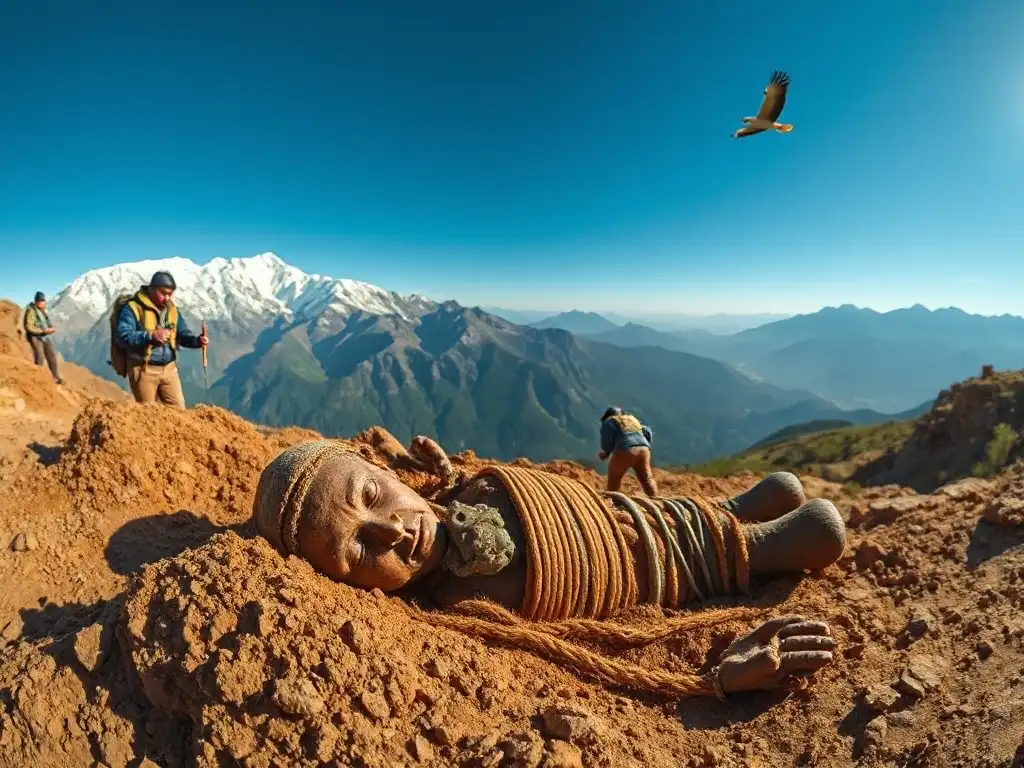
Step into a world lost to time, yet whispering secrets from the heights of the Andes. For centuries, the enigmatic Andean civilizations have captivated our imaginations, and now, new discoveries are rewriting the narrative. Prepare to be enthralled by the astonishing world of Andean mummy discoveries, unearthing clues to their remarkable lives, beliefs, and advanced societies. Dive into the mysteries and unravel the legacies of these fascinating cultures – the journey begins now!
The Andes Mountains, a spine of towering peaks running down the western coast of South America, are not only a breathtaking landscape but also a treasure trove of archaeological wonders. For centuries, these imposing heights have guarded the secrets of sophisticated Andean civilizations, leaving behind a legacy of intricate art, advanced engineering, and complex social structures. Among the most compelling discoveries that continue to captivate researchers and the public alike are the remarkably preserved mummies found within Andean burial sites.
This article delves into the fascinating world of Andean mummy discoveries, exploring recent breakthroughs in research and the invaluable insights they provide into the lives, beliefs, and practices of these ancient peoples. We will examine not only the techniques used for mummification but also the rich context surrounding these burials, revealing clues about social hierarchies, religious rituals, and the daily realities of life in the Andes.
The study of Andean mummies offers a unique window into the past, allowing us to connect with the individuals who lived and thrived in this challenging yet rewarding environment thousands of years ago. Understanding these discoveries is crucial to appreciating the full complexity and enduring legacy of Andean civilizations.
Unraveling the Mysteries of Mummification Techniques
The remarkable preservation of Andean mummies is a testament to the sophisticated techniques employed by ancient cultures. Different civilizations, such as the Chinchorro, Inca, and Paracas, developed unique methods, reflecting their distinct beliefs and resources. While some involved elaborate procedures including evisceration and the application of various substances, others relied on natural processes aided by the arid climate of the Andes.
Recent analyses using advanced imaging technologies like X-rays and CT scans have revealed intricate details about the materials used, the steps involved, and even potential signs of disease or trauma present in the individuals before their death. This detailed examination not only helps us understand the technical aspects of mummification but also provides crucial insights into the social context surrounding these practices. For instance, the elaborate mummification of elite individuals contrasted sharply with the simpler treatments afforded to commoners, highlighting the significant social stratification within Andean societies.
The discovery of specific materials, such as plant extracts or pigments, also offers clues about the available resources and the level of technological expertise within each culture. The study of mummification techniques is therefore far more than just a scientific exercise; it is a key to unlocking the social and cultural complexities of Andean civilizations.
Grave Goods: Illuminating the Lives and Beliefs of the Deceased
Andean burials are rarely simple interments. They often contain a wealth of grave goods offering invaluable glimpses into the lives, beliefs, and social status of the deceased. These artifacts, ranging from intricately woven textiles and finely crafted pottery to precious metals and even food offerings, provide a rich tapestry of information.
Recent discoveries have unearthed elaborate grave goods associated with elite individuals, including gold ornaments, silver jewelry, and finely decorated ceramics. These findings illuminate the significant social hierarchies within Andean societies and the importance of ritual and religious practices. The presence of specific objects, such as religious icons or tools associated with particular crafts, can also reveal the deceased's social role and occupation.
Furthermore, the analysis of organic materials, such as food remains or textiles, can provide insights into the deceased's diet, lifestyle, and the environmental context of their lives. By carefully studying these grave goods in conjunction with the mummies themselves, researchers can piece together a more complete picture of the lives and beliefs of the people who inhabited the Andes. The careful cataloging and analysis of these artifacts are crucial for understanding the social dynamics and cultural practices of the time.
New Technologies and Andean Mummy Research: A Revolution in Understanding
The field of Andean mummy research has been revolutionized by the application of cutting-edge technologies. Advanced imaging techniques, such as CT scans and DNA analysis, are providing unprecedented levels of detail about the physical condition of the mummies, their diet, and even their genetic relationships. For example, CT scans can reveal internal organs and pathologies, providing information about the causes of death and the health of the population.
DNA analysis is shedding light on genetic diversity, migration patterns, and familial relationships within Andean communities. Furthermore, isotopic analysis of hair and bone samples is revealing details about the deceased's diet and geographic origins. These technological advancements are not only increasing the accuracy of our understanding but also expanding the scope of research, allowing researchers to address questions previously unanswerable.
This interdisciplinary approach, combining archaeological excavation with scientific analysis, is leading to a much more nuanced and comprehensive understanding of Andean civilizations and their fascinating mortuary practices. The ongoing application of new technologies promises even more exciting discoveries in the years to come. The integration of these technologies ensures a more detailed and accurate reconstruction of the past, leading to a deeper understanding of Andean cultures.
Preservation and Ethical Considerations in Andean Mummy Research
The remarkable preservation of Andean mummies also brings ethical considerations to the forefront. The careful preservation of these fragile remains is crucial for ensuring that future generations can benefit from their study. This requires not only the development of appropriate conservation techniques but also the establishment of ethical guidelines for research and access to these invaluable artifacts.
Balancing the scientific pursuit of knowledge with the respect for the cultural heritage and the ancestors of the Andean peoples is essential. Open communication and collaboration between researchers, local communities, and government agencies are critical to ensuring responsible and ethical research practices. The long-term preservation of these mummies requires a multi-faceted approach involving careful environmental control, ongoing monitoring, and the development of sustainable conservation strategies.
The responsible stewardship of these invaluable resources is paramount to ensuring that their secrets continue to be unveiled ethically and respectfully. This collaborative approach ensures that the study of Andean mummies benefits both scientific understanding and the cultural heritage of the region.
- Unraveling the Mysteries of Mummification Techniques
- Grave Goods: Illuminating the Lives and Beliefs of the Deceased
- New Technologies and Andean Mummy Research: A Revolution in Understanding
- Preservation and Ethical Considerations in Andean Mummy Research
- What are some recent significant Andean mummy discoveries?
- How do Andean mummy discoveries contribute to our understanding of ancient Andean cultures?
- What techniques are used to study Andean mummies?
- Where are most Andean mummy discoveries being made?
- How can I learn more about Andean mummy discoveries?
Unveiling the Past: Recent Andean Mummy Discoveries
This section delves into significant recent discoveries related to Andean mummies, offering insights into burial practices, mummification techniques, and the broader cultural context of these fascinating artifacts. The preservation of these individuals provides invaluable data for understanding Andean societies, their beliefs, and their daily lives. The term "Andean mummy discoveries" encompasses a wide range of exciting findings, constantly reshaping our understanding of these ancient cultures.
Insights from the Llullaillaco Maiden Discovery
The Llullaillaco Maiden discovery stands as a pivotal moment in Andean mummy research. The exceptional state of preservation of these three Inca children, sacrificed around 500 years ago, offers unparalleled insight into Inca rituals and social structures. Their clothing, adorned with intricate textiles and jewelry, reflects the high status of these individuals within Inca society.
Analysis of their remains revealed details about their diet, health, and the circumstances surrounding their deaths. The discovery not only provided tangible evidence of Inca child sacrifice but also advanced our understanding of Inca cosmology and the significance of these ritualistic practices.
Further research continues to unveil new details about these remarkable individuals, including sophisticated analyses of their DNA and the isotopic composition of their hair, providing information about their origins and mobility. The exceptional preservation of organic materials, like hair and skin, is a testament to the unique conditions of the Llullaillaco volcano's high altitude environment, contributing significantly to the preservation of these invaluable artifacts.
Moche Burial Practices at Huaca de la Luna
The Moche civilization, known for its elaborate artwork and sophisticated irrigation systems, also practiced complex burial rituals. Excavations at Huaca de la Luna, a significant Moche archaeological site, have yielded numerous burials, revealing insights into Moche social hierarchy and beliefs about the afterlife. Moche burials ranged from simple interments to elaborate tombs containing lavish grave goods, reflecting the social status of the deceased.
The presence of richly decorated ceramics, gold ornaments, and even human sacrifices alongside the deceased underscores the importance placed on ritual and the afterlife in Moche society. Analysis of skeletal remains provides clues to their diet, health, and lifestyle, offering a more complete picture of Moche daily life.
The meticulous nature of Moche burial practices, including the careful placement of grave goods and the frequent inclusion of offerings, highlights the deep spiritual beliefs and elaborate funerary rituals that characterized this fascinating civilization. Recent discoveries at Huaca de la Luna have unearthed new examples of unique Moche burial chambers, expanding our understanding of their mortuary customs.
Nazca Mummification Techniques and Head Binding
The Nazca culture, famous for its enigmatic geoglyphs, also developed sophisticated mummification techniques. Unlike the Inca, who primarily used freeze-drying at high altitudes, the Nazca employed different methods, often involving evisceration and the application of various substances to preserve the body. A particularly striking aspect of Nazca mummification is the practice of head binding, resulting in elongated skulls.
While the exact reasons for this practice remain debated, theories range from aesthetic preferences to social status markers. Recent studies using advanced imaging techniques have shed new light on the process of Nazca mummification, revealing details about the materials used and the techniques employed. The discovery of new Nazca mummies, along with careful analysis of existing collections, continues to refine our understanding of these techniques and their cultural significance.
The intricate process of mummification, combined with the unique practice of head binding, underscores the significant importance placed on the dead and the afterlife within Nazca society. The preservation of these mummies, coupled with ongoing research, provides invaluable data for understanding the beliefs and practices of this ancient Andean culture. Further research, including isotopic analysis of the mummies’ remains, may help clarify questions about migration patterns and social dynamics within Nazca communities.
Tiahuanaco Mummies at Tiwanaku: Ritual and Afterlife
The discovery of mummies at the Tiwanaku site, the ceremonial center of the Tiahuanaco culture, offers invaluable insights into their funerary practices and beliefs about the afterlife. Unlike some other Andean cultures, Tiahuanaco burial practices weren't uniformly consistent across all social strata. Recent excavations have unearthed a fascinating range of burial styles, from simple interments to elaborate tombs containing multiple individuals accompanied by grave goods.
The careful placement of bodies, often in a flexed position, suggests a deliberate ritualistic process. The presence of textiles, ceramics, and even food offerings alongside the mummies points to a belief in providing sustenance for the deceased in their journey to the next world. Analysis of the textiles, often richly decorated with intricate patterns and vibrant colors, reveals sophisticated weaving techniques and a deep understanding of textile production, reflecting the societal status of the deceased.
The condition of the discovered mummies provides crucial information about the health and lifestyle of the Tiahuanaco people. Studies of skeletal remains have revealed evidence of malnutrition in some individuals, hinting at potential social inequalities. However, other mummies exhibit signs of good health and a relatively balanced diet, suggesting access to resources and a higher social standing.
The presence of certain pathologies in some skeletal remains also offers valuable data on the prevalent diseases of the time. Further research, including isotopic analysis of the mummies' remains and the grave goods, is crucial to obtain a more complete picture of the Tiahuanaco diet, social structure, and health conditions. These studies are essential for understanding the daily lives and social dynamics within this enigmatic culture.
The ongoing analysis of these Andean mummy discoveries promises to unlock more secrets about the Tiahuanaco civilization and their complex worldview. The careful preservation and study of these mummies are vital for preserving and understanding the rich tapestry of Andean history and culture. The ongoing research on these remarkable finds promises to reveal even more fascinating details about the Tiahuanaco worldview and their approach to death and the afterlife.
Andean Mummification: Techniques and Cultural Significance
Andean mummification practices varied significantly across different cultures and time periods, reflecting diverse beliefs and technological capabilities. From the arid Atacama Desert's naturally preserved bodies to the elaborate artificial mummification techniques employed by cultures like the Inca, the process of preserving the deceased held profound cultural significance, shaping beliefs about the afterlife and ancestor veneration. Understanding these techniques provides invaluable insight into the worldview and societal structures of these ancient civilizations.
The study of Andean mummy discoveries continues to reveal new details about these fascinating practices, enriching our understanding of Andean history. This section will explore the key methods and cultural implications of Andean mummification, focusing on both natural and artificial processes.
Natural Mummification in the Atacama Desert
The extremely dry climate of the Atacama Desert in northern Chile provided a naturally conducive environment for mummification. The low humidity and intense solar radiation inhibited microbial growth, resulting in the spontaneous desiccation of bodies left exposed or interred in the desert sands. This natural process, while not involving deliberate human intervention, resulted in remarkably well-preserved mummies, often retaining significant amounts of soft tissue.
These naturally mummified remains offer a unique window into the physical characteristics and health conditions of past populations. Analysis of these bodies has revealed information about diet, disease, and even genetic lineages, contributing significantly to our understanding of Andean population dynamics and biological adaptation. The discovery of these naturally preserved mummies has significantly advanced our knowledge of Andean mummy discoveries.
The sheer number of naturally mummified remains found in the Atacama significantly boosts the available data for research, surpassing the number of artificially mummified bodies from some periods. Indeed, the Atacama's unique environment has yielded a treasure trove of information related to Andean mummy discoveries.
Artificial Mummification Through Desiccation and Embalming
In contrast to natural mummification, many Andean cultures developed sophisticated artificial techniques to preserve their dead. These processes often involved a combination of desiccation and embalming. Desiccation, the removal of moisture, was a crucial step, often achieved through exposure to sun and wind, or through the use of specially constructed drying chambers. Following desiccation, embalming techniques varied.
Some cultures used plant-based materials and resins to treat the body, preventing further decay and preserving soft tissues. The Inca, for instance, employed sophisticated techniques involving evisceration, removal of internal organs, and the application of various substances to the body. The specific materials and processes used varied regionally and over time, reflecting the unique traditions and available resources of different Andean groups.
The meticulous nature of these artificial mummification processes highlights the immense importance placed on the preservation of the deceased and the subsequent veneration of their remains. Recent Andean mummy discoveries continue to unveil the intricacies of these techniques. For example, the discovery of new tools and materials used in the embalming process sheds light on the advanced technological capabilities of these ancient cultures.
Ancestor Veneration and the Role of Mummies
The practice of mummification in the Andes was inextricably linked to complex beliefs about the afterlife and ancestor veneration. Mummies were not simply preserved remains; they were considered active participants in the community, continuing to exert influence on the living. They were often adorned with elaborate clothing, jewelry, and other grave goods, reflecting their social status and importance. These carefully prepared burials served as a powerful testament to the enduring connection between the living and the dead.
The placement of mummies within family compounds or in special shrines underscores their ongoing role within the social fabric. The act of preserving the body was a way to maintain this connection, ensuring that ancestors could continue to protect and guide their descendants. Andean mummy discoveries, therefore, reveal more than just physical remains; they provide crucial insights into the spiritual and social life of these ancient societies.
The careful preservation and treatment of the deceased highlight the profound respect and reverence held for their ancestors. The study of these practices continues to challenge our understanding of death and the afterlife in Andean cultures. The ongoing analysis of Andean mummy discoveries allows us to piece together a more complete picture of their complex beliefs and rituals.
The study of Andean mummies reveals a fascinating social hierarchy reflected in their burial practices. Significant differences existed between the burial rituals afforded to elite members of society and those reserved for commoners. These disparities offer invaluable insights into the complex social structures of Andean civilizations. For example, the elaborate tombs of elite individuals, often containing a wealth of grave goods, starkly contrast with the simpler, less elaborate burials of commoners. This difference wasn't merely a matter of quantity; the quality of the goods and the complexity of the mummification process itself highlighted social standing.
Elite mummies, often rulers, priests, or other high-ranking individuals, were frequently found interred with lavish offerings. These could include finely crafted textiles, gold and silver ornaments, ceramic vessels, and even human sacrifices. The mummification process itself was often more meticulous and extensive for the elite, involving techniques such as evisceration, desiccation using natural methods (like cold, dry air in high-altitude locations), and the application of various resins and preservatives.
The careful preservation of their bodies suggests a belief in an afterlife, and the elaborate grave goods indicate a desire to provide the deceased with resources and status in the next world. The meticulous nature of the work also points to a specialized class of individuals dedicated to the mummification process, further emphasizing the importance and value placed on the elite.
In contrast, the burials of commoners were significantly less elaborate. While some level of mummification might have been practiced, it was generally less sophisticated, with fewer resources dedicated to the process. Grave goods were far more scarce and simpler, often consisting of basic pottery, tools, or clothing.
The location of their burials also differed, often in less prominent or accessible locations compared to the grand tombs of the elite. This disparity suggests a clear social hierarchy, where the treatment of the deceased directly mirrored their social standing in life. Analyzing the differences in these burial practices provides a powerful lens through which to understand the social stratification and belief systems of ancient Andean societies.
The sheer variation in burial practices—from simple bundles to incredibly complex and elaborate tombs—illustrates the significant social inequalities inherent within these cultures, a detail often overlooked when focusing solely on the impressive scale of some of the larger sites. Further research into the specific chemical compositions of the preservatives used, as well as detailed analysis of the textiles and other grave goods, can provide even more nuanced understanding of these social differences.
Advanced Research on Andean Mummies: New Technologies
The study of Andean mummies has been revolutionized by the application of cutting-edge technologies. These advancements allow researchers to glean unprecedented insights into the lives, deaths, and burial practices of these ancient populations, significantly expanding our understanding of Andean cultures and their interactions with their environment. The integration of various scientific disciplines, from chemistry and biology to physics and computer science, provides a holistic approach to the analysis of these remarkable archaeological finds, enriching our understanding of "Andean mummy discoveries" and their significance.
Radiocarbon Dating of Organic Materials in Mummies
Radiocarbon dating, a cornerstone of archaeological chronology, plays a vital role in precisely determining the age of Andean mummies. By analyzing organic materials found within or associated with the mummies – such as hair, skin fragments, textiles, and even plant remains within the burial bundles – researchers can establish a more accurate timeframe for the individual's life and the burial practices employed. This precise dating is crucial for understanding the temporal evolution of Andean societies, their cultural shifts, and the chronological relationships between different archaeological sites and cultures.
For example, recent radiocarbon dating of a mummy found in the highlands of Peru revealed a previously unknown burial tradition dating back to the early Intermediate Period, challenging established chronological models. The precision of these dates, often accurate to within a few decades, is significantly improving our understanding of the Andean chronology and the timing of significant cultural transitions.
This detailed chronological framework allows for a more nuanced interpretation of cultural changes and the potential impact of environmental factors. The application of accelerator mass spectrometry (AMS) radiocarbon dating further enhances the accuracy and precision of these analyses, especially when dealing with limited sample sizes.
Mitochondrial DNA Analysis of Ancient Andean Populations
Mitochondrial DNA (mtDNA) analysis offers a powerful tool for investigating the genetic relationships between ancient Andean populations and tracing their migratory patterns. Unlike nuclear DNA, mtDNA is inherited solely from the mother, making it an ideal marker for studying maternal lineages and population movements. By extracting and sequencing mtDNA from mummy remains, researchers can identify specific haplogroups, revealing the genetic diversity within and between different Andean communities.
These studies have shed light on the complex genetic history of the Andes, showing evidence of both ancient migrations and long-term population stability. For example, studies have found evidence of genetic links between coastal and highland populations, indicating extensive interaction and exchange. Furthermore, mtDNA analysis can also reveal information about the health and disease prevalence in ancient populations.
The identification of specific genetic markers associated with certain diseases can provide valuable insights into the health challenges faced by ancient Andean communities and the factors contributing to mortality. The comparison of mtDNA profiles from different mummy samples allows researchers to reconstruct family relationships and determine the social structure of ancient Andean societies, providing a deeper understanding of their social organization and kinship systems.
CT Scans of Mummy Bundles: Unveiling Internal Structures
Computed tomography (CT) scanning offers a non-invasive method for examining the internal structure of mummy bundles without causing damage to the fragile remains. CT scans provide detailed three-dimensional images of the mummy's body, allowing researchers to identify internal organs, skeletal anomalies, and artifacts placed within the burial. This technique is particularly valuable for studying mummies that are too fragile or intricately wrapped for traditional unwrapping and examination.
CT scans can reveal details such as the presence of disease, trauma, or surgical interventions, providing valuable information about the health and lifestyle of the individuals. Furthermore, CT scans can also identify the presence of grave goods hidden within the mummy bundle, adding valuable insights into the burial rituals and beliefs of the ancient Andean cultures. The digital nature of CT scan data allows for repeated analysis and the creation of detailed 3D models, facilitating collaborative research and the sharing of data among researchers worldwide.
The use of advanced image processing techniques further enhances the quality of the images and allows for the identification of subtle details that may otherwise be missed. This non-destructive technique is crucial for preserving the integrity of these invaluable archaeological artifacts while simultaneously maximizing the scientific information that can be extracted from them, providing key data for ongoing research on "Andean mummy discoveries."
Strontium Isotope Analysis: Tracing Geographic Origins
Strontium isotope analysis represents a significant advancement in Andean mummy research, offering unparalleled insights into the geographic mobility of individuals throughout their lives. Strontium, a naturally occurring element, is incorporated into our bones and teeth throughout life, reflecting the isotopic signature of the local geology where we reside. By analyzing the strontium isotope ratios (⁸⁷Sr/⁸⁶Sr) in the skeletal remains of Andean mummies, researchers can pinpoint the geographic regions where individuals spent formative years, potentially revealing patterns of migration, trade networks, or even forced relocation.
This method has proven particularly useful in unraveling the complexities of Andean societies. For example, studies have shown variations in strontium isotope ratios among mummies found in elite tombs compared to those buried in less prestigious locations. This suggests that the elite might have originated from different regions, perhaps indicating a system of social mobility or the recruitment of specialists from distant areas.
Further, the analysis can differentiate between individuals who spent their entire lives in one region and those who migrated, even revealing potential childhood origins distinct from their adult burial site. The precision of strontium isotope analysis allows researchers to narrow down the possible origin areas to surprisingly small geographic zones, offering a much more nuanced understanding of ancient population movements than previously possible. The application of this technique to Andean mummies has significantly enriched our understanding of social structures, migration patterns, and the interconnectedness of different Andean communities.
Further research utilizing strontium isotope analysis promises to shed even more light on the intricacies of these ancient societies, particularly concerning the mobility of individuals across diverse ecological zones. The ongoing development of this technique, coupled with the ever-increasing availability of mummy remains for study, ensures that this powerful tool will continue to be a cornerstone of Andean mummy research for years to come. The potential for uncovering previously unknown migration routes and societal structures makes strontium isotope analysis an invaluable asset in the ongoing quest to unravel the secrets of Andean civilizations.
Case Studies: Remarkable Andean Mummy Findings
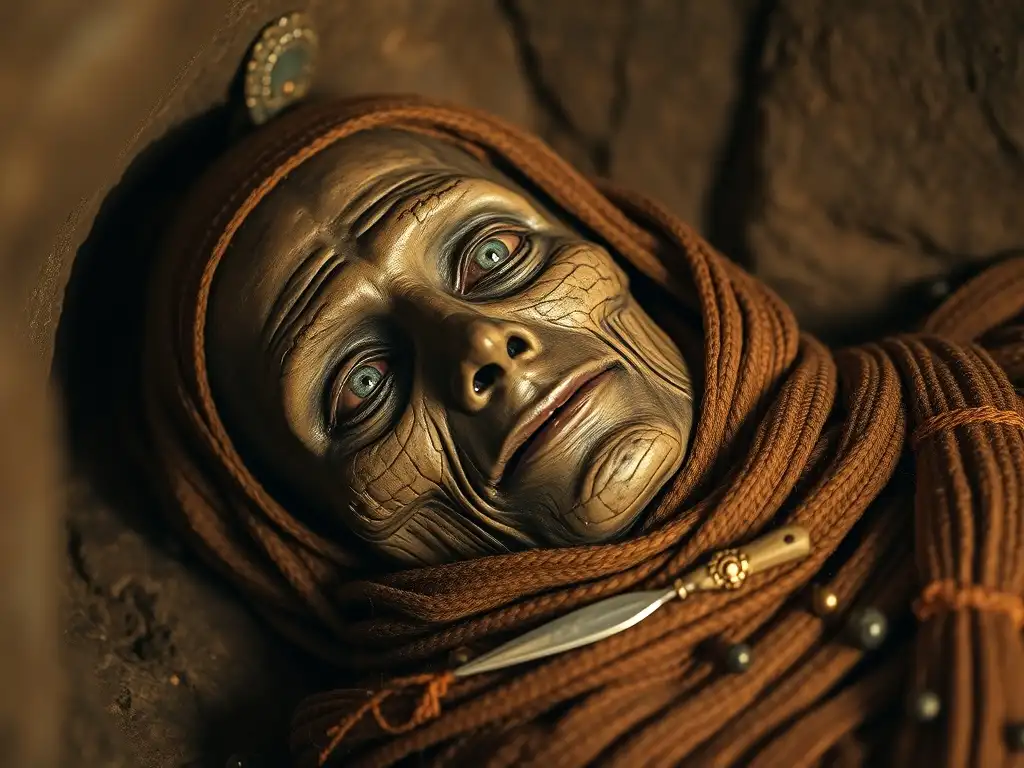
This section delves into specific examples of significant Andean mummy discoveries, showcasing the diversity of burial practices and the invaluable insights they offer into ancient Andean societies. These discoveries continue to reshape our understanding of Andean cultures, revealing intricate details about their social structures, religious beliefs, and technological advancements. The study of these mummies provides a unique window into the lives and deaths of individuals who lived thousands of years ago, offering a powerful connection to the past. The term "Andean mummy discoveries" itself encompasses a vast field of research, constantly evolving with new excavations and analytical techniques.
The Chinchorro Mummies: The World's Oldest Artificial Mummies
The Chinchorro culture, inhabiting the arid northern coast of Chile between 7020 and 1500 BCE, developed a unique and remarkably sophisticated mummification technique – predating even the ancient Egyptians. These mummies, considered the oldest artificially mummified remains in the world, represent a significant achievement in early Andean technology and demonstrate a deep-seated concern for the deceased.
The Chinchorro mummification process was elaborate and varied over time. Early methods involved removing internal organs, replacing them with materials like reeds and mud, and covering the body with a layer of clay. Later techniques involved more intricate processes including removing the skin, stuffing the body with plant material, and applying a black paste over the preserved remains. The resulting mummies, often displaying striking features, provide unparalleled evidence of the Chinchorro's advanced understanding of preservation techniques.
Analysis of these mummies has also revealed information about their diets, diseases, and social structures. For instance, the presence of certain pathologies in some mummies suggests a harsh environment and potential dietary deficiencies. The meticulous nature of their mummification practices also points to a complex social organization and a strong belief in an afterlife.
The Paracas Necropolis: Elaborate Burial Textiles and Practices
The Paracas culture (c. 800 – 100 BCE) of southern Peru is renowned for its incredibly intricate textile work and elaborate burial practices. The Paracas Necropolis, a vast cemetery containing thousands of graves, has yielded numerous mummies showcasing the remarkable skill and artistry of the Paracas people.
Unlike the Chinchorro, the Paracas did not extensively manipulate the bodies themselves. Instead, their focus was on the adornment and preservation through the use of textiles. Mummies were wrapped in layers of intricately woven fabrics, often adorned with vibrant colors, complex designs, and symbolic imagery.
These textiles, often made from cotton and camelid fibers, represent a high level of technical skill and artistic expression. The sheer quantity and quality of the textiles found in the Paracas Necropolis are unparalleled, providing a wealth of information about their social hierarchy, religious beliefs, and artistic traditions. Analysis of the textiles reveals the use of diverse dyeing techniques and complex weaving patterns, suggesting specialized workshops and a sophisticated understanding of textile production.
The elaborate burial practices, coupled with the stunning textiles, indicate a culture that placed a high value on both the deceased and the afterlife. The discovery of numerous mummies within the Necropolis has given researchers a large dataset to study, offering a more comprehensive understanding of Paracas society than would be possible from a smaller sample.
The Inca Ice Maiden: Evidence of Sacrifice and High-Altitude Adaptation
The discovery of the "Inca Ice Maiden," a young girl sacrificed to the Inca gods, high in the Andes Mountains, provides a unique glimpse into Inca religious practices and the physiological adaptations necessary for survival at extreme altitudes. The remarkably well-preserved mummy, found frozen in the ice, has offered researchers a wealth of information.
The Ice Maiden's remains, discovered along with other sacrificial offerings, offer compelling evidence of Inca ritual practices and the significance of human sacrifice in their religious beliefs. Scientific analysis has provided insights into her diet, health, and the circumstances surrounding her death. Isotopic analysis of her hair and bones has revealed information about her place of origin and her diet in the years leading up to her death.
Further analysis has revealed evidence of coca leaf consumption, suggesting a possible ritualistic preparation before the sacrifice. The remarkable preservation of the mummy, due to the extreme cold, has allowed for detailed study of her physical characteristics and the effects of high-altitude living on her body. This includes studying her adaptations to the thin air and low oxygen levels at such high altitudes, offering valuable insights into human physiological adaptation.
The Inca Ice Maiden's discovery significantly contributes to our understanding of Inca religious beliefs and the challenges faced by individuals living in the harsh Andean environment. The ongoing research on this mummy continues to yield new and significant discoveries related to Andean mummy discoveries.
The Future of Andean Mummy Research
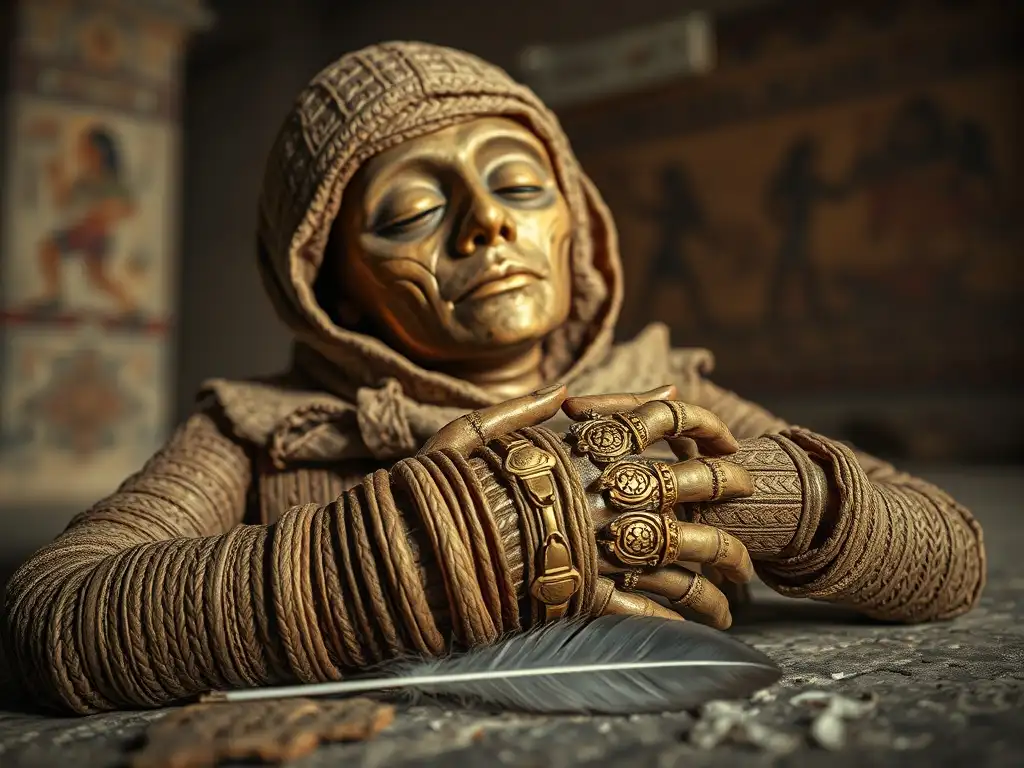
The study of Andean mummies continues to evolve, driven by advancements in technology and a growing understanding of ethical considerations. New discoveries are constantly reshaping our understanding of these ancient individuals and their societies, demanding innovative approaches to research and preservation. The field is poised for exciting breakthroughs, but only with a commitment to responsible methodologies and respectful collaboration with descendant communities.
The future of Andean mummy research hinges on a delicate balance between scientific inquiry and cultural preservation. This means prioritizing non-destructive analytical techniques, engaging in community-based research, and ensuring the long-term safeguarding of these invaluable artifacts. The focus is shifting from simply extracting information to understanding the broader cultural context and narratives embedded within these remarkable finds.
This holistic approach is crucial for ensuring the ethical and sustainable study of Andean mummies for generations to come. The ongoing work reflects a paradigm shift towards a collaborative and culturally sensitive approach to archaeological research.
Ongoing Excavations at Cerro Caracol and other Sites
Ongoing excavations at sites like Cerro Caracol in northern Peru continue to yield significant discoveries related to Andean mummies. Recent findings include the uncovering of elaborate burial complexes containing multiple individuals, often accompanied by intricate grave goods. These discoveries provide invaluable insights into Moche funerary rituals and social structures. Analysis of the organic materials found alongside the mummies, such as textiles and food remains, offers clues about diet, clothing styles, and social status.
Furthermore, advanced imaging techniques, such as X-ray computed tomography (CT) scans, allow researchers to examine the mummies' internal organs and skeletal structures without causing damage. This non-invasive approach is crucial for preserving the integrity of these fragile artifacts while maximizing the scientific information gleaned from them. Beyond Cerro Caracol, other sites across the Andes are actively being investigated, leading to a steady stream of new "Andean mummy discoveries."
The sheer volume of new data necessitates collaborative efforts and improved data sharing practices among researchers worldwide. This collaborative approach is essential for building a comprehensive picture of Andean burial practices and their significance within the broader cultural landscape. The integration of different disciplines, such as anthropology, archaeology, and genetics, is vital for a thorough analysis of the findings.
Respectful Handling and Cultural Sensitivity in Research
The ethical treatment of Andean mummies and their associated artifacts is paramount. Research must be conducted with the utmost respect for the individuals represented and their descendants. This necessitates close collaboration with indigenous communities and consultation with relevant cultural authorities throughout the research process. Informed consent from descendant communities is essential before any excavation or analysis is undertaken.
Researchers must actively engage in community-based participatory research, ensuring that local perspectives and knowledge are integrated into the research design and interpretation of findings. The repatriation of human remains to their communities of origin is a key aspect of ethical practice. This demonstrates a commitment to respecting the cultural heritage of Andean peoples and acknowledging their inherent rights over their ancestors.
The emphasis is shifting from an extractive model of research to one that prioritizes collaboration, mutual respect, and the empowerment of descendant communities. This shift is crucial for ensuring the long-term sustainability and ethical integrity of Andean mummy research. Failure to prioritize these ethical considerations could severely compromise the future of this important field of study.
Long-Term Preservation Strategies for Mummy Collections
The long-term preservation of Andean mummy collections requires a multi-faceted approach. Maintaining stable environmental conditions, such as temperature and humidity, is crucial for preventing deterioration. Regular monitoring of the mummies' condition is also essential, allowing for timely intervention should any signs of damage appear. Advanced preservation techniques, such as the use of specialized materials and environmentally controlled storage facilities, are continuously being developed.
The development and implementation of comprehensive preservation plans are crucial for ensuring the long-term survival of these invaluable artifacts. These plans should incorporate regular assessments of the mummies’ condition, the implementation of appropriate conservation treatments, and the ongoing monitoring of environmental conditions. Furthermore, digital archiving of the mummies through 3D scanning and other imaging techniques provides a valuable backup and allows for wider access to the data without risking damage to the original artifacts.
This digital preservation strategy is crucial for ensuring the accessibility of these resources to researchers and the wider public, while simultaneously protecting the physical integrity of the mummies themselves. The long-term preservation of Andean mummies is a continuous process requiring ongoing investment in research, infrastructure, and expertise. The goal is to ensure that these remarkable artifacts remain accessible to future generations for study and appreciation.
Future Research Directions in Andean Mummy Studies
The study of Andean mummies is a constantly evolving field, with new technologies and methodologies continually refining our understanding of these remarkable individuals. Future research directions promise to unlock even more secrets about Andean life, death, and beliefs. One crucial area is the application of advanced imaging techniques.
Techniques like micro-CT scanning and multispectral imaging allow for non-invasive examination of internal organs, textiles, and other artifacts associated with the mummy, providing detailed information without damaging the delicate remains. This allows researchers to analyze the mummy's diet, health status, and even the manufacturing techniques used on the burial garments, all without compromising the integrity of the historical artifact. This is a significant leap forward from older, more destructive methods.
Another promising avenue involves the integration of ancient DNA analysis with isotopic studies. By combining genetic data with information about the mummy's diet (obtained through isotope analysis), researchers can reconstruct detailed family histories and migration patterns across Andean communities. This has the potential to illuminate the complex social structures and population dynamics of ancient Andean societies, providing a much richer picture than previously possible.
For example, understanding genetic relationships between individuals buried in different locations can shed light on trade networks and inter-community interactions. The potential to trace lineage and genetic diversity within and across different Andean cultures is particularly exciting.
Furthermore, the incorporation of anthropological and archaeological data with the scientific analyses of the mummies themselves is paramount. This interdisciplinary approach allows for a more holistic understanding of the mummies' context. By combining the physical evidence from the mummies with the archaeological context of the burial sites – the location, associated grave goods, and the rituals surrounding the burial – researchers can paint a more complete picture of the lives and beliefs of the individuals interred.
Understanding the social standing of the individuals, their roles in society, and the beliefs about the afterlife are all crucial aspects that provide invaluable context to the scientific data. This integrated approach moves beyond simply studying the mummies as biological specimens and embraces them as key pieces of a larger cultural puzzle.
Finally, ethical considerations will continue to play a vital role in shaping future research. The ethical implications of studying human remains must be carefully considered, respecting the cultural heritage and sensitivities of the communities involved. Collaborating with local communities and incorporating their perspectives is crucial, ensuring that research is conducted responsibly and respectfully, contributing to a shared understanding of the past while honoring the ancestors.
This collaborative approach will ensure that future Andean mummy research is not only scientifically rigorous but also ethically sound and culturally sensitive, safeguarding the legacy of these remarkable individuals for generations to come. The future of Andean mummy research hinges on this balance between scientific advancement and ethical responsibility.
Understanding Andean Civilizations Through Their Burials
This section delves into the crucial role of Andean burials in illuminating the complexities of these fascinating societies. By examining the context surrounding these discoveries, we gain invaluable insights into their beliefs, social structures, and technological advancements. The careful excavation and analysis of burial sites have revolutionized our understanding of Andean civilizations, offering a unique perspective beyond the more commonly studied aspects of their architecture and art. The sheer volume of information gleaned from these sites underscores the importance of continued research and preservation efforts focused on "Andean mummy discoveries."
The Significance of Burial Context in Archaeological Interpretation
The context surrounding an Andean mummy discovery is paramount for accurate interpretation. Simply finding a mummy is not enough; the location within a site, the accompanying grave goods, the orientation of the body, and even the soil composition all provide crucial clues. For example, the presence of elaborate textiles, gold ornaments, and ceramic vessels might indicate high social status, while simpler burials might suggest a different social standing.
The careful documentation of these elements is crucial for building a comprehensive picture of the deceased's life and the society they inhabited. Analyzing the spatial relationships between different burials within a cemetery can also reveal patterns of kinship, social organization, and potentially even ritual practices. Consider, for instance, the discovery of multiple burials arranged in a specific pattern – this might suggest a family group or a specific clan structure.
Furthermore, the presence of certain artifacts, such as specific types of tools or weaponry, could indicate the deceased's occupation or role within the community. This meticulous attention to detail helps us move beyond simple descriptions of "Andean mummy discoveries" to a nuanced understanding of the cultural and social landscapes of the past.
Andean mummies themselves offer a wealth of information about the beliefs and social structures of the time. The meticulous preservation techniques employed, often involving desiccation, wrapping, and the inclusion of offerings, reveal much about their views on death, the afterlife, and the importance of ancestors. The types of materials used in the mummification process, such as textiles, herbs, and even precious metals, can reflect the social status and wealth of the deceased.
The presence of specific objects placed alongside the mummy, such as food, tools, or religious artifacts, provides further clues about their beliefs and rituals surrounding death. For instance, the discovery of multiple mummies interred together might suggest communal burial practices or beliefs about the importance of family unity in the afterlife.
Analyzing the remains themselves – including DNA analysis and isotopic studies – can even reveal information about diet, health, and migration patterns, further enriching our understanding of Andean society. The study of "Andean mummy discoveries" thus offers a powerful tool for understanding the intricate tapestry of Andean beliefs and social structures.
Protecting Andean Heritage: The Importance of Site Conservation
The preservation of Andean burial sites is crucial for safeguarding our shared cultural heritage. These sites are not merely repositories of artifacts; they represent irreplaceable windows into the past. Uncontrolled looting and the degradation of these sites through natural processes threaten the invaluable information they contain.
Ethical and sustainable excavation techniques are paramount, ensuring that the data gathered is reliable and that the sites are treated with the respect they deserve. This involves careful documentation, meticulous recording, and the implementation of appropriate conservation measures to protect the delicate remains and artifacts from further deterioration. Furthermore, engaging local communities in the preservation efforts is essential, fostering a sense of ownership and responsibility for these invaluable resources.
By prioritizing the protection of these sites, we ensure that future generations can continue to benefit from the insights gleaned from "Andean mummy discoveries" and appreciate the rich heritage of the Andean civilizations. The ongoing challenge lies in balancing the need for scientific research with the ethical imperative of preserving these sites for posterity, ensuring the responsible stewardship of this irreplaceable heritage.
Frequently Asked Questions
What are some recent significant Andean mummy discoveries?
Recent discoveries include exceptionally well-preserved mummies from various Andean cultures, revealing insights into their burial rituals, clothing, and even their last meals. These finds shed light on social structures and daily life.
How do Andean mummy discoveries contribute to our understanding of ancient Andean cultures?
The analysis of mummy remains and grave goods provides invaluable data about health, diet, social status, and religious beliefs. These discoveries help us piece together a more complete picture of these complex societies.
What techniques are used to study Andean mummies?
Scientists use a range of non-invasive techniques, such as X-rays, CT scans, and DNA analysis, to study mummies without causing damage. This allows researchers to learn about their health, ancestry, and the environment they lived in.
Where are most Andean mummy discoveries being made?
Many significant discoveries are being made in high-altitude burial sites in the Andes Mountains of Peru, Bolivia, Argentina, and Chile. These harsh conditions contribute to the mummies' exceptional preservation.
How can I learn more about Andean mummy discoveries?
You can explore reputable archaeological journals, museum websites, and documentaries for more in-depth information. Many museums worldwide host exhibits featuring Andean mummies and artifacts.
Final Reflection: Unearthing the Past, Illuminating the Present
The secrets whispered from Andean mummies are not relics of a distant past; they are vibrant threads woven into the fabric of our present. These ancient individuals, preserved across millennia, offer invaluable insights into the complexities of human life, resilience, and societal structures, challenging our assumptions and enriching our understanding of the human experience. Their stories, painstakingly pieced together from fragmented textiles, skeletal remains, and the very earth that cradles them, continue to resonate with profound impact.
The ongoing discovery and analysis of Andean mummies force us to confront our own mortality and the ephemeral nature of our existence. Their lives, though lived centuries ago, speak to universal themes of love, loss, belief, and the enduring human spirit. The past is never dead. It's not even past.
– William Faulkner. This quote rings truer than ever when considering the wealth of knowledge these ancient individuals continue to reveal, constantly reshaping our understanding of Andean civilizations and their place within the broader tapestry of human history. Their stories challenge simplistic narratives and demand a nuanced appreciation for the diversity and complexity of past cultures.
Consider the implications of these discoveries. How do these ancient voices challenge your own perspectives on life, death, and societal structures? Take a moment to reflect on the enduring power of human connection across time and space. Let the stories of the Andean mummies inspire you to seek deeper understanding, not only of the past, but also of your own place within the ongoing narrative of humanity. Embrace the opportunity to learn from these remarkable individuals and carry their legacy forward, ensuring their stories continue to be heard and appreciated for generations to come.
**Unveil the Mysteries of Andean Burials Today! **
Thank you for exploring the fascinating world of Andean mummies with us! Your interest in these incredible discoveries has helped reveal more about these ancient civilizations and their burial rituals. Now, let's delve even deeper!
Here are some suggestions to further your exploration:
- **Deepen your knowledge:** Read our latest article on the intricate rituals surrounding Andean burials to enhance your understanding.
- **Join the discussion:** Share your thoughts and most surprising discoveries in the comments below!
- **Expand your perspective:** Explore our interactive timeline of Andean civilization, placing these mummies within their broader historical context.
Which aspects of Andean burial practices intrigue you most, and how do you believe they reflect the societal values of their time? We eagerly await your insightful comments!