
Aymara Diet and Cuisine: Traditional Foods and Recipes

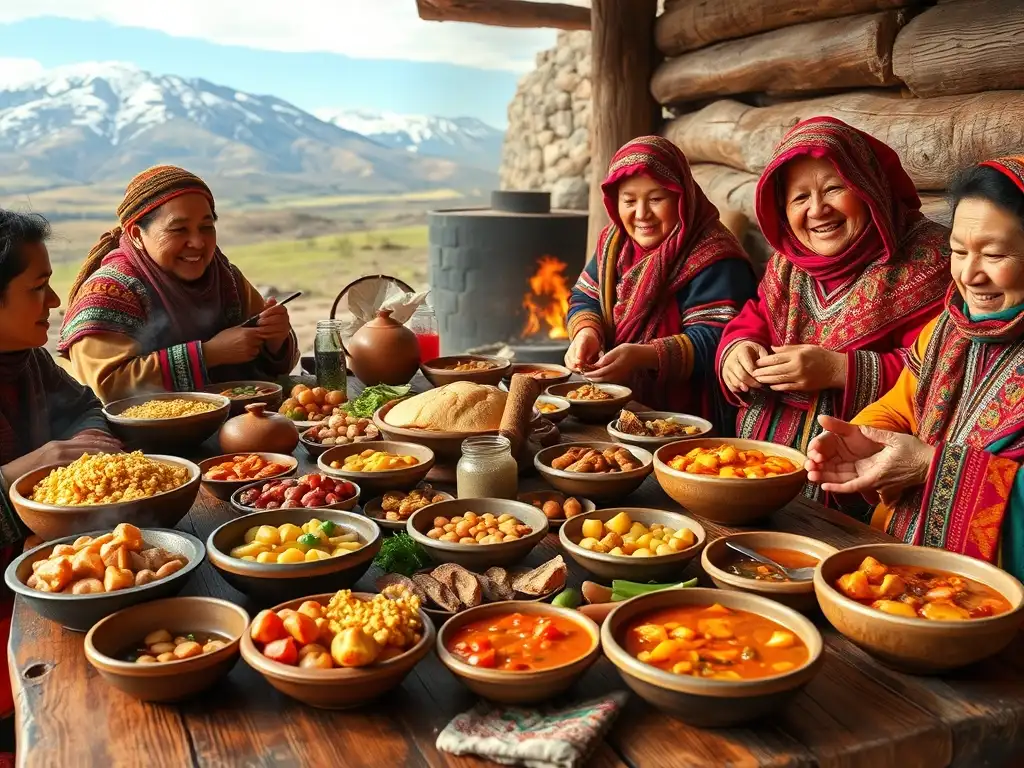
Step into a world lost in time, yet vibrantly alive. Journey with us through the breathtaking landscapes and captivating cultures of the Andes, where empires rose and fell, leaving behind a legacy of artistry and innovation. But what truly fueled these remarkable civilizations? Discover the secrets of Aymara traditional food recipes, a culinary heritage that sustained Andean communities and continues to inspire today. Uncover the rich history and surprising flavors awaiting you – your exploration begins now.
The Aymara people, inhabiting the high Andes of Bolivia, Peru, and Chile, possess a rich culinary tradition deeply intertwined with their history and environment. Their diet, shaped by the challenging altitude and unique agricultural practices, is a testament to resilience and ingenuity. This article delves into the heart of Aymara cuisine, exploring the traditional foods and recipes that have sustained this vibrant culture for centuries.
We will uncover the key ingredients, cooking methods, and the cultural significance behind each dish, providing a fascinating glimpse into the Aymara way of life and their remarkable adaptation to their environment. Understanding Aymara food is key to understanding Aymara culture itself; their relationship with the land is reflected in every bite. This exploration aims to satisfy your curiosity about "Aymara traditional food recipes" and provide a deeper appreciation for this fascinating culinary heritage.
Understanding Aymara Culinary Heritage
Aymara cuisine isn't just about sustenance; it's a reflection of their deep connection to the Andean landscape. For generations, the Aymara have cultivated crops adapted to the harsh conditions of the high altitudes, resulting in a unique selection of ingredients rarely found elsewhere. Their culinary practices are often passed down through generations, with knowledge and recipes shared within families and communities.
This ensures the preservation of traditional techniques and flavors, creating a culinary identity that is both distinct and resilient. The emphasis is on simplicity and utilizing locally sourced ingredients, ensuring both nutritional value and sustainability. This approach reflects a respect for nature and a deep understanding of the resources available in their environment.
Many Aymara dishes are hearty and filling, designed to provide the energy needed for the physically demanding lives they lead in the Andes. The use of spices and herbs is often subtle, allowing the natural flavors of the ingredients to shine through.
The Staples of Aymara Traditional Diet
The Aymara diet is primarily based on a few key ingredients, each playing a vital role in their daily sustenance. These staples have been cultivated and consumed for centuries, representing not only a nutritional foundation but also a cultural cornerstone. The availability and importance of these ingredients are deeply ingrained in their social and economic structures. The resilience of the Aymara people is closely linked to their ability to cultivate and utilize these hardy crops, even in challenging conditions. Let's explore some of these fundamental components in more detail.
Andean Grains: Quinoa and Cañihua in Aymara Cooking
Quinoa and cañihua, two powerhouse Andean grains, are cornerstones of the Aymara diet. These gluten-free grains are incredibly nutritious, rich in protein and essential amino acids, making them a vital source of energy. Quinoa, particularly, is known for its versatility and is used in a wide array of dishes, from hearty soups and stews to side dishes and even desserts. Cañihua, slightly smaller and nuttier in flavor, is often used in similar ways, though perhaps less commonly known outside the region.
Both grains are incredibly adaptable to the high-altitude conditions and are essential to the Aymara's food security. Their nutritional profile is crucial for maintaining health and energy in the challenging Andean environment. Recipes often involve simple preparations, highlighting the natural flavors of these grains.
Tubers: Potatoes and Oca in Aymara Cuisine
Potatoes, in their countless varieties, are another staple of the Aymara diet. The Andes are renowned for their diverse potato crops, and the Aymara have cultivated and preserved a wide range of these tubers, each with its unique flavor and texture. Beyond the common potato, oca, a smaller, slightly sour tuber, also plays a significant role in their cuisine. These tubers provide essential carbohydrates and nutrients, offering a substantial energy source.
Their preparation varies greatly, from boiling and roasting to being incorporated into soups and stews. The diversity of potato varieties alone showcases the Aymara's deep agricultural knowledge and their adaptation to the unique environment. The different colors, sizes, and flavors of the potatoes represent a significant part of their cultural heritage.
The Role of Meat in Aymara Food Culture
While the Aymara diet is predominantly vegetarian, meat does play a role, though often less frequently than the plant-based staples. Llama and alpaca, native Andean animals, are important sources of protein and are often consumed on special occasions or during festive gatherings. The consumption of these animals is often interwoven with traditional practices and ceremonies, adding a layer of cultural significance to their culinary use.
The preparation of these meats often involves slow cooking methods, enhancing their tenderness and flavor. The availability of meat can vary depending on factors like geographic location and economic circumstances, making it a less regular component of their everyday diet compared to grains and tubers. However, when consumed, it represents a valued source of protein and a significant element in their cultural celebrations.
Key Ingredients in Aymara Traditional Food
The Aymara diet, deeply rooted in the harsh yet fertile Andean landscape, relies on ingredients that reflect both the challenges and rewards of high-altitude agriculture. Understanding these core components is crucial to appreciating the unique flavors and nutritional value of Aymara cuisine. The emphasis is on sustainability and utilizing readily available resources, resulting in a diet rich in carbohydrates, protein, and essential vitamins and minerals.
Many ingredients are adapted to thrive in the challenging conditions of the Altiplano, demonstrating remarkable resilience and ingenuity. The Aymara people have, over centuries, perfected techniques for preserving and preparing these ingredients, ensuring food security throughout the year. This knowledge, passed down through generations, is essential for understanding the true essence of Aymara culinary traditions.
Utilizing Indigenous Vegetables and Herbs
A significant portion of the Aymara diet consists of indigenous vegetables and herbs uniquely adapted to the high-altitude environment. These plants often possess remarkable nutritional properties, providing essential vitamins and minerals that are crucial for sustaining life at high altitudes. Examples include quinoa, which is a complete protein source and exceptionally rich in iron, and potatoes, cultivated in diverse varieties, each offering unique flavors and textures.
Other important vegetables include oca (Oxalis tuberosa), a tuber with a slightly sweet and sour taste, and ulluco (Ullucus tuberosus), another tuber with a range of colors and flavors. The use of native herbs such as muña (Minthostachys sp. ), a minty herb with medicinal properties, adds unique aromatic complexity to many Aymara dishes.
These indigenous plants are not only a staple in the Aymara diet but also represent a vital part of their cultural heritage. Their cultivation and use are deeply intertwined with the Aymara worldview, reflecting their respect for the land and its resources.
Importance of Dried Meats and Fish
Given the challenges of preserving food in high-altitude conditions, the Aymara have developed sophisticated techniques for drying meats and fish, ensuring a reliable protein source throughout the year. This process not only extends the shelf life of these essential ingredients but also enhances their flavor and nutritional value. Dried llama meat, a traditional protein source, is a staple of the Aymara diet, providing a rich source of iron and other essential nutrients.
The drying process concentrates the flavor and makes it a highly versatile ingredient. Similarly, dried fish, often sourced from nearby lakes, offers another essential protein source. These dried foods are often incorporated into stews and soups, adding depth of flavor and texture.
The techniques for drying and preparing these meats and fish have been refined over generations, reflecting a deep understanding of food preservation and the importance of resource management in a challenging environment. The use of these dried ingredients is a testament to the Aymara people's adaptability and resourcefulness.
Exploring Aymara Dairy Products
While not as prominent as in some other Andean cultures, dairy products still play a significant role in the Aymara diet, particularly cheese and yogurt. These are typically made from llama or alpaca milk, reflecting the adaptation of food production to the available resources. Llama and alpaca milk cheeses often possess a unique flavor profile, reflecting the diet of the animals and the methods of production. These cheeses are often incorporated into various Aymara dishes, adding richness and complexity to the flavor profile.
Yogurt, another important dairy product, is often consumed as a refreshing snack or incorporated into desserts. The production of these dairy products is often a small-scale, family-based activity, demonstrating the close connection between food production and community life. The availability and consumption of dairy products can vary greatly depending on the specific region and the availability of livestock.
Aymara Traditional Food Recipes: A Culinary Journey
The Aymara culinary tradition is a rich tapestry of flavors and techniques, reflecting the ingenuity and adaptability of a people who have thrived in a challenging environment. Exploring these recipes offers a window into the heart of Aymara culture, showcasing their deep connection to the land and their resourcefulness in transforming readily available ingredients into nourishing and delicious meals. The following recipes offer a glimpse into this vibrant culinary heritage, showcasing the unique flavors and textures that define Aymara cuisine. Remember that precise measurements can vary depending on individual preferences and available ingredients.
Preparing "Thimpu": A Hearty Aymara Stew
Thimpu is a hearty stew that exemplifies the resourcefulness of Aymara cuisine. It typically incorporates a variety of ingredients, including potatoes (various types), quinoa, dried meat (llama or alpaca), and a selection of indigenous vegetables. The stew is often seasoned with simple spices like salt and aji (a type of chili pepper). The cooking process involves simmering the ingredients for an extended period, allowing the flavors to meld and create a rich, savory broth.
The result is a nourishing and flavorful stew that represents the heartiness and simplicity of the Aymara diet. Variations exist, depending on the specific region and the availability of ingredients. Some versions may include beans or other legumes for additional protein and fiber.
Making "Wajta": A Traditional Aymara Soup
Wajta is a traditional Aymara soup that often features a base of potatoes and quinoa, providing a nutritious and filling meal. The soup is typically seasoned with simple spices and herbs, reflecting the Aymara preference for simple yet flavorful dishes. Dried meats or fish can be added to enhance the protein content. The cooking process involves simmering the ingredients until the potatoes are tender and the quinoa is cooked through.
The result is a comforting and flavorful soup that is a staple in many Aymara communities. The simplicity of the ingredients and the cooking process belies the complexity of flavor and nutritional value. Variations exist, depending on the region and available ingredients.
The Art of "Apthapi": A Shared Aymara Meal
Apthapi is not simply a meal; it is a communal ritual, a celebration of shared food and community bonds. It involves cooking food underground, using heated stones to create a unique cooking method that imparts a distinctive smoky flavor to the food. Various ingredients are prepared and then buried in a pit lined with hot stones, covered with earth, and left to cook for several hours. The resulting food is often a mix of potatoes, quinoa, meat, and other vegetables, creating a hearty and flavorful feast.
The Apthapi is a significant social event, bringing together families and communities to share food and strengthen social ties. The preparation and sharing of the Apthapi highlight the importance of community and cooperation within Aymara culture, showcasing their deep-rooted social values. It's a culinary experience that goes far beyond simply consuming food; it's a celebration of shared culture and traditions.
Aymara Cooking Techniques and Practices
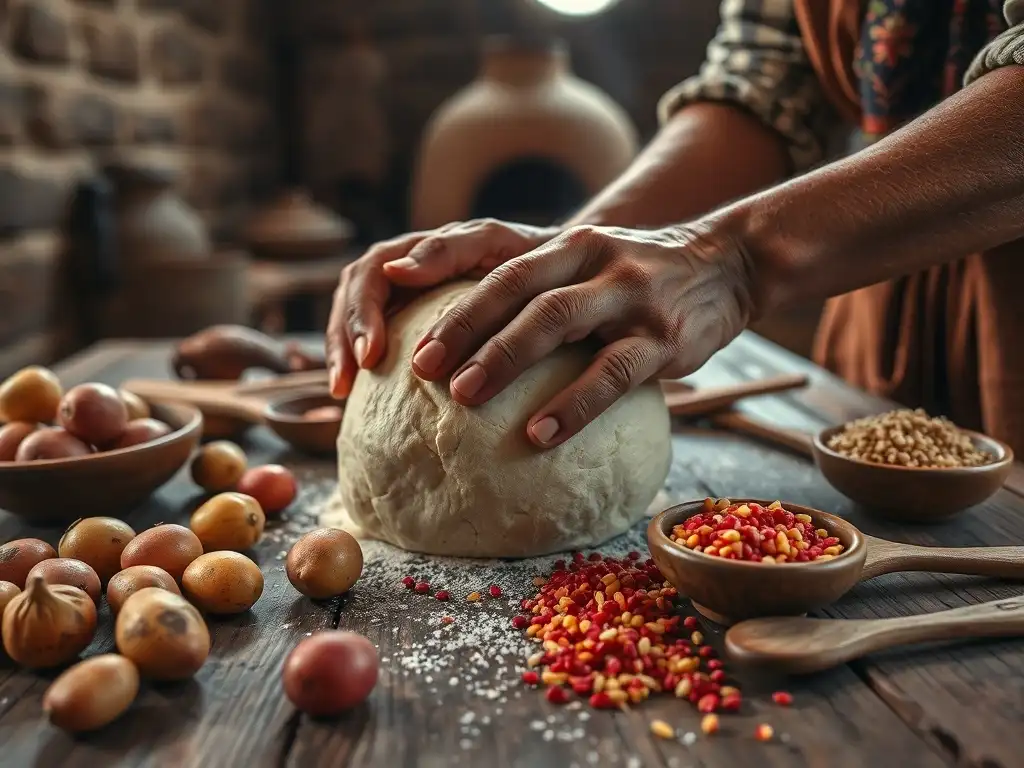
The Aymara people have developed unique cooking techniques and practices adapted to their high-altitude environment and readily available ingredients. Their culinary traditions reflect a deep understanding of food preservation and resource management, crucial for survival in challenging conditions. Generations of knowledge have been passed down, shaping their distinctive approach to food preparation. This involves not only specific cooking methods but also a profound respect for the land and its bounty.
The Aymara diet, while simple, is incredibly nutritious, showcasing the ingenuity of a civilization that thrived in a demanding landscape. Many practices continue to this day, demonstrating the enduring relevance of traditional Aymara culinary wisdom. The focus on natural ingredients and sustainable methods is particularly noteworthy, offering valuable lessons for modern-day sustainable food systems.
Traditional Cooking Methods: Stone Ovens and Clay Pots
Stone ovens, or hornos de piedra, are a cornerstone of traditional Aymara cooking. These earth ovens, often built into the ground, utilize the heat retained by stones to slowly cook food, resulting in tender meats and flavorful vegetables. The process involves heating the stones to extreme temperatures, often using wood fires, before placing the food in a covered pit and allowing it to cook for hours.
This method is particularly well-suited for larger gatherings and communal meals. Clay pots, known as ollas, are another essential cooking tool, used for stews, soups, and other dishes. The porous nature of clay helps regulate the cooking temperature, allowing for even heat distribution and preventing burning.
These pots are often handmade, showcasing the artistry and skill involved in their creation. The use of stone ovens and clay pots highlights the Aymara’s resourceful adaptation to their environment, utilizing readily available materials to create efficient and effective cooking tools. The slow cooking methods characteristic of these techniques also contribute to the rich and complex flavors present in traditional Aymara cuisine.
Preserving Food: Drying and Fermenting
Preserving food is crucial in a high-altitude environment with limited access to fresh produce year-round. The Aymara have mastered techniques like sun-drying and freeze-drying to extend the shelf life of fruits, vegetables, and meats. Potatoes, a staple in the Aymara diet, are often dried and stored for later use, ensuring food security during lean times. This process creates chuño, a freeze-dried potato that is lightweight, long-lasting, and easily transportable. Fermentation is another important preservation method, used to create fermented beverages and foods. These processes not only preserve food but also enhance its nutritional value and flavor profile, adding a unique dimension to the Aymara culinary tradition. The sophisticated techniques employed reflect a deep understanding of food science and microbiology, demonstrating the ingenuity of the Aymara people in adapting to their environment. These preservation methods continue to play a significant role in maintaining food security and cultural heritage within Aymara communities.
The Social Aspect of Aymara Food Preparation
Food preparation in Aymara communities is often a communal activity, reflecting the strong social fabric of the culture. The preparation of meals, particularly for celebrations and festivals, involves the collective participation of community members, fostering a sense of unity and shared experience. This collaborative effort transcends the simple act of cooking; it represents a social ritual that strengthens community bonds and reinforces social cohesion. The sharing of food is a fundamental aspect of Aymara social life, symbolizing hospitality, generosity, and reciprocity.
These shared culinary experiences are essential for maintaining social harmony and transmitting cultural knowledge across generations. The social dimension of Aymara food preparation is integral to their cultural identity, highlighting the importance of community and cooperation in their daily lives. It’s a powerful demonstration of how food can be a catalyst for social interaction and community building.
The Significance of Food in Aymara Culture and Rituals
Food plays a central role in Aymara culture, extending far beyond its nutritional value. It is deeply interwoven with their spiritual beliefs, social practices, and cultural identity. The Aymara worldview connects food with the land, the ancestors, and the spiritual realm. Their agricultural practices are imbued with ritualistic significance, reflecting a profound respect for the natural world and its bounty.
The careful cultivation of crops and the preparation of food are not merely practical activities; they are acts of reverence and gratitude. This profound connection between food and spirituality shapes many aspects of Aymara life, influencing their social interactions, religious ceremonies, and cultural expressions. Understanding the significance of food within Aymara culture requires recognizing its integral role in their worldview and spiritual practices.
Food in Aymara Celebrations and Festivals
Aymara celebrations and festivals are often marked by elaborate feasts and communal meals, where traditional dishes play a central role. Food is not merely a component of these events; it is an integral part of the ritualistic expression of their culture. These gatherings offer opportunities to share food, strengthen social bonds, and celebrate their shared heritage.
The preparation and consumption of specific foods are often associated with particular ceremonies and rituals, underscoring their importance in maintaining cultural continuity. The diversity of dishes served during these celebrations reflects the richness and variety of the Aymara culinary tradition, showcasing the creativity and ingenuity of their culinary practices. These events serve as a powerful reminder of the importance of food as a cultural symbol and a unifying force within Aymara communities.
The Spiritual Connection to Food and Agriculture
The Aymara have a deep spiritual connection to the land and its products. Agriculture is not just a means of subsistence; it is a sacred act, reflecting their reverence for the earth and its ability to provide sustenance. Their agricultural practices are often interwoven with rituals and ceremonies aimed at ensuring a bountiful harvest.
Offerings to the earth and ancestral spirits are common, expressing gratitude for the land’s bounty and seeking their blessings for future harvests. This profound connection between food, agriculture, and spirituality shapes their worldview and influences their social and cultural practices. The respect for the land and its products is a defining characteristic of Aymara culture, highlighting the significance of sustainable practices and a harmonious relationship with the natural world.
Food as a Symbol of Aymara Identity
Food serves as a potent symbol of Aymara identity, reflecting their unique cultural heritage and resilience. Traditional Aymara dishes are not merely food; they are tangible expressions of their history, traditions, and values. The ingredients, cooking methods, and social contexts associated with these foods contribute to a sense of collective identity and cultural pride.
The preservation and transmission of traditional culinary practices are essential for maintaining cultural continuity and passing down knowledge across generations. The enduring popularity of traditional Aymara dishes demonstrates the strong connection between food and cultural identity, reinforcing a sense of belonging and shared heritage within Aymara communities. Food, therefore, plays a critical role in shaping and preserving Aymara identity in the face of external influences.
Modern Adaptations of Aymara Traditional Food
The Aymara diet, while deeply rooted in tradition, is not static. Modern life and globalization have inevitably influenced the way Aymara people consume and prepare their food. While the core ingredients remain largely the same, preparation methods and the incorporation of new foods have led to interesting adaptations.
For example, quinoa, once a staple primarily consumed as a simple porridge or grain, now finds its way into salads, soups, and even baked goods, demonstrating a willingness to experiment while retaining the nutritional heart of the Aymara diet. Similarly, traditional chuño (freeze-dried potatoes) might be incorporated into more contemporary dishes, offering a unique textural element to otherwise modern recipes. This evolution isn't a rejection of heritage but a creative response to changing circumstances, a testament to the adaptability of Aymara culinary traditions.
The fusion of traditional and modern techniques allows the Aymara diet to remain relevant and appealing to younger generations while preserving its core values. This dynamic process also reflects a broader trend in many indigenous cultures, demonstrating the resilience and evolution of culinary traditions in the face of modern influences.
Integrating Aymara Ingredients into Contemporary Cuisine
The rich tapestry of Aymara ingredients offers a wealth of culinary possibilities for contemporary chefs. Quinoa, with its high protein and nutritional value, has already achieved global recognition, but other Aymara staples, such as amaranth and kañiwa (a grain similar to quinoa), remain relatively unexplored by the wider culinary world. These grains, along with various tubers and legumes traditionally used in Aymara cooking, present unique flavor profiles and textures that can add depth and complexity to modern dishes.
Innovative chefs are beginning to experiment with these ingredients, creating exciting new dishes that blend traditional Aymara flavors with contemporary techniques. For instance, amaranth can be used in savory dishes, adding a nutty flavor and a pleasant texture, while kañiwa can be incorporated into both sweet and savory preparations, showcasing its versatility.
The potential for creative culinary exploration with Aymara ingredients is immense, offering a unique opportunity to discover and celebrate the rich heritage of Aymara cuisine while broadening the palate of global consumers. This integration not only benefits the culinary world but also helps to preserve and promote Aymara food culture on a larger scale.
The Future of Aymara Traditional Food Recipes
The future of Aymara traditional food recipes is inextricably linked to the preservation of Aymara culture and identity. Efforts to document and disseminate traditional recipes are crucial in ensuring that these culinary traditions are passed down through generations. The rise of online platforms and digital archiving offers exciting opportunities for preserving and sharing knowledge about Aymara cooking.
However, alongside digital preservation, efforts must also focus on promoting the sustainable production and sourcing of traditional Aymara ingredients. Supporting local farmers and producers is essential to maintaining the authenticity and quality of these ingredients and contributing to the economic well-being of Aymara communities. Moreover, fostering culinary education and training programs within Aymara communities can empower younger generations to embrace and innovate within their culinary heritage.
By combining traditional practices with modern technologies and approaches, Aymara food traditions can continue to thrive and evolve, ensuring their continued relevance and significance for generations to come. This active engagement with culinary heritage ensures its survival and adaptation in a rapidly changing world.
Exploring Further: Resources for Aymara Food and Culture
For those wishing to delve deeper into the world of Aymara food and culture, several resources are available. While specific books and websites dedicated solely to Aymara cuisine might be limited, broader resources on Andean cuisine and Bolivian/Peruvian gastronomy often include significant information on Aymara culinary traditions. Ethnographic studies and anthropological research papers can provide valuable insights into the cultural significance of food within Aymara communities.
Furthermore, exploring local markets and engaging with Aymara communities directly can offer invaluable firsthand experiences and opportunities to learn about traditional cooking techniques and recipes. Searching for documentaries and films focusing on Andean cultures can also uncover valuable information about Aymara foodways. Remember that respecting cultural sensitivities and seeking permission before documenting or photographing traditional practices is paramount.
By utilizing a variety of resources and approaching the subject with respect and sensitivity, a rich understanding of Aymara food and culture can be achieved. This multifaceted approach ensures a comprehensive and respectful engagement with the subject matter.
- Understanding Aymara Culinary Heritage
- The Staples of Aymara Traditional Diet
- Key Ingredients in Aymara Traditional Food
- Aymara Traditional Food Recipes: A Culinary Journey
- Aymara Cooking Techniques and Practices
- The Significance of Food in Aymara Culture and Rituals
- Modern Adaptations of Aymara Traditional Food
- Exploring Further: Resources for Aymara Food and Culture
Frequently Asked Questions
What is the Aymara diet primarily based on?
The Aymara diet traditionally centers around potatoes, quinoa, and other Andean grains, along with legumes, vegetables, and meat (when available). It's known for its nutritious and hardy nature.
What are some staple Aymara dishes?
Some staple dishes include chuño (freeze-dried potatoes), humintas (steamed corn cakes), and various soups and stews incorporating quinoa, potatoes, and local vegetables. Many recipes are passed down through generations.
Are there any unique Aymara cooking techniques?
Yes, Aymara cooking often employs techniques adapted to the high altitude, such as slow cooking and the use of specific grains and tubers that thrive in harsh conditions. Preservation techniques like freeze-drying are also crucial.
Where can I find authentic Aymara recipes?
Authentic Aymara recipes can be found through ethnographic research, community cookbooks, and online resources dedicated to Andean cuisine. Look for recipes directly sourced from Aymara communities.
How does the Aymara diet differ from other Andean diets?
While sharing some similarities with other Andean diets (like the use of potatoes and quinoa), Aymara cuisine has its own unique regional variations and emphasis on specific ingredients and cooking methods reflecting its distinct cultural heritage. Specific ingredients and preparation techniques distinguish it.
Final Reflection: A Legacy of Flavor, A Future of Food Security
The Aymara diet, a testament to resilience and adaptation, remains profoundly relevant in a world grappling with food insecurity and the impacts of climate change. Understanding its principles—emphasizing locally sourced, nutrient-rich ingredients and sustainable farming practices—offers crucial insights for building more robust and equitable food systems globally. The wisdom embedded within these traditions holds the key to a healthier and more sustainable future for all.
The enduring power of Aymara cuisine lies not just in its unique flavors and textures, but in its deep connection to the land and its people. It represents a cultural heritage that has sustained generations, a living testament to the ingenuity and adaptability of the Aymara people. Food is symbolic of love when words are inadequate.
This quote perfectly encapsulates the emotional and cultural significance of Aymara food, extending beyond mere sustenance to encompass community, identity, and a profound respect for nature. Its continued practice is vital for preserving this rich cultural tapestry and ensuring its transmission to future generations.
Consider the ingredients, the techniques, the stories woven into each dish. You, the reader, are now empowered to explore this culinary heritage, not just as a passive observer, but as an active participant. Try recreating a traditional Aymara recipe; engage with local farmers and producers; learn about the sustainable practices that underpin this unique food system. By embracing the wisdom of the Aymara diet, you can contribute to a more sustainable and equitable food future, one delicious meal at a time.
**Savor the Flavors: Embrace the Aymara Diet Today! **
Thank you for exploring the rich tapestry of Aymara cuisine with us! We hope you've discovered the nutritious and diverse foods that tantalize the taste buds and offer a connection to a vibrant culture. Now, let's put your newfound knowledge into practice!
- **Try a traditional Aymara recipe tonight:** Choose a dish that appeals to you and prepare it for your next meal. Experience the unique flavors for yourself!
- **Share your culinary creations:** Take a picture of your Aymara dish and share it on social media, inviting your friends to join you on this culinary adventure!
- **Explore local markets:** Visit your local farmers' markets or grocery stores to discover Aymara ingredients and learn about their origins and culinary uses.
Which Aymara dish are you most eager to try, and who will you share this delicious experience with? Let's continue the conversation!