
The Inti Raymi Festival: Celebrating the Sun God and Inca Ancestry

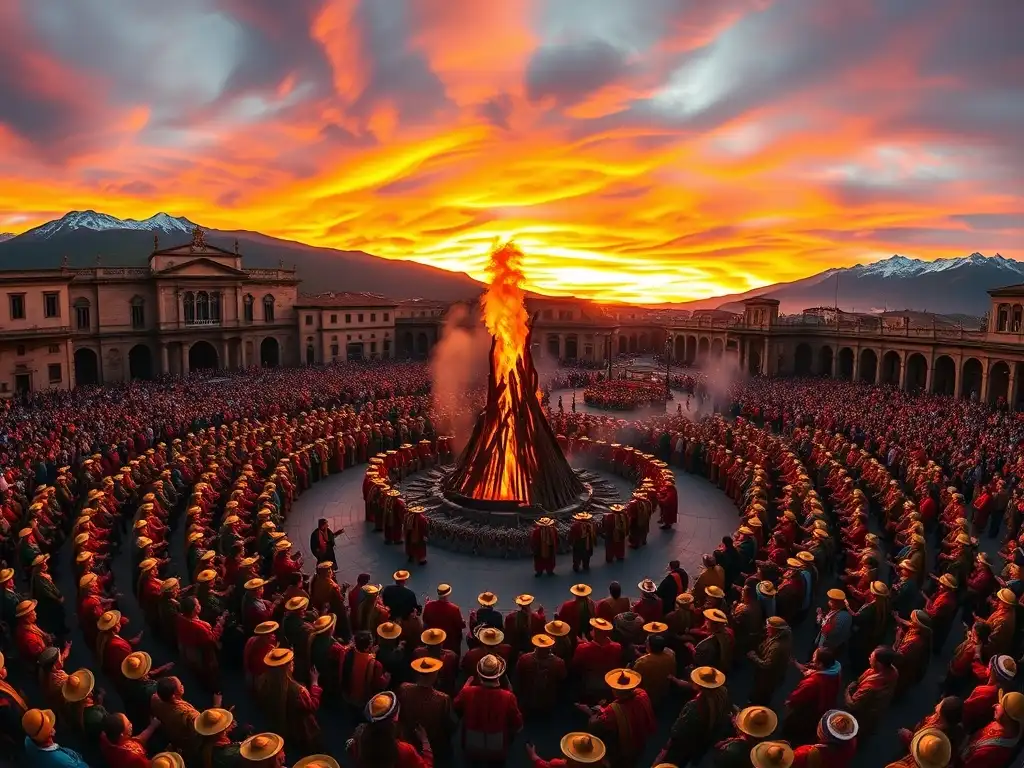
Step into a world lost to time, yet echoing with vibrant life. Imagine the sun-drenched peaks of the Andes, the echoes of ancient chants, and the breathtaking spectacle of a civilization reaching for the stars. Here at Andean Civilizations, we delve into the fascinating tapestry of pre-Columbian cultures. But prepare to be captivated by the mystery surrounding the Inca Inti Raymi festival traditions, a celebration of the Sun God that continues to inspire awe centuries later. Uncover the secrets of this majestic festival and more – your journey into the heart of the Inca Empire begins now.
The Inti Raymi, meaning "Festival of the Sun" in Quechua, stands as a powerful testament to the Inca Empire's profound reverence for the sun god, Inti. More than just a celebration, it was a deeply ingrained ritualistic event central to Inca cosmology and imperial power. This festival, meticulously orchestrated and brimming with symbolic meaning, offers a captivating window into the beliefs, traditions, and social structure of the Inca civilization.
This article delves into the rich history and traditions surrounding the Inti Raymi festival, exploring its significance within the broader context of Inca culture and its enduring legacy. We will uncover the intricate ceremonies, vibrant costumes, and profound spiritual significance that continue to fascinate and inspire, ensuring the festival remains a powerful symbol of Inca heritage.
Understanding the Inti Raymi is key to understanding the heart of Inca beliefs and their connection to the natural world. This exploration will help us unravel the complexities of "Inca Inti Raymi festival traditions" and their lasting impact.
The Cosmological Significance of Inti Raymi
The Inti Raymi wasn't merely a festive occasion; it was a deeply spiritual event aligned with the Inca calendar and agricultural cycle. The festival, held annually around the winter solstice (June 24th), marked the renewal of the sun's power and the promise of a bountiful harvest. Inca cosmology viewed Inti as the supreme deity, the source of life and sustenance.
The festival's timing, coinciding with the shortest day of the year, symbolized the sun's apparent rebirth and its crucial role in ensuring the prosperity of the empire. The meticulous planning and execution of the Inti Raymi demonstrated the Inca's profound understanding of astronomy and their intricate relationship with the natural world.
Elaborate ceremonies and offerings were designed to appease Inti and ensure his continued favor, highlighting the vital role of religion in Inca society. The success of the harvest, and by extension, the stability of the empire, were believed to be directly tied to the successful execution of the Inti Raymi.
The Rituals and Ceremonies of Inti Raymi
The Inti Raymi festival was a multi-day event involving a complex sequence of rituals and ceremonies. The celebrations began in the Coricancha (Temple of the Sun) in Cusco, the heart of the Inca Empire. The Sapa Inca (emperor), as the supreme religious and political authority, played a central role, conducting the most important rituals. These rituals included offerings of gold, silver, coca leaves, and llama sacrifices.
The sacrifice of llamas, considered sacred animals, was believed to appease Inti and guarantee the fertility of the land. Processions, involving thousands of participants adorned in vibrant clothing, moved through the city, showcasing the empire's power and grandeur. The ceremonies were meticulously choreographed, each action imbued with symbolic meaning reflecting Inca beliefs and social hierarchy. Detailed accounts from Spanish chroniclers, while sometimes biased, provide valuable insights into the grandeur and complexity of the Inti Raymi rituals.
The Legacy of Inti Raymi: A Modern Celebration
While the Spanish conquest brutally suppressed the Inti Raymi, its spirit endured. Modern celebrations, revived in the 20th century, aim to honor Inca heritage and traditions. These modern reenactments, though not exact replicas of the original festival, capture its essence and spirit. Thousands of participants and spectators gather in Cusco each year to witness the vibrant costumes, music, and dances, showcasing the enduring cultural legacy of the Inca Empire.
The revival of the Inti Raymi serves as a powerful symbol of cultural identity and a testament to the enduring fascination with Inca history and traditions. The modern festival plays a crucial role in preserving and promoting Inca culture for future generations, demonstrating the lasting impact of the original Inti Raymi. The festival's enduring appeal highlights the importance of cultural preservation and the power of traditions to connect us to our past.
- The Cosmological Significance of Inti Raymi
- The Rituals and Ceremonies of Inti Raymi
- The Legacy of Inti Raymi: A Modern Celebration
- The Role of the Sapa Inca in Inti Raymi Rituals
- Sacred Sites and Locations for the Inti Raymi Ceremony
- The Symbolic Meaning of Inti Raymi Costumes and Attire
- Music and Dance: Essential Components of the Inca Festival
- Inti Raymi Sacrifices and Offerings: A Deeper Look
- The Procession and Rituals of the Inti Raymi Festival
- The Influence of Inti Raymi on Andean Culture
- Understanding the Importance of Inti Raymi for Inca Heritage
- Inti Raymi as a Symbol of Inca Resilience
- The Role of Inti Raymi in Promoting Cultural Tourism in Cusco
- The Festival's Impact on the Preservation of Inca Traditions
- The Evolution of Inti Raymi: From Ancient Ritual to Modern Spectacle
Understanding the Inca Inti Raymi Celebration
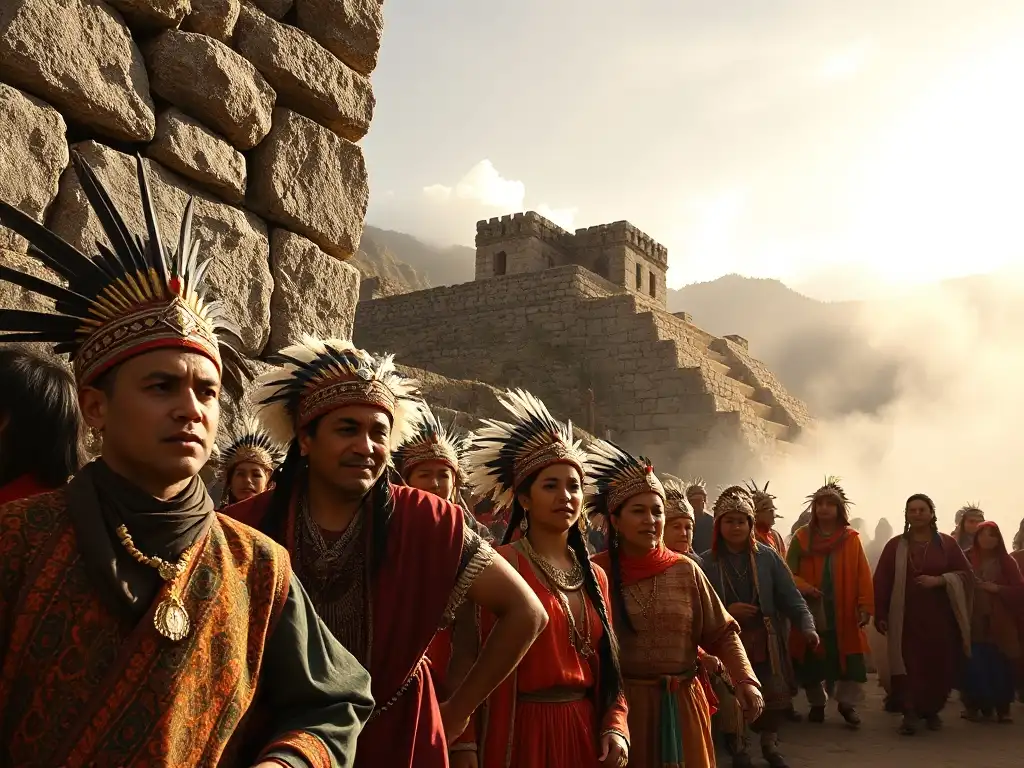
This section delves into the intricacies of the Inca Inti Raymi festival, exploring its significance within Inca culture, the central role of the sun god Inti, and the historical context surrounding its origins. Understanding these aspects provides a deeper appreciation for the rich tapestry of Inca traditions and beliefs. The Inca Inti Raymi festival traditions are deeply rooted in their cosmology and social structure.
The Significance of Inti Raymi in Inca Culture
Inti Raymi, meaning "Festival of the Sun," was the most important religious festival in the Inca Empire. It wasn't merely a celebration; it was a ritual reaffirming the Inca's connection to the cosmos and their divine right to rule. The festival's significance stemmed from the Incas' profound reverence for the sun god Inti, considered the source of life, fertility, and prosperity.
The success of the agricultural cycle, crucial to Inca survival, was directly attributed to Inti's benevolence. Therefore, Inti Raymi served as a crucial ritual to ensure continued abundance and appease the powerful deity. The festival's elaborate ceremonies, involving sacrifices, processions, and feasts, underscored its monumental importance within Inca society.
The entire empire participated, demonstrating a unified devotion to their sun god and their ruler, the Sapa Inca, who acted as Inti's earthly representative. The meticulous planning and execution of Inti Raymi showcased the Inca's sophisticated organizational skills and their deep-seated religious beliefs. The festival's impact extended beyond the religious sphere; it played a vital role in reinforcing social order and political power.
The Inca Sun God Inti and His Importance
Inti, the Inca sun god, held paramount importance in Inca mythology and religion. He wasn't simply a celestial body; he was the supreme deity, the creator and sustainer of life. Inca cosmology viewed Inti as the source of all energy and vitality, responsible for the sun's warmth, the earth's fertility, and the abundance of harvests. Representations of Inti often depicted him as a majestic figure, radiating light and power.
Temples dedicated to Inti were grand structures, strategically positioned to capture the sun's rays. The Sapa Inca, the emperor, held a unique relationship with Inti, considered his earthly representative and son. This divine connection reinforced the Inca ruler's authority and legitimacy. The daily rituals performed by the Sapa Inca, including offerings and prayers, emphasized the ongoing communication and dependence on Inti's favor.
The Inca's belief in Inti's power permeated all aspects of their lives, influencing their agriculture, architecture, and social structures. The sun god's image was woven into their textiles, sculpted into their pottery, and depicted in their monumental architecture. The enduring legacy of Inti's importance is evident in the surviving Inca ruins and artifacts, which continue to bear witness to the deep-seated reverence for this powerful deity. The Inca Inti Raymi festival traditions were, fundamentally, acts of worship and appeasement directed towards Inti.
Historical Context: The Origins of the Inti Raymi Festival
The exact origins of Inti Raymi remain shrouded in some mystery, but evidence suggests its roots lie in pre-Inca traditions. While the Incas certainly refined and centralized the festival, integrating it into their imperial ideology, earlier Andean cultures likely celebrated similar solstice festivals honoring the sun. Archaeological discoveries hint at sun worship practices preceding the Inca Empire, suggesting a long-standing tradition of solar veneration in the Andes.
The Inca's conquest and subsequent unification of various Andean groups led to the standardization and grand-scale implementation of Inti Raymi. The festival's centralized organization under the Inca rulers transformed it from a localized celebration into an empire-wide event, reinforcing their power and control. The precise date of the festival's inception under Inca rule is uncertain, but historical accounts place it during the reign of Pachacuti Inca Yupanqui (1438-1471), a period of significant imperial expansion and cultural standardization.
The festival's evolution reflects the Inca Empire's growth and the integration of diverse cultural traditions under a unified, sun-centered religious system. The Inca Inti Raymi festival traditions, therefore, represent a culmination of centuries of Andean sun worship, culminating in the magnificent spectacle witnessed during the height of the Inca Empire. Further research, including detailed analysis of archaeological findings and a deeper examination of colonial accounts, is needed to fully unravel the complex history of this significant festival.
Key Elements of the Inti Raymi Festival
The Inti Raymi, meaning "Festival of the Sun" in Quechua, is a vibrant and significant celebration deeply rooted in Inca traditions. This festival, held annually during the winter solstice (June 24th), wasn't merely a spectacle; it was a complex ritualistic event that reaffirmed the Inca's connection to their sun god, Inti, and the cosmos. Understanding its key elements provides insight into the Inca worldview and their sophisticated social structure. The festival's enduring legacy continues to inspire awe and fascination, making it a crucial element in understanding Inca Inti Raymi festival traditions.
The Role of the Sapa Inca in Inti Raymi Rituals
The Sapa Inca, the emperor, held the central role in the Inti Raymi ceremonies. He wasn't just a political leader; he was considered a divine intermediary between the gods and the people. His participation in the rituals was crucial for maintaining cosmological balance and ensuring the prosperity of the Inca Empire. The Sapa Inca's actions during the Inti Raymi were meticulously choreographed and highly symbolic.
For instance, the Sapa Inca's first act involved offering sacrifices—often llamas, but sometimes other animals—to Inti. This act symbolized the Inca's submission to the sun god and their dependence on his benevolent power. The Sapa Inca then performed elaborate prayers and libations, invoking Inti's blessings for bountiful harvests, successful military campaigns, and the overall well-being of the empire.
His presence was considered essential for the ritual's efficacy; his actions were believed to directly influence the course of nature and the fate of the Inca people. The precise rituals varied slightly from year to year, reflecting the specific needs and concerns of the empire at that time. Detailed accounts of these rituals, however, are scarce, leaving some aspects open to scholarly interpretation and debate.
Sacred Sites and Locations for the Inti Raymi Ceremony
The Inti Raymi wasn't confined to a single location. The festival's events unfolded across several sacred sites, each holding specific significance within the Inca cosmology. The main ceremony began at the Coricancha (Temple of the Sun) in Cusco, the heart of the Inca empire. This temple, renowned for its golden ornamentation, served as the primary center for sun worship. From there, the procession moved to the Sacsayhuamán fortress, overlooking Cusco. This imposing structure, with its massive stone walls, provided a dramatic backdrop for the rituals.
The procession then continued to Q'enqo, Puka Pukara, and Tambomachay, each site offering a unique setting for different aspects of the ceremony. Q'enqo, a cave-like structure, might have been used for more private rituals. Puka Pukara, a reddish-hued fortress, possibly served as a staging area.
And Tambomachay, with its intricate water channels, likely played a role in water-related rituals, reflecting the Inca's reverence for this essential element. Each location played a vital role in the overall narrative of the Inti Raymi, reinforcing the Inca's interconnected relationship with their environment and their belief in the sacred nature of specific geographical points. The precise sequence of events at each location remains a subject of ongoing research, with some details still needing clarification.
The Symbolic Meaning of Inti Raymi Costumes and Attire
The elaborate costumes worn during the Inti Raymi were far from mere adornment; they were powerful symbols of social status, religious affiliation, and the Inca's deep connection to their environment. The Sapa Inca, for example, wore a magnificent headdress adorned with gold and feathers, signifying his divine authority and connection to the sun god. The vibrant colors and intricate designs of the costumes reflected the Inca's mastery of textile arts and their profound understanding of symbolism.
The use of specific colors held deep significance. Gold, for instance, represented the sun and its power. Red symbolized strength and courage, while other colors held different meanings related to specific deities or elements of nature.
The intricate weaving techniques, the use of precious metals and feathers, and the overall design of the costumes served to distinguish different social groups and roles within the ceremony. Unfortunately, many details regarding the precise symbolic meaning of specific costume elements are lost to time, but careful study of surviving artifacts and historical accounts offers valuable clues to help us decipher the meanings behind the vibrant and expressive clothing of the Inti Raymi celebrations. Further research is needed to fully understand the nuance and depth of the symbolic language expressed through Inca clothing.
The enduring legacy of the Inti Raymi, a testament to the Inca's rich culture and sophisticated religious practices, highlights the intricate Inca Inti Raymi festival traditions. Its continued celebration today underscores its lasting impact and enduring appeal.
Music and Dance: Essential Components of the Inca Festival
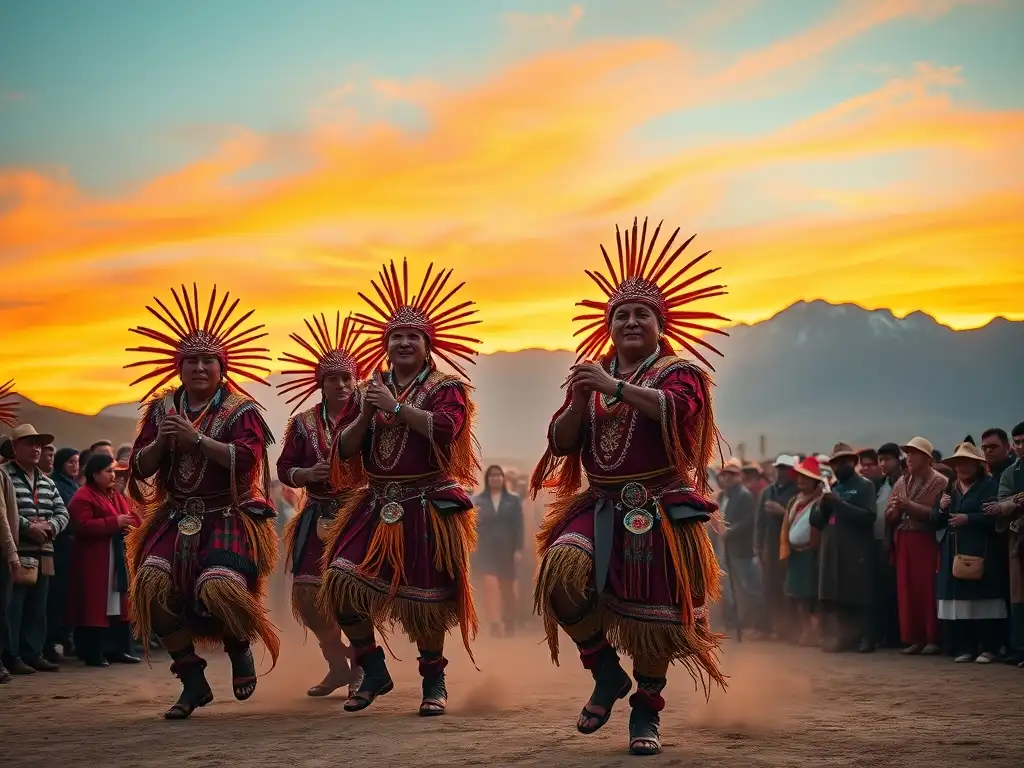
Music and dance were integral to the Inti Raymi festival, serving not merely as entertainment but as powerful expressions of reverence for the sun god, Inti. The rhythmic beating of drums, the haunting melodies of panpipes, and the vibrant sounds of other indigenous instruments created an atmosphere of both celebration and sacred devotion. These weren't simply background noises; they were active participants in the ritual, believed to influence the power of the sun and ensure a bountiful harvest.
The music's structure and specific melodies likely varied across different Inca regions, reflecting the diverse cultural nuances within the empire. Archaeological evidence, while limited, suggests the use of complex musical instruments, hinting at a sophisticated musical tradition. Furthermore, the songs themselves were likely imbued with deep symbolic meaning, relating narratives of Inca mythology and celebrating the power of Inti.
The dances, performed by both priests and commoners, were equally crucial. Elaborate costumes, often adorned with feathers and gold, symbolized the sacred nature of the performance. These dances were not merely choreographed movements; they were believed to physically embody the energy and power of the sun, channeling its life-giving force into the land. The specific dances performed during Inti Raymi likely varied based on the region and the specific phase of the festival.
Some dances may have mimicked the movements of the sun, while others could have depicted scenes from Inca mythology, reinforcing the festival's spiritual significance. The precise steps and meanings of many of these dances remain lost to time, yet their importance in the festival is undeniable. The energy and precision of the dancers would have been a captivating spectacle, demonstrating the skill and devotion of the Inca people.
Inti Raymi Sacrifices and Offerings: A Deeper Look
The Inti Raymi festival was not solely a joyous celebration; it also involved significant sacrifices and offerings to appease Inti and ensure his continued benevolence. These offerings weren't merely symbolic gestures; they were deeply ingrained in the Inca worldview, demonstrating the people's profound respect and dependence on the sun god.
While the exact nature and scale of the sacrifices varied depending on the specific ritual and the region, they typically involved the offering of llamas, other animals, and even precious metals like gold and silver. These offerings were seen as a way to nourish and strengthen Inti, sustaining his power and ensuring the continuation of life on earth.
The selection of the animals for sacrifice was likely carefully considered, with only healthy and flawless specimens deemed worthy. The act of sacrifice was itself a ritual, performed by priests who were highly trained in the intricacies of Inca religious practices.
The offerings weren't simply killed; the ritual was intended to honor the sun god and establish a sacred connection between the human and spiritual realms. Beyond animal sacrifices, the Inca people also offered fruits, vegetables, and other agricultural products as a tribute to Inti, expressing gratitude for the bountiful harvest and seeking continued blessings for future crops.
The precise details of these offerings, including the specific rituals and prayers involved, are often lost to history, but their importance in maintaining the balance between the human and spiritual worlds was paramount. The sheer scale of some of the offerings, especially in the larger festivals, underscores the significant role of sacrifice in the Inca religious system.
The Procession and Rituals of the Inti Raymi Festival
The Inti Raymi festival was not a static event; it involved a series of elaborate processions and rituals that unfolded over several days. The procession was a central element, bringing together the Inca emperor, priests, nobles, and commoners in a grand display of unity and devotion. The procession's route likely varied depending on the specific location and the year, but it would have involved a journey to sacred sites associated with the sun god.
The emperor, considered a direct descendant of the sun, played a central role, leading the procession and performing key rituals. This public display of the emperor's authority reinforced the social hierarchy and the divine nature of his power.
Along the procession's route, various rituals were performed, including prayers, offerings, and dances. The participants would likely have been dressed in their finest attire, symbolizing the importance of the occasion. The specific rituals performed would have varied depending on the location and the stage of the festival. Some rituals may have involved the consumption of chicha, a fermented corn beverage, which played an important role in Inca religious ceremonies.
The procession and the accompanying rituals were not just ceremonial events; they were a powerful demonstration of the Inca's deep-seated faith and their devotion to the sun god, Inti. The vivid descriptions found in historical accounts, though limited, paint a picture of a spectacular and awe-inspiring event that deeply affected the lives of the Inca people. The combination of grand spectacle and deeply spiritual rituals served to strengthen social bonds and reinforce the Inca worldview.
Modern Inti Raymi: Reviving Inca Traditions
The Inti Raymi festival, a vibrant celebration of the Inca sun god Inti, wasn't continuously practiced after the Spanish conquest. For centuries, the tradition lay dormant, only whispered about in legends and fragmented historical accounts. However, the 20th century witnessed a powerful resurgence of this ancient festival, spearheaded by efforts to reclaim and revitalize Inca heritage.
This modern Inti Raymi is not a mere reenactment; it's a dynamic, evolving performance that reflects contemporary Andean identity while honoring its ancestral roots. The renewed interest in Inca Inti Raymi festival traditions has led to a deeper understanding and appreciation of the Inca civilization's rich cultural legacy.
The Contemporary Celebration of Inti Raymi in Cusco
Today's Inti Raymi in Cusco is a spectacle of color, music, and drama. Thousands of participants, many dressed in meticulously recreated Inca attire, converge on the city's historic plazas and surrounding areas. The festival's main events unfold across three distinct locations, mirroring the Inca empire's administrative structure:
- Sacsayhuamán: The main ceremony takes place at the imposing Sacsayhuamán fortress overlooking Cusco. This is where the Sapa Inca (the Inca emperor) would traditionally offer sacrifices to the sun god. The modern celebration features elaborate processions, dramatic performances depicting Inca rituals, and fervent prayers to Inti. The sheer scale of the event, with its thousands of participants and spectators, is breathtaking.
- Qorikancha: The Qorikancha (Temple of the Sun) in Cusco, once the most sacred site in the Inca empire, hosts a significant portion of the festivities. While the original temple was largely destroyed by the Spanish, the site remains a powerful symbol of Inca religious life. The modern Inti Raymi celebrations here often involve symbolic offerings and prayers, reflecting the enduring spiritual significance of the location.
- Plaza de Armas: The main square of Cusco, Plaza de Armas, serves as the final stage for the Inti Raymi celebrations. Here, the festivities culminate in a vibrant display of Andean music, dance, and traditional crafts. This public space allows for broader community participation and showcases the festival's importance to modern Peruvian culture. The energy is palpable, a testament to the festival's enduring power to unite people.
The modern Inti Raymi is meticulously planned and coordinated, involving significant community participation and collaboration. The choreography, costumes, and rituals are carefully researched and recreated based on historical accounts and archaeological evidence, showcasing a concerted effort to maintain accuracy and authenticity. The event is a testament to the dedication and passion of the people of Cusco in preserving their cultural heritage.
Recreating Historical Inti Raymi: A Modern Performance
Modern Inti Raymi is a carefully constructed performance, drawing from historical records, archaeological findings, and oral traditions to recreate aspects of the original festival. However, it's crucial to acknowledge that the modern celebration is not a perfect replica of the past. Much about the Inca Inti Raymi remains unknown. Archaeological evidence provides clues, but many details are lost to time.
Therefore, the current version is an interpretation, a creative reconstruction based on the available information. The modern Inti Raymi festival traditions are continuously evolving, incorporating new research and perspectives. This ongoing process of refinement reflects both the enduring nature of the tradition and the ongoing efforts to understand the Inca civilization.
The costumes, for instance, are crafted with painstaking attention to detail, using traditional Andean weaving techniques and materials. Researchers study historical depictions and surviving textiles to ensure accuracy. Similarly, the music and dances are based on surviving examples of Andean music and dance forms, though adapted to the modern context. The performances are often enhanced with theatrical elements, creating a powerful and engaging spectacle that captures the essence of the original Inca celebration. This blend of historical accuracy and dramatic interpretation makes the modern Inti Raymi a captivating and informative experience.
The Importance of Cultural Preservation Through Inti Raymi
The revival and continued celebration of Inti Raymi is not merely a tourist attraction; it's a powerful act of cultural preservation. The festival serves as a vital link between the past and the present, connecting contemporary Andean communities to their ancestral heritage. By actively participating in and witnessing Inti Raymi, people reaffirm their identity and strengthen their connection to their cultural roots.
The festival also plays a crucial role in promoting intercultural dialogue and understanding. It provides a platform to showcase Andean culture to a wider audience, fostering appreciation for its richness and complexity. Furthermore, Inti Raymi generates economic benefits for the region, supporting local artisans, musicians, and businesses.
The ongoing interest in Inca Inti Raymi festival traditions highlights the enduring importance of cultural preservation. The festival acts as a dynamic repository of knowledge and a powerful symbol of cultural resilience. It showcases the vibrant heritage of the Inca civilization and its continued relevance in modern Peru.
The meticulous recreation of ancient rituals and traditions ensures that a significant aspect of Andean history remains alive and thriving, offering a powerful connection to the past for generations to come. The commitment to maintaining and evolving the Inti Raymi celebration ensures the preservation of a vital part of Andean cultural identity, strengthening community bonds and fostering a sense of shared heritage. The festival’s success demonstrates the power of cultural revitalization to create a powerful sense of belonging and identity.
Differences and Similarities Between Ancient and Modern Celebrations
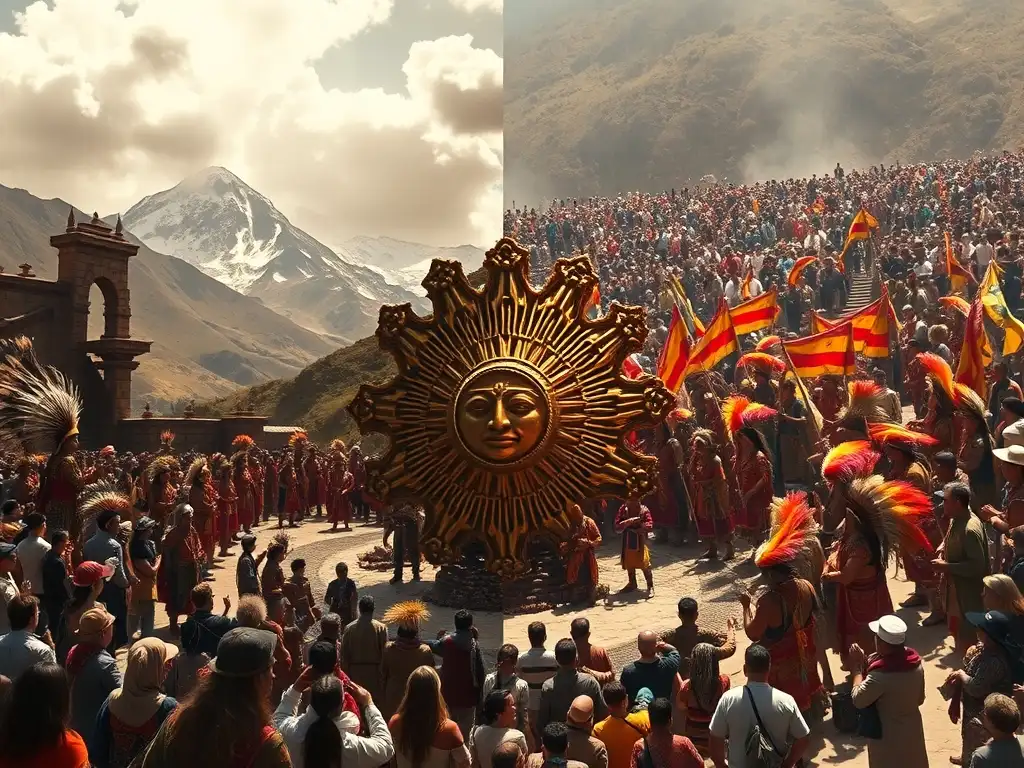
The modern Inti Raymi, while drawing heavily from historical accounts and archaeological findings, differs significantly from its ancient counterpart in several key aspects. Ancient Inti Raymi celebrations, as gleaned from fragmented chronicles and archaeological evidence, were likely more decentralized and less formalized than the large-scale spectacle we witness today. Smaller, localized festivities might have occurred across the Inca Empire, tailored to specific regional variations and agricultural cycles.
The involvement of the Sapa Inca, the supreme ruler, was undoubtedly central, but the scale and participation likely varied considerably based on location and the time of year. Furthermore, the specific rituals and offerings may have evolved over time and across different Inca regions, a level of diversity lost in the homogenized modern version.
Modern Inti Raymi, conversely, is a highly centralized event, primarily focused on Cusco and drawing massive crowds of both national and international tourists. The meticulous choreography, elaborate costumes, and the precise staging of the event aim to recreate a specific vision of the Inca past, often guided by interpretations from historical sources. While striving for authenticity, certain aspects are necessarily adapted for a modern audience, ensuring safety and managing the large influx of visitors.
This inevitably leads to modifications in the scale and execution of certain rituals, though the core spirit of reverence for the sun god Inti remains. The modern celebration acts as a powerful symbol of national identity and cultural heritage, showcasing Peru's rich Inca legacy to the world. This focus on spectacle, however, differs from the likely more intimate and spiritually focused nature of the ancient celebrations.
The similarities between the ancient and modern Inti Raymi are equally important to consider. Both versions center on the worship of Inti, the sun god, highlighting his importance in Inca cosmology and agriculture. The core elements of the festival, such as the sacrifices (though symbolic in modern times), the procession, and the prayers, are retained, albeit with modifications.
The vibrant colors, intricate costumes, and the overall festive atmosphere are also consistent across both iterations. The modern celebration, therefore, attempts to capture the essence of the ancient event, preserving its fundamental cultural and spiritual significance while adapting it to the demands of the present day. This careful balance between tradition and modernity is crucial to the ongoing success and relevance of the Inti Raymi festival.
The 2023 Inti Raymi: A Spectacle of Tradition and Culture
The 2023 Inti Raymi festival in Cusco provided a breathtaking display of Inca traditions and cultural heritage. Thousands of people gathered to witness the meticulously choreographed reenactment of the ancient ceremony, showcasing the incredible artistry and dedication of the participants. The event unfolded across multiple locations, starting in the Sacred Valley and culminating in the Plaza de Armas in Cusco.
The procession, featuring hundreds of performers dressed in vibrant traditional clothing, recreated the journey of the Inca emperor and his entourage to honor Inti. The costumes, meticulously crafted with intricate details, were a feast for the eyes, embodying the rich textile traditions of the Inca Empire. The use of traditional Andean musical instruments, like panpipes and drums, further enhanced the immersive experience, transporting spectators back in time.
The key moments of the 2023 Inti Raymi, such as the symbolic sacrifices and offerings to the sun god, were performed with a profound sense of reverence and solemnity. While the sacrifices were symbolic in the modern context, the act itself served as a powerful reminder of the central role of Inti in Inca religion and society. The speeches and performances incorporated elements of Quechua, the language of the Inca, adding another layer of authenticity and cultural richness to the event.
The sheer scale and spectacle of the 2023 Inti Raymi underscored its importance as a national celebration, fostering a sense of unity and pride among Peruvians. The event also served as a significant tourist attraction, showcasing Peru's cultural heritage to a global audience and contributing to the country's economy. The 2023 festival was a testament to the enduring power of Inca traditions and their continued relevance in modern Peruvian society.
The event successfully blended historical accuracy with contemporary performance, offering a captivating experience that resonated with both locals and visitors alike. The success of the 2023 Inti Raymi cemented its position as one of the most important cultural events in Peru, preserving and celebrating Inca heritage for future generations.
Inti Raymi: A Deeper Dive into Inca Mythology
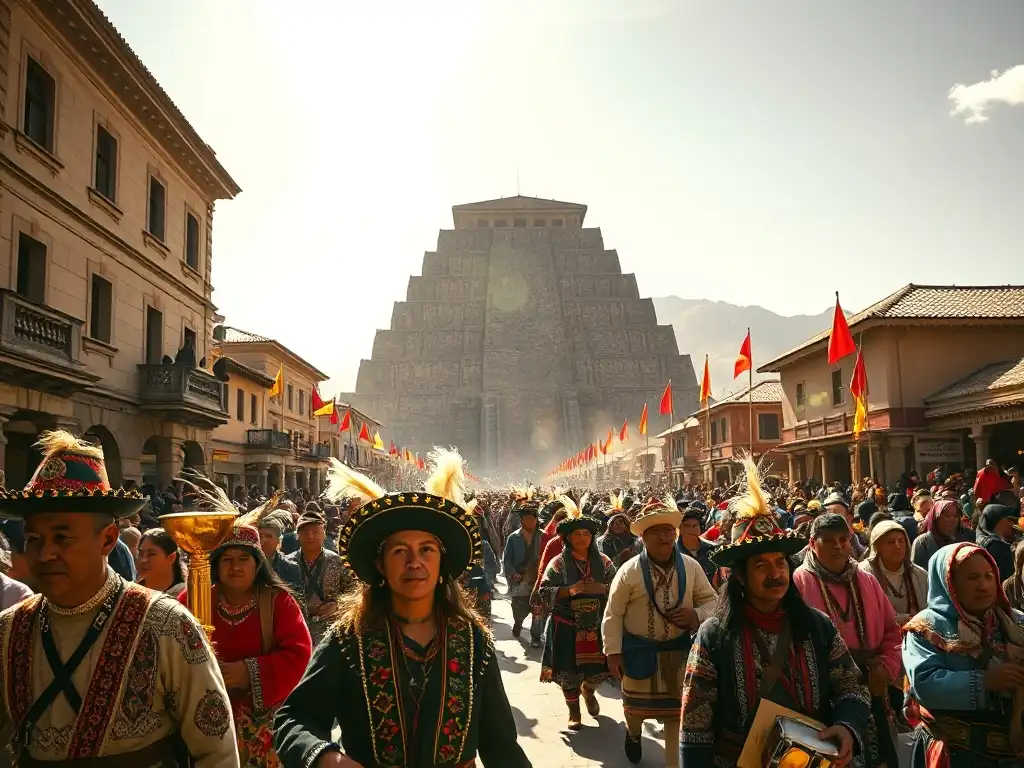
This section delves into the rich tapestry of Inca mythology woven into the vibrant threads of the Inti Raymi festival. Understanding the festival requires appreciating its deep roots in Inca cosmology and beliefs about the sun god, Inti. The festival wasn't merely a celebration; it was a sacred ritual reaffirming the Inca's relationship with the cosmos and their divine lineage. The grandeur of the ceremony reflected the Inca's profound reverence for Inti and his crucial role in their lives. The Inca believed that the sun's energy sustained all life, influencing agriculture, social order, and even their imperial power.
Inti Raymi and the Inca Creation Story
The Inti Raymi festival is intrinsically linked to the Inca creation myth. According to Inca mythology, the world emerged from a primordial void, a darkness illuminated by the radiant power of Inti, the sun god. Inti, the creator deity, is often depicted as a powerful and benevolent force, responsible for bringing life and order to the cosmos.
The Inca creation story emphasizes the sun's vital role in shaping the world and bestowing upon humanity its fundamental necessities. The festival's rituals, therefore, served as an annual reenactment of this creation, a symbolic renewal of the world's life force, a powerful act of reaffirming their existence and connection to the divine. These reenactments, meticulously crafted and performed, were not merely symbolic; they were considered crucial for the continued prosperity and well-being of the Inca empire.
The precise details of these reenactments, however, remain partially obscured by the passage of time and the destruction of Inca records. Further research is needed to fully understand the nuances of these sacred performances.
The Connection Between Inti Raymi and the Inca Calendar
The timing of the Inti Raymi festival was not arbitrary; it was precisely aligned with the Inca solar calendar. Celebrated on the solstice, around June 24th, the festival marked the beginning of the southern hemisphere's winter and the sun's apparent return to its northern journey. This astronomical event held immense significance for the Inca, symbolizing the sun's renewal and the promise of a bountiful harvest.
The meticulous observation of the celestial bodies was fundamental to Inca life and profoundly influenced their agricultural practices, social organization, and religious beliefs. The Inca calendar, highly sophisticated for its time, incorporated intricate knowledge of astronomy and mathematics, enabling them to precisely predict agricultural cycles and plan religious ceremonies such as Inti Raymi with remarkable accuracy. This precise timing underscores the interwoven nature of Inca religion, agriculture, and astronomy, all deeply ingrained within the framework of the Inti Raymi festival.
The Inti Raymi Festival as an Expression of Inca Cosmovision
Inti Raymi was far more than a seasonal celebration; it was a profound expression of the Inca cosmovision, their worldview. The festival showcased the Inca's understanding of the universe as a complex, interconnected system where the sun, the earth, and humanity were inextricably linked. The elaborate rituals and ceremonies were designed to maintain harmony within this cosmic order, ensuring the continued flow of energy and prosperity.
The festival's magnificence, involving thousands of participants and elaborate processions, illustrated the Inca empire's power and its deep-seated religious beliefs. The Inca's hierarchical social structure was clearly reflected in the festival's organization and participation, with the Sapa Inca, the emperor, playing a central role in the ceremonies. The offerings, prayers, and sacrifices performed throughout the festival were all intended to appease Inti and secure his continued favor, thereby ensuring the prosperity of the empire and the well-being of its people.
The Inti Raymi festival, therefore, provides invaluable insight into the Inca's sophisticated worldview and their unique relationship with the natural world. It is a testament to their advanced understanding of astronomy, their intricate social structure, and their deeply rooted religious beliefs. The legacy of the Inti Raymi festival continues to resonate today, offering a captivating glimpse into the heart of Inca culture and its rich spiritual traditions.
The Significance of Pachamama in Inti Raymi Celebrations
Pachamama, the Inca goddess of Earth, holds a position of paramount importance within the Inti Raymi festival, interwoven with the celebrations honoring Inti, the sun god. While Inti represents the celestial power, Pachamama embodies the fertile earth, the source of life and sustenance for the Inca people. The Inti Raymi festival isn't solely about celebrating the sun; it's a holistic acknowledgment of the interconnectedness of the cosmic and terrestrial realms, a vital balance crucial for the Inca worldview. The offerings made during Inti Raymi— llamas, maize, coca leaves, and chicha (a fermented corn beverage)— are not just for Inti, but also for Pachamama, demonstrating gratitude for the earth's bounty and ensuring its continued fertility.
The rituals involving the earth, such as the symbolic planting of seeds, further highlight Pachamama's central role in the festival, emphasizing the cyclical nature of life and the dependence on the earth's generosity. The success of the harvest, crucial for the Inca civilization's survival, was directly linked to appeasing both Inti and Pachamama, highlighting the deeply spiritual and practical significance of their combined veneration during Inti Raymi. Ignoring either deity would have been considered incredibly risky, potentially leading to crop failure and societal instability.
Therefore, the harmonious coexistence of these two powerful forces is a recurring theme throughout the festival, ensuring a prosperous year ahead. The vibrant colors and agricultural imagery present during the festivities also subtly reflect the earth's abundance and Pachamama's influence, creating a visually stunning representation of this vital connection. The festival is not simply a spectacle; it's a profound act of worship, acknowledging the foundational role of Pachamama in the Inca way of life.
The Legacy of Inti Raymi: Impact and Influence
The Inti Raymi festival, a vibrant celebration of the Inca sun god Inti, extends far beyond a mere spectacle. Its legacy resonates deeply within Andean culture, shaping traditions, beliefs, and even modern-day identities. The festival's enduring power lies in its ability to connect the past with the present, fostering a sense of continuity and pride in Inca heritage.
Understanding the profound impact of Inti Raymi requires exploring its multifaceted influence on Andean society, both historically and contemporarily. This enduring influence is reflected in various aspects of Andean life, showcasing the festival's significance as a potent symbol of cultural preservation and resilience.
The Influence of Inti Raymi on Andean Culture
Inti Raymi's influence permeates various facets of Andean culture. The festival's agricultural significance, for instance, is still observed in many communities. The timing of Inti Raymi, coinciding with the southern hemisphere's winter solstice, historically marked the beginning of the agricultural cycle.
This agricultural connection continues to be recognized through contemporary celebrations, where rituals and offerings related to the harvest are still performed. Furthermore, the artistic expressions inspired by Inti Raymi are undeniable. Traditional Andean music, textiles, and dance often incorporate themes and imagery directly related to the festival and the sun god Inti.
Many contemporary artists continue to draw inspiration from the rich visual and symbolic language of Inti Raymi, ensuring its continued relevance in contemporary Andean art. The festival also plays a crucial role in tourism, contributing significantly to the economies of regions where it's celebrated, further cementing its importance in modern Andean life. The economic impact, coupled with its cultural significance, demonstrates the multifaceted nature of Inti Raymi's influence.
The legacy of Inti Raymi is also evident in the perpetuation of Inca traditions. Many rituals and ceremonies performed during the festival are direct descendants of ancient Inca practices. These traditions, passed down through generations, provide a tangible link to the Inca past, reinforcing a sense of cultural identity and continuity among Andean communities.
The preservation of these traditions highlights the powerful role of Inti Raymi in maintaining a vital connection to Inca ancestry. Furthermore, the festival serves as a platform for the transmission of Inca knowledge and values to younger generations, ensuring the survival of cultural heritage in the face of modernization and globalization. This intergenerational transmission is critical for preserving Inca cultural heritage and ensuring that the legacy of Inti Raymi continues to thrive.
Understanding the Importance of Inti Raymi for Inca Heritage
Inti Raymi's importance for Inca heritage is paramount. It wasn't merely a celebration; it was a central element of the Inca worldview, deeply intertwined with their cosmology, social structure, and agricultural practices. The festival served as a powerful reminder of the Inca's connection to the sun god Inti, considered the supreme deity and source of life and sustenance.
The elaborate ceremonies, processions, and sacrifices performed during Inti Raymi reinforced the Inca emperor's divine authority and solidified the social hierarchy. The festival's significance extended beyond religious observance; it played a vital role in strengthening social bonds and promoting unity within the vast Inca empire. The shared experience of participating in Inti Raymi fostered a collective identity and reinforced the emperor's power and legitimacy.
The meticulous planning and execution of Inti Raymi demonstrate the high level of organization and sophistication of Inca society. The mobilization of resources, the coordination of participants from across the empire, and the precise timing of the ceremonies all speak to the advanced administrative capabilities of the Inca state. The festival itself served as a powerful demonstration of Inca power and authority, showcasing their mastery over resources and their ability to mobilize vast numbers of people for a common purpose.
Analyzing the logistics and organization of Inti Raymi provides valuable insights into the intricate workings of the Inca empire and its sophisticated social and political structures. The sheer scale and complexity of the festival offer a compelling glimpse into the Inca's remarkable organizational skills.
Inti Raymi as a Symbol of Inca Resilience
Despite the Spanish conquest and the subsequent suppression of Inca traditions, Inti Raymi has endured as a powerful symbol of Inca resilience. Although officially banned after the Spanish conquest, the festival's spirit persisted through clandestine celebrations and oral traditions. The enduring popularity of Inti Raymi demonstrates the deep-seated connection between the Inca people and their ancestral heritage.
The festival’s resurgence in the 20th century, particularly in Cusco, marks a significant act of cultural reclamation and a powerful assertion of Inca identity in the face of colonial oppression. The revival and continued celebration of Inti Raymi represent a remarkable testament to the enduring strength and cultural vitality of the Inca people.
The modern-day celebration of Inti Raymi is not merely a reenactment of past rituals; it is a dynamic and evolving tradition that adapts to contemporary circumstances while upholding its core values. The festival continues to be a source of cultural pride and national identity for Peruvians, and its enduring popularity reflects its significance as a symbol of resistance and cultural continuity. This resilience underscores the profound impact of Inti Raymi on Andean culture and its enduring power as a symbol of Inca heritage and survival.
The continued celebration of Inti Raymi, therefore, is a testament to the enduring spirit of the Inca people and their ability to maintain their cultural identity despite immense historical challenges. The festival's survival serves as an inspiring example of cultural preservation and resistance against oppression.
The Role of Inti Raymi in Promoting Cultural Tourism in Cusco
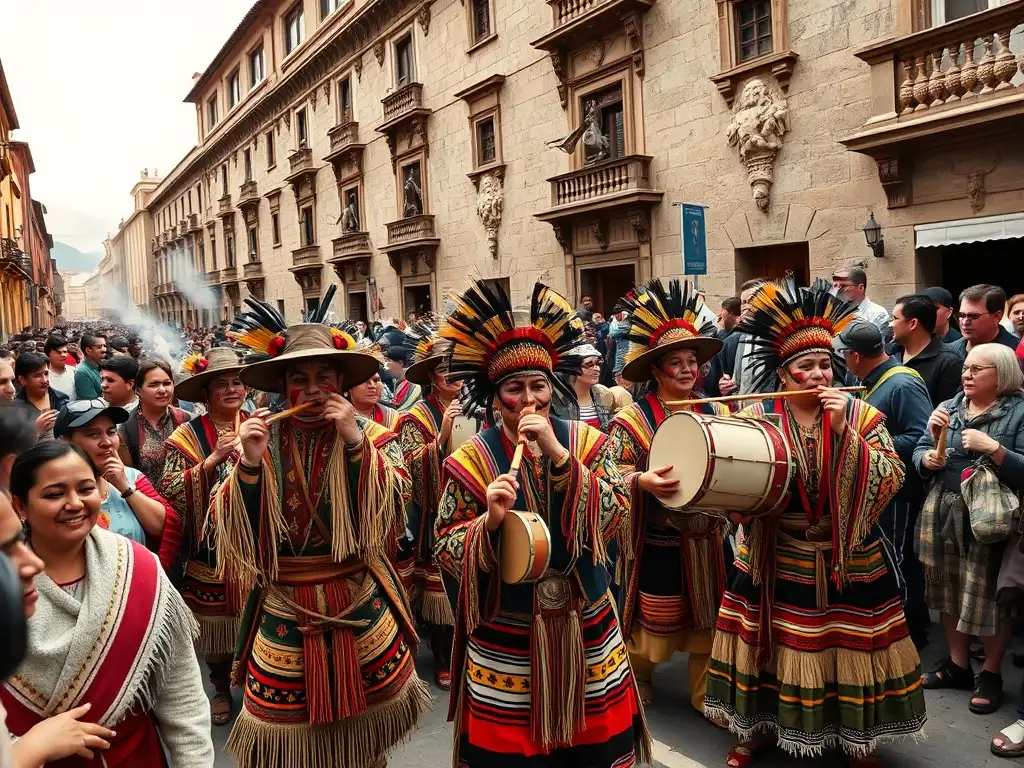
The Inti Raymi festival plays a pivotal role in boosting Cusco's cultural tourism. This vibrant celebration attracts thousands of visitors annually, injecting significant revenue into the local economy. Hotels, restaurants, tour operators, and artisan markets all experience a surge in business during the festival period. The influx of tourists not only supports local businesses but also creates employment opportunities for guides, transportation providers, and hospitality staff.
The economic impact extends beyond the immediate festival dates, with many tourists extending their stays to explore other aspects of Cusco's rich cultural heritage. The city's infrastructure, including museums and historical sites, also benefits from the increased attention and investment generated by the festival's popularity. Furthermore, the festival contributes to the preservation of Inca traditions and cultural practices, ensuring their continuity for future generations. The heightened global awareness of Inti Raymi, thanks to its growing popularity as a tourist attraction, helps to solidify Cusco's position as a premier destination for cultural tourism in South America.
The economic benefits are undeniable, supporting local communities and driving investment in preserving the Inca legacy. This positive feedback loop ensures that the Inti Raymi festival remains a cornerstone of Cusco's cultural and economic vitality. Moreover, the festival's success acts as a powerful model for other communities seeking to leverage their cultural heritage for sustainable tourism development. The careful management of the festival, balancing the needs of tourists with the preservation of cultural integrity, is crucial for its continued success and positive impact on the region.
The Festival's Impact on the Preservation of Inca Traditions
Inti Raymi's enduring popularity has a profound and positive impact on the preservation of Inca traditions. The elaborate preparations, costumes, and performances involved in the festival necessitate the active participation of local communities, fostering the transmission of knowledge and skills across generations. The festival acts as a living museum, showcasing ancient rituals, music, dance, and crafts, ensuring their continued relevance and practice. The meticulous recreation of Inca attire, musical instruments, and ceremonial practices requires extensive research and collaboration among historians, artisans, and community members.
This collaborative effort not only preserves tangible aspects of Inca culture but also safeguards the intangible heritage – the oral traditions, stories, and beliefs that underpin the festival's significance. The intense focus on authenticity within the festival helps to counteract the erosion of traditional practices that can occur due to modernization and globalization. The festival's popularity also fuels interest in further research and documentation of Inca history and culture, ensuring that future generations have access to a wealth of information and resources.
This active engagement with the past is critical for maintaining a strong sense of cultural identity and pride within the community. The ongoing preservation of Inca traditions through Inti Raymi helps to shape a stronger sense of community and collective identity, reinforcing the importance of cultural heritage for present and future generations. The festival serves as a powerful reminder of the resilience and enduring legacy of Inca civilization.
The Evolution of Inti Raymi: From Ancient Ritual to Modern Spectacle
The Inti Raymi festival, while rooted in ancient Inca rituals, has undergone a significant evolution over time. Initially, it was a solemn religious ceremony held by the Inca emperor and his court. The Spanish conquest brutally suppressed the festival, along with many other aspects of Inca religious practice. However, the spirit of Inti Raymi persisted in the collective memory of the Andean people.
In the 20th century, efforts to revive and reconstruct the festival began, drawing on historical accounts, archaeological evidence, and oral traditions. The modern-day Inti Raymi is a spectacular public event, drawing inspiration from historical sources but also incorporating elements of contemporary performance and staging. The scale and scope of the festival have dramatically expanded, reflecting its growing popularity and importance as a cultural symbol. While the core elements of the ancient ritual remain, the modern version has adapted to accommodate a larger audience and the evolving demands of a tourist-oriented event.
This evolution reflects the dynamic interplay between tradition and modernity, the need to adapt to changing circumstances while preserving the essence of the original ritual. The ongoing process of refinement and adaptation continues to shape the festival, ensuring its relevance and appeal to both local communities and international visitors. The balance between historical accuracy and modern spectacle is a crucial aspect of the festival's ongoing evolution. This continuous adaptation ensures that Inti Raymi remains a vibrant and engaging celebration of Inca heritage.
Exploring the Inca Inti Raymi Festival Traditions
This section delves into the fascinating traditions surrounding the Inca Inti Raymi festival, a celebration deeply rooted in Andean cosmology and Inca identity. Understanding these traditions provides crucial insight into the Inca worldview and their intricate relationship with the natural world, particularly the sun, the source of life and power. The Inti Raymi festival wasn't merely a spectacle; it was a complex ritual event with profound spiritual and social implications, reflecting the Inca empire's sophisticated social structure and religious beliefs. We'll explore key rituals, analyze the ceremony's structure, and uncover the spiritual significance of this pivotal solar festival.
Key Rituals and Practices of the Inti Raymi Festival
The Inti Raymi festival, meaning "Festival of the Sun," was a grand spectacle involving a series of meticulously planned rituals and practices. These weren't haphazard events; they were precisely choreographed to honor Inti, the Inca sun god, and reinforce the emperor's divine authority. Key rituals included:
- The Sacred Fire: The lighting of the sacred fire was a crucial moment, symbolizing the sun's life-giving energy. This fire, meticulously kindled using traditional methods, was considered sacred and imbued with spiritual power. The process itself was likely a highly ritualized event, involving priests and possibly specific offerings.
- Processions and Offerings: Elaborate processions, involving the emperor, priests, nobles, and commoners, moved through Cusco, the Inca capital. These processions carried offerings— llamas, precious metals, and agricultural products—to appease Inti and ensure a bountiful harvest. The scale and grandeur of these processions emphasized the importance of the event within Inca society.
- Sacrifices: While the exact nature and frequency of human sacrifices during Inti Raymi remain debated among scholars, evidence suggests that they were a part of the festival, particularly during times of perceived crisis or to ensure the sun's favor. This practice highlights the extreme devotion and the perceived necessity of appeasing the powerful sun god.
- Feasting and Celebration: The festival also involved communal feasting and celebration, reflecting the shared experience of honoring Inti and the unity of the Inca empire. The consumption of specific foods, likely with symbolic meaning related to the sun and agriculture, played an integral role.
The precise details of many rituals are unfortunately fragmented due to the destruction of Inca records following the Spanish conquest. However, surviving accounts from chroniclers and archaeological evidence provide valuable clues about the complexity and significance of these practices. Further research and analysis of archaeological findings may further illuminate the intricacies of the Inca Inti Raymi festival traditions.
Detailed Analysis of the Inca Inti Raymi Ceremony
The Inti Raymi ceremony was not a single event, but a multi-day spectacle with a carefully structured sequence of rituals. While the exact schedule might have varied slightly from year to year, the overall structure remained consistent, reflecting the Inca's emphasis on order and precision. The ceremony typically began at the Sacsayhuamán fortress overlooking Cusco, where the emperor performed key rituals, including the offering of sacred objects and possibly sacrifices. This location, commanding a breathtaking view of the surrounding landscape, symbolically linked the emperor and the Inca world with the cosmic order.
The ceremony then proceeded to the Qorikancha (Temple of the Sun) in Cusco, where more offerings were made and the emperor reaffirmed his divine connection to Inti. The final stage of the ceremony often involved a return to Sacsayhuamán, marking the culmination of the festival.
The participation of different social classes within the ceremony was also highly structured, reflecting the Inca's hierarchical social organization. The emperor, as the intermediary between the human and divine realms, held the central position, while priests, nobles, and commoners played distinct roles in the ritual proceedings. The careful orchestration of the ceremony underscores the significance of the event within the Inca social and religious framework. More research is needed to fully understand the subtle nuances of the ceremony's choreography and the symbolic meaning embedded within its various stages.
The Spiritual Significance of the Sun Festival for the Incas
For the Incas, the Inti Raymi festival held profound spiritual significance. The sun, Inti, was not merely a celestial body; it was the supreme god, the source of life, fertility, and imperial power. Honoring Inti through the festival was crucial for ensuring the well-being of the empire and its people. A successful harvest, plentiful rains, and the continued prosperity of the empire were all believed to be dependent on Inti's favor, which was sought through the rituals performed during the festival.
The emperor's role in the Inti Raymi festival was central to its spiritual significance. As the Sapa Inca, the emperor was considered a divine intermediary between Inti and the Inca people. His participation in the rituals legitimized his authority and reinforced his position as the supreme ruler, chosen by the sun god himself.
The festival, therefore, served not only as a religious observance but also as a powerful political statement, solidifying the emperor's power and the unity of the empire. The intricate interplay between religious beliefs and political power within the context of the Inti Raymi festival is a captivating aspect of Inca civilization, illustrating the deeply integrated nature of religion and state in their society. Further research into Inca religious texts and iconography could provide a deeper understanding of the nuances of this intricate relationship.
The Ritual of the Offering of the Chicha and its Symbolism
The offering of chicha, a fermented maize beverage, was a central ritual during the Inti Raymi festival, deeply symbolic of Inca cosmology and agricultural abundance. The preparation itself was a sacred act, involving meticulous selection of the finest corn, its careful grinding, and the precise fermentation process overseen by experienced mamacocas (female brewers). This wasn't simply a drink; it represented the lifeblood of the Inca empire, mirroring the cyclical nature of life, death, and rebirth, closely tied to the sun's power and the agricultural cycle.
The chicha wasn't consumed casually. Its offering to Inti, the sun god, was a profound act of reverence and appeasement. The ritual typically involved pouring the chicha onto the sacred stones or into specially prepared vessels, often accompanied by prayers and songs praising the sun's generosity and power.
The act of pouring wasn't haphazard; it followed specific movements and gestures, demonstrating respect and understanding of the sacred nature of the offering. The quantity of chicha offered often correlated with the size and importance of the community or the specific occasion within the Inti Raymi celebrations. A larger offering signified greater reverence and a more fervent plea for a bountiful harvest.
Furthermore, the symbolism extended beyond the simple act of pouring. The fermentation process of the chicha itself mirrored the transformation of the earth and its bounty, reflecting the cyclical nature of life and death. The sweet and slightly intoxicating nature of the chicha was believed to be a reflection of Inti's power and generosity, a gift from the sun god to sustain and nourish the Inca people.
The sharing of the chicha among participants further solidified the community bond, reinforcing their collective identity and shared devotion to Inti. The shared consumption of this sacred beverage was a potent symbol of unity and shared purpose, underpinning the social structure and spiritual beliefs of the Inca civilization.
Archaeological evidence, while limited, supports the importance of chicha in Inca rituals through the discovery of ceremonial vessels and evidence of large-scale chicha production. The enduring legacy of chicha in Andean cultures today underscores its continued significance and enduring connection to Inca traditions.
Frequently Asked Questions
What is Inti Raymi?
Inti Raymi is a celebration of the Inca sun god, Inti. It's a vibrant festival that recreates ancient Inca traditions and honors their heritage. The festival involves music, dance, and elaborate costumes.
When and where is Inti Raymi celebrated?
The main Inti Raymi celebration takes place annually on June 24th in Cusco, Peru. Smaller celebrations may occur in other locations throughout the Andes region.
What are the main traditions of Inti Raymi?
Key traditions include processions, sacrificial offerings (symbolically recreated today), and dramatic performances depicting Inca mythology and history. Music and dance play a crucial role in the festivities.
How does Inti Raymi connect to Inca ancestry?
Inti Raymi is a powerful way to reconnect with Inca heritage. It allows modern Peruvians and visitors to experience and understand the beliefs and practices of their ancestors.
Why is Inti Raymi important for Peruvian culture?
Inti Raymi is a significant cultural event, preserving and promoting Inca traditions. It boosts tourism and fosters a sense of national pride and identity in Peru.
Final Reflection: The Enduring Legacy of Inti Raymi
The vibrant spectacle of Inti Raymi continues to resonate today, a powerful testament to the enduring spirit of Inca civilization and its profound connection to the natural world. More than just a historical reenactment, the festival serves as a living bridge between the past and the present, reminding us of the importance of cultural preservation and the enduring power of ancestral traditions in shaping our identities.
The echoes of Inti Raymi's grandeur reverberate through the cultural landscape of Peru and beyond, influencing artistic expression, tourism, and even contemporary social movements that champion indigenous rights and cultural pride. The festival's enduring appeal lies in its ability to connect people to something larger than themselves, fostering a sense of shared heritage and collective identity. The past is never dead. It's not even past.
– William Faulkner. This quote perfectly encapsulates the enduring relevance of Inti Raymi, a celebration that transcends time and continues to shape our understanding of Inca history and culture.
Consider the profound impact of this ancient celebration. What aspects of your own heritage resonate with the spirit of Inti Raymi? How can we, as individuals and as a global community, better preserve and celebrate the rich tapestry of cultural traditions that enrich our world? Let the vibrant colors and powerful energy of Inti Raymi inspire you to explore your own roots, to embrace the beauty of diversity, and to champion the preservation of cultural heritage for generations to come.
Embrace the Spirit of Inti Raymi!
Thank you for exploring the vibrant celebration of **Inti Raymi** and the rich cultural heritage of the Inca. Your interest in these traditions helps keep the spirit of our ancestors alive! Now that you've learned about the significance of this festival, let's explore ways to deepen your connection with Andean culture.
Here are some suggestions:
- Attend an **Inti Raymi celebration** in your local community, or plan a trip to Cusco to experience the festival firsthand. The energy of the festivities is truly unforgettable!
- Share your newfound knowledge of **Inti Raymi** with friends and family, or spread the word on social media. Let's generate excitement about this incredible festival!
- Learn more about **Inca history and traditions**. There are many resources available, including books, documentaries, and local museums, to enrich your understanding of this profound culture.
What aspects of Inti Raymi resonate most with you, and how will you share this knowledge with others?