
Bartering for Survival: How Andean Communities Thrived Through Exchange

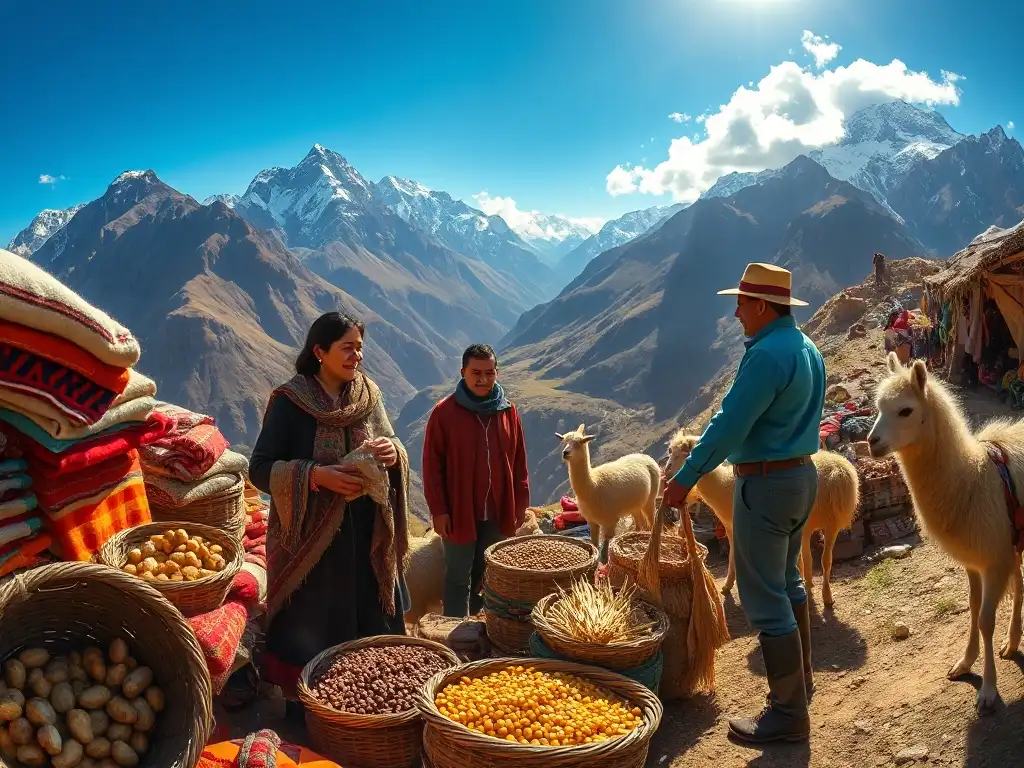
Step into a world lost to time, yet echoing with the vibrant pulse of ingenuity. Discover the secrets of the Andean civilizations, where intricate societies flourished not through currency, but through a complex system of bartering. Intrigued by how these ancient communities thrived on exchange? Dive into our exploration of Andean civilizations bartering methods and uncover the fascinating strategies that ensured their survival and prosperity. Prepare to be amazed by the ingenuity of a lost world.
-
Andean Civilizations Bartering Methods: A Survival Strategy
- The Significance of Exchange in Ancient Andean Societies
- Pre-Incan Bartering Practices: Regional Trade Networks
- Inca Barter System: Expanding Exchange Across the Empire
- Bartering Methods and Techniques in Andean Cultures
- The Impact of Bartering on Andean Society
- Surviving Through Exchange: The Legacy of Andean Bartering
- Conclusion: The Enduring Power of Andean Exchange
-
Frequently Asked Questions
- What were the primary goods used in Andean bartering systems?
- How did the geography of the Andes impact bartering practices?
- Did the Incas have a formal currency system alongside bartering?
- How did bartering contribute to the development of Andean societies?
- Were there any specialized marketplaces or trading centers in Andean civilizations?
- Final Reflection: The Enduring Legacy of Andean Exchange
- Embrace the Spirit of Bartering Today!
Andean Civilizations Bartering Methods: A Survival Strategy
The intricate tapestry of Andean civilizations, renowned for their architectural marvels like Machu Picchu and their sophisticated agricultural techniques, was woven together not only by skilled artisans and powerful rulers, but also by a robust system of bartering and exchange. This article delves into the fascinating world of Andean trade, exploring how these diverse communities, from the Incas to the Moche and Nazca, utilized bartering as a crucial survival strategy long before the advent of monetary systems.
We will examine the significance of exchange networks in shaping Andean societies, the specific goods traded, and how geographic factors influenced the development of distinct regional bartering practices. Understanding these methods provides crucial insight into the resilience and ingenuity of these ancient cultures, showcasing their ability to thrive and connect across vast and challenging terrains.
The keyword "Andean civilizations bartering methods" will be explored in detail, revealing the complexity and sophistication of these ancient economic systems.
The Significance of Exchange in Ancient Andean Societies
The role of bartering in Andean societies extended far beyond simple transactions; it was deeply intertwined with social structures, religious beliefs, and political power. Exchange wasn't merely about acquiring goods; it fostered alliances, solidified social hierarchies, and facilitated the distribution of vital resources across diverse ecological zones. The movement of goods, such as textiles, ceramics, and precious metals, fostered communication and cultural exchange, creating interconnected networks that spanned hundreds of kilometers.
These networks played a critical role in the development and growth of Andean societies, allowing for the specialization of labor and the accumulation of wealth and power. The sheer scale and complexity of these exchange systems are a testament to the sophisticated organizational capabilities of these ancient civilizations.
Understanding the significance of this exchange is key to unlocking a deeper understanding of Andean societal structures and their remarkable achievements. Moreover, analyzing the types of goods exchanged offers insights into the relative value systems and priorities of different Andean groups.
Pre-Incan Bartering Practices: Regional Trade Networks
Before the Inca Empire's expansion, a multitude of independent Andean societies flourished, each with its unique bartering practices shaped by local resources and geographic conditions. These pre-Inca communities engaged in extensive regional trade networks, exchanging goods across diverse ecological zones. The exchange of both everyday necessities and luxury items highlights the interconnectedness of these seemingly disparate societies and their shared participation in a complex economic system.
While specific details remain partially obscured by the passage of time, archaeological evidence, such as the discovery of distant artifacts in unexpected locations, clearly indicates the prevalence and importance of pre-Inca bartering. The persistence of these trade networks across generations underscores their significance for the survival and prosperity of these communities. The intricate web of pre-Inca bartering laid the groundwork for the later, more centralized system implemented by the Inca Empire.
Early Forms of Andean Exchange: Obsidian, Spondylus Shells, and Coca Leaves
Certain goods held particular importance in early Andean exchange systems. Obsidian, a volcanic glass prized for its sharpness, was traded extensively, serving as a raw material for tools and weapons. Its presence in sites far from its source indicates widespread trade networks. Similarly, spondylus shells, sourced from the Pacific coast, were highly valued and used in ceremonial objects, demonstrating the importance of coastal resources in Andean exchange.
Coca leaves, with their stimulating and medicinal properties, played a crucial role in Andean culture and were likely traded widely, contributing to social cohesion and religious rituals. These examples illustrate the diversity of goods exchanged and the importance of both practical and symbolic items in the Andean bartering system. Further research is needed to fully quantify the volume and extent of trade in these and other key commodities.
The Role of Geography in Shaping Barter Systems
The Andes' diverse geography profoundly impacted the development of bartering practices. The mountainous terrain, varying altitudes, and distinct ecological zones created regional specialization in resource production. Coastal communities specialized in fishing and shell collection; highland communities focused on agriculture and camelid herding. This geographic diversity fostered interdependence and necessitated extensive exchange networks.
The challenging terrain, however, also presented obstacles to trade, influencing the development of specific routes and transportation methods. The Inca's later construction of roads and infrastructure further facilitated trade, but even before this, ingenious systems of exchange had already been established, adapting to the unique challenges of the Andean landscape. The interaction between geography and trade is a key factor in understanding the development and evolution of Andean bartering practices.
Inca Barter System: Expanding Exchange Across the Empire
The Inca Empire, renowned for its sophisticated organization and vast infrastructure, employed a complex barter system to manage resource distribution across its expansive territory. Unlike many other civilizations that relied on monetary systems, the Inca economy thrived on a meticulous system of reciprocity and redistribution, effectively functioning as a large-scale barter network. This system, while seemingly simple at first glance, was remarkably efficient in ensuring the survival and prosperity of diverse communities within the empire.
The Inca's mastery of logistics, coupled with their centralized administrative structure, allowed them to effectively manage the flow of goods and services across vast distances, connecting remote mountain villages with bustling urban centers. This intricate network facilitated the exchange of essential resources, contributing significantly to the empire's stability and longevity.
The success of the Inca barter system serves as a testament to the power of organized exchange in supporting a large and complex society. It highlights the importance of social structures and efficient logistics in managing resource distribution, even in the absence of a formal monetary economy.
The Inca Economy: Beyond Money
Contrary to popular misconceptions, the Inca did not utilize a formal monetary system. Instead, their economy revolved around a sophisticated system of resource management and exchange, primarily based on bartering and redistribution. This system was deeply integrated into the Inca worldview, reflecting their understanding of reciprocal obligations and community interdependence. The absence of money didn't hinder economic activity; rather, it fostered a strong sense of community responsibility and ensured that resources were allocated according to the needs of the empire as a whole.
The state played a central role in this system, collecting surpluses from productive regions and redistributing them to areas facing shortages. This ensured the stability of the empire and prevented widespread economic hardship. The effectiveness of this non-monetary system underscores the fact that economic prosperity doesn't necessarily require a formal currency.
Reciprocity and Redistribution within the Inca Empire
Reciprocity and redistribution were the cornerstones of the Inca economy. The ayllu, the fundamental social and economic unit, operated on principles of mutual support and shared responsibility. Members of the ayllu were obligated to contribute their labor and resources to the community, receiving in return access to communal lands, resources, and support during times of need.
This system of reciprocal obligations ensured the equitable distribution of resources within the ayllu. At a larger scale, the Inca state played a crucial role in redistributing resources throughout the empire. Surpluses from fertile agricultural regions were collected and stored in state granaries, then distributed to areas experiencing droughts or other hardships.
This system not only ensured the survival of the population but also fostered loyalty and stability within the empire. The Inca's ability to manage this complex system of redistribution speaks volumes about their administrative capabilities and their understanding of the importance of social cohesion.
Key Products Exchanged: Textiles, Potatoes, Maize, and Dried Fish
The Inca barter system involved the exchange of a wide range of goods, reflecting the diverse agricultural and craft production within the empire. Textiles, renowned for their intricate designs and high quality, were highly valued and traded extensively. Potatoes, a staple crop, formed the backbone of the Inca diet and were exchanged throughout the empire. Maize, another crucial agricultural product, was also a key commodity in the barter system.
Finally, dried fish, particularly important in coastal regions, played a significant role in the exchange network, providing a vital source of protein to inland communities. The efficient distribution of these key products, facilitated by the Inca's sophisticated road system and administrative structure, was essential to the empire's economic stability and social cohesion. The strategic movement of these goods highlights the Inca’s understanding of resource management and their ability to leverage their infrastructure to support their barter system.
Bartering Methods and Techniques in Andean Cultures
Beyond the Inca, other Andean civilizations also relied heavily on bartering as their primary economic system. These diverse cultures developed unique methods and techniques for conducting exchange, reflecting their specific environmental conditions and social structures. While the specifics varied from region to region, the underlying principles of reciprocity and mutual benefit remained consistent across different Andean communities.
The absence of a standardized currency didn't hinder the efficiency of these bartering systems; instead, it fostered strong social bonds and facilitated cooperation among different groups. Understanding the intricacies of these different bartering systems provides valuable insights into the economic strategies and social structures of various Andean civilizations.
Types of Goods Exchanged: Agricultural Products, Crafted Goods, and Raw Materials
The goods exchanged in Andean bartering systems encompassed a wide spectrum of agricultural products, crafted goods, and raw materials. Agricultural goods, such as potatoes, maize, quinoa, and coca leaves, formed the basis of the exchange. Crafted goods, including textiles, pottery, metalwork, and stone carvings, were also highly valued and traded extensively.
Raw materials, such as precious metals, stones, and dyes, were essential for craft production and were actively exchanged between different communities. The diversity of goods exchanged reflects the specialized production and resource distribution within different Andean regions. The intricate networks connecting these regions facilitated the flow of goods and services, supporting economic interdependence and cultural exchange.
The Role of Labor Exchange in Andean Communities
Labor exchange played a vital role in Andean societies, complementing the exchange of goods. The ayni system, prevalent in Inca society, involved the reciprocal exchange of labor services among community members. This system ensured that tasks requiring collective effort, such as agricultural work, construction projects, or communal activities, could be efficiently completed.
Labor exchange not only fostered community cohesion but also ensured the equitable distribution of workload within the ayllu. This system underscores the importance of social cooperation and mutual support in Andean societies, highlighting the interconnectedness of economic and social structures. The ayni system is a compelling example of how labor itself could function as a form of currency in a barter economy.
Rituals and Protocols Associated with Barter
Bartering in Andean cultures was often accompanied by rituals and protocols that transcended simple economic transactions. These rituals and protocols reflected the deep-seated social and spiritual beliefs of Andean communities. The exchange of goods was not merely an economic act but also a social and spiritual event, strengthening social bonds and reinforcing community ties. Specific rituals and ceremonies might have accompanied important exchanges, ensuring the fairness and legitimacy of the transaction.
While precise details of these rituals are often scarce in surviving records, their significance in the broader social and economic context is undeniable. The integration of ritual into the process of exchange underscores the holistic nature of Andean culture, where economic activity was intertwined with religious and social practices. Further research into Andean archeological sites and surviving texts could provide more detailed information on specific rituals.
The Impact of Bartering on Andean Society
Social and Economic Structures Shaped by Exchange
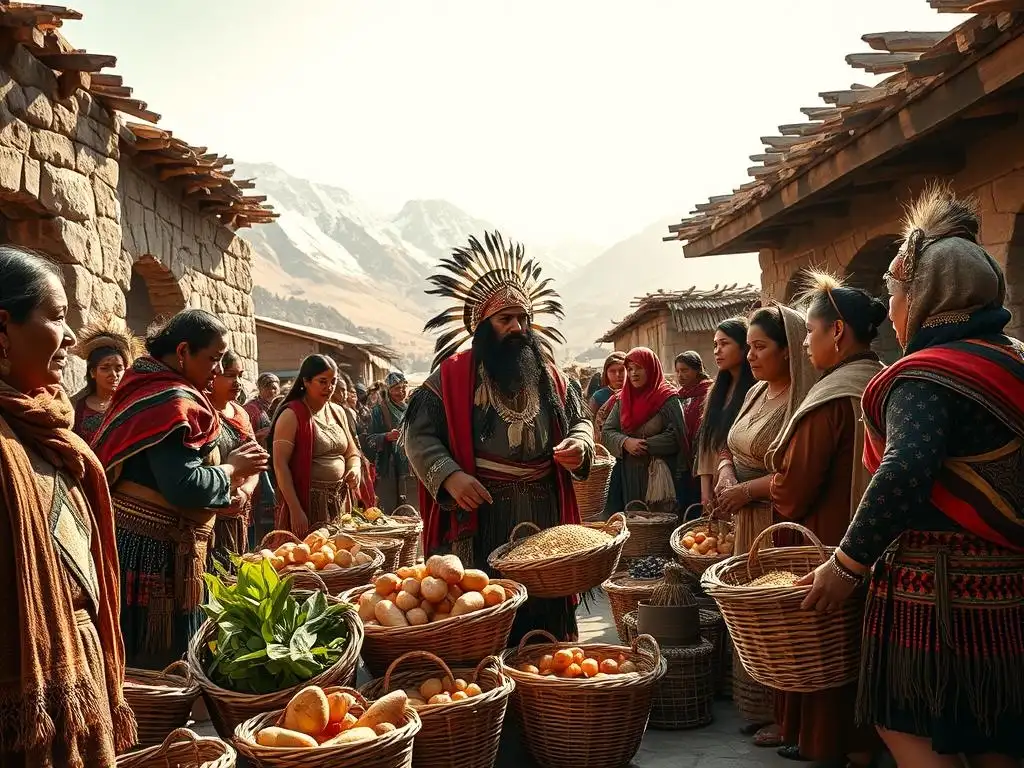
Bartering profoundly shaped the social and economic fabric of Andean societies. The intricate networks of exchange weren't merely transactional; they fostered strong social bonds and solidified political alliances. The reciprocal nature of bartering created a sense of interdependence and mutual obligation, strengthening community cohesion. Those with specialized skills or access to rare resources held significant social standing, reflecting the value placed on their contribution to the overall economic well-being of the community.
This system, unlike centralized market economies, distributed power more evenly, although hierarchies certainly existed based on access to resources and expertise. The success of a community often depended on the strength of its reciprocal exchange networks, highlighting the crucial link between economic activity and social stability. For instance, communities specializing in pottery might trade their wares for agricultural products from neighboring settlements, resulting in a mutually beneficial relationship that fostered cooperation and reduced the risk of conflict.
The Importance of Barter for Resource Access
Access to diverse resources was paramount for survival in the challenging Andean environment. Barter facilitated the distribution of essential goods across varied ecological zones. Coastal communities, rich in fish and marine products, exchanged these for highland agricultural goods like potatoes and quinoa. Similarly, communities with access to specific minerals or precious metals traded them for textiles or other necessities.
This inter-community exchange mitigated the risk of resource scarcity and ensured a more balanced distribution of essential goods. The complex system of bartering allowed for the effective management of resources across diverse geographical locations, demonstrating a sophisticated understanding of resource allocation and economic interdependence. Without this system, many communities would have faced significant hardship and potential failure. The sheer variety of goods exchanged, from everyday necessities to luxury items, reveals the complexity and efficiency of the Andean barter system.
Barter Systems and Community Resilience
The Andean barter system proved remarkably resilient in the face of environmental challenges and social upheaval. Its decentralized nature meant that disruptions in one area didn't necessarily cripple the entire system. If one community experienced a poor harvest, they could still rely on their established exchange relationships to obtain vital resources from other communities. This built-in redundancy provided a crucial buffer against famine and other crises.
The flexibility of the system allowed for adaptation to changing circumstances, such as shifting climatic conditions or political instability. The strong social bonds fostered by reciprocal exchange helped communities navigate difficult times, demonstrating the resilience and adaptability of the Andean barter system. This resilience is a testament to the wisdom and ingenuity of the Andean people in developing a sustainable economic model.
Surviving Through Exchange: The Legacy of Andean Bartering
Modern Day Barter Practices in Andean Communities
While formal monetary systems are now prevalent, vestiges of traditional Andean bartering practices persist in many communities. In remote areas, particularly, bartering remains a significant part of the local economy. This often involves the exchange of goods and services, reflecting a continuation of age-old traditions. The exchange of labor, for example, remains common, with neighbors helping each other with agricultural tasks or construction projects.
This informal system supplements formal economic activity and reinforces social ties within the community. The persistence of these practices demonstrates the enduring relevance of the traditional Andean economic model, even in a globalized world. This highlights the adaptability and continued value of these systems.
Lessons from the Andean Barter System for Sustainable Practices
The Andean barter system offers valuable lessons for contemporary sustainable practices. Its emphasis on local exchange reduces reliance on long-distance transportation, minimizing the environmental impact associated with global trade. The system's inherent focus on resource sharing and community cooperation provides a model for more equitable and resilient economic systems.
The Andean experience highlights the importance of fostering strong community bonds and promoting local self-reliance as key components of sustainable development. By studying the Andean barter system, we can gain insights into creating more environmentally friendly and socially just economic models for the future. The principles of reciprocity, resource management, and community cooperation embedded within the system remain highly relevant in today's world, offering valuable lessons for sustainable development and economic resilience.
Conclusion: The Enduring Power of Andean Exchange
The sophisticated bartering systems employed by Andean civilizations weren't merely economic mechanisms; they were integral to the social fabric and survival of these communities. The intricate networks of exchange, built on trust, reciprocity, and a deep understanding of resource distribution, fostered cooperation and ensured the availability of essential goods across diverse ecological zones. From the meticulously organized systems of the Inca Empire to the regionally specific practices of earlier cultures like the Moche and Nazca, the ability to effectively barter goods and services proved crucial for navigating challenges like environmental variability and population growth. The legacy of these exchange networks is not solely historical; understanding their complexities offers valuable insights into sustainable resource management and community building, particularly relevant in today's interconnected world.
The enduring power of Andean exchange lies not just in its economic efficiency but in its profound social and cultural impact, shaping the very identity and resilience of these remarkable civilizations. While specific details regarding the precise volume of goods exchanged or the exact nature of certain transactions may remain elusive due to limited surviving records, the overarching significance of bartering in Andean societies is undeniable. The meticulous organization, sophisticated logistical strategies, and deeply ingrained social norms surrounding trade paint a vivid picture of a people who masterfully adapted to their environment and built thriving societies through ingenious systems of exchange.
The study of Andean bartering methods provides a compelling case study in the power of cooperation, resource management, and the enduring human capacity for innovation in the face of adversity. Furthermore, analyzing these historical practices offers valuable lessons for contemporary societies grappling with issues of sustainable development and equitable resource distribution. The sophisticated and deeply ingrained nature of Andean bartering systems continues to inspire and inform our understanding of economic and social structures, reminding us of the profound interconnectedness of human societies and their environment.
Frequently Asked Questions
What were the primary goods used in Andean bartering systems?
Andean communities bartered a wide variety of goods. Textiles, pottery, agricultural products like maize and potatoes, and metalwork were all commonly exchanged, depending on the region and its resources. The specific items varied greatly.
How did the geography of the Andes impact bartering practices?
The rugged terrain of the Andes made long-distance travel difficult. This resulted in a system of localized exchange, with communities specializing in specific goods and trading with their neighbors. Verticality in the Andes also encouraged exchange between different ecological zones.
Did the Incas have a formal currency system alongside bartering?
While the Incas primarily relied on barter, they also utilized a system of tribute and mita labor which functioned similarly to a form of currency. They did not use coins or standardized monetary units in the same way as other civilizations.
How did bartering contribute to the development of Andean societies?
Bartering fostered inter-community relationships and facilitated the distribution of resources. This exchange network helped Andean communities survive and thrive in diverse and challenging environments. It promoted specialization and economic interdependence.
Were there any specialized marketplaces or trading centers in Andean civilizations?
While not as formally structured as marketplaces in some other cultures, certain locations served as important exchange points. These were often situated along major trade routes or at points where different ecological zones met. Regional variations existed in the organization of these exchange systems.
Final Reflection: The Enduring Legacy of Andean Exchange
The ingenious bartering systems of Andean civilizations offer a powerful counterpoint to modern economic models, demonstrating the resilience and ingenuity of human societies in the face of scarcity. Their sophisticated understanding of reciprocal exchange, far from being a relic of the past, provides valuable lessons for navigating the complexities of our interconnected world, where sustainable practices and community cooperation are increasingly crucial.
The impact of Andean bartering extends far beyond the historical record; it continues to resonate in contemporary discussions surrounding equitable resource distribution and community-based economies. The emphasis on reciprocal relationships and the deep understanding of interdependence inherent in these systems offer a powerful critique of exploitative practices. The true wealth of a nation is not its gold and silver, but its people and their ability to cooperate.
This sentiment, though not directly from an Andean source, perfectly encapsulates the spirit of their economic philosophy, highlighting the value placed on human connection and mutual support over individual gain.
Consider the implications of this ancient wisdom for your own life. How can you foster more reciprocal relationships in your community? How can you consciously choose to support sustainable and ethical practices that prioritize community well-being over short-term profit? The Andean example urges us to re-evaluate our priorities and to embrace a more holistic and interconnected approach to economic life, one that values collaboration and mutual respect above all else. Let the legacy of Andean bartering inspire you to build a more just and sustainable future.
Embrace the Spirit of Bartering Today!
Thank you for learning about how Andean communities used bartering to thrive and overcome hardship. This rich tradition of exchange not only builds relationships but also strengthens communities. Now, you can harness this timeless practice!
Here are some exciting ways to incorporate bartering into your life:
- Start Your Own Barter Group: Gather friends or neighbors to create a local exchange network where you can freely share skills, goods, and services.
- Explore Online Bartering Platforms: Join online communities dedicated to bartering—discover new skills, goods, and build meaningful connections.
- Participate in a Community Swap: Look for local swap meets or organize one to exchange unwanted items for things you need or want.
Consider how bartering could transform your daily interactions and strengthen your community bonds.