
The Power of Observation: How Andean Astronomy Influenced Society

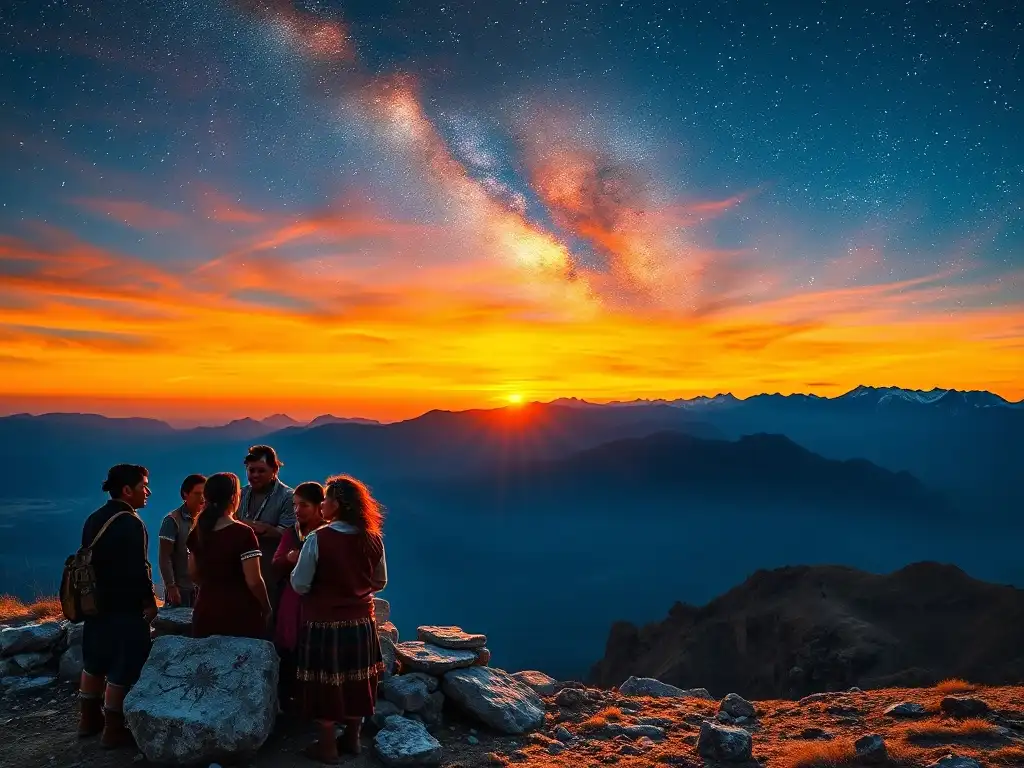
Unravel the mysteries of a sky brimming with meaning. For centuries, the Andean civilizations looked to the heavens, not just for guidance, but for the very foundation of their societies. Discover how Andean astronomy profoundly influenced every aspect of their lives, from agriculture and architecture to their complex social structures. Dive into the fascinating world of celestial observation and uncover the secrets behind the power of the stars in shaping these remarkable cultures. Prepare to be amazed by the intricate relationship between the heavens and the earth in our exploration of Andean astronomy's influence on society.
The Andes Mountains, a spine of towering peaks stretching along the western coast of South America, were not just a geographical feature for the ancient civilizations that thrived there; they were a celestial observatory, a source of spiritual meaning, and a crucial element shaping their societal structures. This article explores the profound influence of Andean astronomy on the daily lives, agricultural practices, religious beliefs, and political organization of cultures like the Inca, Moche, Nazca, and Tiahuanaco. We will delve into how their keen observations of the cosmos directly impacted their social fabric, demonstrating the intricate connection between the heavens and earthly existence in the Andes.
Understanding Andean astronomy is key to understanding the rise of complex societies in this remarkable region. The meticulous tracking of celestial events wasn't merely a pastime; it was a fundamental aspect of their worldview and a driving force behind their societal advancements.
Celestial Calendars and Agricultural Practices
Andean civilizations developed sophisticated calendars based on their observations of the sun, moon, and stars. These weren't simply tools for tracking time; they were essential for planning agricultural activities. The precise timing of planting and harvesting was crucial for survival in the challenging Andean environment.
For example, the Inca meticulously tracked the solstices and equinoxes, using this knowledge to optimize planting cycles and ensure bountiful harvests. Detailed records, though often passed down orally, indicated a deep understanding of seasonal variations and their impact on crop yields. The ability to predict these cycles allowed for efficient resource management and contributed significantly to the stability and prosperity of their communities.
This precision in agricultural planning, directly linked to astronomical observations, stands as a testament to their advanced understanding of the natural world and its rhythms. The Inca's success in feeding a large population was, in no small part, a consequence of their astronomical expertise.
Religious and Spiritual Beliefs
The Andean worldview was deeply intertwined with celestial phenomena. The sun, moon, and stars were not just physical entities; they were powerful deities, influencing the lives of mortals and shaping their destinies. Many Andean religious practices were directly connected to astronomical events. Festivals, rituals, and ceremonies were often timed to coincide with solstices, equinoxes, and the appearances of specific constellations.
These events were seen as auspicious moments for communicating with the divine and seeking blessings for the community. For instance, the Nazca lines, while their exact purpose remains debated, are speculated to have served as astronomical markers, potentially linked to religious ceremonies and rituals. The intricate relationship between the celestial and the terrestrial realms is clearly reflected in their art, architecture, and mythology, showcasing the profound impact of astronomy on their spiritual beliefs.
Architectural Alignment and Urban Planning
The meticulous observation of the cosmos also influenced the design and layout of Andean cities and structures. Many buildings, temples, and ceremonial sites were purposefully aligned with significant astronomical events, such as the rising and setting of the sun during solstices. This alignment wasn't accidental; it reflected a conscious effort to integrate the celestial and terrestrial realms.
The precise orientation of structures like Machu Picchu, for example, suggests a sophisticated understanding of astronomy and its application in urban planning. This intentional integration of astronomical principles into architecture underscores the importance of celestial events in their worldview and their ability to incorporate these observations into their built environment. This sophisticated planning contributed to the creation of impressive and functional urban centers.
Political Power and Legitimacy
Andean rulers often used their knowledge of astronomy to enhance their political power and legitimacy. By acting as intermediaries between the celestial and terrestrial realms, they reinforced their authority and divine right to rule. The ability to predict celestial events and interpret their significance conferred upon them a level of prestige and authority that solidified their position within society.
This connection between astronomical knowledge and political power highlights the crucial role of astronomy in shaping the social hierarchy and maintaining social order within Andean societies. The ruler's mastery of astronomical knowledge was a key factor in establishing and maintaining their leadership.
The influence of Andean astronomy on society was far-reaching, impacting every aspect of life from agriculture to religion and politics. Their detailed observations and sophisticated understanding of the cosmos allowed them to create thriving societies that flourished in a challenging environment. The legacy of their astronomical knowledge continues to inspire awe and wonder, highlighting the remarkable achievements of these ancient civilizations.
- Celestial Calendars and Agricultural Practices
- Religious and Spiritual Beliefs
- Architectural Alignment and Urban Planning
- Political Power and Legitimacy
The Celestial Canvas: Understanding Andean Worldview Through Astronomy
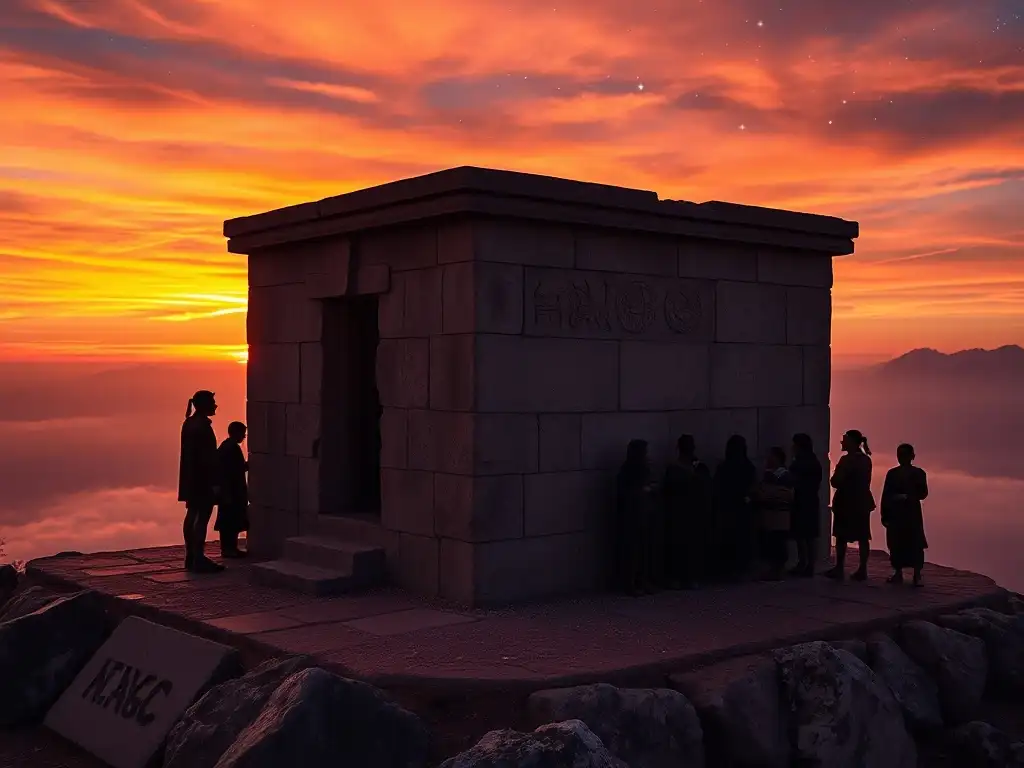
The Andean worldview was profoundly shaped by astronomical observations, weaving celestial events into the fabric of daily life, religious practices, and societal structures. Unlike many other ancient civilizations that primarily focused on predicting agricultural cycles, Andean astronomy encompassed a broader, more integrated perspective. It served as a powerful tool for understanding the natural world, maintaining social order, and legitimizing power.
The influence of Andean astronomy on society permeated every aspect of life, from agricultural planning and water management to ritualistic practices and the construction of monumental architecture. This intricate relationship between the heavens and the earthly realm offers invaluable insights into the sophisticated understanding of the cosmos possessed by these ancient cultures. The very layout of cities, the design of temples, and even the agricultural practices were meticulously aligned with celestial events, demonstrating the deep-seated importance of Andean astronomy in shaping their societies.
The Importance of Astronomical Observation in Ancient Andes
Astronomical observation in the Andes wasn't a mere pastime; it was a vital societal function. Specialized individuals, perhaps priests or shamans, dedicated their lives to meticulously tracking the movements of the sun, moon, stars, and planets. They developed sophisticated techniques, utilizing structures like watas (towers) and carefully positioned stones to mark solstices and equinoxes.
These observations weren't simply recorded; they were interpreted, forming the basis for a complex calendar system that dictated agricultural cycles, religious ceremonies, and even political decisions. For example, the precise timing of planting and harvesting was determined by the position of specific constellations, ensuring optimal yields and minimizing risk. The Inca, for instance, relied heavily on their astronomical knowledge to predict the rainy and dry seasons, essential for their agricultural success.
Failure to accurately predict these events could lead to famine and societal disruption. The accuracy of their observations, evidenced by the precision of their agricultural practices and the enduring nature of their calendar system, speaks volumes about their advanced astronomical skills and their profound understanding of the cosmos. This expertise wasn't confined to a select few; the knowledge was likely disseminated throughout society, empowering communities to thrive in a challenging environment.
Connecting the Cosmos: Andean Cosmology and Belief Systems
Andean cosmology intricately linked the celestial realm with the terrestrial world. The cosmos wasn’t a separate entity but an integral part of their existence. The sun, moon, and stars weren’t merely celestial bodies; they were powerful deities, influencing the lives of humans and the natural world. The movements of these celestial bodies were interpreted as messages from the gods, guiding social behavior and legitimizing the authority of rulers.
For example, the Inca emperor was considered a direct descendant of the sun god, Inti, reinforcing his divine right to rule. This connection between the celestial and terrestrial realms wasn't just symbolic; it manifested in the layout of cities like Cusco, designed to mirror the constellations in the night sky. Temples were built to align with specific celestial events, reinforcing the sacred nature of these locations and their connection to the divine.
This integration of astronomy into religious beliefs played a crucial role in maintaining social cohesion and political power. The ability to interpret celestial events and predict future occurrences solidified the authority of religious leaders and rulers, creating a powerful system of belief and control that shaped the social fabric of Andean societies. The enduring legacy of these sophisticated cosmological beliefs continues to resonate in modern Andean cultures, demonstrating the lasting influence of Andean astronomy on their worldviews.
The impact of Andean astronomy on society was multifaceted and profound, demonstrating the sophisticated understanding and integration of celestial phenomena into their daily lives, religious beliefs, and social structures. The influence extended far beyond mere agricultural planning; it shaped their cosmology, political systems, and artistic expressions, leaving an enduring legacy that continues to fascinate and inspire.
Andean Astronomy and its Impact on Societal Structures
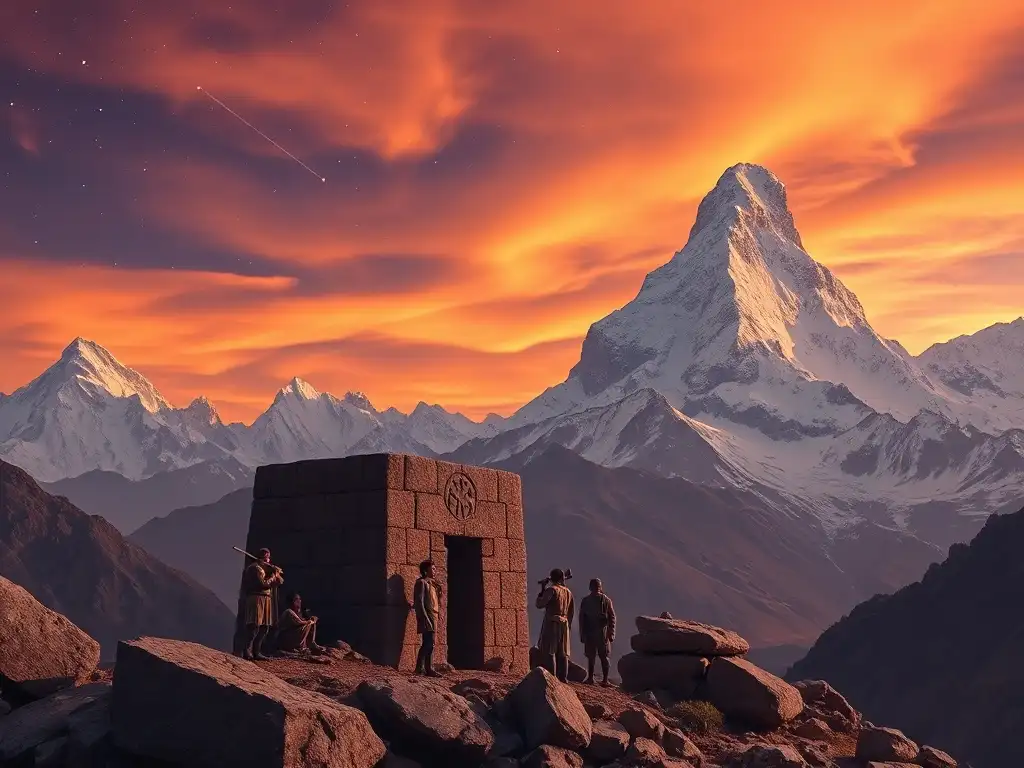
The intricate relationship between Andean societies and the cosmos is undeniable. Their profound understanding of celestial movements went far beyond simple observation; it formed the bedrock of their social, agricultural, and religious structures. This section explores the multifaceted influence of Andean astronomy on the organization and functioning of these remarkable civilizations, demonstrating how the careful tracking of stars, constellations, and celestial events shaped their daily lives and long-term societal development.
The study of Andean astronomy influence society reveals a sophisticated connection between the heavens and the earthly realm. This wasn't a passive observation, but an active engagement that dictated crucial aspects of their existence.
Agricultural Cycles and the Astronomical Calendar
Andean agriculture, the lifeblood of these societies, was intimately tied to the astronomical calendar. Precise observations of the solstices and equinoxes, meticulously recorded over generations, allowed for the accurate prediction of planting and harvesting seasons. The rising and setting of specific stars signaled optimal times for sowing different crops, ensuring maximum yields.
For example, the appearance of certain constellations in the night sky indicated the appropriate time to plant potatoes, a staple crop in the Andean region. The accuracy of these astronomical predictions is evidenced by the success of Andean agriculture for centuries, even in challenging high-altitude environments. The development of sophisticated agricultural techniques, including terracing and irrigation systems, was further enhanced by this deep understanding of celestial rhythms.
This knowledge wasn't confined to a priestly elite; it was widely disseminated and essential to the survival of entire communities. The ability to predict weather patterns and agricultural cycles through celestial observation was a key factor in the stability and prosperity of Andean societies. Failure to understand these cycles would have had devastating consequences, emphasizing the critical role of astronomy in their daily lives.
Andean Astronomy and the Organization of Labor
The meticulous observation of the stars also played a crucial role in the organization of labor within Andean societies. Large-scale projects, such as the construction of monumental structures like Machu Picchu or the intricate Nazca lines, required the coordinated effort of thousands of workers. Astronomical observations likely helped determine optimal times for undertaking these massive undertakings, perhaps by identifying periods of favorable weather or aligning construction with significant celestial events.
The organization of labor was likely influenced by the seasonal cycles, with certain tasks prioritized during specific times of the year based on astronomical predictions. This suggests a highly structured and efficient system of labor allocation, directly influenced by the understanding and application of Andean astronomy. Furthermore, the cyclical nature of agricultural activities and large-scale projects likely influenced the social structure itself, with specific roles and responsibilities assigned based on astronomical knowledge.
Religious Practices and Celestial Events
Andean cosmology deeply intertwined astronomical phenomena with religious beliefs and practices. Celestial bodies were often viewed as deities or intermediaries between the earthly and spiritual realms. The sun, moon, and stars held significant religious importance, and their movements were interpreted as messages from the gods.
Rituals and ceremonies were frequently timed to coincide with significant astronomical events, such as solstices and equinoxes, reinforcing the close link between the cosmos and religious life. The precise positioning of temples and sacred sites often reflected astronomical alignments, further highlighting the integration of astronomy into religious practices. For example, the orientation of certain structures toward specific celestial bodies suggests a deliberate effort to connect the earthly realm with the divine through astronomical observation.
The close relationship between Andean astronomy and religious beliefs demonstrates the profound influence of celestial events on the spiritual lives of these ancient societies. This deep spiritual connection to the stars cemented astronomy's central role in their cultural identity. The legacy of this intertwining of astronomy and religion continues to fascinate researchers and inspire awe in those who study these remarkable civilizations.
Architectural Manifestations of Andean Astronomical Knowledge
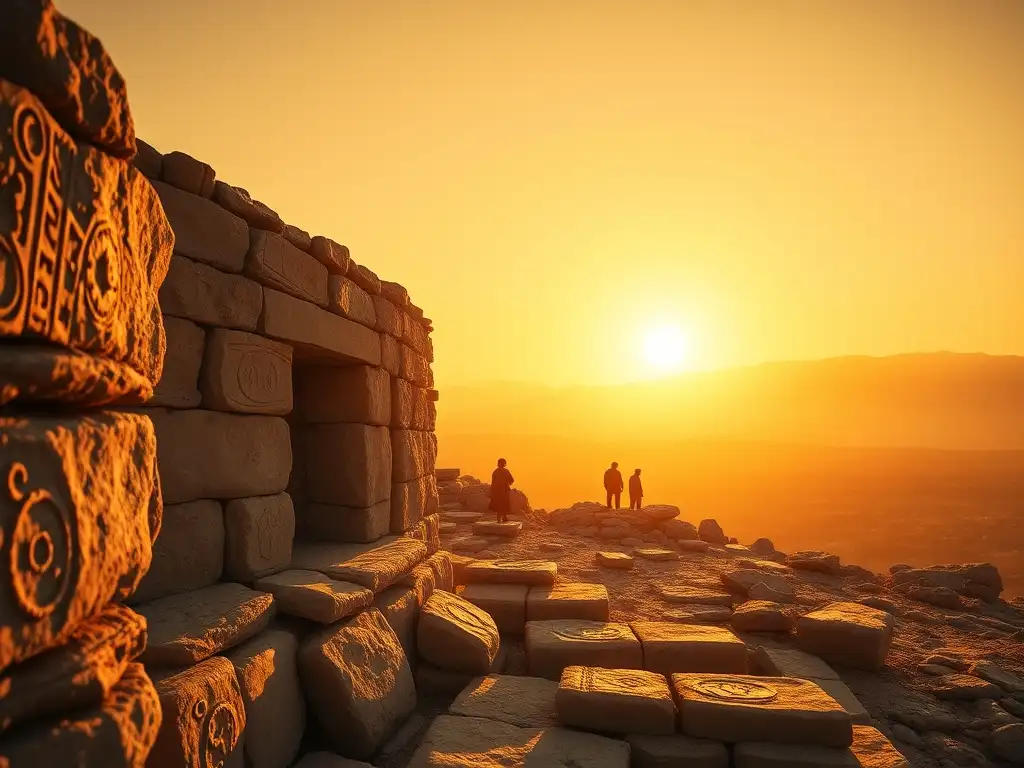
The intricate relationship between Andean societies and the celestial sphere is profoundly reflected in their architecture. Far from being mere coincidences, the orientations and designs of numerous structures reveal a sophisticated understanding of astronomy deeply interwoven with their social, religious, and political life. This section explores the various ways in which Andean astronomical knowledge manifested itself in the built environment, showcasing the ingenuity and precision of these ancient cultures. The influence of Andean astronomy on society is demonstrably evident in their architectural achievements.
Alignments with the Sun: Temples and Sacred Sites
Many Andean temples and sacred sites exhibit deliberate alignments with the solstices and equinoxes. These alignments weren't accidental; they were carefully planned and executed, reflecting a profound understanding of the sun's annual movement across the sky. For example, the complex at Machu Picchu, while renowned for its breathtaking setting, also displays precise solar alignments.
Specific structures are positioned to frame the rising or setting sun on key dates, such as the winter solstice, a time of significant ritual importance. The precision involved suggests the use of sophisticated observational techniques and possibly even rudimentary instruments for tracking the sun's path. The alignment wasn't simply a matter of aesthetics; it served a crucial religious and social function, reinforcing the power and authority of the Inca elite who controlled access to these sacred spaces.
Similar solar alignments are found in other sites across the Andes, demonstrating the widespread adoption of this practice across different cultures and time periods. The careful observation and precise construction needed for these alignments demonstrate the profound influence of Andean astronomy on their society's religious practices and worldview.
Observatories and Stone Markers: Mapping the Sky
Beyond solar alignments, evidence suggests the existence of dedicated observatories and stone markers used for mapping the night sky. While less dramatically visible than the solar alignments in monumental architecture, these structures played a vital role in understanding the movements of stars, constellations, and planets. Some researchers propose that certain rock formations and strategically placed stones served as rudimentary calendars, marking the changing seasons and predicting agricultural cycles.
The careful placement of these markers, often involving precise measurements and alignments with celestial bodies, highlights the advanced level of astronomical knowledge possessed by these Andean cultures. While the exact function of many of these sites remains debated, their existence underscores the importance of astronomy in their daily lives, influencing everything from agriculture to religious festivals. This meticulous observation of the cosmos impacted their social structure, allowing for better planning and organization of their society.
The Role of Astronomy in Urban Planning
The influence of Andean astronomy extended beyond individual structures; it played a significant role in the overall urban planning of many Andean settlements. The layout of cities, the positioning of residential areas, and even the orientation of streets often seem to reflect astronomical considerations. While more research is needed to fully understand the extent of this influence, preliminary evidence suggests that some cities were designed to maximize exposure to sunlight at certain times of the year or to align with prominent celestial features.
This demonstrates a holistic approach to urban development, where astronomy was not a separate discipline but an integral part of the societal fabric. The integration of astronomy into urban planning showcases the deep-seated influence of Andean astronomy on societal organization and development, shaping the very structure of their communities.
This connection between celestial observation and urban design is a testament to the advanced understanding and practical application of astronomy within Andean societies. Further research into this area may reveal even more profound connections between Andean astronomy and urban planning, significantly enriching our understanding of their civilization.
The Legacy of Andean Astronomy: Modern Interpretations and Relevance
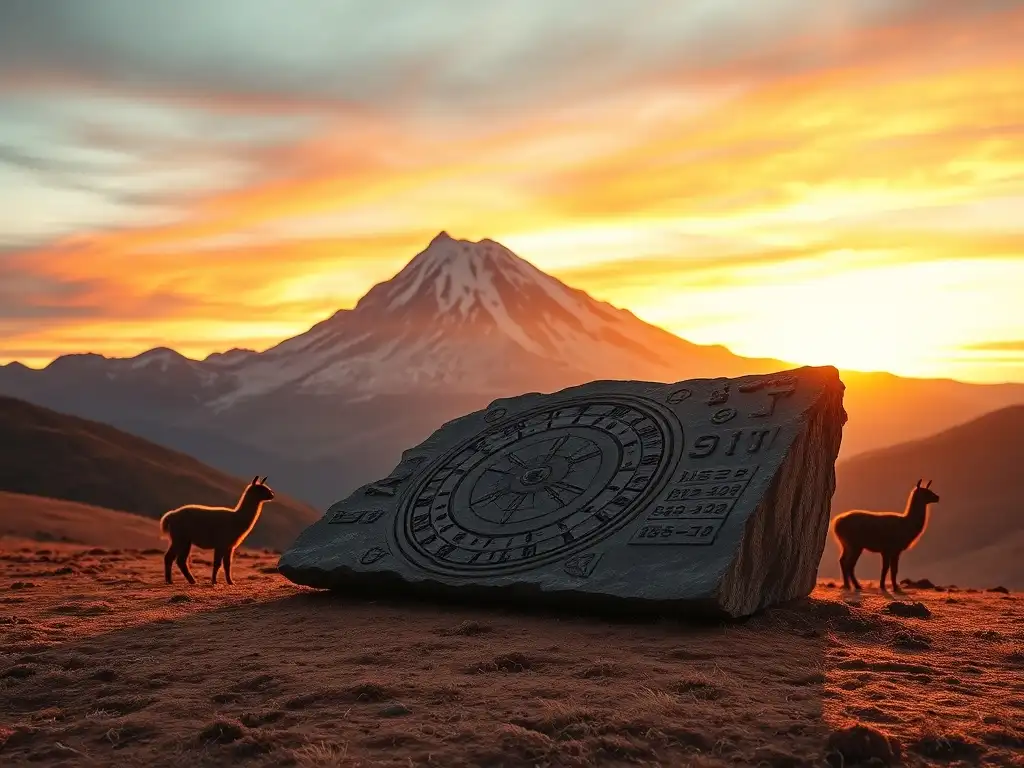
The intricate relationship between Andean societies and the celestial sphere wasn't simply a matter of observation; it was deeply interwoven with their social structures, religious beliefs, and agricultural practices. Understanding the legacy of Andean astronomy requires moving beyond a purely historical analysis and exploring its continuing influence on contemporary society.
This influence manifests in various ways, from the preservation of traditional knowledge to its inspiration of modern scientific endeavors and the ongoing efforts to protect this unique cultural heritage. The impact of Andean astronomy on society is multifaceted and enduring, showcasing the remarkable ingenuity and lasting relevance of these ancient civilizations.
Surviving Knowledge: Traditional Practices and Oral Histories
Despite the passage of centuries and the impact of colonization, remnants of Andean astronomical knowledge persist in the traditions and oral histories of indigenous communities. Many Andean communities still maintain practices rooted in their ancestors' sophisticated understanding of the cosmos. For example, the Quechua people of the Andes continue to use their knowledge of the constellations to predict weather patterns, planting seasons, and even auspicious times for significant life events.
This knowledge, passed down through generations, is not merely a historical curiosity; it remains a vital part of their cultural identity and a practical tool for navigating their daily lives. The intricate calendar systems developed by these civilizations, often tied to specific celestial events, continue to inform agricultural practices and community rituals. These oral traditions, meticulously preserved and shared within these communities, provide invaluable insights into the astronomical sophistication of their ancestors and offer a living connection to the past.
Detailed ethnographic studies documenting these practices are crucial for understanding the full extent of this surviving astronomical knowledge and its ongoing relevance. The preservation of these oral histories is paramount to ensure that this invaluable cultural heritage doesn't fade away. The stories, songs, and rituals containing astronomical knowledge are a testament to the enduring power of Andean astronomy and its continued influence on Andean society.
How Andean Cosmology Continues to Inspire Modern Science
The sophisticated astronomical observations and complex cosmological systems developed by Andean civilizations continue to fascinate and inspire modern scientists. Researchers are increasingly utilizing modern tools and techniques to analyze ancient Andean astronomical sites, such as the impressive lines and geoglyphs of Nazca, providing new insights into their purpose and the astronomical precision involved in their creation. For instance, recent studies have used advanced imaging and geospatial analysis to reveal previously unknown alignments and patterns within these sites, suggesting a far more complex understanding of celestial mechanics than previously thought.
The precision of these alignments, often incorporating solar and lunar cycles, demonstrates a remarkable level of observational skill and mathematical understanding. Furthermore, the study of Andean cosmology offers valuable perspectives on the development of astronomical knowledge in non-European contexts, challenging Eurocentric narratives and enriching our understanding of the history of science as a whole.
The continued investigation of Andean astronomical achievements fosters interdisciplinary collaboration between archaeologists, astronomers, anthropologists, and mathematicians, ultimately broadening our scientific understanding of the cosmos and the human relationship with it. The Andean legacy continues to inspire new research and discoveries.
Preserving the Astronomical Heritage of Andean Civilizations
The preservation of the astronomical heritage of Andean civilizations presents a significant challenge, requiring a multi-pronged approach that combines archaeological research, community engagement, and educational initiatives. Protecting ancient astronomical sites from damage and looting is crucial. This necessitates the implementation of effective conservation measures and stricter regulations to prevent further deterioration. Additionally, supporting the efforts of indigenous communities to preserve their traditional astronomical knowledge is paramount.
This includes documenting oral histories, supporting cultural events that celebrate this heritage, and fostering collaboration between researchers and community members. Educational programs that raise awareness of the importance of Andean astronomy amongst both local and international audiences are also essential. These initiatives could include developing museum exhibits, creating educational materials, and supporting research projects focused on Andean astronomy.
Ultimately, the preservation of this heritage is not only a matter of safeguarding historical artifacts but also of recognizing the enduring cultural significance of Andean astronomy and its relevance to contemporary society. A collaborative and culturally sensitive approach is essential to ensure that the rich astronomical legacy of Andean civilizations is preserved for future generations. This requires sustained funding, international cooperation, and a deep respect for the knowledge and traditions of Andean communities.
Conclusion: The Enduring Influence of Andean Skywatching
The intricate relationship between Andean societies and the celestial sphere extended far beyond simple observation. Andean astronomy, deeply interwoven with their cosmology, profoundly shaped their social structures, agricultural practices, and spiritual beliefs. Understanding this influence allows us to appreciate the sophisticated knowledge systems developed by these civilizations and their remarkable ability to integrate celestial events into the fabric of daily life. The legacy of Andean skywatching continues to resonate today, offering valuable insights into the ingenuity and cultural depth of these ancient peoples.
The Lasting Impact of Andean Astronomy on Culture and Society
The impact of Andean astronomy on culture and society was multifaceted and profound. Their detailed observations of celestial bodies weren't merely academic pursuits; they were integral to the very fabric of their existence. The precise tracking of solstices and equinoxes, for instance, played a critical role in regulating agricultural cycles. The timing of planting and harvesting was meticulously aligned with the movements of the sun, ensuring optimal yields and contributing significantly to the stability and prosperity of these communities. This practical application of astronomical knowledge demonstrates a sophisticated understanding of the interplay between the cosmos and terrestrial life.
Furthermore, Andean cosmology, heavily influenced by astronomical observations, permeated religious and spiritual beliefs. The celestial bodies were often viewed as deities or intermediaries between the human and divine realms. Ceremonies and rituals were carefully timed to coincide with significant astronomical events, reinforcing the sacred nature of the cosmos and the society's connection to it. The construction of monumental structures, such as Machu Picchu, often incorporated astronomical alignments, further highlighting the importance of celestial events in their worldview. These alignments weren't accidental; they were meticulously planned and executed, reflecting a deep understanding of both astronomy and architectural design.
The influence extended to social organization as well. The precise knowledge of the celestial cycles likely played a role in establishing social hierarchies and power structures. Those with expertise in astronomy may have held positions of authority, influencing decision-making processes related to agriculture, resource management, and religious practices. This suggests a close link between astronomical knowledge and political power within Andean societies. The intricate calendar systems, based on meticulous astronomical observations, provided a framework for organizing social life, regulating work schedules, and coordinating community activities.
The influence of Andean astronomy on society wasn't limited to a single aspect of life. It was a pervasive force that shaped their agricultural practices, religious beliefs, social structures, and even their architecture. The enduring legacy of this sophisticated astronomical knowledge system continues to fascinate and inspire, reminding us of the remarkable achievements of these ancient Andean civilizations and the power of observation in shaping human societies. Further research into specific sites and their astronomical alignments will undoubtedly reveal even more about the complexity and depth of this fascinating relationship between Andean people and the stars. The detailed study of Andean astronomical practices offers a rich tapestry of insights into the development of complex societies and the enduring power of human observation.
Frequently Asked Questions
How did Andean people use astronomy?
Andean people used astronomy for a variety of purposes, including agricultural planning, religious ceremonies, and social organization. Their observations of celestial bodies helped them understand the changing seasons and predict important events.
What celestial bodies were most important to Andean cultures?
The Sun, Moon, and stars, particularly constellations like the Pleiades, held significant importance. These celestial bodies were often incorporated into their mythology and religious practices, shaping their worldview.
How did astronomy influence Andean agriculture?
Astronomy played a crucial role in agricultural cycles. By observing the movements of the sun and stars, Andean farmers could determine the best times for planting and harvesting, ensuring successful crop yields. This knowledge was essential for their survival.
While there were similarities, different Andean cultures developed their own unique astronomical traditions and interpretations. Although many shared a focus on solar and lunar cycles, their specific practices and beliefs varied significantly across different regions and time periods.
What evidence exists to support the importance of Andean astronomy?
Evidence includes archaeological sites like Machu Picchu, which are aligned with astronomical events, and textiles and pottery depicting celestial bodies. These artifacts demonstrate the sophisticated understanding and integration of astronomy into daily life.
Final Reflection: Echoes of the Andes: A Legacy Written in the Stars
The meticulous observations of Andean astronomers weren't merely celestial charts; they were the bedrock of a sophisticated society, a testament to the power of understanding the cosmos. Their intricate knowledge, woven into the fabric of daily life, continues to resonate today, reminding us of the profound connection between humanity and the universe. This connection, once seemingly lost to time, is now being rediscovered, offering valuable insights into sustainable living and cultural preservation.
The enduring influence of Andean astronomy is not just a historical curiosity; it's a living legacy that shapes our understanding of indigenous knowledge systems and their relevance in a modern world. Their deep connection to the environment, reflected in their astronomical practices, offers a powerful counterpoint to our often-disconnected, technology-driven society. The stars are a roadmap, not just to the heavens, but to our own understanding of ourselves and our place in the universe.
This quote, though not directly from an Andean source, captures the essence of their profound wisdom and its continued relevance.
Consider the implications of this rich heritage. How can we, in our own lives, cultivate a deeper appreciation for the natural world and the intricate connections within it? Embrace the power of observation; look up at the night sky, and let the ancient wisdom of the Andes inspire you to connect with the universe and foster a more sustainable and culturally aware future. Let the echoes of their celestial knowledge guide you towards a more mindful and meaningful existence.
Unveil the Secrets of Andean Stars!
Thank you for exploring the fascinating connection between Andean astronomy and its profound impact on Andean societies. You've discovered the powerful role celestial observations played in shaping their lives and cultures. Now, let's delve deeper into this incredible heritage.
Here are some ways you can continue your journey:
- **Join a local astronomy club or online community** to learn about stargazing and celestial navigation. This hands-on experience connects ancient practices with modern exploration.
- **Share your newfound knowledge** with friends and family—start a conversation, or even host an evening exploring Andean astronomy.
- **Support organizations** dedicated to preserving cultural heritage and promoting astronomy education, helping inspire future generations.
Which aspect of Andean astronomy resonates most with you, and how is it influencing your perspective today? Let's discuss!