
Textile Tales: Symbolic Weaving Patterns of the Andes

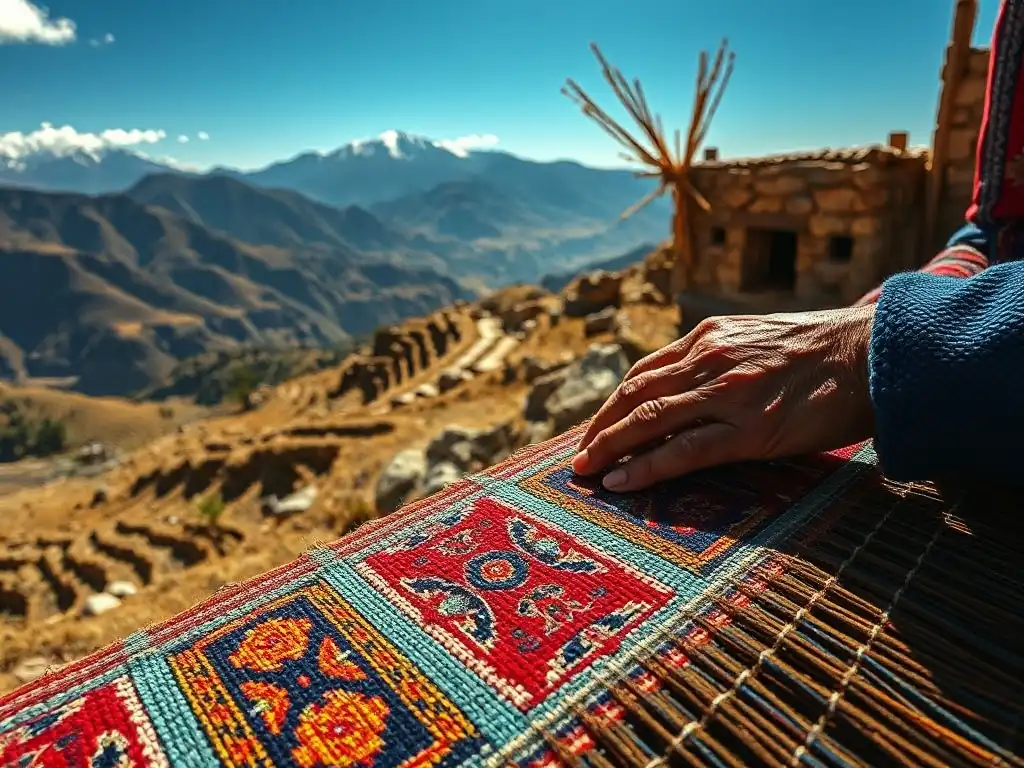
Unravel the mysteries woven into the very fabric of Andean history. For centuries, intricate Andean textile weaving patterns have whispered secrets of ancient civilizations – the Incas, Moche, Nazca, and Tiahuanaco. Prepare to be captivated by a world of vibrant colors and symbolic designs, where each thread tells a story. Journey with us into the heart of Andean Art and Iconography to discover the hidden meanings behind these breathtaking masterpieces... Are you ready to decipher their enigmatic code?
The Andes Mountains, a spine of towering peaks running down the western coast of South America, are home to a rich tapestry of ancient civilizations. For millennia, these cultures—including the Incas, Moche, Nazca, and Tiahuanaco—developed sophisticated techniques in textile production, creating vibrant and intricate fabrics that served not merely as clothing and adornment, but as powerful mediums of communication, storytelling, and spiritual expression. This article delves into the fascinating world of Andean textile weaving patterns, exploring their symbolic meanings and the remarkable artistry that went into their creation.
We will uncover the hidden narratives embedded within these textiles, revealing how Andean weavers used color, design, and material to convey complex social, political, and religious messages. Understanding these patterns unlocks a deeper appreciation for the ingenuity and cultural depth of these remarkable Andean civilizations. Prepare to be amazed by the intricate detail and symbolic richness woven into every thread.
Decoding the Language of Color in Andean Textiles
Andean textile weaving patterns are far more than just aesthetically pleasing designs; they are a complex system of visual communication. Color played a crucial role in conveying meaning. For example, red often symbolized blood, sacrifice, and power, while yellow represented the sun and its life-giving energy. Green was associated with fertility and vegetation, reflecting the importance of agriculture in Andean societies.
The specific shades and combinations of colors used within a textile could dramatically alter its interpretation. Further research is needed to fully understand the nuances of color symbolism across different Andean cultures and time periods, as regional variations and evolving traditions certainly impacted the meaning ascribed to specific hues. We know, for instance, that the Incas favored specific color palettes for imperial textiles, significantly different from those used by other groups.
Common Symbolic Motifs in Andean Weaving: Animals, Plants, and Geometric Shapes
The vibrant colors in Andean textiles are complemented by a wide array of recurring symbolic motifs. Animals, such as the condor (representing power and altitude), the puma (symbolizing strength and leadership), and the serpent (associated with fertility and the underworld), frequently appear in woven designs. These weren't simply decorative elements; their inclusion signified specific beliefs and social structures.
Similarly, plant motifs, like stylized depictions of maize (a staple crop), coca leaves (with significant religious and medicinal importance), and cacti (representing resilience and adaptation), were woven into textiles to reflect the deep connection between Andean people and their environment. Geometric shapes, including triangles, squares, and zigzags, also held symbolic weight, often representing cosmological concepts or social hierarchies. The precise arrangement and combination of these motifs further enriched the narrative conveyed by the textile.
Regional Variations in Andean Textile Traditions: A Tapestry of Styles
While certain symbolic motifs and color palettes were shared across different Andean cultures, significant regional variations existed in weaving techniques and stylistic preferences. The Nazca, renowned for their intricate geoglyphs, also produced remarkably fine textiles featuring intricate patterns and vibrant dyes. The Moche, known for their sophisticated metalwork, also created textiles with unique designs, often depicting scenes of warfare or ritual ceremonies.
The Tiahuanaco culture, with its monumental architecture, developed its own distinctive weaving style characterized by geometric designs and the use of specific color combinations. These regional differences highlight the diverse artistic expressions within the broader Andean world, showcasing the adaptive and creative nature of textile production across various cultural contexts. Further research into specific regional styles would significantly enhance our understanding of the nuanced communicative power of Andean textiles.
The Legacy of Andean Textile Weaving: A Continuing Inspiration
The legacy of Andean textile weaving continues to inspire artists and designers today. The intricate techniques, symbolic patterns, and vibrant colors of these ancient textiles serve as a testament to the enduring creativity and cultural richness of the Andean civilizations. The enduring appeal of these designs underscores their timeless artistry and the powerful messages they convey across generations.
The study of Andean textile weaving offers a unique insight into the beliefs, values, and social structures of these ancient societies, reminding us of the profound connection between art, culture, and identity. The intricate details and enduring symbolism embedded within these textiles continue to captivate and inspire, ensuring that their legacy lives on.
- Decoding the Language of Color in Andean Textiles
- Common Symbolic Motifs in Andean Weaving: Animals, Plants, and Geometric Shapes
- Regional Variations in Andean Textile Traditions: A Tapestry of Styles
- The Legacy of Andean Textile Weaving: A Continuing Inspiration
The Significance of Andean Textile Art
Andean textile weaving patterns hold a prominent place within the rich tapestry of Andean culture. Far from being mere articles of clothing or decoration, these textiles served as powerful mediums for communication, storytelling, and the expression of complex social structures and beliefs. The intricate designs, vibrant colors, and diverse techniques employed in Andean weaving reflect a deep understanding of the natural world and a sophisticated system of symbolic representation.
Understanding these patterns provides invaluable insight into the worldview and social organization of Andean civilizations, allowing us to unravel the threads of their history and connect with their enduring legacy. The meticulous craftsmanship involved in creating these textiles, often passed down through generations, underscores their cultural significance and enduring value.
Studying these patterns allows us to appreciate the ingenuity and artistry of Andean weavers, highlighting their profound contributions to the artistic and cultural heritage of the region. The survival of many of these textiles, often discovered in archaeological sites or preserved within communities, provides a unique window into the past, offering compelling evidence of the enduring power of Andean textile traditions.
Andean Textiles: More Than Just Fabric
Andean textiles were not simply functional items; they were imbued with deep symbolic meaning. Each element – from the fiber used (alpaca, llama, cotton) to the color, weave technique, and the specific motifs incorporated – carried specific connotations. For instance, the use of particular colors could signify social status, religious affiliation, or even geographical origin.
Red, for example, often represented blood, fertility, and power, while white symbolized purity and the sacred. The intricate weaving techniques, such as warp-faced plain weave, tapestry weave, and brocade, also played a crucial role in conveying meaning. The complexity of the weave could itself indicate the skill and status of the weaver, as well as the importance of the textile itself.
Furthermore, the choice of fiber held significance. The luxurious softness of vicuña wool, for example, denoted high social standing, while the durability of llama wool might suggest a textile intended for everyday use. The meticulous attention to detail in Andean weaving demonstrates the profound importance placed upon these textiles within Andean society.
The Role of Weaving in Andean Culture
Weaving in Andean societies was not merely a craft; it was a deeply ingrained social practice, often involving entire communities. The process of acquiring raw materials, preparing the fibers, and creating the textiles was a communal endeavor, fostering social cohesion and collaboration. Textiles played a vital role in various aspects of Andean life, from clothing and shelter to religious ceremonies and trade.
Specific textile types were associated with particular rituals and social events. For example, certain elaborate textiles were worn only by elites during important ceremonies, while other simpler textiles were used for everyday clothing. The production and distribution of textiles also played a significant role in the Andean economy, forming complex trade networks that connected different regions and communities.
The intricate designs and patterns found on Andean textiles often reflected the social hierarchy and political structures of the time. In this way, textiles served not only as practical items but also as powerful tools for social control and communication. Data on the scale of textile production and distribution across different Andean cultures is still being compiled and analyzed; however, existing archaeological evidence strongly suggests the high level of societal integration achieved through textile production.
Symbolic Communication Through Andean Weaving
Andean textile weaving patterns served as a sophisticated system of visual communication, conveying complex narratives and symbolic messages. Specific motifs, such as stylized animals, geometric shapes, and human figures, held significant religious and cultural meanings. For example, the depiction of a condor might symbolize power and authority, while a snake could represent fertility or the underworld. These motifs were not randomly arranged; their placement and combination within the overall design contributed to the overall meaning of the textile.
The use of different colors further enhanced the symbolic potential of the patterns. Certain color combinations might represent specific deities, events, or concepts. Studies of Andean textiles have revealed a rich vocabulary of symbolic elements, each contributing to a complex and nuanced system of visual communication.
Researchers continue to decipher the meaning of these patterns, revealing new insights into the worldview and beliefs of Andean civilizations. For example, the discovery of a particular motif in multiple locations across different Andean cultures may reveal a shared cultural understanding or a widespread religious belief. Further research is needed to fully understand the intricate symbolic language woven into these remarkable textiles, but the evidence already uncovered offers a compelling glimpse into the rich cultural heritage of the Andes.
Decoding the Language of Andean Textile Weaving Patterns
The intricate textiles of the Andes are not merely decorative; they are a rich tapestry of symbolic language, narrating stories, beliefs, and social structures of the ancient civilizations. Understanding these Andean textile weaving patterns requires deciphering a complex system of motifs, colors, and techniques. This section will delve into some key symbolic elements found in these remarkable artifacts, offering a glimpse into the sophisticated worldview of Andean cultures.
The enduring legacy of these textiles is a testament to the artistry and ingenuity of Andean weavers, whose skills passed down through generations preserved vital cultural knowledge. Analyzing these patterns provides valuable insights into social hierarchies, religious beliefs, and the relationship between humans and their environment. The precision and complexity of these designs are astonishing, showcasing a deep understanding of both textile production and symbolic representation.
Geometric Motifs in Andean Weaving
Geometric patterns, far from being simple decorations, frequently held profound symbolic meaning in Andean weaving. Squares, triangles, and zigzags, for example, were not randomly arranged. Consider the khipu, the knotted-cord system used by the Inca. While not technically a textile, its intricate knotting system shares a similar symbolic logic with Andean weaving. The precise arrangement of knots conveyed information, potentially representing numerical data, historical events, or even mythological narratives. Similarly, geometric patterns in textiles likely served as visual codes, communicating complex ideas.
Squares, often found in Inca textiles, may symbolize the earth or the stability of the community. Triangles, with their pointed apex, could represent mountains, a crucial element in the Andean landscape and cosmology. Zigzags, found in various Andean cultures, might symbolize lightning, water, or the interconnectedness of the cosmos.
The use of specific colors within these geometric patterns further enriched their meaning, with red often associated with blood or power, and yellow with the sun. Further research is needed to definitively link specific geometric combinations to particular meanings, but the evidence clearly points to a sophisticated system of visual communication. [Specific examples of geometric patterns and their proposed meanings pending].
Animal Representations in Andean Textile Designs
Animals played a significant role in Andean cosmology and mythology, and their representations in textiles reflect this importance. Condor, puma, and snake motifs frequently appear, each carrying specific symbolic weight. The condor, a majestic bird soaring high above the Andes, represented power, strength, and connection to the upper world.
The puma, a powerful terrestrial predator, symbolized earthly power and might, often associated with rulers and elites. Snakes, associated with the underworld, represented fertility, healing, and the cyclical nature of life and death. These animal representations were often stylized, adapting to the technical constraints of weaving while retaining their symbolic essence.
The size and placement of the animal figures within the textile design also held significance. Larger, centrally positioned animals might indicate higher status or a more prominent role within the narrative conveyed by the textile. Smaller, less prominent animals could serve as supporting elements, contributing to a more complex symbolic composition. The detailed depiction of animal features, such as feathers, claws, or scales, further emphasized their importance and the weaver's skill. [More detailed analysis of specific animal representations and their cultural significance pending].
Plant and Nature Symbols in Andean Textiles
Plants and natural elements were fundamental to Andean life, providing sustenance and shaping their worldview. Accordingly, these elements feature prominently in Andean textile designs. Representations of corn, coca leaves, and cacti, among other plants, are frequently encountered. Corn, a staple crop, symbolized fertility, abundance, and life itself. Coca leaves, revered for their medicinal and ritualistic properties, represented energy, vitality, and connection to the spiritual realm. Cacti, with their resilience and adaptation to harsh conditions, embodied strength and endurance.
The weaving techniques employed to represent these plants added another layer of symbolic meaning. For instance, the intricate detail of a woven corn cob not only visually resembled the plant but also demonstrated the weaver's skill and mastery of their craft. The use of specific colors to depict different plants could further enhance their symbolic value, with vibrant hues suggesting vitality and growth, while muted tones might represent the cycles of nature.
Detailed studies of specific Andean textile pieces are needed to uncover the full range of meanings associated with plant representations. [Further research on specific plant symbolism and regional variations pending].
Regional Variations in Andean Weaving Patterns
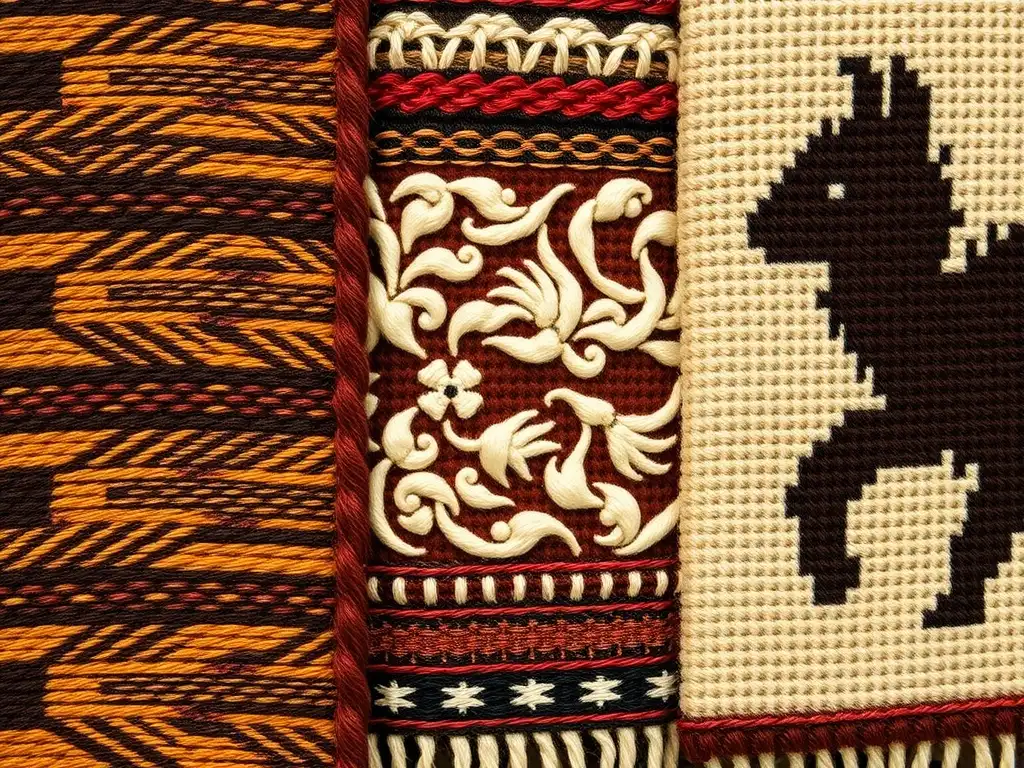
The Andes Mountains, stretching along the western coast of South America, fostered a diverse array of cultures, each leaving behind a unique legacy in textile arts. Understanding the tapestry of Andean textile weaving patterns requires recognizing the significant regional variations. These variations weren't merely aesthetic choices; they were deeply embedded in the social, religious, and political structures of each civilization. The intricate designs, vibrant colors, and specific techniques employed reflect the distinct worldview and practices of each Andean community.
Analyzing these differences provides crucial insights into the complexity and richness of Andean societies. The use of specific fibers, such as alpaca, llama, vicuña, and cotton, also varied regionally, influencing both the texture and durability of the finished textiles. This section explores some key examples of regional variations, highlighting the unique characteristics of each tradition.
The Weaving Traditions of the Inca Empire
The Inca Empire, at its zenith, controlled a vast territory, incorporating numerous pre-existing cultural groups. Despite this, Inca textile production displayed a remarkable degree of standardization, reflecting the empire's centralized power structure. Inca textiles are characterized by their fine quality, intricate designs, and the use of a specific range of colors, often employing natural dyes derived from plants and minerals.
Common motifs included geometric patterns, such as stripes and chevrons, as well as representations of animals, particularly llamas and condors, which held symbolic significance. The use of tocapus, or woven headbands, was particularly prevalent among the Inca elite, often adorned with elaborate designs that indicated social status and power. Furthermore, the Inca developed sophisticated techniques, such as tapestry weaving and brocade, allowing for complex and detailed designs.
The production of Inca textiles was often a highly specialized activity, with workshops employing skilled artisans who passed down their knowledge through generations. Archaeological evidence suggests a strong connection between textile production and religious practices, with textiles used in ceremonies and rituals. The meticulous craftsmanship and symbolic richness of Inca textiles demonstrate the significant role they played in Inca society and culture.
Paracas Textile Designs and Their Symbolism
Preceding the Inca, the Paracas culture (ca. 800-100 BCE) produced some of the most extraordinary textiles in Andean history. Known for their mastery of complex weaving techniques and vibrant color palettes, Paracas textiles are characterized by their elaborate designs and rich symbolism. Unlike the more standardized Inca styles, Paracas textiles showcase a greater degree of regional and stylistic diversity.
Common motifs include anthropomorphic figures, stylized animals, and intricate geometric patterns. These designs are often interpreted as representing deities, shamans, and other important figures in Paracas mythology. The use of vibrant colors, achieved through the skillful application of natural dyes, further enhanced the symbolic power of these textiles. The Paracas people were particularly skilled in the technique of gauze weaving, creating incredibly lightweight and delicate fabrics.
Many Paracas textiles were associated with funerary practices, with elaborate shrouds and bundles containing a wealth of artifacts, including textiles, being discovered in their burial sites. The complexity and symbolism of Paracas textiles offer invaluable insights into the religious beliefs and social structures of this fascinating pre-Inca culture. The detailed iconography and the sheer artistry involved point towards a highly developed and sophisticated artistic tradition.
Wari Textile Art and Its Unique Patterns
The Wari Empire (600-1000 CE) exerted considerable influence across the central Andes. Wari textiles, while sharing some similarities with other Andean traditions, possess distinct characteristics. One notable feature is the frequent use of geometric patterns, often arranged in repetitive bands or friezes. These patterns, though seemingly simple at first glance, likely held complex symbolic meanings related to Wari cosmology and social organization.
Unlike the highly stylized figures found in Paracas textiles, Wari designs often feature more abstract and geometric representations. The use of color was also significant, with certain colors potentially signifying specific social groups or religious beliefs. [Specific color symbolism pending further research]. Archaeological evidence suggests a high degree of standardization in Wari textile production, suggesting a centralized system of control over textile workshops and the distribution of finished goods.
This standardization, however, did not eliminate regional variations. Subtle differences in design and technique can be observed between textiles from different regions within the Wari Empire, indicating a degree of local autonomy and adaptation. The study of Wari textiles offers a rich understanding of the empire's administrative structures and the cultural exchange that took place within its expansive territory. Further research is needed to fully decipher the symbolism embedded within Wari textile patterns.
Chimú Textile Weaving and Iconography
The Chimú, a powerful pre-Columbian civilization that flourished along the northern coast of Peru from roughly 1000 to 1470 CE, left behind a rich legacy of textile artistry. Their weaving techniques were remarkably sophisticated, showcasing a mastery of color, texture, and intricate designs. Unlike some other Andean cultures that emphasized large, bold patterns, Chimú textiles often featured smaller, more densely packed motifs, creating a sense of visual richness and complexity. The use of fine threads, often made from cotton and camelid fibers like alpaca and vicuña, allowed for the creation of incredibly detailed representations.
One of the defining characteristics of Chimú textile iconography is the frequent depiction of stylized birds, fish, and other marine creatures. This reflects the importance of the sea to their economy and worldview. These weren't simply decorative elements; rather, they were imbued with symbolic meaning, often representing deities, ancestors, or important aspects of their culture. For example, the depiction of a particular type of bird might signify a successful fishing season or a connection to a specific ancestral lineage. The careful arrangement and repetition of these motifs within a larger design further enhanced their symbolic weight.
Furthermore, geometric patterns, including stepped frets, triangles, and interlocking designs, were also common in Chimú textiles. These abstract designs likely held significant symbolic meaning, possibly representing the cosmos, social structures, or even abstract concepts like fertility or power. Archaeological evidence suggests that certain geometric patterns were associated with specific social classes or rituals. The use of different colors and combinations of these patterns likely added further layers of meaning, though the precise interpretations remain a subject of ongoing scholarly debate.
Researchers continue to analyze the surviving textiles to unravel the full complexity of their symbolic language. The meticulous nature of the weaving, combined with the deliberate choice of motifs and colors, reveals a deep understanding of textile art as a powerful medium for communicating cultural values and beliefs. The surviving examples act as visual records of a complex society and provide invaluable insights into Chimú cosmology and social structures.
Materials and Techniques Used in Andean Textile Weaving
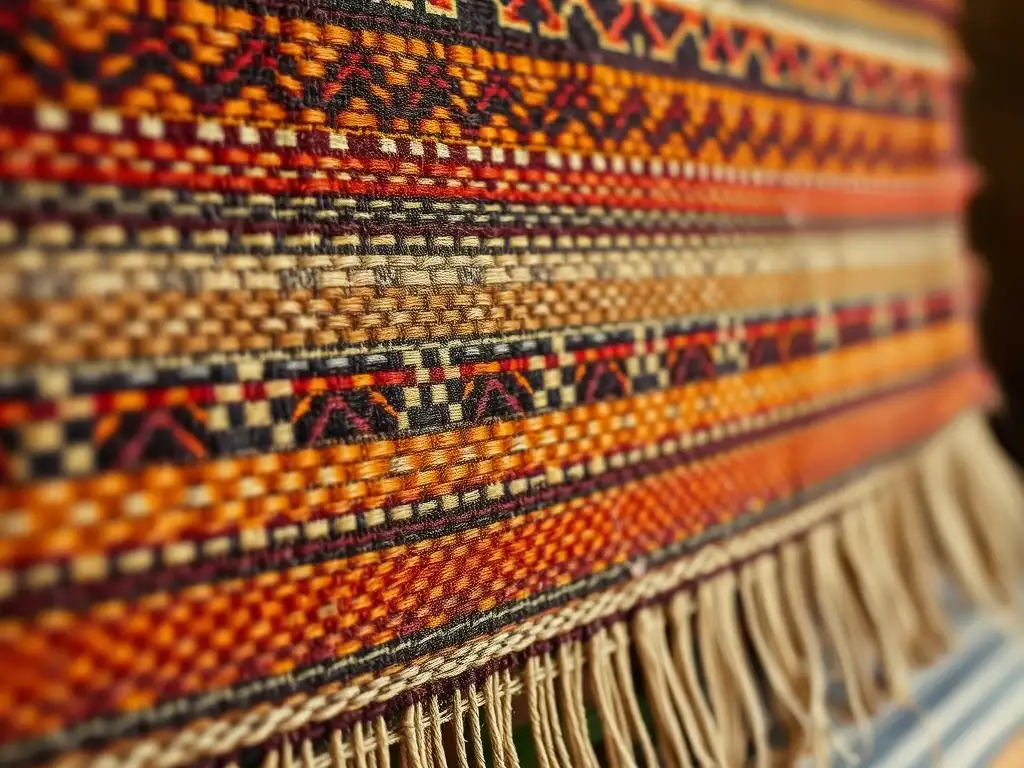
This section delves into the remarkable materials and techniques employed by Andean civilizations in their intricate textile creations. The mastery displayed in their weaving reflects not only technical skill but also a deep connection to their environment and spiritual beliefs. Understanding these aspects is crucial to appreciating the symbolic richness embedded within Andean textile weaving patterns.
Andean Fibers: Alpaca, Llama, and Cotton
Andean textile weaving patterns were intricately linked to the readily available natural fibers. Alpaca and llama wool, prized for their softness, warmth, and durability, formed the basis of many textiles. Alpaca fiber, particularly, is known for its luxurious feel and vibrant sheen, making it ideal for fine garments and ceremonial cloths. Llama wool, while coarser, offered strength and resilience, suitable for everyday items and durable textiles.
The choice of fiber often dictated the type of textile produced and its intended use. For example, finer alpaca wool might be used for a ceremonial cloak, while tougher llama wool might be used for a sturdy bag or blanket. Cotton, cultivated in warmer regions of the Andes, provided a lighter, breathable alternative, often used in warmer climates or for specific garments.
The careful selection and preparation of these fibers were essential steps in the weaving process. Fibers were meticulously cleaned, spun into yarn, and then dyed using natural pigments. The quality of the fiber directly impacted the final product's texture, appearance, and longevity. The knowledge of fiber properties and their appropriate uses was passed down through generations, demonstrating a sophisticated understanding of material science. Even the color and texture of the fibers themselves held symbolic meaning, further enriching the narratives embedded within the textiles.
Natural Dyes and Their Significance
The vibrant colors found in Andean textiles were not achieved through synthetic dyes but rather through the skillful application of natural pigments derived from plants, minerals, and insects. Cochineal, a scale insect, yielded a rich crimson, while various plants provided yellows, browns, greens, and blues. The preparation of these dyes was a complex process, often involving multiple steps and specific techniques passed down through generations.
The color itself often held significant symbolic meaning, reflecting social status, religious beliefs, and even specific events or narratives. For example, red often symbolized power and royalty, while specific shades of yellow could represent the sun or fertility.
The use of natural dyes contributed significantly to the longevity and beauty of Andean textiles. These dyes often bonded with the fibers at a molecular level, resulting in colors that resisted fading and retained their vibrancy for centuries. The knowledge and skill involved in dye preparation and application were highly valued, and the dye makers themselves held a respected position within their communities.
Their expertise ensured the enduring beauty and symbolic power of the textiles they helped create. Further research is needed to fully understand the precise recipes and techniques used in creating specific colors, as many of these ancient methods have been lost or remain undocumented. [Specific information pending on detailed dye recipes and their associated symbolism].
Traditional Weaving Techniques in the Andes
Andean textile weaving patterns showcase a remarkable range of techniques. The backstrap loom, a portable and versatile tool, was widely used across various Andean cultures. This loom allowed for intricate designs and complex weaves, demonstrating incredible skill and precision. Different techniques, such as tapestry weaving, brocade, and supplementary weft, were employed to create a variety of textures, patterns, and visual effects. Each technique contributed to the unique aesthetic qualities of the textiles and held symbolic significance.
The backstrap loom's portability allowed weavers to work almost anywhere, integrating weaving into their daily lives. This contrasts sharply with later, more complex loom types. The intricate designs woven onto these textiles often depicted mythological creatures, agricultural motifs, and geometric patterns, all carrying potent symbolic weight. The mastery of these techniques wasn't just a practical skill; it was a form of artistic expression and a means of communicating complex narratives and cultural beliefs.
The precision and intricacy of the weaving itself served as a testament to the weaver's skill and the importance of the textile's symbolic meaning. The legacy of these Andean weaving techniques continues to inspire contemporary artisans and textile artists. The enduring appeal of these textiles lies not only in their aesthetic beauty but also in their capacity to convey profound cultural and spiritual messages.
The Enduring Legacy of Andean Textile Weaving
The legacy of Andean textile weaving is profoundly impactful, extending far beyond its historical context. These intricate textiles, imbued with symbolic meaning and masterful craftsmanship, continue to resonate with contemporary audiences and inspire artists, designers, and researchers alike. The techniques, motifs, and color palettes employed by Andean weavers have survived centuries, demonstrating the remarkable resilience of cultural traditions. This enduring legacy is evident in several key aspects:
Preserving Andean Textile Traditions
Efforts to preserve Andean textile traditions are multifaceted and crucial for safeguarding this invaluable cultural heritage. These initiatives range from community-based workshops that teach traditional weaving techniques to museum collections that meticulously document and exhibit historical textiles. Many organizations are working to support Andean weavers, ensuring the continuity of their craft and providing them with fair compensation for their work. This preservation extends to the documentation of traditional knowledge, including the symbolic meanings associated with specific colors, patterns, and techniques.
For example, the vibrant reds often found in Andean textiles symbolize life, energy, and power, while the intricate geometric patterns frequently represent celestial bodies or agricultural cycles. The painstaking efforts to preserve these traditions are not only vital for cultural continuity but also for the economic empowerment of Andean communities. The ongoing support and documentation efforts are crucial for ensuring that future generations can appreciate and learn from this rich heritage.
Without these concerted efforts, the intricate knowledge and skills associated with Andean textile weaving risk being lost forever. The meticulous recording of weaving techniques, color palettes, and symbolic meanings ensures that this invaluable heritage will be preserved for generations to come. This preservation is not just about maintaining the past; it is about empowering the present and securing the future of Andean textile traditions.
The Influence of Andean Weaving on Modern Art
Andean weaving patterns have significantly influenced modern art and design, inspiring artists and designers across the globe. The vibrant colors, intricate designs, and symbolic depth of these textiles have captivated creative minds, leading to a resurgence of interest in Andean art and its influence on contemporary aesthetics. This influence is visible in various forms, from fashion and textile design to contemporary painting and sculpture.
For instance, the geometric precision and symbolic richness of Andean patterns frequently inspire contemporary textile artists who incorporate these elements into their own work, creating unique and meaningful pieces. The bold colors and symbolic motifs of Andean textiles have also influenced the work of contemporary painters and sculptors, leading to the creation of art pieces that reflect the rich cultural heritage of the Andes. The impact of Andean weaving on modern art demonstrates the enduring power and relevance of traditional art forms in contemporary society.
The incorporation of Andean textile motifs into modern design not only pays homage to this rich cultural heritage but also introduces these visually stunning and symbolically rich patterns to a wider audience. This cultural exchange fosters creativity and promotes a deeper understanding and appreciation of Andean culture.
The Metropolitan Museum of Art's Andean Textile Collection
The Metropolitan Museum of Art in New York City boasts a remarkable collection of Andean textiles, representing a significant portion of the surviving examples of this art form. The collection showcases a wide range of textiles from various Andean cultures, including the Inca, Nazca, and Paracas civilizations. These textiles, dating back centuries, offer invaluable insights into the artistic skills, social structures, and belief systems of these ancient societies.
The museum's collection is meticulously curated and documented, providing researchers and the public with access to detailed information about the textiles' origins, techniques, and symbolic meanings. The careful preservation and exhibition of these artifacts highlight the importance of Andean textile weaving as a significant form of artistic expression and cultural heritage. The sheer breadth and quality of the collection at the Metropolitan Museum of Art make it a crucial resource for scholars and enthusiasts alike, offering a window into the complex and fascinating world of Andean textile artistry.
The museum's commitment to preserving and showcasing these historical treasures contributes significantly to the ongoing appreciation and study of Andean textile weaving patterns. The collection serves as a testament to the enduring legacy of Andean craftsmanship and the enduring power of symbolic representation in art.
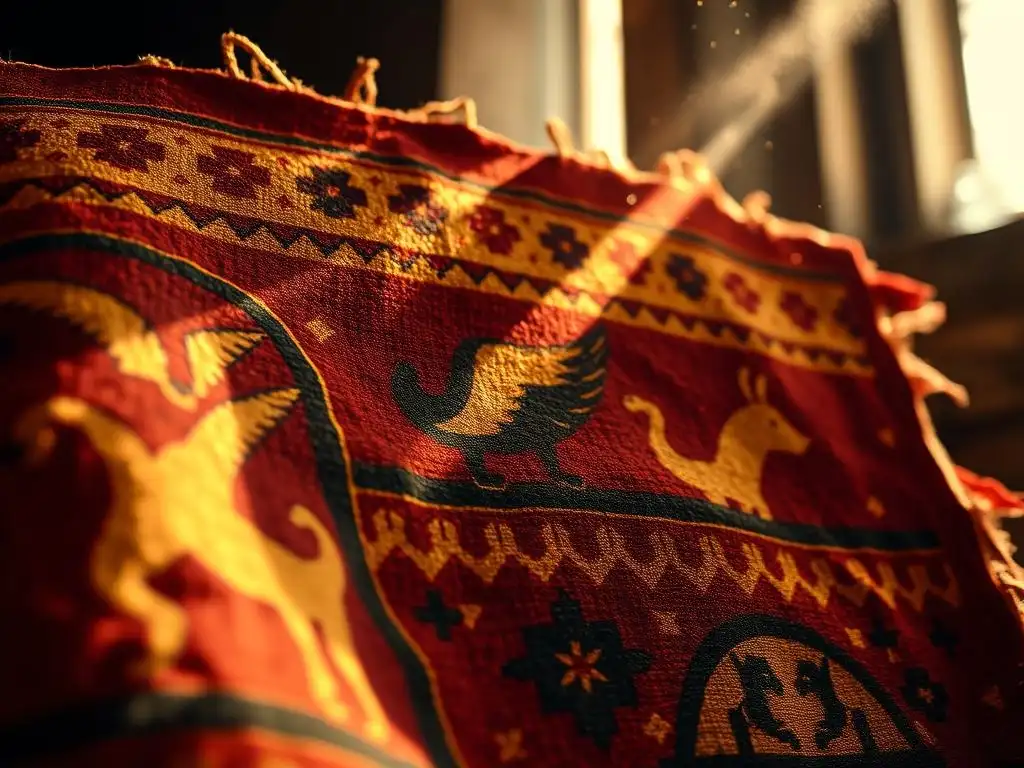
The vibrant tapestry of Andean textile weaving patterns wasn't merely a craft; it was deeply interwoven with the social fabric and spiritual beliefs of the Andean civilizations. Understanding these intricate designs requires delving into the complex interplay of religious rituals, social hierarchies, and daily life. The production and use of textiles were integral to the Andean worldview, reflecting cosmological beliefs, social status, and political power.
From the simplest everyday garment to the most elaborate ceremonial cloth, every thread carried symbolic weight, contributing to a rich and layered system of meaning. Analyzing these patterns allows us to glimpse into the minds and societies that created them, revealing insights into their beliefs, values, and social structures. This section will explore the profound religious and social significance embedded within Andean textile weaving, moving beyond mere aesthetics to uncover the deeper cultural narratives they represent.
Weaving as a Sacred Practice
Weaving in the Andes wasn't simply a secular activity; it was considered a sacred practice, connecting the weaver to the spiritual realm. The act of transforming raw materials – alpaca wool, cotton, and other natural fibers – into intricate textiles was seen as a form of creation, mirroring the divine act of bringing the world into being.
Many Andean cultures believed that the threads themselves possessed spiritual energy, and the process of weaving was a ritualistic act imbued with sacred power. Evidence suggests that specific prayers and offerings were made during the weaving process, ensuring the successful completion of the textile and imbuing it with protective or auspicious qualities.
The colors used in Andean textiles also held significant symbolic meaning, often associated with specific deities, natural elements, or cosmological concepts. For example, red might represent blood, fertility, or the sun, while yellow could symbolize gold, wealth, or the power of the Inca emperor. The careful selection and arrangement of colors were crucial in conveying the intended meaning and power of the textile.
The intricate designs themselves were often linked to specific myths, legends, and religious beliefs, making each piece a visual narrative of Andean cosmology and spirituality. Furthermore, the use of specific knots and techniques often held deeper symbolic meanings, adding another layer to the overall significance of the textile.
Andean textile weaving patterns were also powerful indicators of social status and hierarchy. The complexity of the design, the quality of the materials used, and the techniques employed all contributed to the social standing associated with a particular textile. Elaborate garments adorned with intricate patterns and rare materials were reserved for the elite, signifying their high position within Andean society. These textiles often featured symbolic motifs representing power, authority, and divine connection.
Conversely, simpler textiles with less intricate designs were worn by the common people, reflecting their place in the social order. The type of textile worn could indicate not only an individual's social standing but also their occupation or role within the community. For example, specific patterns might have been associated with certain religious leaders, artisans, or warriors.
The use of specific colors or motifs could also indicate membership in a particular clan or lineage, strengthening social bonds and reinforcing group identity. The analysis of Andean textile remains provides invaluable insights into the social structures and power dynamics of these ancient civilizations.
Andean Textiles in Ritual and Ceremony
Andean textiles played a vital role in religious rituals and ceremonies. Elaborately woven garments, tapestries, and other textile artifacts were often used in ceremonies to honor deities, commemorate ancestors, or celebrate important events. These textiles were not merely decorative; they were active participants in the ritual, acting as conduits for spiritual energy and facilitating communication with the supernatural world.
For example, large tapestries depicting mythological scenes or important historical events might have been used as backdrops for ceremonies or displayed in sacred spaces. Textiles were also used to adorn statues of deities, creating a visual connection between the human and divine realms. Furthermore, specific types of textiles might have been used in particular rituals or ceremonies, reinforcing the symbolic significance of these objects.
The presence of textiles in burial contexts also suggests their importance in the afterlife, with textiles often included as grave goods to accompany the deceased into the next world. The study of Andean textiles in ritual contexts provides a deeper understanding of the relationship between the material world and the spiritual realm in Andean cultures. The meticulous craftsmanship and rich symbolism embedded within these textiles stand as powerful testaments to the profound religious beliefs and practices of the ancient Andean civilizations.
Analysis of Key Andean Textile Weaving Motifs
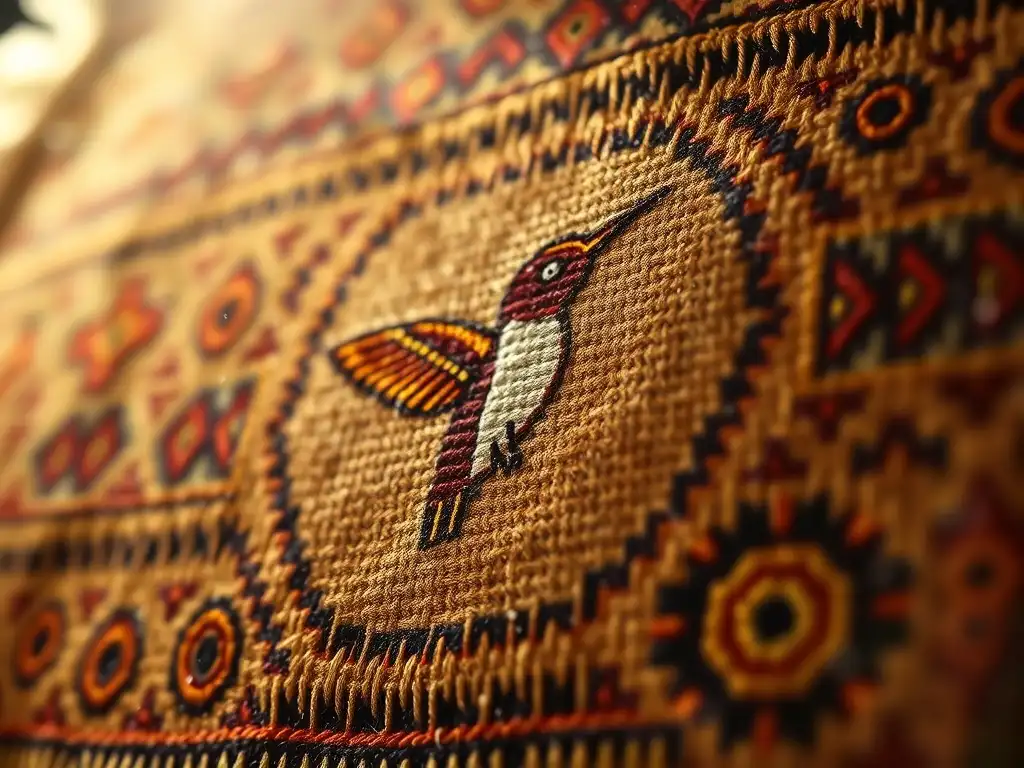
This section delves into the intricate world of Andean textile weaving patterns, exploring the symbolism embedded within specific motifs. Understanding these patterns provides a crucial window into the beliefs, social structures, and cosmology of the ancient Andean civilizations. The rich tapestry of Andean textiles wasn't merely decorative; it was a powerful form of communication, transmitting complex narratives across generations.
Analyzing these motifs allows us to decipher the messages encoded within these remarkable artifacts, revealing insights into the sophisticated cultural landscape of the Andes. The vibrant colors, complex designs, and the very act of weaving itself, were all imbued with symbolic meaning, contributing to the enduring legacy of Andean textile art. We will focus on three key motifs: the step pattern, the diamond pattern, and the condor motif, each carrying significant cultural weight.
The Meaning of the Step Motif in Andean Textiles
The step motif, a recurring element in Andean textiles, is far more than a simple geometric design. Its repeated, ascending lines often represent a connection to the Andean landscape, symbolizing the terraced agricultural fields ( andenes) so crucial to the survival of these civilizations. These terraces, meticulously carved into the mountainsides, mirrored the step motif's upward progression, visually connecting the woven fabric to the very land it represented. The steps could also symbolize social hierarchy, with the ascending lines representing the climb to power or spiritual ascension.
Further research is needed to definitively link specific step variations to particular social groups or rituals, but the motif's ubiquitous presence suggests its widespread importance. Different interpretations exist, with some scholars suggesting a connection to celestial movements or the cyclical nature of life and death. The precise meaning likely varied depending on the context, the specific textile, and the community that created it.
For example, a step pattern on a ceremonial garment might hold a different meaning than one on a simple everyday textile. The color palette used within the step pattern could also add further layers of meaning. [Specific color symbolism data pending].
The Significance of the Diamond Pattern in Andean Weaving
The diamond pattern, another prevalent motif, frequently represents duality and balance. In Andean cosmology, the concept of duality was pervasive, encompassing opposing forces like light and dark, male and female, life and death. The diamond, with its symmetrical form, visually embodies this balance. Its four points could symbolize the four cardinal directions, or the four elements, connecting the terrestrial world to the cosmos.
Furthermore, the diamond pattern could also represent fertility and abundance, reflecting the importance of agriculture in Andean societies. The tightly woven structure of the diamond often implies strength and resilience, mirroring the endurance of Andean communities in their harsh environment. The size and arrangement of the diamonds within a textile could also hold subtle variations in meaning.
Larger, more prominent diamonds might indicate higher status or spiritual significance. [Analysis of diamond size variations in different Andean cultures pending]. The use of different colors within the diamond pattern, again, likely conveyed additional levels of meaning, potentially related to specific deities or rituals.
The Condor Motif and Its Symbolic Power
The condor, a majestic bird of the Andes, held immense symbolic power in Andean culture. Its presence in textiles signifies power, strength, and a connection to the celestial realm. Depictions of condors frequently appear on elite garments and ceremonial textiles, underscoring their association with leadership and religious authority. The condor's ability to soar to great heights linked it to the sun and the gods, highlighting its spiritual significance.
The condor motif often appears in conjunction with other symbols, creating complex narratives within the textile. For example, a condor depicted alongside a sun symbol might represent the sun god's power or the condor's role as a messenger between the earthly and spiritual realms. The style of the condor's depiction – whether realistic or stylized – could also influence its symbolic interpretation.
[Further research on stylistic variations and their meanings is needed]. The use of specific colors in the condor depiction could further enhance its symbolic power, with different colors possibly representing different aspects of the bird's attributes or its association with specific deities. The condor motif, therefore, is not simply a decorative element but a powerful symbol imbued with deep cultural and religious meaning, reflecting the Andean worldview.
Conclusion: The Rich Tapestry of Andean Textile Weaving
The intricate world of Andean textile weaving patterns reveals a profound connection between the ancient civilizations of the Andes and their environment. More than just clothing or decorative items, these textiles served as powerful carriers of cultural narratives, social status indicators, and even spiritual conduits. Understanding these patterns allows us to decipher complex systems of belief, social organization, and artistic expression.
From the vibrant geometric designs of the Nazca to the sophisticated iconography of the Inca, each civilization left behind a unique textile legacy that reflects their distinct worldview and artistic sensibilities. The enduring beauty and complexity of these textiles continue to fascinate and inspire, demonstrating the ingenuity and artistry of Andean weavers.
The remarkable preservation of many examples, combined with ongoing research, allows us to continually unravel the secrets woven into these magnificent artifacts. The study of Andean textile weaving patterns provides a vital lens through which we can gain a deeper appreciation for the rich cultural heritage of the Andes.
The Importance of Andean Textile Art to Andean Civilizations
Andean textile art held immense significance across various aspects of Andean life. Its importance transcended mere aesthetics, deeply intertwining with social structures, religious beliefs, and economic systems. For example, the complexity and quality of a textile often indicated an individual's social standing within the community. Elaborately woven garments, adorned with intricate patterns and precious materials like alpaca wool and gold threads, were reserved for elite members of society, while simpler textiles were worn by the common people. This social stratification, clearly visible in surviving textiles, provides valuable insight into the hierarchical organization of Andean societies.
Furthermore, textiles played a crucial role in religious ceremonies and rituals. Specific patterns and motifs were associated with deities, ancestors, and sacred events. These symbolic textiles were often used in offerings, adorning religious figures, or incorporated into burial practices. The use of specific colors, such as red representing blood and fertility, or white symbolizing purity, further emphasizes the spiritual significance imbued in these woven narratives. The careful preservation of these ritual textiles highlights their enduring importance in the Andean worldview.
The Ongoing Research and Appreciation of Andean Textile Patterns
The study of Andean textile weaving patterns is a dynamic and evolving field. Researchers continue to uncover new findings through advanced analytical techniques and interdisciplinary collaborations. Archaeological excavations regularly unearth new textile fragments, providing fresh data to refine our understanding of weaving techniques, symbolic meanings, and stylistic variations across different Andean cultures. The application of scientific methods, such as fiber analysis and dye identification, provides crucial insights into the materials and techniques used by ancient Andean weavers.
Moreover, there's a growing appreciation for the artistic merit and cultural significance of Andean textiles beyond academic circles. Museums and cultural institutions worldwide are increasingly showcasing these artifacts, organizing exhibitions, and developing educational programs to raise public awareness. This growing interest fuels further research and encourages the preservation of these fragile yet invaluable pieces of history. This increased accessibility fosters a deeper appreciation for the artistry and cultural heritage represented in these intricate textile patterns, fostering a richer understanding of Andean civilizations.
The Role of Technology in Andean Textile Analysis
Modern technology plays a crucial role in enhancing our understanding of Andean textile weaving patterns. Digital imaging techniques allow for high-resolution documentation of intricate details, often invisible to the naked eye. This digital record-keeping facilitates detailed comparative analysis across different textiles and time periods, helping researchers identify stylistic trends and regional variations. Furthermore, advanced microscopy techniques allow researchers to analyze the structure and composition of fibers, dyes, and other textile components, providing insights into the materials and techniques used by ancient Andean weavers.
Moreover, 3D scanning and modeling create virtual representations of textiles, allowing for non-invasive examination and analysis. This is particularly beneficial for fragile or damaged artifacts, preventing further deterioration during study. The use of spectral imaging reveals hidden details and patterns not visible under normal lighting conditions.
These technological advancements are instrumental in unlocking the secrets embedded within these remarkable textiles, providing a more comprehensive understanding of the artistry, technology, and cultural significance of Andean textile weaving patterns. The continued application of cutting-edge technology promises to further revolutionize this field, revealing even more about these remarkable artifacts and the civilizations that created them.
Frequently Asked Questions
What makes Andean textile weaving patterns unique?
Andean textile weaving patterns are unique due to their complex symbolism, representing mythology, social status, and cosmology. The intricate designs and techniques are unparalleled in their artistry and sophistication.
What materials were traditionally used in Andean weaving?
Traditionally, Andean weavers used alpaca, llama, vicuña, and cotton fibers. These natural materials were carefully selected and processed to create durable and beautiful textiles. Dye plants provided a vibrant range of colors.
The complexity and type of design, as well as the quality of materials used, directly reflected the wearer's social standing. Elaborate patterns indicated high social rank and power.
What are some common symbols found in Andean textile weaving patterns?
Common symbols include geometric shapes, animals (e.g., condors, jaguars), and mythological creatures. These symbols often held deep religious or spiritual significance for the Andean cultures.
Where can I learn more about Andean textile weaving patterns?
You can explore museums with Andean collections, research academic journals, and visit cultural centers in the Andes. Many books and online resources also delve into the rich history of Andean textile art and its symbolic meanings.
Final Reflection: Unraveling the Enduring Legacy of Andean Textiles
The vibrant threads of Andean textile weaving, far from being mere artifacts of the past, continue to resonate powerfully in contemporary society. Their intricate designs are not simply aesthetic choices; they are living narratives, carrying the weight of history, spirituality, and cultural identity that still inform and inspire us today. These patterns are a testament to the enduring power of human creativity and the profound connection between art, culture, and community.
The impact of Andean textile traditions extends far beyond the Andes themselves. Their influence can be seen in global fashion trends, artistic movements, and even in the resurgence of interest in traditional crafts. These patterns speak to a deeper human need for connection to our heritage and a desire to express ourselves through meaningful symbols. The hand that weaves is the hand that heals,
a Quechua proverb aptly captures the therapeutic and spiritual significance woven into every thread. This sentiment speaks to the enduring power of these textiles to connect us to something larger than ourselves.
Consider the stories embedded within these intricate designs. Reflect on the skill, patience, and cultural knowledge passed down through generations of Andean weavers. You too, can find inspiration in the enduring legacy of these textiles. Embrace the power of storytelling through your own creative endeavors, and appreciate the rich tapestry of human expression that surrounds us. Let the vibrant colors and symbolic patterns of the Andes ignite your own creativity and inspire you to connect with the world around you in a more meaningful way.
Embrace the Threads of Andean Culture!
Thank you for exploring the rich tapestry of Andean weaving traditions! You've uncovered the profound meanings behind each intricate pattern and the vibrant stories woven into these textiles, captivating hearts for centuries. Now, let's explore ways to connect with this beautiful heritage.
- **Explore** local textile fairs or artisan markets to experience the artistry of Andean weaving firsthand. Witness the skill and dedication of the artisans.
- Share your newfound appreciation for Andean textiles by discussing the symbolism and artistry with friends and family, or by posting about it on social media. Help illuminate the beauty and cultural significance of these works.
- Consider **supporting traditional artisans** by purchasing their handmade textiles, directly contributing to the preservation of these ancient stories and techniques.
Which aspect of Andean textile history resonates most with you, and how will you share your knowledge and enthusiasm with others?