
Crafting Identity: Exploring the Significance of Metalworking in Early Andean Society

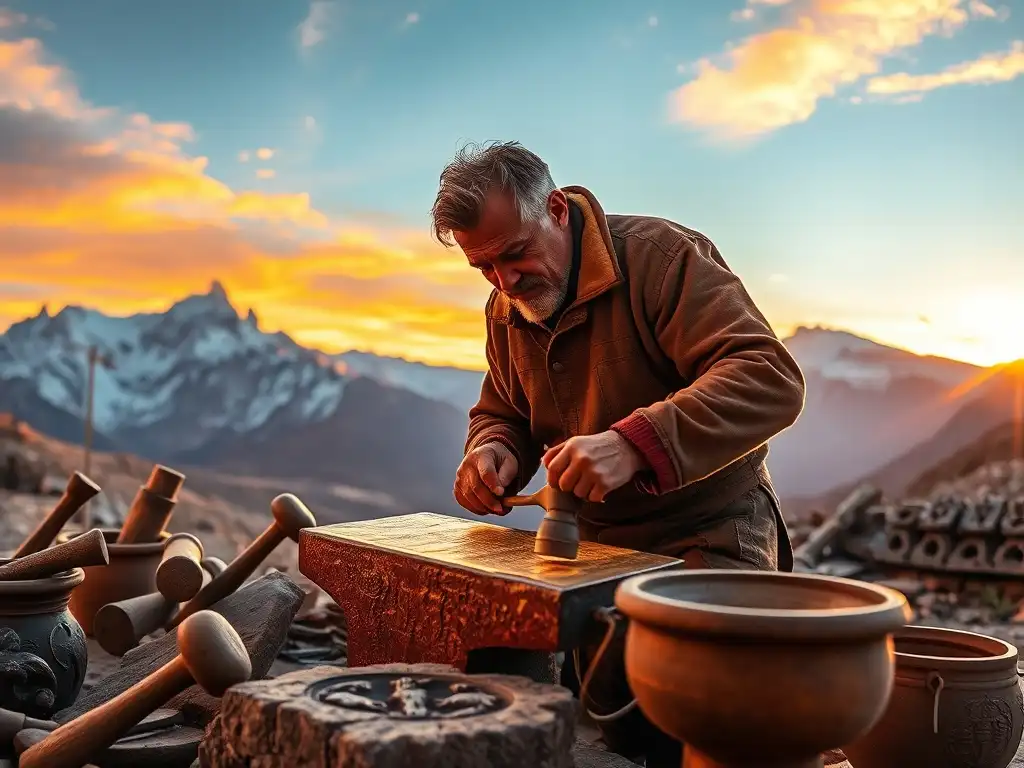
Uncover the secrets whispered by the Andes! Journey through millennia of breathtaking artistry and ingenuity as we delve into the fascinating world of Andean civilizations. From the intricate weavings of the Nazca to the towering structures of the Incas, their legacy continues to amaze. But what untold stories do their masterful Andean metalworking techniques reveal about their identities and beliefs? Prepare to be captivated as we unravel the mysteries behind this ancient craft.
The rise of complex societies in the Andes is inextricably linked to advancements in metallurgy. Far from being a mere technological achievement, Andean metalworking played a crucial role in shaping social structures, religious beliefs, and political power. This article delves into the significance of metalworking in early Andean societies, exploring the techniques employed, the symbolic meaning imbued in metal objects, and the impact on the development of these remarkable civilizations. We will examine how mastery of metalworking contributed not only to practical advancements but also to the very definition of identity and status within these ancient cultures. From the shimmering gold of the Moche to the intricate silverwork of the Inca, the story of Andean metalworking is a testament to human ingenuity and the profound connection between technology and cultural expression. This exploration will focus on understanding how "Andean metalworking techniques" contributed to the unique identities of various Andean cultures.
The Dawn of Andean Metallurgy: Early Techniques and Materials
The earliest evidence of Andean metalworking dates back to approximately 2000 BCE, with the initial use of native copper. These early techniques were relatively simple, involving hammering and annealing to shape the malleable metal. The discovery of gold and silver later expanded the possibilities, leading to more complex techniques and the creation of increasingly elaborate objects.
Early Andean metallurgists, working primarily with copper, developed methods of cold hammering and annealing to create tools, ornaments, and ceremonial objects. The scarcity of certain metals, like gold and silver, immediately imbued them with symbolic value, highlighting their importance in social hierarchy. Evidence suggests that early metalworking was likely a localized activity, with different groups developing their own distinct styles and techniques.
The exact processes used, however, are still being researched and new discoveries are constantly refining our understanding. We know that techniques varied across regions and over time, reflecting the unique cultural and environmental contexts of each Andean society.
Technological Advancements and Regional Variations in Andean Metalworking
As Andean societies developed, so did their metallurgical skills. The development of alloying, the process of combining different metals to create new materials with enhanced properties, marked a significant advancement. The most common alloy was bronze, a combination of copper and tin, which was stronger and more durable than pure copper. Different regions in the Andes developed specialized techniques.
For example, the Moche, known for their sophisticated artistry, mastered lost-wax casting, a complex technique that allowed them to create incredibly detailed figurines and vessels. Meanwhile, the Nazca were renowned for their intricate goldwork, employing techniques such as repoussé (hammering from the back to create relief) and filigree (creating delicate designs from thin wires). The development of these varied techniques is a testament to the ingenuity and adaptability of Andean metallurgists. These regional variations, in turn, contributed to the unique identities of each civilization.
Andean metalwork wasn't merely functional; it held profound social and religious significance. Elaborately crafted objects, often made of precious metals, were used in rituals, ceremonies, and burials. Gold, in particular, was associated with the sun and the divine, imbuing gold objects with immense power and prestige. The possession and use of metal objects, especially those made of gold and silver, became markers of social status and political power.
Elites adorned themselves with ornate jewelry and carried ceremonial weapons and tools, visually demonstrating their elevated position within society. The intricate designs and iconography found on many metal objects reveal much about the religious beliefs and cosmological views of the Andean cultures. For instance, certain motifs and images repeatedly appear, indicating shared beliefs and practices across different groups.
The Legacy of Andean Metalworking
The mastery of Andean metalworking techniques had a lasting impact on the region's history and culture. The techniques developed and refined over centuries left a remarkable legacy, influencing artistic styles and technological innovations for generations to come. The sophistication of these techniques is a testament to the ingenuity and skills of Andean artisans. The objects they created – from intricate jewelry to monumental sculptures – continue to captivate and inspire, offering a window into the rich and complex world of ancient Andean civilizations.
The impact of Andean metalworking extends beyond the realm of art and technology; it speaks volumes about the social structures, religious beliefs, and political power dynamics that shaped these extraordinary societies. The enduring appeal of Andean metalwork underscores its significance as a powerful expression of cultural identity. The study of "Andean metalworking techniques" therefore remains a crucial element in understanding the complex tapestry of Andean history.
- The Dawn of Andean Metallurgy: Early Techniques and Materials
- Technological Advancements and Regional Variations in Andean Metalworking
- The Social and Religious Significance of Metal Objects
- The Legacy of Andean Metalworking
The Dawn of Andean Metalworking: A Technological Revolution
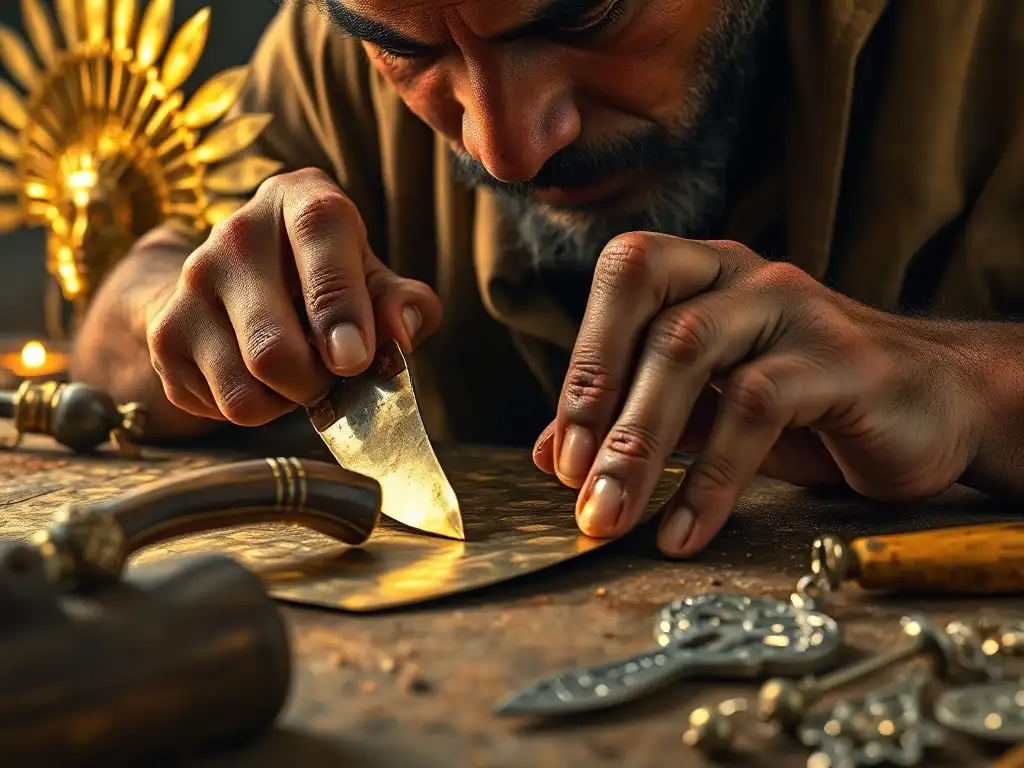
The development of Andean metalworking techniques represents a pivotal moment in the history of the Andes, marking a significant shift towards more complex social structures and a flourishing of artistic expression. This technological revolution didn't happen overnight; rather, it evolved over centuries, starting with the initial experimentation with naturally occurring metals and culminating in the sophisticated techniques employed by later Andean cultures.
The transition from simple hammering and cold-working to the mastery of lost-wax casting and alloying demonstrates a remarkable capacity for innovation and problem-solving. Understanding the evolution of Andean metalworking allows us to appreciate the ingenuity and artistry of these ancient peoples and the profound impact metallurgy had on their societies.
The precise timeline of this development is still being refined by ongoing archaeological research, but evidence suggests a gradual process of learning and refinement, with regional variations adding to the complexity of the narrative. The spread of these techniques across the Andes, possibly through trade networks and cultural exchange, further highlights the interconnectedness of these seemingly disparate communities.
Early Uses of Metal in the Andes: Beyond Decoration
Early Andean metalworking wasn't solely focused on creating elaborate ornaments. While decorative objects like pendants and beads are frequently found in early sites, the initial use of metals served more practical purposes. Archaeological evidence suggests that some of the earliest metal artifacts were tools, such as simple knives or chisels, crafted from hammered copper.
This demonstrates a clear understanding of the metal's properties and its potential for improving existing technologies. The transition from stone tools to copper tools, though gradual, marked a significant advancement in efficiency and precision. It wasn't simply about aesthetics; it was about functionality.
This practical application laid the groundwork for later developments and a more widespread adoption of metalworking. The discovery of copper deposits, and the subsequent techniques for extracting and working the metal, facilitated the growth of specialized workshops and the emergence of metalworkers as skilled artisans within Andean societies. The early forms of Andean metalworking reveal a remarkable understanding of material properties and a pragmatic approach to technology.
The rise of Andean metalworking profoundly impacted social structures. The control and distribution of metals, particularly precious metals like gold and silver, became intertwined with power and status. Access to these materials and the skilled artisans who worked them often signified elite status, reinforcing social hierarchies. Elaborate gold and silver objects, such as ceremonial masks, vessels, and adornments, served as potent symbols of authority and religious power.
The creation of these items required specialized knowledge and labor, resulting in the development of a class of skilled metalworkers who occupied a unique position within Andean society. The increasing complexity of metalworking techniques further contributed to the growth of specialized workshops and the development of interregional trade networks. This economic and social impact is clearly visible in the archaeological record, which shows a correlation between the sophistication of metalworking and the complexity of social organization.
The distribution patterns of metal artifacts suggest that elite classes controlled access to these valuable resources and used them to consolidate their power and influence. The rise of Andean metalworking was not simply a technological advancement; it was a catalyst for significant social and political transformation. It profoundly shaped the hierarchies, economies, and religious practices of the cultures that inhabited the Andes.
Andean Metalworking Techniques: Shaping Society and Art
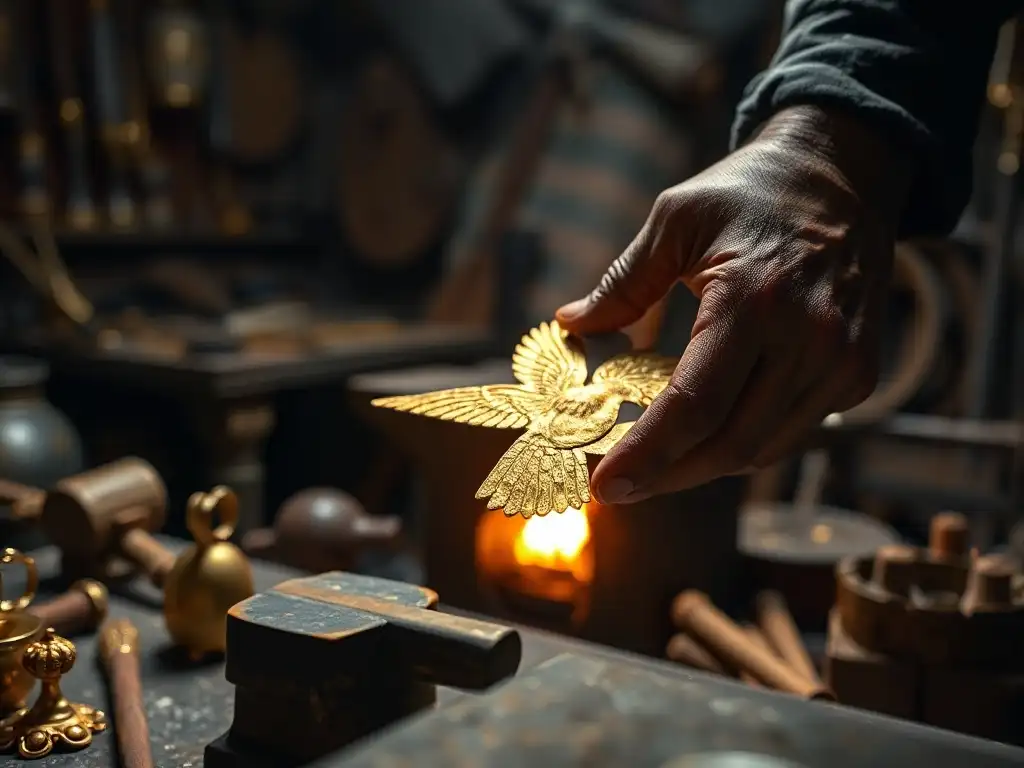
This section delves into the sophisticated techniques employed by Andean civilizations in metalworking, a craft that played a pivotal role in shaping their social structures, artistic expressions, and overall societal development. The mastery of these techniques allowed for the creation of intricate objects, from everyday tools to elaborate ceremonial items, reflecting the ingenuity and advanced technological capabilities of these ancient societies. Understanding Andean metalworking techniques provides crucial insights into their complex social organization and worldview.
Extraction and Processing of Metals in Ancient Andes
The Andean region boasts a rich abundance of metal ores, including copper, gold, silver, and tin. The extraction and processing of these metals were complex undertakings, requiring specialized knowledge and labor. Evidence suggests that early Andean metalworkers utilized various techniques, adapting their methods to the specific ore and desired outcome.
Early mining practices likely involved open-pit mining and shaft mining, depending on the geological context. Archaeological findings reveal evidence of sophisticated tools used for excavation, including stone hammers, chisels, and picks. Once extracted, the ores underwent a process of refinement. This often involved crushing and grinding the ore to separate the metal from the surrounding rock. Techniques like flotation, where lighter materials were separated from heavier ones using water, were likely employed.
The smelting process involved heating the ore to high temperatures in furnaces, often constructed from clay or stone. The use of bellows, possibly made from animal skins, would have been essential to achieve the necessary temperatures for melting the metals. After smelting, the resulting metal would be further purified and refined to remove impurities.
This could involve repeated heating and hammering, a process that also helped to work-harden the metal, increasing its strength and durability. The precise methods varied depending on the metal being processed; for instance, the smelting of copper required different temperatures and techniques compared to gold or silver.
The development of alloys, such as bronze (a copper-tin alloy), marked a significant technological advancement, enabling the creation of stronger and more durable tools and weapons. The mastery of these techniques demonstrates a deep understanding of metallurgy and material science, far surpassing what might be initially assumed of "primitive" societies.
Diverse Andean Metalworking Techniques: From Hammering to Casting
Andean metalworkers employed a remarkable array of techniques to shape metals into desired forms. Hammering was a fundamental technique, used to shape sheets of metal, create intricate designs, and strengthen the material through work-hardening. The artisans used various types of hammers and anvils, often made of stone, to achieve different effects. The precision and skill evident in many surviving artifacts highlight the expertise of these craftspeople.
Casting, another crucial technique, involved melting metal and pouring it into molds. Molds were typically made from clay or stone, and their complexity varied depending on the object being cast. The creation of intricate molds required considerable skill and artistry.
Lost-wax casting, a particularly sophisticated technique, allowed for the creation of highly detailed and complex objects. This process involved creating a wax model, covering it in clay, melting out the wax, and then pouring molten metal into the resulting mold. This method allowed for the creation of hollow objects with fine details, showcasing the advanced metalworking capabilities of Andean civilizations.
Other techniques included repoussé, where metal sheets were hammered from the back to create raised designs, and chasing, where designs were refined and detailed by hammering from the front. The combination of these techniques, often used in conjunction with each other, allowed for the creation of incredibly diverse and sophisticated metalwork. The stylistic variations between different Andean cultures, reflecting regional differences and distinct artistic traditions, further highlight the rich diversity of Andean metalworking techniques.
The Role of Specialized Artisans in Andean Metal Production
The production of metal objects in the Andes was not a simple, individual task. It involved a complex division of labor, with specialized artisans playing crucial roles in each stage of the process, from mining to finishing. This highly organized system reflects a sophisticated social structure and economic organization.
Evidence suggests the existence of specialized workshops and guilds where artisans worked collaboratively. These workshops may have been associated with religious centers, palaces, or elite households, reflecting the importance of metalwork in Andean societies. The skills required for metalworking were passed down through generations, often within families or lineages. This transmission of knowledge and expertise contributed to the continuity and refinement of metalworking techniques across generations.
The social status of metalworkers varied across different Andean cultures and time periods. In some cases, metalworkers held high social standing, reflecting the value and prestige associated with their craft. Their expertise and products were essential for both practical and ritual purposes, making them integral figures within their communities.
The meticulous craftsmanship and artistic skill embodied in Andean metalwork testify not only to advanced techniques but also to the significant social and economic role of the artisans who produced them. The study of these artisans and their intricate work offers a profound understanding of the social dynamics and cultural complexities of ancient Andean societies.
Metal Objects as Symbols of Power and Status
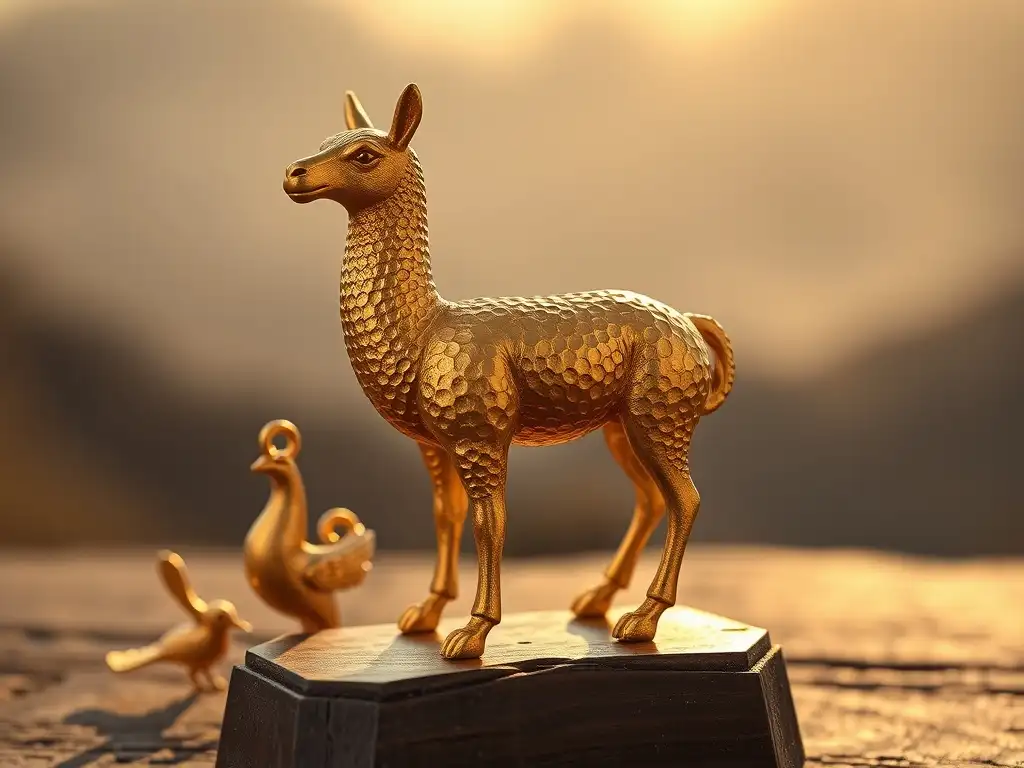
The mastery of Andean metalworking techniques wasn't merely a technological achievement; it was a fundamental element in shaping social structures and power dynamics. Metal objects, particularly those crafted from precious metals like gold and silver, served as potent symbols of authority, prestige, and divine connection. Their creation and distribution were carefully controlled, reinforcing the power of elites and reinforcing social stratification within Andean societies.
Access to these meticulously crafted artifacts was often restricted to the ruling classes, further emphasizing their elevated status. The sheer craftsmanship involved, requiring specialized knowledge and significant resources, elevated these objects beyond mere tools or ornaments; they became tangible manifestations of power.
The use of metal artifacts directly correlates with social standing in various Andean cultures. Elaborate gold tumblers, intricately designed silver plates, and finely hammered copper tools weren't evenly distributed. Archaeological evidence consistently shows a concentration of high-quality metalwork in elite tombs and ceremonial contexts.
For example, the Moche culture's elite burials often contained stunning examples of gold and silver jewelry, weaponry, and ceremonial objects, while the commoners' graves contained significantly fewer, and simpler, metal artifacts. This disparity underscores the use of metalworking as a mechanism to visually and materially represent social hierarchy. Analysis of grave goods across different Andean cultures reveals similar patterns, emphasizing the role of metalwork in solidifying and displaying social stratification.
The type of metal, the complexity of the design, and the sheer quantity of metal artifacts within a burial all served as indicators of the deceased's social standing. This systematic differentiation wasn't accidental; it was a deliberate strategy employed to reinforce the existing power structure.
Gold, Silver, and Copper: Metals with Different Symbolic Values
While all three metals – gold, silver, and copper – held significance in Andean societies, their symbolic values varied considerably. Gold, often associated with the sun and the divine, was frequently used in objects associated with religious ceremonies and the elite. Its malleability and lustrous quality made it ideal for creating intricate ornaments and prestigious items.
Silver, often linked to the moon and water, also held high value, but its use was sometimes more practical, appearing in utilitarian objects as well as ceremonial ones. Copper, while less precious than gold and silver, played a crucial role in everyday life.
Its use in tools, weapons, and agricultural implements highlights its practical importance, even if it lacked the same symbolic weight as the precious metals. The selection of a particular metal for a specific object wasn't arbitrary; it reflected the intended use and the social standing of both the creator and the intended recipient.
Metalworking and the Development of Andean Iconography
Andean metalworking techniques played a crucial role in the development and dissemination of Andean iconography. The ability to work with metals allowed artisans to create highly detailed and durable representations of deities, animals, and other important symbols. These images, often meticulously crafted in relief or cast in intricate molds, served to reinforce religious beliefs and cultural values.
The repetition of certain motifs across different metal artifacts suggests a standardized iconographic system, possibly reflecting a degree of centralized control over religious and artistic expression. Furthermore, the portability of metal objects facilitated the spread of these visual symbols across vast geographical areas, contributing to a shared cultural identity across diverse Andean communities.
The study of Andean metalwork, therefore, offers invaluable insights into the complex interplay between technology, religion, and the construction of cultural identity within these sophisticated societies. The intricate designs and symbolic representations found on these artifacts provide a rich tapestry of information about the beliefs, values, and social structures of ancient Andean civilizations, offering a unique window into their rich and complex history.
Case Studies in Andean Metalwork: Revealing Cultural Practices
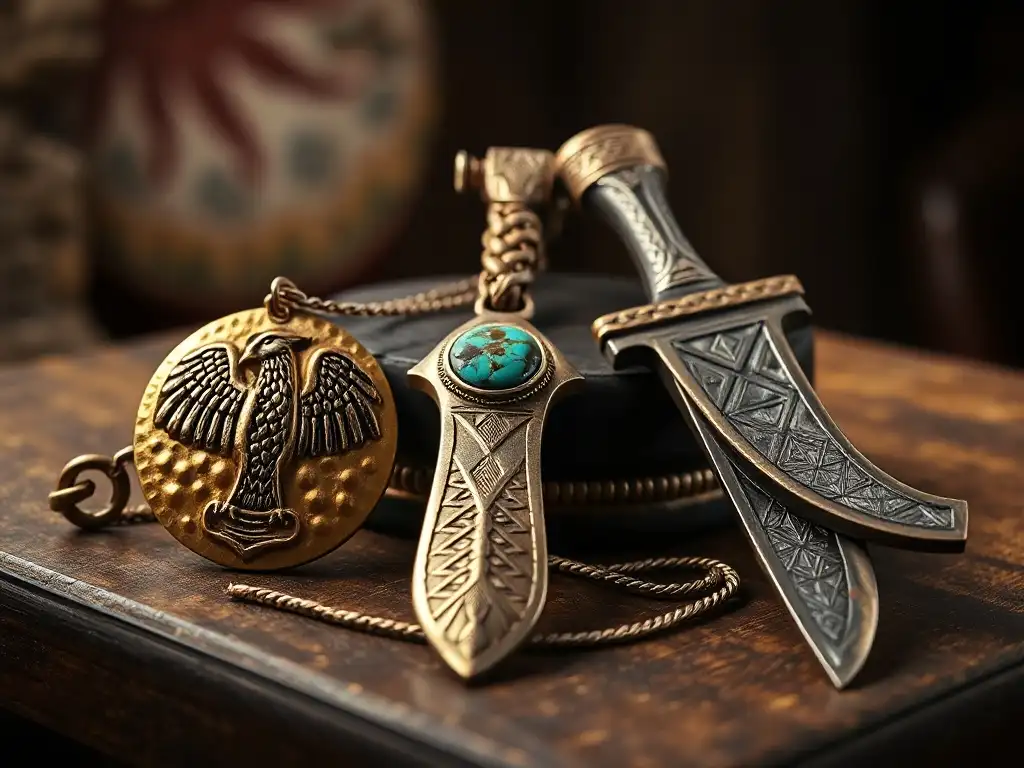
This section delves into specific examples of Andean metalworking, showcasing the diverse techniques and cultural significance across different civilizations. We'll examine the artistry and technological prowess demonstrated in surviving artifacts, highlighting the unique characteristics of each culture's approach to metalworking. Analyzing these case studies allows us to better understand how metalworking shaped social structures, religious beliefs, and political power within early Andean societies. The mastery of Andean metalworking techniques was not simply a practical skill; it was a fundamental aspect of their identity, reflecting their ingenuity and worldview.
The Metalwork of the Moche Culture: A Display of Craftsmanship
The Moche civilization (c. 100-800 CE), known for its sophisticated irrigation systems and vibrant pottery, also exhibited exceptional skill in metalworking. Their artisans employed techniques like hammering, annealing, and soldering to create intricate objects, often depicting deities, animals, and scenes from daily life. The use of gold, silver, copper, and alloys like tumbaga (a copper-gold alloy) allowed for a wide range of colors and textures.
Moche metalwork frequently showcased a remarkable level of detail. For example, many surviving artifacts display incredibly fine repoussé work, where the metal is hammered from the back to create three-dimensional figures. This technique, demanding immense skill and patience, demonstrates the high value placed on metalworking within Moche society. Furthermore, the use of precious metals suggests that metalworking was likely controlled by the elite, emphasizing its role in reinforcing social hierarchies.
The intricate designs often depicted powerful figures or mythological beings, reinforcing religious beliefs and the authority of the ruling class. Analysis of Moche metal artifacts provides invaluable insights into their cosmology and social organization, offering a glimpse into their complex worldview. The artisans' mastery of Andean metalworking techniques is evident in the exquisite detail and technical proficiency displayed in these remarkable pieces.
The Significance of Tiahuanaco Metal Artifacts
The Tiahuanaco culture (c. 500-1000 CE), located in the southern Andes, left behind a smaller, yet equally significant, body of metalwork compared to other contemporaneous cultures. While less prolific than the Moche, their metal artifacts often exhibit a distinct style, characterized by a more geometric and stylized aesthetic. The scarcity of Tiahuanaco metal objects may indicate a different approach to metalworking, perhaps prioritizing other materials or artistic mediums. However, the surviving artifacts, often made of gold, silver, and copper, display sophisticated techniques such as casting and inlay work.
One notable aspect of Tiahuanaco metalwork is its potential connection to religious practices. Some artifacts, such as small figurines or decorative elements, suggest a ritualistic or ceremonial function. The use of precious metals in these objects further emphasizes their importance within the Tiahuanaco worldview.
Further research is needed to fully understand the role of metalworking in Tiahuanaco society, but the available evidence suggests a significant, albeit less extensive, contribution to their cultural identity. Detailed analysis of the alloy composition and manufacturing processes could provide further insights into their trade networks and technological capabilities, illuminating the intricacies of their Andean metalworking techniques. The limited number of surviving pieces, however, makes comprehensive conclusions challenging.
Incan Metalworking Traditions: Legacy and Innovations
The Inca Empire (c. 1438-1533 CE) inherited and expanded upon existing Andean metalworking traditions, developing their own unique style and techniques. They mastered techniques like hammering, casting, and plating, creating large-scale objects like ceremonial vessels, weaponry, and jewelry. The Incas’ vast empire facilitated access to a wider range of resources, including diverse metals and skilled artisans from conquered territories. This allowed for a greater scale of production and a wider variety of styles.
Inca metalwork is characterized by its grandeur and sophistication. They often utilized a technique known as repoussé and chasing, creating intricate reliefs on sheets of gold and silver. The use of alloys, especially tumbaga, allowed for a rich palette of colors and textures, enhancing the aesthetic appeal of their metalwork. The Incas' mastery of Andean metalworking techniques is evident in their capacity to produce large-scale objects with intricate details, showcasing their impressive organizational skills and technological expertise.
Unlike some earlier cultures, the Incas’ metalwork also demonstrates a degree of standardization, suggesting a centralized control over production and distribution. This reflects the highly organized nature of the Inca state, where metalworking played a crucial role in maintaining power and reinforcing the emperor's authority. The legacy of Inca metalworking continues to inspire awe and admiration, testament to their remarkable achievements in the field.
The Legacy of Andean Metalworking: Enduring Influence
The mastery of Andean metalworking techniques left an indelible mark on the region, extending far beyond the demise of the great empires that first developed these skills. Its influence resonates even today, shaping artistic traditions and inspiring contemporary artisans. The legacy isn't solely aesthetic; it’s deeply intertwined with cultural identity, providing a tangible link to a rich and complex past. Examining this enduring influence reveals how the techniques and artistry of ancient metalworkers continue to inspire and inform.
The Influence of Ancient Andean Metalworking on Later Cultures
The sophisticated metalworking techniques of the pre-Columbian Andes didn't vanish with the arrival of the Spanish. Instead, they adapted and evolved, influencing subsequent artistic and cultural expressions. While the scale and complexity might have changed, the fundamental skills – hammering, casting, and alloying – persisted, albeit often integrated with new stylistic elements introduced by European colonists.
For example, the intricate filigree work characteristic of certain Andean cultures found its way into colonial-era silversmithing, albeit often adapted to European aesthetic preferences. This fusion of techniques created a unique blend, reflecting the ongoing cultural exchange and adaptation that characterized the post-conquest period. The use of precious metals like gold and silver, so central to Andean identity, continued to hold significant symbolic value, albeit often within a new, imposed religious and social framework.
This enduring presence underscores the deep-rooted nature of Andean metalworking traditions, their resilience in the face of significant historical upheaval. Studies of colonial-era artifacts reveal a fascinating interplay between indigenous techniques and European styles, highlighting the enduring power of these ancient skills. Further research is needed to fully understand the extent of this influence across different Andean regions and across different time periods.
Andean Metalworking Techniques and Modern Craftsmanship
The resurgence of interest in pre-Columbian Andean art has fueled a revival of traditional metalworking techniques. Contemporary artisans, drawing inspiration from ancient artifacts and archaeological discoveries, are actively reclaiming and reinterpreting these skills. This isn't simply a matter of replication; it's a dynamic process of innovation, where ancient techniques are combined with modern materials and artistic sensibilities.
The use of lost-wax casting, for instance, a technique refined by Andean metalworkers centuries ago, continues to be a cornerstone of contemporary craft production. However, modern artisans are experimenting with new alloys and incorporating contemporary design elements, creating a vibrant and evolving tradition. This revival not only preserves a valuable cultural heritage but also contributes to the economic empowerment of communities that have historically been involved in metalworking.
The techniques themselves, passed down through generations, are constantly being refined and adapted, ensuring their continued relevance in the 21st century. Detailed studies of contemporary Andean metalworking practices are crucial to fully document and understand this ongoing evolution.
Preserving the Heritage of Andean Metalworking: Archaeological Discoveries
Archaeological discoveries are fundamental to our understanding of Andean metalworking techniques. Excavations at sites like Sipán (Moche culture) and the numerous Inca sites across the Andes have yielded a wealth of artifacts, providing invaluable insights into the processes, tools, and materials used by ancient metalworkers. The analysis of these artifacts, including tools, crucibles, and the finished products themselves, allows researchers to reconstruct the techniques employed and to understand the level of sophistication achieved.
For instance, the discovery of intricate gold and silver objects, often adorned with elaborate designs, reveals a mastery of techniques like hammering, repoussé, and filigree work. The careful study of metallurgical composition further reveals the knowledge of alloying and the ability to manipulate different metals to achieve desired properties. The ongoing discovery of new sites and the application of advanced analytical techniques, such as X-ray fluorescence spectroscopy, continue to shed light on the complexity and sophistication of Andean metalworking.
This ongoing research is crucial for preserving and understanding the full extent of this rich and significant cultural heritage, offering valuable data to both historians and contemporary artisans. The careful documentation and preservation of these discoveries are paramount for the future study of Andean metalworking techniques.
Frequently Asked Questions
What makes Andean metalworking unique?
Andean metalworking was remarkably sophisticated, employing techniques like lost-wax casting and hammering to create intricate objects. Their mastery of alloys, particularly gold, silver, and copper, was unparalleled in the pre-Columbian world.
Which Andean cultures were most renowned for their metalworking?
The Moche, Inca, and Tiahuanaco cultures are particularly famous for their advanced metalworking skills. Each developed distinct styles and techniques, reflecting their unique cultural identities.
What materials did Andean metalworkers use?
Andean metalworkers primarily used gold, silver, copper, and bronze. They also sometimes incorporated spondylus shells and other materials into their creations. The availability of these materials varied regionally, influencing artistic styles.
What was the purpose of Andean metalwork?
Andean metalwork served a variety of purposes, including religious rituals, political power display, and social status markers. Elaborate objects were often associated with elite members of society and used in ceremonies.
How did Andean metalworking techniques evolve over time?
Andean metalworking techniques evolved significantly over centuries. Early techniques were relatively simple, but gradually became more complex and sophisticated, reflecting advancements in technology and artistic expression. Alloying became increasingly important, leading to a wider range of colors and textures.
Final Reflection: The Enduring Legacy of Andean Metalworking
The intricate artistry of Andean metalworking wasn't merely a technological achievement; it was a powerful expression of identity, shaping social structures and leaving an indelible mark on the world. The techniques developed and refined across millennia continue to fascinate and inspire, demonstrating the ingenuity and cultural depth of early Andean societies. Their mastery of metallurgy serves as a testament to human creativity and the enduring power of cultural expression.
The impact of Andean metalworking extends far beyond the artifacts themselves. It speaks to a sophisticated understanding of the natural world, a complex social hierarchy reflected in the objects produced, and a vibrant spiritual life interwoven with the process of creation. The gold, silver, and copper objects are not merely beautiful; they are imbued with meaning, reflecting the cosmology and beliefs of the people who created them.
This enduring legacy continues to influence contemporary art, archaeology, and our understanding of ancient civilizations, reminding us of the interconnectedness of past and present.
Consider the intricate details, the innovative techniques, the sheer artistry displayed in these ancient works. You, too, can find inspiration in the dedication and skill of these master craftspeople. Reflect on how your own identity is shaped by your skills and passions. What legacy will you leave behind? Let the enduring spirit of Andean metalworking inspire you to create, to innovate, and to leave your own unique mark on the world.
Unveil Your Passion for Andean Metalworking!
Thank you for exploring the fascinating world of early Andean metalworking! You've discovered how skilled craftsmanship shaped individual identities and community values. Now, let's build on that inspiration and take action. Here are some ways to further engage with this rich heritage:
- Visit a museum or exhibition showcasing Andean artifacts. Seeing the metalwork up close will deepen your understanding of its cultural significance.
- Take a metalworking class or workshop. Learn ancient techniques firsthand and discover how they can inspire your own creativity.
- Share your knowledge with friends, family, or online communities. Let others appreciate the beauty and artistry of Andean craftsmanship.
Reflect on these suggestions and consider this: How can the traditions of the past inform and inspire your creative endeavors today?