
Decoding Chavín Iconography: What the Symbols Really Mean

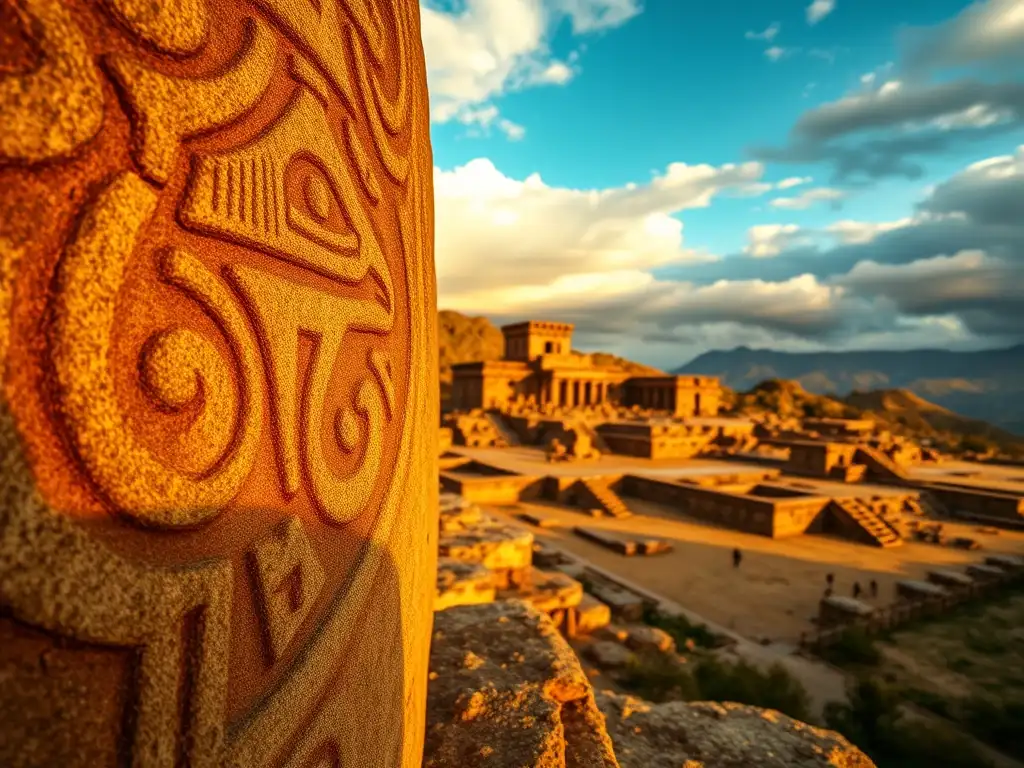
Unravel the mysteries of the Andes! Journey back in time to a world of breathtaking artistry and sophisticated societies. From the towering heights of the Incas to the enigmatic coastal cultures, Andean Civilizations reveals the secrets of a fascinating past. But what do the perplexing symbols of the Chavín culture truly signify? Discover the answers as we delve into the captivating world of Chavín symbols meaning and unlock the secrets held within their intricate iconography. Prepare to be amazed.
- Decoding Chavín Iconography: Unveiling the Meaning of Chavín Symbols
- Key Chavín Symbols and Their Meanings
- Analyzing Chavín Iconographic Motifs
- The Function of Chavín Iconography
- Chavín Symbols Meaning: A Summary of Interpretations
- Frequently Asked Questions
- Final Reflection: Unraveling the Enigma of Chavín
- Unveil the Secrets of Chavín Iconography!
Decoding Chavín Iconography: Unveiling the Meaning of Chavín Symbols
The enigmatic Chavín culture, flourishing in the Andes from approximately 900 to 200 BCE, left behind a legacy of breathtaking artistry and complex religious symbolism. Their iconography, carved into stone, woven into textiles, and molded into ceramics, continues to fascinate and challenge researchers today. This article delves into the captivating world of Chavín symbols, exploring their potential meanings and the broader context of their creation within the pre-Incan societies of the Andean coast.
We will unravel the mysteries surrounding these intriguing representations, offering insights into the religious beliefs, social structures, and worldview of this influential civilization. Understanding Chavín iconography provides a crucial key to unlocking a deeper understanding of the development of Andean art and the evolution of religious thought in the region.
Prepare to embark on a journey through time, deciphering the secrets held within these ancient carvings and unlocking the rich tapestry of meaning woven into the Chavín artistic legacy. This exploration will be particularly focused on understanding the meaning behind specific Chavín symbols, directly addressing your search for "Chavín symbols meaning."
Introduction to Chavín Art and its Symbolic World
Chavín art is characterized by its distinctive style, often described as a blend of both abstract and representational elements. Common motifs include stylized feline figures, serpents, and mythical creatures, frequently depicted with exaggerated features and intricate details. These weren't merely decorative; they were powerful religious symbols, deeply embedded within the Chavín worldview.
The use of specific materials, like polished stone, further emphasizes the ritualistic and sacred nature of these artifacts. The complexity of the iconography suggests a sophisticated understanding of cosmology and a complex religious system that permeated all aspects of Chavín life. Consider, for instance, the iconic Chavín deity, often depicted as a composite creature with feline, avian, and reptilian traits – a clear representation of the blending of natural forces and spiritual power within their beliefs.
This complex imagery is not easily deciphered, demanding a multi-faceted approach to interpretation, considering both artistic style and the broader cultural context. The placement of these symbols within specific architectural contexts, such as the Lanzón monolith at the Chavín de Huántar site, also plays a crucial role in understanding their significance.
Chavín Culture: Context for Understanding its Iconography
To fully appreciate the meaning behind Chavín symbols, we must understand the cultural context in which they were created. The Chavín culture, located in the central Andes, acted as a powerful influence on surrounding societies, spreading its artistic style and religious beliefs across a wide geographical area. Archaeological evidence suggests a highly stratified society, with a priestly elite controlling religious practices and potentially wielding significant political power.
The impressive scale of Chavín de Huántar, the main ceremonial center, speaks to the importance of religious rituals and the centralized nature of their belief system. The elaborate architecture, including intricate carvings and sophisticated drainage systems, underlines the advanced technological capabilities of the Chavín people and their capacity for organized labor.
Understanding this socio-political structure is vital to interpreting the symbols, which likely reflected the power dynamics and religious hierarchy of the time. Further research into their agricultural practices and economic systems would also provide valuable context for understanding the broader motivations behind their artistic creations.
The Significance of Chavín Art in Andean Civilizations
The influence of Chavín art extended far beyond the immediate geographical area of the Chavín culture itself. Its stylistic elements and iconographic motifs are found in subsequent Andean civilizations, suggesting a lasting impact on the region's artistic traditions and religious beliefs. The spread of Chavín-style art can be viewed as a form of cultural diffusion, demonstrating the power and prestige of the Chavín religious system.
This influence is evident in the art of later cultures, such as the Moche and Nazca, where modified versions of Chavín motifs appear, adapted and integrated into their own unique artistic styles. The continuity of certain symbols and stylistic conventions across different cultures highlights their enduring significance and the deep-rooted religious beliefs they represented. Analyzing the evolution and transformation of Chavín symbols in later Andean art offers valuable insights into the processes of cultural exchange and adaptation in the pre-Columbian Andes.
The persistence of these motifs across centuries underscores their importance and the lasting impact of the Chavín culture on the development of Andean civilization. It allows us to appreciate the Chavín legacy as a foundational element in the rich artistic and religious tapestry of the region.
Key Chavín Symbols and Their Meanings
This section delves into the intricate world of Chavín iconography, exploring the meanings behind some of the culture's most prominent symbols. Understanding these symbols provides crucial insights into the beliefs, worldview, and societal structure of this influential pre-Inca civilization. The Chavín culture, flourishing in the Andes between 900 and 200 BCE, left behind a rich legacy of art and architecture, much of which is adorned with complex and often enigmatic imagery.
These symbols, frequently carved in stone or depicted in ceramics, weren't merely decorative; they carried deep religious and social significance, acting as a visual language for communicating complex ideas. Analyzing these Chavín symbols meaning helps us decipher the mysteries of this fascinating civilization.
The Jaguar in Chavín Iconography: Power and Transformation
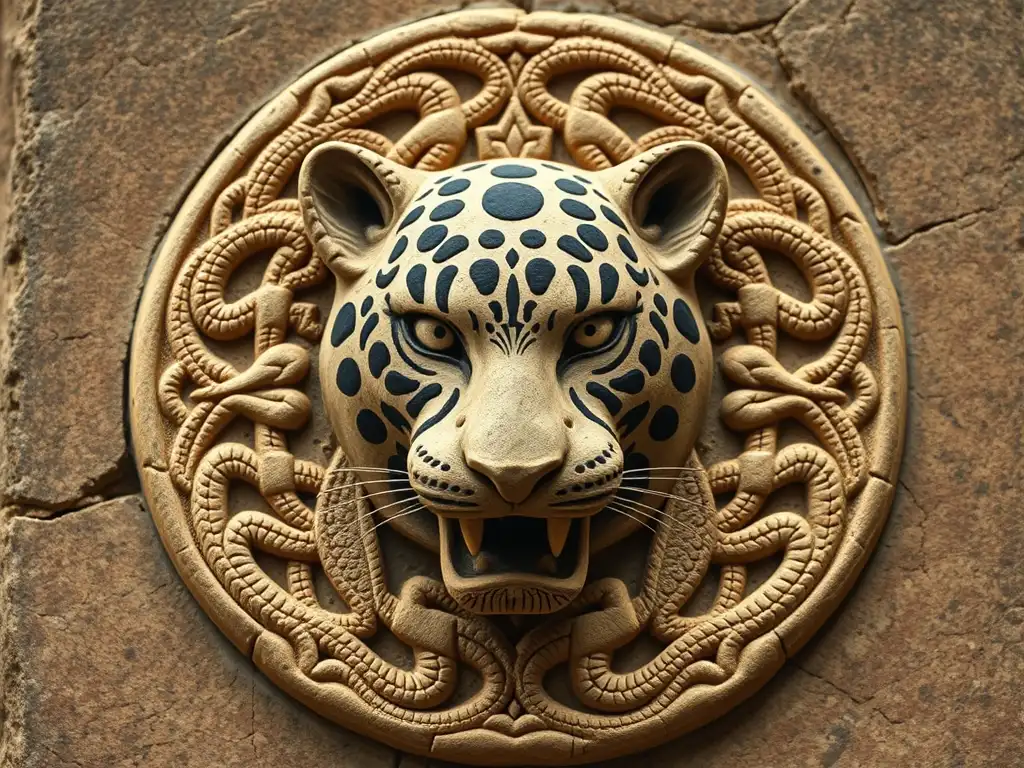
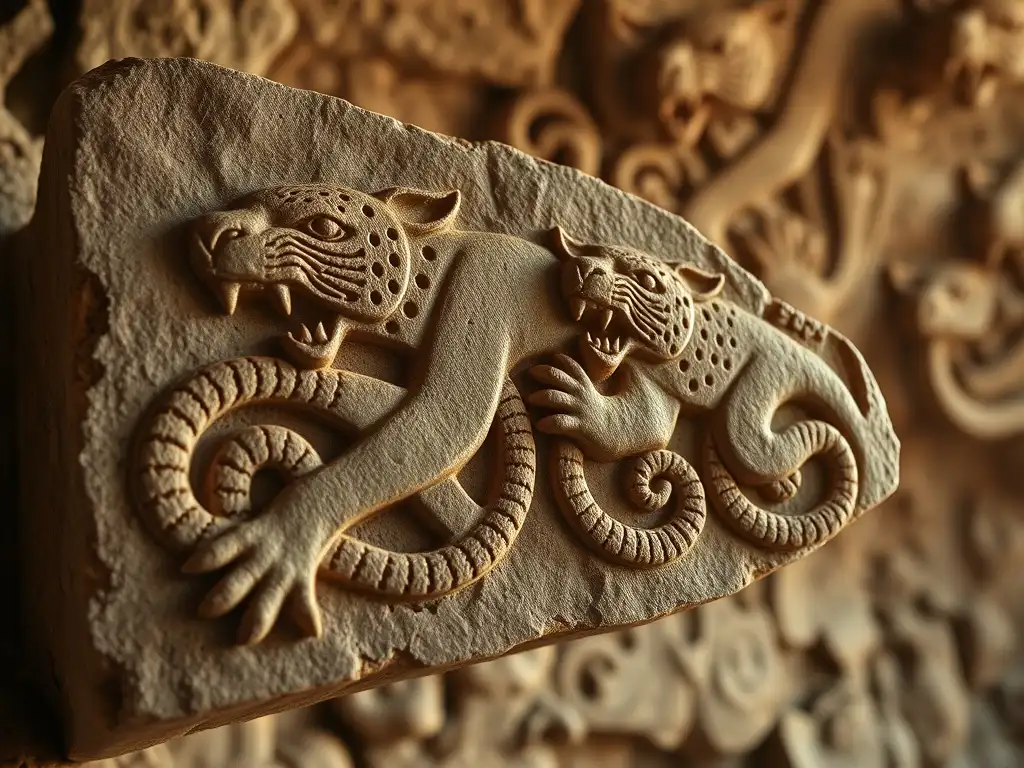
The jaguar, a powerful and elusive predator of the Andean highlands, features prominently in Chavín art. It's not simply a depiction of the animal itself; rather, the jaguar represents a complex interplay of power, transformation, and shamanic experiences. Many Chavín artifacts, including ceramics and stone carvings, showcase the jaguar in various poses, sometimes intertwined with other symbolic elements like serpents or stylized plants.
The jaguar's association with power is evident in its depiction as a dominant figure, often positioned centrally within a composition. Its strength and predatory nature likely symbolized the power of the Chavín elite, perhaps representing their control over resources, territories, and people. Furthermore, the jaguar's ability to navigate both terrestrial and aquatic environments could have symbolized the Chavín's mastery over diverse landscapes and ecological zones.
Beyond power, the jaguar’s transformative aspect is crucial. In many cultures, the jaguar is linked to shamanic journeys and altered states of consciousness. The Chavín likely viewed the jaguar as a conduit to the spirit world, facilitating communication with supernatural forces.
The jaguar's spots, often intricately rendered in Chavín art, may represent the stars, further strengthening this connection to cosmic realms. The Chavín's fascination with the jaguar underscores their deep understanding of the natural world and its spiritual dimensions. Further research into specific examples of jaguar depictions, including stylistic variations and contextual clues, could provide a more nuanced understanding of this powerful symbol.
The Serpent: Symbolism of Water and Fertility in Chavín Art
The serpent, another recurring motif in Chavín art, embodies the life-giving forces of water and fertility. Unlike the jaguar's representation of raw power, the serpent symbolizes the cyclical nature of life, death, and renewal, closely tied to the Andean agricultural cycle. The Chavín relied heavily on agriculture, and the availability of water was crucial for their survival. Therefore, the serpent's symbolism reflects the vital role water played in their lives.
Serpents are often depicted in a stylized manner, their bodies forming intricate patterns and sometimes intertwining with other figures. Their sinuous forms may represent the flowing water of rivers and streams, essential for irrigation and sustenance. The serpent’s connection to fertility is also apparent, as it's frequently associated with plants and other symbols of abundance. This connection highlights the Chavín's deep respect for the natural world and their understanding of the interconnectedness of life.
The presence of serpents in Chavín temples and ceremonial centers further emphasizes their religious importance. They might have been seen as intermediaries between the human and spirit worlds, facilitating communication with deities associated with water and fertility. The serpent's symbolic significance in Chavín culture highlights the importance of water management and agricultural practices in shaping their worldview and religious beliefs. Detailed analysis of the different types of serpent depictions in Chavín art could reveal further nuances in their symbolic meaning.
The Caiman Motif: Chavín Depictions and Interpretations
The caiman, a large crocodilian reptile inhabiting the Amazon basin and coastal rivers, is another significant symbol in Chavín iconography. While less prevalent than the jaguar or serpent, its presence is still noteworthy, hinting at the Chavín's extensive network of trade and influence, reaching beyond the immediate highlands. The caiman's depiction in Chavín art, often stylized and integrated into larger compositions, suggests its symbolic importance, though its meaning is less clearly defined than that of the jaguar or serpent.
One interpretation suggests that the caiman represents a connection to the Amazonian region and its rich resources. The presence of caiman imagery in Chavín artifacts may reflect trade relationships with Amazonian communities, or possibly represent the Chavín's expansion of their influence into these regions. The caiman's association with water and the underworld also aligns with the themes of fertility and regeneration found in other Chavín symbols. It may have represented the powerful forces of nature, particularly those associated with aquatic environments and the cyclical processes of life and death.
Further research is needed to fully understand the caiman’s significance in Chavín culture. A comparative analysis with other Andean cultures that also depict caimans could shed light on the shared or unique aspects of this symbolism. A detailed study of the stylistic variations and contextual placement of caiman motifs in Chavín art could unlock further insights into their meaning and significance within the broader context of Chavín cosmology. The scarcity of detailed studies on this specific symbol presents a significant opportunity for future research into Chavín symbols meaning.
The Harpy Eagle: Representing the Sky and Spiritual Power
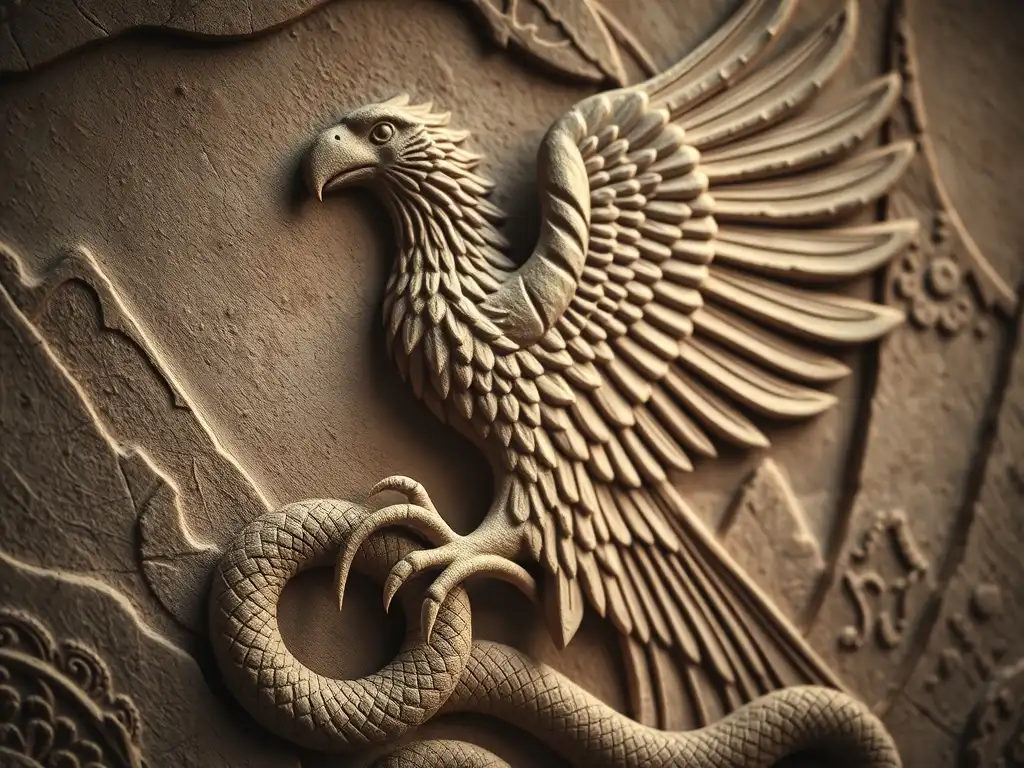
The harpy eagle, a majestic bird of prey with a powerful presence, features prominently in Chavín iconography. Its depiction isn't merely aesthetic; it symbolizes a deep connection between the earthly and spiritual realms. The eagle's ability to soar through the sky, effortlessly traversing the heights, represents the power and transcendence of the spiritual world. Chavín artists frequently portrayed the harpy eagle in dynamic poses, its wings outstretched, emphasizing its mastery of the air.
This powerful imagery likely served to reinforce the religious authority of the Chavín elite and their connection to divine forces. The eagle's sharp gaze and predatory nature also suggest a connection to shamanistic practices, perhaps representing the shaman's ability to see beyond the physical world and access spiritual knowledge. The placement of the harpy eagle within larger compositions further emphasizes its significance.
For instance, it often appears near other important symbols, such as the Staff God, reinforcing the interconnectedness of Chavín religious beliefs. Analyzing the stylistic variations in the depiction of the harpy eagle across different Chavín sites might reveal subtle shifts in religious beliefs or regional differences in artistic expression, areas ripe for further research. The consistent presence of the harpy eagle, however, undeniably highlights its central role in Chavín cosmology and the importance of its symbolic representation in their understanding of the universe.
The Staff God: Central Figure in Chavín Religious Beliefs
The Staff God is arguably the most iconic and enigmatic figure in Chavín iconography. Depicted with a complex array of features, including a feline-like face, fangs, and a staff (hence the name), the Staff God embodies a powerful and multifaceted deity. Its representation is far from uniform; variations in the Staff God's depiction across different Chavín sites and artifacts suggest a complex evolution of religious beliefs or perhaps different interpretations of the same deity. Some depictions show the Staff God with elaborate headdresses, while others emphasize its clawed hands and fanged mouth, hinting at both benevolent and terrifying aspects.
Scholars interpret the Staff God's attributes in various ways. The feline features might connect it to Andean feline deities, reflecting the importance of these animals in the region's mythology. The staff itself could symbolize authority, power, or a connection to the underworld. The Staff God's central position in many Chavín artworks suggests its paramount importance in Chavín religious practices and beliefs.
Its presence often dominates the artistic composition, drawing the viewer's eye and reinforcing the deity's significance. Furthermore, the Staff God's frequent appearance alongside other important symbols, such as the harpy eagle and various zoomorphic figures, highlights its role as a central figure within a larger, complex cosmological system. Understanding the nuances of the Staff God's representation is crucial to deciphering the intricacies of Chavín religious beliefs and their understanding of the world. Further research, particularly comparative analysis of different depictions, is essential to fully unlock the mysteries surrounding this enigmatic deity and its role in Chavín culture.
Analyzing Chavín Iconographic Motifs
The Chavín culture, flourishing in the Andes from approximately 900 to 200 BCE, left behind a complex and enigmatic artistic legacy. Their iconography, found on ceramics, textiles, and monumental architecture, is characterized by a unique style combining human, animal, and abstract elements. Deciphering the meaning of these Chavín symbols remains a challenge for archaeologists and scholars, but careful analysis reveals potential clues to their cosmology and worldview.
Understanding the symbolic language of the Chavín allows us to delve deeper into the beliefs and practices of this influential pre-Incan civilization. This section focuses on key motifs frequently found in Chavín art, exploring their potential meanings and interpretations, contributing to a broader understanding of Chavín symbol meaning.
Composite Beings: Blending Animal and Human Traits in Chavín Art
A striking feature of Chavín art is the prevalence of composite beings – creatures that blend human and animal characteristics. These hybrid figures are often depicted with human-like bodies but with the heads, claws, or other features of jaguars, eagles, snakes, or other animals. For example, the famous Lanzón monolith at the Chavín de Huántar site shows a deity with a fierce feline face, human-like torso, and clawed hands. This blending of features isn't random; it likely reflects the Chavín's belief system, where the boundary between the human and animal realms was fluid.
The combination of characteristics suggests a powerful connection between the human world and the natural world, particularly the animal kingdom. Animals held significant symbolic power within Chavín cosmology, perhaps representing specific deities or embodying qualities such as strength, agility, and predatory prowess. The integration of these animal characteristics into human forms could represent shamanistic transformations, the attainment of supernatural abilities, or the embodiment of divine power.
Further research into similar motifs in other Andean cultures could shed light on the wider context of these hybrid representations and their role in Chavín religious practices. The precise meaning of each specific combination remains open to interpretation, requiring a careful consideration of the context in which they appear. Detailed studies of individual artifacts are crucial to understanding the nuances of these complex representations.
Fangs and Claws: Exploring Their Symbolic Significance
The recurring motif of fangs and claws in Chavín art is undeniably striking. These features, often exaggerated in size and prominence, are prominently displayed on many of their artifacts, reinforcing the themes of power, predation, and the supernatural. The fangs, frequently associated with jaguars and snakes, symbolize aggression, hunting prowess, and potentially even a connection to the underworld. The sharp claws, whether associated with felines or birds of prey, represent the ability to inflict harm, to dominate, and to control.
These motifs likely held deep religious significance. The use of fangs and claws in Chavín iconography could represent the power of deities, the ability to control nature, or even the shaman's capacity to access altered states of consciousness. Analyzing the placement and context of these motifs within the larger artistic composition is vital for a proper interpretation. For instance, fangs prominently displayed on a deity might suggest its aggressive nature or its ability to protect.
In contrast, claws depicted on a ceremonial object might suggest the ritualistic use of that object. More research is needed to fully understand the subtle variations in the portrayal of fangs and claws and their implications for Chavín beliefs and practices. The sheer frequency of these elements points to their fundamental role in Chavín symbol meaning.
Geometric Patterns: Recurring Motifs and Their Possible Meanings
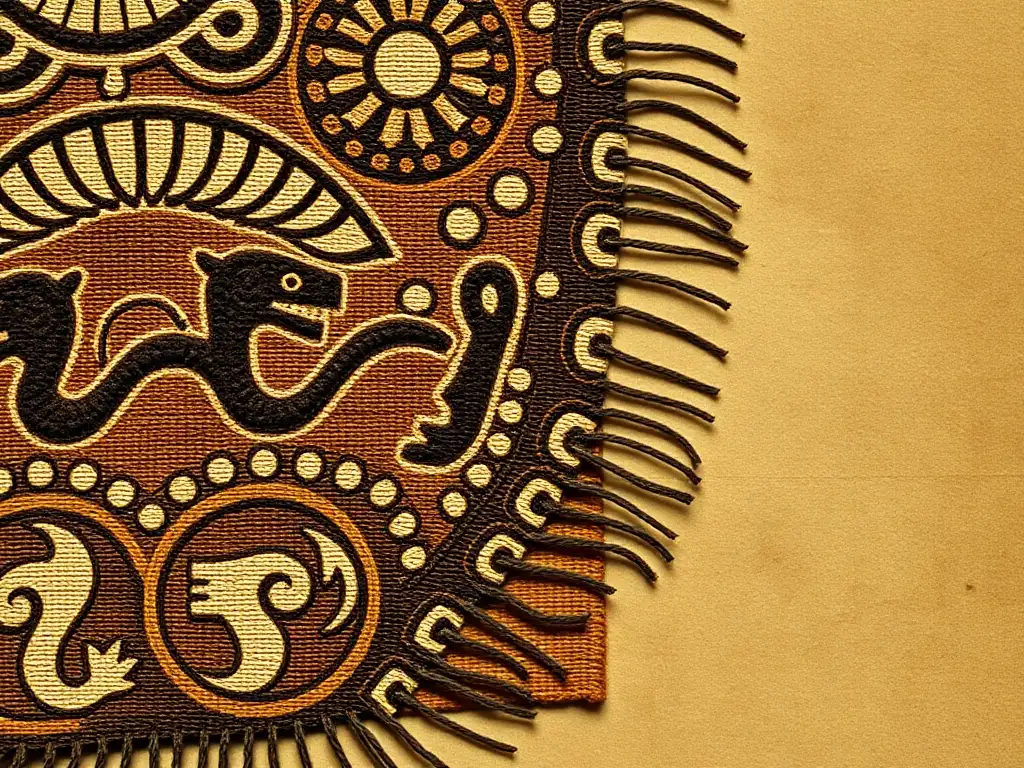
Beyond the zoomorphic representations, Chavín art incorporates various geometric patterns, including stepped frets, radiating lines, and intricate interwoven designs. These abstract motifs, while seemingly less figurative, are equally important in deciphering Chavín iconography and their potential relationship to Chavín symbols meaning. They are often found integrated with the more figurative elements, suggesting a synergistic relationship between the abstract and the representational.
These geometric patterns may represent abstract concepts or cosmological principles. The stepped frets, for example, could represent layers of the cosmos, mirroring the Andean landscape's terraced agriculture. The radiating lines might symbolize the sun's rays or the spreading influence of a deity. The interwoven designs could represent the interconnectedness of the natural world, or perhaps even the complex social structures within Chavín society.
Further study is needed to correlate these geometric patterns with other aspects of Chavín culture, such as their architecture, societal organization, and religious practices. A comparative analysis with contemporary and later Andean cultures could reveal potential influences and shared symbolic systems. The detailed analysis of these geometric patterns, considering their context and frequency, promises further insights into Chavín beliefs and their worldview. The study of these patterns offers another avenue to decode the rich tapestry of Chavín symbol meaning.
Repetition and Symmetry: Artistic Techniques and their Symbolic Weight
The Chavín culture's mastery of repetition and symmetry in their iconography wasn't merely an aesthetic choice; it held profound symbolic weight. The deliberate and often obsessive repetition of motifs, whether it be the stylized jaguar, the serpent, or the cayman, amplified their power and presence. This wasn't simply about creating visually appealing patterns; the repetition reinforced the importance of the represented deity or concept. Think of the countless iterations of the feline deity found across Chavín artifacts – each repetition served to solidify its dominance and influence in the Chavín worldview.
Furthermore, the symmetrical arrangement of these motifs within the artistic compositions further enhanced their symbolic significance. Bilateral symmetry, in particular, was prevalent, suggesting a balance between opposing forces, a cosmic harmony crucial to the Chavín understanding of the world. The careful mirroring of elements created a sense of order and stability, reflecting perhaps their belief in a structured and predictable cosmos.
This deliberate organization wasn't haphazard; it was a carefully constructed visual language communicating complex spiritual ideas. The precise placement of each repeated element within the overall symmetrical design underscores the meticulous planning and ritualistic significance inherent in the creation of these works. The symmetry itself can be interpreted as a visual representation of the duality present in nature and the cosmos, a balance that the Chavín people strived to maintain and reflect in their art.
The lack of randomness and the precise execution point towards the ritualistic nature of the art-making process itself. Each stroke, each repetition, was imbued with meaning and purpose, contributing to the overall symbolic weight of the artwork.
The Function of Chavín Iconography
The enigmatic iconography of the Chavín culture, flourishing in the Andes from approximately 1200 to 200 BCE, remains a subject of ongoing scholarly debate. While the precise meanings of many symbols remain elusive, analyzing their recurring motifs and contexts allows us to understand their broader functions within Chavín society. Understanding the meaning of these symbols is key to unlocking a deeper comprehension of Chavín beliefs, social structures, and artistic practices.
The pervasive nature of Chavín iconography—found in ceramics, textiles, stone carvings, and architecture—suggests its vital role in various aspects of Chavín life. This section explores the multifaceted functions of Chavín symbols, demonstrating their significance beyond mere aesthetic decoration.
Religious and Ritualistic Uses of Chavín Symbols
Chavín iconography heavily features supernatural beings and entities, often depicted in hybrid forms combining elements of different animals and humans. These hybrid creatures, frequently portrayed with fangs, claws, and other aggressive attributes, are believed to represent powerful deities or shamanistic figures central to Chavín religious practices. The emphasis on these figures in ritual contexts suggests their importance in mediating between the human and supernatural worlds.
For instance, the recurring motif of the "caviar" or "weeping god"—a deity often depicted with feline features and a flowing, tear-like element—is frequently found on ceremonial objects and within temple structures. Its presence indicates a likely association with ritual sacrifice, fertility, or other significant religious events. The intricate details and symbolic layering within these representations suggest that the creation and interpretation of these images were integral parts of complex religious ceremonies.
Furthermore, the use of specific colors, materials, and stylistic choices in the depiction of these deities likely held further symbolic weight, enhancing their power and communicating specific aspects of their nature. Further research into the specific pigments and materials used in Chavín art could reveal additional layers of meaning linked to religious practices. Analysis of the layout of Chavín temples and the placement of these symbols within those structures would also provide further insights into their ritual significance.
Beyond religious contexts, Chavín iconography served as a powerful tool for establishing and maintaining social control. The standardized nature of many symbols, replicated across vast geographical areas, suggests a centralized system of power and ideological control. The elite likely employed these shared visual symbols to solidify their authority and project their influence over subordinate groups. The consistent depiction of powerful, often fearsome, deities across various mediums reinforced the power of the ruling class and instilled reverence for their authority.
The scale and complexity of Chavín monumental architecture, adorned with intricate carvings and symbolic representations, further underscores this assertion. The construction and maintenance of these structures required significant resources and labor, highlighting the power of the ruling elite to command such collective efforts.
The use of specific symbols on elite artifacts, contrasting with simpler designs on those of commoners, clearly marked social hierarchies and reinforced social stratification. This carefully managed visual language helped to establish and maintain a system of social control, where the meaning of the symbols was likely understood by the elite and used to assert their dominance.
Iconography and the Transmission of Chavín Beliefs
The widespread dissemination of Chavín iconography across a broad geographical area suggests a sophisticated system of belief transmission. The stylistic consistency of these symbols across different regions and media indicates a high degree of cultural integration and shared beliefs. This suggests a possible network of communication and exchange, perhaps facilitated by religious specialists or traveling artisans, that spread Chavín ideology and beliefs throughout the Andes. The consistent use of these symbols in diverse contexts—from monumental architecture to small personal objects—suggests their role in shaping collective identity and reinforcing shared cultural values.
The use of repeated motifs and symbolic elements in Chavín art acted as a visual language, allowing for the effective transmission of complex religious concepts and social structures across different groups and generations. The intricate nature of some symbols, requiring careful study and interpretation, further suggests a degree of esoteric knowledge controlled by the elite, who likely used these symbols to maintain their position and influence. Further investigation into the evolution of Chavín symbols over time could shed light on how these beliefs were adapted and modified across different communities and time periods.
The study of Chavín textiles and other perishable materials could also reveal further insights into the transmission of these beliefs, as these materials often held significant symbolic meaning within Andean societies. The understanding of Chavín symbols meaning is therefore crucial to understanding the broader cultural transmission processes of this influential civilization.
Chavín Symbols Meaning: A Summary of Interpretations
The interpretation of Chavín symbols remains a fascinating and complex undertaking. Scholars have dedicated decades to deciphering the intricate iconography found in Chavín de Huántar and other related sites, yet a definitive, universally accepted meaning remains elusive. The ambiguity itself is a testament to the sophistication and perhaps intentionally enigmatic nature of Chavín art. While no single, comprehensive key exists, several recurring motifs and their potential meanings have emerged from extensive research.
These interpretations often intertwine with the broader Andean worldview and cosmology, making the task of understanding them even more challenging and rewarding. The recurring themes often center around shamanistic practices, deities, and the relationship between the human and supernatural worlds. The sheer diversity and complexity of the imagery, however, suggest a rich and multifaceted symbolic system that likely held different meanings for different individuals and groups within Chavín society.
Connecting Chavín Art to the Andean Worldview
Understanding Chavín iconography requires engaging with the Andean worldview, a complex system of beliefs centered on the interconnectedness of the natural and supernatural realms. The Chavín people, much like other Andean cultures, viewed the world as a dynamic interplay of forces, with mountains, rivers, and celestial bodies playing crucial roles. Many Chavín symbols appear to represent these natural elements, often anthropomorphized or imbued with supernatural qualities.
For example, the iconic Lanzón, a massive monolithic sculpture found at Chavín de Huántar, is often interpreted as a representation of a powerful deity, perhaps connected to both the earth and the underworld. Its fangs, claws, and other features suggest a powerful, potentially terrifying, yet ultimately life-giving force. Similarly, representations of jaguars, serpents, and birds of prey frequently appear throughout Chavín art, possibly reflecting the Andean belief in animal intermediaries or shamans' ability to transform into animal spirits.
These creatures are not merely depicted; they are often shown in dynamic, intertwined poses, suggesting a complex web of relationships and interactions within the supernatural world. The interpretation of these symbols is further complicated by the seemingly intentional ambiguity of the imagery, leaving room for multiple interpretations and the possibility of hidden meanings. The use of stylized forms and abstract representations makes the process of decoding the Chavín symbolic system a continuous challenge, inviting ongoing research and debate among scholars.
The Enduring Legacy of Chavín Iconography
The influence of Chavín iconography extended far beyond its geographical origins. The distinctive style and symbolic motifs spread throughout the Andes, influencing subsequent cultures like the Moche, Nazca, and even later Andean societies. This widespread diffusion demonstrates the profound impact of Chavín artistic and religious ideas. The stylistic elements, such as the characteristic feline features, stylized representations of humans and animals, and the use of intricate geometric patterns, can be traced in the art of numerous succeeding cultures.
This cultural exchange, however, wasn't a simple copying; subsequent cultures adapted and reinterpreted Chavín symbols, embedding them within their own unique contexts and belief systems. The adaptation and reinterpretation of these symbols highlight the dynamic nature of Andean cultural exchange and the enduring power of Chavín artistic and religious ideas. The legacy of Chavín art is not just a historical record; it's a powerful testament to the enduring influence of a culture that profoundly shaped the religious and artistic landscape of the Andes.
The continued study of Chavín symbols provides valuable insights into the evolution of Andean religious thought and artistic expression, showcasing the rich complexity of pre-Columbian civilizations. Understanding the "Chavín symbols meaning" is key to unlocking a deeper understanding of Andean culture as a whole. Further research, including comparative studies with other Andean cultures and the application of new technologies, is essential to continue unraveling the mysteries of Chavín iconography.
Frequently Asked Questions
What is the significance of Chavín culture in Andean history?
The Chavín culture (c. 1200-200 BCE) is considered a mother culture of the Andes, influencing many later civilizations. Their artistic and religious innovations, particularly their iconography, spread widely throughout the region. Their influence is seen in later Andean art and religious practices.
What are some common Chavín symbols?
Common Chavín symbols include the jaguar, serpent, condor, and various stylized figures. These often appear in complex, intertwined designs on ceramics, textiles, and stone carvings. They frequently represent powerful deities or spiritual forces.
What is the meaning of the Chavín "Lanzón" monolith?
The Lanzón, a massive stone pillar, is a central symbol of Chavín. Scholars believe it depicts a powerful deity, possibly associated with fertility, water, or shamanistic power. Its intricate carvings are still being studied and interpreted.
How did Chavín artists create such intricate carvings?
Chavín artists used a variety of advanced techniques, including precise stone carving, metal tools, and possibly lost-wax casting. Their mastery of these techniques allowed them to create the highly detailed and complex carvings found on their artifacts.
Where can I learn more about Chavín symbols and their meaning?
You can find more information through academic journals focusing on Andean archaeology, museum exhibits featuring Chavín artifacts, and books on Andean civilizations. Online resources and documentaries are also valuable sources.
Final Reflection: Unraveling the Enigma of Chavín
The intricate iconography of the Chavín culture remains a powerful testament to the enduring human fascination with symbolism and the search for meaning. Its complex imagery, once relegated to dusty museum archives, now resonates deeply with contemporary discussions of identity, spirituality, and the power of visual communication. Understanding these symbols isn't just about deciphering ancient codes; it's about understanding the human impulse to create and interpret meaning across millennia.
The influence of Chavín art extends far beyond the Andes, impacting subsequent artistic traditions and offering a glimpse into the shared human experience of expressing complex ideas through visual language. Its enduring legacy reminds us of the interconnectedness of cultures and the power of art to transcend time and space. The past is never dead. It's not even past.
- William Faulkner. This quote perfectly encapsulates the ongoing relevance of Chavín iconography, as we continue to find new layers of meaning within its enigmatic designs. The ongoing research and interpretations, fueled by new technologies and perspectives, only serve to enrich our understanding of this fascinating civilization.
Consider the intricate details of a Chavín jaguar deity, or the symbolic power of its stylized plants and landscapes. What stories do these images tell you? What connections can you draw between these ancient symbols and your own life, your own search for meaning? Take a moment to reflect on the power of visual communication and the enduring legacy of human creativity. Let the mysteries of Chavín inspire you to explore the deeper meanings within your own world, and to appreciate the rich tapestry of human expression that stretches across time.
Unveil the Secrets of Chavín Iconography!
Thank you for exploring the fascinating world of Chavín iconography with us! We hope you've gained valuable insights into the rich symbolism of this ancient civilization. Now, let's build on that knowledge!
Here are a few ways to further your understanding and appreciation of Chavín culture:
- Dive deeper: Research the Lanzón, the massive central stone carving at Chavín de Huántar. Explore its historical significance and its influence on modern interpretations of Andean culture. Consider researching its possible role in religious ceremonies and its representation of power and deities.
- Join the conversation: Share your insights and questions in our community forum. Connect with others passionate about Andean civilizations and exchange knowledge!
- Create a visual project: Design your own interpretation of Chavín symbols, such as the stylized jaguars or the intricate geometric patterns. Use art or digital tools to express what these icons mean to you, and share your creation on social media using our community hashtag.
What aspect of Chavín iconography surprised you the most? Let's discuss it in the comments below!