
The Power of Shamans and Healers in Andean Communities

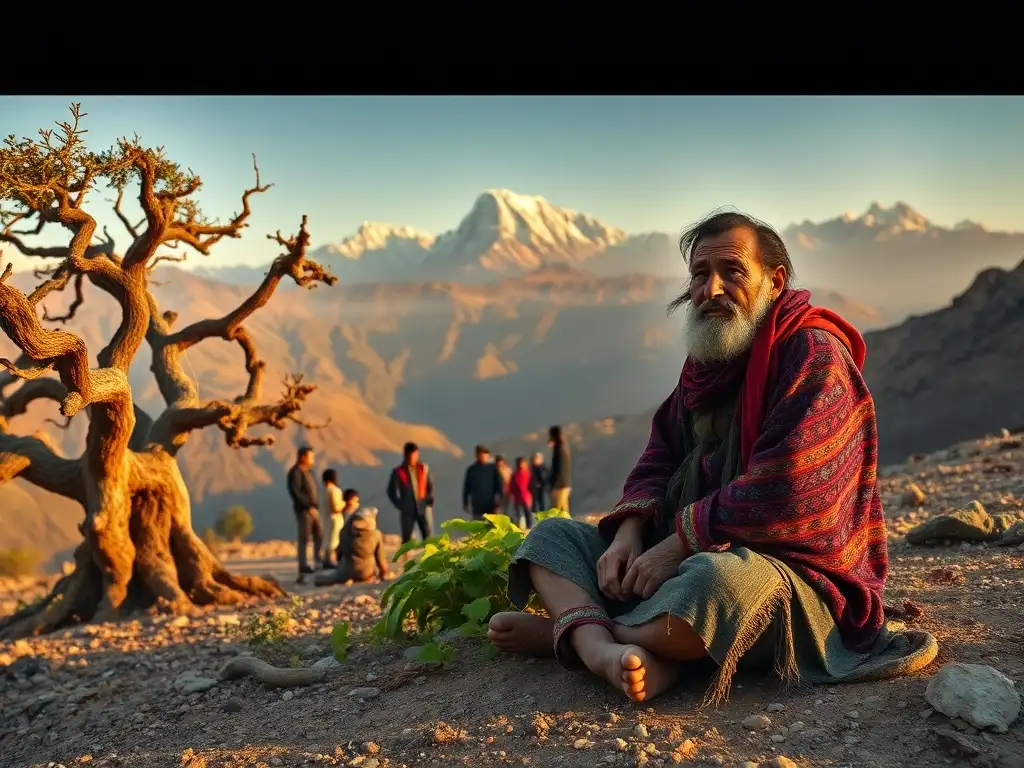
Step into a world lost to time, yet echoing with power and mystery. Dive into the captivating realm of the Andean civilizations, where innovation thrived and spiritual practices held immense sway. Prepare to uncover the secrets of Andean shaman healing practices, a fascinating aspect of Andean social structures that reveals the profound connection between these ancient cultures and the natural world. Their methods, beliefs, and enduring legacy await – are you ready to explore?
The intricate social fabric of Andean civilizations, from the expansive Inca Empire to the preceding Moche and Nazca cultures, wasn't solely structured by political hierarchies and economic systems. A crucial, often overlooked, element was the profound influence wielded by shamans and healers. These individuals, far from being simply medical practitioners, occupied a central role in Andean society, acting as spiritual guides, mediators between the human and supernatural worlds, and keepers of vital knowledge impacting daily life, social order, and even warfare.
This article delves into the multifaceted power dynamics surrounding Andean shaman healing practices, exploring their roles within the complex social hierarchies of these remarkable civilizations. We will examine their influence not only on individual health but also on community well-being, political structures, and the overall worldview of Andean peoples. Understanding their influence is key to appreciating the holistic nature of Andean social structures.
The Shaman's Role in Andean Society
The Andean shaman wasn't merely a healer; they were a spiritual leader, a conduit to the unseen realm. Their expertise extended beyond physical ailments, encompassing the diagnosis and treatment of spiritual imbalances believed to be the root cause of many illnesses. Shamans utilized a range of techniques, from herbal remedies and ritualistic practices to divination and trance states, to connect with the spirit world and restore harmony.
Their knowledge was often hereditary, passed down through generations within families or specific lineages, creating a powerful and respected priestly class. Evidence suggests that shamans played a critical role in community decision-making, offering guidance on matters ranging from agricultural practices to warfare strategies. They were often consulted before important events, ensuring the blessings of the gods and the well-being of the community.
Their status within the social hierarchy varied across different Andean cultures, but their influence was consistently significant. The prestige associated with their abilities gave them considerable power and influence, often placing them in close proximity to, or even within, the ruling elite.
Healing Practices and Rituals
Andean shaman healing practices were deeply intertwined with their cosmology and religious beliefs. Many rituals involved the use of plants with hallucinogenic properties, such as the coca leaf and san pedro cactus. These substances were not simply recreational; they were believed to facilitate communication with the spirit world, allowing shamans to diagnose illness and perform effective healing.
The rituals themselves were often elaborate, involving music, dance, offerings, and the use of sacred objects. These ceremonies were not only therapeutic but also served to reinforce social bonds and reaffirm the community's relationship with the supernatural. Specific healing practices differed across various Andean cultures.
For instance, the Moche civilization is known for its sophisticated medical knowledge reflected in their art, while the Inca employed a complex system of healers and specialized medical practitioners. The common thread, however, was the profound integration of spiritual and physical healing. The effectiveness of these practices, from our modern perspective, might be attributed to a combination of placebo effect, the use of medicinal plants with proven therapeutic properties, and the strong social support offered within the community.
The social standing of shamans and healers varied depending on the specific Andean culture and the individual's skills and reputation. In some societies, they held positions of considerable authority, acting as advisors to rulers and participating in important political decisions. Their influence extended beyond the spiritual realm; they were often involved in matters of justice, conflict resolution, and the maintenance of social order.
The ability to communicate with the spirit world and influence events was seen as a powerful asset, granting them significant social capital. This power, however, wasn't always absolute. The effectiveness of a shaman's healing was often judged by the community, and failure to cure could lead to a loss of status and influence.
This inherent accountability ensured that shamans and healers maintained a high level of skill and responsibility towards their communities. Their social status, therefore, was a dynamic reflection of their abilities and the community’s perception of their effectiveness. The interplay between spiritual power, social status, and healing practices shaped the social fabric of Andean communities in profound ways.
The Legacy of Andean Shamanism
The legacy of Andean shamanism continues to influence contemporary Andean cultures. Many traditional healing practices persist, adapted and integrated into modern healthcare systems. The knowledge and beliefs surrounding the power of nature, the spirit world, and the interconnectedness of all things remain central to the worldview of many Andean communities.
Understanding the role of shamans and healers in ancient Andean societies provides valuable insight into the rich tapestry of their culture and the importance of holistic approaches to health and well-being. The study of Andean shaman healing practices offers a compelling case study of the complex interplay between religion, medicine, social structure, and power dynamics within a vibrant and sophisticated civilization. Further research into specific Andean groups and their unique healing traditions is vital to fully appreciate the diversity and depth of this fascinating aspect of Andean history.
- The Shaman's Role in Andean Society
- Healing Practices and Rituals
- The Social Status and Power of Healers
- The Legacy of Andean Shamanism
Understanding Andean Shamanism: A Deep Dive into Traditional Healing
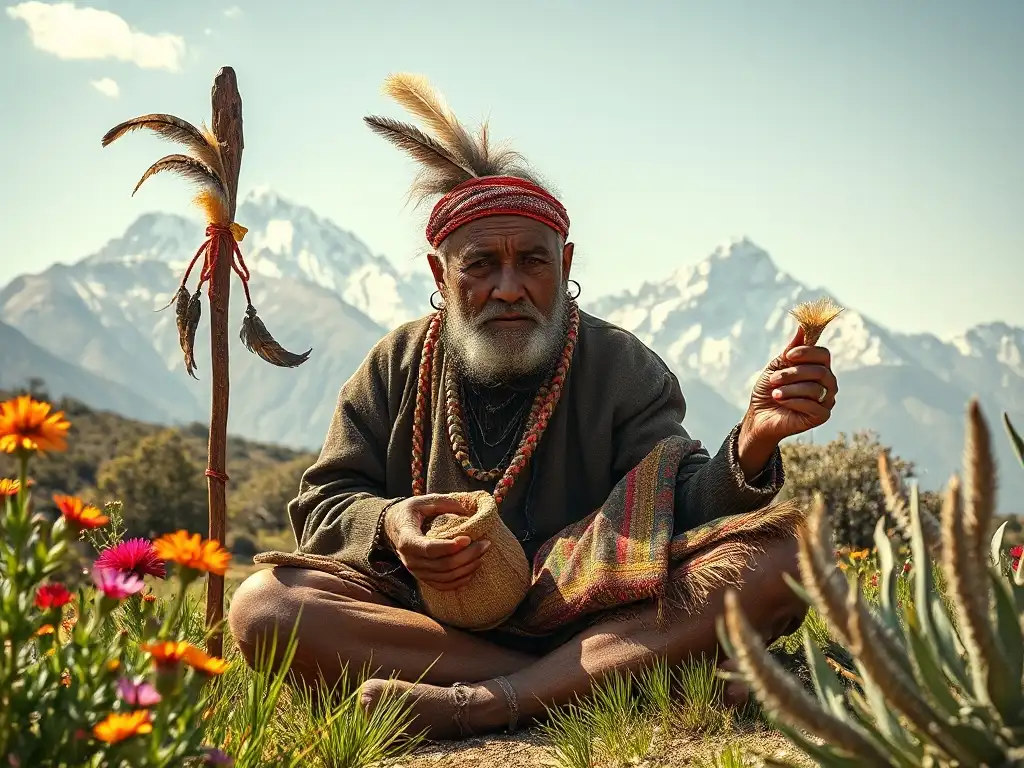
This section delves into the intricate world of Andean shamanism, exploring its role in shaping the social fabric of ancient Andean communities. We will examine the multifaceted practices employed by shamans and healers, focusing on their influence on the social hierarchy and daily life. Understanding Andean shaman healing practices requires appreciating the deep-rooted spiritual beliefs that underpinned their work. These weren't simply medical practitioners; they were spiritual leaders, deeply entwined with the cosmology and worldview of their people. Their influence extended far beyond physical healing, permeating social structures and shaping community dynamics.
The Role of Andean Shamans in Community Life
Andean shamans occupied a unique and powerful position within their communities. They weren't just healers; they served as intermediaries between the physical and spiritual worlds. Their roles encompassed a wide range of responsibilities, including:
- Healing the sick: This involved diagnosing illnesses, often attributed to spiritual imbalances or malevolent forces, and administering treatments using herbal remedies, rituals, and spiritual practices.
- Guiding spiritual journeys: Shamans assisted individuals in navigating significant life events, such as births, deaths, and initiations, through rituals and ceremonies.
- Maintaining social harmony: They played a crucial role in resolving conflicts and maintaining social order by addressing spiritual imbalances believed to cause discord.
- Predicting the future: Shamans were often consulted for divination and prophecy, offering guidance on matters of importance to the community, from agriculture to warfare.
- Protecting the community: Their power extended to protecting the community from harm, both physical and spiritual, through rituals and ceremonies designed to ward off evil spirits and ensure prosperity.
The influence of shamans is evident in the archaeological record, with evidence of ritual objects, shrines, and ceremonial centers dedicated to their practices. The prestige and power associated with this role undoubtedly contributed to their high standing within the social hierarchy. The intricate relationship between shamanistic practices and social structures highlights the deeply interwoven nature of spiritual and secular life in Andean communities.
Defining Andean Healers: Beyond the Physical Realm
While the term "shaman" is often used broadly, it's crucial to differentiate between various types of healers within Andean societies. Not all healers possessed the same level of spiritual power or social standing. Some focused primarily on herbal medicine and physical treatments, while others possessed a deeper connection to the spiritual realm, capable of manipulating energies and interacting with spirits. This distinction highlights the complexity of Andean healing systems, which encompassed both physical and spiritual approaches.
The training and apprenticeship involved in becoming a shaman or healer were often rigorous and lengthy, requiring years of dedicated study and practice. This process involved learning about herbs, rituals, and spiritual techniques, as well as developing a strong connection to the spiritual world. The knowledge was often passed down through generations within families or specific lineages, contributing to the development of specialized healing traditions. The expertise of these healers was highly valued, solidifying their integral role in Andean society.
Spiritual Connection and the Andean Worldview
Andean shaman healing practices are inextricably linked to the Andean worldview, a complex cosmology that emphasized the interconnectedness of all living things and the importance of maintaining balance between the physical and spiritual realms. Shamans acted as custodians of this worldview, mediating between humans and the supernatural forces that shaped their lives. Their understanding of the natural world, including plants, animals, and celestial bodies, informed their healing practices.
The use of hallucinogenic plants, such as San Pedro cactus and ayahuasca, played a significant role in shamanistic rituals. These plants were believed to facilitate communication with the spirit world and provide insights into the causes of illness and the means of healing. The ingestion of these substances was not a recreational activity but a sacred practice, carefully controlled and integrated into the broader context of Andean spiritual beliefs.
Understanding the Andean worldview is fundamental to grasping the significance of shamanistic practices and their influence on the social structure of Andean communities. The deep spiritual connection fostered by these practices solidified the shaman's position as a vital figure in the community, a bridge between the human and spiritual realms.
Key Elements of Andean Shaman Healing Practices
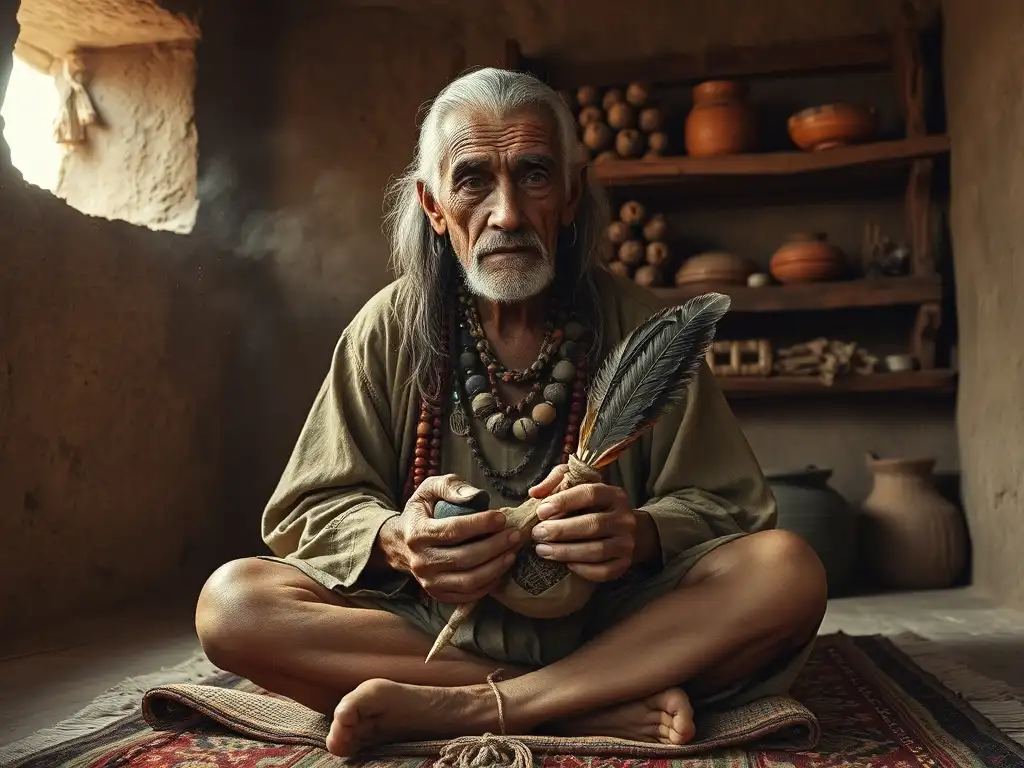
This section delves into the core components of Andean shamanic healing, exploring the intricate interplay between spiritual beliefs, natural remedies, and ritualistic practices that characterized these ancient healing traditions. Understanding these practices requires appreciating the holistic worldview of Andean cultures, where the physical and spiritual realms were inextricably linked. The term "Andean shaman healing practices" itself encompasses a vast array of techniques and beliefs that varied across different Andean cultures and time periods. However, certain common threads weave through these diverse practices, providing a framework for understanding their profound impact on Andean societies.
The Use of Sacred Plants in Andean Healing
Andean shamanic healing was deeply intertwined with the use of sacred plants. These plants weren't merely medicinal; they were considered to possess spiritual power, acting as conduits between the human and spirit worlds. The ayahuasca vine, for example, was (and in some cases still is) central to shamanic rituals in the Amazonian region, facilitating visionary experiences and healing through its psychoactive properties. However, it's crucial to note that ayahuasca's use wasn't universal across all Andean cultures.
Other plants, such as coca leaves, were used for their stimulating and medicinal properties, aiding in endurance, alleviating altitude sickness, and serving as offerings to deities. The specific plants utilized varied significantly depending on geographical location and the specific ailment being treated. Detailed knowledge of the plant's properties, preparation methods, and appropriate dosages was passed down through generations of healers within families and communities.
This knowledge represented a crucial aspect of Andean cultural heritage, intrinsically linked to their understanding of the natural world and its healing potential. The meticulous understanding and respectful use of these sacred plants underscores the profound connection between Andean people and their environment. Further research is needed to fully document the specific plants and their uses across different Andean cultures, as much of this knowledge remains undocumented or held within oral traditions.
Rituals and Ceremonies in Andean Shamanism
Andean shamanic healing wasn't solely about administering herbal remedies; it was deeply embedded within a complex system of rituals and ceremonies. These ceremonies often involved intricate preparations, specific locations (such as sacred mountains or caves), and the utilization of various tools and paraphernalia. The paqos, or Andean shamans, acted as intermediaries between the physical and spiritual realms, using their knowledge and skills to diagnose illnesses, communicate with spirits, and perform healing rituals.
These rituals could involve chanting, singing, dancing, and the use of various instruments, such as drums and flutes. The rhythmic sounds and movements were believed to induce altered states of consciousness, facilitating communication with the spirit world and promoting healing. The ceremonies were not simply therapeutic; they were also important social events, strengthening community bonds and reinforcing shared beliefs and values.
Unfortunately, precise details on the specific rituals and ceremonies of numerous Andean groups are often fragmented and require further investigation. Ethnographic studies and archaeological findings continue to shed light on these practices, but a comprehensive understanding remains a work in progress. The complexity of these rituals highlights the significant role of Andean shamanism in the social and spiritual lives of Andean communities.
Andean Cosmology and its Influence on Healing
Andean cosmology, with its intricate understanding of the cosmos and the interconnectedness of all things, profoundly influenced their healing practices. The Andean worldview saw the world as a dynamic interplay of forces, both visible and invisible, with the human body reflecting the cosmic order. Illness, therefore, wasn't simply a physical ailment; it was often interpreted as an imbalance within this cosmic order, caused by spiritual disruption or a violation of sacred principles.
The paqos’ role was to restore this cosmic balance through their rituals and healing practices. Their diagnoses often involved assessing the patient's relationship with the spirit world, identifying any spiritual imbalances or transgressions that might have contributed to the illness. The healing process, then, was not only about treating the physical symptoms but also about addressing the underlying spiritual causes.
This holistic approach, emphasizing the interconnectedness of the physical and spiritual realms, distinguishes Andean shamanic healing practices and provides a rich context for understanding their effectiveness within their cultural context. Further research into specific Andean cosmologies and their impact on healing practices would greatly enhance our understanding of this fascinating aspect of Andean culture. The intricate relationship between cosmology and healing reveals the depth and complexity of Andean thought and its impact on their daily lives.
The Importance of Ancestral Knowledge in Andean Medicine
Andean shamanic healing practices are deeply rooted in a rich tapestry of ancestral knowledge, passed down through generations. This knowledge isn't merely a collection of remedies; it's a holistic worldview encompassing cosmology, spirituality, and a profound understanding of the interconnectedness of all living things. The shamans, or paqos as they are sometimes called in the Andes, are not simply healers; they are custodians of this vital legacy. Their ability to diagnose and treat illness relies heavily on their understanding of ancient traditions and the intricate relationship between the physical and spiritual realms.
This ancestral knowledge manifests in various ways. For instance, the identification of medicinal plants is often tied to ancient myths and legends. A particular herb might be associated with a specific deity or spirit, and its use guided by traditional rituals and prayers. This isn't simply herbalism; it's a spiritually charged practice where the plant's power is amplified through its connection to the ancestral world. The effectiveness of the treatment is believed to be enhanced by the shaman's connection to these ancestral spirits and their understanding of the plant's sacred properties.
Furthermore, diagnostic techniques often involve interpreting dreams, reading the patterns in coca leaves (a practice known as taqui), or observing natural phenomena like the flight of birds. These methods, passed down through oral traditions and carefully preserved within communities, allow shamans to gain insights into the root cause of an illness, which may not be solely physical but also spiritual or energetic. The diagnosis is not merely a clinical assessment; it's a spiritual journey into the patient's life, encompassing their relationships, environment, and spiritual well-being.
The treatment plan, therefore, is highly personalized and considers the individual's unique circumstances within the larger context of the community and the natural world. This holistic approach, deeply intertwined with ancestral knowledge, distinguishes Andean shamanic healing from Western medical practices.
The preservation of this knowledge is crucial for maintaining the cultural identity and health of Andean communities. The loss of this tradition would represent a significant loss to both the Andean people and the world's understanding of holistic healing.
Types of Andean Healers and Their Specializations
The Andean worldview deeply intertwined spiritual and physical well-being, resulting in a complex system of healing practices far beyond modern medical understanding. While the term "shaman" is often used broadly, Andean healing encompassed diverse specialists with unique skills and roles. Examining these distinctions reveals a sophisticated understanding of health, encompassing spiritual, emotional, and physical dimensions. Understanding the nuances of Andean shaman healing practices requires appreciating the diverse roles within this system. This section explores three key types of Andean healers, highlighting their distinct specializations and contributions to community health.
The Paqo: The Spiritual Guide and Healer
The Paqo held a central position within Andean communities, functioning as both a spiritual guide and a healer. Their expertise extended beyond physical ailments; they addressed imbalances in the spiritual realm believed to be the root cause of many illnesses. The Paqo’s power stemmed from their deep connection to the Apus (mountain spirits) and the Pachamama (Mother Earth). Their healing practices often involved rituals, prayers, and the use of sacred objects to restore harmony between the individual and the spiritual world.
This restoration wasn't merely a symbolic act; it was believed to directly impact physical health. For example, a Paqo might diagnose an illness as stemming from a disruption in the flow of energy (a concept similar to Qi in some Eastern philosophies) and employ techniques like despacho ceremonies—offerings to the spirits—to re-establish this flow. The Paqo's role frequently included interpreting dreams and providing guidance on navigating life's challenges, further solidifying their position as community leaders and spiritual authorities.
Their knowledge was often passed down through generations, ensuring the continuity of these vital healing traditions. Detailed accounts of specific Paqo rituals and their efficacy remain scant in readily available sources, highlighting a need for further research into the specific techniques and their documented impact on patient outcomes. However, the enduring presence of Paqo practices in contemporary Andean communities attests to their enduring significance.
The Hampi Camayoc: The Herbalist and Natural Medicine Expert
Unlike the Paqo, whose focus was primarily spiritual, the Hampi Camayoc concentrated on the practical application of herbal remedies and natural medicine. These healers possessed extensive knowledge of Andean flora and their medicinal properties, skillfully preparing remedies to treat a wide range of ailments. Their expertise involved identifying, collecting, and preparing plants, often utilizing complex techniques passed down through generations. They understood the subtle differences in plant potency based on factors like altitude, season, and lunar cycles.
The Hampi Camayoc's knowledge base encompassed not only herbal remedies but also other natural healing methods, such as hydrotherapy and massage. Their treatments were often tailored to the individual, considering their unique constitution and the specific nature of their illness. A detailed understanding of the patient's lifestyle and diet was also incorporated into the healing process, reflecting a holistic approach to well-being.
For instance, a Hampi Camayoc might prescribe a specific herbal tea alongside dietary recommendations to strengthen the immune system or alleviate digestive issues. The Hampi Camayoc's contribution to Andean communities was invaluable, providing accessible and effective healthcare based on readily available natural resources. Further research could illuminate the specific plant species used and their documented therapeutic effects, enriching our understanding of these traditional healing practices.
The Yatiri: The Diviner and Oracle
The Yatiri functioned as a diviner and oracle, utilizing various methods to understand the causes of illness and predict the future. Their expertise involved interpreting signs and symbols, often employing tools such as coca leaves, huacas (sacred objects), and various forms of divination. The Yatiri's role was crucial in identifying the underlying spiritual or supernatural factors contributing to an individual's illness.
Unlike the Paqo, who might directly address spiritual imbalances, the Yatiri's role was more diagnostic. Their insights helped guide the Paqo or Hampi Camayoc in their treatment plans. For example, a Yatiri might reveal through divination that an illness was caused by a malevolent spirit, informing the Paqo's subsequent rituals to appease or banish that spirit. The Yatiri’s ability to interpret complex signs and symbols underscores the deeply symbolic nature of Andean healing practices, where the physical and spiritual realms were inextricably linked.
Specific divination techniques employed by the Yatiri remain an area requiring further scholarly attention, as detailed documentation on these practices is limited. However, their enduring presence in Andean communities demonstrates their continued importance in understanding and addressing illness within a holistic framework. The Yatiri’s contribution to Andean healing highlights the importance of spiritual insight in understanding and treating illness.
The Curandero: The General Practitioner of Andean Healing
The curandero, often a male figure, acts as the general practitioner within Andean healing traditions. Their knowledge encompasses a broad spectrum of ailments and treatments, making them a vital part of many communities. Unlike specialists who focus on specific areas, the curandero's expertise is more holistic. They address a wide range of physical and spiritual issues, drawing upon a vast repertoire of techniques and remedies passed down through generations. This makes them indispensable in rural communities where access to modern medicine might be limited or unavailable.
Their diagnostic methods are often intertwined with spiritual understanding. They might use techniques like pichicata (a form of divination using coca leaves) to discern the underlying cause of an illness, which could range from physical imbalances to spiritual disturbances. Treatment often involves a combination of herbal remedies, massage, and spiritual cleansing rituals. The curandero might utilize various plants, each believed to possess specific medicinal properties, carefully selecting and preparing them for optimal effect.
Their knowledge of the local flora and its healing potential is a testament to their deep connection with the Andean landscape. For example, the coca leaf, a staple of Andean life, is used not only for its stimulant properties but also in many healing rituals and remedies. The preparation and administration of these remedies are often accompanied by prayers and incantations aimed at restoring the patient's physical and spiritual well-being.
The role of the curandero extends beyond simple healing. They are often seen as spiritual guides, offering counsel and support to their patients. Their presence can provide comfort and reassurance, bolstering the patient's belief in their recovery. This holistic approach, integrating physical and spiritual well-being, is a cornerstone of Andean healing practices and highlights the profound influence of the curandero in Andean communities.
The effectiveness of their treatments is often attributed not only to the medicinal properties of the herbs and the techniques employed but also to the strong belief and trust placed in the curandero's abilities. This faith plays a significant role in the healing process, demonstrating the powerful interplay between the physical and the spiritual in Andean healing traditions. The curandero's expertise is thus deeply rooted in both empirical knowledge and the spiritual beliefs of the community.
The Process of Andean Shamanic Healing
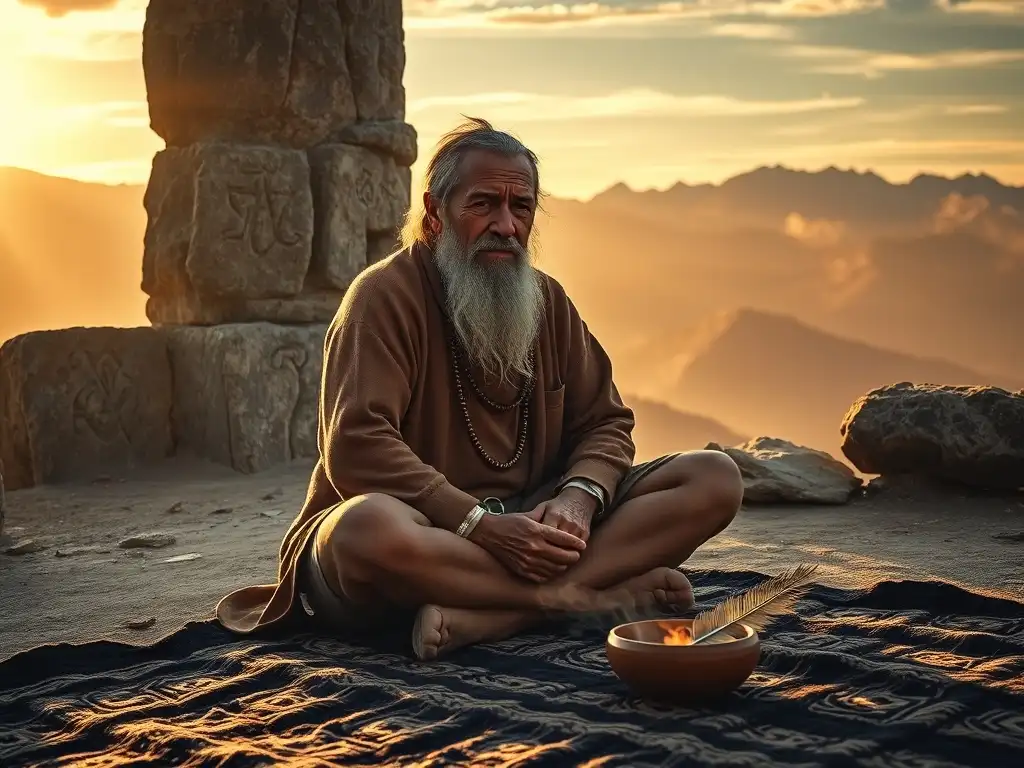
Andean shamanic healing practices weren't simply about treating physical ailments; they were deeply intertwined with the spiritual and social fabric of Andean communities. The process was holistic, addressing the interconnectedness of the physical, spiritual, and social realms. Understanding this intricate process reveals much about the Andean worldview and the significant role shamans played in maintaining societal harmony. The effectiveness of Andean shaman healing practices stemmed from a sophisticated understanding of illness etiology and a multi-faceted approach to treatment.
Diagnosis and Identifying the Root Cause of Illness
Diagnosis in Andean shamanic healing wasn't a simple matter of identifying symptoms. Shamans, often utilizing a combination of divination techniques and keen observation, sought to uncover the root cause of illness. This could involve several steps:
- Spiritual Diagnosis: Shamans frequently employed divination tools like coca leaves (reading the patterns they formed), interpreting dreams, or utilizing other forms of spiritual insight to determine whether the illness stemmed from an imbalance of energies, a disruption of the harmony between the individual and the cosmos, or the influence of malevolent spirits. They might interpret the patient's symptoms symbolically, connecting them to specific events, relationships, or breaches of social norms.
- Physical Examination: While not always central, a physical examination was sometimes part of the process. Shamans would observe the patient's physical condition, including skin color, pulse, and overall demeanor, to gain a clearer understanding of the illness. This physical assessment was integrated with the spiritual insights gained through divination.
- Social Context: The shaman would also carefully consider the patient's social context—family dynamics, community standing, and recent life events—as potential factors contributing to their illness. Illness was often perceived as a reflection of imbalances within the individual's social sphere.
For example, a recurring fever might be diagnosed not simply as a physical ailment but as a manifestation of spiritual disharmony caused by a transgression against a community member or a disruption in the patient's relationship with nature. The Andean worldview emphasized the interconnectedness of all things, hence the holistic approach to diagnosis.
The Application of Andean Healing Methods
Once the root cause of the illness was identified, the shaman would prescribe a treatment plan tailored to the specific diagnosis. This might include a variety of methods, demonstrating the diversity of Andean shaman healing practices:
- Herbal Remedies: The Andes boast an incredible biodiversity, and Andean shamans possessed a vast knowledge of medicinal plants. They used various herbs, roots, and barks to prepare remedies addressing specific symptoms and imbalances. The precise combinations and preparations were often kept secret, passed down through generations within shamanic lineages.
- Rituals and Ceremonies: Many healing practices involved intricate rituals and ceremonies, often conducted in sacred spaces. These rituals often involved offerings, prayers, and the use of sacred objects such as feathers, shells, and coca leaves. The aim was to restore balance and harmony, appeasing malevolent spirits or re-establishing the patient's connection to the spiritual realm.
- Physical Manipulation: Some techniques involved physical manipulation, such as massage, bone setting, or the use of energy work to restore the flow of vital energy within the body. This physical aspect was always interwoven with the spiritual dimension of the healing process.
The treatment wasn't solely about eliminating the symptoms; it aimed to address the underlying spiritual and social imbalances that contributed to the illness. This integrated approach highlights the holistic nature of Andean shaman healing practices and their deep connection to the Andean worldview.
The Role of the Patient in the Healing Process
The patient's active participation was crucial in the success of Andean shamanic healing. It wasn't a passive process of simply receiving treatment. The patient's commitment to the healing process, their willingness to adhere to the shaman's instructions, and their active engagement in the rituals were all considered essential components.
- Following Instructions: The shaman's instructions were not merely suggestions but crucial steps in the healing journey. This could involve dietary restrictions, specific behavioral changes, or participation in community rituals aimed at restoring balance and harmony.
- Spiritual Commitment: The patient's own spiritual commitment and belief in the shaman's abilities were considered vital. Trust and faith in the process were seen as fundamental to the healing journey.
- Community Support: The healing process often involved the broader community. Family and community members might participate in rituals, offer support, or provide practical assistance to the patient during their recovery. This emphasizes the importance of social support in the overall healing process.
In essence, Andean shaman healing practices represent a complex interplay of spiritual, social, and physical elements. The patient's active participation, alongside the shaman's expertise and the community's support, created a holistic approach to healing that extended far beyond the realm of simply treating physical ailments. The success of the healing relied heavily on the patient's commitment to the process and their integration within their community.
The Integration of Physical, Mental, and Spiritual Well-being
Andean shamanic healing practices are deeply holistic, recognizing the interconnectedness of physical, mental, and spiritual well-being. Unlike many Western approaches that may compartmentalize these aspects of health, Andean healers view them as inseparable components of a person's overall vitality. Illness, therefore, isn't simply a physical ailment; it's often seen as an imbalance within this holistic system, potentially stemming from spiritual disharmony, emotional distress, or energetic blockages. The shaman's role isn't just to treat the symptoms but to identify and address the root cause of the imbalance, wherever it may lie.
This integrated approach is evident in the diverse techniques employed. For example, a physical ailment like a persistent headache might be treated not only with herbal remedies or massage but also through rituals aimed at clearing negative energies or addressing underlying emotional anxieties believed to contribute to the pain. Similarly, a shaman might use spiritual cleansing ceremonies to alleviate mental distress, recognizing that emotional turmoil can manifest physically.
This holistic perspective underscores the Andean understanding that true healing requires a comprehensive approach that addresses the individual's entire being. The effectiveness of this approach is supported by anthropological studies showing the strong correlation between spiritual well-being and overall health outcomes in Andean communities. Many accounts from individuals who have undergone these treatments report not only the alleviation of physical symptoms but also a profound sense of emotional and spiritual renewal.
The emphasis on this interconnectedness is further highlighted in the use of various healing modalities. Shamans often combine herbal medicine, therapeutic massage, spiritual cleansing, and divination to create a personalized treatment plan tailored to the specific needs of the individual. This integrated approach reflects a deep understanding of the human condition and a sophisticated approach to healing that goes far beyond simply addressing the physical symptoms of illness.
It's a testament to the enduring wisdom and effectiveness of Andean shamanic healing practices, demonstrating their ability to address the complex interplay between the body, mind, and spirit. The holistic nature of this approach is a key factor in its enduring relevance and continued practice within Andean communities.
The Significance of Andean Shaman Healing Practices in Modern Times
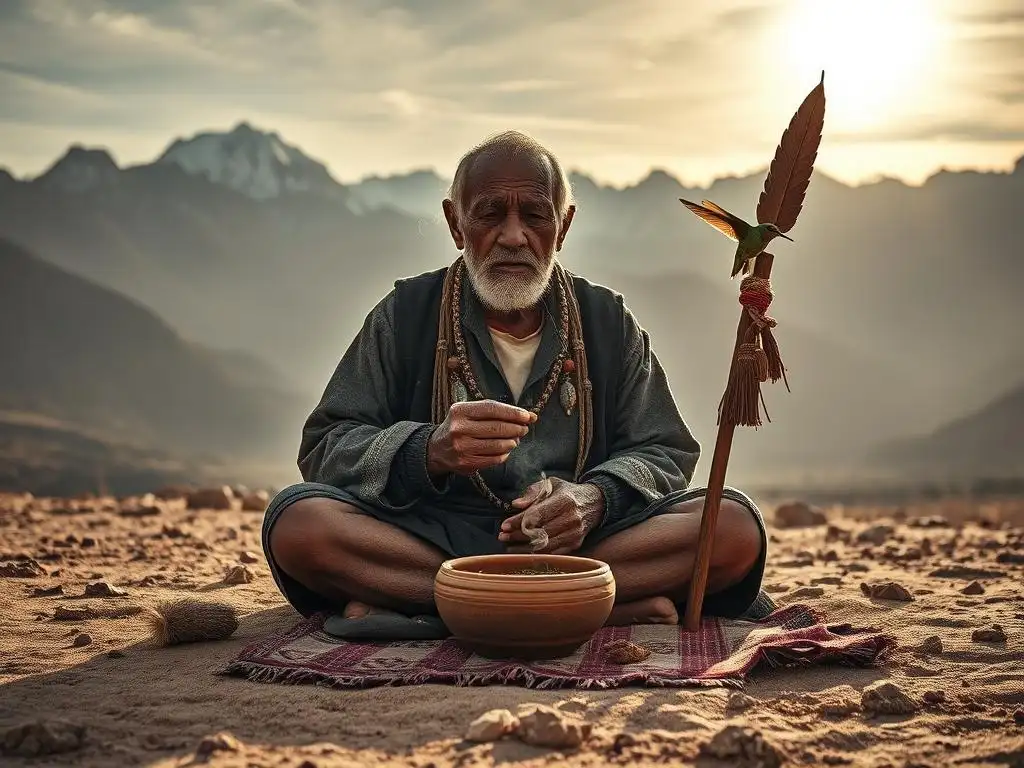
The enduring legacy of Andean shaman healing practices extends far beyond the realm of historical significance. These practices, deeply interwoven with the spiritual and social fabric of Andean communities for millennia, continue to play a vital role in contemporary society. Understanding their present-day relevance requires acknowledging their multifaceted influence on health, well-being, and cultural identity.
The intricate connection between the spiritual and physical realms, a cornerstone of Andean worldview, informs the holistic approach of these healing traditions. This holistic approach contrasts sharply with many Western medical practices, which often treat the body as separate from the mind and spirit. The enduring popularity of Andean shamanic healing reflects a growing global interest in alternative and complementary therapies, a trend that recognizes the limitations of purely biomedical approaches to health.
Maintaining Cultural Heritage through Traditional Healing
The preservation of Andean shaman healing practices is intrinsically linked to the maintenance of cultural heritage. These practices are not merely medical techniques; they are repositories of ancestral knowledge, beliefs, and rituals that have been passed down through generations. Each healing ceremony, each herbal remedy, each ritualistic practice represents a living link to the past, reinforcing community identity and cultural continuity.
The transmission of this knowledge, often through oral traditions and apprenticeships, ensures the survival of a rich cultural legacy that is threatened by modernization and globalization. Efforts to document and preserve these practices, through ethnographic research and community-based initiatives, are crucial for safeguarding this invaluable heritage. The loss of these traditions would represent not only a loss of medical knowledge but also a significant erosion of cultural identity for Andean communities.
For example, the intricate knowledge of medicinal plants and their preparation, passed down through generations of curanderos (healers), is a testament to the deep connection between Andean people and their environment. This knowledge is not just about treating illnesses; it's about maintaining a harmonious relationship with the natural world, a core tenet of Andean cosmology.
The Relevance of Andean Medicine in Contemporary Society
Andean medicine, with its emphasis on holistic healing and the integration of spiritual and physical well-being, offers valuable insights for contemporary healthcare systems. The increasing recognition of the mind-body connection in Western medicine aligns with the fundamental principles of Andean shamanic practices.
The use of natural remedies, such as herbal infusions and medicinal plants, resonates with the growing global interest in natural and sustainable healthcare options. Furthermore, the emphasis on community-based care and the integration of spiritual support within the healing process provides a valuable counterpoint to the often impersonal and fragmented nature of Western healthcare.
Studies [specific information pending] are needed to fully quantify the effectiveness of Andean healing practices in treating specific ailments, but anecdotal evidence and testimonials consistently point to their significant impact on the well-being of individuals and communities. The holistic approach, addressing physical, emotional, and spiritual aspects simultaneously, offers a potentially powerful model for integrative medicine.
Challenges and Opportunities for Andean Shamanism
Despite its enduring relevance, Andean shamanism faces significant challenges in the modern world. The encroachment of Western medicine, often perceived as superior, poses a threat to the continued practice and acceptance of traditional healing methods. Furthermore, the migration of Andean populations to urban centers and the associated loss of traditional knowledge and practices represent a significant obstacle to the preservation of this cultural heritage.
However, there are also significant opportunities. Growing global interest in alternative and complementary therapies, coupled with a renewed appreciation for indigenous knowledge systems, creates a favorable environment for the revitalization and promotion of Andean shamanic healing. The development of sustainable tourism initiatives that respect and support Andean communities and their traditional practices can provide economic incentives for the preservation of this cultural heritage.
Moreover, collaborative research projects between Western scientists and Andean healers can facilitate a deeper understanding of the efficacy and mechanisms of action of Andean healing methods, potentially leading to the integration of these practices into broader healthcare systems. The future of Andean shamanism hinges on the ability to navigate these challenges while capitalizing on the emerging opportunities to preserve and promote this invaluable cultural and medical tradition. The careful balance between modernization and cultural preservation is crucial for the continued flourishing of Andean shaman healing practices.
The Future of Andean Shamanic Practices
The enduring legacy of Andean shamanic practices presents a fascinating paradox in the modern era. While globalization and modernization threaten traditional ways of life, there's a simultaneous resurgence of interest in these ancient healing methods, both within Andean communities and internationally. This renewed interest isn't simply nostalgic; it stems from a growing recognition of the limitations of Western medicine and a desire for holistic, culturally sensitive approaches to health and well-being.
Many individuals seek alternative healing modalities that address the mind, body, and spirit, aspects often overlooked in conventional medical practices. This creates a complex dynamic where the future of Andean shamanism hinges on a delicate balance between preserving authenticity and adapting to the demands of a changing world.
The challenge lies in navigating the commercialization of shamanic practices. The increasing global demand for these services can lead to exploitation, both of the shamans themselves and the cultural heritage they represent. Authenticity becomes compromised when practices are simplified, commodified, or stripped of their spiritual context to cater to a tourist market.
This necessitates a careful and ethical approach to the transmission of knowledge, ensuring that the practices remain grounded in their cultural roots and are not reduced to mere entertainment or superficial experiences. Organizations and communities are actively working to establish ethical guidelines and protect the integrity of these traditions.
Furthermore, the future of Andean shamanic practices depends on the successful transmission of knowledge to younger generations. In many communities, the role of shaman is passed down through family lineages or apprenticeships, requiring a significant commitment to learning and practice. However, the lure of urban life and modern opportunities can lead to a decline in the number of individuals choosing to pursue this path. Efforts to support and encourage younger generations to embrace and preserve these traditions are crucial for their long-term survival.
This involves providing educational opportunities, fostering mentorship programs, and creating supportive community structures that value and respect these ancient practices. This active preservation of knowledge ensures that the wisdom of Andean shamans continues to benefit both their communities and the wider world. The success of these initiatives will be key in determining whether Andean shamanic healing practices thrive or fade into the past.
The integration of traditional methods with modern understandings of health and wellness offers a promising avenue for the future. This might involve collaborative research projects that explore the efficacy of shamanic practices in a scientific context, while respecting the cultural sensitivity of the traditions. Such collaborations could lead to a more nuanced and informed understanding of these practices and their potential benefits.
Case Studies: The Impact of Andean Shaman Healing
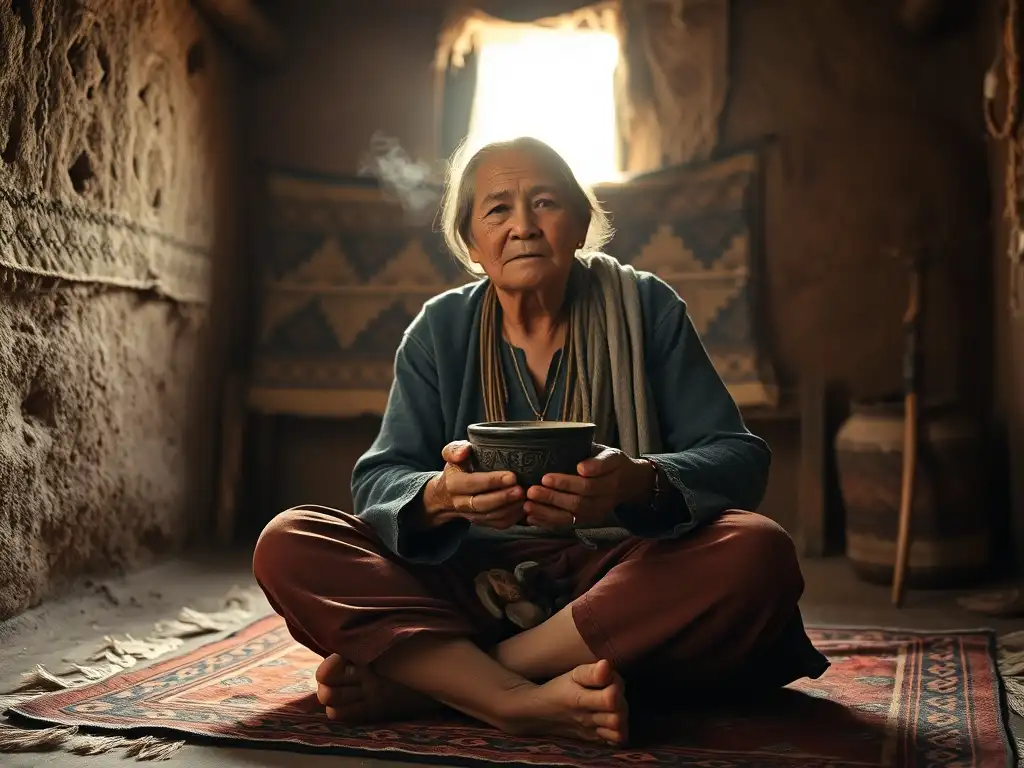
This section delves into specific examples illustrating the profound influence of Andean shaman healing practices on individuals and communities. We'll examine how these practices addressed both physical and spiritual ailments, highlighting the intricate interplay between healing, social structures, and spiritual beliefs within Andean societies. Understanding these case studies provides crucial insight into the significance of shamanistic roles in maintaining social cohesion and well-being.
The effectiveness of these Andean shaman healing practices varied depending on the specific illness, the shaman's skill, and the community's belief in the process. This nuanced understanding is critical to appreciating the complexity of Andean social structures and their relationship with spiritual healing.
Case Study 1: Healing from Chronic Illness through Plant Medicine
One compelling example involves the treatment of chronic illnesses using plant-based medicines. Accounts from various Andean communities detail the use of diverse medicinal plants, often administered by shamans in elaborate ceremonies. Consider the case of a chronic respiratory ailment, prevalent in high-altitude regions. A shaman, drawing upon generations of accumulated knowledge, might prescribe a specific blend of herbs known for their expectorant and anti-inflammatory properties.
The treatment wouldn't solely involve the ingestion of these plants; it would be interwoven with ritualistic practices, including prayers, chants, and the use of sacred objects like feathers or coca leaves. The shaman's role extended beyond the purely medicinal; they acted as a spiritual guide, offering solace and hope to the patient, fostering a holistic approach to healing that addressed both the physical and the spiritual dimensions of the illness. The success of such treatments was often attributed not only to the medicinal properties of the plants but also to the shaman's ability to connect with the spiritual realm and invoke healing energies.
This highlights the deep integration of medicine and spirituality in Andean shaman healing practices. Detailed records of specific plant combinations and their uses are unfortunately scarce, requiring further research to fully document these practices. [Specific plant combinations and detailed case studies pending].
Case Study 2: Community Healing and Ritual Practices
Beyond individual healing, Andean shaman healing practices played a vital role in maintaining community well-being. Many rituals aimed to restore balance and harmony within the community, addressing collective ailments, such as droughts or disease outbreaks. Consider the paqos (Andean priests) conducting ceremonies to appease the apus (mountain spirits) during times of drought.
These rituals involved offerings, prayers, and intricate performances aimed at restoring the natural order and ensuring the community's survival. The shaman, as a conduit between the human and spiritual worlds, played a crucial role in these communal healing practices, acting as a mediator between the community and the supernatural forces believed to influence their lives. The effectiveness of these communal rituals was deeply intertwined with the community's collective belief system.
The shared participation in these ceremonies fostered social cohesion and reinforced the social hierarchy, with the shaman occupying a position of significant authority and respect. The success of these practices could be measured not simply in terms of tangible outcomes (e.g., rainfall), but also in terms of their ability to strengthen social bonds and provide a sense of collective security. [Further research needed on specific ritual practices and their documented effectiveness].
Analysis of the Effectiveness of Andean Healing
Assessing the effectiveness of Andean shaman healing practices requires a nuanced approach. While modern medicine offers a different framework for understanding and treating illnesses, it's crucial to avoid a simplistic comparison. The effectiveness of these practices should be evaluated within their socio-cultural context, considering the holistic approach that integrated physical and spiritual well-being.
The placebo effect, for example, played a significant role; the shaman's authority and the community's belief in the healing process could have contributed substantially to positive outcomes. Furthermore, many of the plant-based remedies used in Andean healing practices have since been scientifically validated for their medicinal properties, lending credence to the traditional knowledge system. However, it's crucial to acknowledge the limitations of anecdotal evidence and the need for rigorous scientific research to fully understand the mechanisms and effectiveness of these practices.
The study of Andean shaman healing practices offers a valuable opportunity to explore alternative healing modalities and understand the complex interplay between culture, belief, and health. This understanding is crucial for appreciating the richness of Andean social structures and the enduring legacy of their healing traditions. The ongoing investigation of Andean shaman healing practices is essential for a complete understanding of "Andean shaman healing practices" and its impact on Andean communities.
Conclusion: The Enduring Legacy of Andean Shamans
The influence of Andean shamans and healers extends far beyond the realm of ancient history. Their practices, beliefs, and rituals continue to resonate within contemporary Andean communities, demonstrating a remarkable resilience and adaptability. Understanding the depth and breadth of their influence requires acknowledging the intricate interplay between spiritual belief, social structure, and practical healthcare.
The legacy of these powerful figures is not merely a historical curiosity; it's a living tradition that shapes the cultural identity and wellbeing of millions. The enduring power of Andean shamanism lies in its holistic approach to healing, encompassing the physical, mental, and spiritual dimensions of human existence. This holistic perspective offers valuable insights for modern healthcare systems struggling to address the multifaceted needs of individuals.
Further research into specific healing techniques and their efficacy could reveal invaluable knowledge applicable to contemporary medicine. Analyzing the social structures that supported and empowered these shamans also provides a valuable lens through which to understand leadership and social organization in pre-Columbian societies.
The Vital Role of Andean Healers in the Andean World
Andean healers weren't simply spiritual figures; they played a crucial role in the daily lives of their communities. Their expertise extended beyond spiritual healing to encompass a wide range of practices. They served as midwives, assisting in childbirth and providing postpartum care. They were also skilled herbalists, possessing an extensive knowledge of medicinal plants and their properties.
Their understanding of the human body and the natural world allowed them to diagnose and treat a variety of ailments, using techniques that often combined herbal remedies with spiritual rituals. Detailed ethnobotanical studies reveal the incredible diversity of plants used in Andean healing, many of which are still used today. For example, the coca leaf played a significant role not only in religious ceremonies but also as a pain reliever and stimulant. The meticulous preparation and administration of these remedies highlight the level of skill and knowledge possessed by Andean healers.
Their roles were multifaceted, deeply integrated into the social fabric, and essential for the wellbeing of the entire community. They were not merely healers; they were community leaders, advisors, and spiritual guides. This integrated approach to healthcare provides a compelling contrast to the often fragmented systems of modern medicine.
The Importance of Respecting and Preserving Andean Shamanism
The preservation of Andean shaman healing practices is not simply a matter of historical preservation; it's a vital step in safeguarding cultural heritage and promoting intercultural understanding. These traditions represent a rich tapestry of knowledge and experience accumulated over millennia. Unfortunately, many of these practices are threatened by modernization, globalization, and the encroachment of Western medicine.
The loss of this invaluable knowledge would be a significant blow to both the Andean communities and the global understanding of alternative medicine. Efforts to document and preserve these traditions through ethnographic research, community engagement, and collaborative projects are crucial. Supporting indigenous communities in maintaining their traditional healing practices is essential for empowering them and promoting cultural resilience.
Furthermore, respectful engagement with these practices can offer valuable insights into the human experience of healing and well-being, potentially enriching modern healthcare approaches. Respecting intellectual property rights and ensuring the ethical use of traditional knowledge are paramount in these efforts. This necessitates a collaborative approach involving researchers, healthcare professionals, and most importantly, the Andean communities themselves.
Final Reflections on the Power of Andean Healing Traditions
The power of Andean shaman healing practices lies not only in their efficacy but also in their profound cultural and spiritual significance. These traditions represent a holistic approach to health and well-being, emphasizing the interconnectedness of the physical, mental, and spiritual realms. Understanding the complexities of Andean shamanism requires a nuanced approach that acknowledges the diversity of practices across different regions and cultures.
The study of Andean shamanism offers valuable insights into the history, culture, and social structures of Andean civilizations, contributing to a richer understanding of human history and the enduring power of traditional healing systems. By appreciating and preserving these traditions, we not only honor the legacy of past generations but also open ourselves to new perspectives on health, healing, and the human experience. Further research into the specific techniques, plants, and rituals employed by Andean shamans will undoubtedly reveal even more about the depth and complexity of their knowledge.
The enduring legacy of Andean shamanism serves as a powerful reminder of the importance of respecting cultural diversity and preserving traditional knowledge for future generations. The study of "Andean shaman healing practices" continues to offer valuable lessons for contemporary societies.
Frequently Asked Questions
What role did shamans play in Andean societies?
Shamans held a crucial role as spiritual leaders and healers. They were believed to communicate with the spirit world, performing rituals and ceremonies to cure illnesses, ensure good harvests, and maintain social harmony. Their knowledge was highly valued within their communities.
How did Andean shamans heal their patients?
Andean shamanic healing incorporated a variety of techniques, including the use of herbal remedies, spiritual cleansing, and ritualistic practices. They often diagnosed and treated illnesses based on a holistic understanding of the body and spirit's interconnectedness.
What were some common illnesses treated by Andean shamans?
Andean shamans treated a wide range of ailments, both physical and spiritual. This included common illnesses like fevers and infections, as well as more complex conditions believed to be caused by spiritual imbalances or supernatural forces.
What tools or materials did Andean shamans use in their practices?
Shamans utilized various sacred objects and natural substances in their healing practices. These included plants, stones, and ritual paraphernalia, all imbued with spiritual significance and believed to possess healing properties.
How did Andean shamanic practices differ from those in other cultures?
While sharing some commonalities with other shamanic traditions, Andean practices were unique. They were deeply connected to the Andean worldview, emphasizing the interconnectedness of nature, humans, and the spirit world, often incorporating specific Andean deities and cosmology into their rituals.
Final Reflection: The Enduring Legacy of Andean Healing
The ancient wisdom of Andean shamanic practices remains profoundly relevant today, offering a powerful counterpoint to the often impersonal nature of modern medicine. These traditions, far from being relics of the past, provide valuable insights into holistic well-being and a deeper connection with the natural world, a connection increasingly sought in our fragmented, technology-driven society. Their enduring power lies not just in their efficacy, but in their ability to address the spiritual and emotional dimensions of healing often overlooked in Western approaches.
The impact of Andean shamanic healing extends far beyond the individual, shaping the cultural identity and social fabric of Andean communities for centuries. These practices are not merely therapeutic; they are deeply interwoven with the spiritual beliefs, social structures, and environmental understanding of the region. They represent a holistic approach to life, where physical, mental, and spiritual well-being are inextricably linked. The shaman is not simply a healer, but a bridge between the visible and invisible worlds, a guardian of tradition and a keeper of knowledge.
This understanding underscores the importance of preserving and respecting these invaluable traditions.
Consider the profound wisdom embedded within these practices. How can you integrate a greater sense of connection with nature and spirituality into your own life? Embrace the opportunity to explore alternative perspectives on health and well-being, recognizing the interconnectedness of mind, body, and spirit. Let the enduring legacy of Andean shamanic healing inspire you to seek a more holistic and meaningful approach to your own journey of wellness, fostering a deeper understanding of yourself and the world around you.
Harness the Healing Wisdom of Andean Shamans!
Thank you for exploring the profound connection between Andean communities and their healing traditions. We hope you've discovered the rich history and powerful practices that can enrich your personal wellness journey. Now, let's explore ways to connect with this ancient wisdom!
- Participate in a local workshop or retreat focused on Andean healing practices. Experience firsthand the transformative power of these ancient rituals.
- Share this article with friends and family to foster conversations about holistic healing and cultural understanding.
- Explore books and documentaries on Andean spirituality to deepen your understanding and appreciation of these rich traditions.
What aspect of Andean healing resonates most with you, and how will you integrate these insights into your life?