
The Inca Economic System: How It Was Exploited by the Colonizers

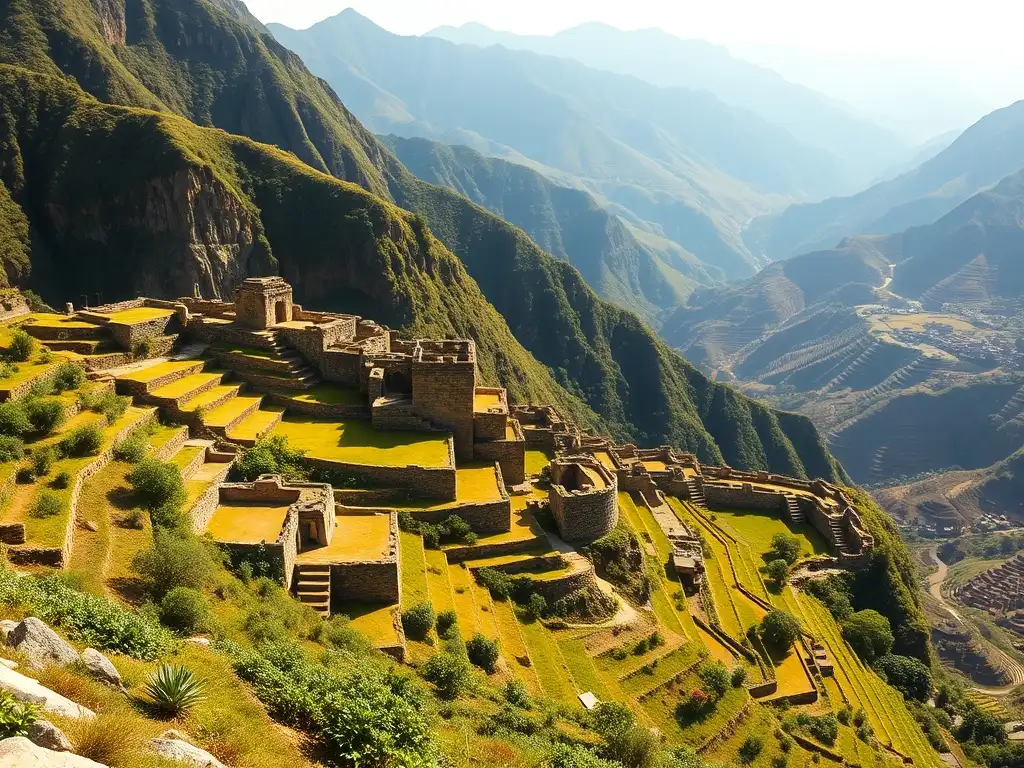
Step into a world lost to time, yet echoing with the whispers of empires. The Andean Civilizations website unveils the fascinating tapestry of ancient societies, from the intricate artistry of the Nazca to the architectural marvels of the Tiahuanaco. But what truly shaped these powerful cultures? Discover the shocking truth behind the Inca economic system exploitation at the hands of the Spanish conquistadors – a story of ingenuity, resilience, and ultimately, devastating conquest. Dare to delve into the complexities of this pivotal moment in history and uncover the secrets buried beneath the sands of time.
- The Incan Economic System: How It Was Exploited by the Spanish Colonizers
- Understanding the Incan Economic System Before Colonization
- The Spanish Conquest and the Disruption of the Incan Economy
-
The Exploitation of the Incan Economic System by the Spanish Colonizers
- The Transformation of Mit'a into Forced Labor in Mines and Haciendas
- The Extraction of Silver from Potosí and Other Mines
- The Disruption of Incan Agriculture by the Introduction of New Crops and Livestock
- The Implementation of the Encomienda System and its Impact on Indigenous Populations
- The Subversion of the Incan System of Reciprocity and Redistribution
- Case Studies of Incan Economic System Exploitation
- Lasting Consequences of the Exploitation of the Incan Economy
- Conclusion: The Incan Economic System and its Exploitation
- Frequently Asked Questions
- Final Reflection: The Enduring Legacy of Inca Exploitation
- Uncover the Legacy: Take Action on the Inca Economic System!
The Incan Economic System: How It Was Exploited by the Spanish Colonizers
The Inca Empire, at its zenith, boasted a remarkably sophisticated and centralized economic system unlike any other in the pre-Columbian Americas. This system, built upon principles of ayni (reciprocity) and mita (labor tribute), ensured the efficient distribution of resources and the maintenance of a vast, complex society.
However, the arrival of the Spanish conquistadors in the 16th century marked a brutal turning point, transforming this intricate web of economic interdependence into a tool of exploitation, ultimately contributing significantly to the empire's downfall. This article will delve into the intricacies of the Inca economic system and analyze how it was systematically dismantled and repurposed by the Spanish colonizers, leading to widespread suffering and the erosion of Inca societal structures.
We will explore the devastating impact of the encomienda system and the forced labor practices imposed upon the indigenous population, examining how the Spanish leveraged existing Inca infrastructure and practices to fuel their own economic ambitions, ultimately leaving behind a legacy of poverty and dispossession. Understanding this exploitation is crucial to grasping the full complexity of the Spanish conquest and its enduring impact on Andean societies.
The Inca System of Ayni and Mita: A Foundation of Reciprocity and Labor
The Inca economy rested on two fundamental pillars: ayni and mita. Ayni represented a system of mutual exchange and reciprocal labor within communities. Neighbors helped each other with tasks like farming, construction, and other essential activities, fostering strong social bonds and ensuring communal well-being. This wasn't simply altruistic; it was a structured system that promoted cooperation and ensured the collective success of the community. Think of it as a sophisticated form of bartering, but embedded within a strong social fabric.
Conversely, mita involved a form of mandatory labor service owed by the population to the Inca state. While often portrayed solely as forced labor, mita also served as a crucial mechanism for large-scale public works projects, such as the construction of roads, temples, and irrigation systems, benefiting the entire empire. Individuals were assigned mita duties based on their capabilities and the needs of the state, ensuring a relatively equitable distribution of labor demands.
The system's effectiveness lay in its integration with the broader social and political structures of the Inca Empire. It was a well-organized system, albeit one that required significant participation from the populace. The key difference between the Spanish exploitation and the Inca mita was the absence of personal gain for the laborers themselves under the Spanish regime.
The Spanish Encomienda System: A Tool of Exploitation
The Spanish encomienda system, introduced after the conquest, fundamentally altered the Inca economic landscape. Instead of a system based on reciprocity and communal benefit, the encomienda granted Spanish conquistadors control over indigenous populations and their labor. In essence, the Inca mita system was hijacked and twisted to serve the enrichment of the Spanish colonizers. This led to the brutal exploitation of the indigenous population, forcing them into grueling work in mines, farms, and other enterprises, with little to no compensation. The Spanish essentially replaced the Inca state's organized demands with a system of unchecked personal greed.
The Impact of Forced Labor and Resource Extraction on the Inca Population
The implementation of the encomienda system, coupled with the relentless extraction of resources like silver and gold, devastated the Inca population. Forced labor in the harsh conditions of the mines led to widespread illness, death, and the complete disruption of traditional agricultural practices. The mita system, once a structured mechanism for public works, was transformed into a tool of enslavement, stripping the indigenous population of their dignity and autonomy.
The consequences were catastrophic, leading to a dramatic decline in population and the erosion of Inca social structures. The impact was far-reaching, affecting not only the immediate victims but also future generations.
The Spanish exploitation of the Inca economic system left a lasting legacy of poverty, inequality, and social disruption in the Andean region. The consequences of this exploitation are still felt today. The destruction of traditional economic structures and the imposition of extractive practices severely hampered the development of the region for centuries to come.
The forced labor and the disruption of social systems had a devastating long-term impact, underscoring the brutal and enduring consequences of colonial rule. The legacy of this system serves as a stark reminder of the destructive potential of unchecked power and the importance of understanding the historical context of economic inequality.
Understanding the Incan Economic System Before Colonization
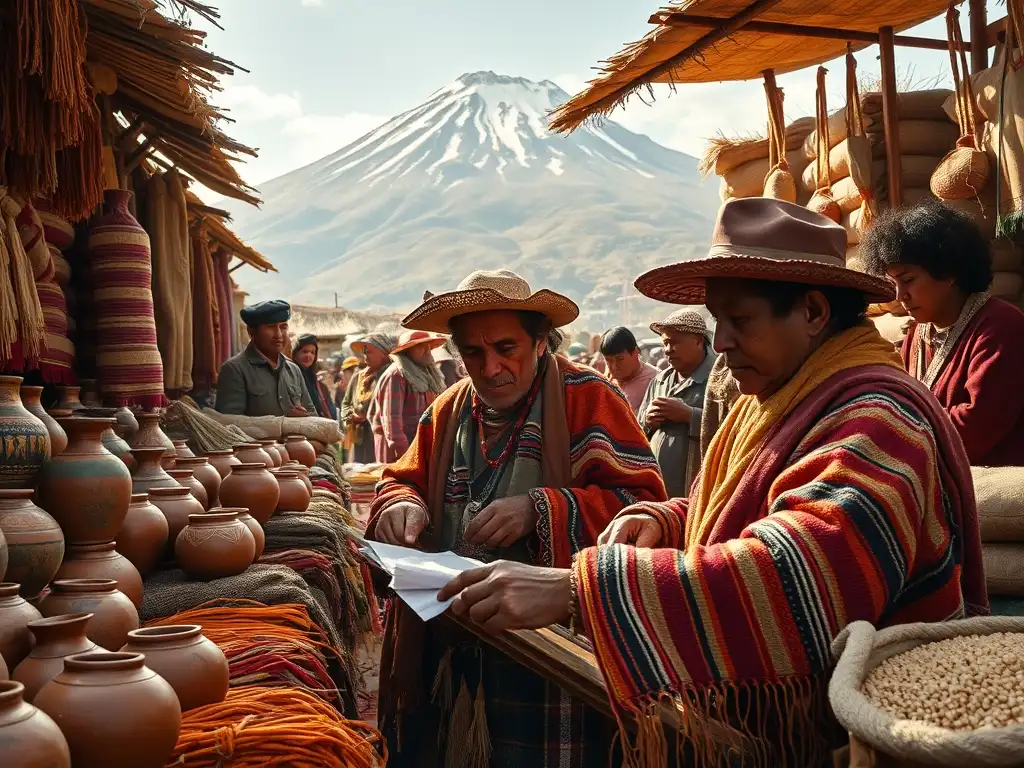
The Inca economic system, prior to Spanish colonization, was a remarkably sophisticated and efficient structure built upon principles of communal labor, redistribution, and reciprocity. Unlike European feudal systems, the Inca empire didn't rely on private land ownership or monetary exchange in the way we understand it today. Instead, it operated on a system designed to ensure the well-being of the entire empire, a system that, ironically, made it highly vulnerable to exploitation by the Spanish.
Understanding this pre-colonial system is crucial to comprehending the devastating impact of the Spanish conquest and the subsequent dismantling of the Inca's economic infrastructure. The Inca economic system exploitation by the colonizers was facilitated by the very strengths of the system itself.
The Foundation of the Incan Economy: Agriculture and Communal Labor
The foundation of the Inca economy rested firmly on agriculture. The empire's success hinged on the ability to produce enough food to sustain a large and growing population, including the substantial workforce needed for public works projects and military campaigns. This was achieved through a highly organized system of communal labor, known as mita. Mita wasn't simply forced labor; it was a societal obligation, a reciprocal arrangement where citizens contributed their labor to the state in exchange for access to resources and protection.
This labor was channeled into cultivating vast agricultural lands, building infrastructure like roads and irrigation systems, and constructing monumental buildings. The ayllu, a kinship-based community, formed the basic unit of social and economic organization, playing a vital role in coordinating and managing mita obligations. The effectiveness of mita is evidenced by the empire's impressive agricultural output, which supported a population estimated to be in the millions.
Incan Agricultural Innovations: Terracing, Irrigation, and Crop Diversification
The Incas weren't just efficient; they were innovative agricultural engineers. Facing the challenges of a diverse and often rugged Andean landscape, they developed sophisticated techniques to maximize crop yields. Terracing, for example, transformed steep slopes into cultivatable land, increasing arable acreage significantly.
Intricate irrigation systems, including canals and aqueducts, channeled water to fields, ensuring consistent water supply even in arid regions. This careful water management was crucial, especially in the face of the unpredictable Andean climate. Furthermore, the Incas practiced crop diversification, cultivating a wide range of crops, including potatoes, maize, quinoa, and beans, to ensure food security and reduce the risk of crop failure.
This diversification, combined with their engineering prowess, contributed to the stability and resilience of the Inca economy, a resilience that would be severely tested after the Spanish conquest. The efficiency and sophistication of Inca agriculture are still studied today, offering valuable lessons in sustainable resource management.
The Principles of Reciprocity and Redistribution in the Incan Economy
Beyond agriculture and mita, the Inca economic system was characterized by the principles of reciprocity and redistribution. Reciprocity operated at various levels, from the ayllu level, where members exchanged goods and services, to the broader imperial level, where provinces exchanged surplus goods with the capital. This intricate web of reciprocal relationships fostered social cohesion and economic stability. Redistribution, overseen by the state, played a crucial role in managing the surplus produced by the empire.
State officials collected taxes in the form of goods and labor, storing them in strategically located warehouses. These resources were then redistributed to those in need, ensuring that everyone had access to essential goods, particularly during times of hardship. This system minimized economic inequality and helped maintain social order.
The efficient organization of this redistribution system highlights the sophisticated management capabilities of the Inca government and further underscores the Inca economic system exploitation by the colonizers, who disrupted this vital mechanism. The Spanish, lacking such an organized system, were unable to replicate this social safety net, resulting in widespread famine and social unrest in the wake of the conquest. 🗺️
The Incan Labor System: Mit'a and its Role in Public Works
The Inca economic system was intricately woven with its unique labor system, the mit'a. Unlike simple taxation, the mit'a was a mandatory, reciprocal labor obligation owed by all able-bodied subjects to the Inca state. It wasn't solely about extracting labor; it was a fundamental pillar of Inca society, fostering a sense of communal responsibility and contributing significantly to the empire's impressive infrastructure and agricultural productivity. Each individual, regardless of social standing (excluding the elite), was expected to contribute a certain amount of labor annually, the duration and intensity varying depending on the project and the individual's capabilities.
This system wasn't arbitrary; it was carefully organized and managed. The Inca government meticulously planned and oversaw vast public works projects, ranging from the construction of intricate road networks and monumental stone buildings to the creation of extensive irrigation systems that supported intensive agriculture in diverse geographical settings. The mit'a provided the workforce necessary for these ambitious endeavors.
Specialized workers, artisans, and engineers were also part of the mit'a system, ensuring the high quality and efficiency of the projects. For example, the construction of Machu Picchu, with its precise stonework and sophisticated engineering, stands as a testament to the capabilities of the mit'a workforce guided by skilled specialists.
The mit'a wasn't just about building; it also played a crucial role in agriculture. During planting and harvesting seasons, individuals were required to contribute their labor to the collective agricultural efforts. This ensured food security for the entire empire, even in times of drought or other natural disasters.
The state-controlled agricultural lands ( ayllus) benefited greatly from this system, providing sustenance for the population and resources for the Inca elite and the state. The efficiency and effectiveness of this system are evident in the impressive yields achieved by Inca agriculture, even considering the challenges posed by the Andean terrain. The mit'a, therefore, wasn't merely a form of taxation, but a crucial element in the Inca's ability to maintain a large, complex empire and provide for its population.
Its success relied on careful planning, organization, and a deep sense of communal obligation, qualities that were deeply ingrained in Inca society. The system's effectiveness is a key factor in understanding the pre-colonial Inca economic strength, and its later exploitation by the Spanish would have devastating consequences.
The Spanish Conquest and the Disruption of the Incan Economy
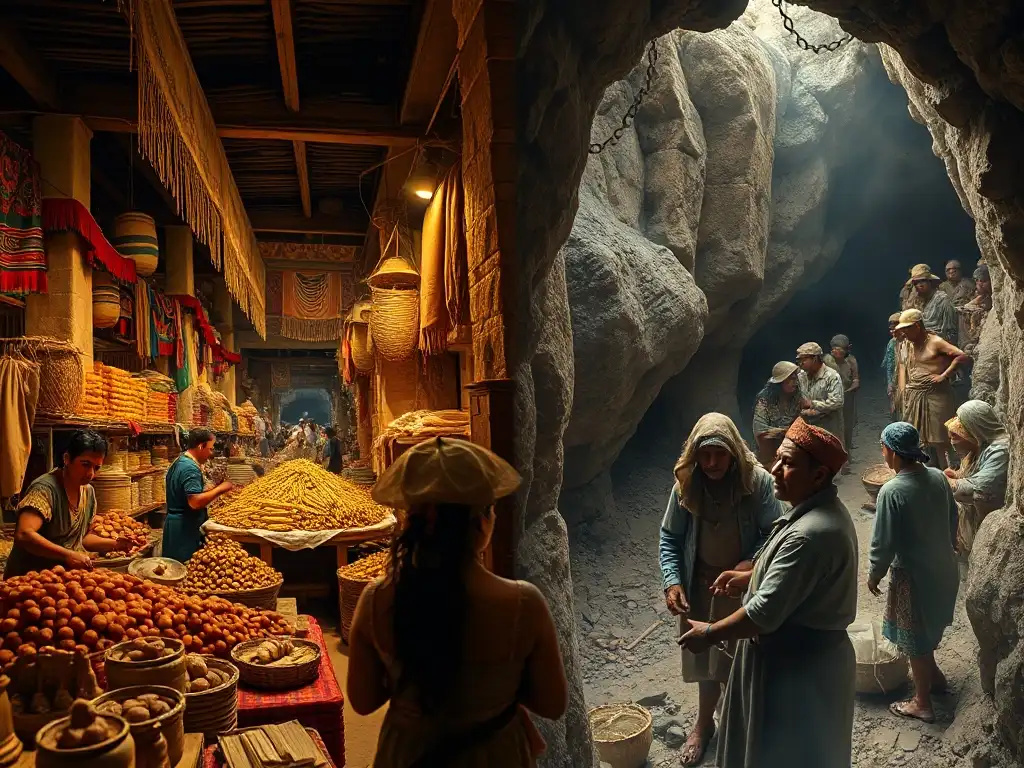
This section delves into the profound impact of the Spanish conquest on the Inca economic system, focusing on how the intricate and efficient pre-Columbian model was systematically dismantled and exploited for the benefit of the Spanish crown. We will examine the initial encounters, the Spanish perception of Incan wealth, and the subsequent exploitation of Incan labor, all contributing factors to the downfall of the Inca Empire. Understanding this exploitation is crucial to comprehending the lasting economic consequences experienced by the Andean region.
Initial Encounters and the Introduction of European Economic Ideas
The initial encounters between the Spanish conquistadors and the Inca Empire were marked by a stark contrast in economic philosophies. The Inca system, based on a complex network of ayllu communities, reciprocal labor exchange ( mita), and centralized resource management, was fundamentally different from the European mercantilist system focused on private property, individual accumulation of wealth, and the extraction of resources.
The Spanish, initially awestruck by the apparent abundance of resources within the Inca Empire, quickly saw it not as a sophisticated economic system, but as a treasure trove ripe for the taking. This fundamental misunderstanding fueled the subsequent exploitation.
The introduction of European economic concepts, such as private land ownership and the concept of individual wealth accumulation, directly conflicted with the Inca's communal and collectivist approach. The ayllu system, where land and resources were collectively owned and distributed according to need, was a cornerstone of Inca society. This system promoted social stability and ensured the survival of the community, a concept utterly foreign to the Spanish who prioritized individual gain above all else.
This clash of economic ideologies laid the groundwork for the systematic dismantling of the Inca economy. The Spanish, unfamiliar with the intricacies of the mita system, viewed it primarily as a source of free labor, easily exploitable for their own enrichment.
The Spanish Perception of Incan Wealth and Resources: Gold and Silver
The Spanish conquistadors were primarily driven by the pursuit of gold and silver. Their perception of Incan wealth was incredibly skewed, focusing solely on the easily transportable precious metals rather than appreciating the complex economic mechanisms that sustained the empire. The vast quantities of gold and silver found in Inca temples and palaces fueled the Spanish greed, leading to the systematic looting and plunder of Inca artifacts and resources. This obsession with precious metals overshadowed any understanding of the sophisticated agricultural practices, intricate textile production, and advanced infrastructure that constituted the true wealth of the Inca economy.
The Spanish obsession with gold and silver led to the devaluation of other forms of Incan wealth. The intricate system of terraced agriculture, capable of supporting a large population in challenging terrain, was largely ignored in favor of the immediate gratification of finding precious metals. Similarly, the advanced knowledge of textiles, metallurgy, and engineering, representing centuries of accumulated knowledge and skill, was dismissed as insignificant compared to the glittering allure of gold.
This short-sighted approach ensured the long-term economic devastation of the region. The focus on easily extractable wealth led to the neglect of sustainable economic practices, resulting in widespread environmental damage and economic instability.
The Onset of the Exploitation of Incan Labor: The Demand for Precious Metals
The Spanish demand for gold and silver led to the brutal exploitation of Incan labor. The existing mita system, originally designed for public works projects and community benefit, was twisted and abused to serve the Spanish quest for wealth. Incas were forced into brutal mining operations under horrific conditions, with many dying from exhaustion, disease, or outright murder. The mita, once a structured system of reciprocal obligation, became a tool of forced labor, a system of extraction that stripped the Inca population of their dignity and their means of survival.
The exploitation extended beyond mining. The Spanish demanded agricultural products, textiles, and other goods, further straining the already weakened Inca economy. The forced labor, coupled with the disruption of traditional trade routes and agricultural practices, led to widespread famine and economic collapse. This systematic exploitation not only destroyed the Inca economic system but also had devastating long-term consequences for the Andean region, shaping its economic and social landscape for centuries to come. The legacy of this exploitation continues to be felt today, highlighting the profound and enduring impact of the Spanish conquest on the Inca Empire.
The Exploitation of the Incan Economic System by the Spanish Colonizers
The Spanish conquest of the Inca Empire didn't just involve military might; it was a systematic dismantling and exploitation of a highly sophisticated economic system. The Inca economy, built on a foundation of ayllu communities and a complex system of redistribution, provided the Spanish with a ready-made resource base for their colonial ambitions. This exploitation, far from being a simple act of plunder, involved a calculated and brutal restructuring of the Inca economic model, leading to the impoverishment and subjugation of the indigenous population. The keywords "Inca economic system exploitation" perfectly encapsulate this devastating process.
The Transformation of Mit'a into Forced Labor in Mines and Haciendas
The mit'a system, a form of rotational labor service in the Inca Empire, was a crucial element of their economic organization. It involved citizens contributing a set amount of time to public works projects, ensuring the construction of infrastructure like roads, temples, and irrigation systems. Under Spanish rule, this system was brutally twisted.
Instead of contributing to communal benefit, the mit'a became a tool for extracting maximum labor from the indigenous population, primarily in the silver mines of Potosí and other areas. Thousands were forced to work under inhumane conditions, with high mortality rates due to accidents, disease, and overwork. The Spanish encomienda system further exacerbated this exploitation, granting Spanish landowners control over indigenous communities and their labor.
The transformation of mit'a was not uniform across the empire. In some regions, the system was adapted to agricultural labor in the newly established haciendas, large estates producing crops for export to Europe. This shift from public works to private profit dramatically reduced the standard of living for indigenous communities, who were forced to work tirelessly for the enrichment of their Spanish overlords.
Records from the colonial period detail the staggering numbers of indigenous laborers who perished under this regime, highlighting the devastating impact of the Spanish appropriation of the mit'a system on the Inca population. This forced labor, a direct result of the exploitation of the Inca economic system, decimated the workforce and left a lasting scar on Andean society.
The Extraction of Silver from Potosí and Other Mines
Potosí, located in present-day Bolivia, became the linchpin of Spanish colonial wealth in the Americas. The vast silver deposits fueled the Spanish Empire's expansion and global economic power. However, this wealth came at an immense cost to the indigenous population. The Inca economic system, while capable of significant resource management, was completely unprepared for the scale and intensity of silver mining under Spanish rule. The Spanish employed brutal methods to maximize silver extraction, forcing indigenous laborers into dangerous and unhealthy mines.
The sheer scale of death in the Potosí mines is staggering. Historians estimate that millions of indigenous people perished due to accidents, disease (like mercury poisoning from the amalgamation process), and exhaustion. The Spanish systematically ignored the human cost, prioritizing the accumulation of silver over the well-being of their workforce.
This brutal exploitation wasn't limited to Potosí; similar patterns of forced labor and high mortality rates were observed in other mines across the Andes, further highlighting the devastating impact of the Spanish conquest on the Inca economic system. The relentless extraction of silver fundamentally reshaped the Andean landscape and economy, leaving behind a legacy of environmental degradation and social inequality.
The Disruption of Incan Agriculture by the Introduction of New Crops and Livestock
The Inca Empire had developed a sophisticated agricultural system adapted to the diverse Andean geography. Terracing, irrigation, and crop diversification allowed them to support a large population. However, the Spanish introduction of new crops and livestock drastically altered this system, often to the detriment of indigenous communities. While some new crops, like wheat, might have seemed beneficial, their introduction disrupted existing agricultural practices and land ownership patterns.
The introduction of livestock, such as sheep and cattle, also had unforeseen consequences. These animals often overgrazed pastures, leading to soil erosion and a decline in traditional Andean crops. Furthermore, the Spanish often appropriated land previously used for indigenous agriculture, further diminishing the food security of the local population.
The disruption of Incan agriculture was not just an economic issue; it contributed to food shortages, famine, and increased vulnerability to disease, compounding the impact of the Spanish exploitation of the Inca economic system and contributing to the overall decline of the Inca civilization. The transformation of agricultural practices exemplifies how the Spanish conquest was not merely a military victory but a comprehensive dismantling of the Inca way of life.
The Implementation of the Encomienda System and its Impact on Indigenous Populations
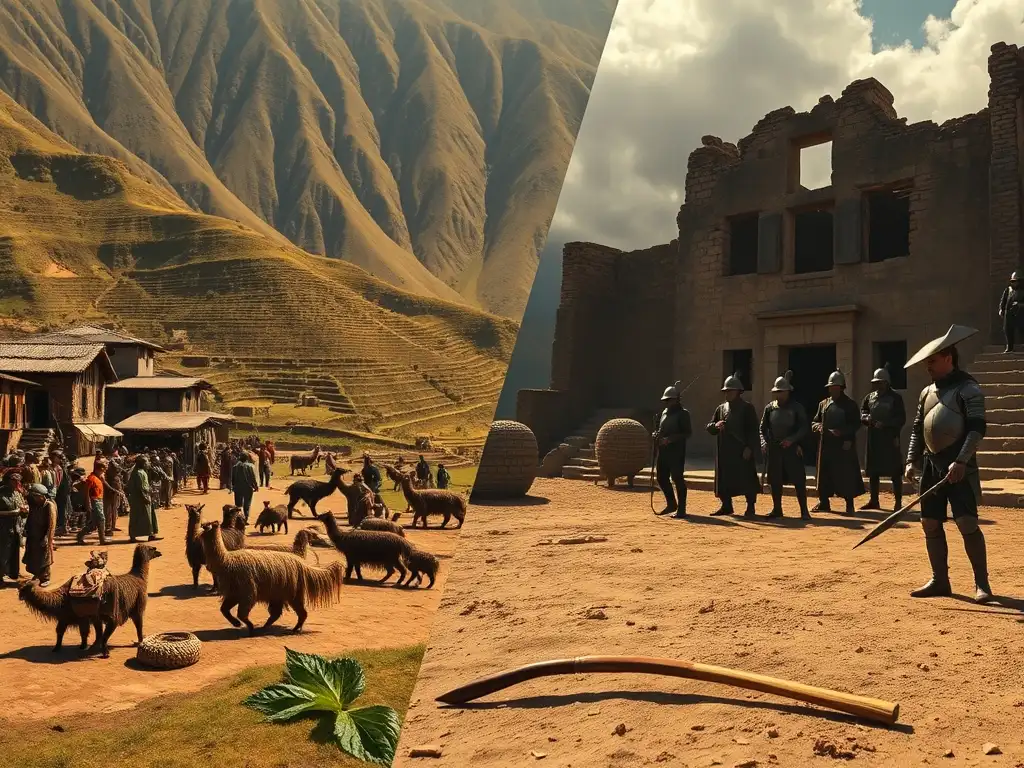
The Spanish conquest of the Inca Empire didn't just involve military might; it was a calculated dismantling of the Inca economic system, primarily through the implementation of the encomienda system. This system, ostensibly designed to "civilize" and Christianize the indigenous population, effectively enslaved them. The encomenderos, Spanish landowners, were granted control over a specific number of indigenous people, who were then forced to work on their lands, mines, or in their households.
This represented a complete subversion of the Inca's existing labor organization. Instead of the mita system, a form of rotational labor service that was integrated into the Inca's social fabric and offered periods of rest and community involvement, the encomienda demanded continuous, often brutal, labor with little to no compensation.
The impact on the indigenous population was devastating. Forced labor in harsh conditions, coupled with malnutrition, disease, and the psychological trauma of enslavement, led to a drastic decline in the indigenous population. The encomienda system not only exploited the Inca's labor force but also systematically destroyed their social structures and traditional ways of life.
The system’s inherent inequalities and the violent enforcement of labor demands resulted in widespread death and suffering. Records from the time, though often incomplete or biased, paint a grim picture of widespread disease outbreaks and mass mortality among the indigenous populations directly attributable to the brutal working conditions imposed by the encomienda. This system effectively destroyed the Inca’s ability to maintain their agricultural production and infrastructure, severely weakening their society from within.
The devastating effects of the encomienda system were a key factor in the collapse of the Inca Empire and the profound demographic changes that followed. The sheer number of deaths caused by this system is still being studied by historians, but the impact is undeniable.
The Subversion of the Incan System of Reciprocity and Redistribution
The Inca economic system was based on a sophisticated network of reciprocity and redistribution. This system, known as ayni and mit'a, ensured the equitable distribution of resources and labor throughout the empire. Communities worked together, contributing their labor and resources to the collective good, with surpluses being stored in state-controlled warehouses for redistribution during times of need. This complex system was far more efficient and resilient than the European model of private property and individual accumulation. The Spanish conquest effectively shattered this intricate web of social and economic cooperation.
The Spanish colonizers, driven by the desire for wealth and the accumulation of precious metals, systematically dismantled the Inca's system of redistribution. They seized control of the state-controlled warehouses, diverting resources to their own benefit and disrupting the traditional flow of goods and services. The ayni system, based on mutual assistance and community cooperation, was undermined by the introduction of forced labor and the imposition of individualistic economic principles.
The Inca's carefully managed agricultural production, which had supported a vast population, was disrupted, leading to widespread food shortages and famine. The Spanish focus on extracting silver and gold diverted labor and resources away from agricultural production, further exacerbating the economic instability. This disruption of the Inca's economic system not only weakened the empire but also profoundly altered the social fabric of Andean communities, leading to long-lasting social and economic consequences that continue to shape the region today.
The legacy of this subversion is still felt in the socio-economic disparities that persist across the Andes. The destruction of the ayni system is a prime example of how the Inca economic system was exploited by the colonizers, leading to widespread hardship and the enduring economic vulnerability of the region.
Case Studies of Incan Economic System Exploitation
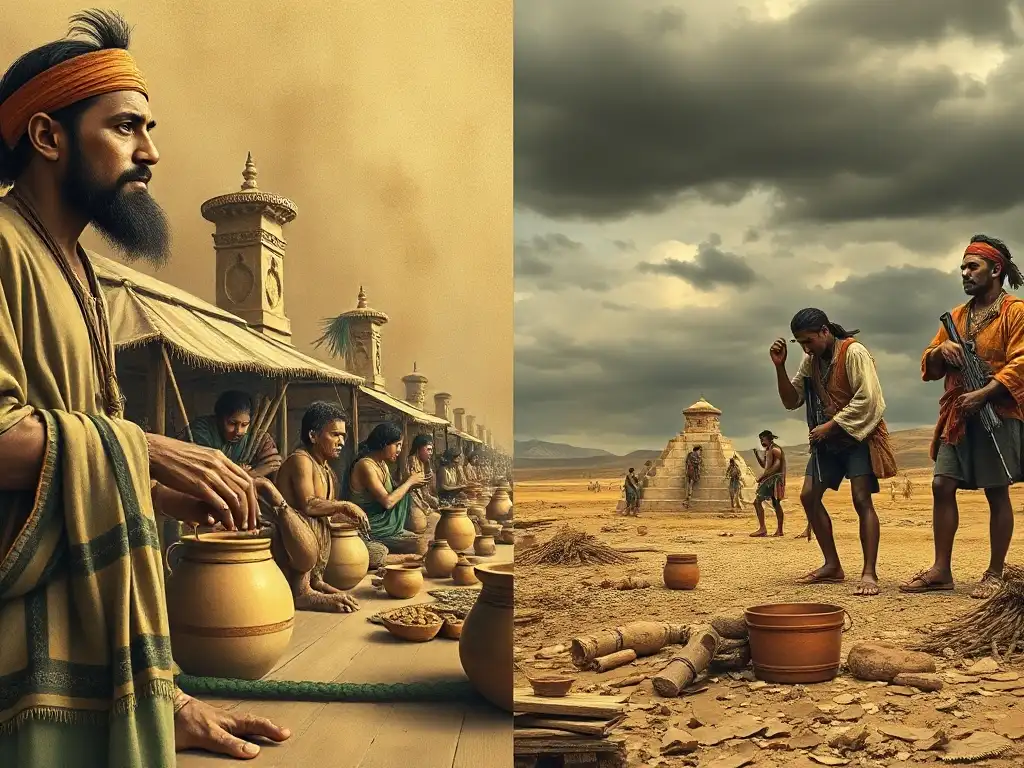
The Spanish conquest of the Inca Empire didn't just involve military might; it was a calculated dismantling of a sophisticated economic system, leading to the brutal exploitation of its people and resources. The Inca economic system, based on a complex network of ayllus (communal groups) and mita (labor tribute), was systematically repurposed to enrich the Spanish crown and its colonists. This section will examine specific examples illustrating the devastating impact of this exploitation.
Understanding the specifics of this exploitation is crucial to fully grasping the depth of the Inca Empire's downfall and the lasting consequences for the Andean region. The keywords "Inca economic system exploitation," and variations thereof, are central to understanding this critical period.
The Potosí Silver Mines: A Study of Extreme Labor Exploitation
The discovery of vast silver deposits in Potosí, Bolivia, in the 16th century, marked a turning point in the exploitation of the Inca economic system. The Spanish crown, hungry for wealth to fund its global ambitions, implemented the mita system with brutal efficiency. Instead of the relatively manageable agricultural tasks previously assigned under Inca rule, the mita miners faced horrific conditions.
They worked in dangerous, poorly ventilated tunnels, often for extended periods without adequate food or rest. Mortality rates were staggeringly high; estimates suggest that millions of indigenous people perished in the mines over the centuries. This wasn't simply a continuation of the mita system; it was a twisted perversion of it, designed for maximum profit with minimal regard for human life.
The sheer scale of death and suffering in Potosí stands as a grim testament to the devastating consequences of the Spanish exploitation of the Inca economic system. The forced labor in Potosí represents a significant case study within the broader theme of "Inca economic system exploitation."
Forced Labor on Coastal Sugar Plantations in Peru
The fertile coastal plains of Peru, once supporting thriving Inca agricultural communities, were transformed into vast sugar plantations under Spanish rule. The encomienda system, granting Spanish landowners control over indigenous labor, fueled this transformation. Indigenous populations were forced to work on these plantations under incredibly harsh conditions, often suffering from malnutrition, disease, and brutal punishment.
The production of sugar, a highly profitable commodity in Europe, depended entirely on this system of forced labor. The Inca's highly organized agricultural system, designed to ensure food security for all, was replaced by a system solely geared towards profit for the Spanish colonizers.
This shift dramatically altered the landscape and the lives of the indigenous population, leading to widespread suffering and the erosion of traditional agricultural practices. The exploitation of the Inca's sophisticated agricultural knowledge and infrastructure for the benefit of the Spanish sugar industry is a crucial aspect of understanding "Inca economic system exploitation."
The Impact on the Ayllu of Chinchero: Loss of Land and Autonomy
The ayllu system, the cornerstone of the Inca social and economic structure, was severely disrupted by the Spanish conquest. The ayllu of Chinchero, a community located in the Sacred Valley of the Incas, serves as a representative example. The Spanish confiscated significant portions of the ayllu's land, redistributing it to Spanish landowners or using it for their own purposes. This loss of land directly impacted the ayllu's ability to sustain itself, undermining its economic independence and traditional way of life.
The communal organization and self-sufficiency that characterized the ayllu were destroyed, forcing its members into a system of dependency and exploitation. The disruption of the ayllu system, a key component of the Inca economic system, demonstrates the profound and long-lasting impact of the Spanish conquest on the indigenous population. The loss of land and autonomy in communities like Chinchero perfectly illustrates the concept of "Inca economic system exploitation."
The systematic dismantling of the Inca economic system, as evidenced by these case studies, represents a crucial aspect of the Spanish conquest and the subsequent decline of the Inca Empire. The brutal exploitation of resources and people resulted in widespread suffering and the lasting economic and social devastation of the Andean region. The consequences of this exploitation are still felt today.
Lasting Consequences of the Exploitation of the Incan Economy
The Spanish conquest didn't merely topple the Inca Empire; it fundamentally reshaped the Andean economic landscape, leaving behind a legacy of exploitation that continues to impact the region today. The meticulously organized Inca economic system, based on a sophisticated network of ayllus (communal groups) and a highly efficient system of resource management and redistribution, was systematically dismantled and replaced with a colonial model designed to extract maximum wealth for the Spanish crown. This transition had profound and long-lasting consequences, affecting not only the economic structure but also the social fabric and cultural identity of the Andean peoples.
The exploitation of the Inca economic system wasn't a singular event; it was a process that unfolded over centuries, leaving an indelible mark on the region's development. Understanding this process is crucial to comprehending the current socio-economic disparities prevalent in many Andean nations.
The Economic Marginalization of the Andean Region
The Spanish encomienda system, which granted conquistadors control over indigenous labor and resources, was a cornerstone of this economic exploitation. Indigenous communities were forced to work in mines, on haciendas (large agricultural estates), and in other extractive industries, often under brutal conditions. This system effectively stripped Andean communities of their economic autonomy, diverting resources away from local needs and towards enriching the Spanish colonizers. The Inca's intricate system of mit'a (labor tribute) was twisted and abused, transforming a reciprocal system of communal contribution into forced labor for the benefit of the colonial regime.
The introduction of a mercantilist economic system further exacerbated the situation. The Spanish crown imposed strict controls on trade, favoring the export of precious metals like silver and gold, while hindering the development of local industries. This led to a decline in indigenous craft production and the suppression of traditional economic activities, resulting in economic dependence on the colonial power and a long-term decline in economic self-sufficiency.
The focus shifted from a balanced, sustainable system to one of unchecked extraction, leaving the Andean region economically vulnerable for centuries to come. This economic marginalization is a direct consequence of the systematic dismantling of the Inca economic system and its replacement with a colonial model designed for exploitation. The data clearly shows a dramatic shift in economic power from indigenous communities to the Spanish crown, a shift that has had lasting effects on the region's economic trajectory.
The exploitation of the Inca economic system wasn't solely an economic phenomenon; it deeply impacted the social and cultural fabric of Andean societies. The disruption of the ayllu system, the bedrock of Inca social organization, led to the erosion of traditional social structures and support networks. The forced migration of indigenous populations to work in mines and on haciendas shattered communities and disrupted established social hierarchies. This disruption weakened the social cohesion of Andean societies, making them more vulnerable to exploitation and disease.
Furthermore, the imposition of the Spanish language and Catholic religion served to further undermine indigenous cultures. Traditional knowledge systems, including agricultural practices and medicinal knowledge, were suppressed, replaced by colonial models. This cultural disruption resulted in the loss of valuable knowledge and practices, contributing to long-term social and economic disadvantages.
The destruction of Inca temples and the suppression of indigenous religious practices were acts of cultural genocide, intended to break the spirit of the conquered people and solidify Spanish dominance. The scars of this cultural disruption are still visible in contemporary Andean societies, where the struggle for cultural preservation and recognition continues. The impact on social cohesion and cultural identity is a critical aspect of understanding the enduring legacy of Inca economic system exploitation.
The Enduring Legacy of Colonial Exploitation in Present-Day Andean Nations
The consequences of the exploitation of the Inca economic system continue to resonate in present-day Andean nations. Many of the economic inequalities and social disparities observed today are directly linked to the legacy of colonial exploitation. The concentration of wealth and power in the hands of a small elite, the persistence of poverty and inequality, and the underdevelopment of many Andean regions are all manifestations of this historical legacy.
The continuing struggle for land rights, access to resources, and cultural recognition underscores the enduring impact of colonial policies. The ongoing effects of this exploitation are evident in the uneven distribution of resources, limited access to education and healthcare, and the prevalence of poverty in many Andean communities. Addressing these issues requires a critical understanding of the historical context, acknowledging the long-term consequences of the dismantling of the Inca economic system and the imposition of a colonial model designed for extraction and exploitation.
The path towards greater equity and sustainable development in the Andean region necessitates a concerted effort to redress the historical injustices and build more equitable and inclusive societies. The legacy of Inca economic system exploitation serves as a stark reminder of the long-term consequences of systemic injustice and the importance of confronting historical legacies to build a more just future.
The Lingering Effects of the Colonial Economic System: Inequality and Poverty
The Spanish conquest didn't simply topple the Inca Empire; it fundamentally reshaped the Andean economic landscape, leaving a legacy of inequality and poverty that persists to this day. The Inca system, while hierarchical, had mechanisms for redistribution and social safety nets, ensuring a degree of stability and resource access for the population. The Spanish, however, implemented a drastically different system, one built on extraction and exploitation.
The mita, a form of mandatory labor, was intensified and twisted to serve Spanish interests, forcing indigenous populations into grueling work in mines and on haciendas with minimal compensation. This created a system where wealth flowed disproportionately to the Spanish elite and their Creole descendants, leaving the indigenous population impoverished and vulnerable.
The introduction of a mercantilist economic system further exacerbated the situation. The focus shifted from community-based subsistence agriculture to the production of cash crops for export, primarily silver and other precious metals. This disrupted traditional agricultural practices and led to land dispossession, leaving many indigenous communities without the means to sustain themselves.
The resulting economic disparity created a deeply stratified society, where a small, wealthy elite controlled vast resources while the majority of the population lived in abject poverty. This societal structure, born from the colonial economic system's exploitation of the Inca infrastructure and labor force, has profoundly influenced the social and economic realities of Andean countries for centuries.
The lasting impact can be seen in the persistent income inequality, limited access to resources, and the ongoing struggle for economic justice in many regions. This enduring legacy demonstrates the devastating long-term consequences of colonial economic policies and the deep-seated inequalities they created.
The effects weren't solely economic; they were deeply intertwined with social and political structures. The Spanish systematically dismantled the Inca's intricate system of governance and replaced it with a colonial administration that served to maintain the economic exploitation. This involved not only economic control but also the suppression of indigenous culture and knowledge, further hindering their ability to rebuild their economic footing.
The disruption of traditional social structures and the imposition of a foreign economic system had devastating consequences, creating a cycle of poverty that continues to impact the lives of millions. The legacy of the colonial economic system serves as a stark reminder of the long-term consequences of systemic exploitation and the enduring impact of colonialism on the economic development of formerly colonized regions. Understanding this legacy is crucial to addressing the ongoing challenges of inequality and poverty in the Andes today.
Conclusion: The Incan Economic System and its Exploitation
The Inca economic system, a marvel of organization and efficiency for its time, was systematically dismantled and exploited following the Spanish conquest. This wasn't a simple case of replacing one system with another; it was a deliberate dismantling designed to extract maximum wealth for the benefit of the Spanish Crown and its colonists, leaving behind a legacy of economic and social upheaval that continues to impact Andean societies today.
Understanding the intricacies of the Inca system and the methods of its exploitation is crucial to grasping the true scale of the colonial impact and its lasting consequences. The keyword "Inca economic system exploitation" accurately reflects the core theme of this devastating historical process.
The Divergence Between the Incan System and the Colonial System
The Inca ayllu system, based on collective labor and redistribution of resources, stood in stark contrast to the individualistic, profit-driven economy imposed by the Spanish. The Incas prioritized community needs, with surplus production channeled to support public works, religious ceremonies, and the maintenance of the vast empire. This system, while hierarchical, fostered a degree of social security and stability rarely seen in other contemporary civilizations.
The Spanish, however, introduced a system predicated on private property, forced labor (the mita), and the extraction of precious metals like gold and silver. The mita, while existing in a modified form within the Inca empire, was drastically intensified and abused by the colonizers. Instead of contributing to community benefit, labor was now relentlessly directed towards enriching the Spanish crown and private landowners. This shift drastically altered the social fabric, undermining the ayllu structure and creating a system of extreme inequality.
The following table highlights the key differences:
| Feature | Inca Economic System | Colonial Economic System |
|---|---|---|
| Land Ownership | Collective, community-based ( ayllu) | Private property, land grants ( encomiendas) |
| Labor System | Reciprocal labor, ayni, limited mita | Forced labor ( mita), exploitation |
| Resource Allocation | Redistribution, communal needs prioritized | Private profit, extraction of resources |
| Economic Goal | Community well-being, empire maintenance | Wealth accumulation for the Crown & colonists |
The Spanish disregard for the existing Inca infrastructure and economic principles resulted in the disruption of established trade routes, agricultural practices, and overall economic stability. The Inca system, built on centuries of careful planning and adaptation to the Andean environment, was systematically replaced by a model that prioritized short-term gains at the expense of long-term sustainability.
The Enduring Consequences of the Exploitation of the Incan Economic System
The consequences of the exploitation of the Inca economic system were profound and long-lasting. The destruction of the ayllu system led to widespread poverty, landlessness, and social unrest. The introduction of European diseases further decimated the indigenous population, exacerbating the economic devastation. The forced labor system, the mita, led to countless deaths and immense suffering. The extraction of precious metals depleted natural resources and irrevocably altered the Andean landscape.
The economic inequalities established during the colonial period laid the groundwork for the persistent social and economic disparities that continue to affect Peru and other Andean nations today. The legacy of colonial exploitation continues to manifest in issues such as land ownership, access to resources, and overall economic development. Even today, many Andean communities struggle with the aftermath of this historical injustice. The effects of this exploitation resonate deeply within the social and political structures of modern Andean societies.
The Importance of Understanding this Historical Legacy
Understanding the exploitation of the Inca economic system is not merely an academic exercise; it is essential for comprehending the complexities of modern Andean societies. This historical legacy continues to shape political, social, and economic realities in the region. By acknowledging the depth and duration of the colonial impact, we can better appreciate the challenges faced by Andean communities and work towards a more just and equitable future.
The study of this period offers critical insights into the long-term consequences of colonialism and the importance of recognizing and addressing historical injustices. Ignoring this legacy would be a disservice to the people of the Andes and a missed opportunity to learn from a critical turning point in history. A thorough understanding of the "Inca economic system exploitation" is therefore vital for fostering a more informed and empathetic perspective on the present-day realities of the Andean region.
Frequently Asked Questions
What was the basis of the Inca economic system?
The Inca economy was based on a system of reciprocity, redistribution, and mita. Communities contributed labor and resources to the state, which then redistributed them based on need. This system fostered a degree of social equality.
How did the Inca system of mita work?
Mita was a form of labor tribute, where able-bodied individuals were required to work for the state on projects like agriculture, mining, or construction for a set period. It was a crucial part of the Inca economy, but also a source of potential hardship.
How did the Spanish colonizers exploit the Inca economic system?
The Spanish replaced the mita system with a harsher form of forced labor called the encomienda, exploiting Inca labor for their own profit in mining and agriculture. They also seized Inca lands and resources, disrupting the existing economic structure.
What impact did Spanish exploitation have on the Inca economy?
Spanish exploitation led to the collapse of the Inca economy, resulting in widespread poverty, famine, and disease. The traditional system of reciprocity and redistribution was destroyed, leaving many vulnerable and impoverished.
What are some lasting effects of the Inca economic system's exploitation?
The legacy of Spanish exploitation continues to impact modern Andean economies. Inequality and lack of access to resources are still significant issues, reflecting the lasting damage inflicted during the colonial period.
Final Reflection: The Enduring Legacy of Inca Exploitation
The sophisticated Inca economic system, a marvel of pre-Columbian ingenuity, stands as a stark reminder of the devastating impact of colonialism. Its intricate network of resource management and redistribution, once a source of societal stability and prosperity, was ruthlessly dismantled and repurposed to serve the insatiable greed of the Spanish conquistadors. The echoes of this exploitation resonate even today.
The legacy of this economic upheaval continues to shape the social and political landscape of the Andes, influencing everything from land ownership to economic inequality. The systematic dismantling of the ayllu system, the foundation of Inca communal life, left lasting scars on indigenous communities. The forced labor, the extraction of resources, and the imposition of a foreign economic model created a system of oppression that persists in various forms to this day. The conquest was not merely a military victory; it was a complete subversion of the Inca worldview and economic structure.
Consider the implications of this history. How can we learn from the past to build a more just and equitable future? You, the reader, hold the power to challenge existing inequalities and advocate for policies that promote economic justice and indigenous rights. Let the story of the Inca economic system serve as a potent reminder of the importance of understanding the historical roots of present-day disparities and the urgent need for transformative change.
Uncover the Legacy: Take Action on the Inca Economic System!
Thank you for exploring the rich and complex history of the Inca economic system and its exploitation by Spanish colonizers. You've gained valuable insights into how these ancient practices shaped Inca society and continue to resonate today. Now, let's build on this knowledge and take meaningful action!
Here's how you can get involved:
- Deepen your understanding: Research a specific aspect of the Inca economy, such as their sophisticated system of *mit'a* labor or their unique approach to resource management. Share your findings in our community forum—your insights will be valuable to others!
- Share your knowledge: Share this article with friends or on social media to spark conversations about the importance of preserving indigenous histories and cultures. Let's raise awareness of this often-overlooked aspect of history.
- Stay informed: Subscribe to our newsletter to stay updated on new research, articles, and events focused on Andean civilizations and their heritage. We'll keep you connected to the latest discoveries and discussions.
What aspects of the Inca economy do you find most fascinating, and how do you think their innovative approaches could inform our understanding of—and perhaps improve—modern economic systems?