
The Importance of Animals: Domestication and Daily Use in the Andes


Step into a world lost to time, yet echoing with vibrant life. Imagine the breathtaking Andes Mountains, not just as a majestic landscape, but as the cradle of sophisticated civilizations. Discover the secrets of the ancient Andean cultures—the Incas, Moche, Nazca, and Tiahuanaco—and unlock the surprising story of their relationship with the animal kingdom. How did Andean civilizations animal domestication shape their societies, their art, and their very survival? The answer awaits within...
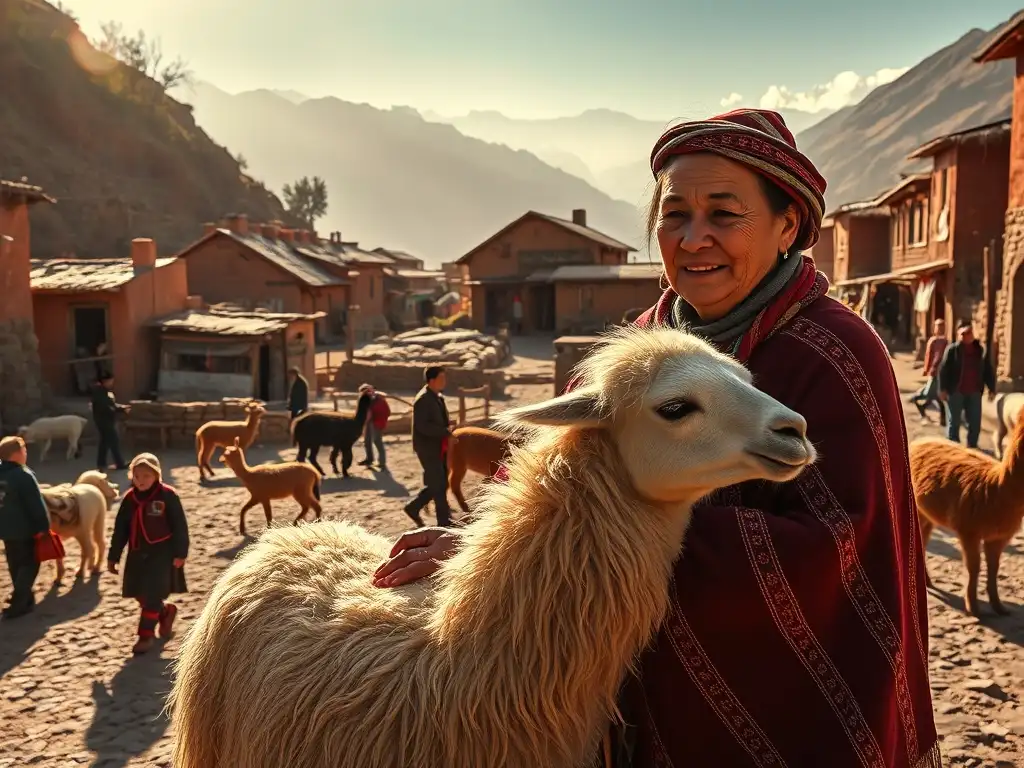
The Andes Mountains, a colossal spine running down the western coast of South America, cradled some of the most remarkable civilizations the world has ever known. From the towering heights of the Incan Empire to the intricate artistry of the Nazca, these Andean societies weren't just masters of engineering and artistry; they were deeply intertwined with the animal kingdom.
This article delves into the crucial role animals played in the daily lives of these ancient peoples, exploring their domestication, their significance as food sources, and their integration into the very fabric of Andean society. Understanding the relationship between Andean civilizations and animal domestication is key to unlocking a deeper appreciation for the complexity and ingenuity of these fascinating cultures.
We will examine the symbiotic relationship forged between humans and animals, revealing how this partnership shaped their social structures, economies, and spiritual beliefs. This exploration will highlight the importance of "Andean civilizations animal domestication" as a critical element in understanding the success and longevity of these remarkable societies.
Andean Civilizations and Animal Domestication: A Symbiotic Relationship
The domestication of animals wasn't simply a matter of practicality for Andean civilizations; it represented a profound shift in their relationship with the natural world. Unlike many other societies that relied heavily on hunting and gathering, Andean communities actively cultivated a close relationship with certain animal species. This symbiotic relationship facilitated their adaptation to the challenging Andean environment, providing them with crucial resources and shaping their social structures.
The process of domestication itself was likely gradual, spanning centuries, and involved a complex interplay of selective breeding, understanding animal behavior, and adapting to the unique ecological conditions of the region. This process demonstrates a sophisticated level of agricultural knowledge and a deep understanding of the animals' needs, showcasing the remarkable adaptability and ingenuity of Andean peoples. The consequences of this symbiotic partnership were far-reaching, influencing everything from food production and transportation to religious practices and social hierarchies.
The Role of Animals in Ancient Andean Societies
Animals permeated nearly every aspect of Andean life. Beyond their utilitarian value, animals held significant cultural and religious importance. Many species were deeply integrated into their belief systems, featuring prominently in myths, rituals, and artistic representations. For example, the condor, with its majestic flight and association with the upper world, held a sacred status in many Andean cultures.
Similarly, llamas and alpacas, crucial for their wool and as pack animals, were also deeply interwoven into the social and spiritual fabric of Andean society. Their use extended beyond mere practicality; they played symbolic roles in ceremonies and festivals, reflecting the profound connection between these animals and the people who depended upon them. The intricate relationship between humans and animals in the Andes goes beyond simple utility; it reveals a deep understanding of the interconnectedness of life and a respect for the natural world.
Domesticated Animals of the Andes: Key Species
Several key animal species were domesticated and integrated into the daily lives of Andean civilizations. The most prominent were undoubtedly the llama and alpaca, providing wool for textiles, meat for sustenance, and crucial transport capabilities across the challenging Andean terrain. Guanacos and vicuñas, while not fully domesticated in the same way, were also important sources of wool and meat, playing a significant role in the Andean economy.
Additionally, dogs served various purposes, from assisting in hunting and herding to providing companionship. The domestication of these animals was a remarkable feat, demonstrating a keen understanding of animal husbandry and a capacity for adapting to the unique challenges of the high-altitude environment. Further research is needed to fully understand the nuances of domestication practices for each species and the extent of genetic variation within domesticated populations.
Animals as a Source of Food in Andean Cultures
The contribution of animals to the Andean diet cannot be overstated. Llamas and alpacas provided a vital source of protein, while smaller animals, such as guinea pigs (cuy), were also frequently consumed. The availability of animal protein significantly contributed to the nutritional well-being of these communities. Evidence suggests sophisticated techniques were employed in animal husbandry, including selective breeding and strategies for maximizing meat production.
The preparation and consumption of animal products were often integrated into social and religious rituals, highlighting their importance beyond mere sustenance. Further research is needed to fully quantify the proportion of animal protein in the Andean diet and to understand the regional variations in animal husbandry practices. The role of animals as a source of food in Andean cultures underscores the interconnectedness of their agricultural practices, social structures, and religious beliefs.
Animal Domestication Practices in the Andes
The Andes Mountains, a geographically challenging environment, witnessed the remarkable domestication of several animal species by ancient Andean civilizations. This process, crucial for their survival and societal development, wasn't a singular event but a gradual evolution spanning millennia. Understanding Andean animal domestication provides key insights into their agricultural practices, social structures, and technological advancements.
The process involved careful observation of animal behavior, selective breeding, and the development of sophisticated herding techniques, all adapted to the unique environmental conditions of the Andes. The success of Andean animal domestication stands as a testament to the ingenuity and resilience of these ancient societies. Their achievements laid the foundation for the complex social and economic systems that characterized their civilizations.
The careful management of domesticated animals ensured a reliable source of food, fiber, and labor, contributing significantly to the overall prosperity and stability of Andean societies. This sophisticated approach to animal husbandry highlights the advanced understanding of these cultures and their deep connection with the natural world.
Early Stages of Animal Domestication in the Andes
The earliest stages of animal domestication in the Andes are still being researched, with ongoing archaeological investigations providing new evidence. However, current understanding suggests that the process began with the taming of camelids – llamas and alpacas – sometime before 4000 BCE. Early domestication likely involved capturing and gradually habituating wild animals to human presence.
This initial phase likely focused on exploiting readily available resources such as meat and hides. The transition from hunting to herding was a pivotal step, marking a shift towards a more sedentary lifestyle and enabling the development of more complex social structures. Evidence suggests that early domestication practices were not uniform across the Andes, with regional variations reflecting diverse environmental conditions and cultural practices.
The process likely involved a combination of opportunistic encounters and intentional management of wild populations. For example, the capture of young animals may have played a significant role in the initial taming process, as younger animals are generally more easily habituated than adults. Further research is crucial to gain a deeper understanding of these early practices.
Selective Breeding and Herd Management
As Andean civilizations gained experience, they moved beyond simple taming to implement sophisticated selective breeding programs. This involved choosing animals with desirable traits, such as wool quality in alpacas and strength in llamas, for breeding. This process, passed down through generations, resulted in the development of distinct breeds with specialized characteristics.
Furthermore, the management of large herds required advanced organizational skills and knowledge of animal behavior. Herding techniques, including the use of specialized herders and the development of sophisticated pasture management systems, were crucial for ensuring the health and productivity of the herds. The challenges posed by the high-altitude Andean environment, including harsh weather conditions and limited resources, necessitated the development of adaptive strategies for herd management.
These strategies, reflecting a deep understanding of the animals' needs and the environment, were crucial to the success of Andean animal domestication. The integration of herding practices into the broader social and economic fabric of Andean communities underscores the importance of animals in their daily lives.
Techniques for Shearing and Wool Production
The domestication of camelids provided Andean civilizations with a valuable source of wool. They developed sophisticated techniques for shearing and processing wool, creating textiles of exceptional quality and variety. Shearing was likely a seasonal activity, timed to coincide with the animal's natural shedding cycle.
The wool was then cleaned, spun, and woven into a wide array of textiles, used for clothing, blankets, and other purposes. The development of specialized tools for shearing and processing wool, along with the mastery of intricate weaving techniques, highlights the advanced technological skills of Andean societies. The quality of Andean textiles, renowned for their durability and beauty, reflects the high level of skill and craftsmanship involved in their production.
Archaeological evidence reveals the use of diverse weaving techniques and the use of natural dyes derived from plants and minerals. The wool production provided not only clothing but also a significant economic resource, contributing to trade and cultural exchange among Andean communities.
Animals as Labor in the Andean World
Beyond their role as a source of food and fiber, animals played a crucial role in the labor force of Andean civilizations. Llamas and alpacas, in particular, were indispensable for transportation, agriculture, and even construction projects. Their strength and adaptability made them ideal for the challenging terrain of the Andes.
The use of animals for labor showcases the ingenuity and practicality of Andean societies in harnessing the capabilities of their domesticated animals to support their economic activities and infrastructure development. This efficient system of animal-assisted labor contributed greatly to the prosperity and success of the Andean civilizations. The integration of animal labor into various aspects of daily life, from agriculture to construction, reflects the close symbiotic relationship between humans and animals in the Andean world.
Transportation and Load Bearing: The Role of Llamas
Llamas were the primary pack animals of the Andes, capable of carrying substantial loads across challenging terrain. Their strength and surefootedness made them indispensable for transporting goods, such as agricultural products, textiles, and building materials, across vast distances. Llama caravans were a common sight on Andean trade routes, facilitating the exchange of goods and ideas between different communities.
The use of llamas for transportation significantly impacted the economic development of Andean societies, enabling efficient trade and the distribution of resources across the diverse geographical landscape. The organization and management of llama caravans required sophisticated logistical skills, reflecting the high level of organizational capacity within Andean societies. The reliance on llamas as pack animals contributed significantly to the interconnectedness of Andean communities and the overall prosperity of the region.
Agricultural Assistance: Plowing Fields with Llamas and Alpacas
While not as widely used as for transportation, llamas and alpacas also played a role in Andean agriculture. They were used to plow fields, particularly in areas with less fertile soil, easing the workload for human laborers. This animal-assisted plowing helped increase agricultural output, contributing to food security and economic stability.
The use of camelids in agriculture showcases the adaptive nature of Andean farming techniques, demonstrating their ability to integrate animal labor into their agricultural practices to optimize yields and minimize human effort. The integration of animal power into agriculture demonstrates a sophisticated understanding of both animal capabilities and agricultural needs. This highlights the practical and innovative approach of Andean civilizations in developing their agricultural systems.
Animals in Construction and Infrastructure Projects
The construction of impressive Andean structures, such as terraces and monumental buildings, involved significant labor. While human labor was central, animals, particularly llamas, played a supportive role in transporting building materials such as stone blocks and timber to construction sites. Their strength and endurance were crucial for moving heavy materials across challenging terrain, facilitating the construction of large-scale projects.
The use of animals in construction projects highlights the integrated nature of animal labor within Andean society and underscores their crucial role in supporting the development of sophisticated infrastructure. The scale of many Andean constructions would have been significantly more difficult, if not impossible, without the assistance of animal labor. The integration of animal power into construction processes further demonstrates the ingenuity and practical approach of Andean civilizations in overcoming logistical challenges.
Animal Products and Their Uses
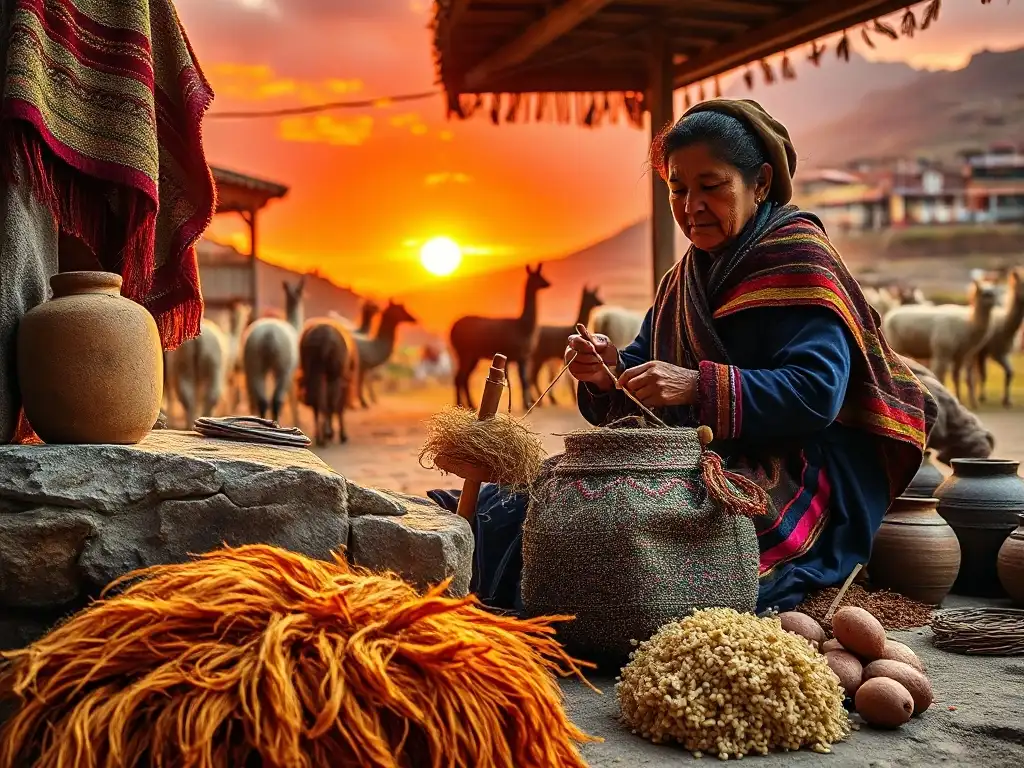
The domestication of animals in the Andes wasn't merely a matter of sustenance; it represented a significant leap in the development of Andean civilizations. The utilization of animal products extended far beyond basic needs, impacting the very fabric of their societies. From the everyday tools to elaborate religious ceremonies, animals played a pivotal role, shaping the economic and cultural landscapes. The ingenuity of Andean peoples in harnessing animal resources is a testament to their adaptive capabilities and understanding of their environment.
This efficient use of resources is a key factor in understanding the success and longevity of these remarkable societies. The careful management of animal populations, combined with advanced techniques in processing animal products, allowed for a sophisticated level of societal organization and technological advancement. This intertwined relationship between humans and animals is a fundamental aspect of Andean civilization studies.
Wool and Textiles: A Key Andean Industry
Wool, primarily from camelids like llamas and alpacas, formed the backbone of a thriving textile industry in the Andes. The incredibly fine and warm wool was spun into yarn using intricate techniques passed down through generations. These techniques varied across different Andean cultures, resulting in a diverse range of textiles with unique textures and designs.
The production of textiles wasn't merely a utilitarian activity; it was a highly skilled craft, imbued with symbolic meaning. Textiles served as clothing, blankets, and ceremonial items, reflecting the social status and identity of their wearers. The vibrant colors and elaborate patterns found in Andean textiles are a testament to the artistic prowess of the Andean people.
The intricate weaving techniques, often using complex patterns and multiple colors, reveal a deep understanding of textile production and design. These textiles serve as invaluable sources for archaeologists studying Andean cultures, providing insights into their social structures, religious beliefs, and artistic traditions.
Leather and Hides: Used for Sandals, Bags, and Containers
The hides of llamas, alpacas, and vicuñas were also highly valued resources. These were carefully tanned and processed to create durable leather used for a wide range of practical items. Sandals, essential for traversing the challenging Andean terrain, were commonly made from leather. Bags and containers of various sizes and shapes were crafted to store food, tools, and other belongings.
The quality of the leather varied depending on the animal and the tanning techniques employed, with some hides being prized for their softness and durability. The use of leather in daily life demonstrates the resourceful nature of Andean societies, utilizing all available resources from their domesticated animals. The practicality and longevity of leather goods contributed significantly to the efficiency of daily life in the Andes. Detailed studies of these leather artifacts offer further clues about the sophistication of Andean craftmanship and the diversity of their daily lives.
Animal Bones and Tools: Used for Needles, Spoons, and Musical Instruments
Beyond the hides and wool, the bones of animals provided valuable raw materials. Andean artisans skillfully crafted needles, spoons, and even musical instruments from bones. These objects were not only functional but often also aesthetically pleasing, demonstrating the artistic sensibility that permeated Andean culture. The precision and detail in some bone carvings suggest a highly developed understanding of bone structure and tool-making techniques.
The use of animal bones highlights the resourceful and sustainable practices employed by Andean societies, maximizing the utilization of animal carcasses. These bone tools and instruments, unearthed from archaeological sites, provide compelling evidence of the ingenuity and resourcefulness of Andean civilizations. Examining the shapes, sizes, and decorations of these artifacts reveals much about their daily routines and artistic sensibilities.
The Symbolic and Ritual Significance of Animals
Animals held far more than just practical value for Andean civilizations; they were deeply intertwined with their spiritual beliefs and social practices. The symbolic significance of animals varied across different regions and cultures, but certain animals consistently held prominent roles in Andean cosmovision. The reverence for animals is evident in various aspects of Andean life, from religious ceremonies to artistic expressions. Understanding this symbolic dimension is crucial to grasping the complexities of Andean culture.
Animals in Andean Cosmovision and Religion
The Andean worldview encompassed a complex interplay between the human and natural worlds. Animals, particularly camelids, were often viewed as intermediaries between the earthly and spiritual realms. Certain animals were associated with specific deities or natural forces. For instance, the condor was often associated with the sun and the upper world, while the puma represented the earth and the lower world.
This symbolic connection between animals and the cosmos shaped religious practices and beliefs. This understanding of the interconnectedness of the natural and spiritual worlds is fundamental to comprehending Andean religious practices and beliefs. The intricate relationship between humans, animals, and the cosmos formed the basis of their social and spiritual structures.
Animal Sacrifice and Offerings
Animal sacrifice played a significant role in Andean religious rituals. Llamas and alpacas were commonly offered to appease deities or ensure successful harvests. The sacrifices weren't simply acts of brutality; they were carefully orchestrated ceremonies with profound symbolic meaning. The choice of animal, the manner of sacrifice, and the subsequent treatment of the remains all carried specific significance.
These practices reflect the Andean understanding of reciprocity between humans and the spiritual world. Detailed archaeological evidence, including the discovery of animal remains at sacred sites, provides insights into the scale and significance of these rituals. The careful study of these remains offers valuable data for understanding the religious practices and beliefs of Andean societies.
Animals in Andean Art and Mythology
Animals feature prominently in Andean art and mythology, reflecting their importance in daily life and spiritual beliefs. Textiles, pottery, and stone carvings often depict animals, highlighting their symbolic significance. Mythological narratives frequently feature animals as protagonists or powerful symbols, reflecting the Andean understanding of the natural world.
The recurring motifs in Andean art demonstrate the enduring significance of animals in their culture. The vibrant depictions of animals in various art forms showcase both the artistic skills and the spiritual beliefs of the Andean peoples. Studying these artistic representations provides further insights into the rich and complex relationship between humans and animals in Andean societies.
The Legacy of Animal Domestication in Modern Andean Communities
The legacy of animal domestication in the Andes is profound, deeply interwoven with the cultural fabric of modern Andean communities. The relationship between humans and animals, forged millennia ago, continues to shape social structures, economic activities, and spiritual beliefs across the region. From the high-altitude plains of the Altiplano to the coastal valleys, the descendants of ancient Andean civilizations maintain a close connection with the animals their ancestors domesticated. This enduring bond isn't merely a historical curiosity; it's a vital component of their present-day lives.
The animals provide essential resources, contributing significantly to food security, income generation, and cultural preservation. This intricate relationship highlights the remarkable adaptability and resilience of both human and animal populations in the face of environmental and societal changes. The ongoing significance of animal domestication underscores the importance of understanding and preserving these traditional practices for future generations.
Continuing Traditions of Animal Husbandry
Traditional animal husbandry techniques, passed down through generations, remain central to the livelihood of many Andean communities. These methods, often adapted to the unique challenges of the Andean environment, demonstrate a deep understanding of animal behavior and ecological balance. For example, the practice of chaccu, a traditional method of herding and capturing guanacos and vicuñas, continues in some regions, albeit with modifications to ensure sustainability and animal welfare.
Similarly, the raising of llamas and alpacas, crucial for their fiber and as pack animals, involves intricate knowledge of their dietary needs, breeding cycles, and health management. These practices are not simply economic activities; they are deeply embedded in social rituals and ceremonies, reflecting the spiritual significance attributed to these animals.
The continuity of these traditions highlights the enduring value of indigenous knowledge systems in the face of modernization. The preservation of these time-honored practices is crucial for maintaining biodiversity and cultural heritage.
Challenges and Changes in Modern Animal Management
Despite the enduring importance of traditional animal husbandry, modern Andean communities face numerous challenges in managing their animal populations. Globalization, market pressures, and environmental changes are transforming agricultural practices, creating both opportunities and threats. The increasing demand for meat and fiber, for instance, can lead to overgrazing and unsustainable practices, impacting biodiversity and ecosystem health. Furthermore, the introduction of new breeds and technologies can disrupt traditional methods, potentially leading to a loss of indigenous knowledge and genetic diversity.
Climate change poses an additional threat, altering grazing patterns and increasing the vulnerability of animals to disease. These challenges highlight the need for innovative approaches that integrate traditional knowledge with modern technologies to ensure the sustainable management of animal resources. Finding a balance between economic needs and environmental sustainability remains a crucial task for Andean communities.
Sustainable Practices and Animal Welfare in the Andes
Promoting sustainable practices and ensuring animal welfare are critical for the long-term viability of animal husbandry in the Andes. This requires a multi-faceted approach that addresses both economic and environmental concerns. Initiatives that support fair trade practices, guaranteeing fair prices for animal products, are crucial for encouraging sustainable farming methods.
Equally important are efforts to improve animal health, disease prevention, and access to veterinary care. The integration of indigenous knowledge with modern scientific techniques can lead to more effective and sustainable management strategies. For example, combining traditional grazing practices with modern techniques for land management can help to prevent overgrazing and soil erosion.
Furthermore, promoting animal welfare through humane treatment and responsible breeding practices is essential for ensuring the ethical and sustainable use of animal resources. The preservation of Andean animal husbandry requires a collaborative effort involving local communities, researchers, and policymakers to develop strategies that balance economic needs with environmental protection and animal welfare. The future of Andean animal domestication hinges on this delicate balance.
- Andean Civilizations and Animal Domestication: A Symbiotic Relationship
- The Role of Animals in Ancient Andean Societies
- Animal Domestication Practices in the Andes
- Animals as Labor in the Andean World
- Animal Products and Their Uses
- The Symbolic and Ritual Significance of Animals
- The Legacy of Animal Domestication in Modern Andean Communities
- What role did animal domestication play in Andean civilizations?
- Which animals were primarily domesticated in the Andes?
- How did animal domestication impact Andean agriculture?
- What was the significance of the llama beyond its economic uses?
- How did Andean civilizations adapt their animal domestication practices to their environment?
Frequently Asked Questions
What role did animal domestication play in Andean civilizations?
Animal domestication was crucial for Andean societies. It provided essential resources like food (llama meat and alpaca wool), transportation (llamas), and agricultural assistance (llamas as pack animals). This significantly impacted their economic and social structures.
Which animals were primarily domesticated in the Andes?
The most significant domesticated animals were the llama and alpaca. Guanacos and vicuñas, while hunted, were less commonly domesticated due to difficulties in taming. Other animals, like dogs and guinea pigs, also held importance.
How did animal domestication impact Andean agriculture?
Llamas played a vital role in Andean agriculture by acting as pack animals, transporting goods and produce across challenging terrains. Their manure also served as fertilizer, enriching the soil and improving crop yields.
What was the significance of the llama beyond its economic uses?
Llamas held cultural and religious significance beyond their practical uses. They featured prominently in Andean textiles, ceremonies, and even served as offerings in religious rituals.
How did Andean civilizations adapt their animal domestication practices to their environment?
Andean civilizations demonstrated remarkable adaptation to their diverse environments. They developed specific herding techniques and strategies to manage their animals effectively in the high-altitude, challenging terrains of the Andes Mountains.
Final Reflection: A Legacy Woven in Wool and Bone
The intricate relationship between Andean civilizations and animal domestication continues to resonate today, shaping our understanding of ancient societies and influencing modern practices. The innovative techniques employed by these cultures, their deep respect for the animals they domesticated, and the lasting impact on their environment and social structures remain a testament to human ingenuity and adaptability. This legacy is not merely historical; it's a living thread woven into the fabric of Andean life.
The enduring influence of Andean animal domestication is profound, extending far beyond the archaeological record. It's visible in the vibrant textiles still crafted from alpaca and llama wool, in the culinary traditions that utilize these animals, and in the enduring spiritual connection many Andean communities maintain with their livestock. The animals were not merely a source of sustenance, but integral members of the community, deeply interwoven into the social and spiritual fabric of Andean life.
This quote encapsulates the holistic approach these civilizations took, highlighting the interconnectedness between humans and animals, a perspective we could benefit from re-examining in our modern world.
Consider the implications of this ancient wisdom. How can we foster a more respectful and sustainable relationship with the animals we share our planet with? You, the reader, hold the power to make a difference. By supporting ethical sourcing, advocating for animal welfare, and appreciating the rich history of human-animal interaction, you can contribute to a future where the legacy of Andean animal domestication inspires responsible stewardship of our shared resources and a deeper understanding of the interconnectedness of all living things.
Embrace the Connection: Take Action for Animal Welfare!
Thank you for exploring the vital relationship between animals and Andean cultures. Your interest highlights the invaluable roles these creatures play in our daily lives. Let's translate this understanding into meaningful action!
- Start a conversation within your community about the importance of animals. Share your experiences and insights on how animals enrich our lives.
- Consider volunteering at or donating to your local animal shelter to support their vital work.
- Commit to responsible pet ownership by thoroughly researching the specific needs of your animal companions. Your dedication creates a healthier and happier environment for them.
How will you further strengthen your bond with the animals in your life?