
Where the Mountains Sing: Discovering the Mystical World of Andean Music Festivals

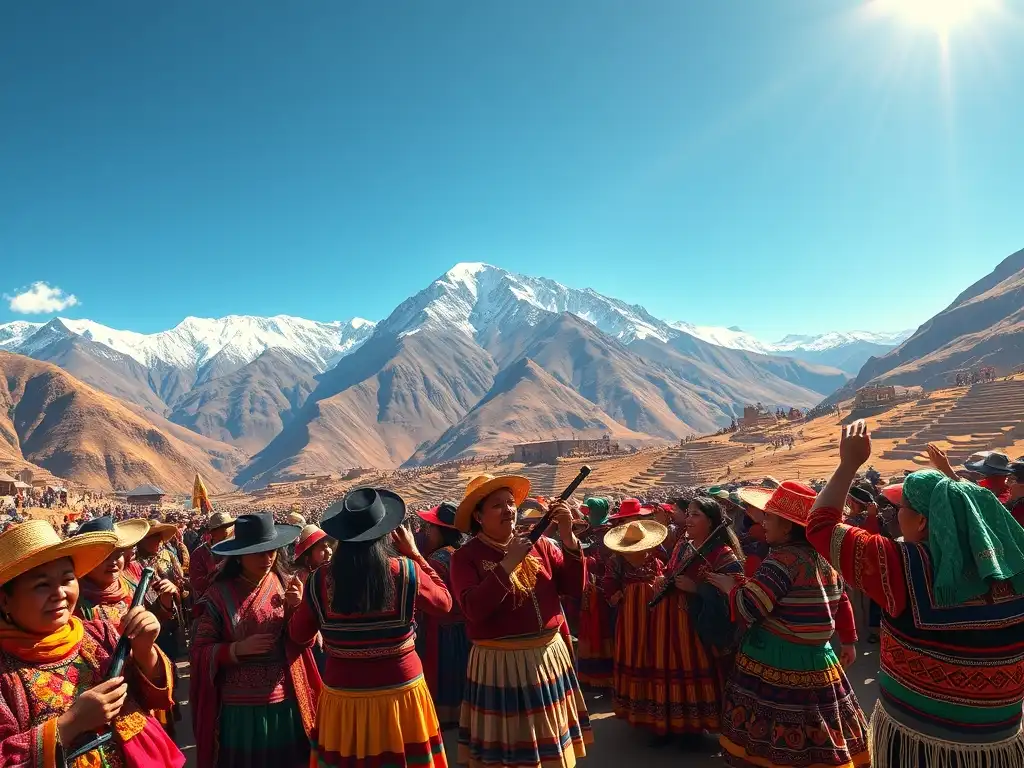
Prepare to be transported to a world where the echoes of ancient empires resonate in vibrant melodies. Journey with us into the heart of the Andes, where the breathtaking landscapes are matched only by the captivating traditions of its people. Discover the secrets behind the Andean music festival traditions, a captivating blend of ritual, artistry, and community that will leave you breathless. Are you ready to unravel the mysteries of this magical heritage? Explore the immersive Andean experiences that await you within.
- Exploring the Heartbeat of the Andes: An Introduction to Andean Music Festival Traditions
- Immerse Yourself: The Best Andean Music Festivals to Experience
- Andean Music Festival Traditions: Beyond the Main Events
- Planning Your Andean Music Festival Experience: A Practical Guide
- Conclusion: Embracing the Richness of Andean Music Festival Traditions
- Frequently Asked Questions
- Final Reflection: Echoes of the Andes: A Legacy of Music and Spirit
- **Unveil the Rhythms of the Andes! **
Exploring the Heartbeat of the Andes: An Introduction to Andean Music Festival Traditions
The Andes Mountains, a spine of earth stretching along the western edge of South America, are more than just a geographical feature; they are the cradle of vibrant cultures, breathtaking landscapes, and deeply rooted traditions. For centuries, the indigenous peoples of this region have expressed their spirituality, history, and daily lives through music and dance.
This article delves into the captivating world of Andean music festivals, exploring the rich traditions that continue to resonate through the mountains today. We'll uncover the profound significance of music within Andean culture and trace the historical roots of these vibrant celebrations, revealing the enduring legacy of these mystical gatherings.
From the rhythmic pulse of the bombo drum to the soaring melodies of panpipes, we'll journey through the sounds and stories that make Andean music festivals a truly unique and unforgettable experience. This exploration of "Andean music festival traditions" will illuminate the deep connection between music, community, and the Andean spirit.
The Significance of Music in Andean Culture
Music in Andean culture isn't merely entertainment; it's an integral part of daily life, deeply woven into the fabric of society. It serves as a powerful vehicle for storytelling, preserving ancestral knowledge and history across generations. Traditional Andean music often tells tales of mythology, harvests, love, and the struggles of daily life. The instruments themselves, many crafted from natural materials like wood, reeds, and gourds, hold symbolic meaning, reflecting the close relationship between the people and their environment.
Consider the zampoña, a type of panpipe, whose haunting melodies evoke the vastness of the Andes. Or the charango, a small lute made from armadillo shell, whose delicate sounds express a range of emotions. These instruments aren't just tools for creating music; they are extensions of the Andean soul, connecting the past with the present.
Moreover, music plays a crucial role in religious and spiritual ceremonies, acting as a conduit to the sacred realm and reinforcing community bonds. The intricate rhythms and melodies of Andean music create a powerful sense of unity and shared identity, fostering a deep connection among participants. Many festivals incorporate ancient rituals and prayers, further highlighting the sacred dimension of musical performance.
Understanding the Roots of Andean Musical Celebrations
Andean music festivals have ancient roots, evolving from pre-Columbian rituals and ceremonies. Evidence suggests that music and dance played a significant role in Inca society, with elaborate performances held to honor deities and celebrate important events. While the precise nature of these early celebrations remains partially shrouded in mystery, archaeological findings and historical accounts offer glimpses into their grandeur.
The arrival of the Spanish conquistadors brought significant changes, yet Andean musical traditions proved remarkably resilient. While some elements were suppressed or altered, indigenous communities adapted and incorporated new instruments and musical styles, creating a unique blend of old and new. Many contemporary Andean music festivals retain aspects of these ancient traditions, blending pre-Columbian influences with elements introduced during the colonial period and beyond.
The festivals are not only celebrations of music but also important social gatherings, reinforcing community ties and transmitting cultural heritage to younger generations. The vibrant costumes, intricate dances, and communal participation all contribute to the enduring appeal and cultural significance of these events. The continued vitality of these festivals speaks volumes about the power of music to transcend time and preserve cultural identity, offering a powerful testament to the resilience and richness of Andean culture.
Immerse Yourself: The Best Andean Music Festivals to Experience
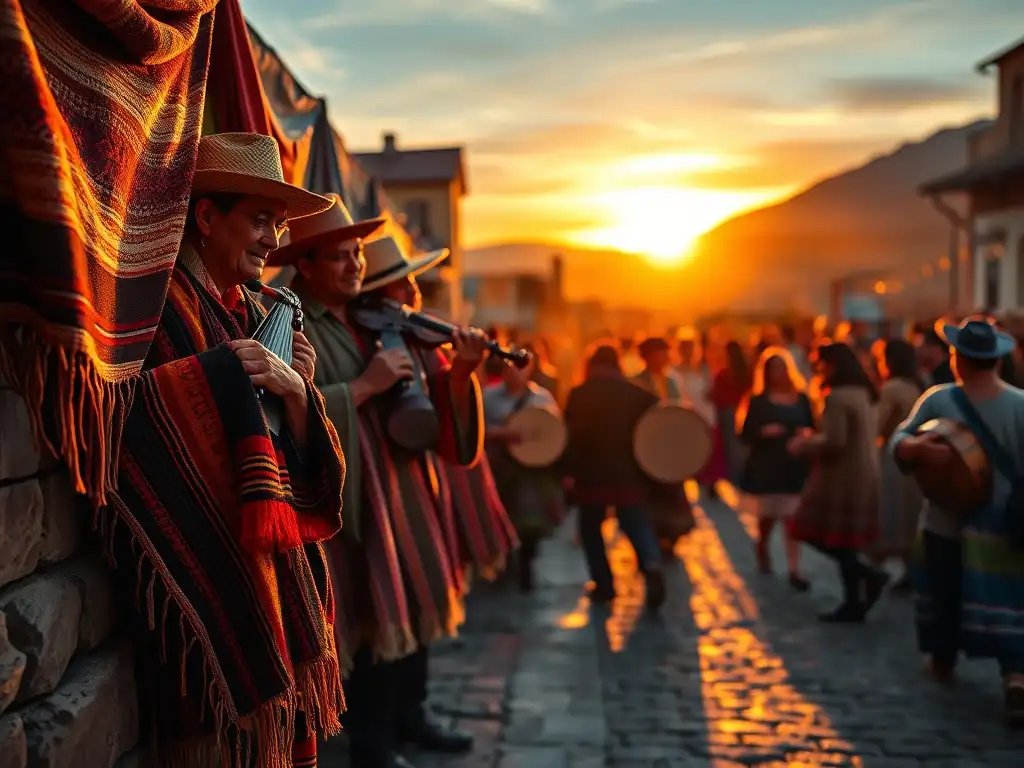
This section delves into the captivating world of Andean music festivals, exploring their rich traditions and offering practical advice for those wishing to experience these vibrant cultural events firsthand. We'll examine two prominent examples, highlighting their unique musical characteristics and providing insights into planning your visit. Understanding these Andean music festival traditions is key to appreciating the depth and beauty of Andean culture.
Inti Raymi: The Sun Festival - A Showcase of Ancient Andean Music
Inti Raymi, meaning "Festival of the Sun" in Quechua, is a spectacular celebration held annually in Cusco, Peru. This festival, deeply rooted in Inca traditions, offers a powerful glimpse into the ancient Andean world through its music, dance, and rituals.
The Historical Context of Inti Raymi and its Music
Inti Raymi's origins trace back to the Inca Empire, where it was a significant religious ceremony honoring the sun god, Inti. The festival, suppressed during the Spanish conquest, was revived in 1944 and has since become a major tourist attraction. The music played during Inti Raymi is not merely entertainment; it's a vital component of the ceremony, invoking the power and majesty of the sun god and reflecting the cosmology of the Inca civilization.
The melodies are often characterized by their modal scales and intricate rhythms, reflecting the complex social and spiritual structures of Inca society. Scholars continue to uncover new details about the precise musical practices of the Inca, making the study of Inti Raymi's music a constantly evolving field.
Musical Instruments used in Inti Raymi: Zampoña, Quena, and Charango
The musical landscape of Inti Raymi is rich and diverse, featuring a variety of traditional Andean instruments. The zampoña, a panpipe, produces a haunting and ethereal sound, often used to create a sense of reverence and awe. The quena, a transverse flute, adds a brighter, more melodic element to the ensemble. The charango, a small lute-like instrument, provides a rhythmic and percussive counterpoint. The interplay between these instruments creates a sonic tapestry that is both ancient and captivating. Many modern adaptations of Inti Raymi music incorporate other instruments, yet the core sounds remain deeply connected to the ancient traditions.
Experiencing Inti Raymi: Travel Packages and Guided Tours
Attending Inti Raymi requires careful planning. The festival attracts large crowds, so securing accommodation and transportation well in advance is crucial. Numerous tour operators offer packages that include guided tours, transportation, and accommodation, ensuring a seamless and enriching experience. These packages often incorporate educational components, providing valuable context and insights into the historical and cultural significance of the festival. Consider the level of detail and the inclusion of local guides who can provide a deeper understanding of the Andean music festival traditions. Choosing a reputable tour operator is essential for a safe and memorable trip.
Paucartambo Festival: A Vibrant Display of Andean Rhythms and Dance
Located in the Cusco region of Peru, the Paucartambo festival is another significant Andean celebration, renowned for its vibrant blend of indigenous and Spanish influences. This festival showcases a unique fusion of musical styles and dance traditions, offering a captivating spectacle.
The Unique Blend of Indigenous and Spanish Influences
Unlike Inti Raymi, which focuses primarily on Inca traditions, the Paucartambo festival reflects a syncretic blend of indigenous Andean and Spanish Catholic elements. This fusion is evident in the music, which incorporates both traditional Andean instruments and European-influenced melodies. The festival's religious aspects, including processions and rituals, further demonstrate this fascinating cultural amalgamation. The resulting musical tapestry is a testament to the enduring resilience and adaptability of Andean culture in the face of historical change.
Traditional Music and Dance Performances: Qhapaq Chuncho and Majeño dances
The Paucartambo festival is famous for its spectacular dance performances, including the Qhapaq Chuncho and Majeño dances. These dances, accompanied by vibrant music, tell stories of Andean mythology and history. The Qhapaq Chuncho dance, often associated with representations of Inca warriors, is characterized by powerful movements and rhythmic drumming.
The Majeño dance, on the other hand, showcases more graceful and elegant movements, often incorporating elements of courtship and celebration. The costumes and choreography of these dances are incredibly detailed, reflecting the immense artistic skill and cultural pride of the participating communities. The music accompanying these dances is characterized by its lively rhythms and use of traditional instruments like the pinkillo (a type of drum) and the tarka (a type of flute).
Finding Accommodation and Local Guides for the Paucartambo Festival
Planning a trip to the Paucartambo festival also requires advance preparation. While the festival is less crowded than Inti Raymi, booking accommodation in advance is still recommended, especially if travelling during peak season. Engaging local guides provides an invaluable opportunity to gain a deeper understanding of the festival's cultural significance and the intricate nuances of its Andean music festival traditions.
These guides can often provide insights into the history of the festival, the meaning behind the dances and music, and the lives of the communities that participate in the celebration. Seeking out locally-owned accommodations supports the local economy and provides a more authentic cultural immersion.
Qoyllur Rit'i: The Star Snow Festival - A Pilgrimage of Music and Faith
Qoyllur Rit'i, meaning "Star Snow" in Quechua, is not just a music festival; it's a deeply spiritual pilgrimage held annually in the Andes mountains of Peru. This unique event blends vibrant Andean music traditions with profound religious significance, attracting thousands of pilgrims from across the region. The festival takes place near the Ausangate mountain, considered sacred by many indigenous communities.
The high-altitude setting, amidst breathtaking Andean landscapes, adds another layer to the already mystical experience. The festival is a powerful demonstration of the enduring connection between Andean communities and their ancestral beliefs, interwoven with the joyful expression of their musical heritage. The celebration lasts for several days, offering a profound insight into the living culture of the Andes.
The Spiritual Significance of Qoyllur Rit'i
The heart of Qoyllur Rit'i lies in its deep-rooted spiritual significance. The festival is centered around the veneration of both the mountain Ausangate and various Catholic saints, a fascinating blend of pre-Columbian Andean beliefs and Catholicism. Ausangate is considered an apus, a powerful mountain spirit, and the festival is seen as a way to honor and appease this powerful entity. Pilgrims make arduous journeys to reach the festival site, often enduring challenging terrain and altitude sickness, demonstrating their unwavering devotion.
The pilgrimage itself is a significant act of faith, with many believing that participation brings blessings and spiritual cleansing. The blending of indigenous beliefs with Catholic traditions highlights the complex and layered history of Andean spiritual practices. The vibrant colors, the fervent prayers, and the sheer scale of the event create a truly awe-inspiring spectacle.
The Role of Music in the Rituals and Processions
Music is integral to the Qoyllur Rit'i experience, providing the soundtrack to the rituals and processions that unfold throughout the festival. Traditional Andean instruments, including panpipes ( antara), flutes ( quena), drums ( tinku), and various percussion instruments, fill the air with their captivating melodies. These instruments aren't just musical accompaniments; they are considered sacred objects, believed to channel spiritual energy.
The music accompanies the various ceremonies, processions, and dances, creating a powerful and evocative atmosphere. The songs, often sung in Quechua, tell stories of the mountain spirits, the saints, and the history of the Andean people. The music acts as a powerful unifying force, bringing together the pilgrims in a shared experience of faith and celebration.
Learning about the specific musical pieces and their historical context adds a deeper appreciation for the festival's cultural significance. The rhythmic beats and haunting melodies resonate deeply, leaving a lasting impression on all who experience them.
Travel Tips and Safety Considerations for Qoyllur Rit'i
Planning a trip to Qoyllur Rit'i requires careful preparation due to the remote location and high altitude. Acclimatization to the altitude is crucial to avoid altitude sickness. Spending several days at a lower altitude before ascending to the festival site is highly recommended. Packing appropriate clothing for extreme weather conditions is essential, as temperatures can fluctuate drastically.
Warm layers, waterproof gear, and sturdy hiking boots are a necessity. It is crucial to bring plenty of water and high-energy snacks to sustain yourself throughout the journey. Hiring a local guide is advisable, especially for those unfamiliar with the terrain. They can provide valuable insights into the cultural significance of the festival and ensure your safety throughout the pilgrimage.
Respect for local customs and traditions is paramount, and respectful behavior towards the sacred sites is essential. Being prepared and informed will enhance the experience and contribute to a safe and memorable journey to this remarkable Andean music festival. The rewards of experiencing this unique event far outweigh the challenges of the journey.
Andean Music Festival Traditions: Beyond the Main Events
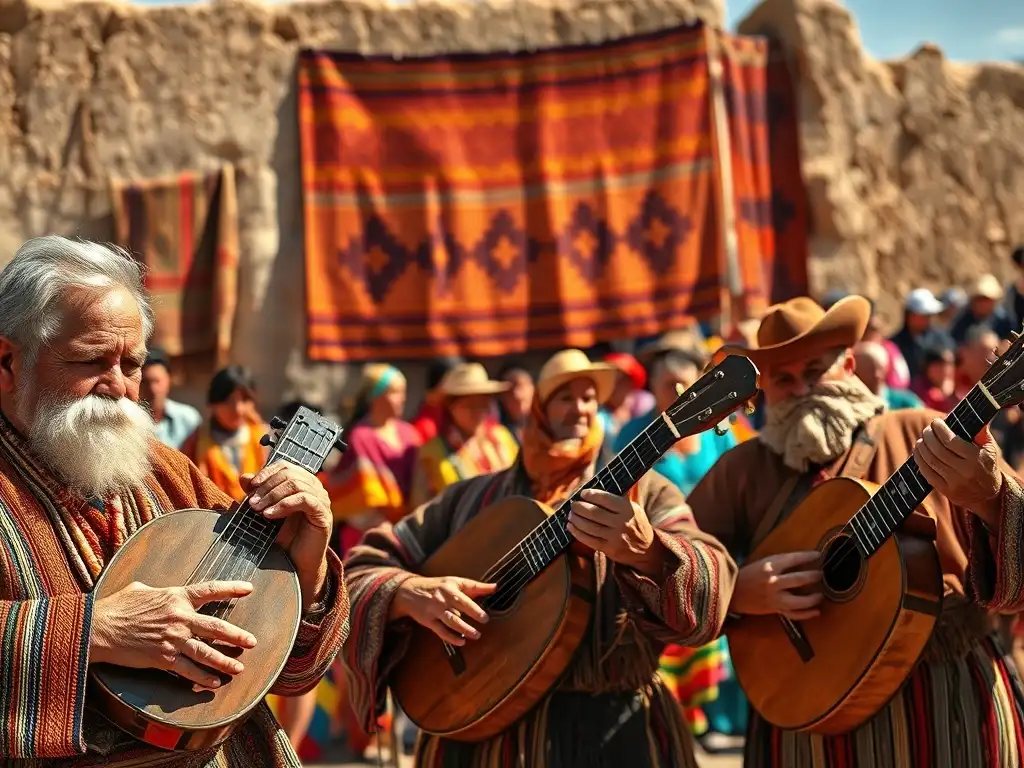
Andean music festival traditions are deeply rooted in the region's rich history and cultural heritage. Understanding these traditions goes beyond simply attending the large, publicized events. To truly appreciate the depth and breadth of Andean musical expression, one must explore the nuances of local celebrations and the evolving landscape of contemporary festivals. This section delves into the diverse expressions of Andean music festivals, revealing hidden gems and showcasing the vibrant evolution of this musical legacy. The keyword "Andean music festival traditions" is central to understanding the enduring power of these celebrations.
Many smaller, less-advertised Andean music festivals take place in remote villages throughout the Andes. These intimate gatherings offer an unparalleled opportunity for authentic cultural immersion. Unlike the larger, more commercialized events, these local celebrations retain a strong connection to traditional practices and often feature unique regional musical styles. These festivals often coincide with local harvests, religious holidays, or community events, making them particularly meaningful for the locals. The music played is usually more traditional, with less influence from outside genres. You can often find these events through local contacts or by inquiring at tourist information centers in smaller towns.
Exploring Regional Andean Music Styles
The Andes are incredibly diverse geographically and culturally, resulting in a vast array of regional Andean music styles. From the haunting melodies of the yaraví in the southern Andes to the lively rhythms of the huayno in the central and northern regions, each area boasts its own unique musical character. These differences often reflect variations in instruments, vocal styles, and the themes explored in the songs.
For example, the music of the altiplano frequently utilizes instruments like the charango and zampoña, while coastal regions may incorporate more percussive elements. Attending local village festivals allows you to witness this remarkable diversity firsthand, experiencing the unique soundscapes of specific Andean communities.
Finding Authentic Cultural Immersion Experiences: Amaru Machay and Chinchero
To truly immerse yourself in the heart of Andean music festival traditions, consider visiting locations like Amaru Machay, known for its stunning natural setting and its connection to ancient Inca rituals, or Chinchero, a village renowned for its vibrant textile traditions and its strong community bonds. These locations offer opportunities to witness traditional Andean music performances in their natural context, often alongside other cultural activities such as weaving demonstrations or traditional dance performances.
The experience is far more intimate and authentic than attending a larger, more tourist-oriented festival. It’s a chance to connect with the living culture and understand the deep significance of music in Andean life.
Supporting Local Artisans: Opportunities to purchase Andean instruments or crafts
Many local Andean music festivals offer opportunities to support local artisans by purchasing traditional Andean instruments or crafts. This is a wonderful way to take home a tangible piece of the culture and directly contribute to the economic well-being of the communities that sustain these vibrant traditions. You might find hand-carved charangos, intricately woven textiles featuring Andean motifs, or beautiful, handcrafted flutes.
These purchases not only support the artisans but also help preserve the cultural heritage associated with Andean music and its traditions. By actively participating in this exchange, you become a vital part of the ongoing narrative of Andean musical heritage.
Contemporary Andean Music Festivals: A Modern Twist on Tradition
While deeply rooted in ancient traditions, Andean music festivals are also constantly evolving. Contemporary festivals blend traditional styles with modern influences, creating a vibrant and dynamic musical landscape. This section explores the innovative ways in which Andean music is being reinterpreted and celebrated in the modern era, showcasing the creativity and adaptability of Andean artists.
The Evolution of Andean Music and its Festivals
Andean music has a long and rich history, evolving over centuries through the interplay of indigenous traditions, colonial influences, and modern innovations. The incorporation of modern instruments, the fusion of Andean styles with other musical genres, and the emergence of new lyrical themes all reflect the dynamism of Andean musical expression. Contemporary festivals often showcase this evolution, presenting performances that blend traditional instruments with modern technology, or that fuse Andean rhythms with genres like rock, jazz, or electronic music. This fusion demonstrates the adaptability of Andean music, its capacity to evolve and remain relevant in a changing world.
Discovering Emerging Andean Artists and Musicians
Contemporary Andean music festivals provide a platform for emerging artists and musicians to showcase their talent and share their unique interpretations of traditional styles. These festivals offer a chance to discover fresh perspectives on Andean music, to hear innovative arrangements, and to witness the creativity of a new generation of Andean musicians. Many festivals actively seek out and promote up-and-coming artists, ensuring that Andean music continues to thrive and evolve. This is a crucial aspect of preserving and promoting the legacy of Andean music for future generations.
Where to Find Schedules and Tickets for Contemporary Andean Music Festivals
Information on contemporary Andean music festivals can often be found online through specialized cultural websites, tourism agencies, or the websites of the festivals themselves. Many festivals publish detailed schedules well in advance, providing information on performers, venues, and ticket purchasing. Social media platforms also play a significant role in promoting these events, offering a convenient way to stay updated on schedules and ticket availability. By proactively searching for this information, you can plan your trip to coincide with a festival that aligns with your interests and preferences, ensuring a truly memorable Andean experience.
Planning Your Andean Music Festival Experience: A Practical Guide
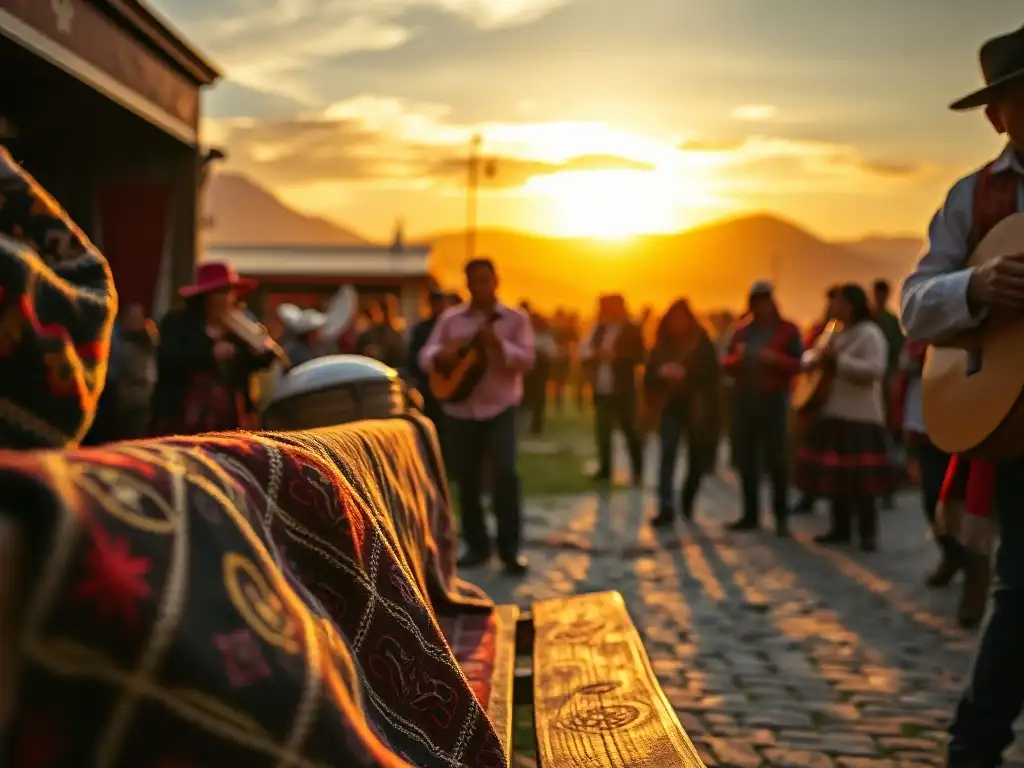
This section provides practical advice for planning your trip to experience the vibrant Andean music festival traditions firsthand. Careful preparation will ensure a smooth and enjoyable journey, allowing you to fully immerse yourself in the rich cultural tapestry of these events. We'll cover essential aspects, from preparing for the high altitude to learning basic Quechua phrases for enhanced cultural exchange.
Preparing for High-Altitude Travel: Ensuring a Comfortable Experience
Traveling to the Andes to experience Andean music festival traditions means preparing for the challenges of high altitude. The thin air can significantly impact your well-being, so proper acclimatization and preparation are crucial. Altitude sickness, also known as acute mountain sickness (AMS), is a common concern. Understanding its symptoms and taking preventive measures is paramount to enjoying your festival experience to the fullest. Ignoring altitude sickness can lead to serious health complications.
Recommended Gear and Clothing for Andean Festivals
Packing the right gear is essential for a comfortable Andean festival experience. The weather in the Andes can be unpredictable, with significant variations in temperature throughout the day. Layering is key. Bring lightweight, breathable clothing for warmer days, and pack warm layers like fleece jackets, sweaters, and a waterproof and windproof outer shell for cooler evenings and higher altitudes.
- Clothing: Lightweight long-sleeved shirts, thermal underwear, fleece jacket, waterproof/windproof jacket, warm hat, gloves, scarf, comfortable hiking pants or trousers, sturdy walking shoes.
- Gear: Sunscreen (high SPF), sunglasses, hat, reusable water bottle, first-aid kit (including altitude sickness medication – consult your doctor), headlamp or flashlight, camera, portable charger.
Remember to pack light, but don't compromise on essentials. Consider packing cubes to organize your belongings efficiently. A comfortable backpack is also a must for carrying your belongings during the festival.
Altitude Sickness Prevention and Remedies
Altitude sickness prevention begins before you even arrive. Gradual ascent is crucial. If possible, spend a few days at a lower altitude before heading to higher elevations where the festivals are held. This allows your body to acclimatize gradually to the lower oxygen levels. Staying hydrated is also extremely important; drink plenty of water throughout your journey.
Symptoms of altitude sickness can include headache, nausea, dizziness, fatigue, and shortness of breath. If you experience these symptoms, descend to a lower altitude immediately. Mild symptoms can sometimes be treated with over-the-counter medications like acetazolamide (Diamox) – always consult your doctor before taking any medication, especially at altitude. Rest, hydration, and avoiding strenuous activity are also crucial for recovery. Severe altitude sickness requires immediate medical attention.
Learning Basic Quechua Phrases: Enhancing Cultural Immersion
Learning a few basic Quechua phrases can significantly enhance your experience at an Andean music festival. It demonstrates respect for the local culture and opens doors for deeper interactions with the community. Even a few simple words can go a long way in creating meaningful connections. While Spanish is widely spoken in many areas, knowing some Quechua shows genuine interest and appreciation for the indigenous culture.
Essential Phrases for Communicating with Locals
Here are some essential Quechua phrases to get you started:
| Quechua Phrase | Spanish Translation | English Translation |
|---|---|---|
| ¿Imaynan kanki? | ¿Cómo estás? | How are you? |
| Allin kashani | Estoy bien | I am well |
| Gracias | Gracias | Thank you |
| Sumaq | Hermoso/a | Beautiful |
| ¡Awa! | ¡Hola! | Hello! |
| ¡Chau! | ¡Adiós! | Goodbye |
This is just a small selection; learning more phrases will significantly improve your interaction.
Using Language Learning Apps and Resources
Several language learning apps and online resources can help you learn basic Quechua phrases before your trip. These tools offer interactive lessons, vocabulary builders, and pronunciation guides. These apps provide a convenient and engaging way to learn at your own pace. Supplement this with a basic Quechua phrasebook for quick reference during your trip. Remember, even a small effort to learn the local language will be greatly appreciated by the local community and enrich your cultural immersion at the Andean music festival.
Respecting Local Customs and Traditions: Responsible Travel
Experiencing Andean music festivals is about more than just enjoying the music; it's about immersing yourself in a vibrant culture rich with history and tradition. Responsible travel is paramount to ensuring the longevity and authenticity of these incredible events. Understanding and respecting local customs is not just polite; it's crucial for fostering positive relationships with the communities that host these festivals.
Ignoring these customs can inadvertently cause offense and disrupt the very fabric of the celebrations. Think of it as a reciprocal exchange: you gain invaluable cultural experiences, and in return, you demonstrate respect and appreciation for the local Andean communities.
Understanding Local Etiquette and Customs
Andean cultures are diverse, and customs can vary significantly between regions and even individual communities. Before embarking on your journey, dedicate time to researching the specific area where the festival takes place. For example, certain gestures that are commonplace in your home country might be considered rude or disrespectful in the Andes. Learning a few basic Quechua phrases – the language spoken by many Andean communities – can go a long way in showing your respect and willingness to engage with the local culture.
Additionally, be mindful of personal space and avoid overly familiar interactions. Observe how locals interact with each other and try to emulate their behavior. Remember, humility and genuine curiosity are key to navigating cultural nuances effectively.
A simple smile and a respectful demeanor can often bridge communication gaps. Consider attending a pre-festival cultural workshop to learn about local customs and traditions firsthand. These workshops are often offered by local tourism organizations.
Supporting Sustainable Tourism Practices
Sustainable tourism is not just a trend; it's a necessity for preserving the beauty and authenticity of Andean music festivals for future generations. By choosing to travel sustainably, you actively contribute to the economic well-being of local communities while minimizing your environmental impact. This means supporting local businesses, restaurants, and artisans whenever possible, ensuring your money directly benefits the communities hosting the festivals.
Avoid purchasing souvenirs made from endangered species or that exploit local artisans. Look for products made using sustainable practices, such as ethically sourced alpaca wool. Furthermore, be mindful of your environmental footprint.
Reduce your plastic consumption, dispose of your waste responsibly, and consider using eco-friendly transportation options whenever feasible. By making conscious choices, you can help ensure that Andean music festivals remain vibrant and sustainable for years to come, preserving the rich tapestry of Andean "music festival traditions" for all to enjoy. Remember, responsible tourism is a partnership—a commitment to preserving the cultural heritage and environmental integrity of the Andes for generations to come.
Conclusion: Embracing the Richness of Andean Music Festival Traditions
This exploration of Andean music festival traditions reveals a vibrant tapestry woven from ancient rituals, captivating melodies, and the enduring spirit of Andean communities. From the rhythmic pulse of the tinya drums to the soaring notes of the zampoña, the music itself is a living testament to the resilience and cultural richness of these civilizations. The festivals aren't merely performances; they are dynamic expressions of identity, faith, and community, passed down through generations.
Understanding the deep-rooted significance of these events provides a crucial key to unlocking a deeper appreciation for Andean culture. The careful preservation of these traditions—the intricate choreography, the unique instruments, the sacred narratives woven into the songs—is paramount for future generations. Their continued existence speaks volumes about the enduring power of cultural heritage and the importance of celebrating the unique musical expressions of the Andes.
A Call to Experience the Mystical World of Andean Festivals
Attending an Andean music festival is more than just witnessing a performance; it's an immersive experience that engages all your senses. The vibrant colors of traditional clothing, the intoxicating aromas of local cuisine, the palpable energy of the crowds—all contribute to an unforgettable encounter. Imagine yourself surrounded by the lively sounds of panpipes and drums, feeling the earth tremble beneath your feet as dancers perform ancient rituals.
The sheer intensity of the experience leaves an indelible mark on the soul. It's a journey into the heart of Andean culture, a chance to connect with the past while celebrating the present. By experiencing these festivals firsthand, we not only support the continuation of these important traditions, but we also enrich our own lives with the beauty and power of Andean musical heritage.
Don't just read about it— live it. The memories will last a lifetime. The impact of witnessing these Andean music festival traditions will resonate far beyond the duration of the festival itself.
Further Exploration of Andean Culture and Heritage
The Andean music festivals represent only one facet of the rich cultural tapestry of the Andes. Further exploration into the region's history, art, and technology will reveal even more layers of complexity and beauty. To truly appreciate the depth of Andean music festival traditions, one must delve into the broader context of Andean civilization.
Researching the historical significance of specific instruments, learning about the mythology and folklore embedded within the songs, and understanding the social and religious functions of the festivals will deepen one's understanding and appreciation. Consider exploring the unique textile traditions, the intricate architecture of ancient sites, or the fascinating agricultural techniques developed by Andean cultures. The interwoven threads of Andean music, art, technology, and spirituality form a rich and multifaceted whole.
Each element contributes to the vibrant and enduring legacy of the Andean peoples, a legacy that continues to inspire and captivate audiences worldwide. The study of Andean music festival traditions provides a fascinating entry point into the broader landscape of Andean culture and heritage. The more you delve, the more you discover.
Frequently Asked Questions
What are Andean music festivals?
Andean music festivals are vibrant celebrations of traditional Andean music and dance. They often incorporate ancient rituals and ceremonies, showcasing the rich cultural heritage of the region. These festivals are a key part of Andean cultural identity.
Which Andean civilizations had strong musical traditions?
Many Andean civilizations, including the Incas, Moche, Nazca, and Tiahuanaco, had rich musical traditions. Evidence suggests sophisticated musical instruments and forms of musical expression existed across these cultures. Their music played a vital role in religious ceremonies and daily life.
What kind of instruments are typically used in Andean music?
Andean music utilizes a variety of unique instruments, including the panpipes (siku), flutes (antara), drums (tinku), and stringed instruments (charango). The specific instruments and their arrangements vary depending on the region and tradition. The sounds are often described as haunting and evocative.
Andean music festivals are deeply intertwined with spiritual beliefs and practices. Music and dance often play a crucial role in religious ceremonies and rituals, honouring deities and ancestors. The festivals serve as a connection between the living and the spiritual world.
Where can I experience an Andean music festival?
Andean music festivals take place throughout the Andes region, in countries like Peru, Bolivia, Ecuador, and Colombia. Many festivals are held annually, celebrating specific patron saints or significant events. Researching specific festivals and their locations based on your travel plans is recommended.
Final Reflection: Echoes of the Andes: A Legacy of Music and Spirit
The vibrant tapestry of Andean music festivals continues to resonate, a powerful testament to the enduring strength of cultural heritage in a rapidly changing world. These celebrations are not merely musical performances; they are living archives, preserving ancient traditions and forging new connections between past and present. The music, dance, and rituals woven into the fabric of these festivals offer a profound glimpse into the soul of the Andes, a soul that remains deeply connected to the land and its people.
The impact of these festivals extends far beyond the immediate celebration; they serve as vital threads in the social fabric of Andean communities, fostering a sense of belonging and shared identity. These events are powerful agents of cultural preservation, ensuring that the rich musical heritage of the Andes continues to thrive. As the renowned Peruvian musician, Chabuca Granda, once said, Music is the language of the soul.
And in the Andes, this language is spoken with a vibrant passion that transcends geographical boundaries and resonates deeply within the human spirit.
Consider the echoes of these festivals, the melodies that linger in your mind long after the celebration has ended. Let the spirit of the Andes inspire you to explore the rich tapestry of cultures that surround you, to appreciate the power of tradition, and to seek out the unique voices that enrich our shared human experience. Embrace the opportunity to connect with the music and stories of other cultures, for within them lies a profound understanding of ourselves and the world we inhabit.
**Unveil the Rhythms of the Andes! **
Thank you for exploring the enchanting world of Andean music festivals! You've discovered the rich tapestry of culture, tradition, and spirit celebrated at these events. Now, let's deepen your musical journey!
Here are some ways to connect more deeply with the rhythms of the Andes:
- **Attend a local Andean music workshop or festival** to experience the magic firsthand and immerse yourself in the region's sounds.
- **Share your newfound appreciation** with friends and family—perhaps host an Andean-themed movie night or potluck featuring traditional dishes.
- **Explore the artists** featured in this article further; follow their music online to keep the inspiration alive.
What aspects of Andean music resonate most with you, and how will you share this captivating experience?