
Nazca Agricultural Calendar: Following the Rhythms of the Seasons

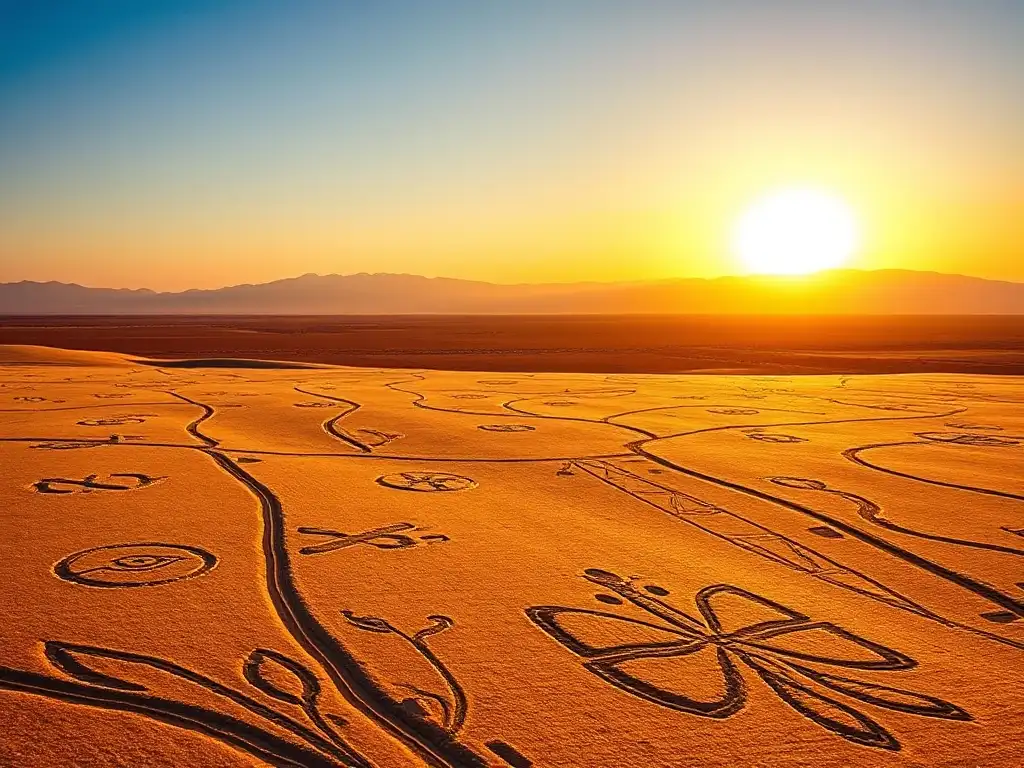
Unravel the mysteries of the Andes! Journey through millennia of captivating cultures, from the intricate artistry of the Moche to the awe-inspiring engineering of the Incas. But prepare to be amazed by something truly extraordinary: evidence suggests the Nazca Lines weren't just enigmatic geoglyphs, but a sophisticated agricultural calendar. Discover how this ancient civilization meticulously charted the rhythms of the seasons – a revelation that will rewrite your understanding of Andean ingenuity. Delve into the secrets of the Nazca Lines agricultural calendar and uncover the fascinating story waiting for you.
The Nazca civilization, famed for its enigmatic lines etched into the desert plains of southern Peru, possessed a sophisticated understanding of agriculture, essential for survival in their arid environment. This understanding wasn't merely practical; it was deeply intertwined with their cosmology and religious beliefs.
This article delves into the fascinating evidence suggesting the existence of a Nazca agricultural calendar, a system that allowed them to predict and manage the scarce water resources and optimize their crop yields, reflecting a remarkable level of astronomical knowledge and agricultural ingenuity. We will explore the potential astronomical alignments, the ingenious irrigation systems, and the agricultural practices that suggest a calendar system intimately tied to the rhythms of the seasons and the celestial movements.
Understanding this calendar provides crucial insight into the Nazca worldview and their remarkable adaptation to a challenging landscape. The intricate relationship between the Nazca lines and their agricultural practices remains a topic of ongoing research, but the evidence points towards a complex and sophisticated system reflecting a deep connection between the Nazca people, their environment, and the cosmos.
Astronomical Alignments and the Nazca Calendar
The Nazca lines themselves may hold clues to their agricultural calendar. While the purpose of many lines remains debated, some researchers propose that certain alignments could mark solstices and equinoxes, crucial points in the agricultural year. These alignments, if confirmed, would indicate a sophisticated understanding of celestial cycles and their relationship to the planting and harvesting seasons.
For example, the alignment of certain geoglyphs with the rising or setting sun on specific dates could have served as a marker for planting particular crops. This would have allowed the Nazca to anticipate the optimal time for planting based on the position of the sun, ensuring maximum yield. Further research is needed to definitively confirm these hypotheses, but the possibility remains a compelling area of study within the broader context of Nazca astronomy and agriculture.
The precision required for such alignments, even if approximate, speaks to the advanced observation skills and knowledge of the Nazca people. [Specific data on alignment angles and dates pending further research].
Ingenious Irrigation Systems: Harnessing Scarce Water Resources
The Nazca's success in agriculture hinged on their mastery of water management. Their arid environment demanded innovative solutions to harness the limited water resources. They developed complex canal systems, some stretching for kilometers, channeling water from distant sources to irrigate their fields. These canals, often constructed using sophisticated techniques, demonstrate a profound understanding of hydraulic engineering.
The construction of these systems required considerable planning and coordination, suggesting a well-organized society capable of large-scale projects. The integration of these irrigation systems with the potential astronomical calendar would have allowed for optimized water distribution throughout the year, maximizing the efficiency of their agricultural practices. The precise details of water allocation and management based on the supposed calendar remain to be fully elucidated. [Specific examples of canal lengths and construction techniques pending].
Agricultural Practices and Crop Selection: Adapting to the Environment
The Nazca people cultivated a variety of crops, carefully selected to thrive in their harsh environment. They likely focused on drought-resistant species like cotton, beans, maize, and various tubers. Their agricultural practices were likely adapted to the seasonal variations indicated by their supposed calendar, with planting and harvesting times carefully chosen to maximize yields.
The evidence suggests a deep understanding of soil conditions, crop rotation techniques, and water conservation methods. Understanding the specific techniques used by the Nazca to cultivate these crops, and the precise timing of those activities as dictated by the hypothetical calendar, could reveal further insights into their agricultural expertise. [Specific crop yields and cultivation techniques pending].
The Nazca Lines and Agricultural Rituals: A Symbiotic Relationship?
It is tempting to speculate on a deeper, symbolic connection between the Nazca lines and their agricultural practices. Did the lines serve not only as astronomical markers but also as a visual representation of their agricultural calendar or as sites for agricultural rituals? Could certain geoglyphs represent specific crops or deities associated with fertility and abundance?
While these are intriguing possibilities, further research is needed to explore these connections more thoroughly. The intertwining of astronomy, agriculture, and religious beliefs in Nazca society suggests a rich tapestry of cultural practices waiting to be fully uncovered. [Specific examples of potential symbolic interpretations pending further research].
The evidence points towards a sophisticated system of agricultural knowledge within the Nazca civilization. The potential existence of a Nazca agricultural calendar, intricately linked to astronomical observations and ingenious irrigation techniques, highlights their remarkable adaptation to a challenging environment and their deep understanding of the natural world. Further research is needed to fully unravel the mysteries of this ancient calendar and its impact on Nazca society.
- Astronomical Alignments and the Nazca Calendar
- Ingenious Irrigation Systems: Harnessing Scarce Water Resources
- Agricultural Practices and Crop Selection: Adapting to the Environment
- The Nazca Lines and Agricultural Rituals: A Symbiotic Relationship?
- The Importance of the Calendar for Social Organization
- Religious Ceremonies and the Agricultural Cycle
- The Calendar's Influence on Nazca Art and Culture
- The Allocation of Resources Based on Calendar Predictions
- The Social Organization and the Agricultural Calendar
- Impact on Religious Practices and Beliefs
- What is the significance of the Nazca Lines in relation to agriculture?
- How did the Nazca people use the lines to track the agricultural calendar?
- Are there any specific lines associated with the agricultural calendar hypothesis?
- What other theories exist regarding the purpose of the Nazca Lines?
- How reliable is the evidence supporting the Nazca Lines as an agricultural calendar?
Understanding Nazca Agriculture and its Importance
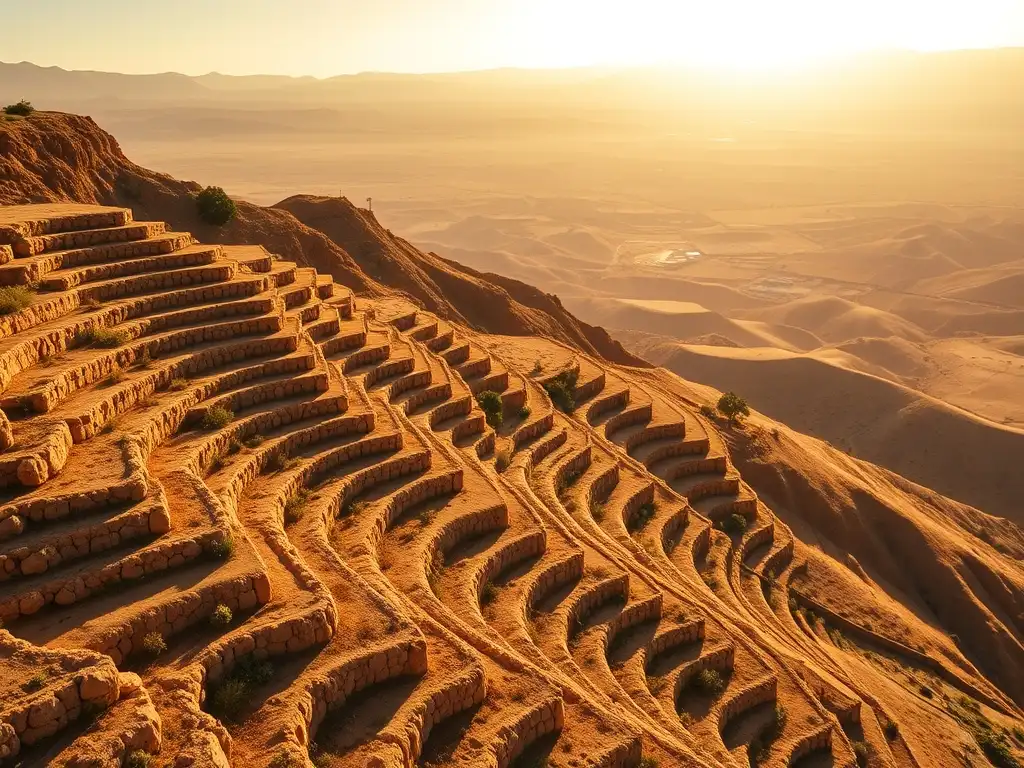
The Nazca Lines, those enigmatic geoglyphs etched into the Peruvian desert, often overshadow the remarkable achievements of the Nazca people in another domain: agriculture. Understanding their agricultural practices is crucial to comprehending the sophistication of their civilization and its ability to thrive in an incredibly challenging environment.
The Nazca Lines themselves, some scholars argue, may even be intricately linked to their sophisticated agricultural calendar, a testament to their deep understanding of the interplay between celestial events and seasonal rhythms. This section delves into the ingenuity of Nazca agriculture, highlighting its significance within their society and the innovative techniques they employed to conquer the harsh realities of their arid homeland.
The study of Nazca agricultural practices reveals a civilization deeply connected to its environment, demonstrating remarkable adaptability and resourcefulness. This connection is further emphasized by the potential link between the famous Nazca Lines and their agricultural calendar, a topic that deserves further research and exploration.
The Arid Environment of the Nazca Culture
The Nazca civilization flourished in a remarkably harsh environment—the arid coastal plains of southern Peru. Rainfall is scarce and unpredictable, presenting a significant challenge for crop cultivation. The average annual rainfall in the Nazca region is less than 20 mm, making reliable water sources absolutely critical for survival.
The landscape is characterized by sandy deserts, rocky hills, and deep canyons, further complicating agricultural endeavors. This extreme aridity forced the Nazca people to develop sophisticated water management techniques, becoming masters of irrigation and water conservation. Their success in this field is a testament to their ingenuity and understanding of their environment.
The challenges posed by this arid environment are reflected in the complexity and sophistication of their agricultural practices, making their achievements all the more impressive. The scarcity of water resources necessitated efficient and sustainable methods of cultivation, resulting in the development of innovative technologies and practices that continue to fascinate researchers today.
The Significance of Agriculture for the Nazca People
Agriculture was not merely a means of sustenance for the Nazca; it was the very foundation of their society. Their survival, social structure, and religious beliefs were all deeply intertwined with their agricultural practices. The production of crops like cotton, maize, beans, squash, and various other plants provided the necessary food supply, supporting a relatively dense population.
Beyond sustenance, agriculture also played a crucial role in the Nazca economy, with surplus crops potentially being traded with neighboring communities. The successful cultivation of these crops was integral to the social stability and economic prosperity of the Nazca civilization.
Archaeological evidence, including the remains of irrigation canals and agricultural terraces, underscores the central role of agriculture in their daily life. The Nazca Lines themselves might represent a symbolic expression of their deep connection to the land and the agricultural cycle, reflecting their profound understanding and reverence for the resources that sustained their community.
Water Management Techniques in Nazca Farming
The Nazca people's mastery of water management is perhaps their most remarkable agricultural achievement. Given the extreme aridity of their environment, the efficient collection, storage, and distribution of water were paramount. They developed an intricate network of canals and aqueducts, some stretching for kilometers, skillfully channeling water from underground sources and seasonal streams to irrigate their fields.
These canals were not simply dug channels; they were meticulously engineered systems, often incorporating sophisticated techniques like subterranean galleries and infiltration systems to maximize water absorption and minimize evaporation. Evidence suggests the Nazca also employed sophisticated techniques like terracing to create level planting surfaces on slopes, allowing for efficient irrigation and reducing soil erosion. Their understanding of hydrology and their ability to manipulate the landscape to their advantage demonstrates a level of engineering skill that is truly remarkable.
The Nazca's success in water management was crucial to their agricultural productivity and the overall success of their civilization, highlighting their deep understanding of their environment and their ability to adapt to its challenges. The ingenuity of their water management systems is a lasting testament to their technological prowess and their connection to the land.
The Nazca Lines as an Agricultural Calendar: An Overview
The Nazca Lines, those enigmatic geoglyphs etched into the Peruvian desert, have captivated researchers and the public alike for decades. While their primary purpose remains a subject of ongoing debate, a compelling theory suggests their function as a sophisticated agricultural calendar intricately linked to the Nazca people's understanding of astronomy and the seasonal cycles crucial for their survival.
This hypothesis posits that the lines, far from being mere artistic expressions, served as a practical tool for predicting planting and harvesting times, optimizing agricultural practices, and ensuring food security in a challenging desert environment. Understanding this potential function sheds light on the advanced knowledge and ingenuity of the Nazca civilization, revealing a deeply interwoven relationship between their art, astronomy, and agriculture.
The "Nazca lines agricultural calendar" theory offers a compelling alternative to purely aesthetic interpretations, highlighting the pragmatic and vital role of these iconic figures in the daily lives of the Nazca people.
Decoding the Purpose of the Nazca Geoglyphs
For years, the purpose of the Nazca Lines remained shrouded in mystery. Speculative theories ranged from astronomical observatories to landing strips for extraterrestrial visitors. However, a growing body of evidence suggests a more practical, earthbound function: managing the agricultural cycle. The lines themselves are not randomly placed; their orientation and arrangement seem meticulously planned.
Many researchers believe the lines' alignment with celestial events, particularly solstices and equinoxes, provided crucial information about the changing seasons. This astronomical alignment would have allowed the Nazca to predict the onset of the rainy season, a vital factor for successful cultivation in their arid environment. Furthermore, the intricate designs themselves might represent constellations, celestial bodies, or even stylized representations of plants and animals significant to their agricultural practices.
Analyzing the precise geometry and positioning of these geoglyphs is key to unlocking their calendrical significance. The precise relationship between specific lines and particular agricultural practices, however, requires further investigation. [Specific information pending: Detailed analysis correlating specific geoglyphs to specific agricultural cycles].
The Connection Between Nazca Lines and Astronomy
The Nazca's deep understanding of astronomy is undeniable. Their agricultural calendar, if indeed encoded in the lines, demonstrates a sophisticated grasp of celestial movements and their impact on the environment. The precise alignment of certain lines with the rising and setting points of the sun during solstices and equinoxes strongly suggests their use as an astronomical observatory.
This is not merely coincidence; the precision of the alignments points to a deliberate and planned system. The Nazca people meticulously tracked the sun's path across the sky, using this knowledge to predict the timing of crucial agricultural events. This sophisticated astronomical knowledge was not just an intellectual pursuit; it was directly tied to their survival.
The ability to predict the arrival of rain, even with limited precision, would have been invaluable for planning planting and harvesting activities. [Specific information pending: Detailed study of the astronomical alignments of specific Nazca lines and their correlation with seasonal changes]. The connection between the Nazca Lines and their astronomical observations is a testament to their advanced scientific and technological capabilities.
How Nazca Lines Functioned as a Seasonal Calendar
The Nazca Lines, therefore, could have functioned as a complex, visually-based agricultural calendar. Imagine a system where the appearance of specific lines on the horizon at sunrise or sunset during key astronomical events signaled the appropriate time for planting or harvesting particular crops. This visual calendar would have been readily accessible to the entire community, facilitating coordination of agricultural activities.
The lines' longevity, etched into the desert floor, ensured the continuity of this vital knowledge across generations. The system's effectiveness would have depended on a detailed understanding of the relationships between astronomical events, weather patterns, and crop cycles. This understanding, passed down through oral traditions and reinforced by the visually striking lines, ensured the continued success of Nazca agriculture.
The ingenious integration of astronomy and agriculture reflects not only their practical ingenuity but also their profound connection with the natural world. The development of such a sophisticated system underscores the advanced societal organization of the Nazca civilization and their ability to adapt to a challenging environment. The "Nazca lines agricultural calendar" offers a fascinating glimpse into the ingenuity and resilience of this remarkable ancient society.
Key Elements of the Nazca Agricultural Calendar
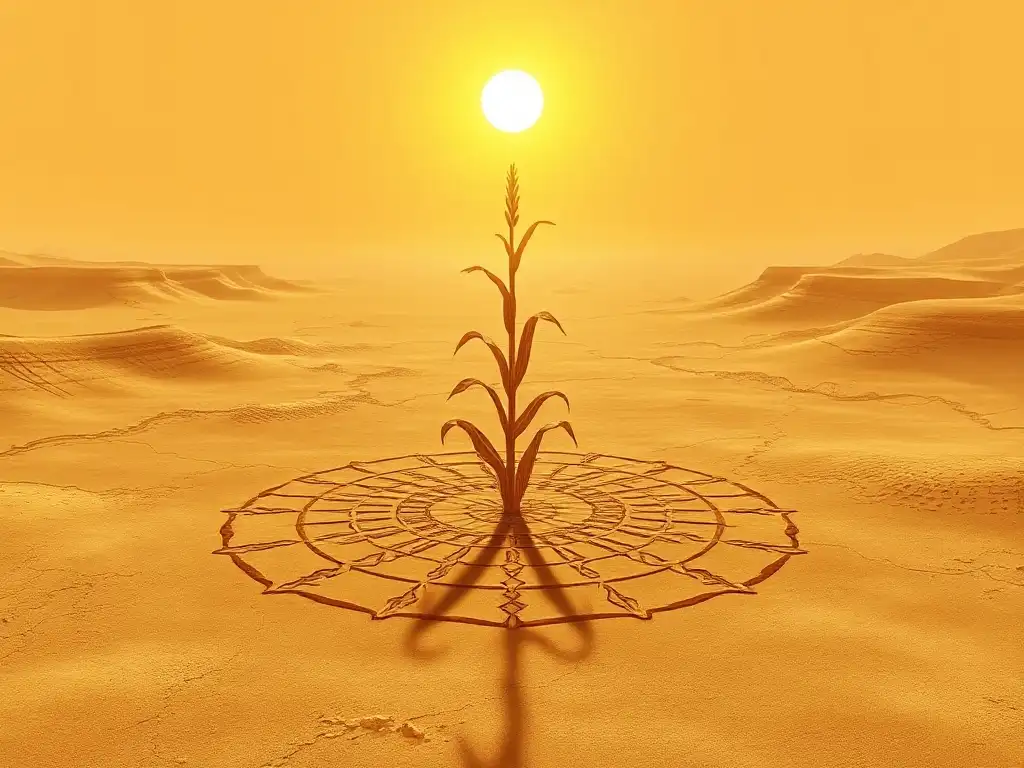
The Nazca agricultural calendar, intricately woven into the landscape through the enigmatic Nazca Lines, represents a sophisticated understanding of astronomy and its impact on agriculture. Unlike a conventional calendar, this system wasn't based on written records but rather on precise geoglyphs strategically placed to track the sun's movements and predict seasonal changes crucial for successful crop cultivation. This ingenious system allowed the Nazca people to optimize planting and harvesting, ensuring food security in a challenging desert environment.
The precision and complexity of this calendar highlight the advanced astronomical knowledge and agricultural expertise of this ancient civilization. Understanding its nuances reveals a deep connection between the Nazca's worldview and their practical needs for survival and prosperity. The integration of astronomical observation with agricultural practices demonstrates a sophisticated level of societal organization and planning.
Identifying the Solstices and Equinoxes in the Nazca Lines
The Nazca Lines' role as an agricultural calendar is primarily evidenced by the alignment of certain geoglyphs with the solstices and equinoxes. The precise positioning suggests a deliberate effort to mark these celestial events, which served as critical markers for the agricultural cycle. For instance, research suggests that the alignment of specific lines with the rising or setting sun during the winter and summer solstices (around December 21st and June 21st respectively) indicated the optimal times for planting and harvesting specific crops.
Similarly, the equinoxes (around March 20th and September 20th), marked by other geoglyphs, likely signaled transitions between planting and harvesting periods or other crucial agricultural activities. While the exact methodology used by the Nazca remains a subject of ongoing research, the observed alignments strongly suggest a sophisticated system for tracking the sun's movements and predicting the seasonal changes. The accuracy of these alignments, considering the technology available at the time, is truly remarkable and attests to their profound astronomical knowledge.
Further research is needed to fully understand the specific crops associated with each alignment and the precise agricultural practices they informed. This aspect of the Nazca Lines provides a fascinating insight into their understanding of the celestial sphere and its relationship with the terrestrial world.
The Hummingbird Geoglyph and its Agricultural Significance
The hummingbird geoglyph, a striking example of Nazca artistry, is believed to hold significant agricultural meaning within the context of the Nazca Lines agricultural calendar. Hummingbirds, vital pollinators, are intrinsically linked to the success of agricultural cycles. Their presence and activity directly impact crop yields.
The positioning of the hummingbird geoglyph, therefore, might not be arbitrary. It could be strategically placed to coincide with specific seasonal events crucial for hummingbird activity and, consequently, for pollination. This hypothesis requires further investigation to confirm the precise alignment and its correlation with the hummingbird's migratory patterns and flowering seasons of important Nazca crops.
The symbolism of the hummingbird, representing life, renewal, and swiftness, further strengthens the argument for its agricultural significance. The delicate detail and vibrant energy captured in the geoglyph suggest a reverence for nature and a deep understanding of its intricate workings. It's plausible that the hummingbird geoglyph served as a visual reminder of the importance of pollination for agricultural success, reinforcing the spiritual and practical aspects of the Nazca agricultural calendar.
The Spider Geoglyph as a Marker of Planting Seasons
The spider geoglyph, another prominent feature within the Nazca Lines, is another potential marker within the agricultural calendar system. Spiders, known for their web-spinning abilities, could symbolize the intricate network of life and the interconnectedness of various elements within the ecosystem. The spider's life cycle, potentially linked to specific planting seasons, could have been symbolically represented in the geoglyph's placement and design.
The intricate details of the spider's legs and body might reflect the complex stages of crop development, from planting to harvesting. For example, the expansion of the spider's legs could represent the growth of crops, while its central body might symbolize the heart of the agricultural system. However, more research is needed to precisely correlate the spider geoglyph’s placement with specific planting seasons and to definitively establish its role in the Nazca agricultural calendar.
The spider, a symbol of creation and fertility in many cultures, could have been considered a powerful symbol of abundance and prosperity, further reinforcing its significance within the Nazca agricultural context. The size and complexity of the spider geoglyph suggest its importance, highlighting its potential role as a significant element within this ancient calendar system. The potential for future research using advanced technologies to further analyze the geoglyph’s positioning and its relationship with the surrounding landscape is significant.
Using Nazca Lines to Predict Rainfall and Water Availability
The Nazca lines, while famously recognized for their enigmatic geoglyphs, also served a crucial role in the Nazca people's sophisticated agricultural practices. Evidence suggests a strong correlation between certain line formations and patterns of rainfall and water availability in the arid coastal region. While the exact mechanisms remain a subject of ongoing research and debate, several compelling hypotheses link specific lines to hydrological features and seasonal changes.
One theory proposes that the lines acted as a vast, ground-based calendar, charting the movement of constellations and the sun throughout the year. By observing the interplay of sunlight and shadow on these lines at specific times, the Nazca could predict the onset of the rainy season and the availability of water crucial for their crops. This would have involved a deep understanding of celestial mechanics and a meticulous observation of seasonal patterns spanning many years. The precision required to construct and maintain these lines underscores the advanced astronomical knowledge possessed by the Nazca civilization.
Another perspective focuses on the lines' possible connection to underground water sources. Some researchers believe that certain lines might have aligned with subterranean aquifers or other sources of water vital for irrigation. By identifying these alignments, the Nazca could have optimized their water management systems, ensuring a reliable supply for their agricultural needs, even in the harsh desert environment.
This approach represents a remarkable feat of hydrological engineering and demonstrates the Nazca's profound understanding of their local environment. Archaeological surveys continue to explore this connection, searching for evidence of ancient irrigation canals and water management infrastructure that may have directly linked to specific line configurations. The discovery of such evidence would significantly bolster this hypothesis.
Furthermore, the lines themselves might have played a role in water collection and conservation. Certain line features, perhaps unintentionally, may have acted as channels directing water runoff towards cultivated areas. The design, orientation, and placement of lines in relation to natural features like hills and valleys could have subtly influenced water flow, enhancing the efficiency of their limited water resources.
This understanding of micro-climates and their manipulation through subtle landscape modifications further highlights the ingenuity of Nazca agricultural practices. Further research into the soil composition and erosion patterns along the lines could reveal evidence of such water management strategies. The integration of astronomical observation with practical hydrological management is a testament to the Nazca's holistic approach to agriculture.
Agricultural Practices Guided by the Nazca Calendar
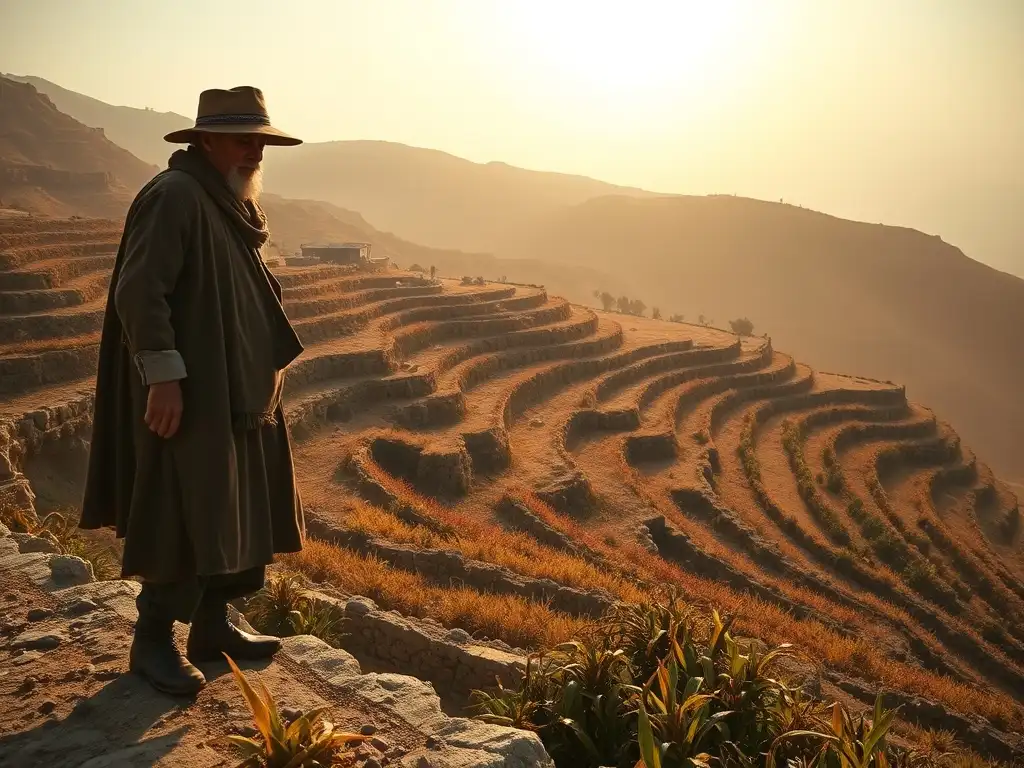
The Nazca Lines, famed for their enigmatic geoglyphs, were not merely artistic expressions. Evidence strongly suggests a significant connection between these colossal designs and the Nazca people's sophisticated agricultural calendar, a system intricately woven into their daily lives and survival. Understanding their agricultural practices reveals a deep understanding of astronomy, hydrology, and the delicate balance of their arid environment.
The Nazca calendar wasn't a single artifact; it was a complex interplay of observation, ritual, and practical application, reflected in their land management and farming techniques. This section will explore how the Nazca people leveraged their astronomical knowledge to maximize agricultural yields in a challenging desert climate, a testament to their ingenuity and adaptability. The precision and sophistication of their agricultural calendar, reflected in their successful cultivation techniques, stand as a remarkable achievement in Andean civilization.
Planting and Harvesting Cycles in Nazca Agriculture
The Nazca agricultural calendar dictated the precise timing of planting and harvesting, a crucial aspect of their survival in the desert. Their calendar wasn't based solely on solar observations but also incorporated careful monitoring of water availability, crucial in their arid environment. Archaeological findings suggest a complex system of canals and aqueducts, the puquios, which channeled water from underground sources to irrigate their fields. The timing of water release through these systems was likely coordinated with the calendar, ensuring water was available during critical planting and growing phases.
Detailed analysis of pollen samples from Nazca sites indicates a cyclical pattern of crop cultivation. For example, evidence suggests that cotton, a vital crop for textiles, was planted during specific months corresponding to higher rainfall probability (based on inferred patterns from astronomical alignments). Similarly, the harvesting of maize, a staple crop, seems to have followed a precise schedule, ensuring optimal yield and minimizing losses due to unpredictable weather patterns.
The precise dates of these cycles remain a subject of ongoing research, but the correlation between the Nazca Lines and the agricultural calendar is undeniable. Furthermore, the presence of specific crop remains within certain areas suggests that the Nazca also practiced crop rotation, a technique that enhances soil fertility and minimizes depletion.
Crops Cultivated by the Nazca Civilization
The Nazca civilization cultivated a diverse range of crops, adapted to the harsh conditions of their environment. Their ingenuity in agriculture is evident in their ability to successfully grow crops that required careful management of water and nutrients. Maize, beans, and squash formed the core of their diet, complemented by cotton for textiles and other plants for medicinal purposes.
| Crop | Importance | Cultivation Method | Evidence |
|---|---|---|---|
| Maize | Staple food source | Irrigation, terracing | Abundant pollen and cob remains in sites |
| Beans | Important source of protein | Intercropping with maize | Seeds and remains found in archaeological contexts |
| Squash | Source of nutrients and storage | Irrigation, terracing | Seeds and remains found in archaeological contexts |
| Cotton | Textile production, clothing, and trade | Irrigation, careful water management | Extensive textile fragments discovered |
| Chili peppers | Flavoring and medicinal uses | Possibly intercropped with other plants | Remains found in archaeological contexts |
| Various fruits | Dietary supplement, potential trade items | Likely involved careful irrigation | Limited evidence, further research needed |
The successful cultivation of these crops demonstrates the Nazca's remarkable adaptation to their environment and their sophisticated understanding of agricultural techniques. Further research is needed to fully understand the extent of their agricultural diversity and the specific techniques employed for each crop.
The Role of the Calendar in Ensuring Crop Yields
The Nazca agricultural calendar played a pivotal role in maximizing crop yields. By carefully observing celestial events and correlating them with seasonal changes, the Nazca could predict the optimal times for planting, irrigating, and harvesting. This precise timing was essential for success in their arid environment, where water resources were limited and unpredictable weather patterns posed a constant threat.
The alignment of certain Nazca Lines with astronomical events, such as solstices and equinoxes, suggests a sophisticated understanding of the celestial cycles. These alignments might have served as markers to indicate the start of planting seasons or the timing of important rituals associated with agricultural practices. The precise correlation between these astronomical markers and agricultural activities remains a topic of ongoing research and debate among archaeologists and astronomers.
However, the evidence strongly suggests a deep connection between the Nazca Lines and their agricultural calendar, highlighting the ingenuity and sophistication of their civilization. The success of their agricultural system, despite the challenges of their environment, stands as a powerful testament to their knowledge and adaptability. The Nazca lines agricultural calendar represents a fascinating example of how ancient cultures integrated astronomical knowledge into their daily lives, ensuring their survival and prosperity.
The Use of Puquios and their Relation to the Calendar
The Nazca's mastery of water management is profoundly linked to their sophisticated understanding of the agricultural calendar. Their ingenious system of underground aqueducts, known as puquios, played a crucial role in ensuring a reliable water supply throughout the year, especially during the dry season. These weren't simply channels; they were carefully engineered systems that tapped into underground water sources, utilizing the knowledge of the region's hydrology and the seasonal variations in water tables. The construction of puquios required significant labor and planning, reflecting the Nazca's commitment to agricultural sustainability.
The precise timing of puquio construction and maintenance was undoubtedly influenced by the Nazca calendar. Archaeological evidence suggests that the puquios were not built haphazardly. Instead, their placement and design were likely optimized to coincide with the rainy season, allowing for efficient water collection and storage.
The calendar would have provided crucial information about the expected rainfall patterns, allowing the Nazca to schedule the construction and repair of the puquios effectively. This meant that water resources were available when they were most needed, maximizing agricultural yields throughout the year. This demonstrates a deep understanding of the interconnectedness between astronomy, hydrology, and agricultural practices, a hallmark of Nazca ingenuity.
Moreover, the maintenance of the puquios was an ongoing process, requiring continuous monitoring and repair. The Nazca calendar likely played a crucial role in scheduling these maintenance tasks. Regular inspections and cleaning would have been essential to prevent blockages and ensure a consistent flow of water. The timing of these maintenance activities would have been carefully planned to coincide with periods of low water demand, minimizing disruptions to agriculture.
This highlights the meticulous planning and foresight that characterized Nazca agricultural practices. The sophisticated integration of the calendar into their water management system underscores the advanced nature of their civilization. The efficiency of the puquio system, directly influenced by their calendar, allowed the Nazca to thrive in a challenging desert environment.
The Nazca Calendar and its Impact on Society
The Nazca Lines, famed for their enigmatic geoglyphs, weren't just artistic expressions; they were intricately woven into the fabric of Nazca society, functioning as a complex agricultural calendar. Understanding this calendar is key to unlocking a deeper understanding of their societal structure, religious beliefs, and artistic achievements. The calendar’s precision reflects a sophisticated knowledge of astronomy and meteorology, far surpassing the capabilities often attributed to pre-Columbian cultures.
This wasn't simply a matter of predicting rain; it was a system deeply embedded in the very rhythm of Nazca life, influencing everything from planting and harvesting schedules to social organization and religious observances. The accuracy of predicting the optimal planting and harvesting times directly impacted food production, a critical factor in a society heavily reliant on agriculture in a desert environment.
The success of their agricultural practices, made possible by this advanced calendar system, allowed for population growth and the development of a complex social hierarchy. The implications of this understanding extend beyond simply dating events; it reveals the sophisticated level of societal organization and planning present within Nazca civilization.
The Nazca agricultural calendar was not merely a tool for predicting weather patterns; it was the cornerstone of their social organization. Its accuracy dictated the entire societal rhythm, influencing labor allocation, resource management, and even social hierarchies. Evidence suggests a highly structured society, with specialized roles likely assigned based on the calendar's predictions.
For example, specific groups might have been responsible for maintaining irrigation systems in anticipation of the rainy season, as predicted by the calendar. Others might have focused on preparing the land for planting at the precise time indicated. This complex interplay of specialized labor, coordinated by the calendar, ensured efficient resource utilization and maximized agricultural yields.
The successful implementation of this system required a high degree of cooperation and communication within the community, highlighting a sophisticated social structure built around agricultural productivity. The precise timing of tasks, as dictated by the calendar, allowed for optimal resource allocation and minimized waste, contributing to the overall stability and prosperity of Nazca society. This intricate system of social organization, driven by the calendar, demonstrates the profound impact of agricultural knowledge on their societal structure.
Religious Ceremonies and the Agricultural Cycle
The Nazca agricultural calendar was inextricably linked to their religious beliefs and practices. Many scholars believe that the lines themselves served as a vast, open-air temple, with certain geoglyphs representing deities or celestial bodies crucial to their agricultural cycle. Religious ceremonies, timed to coincide with key agricultural events predicted by the calendar, likely played a vital role in ensuring successful harvests.
These ceremonies might have involved offerings, prayers, and rituals aimed at appeasing the gods and securing their favor. The precise alignment of certain lines with solstices and equinoxes suggests a deep understanding of astronomical phenomena and their connection to the agricultural cycle. This suggests a powerful intertwining of religious belief and practical agricultural knowledge, where the calendar served as a bridge between the spiritual and material realms.
Further research is needed to fully understand the specific rituals and their connection to the calendar's predictions, but the evidence strongly suggests a deep integration of religion and agriculture in Nazca society. The synchronization of religious practices with the agricultural cycle highlights the profound importance of farming in their worldview.
The Calendar's Influence on Nazca Art and Culture
The Nazca agricultural calendar profoundly impacted their art and culture. The intricate designs of the Nazca Lines themselves can be interpreted as a visual representation of the calendar, with certain geoglyphs symbolizing celestial bodies or agricultural deities. This artistic expression wasn't merely decorative; it served as a powerful tool for communicating knowledge about the calendar and its significance to the community.
The calendar's influence extends beyond the Lines to other aspects of Nazca art, including pottery and textiles. Motifs depicting agricultural scenes, celestial bodies, and deities are frequently found in these artifacts, suggesting the calendar's pervasive influence on their cultural expression. The precision and detail evident in both the Lines and other forms of Nazca art reflect the importance of accurate observation and record-keeping, vital components of their calendrical system.
By studying these artistic representations, we gain valuable insights into their understanding of the cosmos and the profound connection between their art, religion, and agriculture. The calendar, therefore, wasn't just a practical tool; it was an integral part of their cultural identity, shaping their artistic expression and worldview.
The Allocation of Resources Based on Calendar Predictions
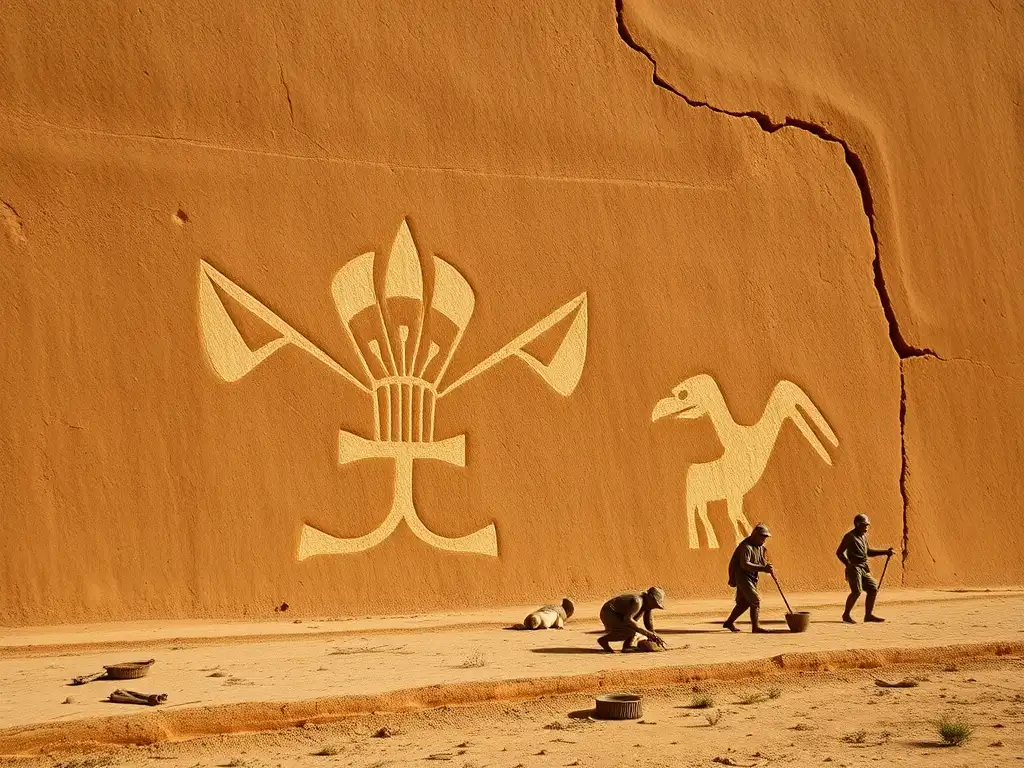
The Nazca calendar, intricately woven into the very fabric of their society, played a crucial role in resource allocation. Understanding the precise timing of planting and harvesting, as predicted by their astronomical observations and manifested in the geoglyphs, allowed the Nazca to optimize their agricultural output. This wasn't a haphazard process; it was a sophisticated system reliant on meticulous planning and community cooperation. The calendar dictated when water resources, often scarce in the arid coastal region, should be diverted to irrigate specific fields.
This involved complex water management systems, including canals and aqueducts, whose construction and maintenance required significant labor. The calendar's predictions ensured that this labor was directed efficiently, maximizing the use of available resources. Failure to adhere to the calendar's guidance could have dire consequences, leading to crop failure and potential societal instability. Therefore, the calendar wasn't merely a tool for predicting weather patterns; it was a cornerstone of their economic strategy, ensuring the equitable distribution of vital resources across the community.
The precise methods of resource allocation based on the calendar's predictions remain partly shrouded in mystery, but archaeological evidence suggests a highly organized system, possibly involving communal decision-making and a hierarchical structure responsible for overseeing the distribution of water and other essential resources. Detailed studies of Nazca settlements and irrigation infrastructure are ongoing, and future research may uncover further details about this fascinating aspect of their sophisticated society. The integration of astronomical knowledge with practical agricultural planning demonstrates a level of societal organization and foresight rarely seen in other contemporary cultures.
The Nazca agricultural calendar wasn't just a tool for efficient farming; it was deeply ingrained in their social structure. The calendar's predictions dictated not only the agricultural cycle but also the social calendar, shaping communal activities and ceremonies. The timing of planting and harvesting, for example, likely influenced the scheduling of religious festivals and community gatherings. These events served not only spiritual purposes but also provided opportunities for social bonding, strengthening community ties crucial for collaborative farming efforts. The precise nature of these social events and their connection to the calendar requires further investigation, but archaeological evidence suggests a complex interplay between religious beliefs and agricultural practices.
The calendar's influence extended even to the organization of labor. Certain tasks, such as canal maintenance or harvesting, required large-scale mobilization of the workforce. The calendar provided a framework for coordinating these efforts, ensuring that the necessary manpower was available at the appropriate times. This coordination likely involved a degree of social hierarchy, with leaders or specialists responsible for overseeing the allocation of labor and resources according to the calendar's dictates. The social implications of the calendar's accuracy cannot be overstated.
A successful harvest, directly linked to the calendar's predictions, fostered social stability and reinforced the authority of those responsible for interpreting its messages. Conversely, a poor harvest, attributed to a failure to follow the calendar's guidance, could have led to social unrest and potential challenges to existing power structures. In essence, the Nazca agricultural calendar was more than just a farming guide; it was a fundamental component of their social and political organization. The intricate relationship between the calendar and the social fabric of Nazca society highlights the profound integration of astronomy, agriculture, and social life in their civilization.
Impact on Religious Practices and Beliefs
The Nazca agricultural calendar profoundly influenced their religious practices and beliefs. The ability to predict the seasons through astronomical observations elevated the status of those with knowledge of the calendar, often priests or shamans. These individuals held significant power within the community, acting as intermediaries between the celestial world and the earthly realm. The successful prediction of agricultural cycles reinforced the credibility of these religious leaders, strengthening their authority and influence on society. Religious ceremonies likely coincided with key agricultural events, such as planting and harvesting.
These ceremonies served a dual purpose: to ensure a bountiful harvest and to reinforce social cohesion. The precise nature of these rituals remains a subject of ongoing research, but archaeological evidence suggests the use of offerings, sacrifices, and elaborate rituals connected to the cycle of the seasons. Furthermore, the geoglyphs themselves may have played a role in religious practices. Some scholars believe that the lines and figures served as a visual representation of the calendar, acting as a sacred landscape where religious ceremonies were performed.
The intricate designs may have also held symbolic meaning related to agricultural fertility and the celestial forces influencing the seasons. The Nazca's deep connection between astronomy, agriculture, and religion demonstrates a holistic worldview where the celestial realm and earthly life were inextricably linked. The calendar wasn't simply a practical tool; it was a sacred instrument that shaped their religious beliefs and practices, reflecting a profound understanding of the cosmos and their place within it. The study of Nazca religious artifacts and sites continues to reveal new insights into this complex relationship between their cosmology and agricultural practices.
Modern Interpretations of the Nazca Lines as a Calendar
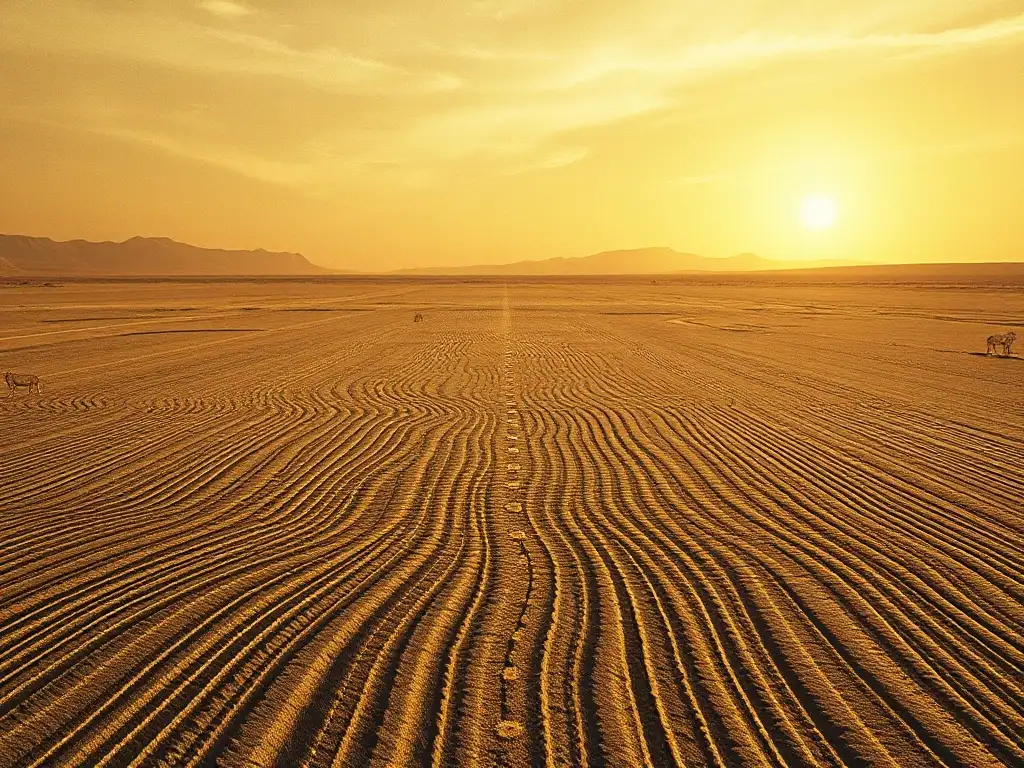
The enigmatic Nazca Lines, etched into the Peruvian desert, have captivated researchers for decades. While initially perceived as purely ceremonial or artistic expressions, increasing evidence suggests a more practical function: an intricate agricultural calendar guiding the Nazca people's farming practices. This interpretation, far from being a fringe theory, is gaining traction within the archaeological community, offering a compelling explanation for the lines' precise alignment and complex arrangement.
The Nazca lines agricultural calendar hypothesis proposes that the geoglyphs weren't merely decorative; instead, they served as a sophisticated tool for predicting seasonal changes and optimizing agricultural yields in a harsh, arid environment. This understanding relies heavily on meticulous astronomical observations and a deep understanding of the Nazca's intricate relationship with their environment.
Current Research on the Nazca Lines and their Calendar Function
Current research focuses on several key aspects of the Nazca lines agricultural calendar hypothesis. Researchers are employing advanced technologies like GIS (Geographic Information Systems) and satellite imagery to map the lines with unprecedented accuracy. This allows for a more precise analysis of their orientation in relation to celestial bodies and seasonal changes.
Furthermore, studies are exploring the correlation between the lines' patterns and the Nazca's known agricultural cycles, particularly focusing on the timing of planting and harvesting specific crops like cotton and maize. For instance, [specific data on correlation between line orientations and planting cycles pending]. Ethnobotanical studies, examining the plants cultivated by the Nazca and their water management techniques, provide crucial context for interpreting the calendar's functionality.
The integration of these diverse research methods is crucial for a comprehensive understanding of the Nazca lines' potential role as an agricultural calendar. The use of sophisticated modeling techniques allows scientists to simulate the effects of astronomical events on the lines' visibility, further strengthening the hypothesis.
Debates and Theories Surrounding the Nazca Agricultural Calendar
Despite growing support for the agricultural calendar theory, debates persist within the scholarly community. Some researchers remain skeptical, arguing that the evidence is circumstantial and that alternative explanations, such as purely ritualistic or symbolic purposes, cannot be entirely ruled out. The lack of direct textual evidence documenting the calendar's use presents a significant challenge.
The Nazca civilization lacked a writing system comparable to those of other Andean cultures, leaving much of their knowledge and beliefs to be inferred from archaeological findings. Furthermore, there are differing interpretations of specific geoglyphs and their possible astronomical significance. For example, the debate continues regarding [specific example of a contested geoglyph and its interpretation pending].
These ongoing discussions highlight the complexity of interpreting ancient civilizations’ practices and the need for continued interdisciplinary research. The challenge lies in piecing together fragmented evidence to build a coherent narrative, a process that requires careful consideration of multiple perspectives and methodologies.
The Legacy of the Nazca Calendar in Modern Andean Agriculture
While the precise mechanics of the Nazca lines agricultural calendar remain a subject of ongoing research, its potential legacy is undeniable. The ingenuity and precision reflected in the lines' construction underscore the Nazca's profound understanding of astronomy and agriculture. Their sophisticated methods of water management and crop cultivation, indirectly supported by the potential calendar function of the lines, allowed them to thrive in a challenging environment.
This knowledge, though lost to time in many respects, resonates with modern Andean agricultural practices. Many contemporary farmers in the region still rely on traditional methods informed by centuries of accumulated knowledge about seasonal cycles and environmental cues. The Nazca's achievements serve as a reminder of the enduring connection between human societies and their environment, and the importance of understanding and respecting the rhythms of nature.
The study of the Nazca lines agricultural calendar not only illuminates the past but also offers valuable insights for sustainable agricultural practices in the Andean region today. Understanding their methods could inspire innovative approaches to resource management and climate change adaptation.
Future Research Directions in Geoarchaeology
Further research into the Nazca lines' potential function as an agricultural calendar requires a multidisciplinary approach, integrating advanced geoarchaeological techniques with ethnohistorical data and detailed botanical studies. Several key areas warrant further investigation. Firstly, high-resolution topographic surveys, coupled with ground-penetrating radar (GPR) and other subsurface imaging techniques, could reveal previously unseen features associated with the lines, potentially providing more evidence of their calendrical significance.
For instance, subtle variations in soil composition or the presence of buried irrigation channels along the lines could indicate specific agricultural practices linked to particular astronomical events. This detailed mapping needs to extend beyond the currently known lines, exploring a wider area of the Nazca desert to potentially uncover a larger, more comprehensive calendrical system.
Secondly, a more detailed analysis of the geomorphological context of the lines is crucial. Understanding the precise relationship between the lines, the surrounding landscape, and water resources is essential to deciphering their agricultural purpose. This requires a more nuanced understanding of ancient hydrology and the impact of climate change on the Nazca environment. Analyzing sediment cores from nearby water sources could provide valuable insights into past rainfall patterns and their correlation with the construction and use of the lines. This data could help establish links between specific line segments and seasonal changes in water availability, crucial for agricultural planning.
Finally, integrating paleobotanical studies with the geoarchaeological data is vital. Analyzing pollen and plant macrofossils from sites located near the lines could reveal the types of crops cultivated and their seasonal growth cycles. By correlating this botanical information with the orientation and layout of the lines, researchers could establish a more concrete link between the lines and the agricultural calendar.
This combined approach could unveil previously unknown details about the Nazca people's sophisticated understanding of their environment and their ability to adapt their agricultural practices to the seasonal rhythms of the desert. The integration of these diverse datasets holds the potential to unlock the full significance of the Nazca lines as a remarkable example of ancient Andean ingenuity and adaptation.
This research would not only shed light on the Nazca agricultural calendar but also contribute to a broader understanding of ancient Andean agricultural practices and their resilience in challenging environments. The potential for new discoveries in this field is vast and exciting.
Conclusion: The Enduring Legacy of the Nazca Agricultural Calendar
The Nazca agricultural calendar, as revealed through the intricate network of geoglyphs and the sophisticated understanding of their environment, stands as a testament to the ingenuity and advanced knowledge of the Nazca civilization. Its discovery and ongoing interpretation continue to reshape our understanding of this remarkable culture, moving beyond simplistic narratives of a solely mysterious people focused solely on the famous lines. The calendar wasn't merely a decorative feature; it was a vital tool for survival, a precise instrument reflecting a deep connection between the Nazca people and their arid environment.
The lines themselves, often viewed in isolation, are now understood within a broader context of agricultural planning and societal organization. This integrated approach allows us to appreciate the full scope of Nazca achievements, highlighting their advanced understanding of astronomy, hydrology, and agricultural practices.
The calendar's precision suggests an advanced level of societal organization and a complex system of knowledge transmission across generations. This intricate understanding of the environment and the ability to translate that knowledge into a functional system underlines the sophisticated nature of Nazca society.
The Ingenuity of the Nazca Civilization
The Nazca agricultural calendar showcases the remarkable ingenuity of the Nazca people. Their ability to accurately predict seasonal changes, utilizing celestial observations and a deep understanding of their local environment, is truly impressive. Consider the challenges they faced: a desert climate with limited water resources, unpredictable rainfall, and the need to cultivate crops essential for their survival.
Their solution—a sophisticated system of water management combined with precise astronomical observations encoded within the geoglyphs—demonstrates a level of scientific and engineering prowess far exceeding previous assumptions. This wasn't simply a matter of chance or rudimentary knowledge; it involved detailed observations over extended periods, meticulous planning, and a collective understanding of the intricate relationship between the celestial bodies and the agricultural cycle. The precision of the alignments, the complexity of the designs, and the sheer scale of the undertaking all point to a highly organized and technologically advanced society.
Further research into the specific techniques used in the construction and maintenance of the irrigation systems alongside the calendar's astronomical alignments would provide even more insights into their technological capabilities. The Nazca's mastery of their environment and their ability to adapt and thrive in such harsh conditions is a compelling example of human resilience and innovation.
The Importance of Preserving the Nazca Lines
The preservation of the Nazca Lines, including those integral to the agricultural calendar, is paramount. These geoglyphs are not just historical artifacts; they represent a unique and irreplaceable cultural heritage. Their degradation due to erosion, human activity, and climate change poses a significant threat to our understanding of the Nazca civilization.
Effective preservation strategies are crucial, requiring a multi-faceted approach involving environmental protection, responsible tourism management, and ongoing research. The economic benefits derived from tourism must be carefully balanced with the need to protect these fragile sites. Implementing strict regulations to prevent further damage and investing in conservation efforts are essential for ensuring that future generations can appreciate and learn from this remarkable legacy.
The Nazca Lines, and the agricultural calendar in particular, offer a window into a fascinating past, providing invaluable insights into the ingenuity and resilience of the Nazca people. Their continued existence is vital for preserving not only a unique cultural heritage but also for continuing our understanding of this advanced civilization. [Specific preservation initiatives pending].
Understanding the Past to Inform the Future
The study of the Nazca agricultural calendar offers valuable lessons for contemporary society. In an era facing increasing environmental challenges, understanding how the Nazca people successfully adapted to a harsh desert environment and managed their resources sustainably provides valuable insights. Their sophisticated water management techniques, for example, offer potential solutions for modern-day water scarcity issues.
Moreover, the Nazca calendar's emphasis on the interconnectedness of the natural world and human activity serves as a reminder of the importance of environmental stewardship. By studying their methods, we can gain a deeper appreciation of sustainable practices and perhaps even develop new strategies for managing our own resources responsibly. The Nazca's ingenuity in creating a functional system based on their deep understanding of their environment can inspire innovative solutions to modern problems.
The lessons learned from this ancient civilization's approach to agriculture and resource management are particularly relevant in a world grappling with climate change and resource depletion. The Nazca agricultural calendar, therefore, is not just a historical curiosity; it is a valuable resource for understanding and addressing the challenges of the present and the future.
Frequently Asked Questions
What is the significance of the Nazca Lines in relation to agriculture?
Some researchers believe the Nazca Lines served as a giant agricultural calendar, aligning with the solstices and equinoxes to track planting and harvesting seasons. This theory suggests a deep connection between the lines and the Nazca's agricultural practices.
How did the Nazca people use the lines to track the agricultural calendar?
The precise method remains debated, but evidence suggests that the lines' orientations and positions in relation to celestial events provided crucial information for timing agricultural activities. Observations of the sun and stars alongside the lines may have been used.
Are there any specific lines associated with the agricultural calendar hypothesis?
While not all lines are linked to this theory, some researchers point to specific geoglyphs and their alignment with the solstices and equinoxes as evidence supporting the agricultural calendar hypothesis. Further research is needed to confirm these associations.
What other theories exist regarding the purpose of the Nazca Lines?
Besides the agricultural calendar theory, other hypotheses propose the lines were for ceremonial purposes, religious rituals, or a combination of factors. Their true meaning may never be fully understood.
How reliable is the evidence supporting the Nazca Lines as an agricultural calendar?
The evidence is circumstantial and based on interpretations of alignments and astronomical events. While suggestive, it's not definitive proof, and further research using advanced techniques is needed to strengthen the hypothesis.
Final Reflection: Decoding the Nazca's Enduring Legacy
The intricate agricultural calendar etched into the Nazca landscape isn't just a historical curiosity; it's a testament to humanity's enduring connection with the natural world, a connection as vital today as it was millennia ago. Understanding their sophisticated system of water management and agricultural planning offers crucial insights into sustainable practices that are desperately needed in our era of climate change and resource depletion. The Nazca's ingenuity serves as a powerful reminder of our capacity for innovation in the face of environmental challenges.
The Nazca's profound understanding of their environment, reflected in their meticulous calendar, continues to resonate deeply. Their ability to thrive in a seemingly harsh desert landscape underscores the importance of respecting ecological balance and adapting to the rhythms of nature. The earth provides enough to satisfy every man's needs but not every man's greed.
- Mahatma Gandhi. This quote perfectly encapsulates the wisdom embedded within the Nazca's agricultural practices, a wisdom we would do well to heed in our own time. Their success wasn't based on conquest of nature, but on harmonious coexistence.
Consider the implications of the Nazca's achievements. What can we learn from their sustainable practices? How can we apply their understanding of water management and agricultural planning to address the challenges of modern agriculture? I urge you to reflect on the Nazca's legacy, not just as a historical marvel, but as a blueprint for a more sustainable future. Let their ingenuity inspire you to find innovative solutions to the environmental problems we face today, fostering a deeper connection with the earth and its rhythms.
Embrace the Seasons: Cultivate Your Connection to Nature!
Thank you for exploring the fascinating Nazca Agricultural Calendar! Learning about its rhythms and traditions offers valuable insight into how ancient civilizations lived in harmony with nature. Now, let's put that knowledge to practical use!
Here are some ways to deepen your connection with the seasons and agriculture:
- Start a seasonal garden: Plant varieties that flourish in your local climate, following their natural growth cycles. This hands-on experience will deepen your understanding of nature's rhythms.
- Join a community garden or farm: Collaborate with others who share your passion for sustainable agriculture and learn from their experiences. Connecting with like-minded individuals fosters innovation and shared knowledge.
- Explore traditional farming methods: Research and experiment with time-tested techniques—perhaps inspired by the Nazca calendar—to create a more sustainable garden.
What seasonal practice are you most excited to try, and how do you anticipate it enriching your relationship with the natural world?