
The Daily Diet of an Andean Warrior: Sustaining Strength and Stamina


Uncover the secrets of a lost world! Journey with us into the heart of the Andes, where towering mountains and breathtaking landscapes held the stage for some of history's most fascinating civilizations. But beyond the majestic ruins and intricate artistry lies a compelling question: what fueled the strength and resilience of the Andean warriors? Delve into the mysteries surrounding the Andean warrior diet, a crucial element in understanding the social structures and military prowess of these remarkable cultures. Prepare to be amazed by what you discover.
-
The Daily Diet of a Roman Legionary: Sustaining Strength and Stamina
- Introduction: The Importance of Diet for Andean Warriors
- Staple Foods of the Andean Warrior's Diet
- Meat and Protein Sources: Supplementing the Diet
- Animal Protein in the Roman Legionary's Meal Plan
- Preparation and Consumption of Roman Legionary Food
- The Significance of Diet in Roman Legionary Training
- The Roman Legionary Diet: A Legacy of Strength
- Conclusion: The Enduring Power of the Roman Legionary Diet
-
Frequently Asked Questions
- What did the Andean warrior diet consist of?
- How did the diet contribute to warrior strength and stamina?
- Were there regional variations in the Andean warrior diet?
- Did the Andean warrior diet include any specific rituals or beliefs?
- How does the modern understanding of nutrition compare to the Andean warrior diet?
- Final Reflection: Echoes of the Andes: Nourishing Body and Spirit
- **Unleash Your Inner Warrior! **
The Daily Diet of a Roman Legionary: Sustaining Strength and Stamina

The conquest and control of vast territories by the Andean civilizations, such as the Inca, Moche, Nazca, and Tiahuanaco, relied heavily on the physical prowess of their warriors. These soldiers, often deployed in challenging high-altitude environments and engaging in strenuous campaigns, required a diet capable of providing sustained energy, strength, and resilience.
This article delves into the intricacies of the Andean warrior diet, exploring the staple foods, nutritional components, and the crucial role sustenance played in military success. Understanding their dietary habits offers a fascinating glimpse into the daily life of these remarkable individuals and reveals the ingenuity of their agricultural practices in meeting the demands of a powerful military.
We will examine the key elements of their food supply, from the foundational crops to supplementary ingredients, uncovering the secrets behind the stamina of Andean warriors. This exploration of the "Andean warrior diet" will reveal a sophisticated understanding of nutrition within a complex and fascinating civilization.
Introduction: The Importance of Diet for Andean Warriors
The Andean warrior's diet wasn't just about filling stomachs; it was strategically designed to fuel their demanding lifestyle. Living at high altitudes presented unique physiological challenges, requiring a diet rich in specific nutrients to combat altitude sickness and maintain physical performance. Moreover, long campaigns and frequent battles demanded high energy levels and rapid recovery.
Unlike modern armies with sophisticated logistical support, Andean warriors relied on locally sourced food, making their agricultural practices and dietary choices intrinsically linked to their military capabilities. The effectiveness of their diet is evidenced by their remarkable feats of engineering, conquest, and endurance in some of the world's most challenging terrains. Their food choices directly impacted their physical strength, endurance, and overall health, which were all essential components of military success.
Staple Foods of the Andean Warrior's Diet
The foundation of the Andean warrior's diet consisted of readily available and nutritionally dense foods cultivated through sophisticated agricultural techniques. These techniques, such as terracing and irrigation, allowed for efficient food production even in mountainous regions. The most crucial components of their diet were:
- Tubers: Potatoes, particularly diverse varieties adapted to high altitudes, were a primary source of carbohydrates. These provided the essential energy needed for intense physical activity. Other tubers like oca and ulluco also contributed significantly to their caloric intake.
- Grains: Quinoa and amaranth, complete proteins containing all nine essential amino acids, were crucial components. These grains provided protein, fiber, and essential nutrients. They provided a more balanced nutritional profile compared to relying solely on tubers.
- Legumes: Beans, such as the highly nutritious Andean beans, offered a significant source of protein and fiber, complementing the carbohydrates from tubers and grains.
Meat and Protein Sources: Supplementing the Diet
While plant-based foods formed the core of the Andean warrior's diet, meat and other protein sources also played a vital, albeit supplementary, role. The availability of these varied depending on location and season. Common sources included:
- Llama and Alpaca: These camelids provided a significant source of lean protein and were integral to the Andean economy. Their meat was a valuable source of energy and essential amino acids, particularly vital for muscle repair and growth after strenuous physical activity.
- Guinea Pigs (Cuy): A staple protein source in many Andean communities, cuy offered a readily available source of protein and fat.
- Fish (in coastal regions): Coastal communities had access to a variety of fish, providing an alternative source of protein and essential fatty acids.
The Andean warrior diet, therefore, was a carefully balanced combination of carbohydrates, proteins, and essential nutrients, all contributing to the physical strength and stamina required for their demanding lifestyle. Further research into specific regional variations and the impact of altitude on dietary choices is needed to fully understand the nutritional complexity of this fascinating aspect of Andean history. The resilience and military success of these civilizations were directly linked to their ability to produce and consume a diet specifically tailored to their environment and needs.
Animal Protein in the Roman Legionary's Meal Plan
The Roman legionary's diet heavily relied on animal protein to fuel their demanding physical activities. Access to this protein varied depending on location and the time of year, but meat, fish, and dairy products formed a crucial part of their daily caloric intake. The sheer size and logistical capabilities of the Roman army allowed for the efficient transportation and distribution of food supplies, even to remote outposts. This meant that even soldiers stationed far from major population centers could expect a relatively consistent supply of animal protein, though the types and quantities would fluctuate.
The army's procurement system played a significant role in ensuring the availability of these essential nutrients for its soldiers. Proper nutrition was seen as vital for maintaining the legion's fighting strength and overall health. This emphasis on adequate protein intake reflects the Roman understanding of the connection between diet and military effectiveness.
The Role of Meat in Roman Diets
Meat, primarily pork and beef, formed a significant component of the Roman legionary's diet. Pork, in particular, was widely available and relatively inexpensive, making it a staple. Beef, while potentially more expensive, was also consumed, especially in regions where cattle rearing was prevalent.
The type of meat available would have varied based on geographical location and seasonal factors. For example, regions with a higher prevalence of sheep might have seen mutton or lamb feature more prominently in the diet. Game meat, such as venison or boar, might also have been incorporated, particularly in areas where hunting was common.
The preparation methods for meat likely involved simple techniques like roasting, grilling, or boiling, reflecting the practical necessities of a military setting. Preservation techniques, such as salting or smoking, would have been crucial for extending the shelf life of meat, especially during long campaigns or in areas with limited access to fresh supplies.
Fish and Seafood: Regional Protein Options
Fish and seafood played a crucial role in the Roman legionary's diet, especially in coastal regions and areas with easy access to waterways. The Mediterranean Sea provided a vast source of protein, with various types of fish being readily available. The specific types of fish consumed would have varied based on location and seasonality. Shellfish, such as mussels, oysters, and clams, were also popular protein sources in coastal areas.
Salting and drying were common preservation methods used to extend the shelf life of fish and seafood, making them suitable for transport and storage during military campaigns. The nutritional value of fish and seafood complemented the protein provided by meat, contributing to a varied and relatively balanced diet for the Roman soldiers. The importance of these protein sources highlights the Roman army's adaptability and its ability to utilize local resources effectively.
Cheese: A Source of Calcium and Protein
Cheese was a staple in the Roman diet, providing a valuable source of both protein and calcium. Different types of cheese were produced across the Roman Empire, reflecting the regional variations in milk production and cheese-making techniques. Cheese was relatively easy to preserve and transport, making it a practical food source for the army.
Its high protein content made it a valuable addition to the legionary's diet, contributing significantly to their daily intake of essential nutrients. The nutritional benefits of cheese, combined with its ease of storage and transport, made it a key component of the logistical support system that sustained the Roman army.
Preparation and Consumption of Roman Legionary Food
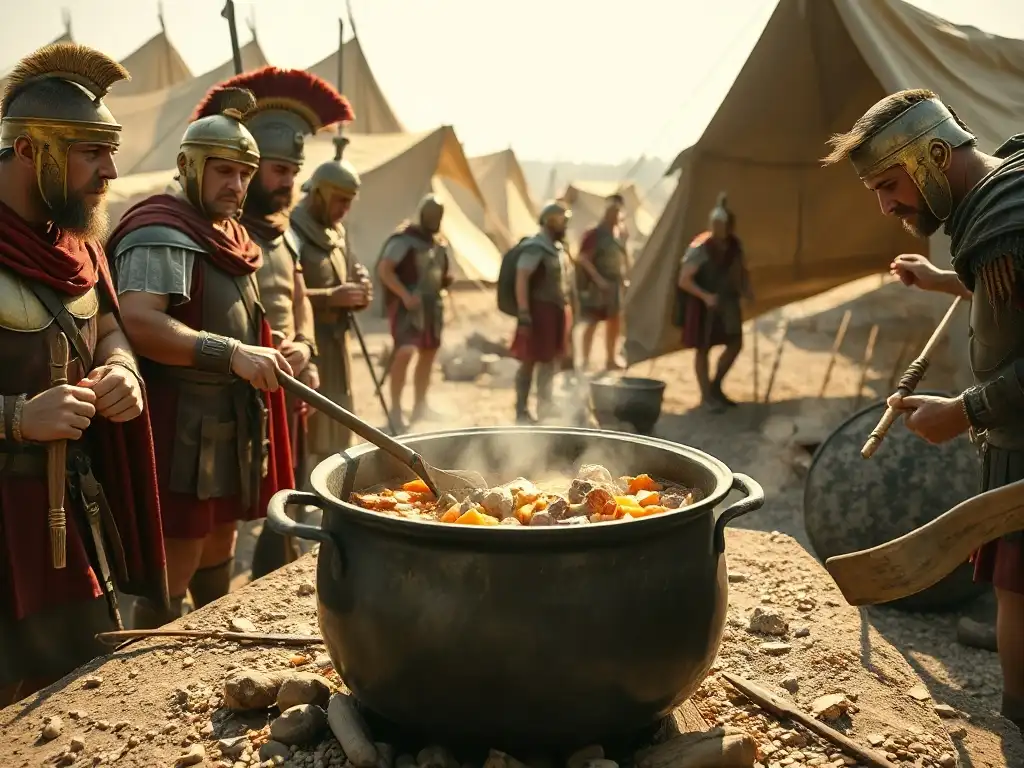
The preparation and consumption of food for the Roman legionary were structured and efficient processes, designed to meet the needs of a large and mobile military force. The emphasis was on practicality, durability, and nutritional value.
Cooking Techniques: Practical Methods
Cooking techniques employed by the Roman army were practical and efficient, adapted to the conditions of military life. Roasting, grilling, and boiling were common methods, utilizing readily available resources. Simple cooking equipment was used, such as portable braziers and cauldrons, allowing for the preparation of food in various settings.
The focus was on preparing food that was both nutritious and easy to transport and store. Preservation techniques such as salting, smoking, and drying were essential for extending the shelf life of food, particularly perishable items like meat and fish. These techniques played a critical role in ensuring the availability of food during long campaigns and in remote locations.
Daily Meal Structure: Structured Meal Times
The Roman legionary's daily meal structure was highly organized, reflecting the disciplined nature of the army. Typically, they would eat twice a day: a larger meal in the evening ( cena ) and a smaller meal in the morning ( ientaculum ). The evening meal was the main source of calories and nutrients, often consisting of a combination of grains, vegetables, and animal protein. The morning meal was typically lighter and more easily portable, perhaps consisting of bread, cheese, or dried fruits.
This structured eating schedule ensured that the soldiers had the energy they needed to perform their duties effectively. The consistency and regularity of their meals were crucial for maintaining their physical strength and overall well-being. The focus on structured meal times further underscores the Roman army's attention to the importance of proper nutrition for maintaining military effectiveness.
The Significance of Diet in Roman Legionary Training
The Roman military machine depended heavily on the physical prowess of its legionaries. Rigorous training regimes demanded exceptional stamina and strength, making diet a critical component of a soldier's success. A well-nourished legionary was a more effective fighter, less susceptible to illness, and better equipped to endure the hardships of campaigning. Unlike modern armies with sophisticated logistical systems, the Roman army relied on a robust and adaptable food supply system closely intertwined with its training practices.
The understanding of nutrition, though rudimentary by modern standards, was implicitly understood as crucial for maintaining a consistently high level of combat readiness. This understanding shaped the daily rations and the overall dietary habits of the legionary, influencing their training effectiveness and overall contribution to the empire's military might. The link between diet and military effectiveness was so strong that it heavily influenced the design of the army's logistical support systems.
Food as Fuel: Maximizing Physical Performance
The Roman legionary diet was designed to provide the necessary energy for intense physical activity. High-calorie foods like grains (wheat and barley), legumes (beans and lentils), and vegetables formed the cornerstone of their diet. These provided sustained energy release, crucial for long marches, arduous drills, and battles. Meat, while not a daily staple for all ranks, was included regularly, especially for senior officers and during special occasions.
This provided essential protein for muscle repair and growth. The emphasis was on providing a balanced diet, although the precise balance varied depending on the availability of resources and the specific location of the legion. The need for readily available and easily digestible calories directly impacted the food choices and the methods of food preparation. This practicality was paramount to maintaining the legion's physical capabilities.
Practical Aspects of Food Storage and Transport
The efficient storage and transport of food were crucial logistical challenges for the Roman army. Grains were often stored in large quantities, requiring effective preservation techniques to prevent spoilage. This involved storing the grain in well-ventilated, dry locations, often in specialized granaries. Portability was another key factor. Foods needed to be easily transported over long distances and often challenging terrains.
Dried foods, preserved meats, and hardtack biscuits were favored due to their long shelf life and ease of transport. The complexity of logistics is often underestimated. The army's logistical network was a remarkable feat of engineering and organization, ensuring consistent food supply across vast distances and varied climates, a crucial element for successful military campaigns. This intricate system played a vital role in the army's overall effectiveness.
The Roman Legionary Diet: A Legacy of Strength
The Roman army's sustained success over centuries is partly attributable to its effective logistical system, which ensured the consistent provision of a diet that fueled its legionaries' strength and stamina. The diet's impact on the physical capabilities of the Roman soldier was considerable. Their physical fitness and endurance were essential to the empire's military dominance.
The dietary practices developed by the Romans, although far less refined than modern nutritional science, were surprisingly effective in supporting the physical demands placed on the legionaries. This robust and practical approach to food and nutrition contributed significantly to the army's overall operational effectiveness and its lasting impact on military history. The legacy of this practical approach to nutrition continues to inspire strategies for maintaining physical fitness in demanding environments.
Modern Relevance of the Roman Diet
While modern military diets are far more sophisticated, certain aspects of the Roman legionary diet remain surprisingly relevant. The emphasis on whole grains, legumes, and vegetables aligns with modern dietary guidelines promoting a balanced intake of carbohydrates, proteins, and fiber for sustained energy and overall health. The Roman approach highlights the importance of practical, easily transportable, and long-lasting food choices, lessons still valuable for modern military operations in remote or challenging environments.
The historical parallel underscores the enduring importance of providing nutritionally sound meals to maintain troop fitness and morale. Further research into the Roman diet could yield valuable insights into optimizing modern military nutrition strategies.
Comparison with Modern Military Diets
Modern military diets, while vastly different in their composition and preparation, share some similarities with the Roman legionary diet in their emphasis on practicality and nutritional adequacy. The focus on high-calorie, energy-dense foods remains central to both, although the specific food choices have evolved dramatically. Modern military rations are meticulously designed to provide a precise balance of macronutrients and micronutrients, considering factors like individual needs and operational requirements, an advancement over the Roman's more basic approach.
However, the underlying principle of supplying soldiers with food that sustains their physical performance remains consistent across millennia, underscoring the timeless importance of nutrition in military effectiveness. The differences highlight the evolution of nutritional science and technology, while the similarities reinforce the fundamental importance of nutrition in military operations.
Conclusion: The Enduring Power of the Roman Legionary Diet
The Roman legionary diet, while seemingly simple, was a remarkably effective system for sustaining the physical demands of military life. Its emphasis on readily available, high-calorie foods like grains, legumes, and meat ensured soldiers received the necessary energy for rigorous training and campaigning. The inclusion of fruits and vegetables, though perhaps less prominent than the staples, provided essential vitamins and minerals crucial for overall health and disease prevention. This carefully balanced approach to nutrition, though lacking the sophisticated understanding of modern dietetics, demonstrably fueled one of history's most successful military machines.
The Roman army's logistical prowess, in procuring and distributing these foodstuffs across vast distances, further underscored the importance placed upon properly nourishing its soldiers. The enduring legacy of the Roman legionary diet lies not only in its effectiveness but also in its adaptability to the diverse environments and resources encountered throughout the Roman Empire. It stands as a testament to the understanding that a well-fed army is a strong army, a principle that remains relevant even in contemporary military contexts.
Further research into the specifics of regional variations and the impact of diet on the long-term health of legionaries would undoubtedly enrich our understanding of this crucial aspect of Roman military life. The Roman army's success wasn't solely built on discipline and tactics; it was also underpinned by a surprisingly sophisticated approach to feeding its fighting force – a crucial factor often overlooked in discussions of Roman military might. Understanding the Roman legionary diet offers valuable insights into the intersection of nutrition, logistics, and military success in antiquity.
Frequently Asked Questions
What did the Andean warrior diet consist of?
The Andean warrior diet primarily consisted of potatoes, quinoa, and other native Andean grains, supplemented by meat (llama, alpaca, vicuña) where available, and various fruits and vegetables. This provided the necessary carbohydrates, protein, and nutrients for physical endurance.
How did the diet contribute to warrior strength and stamina?
The high carbohydrate content of potatoes and quinoa provided sustained energy, crucial for long marches and battles. The protein from meat and other sources helped in muscle building and repair. This combination was key to their physical prowess.
Were there regional variations in the Andean warrior diet?
Yes, there were significant regional variations based on available resources. Coastal communities relied more on fish and seafood, while highland warriors had greater access to alpaca and llama. Specific ingredients varied based on altitude and climate.
Did the Andean warrior diet include any specific rituals or beliefs?
While specific dietary rituals aren't extensively documented, the food itself held cultural significance. Certain crops and animals might have been associated with specific deities or ceremonies, influencing consumption patterns.
How does the modern understanding of nutrition compare to the Andean warrior diet?
Modern nutritional science largely validates the Andean warrior diet's effectiveness. The emphasis on whole grains, lean protein, and diverse vegetables aligns with current recommendations for a healthy and balanced diet, highlighting its long-term sustainability.
Final Reflection: Echoes of the Andes: Nourishing Body and Spirit
The resilience of the Andean warrior wasn't forged solely on the battlefield; it was cultivated daily through a diet deeply connected to their environment. This understanding, though rooted in ancient practices, holds profound relevance for us today, in a world grappling with issues of sustainable food systems and the pursuit of optimal health and well-being. The lessons learned from their dietary wisdom offer a powerful pathway to a healthier and more mindful approach to nutrition.
The Andean warrior diet, with its emphasis on locally sourced, nutrient-dense foods, speaks to a deeper connection with nature that our modern, industrialized food systems often lack. This connection, I believe, is crucial not only for physical health but also for spiritual and emotional well-being. The earth provides all we need; we only need to learn how to receive it.
This simple yet profound statement encapsulates the essence of the Andean warrior's relationship with their food, a relationship that fostered not only physical strength but also a deep sense of community and respect for the natural world.
Consider the implications of this ancient wisdom for your own life. What steps can you take to incorporate more whole, unprocessed foods into your diet? How can you reconnect with the source of your food, fostering a deeper appreciation for the land and the people who cultivate it? Embrace the legacy of the Andean warrior, not just as a historical curiosity, but as a powerful model for building a healthier, more sustainable, and more meaningful life. The journey towards a stronger, more resilient you begins with the nourishment you choose to provide your body and spirit.
**Unleash Your Inner Warrior! **
Thank you for exploring the fascinating world of the Andean warrior's diet. You've discovered how their nutritious choices can build strength and stamina in our modern lives. Now, let's put that knowledge into practice!
Here are some **actionable steps** to help you achieve vibrant health:
- **Embrace Andean-inspired eating:** Incorporate nutritious foods like quinoa, potatoes, and seasonal fruits into your meals this week. Experiment with different preparations to find your favorites.
- **Explore traditional flavors:** Try at least one authentic Andean recipe. Share your culinary adventure and photos online—you might inspire others!
- **Connect with a community:** Join a local or online group focused on healthy eating and cultural foods to exchange ideas and recipes with like-minded individuals.
How will you integrate the principles of the Andean diet into your daily life?