
The Future of the Past: How Archaeology Shapes Our Understanding of Andean Civilizations

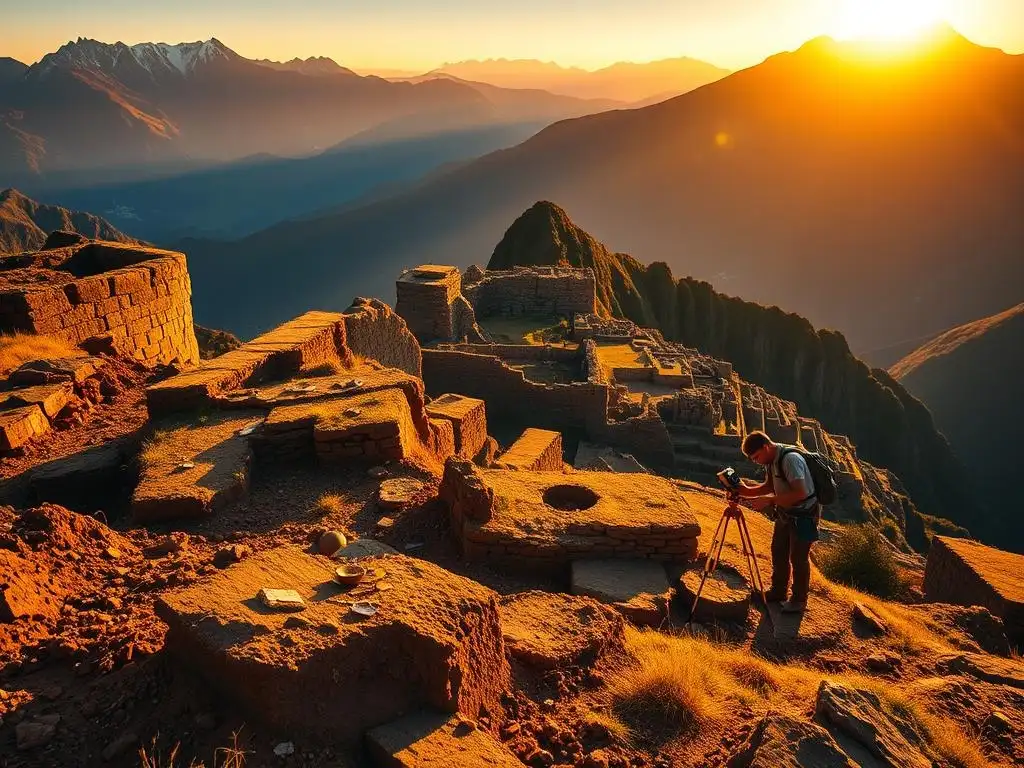
Step into a world lost to time, yet echoing with vibrant life. For centuries, the enigmatic Andean civilizations—from the Incas to the Nazca—have captivated imaginations. But what secrets do their ancient cities and artifacts still hold? Discover the thrilling possibilities in " The Future of the Past: How Archaeology Shapes Our Understanding of Andean Civilizations," and explore the fascinating intersection of Andean civilizations archaeology and the future. Unravel the mysteries and prepare to be amazed.
The study of Andean civilizations is a vibrant and ever-evolving field, constantly reshaped by new archaeological discoveries and advancements in research methodologies. This article delves into the crucial role archaeology plays in enriching our understanding of these fascinating ancient societies, from the Incas to the Nazca, and how cutting-edge techniques are rewriting the narrative of their history, culture, and daily lives.
We will explore how ongoing archaeological investigations are not only uncovering incredible artifacts and sites but also providing crucial insights into the complex social structures, technological innovations, and environmental adaptations of these remarkable Andean cultures. The future of our understanding of Andean civilizations is inextricably linked to the future of archaeological research, promising exciting new discoveries and a more nuanced comprehension of their rich legacy.
This exploration will highlight the significant impact of modern technology on this field, ultimately demonstrating how the past continues to inform and inspire our present.
Unearthing the Secrets: The Role of Archaeology in Understanding Andean Cultures
Archaeology acts as a crucial bridge connecting us to the past, offering tangible evidence of the lives, beliefs, and achievements of Andean civilizations. Through meticulous excavation, careful analysis of artifacts, and the interpretation of environmental data, archaeologists piece together a complex puzzle, revealing details about everything from daily routines to sophisticated astronomical observations. The careful study of pottery, textiles, and architecture provides a wealth of information about social hierarchies, religious practices, and trade networks.
For example, the intricate designs found on Moche pottery offer valuable insights into their mythology and worldview, while the massive stone structures of the Incas speak to their impressive engineering skills and centralized organization. The discovery of new sites and the re-evaluation of existing ones constantly refine and challenge our understanding, leading to a more complete and nuanced picture of Andean societies.
Furthermore, the study of ancient agricultural practices helps us understand their remarkable adaptations to the challenging Andean environment. Understanding these adaptations is crucial for addressing modern environmental challenges.
Modern Archaeological Techniques and Their Impact on Andean Research
The application of modern scientific techniques has revolutionized Andean archaeology, allowing for a level of precision and detail previously unimaginable. These advancements have not only confirmed existing theories but also challenged long-held assumptions, leading to a more comprehensive understanding of these complex societies. The integration of cutting-edge technologies has enabled archaeologists to analyze artifacts and sites with unprecedented accuracy, revealing hidden details and providing new perspectives on the past.
This interdisciplinary approach, combining traditional archaeological methods with scientific analysis, is crucial for advancing our knowledge of Andean civilizations. The increased accuracy and detail provided by these new techniques are leading to a much more nuanced and complete understanding of the past.
Advanced Imaging Technologies in Andean Archaeology
Techniques like ground-penetrating radar (GPR), LiDAR (Light Detection and Ranging), and photogrammetry are transforming the way archaeologists explore Andean sites. GPR allows for the non-invasive detection of subsurface features, revealing hidden structures and settlements beneath the surface. LiDAR, using laser pulses to create 3D models of the terrain, has revealed previously unknown Inca roads and agricultural terraces, significantly expanding our understanding of their infrastructure and land management practices.
Photogrammetry, using multiple photographs to create detailed 3D models, allows for the precise documentation and analysis of artifacts and sites, facilitating collaborative research and long-term preservation efforts. The non-destructive nature of these technologies is particularly valuable in protecting fragile archaeological sites and ensuring their preservation for future generations.
The Use of DNA Analysis in Andean Studies
The application of ancient DNA (aDNA) analysis is providing groundbreaking insights into the genetic history of Andean populations, revealing migration patterns, kinship structures, and the impact of disease on these societies. By analyzing DNA extracted from ancient human remains, archaeologists can trace the genetic lineage of Andean populations, shedding light on their origins and relationships with other groups. This helps to clarify the complex patterns of migration and interaction that shaped the development of Andean civilizations.
Furthermore, aDNA analysis can provide valuable information about diet, health, and disease, offering a more complete picture of the lives of individuals in these ancient societies. This powerful tool is helping reshape our understanding of the biological and social history of the Andes.
Carbon Dating and Chronological Understanding of Andean Societies
Carbon dating plays a vital role in establishing accurate chronologies for Andean sites and artifacts, providing a crucial framework for understanding the temporal relationships between different cultures and events. By analyzing the carbon isotopes in organic materials found at archaeological sites, researchers can determine the age of these materials with a degree of accuracy that allows for a more precise understanding of the timeline of Andean history. This precise dating helps archaeologists to construct a more accurate chronological sequence of events, allowing for a better understanding of cultural developments and interactions between different Andean societies.
This precise dating is essential for interpreting the cultural and technological changes that occurred across various periods in Andean history. The continued refinement of dating techniques continues to improve the accuracy of our chronological understanding.
Key Archaeological Discoveries Shaping Our View of Andean Civilizations
Discoveries at Machu Picchu and Their Significance
Machu Picchu, the iconic "Lost City of the Incas," continues to yield significant archaeological discoveries that reshape our understanding of Inca civilization. Recent excavations have uncovered new residential areas, expanding our knowledge of the city's population and social structure. The discovery of previously unknown agricultural terraces provides further insights into Inca agricultural practices and their ability to cultivate food in challenging mountainous terrain.
Furthermore, the ongoing analysis of artifacts unearthed at the site, including textiles, ceramics, and tools, is enriching our understanding of Inca daily life, religious beliefs, and technological advancements. These findings challenge previous assumptions about the city's function, suggesting a more complex and multifaceted role than previously thought, perhaps serving not just as a royal estate but also as a significant administrative and religious center.
The meticulous documentation and analysis of these discoveries are crucial in providing a more holistic picture of Inca society and its sophisticated organization. The ongoing research at Machu Picchu promises further revelations that will continue to refine our understanding of this remarkable civilization.
Unveiling the Mysteries of the Moche Culture Through Recent Finds
Recent archaeological excavations on the northern coast of Peru have brought to light remarkable new insights into the Moche civilization (c. 100-800 CE). The discovery of elaborate tombs containing intricate gold and silver artifacts, alongside finely crafted ceramics depicting scenes of daily life and ritual practices, has significantly advanced our understanding of Moche social hierarchy, religious beliefs, and artistic achievements.
The Moche's mastery of metalwork and their sophisticated artistic representation of their cosmology are particularly striking. Analysis of the recovered human remains reveals details about their diet, health, and even their potential causes of death, offering a unique glimpse into their daily existence.
The ongoing research into these finds, coupled with advanced technologies like 3D scanning and DNA analysis, promises to further unravel the complexities of this fascinating culture, shedding light on their social dynamics, political structures, and economic activities. These discoveries add nuance to our understanding of the Moche, moving beyond simplified narratives and revealing a civilization of remarkable sophistication and ingenuity.
New Insights into the Nazca Lines and Their Purpose
The enigmatic Nazca Lines, vast geoglyphs etched into the Peruvian desert, have captivated researchers for decades. While their exact purpose remains a subject of ongoing debate, recent research employing advanced remote sensing technologies, such as aerial photography and satellite imagery, has revealed new details about their extent and complexity. The discovery of previously unknown figures and patterns expands our understanding of their creation and potential meaning.
Theories ranging from astronomical alignments to ritualistic purposes are being revisited and refined in light of these new findings. Furthermore, studies of the soil and the techniques used to create the lines are providing valuable insights into the engineering and labor involved in their construction.
The ongoing investigation into the Nazca Lines continues to blend cutting-edge technology with meticulous fieldwork, promising to uncover more clues about these mysterious masterpieces and the culture that created them. Understanding the creation and purpose of the Nazca Lines remains a significant challenge but one that is slowly yielding to modern research methods.
Exploring Tiahuanaco's Architectural and Engineering Prowess
The monumental site of Tiahuanaco, located on the shores of Lake Titicaca in Bolivia, stands as a testament to the architectural and engineering prowess of its creators. Recent archaeological investigations have focused on understanding the sophisticated techniques used in the construction of its massive stone structures, including the precise cutting, transportation, and assembly of colossal blocks. The intricate design and monumental scale of Tiahuanaco's architecture continue to challenge our understanding of the civilization's technological capabilities and organizational skills.
The discovery of new evidence regarding water management systems and agricultural practices further highlights the ingenuity of Tiahuanaco's inhabitants in adapting to their challenging environment. The analysis of the site's layout and the distribution of structures is providing insights into the city's social and political organization.
Ongoing research at Tiahuanaco promises to further illuminate the remarkable achievements of this Andean civilization and the impressive level of social and technological organization that enabled such ambitious construction projects. The sheer scale of Tiahuanaco continues to inspire awe and fuels ongoing research into its construction and purpose.
The Ongoing Research: Future Directions in Andean Archaeology
The Importance of Interdisciplinary Approaches
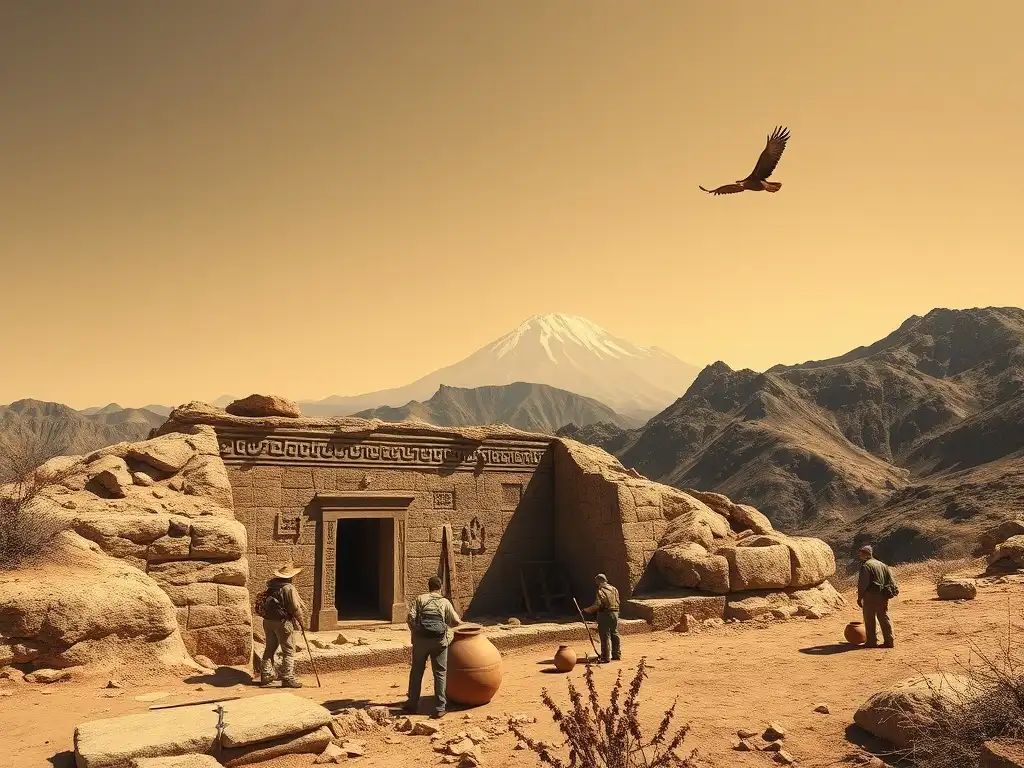
The study of Andean civilizations demands an interdisciplinary approach, integrating insights from archaeology, anthropology, history, linguistics, and other fields. This collaborative approach is crucial for a more comprehensive understanding of the complex interplay between environmental factors, social structures, technological innovations, and cultural beliefs. Combining archaeological data with paleoclimatological studies, for example, helps to understand the impact of environmental changes on Andean societies.
Similarly, linguistic analysis provides valuable context for interpreting iconography and religious practices. The future of Andean archaeology lies in this synergistic approach, fostering a deeper and more nuanced understanding of these ancient civilizations. This holistic approach is essential for moving beyond isolated interpretations and forming a more comprehensive narrative.
Community Involvement in Archaeological Projects
Increasingly, Andean archaeological projects are emphasizing community involvement. Engaging local communities in the research process not only ensures the ethical and responsible management of cultural heritage but also fosters a sense of ownership and pride in the past. Community participation can range from providing logistical support to actively participating in excavations and the interpretation of findings.
This collaborative approach ensures that research benefits local communities and contributes to the preservation of cultural heritage for future generations. Furthermore, involving community members in the interpretation and dissemination of archaeological findings helps to counteract biased or inaccurate narratives about their ancestors. Such collaboration is essential for building trust and ensuring the long-term sustainability of archaeological projects.
Preservation and Conservation Challenges in Andean Sites
Andean archaeological sites face numerous preservation and conservation challenges, including the effects of climate change, looting, and uncontrolled tourism. The delicate nature of many sites, coupled with the harsh environmental conditions in the Andes, requires innovative and sustainable conservation strategies. These challenges necessitate a collaborative effort between archaeologists, government agencies, local communities, and international organizations.
The development of effective strategies for mitigating the impact of environmental factors and deterring looting is crucial for safeguarding these invaluable sites for future generations. This requires careful planning, the implementation of protective measures, and ongoing monitoring of the sites' conditions. The preservation of Andean heritage is a collective responsibility requiring sustained commitment and resources.
The Ethical Considerations in Archaeological Research
Ethical considerations are paramount in Andean archaeology. Respect for the descendants of the ancient Andean civilizations, as well as the protection of their cultural heritage, requires careful consideration of the potential impact of research on local communities. This includes ensuring the repatriation of artifacts, engaging in respectful consultation with community members, and promoting the equitable distribution of benefits derived from archaeological research.
Transparency and accountability are essential in ensuring that research is conducted in a manner that is ethically sound and respects the rights and interests of all stakeholders. The ethical conduct of archaeological research is not only a moral imperative but also crucial for building trust and establishing long-term partnerships with local communities. This responsible approach is essential for ensuring the sustainability of archaeological research in the Andes.
The Impact of Andean Archaeology on Modern Society
Understanding Cultural Identity Through Archaeological Discoveries
Archaeological discoveries in the Andes have profoundly impacted our understanding of cultural identity in the region. The unearthing of intricate textiles, pottery, and monumental structures provides tangible links to the past, allowing modern Andean communities to connect with their ancestors and heritage. For example, the ongoing research at the site of Machu Picchu continues to reveal details about Inca social structures, religious practices, and daily life, enriching the understanding of Inca identity for present-day Peruvians.
This connection to the past fosters a sense of pride and belonging, strengthening cultural resilience and promoting the preservation of traditional practices. The rediscovery and reinterpretation of ancient narratives and beliefs through archaeological findings also contributes to a more nuanced and inclusive understanding of Andean history, challenging previously held Eurocentric perspectives.
This process of reclaiming and reinterpreting the past is crucial for the construction of a more accurate and representative national identity. The study of ancient Andean languages, through recovered texts and artifacts, also contributes to the revitalization of these languages, actively combating language loss and preserving linguistic diversity.
The Influence of Andean Art and Architecture on Contemporary Design
The aesthetic sophistication and innovative engineering of Andean civilizations continue to inspire contemporary artists and architects. The intricate designs found in Nazca ceramics, the precise stonework of Inca structures like Sacsayhuamán, and the monumental scale of Tiahuanaco's architecture serve as a constant source of inspiration. Modern designers draw upon these ancient motifs and techniques, adapting them to contemporary contexts.
We see this influence in everything from textile patterns and jewelry design to the structural ingenuity employed in modern buildings. The sustainability embedded in Andean construction methods, such as the use of locally sourced materials and adaptation to the environment, is also increasingly relevant in contemporary sustainable design practices.
This renewed interest in Andean aesthetics and engineering not only enriches artistic expression but also encourages innovation in sustainable and environmentally conscious design. The study of Andean architectural techniques, particularly in stonework and terracing, offers valuable insights for modern construction, particularly in challenging terrains.
Promoting Cultural Tourism and Economic Development
Archaeological sites in the Andes are major drivers of cultural tourism, generating substantial economic benefits for local communities. The preservation and promotion of these sites create employment opportunities in tourism, hospitality, and related industries. For example, the flourishing tourism industry around Cusco and Machu Picchu relies heavily on the Inca heritage.
However, responsible tourism practices are crucial to ensure the long-term preservation of these sites and the equitable distribution of economic benefits. Careful management of visitor numbers, investment in infrastructure, and the engagement of local communities in tourism development are essential aspects of successful cultural tourism initiatives.
This ensures that the economic benefits of archaeology are shared fairly and sustainably, contributing to the well-being of local populations and the preservation of the Andean cultural heritage for future generations. Furthermore, the promotion of Andean archaeology through museums, educational programs, and publications stimulates economic activity in related sectors, such as publishing, arts and crafts, and research.
Andean Civilizations Archaeology: A Look into the Future
Emerging Trends in Andean Research
Current research in Andean archaeology is characterized by several emerging trends. There's a growing emphasis on interdisciplinary collaboration, integrating insights from fields like genetics, environmental science, and anthropology to develop a more holistic understanding of past societies. The use of advanced technologies, such as LiDAR and ground-penetrating radar, is revolutionizing site survey and excavation techniques, revealing previously hidden features and structures.
Furthermore, a renewed focus on community-based archaeology is empowering local communities to participate actively in research projects, ensuring that their voices and perspectives are incorporated into the interpretation of the past. This collaborative approach fosters a sense of ownership and responsibility towards the preservation of the Andean heritage. Finally, there’s an increasing awareness of the importance of ethical considerations in archaeological research, including the repatriation of artifacts and the respectful treatment of human remains.
The Potential of AI and Machine Learning in Archaeology
The application of AI and machine learning holds immense potential for advancing Andean archaeology. These technologies can be used to analyze vast datasets of archaeological data, identifying patterns and relationships that might be missed by human researchers. For instance, AI algorithms can be employed to analyze satellite imagery, identify potential archaeological sites, and assist in the mapping of existing sites. Machine learning can also be used to analyze artifact characteristics, helping to establish chronological sequences and understand technological developments.
The use of AI in image recognition can facilitate the identification and cataloging of artifacts, accelerating the research process. However, ethical considerations surrounding the use of AI in archaeology, particularly concerning data privacy and bias in algorithms, need to be carefully addressed. The responsible and ethical integration of AI promises to significantly enhance our understanding of Andean civilizations.
The Future of Andean Archaeological Sites and Their Preservation
The preservation of Andean archaeological sites faces numerous challenges, including climate change, looting, and unsustainable tourism practices. The future of these sites depends on proactive conservation strategies, including improved site management, stricter enforcement of anti-looting laws, and the development of sustainable tourism models. Investing in infrastructure to protect sites from the elements and implementing effective monitoring systems to detect and deter illegal activities are crucial steps.
Furthermore, raising public awareness about the importance of preserving Andean heritage and promoting responsible tourism practices are essential for the long-term sustainability of these sites. The collaboration between governments, local communities, and international organizations is essential to ensure the effective preservation of these invaluable cultural resources for future generations. The integration of traditional ecological knowledge with modern conservation techniques is also promising for effective and sustainable preservation.
- Unearthing the Secrets: The Role of Archaeology in Understanding Andean Cultures
- Modern Archaeological Techniques and Their Impact on Andean Research
- Key Archaeological Discoveries Shaping Our View of Andean Civilizations
- The Ongoing Research: Future Directions in Andean Archaeology
- The Impact of Andean Archaeology on Modern Society
- Andean Civilizations Archaeology: A Look into the Future
- What is the current state of Andean civilizations archaeology?
- How does archaeology help us understand Andean technology?
- What is the role of the Andean civilizations' art in archaeological studies?
- What are the ethical considerations in Andean archaeology?
- How will technology shape the future of Andean civilizations archaeology?
Frequently Asked Questions
What is the current state of Andean civilizations archaeology?
Andean archaeology is a vibrant and growing field. New technologies and techniques are constantly improving our understanding of these fascinating cultures. Research is ongoing across many sites and civilizations.
How does archaeology help us understand Andean technology?
Archaeological discoveries reveal the sophisticated engineering and innovative techniques used by Andean civilizations. Examples include irrigation systems, metallurgy, and architectural marvels. This helps us appreciate their ingenuity.
What is the role of the Andean civilizations' art in archaeological studies?
Art provides crucial insights into Andean beliefs, social structures, and daily life. Textiles, pottery, and metalwork offer valuable clues. The study of these artifacts is integral to understanding their culture.
What are the ethical considerations in Andean archaeology?
Ethical practices are crucial, focusing on respect for ancestral remains and cultural heritage. Collaboration with local communities and responsible preservation of sites are paramount. This ensures a sustainable future for archaeological research.
How will technology shape the future of Andean civilizations archaeology?
Advancements in remote sensing, DNA analysis, and digital modeling will revolutionize our understanding. These technologies offer non-invasive methods of investigation and detailed analysis of artifacts and sites. This will lead to new discoveries and insights.
Final Reflection: Unearthing the Future, Honoring the Past
The study of Andean civilizations isn't just about dusty artifacts; it's a vital lens through which we understand our shared human story and confront the challenges of the present. Understanding the ingenuity, resilience, and ultimately, the vulnerabilities of these ancient societies offers crucial insights into sustainable living, societal collapse, and the enduring power of cultural heritage in a rapidly changing world. The lessons learned from the past are more relevant than ever.
The ongoing excavation and interpretation of Andean sites continues to reshape our understanding of complex social structures, innovative agricultural practices, and the intricate relationship between humans and their environment. This work is not merely academic; it's a powerful act of cultural preservation and a testament to the enduring legacy of these civilizations. The past is never dead. It's not even past.
– William Faulkner. This quote rings profoundly true when considering the ongoing relevance of Andean archaeological discoveries in informing contemporary discussions about climate change, resource management, and social equity.
Consider the implications of these discoveries. How can we, as individuals and as a global community, learn from the successes and failures of past Andean societies to build a more sustainable and equitable future? You have the power to engage with this legacy. Explore museums, support archaeological research, and most importantly, foster a deeper appreciation for the rich tapestry of human history woven into the Andean landscape. Let the echoes of the past inspire us to create a future worthy of the civilizations that came before us.
Unveil the Secrets of Andean Civilizations Today!
Thank you for exploring the fascinating world of Andean archaeology with us! Your interest helps bring to light the incredible stories and insights these ancient cultures offer. Now, let's delve deeper and discover how you can actively engage with these remarkable societies.
- Join a local archaeological society to participate in excavations and learn about preservation techniques firsthand.
- Share your knowledge by discussing your favorite discoveries and insights with friends on social media.
- Explore virtual museum tours of significant Andean archaeological sites to experience their rich heritage from the comfort of your home.
What aspect of Andean civilization captivates you most, and how do you think its legacy can inform our present? Let's continue the discussion!