
Moche Ceramics: Conservation Challenges and Solutions

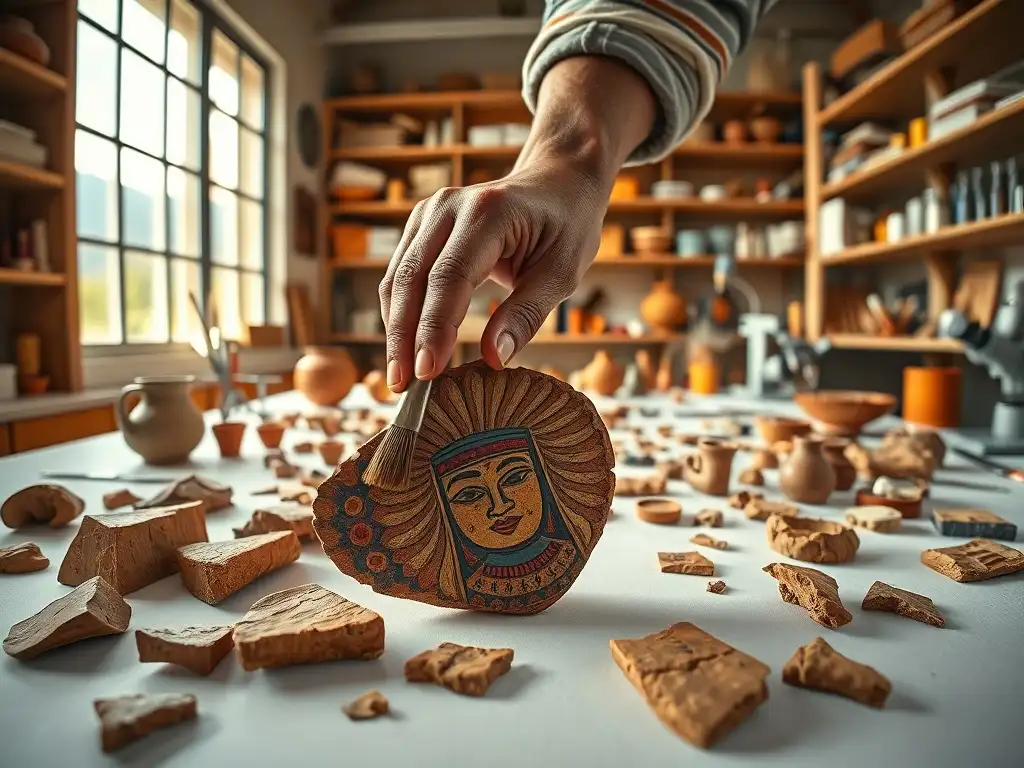
Step into a world lost to time, yet vividly preserved in clay. Imagine the intricate artistry of the Moche, a civilization whose mastery of pottery remains a testament to their ingenuity. But how do we protect this fragile legacy? Discover the fascinating challenges and innovative solutions surrounding Moche pottery conservation methods—a journey into the heart of Andean heritage awaits.
The Moche civilization (circa 100-800 CE), flourishing along the northern coast of Peru, left behind a remarkable legacy: exceptionally detailed and vibrant ceramics. These aren't mere vessels; they are intricate narratives etched in clay, offering invaluable insights into their complex society, religious beliefs, and daily life. However, the very conditions that fostered this artistic explosion—the arid coastal climate and the use of specific materials—now pose significant challenges to the preservation of this irreplaceable cultural heritage.
This article explores the multifaceted conservation challenges facing Moche pottery and examines the innovative methods employed to safeguard these fragile artifacts for future generations. We will delve into the specific threats, the scientific approaches used for analysis and treatment, and the ongoing efforts to ensure the long-term survival of this iconic art form, ultimately contributing to a deeper understanding of "Moche pottery conservation methods."
The Perils of Time and Environment: Degradation Factors Affecting Moche Pottery
Moche pottery, despite its apparent durability, faces numerous threats to its long-term survival. The arid coastal climate, while initially conducive to preservation, presents paradoxes. Extreme temperature fluctuations, ranging from scorching sun to cool nights, cause thermal stress leading to cracking and flaking.
Furthermore, the salt-laden air and occasional heavy rains contribute to the formation of salts within the porous clay, causing efflorescence (salt crystallization) that can physically disrupt the ceramic structure. Additionally, the very pigments used by the Moche artisans, while stunning in their vibrancy, are often unstable and prone to fading or leaching over time. This degradation is further exacerbated by factors like:
- Biological attack: Insects, fungi, and other microorganisms can colonize porous areas, accelerating deterioration.
- Human interaction: Improper handling, inadequate storage, and even the vibrations from nearby traffic can contribute to damage.
- Previous conservation attempts: Outdated or inappropriate techniques from past restoration efforts may have inadvertently introduced new problems.
Diagnostic Analysis: Understanding the Extent of Damage
Before any conservation treatment can be undertaken, a thorough diagnostic analysis is crucial. This involves a multi-disciplinary approach, utilizing various non-invasive and minimally invasive techniques to assess the condition of the pottery. These methods help to identify the specific types and extent of damage, guiding the selection of appropriate conservation strategies. Key techniques include:
- Visual inspection: A detailed visual examination, often aided by magnification, identifies surface damage, cracks, and areas of deterioration.
- Microscopy: Optical and electron microscopy reveal the microstructural properties of the clay and pigments, providing insights into the material's composition and degradation processes.
- Spectroscopy: Techniques like X-ray fluorescence (XRF) and infrared spectroscopy (IR) analyze the chemical composition of the pigments and clay, revealing the presence of salts and other potentially harmful substances.
- Thermogravimetric analysis (TGA): Measures weight changes in the ceramic material as a function of temperature, helping to identify the presence of organic materials and their thermal stability.
Conservation Strategies: Preserving Moche Pottery for Future Generations
The conservation of Moche pottery requires a delicate balance between intervention and preservation. The goal isn't to "restore" the pieces to a pristine, imagined state, but rather to stabilize them, preventing further deterioration and ensuring their long-term survival. Modern conservation methods are employed, often tailored to the specific type of damage and material properties. Some key strategies include:
- Consolidation: Strengthening weakened areas using appropriate consolidants, carefully chosen to be compatible with the ceramic material and pigments. [Specific consolidant types pending]
- Cleaning: Gentle removal of loose dirt, salts, and other surface contaminants using appropriate solvents and tools.
- Salt removal: Employing various techniques, such as controlled humidity changes and poultices, to draw out damaging salts from the pottery.
- Reassembly: Careful reassembly of fragmented pieces using reversible adhesives and techniques that allow for future adjustments.
- Environmental control: Maintaining stable temperature and humidity levels in storage and display areas to minimize environmental stress.
The Future of Moche Pottery Conservation: Collaboration and Innovation
The conservation of Moche ceramics is an ongoing process, requiring continuous research, innovation, and collaboration. The development of new technologies and techniques, coupled with a greater understanding of the material properties and degradation mechanisms, is essential for ensuring the long-term preservation of this invaluable cultural heritage.
The sharing of knowledge and best practices among conservators worldwide is crucial for the advancement of Moche pottery conservation methods and for safeguarding this unique artistic legacy for generations to come. The future of Moche pottery conservation hinges on a continued commitment to scientific research, collaborative efforts, and the responsible stewardship of this extraordinary cultural treasure.
- The Perils of Time and Environment: Degradation Factors Affecting Moche Pottery
- Diagnostic Analysis: Understanding the Extent of Damage
- Conservation Strategies: Preserving Moche Pottery for Future Generations
- The Future of Moche Pottery Conservation: Collaboration and Innovation
- What are the biggest challenges in conserving Moche pottery?
- What materials are used in Moche pottery conservation?
- What are some common conservation techniques used for Moche ceramics?
- How important is documentation in Moche pottery conservation?
- Where can I learn more about Moche pottery conservation methods?
Understanding the Fragility of Moche Pottery
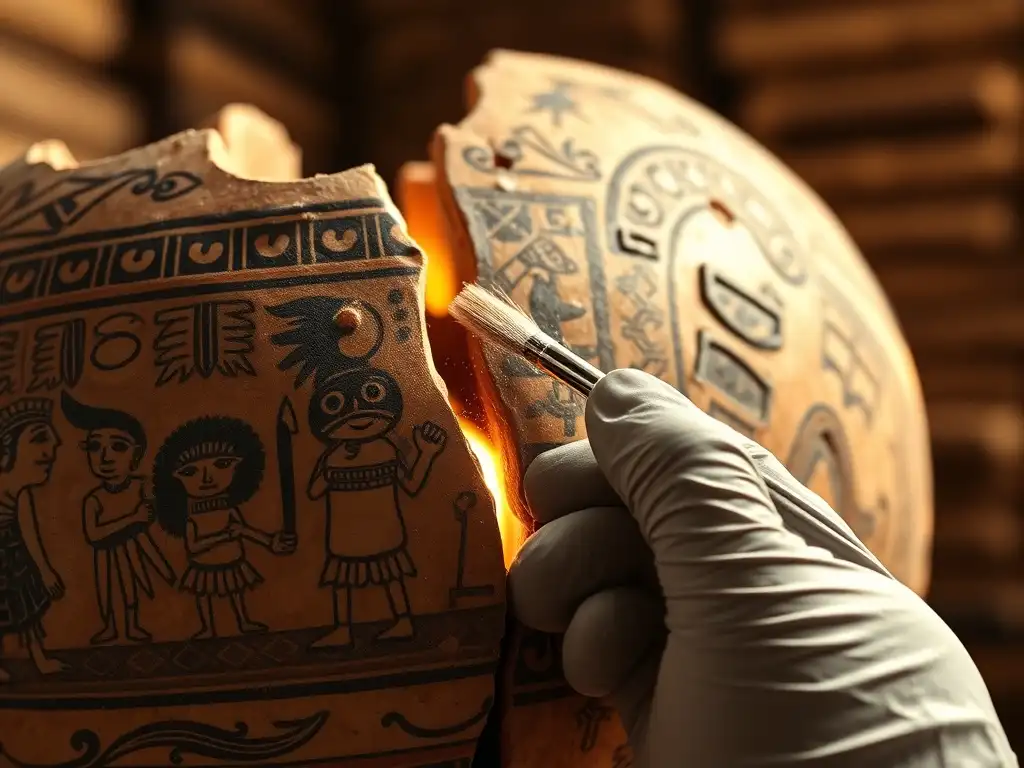
Moche pottery, renowned for its vibrant colors, intricate designs, and detailed depictions of daily life and mythology, presents significant challenges for conservation. Understanding the inherent fragility of these artifacts is paramount to developing effective preservation strategies. The combination of material composition, age, and past environmental exposure renders Moche ceramics highly susceptible to deterioration. Effective conservation necessitates a multi-pronged approach, addressing both the chemical and physical vulnerabilities of these irreplaceable pieces of history.
This section delves into the key factors contributing to the fragility of Moche pottery, providing a foundation for understanding the conservation methods discussed later. We will explore the material science behind the pottery, the impact of environmental factors, and inherent structural weaknesses that contribute to the ongoing decay of these invaluable artifacts. Proper knowledge of these factors is crucial for long-term preservation efforts aimed at protecting Moche pottery for future generations.
The Composition of Moche Ceramics and its Implications for Preservation
Moche ceramic production relied on locally sourced clays, often mixed with tempering agents like sand, shell, or fiber to improve workability and reduce shrinkage during firing. The exact composition varied regionally, influencing the pottery's porosity and consequently its susceptibility to damage. The firing process, typically using open-air kilns, resulted in variations in the ceramic matrix, creating areas of weakness that are prone to cracking and flaking.
For example, analysis of pottery from the Huaca del Sol and Huaca de la Luna sites reveals variations in clay composition leading to different levels of porosity and consequently different responses to environmental fluctuations. High porosity, while contributing to the characteristic vibrant colors, also makes the pottery highly vulnerable to water absorption, leading to salt efflorescence, expansion and contraction cycles with changes in humidity, and ultimately, disintegration. Understanding the specific mineralogical composition of each artifact is therefore crucial in tailoring conservation treatments.
Further research into the precise mineralogical makeup of different Moche clays and their influence on deterioration is needed for more precise conservation strategies. This includes identifying specific clay sources and correlating their compositions to the observed degradation patterns in existing artifacts.
Environmental Factors Affecting Moche Pottery: Humidity, Temperature, and Light
Environmental factors significantly influence the deterioration of Moche pottery. Fluctuations in temperature and humidity cause expansion and contraction cycles within the ceramic matrix, leading to micro-cracking and eventual disintegration. High humidity promotes the growth of microorganisms and salt crystallization, while extreme temperature variations can cause thermal shock, resulting in fracturing.
Light exposure, particularly ultraviolet (UV) radiation, can cause fading of the pigments and further weakening of the ceramic structure. Studies have shown that even seemingly minor fluctuations in relative humidity can cause significant damage over extended periods. For instance, a museum exhibiting Moche pottery experienced a spike in humidity due to a malfunctioning air conditioning unit, resulting in the deterioration of several artifacts.
This highlights the importance of maintaining stable environmental conditions within storage and display areas. Precise control of temperature and humidity, along with the reduction of UV exposure through appropriate lighting and filtering, are crucial for mitigating environmental damage. The development of specific environmental parameters for optimal Moche pottery preservation – based on detailed analysis of the artifacts’ material properties – remains an area requiring further investigation.
Inherent Vices: Structural Weaknesses in Moche Ceramic Artifacts
Beyond environmental factors and material composition, inherent structural weaknesses within the Moche pottery itself contribute to its fragility. Many artifacts exhibit firing flaws, such as uneven heating or insufficient firing temperature, leading to areas of weakness. The delicate nature of some decorative elements, like applied mold-made designs or finely painted details, makes them particularly susceptible to damage. Additionally, the presence of cracks, chips, and breaks, often resulting from past damage or improper handling, creates points of vulnerability for further deterioration.
The creation of three-dimensional forms, such as the iconic Moche portrait vessels, also introduces structural instability. The thin walls and complex shapes of some pieces increase their susceptibility to stress fractures and breakage. Careful handling and appropriate support structures are essential during storage, transport, and display.
Detailed documentation of existing structural weaknesses, coupled with preventative conservation measures such as consolidation and reinforcement, are crucial for long-term preservation of these intricate pieces. Further research is needed to better understand the relationship between manufacturing techniques and the resulting structural vulnerabilities in different types of Moche pottery. This could inform the development of targeted conservation strategies for specific artifact types.
Primary Conservation Challenges for Moche Pottery
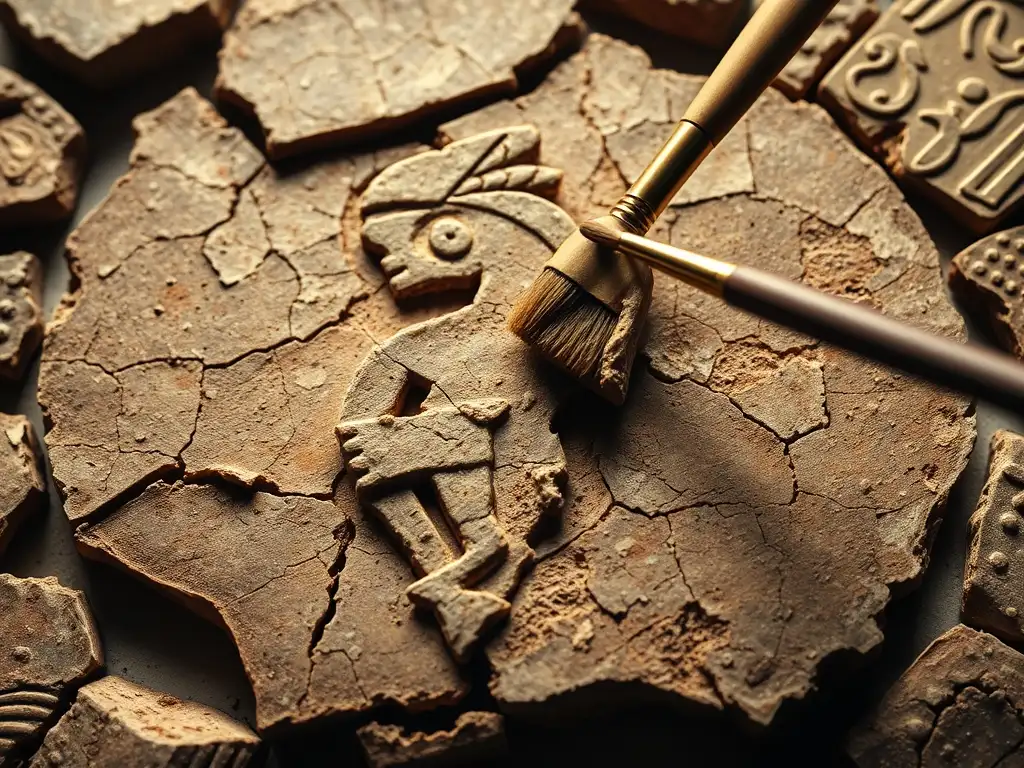
Moche pottery, renowned for its vibrant colors, intricate designs, and detailed depictions of daily life and mythology, faces significant challenges in its preservation. The fragility of these ancient artifacts, combined with the harsh environmental conditions they've endured for centuries, necessitates sophisticated and specialized conservation methods. Understanding these challenges is crucial for developing effective strategies to safeguard this invaluable cultural heritage for future generations.
The following sections detail some of the most pressing issues facing Moche pottery conservation. Effective conservation of Moche pottery requires a multi-pronged approach, encompassing preventative measures and advanced restoration techniques tailored to the specific threats these artifacts face. The long-term preservation of these irreplaceable pieces depends on a comprehensive understanding of the threats and the adoption of best-practice Moche pottery conservation methods.
Damage from Burial Conditions: Salt Accumulation and Erosion
The burial environment significantly impacts the condition of Moche pottery. Many pieces are unearthed from coastal sites, where the high salinity of the soil contributes to significant damage. Salt crystallization, a common problem in archaeological contexts, causes the expansion and contraction of clay particles within the pottery, leading to cracking, flaking, and eventual disintegration. This process, known as salt weathering, is exacerbated by fluctuations in humidity and temperature. Furthermore, the prolonged exposure to moisture and fluctuating environmental conditions in the burial site promotes the growth of microorganisms that can further degrade the ceramic material.
For example, studies have shown that [specific data on salt concentration in Moche burial sites pending] correlate directly with the degree of deterioration observed in excavated pottery. The presence of soluble salts, such as sodium chloride and sulfates, accelerates the erosion of the fragile ceramic surface, resulting in significant loss of detail and weakening of the structural integrity of the artifacts. This is particularly problematic for thin-walled vessels, which are more susceptible to stress fractures and fragmentation. Effective Moche pottery conservation methods must address salt removal and mitigation as a priority.
Handling and Transportation Risks for Moche Ceramic Artifacts
Even after careful excavation, Moche ceramic artifacts remain vulnerable to damage during handling and transportation. The inherent fragility of the pottery, often weakened by age and environmental degradation, makes it susceptible to accidental breakage. Improper handling, such as excessive force or jarring movements, can lead to cracks, chips, and complete fragmentation. Furthermore, vibrations during transportation can exert significant stress on already weakened pieces, resulting in further deterioration.
The risk is especially high during the transfer from excavation site to laboratory, and then to storage or display facilities. Detailed protocols for handling and transport are essential, including the use of appropriate cushioning materials, specialized crates, and climate-controlled vehicles. [Specific data on breakage rates during transport pending] highlights the need for improved handling practices and the development of specialized transport containers designed to minimize vibrations and shocks. This careful handling is a vital part of Moche pottery conservation methods.
Previous Restoration Attempts: The Impact of Unsuitable Materials and Techniques
Past restoration attempts on Moche pottery have sometimes employed materials and techniques that have proven detrimental in the long run. The use of inappropriate adhesives, fillers, and consolidants can lead to chemical reactions that further damage the ceramic material. For example, the application of certain glues can discolor the pottery, obscure details, or even weaken the structure over time. Similarly, the use of incompatible fillers can lead to expansion and contraction problems, causing further cracking and flaking.
Furthermore, some earlier restoration efforts focused primarily on aesthetic restoration, prioritizing visual appeal over long-term preservation. This approach often neglected the underlying structural issues, resulting in a visually pleasing but structurally unsound artifact. Modern Moche pottery conservation methods prioritize the stabilization of the artifact, focusing on preserving its integrity and long-term survival over immediate aesthetic improvements. A shift towards ethical and scientifically sound Moche pottery conservation methods is necessary to ensure the long-term preservation of this invaluable cultural heritage.
Moche Pottery Conservation Methods: A Detailed Overview
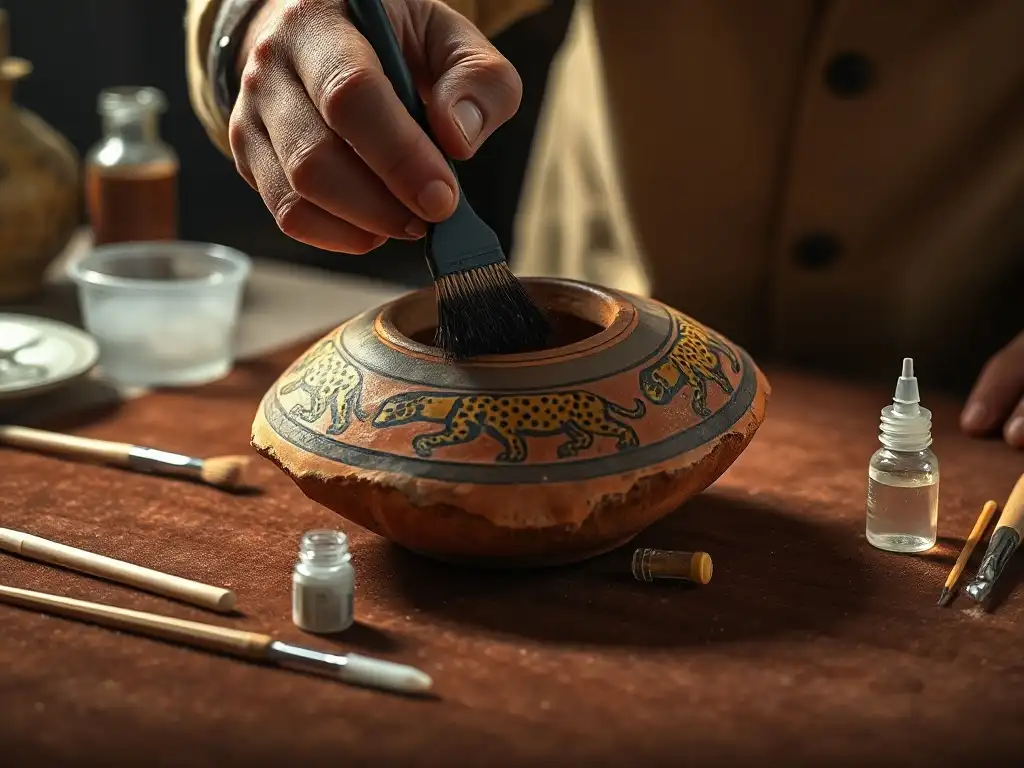
The remarkable artistry and cultural significance of Moche pottery demand meticulous preservation efforts. Understanding and implementing effective conservation methods is crucial to safeguarding this irreplaceable legacy for future generations. This section delves into the multifaceted approaches employed in Moche pottery conservation, encompassing both preventative and active strategies. The goal is to ensure the longevity of these fragile artifacts, allowing continued study and appreciation of Moche artistic achievements and technological prowess. Effective Moche pottery conservation methods are vital for preserving our understanding of this significant Andean civilization.
Preventative Conservation: Minimizing Future Deterioration
Preventative conservation focuses on mitigating factors that contribute to the deterioration of Moche pottery. By proactively addressing environmental threats and handling practices, we can significantly extend the lifespan of these delicate artifacts. This proactive approach is far more cost-effective and less invasive than reactive measures. The emphasis here is on creating stable and protective environments to minimize potential damage.
Controlled Storage Environments for Moche Ceramics
Maintaining stable environmental conditions is paramount. Fluctuations in temperature and humidity are major culprits in ceramic degradation. Ideal storage environments for Moche pottery should maintain a constant temperature between 68-72°F (20-22°C) and a relative humidity of 45-55%. This controlled environment minimizes the risk of thermal shock, which can cause cracking, and reduces the potential for salt efflorescence – the crystallization of salts within the pottery that can cause physical damage. Furthermore, storage areas should be free of pollutants such as dust, light, and harmful gases. Proper ventilation is also crucial to prevent the buildup of moisture.
Proper Handling Protocols for Moche Artifacts
Careful handling is essential to prevent accidental damage. Trained personnel should always wear clean cotton gloves to avoid transferring oils and contaminants from their hands to the pottery's surface. Moche ceramics should be lifted and moved with support underneath, never by grasping delicate areas. Proper lifting techniques are crucial; using appropriate lifting devices minimizes stress on fragile pieces. Detailed handling protocols should be established and rigorously followed to minimize the risk of accidental breakage or chipping.
Regular Monitoring and Inspection of Moche Pottery
Regular inspection is crucial for early detection of any deterioration. This involves visual examination for signs of cracking, flaking, discoloration, or pest infestation. Documentation, including photography and detailed condition reports, should be maintained to track changes over time. These records are invaluable for assessing the effectiveness of conservation strategies and informing future treatment decisions. The frequency of inspection depends on the condition of the pottery and the storage environment, but it should be carried out at least annually.
Active Conservation: Addressing Existing Damage
Active conservation addresses existing damage to Moche pottery, utilizing a range of techniques to stabilize and repair deteriorated artifacts. These methods require specialized expertise and often involve careful consideration of the materials and techniques used by the original artisans. The goal is to stabilize the artifact, improve its structural integrity, and, where possible, enhance its visual appearance without compromising its authenticity.
Cleaning Techniques for Moche Pottery: Removing Surface Deposits
Cleaning Moche pottery requires careful consideration. Aggressive methods can remove original surface details or damage the fragile ceramic material. Gentle cleaning techniques, such as the use of soft brushes and deionized water, are often preferred for removing loose surface deposits like dust and dirt. More stubborn deposits may require the use of specialized cleaning agents, but these must be carefully tested on inconspicuous areas first to assess their compatibility with the pottery's material. The choice of cleaning method depends on the nature of the deposit and the fragility of the artifact. Documentation of the cleaning process is also vital.
Consolidation of Fragile Moche Ceramic Pieces
Consolidation strengthens weakened or fragile areas of Moche pottery. This involves applying consolidants – materials that penetrate the ceramic structure and bind the particles together. The choice of consolidant depends on the nature of the damage and the specific properties of the pottery. Common consolidants include Paraloid B-72 and other acrylic resins. The application process is delicate and requires careful control to avoid altering the appearance of the pottery. Appropriate consolidants are chosen to ensure the longevity of the treatment.
Repairing Moche Pottery: Reconstructing Broken Fragments
Repairing broken Moche pottery involves carefully rejoining fragments. This requires meticulous matching of pieces and the use of appropriate adhesives. The adhesive must be strong enough to hold the fragments together but reversible if future treatments are needed. Gaps between fragments may be filled with a compatible filler material, carefully matched to the color and texture of the original pottery. The repair should be as minimally invasive as possible, aiming to maintain the integrity and authenticity of the artifact.
Retouching and Inpainting Moche Ceramic Decorations
Retouching and inpainting are used to restore lost or damaged decorations on Moche pottery. Retouching involves carefully filling small losses in the surface, while inpainting involves recreating lost areas of decoration. These techniques should be used sparingly and only when absolutely necessary, as they can potentially obscure important information about the artifact's history and condition. Retouching and inpainting materials should be reversible and easily distinguishable from the original pottery. The goal is subtle restoration, not a complete overhaul of the artifact’s appearance. Ethical considerations are paramount in these processes.
Case Studies in Moche Pottery Conservation
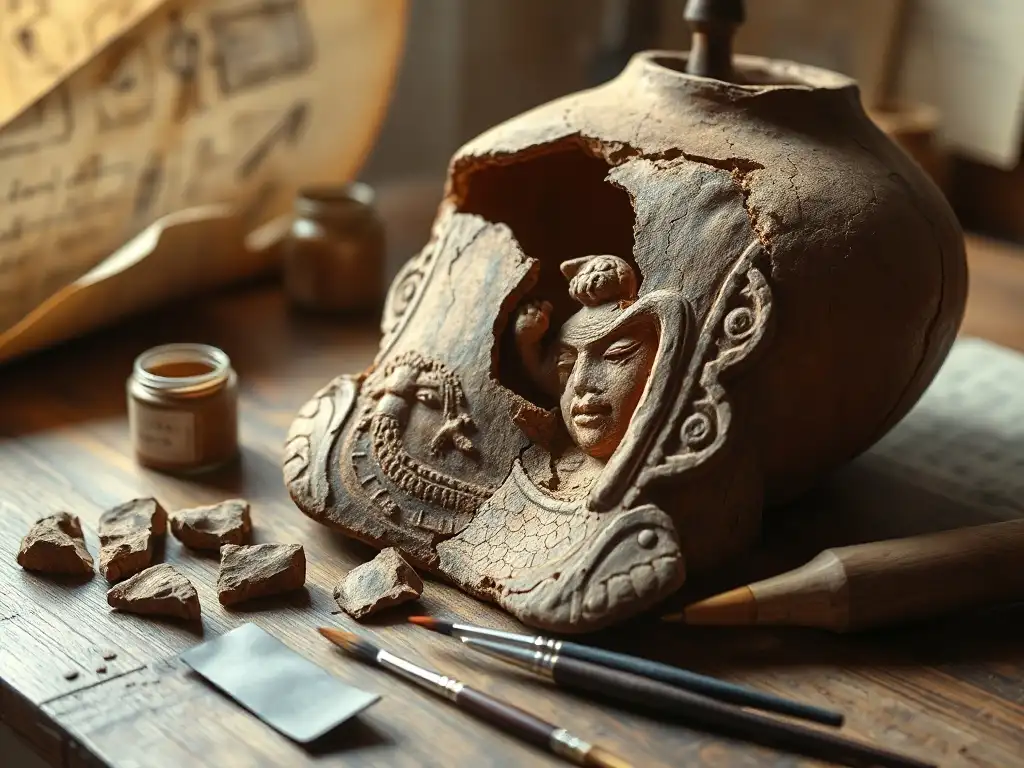
This section delves into specific examples of Moche pottery conservation, highlighting the challenges faced and the innovative solutions employed. Understanding these case studies offers valuable insights into the complexities of preserving this fragile yet significant cultural heritage. The focus will be on practical applications and lessons learned, crucial for future Moche pottery conservation efforts and the development of effective Moche pottery conservation methods.
Case Study 1: The Lord of Sipán Ceramics
The discovery of the tomb of the Lord of Sipán in 1987 revolutionized our understanding of Moche society and artistry. The remarkable state of preservation of many artifacts, including the intricate ceramics, presented both opportunities and significant conservation challenges.
The Challenges Encountered in the Conservation
The Lord of Sipán's funerary ceramics faced a multitude of threats. Deterioration from exposure to the elements prior to discovery was a major concern. Salt efflorescence, a common problem in arid climates, caused significant damage to the pottery's surface. Furthermore, the fragile nature of the painted surfaces, combined with organic material adhering to the pottery, posed considerable risks during handling and cleaning. The presence of insects and other organic contaminants further complicated the conservation process. Finally, the sheer volume of ceramics discovered necessitated careful planning and resource allocation for effective conservation.
The Applied Conservation Techniques
A multidisciplinary team of conservators employed a range of techniques tailored to the specific problems. Careful cleaning involved the removal of loose sediment and organic matter using specialized tools and techniques. Consolidation of fragile areas was achieved using appropriate adhesives and consolidants. Salt efflorescence was addressed through gentle washing and controlled environmental conditions.
Protective coatings were applied to some pieces to safeguard the painted surfaces and prevent further deterioration. Detailed documentation of each step was crucial, providing a valuable resource for future research and conservation efforts. This meticulous approach reflects the importance placed on the preservation of these invaluable artifacts, showcasing best practices in Moche pottery conservation methods.
The Results and Lessons Learned
The conservation efforts were largely successful in stabilizing the Lord of Sipán ceramics and preventing further degradation. The project highlighted the importance of prompt and careful excavation, minimizing further damage before conservation could begin. The meticulous documentation and the use of a multidisciplinary approach proved invaluable in addressing the complex challenges. The experience underscored the need for ongoing monitoring and environmental control to ensure long-term preservation. The success in conserving these artifacts provides a benchmark for future Moche pottery conservation projects, particularly in relation to the preservation of painted surfaces and the mitigation of salt damage.
Case Study 2: Ceramics from Huaca de la Luna
Huaca de la Luna, a significant Moche site, yielded a large collection of ceramics, many exhibiting unique decorative styles and technological features. However, the ceramics from this site presented a distinctive set of conservation challenges, demanding innovative solutions.
Specific Problems in this Case Study
Unlike the Lord of Sipán ceramics, those from Huaca de la Luna suffered extensive damage from erosion and weathering due to prolonged exposure. Many pieces showed signs of fragmentation and loss of material. Additionally, the presence of mineral deposits and soil staining further complicated the conservation process. Many fragments were extremely delicate, requiring specialized handling and treatment. The complexity of the designs and the use of varied pigments further increased the difficulty of their preservation. Developing effective Moche pottery conservation methods for this specific case required a unique approach.
Innovative Solutions Applied
Conservators employed advanced techniques, including 3D scanning and digital modeling, to create detailed records of the artifacts before any intervention. This allowed for the virtual reconstruction of fragmented pieces and informed the selection of appropriate conservation strategies. Microsurgery techniques were used to repair delicate fragments, and specialized adhesives were employed to consolidate weak areas.
Advanced cleaning methods were developed to remove mineral deposits and soil stains without damaging the painted surfaces. The use of non-invasive analytical techniques provided crucial data on the composition of the pigments and the nature of the deterioration processes, aiding in the development of tailored conservation strategies.
Long Term Preservation Strategies Adopted
Recognizing the long-term challenges of preserving these artifacts, a comprehensive strategy was developed encompassing environmental control, regular monitoring, and preventive conservation. The ceramics are now housed in a climate-controlled environment designed to minimize further deterioration. Regular inspections are conducted to monitor the condition of the artifacts and to detect any signs of damage at an early stage.
The development of educational programs aimed at raising public awareness of the importance of preserving cultural heritage is also a crucial part of this long-term strategy. These measures, combined with ongoing research into Moche pottery conservation methods, aim to ensure the long-term preservation of this important collection.
The Future of Moche Pottery Conservation
The preservation of Moche pottery, a testament to the artistry and sophistication of the Moche civilization, faces ongoing challenges. However, advancements in various fields offer promising avenues for ensuring the longevity of these invaluable artifacts. Effective conservation strategies must consider both immediate preservation needs and the long-term sustainability of these efforts. The future of Moche pottery conservation hinges on a multi-faceted approach incorporating scientific innovation, sustainable practices, and meticulous documentation. This section will delve into these key aspects.
Advances in Conservation Science and Technology
Significant strides in materials science and analytical chemistry are revolutionizing Moche pottery conservation methods. Techniques like X-ray fluorescence (XRF) and X-ray diffraction (XRD) allow for non-invasive analysis of the ceramic composition, identifying the specific clays, pigments, and other materials used in their creation. This detailed understanding is crucial for developing tailored conservation treatments.
For example, identifying the specific type of clay used can inform the choice of cleaning agents and prevent damage during the process. Furthermore, advancements in imaging technologies, such as multispectral imaging and 3D scanning, provide detailed visual records of the artifacts, assisting in both documentation and the detection of subtle damage. The development of new, biocompatible consolidants—substances used to strengthen weakened pottery—is also a significant area of progress.
These new materials aim to minimize the risk of altering the original artifact while effectively addressing structural instability. These scientific advances offer a powerful toolkit for addressing the unique challenges posed by the degradation of Moche pottery, ensuring its preservation for generations to come. The application of these advanced techniques is key to implementing effective and long-lasting Moche pottery conservation strategies.
Sustainable Conservation Practices for Moche Artifacts
Sustainable conservation practices are paramount for the long-term preservation of Moche artifacts. This encompasses a holistic approach that considers the environmental impact of conservation interventions and promotes responsible resource management. The use of environmentally friendly cleaning agents and consolidants is crucial. These materials should be biodegradable, minimizing potential harm to the environment and the artifacts themselves.
Moreover, sustainable practices extend to the storage and display of the pottery. Climate-controlled storage facilities are essential to regulate temperature and humidity, mitigating the risk of further deterioration due to environmental factors. The implementation of sustainable energy sources to power these facilities further reduces the carbon footprint of conservation efforts. Furthermore, promoting responsible tourism and public education initiatives is crucial for preventing damage caused by human interaction.
This includes educating visitors on the fragility of these artifacts and the importance of responsible viewing practices. By embracing sustainable practices, we can ensure the long-term preservation of Moche pottery while minimizing our environmental impact. This commitment to sustainability is vital for responsible stewardship of our cultural heritage.
The Role of Documentation in Moche Pottery Preservation
Comprehensive documentation is an integral part of effective Moche pottery conservation. This goes beyond simple photographic records; it involves meticulous documentation of the artifact's condition, treatment history, and any changes observed over time. Detailed condition reports, including descriptions of damage, repairs, and conservation treatments, are essential for tracking the artifact's history and informing future interventions. This documentation is crucial for understanding the effectiveness of various conservation methods and for adapting strategies as needed.
Digital documentation, utilizing high-resolution photography, 3D modeling, and spectral imaging, offers significant advantages. These digital records provide non-destructive ways to monitor the condition of the pottery over time and allow researchers to study the artifacts remotely, reducing the risk of handling-related damage. The creation of comprehensive databases, linking the digital records to detailed condition reports and treatment histories, is essential for facilitating research and collaboration among conservation professionals.
This collaborative approach enables the sharing of best practices and ensures the development of increasingly effective Moche pottery conservation methods. Therefore, a robust and accessible documentation system is essential for the long-term preservation of this invaluable cultural heritage. The meticulous recording of each stage in the conservation process is, therefore, not just a record-keeping exercise, but a critical element of effective and sustainable Moche pottery conservation.
Frequently Asked Questions
What are the biggest challenges in conserving Moche pottery?
Moche pottery faces numerous challenges, including environmental degradation (humidity, temperature fluctuations), biodeterioration (fungi, insects), and physical damage from past handling and looting. Fragility of the pieces also presents a significant obstacle.
What materials are used in Moche pottery conservation?
Conservators utilize a variety of materials, including specially formulated adhesives, consolidants to strengthen weakened areas, and protective coatings to prevent further deterioration. The specific materials depend on the type and extent of damage.
What are some common conservation techniques used for Moche ceramics?
Techniques include cleaning (removing dirt and salts), repairing cracks and fractures, and filling losses with compatible materials. Preventive conservation, such as climate control, is also crucial for long-term preservation.
How important is documentation in Moche pottery conservation?
Documentation is absolutely vital. Detailed records of the pottery's condition before, during, and after treatment are essential for future research and conservation efforts. This includes photography and detailed written reports.
Where can I learn more about Moche pottery conservation methods?
You can explore academic journals specializing in archaeological conservation, museum websites focusing on Andean artifacts, and books dedicated to the preservation of ancient ceramics. Many universities also offer courses in this field.
Final Reflection: The Enduring Legacy of Moche Ceramics
The fragility of Moche pottery, a testament to a vibrant ancient civilization, demands our urgent attention today. These exquisite artifacts, vulnerable to the ravages of time and environmental factors, require sophisticated conservation methods to ensure their survival for future generations. The techniques discussed throughout this article are not merely academic exercises; they are vital tools in preserving a crucial piece of our shared human heritage.
The impact of Moche pottery extends far beyond the museum walls; it resonates deeply within our understanding of pre-Columbian art and societal structures. These pieces offer invaluable insights into the beliefs, rituals, and daily lives of the Moche people. Their vibrant colors and intricate designs continue to inspire artists and researchers alike, reminding us of the power of human creativity to transcend time. The past is never dead. It's not even past.
– William Faulkner. This quote perfectly encapsulates the ongoing relevance of Moche ceramics and the importance of their preservation. Their continued study allows us to learn from the past and better understand the present.
Consider the implications of losing this irreplaceable legacy. What stories would be lost? What knowledge would fade into obscurity? You have a role to play in ensuring the survival of these remarkable artifacts. By supporting museums, advocating for responsible archaeological practices, and simply raising awareness about the challenges faced in preserving Moche pottery, you can contribute to the ongoing effort to protect this invaluable part of our cultural heritage. Let us work together to ensure that the vibrant legacy of the Moche continues to inspire and educate for centuries to come.
Unveil the Secrets of Moche Ceramics Preservation!
Thank you for exploring the fascinating world of Moche ceramics and the significant conservation challenges they face. Your interest underscores the vital importance of preserving our cultural heritage. Now, let's explore how you can actively contribute to these efforts.
Here’s how you can make a difference:
- Support Local Conservation Initiatives: Volunteer with organizations dedicated to cultural preservation or participate in local workshops to learn practical conservation techniques.
- Share Your Passion: Educate others about the significance of Moche ceramics by discussing their artistry and cultural importance with friends and family, or by sharing relevant articles and information on social media.
- Engage with Online Resources: Explore online resources such as virtual museum tours and exhibitions that showcase Moche art and conservation projects, fostering a deeper appreciation for their history and cultural value.
How might learning more about Moche ceramics shape your understanding of the broader importance of cultural preservation?