
Ritual and Sacrifice: Archaeological Evidence of Religious Practices in the Andes

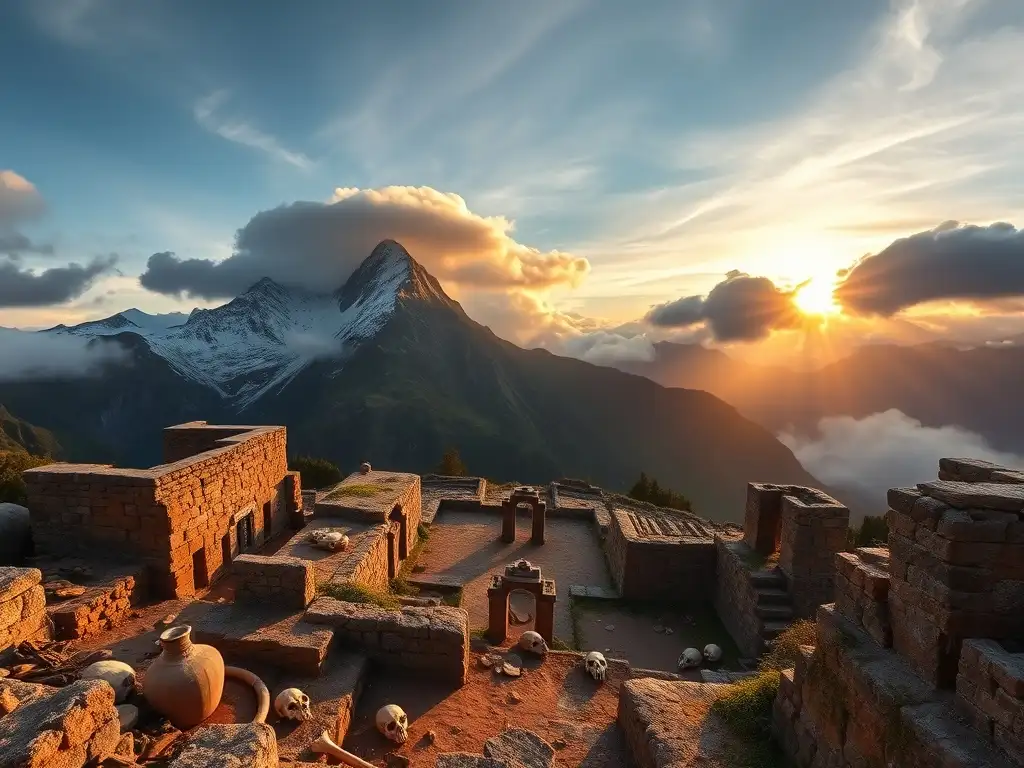
Dive into the enigmatic world of the Andes, where towering mountains held secrets whispered through millennia. For centuries, the vibrant tapestry of Andean civilizations has captivated imaginations, but few stories are as compelling as the rituals that shaped their lives. Uncover the chilling truth behind Andean civilizations religious sacrifice, a practice deeply intertwined with their beliefs and power structures. Prepare to be amazed by the archaeological evidence that reveals a complex, and often brutal, relationship between these ancient peoples and the divine. Journey with us to unravel the mysteries...
The Andes Mountains, a majestic spine running down the western coast of South America, were home to a vibrant tapestry of ancient civilizations whose religious beliefs profoundly shaped their societies. From the towering heights of the Inca Empire to the coastal settlements of the Moche and the enigmatic Nazca lines, evidence of sophisticated religious practices, often involving ritual sacrifice, is abundant. This article delves into the archaeological evidence illuminating these practices, providing insights into the complex interplay between the Andean worldview, their social structures, and their relationship with the natural world.
We will explore the diverse forms of sacrifice, the significance of ritual objects, and the ongoing research that continues to unravel the mysteries of Andean religious life, contributing to a deeper understanding of these fascinating civilizations and their legacy. Understanding the role of ritual and sacrifice is crucial for comprehending the Andean civilizations' religious beliefs and their lasting impact on the region.
This exploration will focus specifically on the archaeological evidence, providing a tangible link between scholarly interpretations and the tangible remnants of these ancient practices. The keyword, "Andean civilizations religious sacrifice," is central to this investigation.
Understanding Andean Religious Practices Through Archaeology
Archaeological excavations across the Andes have yielded a wealth of information about ancient religious practices. The discovery of meticulously crafted artifacts, monumental architecture, and carefully preserved human remains provides compelling evidence of ritualistic behaviors. For example, the uncovering of elaborate burial sites, often containing richly adorned individuals accompanied by grave goods, reveals the importance of ancestor veneration and the belief in an afterlife.
The complexity of these burials, varying significantly between different Andean cultures, showcases the nuanced diversity of their religious beliefs. Furthermore, the discovery of sacrificial offerings, ranging from precious metals and ceramics to agricultural products and even human remains, provides crucial insights into the nature of these rituals and their purpose within Andean society.
The analysis of these offerings, along with the context of their discovery, allows researchers to piece together a more comprehensive understanding of the religious landscape of the Andes. The meticulous recording of the location, arrangement, and associated artifacts within these sites allows for a more nuanced understanding of the rituals performed, helping us move beyond simplistic interpretations of sacrifice.
The study of iconography found on ceramics, textiles, and stone carvings also provides invaluable information. These images often depict deities, mythical creatures, and scenes of ritual activities, offering visual representations of religious beliefs and practices. By analyzing the recurring motifs and symbols, researchers can identify common themes and beliefs that connected different Andean cultures, despite their geographical and temporal variations.
For instance, the recurring imagery of serpents, condors, and jaguars across various Andean cultures suggests a shared understanding of these animals as powerful spiritual entities. Moreover, the styles of these images can be used to date artifacts and trace cultural influences, further enriching our understanding of the evolution of Andean religious practices. Detailed analysis of the materials used in these artifacts, along with their stylistic characteristics, can reveal crucial insights into the socio-economic organization of these societies and the role religion played in maintaining social order.
The Significance of Ritual in Ancient Andean Cultures
Ritual played a central role in the daily lives of Andean civilizations. These rituals were not merely religious observances but integral components of their social, political, and economic structures. From agricultural cycles to warfare and political succession, ritual acted as a powerful means of social control, reinforcing social hierarchies and legitimizing power. The scale and complexity of some rituals suggest a high degree of social organization and planning, indicating a significant investment of resources and manpower.
Evidence suggests that ritual sacrifice served multiple purposes within Andean societies. It could have been a way to appease deities, ensure successful harvests, or commemorate important events. In some cases, human sacrifice may have been seen as the ultimate offering, demonstrating the profound devotion of the people to their religious beliefs.
However, the interpretation of human sacrifice is complex and requires careful consideration of the archaeological context, avoiding simplistic or biased interpretations. Ongoing research is crucial to refine our understanding of the social dynamics and motivations behind these practices. The careful study of skeletal remains, alongside isotopic analysis, provides valuable insights into the victims' identities, origins, and diets, which can shed light on the selection process and the social significance of the sacrifices.
The careful documentation and analysis of archaeological findings are crucial for understanding the significance of ritual and sacrifice in Andean civilizations. By combining meticulous fieldwork with interdisciplinary research, we continue to refine our understanding of these ancient societies and their complex religious practices, revealing the profound influence religion exerted on their lives and legacies. The continued discovery of new sites and artifacts only serves to further enrich our knowledge of Andean civilizations and their fascinating religious beliefs.
Human Sacrifice in Andean Civilizations: A Deep Dive
Human sacrifice, a grim yet undeniable aspect of Andean religious practices, played a significant role in several pre-Columbian cultures. The motivations behind these sacrifices varied considerably depending on the specific civilization and historical period. Archaeological evidence suggests that these acts weren't simply random killings, but rather carefully orchestrated rituals imbued with deep symbolic meaning.
The selection of victims, the methods of sacrifice, and the subsequent treatment of the remains all point towards a complex system of beliefs and practices intricately woven into the fabric of Andean society. While the exact reasons remain a subject of ongoing debate among researchers, interpretations often center on the idea of appeasing deities, ensuring bountiful harvests, or maintaining cosmic balance. The sheer scale of some sacrificial sites, such as those discovered at Cerro Blanco, reveals the importance of these rituals in the lives of these ancient Andean peoples.
The careful placement of bodies, the inclusion of grave goods, and the architectural features of sacrificial sites all contribute to our understanding of these complex rituals, highlighting the profound connection between the living and the spiritual world in Andean civilizations. Further research, including advanced DNA analysis and isotopic studies, continues to refine our comprehension of human sacrifice in the Andes.
Evidence of Child Sacrifice in the Andes
The discovery of mummified children at sites like the Llullaillaco volcano dramatically illustrates the chilling practice of child sacrifice in the Andes. These sacrifices, often associated with Inca rituals, were not random acts of violence, but rather meticulously planned ceremonies. The children, often adorned with fine clothing and jewelry, were treated with reverence, suggesting their elevated status as offerings to the gods.
Studies of the children's remains reveal details about their lives before death, including their diet and health. The meticulous preservation of their bodies through mummification also underscores the significance of these sacrifices within Inca religious beliefs. The evidence suggests that these children weren't simply victims, but rather active participants in a ritual process that served a vital purpose within Inca cosmology, often linked to ensuring the prosperity and well-being of the empire.
The emotional impact of these discoveries is significant, forcing us to confront the complex and often brutal realities of Andean religious practices. The careful analysis of these finds continues to provide invaluable insights into Inca beliefs and societal structures.
Ritual Killings of Adults: Motives and Methods
While child sacrifice garnered significant attention, ritual killings of adults were also prevalent in various Andean cultures. The Moche civilization, for example, left behind compelling evidence of human sacrifice in their elaborate artwork and monumental architecture. Depictions of ritual killings, often involving decapitation or other forms of violent death, are frequently found on Moche ceramics.
These portrayals aren't merely artistic representations; they offer valuable insight into the religious beliefs and practices of this powerful civilization. Archaeological excavations at Moche burial sites have unearthed human remains consistent with these depictions, further corroborating the evidence from ceramic art. The motives behind these adult sacrifices likely varied, potentially encompassing offerings to ensure successful harvests, military victories, or maintaining social order.
The methods employed also differed depending on the specific cultural context and the significance of the sacrifice within the ritual. Research continues to illuminate the diverse range of adult sacrifices practiced across different Andean civilizations, revealing the complexity of their religious systems.
Animal Sacrifice: A Common Practice in Andean Religious Rituals
Animal sacrifice formed another integral part of Andean religious life, complementing and sometimes intertwining with human sacrifice. The prevalence of animal remains at various archaeological sites testifies to the widespread nature of this practice across different Andean cultures. The choice of animal, the method of sacrifice, and the subsequent treatment of the remains all held specific symbolic meanings within the context of Andean religious beliefs.
These sacrifices weren't simply acts of violence, but rather carefully executed ceremonies designed to honor deities, ensure fertility, or appease supernatural forces. The detailed analysis of animal bones, including the identification of species and the presence of cut marks or other evidence of ritual treatment, provides critical data for researchers studying Andean religious practices. The integration of animal sacrifice into broader ritual contexts sheds light on the complex interplay between the human and natural worlds in Andean cosmologies.
Llamas and Alpacas as Sacrificial Offerings
Llamas and alpacas, crucial to the Andean economy and way of life, frequently served as sacrificial offerings. Their importance in Andean society is reflected in the frequency with which they appear in archaeological contexts associated with religious rituals. The remains of these animals, often found alongside human remains or in dedicated sacrificial areas, provide significant evidence of their role in Andean religious practices.
The analysis of llama and alpaca remains can reveal details about their age, sex, and health at the time of sacrifice, offering insights into the selection process and the symbolic significance of these animals in various Andean religious traditions. The study of these remains, in conjunction with other archaeological findings, helps to piece together a more complete picture of Andean religious beliefs and practices. Their presence in sacrificial contexts highlights their intrinsic value and their symbolic importance within the Andean worldview.
Other Animals Used in Andean Rituals
Beyond llamas and alpacas, a variety of other animals were sacrificed in Andean rituals. Evidence suggests that vicuñas, guanacos, and various birds were also offered as sacrifices. The choice of animal likely depended on the specific ritual, the deity being honored, and the cultural context.
The analysis of the remains of these animals offers further insights into the diversity of Andean religious practices and the symbolic meanings associated with different animals. The presence of these animals in sacrificial contexts underscores the importance of the natural world and its integration into the spiritual realm of Andean civilizations. Further research is needed to fully understand the symbolic significance of each animal and the specific contexts in which they were sacrificed, enriching our understanding of Andean religious beliefs and their intricate relationship with the environment.
Sacred Sites and Ritual Spaces: Where Sacrifice Took Place
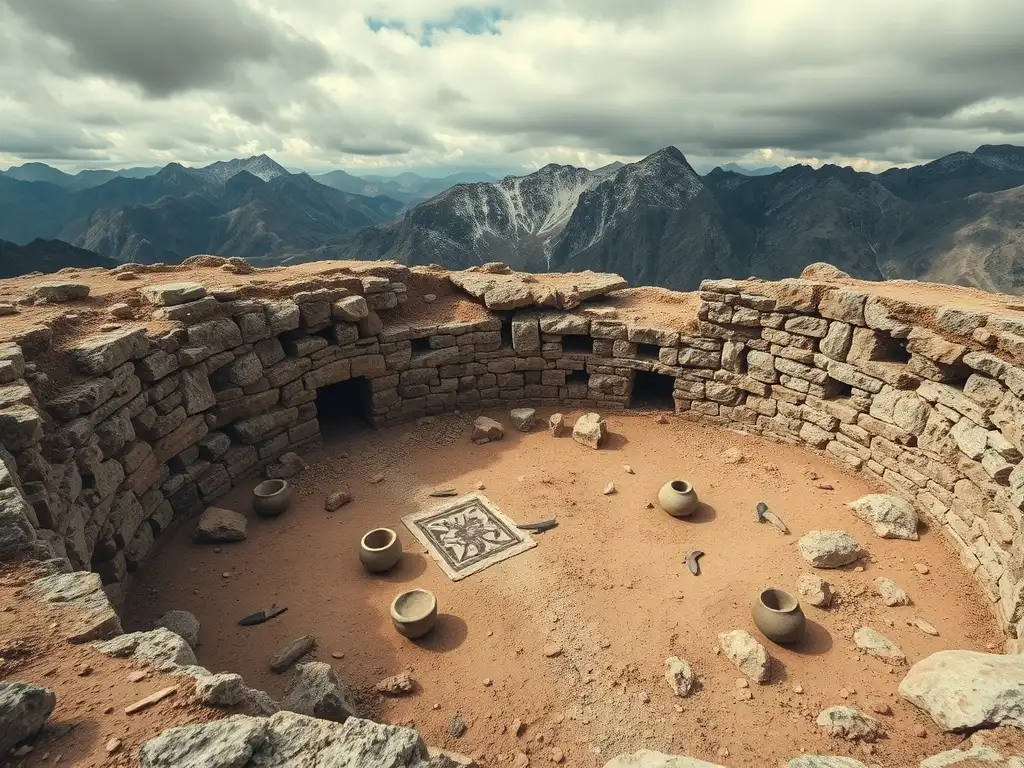
The geographical distribution of sacrificial sites in the Andes reveals a complex interplay between religious beliefs and the natural landscape. Andean civilizations didn't limit their rituals to single, centralized locations; instead, they adapted their practices to the diverse environments they inhabited. From the coastal deserts to the high-altitude mountains, evidence of sacrificial activity is widespread, highlighting the pervasive nature of religious practices in daily life.
The selection of specific locations often held symbolic significance, reflecting the spiritual power attributed to particular geographical features. For instance, mountaintops, caves, and springs were frequently chosen as sacred spaces, reflecting a deep connection between the Andean worldview and the natural environment. The careful selection of these sites speaks volumes about the meticulous planning and deep-seated beliefs that informed these rituals.
The spatial arrangement of artifacts within these sites further illuminates the specific nature of the ceremonies performed. Archaeological excavations often uncover carefully placed offerings, human remains, and other ritual objects, providing valuable insights into the rituals themselves.
High-Altitude Sanctuaries and Their Ritual Importance
High-altitude sanctuaries, often located on mountain peaks or near glacial lakes, played a crucial role in Andean religious practices. These locations, considered the closest points to the gods, were the stage for some of the most important sacrificial events. The challenging conditions of these sites—thin air, extreme temperatures, and difficult terrain—emphasize the significance of the rituals performed there.
The dedication and effort required to reach these sanctuaries underscore the importance placed on these religious events by the Andean people. Archaeological discoveries at sites like [specific high-altitude sanctuary name pending] have uncovered remarkable finds, including well-preserved mummies, elaborate offerings, and evidence of complex rituals.
These findings demonstrate the significant resources and manpower invested in these high-altitude ceremonies, further highlighting their spiritual and social importance. The discovery of intricately woven textiles, finely crafted pottery, and precious metals alongside the human remains suggests that these were not merely simple offerings, but carefully planned and executed acts of devotion with profound implications for the community.
Temple Complexes and Ceremonial Centers
Beyond the high-altitude sanctuaries, Andean civilizations constructed elaborate temple complexes and ceremonial centers in lower-lying areas. These structures, often built of stone and adorned with intricate carvings and murals, served as focal points for community-wide religious activities. The scale and complexity of these centers suggest a high level of social organization and centralized religious authority. Sites like [specific temple complex name pending], with its massive stone structures and extensive plazas, offer compelling evidence of sophisticated architectural and engineering skills.
The discovery of human remains within these complexes, often associated with elaborate grave goods, suggests the use of these spaces for both ritual sacrifice and funerary practices. The careful placement of these remains, along with the associated offerings, provides crucial information about the social hierarchy and the roles of different individuals within Andean society. Analysis of these sites reveals a complex interplay between religious belief, political power, and social structure.
The Role of Priests and Shamans in Andean Sacrificial Rites
The execution of Andean sacrificial rites was not a haphazard affair. Instead, it was carefully orchestrated and overseen by specialized individuals: priests and shamans. These individuals held a privileged position within Andean society, acting as intermediaries between the human and divine worlds. Archaeological evidence, such as depictions of priests and shamans on textiles and pottery, offers insights into their roles and attire.
Their expertise in religious rituals and their knowledge of the sacred texts were essential for the proper conduct of sacrifices. These individuals likely played a crucial role in selecting the victims, preparing the offerings, and ensuring the correct performance of the rituals. The social status and power of priests and shamans are evident in their elaborate burials, often accompanied by rich grave goods, signifying their high standing within their communities. Their role extended beyond the mere performance of rituals; they likely played a significant role in maintaining social order and interpreting divine will.
The influence of priests and shamans is evident in the standardized nature of sacrificial practices across different Andean cultures, suggesting a degree of religious uniformity and centralized control over religious activities. Their knowledge and authority were fundamental to the cohesion and stability of Andean societies. The study of Andean religious practices requires a careful examination of the role and influence of these powerful individuals.
Material Culture Associated with Andean Sacrifices
The archaeological record provides compelling evidence of the material culture associated with Andean religious sacrifices. A vast array of objects, carefully selected and often elaborately crafted, were interred alongside human remains or deposited in sacred sites. These offerings reflect the sophistication of Andean metalworking, textile production, and ceramic artistry, and offer valuable insights into the beliefs and practices of these ancient cultures. The careful selection and placement of these objects within specific contexts strongly suggests a deliberate and ritualistic intent.
The sheer quantity and variety of artifacts found in sacrificial contexts highlight the significant role material culture played in Andean religious life. Analysis of these materials helps archaeologists understand the social hierarchy, economic power, and symbolic significance attributed to different objects within the sacrificial rituals. The meticulous preservation of these artifacts, often in remarkably good condition due to the arid Andean climate, allows for detailed study and interpretation.
Offerings of Precious Metals and Textiles
Precious metals, particularly gold and silver, were highly valued in Andean societies and frequently featured in sacrificial offerings. Elaborately crafted gold ornaments, such as masks, breastplates, and ear spools, have been unearthed from numerous sites, demonstrating the advanced metallurgical techniques employed. The intricate detail and symbolic representations found on these objects provide clues to the religious beliefs and cosmological understanding of the time.
Similarly, textiles played a crucial role in Andean religious practices. Fine examples of woven textiles, often employing vibrant colors and intricate designs, were frequently discovered alongside human remains and other sacrificial offerings. These textiles, often made from alpaca or llama wool, showcase the high level of craftsmanship and artistry achieved by Andean weavers and their symbolic importance in rituals.
The presence of these luxurious materials in sacrificial contexts suggests that these offerings were intended to appease powerful deities or honor significant individuals. The quality and quantity of these precious metals and textiles often correlated with the status of the individuals sacrificed or the importance of the ritual itself.
Ceramic Vessels and Ritual Artifacts
Ceramic vessels constitute another significant category of material culture associated with Andean sacrifices. A wide variety of ceramic styles, shapes, and decorative motifs have been identified, each potentially reflecting specific ritual contexts or deities. Some vessels were clearly designed for ritual purposes, exhibiting unique features such as spout-shaped vessels used for libations or intricately decorated vessels containing food and drink offerings.
Other artifacts, including figurines, miniature tools, and other symbolic objects, further enrich our understanding of the rituals. The iconography depicted on these ceramic vessels often includes representations of deities, mythical creatures, and scenes depicting ritual practices. Analyzing these images provides crucial information about the beliefs and mythology of Andean cultures.
The presence of specific types of ceramics in particular sacrificial contexts allows for a more nuanced understanding of the diverse range of rituals practiced across different Andean societies. For instance, the presence of specific types of vessels might indicate a specific type of offering or a particular deity being honored.
Interpreting the Symbolism of Andean Religious Sacrifice
The interpretation of Andean religious sacrifice requires a careful consideration of the archaeological evidence within its broader cultural and historical context. While the practice might seem brutal from a modern perspective, it is crucial to understand it within the framework of Andean worldview and cosmology. The act of sacrifice was not simply a violent act, but rather a complex ritual with profound religious and social significance. Understanding the symbolism embedded within these practices necessitates analyzing various aspects of the archaeological record, including the location of the sacrifice, the type of offerings presented, and the status of the individuals sacrificed.
The Cosmic Order and the Cycle of Life and Death
Andean cosmology emphasized a cyclical view of life and death, deeply intertwined with the agricultural cycle and the cosmic order. Sacrifices were often seen as a way to maintain balance within this cosmic order, ensuring the continuation of life and fertility. Human sacrifice, in some cases, was believed to revitalize the earth and ensure bountiful harvests.
The act of offering something precious—be it a human life, precious metals, or fine textiles—was a way of strengthening the relationship between the human world and the supernatural realm. Interpreting the symbolism requires understanding the Andean concept of ayni, a principle of reciprocity and exchange that governed social relations and interactions with the supernatural. The sacrifice was not a one-sided act of appeasement but rather a form of reciprocal exchange aimed at maintaining cosmic balance.
Appeasing the Gods and Ensuring Agricultural Fertility
A significant motivation behind Andean sacrifices was the appeasement of deities and the ensuring of agricultural fertility. The Andean agricultural economy was highly dependent on favorable weather conditions and bountiful harvests. Sacrifices were performed to ensure that the gods would grant these necessities.
The selection of sacrificial victims, the type of offerings, and the location of the sacrifice often reflected the specific needs and concerns of the community. For example, sacrifices involving water-related offerings might have been performed during periods of drought to appease rain gods. The archaeological evidence suggests that the practice of sacrifice was deeply embedded in the agricultural cycle, with rituals performed at key moments in the agricultural year, such as planting and harvesting.
Furthermore, the abundance of agricultural offerings found in sacrificial contexts underscores the importance of agricultural prosperity in the Andean worldview. The connection between agricultural success and religious practices was clearly crucial for the survival and prosperity of Andean societies.
Comparing Andean Sacrificial Practices Across Different Cultures
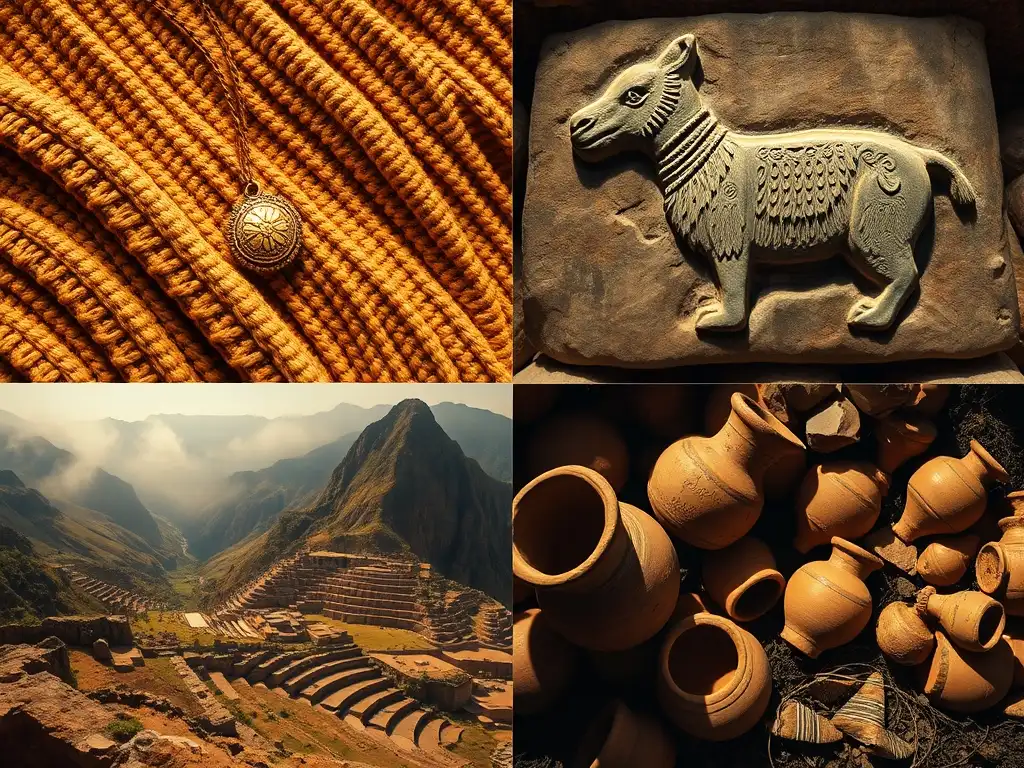
The Andean region, encompassing a vast geographical area and a diverse array of pre-Columbian cultures, reveals a complex tapestry of religious beliefs and practices, significantly marked by ritual sacrifice. While the overarching theme of appeasing deities and ensuring agricultural prosperity unites these practices, the specifics varied considerably across different cultures and time periods. Understanding these variations provides crucial insights into the nuances of Andean religious thought and societal structures. The motivations behind sacrifice, the types of offerings presented, and the ritual contexts differed significantly, reflecting distinct worldviews and social hierarchies.
For instance, while human sacrifice was documented across several cultures, its frequency, the social status of the victims, and the ritualistic procedures surrounding it varied dramatically. Similarly, the offerings of animals, precious metals, textiles, and agricultural products also held different symbolic weight depending on the specific cultural group. Analyzing these disparities allows us to appreciate the rich diversity of religious expression within the Andean world and to move beyond simplistic generalizations about "Andean sacrifice."
The careful study of archaeological remains, including burial sites, temple complexes, and artifacts, offers valuable clues to unraveling these intricate details. The careful cataloging and analysis of these findings is crucial to piecing together a more complete picture of the complex relationship between religion, society, and the environment in ancient Andean civilizations. The sheer volume of archaeological evidence, however, necessitates rigorous comparative analysis to avoid misinterpretations and oversimplifications.
Variations Between Inca, Moche, and Nazca Rituals
The Inca, Moche, and Nazca civilizations, while geographically proximate, exhibited distinct approaches to ritual sacrifice. The Inca, known for their vast empire and sophisticated administrative system, employed human sacrifice, often involving children, in connection with major state events or to appease powerful deities during times of crisis. Archaeological evidence, such as the well-preserved mummies found at sites like Llullaillaco, vividly illustrates the Inca sacrificial practices.
In contrast, the Moche, renowned for their elaborate ceramic art depicting scenes of daily life and ritual activities, appear to have engaged in human sacrifice less frequently, with evidence suggesting that sacrifices were tied to specific religious ceremonies or warfare. Their stunning pottery provides visual records of sacrificial rituals, offering valuable insights into the Moche worldview. The Nazca, famous for their enigmatic geoglyphs, also practiced sacrifice, though the details remain less well-understood due to the limited availability of well-preserved archaeological sites.
However, evidence from their burial grounds suggests the offering of various artifacts, including textiles and ceramics, alongside human remains, implying a connection between sacrifice and ancestor veneration. The comparative study of these three cultures highlights the diverse ways in which Andean societies integrated sacrifice into their religious and social life, reflecting their unique cultural values and beliefs. Further research is needed to fully understand the intricate nuances of these practices within their respective socio-political contexts.
Regional Differences in Sacrificial Practices
The Andean region's diverse geography and ecology also significantly influenced the nature and frequency of sacrificial practices. Coastal communities, such as the Moche, might have offered marine resources, while highland societies, like the Inca, might have predominantly offered camelids or agricultural products. The availability of resources directly impacted the type of offerings made.
Additionally, the varied ecological zones fostered diverse religious beliefs, leading to regional variations in ritual practices. For example, mountain worship was prevalent in highland areas, while coastal communities might have focused their rituals on marine deities. Archaeological discoveries reflecting these regional differences include the diverse types of artifacts found in burial sites and temple complexes across the Andes.
The diversity in offerings, ceremonial structures, and the selection of sacrificial victims underscores the important role of local environmental factors in shaping Andean religious beliefs and practices. Further analysis of regional variations in archaeological findings is crucial for gaining a comprehensive understanding of the complexity of Andean religious systems. This detailed investigation will allow us to move beyond a generalized view of Andean sacrifice and appreciate the rich diversity of religious expression across the region.
Research into Andean religious sacrifice is a dynamic and evolving field. New archaeological discoveries continually challenge and refine our understanding of these practices. Recent excavations at [specific site pending] have unearthed [specific findings pending], shedding new light on [specific aspect of sacrifice pending].
Advances in scientific techniques, such as DNA analysis and radiocarbon dating, are also improving our ability to analyze human remains and artifacts associated with sacrifice. These advancements allow for more precise dating of events, identification of sacrificial victims, and a better understanding of the rituals surrounding the practice. Furthermore, interdisciplinary collaborations between archaeologists, anthropologists, and other specialists are leading to a more holistic interpretation of the complex socio-religious contexts in which sacrifice occurred.
The ongoing analysis of newly discovered artifacts and the application of cutting-edge technologies promise to continue expanding our knowledge of Andean religious sacrifice, revealing further details about the beliefs, practices, and social structures of these fascinating ancient civilizations. The continued exploration and study of Andean archaeological sites will undoubtedly lead to further revisions and refinements of our current understanding of the complex role of sacrifice in Andean societies. This ongoing research is essential to achieving a comprehensive and nuanced perspective of Andean religious beliefs and practices.
The Ethical Considerations of Studying Andean Sacrificial Remains
The study of Andean sacrificial remains presents significant ethical challenges. Researchers must grapple with the profound respect due to the deceased and their cultural heritage. These are not simply ancient artifacts; they represent individuals who were part of complex societies with their own beliefs and practices. The excavation and analysis of human remains, especially those associated with ritual sacrifice, require meticulous planning and adherence to strict ethical guidelines.
This includes obtaining informed consent from relevant indigenous communities whenever possible, as their perspectives and ancestral ties are paramount. Many communities hold strong beliefs about the sanctity of the deceased and may have specific protocols or restrictions on the handling of remains. Ignoring these perspectives not only disrespects the ancestors but also risks jeopardizing ongoing collaborations with communities crucial to our understanding of these practices. Furthermore, the repatriation of remains to their places of origin is a growing trend and ethical imperative, recognizing the inherent value and spiritual significance these remains hold within their respective communities.
The balance between scientific advancement and cultural sensitivity remains a constant negotiation, requiring careful consideration of both the scientific value of the research and the moral implications for the descendants of those involved in these ancient practices. Ignoring these ethical considerations risks perpetuating a history of colonial exploitation and disrespect, undermining the very research it aims to advance. Therefore, responsible researchers must prioritize open dialogue and collaboration with indigenous communities, ensuring their voices are heard and respected at every stage of the research process. The goal should always be to conduct research in a way that honors the past while contributing to a more complete and nuanced understanding of Andean civilizations religious sacrifice.
Conclusion: The Enduring Legacy of Andean Religious Practices and Sacrifice
The archaeological evidence overwhelmingly demonstrates the central role of ritual and sacrifice in the religious practices of various Andean civilizations. From the elaborate mummification practices of the Chinchorro to the child sacrifices found at Llullaillaco, the evidence reveals a complex tapestry of beliefs and practices tied to the cosmos, agriculture, and the maintenance of social order. The enduring legacy of these practices is evident not only in the archaeological record but also in the continuing presence of Andean cosmovision in contemporary indigenous communities.
Understanding Andean civilizations religious sacrifice requires moving beyond simplistic interpretations and acknowledging the diversity of practices across different cultures and time periods. Further research, conducted ethically and collaboratively with descendant communities, is crucial to unraveling the complexities of these practices and fully appreciating their significance within the broader context of Andean history and culture. The study of Andean religious sacrifice offers a fascinating glimpse into the beliefs, values, and social structures of these ancient societies, highlighting the intricate relationship between the human and spiritual worlds.
Continued research, emphasizing interdisciplinary approaches and respectful collaboration, will undoubtedly reveal further insights into the rich and multifaceted religious landscape of the Andes, enriching our understanding of "Andean civilizations religious sacrifice" and its lasting impact. The ongoing discovery and careful analysis of archaeological remains will continue to illuminate this complex and compelling aspect of Andean history for years to come. The careful consideration of ethical implications in all research endeavors remains paramount to ensure the respectful and responsible study of this significant aspect of Andean history and culture.
- Understanding Andean Religious Practices Through Archaeology
- The Significance of Ritual in Ancient Andean Cultures
- Human Sacrifice in Andean Civilizations: A Deep Dive
- Animal Sacrifice: A Common Practice in Andean Religious Rituals
- Sacred Sites and Ritual Spaces: Where Sacrifice Took Place
- The Role of Priests and Shamans in Andean Sacrificial Rites
- Material Culture Associated with Andean Sacrifices
- Interpreting the Symbolism of Andean Religious Sacrifice
- Comparing Andean Sacrificial Practices Across Different Cultures
- Ongoing Research and New Archaeological Discoveries Related to Andean Religious Sacrifice
- The Ethical Considerations of Studying Andean Sacrificial Remains
- Conclusion: The Enduring Legacy of Andean Religious Practices and Sacrifice
- What role did sacrifice play in Andean civilizations?
- What types of sacrifices were performed by Andean cultures?
- Were human sacrifices common in all Andean cultures?
- What evidence supports the existence of ritual sacrifice in the Andes?
- How did Andean religious beliefs influence their sacrificial practices?
Frequently Asked Questions
What role did sacrifice play in Andean civilizations?
Sacrifice was a central element in Andean religions. It was believed to maintain cosmic balance and ensure fertility and prosperity, encompassing offerings of various kinds, from food to precious objects and, in some cases, human lives.
What types of sacrifices were performed by Andean cultures?
Andean cultures practiced a wide range of sacrifices, including animal sacrifices, offerings of food and drink, and in certain cases, human sacrifice, although the extent and nature of the latter remain debated among scholars. The specific practices varied significantly between different cultures and time periods.
Were human sacrifices common in all Andean cultures?
While evidence exists for human sacrifice in some Andean cultures, such as the Incas and Moche, it wasn't a universal practice across all groups. The frequency and significance of human sacrifice varied considerably depending on the specific civilization and its beliefs.
What evidence supports the existence of ritual sacrifice in the Andes?
Archaeological findings provide compelling evidence, including mummified remains, sacrificial sites, and objects found in burial contexts. These artifacts, often accompanied by ritualistic items, strongly suggest the widespread practice of sacrifice.
How did Andean religious beliefs influence their sacrificial practices?
Andean religious beliefs emphasized a complex relationship between the human world and the supernatural realm. Sacrifices were performed to appease deities, ensure agricultural success, and maintain the harmony of the cosmos. Different cultures had unique cosmologies which influenced their sacrificial rituals.
Final Reflection: Echoes of Sacrifice, Whispers of Faith
The intricate tapestry of Andean religious practices, woven from ritual and sacrifice, continues to resonate powerfully in the modern world. Understanding these ancient beliefs offers a profound insight into the human condition, revealing the enduring power of faith and the complex relationship between humanity and the divine, even as we grapple with vastly different belief systems today. The echoes of these ancient rituals are not merely historical artifacts; they are a testament to the enduring human need for meaning and connection.
The impact of Andean religious practices extends far beyond the archaeological record; their influence permeates the cultural landscape of the region, shaping artistic expression, social structures, and even contemporary spiritual beliefs. The enduring legacy of these traditions is a powerful reminder of the cyclical nature of history and the interconnectedness of past and present. The past is never dead. It's not even past.
- William Faulkner. This quote resonates deeply when considering the persistent influence of Andean religious practices on the region's identity and cultural heritage. The echoes of these ancient sacrifices continue to shape the narratives and beliefs of modern Andean communities.
Consider the profound implications of these findings. What can we learn from the sacrifices made by these ancient peoples? How can we apply their understanding of the interconnectedness of the natural and spiritual worlds to our own lives? You, the reader, are now part of this ongoing conversation. Reflect on the enduring power of faith, the complexities of belief, and the enduring human need to connect with something larger than ourselves. Let the echoes of these ancient rituals inspire you to explore your own spiritual journey and to appreciate the rich tapestry of human experience across time and cultures.
**Unveil the Mysteries of Andean Rituals! **
Thank you for exploring the fascinating world of Andean religious practices with us! We hope you've gained valuable insights into the complex rituals and sacrifices that shaped these ancient civilizations. Now, let's build on what you've learned.
Here are some suggestions for further exploration:
- **Examine Andean Artifacts:** Visit a local museum or explore online exhibits featuring Andean artifacts. Consider the stories these objects tell and how they relate to the rituals we've discussed. You might be surprised by what you discover!
- **Expand Your Knowledge:** Read more about Andean civilization and its practices. Sharing your newfound knowledge with friends, family, or online communities can spark engaging conversations and further your understanding.
- **Connect with Fellow Enthusiasts:** Join online forums or groups dedicated to Andean cultures to connect with other enthusiasts and experts. This is a great way to learn from others and share your own perspectives.
What aspect of Andean rituals most captivated you, and how do you believe these ancient practices continue to resonate in modern cultures?