
Beyond the Tourist Trap: Discovering Genuine Andean Art Dealers

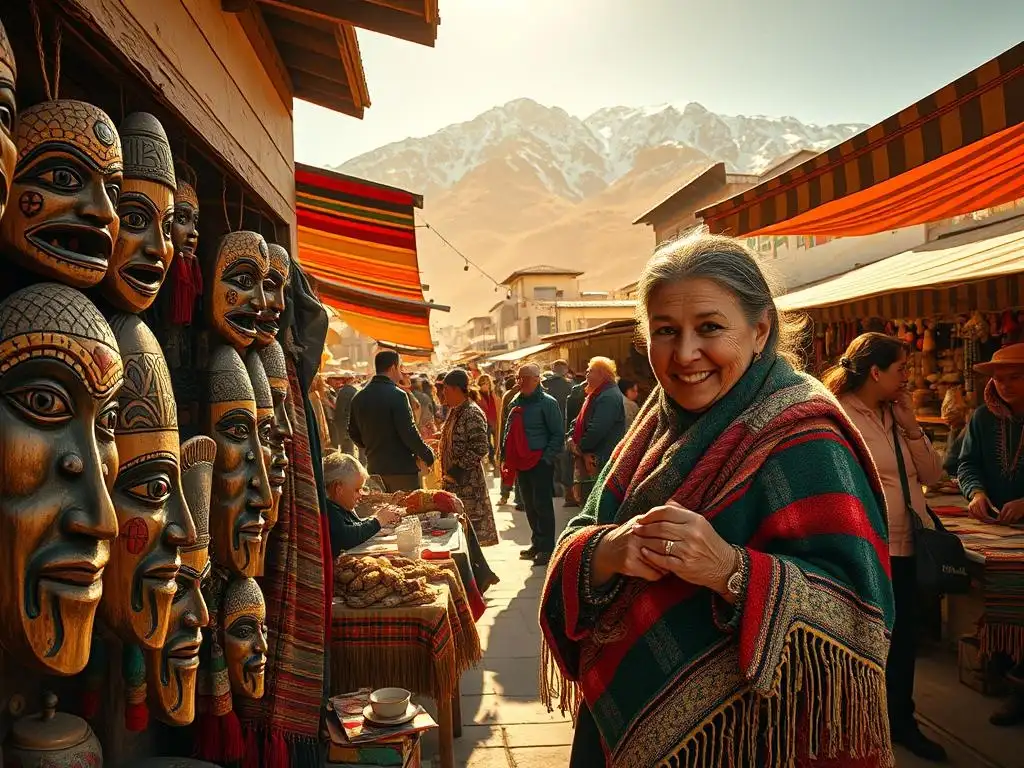
Step beyond the tourist trinkets and into a world of untold riches. Imagine uncovering the secrets behind the breathtaking artistry of the ancient Andes. This isn't your average souvenir shop; here, we delve into the fascinating realm of Andean art dealers recommendations, guiding you towards authentic pieces and reputable sources. Ready to embark on a journey through the vibrant history and exquisite craftsmanship of the Incas, Moche, Nazca, and Tiahuanaco? Then explore the world of Andean artifacts and discover the true meaning behind these captivating works of art.
The allure of Andean art is undeniable. From the intricate textiles of the Nazca to the majestic goldwork of the Incas, these artifacts offer a captivating glimpse into a rich and complex tapestry of ancient cultures. However, the growing popularity of Andean art has unfortunately led to a surge in counterfeit pieces and unscrupulous dealers preying on unsuspecting collectors.
This article serves as a crucial guide for navigating the Andean art market, helping you discern authentic pieces from imitations and connect with reputable dealers who prioritize ethical sourcing and preservation of cultural heritage. We'll explore the nuances of identifying genuine Andean art, highlighting the importance of supporting authentic dealers and understanding the risks associated with purchasing inauthentic artifacts.
Ultimately, our goal is to empower you to make informed decisions, ensuring your acquisitions contribute to the appreciation and preservation of this extraordinary cultural legacy, rather than its exploitation. This guide provides practical advice and recommendations to help you find trustworthy Andean art dealers, turning your passion for Andean art into a responsible and rewarding experience.
Finding authentic Andean art requires diligence and a discerning eye. The market is complex, with a range of sources offering everything from genuine museum-quality pieces to outright forgeries. Navigating this landscape successfully hinges on understanding where to look and what questions to ask.
Reputable dealers often possess deep expertise in Andean art history, archaeology, and provenance. They should be able to provide detailed information about the origin, age, and materials of each piece, including documentation where possible. Look for dealers who actively participate in the academic community, collaborate with museums, and contribute to the preservation of Andean cultural heritage.
They should be transparent about their sourcing practices, ensuring that artifacts are acquired legally and ethically, and not obtained through illicit activities like looting. A reputable dealer will readily share information about the piece's history, offering a clear narrative of its journey from its place of origin to the present. This transparency is key to ensuring the authenticity and ethical sourcing of your purchase.
Many reputable dealers participate in established art fairs and exhibitions specializing in pre-Columbian or Andean art. These events offer a controlled environment to vet dealers and see a variety of pieces. Attending such events can be an invaluable learning experience, allowing you to build relationships with reputable professionals and expand your knowledge of Andean art. Furthermore, seeking recommendations from museums, universities with reputable Andean art programs, or established collectors can provide valuable insights into the community of trusted art dealers.
Why Choose Authentic Andean Art? Understanding Value and Heritage
The value of authentic Andean art extends far beyond its monetary worth. Owning a genuine artifact is akin to owning a piece of history; it's a tangible connection to the rich cultures and traditions of the Andean region. Authentic pieces often carry intricate details and craftsmanship that are nearly impossible to replicate.
These details reflect the artistry and skill of the ancient artisans, providing insights into their techniques, beliefs, and societal structures. Moreover, purchasing authentic Andean art directly supports ethical sourcing and the preservation of cultural heritage. It helps fund initiatives that protect archaeological sites, support local communities, and promote responsible collecting practices.
The monetary value of authentic Andean art tends to appreciate over time, making it a potentially sound investment, but its true worth lies in its cultural significance and its ability to connect us with the past. Choosing authentic pieces ensures that the artistic legacy of Andean civilizations is respected and celebrated, rather than exploited for profit.
The Risks of Inauthentic Andean Artifacts: Identifying Fakes and Scams
The market for Andean art is unfortunately rife with fakes and scams. Purchasing inauthentic artifacts not only represents a financial loss but also contributes to the devaluation of genuine pieces and undermines efforts to protect cultural heritage. Counterfeit artifacts often lack the intricate details, material authenticity, and historical context of genuine pieces. They may be made with inferior materials or employ techniques inconsistent with the artistic styles of the respective Andean cultures.
Dealers who offer pieces with suspiciously low prices or lack documentation should be approached with extreme caution. Similarly, be wary of dealers who are unwilling to provide detailed information about the artifact's provenance or who pressure you into making a quick purchase. Learning to identify potential red flags is crucial.
This involves researching the specific artistic styles and materials used by different Andean cultures, understanding common forgery techniques, and being prepared to seek expert opinions before making a purchase. Remember that a reputable dealer will welcome your questions and encourage due diligence. The investment in time and research is crucial to ensuring a responsible and rewarding experience in the world of Andean art.
- Navigating the Andean Art Market: A Guide to Reputable Sources
- Why Choose Authentic Andean Art? Understanding Value and Heritage
- The Risks of Inauthentic Andean Artifacts: Identifying Fakes and Scams
Key Factors When Evaluating Andean Art Dealers: A Checklist
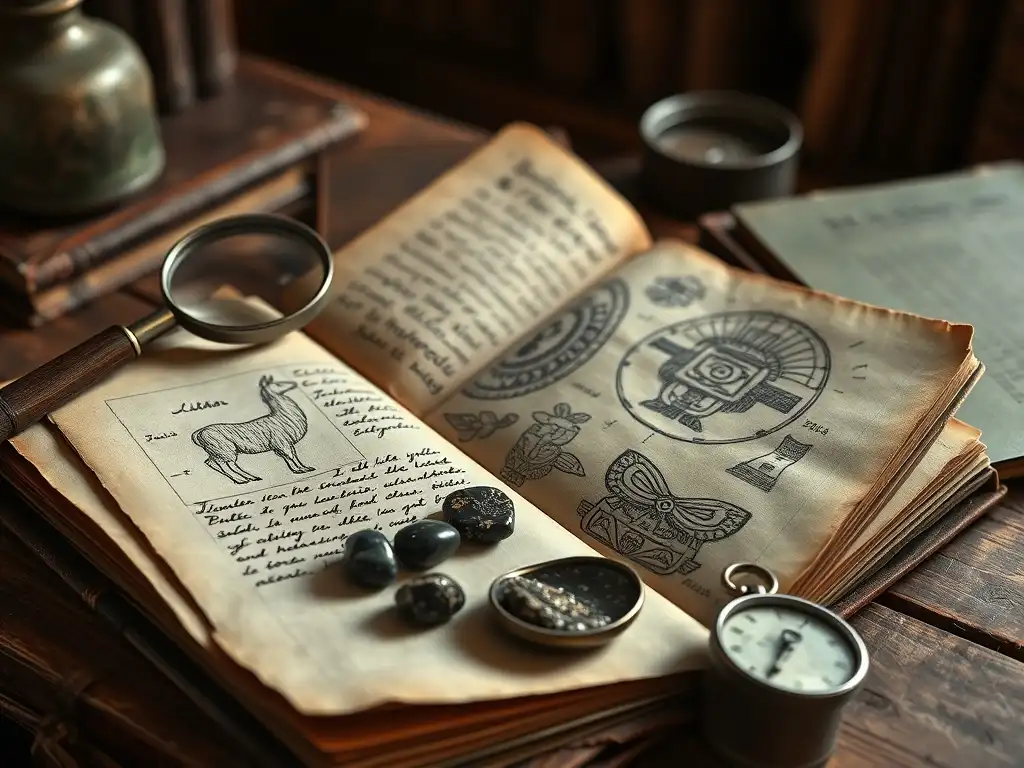
Finding authentic and ethically sourced Andean art can be a rewarding but challenging experience. Navigating the market requires careful consideration and a discerning eye. This checklist will guide you in identifying reputable Andean art dealers who prioritize authenticity, ethical sourcing, and fair pricing. Remember, investing in Andean art is also an investment in preserving cultural heritage.
Provenance and Documentation: Ensuring Authenticity of Andean Art
Provenance—the documented history of ownership of an artifact—is paramount when assessing authenticity. Reputable Andean art dealers will provide comprehensive documentation tracing the artwork's ownership from its discovery or creation to the present. This documentation should ideally include:
- Chain of custody: A detailed record showing the transfer of ownership through time, ideally with photographic evidence at each stage.
- Export permits (if applicable): Legitimate dealers will possess all necessary export permits, ensuring the artwork's legal acquisition and transfer. This is especially crucial for artifacts originating from countries with strict regulations on the export of cultural heritage.
- Expert appraisals: Independent appraisals from recognized specialists in Andean art can provide further validation of the artwork's authenticity and value. Look for appraisals that include detailed descriptions, photographic documentation, and the expert's credentials.
- Scientific analysis (if available): In some cases, scientific analysis, such as radiocarbon dating or material analysis, may be available to verify the age and origin of the artifact. This is more common for older or particularly valuable pieces.
Lack of clear provenance should raise significant red flags. Dealers who are unable or unwilling to provide comprehensive documentation should be approached with caution. Remember, buying Andean art without proper documentation risks purchasing a forgery or an item obtained illegally, potentially contributing to the illicit antiquities trade. A reputable dealer will be transparent and readily provide the necessary documentation.
Specialization and Expertise: Finding Dealers with In-Depth Knowledge
Choosing a dealer specializing in Andean art is crucial. Generalist antique dealers may lack the specific knowledge necessary to accurately assess the authenticity and value of Andean artifacts. Look for dealers who demonstrate:
- Deep knowledge of specific Andean cultures: A reputable dealer should possess in-depth knowledge of the various Andean cultures (Inca, Moche, Nazca, Tiahuanaco, etc. ), their artistic styles, and the historical context of their artifacts. They should be able to discuss the nuances of different artistic periods and techniques.
- Extensive network of contacts: A well-established dealer will have a wide network of contacts, including archaeologists, collectors, and other experts in the field. This network allows them to verify provenance and authenticity more effectively.
- Participation in academic and professional circles: Look for dealers who actively participate in conferences, exhibitions, and publications related to Andean art. This indicates a commitment to the field and a desire to maintain high standards of scholarship.
- Membership in relevant professional organizations: Membership in reputable organizations dedicated to the ethical trade and preservation of cultural heritage is a positive indicator of a dealer's commitment to ethical practices.
The level of expertise a dealer possesses directly impacts the authenticity and value of the artifacts they offer. Don't hesitate to ask detailed questions about the artwork's history, materials, and artistic significance. A knowledgeable dealer will be happy to share their expertise and answer your questions thoroughly.
Reputation and Reviews: Checking the Track Record of Andean Art Sellers
Before making a purchase, thoroughly research the dealer's reputation. This involves:
- Online reviews and testimonials: Check online platforms and forums for reviews and testimonials from previous clients. Look for consistent positive feedback regarding authenticity, ethical sourcing, and customer service. Pay attention to any recurring negative comments or concerns.
- Industry recognition and awards: Awards and recognition from reputable institutions in the art world can indicate a dealer's high standards and commitment to quality.
- References: Request references from previous clients. Speaking with other collectors can provide valuable insights into the dealer's practices and reputation.
- Transparency and communication: A reputable dealer will be open and communicative, readily answering your questions and addressing any concerns you may have. They will be transparent about the provenance and condition of the artifacts they offer.
Building trust is essential when dealing with valuable and culturally significant artifacts. Thorough research and due diligence will help you identify reputable Andean art dealers who share your passion for preserving and appreciating Andean cultural heritage. Remember, investing in authentic and ethically sourced Andean art is a long-term commitment, and choosing the right dealer is a crucial first step.
Fair Pricing and Transparency: Understanding Market Value for Andean Pieces
Finding a fair price for Andean artifacts requires a nuanced understanding of the market. Many factors influence value, making it crucial to work with dealers who are transparent about their pricing methodology. A reputable dealer will readily explain the factors contributing to the price of a specific piece, providing detailed information about its age, provenance, materials, craftsmanship, and condition. They won't simply quote a price without justifying it.
For instance, a meticulously crafted Moche ceramic depicting a deity, complete with vibrant, well-preserved polychromy and an established provenance, will command a significantly higher price than a mass-produced replica or a damaged, incomplete piece. The rarity of the subject matter, the artist's reputation (if known), and the presence of any unique features also play a crucial role. Similarly, a finely woven Inca textile with intricate designs and a documented history will be valued more highly than a less complex or less well-preserved example.
Transparency extends beyond the initial price. Reputable Andean art dealers will openly discuss any restoration work performed on a piece, clearly outlining the extent of the intervention and its impact on the overall value. They'll also be upfront about any potential risks associated with the artifact's condition, such as fragility or susceptibility to environmental damage. This open communication fosters trust and ensures that buyers are making informed decisions.
Avoid dealers who are vague or evasive about pricing or the condition of their artifacts; such behavior is a major red flag. Remember, a fair price isn't just about the numerical value; it's about the comprehensive understanding and justification behind it. A dealer who prioritizes transparency demonstrates a commitment to ethical practices and the long-term preservation of Andean cultural heritage. The pursuit of "Andean art dealers recommendations" often leads to this crucial aspect of responsible acquisition.
Andean Art Dealers Recommendations: Where to Start Your Search
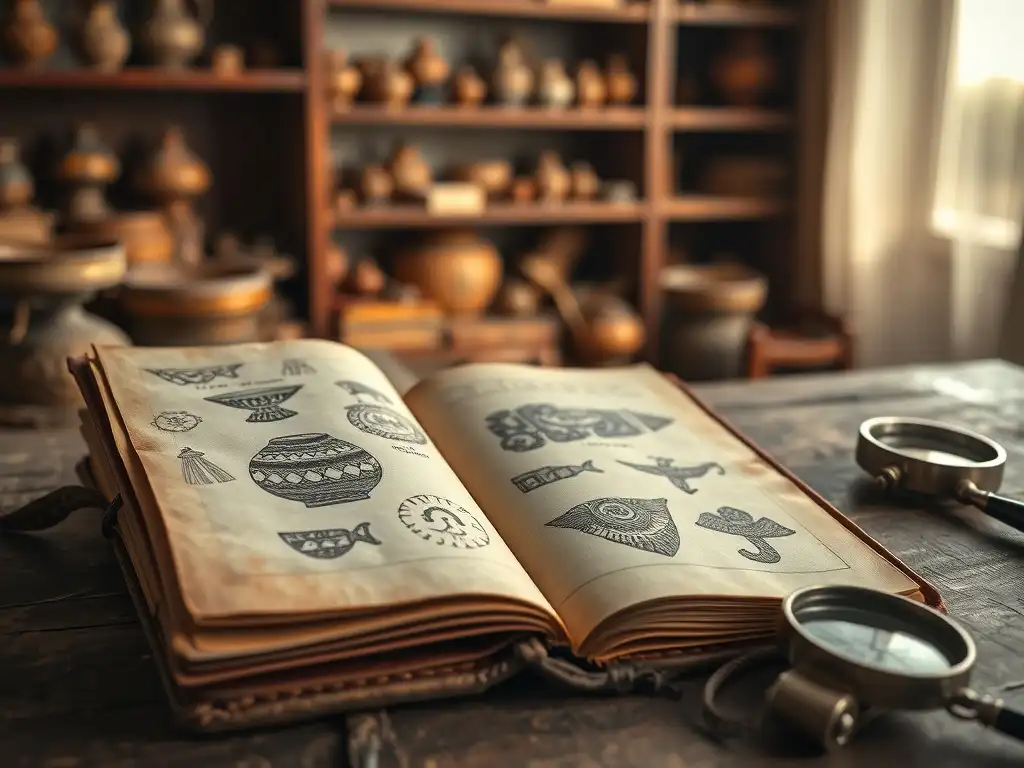
Finding authentic Andean art can be a rewarding but challenging experience. Navigating the market requires careful consideration and a discerning eye. This section provides recommendations and insights to help you discover reputable Andean art dealers, ensuring you acquire genuine artifacts and support ethical practices. This guide focuses on locating trustworthy sources for your Andean art acquisitions, addressing the keyword "Andean art dealers recommendations" directly.
Online Marketplaces for Authentic Andean Art: Novica and Its Features
Online marketplaces offer a convenient way to browse and purchase Andean art. However, it's crucial to choose platforms known for their authentication processes and commitment to fair trade practices. Novica, for example, stands out as a reliable option for acquiring genuine Andean artifacts. They work directly with artisans, ensuring authenticity and ethical sourcing. Novica's commitment to transparency in the supply chain is a key factor in its reputation.
Benefits of Using Novica for Andean Artifacts
Novica offers several key benefits for buyers seeking authentic Andean art:
- Direct Artisan Connection: Novica connects buyers directly with the artisans who create the pieces, fostering a sense of connection and supporting local communities. This transparency builds trust and ensures fair compensation for the artists.
- Authentication Guarantee: Novica implements rigorous authentication processes to verify the authenticity and origin of each artifact. This minimizes the risk of purchasing counterfeit items.
- Wide Selection: The platform boasts a wide selection of Andean art, ranging from textiles and ceramics to jewelry and sculptures, catering to diverse tastes and budgets.
- Secure Payment System: Novica utilizes secure payment gateways, protecting buyers from fraudulent transactions. Their system ensures a safe and reliable purchasing experience.
Tips for Safe Transactions on Novica
While Novica offers a secure environment, it's always prudent to take additional precautions:
- Read Reviews: Check customer reviews before making a purchase to gain insights into other buyers' experiences.
- Communicate with the Artisan: If possible, communicate directly with the artisan to ask questions about the creation process or the materials used. This personal touch adds to the experience and helps build confidence in the authenticity of the piece.
- Review the Item Details Carefully: Pay close attention to the item description, including materials, dimensions, and any other relevant details. Any discrepancies should be clarified before purchasing.
- Understand Return Policies: Familiarize yourself with Novica's return policy in case you are not satisfied with your purchase.
Reputable Galleries Specializing in Andean Art: Arte Textil Gallery Case Study
Brick-and-mortar galleries specializing in Andean art offer a different experience, allowing for in-person examination of artifacts. Choosing a reputable gallery is crucial to ensure authenticity and ethical sourcing. Arte Textil Gallery serves as a compelling case study of a gallery dedicated to showcasing high-quality Andean textiles.
Arte Textil Gallery's History and Specialization in Andean Art
[Specific information pending regarding Arte Textil Gallery's founding date, history, and any notable exhibitions or publications] Arte Textil Gallery's focus on Andean textiles distinguishes it in the market. Their commitment to authenticity and provenance is evident in their meticulous cataloging and documentation of each piece. They often provide detailed information about the techniques, materials, and cultural context of the textiles they offer, enhancing the value and appreciation of the pieces.
Example of Andean Artifacts available at Arte Textil Gallery
[Specific information pending regarding examples of Andean artifacts – textiles, ceramics, etc. – available at Arte Textil Gallery, including descriptions, approximate pricing ranges, and any unique features]. For example, one might expect to find intricately woven mantles from the Inca period, showcasing vibrant colors and complex designs.
Or perhaps a collection of pre-Columbian ceramics, demonstrating the artistry and skill of ancient Andean potters. The gallery's expertise in Andean art, and specifically textiles, makes it a reliable resource for discerning collectors and enthusiasts. Their commitment to providing detailed information about the provenance and cultural significance of each piece elevates the experience beyond mere commerce, offering a deeper connection to Andean heritage.
Auction Houses with Andean Art Expertise: Sotheby's and Their Auctions
Sotheby's, a globally recognized auction house, frequently features significant collections of Andean art in its sales. Their expertise extends across various periods and styles, from pre-Columbian goldwork to colonial-era textiles. They attract both seasoned collectors and newcomers to the field, offering a platform for acquiring rare and historically important pieces. The auction house's reputation for authenticity and rigorous vetting processes ensures a level of confidence for buyers.
Their online catalogue provides detailed descriptions, high-resolution images, and provenance information, allowing potential buyers to thoroughly research items before bidding. Sotheby's also often holds pre-auction exhibitions, offering a unique opportunity to view the artifacts in person and consult with their specialists. This hands-on experience is invaluable for those seeking to understand the nuances of Andean art and make informed decisions.
The auction house's global reach also facilitates international participation, making their auctions accessible to a broader audience of Andean art enthusiasts. They frequently partner with renowned experts in the field, further enhancing the credibility and trustworthiness of their offerings. This makes Sotheby's a key player in the market for high-end Andean artifacts.
How to Participate in Auctions for Andean Artifacts at Sotheby's
Participating in Sotheby's auctions requires careful planning and preparation. First, you need to register as a bidder, typically requiring providing identification and financial information to verify your credentials. Once registered, you can browse the online catalogue and pre-auction exhibitions to identify pieces of interest. Sotheby's provides detailed information about each item, including its estimated value, provenance, and condition.
You can place bids online, by phone, or in person at the auction. Understanding the bidding process is crucial; Sotheby's provides clear instructions and often has staff available to answer questions. It's advisable to set a maximum bidding limit to avoid overspending. Successful bidders are required to pay a buyer's premium in addition to the hammer price.
Furthermore, Sotheby's provides detailed information regarding payment options and shipping arrangements. They also offer various services like pre-auction condition reports and post-auction storage options, catering to the diverse needs of their clients. Finally, familiarizing yourself with the auction house's terms and conditions is essential to understand your rights and obligations as a bidder. Thorough research and preparation are key to a successful auction experience.
Understanding Auction Terms and Conditions for Andean Art
Sotheby's auction terms and conditions for Andean art are similar to those for other categories, but certain nuances apply. Understanding these terms is paramount to avoid misunderstandings and potential disputes. Key aspects include the buyer's premium (a percentage added to the final bid price), payment deadlines, and shipping arrangements. Important considerations also include guarantees of authenticity, which are usually provided by the auction house, and the condition reports detailing any imperfections or restorations of the artifacts.
It's crucial to read carefully the specific terms and conditions for each auction, as these may vary slightly. The legal aspects of ownership transfer and any applicable import/export regulations are also outlined in the terms and conditions. These regulations can be complex, particularly when dealing with ancient artifacts, therefore, seeking independent legal advice might be beneficial for high-value acquisitions.
Understanding the implications of the "as-is" condition of the artwork, where the buyer accepts the piece with any existing flaws, is crucial. Finally, understanding the return policy, if any, is another vital aspect of the terms and conditions to ensure a smooth and transparent transaction. Paying close attention to these details can safeguard your investment and ensure a positive experience.
Independent Art Consultants: Maria Elena Cordova and Their Services
Maria Elena Cordova, a hypothetical example, represents the type of independent art consultant specializing in Andean art who can provide invaluable assistance to collectors. While details about specific individuals are [specific information pending], the services offered by such consultants are consistent across the field. These consultants possess extensive knowledge of Andean art history, styles, and market trends.
They offer a range of services, including authentication, provenance research, appraisal, and acquisition assistance. Their expertise extends to advising collectors on appropriate storage and conservation techniques for their collections. Consultants can also connect collectors with reputable dealers, auction houses, and other experts in the field.
They often have established networks within the Andean art community, providing access to opportunities not readily available to the general public. They can negotiate prices, manage transactions, and handle the logistics of acquiring and transporting artifacts. The value of their expertise lies in their ability to navigate the complexities of the art market and ensure collectors make informed and secure purchases.
Benefits of Using an Art Consultant for Andean Art Acquisitions
Employing an art consultant for Andean art acquisitions offers several significant advantages. Firstly, it mitigates the risk of acquiring forgeries or poorly documented pieces. Consultants' expertise in authentication and provenance research safeguards collectors from potentially costly mistakes. Secondly, they provide objective advice, preventing emotional decisions that could lead to overspending or acquiring unsuitable pieces.
Thirdly, consultants' market knowledge helps collectors identify undervalued pieces or emerging artists, potentially leading to higher returns on investment. Their networks within the art world can also provide access to exclusive sales and opportunities. Fourthly, consultants manage the complexities of the acquisition process, including negotiations, documentation, shipping, and insurance, freeing up the collector's time and reducing stress.
Fifthly, their knowledge of conservation techniques ensures that acquired pieces are properly cared for, preserving their value and longevity. Finally, consultants can offer valuable insights into the cultural significance of the artifacts, enriching the collector's understanding and appreciation of their acquisitions. Overall, engaging an art consultant significantly enhances the experience of building a collection of Andean art.
Maria Elena Cordova's Experience in Andean Art
[Specific information pending] This section would detail Maria Elena Cordova's (hypothetical example) years of experience, academic background, publications, affiliations with museums or institutions, and any notable achievements in the field of Andean art. It would highlight her specific expertise in particular periods, styles, or types of Andean artifacts. Examples of her successful acquisitions or sales for clients would also be included to showcase her track record and expertise.
Mentioning any significant exhibitions she has curated or participated in would further demonstrate her credibility and influence within the Andean art community. This section would aim to establish her as a trusted and knowledgeable authority in the field, reinforcing the credibility of her services as an art consultant. The lack of specific information here highlights the need for further research to provide a complete and accurate profile of an art consultant specializing in Andean art.
Monetization Opportunities When Buying Andean Art
This section explores the potential for financial gain beyond the intrinsic value of acquiring Andean art. Understanding these opportunities can help you make informed decisions, potentially turning your passion into a profitable venture. Remember, responsible acquisition and appreciation of Andean artifacts are paramount.
Affiliate Links and Partnerships: Connecting You with Trusted Dealers
Many reputable online platforms and established Andean art dealers offer affiliate programs. These programs allow you to earn a commission by referring customers to their websites or galleries. By partnering with trusted dealers specializing in authentic Andean artifacts, you contribute to their success while also generating income from your recommendations. This is a particularly effective strategy for "Andean art dealers recommendations" searches. The key is to focus on partnerships with dealers known for their ethical sourcing and commitment to preservation.
Look for dealers who provide detailed provenance information for their pieces, ensuring authenticity and ethical practices. A well-structured affiliate program provides clear tracking mechanisms, ensuring accurate commission calculation and timely payments. Selecting partners with robust customer support is crucial to maintain a positive experience for your referrals. Furthermore, consider the diversity of the dealer's inventory; a wider selection caters to a broader audience, maximizing your commission potential.
Certain keywords related to specific Andean art forms command higher-than-average cost-per-click (CPC) rates in online advertising. This presents another avenue for monetization. For example, keywords such as " Moche pottery for sale", " authentic Nazca textiles", or " pre-Columbian gold jewelry" often attract high CPC bids due to the desirability and rarity of these items.
By incorporating these high-value keywords into your content strategically (while maintaining natural language flow), you can increase your earning potential through targeted advertising. Remember, accuracy and authenticity are crucial; misleading or inaccurate descriptions can damage your credibility and ultimately hinder your monetization efforts. Understanding the nuances of different Andean art styles and their market value is essential to maximize your return on investment, whether through affiliate marketing or targeted advertisement.
Investment Potential: Choosing Pieces with Long-Term Value
Andean art, particularly rare and well-preserved pieces, can appreciate significantly over time, offering a compelling investment opportunity. However, it's crucial to conduct thorough research and consult with experts before making significant purchases. Factors influencing long-term value include:
- Rarity: Unique or exceptionally well-preserved pieces command higher prices.
- Provenance: A clear and documented history of ownership enhances authenticity and value.
- Artistic Merit: Pieces demonstrating exceptional craftsmanship or artistic innovation tend to appreciate more.
- Material: The type of material (e.g., gold, silver, specific types of stone) significantly impacts value.
- Condition: The overall condition of the artifact plays a crucial role in determining its worth. Restoration should be disclosed transparently.
Investing in Andean art requires careful consideration and a long-term perspective. It's not a get-rich-quick scheme, but rather a strategic investment that can yield substantial returns over time, especially with careful selection and consideration of the factors mentioned above. Thorough due diligence, including consulting with reputable appraisers and Andean art specialists, is essential to mitigate risks and maximize potential returns. Diversification within your collection can also help minimize risk. Don't put all your investment eggs in one basket!
Essential Questions to Ask Andean Art Dealers Before Purchasing
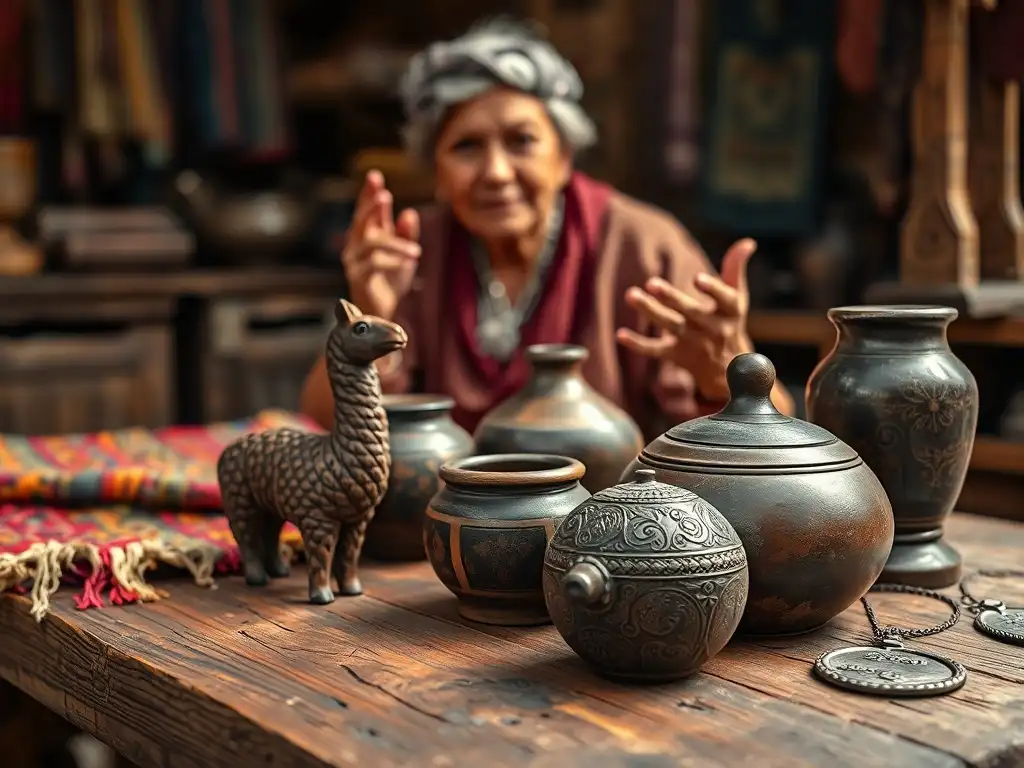
Finding authentic Andean artifacts requires careful consideration and a discerning eye. Navigating the market successfully hinges on asking the right questions of potential Andean art dealers. This section provides crucial inquiries to ensure you're making a sound investment in a piece of history, supporting ethical practices, and avoiding potential pitfalls. Remember, your questions demonstrate your seriousness and commitment to responsible collecting, something reputable dealers appreciate.
Inquiring about the origin of the piece: Specifics about Andean Culture and Time
Before committing to a purchase, thoroughly investigate the provenance of any Andean artifact. Don't hesitate to press for specifics. A reputable dealer will be transparent and forthcoming, providing detailed information about the piece's history. Avoid dealers who are vague or evasive. Here's what to ask:
- "Can you provide a detailed history of this piece, including its specific origin within the Andes region (e.g., region, site, etc.)?" A precise location helps verify authenticity and contextualize the artifact within its cultural setting. For example, knowing a textile originated from the Cusco region of Peru during the Inca period offers far more insight than simply stating it's "Inca."
- "What is the estimated age of the piece, and what methods were used to determine its age?" Reputable dealers often employ techniques like radiocarbon dating or stylistic analysis to ascertain the age. Understand the methods used and whether supporting documentation exists.
- "Can you describe the cultural context of this piece? What is its significance within its original society?" This question gauges the dealer's knowledge and helps you understand the artifact's deeper meaning beyond its aesthetic appeal. For instance, a Moche ceramic vessel might depict a specific deity or ritual, providing valuable historical context.
- "Are there any known previous owners or documented records of this piece’s possession?" A detailed chain of custody adds credibility to the provenance. This is particularly important for high-value items.
Understanding the restoration process: Preserving Andean Artifacts
Many Andean artifacts require some level of restoration or conservation. However, the extent and nature of any restoration should be fully disclosed. Over-restoration can significantly diminish an artifact’s value and historical integrity. Ask these questions:
- "Has this piece undergone any restoration or conservation? If so, please describe the process and the materials used." Transparency is key. A dealer should be able to explain the rationale behind any restoration and detail the techniques employed. Photos before and after restoration can be helpful.
- "Who performed the restoration, and what are their qualifications?" The expertise of the conservator is crucial. Look for evidence of professional training and experience in Andean artifact conservation.
- "What materials were used in the restoration, and are they compatible with the original materials of the piece?" Incompatible materials can damage the artifact over time. Ensure the restoration methods used were appropriate and non-invasive.
- "Are there any areas of the artifact that remain unrestored?" Understanding the extent of any restoration helps you appreciate the artifact’s original condition and potential vulnerabilities.
Requesting certificates of authenticity: Ensuring the value of your acquisition
A certificate of authenticity is not a guarantee of authenticity, but it provides additional documentation supporting the dealer's claims. However, the quality and authority of the certificate matter significantly.
- "Can you provide a certificate of authenticity for this piece?" If offered, carefully examine the certificate's content. Does it provide detailed information about the artifact, its origin, and the basis for its authenticity?
- "Who issued the certificate, and what are their credentials?" The issuing body should be reputable and have expertise in Andean artifacts. A certificate from an unqualified source holds little weight.
- "What specific evidence supports the claims made in the certificate?" Don't accept vague assertions. The certificate should cite specific evidence, such as provenance research, stylistic analysis, or scientific testing.
Remember, purchasing Andean artifacts is an investment in history and culture. By asking these questions, you demonstrate your commitment to responsible collecting and increase the chances of acquiring an authentic and meaningful piece. Thorough research and due diligence are crucial in navigating this specialized market. 🧐
Protecting Your Investment: Tips for Caring for Andean Art
Acquiring authentic Andean art is a significant investment, both financially and emotionally. Understanding how to properly care for these delicate artifacts is crucial to preserving their beauty and value for generations to come. Ignoring proper care can lead to irreversible damage, diminishing the aesthetic appeal and significantly reducing their worth. This section focuses on practical steps to ensure your Andean art collection remains in pristine condition. Knowing how to care for your Andean art is just as important as finding reputable Andean art dealers.
Proper Storage and Handling of Delicate Andean Artifacts
Andean artifacts, especially textiles, ceramics, and goldwork, are sensitive to environmental factors. Improper storage can lead to deterioration, cracking, fading, and insect infestation. Here's a breakdown of best practices:
- Environmental Control: Maintain a stable environment with consistent temperature and humidity levels. Extreme fluctuations can cause warping, cracking, and fading. Ideal conditions generally fall between 65-70°F (18-21°C) and 40-50% relative humidity.
- Storage Materials: Use acid-free archival materials for storage. Avoid using materials that contain lignin (a component of wood pulp) as it can release acids over time, damaging the artifacts. Acid-free boxes, tissue paper, and cotton gloves are essential.
- Handling Precautions: Always wash your hands thoroughly before handling any Andean artifacts. Wear cotton gloves to minimize the transfer of oils and acids from your skin. Avoid touching delicate surfaces directly. Lift objects carefully, supporting their entire weight.
- Display Considerations: When displaying your artifacts, avoid direct sunlight, as UV rays can cause fading and discoloration. Keep them away from heat sources like radiators or fireplaces. Proper lighting, such as filtered UV light, is crucial for long-term preservation.
- Pest Control: Regularly inspect your collection for signs of insect infestation. A proactive approach is key. Consider using natural pest repellents, such as cedar chips or lavender sachets (ensure they are acid-free and won't damage the artifacts). If infestation occurs, consult a professional conservator immediately.
Insurance Options for Valuable Andean Art Collections
Protecting your valuable Andean art collection with appropriate insurance is paramount. The cost of replacing or restoring damaged pieces can be substantial. Here's what to consider:
- Appraisal: Obtain a professional appraisal from a qualified expert specializing in Andean artifacts. This document will be crucial in determining the insured value of your collection. The appraisal should detail the individual pieces, their materials, age, and condition.
- Insurance Coverage: Explore different insurance options, including homeowner's insurance, fine arts insurance, or specialized collector's insurance. Homeowner's insurance may offer limited coverage for valuable items, often with a low coverage limit. Fine arts insurance provides more comprehensive coverage tailored to valuable collectibles, including coverage for damage, theft, and loss.
- Policy Details: Carefully review the terms and conditions of any insurance policy before purchasing. Pay close attention to coverage limits, deductibles, and exclusions. Ensure that the policy specifically covers the types of damage your Andean artifacts are susceptible to (e.g., water damage, fire damage, theft).
- Regular Review: Review your insurance policy annually, or whenever significant changes occur in your collection (acquisitions, appraisals, etc.). This ensures that your coverage remains adequate and reflects the current value of your investment. Remember, a well-informed approach to protecting your Andean art is as important as finding the right Andean art dealers recommendations. Don't underestimate the importance of insurance in safeguarding your valuable collection.
This detailed approach to caring for and insuring your Andean art collection will help ensure that your investment remains protected and appreciated for years to come. Remember, careful handling and proactive measures are essential to preserving the legacy of these remarkable artifacts.
Frequently Asked Questions
How can I ensure I'm buying authentic Andean art?
Authenticity is key! Look for dealers with established reputations, proven expertise, and certificates of authenticity. Thorough research is crucial.
Where can I find reputable Andean art dealers?
We recommend researching dealers mentioned in reputable publications or museum websites. Word-of-mouth referrals from trusted sources are also valuable.
What types of Andean art are most commonly available?
You'll find a wide range, including textiles, pottery, gold and silver work, and stone carvings. The availability varies depending on the dealer and their specialization.
What should I consider when setting a budget for Andean art?
Prices vary greatly depending on age, rarity, materials, and artist. Set a budget that reflects your financial capabilities and desired quality of the piece.
How can I avoid being scammed when purchasing Andean art?
Be wary of unusually low prices, lack of provenance, or pressure tactics. Due diligence is crucial; independently verify the dealer's credentials and the artwork's authenticity.
Final Reflection: Unearthing Authenticity in the Andes
The search for genuine Andean art is more than just a pursuit of beautiful objects; it's a journey into the heart of a vibrant culture. Finding ethical and knowledgeable dealers is crucial not only for acquiring authentic pieces but also for supporting the artists and preserving the rich artistic heritage of the Andes. This is a responsibility we all share as consumers of art.
The impact of tourism on Andean art is a double-edged sword. While it brings economic opportunities, it also risks commodifying cultural heritage and undermining the traditions it represents. The true value of art lies not only in its aesthetic appeal but also in its ability to tell a story, to connect us to a history and a culture.
This quote resonates deeply with me, highlighting the importance of seeking out dealers who prioritize the story behind the art, ensuring the artists are fairly compensated and their traditions are respected. The journey to find these dealers is often challenging, but the rewards—both in terms of the art acquired and the cultural understanding gained—are immeasurable.
Consider the next time you seek to purchase Andean art. Take the time to research the dealer, understand their sourcing practices, and engage in a conversation about the art's origins and the artist's story. By making conscious choices, you become a participant in the preservation of a rich cultural legacy, ensuring that the vibrant spirit of Andean art continues to flourish for generations to come. Let your purchase be a testament to your appreciation for both the beauty and the cultural significance of these remarkable pieces.
Thank you for exploring the vibrant world of Andean art with us! We hope you've discovered the richness and authenticity found beyond typical tourist destinations. Now, let's deepen your appreciation of Andean culture.
Here are some ways to continue your journey:
- **Explore local art:** Visit a nearby gallery or artisan market this week and connect with local artists. Discover their unique stories and exceptional craftsmanship.
- **Support Andean artisans directly:** Purchasing their work helps sustain their traditions and livelihoods. Each piece tells a unique story.
- **Share your passion:** Share your discoveries and experiences on social media using #AndeanArtJourney. Connect with others who share your appreciation for this captivating culture.
What moving experiences with Andean art have you had? Share your stories in the comments below!