
The Use of Natural Resources: Understanding Resource Management in the PreIncan Andes

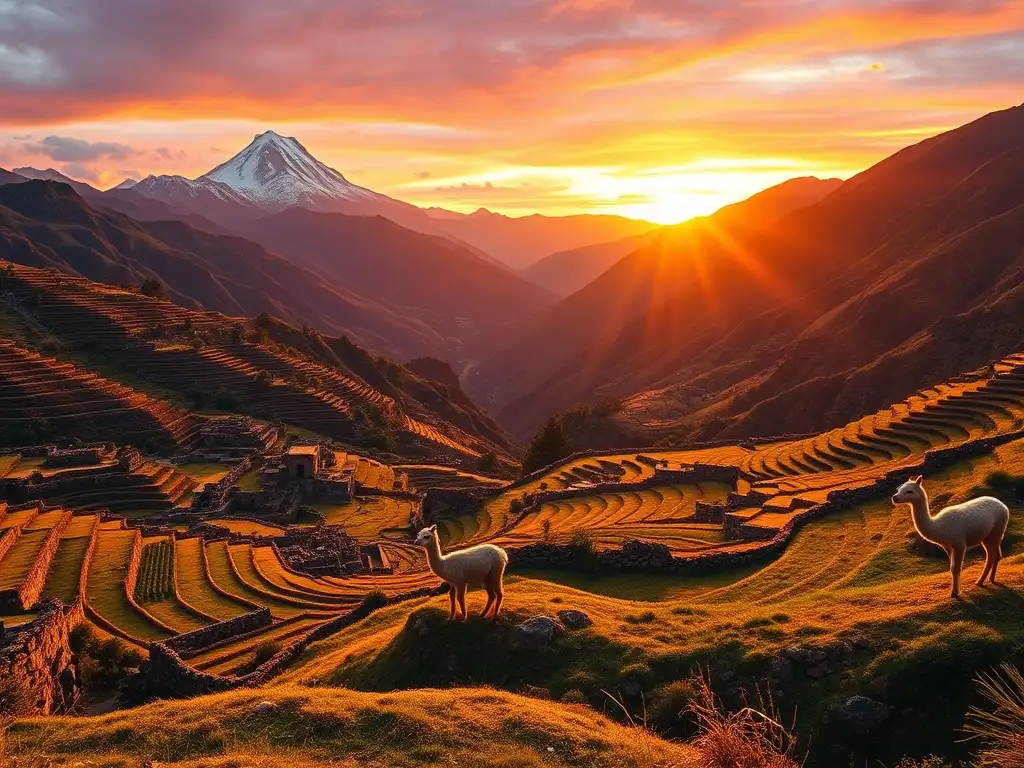
Uncover the secrets of a vanished world. For centuries, the towering Andes Mountains have held the legacy of remarkable civilizations. But how did these societies, like the Moche and Nazca, thrive in such challenging terrain? Dive into the fascinating world of Andean civilizations resource management, and discover the ingenious strategies that allowed these cultures to flourish. Explore the innovative techniques employed in the Pre-Incan Andes, and prepare to be amazed by their mastery of their environment. This is just the beginning of your journey into the heart of the ancient world.
-
Andean Civilizations Resource Management: Pre-Incan Strategies in the Andes
- Introduction to Pre-Incan Resource Utilization
- Understanding Andean Ecosystems and Resource Availability
- Water Management Techniques in Pre-Incan Societies
- Agricultural Practices and Crop Management
- Animal Husbandry and Resource Exploitation
- Mining and Mineral Resource Extraction
- Forest Resources and Wood Utilization
- Case Studies of Specific Pre-Incan Cultures
- Resource Management and Social Organization
- The Legacy of Pre-Incan Resource Management
- Conclusion: The Importance of Pre-Incan Resource Management
-
Frequently Asked Questions
- How did Andean civilizations manage water resources?
- What role did agriculture play in Andean resource management?
- How did the Andean people manage their limited arable land?
- What materials did Andean civilizations use for construction, and how did they obtain them?
- What evidence reveals the sophistication of Andean resource management?
- Final Reflection: Echoes of the Andes: A Legacy of Sustainable Resource Management
- Unveil Your Connection to Resource Management!
Andean Civilizations Resource Management: Pre-Incan Strategies in the Andes
The Andes Mountains, a geographically diverse and challenging environment, fostered the development of remarkably sophisticated resource management strategies long before the Inca Empire. This article delves into the ingenious techniques employed by pre-Inca Andean civilizations – including the Moche, Nazca, and Tiahuanaco – to sustainably utilize the resources available to them. Understanding their approaches provides invaluable insight into the resilience and adaptability of these cultures, highlighting the intricate relationship between human societies and their environment in the face of complex ecological challenges.
We will explore the diverse ecosystems they inhabited, the resources they exploited, and the innovative methods they developed to ensure the long-term prosperity of their communities. This examination of pre-Inca resource management is crucial for appreciating the broader context of Andean civilization and its lasting legacy.
The strategies employed by these earlier cultures directly influenced, and were in turn influenced by, later Andean societies, including the Inca. This exploration of "Andean civilizations resource management" will reveal a complex tapestry of ingenuity and adaptation.
Introduction to Pre-Incan Resource Utilization
Pre-Inca Andean societies, despite lacking the centralized organization of the later Inca Empire, demonstrated a deep understanding of their environment and developed sophisticated techniques for resource management. Their strategies were highly localized, adapting to the specific ecological conditions of each region. This wasn't simply a matter of survival; it was a complex system involving intricate social structures, religious beliefs, and a profound respect for the natural world.
For example, the Nazca, renowned for their intricate geoglyphs, also developed complex irrigation systems to cultivate the arid coastal plains, demonstrating a remarkable capacity for engineering and resource manipulation. Similarly, the Moche, known for their elaborate ceramics and sophisticated metalworking, implemented sophisticated agricultural practices tailored to the varied terrains of their coastal and highland settlements. These practices weren't static; they evolved over centuries, adapting to changing climatic conditions and population growth.
Evidence suggests a strong connection between resource management and social organization, with leadership likely playing a crucial role in coordinating resource allocation and conflict resolution. The sophisticated understanding and management of resources played a critical role in the development of complex societies in the pre-Inca Andes.
Understanding Andean Ecosystems and Resource Availability
The Andean region presents a dramatic range of ecosystems, from the arid coastal deserts to the high-altitude puna grasslands and the lush cloud forests of the eastern slopes. This diversity significantly influenced the resource availability and the strategies employed by different pre-Inca cultures. The coastal regions, characterized by aridity and limited freshwater resources, saw the development of innovative irrigation techniques, including canals and underground aqueducts, to support agriculture.
The highlands, while offering more fertile land, faced challenges of altitude, frost, and unpredictable rainfall. Here, pre-Inca communities developed sophisticated terracing techniques to create level agricultural plots and minimize soil erosion. The availability of specific resources, such as metals (copper, gold, silver) and building materials (stone), also shaped the development of specialized crafts and architectural styles.
For instance, the Tiahuanaco culture, located on the Altiplano, utilized the abundant stone resources to create monumental architecture, while the Moche utilized metals extensively for ornamentation and ceremonial objects. Understanding the interplay between ecosystem diversity and resource availability is key to appreciating the ingenuity and sustainability of pre-Inca resource management practices. The careful observation of ecological patterns and the development of adaptive strategies allowed these civilizations to thrive for centuries in a challenging environment.
Water Management Techniques in Pre-Incan Societies
Andean civilizations, renowned for their ingenuity, developed sophisticated water management techniques crucial for survival in the challenging Andean environment. These techniques weren't merely reactive; they represented a deep understanding of hydrology and a proactive approach to resource management. The success of these systems allowed for the flourishing of complex societies long before the Inca Empire. The ingenuity displayed in these systems is a testament to the Andean people's remarkable adaptation and resourcefulness in the face of environmental constraints.
Their understanding of water cycles, coupled with their sophisticated engineering skills, allowed them to thrive in regions characterized by diverse and often unpredictable rainfall patterns. This mastery of water resources was fundamental to their agricultural productivity and overall societal stability. Their approach served as a foundation for later Andean empires, highlighting the enduring legacy of their innovations.
Terrace Farming and Irrigation Systems
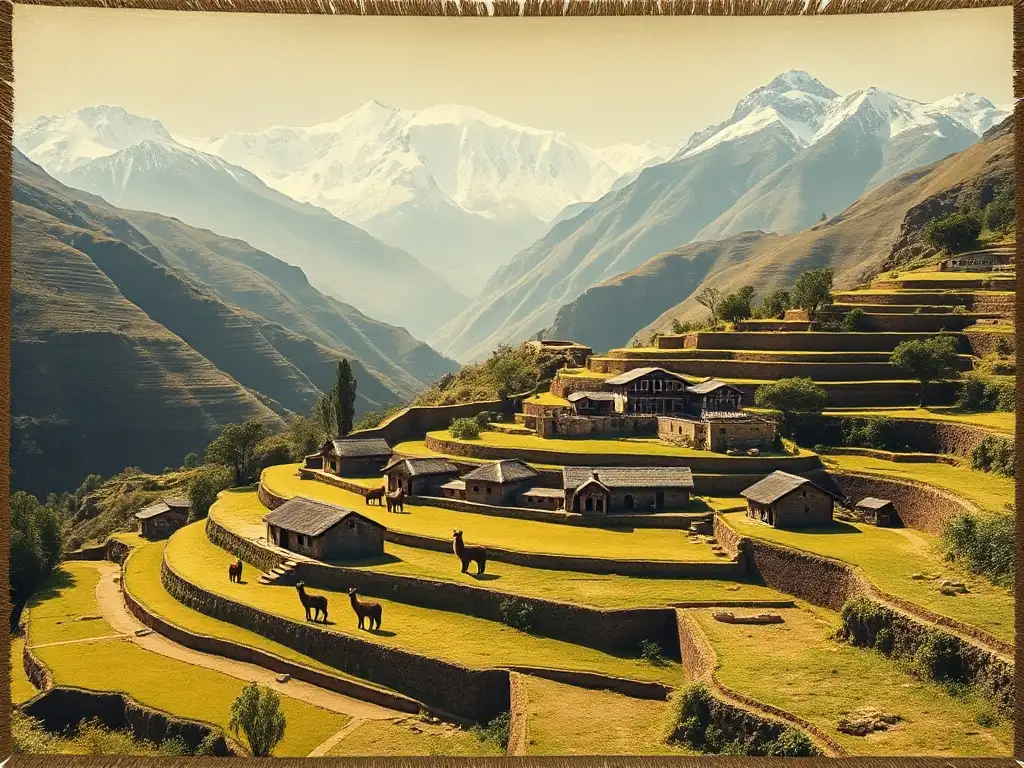
Terrace farming, a hallmark of Andean agriculture, dramatically increased arable land in mountainous regions. By carving level platforms into hillsides, farmers created ideal conditions for cultivation, minimizing soil erosion and optimizing water retention. These terraces, often meticulously aligned with contours, allowed for efficient irrigation using canals and channels. The construction of these systems required immense labor and a deep understanding of topography and water flow.
The scale of some of these terrace systems is truly remarkable, evidence of the collective effort and organizational capabilities of pre-Inca societies. For example, the extensive terrace systems found in the Sacred Valley of the Incas, while built and expanded upon by the Inca, were initially established by much earlier cultures, demonstrating the long-term commitment to this vital agricultural technique. The precise methods and tools used varied across different regions and cultures, reflecting the adaptation of techniques to specific local conditions.
Water Storage and Distribution Methods
Beyond irrigation systems, pre-Inca societies employed various methods for water storage and distribution. This included the construction of reservoirs, often built into the landscape, to capture and store rainwater during the wet season for use during drier periods. These reservoirs, some of considerable size, were strategically located to serve agricultural fields and settlements. The design and implementation of these storage systems often involved intricate systems of canals and aqueducts to direct water to where it was needed.
Furthermore, sophisticated understanding of water flow and pressure allowed for the effective distribution of water across large areas, ensuring equitable access to this precious resource. The effectiveness of these systems is evidenced by the agricultural success and population density achieved in regions with limited rainfall. The detailed planning and construction of these systems reveal a sophisticated understanding of hydraulic engineering.
Agricultural Practices and Crop Management
Pre-Incan Andean agriculture wasn't simply about water management; it involved a comprehensive approach to crop cultivation, soil management, and diversification. Their agricultural practices were remarkably sustainable, allowing for the production of food surpluses that supported growing populations and complex social structures. Understanding their techniques provides valuable insights into sustainable agriculture and resource management. The development of these practices was a process of experimentation and adaptation, passed down through generations, resulting in highly effective and resilient agricultural systems. This sophisticated understanding of agriculture allowed for the cultivation of diverse crops, contributing to food security and dietary variety.
Key Andean Crops and their Cultivation
The Andean region boasts a remarkable biodiversity, providing a range of crops adapted to different altitudes and climates. Potatoes, quinoa, maize (corn), and beans were staples of the Andean diet, each cultivated using techniques suited to its specific needs. Potatoes, for example, were cultivated at various altitudes, with different varieties adapted to specific environmental conditions.
The development of diverse potato varieties demonstrates the deep understanding of plant genetics and adaptation. Similarly, quinoa, a highly nutritious grain, was cultivated in challenging high-altitude environments, showcasing the ingenuity of Andean agricultural practices. The cultivation of these crops was not merely a matter of planting and harvesting; it involved complex knowledge of soil types, planting times, and crop rotation techniques.
Soil Conservation and Enrichment Techniques
Soil conservation was integral to Andean agricultural practices. The challenging Andean terrain, prone to erosion, required innovative techniques to maintain soil fertility. The use of terraces, mentioned earlier, significantly reduced soil erosion. In addition, Andean farmers employed various methods of soil enrichment, such as the use of fertilizers derived from animal manure and other organic materials.
They also developed sophisticated techniques for crop rotation, ensuring that the soil remained fertile over time. These techniques contributed to the long-term sustainability of their agricultural systems, supporting generations of Andean communities. This understanding of soil health and its crucial role in agricultural productivity highlights the holistic approach to resource management prevalent in pre-Inca societies. The long-term success of Andean agriculture is a testament to these sustainable practices.
Animal Husbandry and Resource Exploitation
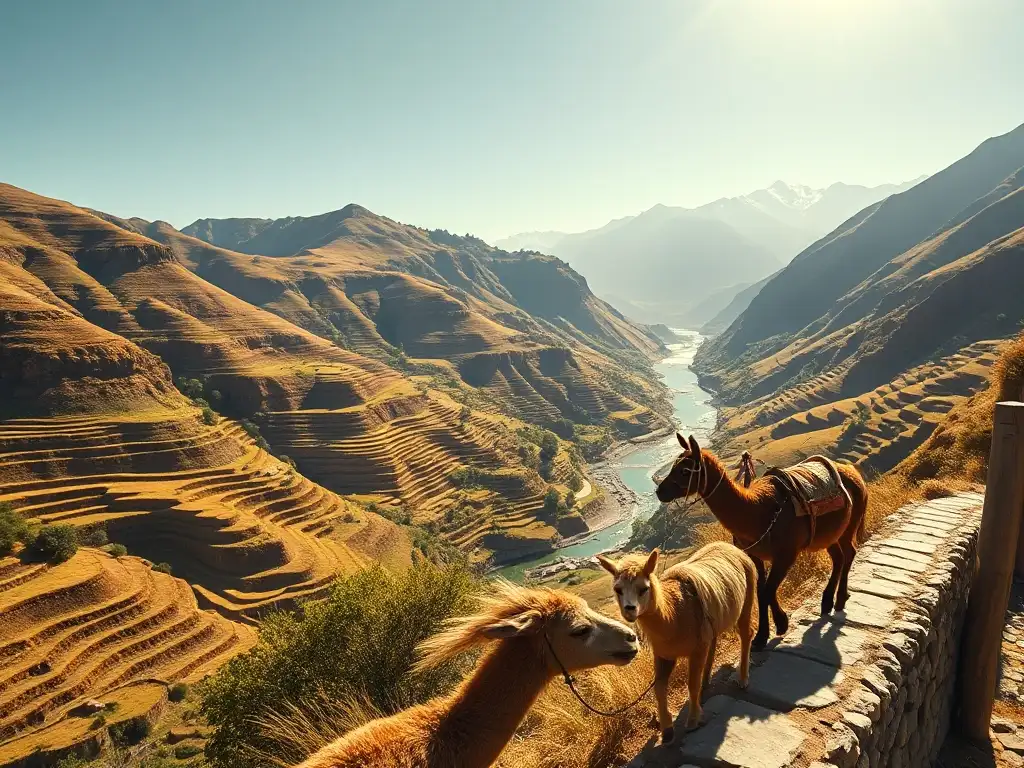
The management of animal resources was crucial for the survival and prosperity of Andean civilizations before the Inca Empire. These pre-Incan societies demonstrated sophisticated understanding of animal husbandry, going beyond simple herding to encompass selective breeding and the efficient utilization of all available animal products. Their success in this area is a testament to their deep knowledge of their environment and their ability to adapt to the challenging Andean terrain.
The efficient management of these resources contributed significantly to their social and economic stability, allowing for population growth and the development of complex social structures. This resource management was not merely about subsistence; it was integrated into their religious beliefs and social practices, underscoring its importance within Andean society. The careful balance between resource exploitation and sustainability is a key aspect of understanding their long-term success.
Domestication and Breeding of Andean Camelids
The domestication of Andean camelids – llamas and alpacas – represents a remarkable achievement in pre-Incan resource management. These animals provided essential resources, including meat, wool, and transportation. Evidence suggests selective breeding programs were implemented to enhance desirable traits such as wool quality or pack animal strength. This wasn't a random process; it demonstrates a deep understanding of animal genetics and the ability to manipulate those genetics for economic benefit.
Archaeological findings, such as the consistent size and characteristics of llama skeletons across different sites, support the theory of managed breeding programs. The development of specialized breeds, tailored to specific needs like wool production or pack carrying capacity, further highlights the advanced nature of their animal husbandry techniques. This sophisticated understanding of animal husbandry stands as a testament to the ingenuity and adaptability of pre-Incan Andean societies.
Use of Animal Products in Pre-Incan Life
The utilization of animal products extended far beyond basic sustenance. Llama and alpaca wool was a primary textile resource, used to create clothing, blankets, and other essential items. The dung of these animals served as fertilizer, enhancing agricultural yields. Bones and hides were used in tool making and construction, illustrating the comprehensive use of animal resources. The meat provided a significant source of protein, vital for a healthy population.
Beyond the practical uses, animal products were also integrated into religious ceremonies and social practices. Animal sacrifices, for example, were an important part of many Andean religious rituals. The comprehensive and multifaceted use of animal products underscores the importance of Andean camelids in the economic, social, and religious life of these pre-Incan societies. It's a clear example of sustainable resource management integrated into all aspects of their culture.
Mining and Mineral Resource Extraction
The pre-Incan Andean civilizations possessed advanced knowledge of mining and mineral resource extraction, showcasing remarkable technological capabilities for their time. Evidence suggests extensive mining operations targeting various metals and minerals vital for their social and technological development. These operations were not haphazard; they involved sophisticated techniques and a deep understanding of geological formations.
The scale of some mining endeavors is particularly impressive, indicating well-organized labor forces and advanced planning. The extraction methods varied depending on the mineral and its location, showing adaptability and innovation in their resource management strategies. This highly organized approach to resource extraction profoundly impacted their technological advancements and economic prosperity.
Extraction of Metals and Minerals
Pre-Incan miners extracted a variety of metals, including copper, gold, silver, and tin. Copper, in particular, was extensively mined and used for tools, weapons, and decorative objects. Gold and silver were highly valued, used for adornment and in religious rituals. The extraction of these metals involved complex processes, including open-pit mining, shaft mining, and the use of sophisticated tools to process the ore.
The technological sophistication needed to extract and refine these metals is considerable. Evidence of advanced metallurgy techniques further supports the high level of technological expertise achieved by these Andean civilizations. The scale and organization of these mining operations suggest a level of social and economic complexity that significantly influenced the development of Andean societies.
Use of Minerals in Tool Making and Construction
The extracted minerals weren't simply hoarded; they were meticulously crafted into tools and used in construction. Copper tools, for instance, were crucial for agriculture, while gold and silver were used in religious artifacts and ceremonial objects. The precise shaping and refinement of these mineral resources demonstrate significant skill and understanding of metallurgy.
Stone, another abundant resource, was skillfully utilized in construction, creating impressive structures that still stand as testaments to their architectural prowess. This sophisticated use of minerals highlights the ingenuity and technological advancements achieved by pre-Incan Andean civilizations, further demonstrating their ability to effectively manage and utilize the natural resources available to them. Their mastery of these materials is pivotal to understanding their technological achievements and economic prosperity.
Forest Resources and Wood Utilization
The Andean forests, diverse and rich in timber species, played a crucial role in the economies of pre-Incan societies. These weren't simply sources of fuel; they provided essential materials for construction, tools, weaponry, and a variety of craft items. The availability of specific wood types, their properties (strength, durability, workability), and proximity to settlements significantly influenced their utilization.
Access to these resources was often managed through complex social structures and customary laws, though the specifics vary considerably depending on the culture and location. The careful selection of wood for different applications demonstrates a sophisticated understanding of material properties and a commitment to efficient resource use, even in the absence of written records.
The impact of deforestation, while undoubtedly present, was likely mitigated by practices aimed at sustainability, at least in certain regions and periods. Further research is needed to fully quantify the extent of forest exploitation and the effectiveness of pre-Incan conservation strategies.
Sustainable Forest Management Practices
While direct evidence of formal, planned forest management is scarce, indirect evidence suggests the adoption of sustainable practices. The selection of specific tree species for particular uses implies a level of understanding of forest ecology and tree growth cycles. For instance, the choice of harder woods for structural elements in buildings indicates a preference for durable materials, reducing the need for frequent replacements. Similarly, the use of readily available, fast-growing species for fuelwood might have been a conscious strategy to minimize pressure on slower-growing, high-value timber trees.
The development of agricultural techniques, including terracing and irrigation, might have indirectly contributed to forest preservation by reducing the need for land clearing for farming. Further archeological investigation, particularly pollen analysis and dendrochronology, could provide more concrete evidence of sustainable forestry practices. Careful analysis of settlement patterns in relation to forest resources could also illuminate management strategies.
Application of Wood in Construction and Craftwork
Wood served as a fundamental building material, utilized in everything from simple dwellings to elaborate temples and palaces. Its use extended beyond basic construction to encompass a wide array of specialized applications. In architecture, wood was employed in roof structures, beams, and decorative elements. The skill of Andean carpenters is evident in the complex joinery techniques employed, often requiring precise cutting and fitting.
Beyond construction, wood was vital for crafting tools, weapons, and ritual objects. Specialized woodworking techniques were developed to create intricate carvings, sculptures, and finely crafted utensils. The use of wood in textiles, including looms and spindles, further highlights its significance in the daily lives of Andean communities. The diversity of wood types and their corresponding applications showcase the advanced knowledge and skills of pre-Incan artisans.
Case Studies of Specific Pre-Incan Cultures
Examining specific pre-Incan cultures provides a more nuanced understanding of Andean resource management. Each culture adapted its strategies to the unique environmental conditions and social structures of its region. While generalized statements about "Andean civilizations resource management" can be made, the specifics vary widely. Differences in climate, topography, and available resources shaped their approaches to resource utilization and conservation. By focusing on individual cultures, we can gain valuable insights into the diversity of strategies employed across the Andes.
Resource Management in the Moche Culture
The Moche civilization (c. 100-800 CE), known for its sophisticated irrigation systems and elaborate metalwork, also demonstrated a clear understanding of forest resource management. Their extensive agricultural practices, which required substantial quantities of wood for tools and irrigation infrastructure, likely influenced their approach to forest use. Evidence suggests that they prioritized specific tree species for particular applications.
The Moche's skilled artisans crafted intricate wooden objects, including ceremonial items and tools, indicating a mastery of woodworking techniques and a deep appreciation for the material's value. Further research on Moche settlements and their relationship to surrounding forests could reveal more precise details about their resource management practices. Analysis of wooden artifacts could provide insights into the types of wood used and their sources.
Resource Management in the Nazca Culture
The Nazca culture (c. 100 BCE – 800 CE), famed for its geoglyphs, also relied heavily on wood for various purposes. While the Nazca are better known for their mastery of textile production and intricate ceramics, wood played a significant role in their daily life and economy. They used it for construction, tools, and potentially for the creation of frameworks for their famous geoglyphs.
The arid environment of the Nazca region might have placed greater pressure on limited forest resources, potentially leading to the adoption of specific strategies to conserve these resources. Detailed studies of Nazca settlements and their proximity to forest areas are needed to understand their approach to wood resource management.
Resource Management in the Tiahuanaco Culture
The Tiahuanaco culture (c. 1500-1000 BCE), located on the Altiplano, faced different environmental challenges compared to coastal cultures. The higher altitude and colder climate likely influenced their use of forest resources. Wood, while scarce at higher elevations, was still vital for construction and craftwork.
The monumental architecture of Tiahuanaco, including the famous Sun Gate, suggests skilled use of wood, potentially in combination with stone. The limited availability of timber may have led to innovative construction techniques or the prioritization of durable materials, reflecting a resourceful approach to resource management. Further investigation of Tiahuanaco's building techniques and the types of wood used would provide valuable information about their resource management strategies.
The sophisticated resource management systems of the pre-Incan Andean civilizations were deeply intertwined with their complex social structures. Understanding this relationship is crucial to appreciating the ingenuity and effectiveness of their strategies. The Andes, a geographically diverse region characterized by high altitudes, arid coastal deserts, and fertile valleys, presented unique challenges and opportunities for resource exploitation. Pre-Incan societies, therefore, developed diverse strategies tailored to their specific environments and social needs.
These strategies weren't simply about extracting resources; they were integral to maintaining social order, political stability, and economic prosperity. The success of these civilizations hinged on their ability to effectively manage resources and distribute them equitably (or at least, perceived as equitably) among their populations. This, in turn, fostered social cohesion and facilitated the growth of large, complex societies. The intricate interplay between resource management and social organization is a key aspect of Andean civilizations resource management.
The Role of Social Structures in Resource Allocation
Social hierarchies played a significant role in resource allocation within pre-Incan societies. While the precise nature of these hierarchies varied across different cultures and time periods, a common thread was the existence of elite groups who controlled access to vital resources, such as land, water, and minerals. These elites, often religious leaders, political authorities, or a combination of both, used their power to direct resource distribution, ensuring the maintenance of their own positions and the stability of the society.
However, this doesn't necessarily imply a purely exploitative system. Evidence suggests that resource distribution was also influenced by reciprocal obligations and systems of redistribution, ensuring that resources reached the wider population, albeit often through intermediaries and established channels.
This system, although hierarchical, helped to prevent widespread unrest and maintain social order. The effective channeling of resources, even within a hierarchical structure, is a testament to the sophisticated understanding of social dynamics within Andean civilizations resource management.
Evidence of Resource Control and Distribution
Archaeological evidence provides compelling insights into pre-Incan resource control and distribution. The construction of extensive irrigation systems, for example, demonstrates centralized planning and control over water resources, a crucial element in Andean agriculture. These systems, often involving monumental earthworks and sophisticated engineering, required coordinated labor and the mobilization of significant resources, suggesting a high degree of social organization and control.
Furthermore, the discovery of storage facilities, such as granaries and warehouses, indicates the existence of centralized systems for storing and distributing surplus agricultural produce. The size and complexity of these structures suggest that considerable quantities of food were being managed, reflecting a sophisticated understanding of resource management and the ability to plan for times of scarcity. The careful study of these archaeological remains provides concrete evidence supporting the sophisticated nature of Andean civilizations resource management.
The Legacy of Pre-Incan Resource Management
The pre-Incan Andean civilizations left a lasting legacy in terms of resource management strategies. Their innovative approaches to water management, agriculture, and resource distribution continue to inspire contemporary approaches to sustainable development. Their understanding of the delicate balance between human needs and environmental sustainability is particularly relevant in today's world, where environmental concerns are paramount.
The ingenuity displayed in their solutions to resource scarcity, particularly in challenging environments, is a testament to their deep understanding of their environment and their ability to adapt and thrive within it. Their achievements serve as a powerful reminder of the importance of long-term planning and sustainable resource management.
Lessons Learned from Ancient Andean Practices
Several key lessons can be learned from studying pre-Incan resource management practices. Firstly, the importance of understanding the local environment and adapting strategies accordingly is crucial. The diverse strategies employed by different Andean cultures highlight the necessity of tailoring solutions to specific geographic and climatic conditions. Secondly, the integration of resource management with social structures is essential for long-term success.
The pre-Incan experience demonstrates that resource management is not merely a technical issue but is deeply intertwined with social, political, and economic factors. Finally, the importance of long-term planning and foresight is evident in the scale and complexity of many pre-Incan projects, highlighting the need for sustainable solutions that consider future generations. These lessons offer valuable insights for contemporary societies grappling with challenges related to resource scarcity and environmental sustainability.
Modern Applications of Pre-Incan Resource Management Strategies
Many of the principles underlying pre-Incan resource management strategies have modern applications. For example, their sophisticated irrigation techniques can inform contemporary water management practices, particularly in arid and semi-arid regions. Their understanding of terrace farming and other agricultural techniques can be applied to improve soil conservation and agricultural productivity.
Furthermore, their emphasis on community involvement and shared responsibility for resource management offers valuable lessons for contemporary efforts to promote sustainable development and community-based resource management initiatives. By studying and adapting these ancient practices, modern societies can learn valuable lessons about efficient and sustainable resource utilization. The legacy of Andean civilizations resource management continues to resonate today.
Conclusion: The Importance of Pre-Incan Resource Management
The sophisticated resource management strategies employed by pre-Incan Andean civilizations offer invaluable insights into human adaptation and societal resilience. Their ability to thrive in challenging environments, characterized by diverse altitudes and climates, hinged on their understanding and careful utilization of available resources. This wasn't simply a matter of survival; it was a cornerstone of their cultural development and societal complexity. The intricate systems of terracing, irrigation, and agricultural intensification weren't merely technological achievements; they represented a deep-seated understanding of ecological principles and a commitment to long-term sustainability.
These practices, passed down through generations, allowed for population growth, the development of specialized labor, and the creation of complex social structures that ultimately laid the groundwork for later Andean empires like the Inca. Studying these pre-Incan strategies is crucial not only for understanding the past but also for informing contemporary approaches to sustainable resource management in the face of environmental challenges. The ingenuity and foresight of these ancient Andean civilizations serve as a powerful reminder of the importance of harmonious coexistence between human societies and their environment – a lesson particularly relevant in our modern world. The enduring legacy of their resourcefulness continues to inspire research and offers valuable perspectives on sustainable practices for the future.
Understanding their methods offers a unique opportunity to learn from past successes and failures in resource management, potentially informing more sustainable practices for future generations. The detailed study of pre-Incan Andean resource management underscores the crucial interplay between human innovation, environmental adaptation, and the long-term sustainability of societies. Their example highlights the potential for human ingenuity to overcome environmental limitations and build thriving, resilient communities. The careful study of their practices, from agricultural techniques to water management, provides a rich tapestry of knowledge that is both historically fascinating and practically relevant for addressing modern environmental concerns.
Frequently Asked Questions
How did Andean civilizations manage water resources?
Andean civilizations developed sophisticated irrigation systems, like canals and terraces, to manage water for agriculture in diverse terrains. They also built reservoirs and aqueducts to store and transport water. This efficient water management was crucial for their survival.
What role did agriculture play in Andean resource management?
Agriculture was central to Andean resource management. They practiced intensive farming techniques, including terracing and crop rotation, to maximize yields in challenging environments. Resource allocation was carefully planned to support their population.
How did the Andean people manage their limited arable land?
Limited arable land led to innovative solutions like terracing, which increased cultivatable area on slopes. They also practiced verticality, utilizing different ecological zones for diverse crops, effectively optimizing land use.
What materials did Andean civilizations use for construction, and how did they obtain them?
Andean civilizations used stone, adobe, and wood for construction. They developed extensive quarry systems and transportation networks to access these resources. Their understanding of local geology was crucial for material selection and construction techniques.
What evidence reveals the sophistication of Andean resource management?
The extensive irrigation systems, terraced agriculture, and well-organized urban centers all demonstrate sophisticated resource management. The durability of these systems over centuries is a testament to their effectiveness and planning.
Final Reflection: Echoes of the Andes: A Legacy of Sustainable Resource Management
The ingenious resource management strategies employed by pre-Inca Andean civilizations hold a vital mirror to our current ecological challenges. Their sophisticated understanding of their environment, far from being a relic of the past, offers crucial lessons for navigating the complexities of the 21st century and building a more sustainable future. We stand at a precipice, facing resource depletion and environmental degradation on a global scale, and the wisdom of these ancient cultures offers a powerful counterpoint to our often unsustainable practices.
The enduring impact of pre-Inca Andean resource management is evident not only in the archaeological record but also in the continued relevance of their principles. Their deep connection to the land, their understanding of cyclical processes, and their emphasis on community-based stewardship offer a stark contrast to our often exploitative relationship with the natural world. The earth provides enough to satisfy every man's needs but not every man's greed,
a quote often attributed to Mahatma Gandhi, perfectly encapsulates the crucial difference between sustainable resource management and unsustainable consumption. This resonates deeply with the careful and respectful approach demonstrated by the pre-Inca Andean societies.
Consider the ingenuity of their terracing techniques, their sophisticated irrigation systems, and their understanding of crop rotation. These weren't simply technological achievements; they were expressions of a profound philosophical relationship with the land. You, the reader, are now empowered to reflect on your own relationship with the environment.
What steps can you take, in your daily life, to embrace a more sustainable approach to resource consumption? Let the echoes of the Andes inspire you to become a steward of the earth, ensuring that future generations inherit a planet as rich and vibrant as the one that sustained these remarkable civilizations.
Unveil Your Connection to Resource Management!
Thank you for exploring the fascinating world of natural resource management in the Pre-Incan Andes! We hope you've gained valuable insights into sustainable practices and their enduring relevance. Now, let's put that knowledge into action.
Here are some ways you can deepen your understanding and get involved:
- Engage with your community: Join or start a local group focused on sustainable practices. Share ideas on protecting and managing natural resources in your area. Collaborate with others to make a real difference.
- Expand your knowledge: Research local historical approaches to resource management. Learn from past successes and challenges to inform modern strategies. You might be surprised by the wisdom of traditional methods.
- Share what you've learned: Discuss sustainable practices with friends, family, and colleagues. Inspire collective action by raising awareness of the importance of responsible resource management.
How can the wisdom of Pre-Incan Andean resource management shape your approach to sustainability in your daily life?