
Moche Religious Architecture: Design and Purpose of Sacred Spaces

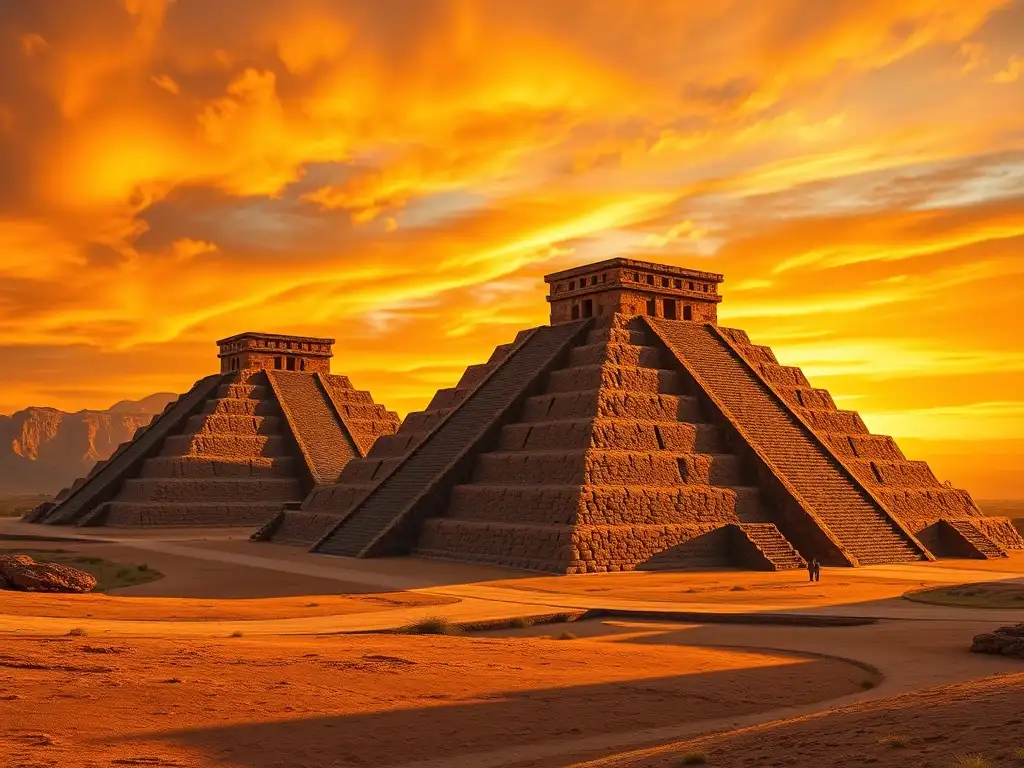
Step into a world lost to time, yet echoing with the whispers of a magnificent civilization. Journey with us through the Andes, where towering mountains guarded the secrets of the ancient Moche. Prepare to be captivated by the ingenuity and spiritual depth of their world, as we delve into the enigmatic design and purpose of Moche religious architecture. Discover breathtaking examples that reveal a profound connection between the Moche and their gods – a connection waiting to be unveiled. Are you ready to unlock these ancient mysteries?
The Moche civilization (c. 100 – 800 CE), flourishing along the arid northern coast of Peru, left behind a remarkable legacy of religious architecture. This article delves into the fascinating designs and intended purposes of their sacred spaces, providing concrete examples that showcase the ingenuity and spiritual depth of this pre-Columbian culture. Understanding Moche religious architecture offers a crucial window into their complex cosmology, social structures, and sophisticated engineering capabilities.
We will explore several key aspects of their religious buildings, examining their construction techniques, iconography, and the role they played in Moche society, ultimately providing insightful examples for those searching for "Moche religious architecture examples". The intricate details uncovered through archaeological excavations reveal a civilization deeply connected to the supernatural world, manifesting this connection through monumental structures and meticulously crafted artifacts.
Huacas and Their Significance
Huacas, the term used to describe sacred places by the Moche, weren't simply buildings; they were considered living entities, imbued with spiritual power. These structures, often built on elevated platforms or hillsides, served as focal points for religious rituals and ceremonies. Their construction involved immense labor, reflecting the importance of these sites within Moche society.
Many huacas incorporated intricate designs, featuring sculpted friezes depicting deities, mythical creatures, and scenes of ritual sacrifice. The scale and complexity of these structures varied greatly, ranging from smaller, more localized shrines to massive, multi-platform complexes that dominated the landscape. Archaeological evidence suggests that the construction of these huacas was a communal effort, involving the participation of various social groups within the Moche society.
The precise methods used for building these monumental structures, while still under investigation, point towards advanced engineering skills and a deep understanding of materials. For instance, the use of adobe bricks, meticulously crafted and arranged, demonstrates a high level of architectural sophistication.
Examples of Moche Religious Architecture
Several well-documented examples of Moche religious architecture offer compelling insights into their beliefs and practices. These sites, often located near water sources or strategically positioned within the landscape, demonstrate a clear understanding of cosmology and the importance of their relationship with the natural world.
- Huaca del Sol and Huaca de la Luna: These two massive adobe pyramids, located near the modern-day city of Trujillo, are perhaps the most famous examples of Moche religious architecture. Huaca del Sol, the larger of the two, is believed to have been a primarily administrative center, while Huaca de la Luna served as a significant religious complex. The elaborate murals and sculpted reliefs found on Huaca de la Luna depict scenes of warfare, ritual sacrifice, and the Moche pantheon. The sheer scale of these structures underscores the power and resources of the Moche state.
- Huaca Rajada: This site, known for its remarkable finds including the tomb of the "Lord of Sipán," showcases the Moche's sophisticated burial practices and the importance of ritual offerings. The architecture of Huaca Rajada, while less monumental than Huaca del Sol and Huaca de la Luna, reveals intricate details of design and construction, highlighting the Moche's mastery of adobe brickwork. The presence of richly decorated tombs within the complex further underscores the significance of this site as a sacred place.
- Smaller Huacas: Beyond the large-scale pyramids, numerous smaller huacas are scattered throughout the Moche heartland. These smaller structures, often less well-preserved, still provide valuable insights into the diversity and distribution of religious practices across the Moche territory. Many of these smaller huacas were likely associated with local communities and served as places for localized rituals and ceremonies. Further research and excavation are needed to fully understand the function and significance of these smaller sites.
The Role of Ritual and Sacrifice
The Moche religious architecture was inextricably linked to ritual and sacrifice. The elaborate murals and reliefs found at many huacas often depict scenes of ritual sacrifice, suggesting the centrality of this practice in their religious beliefs. While the exact nature and purpose of these sacrifices remain a subject of ongoing debate among scholars, it's clear that they played a crucial role in maintaining the cosmic order and ensuring the prosperity of the Moche civilization.
The presence of human remains, often accompanied by elaborate grave goods, at various huacas provides compelling evidence of these ritualistic practices. The Moche clearly invested significant resources and effort into these ceremonies, further highlighting their importance within their society.
These sacrifices, often involving both human and animal victims, were likely performed to appease deities, ensure successful harvests, or maintain the balance of the cosmos. The careful planning and execution of these rituals, as evidenced by the archaeological record, point to a highly structured and organized religious system.
Architectural Techniques and Materials
The Moche demonstrated remarkable skills in architecture and engineering, using readily available materials to create impressive structures. Adobe bricks, made from sun-dried mud and straw, were the primary building material. The precision and consistency in the size and shape of these bricks are a testament to the Moche's organizational capabilities and architectural expertise.
They employed sophisticated techniques to build massive structures, often incorporating ramps and scaffolding to facilitate construction. The use of platforms and stepped pyramids allowed them to overcome the challenges of the arid coastal environment and create monumental structures that dominated the landscape.
The choice of location for many huacas, often on elevated points or near water sources, further highlights their understanding of the environment and their desire to create sacred spaces that were both visually striking and strategically significant. Detailed studies of the surviving structures reveal an impressive understanding of load-bearing construction and the properties of adobe bricks.
- Huacas and Their Significance
- Examples of Moche Religious Architecture
- The Role of Ritual and Sacrifice
- Architectural Techniques and Materials
- What is the significance of Moche religious architecture?
- What are some examples of Moche religious structures?
- How did the Moche use religious architecture to display power?
- What materials were primarily used in Moche religious architecture?
- What can we learn from studying Moche religious architecture?
Understanding Moche Sacred Spaces: An Introduction
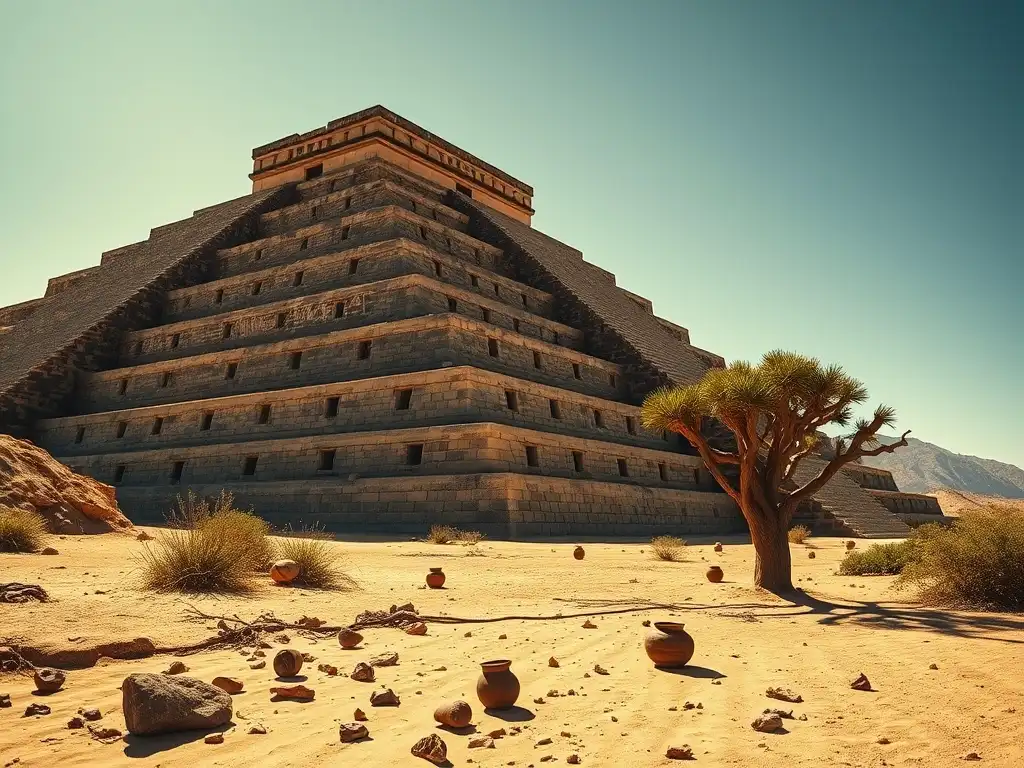
The Moche civilization (c. 100 – 800 CE), renowned for its sophisticated artistry and intricate social structures, left behind a remarkable legacy of religious architecture. These structures, far from mere buildings, served as vital components of their complex religious system, reflecting their beliefs, rituals, and societal organization. Studying Moche religious architecture provides invaluable insights into their worldview and the intricate relationship between their spiritual and material lives.
Understanding the design and purpose of these sacred spaces is crucial to fully appreciating the depth and complexity of Moche culture. We'll explore examples showcasing the diverse forms and functions of Moche religious architecture, highlighting the ingenuity and artistry that characterized their approach to sacred space. The term "Moche religious architecture examples" itself encompasses a wide range of structures, from grand temples to smaller, more intimate shrines, each with its unique purpose and design features.
The Significance of Religious Architecture in Moche Society
Religious architecture held paramount importance in Moche society. It wasn't simply a backdrop for religious activities; it was the religious activity in many ways. These structures served as focal points for communal rituals, reinforcing social cohesion and political power.
The scale and grandeur of some Moche religious structures, such as the Huaca del Sol and Huaca de la Luna, suggest the significant investment of resources and labor, underscoring the high value placed on religious practice. This massive investment points to a powerful theocratic element within Moche society, where religious leaders likely held considerable influence. The meticulous craftsmanship evident in the architecture, with its intricate carvings and decorative elements, further emphasizes the sacred nature of these spaces and the importance of religious expression within the culture.
Furthermore, the strategic placement of these structures, often on prominent geographical locations, suggests a deliberate attempt to connect the sacred with the earthly realm, possibly reflecting cosmological beliefs. The intricate murals found within some structures also offer valuable clues to understanding Moche mythology and religious iconography. For example, the depictions of deities, rituals, and mythical creatures provide a visual narrative of their beliefs and practices.
Moche Religious Beliefs and Their Architectural Manifestations
Moche religious beliefs were deeply intertwined with their agricultural practices and the natural world. Their pantheon of deities, often depicted in elaborate ceramics and murals, included figures associated with fertility, water, and the harvest. This is reflected in the architecture through features such as water management systems integrated into temple complexes and the use of agricultural motifs in decorative elements. The presence of reservoirs and irrigation canals near some religious sites suggests a close connection between religious practices and the control of water resources, essential for their survival in the arid coastal region.
Consider the Huaca del Sol and Huaca de la Luna: The massive scale of these pyramids, built with millions of adobe bricks, testifies to the immense organizational capacity of the Moche and their dedication to religious construction. The architectural layout, with its distinct platforms and chambers, likely reflected specific ritual functions and hierarchical organization within the religious system. Moreover, the presence of specialized workshops and storage areas within these complexes suggests a complex social organization dedicated to the upkeep and maintenance of these sacred spaces.
Analyzing the architectural features, materials, and decorative elements provides crucial insights into the evolution of Moche religious beliefs and practices over time. Further research, including detailed analysis of remaining architectural fragments and comparative studies with other Moche sites, can help uncover more nuanced understandings of the specific religious beliefs associated with particular architectural forms. The ongoing excavation and study of Moche sites continue to reveal new evidence, enriching our understanding of this fascinating civilization and their remarkable religious architecture.
Key Elements of Moche Religious Architecture
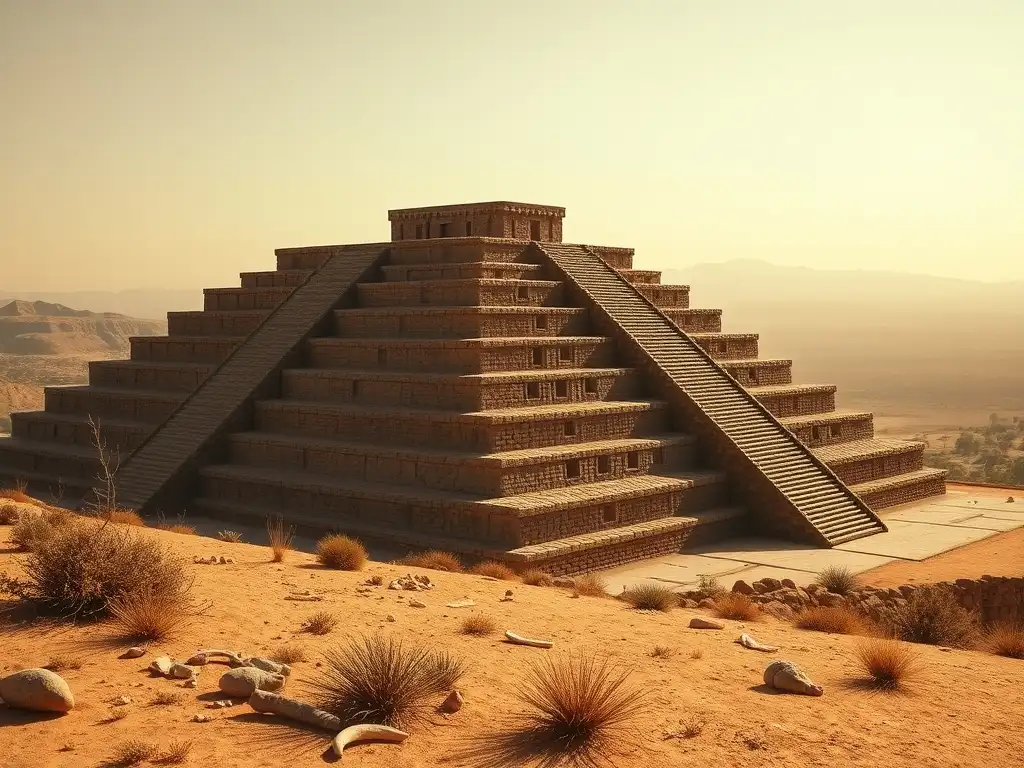
This section delves into the defining characteristics of Moche religious architecture, providing concrete examples that illustrate the sophistication and complexity of their sacred spaces. Understanding these key elements is crucial to appreciating the Moche's deep-seated religious beliefs and their sophisticated societal structure. We will explore the materials, design principles, and symbolic significance embedded within these remarkable structures, highlighting their role in Moche society. The study of Moche religious architecture examples offers invaluable insights into their worldview and cultural practices.
Moche Temple Design: Common Features and Variations
Moche temples, often referred to as huacas, display a remarkable consistency in their fundamental design principles while exhibiting significant variations reflecting regional differences and evolving architectural styles. A common feature is the use of platforms, creating a tiered structure that may symbolize the layered cosmology of the Moche worldview. Many temples incorporated ramps, providing access to the elevated platforms, which likely served as important ceremonial spaces.
The use of adobe bricks, meticulously crafted and sun-dried, formed the basis of Moche temple construction. However, the size and arrangement of these bricks varied considerably. Some structures exhibit a more refined masonry, indicating a higher level of craftsmanship and possibly a greater social or religious significance.
For instance, the Huaca de la Luna, known for its intricate murals and sophisticated construction, showcases a higher level of architectural precision compared to smaller, less elaborate structures found in outlying areas. This variation suggests a correlation between the scale and complexity of the structure and its importance within the Moche social hierarchy. Further research is needed to fully understand the specific significance of these variations, but existing evidence points towards a complex interplay of religious, social, and practical factors.
The Use of Adobe in Moche Sacred Constructions
The ubiquitous use of adobe bricks in Moche religious architecture is not simply a matter of readily available materials; it speaks volumes about the Moche's understanding of their environment and their sophisticated building techniques. Adobe, a mixture of sun-dried clay and organic materials, allowed for flexibility in design and construction. The Moche mastered the art of creating durable and aesthetically pleasing structures using this material.
The quality of adobe bricks varied depending on the location and the intended use of the structure. Higher-quality bricks, characterized by their uniform size and precise placement, were used in more prominent structures like the Huaca del Sol and the Huaca de la Luna. The careful selection and preparation of the clay, along with the precise arrangement of the bricks, contributed to the longevity and stability of these impressive structures.
The use of adobe also allowed for intricate wall designs and the incorporation of murals, further enhancing the aesthetic and symbolic significance of the buildings. The Moche's mastery of adobe construction is a testament to their advanced technological capabilities and their deep understanding of the properties of their building materials.
Moche Pyramids: Huacas as Centers of Power and Worship
Moche pyramids, or huacas, were not merely monumental structures; they served as multifaceted centers of power, religious activity, and social life. These imposing structures, often built on elevated platforms, dominated the landscape, symbolizing the authority and power of the elite. The Huaca del Sol and the Huaca de la Luna, located near the modern-day city of Trujillo, are prime examples of this architectural style. Their immense size and elaborate construction reflect the significant resources and manpower devoted to their creation.
These structures were not solely places of worship; evidence suggests they also housed administrative centers, workshops, and residential areas for priests and other important figures. The layered architecture likely mirrored the Moche's hierarchical social structure, with access to the upper levels restricted to the elite. The discovery of numerous artifacts, including elaborate ceramics, gold ornaments, and human remains, within and around these pyramids provides further evidence of their multifaceted functions.
The careful placement of these artifacts within the structures suggests a deliberate attempt to create sacred spaces imbued with symbolic meaning. The study of these pyramids offers invaluable insights into the complex social and religious organization of Moche society, demonstrating how architecture served as a powerful tool for expressing power, authority, and religious beliefs. Further research into the layout and internal structure of these pyramids is crucial to gaining a more complete understanding of their role in Moche society.
Iconography and Decorative Motifs in Moche Religious Architecture
The Moche, renowned for their sophisticated artistry, infused their religious architecture with elaborate iconography and decorative motifs. These weren't merely aesthetic choices; they served crucial roles in conveying religious narratives, beliefs, and the power of the elite. The imagery found on the walls, platforms, and even the surrounding landscaping of Moche religious structures offers valuable insights into their worldview. We see a consistent emphasis on certain key figures and symbols, reflecting the importance of specific deities or cosmological concepts within their belief system.
One prominent motif frequently encountered is the depiction of powerful, often anthropomorphic deities. These figures are frequently shown in dynamic poses, sometimes engaged in ritualistic acts or battles, reflecting the Moche perception of a dynamic and active spiritual world. The details of their clothing, adornments, and the accompanying symbols provide clues to their identity and role within the pantheon.
For example, the recurring image of a deity wielding a staff or scepter might represent a god of authority or control over the natural world. Careful study of these figures, their attributes, and their context within the architecture can help us understand the hierarchy and interrelationships within the Moche religious system.
Beyond the depiction of deities, Moche religious architecture also abounds with zoomorphic and phytomorphic motifs. Animals, particularly predatory birds like the condor and powerful felines, and plants, often symbolically linked to fertility and abundance, feature prominently. These depictions were not randomly chosen; they were carefully selected to reinforce the religious and cosmological messages conveyed by the architecture. For instance, the presence of a condor might symbolize power, strength, and connection to the upper world, while the depiction of maize plants could signify prosperity and the vital role of agriculture in their society.
The decorative motifs weren't limited to painted murals or carved reliefs. The very construction materials themselves often played a part. The selection of specific stones, their arrangement, and the use of color all contributed to the overall visual and symbolic impact of the buildings. This holistic approach to design underscores the deep integration of artistic and religious expression in Moche culture.
The careful placement of these elements within the architectural landscape suggests a deliberate and planned approach to creating sacred spaces that were both aesthetically pleasing and deeply symbolic. Further research into the specific pigments and materials used could shed more light on the significance of these choices. The precise sourcing of these materials might also reveal important trade networks and the extent of Moche influence.
Prominent Examples of Moche Religious Architecture
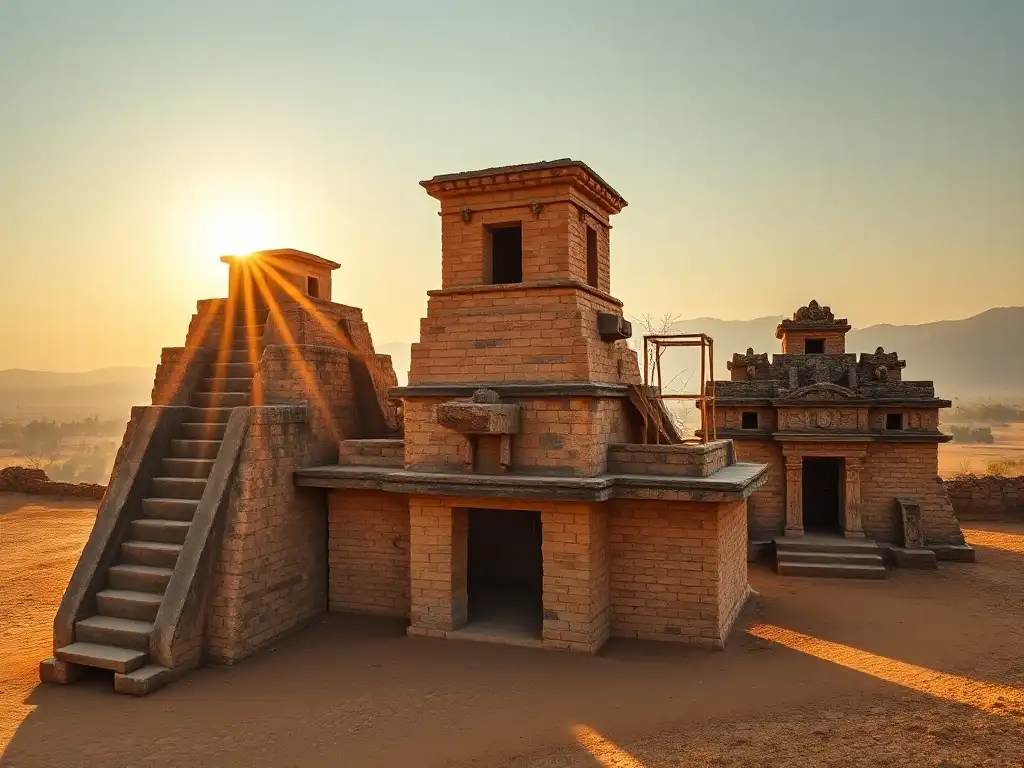
The Moche, a pre-Columbian civilization flourishing along the northern coast of Peru (circa 100-800 CE), left behind a remarkable legacy of religious architecture. Their structures, often massive in scale and intricately designed, provide invaluable insight into their complex religious beliefs and societal organization. Understanding Moche religious architecture examples allows us to appreciate the sophistication and artistry of this ancient culture, revealing much about their worldview and practices.
The use of adobe brick, a readily available material, allowed for the creation of monumental structures that served diverse ritualistic and ceremonial functions. This section will explore two prominent examples: the Huaca de la Luna and the Huaca del Sol, showcasing the key features of Moche sacred spaces and their significance.
The Huaca de la Luna: A Major Moche Ceremonial Center
The Huaca de la Luna, meaning "Pyramid of the Moon," is a striking example of Moche religious architecture, known for its vibrant murals and evidence of elaborate rituals. Its construction spanned several phases, reflecting the evolving religious practices and power dynamics within Moche society over centuries. The site's location, strategically positioned within the Moche valley, suggests its importance as a central place for religious activities and potentially administrative functions. Excavations have unearthed a wealth of artifacts, including human remains, sacrificial offerings, and stunning examples of Moche artistry, all contributing to a richer understanding of their religious life.
Architectural Layout of Huaca de la Luna
The Huaca de la Luna's architecture is characterized by its layered construction, with multiple platforms and chambers. The main structure is a stepped pyramid, built from millions of sun-dried adobe bricks. A series of ramps and stairways provided access to different levels, likely symbolizing the journey to the spiritual realm. Internal chambers, some richly decorated with murals, were used for various purposes, including ritual sacrifices and possibly elite burials.
The precise arrangement of these chambers and the overall design reflect a sophisticated understanding of spatial organization and symbolic meaning within the Moche worldview. Evidence suggests that the architectural layout wasn't static; modifications and additions were made over time, reflecting the changing needs and beliefs of the Moche people. This dynamic architectural development provides valuable clues into the evolution of their religious practices.
Murals and Iconography within Huaca de la Luna
The murals of Huaca de la Luna are arguably its most famous feature. These incredibly well-preserved paintings depict a range of Moche deities, mythical creatures, and scenes of ritual activities. The vibrant colors and detailed imagery offer invaluable insights into Moche mythology and cosmology. The iconography often features powerful figures, possibly representing priests or rulers, engaging in ceremonies involving sacrifices and offerings.
The recurring motifs of stylized warriors, priests, and supernatural beings highlight the importance of these figures within Moche religious beliefs. Analysis of these murals has revealed complex narratives and symbolic meanings, shedding light on the interconnectedness of religion, politics, and warfare within Moche society. The artistic skill displayed in these murals is exceptional, demonstrating a high level of technical proficiency and aesthetic sensibility.
The Huaca del Sol: A Monumental Adobe Structure
The Huaca del Sol, meaning "Pyramid of the Sun," is another impressive example of Moche religious architecture. Unlike the Huaca de la Luna, the Huaca del Sol is less decorated, but its sheer size and monumental scale are awe-inspiring. Its massive structure, constructed primarily from adobe bricks, dominates the landscape, showcasing the Moche's remarkable engineering capabilities and their ability to mobilize significant labor for religious construction projects. Its function remains debated, but its size and strategic location strongly suggest a significant role in Moche society.
The Role of Huaca del Sol in Moche Society
The exact purpose of the Huaca del Sol remains a subject of ongoing research and scholarly debate. However, its colossal size and strategic location suggest it was a significant center of power and religious activity. Some theories propose it served as a platform for major ceremonies, a center for elite residences, or a symbol of Moche power and authority.
Its size alone suggests a substantial investment of resources and labor, indicating its importance within the Moche social structure. The absence of extensive decoration compared to the Huaca de la Luna may suggest a different function, perhaps a more purely symbolic or political role, rather than a primary site for ritual performance. Further research and archaeological analysis are needed to fully understand its precise function within the Moche religious and social landscape.
Erosion and Preservation Challenges of Huaca del Sol
The Huaca del Sol faces significant challenges due to erosion and the passage of time. The adobe bricks, while durable, are vulnerable to the elements, particularly the harsh coastal climate. The effects of weathering and human activity have resulted in considerable damage to the structure.
Preservation efforts are crucial to protect this important archaeological site and ensure that future generations can appreciate this remarkable example of Moche religious architecture. Ongoing research and conservation projects aim to mitigate the effects of erosion and stabilize the structure, enabling continued study and appreciation of this monumental achievement of Moche engineering and religious expression. The ongoing preservation work is vital to safeguard this significant piece of Andean heritage for years to come.
Other Notable Moche Religious Sites: Pañamarca and El Brujo
The Moche, renowned for their sophisticated religious beliefs and practices, left behind a legacy of impressive architectural achievements. While Huaca del Sol and Huaca de la Luna often steal the spotlight, other sites offer valuable insights into Moche religious architecture and its diverse expressions. Two such significant examples are Pañamarca and El Brujo, each possessing unique characteristics reflecting the complexity of Moche religious life.
These sites, though perhaps less extensively studied than the grander structures at the Moche heartland, provide crucial data to broaden our understanding of Moche religious architecture examples and their geographical distribution. The variations in design and construction techniques observed across these sites highlight the adaptive nature of Moche architecture to diverse landscapes and possibly regional variations in religious practices. Further research into these lesser-known sites is crucial for a comprehensive understanding of the Moche civilization's religious landscape.
Architectural Analysis of Pañamarca
Pañamarca, located in the northern Peruvian Andes, stands as a testament to the Moche ability to adapt their architectural style to challenging terrains. Unlike the expansive adobe platforms of Huaca del Sol and Huaca de la Luna, Pañamarca exhibits a more compact, terraced structure, likely reflecting its integration into the mountainous environment. The site consists of several interconnected structures, including residential areas and what are believed to be ceremonial platforms.
The use of stone, rather than adobe, in the construction reflects the availability of local resources and demonstrates the Moche's adaptability in utilizing diverse building materials according to regional conditions. Detailed analysis of the site's layout suggests a hierarchical organization, with certain structures potentially dedicated to elite members of the society, reflecting the social stratification present within Moche society. The discovery of various artifacts, including ceramics and other ritual objects, within and around the structures further supports the interpretation of Pañamarca as a site with significant religious function.
The surviving architectural remains, though fragmented due to natural erosion and time, continue to yield important information about Moche religious beliefs and practices. Further investigation and conservation efforts are needed to fully unlock the secrets held within Pañamarca's stone walls.
Architectural Analysis of El Brujo
El Brujo, situated on the northern coast of Peru, presents a different facet of Moche religious architecture. Unlike the monumental scale of Huaca del Sol and Huaca de la Luna, El Brujo comprises a complex of smaller pyramids and platforms, suggesting a potentially decentralized or multi-functional religious center. The site is characterized by a variety of architectural styles and construction techniques, reflecting the evolution of Moche architecture over time, or perhaps the presence of different religious or social groups within the complex.
The presence of intricate murals depicting Moche deities and rituals offers invaluable insights into their religious iconography and beliefs. The discovery of richly decorated tombs containing elite burials further underscores the site's importance as a center for ritual activity and the veneration of ancestors. The Huaca Prieta, one of the key structures within El Brujo, is noteworthy for its unique construction techniques and the impressive scale of its murals, making it a prime example of Moche architectural innovation and artistic skill.
The ongoing excavations at El Brujo continue to reveal new details about the site's layout, construction, and use, providing valuable data for understanding the complexity and evolution of Moche religious architecture. The diversity of structures and artifacts found at El Brujo contributes significantly to our understanding of Moche religious architecture examples and their potential variations across different regions and periods.
The Purpose and Function of Moche Religious Architecture
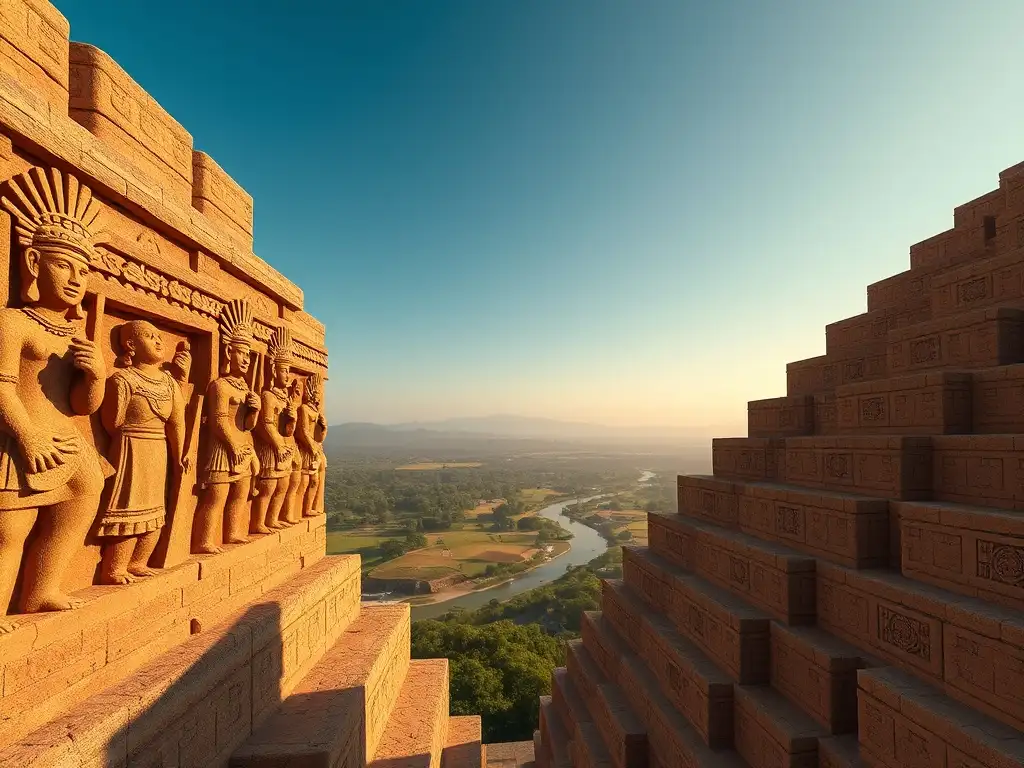
The Moche civilization, flourishing along the northern coast of Peru from approximately 100 CE to 800 CE, left behind a remarkable legacy of religious architecture. Understanding the purpose and function of these structures requires examining their design, the rituals performed within them, and their relationship to the broader social and political landscape. Unlike many other ancient cultures, the Moche didn't construct monumental temples in the traditional sense. Instead, their sacred spaces were often integrated into the landscape, utilizing natural features like hillsides and cliffs to enhance their symbolic power.
This integration speaks volumes about their deep connection to the environment and their belief system's inherent relationship with the natural world. The strategic placement of these structures, often overlooking fertile valleys or near water sources, suggests a close link between religious practices and the cyclical nature of agriculture and the life-giving forces of nature. This is a crucial aspect of understanding Moche religious architecture examples, as it highlights the holistic approach to their spirituality.
Analyzing the orientation of structures, the use of specific materials, and the presence of associated artifacts offers valuable insights into the cosmology and ritual practices of this fascinating culture. Further research into the specific composition of construction materials (e.g., adobes, stone, etc.) and their sourcing could reveal further details about the economic and logistical aspects of constructing these sacred spaces.
Moche Rituals and Ceremonies within Sacred Spaces
Evidence suggests that Moche religious architecture served as the backdrop for a range of elaborate rituals and ceremonies. These ceremonies likely involved offerings of food, drink, textiles, and precious objects, perhaps even human sacrifice in certain cases. The discovery of richly adorned burials within or near these structures supports this theory.
For example, the Huaca de la Luna and Huaca del Sol, two massive adobe pyramids near the modern city of Trujillo, have yielded countless artifacts indicating extensive ritual activity. The scale of these sites suggests that large numbers of people participated in these ceremonies, highlighting the importance of religion in Moche society. Many artifacts discovered within these structures depict scenes of ritual sacrifice and ceremonial processions, giving us a visual record of these practices.
The intricate murals and reliefs found on the walls of these buildings further illustrate the complexity and significance of these rituals, providing visual narratives of Moche mythology and religious beliefs. Detailed studies of these artistic representations are crucial for understanding the specific rituals performed within these spaces, offering valuable insights into their religious beliefs and practices. [Specific details on types of rituals and ceremonies pending further research].
The Role of Priests and Elites in Moche Religious Life
The construction and maintenance of Moche religious architecture undoubtedly required significant resources and labor. This points to the involvement of a powerful priestly class and elite members of society, who likely controlled the organization and execution of religious activities. The elaborate adornments found on some human remains unearthed near these structures suggest that priests and elites held a privileged position within Moche society, acting as intermediaries between the human and divine realms.
The scale and complexity of the architecture themselves imply a hierarchical structure within the religious system. For instance, the size and grandeur of structures like the Huaca del Sol might have signaled the power and influence of the ruling elite or the priest class who oversaw the construction and use of such monumental structures. The intricate designs and the level of craftsmanship needed for building these structures would have required specialized knowledge and skills, managed and directed by an elite class with access to resources and labor.
Further research into the social organization of the Moche, focusing on the roles and status of priests and elites, is vital for a complete understanding of the function of their religious architecture. [Specific data on the social hierarchy and the roles of priests pending further investigation].
Moche religious architecture wasn't simply a space for rituals; it also served as a powerful symbol of social hierarchy and political authority. The size and complexity of certain structures, like the aforementioned Huaca del Sol and Huaca de la Luna, suggest a correlation between religious power and political control. The elite likely used these structures to consolidate their power and legitimize their rule.
The impressive scale of these constructions, the elaborate artwork adorning them, and the sheer amount of labor required for their construction served as a powerful display of the elite's wealth, power, and control over resources and manpower. This display of power served a dual purpose: reinforcing the legitimacy of the ruling class and inspiring awe and reverence in the common population. The distribution of smaller, less elaborate structures throughout the Moche landscape could also reflect a decentralized system of religious authority, with local communities having their own sacred spaces, although still operating within the broader framework of the Moche religious system.
The careful study of the distribution and characteristics of Moche religious architecture across different regions can illuminate the social and political organization of the civilization as a whole. [Comparative analysis of different Moche religious sites and their relationship to social hierarchy pending].
The Connection between Moche Cosmology and Architecture
The Moche people's sophisticated understanding of the cosmos deeply influenced their religious architecture. Their worldview, centered around powerful deities associated with nature, particularly water and fertility, is vividly reflected in the design and placement of their sacred structures. The Moche didn't simply build temples; they constructed physical manifestations of their cosmological beliefs.
For example, the careful orientation of many Moche structures towards significant celestial events, such as solstices and equinoxes, suggests a conscious effort to align their sacred spaces with the rhythms of the universe. This alignment wasn't arbitrary; it was a way to harness the power of the cosmos and maintain a harmonious relationship with the divine. The precise astronomical knowledge embedded within the architecture highlights the advanced understanding of astronomy possessed by Moche priests and engineers.
It underscores the importance of celestial observation in their religious practices and the crucial role played by the cosmos in their daily lives. Their architecture served not just as places of worship, but also as astronomical observatories, reflecting a holistic integration of religion and science.
Further evidence of this cosmological connection can be found in the iconography frequently depicted on the structures themselves. Representations of celestial bodies, deities, and mythical creatures, often intricately carved into adobe bricks or painted on temple walls, reinforce the sacred nature of these spaces and their links to the supernatural realm. These visual elements acted as powerful reminders of the Moche cosmology and served to reinforce religious beliefs within the community.
The use of specific colors and materials, possibly linked to specific deities or celestial events, further supports this intricate connection. For instance, the prevalence of certain pigments may relate to specific astronomical cycles or the power associated with particular gods. This careful consideration of every detail reflects the deeply spiritual nature of Moche religious architecture and the profound importance of their relationship with the cosmos.
Unfortunately, much of the original pigments have degraded over time, limiting our ability to fully understand the nuances of their symbolic system, but ongoing research continues to illuminate this important aspect of Moche culture. The study of surviving fragments provides valuable insights into the Moche's artistic skill and religious convictions.
Moche Religious Architecture Examples: A Summary
The Moche, a pre-Columbian civilization flourishing along the northern coast of Peru (circa 100-800 CE), left behind a remarkable legacy of religious architecture. Their structures, often integrated seamlessly into the landscape, reveal a sophisticated understanding of engineering and a deep connection to their deities and the natural world. Understanding Moche religious architecture provides crucial insights into their complex belief system, social structure, and technological capabilities.
This section will explore several key examples, highlighting their distinctive features and the significant role they played in Moche society. We'll examine how these structures functioned as focal points for ritualistic practices, reflecting the civilization’s vibrant cosmology and artistic prowess. Analyzing these Moche religious architecture examples helps us piece together a more complete picture of this fascinating ancient culture.
Key Characteristics of Moche Religious Buildings
Moche religious buildings exhibit several recurring characteristics, pointing to consistent design principles and religious beliefs. These structures were rarely freestanding monuments; instead, they often integrated organically with the surrounding terrain, utilizing natural features like hillsides and cliffs to enhance their impact. The use of adobe bricks, a readily available material in the region, was ubiquitous. However, the level of craftsmanship and architectural sophistication varied depending on the building's purpose and the resources available.
One striking feature is the frequent incorporation of platforms and ramps. These elevated structures likely served multiple functions, including providing vantage points for observing astronomical events – a significant aspect of Moche cosmology – and creating a sense of hierarchy and sacred space. Furthermore, the use of intricate murals and reliefs, often depicting deities, mythical creatures, and scenes of ritual sacrifice, adorned many of these buildings. These artistic embellishments were not merely decorative; they served as powerful visual narratives, conveying religious stories and beliefs to the community.
The construction also reflected a sophisticated understanding of hydraulic engineering. Many Moche religious sites featured sophisticated water management systems, reflecting the crucial role of water in their worldview and agricultural practices. The integration of canals, reservoirs, and irrigation systems into the architectural design underscores the close relationship between the Moche people, their environment, and their religious beliefs.
This practical application of engineering skills further emphasizes the importance of these structures within the broader Moche society. For example, the Huaca de la Luna and Huaca del Sol, near Trujillo, showcase impressive adobe construction techniques and extensive use of platforms and ramps, demonstrating the scale and complexity of Moche religious architecture.
The Lasting Legacy of Moche Sacred Spaces
The legacy of Moche religious architecture extends far beyond their physical remains. The artistry, engineering, and spiritual significance embedded within these structures continue to inspire awe and wonder. These sites serve as powerful reminders of the Moche's advanced civilization and their deep connection to their spiritual world. The careful preservation and ongoing study of these sites offer invaluable insights into their religious practices, artistic expressions, and social structures, enriching our understanding of pre-Columbian Andean cultures.
The enduring appeal of Moche religious architecture is also evident in its influence on subsequent Andean cultures. Many later civilizations built upon the Moche's architectural traditions, adapting and reinterpreting their designs to suit their own needs and beliefs. This continuity demonstrates the lasting impact of Moche culture and the enduring power of their religious spaces. The study of Moche religious architecture examples provides a window into the past, offering valuable lessons about human creativity, resilience, and the enduring power of faith. The meticulous detail in the surviving structures, even amidst the ravages of time, speaks to the profound importance these spaces held for the Moche people. Further research and excavation efforts continue to reveal new details, promising further insights into this remarkable civilization and its rich spiritual heritage. The study of these sites is crucial for understanding not only the Moche but also the broader context of Andean cultural development.
Frequently Asked Questions
What is the significance of Moche religious architecture?
Moche religious architecture played a vital role in their religious beliefs and practices. Temples and platforms were central to their rituals, ceremonies, and possibly even human sacrifice, reflecting their complex societal structure. Elaborate designs emphasized their power and connection to the supernatural.
What are some examples of Moche religious structures?
Examples include the Huaca del Sol and Huaca de la Luna at the Moche site of Moche, Peru. These massive adobe structures served as important ceremonial centers, showcasing the Moche's architectural mastery and artistic skill. Other examples are found throughout the Moche heartland.
How did the Moche use religious architecture to display power?
The scale and grandeur of Moche religious architecture served to demonstrate the power and authority of the elite. The monumental structures and intricate designs conveyed their control over resources and labor, reinforcing their social hierarchy.
What materials were primarily used in Moche religious architecture?
Moche architects primarily used adobe bricks, a mixture of sun-dried clay and mud. This readily available material allowed for the construction of large-scale structures. Painted stucco was frequently employed to decorate the buildings, adding vibrant colors and intricate designs.
What can we learn from studying Moche religious architecture?
Studying Moche religious architecture offers valuable insights into their religious beliefs, social organization, and artistic capabilities. It helps us understand their worldview and the significance of ritual and ceremony in their daily lives, providing a glimpse into their advanced civilization.
Final Reflection: Echoes of the Moche: A Legacy in Stone and Spirit
The intricate religious architecture of the Moche civilization continues to resonate today, a powerful testament to the ingenuity and spiritual depth of a society long gone. Their monumental structures, meticulously crafted and imbued with symbolic meaning, offer a window into a complex worldview that shaped their society and left an enduring legacy on the Peruvian landscape. Understanding their architectural achievements is not merely an academic exercise; it's a key to unlocking a deeper understanding of human creativity and the enduring power of faith.
The Moche's dedication to constructing these magnificent temples and platforms speaks volumes about the central role religion played in their daily lives. Their artistry, evident in the intricate friezes and the careful placement of structures within the landscape, reveals a sophisticated understanding of both aesthetics and cosmology. The architecture of a people is a mirror to their soul,
a sentiment that rings particularly true when considering the grandeur and mystery of Moche religious sites. The impact of their architectural legacy extends beyond the physical structures themselves; it continues to inspire awe, fuel archaeological research, and inform our understanding of pre-Columbian Andean cultures.
Consider the enduring power of these structures. They stand as silent witnesses to a vibrant civilization, prompting us to contemplate the values and beliefs that shaped their creation. You, the reader, are now part of this ongoing conversation. Take a moment to reflect on the ingenuity and spiritual depth revealed in the Moche's architectural achievements. Let their legacy inspire you to appreciate the enduring power of human creativity and the importance of preserving our cultural heritage for future generations. What can we learn from the Moche about building a lasting legacy, both materially and spiritually, in our own time?
Ignite Your Curiosity About Moche Sacred Spaces!
Thank you for exploring the fascinating world of Moche religious architecture! We hope you've discovered the profound significance of these sacred spaces and their impact on the cultural landscape of Andean civilizations. Now, let's delve deeper and engage with this rich history in meaningful ways.
Here are some suggestions to continue your exploration:
- Visit a local museum or exhibition showcasing Moche artifacts to experience their artistry firsthand. Many museums feature stunning examples of Moche pottery and metalwork.
- Join an online forum or community dedicated to ancient Andean civilizations to share your knowledge and learn from other enthusiasts. You'll find a wealth of information and diverse perspectives.
- Expand your research by exploring other sacred spaces within different Andean cultures, comparing their styles and functions to those of the Moche. This comparative approach can reveal fascinating insights.
What aspect of Moche sacred spaces captivates you the most, and how do you see their influence reflected in modern architecture? We'd love to hear your perspectives!