
Exploring the Sweet Side of the Andes: Delve into the World of Andean Desserts


Uncover a hidden layer of Andean history – one spoonful at a time. Forget the towering ruins and intricate textiles; prepare to be captivated by the sweet secrets of the Andes. Journey with us into the vibrant world of Andean dessert recipes, a delicious exploration revealing surprising insights into the ingenuity and cultural richness of these ancient civilizations. Are you ready to taste the past?
- Exploring the Sweet Side of the Andes: Authentic Andean Dessert Recipes
- Understanding Traditional Andean Ingredients for Baking
- How to Prepare Authentic Andean Dessert Recipes at Home
- Monetizing Your Andean Dessert Journey
- Conclusion: Enjoying the Sweet Heritage of the Andes
-
Frequently Asked Questions
- What kind of ingredients were typically used in ancient Andean desserts?
- Are there any surviving ancient Andean dessert recipes?
- How did the geography of the Andes influence dessert-making?
- What role did desserts play in Andean culture and society?
- Where can I find authentic Andean dessert recipes today?
- Final Reflection: A Legacy of Sweetness, A Future of Flavor
- Savor the Sweetness: Take Action Today!
Exploring the Sweet Side of the Andes: Authentic Andean Dessert Recipes
The Andes Mountains, a majestic spine running down the western coast of South America, are renowned not only for their breathtaking landscapes and vibrant cultures but also for their rich culinary heritage. While often celebrated for hearty stews and savory dishes, the Andean region boasts a surprisingly diverse and delightful array of sweet treats.
This article delves into the fascinating world of Andean desserts, exploring the unique ingredients, historical influences, and traditional recipes that have shaped this captivating culinary tradition. From the simple yet satisfying sweetness of humitas to the more elaborate preparations of picarones, we will uncover the secrets behind these delicious desserts and provide you with the knowledge to recreate these authentic flavors in your own kitchen.
Prepare to embark on a culinary journey that will tantalize your taste buds and deepen your appreciation for the rich tapestry of Andean culture. This exploration of Andean dessert recipes will satisfy your craving for authentic flavors and provide a deeper understanding of the region's culinary artistry.
Discovering the Flavors of Andean Sweet Treats
Andean desserts are a testament to the ingenuity and resourcefulness of the region's inhabitants. They often utilize locally sourced ingredients, reflecting the diverse geography and agricultural practices of the Andes. Fruits like lúcuma, chirimoya, and aguaymanto (groundcherry) are frequently incorporated, lending unique and often exotic flavors to the sweets. Corn, a staple crop throughout the Andes, also plays a significant role, appearing in various forms, from the sweet humitas (steamed corn cakes) to the more complex tamales.
Furthermore, the use of spices like cinnamon and cloves, often introduced during the colonial period, adds another layer of complexity and aromatic depth to these culinary creations. The sweetness itself varies considerably, ranging from subtly sweet to intensely sugary, reflecting the preferences and traditions of different Andean communities. Understanding these foundational ingredients and their historical context is key to appreciating the nuances of Andean dessert recipes.
The following table highlights some key ingredients and their role in Andean desserts:
| Ingredient | Description | Role in Desserts |
|---|---|---|
| Lúcuma | A creamy, custard-like fruit | Adds richness and a unique caramel-like flavor |
| Chirimoya | A creamy, sweet fruit with a unique texture | Provides a creamy texture and sweet flavor |
| Aguaymanto | A small, sweet, and tangy fruit (groundcherry) | Offers a burst of refreshing sweetness and acidity |
| Corn | A staple grain | Used in various forms, from flour to whole kernels |
| Arequipe/Manjar | A type of dulce de leche | Provides a rich, creamy sweetness |
| Chancaca | Unrefined cane sugar | Adds a deep, molasses-like sweetness |
Exploring Popular Andean Dessert Recipes: A Culinary Journey
Let's delve into some specific examples of popular Andean desserts, showcasing their unique characteristics and the techniques involved in their preparation. This section will provide a more detailed look at several recipes, offering insights into the cultural significance and culinary artistry behind each one. We will explore not only the ingredients but also the methods of preparation, highlighting the traditional techniques passed down through generations.
The goal is to give you a comprehensive understanding of these recipes, enabling you to confidently recreate them in your own kitchen. Remember that variations exist across different Andean communities, so feel free to experiment and adapt the recipes to your own preferences. The journey of discovering and recreating these desserts is as rewarding as enjoying the final product!
Mastering the Art of Andean Baking and Confectionery
Beyond the specific recipes, understanding the fundamental techniques of Andean baking and confectionery is crucial for achieving authentic results. This section will explore the techniques unique to Andean cuisine, such as the preparation of arequipe (dulce de leche), the art of working with corn dough, and the use of traditional ovens and cooking methods. We will also discuss the importance of sourcing high-quality ingredients, as this greatly impacts the final flavor and texture of your creations.
Mastering these techniques will allow you to confidently experiment with different recipes and create your own unique variations, further enriching your culinary journey through the Andes. The quest for authentic Andean flavors requires both knowledge and practice, and this section is dedicated to providing you with the tools to succeed.
The exploration of Andean dessert recipes is not merely about the food itself; it is about understanding the history, culture, and ingenuity of the Andean people. It is a journey of discovery that will enhance your appreciation for this remarkable region and its culinary traditions. 👩🍳
Understanding Traditional Andean Ingredients for Baking
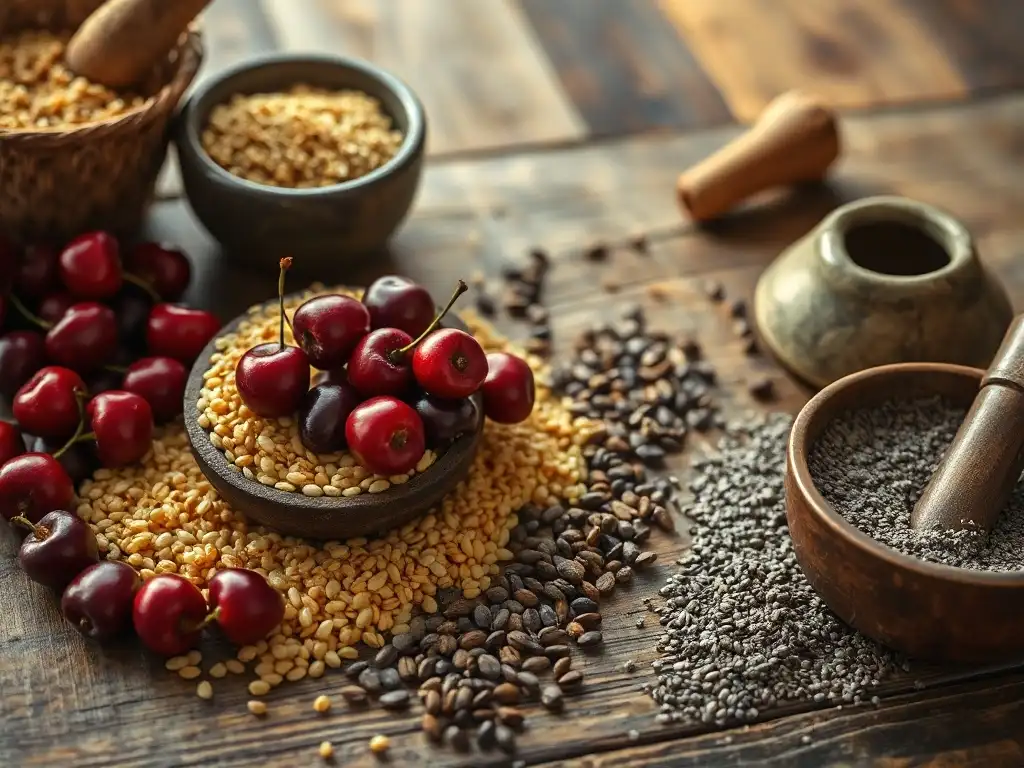
This section delves into the unique ingredients that form the heart of Andean dessert recipes, showcasing their diverse flavors and textures. Understanding these components is crucial to recreating authentic Andean culinary experiences at home. We'll explore the key roles of Andean grains and fruits, highlighting their versatility and historical significance. Mastering these ingredients is the first step towards unlocking the secrets of truly authentic Andean desserts.
The Importance of Andean Grains in Dessert Making
Andean grains, cultivated for millennia, provide a unique foundation for many traditional desserts. Their nutritional value and distinct flavors contribute significantly to the overall taste and texture profile. Unlike many modern baking ingredients, these grains offer a complex interplay of nutty, earthy, and subtly sweet notes.
The use of these ancient grains elevates Andean dessert recipes beyond the ordinary, offering a truly authentic culinary experience. For example, the incorporation of amaranth or quinoa flour adds a nutritional boost and a unique texture compared to wheat-based counterparts. This shift towards ancient grains not only enhances the flavor but also aligns with contemporary health-conscious trends.
Using Quinoa Flour for Unique Textures
Quinoa flour, derived from the quinoa grain, presents a remarkable versatility in Andean dessert recipes. Its slightly sweet and nutty flavor profile complements a wide range of ingredients, from fruits to spices. More than just a simple flour substitute, quinoa flour contributes a unique texture to baked goods. It produces a slightly denser, more moist crumb compared to wheat flour, resulting in cakes and cookies with a delightful chewiness.
This characteristic makes it particularly well-suited for recipes where a robust, hearty texture is desired. The high protein content of quinoa flour also contributes to a more satisfying and filling dessert. Experimenting with different ratios of quinoa flour to other flours can yield a wide array of textures and flavors, allowing for creative exploration in the kitchen.
The Role of Native Andean Fruits
Native Andean fruits are the stars of many traditional desserts. Their vibrant colors, intense aromas, and unique flavor profiles are integral to the rich tapestry of Andean culinary heritage. These fruits, often overlooked in international cuisine, represent a treasure trove of flavors and nutritional benefits, adding depth and complexity to Andean dessert recipes. From the creamy lúcuma to the subtly tart cherimoya, these fruits are essential for anyone seeking to authentically recreate Andean sweets.
Exploring Lúcuma: The "Gold of the Incas" in Desserts
Lúcuma, often referred to as the "Gold of the Incas," is a keystone ingredient in many Andean desserts. Its unique, subtly sweet flavor, reminiscent of maple syrup and sweet potato, lends itself beautifully to various applications. Its creamy texture makes it ideal for use in mousses, ice creams, and custards, adding a rich and decadent quality.
Furthermore, lúcuma powder is easily incorporated into cakes, cookies, and other baked goods, imparting a warm, inviting sweetness. The vibrant orange hue of lúcuma also adds a striking visual appeal to desserts, making it a visually captivating ingredient. The versatility of lúcuma allows for endless creative possibilities in the kitchen, making it a true culinary gem.
Using Cherimoya for Smooth and Creamy Treats
The cherimoya, with its custard-like texture and subtly sweet, tangy flavor, offers a refreshing counterpoint to the richness of other Andean fruits. Its creamy consistency makes it an excellent choice for ice creams, sorbets, and smoothies. The cherimoya's slightly tart undertone balances the sweetness of other ingredients, adding a delicate complexity to desserts.
In addition to its culinary uses, the cherimoya boasts a significant nutritional profile, rich in vitamins and minerals. Its smooth texture contributes to a luxurious mouthfeel, making it a highly desirable ingredient for those seeking both flavor and texture in their Andean dessert creations. The versatility of the cherimoya allows for both simple and sophisticated dessert applications, showcasing its adaptability and culinary potential.
Sweetening with Andean Natural Products
Andean desserts, renowned for their unique flavors and textures, owe much of their character to the natural sweeteners employed in their preparation. Unlike the refined sugars common in many modern recipes, Andean baking relies heavily on ingredients sourced directly from the region, offering a complex tapestry of sweetness and subtle nuances. These natural sweeteners not only contribute to the delicious taste but also reflect the ingenuity and deep connection between Andean cultures and their environment.
Understanding these ingredients is key to replicating the authentic flavors of traditional Andean desserts at home. The use of these natural sweeteners also often results in desserts with lower glycemic indexes than those made with refined sugar, offering a healthier alternative. This section explores two prominent examples: panela and yacon syrup.
Panela: Unrefined Sugarcane Goodness
Panela, an unrefined whole cane sugar, stands as a cornerstone of Andean cuisine. Unlike white sugar, which undergoes extensive processing, panela retains many of its natural nutrients and minerals. This results in a richer, more complex flavor profile, often described as having notes of caramel and molasses.
The production process is relatively simple, involving boiling sugarcane juice until it thickens and crystallizes. This traditional method, passed down through generations, ensures the preservation of essential vitamins and minerals, contributing to the nutritional value of Andean desserts. The color of panela can vary from light golden brown to dark brown, depending on the sugarcane variety and processing techniques.
This variation also influences the intensity of the flavor, offering a range of options for bakers to experiment with. Using panela in your Andean dessert recipes adds a depth of flavor that is simply unmatched by refined sugar, providing a truly authentic Andean experience. Its slightly earthy undertones perfectly complement the spices and other ingredients common in Andean baking, creating a harmonious and delicious outcome.
Yacon Syrup: A Natural Andean Sweetener
Yacon syrup, another treasure from the Andes, offers a unique twist on traditional sweeteners. Derived from the yacon plant, a native Andean root vegetable, this syrup boasts a lower glycemic index than many other sweeteners, making it a healthier choice for those watching their sugar intake. Its sweetness is significantly milder than that of panela or refined sugar, with a delicate, slightly tart flavor often described as subtly fruity and refreshing.
The syrup’s viscosity is also noteworthy; it possesses a slightly thinner consistency than honey, requiring some adjustment in recipes that call for thicker sweeteners. This subtle sweetness makes yacon syrup an ideal ingredient for desserts where a more delicate sweetness is desired, allowing the flavors of other ingredients to shine through. It's particularly well-suited for fruit-based desserts, complementing the natural sweetness of berries and other fruits without overpowering them.
Furthermore, yacon syrup is known to have potential prebiotic properties, contributing to gut health. Incorporating yacon syrup into your Andean dessert recipes not only adds a unique flavor profile but also offers potential health benefits, aligning with the focus on natural and wholesome ingredients that characterize traditional Andean cuisine.
How to Prepare Authentic Andean Dessert Recipes at Home
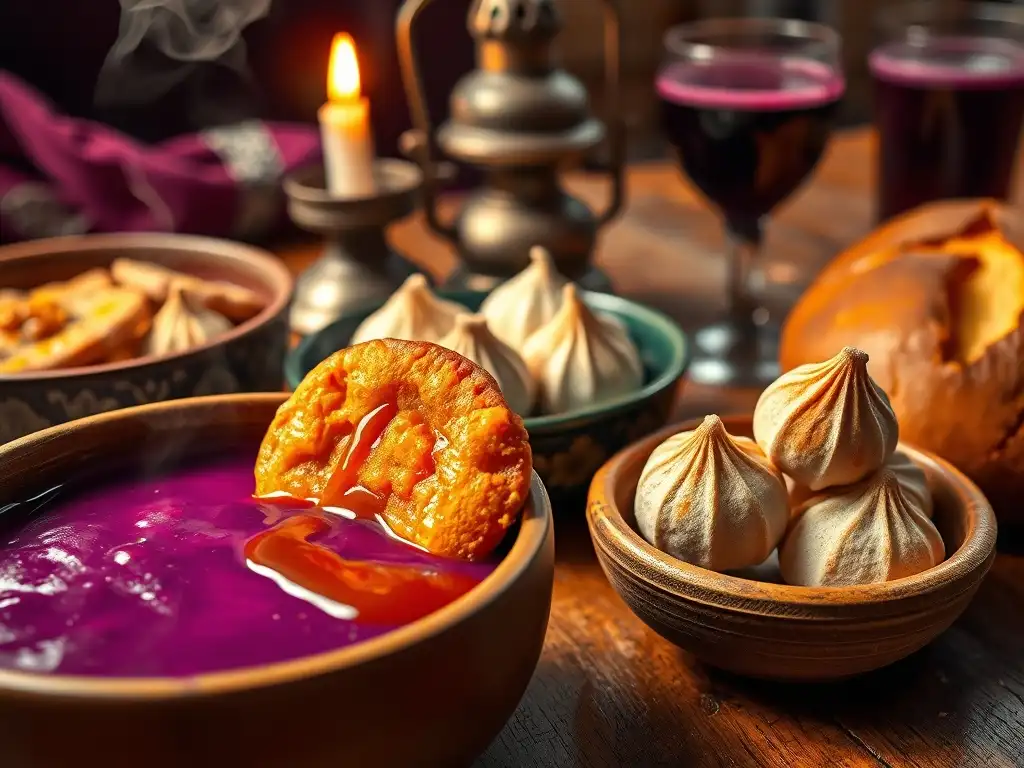
This section dives into the practical aspects of recreating the delicious sweetness of Andean desserts in your own kitchen. We'll explore essential techniques and ingredients, guiding you through the process of making authentic Andean treats. Mastering these recipes allows you to experience the vibrant flavors and rich culinary heritage of the Andes firsthand. From understanding the nuances of Andean baking to perfecting classic recipes, this guide will equip you with the knowledge and confidence to become a skilled Andean dessert chef. This exploration of Andean dessert recipes will uncover the secrets behind their unique taste and texture.
Mastering the Basics of Andean Sweet Baking
Andean baking differs significantly from European or North American styles. It often relies on readily available local ingredients and traditional techniques passed down through generations. One key difference is the frequent use of native grains like quinoa and amaranth, which add unique textures and nutritional value. Another crucial element is the incorporation of local fruits and spices, resulting in flavor profiles distinctly Andean.
Understanding these foundational aspects is paramount to successfully preparing authentic Andean desserts. For instance, the use of pachamanca techniques (earth oven cooking) for certain desserts adds a smoky, earthy flavor unavailable through conventional oven baking. The use of molasses from different fruits also adds unique complexity to the final product.
Essential Tools for Making Andean Desserts
While many Andean desserts can be made with basic kitchen tools, having specific equipment enhances both the process and the final product. A sturdy mortar and pestle is invaluable for grinding spices and preparing ingredients like candied fruit. A good quality blender or food processor is essential for creating smooth purées, especially for desserts like mazamorra morada.
Having a selection of different sized pots and pans is crucial for managing the cooking process. Finally, a set of measuring cups and spoons is essential for achieving consistent results. Investing in these tools will elevate your Andean dessert-making experience and help you achieve professional-quality results.
Step-by-Step Guide to a Classic Andean Dessert: Mazamorra Morada
Mazamorra morada is a quintessential Andean dessert, showcasing the region's rich agricultural heritage. This richly colored, subtly sweet dessert is made from purple corn, a staple crop in the Andes. Its preparation is a testament to the ingenuity and culinary skill of Andean cultures. Let's delve into the process of creating this delicious treat. The following steps outline the preparation of a traditional Mazamorra Morada recipe.
Selecting the Correct Purple Corn for Mazamorra
The quality of your purple corn significantly impacts the final taste and texture of your mazamorra. Look for deeply colored, plump kernels that are free from blemishes or mold. The corn should be fresh and dry to ensure optimal flavor. Locally sourced purple corn is ideal, as it will likely be the freshest and best-suited to your climate.
Avoid corn that looks dull or has a musty odor, as this can indicate spoilage. The vibrant color of the corn is a key indicator of its quality and the deliciousness of your final product. Choosing the right purple corn is the first step to making a truly authentic Mazamorra Morada.
The Mazamorra Cooking Process: A Detailed Walkthrough
- Preparation: Rinse the purple corn thoroughly to remove any debris.
- Soaking: Soak the corn overnight in plenty of water. This softens the kernels, making them easier to cook.
- Boiling: Bring the soaked corn to a boil in fresh water. Reduce heat and simmer until the kernels are tender, about 45-60 minutes. The texture should be soft but not mushy.
- Blending: Once cooked, blend the corn with some of the cooking liquid until a smooth purée is formed. This step may require a powerful blender.
- Sweetening: Add sugar or other sweeteners (such as panela) to taste. The amount of sweetener will depend on personal preference and the sweetness of the corn.
- Spices: Add spices such as cinnamon sticks and cloves for depth of flavor. These spices are traditional additions to Mazamorra Morada.
- Simmering: Simmer the mixture for another 15-20 minutes to allow the flavors to meld.
- Serving: Serve the mazamorra warm or cold, optionally garnished with additional spices, fruit, or cream.
This detailed walkthrough ensures that you can confidently recreate this Andean culinary masterpiece in your own kitchen. Remember to adjust the sweetness and spices to your liking. Enjoy your authentic Andean dessert!
Adapting Andean Dessert Techniques for the Modern Kitchen
The magic of Andean desserts lies not only in their unique ingredients but also in the traditional techniques used to prepare them. Many of these techniques, honed over centuries, can seem daunting to the modern home cook. However, with a little understanding and adaptation, these methods can be successfully replicated in a contemporary kitchen.
One key challenge is sourcing authentic ingredients. While some, like quinoa or certain fruits, are readily available globally, others might require a bit of searching or substitution. For instance, finding specific varieties of Andean corn or particular types of honey might necessitate exploring specialty food stores or online retailers.
Don't be afraid to experiment with substitutes, keeping in mind the original flavor profile you're aiming for. A good understanding of the underlying principles—like the importance of slow cooking for certain fruits to achieve the right texture or the careful balancing of sweetness and acidity—will help you navigate these substitutions successfully. For example, if a recipe calls for a specific type of Andean corn, experiment with different types of cornmeal to find the closest match in texture and flavor.
Another important adaptation involves equipment. Traditional Andean cooking often relies on methods and tools that might not be standard in every kitchen. For example, clay ovens or specific types of grinding stones might not be readily accessible.
In these cases, understanding the function of the tool is crucial. If a recipe calls for grinding ingredients using a metate (a grinding stone), a food processor or high-powered blender can often achieve a similar result. Similarly, if a slow-cooking method is needed, a modern slow cooker or even a well-regulated oven can provide the necessary low and slow heat.
The key is to carefully consider the desired outcome—a specific texture, a particular level of caramelization—and adapt the technique accordingly. This requires a degree of culinary intuition and experimentation, but the results are well worth the effort. Remember, the goal is to capture the spirit and essence of the Andean dessert, not to slavishly replicate every historical detail.
Modern Adaptations of Traditional Recipes
Modernizing Andean dessert recipes doesn't mean sacrificing authenticity; rather, it's about making these delicious treats accessible and enjoyable for contemporary palates. One common adaptation is adjusting the sweetness levels. Traditional Andean desserts sometimes rely on a higher sugar content than what modern tastes often prefer. This can be easily adjusted by reducing the amount of sugar called for in a recipe, or by substituting refined sugar with healthier alternatives like honey, agave nectar, or even pureed fruits. This not only caters to modern preferences but also can enhance the overall flavor profile by highlighting the natural sweetness of the ingredients.
Another area of adaptation lies in incorporating modern baking techniques. While traditional methods are valuable, incorporating techniques like using different types of flour (e.g., incorporating gluten-free options) or employing modern baking tools like a stand mixer can help streamline the process while maintaining the integrity of the recipe. Moreover, modernizing recipes can involve creatively incorporating seasonal fruits and ingredients readily available in different regions. This can result in variations on classic Andean desserts that retain the core elements while reflecting local tastes and seasonal availability.
For example, a traditional recipe featuring a specific type of berry might be adapted to use a similar berry that is locally grown, resulting in a unique regional variation. This process of adaptation adds a layer of creativity and encourages a broader appreciation of Andean dessert traditions. The possibilities are endless, and the journey of adapting these recipes is as rewarding as enjoying the final product. Remember to document your adaptations—your unique twist on a classic Andean dessert might become a family favorite!
Monetizing Your Andean Dessert Journey
This section explores ways to potentially monetize your passion for recreating Andean desserts. While sharing your culinary journey with others, you can also explore opportunities to generate income. This isn't about mass production; it's about sharing your expertise and love for Andean cuisine in a way that can be financially rewarding.
Where to Buy Authentic Andean Ingredients Online
Sourcing authentic Andean ingredients is crucial for creating truly delicious and representative desserts. While local Latin American markets are ideal, online retailers offer convenience and access to a wider variety of ingredients, especially for those outside of major metropolitan areas. The quality and availability can vary greatly, so careful selection is key.
Recommended Online Stores for Andean Fruits and Grains
Finding reputable online suppliers is paramount. Look for stores specializing in Latin American foods, ideally those with detailed product descriptions, customer reviews, and clear sourcing information. Consider factors like shipping costs and delivery times, especially for perishable items like fresh fruits. Reliable vendors will often provide information on the origin of their products, ensuring authenticity and quality.
| Online Store Name (Example) | Speciality | Strengths | Weaknesses (Potential) |
|---|---|---|---|
| Example Store A | Peruvian Produce | Wide selection, fast shipping, good reviews | Higher prices than local markets |
| Example Store B | Andean Grains & Spices | Excellent spice selection, detailed descriptions | Limited fresh produce availability |
| Example Store C | Bolivian & Chilean Goods | Unique items, strong customer service | Potentially longer shipping times |
Remember to always check reviews and compare prices before making a purchase. The availability of specific ingredients, like certain rare Andean fruits, might vary seasonally. Planning ahead is essential, especially for recipes requiring specific, less common ingredients. The experience of finding and acquiring these unique ingredients is itself part of the journey of recreating Andean desserts.
Using Affiliate Links to Enhance Your Andean Dessert Experience
Sharing your Andean dessert recipes online opens the door to affiliate marketing. By strategically incorporating affiliate links into your blog posts, social media content, or online recipe collections, you can earn a commission on sales generated through your recommendations. This is a great way to monetize your passion while simultaneously helping your audience find the resources they need. Transparency is key—always clearly disclose any affiliate relationships.
Affiliate Recommendations for Cooking Tools and Appliances
Affiliate marketing isn't just about ingredients. You can also promote cooking tools and appliances specifically useful for preparing Andean desserts. Think about specialized items like:
- Molcajetes (Mexican mortars and pestles) for grinding spices.
- High-quality ollas (pots) for cooking traditional Andean desserts.
- Stand mixers for effortlessly whipping up meringue for suspiros.
- Precise kitchen scales for accurate measurements.
When recommending products, focus on quality and relevance. Choose products you genuinely believe in and that align with the needs of your audience. Don't just promote anything for the sake of an affiliate link; your credibility depends on the quality of your recommendations. A well-chosen affiliate program can complement your content and provide a sustainable income stream, further supporting your Andean dessert journey. Always remember to disclose your affiliate partnerships transparently and ethically.
Expanding Your Andean Culinary Adventure
The journey into the world of Andean desserts doesn't have to end with a single recipe. There's a whole universe of flavors and techniques waiting to be explored. Think of the possibilities: you've mastered picarones, now imagine crafting your own unique variations, perhaps incorporating seasonal Andean fruits like lúcuma or chirimoya. Experimentation is key!
Don't be afraid to substitute ingredients, adapt techniques, and create your own signature Andean dessert. The beauty of Andean cuisine lies in its adaptability and the rich tapestry of flavors available. Each region boasts its own unique ingredients and culinary traditions, offering endless opportunities for creative culinary exploration. Imagine the possibilities of combining traditional techniques with modern twists, creating a fusion of old and new.
This creative process can not only enhance your personal cooking journey but can also lead to the development of innovative and exciting new Andean dessert recipes. This is where your culinary adventure truly begins! The possibilities are truly endless, limited only by your imagination and willingness to experiment. Don't be afraid to fail; every failed attempt brings you closer to mastering the art of Andean desserts.
Exploring Andean Cooking Courses and Recipe Books
One excellent way to expand your Andean culinary adventure is by enrolling in specialized cooking courses. Many institutions and culinary schools now offer classes focusing on Andean cuisine, providing hands-on experience and expert guidance. These courses often delve into the historical and cultural context of the recipes, enriching your understanding and appreciation of the cuisine. Look for courses that emphasize authentic techniques and the use of traditional Andean ingredients.
Additionally, a wealth of knowledge is available through Andean recipe books. These books provide detailed instructions, often including historical background and cultural insights, enabling you to recreate authentic Andean desserts in your own kitchen. When choosing a recipe book, prioritize those written by reputable authors with a deep understanding of Andean culinary traditions. Look for books with high-quality photographs and clear, concise instructions, making the cooking process easier and more enjoyable.
Consider the variety of recipes included; a book offering a broad spectrum of Andean desserts, from simple to complex, is ideal for both beginners and experienced cooks. Remember, investing in quality resources will significantly enhance your cooking journey and help you create truly authentic and delicious Andean desserts. The combination of hands-on learning and detailed recipe books provides an invaluable resource for anyone serious about mastering the art of Andean dessert preparation. These resources will not only improve your skills but also deepen your appreciation for the rich culinary heritage of the Andes.
Conclusion: Enjoying the Sweet Heritage of the Andes
The exploration of Andean desserts reveals a fascinating tapestry woven from indigenous ingredients, ingenious techniques, and enduring cultural traditions. From the humble humitas to the sophisticated picarones, each sweet treat offers a unique window into the history and ingenuity of Andean civilizations. Understanding the origins and preparation of these desserts allows us to appreciate not just their deliciousness, but also their significance as a vital part of Andean culinary heritage.
The use of readily available, locally sourced ingredients highlights the sustainable practices embedded within this culinary tradition, a key aspect often overlooked in modern food systems. More than just recipes, these desserts represent a legacy passed down through generations, a testament to the resilience and creativity of Andean peoples.
By continuing to explore, prepare, and share these recipes, we contribute to the preservation of a rich and vibrant cultural heritage. The sweet taste of the Andes is a flavour that deserves to be savoured and celebrated.
The beauty of Andean cuisine, and specifically its desserts, lies in its adaptability and regional variations. While traditional recipes provide a strong foundation, there's immense opportunity for personal creativity and innovation. Don't be afraid to experiment! Perhaps you'll discover a new twist on a classic suspiro a la limeña, incorporating unique local fruits or spices.
Maybe you'll develop a modern take on cocadas, using alternative sweeteners or incorporating unexpected textures. Sharing your creations with others – through family gatherings, online platforms, or even local cooking demonstrations – helps disseminate and revitalize these culinary traditions. Consider documenting your adaptations, noting the changes you made and the results you achieved. This not only preserves your own culinary journey but also contributes to the collective knowledge of Andean dessert recipes.
Remember to always acknowledge the original recipe and its origins, giving credit where it is due. The sharing of recipes is an act of cultural exchange, and a powerful way to ensure the continued enjoyment of these delicious treats. This collaborative spirit is vital for keeping the traditions alive and thriving. Let's collectively build a vibrant community of Andean dessert enthusiasts!
Preserving the Traditions of Andean Baking
The preservation of Andean baking traditions requires a multifaceted approach. Firstly, documenting existing recipes is crucial. This involves detailed recording of ingredients, precise measurements, and step-by-step instructions, ideally with accompanying photographs or videos. These records should be stored securely and made accessible to future generations. Secondly, supporting local artisans and bakers who specialize in traditional Andean desserts is paramount.
Their expertise and knowledge are invaluable resources that risk being lost if not actively preserved. We can support these craftspeople through patronage, collaboration, and advocacy. Thirdly, educational initiatives, such as cooking classes, workshops, and online resources, can play a vital role in teaching and spreading knowledge about Andean baking techniques and recipes. These initiatives should be inclusive and accessible to a wide audience.
Finally, research into the historical context of Andean desserts can help us better understand their significance and evolution. By combining practical preservation efforts with historical research, we can ensure that these delicious and culturally significant recipes continue to enrich our lives for generations to come. The future of Andean dessert recipes depends on our collective commitment to their preservation. Let's work together to ensure that the sweet tastes of the Andes are enjoyed for many years to come.
Frequently Asked Questions
What kind of ingredients were typically used in ancient Andean desserts?
Ancient Andean desserts relied heavily on locally sourced ingredients. Common components included fruits like lúcuma and chirimoya, grains like maize, and sweeteners such as honey and molasses. These ingredients reflected the agricultural bounty of the Andes.
Are there any surviving ancient Andean dessert recipes?
While complete recipes are rare, ethnobotanical studies and historical accounts offer clues. Many modern Andean desserts are believed to be descendants of ancient recipes, reflecting the enduring culinary traditions. We can infer ingredients and techniques.
How did the geography of the Andes influence dessert-making?
The diverse geography of the Andes strongly influenced available ingredients. High-altitude crops like potatoes and quinoa featured prominently, while coastal regions contributed fruits and seafood that might have been incorporated into unique desserts (though less common).
What role did desserts play in Andean culture and society?
Desserts played a significant role in religious ceremonies, celebrations, and daily life. They were offered as tributes to gods, served during festivals, and enjoyed as part of meals. Sweet treats represented abundance and prosperity.
Where can I find authentic Andean dessert recipes today?
Many modern interpretations of ancient Andean desserts exist. You can find recipes online, in cookbooks specializing in South American cuisine, or by exploring the culinary traditions of Andean communities themselves. Look for recipes using traditional Andean ingredients.
Final Reflection: A Legacy of Sweetness, A Future of Flavor
The vibrant tapestry of Andean desserts, woven from ancient traditions and modern innovation, continues to delight and nourish, offering a delicious window into a rich cultural heritage. These aren't simply recipes; they are stories passed down through generations, reflecting the ingenuity and resilience of Andean communities in the face of challenging landscapes and changing times. The enduring appeal of these treats speaks volumes about the power of food to connect us to our past and inspire our future.
The exploration of Andean desserts has been a journey of discovery, revealing not only the unique flavors and techniques but also the deep-seated cultural significance embedded within each sweet creation. These recipes are more than just ingredients and instructions; they are expressions of identity, resilience, and the enduring human spirit. As I delved deeper into this culinary landscape, I was struck by the profound connection between food and community, a sentiment beautifully captured by the words: Food is symbolic of love when words are inadequate.
This resonates deeply with the spirit of Andean desserts, where sharing these treats is an act of connection and celebration.
Now, it's your turn. I invite you to explore the recipes shared within this article, not just as instructions to follow, but as opportunities to connect with a vibrant culture and to experience the rich tapestry of Andean flavors. Imagine the stories these desserts could tell, the hands that have crafted them, and the communities they have brought together. Let the sweetness of the Andes inspire you to explore new culinary horizons and to appreciate the power of food to connect us all.
Savor the Sweetness: Take Action Today!
Thank you for exploring the delightful world of Andean desserts with us! We hope you've gained a newfound appreciation for the rich flavors and traditions of these sweet treats. Now, it's time to bring a taste of the Andes into your own kitchen and connect with a broader community of dessert lovers!
Here are some engaging steps you can take:
- Try a new Andean dessert recipe! Choose one that intrigues you and bring the vibrant flavors of the Andes to your table.
- Explore our active online community to share your dessert creations, exchange tips, and connect with fellow enthusiasts.
- Share the joy! Spread the word about these delicious desserts by sharing this article on your social media platforms.
What Andean dessert are you most excited to try, and why do you think it deserves a spot on everyone's must-try list?