
Unveiling the Moche Gods: Decoding Divine Power in Ancient Peru

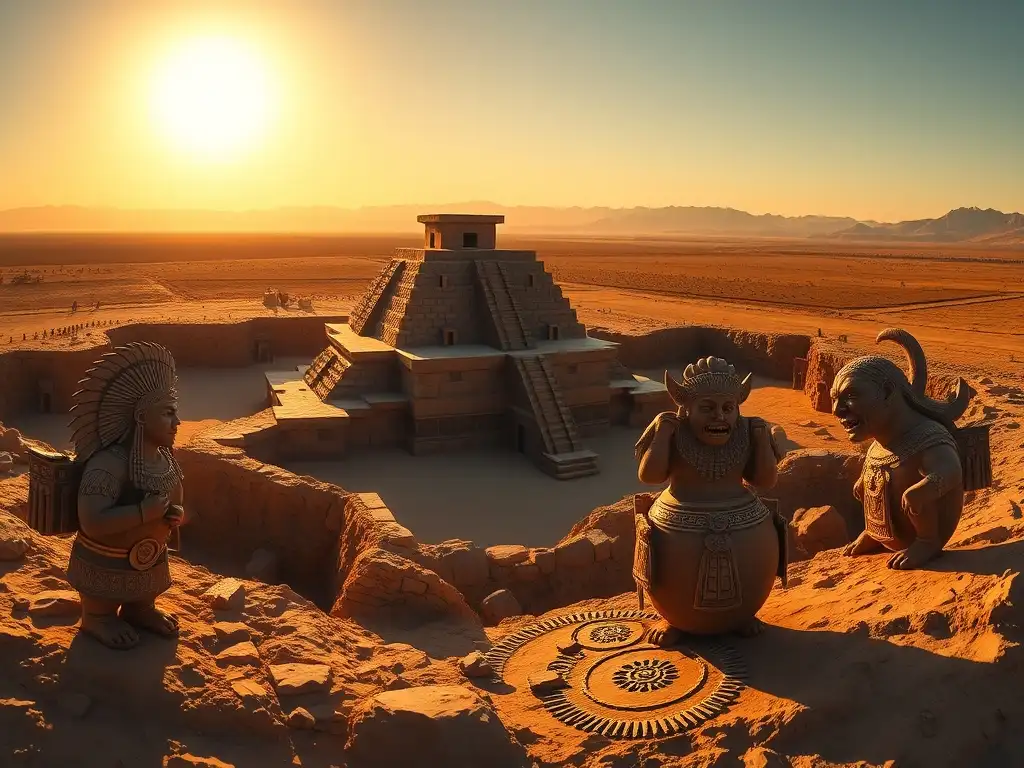
Step into a world lost to time, yet echoing with power and mystery. Journey with us to the heart of ancient Peru, where the Moche gods held sway over a civilization brimming with breathtaking artistry and sophisticated technology. Uncover the secrets behind their divine power, their intricate iconography, and their lasting legacy – a story waiting to be revealed in our exploration of the Moche gods of ancient Peru. Dare to delve deeper?
The Moche civilization, flourishing along the northern coast of Peru from approximately 100 CE to 800 CE, left behind a rich tapestry of artistic and archaeological wonders. Among their most striking legacies are the depictions of their gods, powerful entities that permeated every aspect of Moche life, from agriculture and warfare to daily rituals and social structures. This article delves into the fascinating world of Moche religion, examining the iconography, symbolism, and potential roles of these divine figures.
Understanding the Moche gods offers a crucial window into the worldview and societal complexities of this remarkable ancient Peruvian culture, providing insights into their beliefs, values, and the intricate relationship between the divine and the human realms. We will explore the evidence found in their exquisite ceramics, monumental architecture, and elaborate burial sites to unravel the mysteries surrounding the Moche gods of ancient Peru.
The Pantheon of Power: Identifying Key Moche Deities
The Moche pantheon wasn't a rigidly defined, codified system like those found in some other ancient civilizations. Instead, it seems to have been a flexible and evolving collection of deities, often depicted in dynamic and sometimes ambiguous ways. However, certain recurring motifs and iconographic elements allow us to identify some prominent figures. Analysis of Moche pottery, a primary source of information about their religious beliefs, reveals recurring depictions of powerful figures associated with specific domains.
For example, a recurring motif shows a deity associated with the sea, often depicted with aquatic creatures and symbols of power. Another significant deity seems linked to warfare and hunting, often portrayed with weaponry and captured prey. Further research is needed to fully understand the relationships between these deities and the complexities of their interactions, but the available evidence suggests a rich and multifaceted religious landscape.
Deciphering the Iconography: Symbols and Meanings
Moche iconography is remarkably detailed and expressive. The artisans who crafted the ceramics, often considered the most important source of information about the Moche gods, were masters of their craft. They employed a sophisticated system of symbols and visual cues to convey complex religious ideas. For example, specific headdresses, ornaments, and postures might indicate a deity's power, domain, or role within the pantheon.
The use of color also played a significant role, with certain hues associated with specific deities or concepts. Detailed analysis of these visual elements is crucial to understanding the nuances of Moche religious thought. [Specific information pending on the precise symbolic meaning of certain colors and motifs].
Ritual and Sacrifice: Honoring the Divine
The Moche people engaged in elaborate rituals and ceremonies to honor their gods. Evidence suggests the practice of human sacrifice, often depicted in stunning detail on their pottery. While the exact nature and purpose of these sacrifices remain debated among scholars, they likely played a central role in maintaining cosmic balance and ensuring the continued prosperity of the Moche society.
These rituals may have been performed to appease the gods, to seek their favor, or to commemorate significant events. The scale and complexity of some of these rituals suggest a highly organized and centralized religious system. [Further research is needed on the specific locations of ritual sites and the frequency of sacrificial practices].
The Legacy of the Moche Gods: Influence and Enduring Mystery
The Moche civilization may have vanished centuries ago, but the legacy of their gods continues to fascinate and inspire. Their artistic representations remain powerful testaments to their beliefs and practices, offering invaluable insights into the rich cultural heritage of ancient Peru. The enduring mystery surrounding the Moche pantheon underscores the ongoing need for archaeological research and the importance of preserving these remarkable artifacts for future generations.
The study of the Moche gods provides a compelling example of how the careful study of ancient art can illuminate the beliefs and practices of a vanished civilization and enrich our understanding of human history. The continued investigation into the Moche gods of ancient Peru promises further revelations and a deeper appreciation for this complex and fascinating culture.
- The Pantheon of Power: Identifying Key Moche Deities
- Deciphering the Iconography: Symbols and Meanings
- Ritual and Sacrifice: Honoring the Divine
- The Legacy of the Moche Gods: Influence and Enduring Mystery
- Ai Apaec: The Decapitator God and his Symbolic Meaning
- The Significance of Human Sacrifice in Moche Beliefs
- Understanding the Role of Ai Apaec in Moche Warfare and Rituals
- The Moche Moon God: Exploring Lunar Influence in Moche Cosmology
- The Sun God and His Place in the Moche Pantheon
- Other Prominent Moche Deities: The Iguana God, The Sea God, and The Owl God
The Pantheon of the Moche: An Introduction to Moche Deities
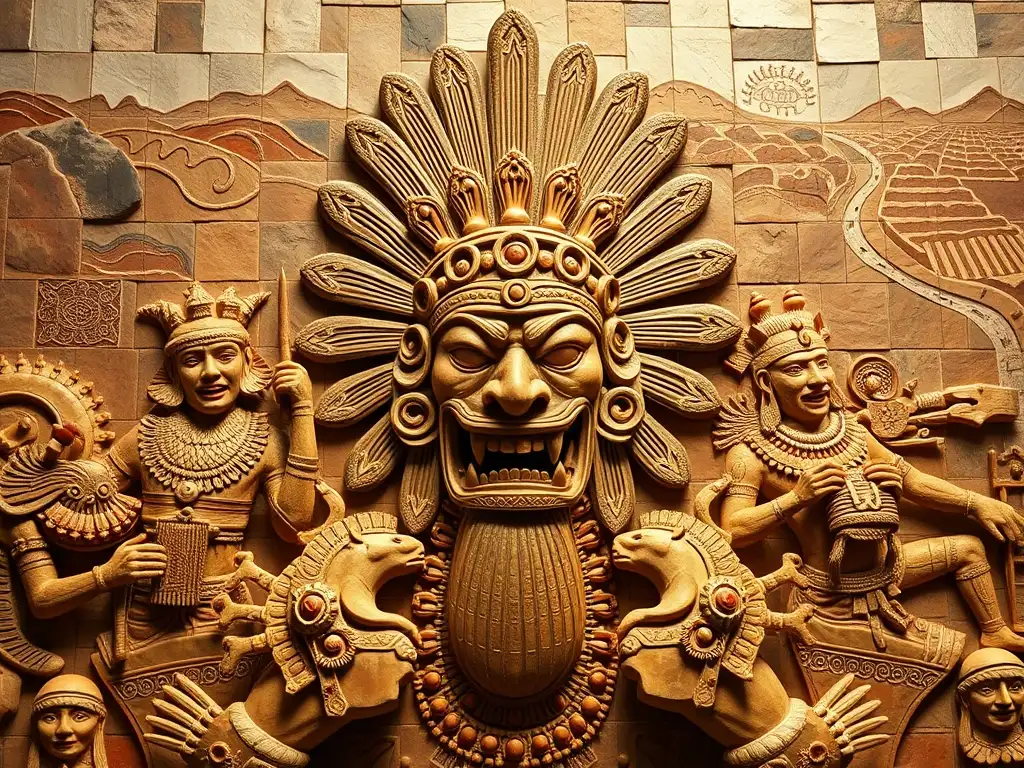
The Moche gods of ancient Peru represent a fascinating blend of earthly and supernatural forces, reflecting the complex social and environmental realities of this powerful pre-Columbian civilization. Unlike many other ancient cultures with clearly defined pantheons and hierarchical structures, the Moche religious system presents a more fluid and nuanced understanding of divinity. Their deities weren't simply abstract concepts; they were deeply intertwined with the daily lives of the Moche people, influencing agriculture, warfare, and societal structure.
The Moche pantheon wasn't static; it likely evolved and adapted over centuries, reflecting changing social dynamics and environmental pressures. Evidence suggests a rich diversity of deities, some prominent and widely worshipped, others more localized or associated with specific clans or communities.
This fluidity makes reconstructing a complete Moche pantheon challenging, but the surviving archaeological evidence provides valuable insights into their beliefs and practices. The absence of written texts necessitates a reliance on visual representations – the stunning artistry of Moche ceramics, textiles, and metalwork – to interpret their religious world.
Defining Moche Religion and its Significance
Moche religion wasn't a separate entity; it was woven into the fabric of their society. Religious practices permeated every aspect of life, from agricultural cycles and warfare to funerary rituals and daily routines. The Moche worldview appears to have been deeply animistic, with the belief that spirits inhabited both the natural world and the objects crafted by humans. This animistic perspective is evident in the intricate depictions of animals, plants, and supernatural beings on Moche pottery.
The significance of these depictions is not merely aesthetic; they served as powerful symbols, conveying religious beliefs and social values. For example, the frequent depiction of the Decapitator deity on Moche ceramics underscores the importance of warfare and human sacrifice in their culture. Furthermore, the emphasis on fertility and abundance in Moche iconography highlights the crucial role of agriculture in their economy and worldview. The intricate irrigation systems and agricultural practices developed by the Moche are testaments to their reverence for the land and their understanding of the natural world's power.
Understanding Moche religion is therefore key to understanding their society as a whole. It wasn't just a system of beliefs; it was the very foundation upon which their civilization was built. The powerful imagery and ritualistic practices reveal a society deeply connected to its environment and its gods.
The Importance of Iconography in Understanding Moche Divinities
The iconography of Moche art is paramount in understanding their deities. The absence of written records forces scholars to rely heavily on the visual representations found on their meticulously crafted ceramics, metalwork, and textiles. These artifacts are not simply decorative; they are powerful tools for deciphering the Moche religious system.
The style and detail in the artwork provide clues about the power, status, and roles of the various deities. For instance, certain deities are consistently depicted with specific attributes: a specific headdress, a particular animal companion, or a unique weapon. These symbolic elements help scholars identify and categorize different divine figures.
The consistent recurrence of certain motifs, such as feline imagery, suggests the importance of specific animals in their religious beliefs. The representation of these animals alongside human figures often indicates a close relationship between the divine and the natural world. The use of color is also significant; certain colors might be associated with particular deities or aspects of their power.
For example, the prevalence of red might represent blood, sacrifice, or the power of the sun. The detailed analysis of these visual cues is crucial to unraveling the complex tapestry of Moche religious beliefs, allowing us to better understand the roles and interactions of their diverse pantheon.
This meticulous examination of Moche iconography is ongoing, constantly revealing new insights into the beliefs and practices of this fascinating ancient culture. The rich visual language of Moche art continues to be a source of fascination and a vital key to understanding their unique religious worldview.
Key Moche Gods and Their Roles in the Moche World
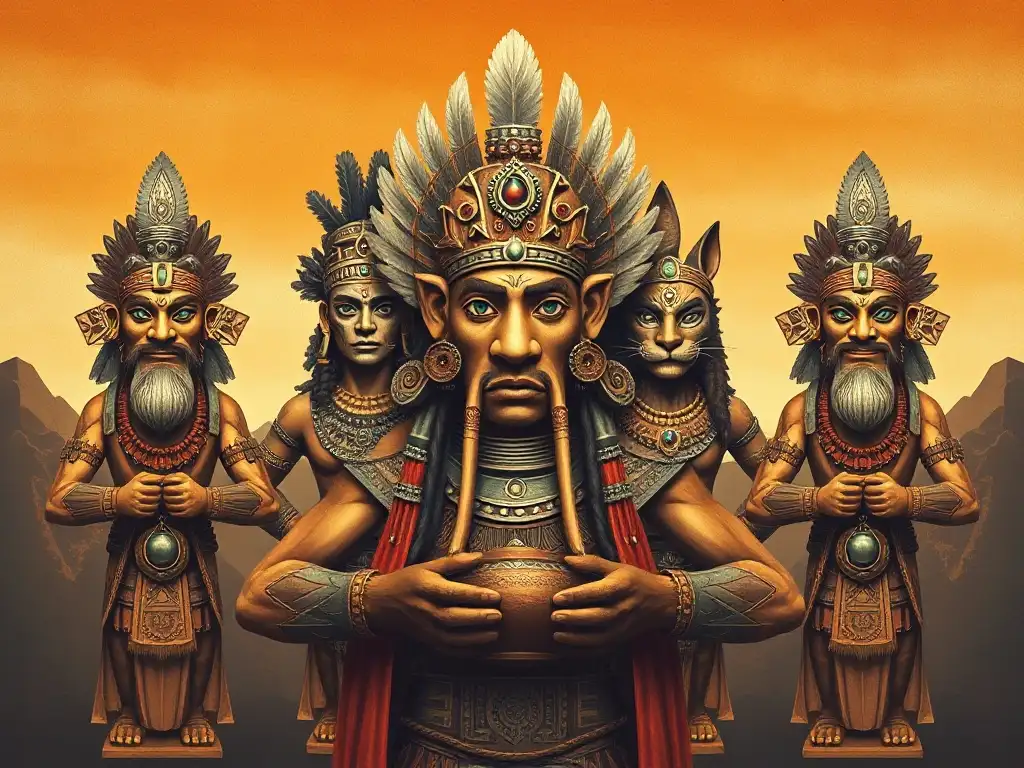
The Moche civilization, flourishing along the northern coast of Peru between 100 and 800 CE, developed a complex pantheon of gods reflecting their societal structure, agricultural practices, and worldview. Unlike many other Andean cultures, the Moche didn't leave behind extensive written records. Our understanding of their religious beliefs is primarily gleaned from their stunning iconography found on ceramics, metalwork, and monumental architecture.
These artifacts depict a diverse range of deities, each with unique attributes and symbolic significance, profoundly shaping Moche society. The Moche gods of ancient Peru were not merely abstract concepts but active participants in the daily lives of the people, influencing everything from warfare and agriculture to the very cycle of life and death. Understanding these deities is crucial to interpreting the richness and complexity of Moche culture.
The most prominent among these Moche gods were powerful figures associated with fertility, war, and the forces of nature. Their representations often feature elaborate headdresses, adornments, and symbolic objects that hint at their power and influence. The intensity and detail of these depictions highlight the central role religion played in the Moche worldview.
Ai Apaec: The Decapitator God and his Symbolic Meaning
Ai Apaec, perhaps the most iconic of the Moche gods, is frequently depicted as a fearsome figure engaged in decapitation. This gruesome act, far from being simply violent, holds deep symbolic meaning within the context of Moche religion. He is often portrayed wearing a fearsome mask, sometimes with fangs, and frequently holds a severed head or is surrounded by them.
The decapitation, scholars suggest, represents the cyclical nature of life and death, the conquering of enemies, or perhaps even the ritual sacrifice essential to maintaining cosmic balance. The detailed representations on Moche pottery showcase Ai Apaec in various contexts, providing insights into his multifaceted role. Some scenes show him presiding over sacrifices, while others depict him in battle or in a more benevolent role, suggesting a complex and nuanced understanding of his power.
The intensity of his depiction, with its visceral imagery, underscores the importance of his role in the Moche cosmology. Further research is needed to fully understand the nuances of his symbolism, but the consistent presence of decapitation in his iconography highlights its significance in Moche religious practices. Analyzing the specific contexts in which Ai Apaec appears alongside other deities could provide further clues to his multifaceted nature within the Moche pantheon.
The Significance of Human Sacrifice in Moche Beliefs
Human sacrifice played a significant, albeit debated, role in Moche religious practices. Evidence suggests that sacrifices, often involving high-status individuals, were performed to appease the gods, ensure successful harvests, or commemorate important events. The Moche elite likely played a central role in these rituals, emphasizing the close ties between religious authority and political power.
While the exact frequency and scale of human sacrifice remain open to interpretation, the recurring motif of human sacrifice in Moche art, particularly in association with certain deities like Ai Apaec, strongly suggests its importance. The careful preparation and burial of sacrificial victims, as evidenced by archaeological findings, further supports the idea that these were not random acts of violence but rather ritualistic events imbued with significant religious meaning. The presence of elaborate grave goods alongside the remains of sacrificial victims adds to the complexity of this practice, highlighting the perceived importance of the sacrifice in the eyes of the Moche people.
Understanding the context of human sacrifice within Moche religion requires further investigation into the relationship between the sacrificed individuals and the broader social structure. [Specific information pending: Precise numbers of human sacrifices discovered and their associated grave goods].
Understanding the Role of Ai Apaec in Moche Warfare and Rituals
Ai Apaec's association with warfare and ritual sacrifice is evident in numerous Moche artifacts. His depiction often features him in scenes of battle, wielding weapons or presiding over ritualistic killings. This suggests that he may have been considered a patron deity of warriors, providing them with strength and ensuring victory.
The iconography showcasing Ai Apaec in these contexts highlights the intertwining of warfare and religious practices within Moche society. Many scholars believe that the rituals associated with Ai Apaec, including human sacrifice, were not merely brutal acts but rather essential components of a complex system aimed at maintaining cosmic order and ensuring the prosperity of the Moche state. The meticulous detail in depicting these scenes on Moche pottery suggests that these were not simply random acts of violence, but carefully planned and executed rituals.
Analyzing the specific weapons and attire associated with Ai Apaec in these depictions could offer further insights into the nature of Moche warfare and the role of religion in its organization. Furthermore, comparing the iconography of Ai Apaec with other Moche deities involved in warfare could shed light on the broader structure of Moche religious beliefs and their relationship to military power. The study of Moche warfare provides a fascinating lens through which to understand the complex interplay between religious beliefs and social practices in this remarkable ancient civilization.
The Moche Moon God: Exploring Lunar Influence in Moche Cosmology
The Moche civilization, renowned for its sophisticated artistry and intricate religious beliefs, held a deep reverence for the moon. Unlike some cultures that primarily focused on the sun, the Moche recognized the moon as a powerful deity with significant influence over their lives. Their cosmology incorporated the moon's cyclical nature, reflecting its impact on agriculture, tides, and possibly even their social structures.
Depictions of the Moche moon god often show a serene, sometimes anthropomorphic figure, frequently adorned with crescent moon symbols or surrounded by celestial imagery. These representations can be found in various forms of Moche art, including pottery, metalwork, and textiles. The significance of the moon god is further emphasized by its prominent placement in many Moche ceremonial contexts, suggesting a central role in rituals and religious practices.
Archaeological evidence, such as the arrangement of structures and the orientation of certain sites, may also reveal a deeper understanding of the Moche's lunar calendar and its influence on their daily lives. Further research into the iconography and ritual practices associated with the moon god promises to shed more light on this fascinating aspect of Moche religion. The precise details of the moon god's mythology and associated rituals remain partially obscured by the passage of time, but ongoing research continues to illuminate the vital role the moon played in the worldview of the Moche.
The Sun God and His Place in the Moche Pantheon
While the Moche revered the moon, the sun god held a position of equal, if not greater, importance within their pantheon. Representations of the sun god often display a powerful and dynamic figure, frequently depicted with radiant attributes, symbolizing the sun's life-giving energy and its influence over the agricultural cycle. The sun's life-sustaining power was crucial for the Moche, whose economy heavily relied on agriculture. The sun god's importance is reflected in the grandeur of certain Moche structures and the elaborate ceremonies likely dedicated to him.
These ceremonies may have involved offerings, sacrifices, and elaborate rituals aimed at ensuring a bountiful harvest and favorable weather conditions. The iconography associated with the sun god is diverse, ranging from direct representations of the sun itself to anthropomorphic figures adorned with sun-related symbols. Many of these depictions are found on elite Moche ceramics, suggesting a connection between the sun god and the ruling class.
The sun god's influence likely extended beyond agriculture, encompassing aspects of warfare, social order, and the overall prosperity of the Moche civilization. Scholars continue to debate the precise details of the sun god's mythology and the specific rituals associated with his worship, but the available evidence points to a deity of paramount importance within Moche society. Understanding the sun god's role provides crucial insights into the core values and beliefs of the Moche civilization.
Other Prominent Moche Deities: The Iguana God, The Sea God, and The Owl God
Beyond the prominent sun and moon deities, the Moche pantheon encompassed a diverse array of gods and spirits, each with its own unique attributes and symbolic significance. Among these, the Iguana God, the Sea God, and the Owl God stand out for their frequent depiction in Moche art and their apparent importance in Moche religious life. The Iguana God, often depicted with intricate details and vibrant colors, likely represented fertility and abundance, reflecting the iguana's role in the ecosystem. The Sea God, naturally, held dominion over the ocean, a vital resource for the Moche.
Representations of the Sea God often show him emerging from the waves, emphasizing his control over marine life and the bounty of the sea. The Owl God, a nocturnal creature, might have been associated with wisdom, prophecy, or the underworld, reflecting the owl's mysterious nature. These deities, along with many others, demonstrate the Moche's sophisticated understanding of their environment and their ability to integrate natural elements into their religious beliefs.
The specific rituals and practices associated with these gods are still being researched, but their frequent appearance in Moche art suggests their significant roles within the broader religious context. The diverse range of Moche deities reveals a complex religious system reflecting the multifaceted nature of their society and its interaction with the natural world. Further study of these lesser-known deities promises to enrich our understanding of the rich tapestry of Moche religious beliefs.
Moche Religious Practices and Rituals
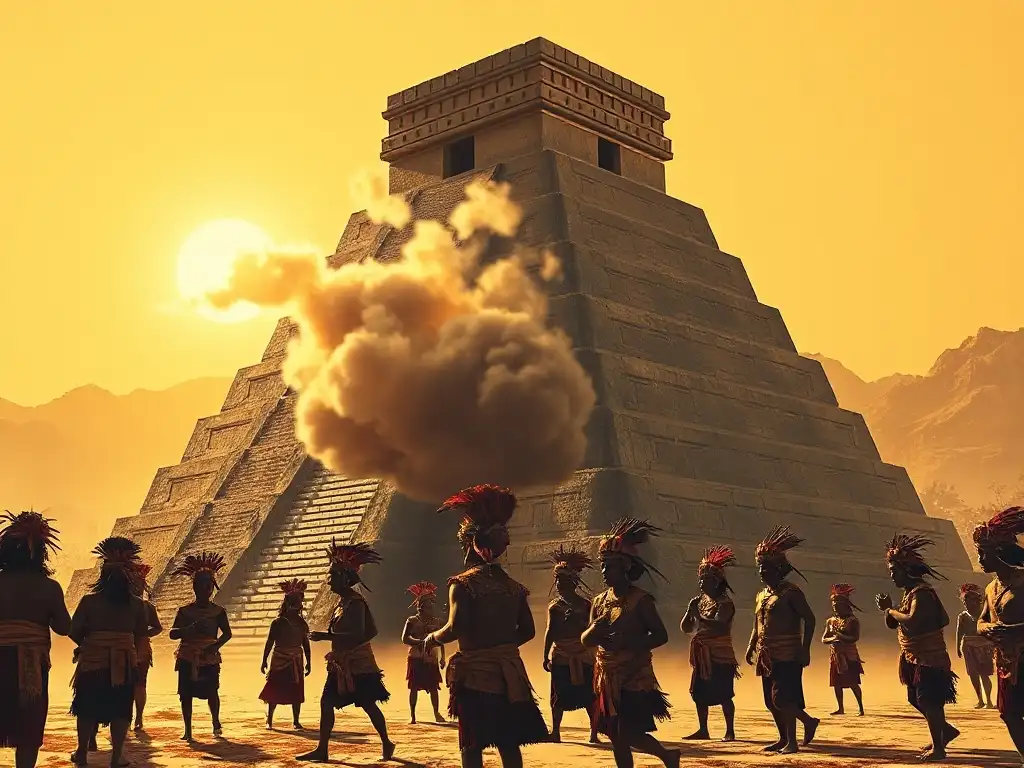
The Moche civilization, flourishing along the northern coast of Peru from approximately 100 CE to 800 CE, possessed a complex and sophisticated religious system deeply interwoven with their daily lives. Understanding their religious practices offers a window into their worldview, social structure, and relationship with the natural environment. The Moche gods of ancient Peru weren't abstract entities; they were actively engaged in the lives of the people, influencing everything from agriculture to warfare.
This section delves into the rituals, ceremonies, and beliefs that defined Moche religious life, shedding light on the power dynamics and societal structures underpinning their faith. The Moche's profound reverence for their deities is evident in the elaborate rituals they performed and the lavish offerings they presented.
Moche Ceremonial Centers and Sacred Spaces
Moche religious practices weren't confined to individual homes; instead, they centered around carefully constructed ceremonial centers and sacred spaces. These sites, often situated near sources of water or strategically located to command views of the landscape, served as focal points for community rituals and interactions with the divine. The architecture of these centers reflects a deep understanding of astronomy and cosmology, suggesting a close connection between the celestial realm and earthly life.
For example, the orientation of certain structures aligns with specific astronomical events, indicating a sophisticated knowledge of the movements of the sun, moon, and stars. The construction of these monumental sites required considerable manpower and resources, highlighting the importance of religion within Moche society. Archaeological evidence suggests that these centers were not only places of worship but also administrative and social hubs, further emphasizing the pervasive influence of religion on Moche life.
The meticulous planning and execution of these structures demonstrate the sophisticated organizational capabilities of the Moche and the central role of religious leaders in mobilizing labor and resources. Many of these sites, such as the Huaca del Sol and Huaca de la Luna, reveal intricate murals and artifacts illustrating religious themes and narratives, providing invaluable insights into Moche mythology and beliefs. The impressive scale of these structures speaks volumes about the power and influence wielded by the Moche priesthood.
The Role of Shamans and Priests in Moche Society
The Moche religious system was not a purely communal affair; it was heavily reliant on a specialized class of religious practitioners: shamans and priests. These individuals occupied positions of immense power and influence within Moche society, mediating between the human and divine realms. Their expertise in ritual practices, divination, and healing granted them considerable authority, shaping social norms and political decisions.
Evidence from Moche iconography, such as the depiction of priests in elaborate headdresses and ceremonial attire, underscores their elevated social status. Moreover, the elaborate burials of some individuals, containing prestigious artifacts and offerings, suggest that some priests may have held hereditary roles, passing their power and knowledge down through generations. The precise hierarchy within the priesthood remains a subject of ongoing scholarly debate, but it is clear that these religious specialists played a crucial role in maintaining social order and reinforcing Moche religious beliefs.
The intricate knowledge of herbal remedies and medicinal practices possessed by shamans likely contributed to their revered status, further cementing their influence within the community. Their role in interpreting omens and predicting the future likely played a significant part in shaping Moche political strategies and agricultural practices.
Ritual Offerings and Their Symbolic Representation
A defining characteristic of Moche religious practices was the prevalence of ritual offerings. These offerings, ranging from simple agricultural products to elaborate human sacrifices, were presented to the Moche gods of ancient Peru as a means of appeasing them, securing their favor, and ensuring the prosperity of the community. The nature and scale of these offerings varied depending on the specific deity and the context of the ritual. The sheer quantity and variety of artifacts found in Moche tombs, including gold ornaments, ceramic vessels, textiles, and even human remains, demonstrate the importance of these offerings in their religious system.
The meticulous craftsmanship of many artifacts suggests that the creation of these offerings was itself a ritualistic act, further emphasizing their religious significance. The symbolic representation of these offerings is crucial to understanding Moche religious thought. For instance, the offering of agricultural products, such as maize and beans, likely symbolized the Moche's dependence on the gods for a bountiful harvest.
Similarly, the offering of human sacrifices, although disturbing, may have been interpreted as the ultimate demonstration of devotion and a way to ensure the continued favor of the gods. Analyzing the context of these offerings—their location, the accompanying artifacts, and the overall ritual setting—is essential for deciphering their symbolic meaning and understanding the complexity of Moche religious beliefs. Further research into the chemical composition of offerings could reveal insights into trade networks and resource management within the Moche civilization.
The Moche Burial Rituals and Beliefs About the Afterlife
The Moche people held deeply complex beliefs about the afterlife, reflected vividly in their elaborate burial practices. These weren't simply about disposing of the dead; they were elaborate rituals designed to ensure a successful transition to the next world and maintain the connection between the living and the deceased. The Moche believed that the deceased continued to exist in a spirit form and required provisions for their continued existence. This belief profoundly impacted their burial rituals, leading to the creation of some of the most impressive and informative archaeological finds in the Andes.
The most striking aspect of Moche burials is the inclusion of grave goods. These weren't merely symbolic offerings; they were practical necessities for the afterlife, reflecting the deceased's social standing and lifestyle. Elaborate tombs, often containing multiple individuals, held a wealth of artifacts: fine ceramics, gold and silver ornaments, textiles, food offerings, and even sacrificed animals and human servants.
The quantity and quality of these grave goods directly correlated with the social status of the deceased. A high-ranking official might be buried with an entire retinue of servants and a vast array of precious objects, while a commoner's burial would be considerably simpler.
Interestingly, the Moche didn't uniformly believe in a single, unified afterlife. Evidence suggests a nuanced understanding of the spirit world, potentially with different destinations or realms for individuals based on their social standing and actions in life. This complexity is further highlighted by the variety of burial types observed at Moche sites. Some individuals were interred in simple pits, while others were placed in elaborate tombs constructed with great care and precision. The construction and contents of these tombs offer invaluable insights into the Moche worldview and social hierarchy.
Analysis of the skeletal remains found within these burials has also revealed fascinating details about Moche health and practices. Evidence of disease, trauma, and even surgical interventions provides a unique window into their medical knowledge and daily lives. Furthermore, the positioning of bodies, the inclusion of specific objects, and the presence of mummification practices all contribute to our understanding of their beliefs about death and the journey to the afterlife.
The study of these burials continues to unveil new information about the sophistication and complexity of Moche religious beliefs and practices. The more we learn, the richer and more nuanced our understanding of their culture becomes. The Moche's meticulous preparation for the afterlife speaks volumes about their reverence for their ancestors and their deep-seated belief in the continuity of life beyond death.
Moche Art as a Reflection of Their Gods
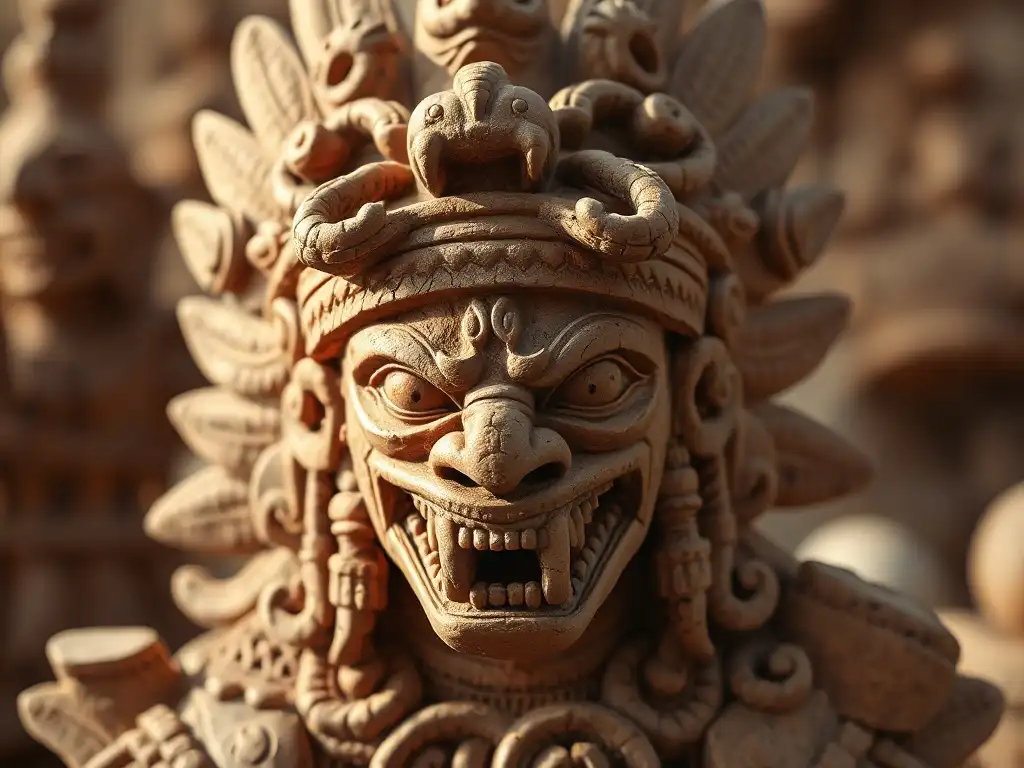
The Moche civilization, flourishing along the northern coast of Peru from approximately 100 CE to 800 CE, left behind a remarkable artistic legacy that offers invaluable insights into their complex religious beliefs and the pantheon of their gods. Their art, particularly ceramics and murals, serves as a visual record, providing tangible evidence of the power and influence wielded by the Moche deities in their society. The Moche gods of ancient Peru were not merely abstract concepts; they were deeply integrated into the daily lives of the people, as reflected in the meticulous detail and reverence evident in their artistic representations. Analyzing Moche art allows us to understand not only the visual characteristics of these divine figures but also their roles within the Moche worldview. The vibrant colors, intricate designs, and dynamic poses consistently employed in Moche art highlight the importance given to their religious figures and the narratives they conveyed.
Depictions of Moche Gods on Ceramics and Pottery
Moche pottery stands out as a primary source for understanding their gods. The artisans' skill in depicting human and divine figures with remarkable realism is unparalleled. Ceramics, ranging from simple vessels to elaborate portrait jars, vividly illustrate the Moche pantheon. Many depict powerful deities, often anthropomorphic, showcasing distinct features and regalia that help identify their specific roles and attributes.
For example, a common motif is a deity associated with warfare, frequently shown with weaponry and adorned in elaborate headdresses. Other vessels depict deities associated with fertility and agriculture, often shown with attributes like maize or other agricultural products. The level of detail in these depictions, including facial expressions, body postures, and clothing, speaks volumes about the Moche people's profound reverence for their gods.
Analysis of these ceramic pieces reveals a complex hierarchy among the gods, with some depicted as more powerful or dominant than others, reflecting the social structure of Moche society. The use of different colors and materials also highlights the significance of these figures. For instance, the use of fine-grained clays and vibrant pigments for important deities emphasizes their elevated status.
Moche Murals and Their Narrative of Divine Power
Beyond ceramics, the Moche also utilized murals to depict their gods. While fewer examples survive due to the perishable nature of the materials, the discovered murals are equally compelling. These murals often depict scenes of ritual ceremonies, sacrifices, and interactions between humans and the divine.
The narrative power of these murals is undeniable, conveying complex religious stories and beliefs. For example, murals found in the Huaca de la Luna depict scenes of ritual sacrifices, showcasing the interaction between human subjects and powerful, often fearsome, deities. These murals don't simply show the gods; they actively portray their intervention in human affairs, emphasizing their influence on the Moche world.
The scale and composition of these murals, often covering entire walls, underscores the importance of these religious narratives in Moche society. The dynamic poses and expressive features of the divine figures further emphasize their power and involvement in the lives of the Moche people. Further research into the pigments and techniques used in these murals could provide additional insights into the Moche artistic process and their religious beliefs.
The Use of Gold and Precious Metals in Religious Imagery
The Moche's use of gold and other precious metals, such as silver and copper, further underscores the importance and power attributed to their gods. These materials were not used sparingly; rather, they were lavishly employed to create intricate ornaments, masks, and other artifacts associated with religious rituals and the depiction of deities. The meticulous craftsmanship evident in these objects highlights the sacredness of the divine figures and the value placed on their representation.
For example, gold masks found in Moche tombs often depict stylized representations of deities, suggesting their use in funerary rituals or as offerings to the gods. The use of precious metals reinforces the idea of divine power and the elevated status of the gods within Moche society. The rarity of these materials and the skill required to work with them further emphasized the sacred nature of the objects and the religious practices they represented.
The discovery of new examples of gold artifacts associated with the Moche gods continues to provide valuable insights into their religious beliefs and artistic practices. Detailed analysis of these gold objects, including their composition and manufacturing techniques, offers further insights into Moche metallurgical skills and their religious worldview.
Analyzing Moche Iconography to Understand Moche Beliefs
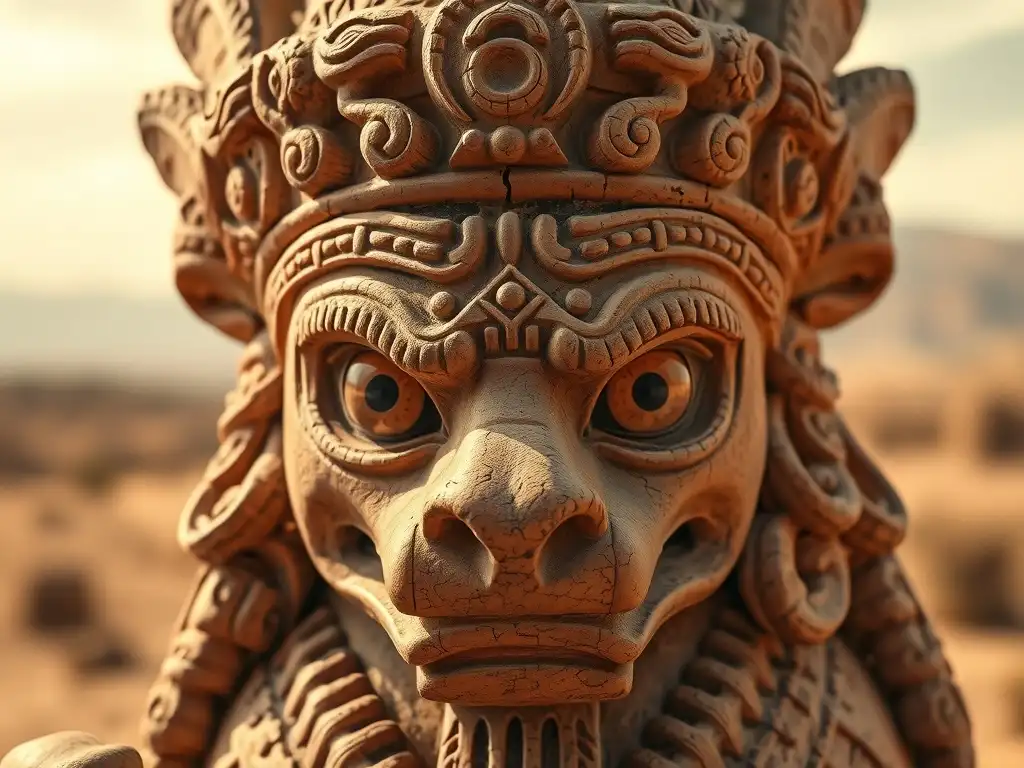
The Moche people, inhabiting the northern coast of Peru from approximately 100 CE to 800 CE, left behind a rich legacy of art, particularly in the form of intricately decorated ceramics. These aren't mere vessels; they are windows into the Moche worldview, offering invaluable insights into their complex religious beliefs and practices. Analyzing Moche iconography—the visual symbols and motifs—is crucial for understanding their pantheon of gods and the significance they held in daily life. The recurring themes, stylistic choices, and the sheer detail present in their artwork reveal a sophisticated system of religious thought.
For instance, the frequent depiction of specific deities in ritual contexts, such as sacrifices or processions, highlights their importance within the social structure. The meticulous rendering of these figures, often adorned with elaborate headdresses, jewelry, and regalia, underscores their perceived power and divinity. Furthermore, the consistent representation of certain animals, such as jaguars, birds of prey, and snakes, suggests their symbolic connection to the divine realm and their potential roles as intermediaries between the human and supernatural worlds. The careful study of these images, combined with archaeological evidence from Moche sites, allows us to build a more complete picture of their religious landscape and the role their gods played in shaping their society.
Variations in artistic style across different Moche periods also provide clues to evolving religious beliefs and practices over time. This detailed iconographic analysis helps to decipher the complex narratives embedded within the Moche artistic tradition, illuminating the beliefs and practices of this remarkable civilization. The careful study of these images reveals a sophisticated understanding of their cosmology and the intricate relationships between the divine and the mortal realms.
The Presentation Scene on Moche Ceramics and its Religious Implications
The "presentation scene" is a recurring motif in Moche pottery, depicting a highly stylized ritualistic act. This scene typically features a prominent figure, often interpreted as a deity or a high-ranking priest, receiving offerings or participating in a sacred ceremony. The offerings themselves are often depicted with meticulous detail, ranging from food and drink to elaborate headdresses and jewelry. The act of presentation, meticulously portrayed on these ceramics, strongly suggests a complex system of ritualistic exchange aimed at appeasing or honoring the gods.
The solemn expressions of the figures and the careful arrangement of the offerings emphasize the sacred nature of the event. The individuals depicted are often dressed in elaborate clothing and adorned with symbolic regalia, enhancing their authority and divine connection. The importance of this scene within the broader context of Moche religion is underscored by its frequent appearance across diverse ceramic forms and styles, spanning different periods of Moche culture. Furthermore, the careful positioning of figures and objects within the scene implies a deep understanding of ritual protocol and the symbolic importance of specific gestures and actions.
By interpreting these scenes, scholars gain insight into the beliefs and practices surrounding ritual sacrifice, ancestor veneration, and the overall structure of the Moche pantheon. The presentation scene, therefore, serves as a powerful visual representation of the Moche people's interactions with their gods and the profound significance of religious practice in their society. The study of these scenes is key to understanding the intricate relationship between the Moche people and their divine realm, revealing the power dynamics and social structures that underpinned their civilization. The consistent presence of this motif throughout Moche art confirms its crucial role in their religious life and worldview.
The Legacy of Moche Gods and Their Influence
The Moche gods of ancient Peru weren't simply figures of worship; they were deeply intertwined with the very fabric of Moche society, influencing everything from artistic expression to agricultural practices. Their enduring legacy is evident in the sheer volume of artifacts depicting these deities – ceramics, textiles, metalwork – all testament to their pervasive presence in daily life. The power and influence of these divine figures extended far beyond simple religious rituals, shaping the political landscape, economic structures, and social hierarchies of the Moche civilization.
Understanding the Moche gods is, therefore, crucial to understanding the Moche civilization itself. Their iconography, often vividly depicted in intricate detail, offers invaluable clues into their roles and the beliefs associated with them. For example, the Ai Apaec, a fearsome deity frequently portrayed as a fanged being with a decapitated head, likely represented warfare, sacrifice, and perhaps even the cyclical nature of life and death.
Conversely, the depiction of benevolent deities associated with fertility and abundance, like those linked to agriculture and fishing, highlights the crucial role these activities played in Moche society. The power dynamics inherent in the representations of these gods – some benevolent, others terrifying – reflect the complex social structures and power balances within the Moche state. The sheer scale and sophistication of the Moche artistic representations of these deities underscore their central role within the civilization's cosmology and worldview.
The Impact of Moche Religion on Later Andean Cultures
The influence of Moche religious beliefs and iconography extended beyond the Moche civilization's lifespan, leaving a lasting impact on subsequent Andean cultures. While the specifics of their religious practices might have evolved, certain motifs, symbols, and even specific deities found resonance in later Andean societies. For example, the emphasis on ancestor veneration, a key aspect of Moche religion, continued to be a significant feature in the religious practices of the Chimu and Inca civilizations.
The stylistic elements found in Moche art, particularly the representation of deities and mythical creatures, can be traced in the art of later cultures, suggesting a continuity of religious and artistic traditions. Furthermore, the agricultural practices and rituals associated with the Moche gods' influence on fertility and abundance likely provided a foundation for later Andean agricultural techniques and religious ceremonies. This cultural transmission suggests a complex process of adaptation and assimilation, where later Andean societies selectively adopted and modified elements of Moche religion to fit their own socio-political contexts.
Detailed comparative studies of Moche and later Andean art and religious practices are crucial to fully understand the extent and nature of this cultural legacy. Further research is needed to pinpoint the exact mechanisms of this transmission and the degree of direct influence versus independent development of similar religious concepts.
Moche Religious Ideas: Surviving in Modern Andean Traditions
While centuries separate us from the Moche civilization, echoes of their religious ideas can still be found in modern Andean traditions. Certain agricultural rituals, particularly those related to ensuring bountiful harvests, bear striking similarities to practices likely associated with the Moche gods of fertility and abundance. The continued reverence for ancestors and the importance placed on maintaining harmonious relationships with the natural world are further examples of this enduring legacy.
However, it's crucial to approach these claims with caution, carefully distinguishing between genuine continuity and the possibility of parallel developments or later syncretism with other religious traditions. Ethnographic studies of contemporary Andean communities are essential for understanding the extent to which Moche religious ideas may have influenced modern beliefs and practices. However, the exact nature and extent of this continuity remain a subject of ongoing scholarly debate and require further investigation.
The challenge lies in discerning the direct lineage from Moche beliefs to modern practices from more general cultural continuities in the Andes. Further research involving detailed anthropological and historical analysis is needed to clarify these connections.
Current Archaeological Research: Unveiling New Insights into Moche Religion
Ongoing archaeological excavations and research continue to refine our understanding of the Moche gods and their role in society. New discoveries of elaborate tombs, temples, and ceremonial sites are providing unprecedented insights into Moche religious practices. Advanced technologies, such as 3D scanning and digital imaging, are allowing researchers to analyze artifacts with greater precision, revealing subtle details previously overlooked.
The application of isotopic analysis to human remains is shedding light on dietary practices and social stratification, potentially revealing connections between religious status and access to resources. By analyzing the chemical composition of pigments used in Moche art, scientists are gaining a better understanding of the materials and techniques employed in creating religious iconography. These ongoing efforts are not only expanding our knowledge of the Moche gods but also challenging existing interpretations and opening new avenues for research.
The integration of interdisciplinary approaches, combining archaeology, anthropology, and other relevant fields, is crucial for a comprehensive understanding of this complex religious system. Further research promises to unveil even more fascinating details about the beliefs, practices, and significance of the Moche gods of ancient Peru.
The Importance of Preserving and Studying Moche Religious Heritage
The preservation and study of Moche religious heritage are crucial for several reasons. Firstly, it allows us to gain a deeper understanding of a complex and fascinating civilization. The Moche's sophisticated religious beliefs, reflected in their art and architecture, offer valuable insights into their social structures, worldview, and daily lives. By studying their iconography, we can decipher their cosmology, understand their rituals, and appreciate the significance they placed on their deities.
This understanding extends beyond the Moche themselves, offering comparative insights into the religious practices of other Andean cultures and contributing to a broader understanding of religious development in the region. The intricate details depicted in Moche pottery, for example, provide a window into their rituals, beliefs about the afterlife, and the roles of different members of society within their religious framework. The more we learn, the richer our understanding of this ancient society becomes.
Secondly, preserving Moche religious artifacts and sites helps protect a significant part of Peru's cultural heritage. These sites are not just remnants of the past; they are living testaments to the ingenuity and creativity of the Moche people. Their preservation ensures that future generations can appreciate and learn from the achievements of this remarkable civilization.
The ongoing threat of looting and environmental damage necessitates proactive measures to safeguard these irreplaceable treasures. Protecting these sites also contributes to the economic well-being of local communities, as responsible tourism based on heritage preservation can generate income and employment opportunities. The economic benefits of cultural tourism are directly linked to the preservation of sites and artifacts.
Finally, the study of Moche religion offers valuable lessons for contemporary society. By understanding the values, beliefs, and practices of the Moche, we can gain a new perspective on our own cultural values and beliefs. Their focus on nature, their sophisticated understanding of agriculture, and their intricate social structures can inspire innovative approaches to modern-day challenges. For example, studying their sophisticated irrigation systems can offer valuable insights for sustainable water management in modern agriculture.
Furthermore, understanding their artistic expression and their symbolic language can enrich our own artistic and cultural understanding, fostering appreciation for diversity and creativity across cultures and time periods. The Moche's legacy is not just a historical record but a source of inspiration and wisdom for the present and the future. Their sophisticated understanding of their environment and their complex social structures offer valuable lessons for modern society navigating similar challenges.
Frequently Asked Questions
What were the Moche people's beliefs about their gods?
The Moche civilization held complex religious beliefs, centered around powerful deities associated with fertility, war, and the sea. Their pantheon reflects a society deeply connected to its environment.
How did the Moche depict their gods in their art?
Moche art, particularly pottery and metalwork, vividly portrays their gods. These depictions often show deities in dynamic poses and elaborate costumes, reflecting their power and influence.
What is the significance of the Moche Ai Apaec deity?
Ai Apaec is considered a major Moche deity, often depicted as a ferocious warrior-god associated with both creation and destruction. His iconography is prominent in many Moche artifacts.
What role did ritual sacrifice play in Moche religion?
Ritual sacrifice, including human sacrifice, played a significant role. It was believed to maintain cosmic balance and ensure the continued prosperity of the civilization and appease the gods.
How did the Moche's religious beliefs influence their society?
Moche religion permeated all aspects of their society, influencing political structures, agricultural practices, and artistic expressions. Their beliefs provided a framework for understanding the world and their place within it.
Final Reflection: The Enduring Legacy of the Moche Pantheon
The vibrant artistry and complex mythology of the Moche civilization continue to resonate today, reminding us of the enduring power of human creativity and the persistent search for meaning in the face of the unknown. Their gods, depicted with such visceral intensity, offer a window into a society grappling with the forces of nature, the cycles of life and death, and the very essence of divinity. These aren't just dusty relics of a bygone era; they are powerful symbols that speak to our own ongoing fascination with the divine and the mysteries of the past.
The Moche gods, with their intricate iconography and symbolic power, offer a profound insight into the human condition, transcending the boundaries of time and culture. Their influence can still be felt in contemporary Peruvian art, literature, and even spiritual practices. The past is never dead. It's not even past,
wrote William Faulkner, and this rings especially true when considering the enduring legacy of the Moche pantheon. Their stories, though told in a different language and through a different medium, still speak to our deepest hopes and fears, our struggles with power and mortality.
Consider the intricate details of the Moche ceramics, the intensity in the eyes of their deities. Let these images spark your own contemplation. What aspects of the Moche worldview resonate with you?
How do their struggles with the natural world and their attempts to understand the divine mirror our own contemporary concerns? Take a moment to reflect on the enduring power of these ancient images and the timeless questions they pose about humanity's relationship with the sacred. Let the legacy of the Moche gods inspire you to explore your own understanding of the divine and the enduring power of human creativity.
Embrace the Wisdom of the Moche Gods!
Thank you for exploring the fascinating world of the Moche civilization and their powerful deities. You've discovered the core beliefs that shaped this remarkable culture. Now, let's put your newfound knowledge to good use!
Here are some ways to deepen your connection with the Moche and share their wisdom:
- Expand your knowledge: Delve further into the Moche culture by exploring our extensive collection of resources, including articles and special exhibits, to gain a richer understanding of their art, rituals, and societal structures.
- Share your discoveries: Discuss the significance of spiritual beliefs in shaping ancient cultures with friends, family, and other history enthusiasts on social media. Share this article and spark engaging conversations.
- Join our community: Subscribe to our newsletter for exclusive content, updates on the latest archaeological discoveries, and insightful discussions on Andean civilizations.
What aspect of Moche spirituality most resonates with you, and how do you believe it informs our understanding of human belief systems today?