
The Betrayal of Cajamarca: A Turning Point in the Inca Empire's Fate

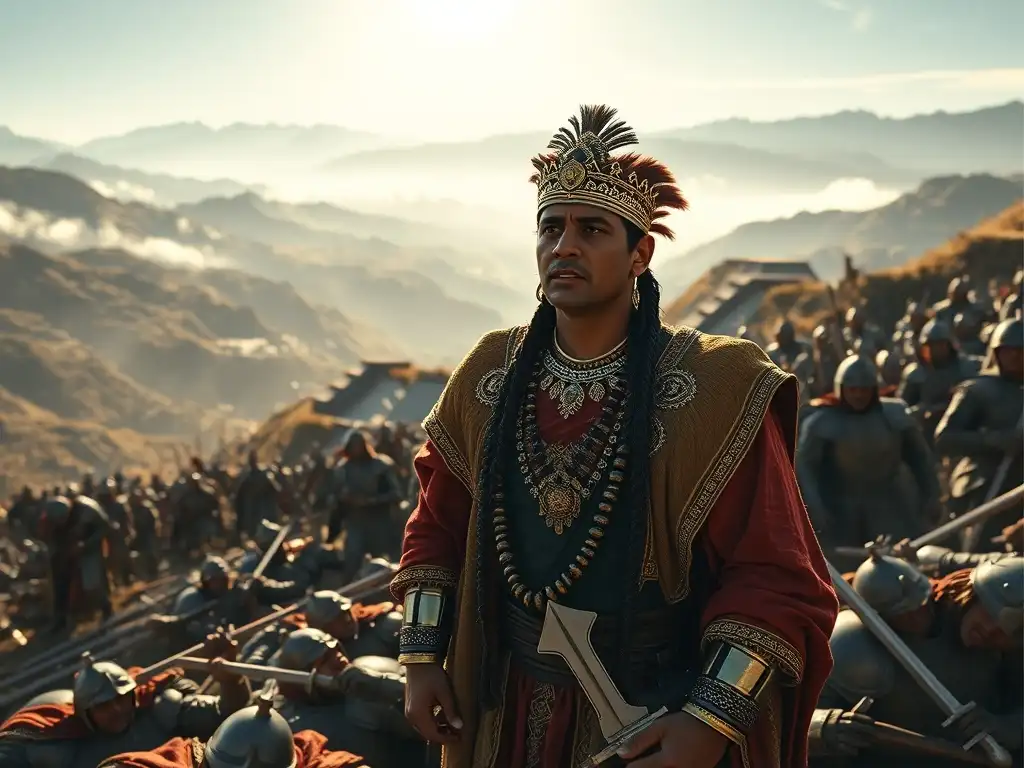
Step into a world lost to time, where the echoes of empires resonate through the Andes. Discover the breathtaking artistry, intricate social structures, and advanced engineering of the ancient Andean civilizations. But be warned… some stories are better left untold. The fall of the Inca Empire at Cajamarca was not a simple conquest; it was a betrayal of epic proportions. Dare to uncover the secrets behind the Inca Empire Cajamarca Betrayal, and witness the dramatic turning point that forever altered the course of history. Explore now and unveil the truth.
The conquest of the Inca Empire by the Spanish is a pivotal moment in history, marked by brutality, ambition, and the clash of two vastly different worlds. While the entire conquest was a brutal affair, the events at Cajamarca in 1532 represent a particularly significant turning point, a moment of strategic betrayal that irrevocably altered the course of the Inca Empire and South America's future.
This article delves into the intricacies of the Cajamarca encounter, examining the political landscape preceding the Spanish arrival and analyzing the strategic decisions that led to the catastrophic downfall of the Inca emperor Atahualpa and the subsequent collapse of the empire. We will explore how the seemingly innocuous act of a diplomatic meeting transformed into a massacre, effectively dismantling the Inca's power structure and paving the way for Spanish colonization.
Understanding Cajamarca is key to understanding the broader narrative of the Inca Empire's demise and the lasting impact of the Spanish conquest on Andean civilizations. The betrayal at Cajamarca wasn't simply a battle; it was a meticulously planned operation that exploited cultural differences and capitalized on internal Inca weaknesses, ultimately leading to the subjugation of a vast and sophisticated empire.
The Pre-Cajamarca Inca Landscape: Setting the Stage
Before the arrival of Francisco Pizarro and his conquistadors, the Inca Empire was grappling with internal conflicts and power struggles. The death of Huayna Capac, the previous emperor, had triggered a civil war between his sons, Huáscar and Atahualpa. This internecine conflict severely weakened the empire, leaving it vulnerable to external threats. Atahualpa emerged victorious from this brutal conflict, but the empire was far from unified.
Resources were depleted, infrastructure damaged, and the loyalty of various provinces was questionable. This fractured political landscape provided fertile ground for Pizarro's audacious plan to exploit the Inca's weakened state. The Inca, accustomed to elaborate displays of power and ritualistic diplomacy, were ill-prepared for the ruthlessness and technological superiority of the Spanish. Furthermore, the Inca's understanding of the Spanish intentions was likely clouded by their own cultural norms, leading to a miscalculation with devastating consequences.
The empire's vast size and complex administrative system, while impressive, also contributed to its vulnerability. Effective communication and rapid mobilization of troops were hampered by the distances involved, leaving Atahualpa ill-prepared to counter Pizarro's swift and decisive actions. The lack of a unified front, combined with the existing internal tensions, proved to be a fatal combination. The stage was set for a tragedy of epic proportions.
The Arrival of Pizarro and the Spanish at Cajamarca
Pizarro's arrival at Cajamarca was not a haphazard event; it was the culmination of meticulous planning and shrewd observation. He strategically chose Cajamarca, a city located in a narrow valley, to his advantage. The natural geography of the region, with its surrounding mountains and limited escape routes, allowed Pizarro to effectively trap Atahualpa and his retinue. The Spanish force, though numerically inferior, possessed superior weaponry—guns, cannons, and steel armor—providing them with a significant advantage against the Inca army equipped primarily with spears, clubs, and slings.
The events that unfolded in Cajamarca were characterized by a shocking display of deceit and overwhelming force. Under the guise of a diplomatic meeting, Pizarro and his men ambushed Atahualpa and his unarmed entourage. The massacre that followed was swift and brutal, leading to the capture of the Inca emperor and the effective collapse of the Inca military command structure. This act of betrayal, disguised as a peaceful encounter, remains a chilling example of the brutality and cunning employed by the conquistadors.
The strategic positioning of the Spanish forces, combined with their superior weaponry and the element of surprise, ensured the success of their ambush. The Inca's trust in diplomatic protocols, coupled with their underestimation of the Spanish ruthlessness, proved to be a catastrophic error. The consequences of this betrayal at Cajamarca would reverberate through the Inca Empire for generations to come.
- The Pre-Cajamarca Inca Landscape: Setting the Stage
- The Arrival of Pizarro and the Spanish at Cajamarca
- What was the significance of Cajamarca in the Inca Empire?
- Why was Atahualpa in Cajamarca at the time of the Spanish arrival?
- How did the Spanish conquer such a large empire with relatively few soldiers?
- What role did betrayal play in the fall of the Inca Empire at Cajamarca?
- What was the ultimate outcome of the Cajamarca betrayal for the Inca Empire?
The Trap at Cajamarca: The Capture of Atahualpa
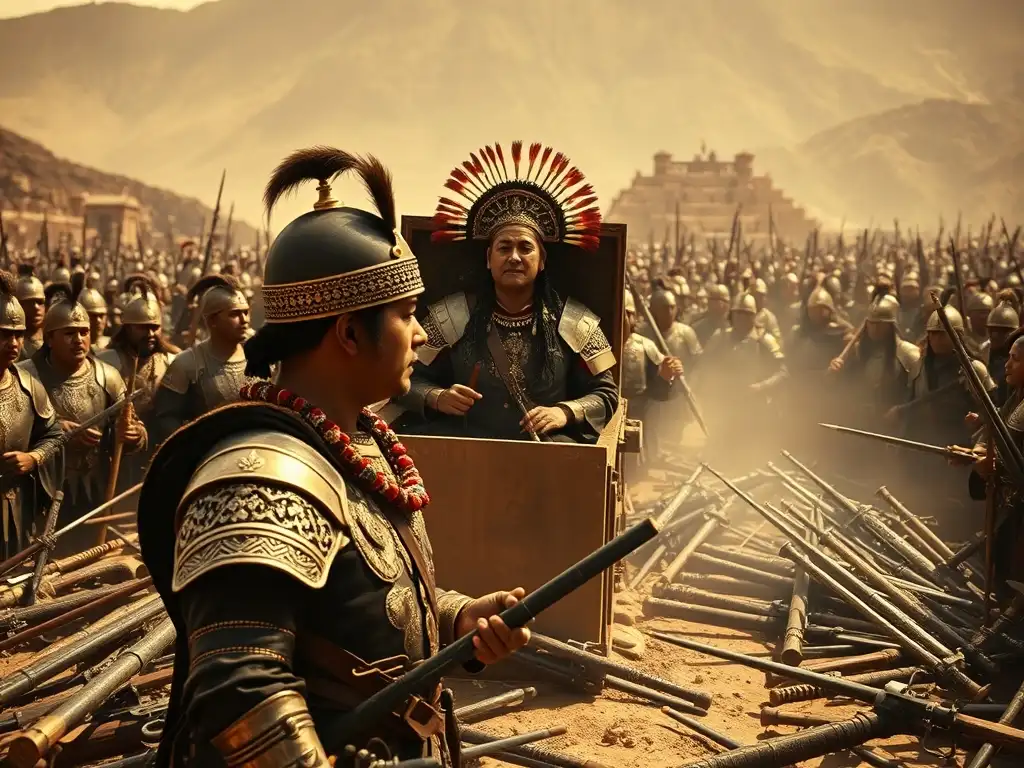
This section delves into the meticulously planned ambush that led to the capture of Atahualpa, the Sapa Inca, at Cajamarca, a pivotal moment that irrevocably altered the course of the Inca Empire. The event, often described as a betrayal, marked the beginning of the end for the vast Andean civilization. Understanding the strategy employed by Francisco Pizarro and his conquistadors is crucial to grasping the fragility of the Inca Empire in the face of superior weaponry and tactical cunning. The keyword phrase "Inca Empire Cajamarca Betrayal" is central to understanding this critical juncture.
The Invitation to Cajamarca: A Deceptive Encounter
Pizarro's approach to Cajamarca was a masterclass in deception. He didn't storm the city with overwhelming force; instead, he employed a strategy of calculated seduction and feigned peace. Atahualpa, confident in his own power and perhaps underestimating the Spanish, accepted an invitation to meet with Pizarro under the guise of diplomatic negotiations. This invitation, however, was a carefully constructed trap, a prelude to the brutal ambush that followed.
The Inca's inherent trust in their own strength and the perceived weakness of the Spanish proved to be a fatal miscalculation. The seemingly innocuous meeting was a carefully orchestrated act, a crucial step in the Spanish plan to dismantle the Inca Empire. The Spanish skillfully exploited the Inca's cultural norms and expectations of hospitality to lure Atahualpa into a vulnerable position. The seemingly friendly overtures masked a ruthless intention to seize control.
The Spanish Ambush: The Inca's Unpreparedness
The Spanish forces, though numerically inferior, possessed a decisive advantage: superior weaponry and tactics. Hidden behind strategically placed buildings and utilizing the city's geography to their advantage, they unleashed a devastating surprise attack. Canons boomed, muskets fired, and steel clashed against the Inca's primarily bronze and stone weapons. The Inca army, unprepared for such a swift and brutal assault, was caught completely off guard. Their sophisticated military organization, effective in Andean warfare, proved ineffective against the unfamiliar tactics and technology of the Spanish.
The sheer shock and unexpected nature of the ambush contributed significantly to the Inca's defeat. The lack of effective countermeasures against firearms and cavalry played a crucial role in the outcome. This stark contrast in military technology highlights the vulnerability of the Inca Empire to external forces. The event serves as a case study in the devastating effects of technological disparity in warfare.
Atahualpa's Capture: A Pivotal Moment in Inca History
The capture of Atahualpa wasn't merely a military victory; it was a symbolic conquest. His capture, occurring within the carefully constructed trap of Cajamarca, effectively decapitated the Inca Empire. The Sapa Inca, the supreme ruler, was taken prisoner, leaving the empire in disarray and vulnerable to Spanish exploitation.
The ensuing power struggle among Inca nobles further weakened the empire's ability to resist the Spanish advance. Atahualpa's captivity marked a turning point, not just in the military campaign but also in the cultural and political landscape of the Andes. His subsequent execution, despite a massive ransom paid in gold and silver, cemented the Spanish conquest and initiated a period of upheaval and cultural transformation for the Inca civilization.
The "Inca Empire Cajamarca Betrayal" remains a potent symbol of the empire's downfall, a stark reminder of the consequences of underestimating an adversary and the devastating impact of technological asymmetry in warfare. The event continues to resonate today, shaping our understanding of the Spanish conquest and the legacy of the Inca Empire.
The Aftermath of Cajamarca: Consequences for the Inca Empire
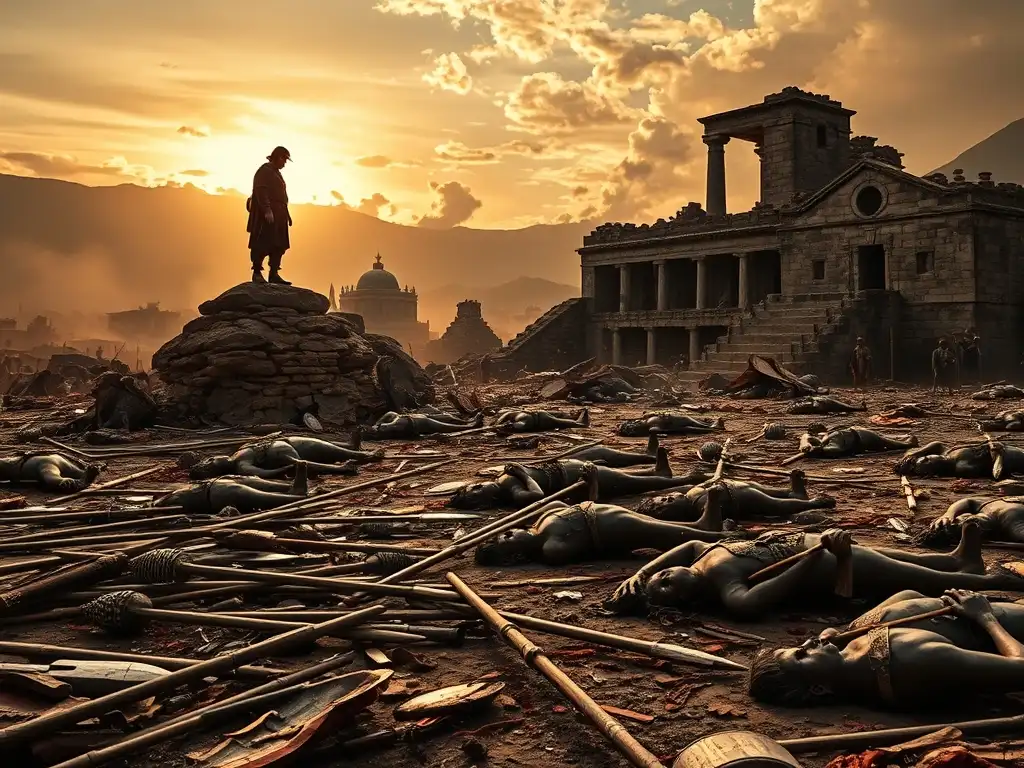
The capture of Atahualpa at Cajamarca in 1532 wasn't merely a single battle; it was a pivotal moment that irrevocably altered the trajectory of the Inca Empire, initiating a chain of events leading to its ultimate demise. The betrayal at Cajamarca, a shocking display of Spanish military prowess and Inca naiveté, unleashed a cascade of consequences that fractured the empire and paved the way for Spanish colonization.
The Inca Empire Cajamarca Betrayal remains a potent symbol of this devastating turning point. Analyzing its aftermath reveals a complex interplay of political maneuvering, internal conflict, and disease, all culminating in the fall of a once-mighty civilization.
The Imprisonment of Atahualpa and its Impact
Atahualpa's imprisonment wasn't simply a matter of removing a powerful leader; it triggered a power vacuum at the heart of the Inca Empire. The sophisticated administrative system, reliant on the Sapa Inca's authority, faltered. The immediate impact was widespread confusion and uncertainty throughout the vast empire.
While the Spanish initially hoped to use Atahualpa as a puppet ruler, his imprisonment ultimately crippled the Inca's ability to effectively govern and resist the encroaching Spanish forces. The ransoming of Atahualpa, though seemingly a monumental feat, only temporarily delayed the inevitable. Even after filling a room with gold and silver, a staggering amount of wealth by any standard, the Spanish ultimately executed him, eliminating any possibility of a unified Inca resistance under his leadership.
This act solidified the Spanish control and further destabilized the already fractured empire. The execution also served as a stark warning to other Inca leaders, highlighting the futility of open resistance. The subsequent chaos and lack of centralized leadership significantly weakened the empire’s ability to defend itself against the Spanish advance.
The Inca Civil War and the Weakening of the Empire
The imprisonment of Atahualpa ignited a brutal civil war amongst rival Inca factions vying for control. Huáscar, Atahualpa's half-brother, had been previously defeated in a power struggle, and his supporters saw an opportunity to reclaim their position. This internal conflict drained resources and manpower, significantly weakening the empire's ability to mount a coordinated defense against the Spanish.
The Inca civil war, fueled by ambition and the vacuum of power, diverted crucial attention and resources away from confronting the external threat. The war left the empire fractured, divided, and vulnerable. The fighting was intense and protracted, leaving the infrastructure damaged and the population demoralized.
The Spanish cleverly exploited this internal strife, allying with various factions to further weaken the Inca resistance and expand their own control. The resulting chaos prevented any unified front against the Spanish conquistadors. The Inca Empire Cajamarca Betrayal was followed by a period of internal strife that effectively crippled the empire from within.
The Demise of the Inca Empire: A Direct Result of Cajamarca
The capture of Atahualpa at Cajamarca was not merely a contributing factor but a direct cause of the Inca Empire's demise. The event initiated a chain reaction: the imprisonment destabilized the government, the civil war drained resources and manpower, and the subsequent execution eliminated any chance of unified resistance. The Spanish conquest, while undeniably brutal and exploitative, was made significantly easier by the internal fracturing of the Inca Empire.
Had Atahualpa remained in power and the empire remained unified, the Spanish advance would have faced a far more formidable challenge. The subsequent Spanish colonization was facilitated by this internal weakness, allowing for a relatively swift and brutal subjugation of the once-powerful empire.
The Inca Empire Cajamarca Betrayal stands as a potent reminder of how internal divisions can leave even the most powerful empires vulnerable to external forces. The consequences of this single event resonate through history, shaping the political and social landscape of the Andes for centuries to come.
The Significance of the Cajamarca Incident in the Inca Conquest
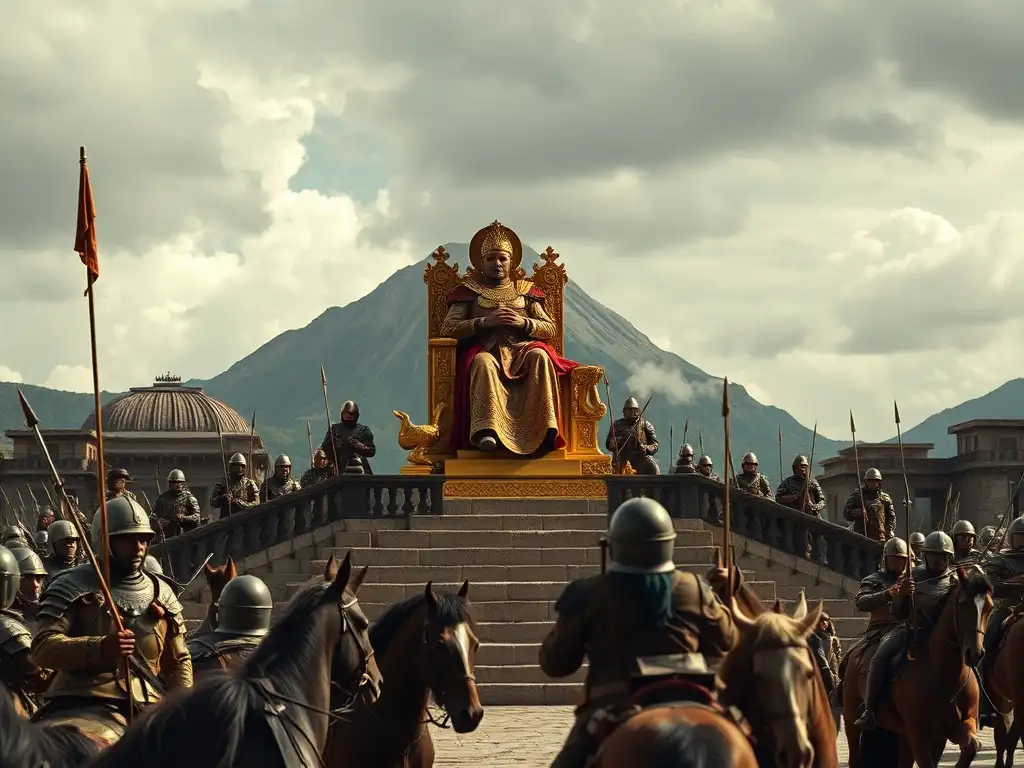
The capture of Atahualpa, the Sapa Inca, at Cajamarca in 1532, represents a pivotal moment not just in Inca history, but in the broader context of the Spanish conquest of the Americas. This seemingly small-scale event, a single battle in a vast empire, had cascading consequences that irrevocably altered the trajectory of Andean civilization.
The "Inca Empire Cajamarca Betrayal," as it's often referred to, wasn't merely a military victory; it was a strategic masterpiece that exploited Inca vulnerabilities and shattered the foundations of their power structure. This section delves into the profound implications of this decisive encounter, examining its immediate and long-term effects on the Inca Empire and Andean society as a whole.
The success of Pizarro's audacious plan hinged on a perfect storm of factors, from the element of surprise to the Inca's inherent trust and misunderstanding of Spanish intentions. Analyzing this event requires understanding the pre-existing power dynamics within the Inca Empire and the cunning tactics employed by the Spanish conquistadors.
The Strategic Importance of the Cajamarca Betrayal
The Cajamarca ambush was a textbook example of strategic brilliance on the part of Francisco Pizarro. He leveraged several key factors to achieve a stunning victory against a vastly superior force. First, Pizarro meticulously planned the attack, choosing a narrow valley that funneled the Inca army into a kill zone. Second, he exploited the Inca's cultural norms and diplomatic protocols, inviting Atahualpa to a meeting under false pretenses of peace.
This calculated deception, a blatant betrayal of Inca trust, allowed Pizarro and his men to unleash a devastating surprise attack. The Spanish utilized superior weaponry, including firearms and horses – technologies completely unknown to the Inca – to inflict heavy casualties. The psychological impact of this unexpected violence was as significant as the physical toll. The Inca, accustomed to dominance and unwavering authority, were utterly unprepared for such a brutal and swift defeat.
The event effectively severed the head of the empire, leaving its vast territories vulnerable and ripe for conquest. This strategic advantage allowed the relatively small Spanish force to gain a foothold in the heart of the Inca Empire, a feat that would have been impossible without the element of surprise and the effective use of superior weaponry. The Cajamarca ambush wasn't just a battle; it was a carefully orchestrated political maneuver that crippled the Inca Empire's capacity for resistance.
The capture of Atahualpa triggered a swift and dramatic collapse of Inca authority and organizational structure. The Inca Empire, while vast and powerful, was based on a highly centralized system of governance. The Sapa Inca held absolute authority, and his capture created a power vacuum that plunged the empire into chaos. Civil war erupted between rival factions vying for control, further weakening the Inca's ability to resist the Spanish advance.
The Inca's sophisticated administrative system, which relied heavily on the Inca's direct control and communication, crumbled in the absence of a strong central authority. This internal strife, exacerbated by the Spanish manipulation of Inca factions, significantly aided the conquest. The resulting instability allowed the Spanish to conquer vast swathes of territory with relatively little resistance.
The Inca's sophisticated road network, once a symbol of their power and efficiency, became a conduit for the Spanish advance into the empire's heartland. The loss of Atahualpa and the subsequent power struggle effectively dismantled the Inca's capacity to govern and defend their empire. The resulting fragmentation and internal conflict paved the way for the complete Spanish conquest.
The Long-Term Effects of the Cajamarca Event on Andean Society
The Cajamarca event's long-term impact on Andean society is profound and multifaceted. The capture of Atahualpa marked not only the beginning of the end for the Inca Empire, but also the start of a period of immense social upheaval and transformation. The Spanish conquest led to the destruction of Inca religious practices, the imposition of Christianity, and the disruption of traditional social structures. The introduction of European diseases decimated the indigenous population, causing a dramatic demographic shift.
The forced labor system (encomienda) imposed by the Spanish led to widespread exploitation and suffering. The Cajamarca event, therefore, stands as a symbol of the brutal consequences of conquest and the long-lasting impact of colonial rule on Andean civilizations. The legacy of this event continues to shape the social, political, and cultural landscape of the Andes today.
The disruption of Inca social structures, the introduction of new diseases and economic systems, and the imposition of a new faith drastically altered Andean society, leaving a lasting mark on the region. The Cajamarca betrayal was not simply a military defeat; it was a watershed moment that fundamentally reshaped the course of Andean history. The consequences reverberate even to this day.
Analyzing the Factors Behind the Inca's Defeat at Cajamarca
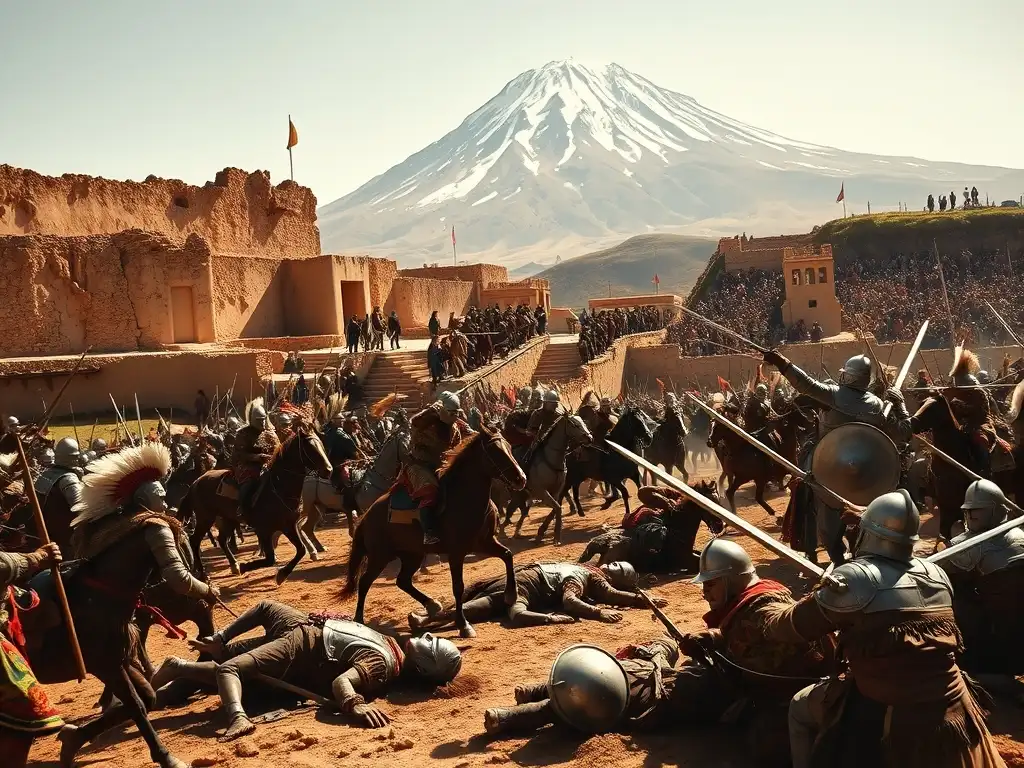
The swift and decisive Spanish victory at Cajamarca in 1532, a pivotal moment in the Inca Empire's demise, wasn't solely due to Spanish military prowess. A confluence of factors, including Inca miscalculations, Spanish technological and tactical advantages, and pre-existing internal strife within the Inca Empire itself, contributed to this stunning defeat. Understanding these interconnected elements is crucial to grasping the true complexity of the "Inca Empire Cajamarca Betrayal."
Inca Miscalculations: Trust and Naivete
Atahualpa's decision to meet Pizarro without a substantial military force stemmed from a combination of factors, highlighting a crucial miscalculation on the part of the Inca leadership. The Inca worldview, deeply rooted in religious beliefs and a hierarchical social structure, influenced their approach to diplomacy and conflict resolution. They underestimated the Spanish intentions, viewing them as potential allies rather than conquerors. This naivete was further compounded by the Inca's lack of familiarity with European weaponry and tactics.
Reports from earlier encounters with Spanish explorers likely portrayed a less threatening image than the reality. The Inca rulers, accustomed to imposing their will through sheer power and the awe inspired by their imperial might, failed to anticipate the ruthlessness and deceptive nature of the Spanish conquistadors. The absence of a strong military presence at the meeting, a stark contrast to the Inca's usual displays of overwhelming force, proved to be a fatal error.
This trust, misplaced in the face of a vastly different culture and power dynamic, sealed the fate of the Inca army at Cajamarca. The sheer scale of the surprise attack underscored the Inca's underestimation of the Spanish. Their reliance on established diplomatic protocols, unsuitable for dealing with the Spanish, contributed significantly to their catastrophic defeat.
Spanish Superiority: Military Technology and Tactics
The Spanish victory at Cajamarca was not solely attributable to treachery. Their superior military technology and tactics played a decisive role. The Spanish possessed firearms – muskets and cannons – weapons completely unknown to the Inca. The deafening sound and destructive power of these weapons caused widespread panic and disarray amongst the Inca ranks.
Furthermore, the Spanish utilized steel armor and swords, providing them with a significant advantage in close-quarters combat. Their horses, also a novelty to the Inca, added to their psychological impact and battlefield mobility. The Spanish military organization, based on disciplined formations and coordinated attacks, contrasted sharply with the Inca's less structured approach.
While the Inca army was far larger, the Spanish effectively used their superior weaponry and tactics to neutralize the numerical advantage, creating a devastatingly effective ambush. The element of surprise, coupled with the psychological shock of unfamiliar weaponry, effectively shattered the Inca army's ability to mount an effective resistance. This technological and tactical advantage, expertly employed, was a key component of the Spanish victory, contributing to what many historians now consider a strategically planned and executed military operation.
Internal Conflicts Within the Inca Empire: A Weakened Foundation
The Inca Empire, even before the arrival of the Spanish, was experiencing internal tensions and conflicts. Atahualpa's ascension to the throne following the death of Huayna Capac was far from peaceful. A civil war between Atahualpa and his half-brother Huáscar had weakened the empire significantly.
This internecine conflict depleted the empire's resources, diverted its attention, and left it vulnerable to external threats. The prolonged struggle for power had fractured the empire's unity, eroding the loyalty and cohesion of its armies. The resulting political instability, coupled with the economic strain of the civil war, significantly hampered the Inca's ability to effectively defend themselves against the Spanish.
The weakened state of the empire, fractured and drained by internal conflict, presented a ripe opportunity for the Spanish conquistadors. This pre-existing fragility, largely overlooked in assessments of the Cajamarca battle, served as a crucial underlying factor in the swift and decisive defeat of the Inca army. The civil war had left the empire vulnerable, and the betrayal at Cajamarca was the fatal blow.
Lessons from Cajamarca: Understanding the Fall of the Inca Empire
This section delves into the pivotal events of Cajamarca, analyzing the factors that contributed to the Inca Empire's downfall and the lasting impact on Andean history. We will explore the role of deception and betrayal, the internal vulnerabilities of the empire, and the long-term consequences of this decisive battle. Understanding Cajamarca offers crucial insights into the dynamics of conquest and the fragility of even the most powerful empires. The keyword phrase "Inca Empire Cajamarca Betrayal" is central to this analysis, highlighting the strategic manipulation and internal strife that sealed the Inca's fate.
The Role of Deception and Betrayal in Conquest
The capture of Atahualpa at Cajamarca wasn't a result of superior military might alone. Pizarro's success hinged on a masterful display of deception and exploitation of internal Inca power struggles. The Spanish conquistadors, vastly outnumbered, employed a cunning strategy. They lured Atahualpa, the Inca emperor, into a seemingly peaceful meeting, only to unleash a devastating ambush. This betrayal, a calculated act of violence masked as diplomacy, shattered the Inca army's cohesion and demoralized its leadership.
The element of surprise was paramount. The Spanish strategically positioned themselves within a confined space, utilizing the terrain to their advantage. The sudden unleashing of cannons, firearms, and cavalry – weapons completely unknown to the Inca – caused widespread panic and confusion. This technological advantage, coupled with the element of surprise and betrayal, proved devastatingly effective. The meticulously planned ambush highlights the importance of psychological warfare in conquest, emphasizing that military superiority isn't always determined by sheer numbers. The narrative of the "Inca Empire Cajamarca Betrayal" underscores the crucial role of deception in achieving a seemingly impossible victory.
The Fragility of Empires: Internal Weaknesses and External Threats
While Pizarro's tactics were undeniably effective, the Inca Empire's vulnerability also played a significant role in its downfall. Years of civil war between Huáscar and Atahualpa had weakened the empire considerably. The resulting internal conflict fractured the Inca's political and military structures, leaving them significantly less prepared to defend against external threats. This internal strife created a power vacuum, making the empire ripe for exploitation by the Spanish.
The division within the Inca leadership wasn't merely political; it also had profound social and economic consequences. The prolonged civil war disrupted trade routes, reduced agricultural output, and destabilized the social order. These internal weaknesses significantly diminished the empire's resilience, making it far more susceptible to the Spanish invasion. The story of the Inca Empire’s fall at Cajamarca serves as a cautionary tale, illustrating how internal divisions can severely weaken even the most powerful empires, leaving them vulnerable to external forces. The phrase "Inca Empire Cajamarca Betrayal" should be understood within this context of internal fragility.
The Lasting Legacy of Cajamarca: A Turning Point in Andean History
The events at Cajamarca represent a profound turning point in Andean history. The conquest of Atahualpa marked the beginning of the end for the Inca Empire, ushering in an era of Spanish colonization that drastically altered the cultural, social, and political landscape of the Andes. The consequences of this betrayal resonated for centuries, profoundly impacting the indigenous populations and shaping the future of the region.
The aftermath of Cajamarca witnessed the destruction of Inca infrastructure, the imposition of a new colonial order, and the forced conversion of the indigenous population to Christianity. The Spanish conquest led to the exploitation of Andean resources, the disruption of traditional social structures, and the decimation of the indigenous population through disease and warfare. The legacy of Cajamarca is not only a story of military conquest but also a narrative of cultural disruption, economic exploitation, and the enduring struggle for indigenous rights.
The phrase "Inca Empire Cajamarca Betrayal" encapsulates this pivotal moment and its lasting implications for the Andean world. The betrayal at Cajamarca serves as a potent symbol of the fragility of empires and the far-reaching consequences of conquest.
The Moral Implications of the Cajamarca Incident
The betrayal at Cajamarca remains a deeply troubling event, raising profound moral questions that continue to resonate today. The sheer disparity in power, the element of surprise, and the subsequent slaughter of unarmed Inca nobles constitute a brutal act of conquest. From a contemporary perspective, the actions of Pizarro and his men are unequivocally condemned as a violation of basic human rights and ethical warfare.
The Inca, trusting in diplomacy and perhaps underestimating the conquistadors' ruthlessness, were utterly unprepared for the violence that followed. This lack of preparation, however, does not excuse the deliberate and calculated nature of the ambush.
The moral ambiguity is further amplified by the subsequent treatment of Atahualpa. Held captive and subjected to a sham trial, he was ultimately executed despite offering a king's ransom for his freedom. This act, viewed through the lens of modern justice systems, represents a gross miscarriage of justice, highlighting the inherent brutality and hypocrisy of the Spanish conquest. The immense wealth extracted from the Inca, obtained through deceit and violence, further underscores the ethical bankruptcy of the event.
The Cajamarca massacre serves as a stark reminder of the devastating consequences of unchecked power, the exploitation of cultural differences, and the disregard for human life. Examining this incident compels us to confront the enduring ethical dilemmas associated with colonialism and imperialism. It compels a critical self-reflection on the standards by which we judge historical events and the moral implications of power imbalances.
Historical Interpretations of the Betrayal at Cajamarca
Historians have offered diverse interpretations of the Cajamarca incident, ranging from analyses focusing on the tactical brilliance of Pizarro's strategy to those emphasizing the profound cultural misunderstandings that fueled the conflict. Some scholars highlight Pizarro's audacious gamble and masterful manipulation of the Inca's inherent hospitality and trust. They see the event as a strategic masterstroke, a decisive victory achieved through cunning planning and a ruthless willingness to exploit the Inca's naiveté. This perspective, while acknowledging the brutality, often downplays the moral implications, focusing instead on the military and political ramifications of the event.
Conversely, other historians emphasize the role of cultural misunderstanding and miscommunication in the events leading up to the massacre. They argue that Atahualpa's actions, interpreted as arrogant or defiant by the Spaniards, were in fact rooted in a vastly different cultural understanding of diplomacy and power dynamics.
This view suggests that the clash at Cajamarca was not simply a military conquest but a collision of cultures, where misinterpretations and ingrained biases played a crucial role in escalating the conflict. This interpretation fosters a more nuanced understanding of the event, acknowledging the complexities of intercultural interactions and the inherent dangers of imposing one's worldview on another.
The ongoing debate surrounding the interpretation of Cajamarca highlights the enduring relevance of this pivotal moment in history and its continued capacity to provoke critical analysis and discussion. The diverse interpretations underscore the need for a multifaceted approach to understanding this pivotal event and its lasting impact on the Inca Empire and the wider world.
Frequently Asked Questions
What was the significance of Cajamarca in the Inca Empire?
Cajamarca held immense strategic importance for the Inca Empire due to its location and resources. It served as a crucial control point and a vital hub connecting different parts of the empire. Its capture proved devastating.
Why was Atahualpa in Cajamarca at the time of the Spanish arrival?
Atahualpa was in Cajamarca during a civil war succession battle against his brother Huáscar. He was consolidating his power after winning the conflict, making him vulnerable to Pizarro's ambush.
How did the Spanish conquer such a large empire with relatively few soldiers?
The Spanish conquest relied on superior weaponry, disease, and the exploitation of internal conflicts within the Inca Empire. Atahualpa's capture was a pivotal moment leveraging these advantages.
What role did betrayal play in the fall of the Inca Empire at Cajamarca?
Betrayal played a critical role. The Spanish exploited existing tensions within the Inca court and relied on the collaboration of some Inca leaders, who provided intelligence and support to Pizarro's forces.
What was the ultimate outcome of the Cajamarca betrayal for the Inca Empire?
The capture and execution of Atahualpa at Cajamarca marked a turning point, leading to the rapid collapse of the Inca Empire under Spanish rule and the start of the colonial period.
Final Reflection: Echoes of Cajamarca: A Legacy of Betrayal and Resilience
The betrayal at Cajamarca wasn't merely a historical event; it remains a chillingly relevant example of the devastating consequences of unchecked power and the fragility of even the most seemingly invincible empires. The swift and brutal downfall of Atahualpa, the Inca emperor, serves as a stark warning against the dangers of underestimating an opponent and the corrosive effects of internal divisions. This event continues to resonate today, reminding us of the importance of diplomacy, understanding, and the preservation of cultural heritage in the face of overwhelming force.
The impact of Cajamarca extends far beyond the immediate conquest. The systematic dismantling of the Inca civilization, fueled by greed and a thirst for power, left an indelible mark on the cultural landscape of South America. The legacy of this betrayal continues to shape identities and narratives even today. History is not just what happened, but what is remembered, and how it is remembered.
This quote highlights the enduring power of Cajamarca's narrative, a story that continues to be reinterpreted and re-examined through the lens of contemporary social justice and the ongoing struggle for indigenous rights.
Consider the echoes of Cajamarca in your own life. How do you recognize the signs of unchecked power, both in yourself and in the world around you? What steps can you take to foster understanding and empathy, to prevent similar betrayals from occurring in your own sphere of influence?
Let the story of Cajamarca serve not just as a grim reminder of the past, but as a powerful catalyst for positive change in the present and future. Embrace the lessons of resilience and cultural preservation, and let the legacy of the Inca Empire inspire you to build a more just and equitable world.
Embrace the Legacy of the Inca: Take Action Today!
Thank you for exploring the pivotal moment of Cajamarca and its profound impact on the Inca Empire! We hope you gained valuable insights into this historical event and its consequences. Now, let's translate that inspiration into action!
- Deepen your understanding of Inca civilization by exploring our extensive collection of articles. Discover the intricacies of their innovations and rich culture.
- Share your newfound knowledge with friends who share your interest in history—spark a conversation about the most significant lessons learned from this pivotal event.
- Join our vibrant community! Participate in our forums to discuss similar historical events and explore how they've shaped our modern world.
What is the most important lesson you believe we can learn from the fall of the Inca Empire at Cajamarca?