
The Role of Priests at Machu Picchu: Religious Leadership in the Inca Empire

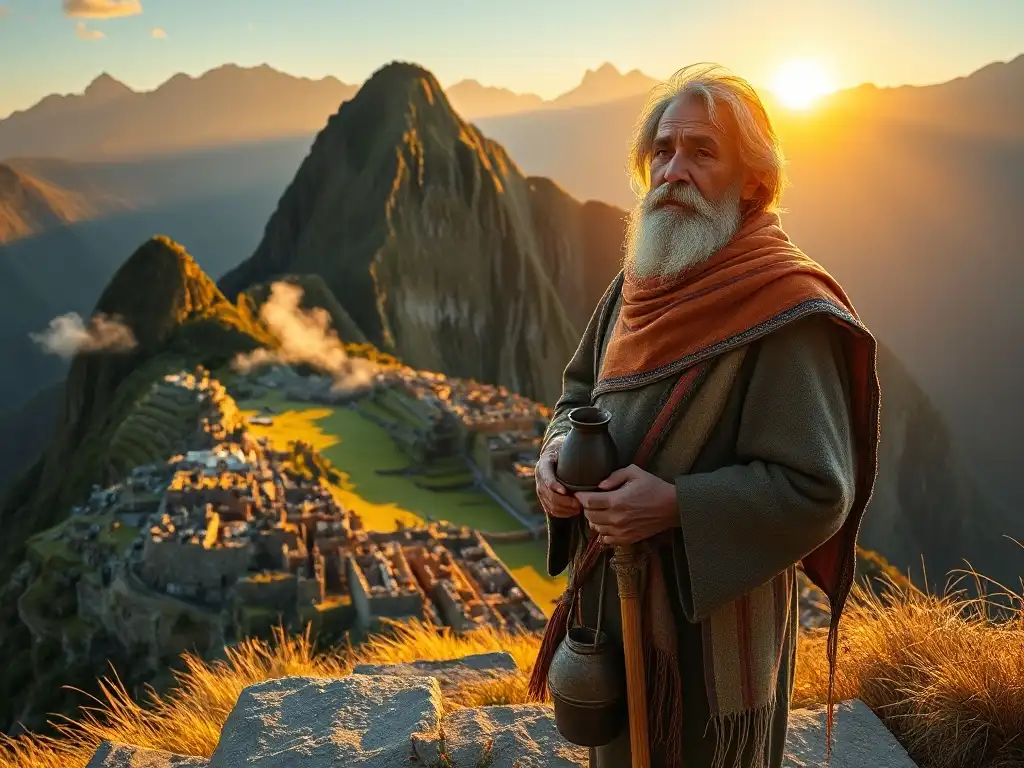
Step into a world lost in time, where the towering peaks of the Andes whisper secrets of empires past. Dive into the fascinating world of Andean civilizations, uncovering the intricate tapestry of their history, art, and ingenuity. But what truly powered the Inca Empire? Unravel the mystery surrounding the Inca priests at Machu Picchu and their pivotal role in shaping this remarkable society. Their influence extended far beyond the sacred stones—prepare to be amazed by the power they wielded. Continue reading to uncover the truth.
Machu Picchu, the iconic "Lost City of the Incas," stands as a testament to the sophisticated civilization that once thrived in the Andes. Beyond its breathtaking architecture and intricate agricultural systems, Machu Picchu reveals much about the deeply ingrained religious beliefs of the Inca Empire.
This article delves into the crucial role of priests at Machu Picchu, exploring their influence on daily life, their connection to the Inca worldview, and their significance within the broader context of Inca religious leadership. We will examine how these religious leaders shaped the spiritual landscape of this remarkable site and how their practices continue to fascinate and intrigue researchers today.
Understanding the role of Inca priests at Machu Picchu offers a critical lens through which to interpret the city's purpose and the broader Inca worldview, providing a richer appreciation for the complexity and sophistication of this ancient civilization. The keyword "Inca priests Machu Picchu role" will be explored throughout, revealing the multifaceted nature of their influence.
The Inca Religious Hierarchy and the Position of Priests
The Inca religion was a complex system with a hierarchical structure mirroring the empire's political organization. At the apex stood the Sapa Inca, the emperor, considered a divine figure, a descendant of the sun god Inti. Below him, a vast network of priests, known as wilaq or yama, held positions of immense power and influence.
These priests weren't a monolithic group; their roles varied based on specialization and location. Some priests were dedicated to specific deities, while others oversaw temple rituals or served as advisors to the ruling class. At Machu Picchu, the priests likely held a particularly important position, given the site's perceived sacredness and its role as a royal estate and religious center.
Their responsibilities extended beyond simple religious ceremonies; they were deeply involved in the political and social fabric of the Inca society. Evidence suggests a close relationship between the priestly class and the elite, highlighting their combined influence on the daily life of the community.
Ritual Practices and Ceremonies at Machu Picchu
Machu Picchu's architecture itself speaks volumes about its religious significance. The precise orientation of buildings, the placement of sacred stones, and the existence of structures like the Intihuatana (sun dial) all point to the importance of astronomical observations and solar worship. Inca priests at Machu Picchu played a central role in these rituals, conducting ceremonies, interpreting celestial events, and ensuring the continued favor of the gods.
These ceremonies, often involving sacrifices (both animal and human, though the specifics at Machu Picchu remain debated), were crucial for maintaining cosmic order and ensuring the prosperity of the empire. Detailed accounts of these practices are scarce, but archaeological evidence, combined with colonial-era chronicles, provides glimpses into the elaborate rituals performed at Machu Picchu under the guidance of its priests. We know, for example, that festivals connected to the agricultural cycle were common, and the priests would have been instrumental in their performance.
The Role of Priests in Daily Life at Machu Picchu
The influence of Inca priests at Machu Picchu extended far beyond formal religious ceremonies. They likely played a significant role in interpreting dreams, providing medical advice, and dispensing justice, acting as intermediaries between the divine and the mortal world. Their knowledge of herbal remedies and their understanding of the natural world made them essential figures in daily life.
The priests would have been consulted on matters ranging from agricultural practices to personal dilemmas, solidifying their position as vital members of the community. This multifaceted role cemented their influence and ensured their continued importance within the Inca social structure at Machu Picchu. Their authority extended to all aspects of life, reflecting the pervasive nature of religion in Inca society.
Archaeological Evidence and Ongoing Research
Archaeological investigations at Machu Picchu continue to shed light on the role of priests. The discovery of artifacts, such as ceremonial objects and remains of ritual structures, helps researchers piece together a more complete picture of religious practices at the site. However, much remains unknown.
Further research is needed to fully understand the intricacies of the priestly hierarchy at Machu Picchu, the specific roles of individual priests, and the precise nature of their rituals. Ongoing analysis of skeletal remains and the continued excavation of temple structures may provide even more detailed insights into the lives and practices of the Inca priests who once inhabited this extraordinary city. The ongoing research promises further exciting discoveries that will enhance our understanding of the "Inca priests Machu Picchu role."
- The Inca Religious Hierarchy and the Position of Priests
- Ritual Practices and Ceremonies at Machu Picchu
- The Role of Priests in Daily Life at Machu Picchu
- Archaeological Evidence and Ongoing Research
- What was the primary role of Inca priests at Machu Picchu?
- How did Inca priests influence daily life at Machu Picchu?
- What was the connection between Inca priests and Machu Picchu's location?
- What types of rituals did Inca priests perform at Machu Picchu?
- Were all Inca priests at Machu Picchu equally powerful?
Understanding Inca Religious Practices and Their Significance
The Centrality of Religion in Inca Society
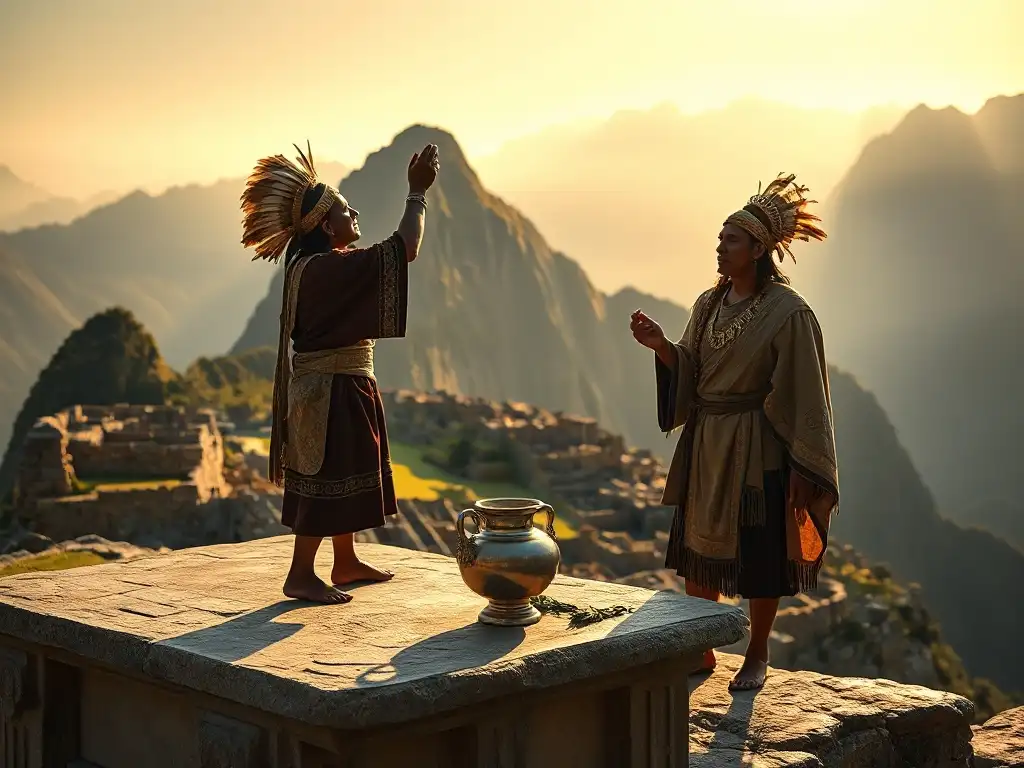
Religion permeated every aspect of Inca life, shaping their social structure, political systems, and daily routines. It wasn't a separate sphere of activity but rather the very foundation upon which their civilization was built. The Inca worldview was deeply intertwined with the natural world, with mountains, rivers, and celestial bodies holding immense spiritual significance.
This profound reverence for nature manifested in elaborate rituals, ceremonies, and the construction of impressive sacred sites like Machu Picchu. The Inca believed in a complex pantheon of deities, each with specific roles and responsibilities, and the priests played a crucial role in maintaining harmony between the human and spiritual realms. Their actions, from interpreting omens to conducting sacrifices, directly influenced the perceived well-being of the empire.
Understanding the centrality of religion allows us to appreciate the profound influence Inca priests had on all levels of society, from the emperor to the commoner. Their power stemmed not just from their religious knowledge but from their ability to mediate between the people and the divine, ensuring the continued prosperity and stability of the Inca Empire. Archaeological evidence, such as the intricate carvings and structures found at Machu Picchu, strongly support this assertion, revealing the extensive investment in religious practices and the significant resources dedicated to maintaining the priests' influence.
Key Deities in the Inca Pantheon and Their Worship
The Inca pantheon wasn't rigidly defined, with local deities often integrated into the broader imperial system. However, several key figures dominated Inca religious life. Inti, the sun god, was arguably the most important deity, considered the father of the Inca emperors and the source of all life and energy. His worship was central to imperial ideology, with the emperor acting as Inti's earthly representative.
Viracocha, the creator god, held a significant position, credited with shaping the world and humanity. Pachamama, the earth goddess, embodied the fertility of the land and was appeased through offerings and sacrifices. These three deities, alongside others like the moon goddess Mama Kilya and the storm god Illapa, were venerated through various rituals, including elaborate festivals, processions, and sacrifices. These ceremonies were often accompanied by music, dance, and the consumption of chicha, a fermented maize beverage.
The priests, skilled in astronomy and ritual practices, played a pivotal role in determining the timing and nature of these religious events. Their knowledge of the celestial cycles and their ability to interpret omens were critical to maintaining the balance between the human and spiritual worlds, and their influence on agricultural practices and resource allocation was undeniable. The detailed understanding of these deities and their worship is essential to comprehending the multifaceted role of Inca priests in the Inca Empire, particularly at sites like Machu Picchu.
The Importance of Sacred Sites in the Inca World
Sacred sites like Machu Picchu served as focal points for Inca religious practices. These locations, often chosen for their geographical significance or perceived spiritual power, were carefully planned and constructed to facilitate religious activities. Machu Picchu, with its intricate network of temples, plazas, and agricultural terraces, exemplifies this approach. The location itself, perched high in the Andes mountains, likely held immense symbolic importance, connecting the terrestrial and celestial realms.
The priests at Machu Picchu would have overseen various rituals, including sacrifices, divination, and ceremonies aimed at ensuring agricultural abundance and imperial prosperity. The intricate astronomical alignments of some structures suggest a sophisticated understanding of the cosmos and the priests’ role in interpreting celestial events. For example, the precise orientation of certain buildings towards the solstices and equinoxes indicates a deep understanding of the sun's movement and its symbolic importance to the Inca worldview.
The presence of ritual objects and evidence of human sacrifice at Machu Picchu further emphasizes the site's religious significance and the central role of priests in maintaining its sanctity. Analyzing these elements allows for a deeper appreciation of the Inca priests' influence, not just within the religious sphere, but also within the broader socio-political context of the Inca Empire. The detailed study of Machu Picchu and other sacred sites provides invaluable insights into the complex religious practices and the profound influence of the Inca priests.
The Function of Inca Priests within the Empire
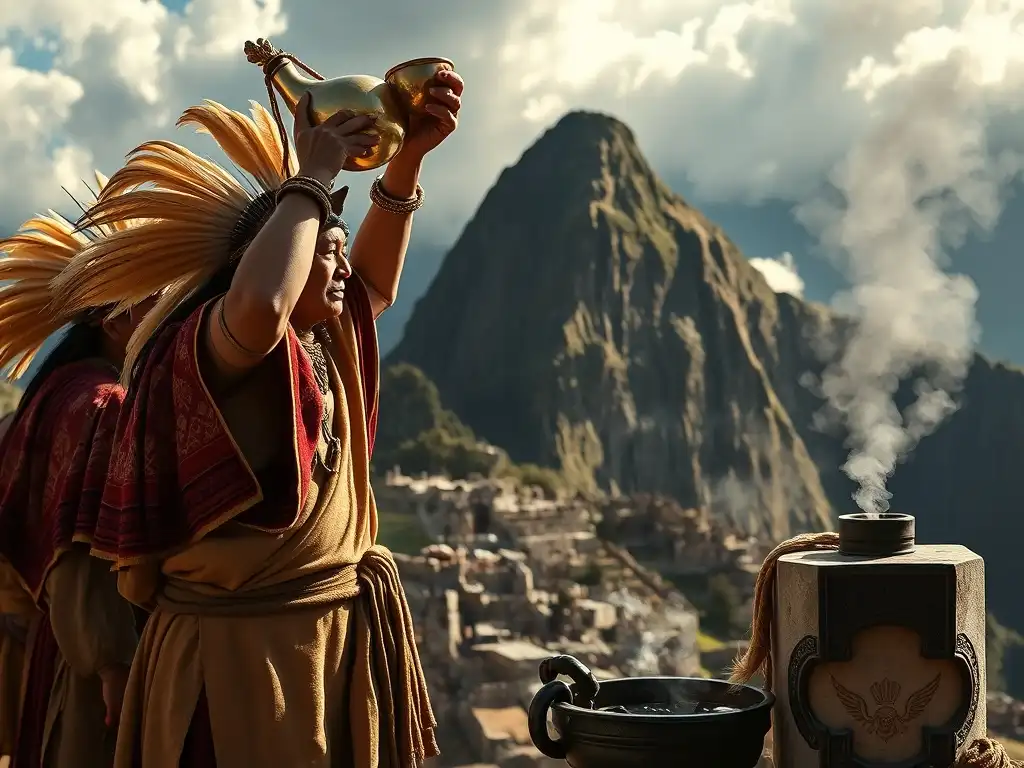
Inca priests at Machu Picchu, and throughout the vast Inca Empire, held a position of immense power and influence, far exceeding mere religious duties. Their role was deeply intertwined with the political and social fabric of Inca society. They weren't simply spiritual leaders; they were vital cogs in the intricate machinery of the empire's governance, acting as advisors to the Sapa Inca (emperor), interpreters of the will of the gods, and custodians of vital knowledge.
Their influence extended to agriculture, astronomy, and even warfare, highlighting their multifaceted importance in Inca life. Understanding the Inca priest's function requires appreciating their pervasive impact on all aspects of daily life. The intricate relationship between religious practices and the state solidified the Inca's authority and ensured social order.
The effectiveness of their influence is evidenced by the longevity and stability of the Inca Empire before Spanish conquest. Their power was not solely derived from religious beliefs but also from their control over vital resources and their access to the Sapa Inca. This pervasive influence underscores the critical role Inca priests played in maintaining the intricate balance of the Inca world.
Organization of the Inca Priesthood
The Inca priesthood wasn't a monolithic entity. Instead, it was a complex and highly organized system, reflecting the hierarchical structure of the Inca Empire itself. Priests were not only organized geographically, mirroring the administrative divisions of the empire, but also by specialized functions.
Some priests focused on specific deities, while others specialized in areas like astronomy, agriculture, or medicine. This specialization allowed for a more efficient and effective management of religious practices and the maintenance of the intricate calendar system that governed Inca life. Evidence suggests that the organization was further stratified by rank and experience, with senior priests wielding significant authority within their respective regions or areas of expertise.
Detailed records of this organizational structure remain scarce due to the destruction of many Inca texts during the Spanish conquest, leaving researchers to piece together a clearer picture based on archaeological findings and surviving accounts from Spanish chroniclers. However, the evidence strongly suggests a highly structured and efficient system crucial to the functioning of the Inca state.
Hierarchy and Different Roles of Inca Religious Leaders
The Inca priesthood exhibited a clear hierarchical structure, mirroring the administrative hierarchy of the empire. At the apex stood the Willaq Umu, the high priest, who served as the chief religious authority and advisor to the Sapa Inca. Below him were various levels of priests, each with specialized responsibilities.
For instance, Mamaconas, selected young women, served as priestesses, often entrusted with specific rituals and the care of sacred objects. Other priests were responsible for maintaining the huacas (sacred places), performing astronomical observations, or managing agricultural practices. The yachaywasi (houses of knowledge) served as training centers for priests, further solidifying the hierarchical structure.
This hierarchy ensured the smooth functioning of religious activities, from daily rituals to elaborate state ceremonies. The intricate division of labor within the priesthood facilitated the centralized control of religious practices and ensured that the Inca worldview was consistently reinforced throughout the empire. The different roles of religious leaders underscore their importance not only in spiritual matters but also in the practical governance of the empire.
Training and Selection of Priests in the Inca Empire
The selection and training of Inca priests were rigorous processes, emphasizing both religious aptitude and social standing. While some priests may have inherited their positions through lineage, others were selected based on merit, demonstrated through rigorous testing and years of training. The yachaywasi, educational institutions, played a crucial role in this process, providing aspiring priests with comprehensive training in religious doctrines, astronomy, calendar systems, and other essential aspects of Inca culture.
The curriculum encompassed not only theoretical knowledge but also practical skills, ensuring that priests were well-equipped to perform their duties effectively. The rigorous selection process and extensive training contributed to the high level of expertise and authority enjoyed by Inca priests.
The extensive training ensured a consistent and standardized approach to religious practices across the vast empire. This system ensured that the priesthood remained a powerful and influential force within Inca society, maintaining its prestige and ensuring the continuity of religious traditions.
The Specific Role of Priests at Machu Picchu
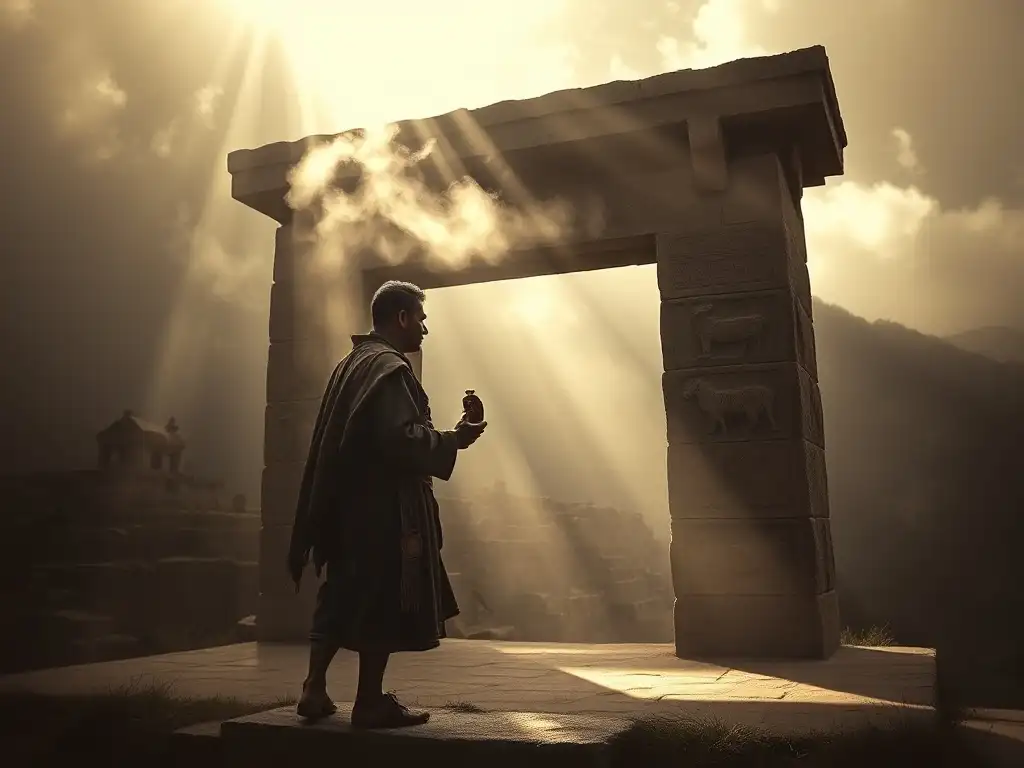
The Inca priests at Machu Picchu held a position of immense power and influence, far exceeding the simple role of religious functionaries. Their responsibilities extended beyond the purely spiritual, deeply intertwining with the political, social, and economic fabric of Inca society. While the exact hierarchy and specific duties of each priestly rank at Machu Picchu remain partially obscured by the passage of time, archaeological evidence and historical accounts paint a vivid picture of their multifaceted contributions to the functioning of this significant site.
Understanding their role requires appreciating Machu Picchu not solely as a mountaintop citadel, but as a carefully orchestrated blend of royal estate and sacred ceremonial center, a microcosm of the Inca Empire's power. The keyword "Inca priests Machu Picchu role" accurately reflects the complex nature of their influence.
Machu Picchu: A Royal Estate and Ceremonial Center
Machu Picchu wasn't merely a fortress or a city; it served as a crucial nexus of Inca power and religious practice. Its strategic location, nestled high in the Andes, held both symbolic and practical significance. The site's layout itself reveals the integration of royal residence and religious functions.
Palatial structures, such as the Intihuatana (sun dial) and the Royal Tomb, coexisted with temples and ritual spaces, reflecting the close relationship between the Inca ruler – considered a divine intermediary – and the priestly class. This symbiotic relationship meant priests weren't isolated figures but active participants in the daily life of the imperial elite. The meticulous agricultural terraces, for instance, were not only crucial for food production but also possibly held symbolic value, reflecting the Inca's deep connection to the land and their agricultural deities.
The intricate network of water channels further enhanced this sacred-secular blend, symbolizing the life-giving forces of nature and their control by the Inca state, a control heavily managed by the priesthood. The very existence of Machu Picchu demonstrates the intertwined nature of the Inca state's power and religious ideology, highlighting the priests’ crucial role in maintaining this intricate balance.
Evidence of Religious Activity at Machu Picchu
Abundant archaeological evidence supports the significant religious activity at Machu Picchu. The discovery of numerous ritual objects, including intricately carved stone idols, ceramic vessels used in ceremonies, and remains of offerings, strongly suggests the presence of a thriving priestly establishment. The Intihuatana, a prominent stone structure believed to have been used for astronomical observations and solar rituals, stands as a testament to the sophisticated astronomical knowledge and religious practices of the Inca priests.
Furthermore, the careful orientation of buildings towards specific celestial events, such as solstices and equinoxes, further underscores the importance of astronomy and its integration into Inca religious beliefs. Analysis of the agricultural terraces, for example, reveals a sophisticated understanding of water management and agricultural practices, indicating a level of organization and planning that likely fell under the purview of the priests. These were not just farmers, but individuals deeply connected to the religious significance of the land and its fertility.
The presence of numerous smaller shrines scattered throughout the site points to a decentralized but coordinated system of religious observance, overseen and directed by the main priestly hierarchy. The intricate carvings and iconography found on many of these artifacts provide valuable insights into Inca mythology and cosmology, which were central to the priests' teachings and rituals.
The Daily Rituals and Ceremonies Performed by Priests at Machu Picchu
The daily life of Inca priests at Machu Picchu revolved around a complex system of rituals and ceremonies designed to maintain cosmic harmony and ensure the prosperity of the Inca empire. These rituals, often performed in specific locations within the site, involved prayers, offerings, and elaborate processions. Morning and evening prayers, likely dedicated to the sun god Inti and other important deities, were probably standard practice. Special ceremonies marking significant agricultural cycles, solstices, and equinoxes, would have involved larger-scale participation and elaborate preparations.
The priests were responsible for interpreting omens and signs, advising the ruler on important decisions, and mediating between the divine and the human realms. Their knowledge of astronomy, medicine, and agriculture was essential for maintaining social order and ensuring the well-being of the community. The preparation of chicha, a fermented corn beverage used in many rituals, likely fell under their supervision, as did the careful selection and presentation of offerings to the gods.
We can imagine the priests meticulously preparing for these ceremonies, meticulously arranging offerings of coca leaves, llama fetuses, and other sacred items. The daily rituals weren't merely symbolic; they formed the backbone of Inca society, and the priests, as their interpreters and mediators, held a position of unparalleled authority and prestige. The meticulous nature of these rituals, and the evidence of their widespread practice, firmly established the priests as crucial figures in the daily life of Machu Picchu.
Inca Priests: Guardians of Sacred Knowledge at Machu Picchu
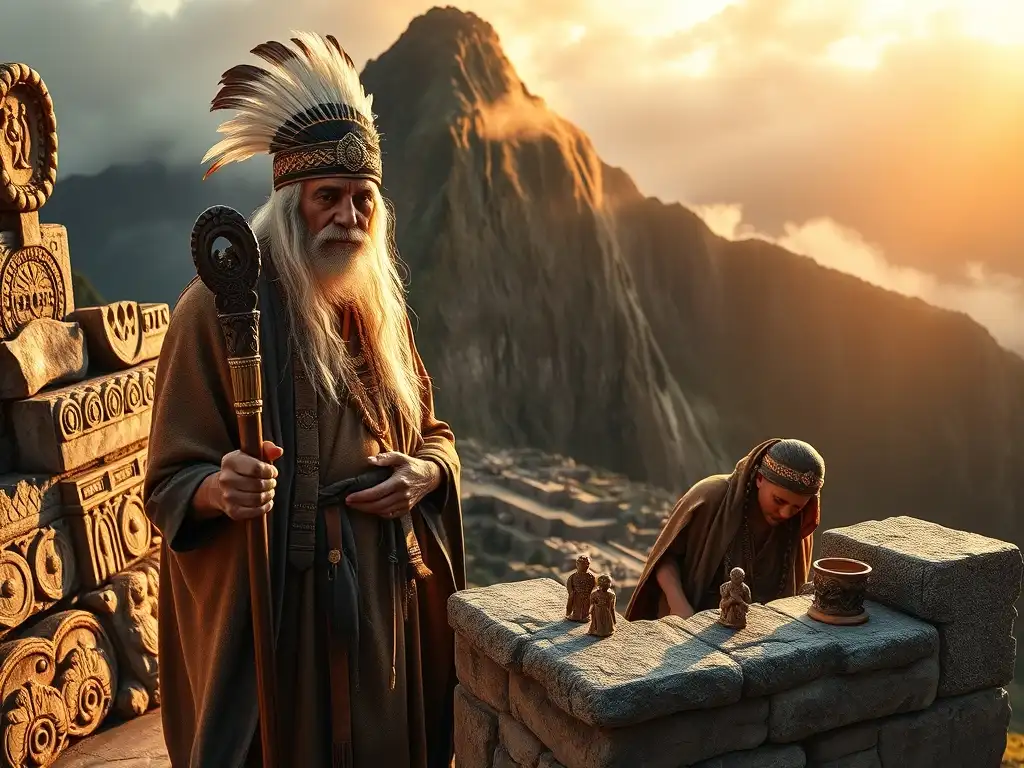
Inca priests at Machu Picchu, far from being mere religious figures, held a position of immense power and influence, acting as vital intermediaries between the Inca emperor and the divine realm. Their role extended far beyond conducting ceremonies; they were custodians of sacred knowledge, interpreters of celestial events, and managers of crucial resources. Understanding their multifaceted responsibilities is key to grasping the complex social and political dynamics of the Inca Empire, especially within the context of a site as significant as Machu Picchu.
The keyword "Inca priests Machu Picchu role" reflects the central theme of this exploration. This section will delve into the specific aspects of their influence, moving beyond generalized descriptions to provide a nuanced understanding of their impact.
The Responsibilities of Priests in Maintaining Cosmic Balance
The Inca worldview was deeply rooted in the concept of ayni, a reciprocal relationship between humanity and the cosmos. Maintaining this delicate balance was paramount, and Inca priests at Machu Picchu bore the primary responsibility for ensuring its continuity. Their daily rituals, performed in various sacred locations throughout the city, were designed to appease the gods, ensure bountiful harvests, and ward off misfortune.
These rituals often involved elaborate offerings of coca leaves, chicha (a fermented corn beverage), and other precious items, meticulously placed in designated areas, such as the Intihuatana stone, a significant astronomical marker. [Specific details on the rituals performed at each location pending]. Failure to perform these rites diligently was believed to disrupt the cosmic order, leading to natural disasters or social unrest.
The priests’ understanding of the agricultural cycles and their ability to predict weather patterns, based on their astronomical observations, were crucial to the survival and prosperity of the Inca community at Machu Picchu. This intricate system of religious practices solidified their position as essential figures within the community. The priests' focus on maintaining cosmic balance directly impacted the daily lives of the Inca people at Machu Picchu, underscoring the importance of their role.
The Inca Priests’ Role in Prophecy and Divination
Beyond maintaining cosmic balance, Inca priests at Machu Picchu played a crucial role in prophecy and divination. They were skilled interpreters of omens, utilizing various methods to glean insights into the future and the will of the gods. These methods included observing the flight of birds, studying the patterns of stars and constellations, and interpreting the entrails of sacrificed animals.
[Specific examples of divination techniques used at Machu Picchu pending]. Their pronouncements carried significant weight, influencing major decisions related to warfare, agriculture, and even the construction of new structures. The ability to predict the future, or at least to offer plausible interpretations of events, granted them considerable power and influence within the Inca society.
The Inca priests' skill in prophecy and divination, therefore, was not simply a religious practice but a key element in the political and social governance of Machu Picchu. The accuracy of their predictions, or the perceived accuracy, solidified their standing as respected and influential figures.
The Priests' Control over Resources and Ritual Objects at Machu Picchu
The Inca priests at Machu Picchu didn't just hold spiritual authority; they also controlled access to vital resources and sacred objects. They managed the storage and distribution of food, textiles, and other essential goods, often acting as intermediaries between the emperor and the common people. Their control over these resources allowed them to exert considerable influence over the daily lives of the inhabitants of Machu Picchu.
Furthermore, they were the sole custodians of sacred objects, including intricately crafted gold and silver artifacts, ceremonial vessels, and mummies of past rulers. These objects were not merely religious symbols; they represented the accumulated wealth and power of the Inca Empire. [Specific examples of resources and ritual objects controlled by priests pending].
The priests' control over these resources and objects cemented their position as powerful figures within the social hierarchy, enhancing their influence and authority within the community. Their role extended beyond spiritual guidance to encompass economic and political control, highlighting their multifaceted influence on the life at Machu Picchu. The management of these resources and objects was a crucial aspect of their role, demonstrating the intricate connection between religious authority and secular power in the Inca Empire.
Analyzing the Influence of Inca Priesthood on Society
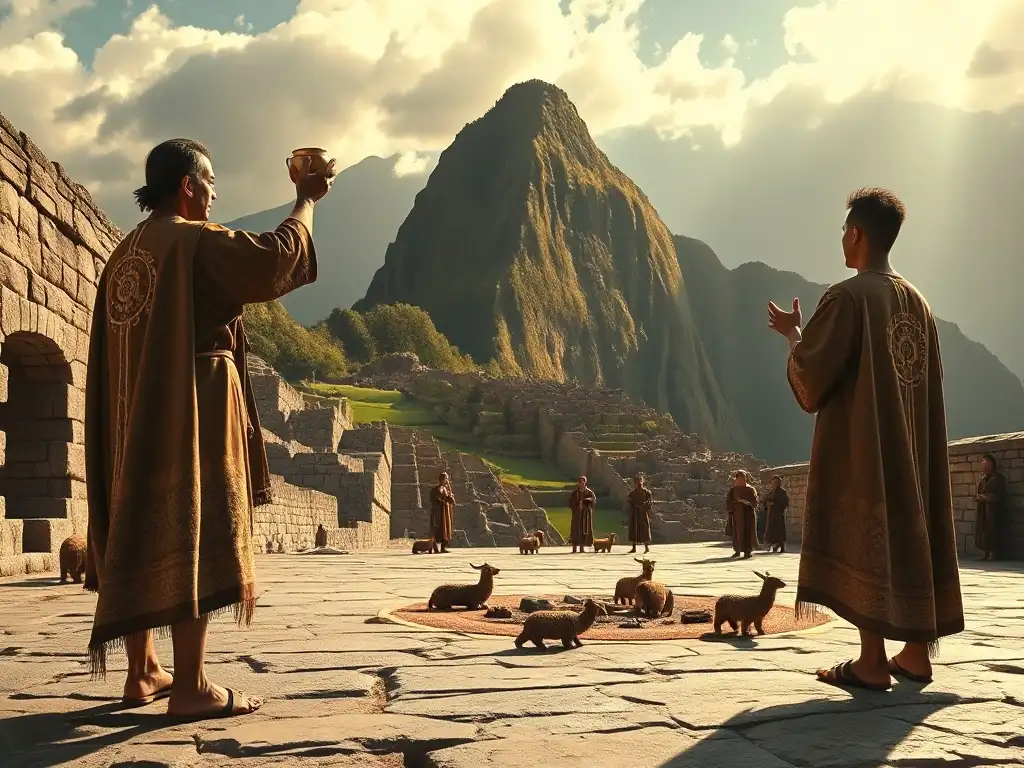
The Inca Empire, renowned for its sophisticated infrastructure and centralized governance, also possessed a complex religious system deeply intertwined with its political structure. Understanding the role of Inca priests at Machu Picchu, a crucial religious and administrative center, is key to grasping the empire's societal dynamics. The Inca curacas (local leaders) often held significant religious authority within their regions, but the ultimate power resided with the Willac Umu, the high priest in Cusco, and his network of priests throughout the empire.
This intricate system of religious leadership permeated every aspect of Inca life, from agricultural practices to warfare. The influence of the priesthood extended far beyond simple ritualistic ceremonies; it impacted social structures, economic policies, and even the daily routines of the average citizen.
Analyzing this influence reveals a society where religion and politics were inextricably linked, shaping the Inca worldview and their remarkable achievements. The keyword phrase "Inca priests Machu Picchu role" directly addresses the central theme of this section.
Inca priests held considerable power and authority, acting as intermediaries between the divine and the human world. Their influence stemmed not only from their religious expertise but also from their close ties to the Sapa Inca, the emperor. The priests were responsible for interpreting the will of the gods, predicting future events, and performing rituals to ensure the prosperity of the empire.
This involved a deep understanding of astronomy, agricultural cycles, and medicinal plants. Their pronouncements carried significant weight; they could influence decisions on warfare, agricultural practices, and even matters of succession to the throne. For example, a priest's prediction of a poor harvest could lead to adjustments in agricultural strategies or the allocation of resources.
Furthermore, the priests managed vast temple complexes like those at Machu Picchu, overseeing the construction, maintenance, and ritualistic use of these sacred spaces. This administrative role gave them considerable control over resources and manpower, further solidifying their position of authority within Inca society. The precise extent of their influence in daily life varied regionally, but their overall impact on the empire's governance and social order remains undeniable.
The Impact of Priestly Decisions on the Inca Population
The decisions made by Inca priests had a profound and far-reaching impact on the Inca population. Their pronouncements on matters of state often dictated the course of the empire's policies. For instance, the priests' interpretation of omens and celestial events could lead to decisions about warfare or alliances with other groups.
Their influence extended to the everyday lives of ordinary citizens through the regulation of agricultural practices and the distribution of resources. The capacocha (child sacrifice), a practice believed to appease the gods, though controversial, demonstrates the extent of the priests' power, as they selected the individuals for this ritual. Furthermore, the priests played a pivotal role in maintaining social order and resolving conflicts.
Their authority was used to enforce religious laws, punish transgressions, and mediate disputes within communities. The construction of elaborate irrigation systems and terraced farming techniques, often guided by priestly knowledge of astronomical cycles, directly impacted the lives of farmers, ensuring food security and stability. This intricate interplay between religious authority and practical governance ensured the empire's long-term stability and prosperity, highlighting the significant impact of priestly decisions on the daily lives of the Inca population.
The Legacy of Inca Religious Practices and Beliefs
The legacy of Inca religious practices and beliefs continues to resonate in modern-day Peru and beyond. Many Andean communities still retain elements of Inca traditions, including rituals, festivals, and beliefs in the power of nature. The ruins of Machu Picchu and other sacred sites remain potent symbols of Inca religious life, attracting visitors and scholars alike.
The intricate astronomical knowledge integrated into the design and orientation of these sites highlights the sophisticated understanding of the cosmos that characterized Inca religion. While some practices, such as capacocha, are viewed with ethical concerns today, understanding their significance within the Inca worldview provides crucial context for interpreting their history and culture. The enduring appeal of Inca religious traditions underscores the deep connection between the Inca people and their environment, a relationship mediated and shaped by the influence of their priests.
The study of Inca religion, particularly the role of priests at sites like Machu Picchu, offers valuable insights into the complexities of a civilization that achieved remarkable feats of engineering, social organization, and spiritual understanding. The continued study of Inca religious practices and beliefs provides a rich field of research and a deeper appreciation for the enduring legacy of this fascinating civilization.
The Decline of Inca Priesthood and Transformation of Machu Picchu
The Inca priesthood, once a powerful force shaping life at Machu Picchu and throughout the empire, experienced a dramatic decline following the Spanish conquest. Understanding this decline is crucial to comprehending the subsequent transformation of Machu Picchu from a vibrant religious and administrative center to the largely abandoned site we know today. The intricate web of religious authority, interwoven with political power, was irrevocably disrupted.
The Spanish, with their fervent Catholicism, systematically dismantled the Inca religious system, viewing it as a primary obstacle to their colonial ambitions. This wasn't a simple replacement; it was a deliberate campaign of destruction and suppression.
The Impact of the Spanish Conquest on Inca Religious Institutions
The Spanish conquest of the Inca Empire in the 16th century had a devastating impact on Inca religious institutions. The huacas (sacred places), including those at Machu Picchu, were desecrated, and the amautas (wise men and scholars) who preserved Inca knowledge and traditions were persecuted or killed. The Spanish Crown actively promoted the conversion of the Inca population to Christianity, suppressing indigenous religious practices through various means, including the destruction of temples and the burning of religious texts.
This systematic dismantling of the Inca religious infrastructure created a power vacuum and significantly weakened the influence of the Inca priesthood. The once-powerful villacs (religious communities) were dispersed, and the intricate rituals and ceremonies that characterized Inca life were disrupted. The very essence of Inca religious belief and practice was targeted for eradication.
Detailed accounts from Spanish chroniclers, while often biased, provide valuable insights into the systematic nature of this religious suppression. For example, [specific account from a Spanish chronicler pending] describes the destruction of a particular huaca at Machu Picchu, shedding light on the brutality and thoroughness of the Spanish campaign.
Abandonment of Machu Picchu and Its Rediscovery
The abandonment of Machu Picchu is a complex issue, with the Spanish conquest playing a significant role. While the exact timeline remains debated, the decline of the Inca Empire and the subsequent disruption of its religious and administrative systems likely contributed to the gradual desertion of Machu Picchu. The loss of the priestly class, responsible for maintaining the sacred site and conducting rituals, would have had a profound impact.
The disruption of agricultural practices and trade networks further exacerbated the situation, leading to the eventual abandonment of this once-thriving city. The site remained hidden for centuries, reclaimed by the jungle, until its rediscovery by Hiram Bingham in 1911.
This rediscovery brought Machu Picchu back into the global spotlight, but also initiated a new chapter in its history, one marked by tourism and preservation efforts. The rediscovery itself highlighted the enduring mystery surrounding the city's abandonment and the resilience of its physical structures despite centuries of neglect.
Modern Interpretations of Inca Religious Practices at Machu Picchu
Modern interpretations of Inca religious practices at Machu Picchu draw upon archaeological evidence, ethnohistorical accounts, and anthropological studies. While much remains unknown, scholars have made significant strides in understanding the role of the Inca priesthood and the significance of the site. The layout of the city, the orientation of buildings, and the presence of specific structures suggest a complex interplay of religious and administrative functions.
For instance, the presence of numerous intihuatanas (sun dials) and the alignment of buildings with celestial events indicate the importance of astronomical observations in Inca religious practices. Archaeological findings continue to provide new insights into the rituals performed at Machu Picchu, helping us to piece together a more complete picture of Inca religious life. The ongoing research and analysis of artifacts discovered at the site are essential for enriching our understanding of the Inca priests' role at Machu Picchu and its significance within the broader context of the Inca Empire.
Furthermore, modern scholars are increasingly employing interdisciplinary approaches, combining archaeological findings with ethnohistorical data and anthropological insights, to offer more nuanced and comprehensive interpretations of Inca religious beliefs and practices. This multifaceted approach helps to counter the biases present in earlier accounts and provides a richer understanding of the Inca world.
Frequently Asked Questions
What was the primary role of Inca priests at Machu Picchu?
Inca priests at Machu Picchu held significant religious authority, overseeing temples, rituals, and sacrifices. They were vital in maintaining the cosmic order and ensuring the emperor's legitimacy.
How did Inca priests influence daily life at Machu Picchu?
Priests significantly influenced daily life, interpreting dreams and omens, advising on agriculture and healing the sick. Their pronouncements guided political decisions and social activities.
What was the connection between Inca priests and Machu Picchu's location?
Machu Picchu's location, high in the Andes, was considered sacred, making it an ideal site for religious ceremonies and astronomical observations conducted by priests. Its strategic position also linked it to the empire's spiritual heart.
What types of rituals did Inca priests perform at Machu Picchu?
Inca priests performed various rituals, including sacrifices (human and animal), ceremonial feasts, and prayers to the sun god Inti. These rituals aimed to ensure good harvests, appease deities, and maintain the Inca's power.
Were all Inca priests at Machu Picchu equally powerful?
No, there was a hierarchy among Inca priests. Some held more power and influence than others, depending on their rank, lineage, and proximity to the emperor. Specialized priests existed, focusing on particular deities or rituals.
Final Reflection: Echoes of the Sun God at Machu Picchu
The intricate religious system of the Inca, centered around the power of the sun and the vital role of its priests, remains profoundly relevant today. Understanding their influence allows us to appreciate the sophisticated societal structures that thrived in the Andes, and to recognize the enduring power of faith in shaping civilizations. The legacy of these priest-leaders continues to resonate, reminding us of the deep connection between spirituality, governance, and the natural world.
The meticulous planning and execution of the rituals at Machu Picchu, as overseen by the priests, highlight the profound impact of religious belief on Inca society. Their influence extended far beyond the ceremonial sites; it permeated every aspect of daily life, from agriculture to warfare. The priests were not merely religious figures; they were crucial advisors, astronomers, and healers, wielding significant political and social power. The Inca religion was not a separate entity, but rather the very foundation upon which their society was built.
This quote encapsulates the pervasive influence of the priesthood and the inextricable link between religion and the Inca way of life.
Consider the enduring power of faith and its ability to shape societies, even in our modern world. Reflect on the ways in which spiritual leaders, in various forms, continue to guide and influence communities. You, too, can explore the echoes of the past by examining the role of spiritual leaders in your own life and the world around you. Let the legacy of the Inca priests at Machu Picchu inspire you to appreciate the enduring power of belief and its profound impact on human civilization.
**Unveil the Mysteries of Inca Leadership! **
Thank you for exploring the fascinating role of priests at Machu Picchu and their influence within the Inca Empire. We hope you gained valuable insights into how religious leadership shaped Andean civilizations. Now, delve further into this remarkable history!
Here are some suggestions for continued learning:
- **Explore further:** Learn more about Inca culture through related articles on our website covering daily life, rituals, and architecture.
- **Share your discovery:** Share this article with friends and on social media to spark discussions about the rich history of the Andean region.
- **Visit Machu Picchu:** If possible, plan a trip to Machu Picchu to experience the breathtaking beauty and spiritual significance of this iconic site.
Which aspect of Inca religious practices intrigues you most, and how do you believe it influenced their society?