
Nazca Lines and the Passing of Time: How Old Are the Geoglyphs?

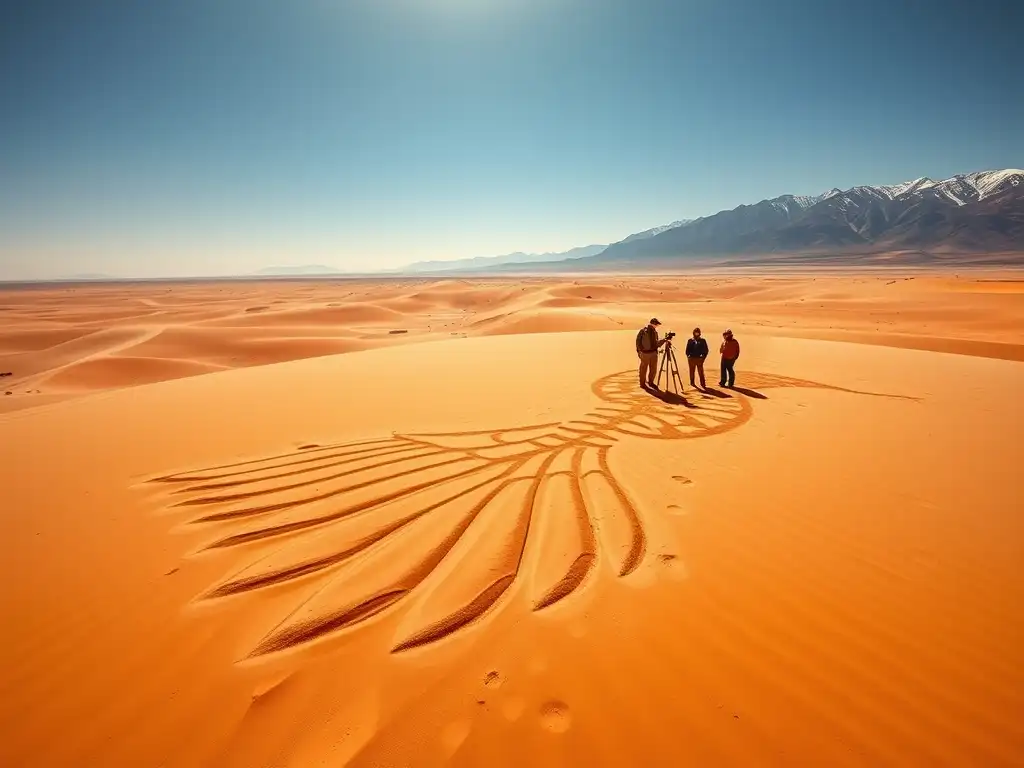
Step into a world shrouded in mystery, where colossal geoglyphs etched into the desert whisper tales of a lost civilization. The Andean Civilizations website unveils the secrets of ancient empires, from the Incas' majestic reign to the enigmatic artistry of the Nazca. But how old are these wonders truly? Dive into our exploration of Nazca Lines age dating methods and uncover the astonishing techniques used to decipher the age of these perplexing desert drawings – a journey that will rewrite what you thought you knew.
The Nazca Lines, sprawling geoglyphs etched into the Peruvian desert, remain one of archaeology's most enduring enigmas. These colossal figures of animals, plants, and geometric shapes, visible only from the air, have captivated scientists and the public alike for decades. Understanding their age is crucial to unraveling the mysteries surrounding their creation and purpose.
This article delves into the fascinating world of Nazca Lines age dating methods, exploring the scientific techniques used to determine when these remarkable works were created and shedding light on the advanced capabilities of the Nazca culture. We'll examine the challenges involved in accurately dating these fragile desert masterpieces and the ongoing research that continues to refine our understanding of their history. The quest to precisely date the Nazca Lines is not merely an academic exercise; it is a crucial step towards understanding the social, technological, and cosmological context of this remarkable civilization.
Dating Challenges: The Perils of the Peruvian Desert
Dating the Nazca Lines presents unique challenges. Unlike many archaeological sites with layered strata providing clear chronological markers, the Nazca Lines are largely superficial features. The desert environment itself poses difficulties. The intense sun, wind erosion, and infrequent but powerful rains all contribute to the degradation of the geoglyphs, making the identification of undisturbed, datable material extremely difficult.
Furthermore, the lines themselves are not composed of materials that lend themselves easily to conventional dating techniques like radiocarbon dating. The lines are created by removing the dark reddish-brown desert varnish to reveal the lighter-colored subsoil beneath. This varnish itself is not directly datable using standard methods. Therefore, researchers must rely on indirect methods and contextual clues to establish a timeframe.
The lack of associated artifacts directly within the geoglyphs further complicates matters. Archaeologists have found pottery shards and other artifacts near the lines, but definitively linking these finds to the creation of specific geoglyphs is a major hurdle. This necessitates a multi-faceted approach combining several dating strategies.
Indirect Dating Techniques: Contextual Clues and Associated Artifacts
Since direct dating of the lines themselves is problematic, researchers employ indirect methods. This involves dating associated artifacts found in close proximity to the geoglyphs. Pottery shards, for example, are often found nearby and can be dated using thermoluminescence (TL) or optically stimulated luminescence (OSL) techniques.
These methods analyze the energy trapped within the crystalline structure of the pottery, providing an estimate of the last time the pottery was heated (TL) or exposed to sunlight (OSL). The dates obtained from these artifacts provide a relative chronology, helping to constrain the possible timeframe for the creation of the nearby geoglyphs. However, it's crucial to understand that these dates represent the age of the artifacts, not necessarily the precise date of the geoglyph's creation.
The time gap between artifact creation and geoglyph construction could be significant, introducing a margin of error. Moreover, careful analysis is needed to ensure the artifacts are genuinely associated with the lines and not simply deposited later. This careful contextual analysis is a cornerstone of this indirect dating approach.
Thermoluminescence (TL) and Optically Stimulated Luminescence (OSL) Dating: Precision and Limitations
Thermoluminescence (TL) and optically stimulated luminescence (OSL) are crucial techniques in dating the Nazca Lines indirectly. TL measures the accumulated radiation dose in heated materials like pottery, while OSL measures the radiation dose in materials exposed to sunlight, such as sediments. These methods offer a degree of precision but are not without limitations.
The accuracy of both TL and OSL dating depends heavily on several factors, including the sample's history of exposure to heat or light and the inherent characteristics of the material itself. Contamination can also significantly affect results. Furthermore, these methods provide a single point in time, representing the last time the material was heated or exposed to sunlight, potentially not corresponding exactly to the creation of the geoglyph.
Therefore, multiple samples and a careful interpretation of the data are essential for reliable results. The results from these techniques, when combined with other contextual evidence, contribute to a more comprehensive understanding of the Nazca Lines' age range.
The Ongoing Debate and Future Research: Unraveling the Mystery
The age of the Nazca Lines remains a subject of ongoing debate. While researchers have established a broad timeframe, the precise dates and the duration of their creation are still under investigation. Future research will likely focus on improving dating techniques, refining the analysis of associated artifacts, and exploring new methodologies.
Advanced imaging techniques, such as ground-penetrating radar (GPR), may help identify previously unknown features and artifacts that could further refine our understanding of the geoglyphs' chronology. Furthermore, interdisciplinary collaborations between archaeologists, geologists, and physicists will be crucial in developing more sophisticated and accurate dating methods. The quest to pinpoint the age of the Nazca Lines is far from over, but each step forward brings us closer to unlocking the secrets of this ancient marvel.
- Dating Challenges: The Perils of the Peruvian Desert
- Indirect Dating Techniques: Contextual Clues and Associated Artifacts
- Thermoluminescence (TL) and Optically Stimulated Luminescence (OSL) Dating: Precision and Limitations
- The Ongoing Debate and Future Research: Unraveling the Mystery
Unveiling the Mysteries of the Nazca Lines: Understanding Their Age
The Enduring Enigma of the Nazca Geoglyphs
The Nazca Lines, sprawling geoglyphs etched into the Peruvian desert, remain one of archaeology's most enduring enigmas. These vast figures of animals, plants, and geometric shapes, some stretching hundreds of meters in length, continue to captivate researchers and the public alike. Their sheer scale and precision are breathtaking, but perhaps even more intriguing is the question of when they were created. Pinpointing the age of the Nazca Lines is crucial for understanding the Nazca culture, their artistic practices, and their relationship with their environment.
Early estimations placed their creation within a relatively narrow timeframe, but recent research using advanced Nazca Lines age dating methods has broadened this understanding, suggesting a more complex and extended period of creation spanning several centuries. The very process of their creation – painstakingly removing the dark desert varnish to reveal the lighter subsoil – speaks volumes about the dedication and societal organization of the Nazca people. Many questions remain: how did they create such massive designs with such accuracy?
What tools did they use? What was their purpose? The answers, in part, lie in accurately determining the age of these remarkable works of art.
Why Determining the Age of the Nazca Lines is Crucial
Precisely dating the Nazca Lines is not merely an academic exercise; it's fundamental to advancing our understanding of Nazca society and its evolution. A well-defined timeline allows archaeologists to correlate the creation of the geoglyphs with other aspects of Nazca culture, including their pottery, textiles, and architecture. This correlation can illuminate the societal context in which the lines were produced, revealing information about the beliefs, rituals, and technological capabilities of the Nazca people.
For example, if we can definitively link specific geoglyphs to particular phases of Nazca pottery styles, we gain a much clearer picture of the cultural significance of the lines within their broader societal framework. Furthermore, understanding the age of the lines can help us to understand the environmental factors that may have influenced their creation and preservation. Changes in climate, for instance, could have impacted the visibility of the lines over time, influencing their use or even leading to their abandonment.
Therefore, the pursuit of accurate dating is essential for building a comprehensive and nuanced understanding of the Nazca Lines and their place within the rich tapestry of Andean civilization. The application of rigorous and diverse Nazca Lines age dating methods continues to refine our knowledge, slowly unraveling the secrets held within these ancient desert masterpieces. The ongoing research, incorporating diverse approaches, will continue to reshape our understanding of this extraordinary cultural achievement.
Exploring the Methods for Nazca Lines Age Dating
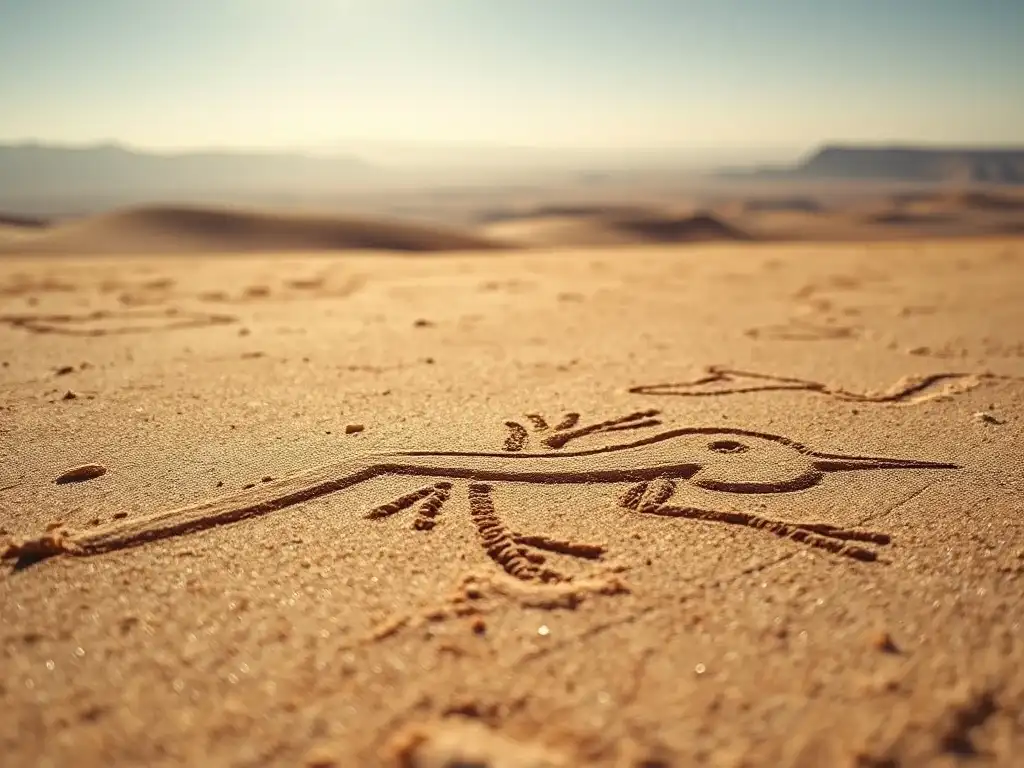
Determining the precise age of the Nazca Lines presents a significant challenge to archaeologists. The arid climate of the Nazca Desert, while preserving the geoglyphs remarkably well, also limits the availability of organic materials suitable for traditional dating techniques. However, advancements in dating methodologies have allowed researchers to refine our understanding of the creation timeline of these enigmatic figures.
This section details some of the key methods employed in Nazca Lines age dating, highlighting both their successes and limitations. Understanding these methods is crucial to appreciating the ongoing efforts to unravel the mysteries surrounding these ancient creations and the evolution of "Nazca Lines age dating methods."
Radiocarbon Dating: Analyzing Organic Materials in the Nazca Desert
Radiocarbon dating, a cornerstone of archaeological dating, relies on the decay of carbon-14 isotopes in organic materials. In the context of the Nazca Lines, this presents a significant hurdle. The extremely dry desert environment inhibits the preservation of organic matter like wood, textiles, or human remains that might be directly associated with the geoglyphs' creation. While some organic materials might be found within the surrounding sediments, their association with the lines themselves needs meticulous verification to avoid misinterpretations. Any discovered organic material must be carefully analyzed to eliminate contamination from later periods.
The scarcity of suitable organic materials significantly restricts the application of radiocarbon dating to the Nazca Lines directly. Instead, it's more often used to date nearby settlements or artifacts that might offer contextual clues about the timeframe in which the geoglyphs were constructed. For example, the dating of pottery shards found in settlements close to the lines can help establish a broader chronological framework, albeit one that doesn't directly date the lines themselves.
This indirect approach requires careful consideration of potential chronological gaps and the limitations of assuming a direct correlation between settlement activity and geoglyph creation. Therefore, radiocarbon dating, while valuable for contextualizing the Nazca Lines, provides limited direct information on their age.
Thermoluminescence Dating: Examining the Heated Rocks of the Geoglyphs
Thermoluminescence (TL) dating offers a more direct approach to dating the Nazca Lines by analyzing the quartz and feldspar grains found in the stones used to create the geoglyphs. These minerals accumulate trapped electrons when exposed to natural radiation over time. Heating the minerals releases these electrons, producing light whose intensity is proportional to the time elapsed since the last heating event – in this case, the creation of the geoglyphs. This method assumes that the stones were heated during the creation process, either by the sun or through intentional burning.
However, TL dating of the Nazca Lines presents its own set of challenges. The intense solar radiation in the Nazca Desert could potentially reset the TL clock, leading to underestimations of the geoglyphs' age. Additionally, the method requires careful sampling to avoid contamination from later disturbances or weathering processes.
The results obtained through TL dating often need to be considered alongside other dating methods to refine the age estimates. The precision of TL dating on Nazca geoglyphs is still a subject of ongoing research and debate, with varying results reported in different studies. Further research is necessary to refine the accuracy and reliability of TL dating for this specific context.
Optically Stimulated Luminescence (OSL): Dating Sediments and Soil Samples
Optically stimulated luminescence (OSL) dating provides another avenue for determining the age of the Nazca Lines by analyzing the quartz and feldspar grains in sediments and soils surrounding the geoglyphs. Unlike TL, OSL measures the light emitted when these minerals are exposed to light after being buried in the dark. The intensity of the light is directly proportional to the time since the sediments were last exposed to sunlight. By dating the sediments overlying and underlying the geoglyphs, researchers can establish a chronological framework for their creation.
The advantage of OSL dating lies in its ability to date the surrounding sediments, providing a broader chronological context for the geoglyphs. This method is less susceptible to the effects of solar radiation than TL dating. However, the interpretation of OSL results requires careful consideration of sediment deposition rates and potential disturbances.
The accuracy of OSL dating relies heavily on the correct selection of samples and the understanding of the depositional history of the site. Like TL dating, OSL dating results are frequently combined with other methods to create a comprehensive picture of the Nazca Lines' age. The ongoing refinement of OSL techniques promises to provide increasingly accurate age estimates for these remarkable ancient works.
Chronological Evidence: What the Dating Methods Tell Us About the Nazca Lines
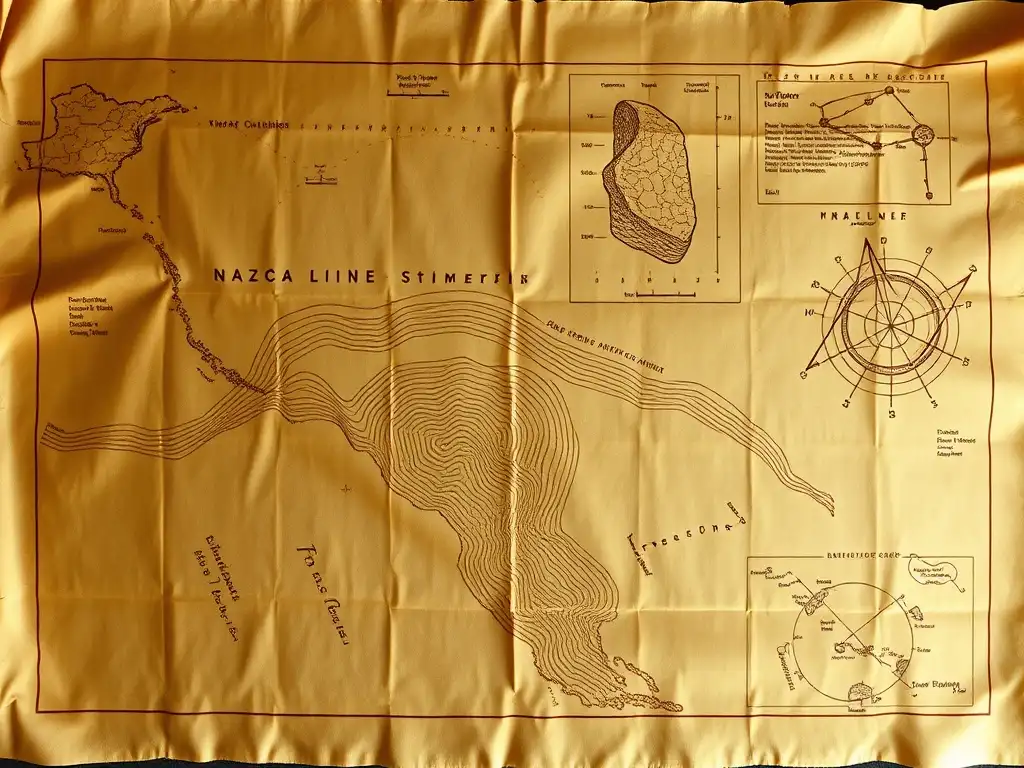
This section delves into the chronological framework established through various age dating methods applied to the Nazca Lines. Understanding the age of these geoglyphs is crucial to piecing together the cultural and societal context of their creation. The dating process isn't a simple matter of assigning a single year; rather, it involves a range of techniques and interpretations, leading to a nuanced understanding of their creation spanning centuries.
Precise dating of the Nazca Lines is challenging due to the nature of the geoglyphs themselves – they are not artifacts that can be directly radiocarbon dated. Instead, researchers rely on indirect dating methods focusing on associated artifacts and stratigraphic analysis. This process refines our understanding of the Nazca Lines age dating methods and the timeline of their construction.
Early Nazca Period: Geoglyphs Created Between 100 BCE and 200 CE
The earliest Nazca Lines, categorized within the Early Nazca period (100 BCE – 200 CE), exhibit a distinct stylistic approach. These geoglyphs often feature simpler designs, predominantly geometric shapes and stylized representations of animals. Dating these early works relies heavily on the analysis of pottery shards and other artifacts found in close proximity to the geoglyphs.
The stylistic characteristics of these artifacts are compared to established chronological sequences developed through extensive archaeological excavations at other Nazca sites. For instance, the presence of specific types of painted pottery, such as those displaying early Nazca motifs, helps to constrain the creation timeframe. Furthermore, the stratigraphic layers in which these associated artifacts are found provide additional context for dating.
By analyzing the sequence of these layers, archaeologists can determine the relative age of the geoglyphs relative to other cultural deposits. This meticulous process of comparing pottery styles and stratigraphic data allows for a relatively precise dating of this initial phase of Nazca Lines creation. The uncertainty inherent in this method leads to a range rather than a precise date, but the evidence strongly suggests a creation period between 100 BCE and 200 CE.
Middle Nazca Period: Geoglyphs Created Between 200 CE and 500 CE
The Middle Nazca period (200 CE – 500 CE) witnessed a significant flourishing of Nazca art and culture, reflected in the complexity and sophistication of the geoglyphs created during this time. More elaborate designs emerged, including iconic representations of animals such as the hummingbird, monkey, and spider. Dating these geoglyphs utilizes similar methods to those employed for the Early Nazca period, but with a focus on the evolution of artistic styles.
The pottery found near these geoglyphs displays a clear progression in design and color palettes, offering a strong chronological marker. Furthermore, the use of more advanced techniques in geoglyph construction, such as increased precision in line creation and the incorporation of more intricate details, supports the later dating. Archaeologists also consider the presence of specific types of building materials used in nearby settlements, which have been independently dated using radiocarbon methods.
The correlation between the construction techniques of the geoglyphs and the building materials found in dated settlements helps to refine the dating of the Middle Nazca period geoglyphs. The combination of stylistic analysis, stratigraphic data, and cross-referencing with independently dated materials suggests a timeframe between 200 CE and 500 CE for the creation of these remarkable geoglyphs.
Late Nazca Period: Geoglyphs Created Between 500 CE and 800 CE
The Late Nazca period (500 CE – 800 CE) marks the culmination of geoglyph production. While the overall number of geoglyphs may have decreased, the complexity and size of individual designs often increased. The dating of these geoglyphs relies on the continuation of the methods employed in previous periods, but with a heightened focus on the stylistic changes that mark the end of the Nazca culture.
The analysis of pottery fragments reveals a clear shift in artistic conventions, characterized by specific color combinations, motifs, and painting techniques. Furthermore, the decline in the quality of the lines in some of the later geoglyphs could suggest a waning of resources or expertise. This decline in quality, coupled with the stylistic changes in associated artifacts, helps constrain the timeframe for the creation of these later geoglyphs.
The decline of the Nazca culture and the subsequent changes in settlement patterns provide a natural endpoint for the creation of these geoglyphs. Based on the combined evidence from pottery styles, construction techniques, and the broader archaeological context, the Late Nazca geoglyphs are dated between 500 CE and 800 CE, concluding this remarkable chapter in Andean artistic expression.
Challenges and Limitations in Nazca Lines Age Determination
Determining the precise age of the Nazca Lines presents significant challenges, demanding a multidisciplinary approach and meticulous analysis. The sheer scale of the geoglyphs, their exposure to the elements for centuries, and the inherent limitations of current dating techniques all contribute to the complexities involved in establishing a definitive chronology. Understanding these limitations is crucial to interpreting the existing data and appreciating the ongoing research efforts aimed at unraveling the mystery of their creation. This section will explore some of the key obstacles encountered in Nazca Lines age dating methods.
The Problem of Limited Organic Material for Radiocarbon Dating
Radiocarbon dating, a cornerstone of archaeological chronology, relies on the presence of organic materials like wood, charcoal, or bone. Unfortunately, the Nazca Lines themselves are largely composed of disturbed earth, offering very few opportunities for direct radiocarbon dating. While some associated artifacts might be found nearby, their connection to the geoglyphs' creation remains uncertain, potentially introducing significant errors in age estimations.
The scarcity of reliably associated organic materials significantly hampers the application of this powerful dating technique. For instance, the few fragments of organic material found near some geoglyphs have yielded inconsistent dates, highlighting the inherent difficulties and the need for alternative approaches.
The lack of sufficient organic material for robust radiocarbon dating necessitates reliance on other less direct methods for determining the age of the Nazca Lines. Further research focusing on the excavation of potentially associated sites, with a rigorous analysis of context, could potentially yield more suitable samples for radiocarbon analysis, improving the accuracy of age estimations.
Variations in Soil Composition and Their Impact on OSL Dating
Optically Stimulated Luminescence (OSL) dating, an alternative technique used to date sediments, faces its own set of challenges when applied to the Nazca Lines. The method relies on measuring the light emitted by minerals exposed to sunlight, which resets the internal "clock." However, variations in soil composition across the Nazca desert can significantly impact the accuracy of OSL dating.
Different soil types exhibit varying levels of luminescence sensitivity, potentially leading to discrepancies in age estimations. Furthermore, the environmental conditions in the Nazca region, characterized by extreme aridity and fluctuating sunlight exposure, can complicate the interpretation of OSL data, introducing uncertainties into the dating process.
The need for a more comprehensive understanding of the soil properties across different geoglyph locations is crucial for refining the accuracy of OSL dating methods and for improving the overall chronology of the Nazca Lines. More detailed soil analysis, coupled with advanced OSL dating techniques, may offer a more refined understanding of the creation timeline of these remarkable geoglyphs.
The Ongoing Debate and New Findings in Nazca Lines Chronology
The age of the Nazca Lines remains a subject of ongoing debate among researchers, with various dating methods yielding a range of estimates. While some studies suggest a creation spanning several centuries, others propose a more concentrated period of construction. These discrepancies highlight the inherent challenges in dating such large-scale, complex sites.
New findings from archaeological excavations and advanced dating techniques continue to refine our understanding, but a definitive consensus on the precise chronology remains elusive. The integration of multiple dating methods, coupled with detailed stratigraphic analysis and a thorough understanding of the cultural context, is essential for achieving a more accurate and comprehensive picture. The ongoing research, combining traditional archaeological methods with cutting-edge scientific techniques, offers hope for resolving the existing uncertainties and providing a more precise timeline for the creation of these enigmatic geoglyphs.
The ongoing investigation underscores the complex nature of the Nazca Lines and the need for a sustained and collaborative research effort. The quest to pinpoint their age continues to inspire and challenge archaeologists and scientists alike.
The Cultural Context and Nazca Lines Development
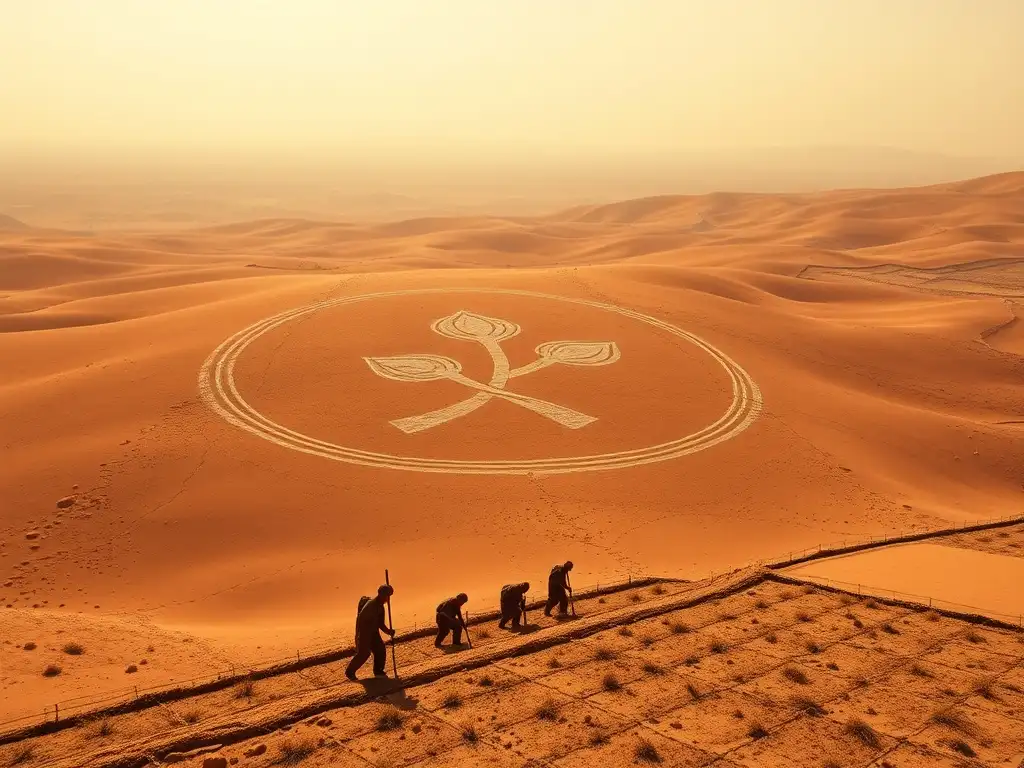
This section delves into the socio-cultural landscape of the Nazca civilization, crucial for understanding the creation and purpose of the enigmatic geoglyphs. Understanding the Nazca Lines age dating methods requires contextualizing their creation within the broader framework of Nazca society. We'll explore the relationship between the Nazca culture and the geoglyphs, examining ceremonial practices and the evolution of Nazca art as reflected in these monumental earthworks.
The Nazca Culture and its Relationship to the Geoglyphs
The Nazca people flourished along the southern coast of Peru between 100 BCE and 800 CE. Their society, characterized by sophisticated irrigation systems, intricate textile production, and remarkable pottery, was deeply connected to the arid landscape they inhabited. The Nazca Lines, far from being isolated artistic expressions, were intricately woven into the fabric of their daily lives and spiritual beliefs.
Evidence suggests a strong connection between the geoglyphs and the Nazca's understanding of their environment, particularly their reliance on water resources in a desert climate. The precise relationship remains a subject of ongoing research, but it's clear that the Lines weren't merely decorative; they held significant cultural and possibly religious meaning for the Nazca. Analysis of settlements and artifacts found near the geoglyphs provides valuable insights into this connection, revealing a complex interplay between the Lines and the daily lives of the Nazca people.
Further research into the spatial distribution of settlements in relation to specific geoglyphs could offer a more complete picture of this relationship. For instance, a study comparing the location of major ceremonial sites to the proximity of large animal figures might reveal a pattern indicative of ritual significance.
Ceremonial Practices and the Purpose of the Nazca Lines
The precise purpose of the Nazca Lines remains a mystery, sparking countless theories. Many scholars believe they served a ceremonial or ritualistic function. The sheer scale of the geoglyphs, requiring immense collaborative effort, suggests a significant social undertaking, possibly linked to religious practices.
Some hypotheses propose that the Lines were used for pilgrimage routes, marking important ceremonial sites or locations of water sources. Other theories suggest they were connected to astronomical observations, acting as a giant calendar or observatory. The intricate designs, often depicting animals and plants, could represent deities or symbols of importance within Nazca mythology.
The lack of definitive written records makes it challenging to confirm these hypotheses, highlighting the importance of interdisciplinary research combining archaeology, anthropology, and astronomy to unravel the Lines' true purpose. The use of advanced imaging techniques and geographic information systems (GIS) to analyze the spatial relationships between different geoglyphs could provide critical clues. For example, analyzing the alignment of certain figures with celestial events could help test astronomical hypotheses.
The Evolution of Nazca Art and Its Reflection on the Geoglyphs
The Nazca Lines are not isolated artistic creations but rather part of a broader artistic tradition. Studying the evolution of Nazca art, particularly in pottery and textiles, offers valuable insights into the context of the geoglyphs. The stylistic similarities between the imagery found in the Lines and that depicted on Nazca pottery suggest a shared artistic vocabulary and conceptual framework.
The development of Nazca artistic styles over time can be observed through changes in the depiction of animals, plants, and geometric patterns. Tracking these stylistic changes in both the Lines and other art forms could reveal chronological information about the creation of the geoglyphs and potentially indicate phases of construction. Further, comparing the techniques used in creating the Lines with those employed in other Nazca art forms may illuminate the methods and skills involved in the construction of the geoglyphs.
Detailed analysis of the pigments used in some geoglyphs, alongside the study of similar pigments used in other art forms, could help determine the age of specific geoglyphs, offering a more refined understanding of the Nazca Lines age dating methods. The use of advanced spectroscopic techniques could help pinpoint the precise composition and source of these pigments, providing additional chronological data.
Conclusions: What We Know About the Age of the Nazca Lines
Summarizing the Current Understanding of the Nazca Lines Chronology
Current research suggests a surprisingly broad timeframe for the creation of the Nazca Lines. While popular imagination often pictures a concentrated period of construction, the evidence points to a more nuanced and extended process spanning several centuries. The most widely accepted theory places the creation of the majority of the geoglyphs between 500 BCE and 500 CE, encompassing the Paracas and Nazca cultures.
However, some lines might predate this period, potentially linking to earlier cultures like the Topará, while others may have been added or modified later, even extending into the Inca period. This extended timeframe complicates simple age dating and underscores the need for more precise methodologies.
The Nazca Lines age dating methods employed so far, which we'll discuss further below, have yielded results that support this evolving understanding. The complexity of the creation process itself – involving extensive land clearing, meticulous placement of stones, and potentially the use of various tools and techniques – also contributes to the difficulty in pinning down precise dates.
The application of various Nazca Lines age dating methods has provided a more detailed picture, though uncertainties remain. For example, radiocarbon dating of organic materials found near the lines has provided some chronological anchors, but the association between these materials and the actual construction of the geoglyphs must be carefully evaluated to avoid misinterpretations.
The presence of certain pottery styles near specific geoglyphs also offers chronological clues, but again, careful cross-referencing with established pottery chronologies is crucial. This highlights the interdisciplinary nature of the research – archaeologists, geologists, and even botanists contribute to the ongoing effort to understand the Nazca Lines' age.
The Importance of Ongoing Research and New Technological Advances
The ongoing research into the age of the Nazca Lines is not merely an academic exercise; it's crucial for a complete understanding of Nazca culture and its place within the broader Andean context. Refining our understanding of the Nazca Lines age dating methods and applying new technologies is paramount.
For example, the use of advanced remote sensing techniques, such as LiDAR (Light Detection and Ranging), has already proven invaluable in mapping the geoglyphs with unprecedented precision. This detailed mapping allows researchers to identify subtle features previously unknown, potentially shedding light on the construction techniques and the evolution of the designs over time.
Moreover, the development of improved dating methods, such as more precise radiocarbon dating techniques and the application of optically stimulated luminescence (OSL) dating to the sediments surrounding the lines, holds the promise of providing more accurate chronological data. The integration of these advanced technologies with traditional archaeological methods is crucial to further refine our understanding of the Nazca Lines' chronology.
Furthermore, understanding the age of the lines is vital for interpreting their purpose. Different periods might reflect different cultural beliefs, social structures, and rituals. Determining the precise age of individual geoglyphs or groups of geoglyphs could help researchers correlate them with specific historical events or changes in Nazca society. The more precise our dating becomes, the richer our understanding of the Nazca culture will be. This illustrates the importance of continuing to invest in and develop better Nazca Lines age dating methods.
Future Research Directions and Unanswered Questions About the Nazca Lines
Despite significant progress, many questions remain unanswered regarding the age and creation of the Nazca Lines. Future research should focus on several key areas. Firstly, a more systematic and comprehensive survey of organic materials found near the geoglyphs is needed. This involves careful sampling and rigorous laboratory analysis to ensure accurate radiocarbon dates.
Secondly, the application of OSL dating to sediments associated with the lines needs to be expanded. This technique offers the potential to provide independent chronological data that can be compared with radiocarbon results. Thirdly, further research into the technology and techniques used by the Nazca people to create these massive geoglyphs is essential. This might involve experimental archaeology – recreating aspects of the construction process to better understand the time and effort involved.
Moreover, interdisciplinary collaboration is crucial for future progress. Integrating the expertise of archaeologists, geologists, geophysicists, botanists, and other specialists will be vital to address the complexities of dating the lines accurately. The development of new non-destructive dating techniques that minimize impact on the fragile geoglyphs should also be prioritized. Finally, a more comprehensive understanding of the relationship between the Nazca Lines and other contemporaneous archaeological sites is needed.
This will help to place the Nazca Lines within their broader cultural and historical context, providing a richer and more complete picture of their significance. The mysteries surrounding the Nazca Lines' age and purpose continue to intrigue and challenge researchers, promising exciting discoveries in the years to come. The ongoing refinement of Nazca Lines age dating methods will be key to unlocking these secrets.
Frequently Asked Questions
How were the ages of the Nazca Lines determined?
The ages of the Nazca Lines were determined using several methods, including radiocarbon dating of organic materials found near the geoglyphs and stylistic analysis comparing them to known dated artifacts. Stratigraphic analysis of the layers of sediment also provides crucial information.
What is the most widely accepted age range for the Nazca Lines?
The most widely accepted age range for the creation of the majority of the Nazca Lines is between 500 BC and 500 AD. However, some lines may be older or younger.
What dating methods were used to determine the age of the Nazca Lines?
Researchers used a combination of methods, including radiocarbon dating of organic materials found near the lines (like plant remains), thermoluminescence dating of fired clay artifacts, and optical dating of sediments. Comparative stylistic analysis with other known dated artifacts also played a key role.
Are all the Nazca Lines the same age?
No, the Nazca Lines were not created all at once. Evidence suggests that they were created over a long period of time, with some lines being much older than others. Different construction styles also support this conclusion.
Why is accurately dating the Nazca Lines so challenging?
Accurately dating the Nazca Lines is challenging due to the lack of direct dating material associated with the geoglyphs themselves. The geoglyphs are primarily made of disturbed earth, making direct dating methods difficult to apply. Therefore, researchers rely on indirect dating techniques and contextual evidence.
Final Reflection: Unraveling the Enigma of Time in the Nazca Desert
The enduring mystery of the Nazca Lines continues to captivate us, a testament to humanity's enduring fascination with the past and our relentless pursuit of understanding. The diverse dating methods explored in this article—from stylistic analysis to geochemical dating—highlight not only the challenges of accurately pinpointing the age of these enigmatic geoglyphs, but also the evolving sophistication of archaeological techniques. The quest to definitively date the Nazca Lines is far from over, and each new discovery only deepens the intrigue.
The impact of the Nazca Lines extends far beyond the realm of archaeology; they represent a powerful symbol of human ingenuity and cultural expression that resonates across millennia. Their enduring presence in the harsh desert landscape serves as a poignant reminder of the ephemeral nature of civilizations and the lasting power of artistic creation. The Nazca Lines are a testament to the enduring human spirit, a whisper from a distant past that continues to speak to us today.
This quote, though fictional, encapsulates the profound emotional connection many feel towards these ancient marvels, a connection that transcends the specific dates assigned to their creation.
Consider the implications of this ongoing investigation. What does the uncertainty surrounding the Nazca Lines' age teach us about our own understanding of history and the limitations of our current methods? You, the reader, are now part of this ongoing conversation. Engage with the debate, explore the resources mentioned in this article, and continue to question, investigate, and marvel at the enduring legacy of the Nazca Lines. Let their mystery inspire you to seek answers, to appreciate the complexities of the past, and to recognize the enduring power of human creativity.
**Unveil the Mysteries of the Nazca Lines! **
Thank you for joining us on this fascinating journey through the enigmatic Nazca Lines. We hope you've gained valuable insights into their age and significance. Now, let's delve deeper and explore how you can continue your learning.
Here are some ways to further explore this captivating topic:
- **Visit the Nazca Lines:** Plan a trip to Peru to witness these ancient geoglyphs firsthand. Experiencing their scale and artistry will leave you awestruck by the ingenuity of the ancient Nazca civilization.
- **Join the Conversation:** Share this article with friends and family, or spark a discussion online about the enduring mysteries of the Nazca Lines. What are your thoughts and theories on their creation and purpose?
- **Support Conservation Efforts:** Consider supporting organizations dedicated to preserving this incredible cultural heritage. Your contribution can help protect the Nazca Lines for future generations.
What aspect of the Nazca Lines most captivates you? Is it their intricate construction, their enigmatic purpose, or the sheer age of this remarkable feat of engineering? We'd love to hear your thoughts!