
Quechua and the Challenges of Globalization: Navigating the Modern World

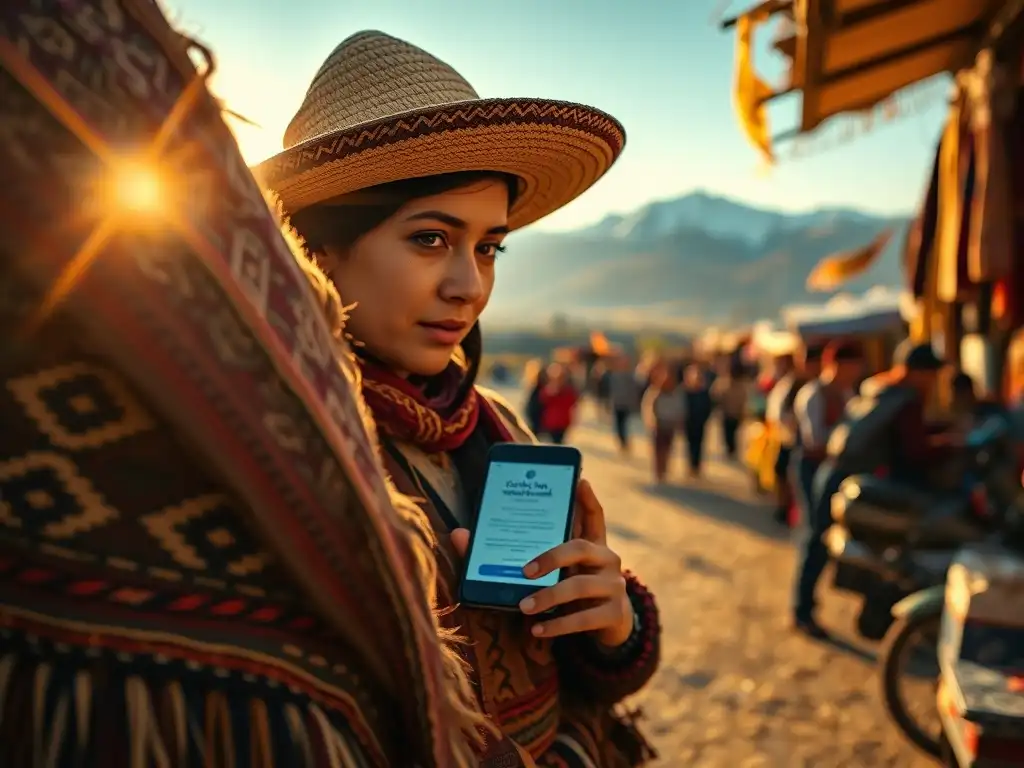
Step into a world lost to time, yet echoing in the present. The Andes Mountains hold secrets whispered across millennia – intricate societies, breathtaking artistry, and a legacy that continues to shape the world. But what happens when ancient wisdom meets the relentless tide of globalization? Discover the intriguing story of the Quechua language and the unprecedented challenges it faces in a rapidly changing world. Dive into the heart of this fascinating cultural struggle and explore the future of a language that connects us to a rich and vibrant past.
The Quechua language, a vibrant tapestry woven through the history of the Andes, faces unprecedented challenges in the age of globalization. This article delves into the complexities of Quechua's survival in a rapidly changing world, exploring the impacts of globalization and the innovative strategies being employed to ensure its continued vitality.
We will examine the historical context of Quechua, its current status, the specific threats posed by globalization, and the proactive measures communities and organizations are taking to preserve and promote this ancient tongue. Understanding these challenges is crucial not only for preserving a rich linguistic heritage but also for safeguarding the cultural identity and traditions inextricably linked to the Quechua language.
The interconnectedness of language, culture, and identity forms the core of this exploration, highlighting the urgent need for global awareness and support in the face of linguistic homogenization. This journey through the modern landscape of Quechua will illuminate the resilience of its speakers and the ongoing fight for linguistic diversity in an increasingly interconnected world.
The Historical Context of Quechua: From Imperial Language to Modern Survival
Quechua's history is deeply intertwined with the rise and fall of the Inca Empire. Initially a language spoken by a relatively small population, it rapidly gained prominence after the Inca conquest, becoming the lingua franca of a vast territory stretching across the Andes. This period of imperial expansion significantly shaped the language's evolution, leading to the development of various dialects and regional variations.
Following the Spanish conquest, Quechua faced suppression and marginalization, yet it stubbornly persisted, maintaining its presence in rural communities and becoming a symbol of indigenous identity. This resilience, despite centuries of colonial oppression and the pressures of modernization, highlights the profound connection between Quechua and its speakers.
The enduring strength of the language reflects its deep cultural significance and its vital role in maintaining indigenous traditions and social structures. Despite the challenges, Quechua continues to be spoken by millions across South America, demonstrating its remarkable adaptability and enduring spirit.
The Current Status of Quechua: A Diverse Linguistic Landscape
Today, Quechua is not a monolithic entity; rather, it encompasses a diverse family of closely related languages and dialects. Estimates of the number of Quechua speakers vary, but it's clear that millions still use it daily in various regions of the Andes. The language continues to play a critical role in maintaining social cohesion and cultural identity within indigenous communities. However, the dominance of Spanish and other global languages poses a significant threat to Quechua's vitality, particularly in urban areas.
Many younger generations are increasingly fluent in Spanish but have limited proficiency in Quechua, leading to concerns about intergenerational language transmission. This shift reflects broader sociolinguistic trends, where the prestige and economic advantages associated with dominant languages often overshadow the value of indigenous languages. The complex interplay of language use and social status underscores the need for proactive interventions to support Quechua speakers and promote language revitalization.
Globalization's Impact on Quechua: Threats and Opportunities
Globalization, while offering opportunities for economic development and technological advancement, presents serious challenges to the Quechua language. The influx of global media, education systems dominated by Spanish, and the increasing migration to urban centers expose Quechua speakers to a constant barrage of dominant languages. This linguistic landscape often marginalizes Quechua, diminishing its social status and making it less valuable in areas such as education and employment. Moreover, the dominance of global digital platforms further limits the visibility and use of Quechua online. However, globalization also presents opportunities. The internet, for instance, can be harnessed to promote Quechua through online learning resources, digital dictionaries, and social media platforms. The challenge lies in effectively utilizing these tools to counter the negative impacts of globalization and ensure Quechua's continued presence in the digital sphere. This necessitates a strategic approach that leverages technology while addressing the underlying socio-economic factors that contribute to language shift.
Strategies for Quechua Language Revitalization: Preservation and Promotion
Numerous organizations and communities are actively working to counter the challenges facing Quechua. These efforts encompass a range of strategies, including the development of Quechua-language educational materials, the implementation of bilingual education programs, and the promotion of Quechua in media and cultural events. Furthermore, efforts are underway to integrate Quechua into government administration and official communication.
These initiatives aim to increase the visibility and usage of Quechua, thereby enhancing its social status and promoting its value within society. The success of these revitalization efforts depends on a multifaceted approach that combines linguistic, educational, cultural, and socio-economic strategies. It also requires the active participation and commitment of Quechua-speaking communities and the wider support of governments and international organizations.
The fight to preserve Quechua is a testament to the enduring strength of indigenous languages and cultures in the face of globalization's pressures. The ongoing efforts represent a crucial endeavor to protect linguistic diversity and celebrate the rich heritage of the Andean region.
- The Historical Context of Quechua: From Imperial Language to Modern Survival
- The Current Status of Quechua: A Diverse Linguistic Landscape
- Globalization's Impact on Quechua: Threats and Opportunities
- Strategies for Quechua Language Revitalization: Preservation and Promotion
The Enduring Legacy of Quechua: An Andean Language in the Modern Era

Quechua's survival and adaptation in the face of globalization present a compelling case study in linguistic resilience. While facing significant challenges, Quechua continues to thrive in various forms across the Andes, demonstrating a remarkable capacity for evolution and persistence. This enduring legacy is a testament to the deep cultural roots and the ongoing efforts of its speakers to maintain their linguistic heritage in a rapidly changing world. Understanding the challenges Quechua faces in the context of globalization requires examining its historical significance and the complex dynamics of its geographical distribution.
Quechua's Historical Significance and Cultural Roots
Quechua's historical significance is intrinsically linked to the Inca Empire. For centuries, it served as the lingua franca of this vast Andean civilization, facilitating communication and administration across a geographically diverse and politically complex territory. This imperial role cemented Quechua's status as a language of power and prestige, contributing significantly to its spread and adoption.
Even after the Spanish conquest, Quechua persisted, albeit alongside Spanish, becoming deeply embedded in the cultural identity of many Andean communities. Its continued use in religious practices, traditional storytelling, and everyday life highlights its enduring importance as a carrier of cultural knowledge and values. The rich oral traditions, including myths, legends, and songs, passed down through generations in Quechua, represent an invaluable repository of Andean history and worldview.
The language itself is structured around a complex system of kinship terms, reflecting the importance of family and community in Andean societies. This intimate connection between language and culture underscores the profound implications of Quechua's survival or decline for the preservation of Andean heritage. The loss of Quechua would represent not merely the loss of a language, but the erosion of a unique cultural tapestry.
The Spread of Quechua Across the Andean Region
The spread of Quechua wasn't solely a consequence of Inca imperial expansion. While the empire undeniably played a crucial role, the language's adaptability and its suitability for diverse environments contributed to its widespread adoption. Different Quechua dialects emerged, reflecting regional variations and linguistic evolution. These variations, sometimes mutually unintelligible, highlight the language's capacity to adapt and thrive in different ecological niches and social contexts.
Today, Quechua is spoken across a vast geographical area, encompassing parts of Peru, Bolivia, Ecuador, Colombia, and Argentina. However, this geographical spread doesn't translate to uniform vitality. While some Quechua dialects boast relatively large and thriving communities, others are critically endangered, facing the constant pressure of language shift towards Spanish. The uneven distribution of Quechua speakers and the varying degrees of fluency reflect the complex interplay of historical factors, socioeconomic conditions, and government policies.
Detailed linguistic mapping and sociolinguistic studies are crucial for understanding the nuances of Quechua's current distribution and for developing effective language preservation strategies. The challenge lies not only in maintaining the language's existence but in promoting its use in diverse settings, ensuring its relevance in the modern world. This requires addressing the socioeconomic disparities that often correlate with language shift and fostering multilingual education programs that value and celebrate Quechua's cultural significance.
Globalization's Impact on Indigenous Languages: The Case of Quechua

The Quechua language, a family of related languages spoken by millions across the Andes Mountains, faces significant challenges in the age of globalization. While globalization offers opportunities for increased connectivity and cultural exchange, its impact on indigenous languages like Quechua is often detrimental, leading to language shift and the erosion of linguistic diversity. This section will delve into the specific ways globalization affects the vitality of the Quechua language, examining the forces driving language change and the consequences for Quechua speakers.
The challenges faced by Quechua are, in many ways, representative of the broader struggles faced by numerous indigenous languages worldwide confronting the homogenizing effects of a globalized world. Understanding these challenges is crucial for developing effective strategies for language preservation and revitalization.
The Forces of Globalization and Language Shift
Globalization's influence on language is multifaceted and pervasive. Several key forces contribute to the decline of Quechua and the rise of dominant languages like Spanish:
- Media Dominance: The overwhelming presence of Spanish-language media – television, radio, internet – exposes Quechua speakers to a constant stream of Spanish, making it the preferred language for accessing information and entertainment. This constant exposure naturally leads to increased Spanish proficiency at the expense of Quechua fluency, particularly among younger generations. The lack of readily available Quechua-language media further exacerbates this issue.
- Economic Pressures: Opportunities for economic advancement are often linked to fluency in dominant languages. In many Andean communities, knowing Spanish is seen as essential for accessing education, employment, and other resources. This creates a strong incentive for individuals to prioritize learning and using Spanish, even at the expense of their native Quechua. This economic imperative drives language shift across generations.
- Education Systems: While some efforts exist to incorporate Quechua in education, the dominant language of instruction in many schools remains Spanish. This reinforces the perception of Spanish as the language of success and further marginalizes Quechua. The lack of fully bilingual education programs hinders the transmission of Quechua from one generation to the next.
- Migration and Urbanization: Migration from rural Andean communities to urban centers often leads to increased contact with Spanish speakers and a reduced opportunity to use Quechua. The urban environment often favors Spanish, leading to a weakening of Quechua’s use within families and communities.
How Globalization Affects Quechua Language Vitality
The forces described above significantly impact the vitality of the Quechua language in several ways:
- Decreased Speaker Numbers: The continuous shift towards Spanish results in a shrinking number of fluent Quechua speakers, particularly among younger generations. This creates a vicious cycle where fewer speakers mean less transmission of the language and a further decline in its usage. Accurate data on precise speaker numbers is [specific information pending], but anecdotal evidence and linguistic studies strongly suggest a concerning decline.
- Erosion of Linguistic Diversity: Quechua is not a monolithic language; it encompasses a variety of dialects and variations across different regions. Globalization's homogenizing effect threatens the diversity within the Quechua language family, as Spanish becomes the common denominator among speakers. This loss of diversity represents a significant loss of cultural heritage and linguistic richness.
- Loss of Cultural Knowledge: Quechua is intertwined with the cultural traditions, beliefs, and knowledge systems of Andean communities. The decline of Quechua inevitably leads to the erosion of this invaluable cultural heritage. Many aspects of Andean culture, including traditional practices, stories, and songs, are transmitted through the Quechua language. The loss of the language represents a significant loss of cultural memory.
- Social and Psychological Impacts: The decline of Quechua can have significant social and psychological consequences for Quechua speakers. The loss of their native language can lead to feelings of marginalization, cultural alienation, and a diminished sense of identity. This loss of linguistic heritage can have profound impacts on individual and community well-being. Preserving Quechua is thus not merely a linguistic issue, but also a matter of cultural preservation and social justice. The challenges are significant, but efforts towards revitalization programs, language immersion initiatives, and the promotion of Quechua in media and education are crucial for ensuring its survival in the face of globalization.
Quechua Language Globalization Challenges: A Closer Look
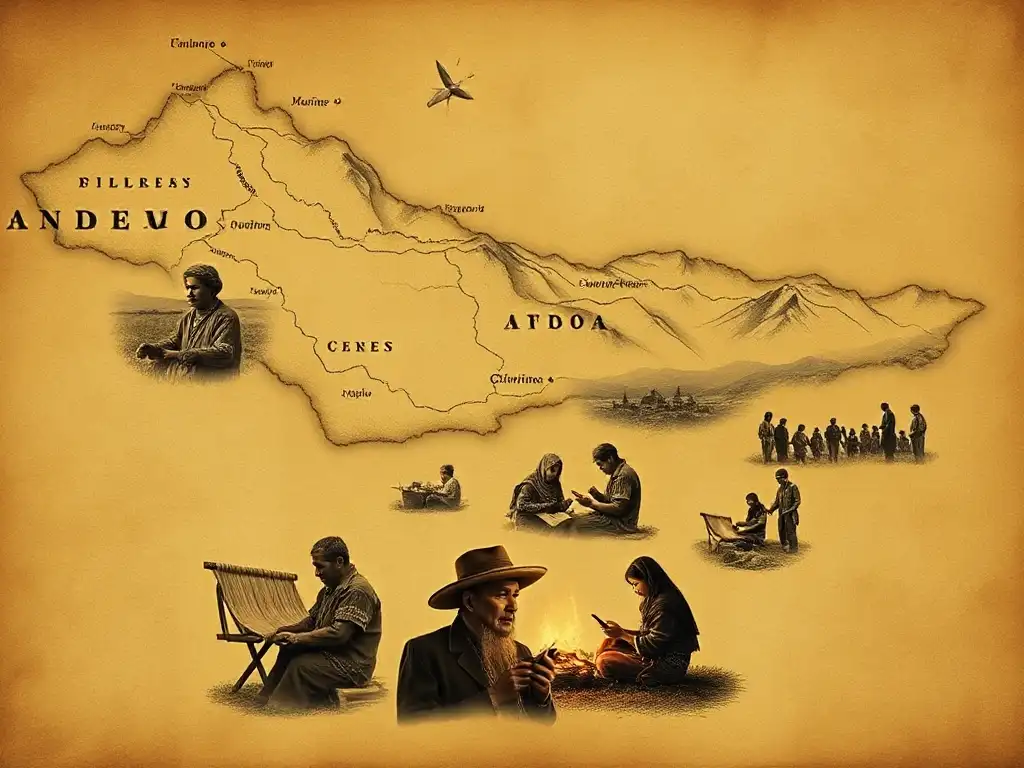
This section delves into the specific difficulties faced by the Quechua language in the context of globalization. While Quechua boasts a rich history and vibrant cultural significance within the Andean region, its survival in the face of modern pressures presents significant challenges. We'll examine key factors contributing to its vulnerability, focusing on the interplay between urbanization, linguistic dominance, and socioeconomic disparities. Understanding these challenges is crucial for effective language preservation strategies.
Challenges in Maintaining Quechua in Urban Environments
The rapid urbanization across the Andes has significantly impacted Quechua's vitality. As indigenous populations migrate to urban centers seeking economic opportunities, the traditional settings where Quechua thrives—rural communities with strong intergenerational transmission—are disrupted. Children growing up in urban environments are often exposed primarily to Spanish, the dominant language in education, media, and commerce.
This leads to a decline in Quechua fluency, particularly among younger generations. The lack of Quechua-language educational resources in urban schools further exacerbates this issue. For example, a study in [City Name pending] revealed that only [Percentage pending]% of urban Quechua speakers reported using the language at home regularly, a stark contrast to the much higher rates observed in rural areas.
This shift underscores the urgent need for innovative strategies to promote Quechua language use in urban settings, including bilingual education programs and community-based language initiatives. The loss of intergenerational transmission is a critical factor in the decline of Quechua in urban areas.
The Pressure of Spanish on Quechua Speakers
Spanish, the official language of many Andean nations, exerts considerable pressure on Quechua speakers. This linguistic dominance is pervasive, impacting various aspects of daily life. From government administration and formal education to media consumption and professional settings, Spanish holds a privileged position.
This creates an environment where Quechua speakers often feel compelled to prioritize Spanish proficiency for social and economic advancement. The perception that Spanish is essential for success can lead to a conscious or unconscious downplaying of Quechua, resulting in language shift. Furthermore, the lack of representation of Quechua in mainstream media reinforces the dominance of Spanish, creating a cultural landscape where Quechua often feels marginalized.
This linguistic inequality contributes significantly to the decline in Quechua usage, creating a vicious cycle where limited opportunities reinforce the perception of Spanish as the superior language. The dominance of Spanish in accessing resources and opportunities is a key driver of Quechua language loss.
Economic Factors and Their Influence on Quechua Usage
Economic disparities play a significant role in the challenges faced by the Quechua language. Individuals from poorer socioeconomic backgrounds often have limited access to quality education, including bilingual education programs that could help maintain Quechua proficiency. The economic pressure to prioritize learning Spanish for better job prospects further contributes to the decline in Quechua usage.
Many Quechua speakers believe that fluency in Spanish is essential for upward mobility, leading to a deliberate shift away from their native language. This economic incentive for language shift is particularly pronounced in urban areas, where competition for jobs is fiercer and the demand for Spanish proficiency is higher. For example, in [Region pending], studies have shown a correlation between lower socioeconomic status and reduced Quechua usage amongst families.
Addressing these economic disparities through targeted initiatives that support Quechua speakers' economic empowerment is essential for fostering language preservation efforts. Economic factors, intertwined with other challenges, create a complex web of factors impacting Quechua's survival. Addressing these economic inequalities is a vital step in supporting Quechua language revitalization.
Strategies for Quechua Language Preservation and Revitalization

The Quechua language, a linguistic tapestry woven across the Andes, faces significant challenges in the face of globalization. However, numerous strategies are being implemented to ensure its survival and revitalization. These range from grassroots community efforts to the integration of technology and innovative educational approaches. Understanding and supporting these initiatives is crucial to preserving this vital part of Andean cultural heritage and linguistic diversity.
The pressure of Spanish and other dominant languages necessitates proactive measures to maintain Quechua's vibrancy for future generations. The success of these strategies depends heavily on community engagement and governmental support. The fight for Quechua language survival is a fight for cultural identity and the preservation of a rich oral tradition.
Community-Led Initiatives to Promote Quechua
Many Quechua-speaking communities are taking the lead in preserving their language. These initiatives often involve a multi-pronged approach, combining traditional methods with modern strategies. For instance, many communities organize talleres (workshops) focused on Quechua language acquisition for children and adults. These workshops often incorporate storytelling, traditional songs, and games to make learning fun and engaging. Furthermore, there's a growing movement to establish Quechua-language media outlets, including radio stations and online platforms, broadcasting news, music, and educational content entirely in Quechua. This creates spaces for the language to flourish and remain relevant in the daily lives of speakers.
The success of these community-led projects often hinges on securing funding and resources. Many rely on donations, grants, and the tireless volunteer work of community members. However, the impact is significant. By empowering communities to take ownership of their linguistic heritage, these initiatives not only preserve the language but also strengthen cultural identity and promote a sense of collective pride. Examples include the thriving Quechua language schools in Cusco and the community-run radio stations in the remote highlands, broadcasting in various Quechua dialects. These initiatives demonstrate the power of local agency in language preservation.
The Role of Bilingual Education in Sustaining Quechua Language
Bilingual education plays a crucial role in ensuring the long-term survival of the Quechua language. By integrating Quechua into formal education systems, children are given the opportunity to learn and develop proficiency in their native language alongside Spanish or another dominant language. This approach recognizes the value of multilingualism and promotes linguistic diversity. Effective bilingual education programs require trained teachers proficient in both Quechua and the dominant language, culturally relevant curriculum materials, and supportive learning environments.
However, implementing effective bilingual education programs presents unique challenges. These include the need for teacher training, the development of appropriate teaching materials, and addressing potential biases within the education system. Moreover, the success of these programs is heavily dependent on the commitment of educational institutions and government support.
Studies have shown that early immersion in Quechua, followed by a gradual introduction of Spanish, leads to higher levels of Quechua fluency and a stronger sense of cultural identity among students. This underscores the importance of early childhood intervention in bilingual education programs. A key factor for success is ensuring the programs are designed and led by community members, reflecting local cultural contexts and linguistic nuances.
Technology and Digital Tools for Quechua Language Preservation
Technology offers powerful tools for Quechua language preservation and revitalization. The use of digital platforms, such as websites, mobile applications, and online dictionaries, can help expand access to Quechua language resources and facilitate communication among speakers. Furthermore, the creation of digital archives of Quechua songs, stories, and other cultural materials can help preserve intangible cultural heritage for future generations. This digital approach allows for wider dissemination of Quechua language resources, overcoming geographical barriers and reaching a broader audience.
The development of language learning apps specifically designed for Quechua can also prove incredibly valuable. These apps can provide interactive exercises, vocabulary building tools, and pronunciation guides, making learning accessible and engaging. Moreover, the use of social media platforms can foster online communities of Quechua speakers, encouraging language use and cultural exchange.
However, careful consideration must be given to digital equity and ensuring that access to these technologies is not limited to specific demographics. The digital preservation of Quechua also requires ongoing maintenance and updates to ensure the long-term accessibility and usability of these digital resources. This requires collaboration between linguists, technology developers, and community members.
Quechua in the 21st Century: Adapting and Evolving

The Quechua language, far from being a relic of the past, continues to thrive in the 21st century, albeit facing significant challenges in the face of globalization. Its persistence is a testament to the enduring cultural strength of the Andean communities who speak it. While Spanish remains the dominant language in many areas, Quechua maintains a strong presence, particularly in rural communities and through various initiatives aimed at language revitalization.
This section will explore the multifaceted nature of Quechua's adaptation and evolution in the modern world, highlighting its resilience and the ongoing efforts to ensure its survival. Understanding the challenges faced by Quechua in a globalized context is crucial to appreciating its ongoing relevance and the importance of supporting its continued use. The digital age, while presenting new obstacles, also offers unique opportunities for language preservation and promotion, as we will see.
Quechua's Presence in Contemporary Music and Film
Quechua's vibrant presence in contemporary Andean music and film is a powerful indicator of its continued vitality. Musicians across the Andes are increasingly incorporating Quechua lyrics into their songs, creating a fusion of traditional and modern sounds that resonates with both younger and older generations. This isn't just about using Quechua as a stylistic element; it's about actively reclaiming and celebrating the language through artistic expression.
For example, the growing popularity of Andean folk music infused with Quechua lyrics on platforms like Spotify and YouTube demonstrates a successful adaptation to modern media. Similarly, films produced in the Andean region are increasingly featuring Quechua dialogue, showcasing the language's role in storytelling and cultural representation. This exposure in popular media is essential in combating the marginalization of Quechua and promoting its use among younger generations who may be more exposed to Spanish or other global languages.
The use of Quechua in film also helps to normalize its usage and combat linguistic prejudice. This artistic resurgence signifies a powerful act of resistance against linguistic homogenization and a testament to the enduring strength of Quechua culture.
The Importance of Quechua for Cultural Identity
The Quechua language is inextricably linked to the cultural identity of millions of people across the Andes. It's not merely a means of communication; it's a repository of knowledge, traditions, and worldview. Speaking Quechua connects individuals to their ancestral heritage, fostering a sense of belonging and community.
The loss of the Quechua language would represent a significant loss of cultural heritage, impacting storytelling, traditional practices, and the transmission of indigenous knowledge. Maintaining Quechua is therefore crucial for preserving the rich tapestry of Andean cultures. Many communities actively strive to maintain Quechua as the primary language within the family unit, believing that it is vital for passing down traditions and values.
This commitment often takes the form of bilingual education programs, community language initiatives, and the creation of Quechua-language resources. The continued use of Quechua is a powerful symbol of resistance against cultural assimilation and a vital component of maintaining cultural diversity in a globalized world. This preservation effort is not simply about nostalgia; it's about safeguarding a living, evolving culture.
Future Prospects for the Quechua Language in a Globalized World
The future of Quechua in a globalized world is complex and multifaceted. While the challenges posed by dominant languages like Spanish are significant, there are also reasons for optimism. The increasing awareness of linguistic diversity and the growing recognition of the importance of indigenous languages offer a glimmer of hope. Government initiatives aimed at promoting multilingualism, alongside community-led language revitalization projects, are crucial for Quechua's survival.
The strategic use of technology, such as the development of Quechua language apps and online resources, can significantly expand access to the language and facilitate its learning. Furthermore, the growing recognition of the economic and social benefits of linguistic diversity is providing impetus for supportive policies. However, continued investment in education, media, and cultural programs is essential to ensure that Quechua remains a vibrant and relevant language for future generations.
The success of these efforts will depend on sustained commitment from governments, communities, and individuals alike. The future of Quechua, therefore, hinges on a collaborative effort to overcome the challenges of globalization while celebrating the richness and resilience of this ancient language. The continued use and promotion of Quechua is not just a linguistic endeavor; it's a vital step in preserving cultural diversity and promoting social justice in a globalized world.
Supporting Quechua Communities: A Path Forward
The survival of the Quechua language in the face of globalization presents significant challenges, but also incredible opportunities for community empowerment and cultural preservation. Understanding these challenges and actively working towards solutions is crucial for ensuring the continued vitality of this rich linguistic heritage. The Quechua language, with its diverse dialects spoken across the Andes, faces the pressure of dominant languages like Spanish and Portuguese, leading to a decline in native speakers, particularly among younger generations. However, proactive measures can significantly impact the future of Quechua. This requires a multi-pronged approach focusing on education, technology, and community engagement.
Empowering Quechua Speakers Through Language Rights
Empowering Quechua speakers begins with recognizing and upholding their linguistic rights. This involves legally enshrining Quechua as an official language in regions where it is predominantly spoken and actively promoting its use in government, education, and media. Guaranteeing access to education in Quechua is paramount. This includes implementing bilingual education programs from an early age, training teachers proficient in both Quechua and Spanish/Portuguese, and developing high-quality educational materials in Quechua. Furthermore, access to legal and administrative services in Quechua is essential for ensuring equal participation in society.
The implementation of these rights isn’t simply a matter of legislation; it requires consistent monitoring and enforcement. Regular assessments of the effectiveness of bilingual education programs, for example, are necessary to identify areas for improvement and ensure that resources are allocated efficiently. This also involves addressing systemic inequalities that may hinder access to education and services for Quechua-speaking communities.
Failure to address these inequalities will ultimately undermine efforts to promote Quechua language rights. A successful approach necessitates a commitment to both legislative action and ongoing monitoring and evaluation. For example, a successful program might involve tracking the number of Quechua-speaking students graduating from bilingual programs, and comparing that data to the overall rate of high school completion in the region.
Collaborative Efforts for Quechua Language Revitalization
Revitalizing the Quechua language requires collaborative efforts between government agencies, educational institutions, community organizations, and international partners. These collaborations should focus on developing and implementing comprehensive language revitalization strategies. This includes creating dictionaries, grammars, and other linguistic resources in Quechua, as well as producing Quechua-language media content, such as radio programs, television shows, and films. The use of technology is also crucial. Developing Quechua language apps, online dictionaries, and digital storytelling platforms can significantly increase access to the language and promote its use among younger generations.
Furthermore, fostering a sense of pride and cultural identity among Quechua speakers is essential for language revitalization. This can be achieved through community-based language learning programs, cultural festivals, and other events that celebrate Quechua language and culture. International collaborations can provide valuable resources and expertise, while fostering partnerships with organizations working on similar language revitalization projects globally.
This could involve sharing best practices, developing collaborative research projects, and securing funding for language revitalization initiatives. A crucial element is the active involvement of Quechua communities themselves in the design and implementation of these initiatives. Their knowledge and insights are indispensable for ensuring that the revitalization efforts are culturally appropriate and effective.
Success depends on a bottom-up approach that empowers communities to lead the way in preserving their linguistic heritage. For instance, a successful collaborative project might involve a partnership between a university linguistics department, a local Quechua community organization, and a technology company to develop a user-friendly Quechua language learning app.
Frequently Asked Questions
What is the Quechua language?
Quechua is a family of indigenous languages spoken by millions across the Andes region of South America. It's historically associated with the Inca Empire and remains a vital part of Andean culture. Different dialects exist throughout the region.
What are some challenges Quechua faces in the context of globalization?
Globalization presents several challenges, including the dominance of Spanish and other global languages, leading to language shift and loss of cultural heritage. Limited access to technology and education in Quechua also hinders its development and use. Economic disparities further contribute to the pressure to adopt dominant languages.
How is globalization impacting Quechua speakers?
Globalization pressures Quechua speakers to adopt dominant languages like Spanish for economic opportunities and social mobility. This can lead to a decline in Quechua fluency, particularly amongst younger generations. Efforts towards language revitalization are crucial to combat this trend.
Are there any initiatives to preserve and promote the Quechua language?
Yes, many community-based initiatives and government programs are working towards language revitalization. These include educational programs, translation projects, and the promotion of Quechua in media and public life. Increased technological access in Quechua is also a key focus.
What role does technology play in the future of Quechua?
Technology offers significant potential for Quechua's survival and growth. Digital platforms and resources can increase language access, create learning opportunities, and connect Quechua speakers globally. However, digital divide issues need to be addressed for equitable access.
Final Reflection: The Enduring Spirit of Quechua in a Globalized World
The resilience of the Quechua language in the face of globalization is not merely a linguistic phenomenon; it is a testament to the enduring strength of cultural identity in a rapidly changing world. The challenges faced by Quechua speakers, documented throughout this article – from the dominance of Spanish to the pressures of economic migration and technological shifts – are mirrored in countless indigenous communities globally. This struggle highlights the urgent need for proactive measures to protect and promote linguistic diversity.
The impact of globalization on Quechua, and indigenous languages worldwide, is profound and multifaceted. It's not simply a matter of language loss; it's a loss of history, tradition, and a unique perspective on the world. Language is the road map of a culture. It tells you where its people come from and where they are going.
– Rita Mae Brown. This quote resonates deeply, as the continued use of Quechua is intrinsically linked to the preservation of a rich cultural heritage, one that deserves to be celebrated and protected for future generations. The fight to maintain Quechua is a fight for cultural survival, a fight worth fighting.
Consider the implications of this struggle. What steps can you take to support the preservation of indigenous languages and cultures? Perhaps it's learning a few basic Quechua phrases, supporting organizations dedicated to language revitalization, or simply raising awareness among your friends and family. Let us all commit to fostering a world where linguistic diversity is not only tolerated but celebrated, a world where the vibrant voices of communities like the Quechua people continue to enrich our shared human experience. The future of Quechua, and countless other languages, rests in our hands.
Embrace Change and Connect with Quechua Culture Today!
Thank you for exploring the dynamic relationship between Quechua culture and the impacts of globalization. You've gained valuable insights into how this vibrant culture navigates the complexities of the modern world.
Now, let's take action:
- Attend a local cultural event or online webinar to experience Quechua traditions firsthand and connect with others who share your interest.
- Share what you've learned by discussing this article with friends and family or posting about it on social media; let's spread awareness together!
- Immerse yourself in Quechua art, music, or cuisine to deepen your appreciation for this rich and enduring heritage.
How will you support and engage with the Quechua community?