
Nazca Rituals and Ceremonies: Exploring the Spiritual Life of the People

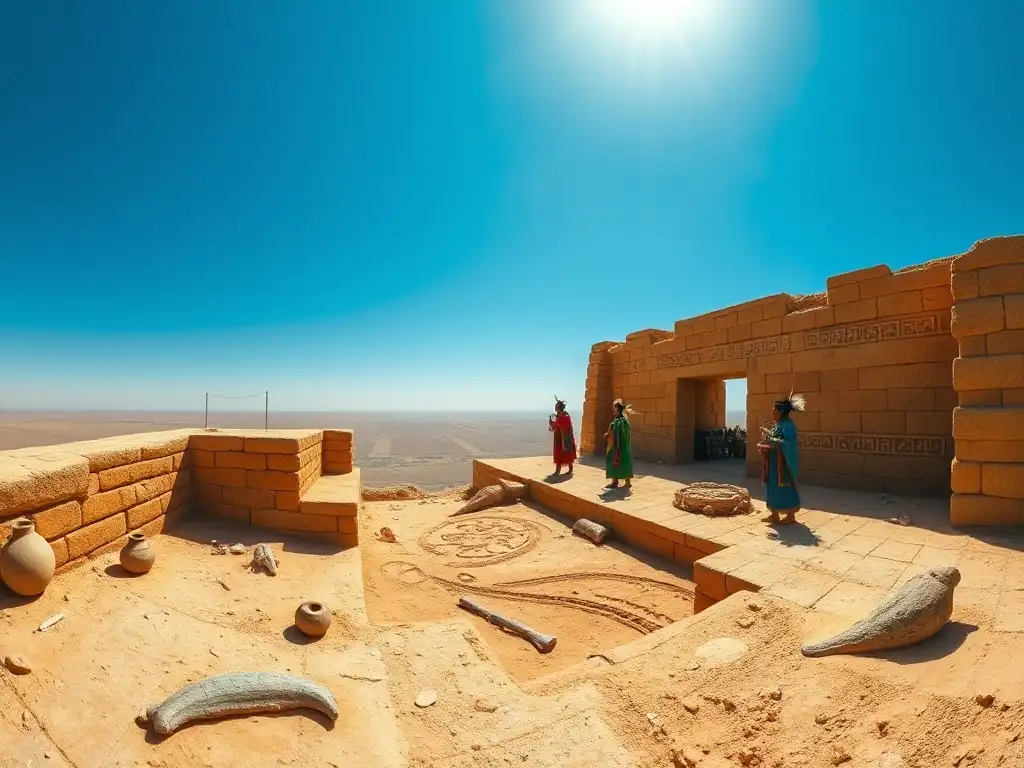
Unravel the mysteries of a lost world. Journey with us into the heart of the Andean civilizations, where towering empires and breathtaking artistry flourished. But prepare to be captivated by the enigmatic world of the Nazca, and their surprisingly complex Nazca ceremonial practices. Discover the secrets held within their rituals, and unlock a deeper understanding of a culture that continues to fascinate and inspire. Are you ready to delve into their spiritual life?
The Nazca civilization, famed for its enigmatic geoglyphs etched into the Peruvian desert, possessed a rich and complex spiritual life reflected in their elaborate rituals and ceremonies. This exploration delves into the fascinating world of Nazca religious beliefs and practices, revealing insights into their worldview and the significance they placed on ceremonial events. Understanding their spiritual landscape provides a crucial key to unlocking a deeper appreciation of their societal structure, agricultural practices, and artistic expressions.
This article will examine the core tenets of their religious beliefs, analyzing the evidence unearthed by archaeologists and anthropologists to paint a vivid picture of their ceremonial practices, focusing specifically on the role these played in their daily lives and societal cohesion. We will uncover the meanings behind their rituals, exploring how these practices contributed to the overall cultural identity and continuity of the Nazca people.
The intricate relationship between their spiritual beliefs and their material culture will also be examined, revealing how religious ideology manifested in their art, architecture, and agricultural techniques. By understanding the intricacies of Nazca ceremonial practices, we gain a more complete and nuanced understanding of this remarkable ancient civilization.
Understanding Nazca Religious Beliefs and Worldview
The Nazca people's worldview was deeply intertwined with their environment. Their religious beliefs centered around a complex pantheon of deities, likely associated with natural forces such as the sun, moon, water, and fertility. Evidence suggests a strong emphasis on ancestor veneration, with rituals possibly performed to appease or honor deceased relatives. Archaeological finds, including elaborate burial sites with grave goods, support this hypothesis. The Nazca worldview, however, remains partially enigmatic due to the limited decipherment of their written language. While we lack extensive written texts, iconography found on ceramics, textiles, and other artifacts provide valuable clues. These images frequently depict deities interacting with humans, often in scenes of sacrifice or ritual offerings.
The representation of supernatural beings frequently involved stylized figures with exaggerated features, emphasizing their power and otherworldly nature. The use of specific colors and patterns also likely held symbolic meaning within their religious context. For instance, the prevalence of red pigments might relate to blood sacrifice, a practice suggested by some archaeological findings. Further research is needed to fully understand the nuances of their symbolic language, but the available evidence strongly suggests a sophisticated religious system deeply embedded in their daily lives. The intricate relationship between the Nazca people and their environment is further underscored by the evidence suggesting the importance of water management in their religious practices.
The Significance of Nazca Ceremonial Practices
Nazca ceremonial practices were not merely isolated events; they were integral to the fabric of their society. These practices served multiple purposes, ranging from ensuring agricultural success to maintaining social order and reinforcing communal identity. Evidence suggests a variety of ceremonies, some possibly focused on agricultural cycles, others on maintaining social harmony, and still others linked to ancestor veneration or appeasement of deities.
The scale and complexity of some ceremonial sites indicate the mobilization of significant human and material resources. This suggests that these events were highly organized and involved the participation of large segments of the population. The discovery of ceremonial centers with evidence of feasting and ritual offerings further highlights the importance of these gatherings in strengthening social bonds and reinforcing communal identity. Analysis of artifacts found at these sites reveals the use of specific materials, such as certain types of pottery and textiles, exclusively associated with ritual contexts. The meticulous craftsmanship and symbolic imagery found on these objects underscore the sacred nature of the ceremonies and the importance of maintaining established religious practices. The specific nature and frequency of these ceremonies remain areas of ongoing research, yet the available evidence paints a picture of a vibrant and deeply spiritual culture where religious practices were fundamental to the Nazca way of life. Furthermore, the relationship between ceremonial practices and the famous Nazca Lines remains a topic of debate and ongoing investigation, with some suggesting a possible link between the geoglyphs and ritual activities.
- What were the most important Nazca ceremonial practices?
- How did the Nazca's geography influence their ceremonial practices?
- What role did textiles play in Nazca ceremonial practices?
- What evidence exists to support our understanding of Nazca ceremonial practices?
- How did Nazca ceremonial practices compare to those of other Andean cultures?
Key Nazca Ceremonies and Rituals
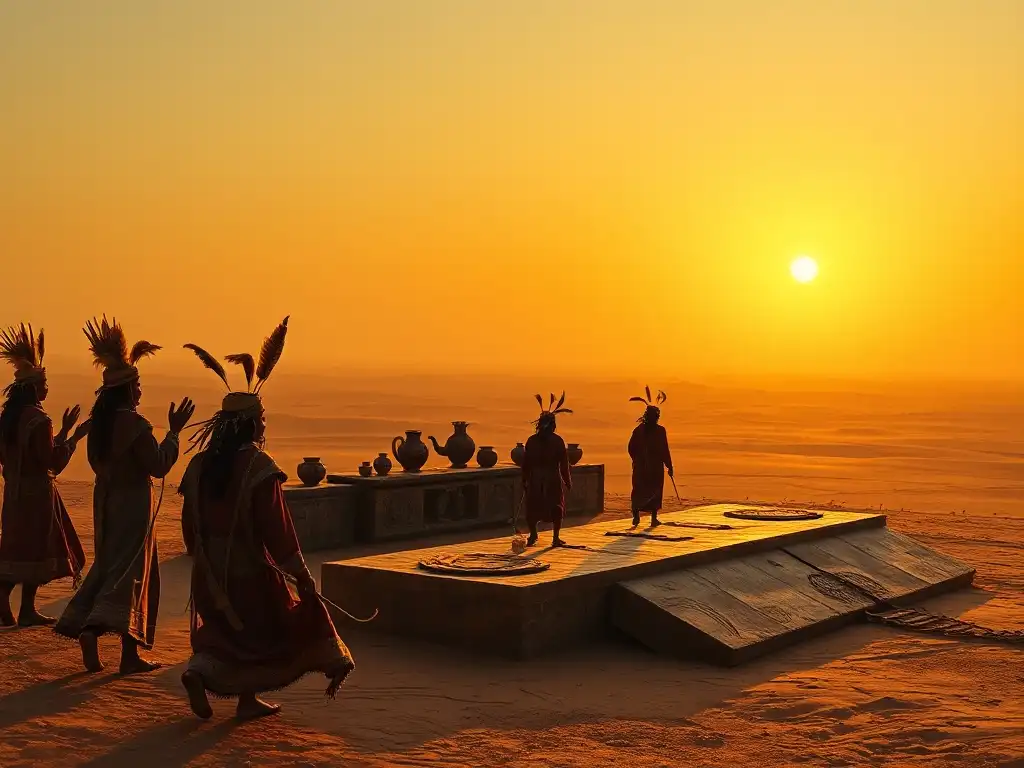
The Nazca people, renowned for their enigmatic geoglyphs, possessed a complex spiritual life deeply intertwined with their environment and agricultural practices. Their ceremonial practices reflected a profound reverence for nature's forces, particularly water and fertility, and a sophisticated understanding of the afterlife. Understanding these rituals offers a glimpse into the beliefs and values that shaped Nazca society. Analysis of archaeological finds, such as ceramics and textiles depicting ritual scenes, provides valuable insights into their religious worldview and the significance of "Nazca ceremonial practices."
Water Rituals and Their Importance in Nazca Society
Water, a precious and scarce resource in the arid Nazca desert, held paramount importance in Nazca life. Their rituals surrounding water reflected this dependence and a deep understanding of its life-giving power. Evidence suggests elaborate ceremonies were conducted to ensure the success of their irrigation systems and the bounty of their crops. These ceremonies likely involved offerings of food, textiles, and possibly even human sacrifices, though the extent of human sacrifice in Nazca culture remains a topic of ongoing debate among researchers.
Several ceramic vessels depict scenes of individuals performing ritual acts near canals or other water sources. These depictions, often accompanied by stylized representations of deities associated with water, suggest a formal structure to these ceremonies. The timing of these rituals may have been linked to the seasonal cycles, particularly the crucial periods of planting and harvesting.
Furthermore, the intricate network of canals themselves can be viewed as a monumental expression of the Nazca's reverence for water and their mastery of hydraulic engineering, interwoven with their spiritual beliefs. Further research into the sedimentary layers surrounding ancient irrigation systems may reveal additional evidence of ritual deposits.
The importance of water in Nazca society is further underscored by the presence of numerous wells and underground aqueducts, demonstrating their ingenuity in harnessing this vital resource. These sophisticated water management systems were not merely practical achievements but also likely integral to their spiritual practices, reinforcing the sacred nature of water and its role in maintaining the balance of their world.
Agricultural Ceremonies and Fertility Rites
Nazca agriculture, despite the harsh desert environment, thrived due to innovative irrigation techniques and a deep understanding of the natural world. Their agricultural ceremonies reflected this success and aimed to ensure continued fertility and abundant harvests. These ceremonies, likely held at specific times of the year, were designed to appease deities associated with fertility and ensure the success of their crops.
Evidence for these ceremonies comes from various sources, including iconography on textiles and ceramics. These artifacts depict scenes of planting, harvesting, and ritual offerings, often featuring stylized representations of plants, animals, and deities linked to fertility. The use of specific colors and patterns in these textiles and ceramics may also have held symbolic significance, representing the cycle of life, death, and rebirth crucial to the agricultural cycle.
The practice of sacrificial offerings, ranging from food and drink to possibly even animals, formed an integral part of these rites. These offerings were likely seen as a means of appeasing the gods and ensuring the continued prosperity of their agricultural endeavors. The careful selection and preparation of these offerings would have been an important aspect of these ceremonies, reflecting the significance attached to these rituals.
Detailed analysis of the organic remains found in Nazca burial sites may offer further insights into the types of offerings used in agricultural ceremonies. The precise details of these rituals, however, remain largely unknown, requiring further investigation of archaeological evidence.
Funerary Rites and Beliefs About the Afterlife
The Nazca people held complex beliefs about the afterlife, reflected in their elaborate funerary practices. Their burial sites, often including elaborate grave goods such as textiles, ceramics, and precious objects, suggest a belief in a continued existence beyond death. The careful preparation of the deceased, the placement of offerings, and the construction of tombs all point to a highly structured and significant ritual process.
Nazca funerary practices varied depending on the social status of the deceased. Elite individuals were often buried in elaborate tombs with a wealth of grave goods, reflecting their social standing and the resources available to their families. These tombs often included intricate textiles and ceramics depicting scenes from the Nazca worldview, providing insights into their beliefs about the afterlife. The positioning of the body and the arrangement of grave goods within the tomb also likely held symbolic meaning, reflecting their understanding of the journey to the afterlife.
The importance of textiles in Nazca funerary rites is particularly noteworthy. Intricately woven textiles, often adorned with elaborate designs, served not only as clothing for the deceased but also as symbolic representations of their social status and spiritual beliefs. The motifs depicted on these textiles, such as stylized animals, plants, and geometric patterns, may have held specific meanings related to the afterlife.
Further research into the symbolism used in Nazca textiles can shed more light on their beliefs about the journey to the afterlife and the nature of the spiritual realm. The study of "Nazca ceremonial practices" surrounding death continues to unveil fascinating aspects of their culture.
The Role of Nazca Shamanism in Rituals
The Nazca people, renowned for their enigmatic geoglyphs and sophisticated irrigation systems, also possessed a complex spiritual life deeply intertwined with shamanistic practices. Shamanism formed the cornerstone of their ceremonial rituals, acting as the conduit between the earthly and spiritual realms. Nazca shamans, often individuals with perceived special abilities or connections to the supernatural, played a pivotal role in mediating between the gods and the community.
Their expertise was crucial for ensuring successful harvests, healing the sick, and maintaining cosmic balance. Evidence suggests that these shamans underwent rigorous training, potentially involving hallucinogenic substances like San Pedro cactus or other plants, to achieve altered states of consciousness and commune with the spirit world. This altered state allowed them to interpret omens, predict the future, and effectively guide the community's rituals.
The influence of shamanistic practices extended far beyond simple divination. Shamanic rituals were integral to all aspects of Nazca life, from agricultural cycles to warfare and healing. The shamans' ability to manipulate the spiritual forces was believed to be essential for the success of these endeavors.
For example, before embarking on a crucial agricultural task such as planting or harvesting, a shaman might conduct a ritual to appease the gods and ensure a bountiful yield. Similarly, in times of illness or injury, the shaman would perform healing ceremonies, often involving the use of medicinal plants and incantations, to restore the individual's health and well-being.
The power and prestige of the shaman within Nazca society are evident in the elaborate burial practices associated with some individuals believed to have held shamanistic roles. These burials often contained elaborate grave goods, including intricately crafted textiles, ceramics, and other artifacts, highlighting their importance within the community.
Further research into Nazca iconography on ceramics and textiles reveals depictions of figures engaging in shamanistic practices. These depictions often show individuals in trance-like states, adorned with elaborate headdresses and regalia, suggesting the use of ritual paraphernalia to enhance the shamanistic experience. The analysis of these visual representations, alongside archaeological findings, provides valuable insights into the methods, beliefs, and social context of Nazca shamanism.
While the precise details of their practices remain shrouded in mystery, the pervasive influence of shamanism on Nazca rituals and ceremonies is undeniable, shaping their worldview and daily lives. The role of the Nazca shaman was not merely religious; it was deeply integrated into the social and political fabric of their society, influencing decision-making and maintaining social order. Their understanding of the spiritual world and their ability to manipulate it were crucial for the survival and prosperity of the Nazca civilization.
Places of Nazca Ritual Activity: Ceremonial Centers
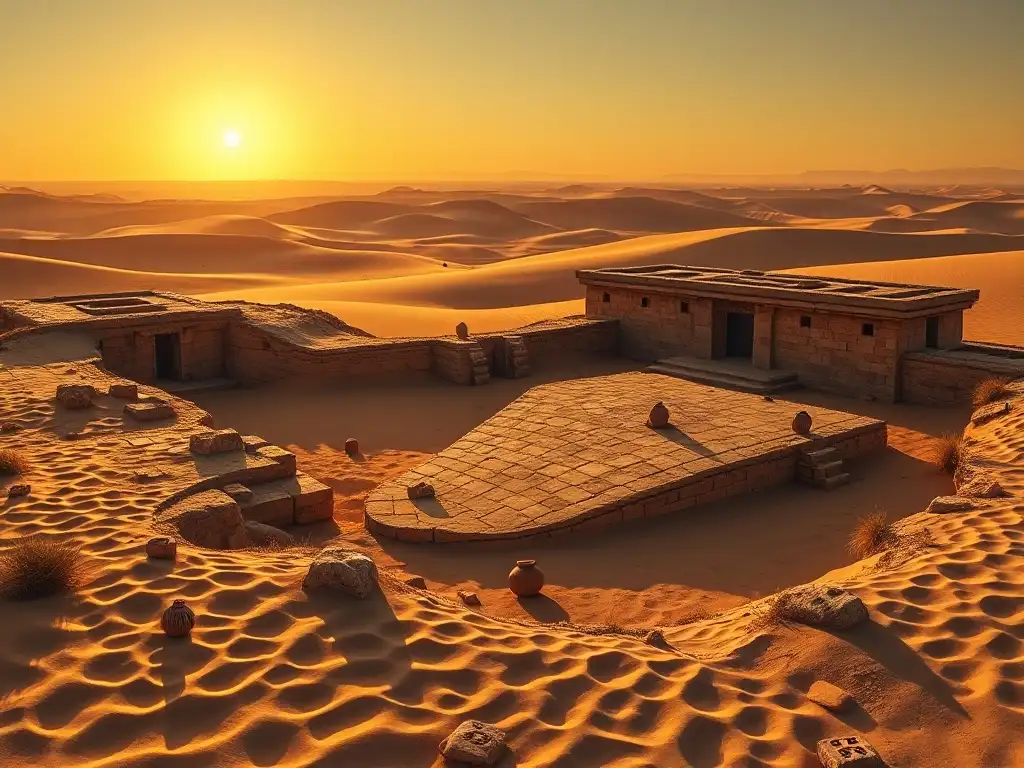
The Nazca people, renowned for their enigmatic lines etched into the desert landscape, also possessed a rich and complex spiritual life reflected in their ceremonial practices. Understanding their rituals requires examining the locations where these practices unfolded – the ceremonial centers themselves. These weren't simply places of worship; they were integral parts of the Nazca social fabric, influencing their daily lives and worldview.
Analysis of these sites provides crucial insights into the beliefs, social structures, and cosmological understanding of this fascinating civilization. The distribution and characteristics of these centers reveal much about the organization and power dynamics within Nazca society. Further research into the specific artifacts found at each site is needed to fully understand their individual significance within the broader context of Nazca ceremonial practices.
Cahuachi: The Main Nazca Ceremonial Center
Cahuachi stands as the most significant ceremonial center identified within the Nazca culture. Its sprawling complex, covering an estimated 2 square kilometers, suggests a central role in religious and political life. Excavations have unearthed numerous structures, including large platforms, plazas, and residential areas, indicating a substantial population associated with the site, likely priests, specialists, and possibly even elite members of society.
The sheer scale of Cahuachi hints at a highly organized and centralized religious system, capable of mobilizing significant resources for the construction and maintenance of such a vast complex. Evidence suggests that Cahuachi was not a continuously occupied settlement but rather a place visited for specific ritual events and ceremonies, potentially on a seasonal basis.
The discovery of large quantities of offerings – including ceramics, textiles, and even human remains – supports the theory of large-scale ritual activities performed at Cahuachi, emphasizing its importance as a focal point for Nazca religious practices. Further study of the architectural layout and the distribution of artifacts is needed to better understand the specific functions of different areas within the complex and how they contributed to the overall ceremonial activities.
Tinguiña: A Significant Nazca Settlement
While Cahuachi dominates the landscape as the primary ceremonial center, Tinguiña represents a different aspect of Nazca ritual life. Unlike Cahuachi's massive scale, Tinguiña appears to have been a smaller, more localized center, potentially serving a more restricted community. This suggests a decentralized aspect to Nazca religious practices, with smaller settlements maintaining their own ceremonial spaces alongside the larger, regional centers.
The presence of both large and small ceremonial sites indicates a complex interplay between regional and local religious practices. Archaeological findings at Tinguiña, although less extensive than at Cahuachi, still reveal evidence of ritual activity, including specialized architecture and the presence of ritual offerings.
Detailed analysis of the artifacts found at Tinguiña, including their types, quantities, and distribution, could provide valuable information about the specific rituals performed there and their relationship to the broader Nazca cosmological system. The differences between Tinguiña and Cahuachi highlight the diverse nature of Nazca ceremonial practices and the need for further research into smaller settlements to gain a more complete understanding of their religious landscape.
The Purpose and Function of Nazca Temples
The purpose and function of Nazca temples remain a subject of ongoing research and debate. While the term "temple" might evoke images of grand, stone structures, Nazca temples likely took various forms. They could be large platforms like those found at Cahuachi, smaller structures within residential areas, or even open-air spaces designated for specific rituals.
The lack of monumental stone architecture comparable to other Andean civilizations suggests a different approach to sacred space. The focus may have been on ritual practices and the symbolic significance of the location rather than imposing architectural grandeur. Evidence from excavations suggests that temples served multiple functions, including ritual ceremonies, offerings, and possibly even community gatherings.
The discovery of artifacts associated with shamanistic practices, such as paraphernalia for altered states of consciousness, further points to the importance of these sites in mediating between the human and spiritual realms. Understanding the diverse forms and functions of Nazca temples requires a nuanced approach, considering the context of each site and the specific artifacts found within them. Further research, including detailed analysis of architectural features and associated artifacts, is crucial to refine our understanding of Nazca temple function within the broader framework of Nazca ceremonial practices.
The Nazca people, renowned for their enigmatic geoglyphs, expressed their deeply spiritual beliefs through a rich tapestry of artistic expressions. Their art, far from being purely decorative, served as a powerful medium for communicating religious ideas, narrating myths, and commemorating rituals. Analyzing Nazca art provides crucial insights into their ceremonial practices and worldview, revealing a complex cosmology intertwined with their daily lives.
Understanding the iconography is key to deciphering the meaning behind their rituals, helping us bridge the gap between surviving artifacts and the intangible aspects of their culture. The careful observation of recurring motifs and symbols across various mediums – pottery, textiles, and geoglyphs – allows for a more comprehensive understanding of Nazca ceremonial practices.
Symbolic Representation in Nazca Pottery
Nazca pottery is incredibly diverse, showcasing a wide range of styles, colors, and depictions. Many vessels depict scenes seemingly related to rituals and ceremonies. These depictions often include stylized figures, sometimes anthropomorphic and sometimes zoomorphic, engaged in activities that scholars interpret as ritualistic.
For example, representations of individuals wearing elaborate headdresses and costumes, participating in processions or offerings, are common. The recurring motif of the feline deity, often depicted with stylized features and supernatural attributes, suggests its importance in Nazca religious beliefs and possibly its role in specific ceremonial practices. Detailed studies of these ceramic artifacts have revealed a complex system of symbols and iconography, with specific colors and forms potentially holding significant religious meaning.
Further research is needed to fully understand the nuances of these symbolic representations and their connection to specific Nazca ceremonial practices. The intricate detail and the consistent use of certain symbols across numerous pieces point to a highly structured and ritualized society. For instance, the frequent appearance of specific plant and animal motifs suggests a deep connection between the Nazca worldview and the natural environment, likely reflected in their agricultural practices and ceremonies related to fertility and abundance.
Geoglyphs as Part of Nazca Ritual Practices
The monumental geoglyphs of the Nazca desert, while visually stunning, are believed to have served a significant role in Nazca ceremonial practices. The sheer scale and complexity of these figures—ranging from stylized animals to geometric shapes—suggest a substantial investment of time, labor, and resources. This implies that their creation was not a casual undertaking, but a deliberate act with profound religious significance.
Several theories propose that the geoglyphs served as pathways for processions, markers for astronomical observations linked to seasonal cycles, or even as locations for rituals performed during specific times of the year. Some researchers suggest that the geoglyphs were visible only from certain vantage points, potentially highlighting their role in specific ritualistic practices or ceremonies performed by select members of the community. The precise meaning and function of the geoglyphs remain a subject of ongoing debate, but their undeniable connection to Nazca ceremonial practices is undeniable.
The fact that their creation involved such a massive undertaking reinforces their importance within the Nazca worldview and their likely involvement in major religious events. Further research, including advanced imaging techniques and archaeological investigation, is crucial to unlocking the secrets behind these enigmatic figures and their role in Nazca ceremonial practices.
Nazca Textile Art and Its Religious Connotations
Nazca textile art is another significant avenue for exploring their ceremonial practices. The textiles, often woven with intricate designs and vibrant colors, frequently incorporate similar iconographic elements found in pottery and geoglyphs. The use of specific colors and motifs in textiles, often associated with particular ceremonies or deities, suggests that these garments held religious significance and were likely worn during rituals.
The complexity of the weaving techniques and the meticulous detail of the designs indicate a high level of skill and artistic sophistication, further highlighting the importance of textiles in Nazca society. The discovery of textiles buried with individuals in elite tombs suggests that these garments were not merely everyday clothing but held symbolic value, possibly linked to status, power, or religious authority. The presence of specific motifs, such as stylized birds, felines, or plants, on these textiles reinforces their symbolic relationship to the Nazca pantheon and the natural world, emphasizing their potential role in rituals and ceremonies.
The study of Nazca textiles offers a rich source of information about the beliefs, social structure, and ceremonial practices of this fascinating civilization. Further analysis of textile designs and their context within archaeological discoveries is needed to fully comprehend their role in Nazca ceremonial practices.
The Role of Music and Dance in Nazca Ceremonies
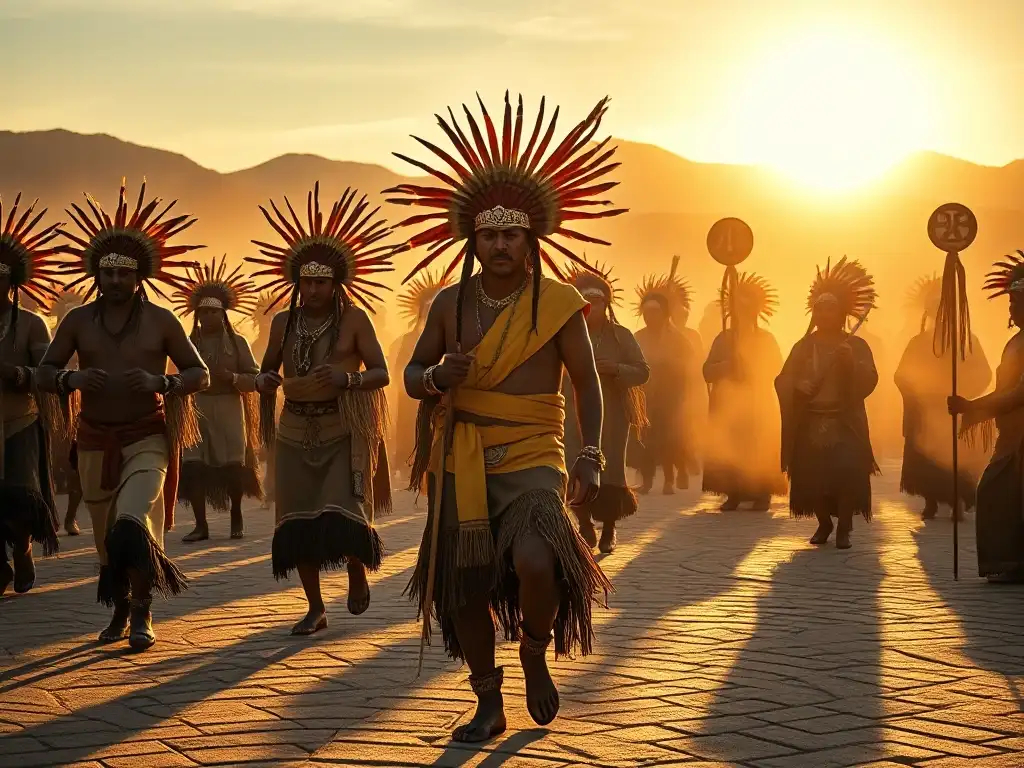
The Nazca people, renowned for their enigmatic geoglyphs, possessed a vibrant spiritual life deeply intertwined with music and dance. These weren't mere forms of entertainment; they were integral components of their religious practices, serving to connect the earthly realm with the supernatural. Understanding the role of music and dance in Nazca ceremonial practices provides crucial insights into their beliefs and social structures.
Archaeological evidence, albeit limited, suggests a sophisticated understanding of rhythm, melody, and movement, all contributing to a powerful and evocative ritual experience. The rhythmic pulse of drums, the haunting melodies of flutes, and the synchronized movements of dancers likely created a mesmerizing atmosphere, fostering a sense of community and facilitating communication with their deities.
The intensity of these performances undoubtedly played a crucial part in achieving altered states of consciousness, vital for communicating with the spirit world and ensuring the prosperity of their society. Further research into Nazca iconography and the analysis of remaining artifacts could reveal more about the specific roles of individual musicians and dancers within the community hierarchy.
Types of Musical Instruments Used in Nazca Rituals
While the precise soundscapes of Nazca rituals remain largely a mystery, archaeological discoveries offer glimpses into the musical instruments used. Analysis of unearthed artifacts indicates the presence of several types of instruments, each potentially playing a unique role in ceremonies. For instance, fragments of ceramic flutes have been found, suggesting the use of wind instruments to create melodic lines. These flutes, likely made from clay or bone, may have been played individually or in ensembles, creating complex musical textures.
Evidence also suggests the use of percussion instruments, such as drums. These drums, potentially made from animal skins stretched over wooden frames, would have provided the rhythmic foundation for ceremonies. The size and shape of these drums may have varied, producing different tones and rhythms, contributing to the overall sonic landscape. Unfortunately, the scarcity of well-preserved instruments makes it challenging to determine the full range of musical instruments used by the Nazca.
Further excavation and analysis are needed to fully reconstruct their musical repertoire and understand the nuances of their musical culture. The limited evidence we do possess, however, strongly suggests a sophisticated musical tradition that played a vital part in their religious and social life. The precise materials used in the construction of these instruments, and their decorative features, would also offer valuable clues regarding their social and ritual significance.
The Significance of Dance in Nazca Religious Expression
Dance in Nazca ceremonial practices was not merely a visual spectacle; it was a profound act of religious expression, deeply connected to their cosmology and worldview. The synchronized movements of dancers, often depicted in their pottery and textiles, likely served as a powerful medium for communicating with deities and influencing the natural world. These dances may have reenacted mythological narratives, celebrated agricultural cycles, or sought to appease the spirits controlling the weather and harvests. The choreography, costumes, and masks worn by the dancers would have all been carefully designed to enhance the ritual's symbolic power.
For example, specific movements might have symbolized the growth of crops or the journey of the sun across the sky. The costumes, often adorned with vibrant colors and intricate designs, could have represented specific deities or animals, further reinforcing the ritual's meaning. The use of masks, often depicting supernatural beings, would have transformed the dancers into intermediaries between the human and spirit worlds.
While the specifics of Nazca dance remain largely unknown, the surviving artifacts hint at a complex and meaningful system of ritual movement, integral to their spiritual beliefs and social fabric. Further research into Nazca iconography and the anthropological study of similar Andean cultures could provide valuable insights into the nuances of their dance traditions and its profound role in their spiritual life. The rhythmic precision and symbolic meaning embedded within these dances undoubtedly played a pivotal role in shaping their worldview and maintaining social cohesion.
Analyzing Nazca Rituals: What They Reveal About Their Society
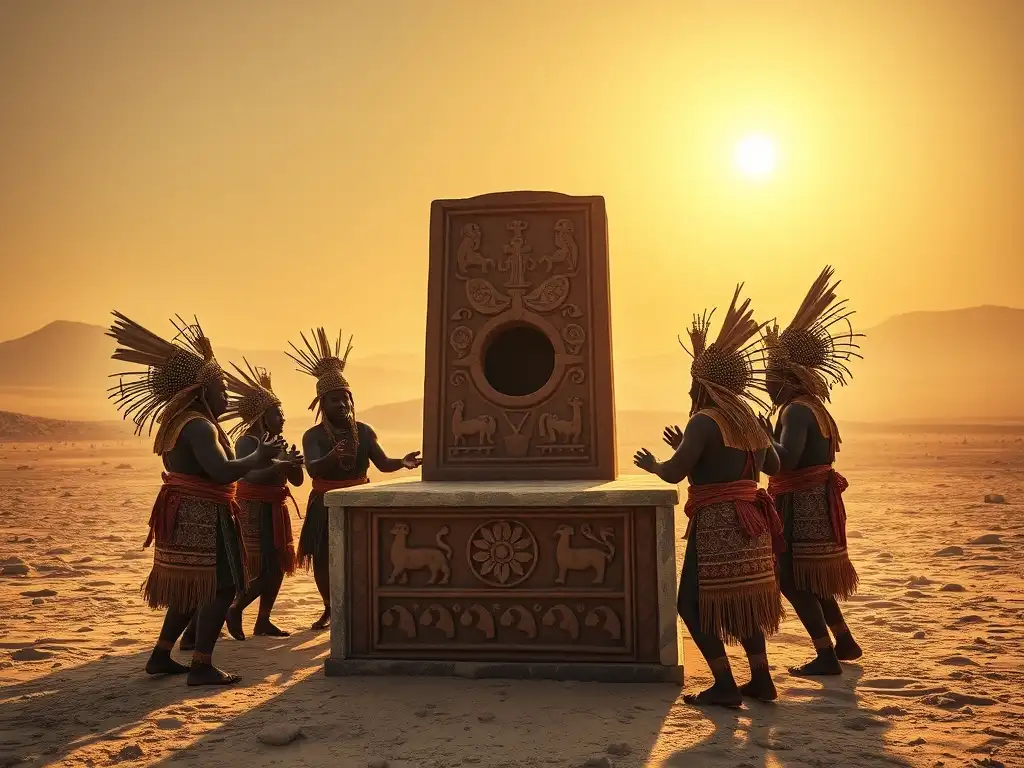
The Nazca ceremonial practices offer a fascinating window into the social structure and beliefs of this enigmatic civilization. By examining the evidence left behind—from elaborate burial sites to intricate geoglyphs—we can begin to piece together a picture of their complex spiritual life and its impact on their daily lives. Understanding their rituals is key to understanding their society, providing insights into their social hierarchies, political systems, and relationship with the environment.
The sheer scale and sophistication of some of their rituals point towards a highly organized society with a strong central authority, or perhaps multiple interacting power structures. Further research is needed to fully understand the nuances of their social dynamics, but the available evidence suggests a complex interplay of factors shaping their ceremonial practices.
Archaeological evidence suggests a complex social hierarchy within Nazca society, with rituals playing a pivotal role in reinforcing social structures. Elaborate burials, often containing rich grave goods, indicate the existence of an elite class. These individuals, likely priests or rulers, may have controlled access to resources and played a significant role in organizing and leading large-scale ceremonies.
The presence of common graves, while less opulent, also reveals information about the lives and practices of ordinary Nazca people. The types of offerings found in these graves, even if simpler than those in elite burials, still provide clues about their beliefs and participation in communal rituals. For instance, the frequency of certain pottery styles in common graves might indicate shared beliefs or participation in specific cults.
Analyzing the distribution of artifacts and the layout of burial sites provides further insights into the social organization and the role of ceremonial practices in shaping social identities within the Nazca community. We can hypothesize that elaborate ceremonies served to strengthen social bonds and solidify the power of the ruling class, but more research is needed to confirm these hypotheses. The study of Nazca ceremonial practices offers a path to understanding the intricacies of their social fabric.
Political Power and Religious Control in Nazca Culture
The relationship between political power and religious authority in Nazca culture remains a subject of ongoing debate among archaeologists. However, the grandeur and complexity of many Nazca ceremonial sites suggest a strong connection between the two. The construction of large-scale platforms, temples, and ceremonial centers required significant organization and resources, implying the existence of a centralized authority capable of mobilizing labor and managing resources effectively.
The concentration of power in the hands of a religious elite is indicated by the lavish offerings found in elite burials, suggesting that religious leaders held significant political influence. Moreover, the iconography found on Nazca pottery and textiles often depicts figures with ceremonial attire and attributes, reinforcing the concept of a powerful priestly class. The intricate designs and symbolic representations found in these artifacts suggest a sophisticated religious system with complex beliefs and practices.
Further investigation is needed to fully understand the dynamics of power and the interplay between religious and political control in shaping Nazca society and its rituals. The precise extent of the influence of religious leaders on political decisions remains an important area for future research.
The Relationship Between Nazca Rituals and the Environment
The Nazca people were deeply connected to their environment, and this connection is clearly reflected in their ceremonial practices. The arid coastal desert presented both challenges and opportunities for the Nazca, and their rituals often focused on ensuring the success of their agricultural endeavors. Evidence suggests that many ceremonies were linked to the cycles of the sun, moon, and stars, reflecting their dependence on predictable weather patterns for successful harvests. The intricate irrigation systems they developed, a testament to their engineering skills, are further evidence of their close relationship with the environment.
The construction and maintenance of these systems required communal effort and likely involved ceremonial rituals to ensure their continued productivity. The selection of specific sites for ceremonial activities—often located near water sources or agricultural fields—further underscores the connection between religious practices and environmental concerns. Moreover, offerings found in ceremonial contexts, such as seeds and other agricultural products, reinforce the idea that their rituals were closely tied to their survival and prosperity.
The study of Nazca ceremonial practices offers valuable insights into their adaptation strategies and their profound understanding of their environment. Their capacity for sophisticated water management was likely facilitated by their understanding of environmental cycles and their careful use of rituals to ensure successful harvests. This deep connection between ritual and environment demonstrates the sophistication of their understanding of ecology and their ability to manage resources in a challenging environment.
The Legacy of Nazca Ceremonial Life
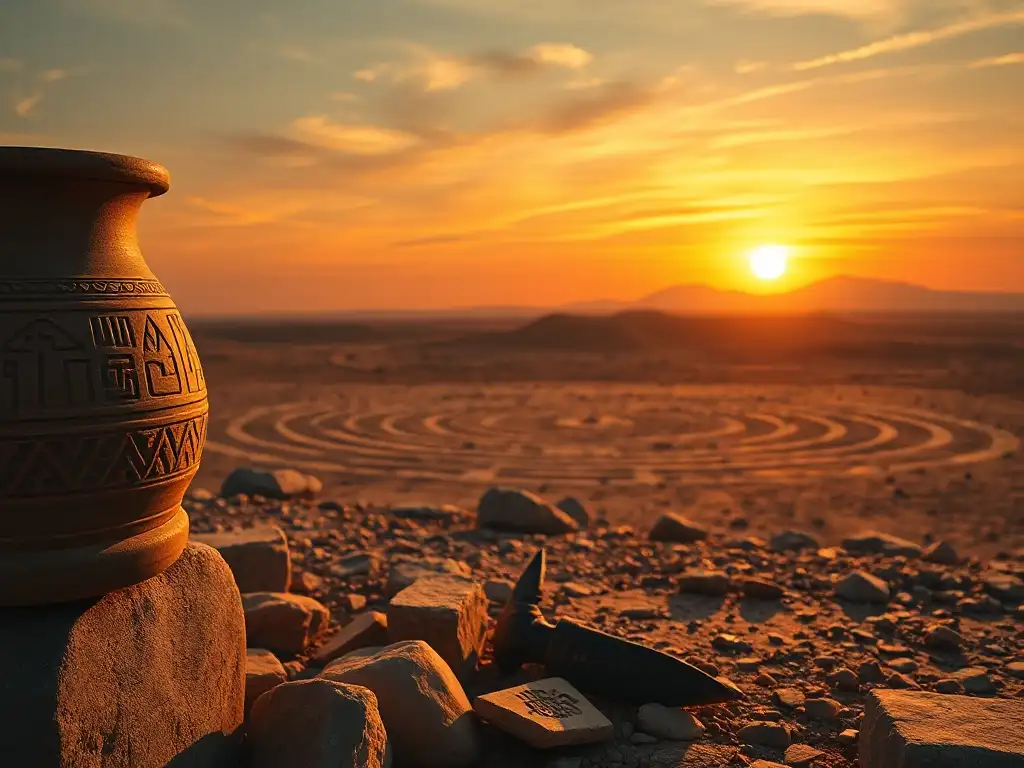
The Nazca civilization, famed for its enigmatic geoglyphs, also possessed a rich and complex spiritual life reflected in their ceremonial practices. Understanding these practices provides crucial insight into their societal structure, beliefs, and worldview. Nazca ceremonial life wasn't simply a series of isolated events; it was deeply woven into the fabric of daily existence, influencing everything from agriculture to social hierarchy.
The legacy of these practices extended far beyond the Nazca period, leaving an indelible mark on subsequent Andean cultures. Analyzing the surviving evidence – from elaborate burial sites to intricate pottery depicting ritual scenes – allows us to piece together a fascinating picture of their religious beliefs and their impact on later civilizations. The careful study of Nazca ceremonial practices offers a unique window into the evolution of Andean spirituality.
How Nazca Rituals Influenced Later Andean Cultures
The influence of Nazca ceremonial practices on subsequent Andean cultures is undeniable. While specific details may differ, the underlying themes of ancestor veneration, shamanistic practices, and the importance of agricultural cycles continued to resonate in later societies, particularly among the Inca. For example, the Inca's elaborate system of huacas (sacred places) likely shares roots with the Nazca's reverence for specific locations, possibly linked to water sources or significant geological features.
The emphasis on ritual sacrifice, although differing in specifics, also echoes in Inca practices. Pottery and textiles from later periods often showcase stylistic elements reminiscent of Nazca designs, suggesting a continued cultural exchange and the adoption of certain ritualistic motifs. Moreover, the sophisticated knowledge of astronomy and cosmology evident in Nazca geoglyphs and calendar systems likely influenced later Andean astronomical observations and their integration into religious calendars.
The continuity of these practices reveals a deep-rooted spiritual connection across different Andean cultures, demonstrating the lasting impact of Nazca ceremonial life. Further research is needed to fully understand the extent of this influence, particularly regarding specific ritualistic objects and their evolution across time.
The Importance of Preserving Nazca Archaeological Sites
The preservation of Nazca archaeological sites is paramount for understanding their rich ceremonial life. These sites, ranging from grand ceremonial centers to smaller domestic shrines, offer invaluable insights into the beliefs and practices of the Nazca people. The ongoing threat of looting, erosion, and human activity necessitates proactive conservation efforts.
Protecting these fragile sites not only safeguards our understanding of Nazca culture but also ensures the continued study of their sophisticated ritualistic practices. Careful excavation and documentation techniques, combined with community engagement and sustainable tourism initiatives, are crucial for the long-term preservation of this irreplaceable heritage. The loss of these sites would represent an irreparable loss to our understanding of Andean history and the evolution of religious practices in the region.
Moreover, preserving these locations allows future generations to appreciate the complexity and sophistication of Nazca culture and its enduring legacy. The meticulous preservation of these sites ensures the continuation of research into Nazca ceremonial practices and their profound influence on the broader Andean world.
Continued Research on Nazca Religious Practices
Ongoing research into Nazca religious practices is vital for a complete understanding of their society and culture. While significant progress has been made, many aspects of their spiritual life remain shrouded in mystery. Further investigation into areas such as the meaning of specific iconography on pottery and textiles, the role of shamanism, and the significance of specific ceremonial sites are crucial for a more nuanced interpretation of Nazca beliefs.
Advanced technologies, such as ground-penetrating radar and 3D modeling, can help uncover hidden structures and artifacts, providing new evidence to support existing theories and challenge established assumptions. Interdisciplinary collaborations, involving archaeologists, anthropologists, and other specialists, are essential for a holistic approach to understanding Nazca religious practices and their broader societal context. The continued study of Nazca ceremonial life promises to unveil further fascinating details about this remarkable civilization and its enduring legacy.
The potential for new discoveries and reinterpretations highlights the importance of sustained research in this field. This commitment ensures a more complete and accurate understanding of Nazca ceremonial practices and their place within the broader tapestry of Andean history.
Frequently Asked Questions
What were the most important Nazca ceremonial practices?
The Nazca engaged in a variety of ceremonies, including elaborate rituals surrounding ancestor veneration, fertility rites, and shamanistic practices. These were often tied to their agricultural cycle and beliefs about the supernatural world.
How did the Nazca's geography influence their ceremonial practices?
The arid coastal desert heavily influenced Nazca rituals. Limited resources likely emphasized ceremonies focused on securing water and fertile lands, reflecting their dependence on the environment. Desert features also played a role in their sacred geography.
What role did textiles play in Nazca ceremonial practices?
Textiles were incredibly important, serving both practical and ritualistic purposes. Elaborate weavings were used in ceremonies, potentially representing deities or signifying social status within the community. They were often buried with the elite.
What evidence exists to support our understanding of Nazca ceremonial practices?
Archaeological evidence such as mummy bundles, grave goods, ceremonial sites, and iconography on textiles and pottery provides crucial insights. These artifacts reveal details about rituals, beliefs, and social structures.
How did Nazca ceremonial practices compare to those of other Andean cultures?
While sharing some Andean traits like ancestor veneration, Nazca practices had unique characteristics. Their emphasis on specific deities and iconography, like the hummingbird and feline imagery, distinguishes them from other cultures like the Inca or Moche.
Final Reflection: Echoes of the Nazca: A Legacy of Ritual and Reverence
The intricate geoglyphs of the Nazca desert whisper secrets of a civilization deeply connected to the spiritual world, a connection that resonates powerfully even today. Their sophisticated ceremonial practices, far from being relics of a distant past, offer a profound insight into the human need for meaning and connection with something larger than ourselves. Understanding their rituals allows us to appreciate the enduring power of faith and the diverse ways humanity has sought to understand and interact with the divine.
The enduring mystery surrounding the Nazca lines and their associated ceremonies continues to captivate and inspire. Their meticulous creation, the sheer scale of their undertaking, and the evident devotion they represent speak volumes about the importance of ritual in Nazca society. These weren't simply fleeting acts; they were integral to the fabric of their lives, shaping their worldview and social structures. The past is never dead. It's not even past.
- William Faulkner. This quote perfectly encapsulates the enduring relevance of studying Nazca ceremonial practices; their echoes reverberate through time, challenging us to reconsider our own relationship with spirituality and tradition.
Consider the dedication and precision involved in these ceremonies. Imagine the community effort, the shared beliefs, and the profound sense of purpose that must have fueled their creation. You too possess the capacity for such dedication, for such profound connection with something greater than yourself. What rituals, big or small, shape your life? What beliefs guide your actions? Take a moment to reflect on the power of ritual in your own life, and how you might cultivate a deeper sense of meaning and purpose, drawing inspiration from the enduring legacy of the Nazca people.
Uncover the Mysteries of Nazca Spirituality!
Thank you for exploring the fascinating world of Nazca rituals and ceremonies! You've discovered the profound spiritual life of this remarkable ancient civilization and how their beliefs shaped their culture. Now, let's put your newfound knowledge into practice!
Here are some ways to continue your journey:
- **Take a virtual tour** of Nazca's ancient sites to experience the ceremonial spaces where these rituals were performed. Many online platforms offer immersive, interactive experiences.
- **Join a discussion group** online or in person to share your insights on the enduring impact of these ancient rituals on modern spirituality.
- Consider **creating a personal ritual** inspired by these ancient practices, focusing on gratitude and a deeper connection with the earth.
**Which aspects of Nazca spirituality resonate most with you, and how can you integrate those elements into your own life? **