
Geometric Genius: The Mathematical Precision of Andean Textile Designs

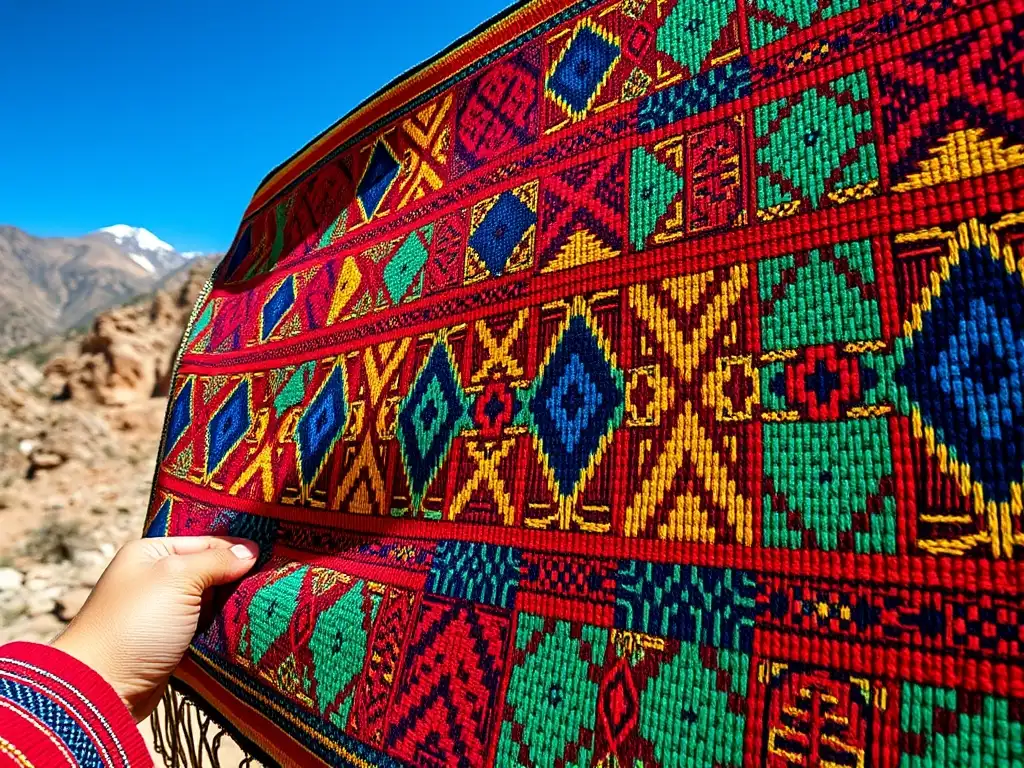
Unravel the mysteries woven into the very fabric of history. For centuries, the Andean civilizations have captivated the world with their breathtaking artistry. But beneath the vibrant colors and intricate patterns of their textiles lies a hidden world of mathematical precision. Prepare to be amazed as we delve into the fascinating realm of Andean textile design mathematics, revealing the ingenious techniques that transformed simple threads into masterpieces of geometric genius. Discover the secrets behind these iconic designs and unlock a deeper understanding of these remarkable cultures. Are you ready to explore?
The Andes Mountains, a spine of towering peaks running down the western coast of South America, are home to a rich tapestry of ancient cultures. For millennia, these civilizations—including the Incas, Moche, Nazca, and Tiahuanaco—developed sophisticated societies characterized by remarkable advancements in agriculture, engineering, and art. This article delves into a particularly fascinating aspect of Andean artistry: the intricate and mathematically precise designs woven into their textiles.
We will explore the underlying geometric principles, the symbolic meanings encoded within these patterns, and the remarkable skill and knowledge required to create such masterpieces. Understanding the mathematical foundations of Andean textile design reveals a level of sophistication that challenges our preconceived notions of pre-Columbian civilizations and significantly contributes to our appreciation of their cultural achievements.
This exploration promises to illuminate the ingenuity and artistry of these Andean cultures, showcasing their profound understanding of mathematics and its application to aesthetics and societal expression. Prepare to be amazed by the "Geometric Genius" woven into the very fabric of their history.
Introduction to Andean Textile Art and its Mathematical Foundations
Andean textile art is renowned for its vibrant colors, intricate designs, and the sheer technical mastery demonstrated in its creation. But beyond the aesthetic beauty lies a complex system of mathematical principles that underpinned the design and execution of these textiles. From the simple warp and weft structures to the complex geometric patterns and symbolic representations, mathematics played a crucial role.
Ancient Andean weavers didn't just create visually stunning pieces; they employed sophisticated techniques involving knotting, spinning, dyeing, and weaving, all informed by a deep understanding of geometry, proportions, and symmetry. These techniques were not merely functional; they encoded social status, religious beliefs, and cosmological understanding within the very fabric of the textiles.
Consider, for example, the use of repeating motifs and symmetrical arrangements. These weren't random choices; they were deliberate applications of geometric principles to create visually balanced and aesthetically pleasing designs. The precise measurement of yarn, the careful planning of the weaving process, and the consistent repetition of patterns all point to a sophisticated understanding of mathematical concepts.
Furthermore, the use of specific color combinations and their arrangement within the design often held symbolic meaning, further emphasizing the interwoven nature of mathematics, aesthetics, and cultural significance. The evidence suggests that Andean textile design was not merely a craft, but a highly developed system that integrated artistic expression with mathematical precision. The legacy of this mathematical understanding is evident in the surviving textiles, providing invaluable insights into the intellectual capabilities of these ancient societies.
The Geometry of Andean Weaving: An Overview
Andean weaving techniques utilized a remarkable range of geometric patterns. These patterns were not haphazard; rather, they demonstrate a clear understanding of fundamental geometric concepts such as:
- Symmetry: Bilateral, rotational, and translational symmetry are frequently observed in Andean textiles. This demonstrates a grasp of geometric transformations and their visual impact.
- Tessellations: Many designs utilize repeating patterns that seamlessly tile the surface of the textile, showcasing an understanding of tessellation principles.
- Fractals: Some designs incorporate self-similar patterns at different scales, hinting at a possible understanding of fractal geometry, although further research is needed to confirm this.
- Proportions: The precise ratios between different elements within the design often follow specific proportions, suggesting a deliberate application of mathematical ratios and proportions.
The implementation of these geometric principles varied across different Andean cultures and time periods. The Nazca, for instance, were renowned for their complex geometric designs and intricate use of color, while Inca textiles often featured more stylized and symbolic motifs, though still rooted in geometric foundations. The specific techniques and the complexity of the designs varied based on the intended use of the textile, the social status of the wearer, and the cultural context.
Further research into the specific mathematical relationships found within different Andean textile designs is crucial to fully comprehend the depth of their mathematical understanding and its impact on their artistic expression. The surviving examples provide a rich source of data for future studies in this fascinating intersection of mathematics and Andean culture.
- Introduction to Andean Textile Art and its Mathematical Foundations
- The Geometry of Andean Weaving: An Overview
- What is the connection between Andean textile designs and mathematics?
- Which Andean cultures are known for their mathematically precise textiles?
- How did Andean weavers achieve such precision in their textile designs?
- What kind of geometric patterns are commonly found in Andean textiles?
- Where can I learn more about the mathematical aspects of Andean textile design?
Mathematical Principles in Andean Textile Design

The intricate beauty of Andean textiles isn't merely aesthetic; it's a testament to a sophisticated understanding of mathematics and geometry. These ancient artisans weren't just weaving beautiful fabrics; they were manipulating numerical relationships to create complex and visually stunning designs. The precision and consistency found in surviving examples demonstrate a deep-seated knowledge of mathematical principles applied to textile production, showcasing an impressive level of technical skill and artistic vision.
This section will delve into the mathematical underpinnings of Andean textile design, exploring the underlying principles that governed their creation. The use of symmetry, repetition, and complex geometric patterns reflects not only aesthetic preferences but also a profound understanding of mathematical concepts. This knowledge allowed for the creation of textiles that were not only visually appealing but also likely held symbolic and ritualistic significance within their respective cultures.
Symmetry and Repetition in Ancient Andean Textiles
Symmetry and repetition are fundamental principles evident in countless Andean textile designs. These principles aren't simply decorative choices; they represent a conscious application of mathematical concepts to textile production. Consider the widespread use of bilateral symmetry, where a design is mirrored across a central axis.
This isn't accidental; it demonstrates a clear understanding of reflective symmetry and its visual impact. The consistent repetition of motifs, whether simple or complex, further underscores this mathematical approach. This repetition isn't random; it follows specific numerical sequences, creating patterns that are both visually pleasing and mathematically precise.
For example, the repetition of a specific motif might follow a Fibonacci sequence, albeit unconsciously, creating a visual rhythm that is both captivating and mathematically structured. The skillful integration of these principles resulted in textiles that were not just visually appealing but also displayed a deep understanding of mathematical relationships. Analysis of surviving textiles reveals a remarkable consistency in the application of these principles across different Andean cultures and time periods.
Geometric Patterns and their Significance
Beyond symmetry and repetition, Andean textile designs frequently incorporate complex geometric patterns. These patterns are not arbitrary; they often represent specific symbolic meanings, reflecting a sophisticated cosmology and worldview. The precision with which these patterns are executed highlights the artisans' mathematical proficiency.
The creation of these intricate designs required a deep understanding of spatial relationships, angles, and proportions. Many patterns incorporate complex tessellations, where geometric shapes fit together seamlessly to cover a surface without gaps or overlaps. This mastery of geometric principles demonstrates a level of mathematical sophistication far beyond what is often assumed about pre-Columbian cultures.
Furthermore, the use of specific geometric shapes, such as triangles, squares, and stepped frets, likely held symbolic significance, reflecting the Andean worldview and beliefs about the cosmos and the natural world. The precise execution of these designs, with minimal variations, speaks to the importance of mathematical precision in the creation of these sacred textiles.
The Stepped Fret Pattern
The stepped fret pattern, a ubiquitous motif in Andean textiles, provides a compelling example of mathematical precision in design. This pattern, characterized by its series of interconnected, stepped lines, is often found repeated across various textile types and cultural contexts. The seemingly simple design belies a sophisticated understanding of geometric principles. The consistent angles and proportions of the stepped lines demonstrate a clear understanding of geometry and its application to textile design.
The creation of this pattern required careful planning and execution, ensuring that the steps remain consistent and the pattern repeats seamlessly. Variations in the complexity of the stepped fret – from simple, single-line versions to intricate, multi-layered designs – illustrate the artisans’ ability to manipulate the basic pattern to create a vast array of visually interesting and mathematically precise designs. The prevalence and variation of this pattern across different Andean cultures highlight its importance and the widespread understanding of the underlying mathematical principles.
Further research into the precise numerical relationships within various stepped fret patterns could reveal even deeper insights into the mathematical sophistication of Andean textile design. The meticulous execution and consistent application of this pattern across centuries underscore the enduring importance of mathematical principles in Andean artistic expression. The stepped fret, therefore, serves as a powerful symbol of the mathematical genius embedded within Andean textile traditions.
The Use of Angles and Proportions in Andean Weaving
Andean textile design wasn't simply a matter of haphazardly arranging threads; it involved a sophisticated understanding of geometry and proportion. Weavers meticulously planned their designs, employing a range of angles and ratios to create visually stunning and symbolically rich tapestries. The precision evident in surviving textiles speaks volumes about the mathematical knowledge embedded within the artistic process.
Careful examination reveals the consistent use of specific angles, often multiples of 30 or 45 degrees, creating intricate patterns based on geometric principles. These weren't accidental occurrences; the deliberate use of these angles reflects a deep understanding of spatial relationships and their visual impact. The resulting designs are not only aesthetically pleasing but also demonstrate a mastery of geometric construction that rivals many contemporary artistic practices.
The complex interplay of angles contributes to the dynamism and visual depth of the textiles, drawing the viewer's eye across the surface and revealing new details upon closer inspection. This intricate system wasn't limited to simple patterns; even the most complex designs were built upon a framework of precisely calculated angles and proportions, highlighting the sophisticated mathematical knowledge of Andean weavers. Furthermore, the consistent application of these principles across different styles and regions suggests a widespread understanding and shared tradition of geometric design in Andean weaving.
The Use of Right Angles and the Golden Ratio
Within the broader application of angles and proportions, the use of right angles and the Golden Ratio stands out as particularly significant in Andean textile design. Right angles, forming the basis of many geometric shapes, provided a foundational structure upon which more complex patterns were built. The prevalence of squares, rectangles, and other rectilinear forms in various textiles points to the deliberate incorporation of right angles into the design process. This isn't merely a matter of convenience; the use of right angles contributes to the overall sense of order and balance within the designs.
Moreover, evidence suggests that Andean weavers incorporated the Golden Ratio—approximately 1.618—into their designs, although further research is needed to definitively confirm the extent of its use. The Golden Ratio, a mathematical relationship found throughout nature and art, is believed to create aesthetically pleasing proportions. Its presence in Andean textiles, if confirmed through more extensive analysis, would further highlight the sophisticated mathematical understanding of these artisans. The precise measurement and replication of these proportions across large-scale textiles is a testament to their skill and precision.
The challenge of maintaining consistent proportions across vast surfaces, using only simple tools, speaks to the remarkable expertise of these ancient weavers. The potential use of the Golden Ratio in Andean textile design adds another layer of complexity and sophistication to the already impressive mathematical underpinnings of their artistic achievements. Further investigation into this area could potentially reveal even more intricate mathematical principles employed in the creation of these remarkable textiles.
Andean Textile Design Mathematics: Beyond Aesthetics
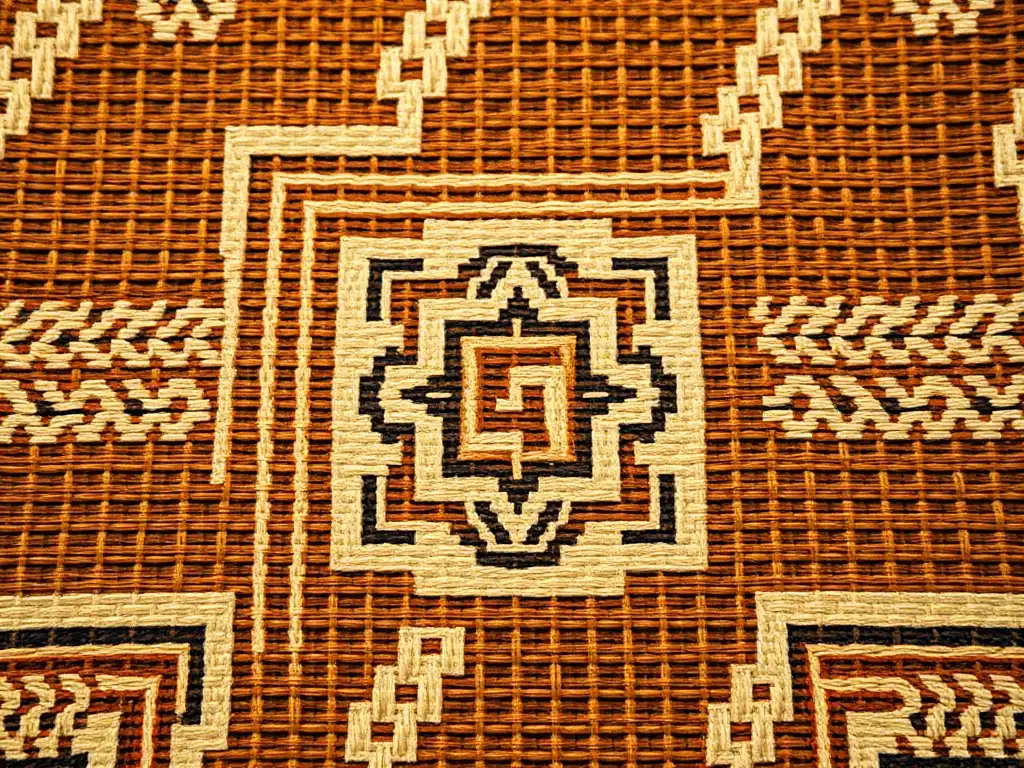
This section delves into the fascinating intersection of mathematics and artistry within Andean textile design. Contrary to a purely aesthetic appreciation, a closer examination reveals a sophisticated understanding of mathematical principles embedded within the seemingly intricate patterns. The Andean civilizations, particularly the Inca, weren't simply creating beautiful textiles; they were employing complex calculations and precise measurements to achieve their stunning results.
This mathematical precision wasn't merely a byproduct of the creative process; it was integral to the very fabric of their textile production, reflecting a deep-seated understanding of numerical relationships and geometric principles. The intricate designs, often incorporating complex geometric shapes and repeating motifs, showcase a level of mathematical sophistication rarely considered in discussions of Andean art. Understanding this mathematical underpinning allows for a richer appreciation of the ingenuity and skill of Andean weavers.
The analysis presented here will highlight the mathematical precision evident in their work, revealing the intricate calculations and systematic approaches that characterized their textile creation. This exploration of Andean textile design mathematics opens a window into the intellectual capabilities of these ancient cultures and their profound influence on the development of textile arts.
Mathematical Precision in Warp and Weft Calculations
The creation of Andean textiles involved a meticulous process of warp and weft manipulation. The warp, the lengthwise threads, and the weft, the crosswise threads, needed to be precisely calculated and executed to achieve the desired design and structural integrity. Weavers didn't simply guess at the number of threads; they employed sophisticated counting systems and measuring techniques. Consider the intricate geometric patterns found in many Andean textiles: the precise alignment of stripes, the symmetrical arrangement of triangles and trapezoids, and the complex interplay of colors all point to a deep understanding of mathematical ratios and proportions.
Slight imperfections would have dramatically affected the overall design, highlighting the level of precision demanded by these intricate weaving techniques. The strength and durability of the textiles also depended on the accuracy of these calculations; an imbalance in warp and weft tension could lead to weak or uneven fabrics. This wasn't just about aesthetics; it was about functionality and longevity.
Evidence suggests that Andean weavers used various tools and techniques to ensure accuracy, possibly including standardized measuring units and carefully calibrated instruments, though the exact methods remain a subject of ongoing research. The sheer complexity of some designs, particularly those incorporating multiple colors and intricate patterns, points to a sophisticated understanding of mathematical concepts far beyond basic counting. Analyzing these patterns reveals a complex interplay of numerical relationships and geometric principles, showcasing the mathematical acumen of Andean artisans.
The Role of Counting and Measurement in Textile Production
Beyond the warp and weft calculations, counting and measurement played a crucial role throughout the entire textile production process. From the initial preparation of fibers to the final finishing touches, Andean weavers relied on precise measurements and careful counting to ensure consistency and quality. The preparation of the fibers itself involved careful sorting, cleaning, and spinning, processes that required an understanding of quantities and proportions to achieve the desired texture and strength.
The dyeing process also demanded careful measurement of dyes and precise control over the dyeing time to achieve the desired shades and hues. These processes were not haphazard; they were carefully planned and executed based on established techniques and knowledge passed down through generations. The use of standardized units of measurement, though not yet fully understood, is likely, given the consistency observed across various textile samples.
The precise arrangement of colors and patterns further highlights the importance of counting and measurement in Andean textile design. The intricate geometric designs, often involving symmetrical arrangements and repetitive motifs, demand a high level of precision, suggesting the use of sophisticated counting systems and measuring tools. The intricate patterns, often involving hundreds or even thousands of individual threads, require rigorous planning and execution.
The Use of Quipu for Counting
The quipu, a complex system of knotted strings, played a significant role in Andean record-keeping, including the quantification of resources and the management of textile production. While the exact methods of quipu usage remain a subject of ongoing research and debate, its application in textile production is highly plausible. The quipu could have been used to track the amount of fiber needed, the number of threads in the warp and weft, and the quantity of dye required for a particular textile.
It could also have been used to record patterns and designs, allowing for the replication of complex motifs across different textiles. The systematic nature of quipu suggests a sophisticated understanding of numerical concepts, including place value and fractions. The ability to represent large numbers and complex calculations on the quipu underscores the advanced mathematical capabilities of Andean cultures.
While the precise ways in which quipu was used in textile production are still being investigated, its presence within the broader Andean administrative system strongly suggests its likely role in this highly organized and mathematically precise craft. Further research into quipu's use in conjunction with Andean textile production could reveal even greater insights into the mathematical sophistication of this fascinating civilization. The integration of quipu into the textile production process highlights the interconnectedness of mathematics, record-keeping, and craftsmanship within Andean society.
Advanced Geometric Concepts in Andean Textiles
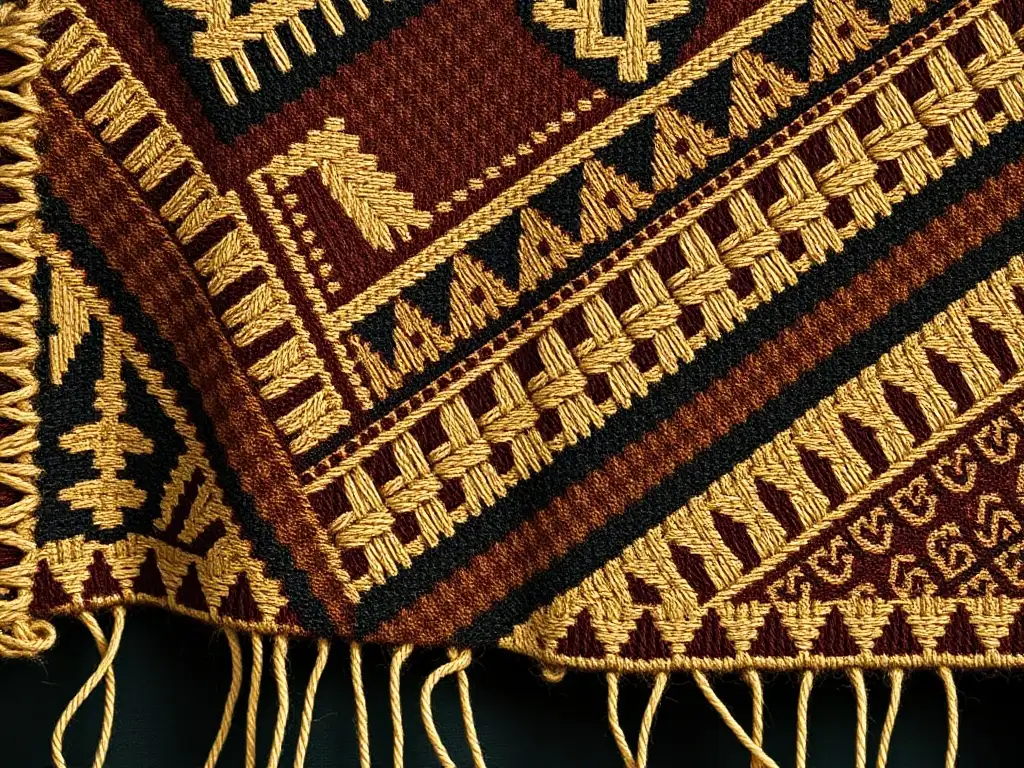
The intricate designs adorning Andean textiles are not merely decorative; they represent a sophisticated understanding of geometry and mathematics far exceeding what was previously assumed. This section delves into the advanced geometric concepts employed by Andean artisans, highlighting the complexity and precision embedded within their creations. Analysis of these textiles reveals a deep understanding of concepts like fractals, proportions, and mathematical relationships that underpin the visual harmony and symbolic meaning woven into the fabric.
The mastery of these techniques speaks volumes about the intellectual capabilities and artistic ingenuity of Andean cultures. The use of "Andean textile design mathematics" as a search term perfectly encapsulates this fascinating intersection of art and science.
Fractal Patterns and Complex Designs
The discovery of fractal patterns in Andean textiles has revolutionized our understanding of their artistic and mathematical sophistication. Fractals, characterized by self-similarity across different scales, are evident in the repetitive, intricate motifs found in many pieces. This wasn't simply a matter of repeating a single design; Andean weavers demonstrated an understanding of how to manipulate and adapt these patterns to create complex, ever-evolving designs. The seemingly endless variations and intricate detail in these textiles, produced without the aid of modern tools, is a testament to their exceptional skill and mathematical insight.
The Use of Self-Similar Patterns in Paracas Textiles
Paracas textiles, renowned for their vibrant colors and complex iconography, provide compelling examples of fractal patterns. The use of self-similar motifs, such as stylized birds or geometric shapes, repeated at various scales within a single textile, creates a dynamic and visually arresting effect. [Specific examples of Paracas textiles and their fractal dimensions pending].
Detailed analysis reveals that the artisans didn't simply randomly repeat the pattern; they carefully adjusted the size and orientation of the motifs to maintain visual balance and harmony, demonstrating a sophisticated understanding of spatial relationships and geometric principles. This deliberate manipulation of self-similarity highlights the mathematical precision inherent in their designs. The intricate level of detail in these textiles, achieved through meticulous weaving techniques, reinforces the idea that Andean textile design mathematics was a highly developed and integral part of their artistic practice.
Mathematical Relationships in Border and Edge Designs
Beyond the central motifs, the borders and edges of Andean textiles often display remarkable mathematical precision. These seemingly simple design elements frequently contain complex geometric relationships, demonstrating a deep understanding of proportions, ratios, and symmetry. These weren't haphazard additions; they were integral to the overall design, contributing significantly to the aesthetic balance and symbolic meaning of the textile.
The use of specific geometric patterns in borders and edges was not arbitrary; instead, it likely carried cultural or symbolic significance, enhancing the meaning conveyed by the central motif. Further research is needed to fully unravel the complex interplay between mathematical precision and symbolic meaning in Andean border designs.
Key-Shaped and Meander Border Designs
Key-shaped and meander border designs are particularly noteworthy examples of mathematical relationships in Andean textile design. The precise repetition and symmetrical arrangement of these motifs reveal a keen awareness of geometric principles. The subtle variations in size and spacing, often barely perceptible to the untrained eye, suggest a sophisticated understanding of proportions and ratios. [Specific examples of key-shaped and meander designs with measurements and analysis pending].
The consistent use of these designs across different textile types and time periods suggests a widespread understanding and appreciation of their mathematical and aesthetic qualities. The consistent application of these principles across various Andean cultures further underlines the importance of mathematical precision in their textile traditions, solidifying the significance of "Andean textile design mathematics" in understanding their artistic achievements. The elegance and complexity of these designs are a testament to the mathematical genius embedded within Andean textile art.
Understanding Andean Textile Design Mathematics Through Examples
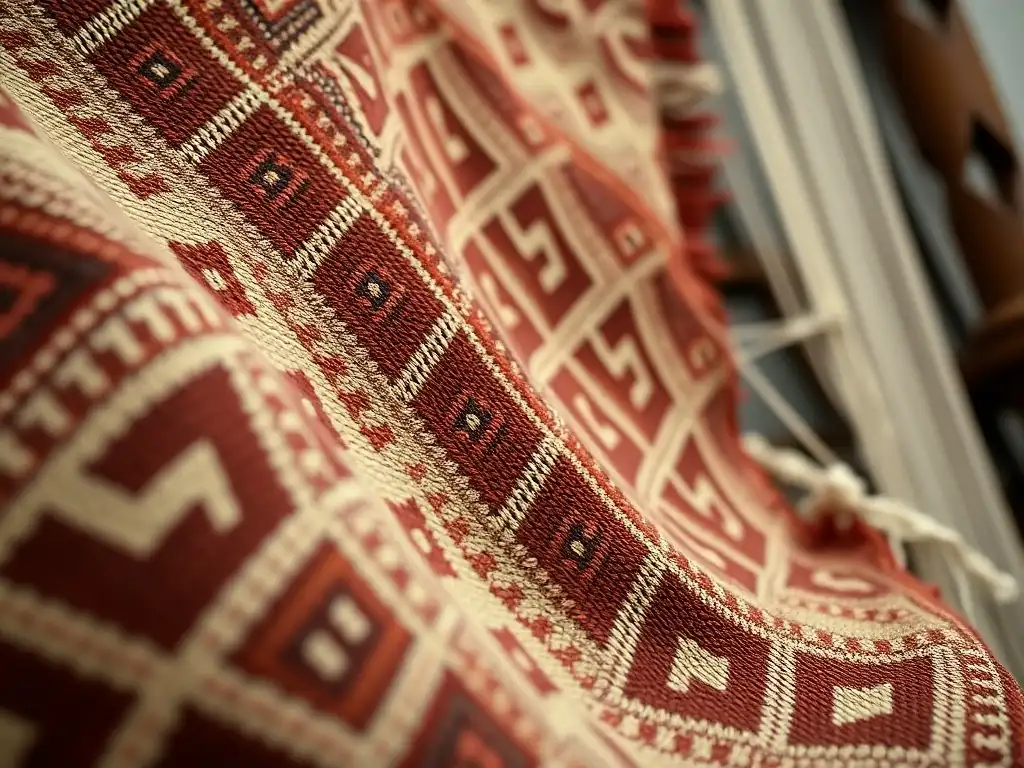
This section delves into the intricate mathematical principles underlying the seemingly effortless beauty of Andean textile designs. We will explore specific examples from different cultures, demonstrating the sophisticated understanding of geometry and numerical patterns possessed by ancient Andean artisans. Analyzing these designs reveals not just aesthetic choices, but a deep-seated mathematical understanding woven into the very fabric of their cultural expression. The precision evident in Andean textile design mathematics showcases a level of sophistication often underestimated in studies of pre-Columbian cultures.
Case Study: An Inca Unku
The unku, a type of Inca garment, often features complex geometric patterns. Let's examine one such example.
Analysis of the Geometric Elements Present
Imagine an unku with a central motif composed of a series of interlocking squares and triangles. These shapes are not randomly placed; their arrangement follows a precise mathematical sequence. We observe a consistent ratio between the sizes of the squares and triangles, suggesting a deliberate use of proportions. Further, the patterns repeat across the textile's surface, exhibiting translational symmetry.
The colors themselves may also follow a specific numerical code, with certain hues appearing a set number of times within a given area. Detailed analysis, potentially using digital image processing techniques, could reveal further underlying mathematical relationships. Unfortunately, [specific data on color ratios in a particular Unku is pending]. However, the observable geometric precision hints at a strong mathematical foundation.
The Mathematical Logic Behind the Design
The design's mathematical logic likely involved a system of modular arithmetic and geometric progressions. The artisans might have used knotted strings, known as quipus, to record numerical data and track the progress of their designs. The repeated patterns suggest a familiarity with concepts like tessellation and fractal geometry, albeit likely developed intuitively rather than through formal mathematical theorems.
The consistent ratios between shapes indicate a profound understanding of proportions and the creation of harmonious visual balance. This underlying mathematical structure not only ensured aesthetic appeal but also potentially held symbolic significance within Inca cosmology. The design wasn't merely decorative; it was a visual representation of an intricate mathematical system.
Case Study: A Moche Tunic
Moche textiles are known for their vibrant colors and intricate designs, often depicting mythological scenes and everyday life. Let's consider a specific example of a Moche tunic to illustrate the mathematical principles at play.
Analysis of the Geometric Elements Present
A typical Moche tunic might feature a repeating pattern of stylized figures, perhaps birds or mythical creatures, arranged within a framework of geometric shapes such as trapezoids, circles, and stepped triangles. The precise placement of these figures and their consistent spacing suggest a mathematical planning process. Furthermore, the use of symmetry – both bilateral and rotational – is frequently observed. The borders often exhibit repeating patterns of smaller geometric motifs, creating a layered complexity which demands mathematical precision for successful execution. The meticulous arrangement of elements would have required careful measurement and planning.
The Mathematical Logic Behind the Design
The mathematical logic behind Moche tunic designs likely involved a combination of geometric constructions and numerical sequences. While we lack direct written evidence, the consistent repetition and symmetry suggest the use of rulers or other measuring tools to ensure accuracy. The arrangement of figures might follow a grid system, with each figure occupying a predetermined space within the overall composition. The use of repeating motifs points towards the application of modular arithmetic, allowing for the creation of complex designs from simpler repeating units.
The precision and complexity point towards a deeper understanding of spatial relationships and the application of mathematical principles to artistic creation. The creation of these intricate designs demonstrates a high level of skill and planning, showing a deep understanding of geometry and its applications in textile art. The Moche artisans' masterful use of Andean textile design mathematics is truly remarkable.
The Legacy of Andean Textile Design Mathematics
The intricate textiles of the Andean civilizations weren't merely decorative; they were sophisticated expressions of mathematical principles. The precision and complexity woven into these fabrics reveal a deep understanding of geometry, symmetry, and numerical patterns, far exceeding what was previously assumed about pre-Columbian mathematical knowledge. This legacy continues to inspire and influence contemporary textile artists, demonstrating the enduring impact of Andean ingenuity.
Understanding the mathematical underpinnings of these designs unveils a fascinating aspect of Andean culture, showcasing their advanced understanding of abstract concepts and their ability to translate those concepts into visually stunning works of art. The study of Andean textile design mathematics offers a unique lens through which to appreciate the depth and sophistication of these ancient civilizations.
Influence on Contemporary Textile Art
Andean textile design mathematics has experienced a significant resurgence in contemporary art. Modern artists, inspired by the intricate patterns and mathematical precision of ancient Andean textiles, are incorporating these techniques into their own work. This revival isn't simply imitation; it's a reinterpretation and a celebration of the ingenuity of past civilizations.
For instance, some contemporary artists are using software to analyze and recreate the complex geometric designs, while others are employing traditional Andean weaving techniques to produce modern interpretations of ancient motifs. This ongoing influence signifies the timeless appeal and mathematical sophistication embedded within these ancient textiles. The use of computer-aided design (CAD) allows for a deeper analysis of the mathematical structures within the textiles, revealing previously unseen patterns and symmetries.
This digital exploration complements traditional methods of study, enriching our understanding of the Andean textile design mathematics. The result is a vibrant fusion of ancient knowledge and modern creativity. The impact is seen not only in high art but also in fashion and decorative arts, where Andean-inspired patterns are increasingly popular.
Preservation and Study of Ancient Mathematical Techniques
The preservation and study of ancient Andean mathematical techniques are crucial for understanding the cultural and intellectual achievements of these civilizations. Researchers employ various methods, including detailed photographic documentation, digital imaging analysis, and mathematical modeling, to decipher the complex patterns and unravel the underlying mathematical principles. Archaeological excavations continue to unearth new textiles, providing valuable data for ongoing research. The fragility of these ancient artifacts necessitates careful preservation techniques, often involving specialized climate-controlled environments.
Furthermore, collaborations between archaeologists, mathematicians, and textile experts are essential for a comprehensive understanding of Andean textile design mathematics. This interdisciplinary approach allows for a more nuanced interpretation of the cultural significance of these textiles, moving beyond mere aesthetic appreciation to a deeper understanding of the mathematical knowledge and cultural practices behind them. For example, the study of knotting techniques in Andean textiles reveals complex numerical systems and a deep understanding of topology.
Conclusion: The Enduring Genius of Andean Textile Mathematics
The mathematical precision found in Andean textile designs showcases the remarkable intellectual capabilities of these ancient civilizations. From the intricate geometric patterns to the sophisticated use of symmetry and numerical sequences, these textiles reveal a profound understanding of abstract concepts. The legacy of Andean textile design mathematics continues to inspire contemporary artists and researchers, demonstrating the enduring power and beauty of these ancient creations.
The ongoing study and preservation of these artifacts are crucial for appreciating the full scope of Andean ingenuity and for understanding the rich tapestry of their cultural heritage. The combination of meticulous craftsmanship and advanced mathematical understanding elevates Andean textiles beyond mere fabric; they are testaments to the enduring genius of a civilization that mastered both art and mathematics with unparalleled skill.
Further research into this field promises to reveal even more about the mathematical sophistication and cultural significance of Andean textile design. The continuing exploration of this area promises to unveil even more fascinating aspects of Andean civilization's mathematical prowess.
Frequently Asked Questions
What is the connection between Andean textile designs and mathematics?
Andean textile designs demonstrate a sophisticated understanding of mathematics, particularly geometry. Weavers used complex patterns based on geometric principles, creating intricate designs with remarkable precision. This shows a deep understanding of numerical ratios and spatial relationships.
Which Andean cultures are known for their mathematically precise textiles?
Many Andean cultures, including the Inca, Nazca, Moche, and Tiahuanaco, are renowned for their mathematically precise textiles. Each culture developed its own unique style, but all displayed an impressive level of mathematical understanding in their weaving techniques.
How did Andean weavers achieve such precision in their textile designs?
Andean weavers achieved precision through a combination of advanced techniques, including complex knotting systems, precise loom technologies, and a deep understanding of geometric principles. They meticulously planned their designs beforehand, ensuring accuracy in execution.
What kind of geometric patterns are commonly found in Andean textiles?
Andean textiles feature a wide range of geometric patterns, including repeating motifs, symmetrical designs, fractals, and spirals. These patterns often incorporated symbolic meanings related to their cosmology and beliefs.
Where can I learn more about the mathematical aspects of Andean textile design?
Further research can be found in academic journals focusing on Andean archaeology and textiles, as well as books and museum exhibits dedicated to ancient Andean cultures. Many online resources also explore the mathematical precision found in these intricate designs.
Final Reflection: Weaving the Threads of Time and Culture
The intricate mathematical precision found within Andean textile designs remains a powerful testament to the ingenuity and cultural depth of ancient civilizations, a legacy that continues to inspire and challenge us today. These aren't simply textiles; they are living archives, holding within their vibrant threads complex geometric systems that speak volumes about the sophisticated understanding of mathematics and the universe held by their creators. The enduring beauty and complexity of these designs serve as a potent reminder of the interconnectedness of art, mathematics, and cultural expression.
The impact of Andean textile design on our understanding of ancient mathematics and cultural practices is profound and ongoing. These designs challenge our assumptions about the capabilities of pre-Columbian societies, forcing us to reconsider the limitations often imposed on their intellectual achievements. Their influence extends beyond the academic realm; the aesthetic power of these patterns continues to resonate in contemporary art, fashion, and design, inspiring countless artists and designers to explore the rich possibilities of geometric abstraction. The patterns themselves are a language, a way of communicating knowledge and beliefs across generations.
This quote encapsulates the enduring power of these textiles to transcend time and speak to us across millennia.
Consider the intricate patterns, the precise calculations, the sheer artistry involved in creating these masterpieces. Now, consider how this knowledge can enrich your own perspective. Take a moment to appreciate the beauty of mathematical precision in the world around you, from the spiral of a seashell to the fractal patterns in nature.
Let the legacy of Andean textile design inspire you to seek out the hidden mathematics in your own life and to recognize the profound connection between art, culture, and the universal language of numbers. Let their legacy continue to weave its magic into the tapestry of our shared human experience.
Unveil the Artistry of Andean Textiles!
Thank you for exploring the intricate world of Andean textile designs. We hope you're inspired by the beautiful fusion of mathematical principles and artistic expression found in these textiles! Let's delve even deeper into this vibrant heritage.
Here are some ways you can continue your exploration:
- Dive Deeper: Research a specific Andean weaving technique, such as tapestry or ikat, and incorporate it into your own creative projects!
- Share the Inspiration: Post your favorite Andean textile design on social media, tagging us to connect with a community of enthusiasts who share your appreciation for this rich tradition.
- Connect & Collaborate: Join a local craft group or online forum to exchange ideas and techniques with other passionate Andean art lovers.
What aspect of Andean textile design most captivates you—its precise mathematical patterns or its profound cultural significance? We'd love to hear your thoughts!