
The Inca's Seed Banks: Preserving Genetic Diversity for Generations

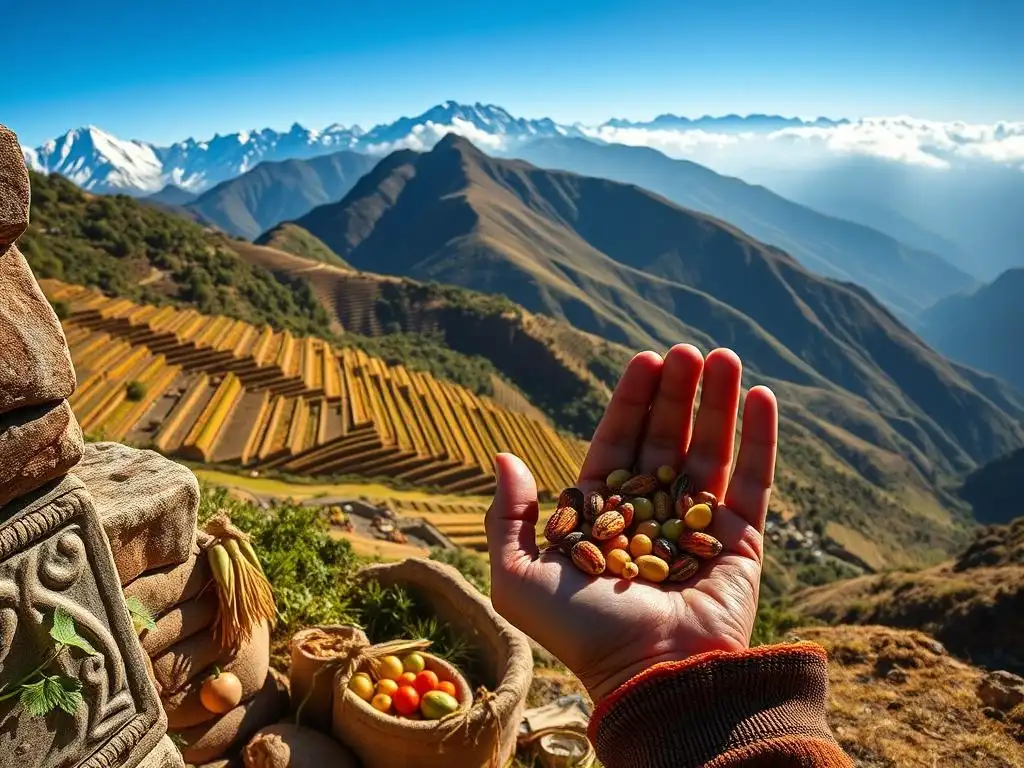
Welcome to Andean Civilizations! Prepare to be captivated by the ingenuity and resilience of ancient Andean societies. Did you know that the Incas possessed a sophisticated system of seed bank preservation? Journey with us as we unravel the secrets of their agricultural prowess and discover how this remarkable practice ensured the survival of their empire, a testament to their advanced understanding of genetic diversity. Uncover the mysteries and marvel at the legacy of the Incas and other fascinating Andean cultures – your exploration begins now!
The Inca Empire, renowned for its sophisticated engineering feats like Machu Picchu and intricate social structures, also possessed a remarkably advanced understanding of agriculture and resource management. This article delves into one of the lesser-known yet crucial aspects of Inca ingenuity: their sophisticated systems of seed banks, which played a vital role in ensuring food security and preserving genetic diversity across generations. Understanding the Inca's approach to seed preservation offers valuable insights into their agricultural practices and reveals a remarkable foresight in managing resources sustainably, a strategy that continues to hold relevance in modern agricultural practices aimed at combating climate change and ensuring biodiversity.
We will explore the innovative methods employed by the Inca, the significance of their seed preservation techniques, and the lasting impact of their agricultural wisdom on Andean societies. This exploration of "Inca seed bank preservation" will reveal a fascinating aspect of their empire's success.
Introduction to Inca Agricultural Innovation
The Inca Empire, spanning a vast and geographically diverse territory across the Andes Mountains, faced significant challenges in producing sufficient food for its large population. The varied altitudes and microclimates demanded adaptable agricultural techniques. The Incas weren't simply farmers; they were master engineers of their environment.
They developed ingenious irrigation systems, terraced farming on steep slopes (known as andenes), and sophisticated crop rotation methods to maximize yields in challenging terrains. This agricultural prowess wasn't just about immediate production; it was deeply intertwined with a long-term strategy of resource management and preservation, central to which was the meticulous preservation of seeds. Their success demonstrates a profound understanding of ecological principles and the importance of genetic diversity for long-term food security.
They understood that maintaining a diverse seed bank was essential for resilience against crop failures caused by pests, diseases, or unpredictable weather patterns. This foresight is a testament to their advanced understanding of agriculture. The Incas meticulously cataloged and preserved a wide variety of seeds, ensuring the continuation of their agricultural practices for centuries.
The Importance of Seed Preservation in the Inca Empire
The Inca seed banks weren't centralized repositories in the way we might think of modern seed banks. Instead, they were a decentralized system, integrated into the ayllu system – the community-based social structure of the Inca Empire. Each ayllu, responsible for a specific territory, maintained its own seed stores, carefully preserving seeds of various crops crucial to their survival. These included potatoes (with their incredible diversity of varieties), maize, quinoa, beans, and many other crops adapted to the unique conditions of their region.
The preservation methods likely involved storing seeds in cool, dry locations, possibly utilizing underground storage or carefully constructed granaries. Specific techniques, while not fully documented, were likely passed down through generations of farmers within each ayllu. The Inca's commitment to seed preservation wasn't merely practical; it was deeply symbolic, reflecting their connection to the land and their reverence for the natural world. The preservation of seeds represented the preservation of their cultural heritage and the continuity of their way of life. The loss of a seed variety was not simply an agricultural setback, but a cultural loss. This emphasis on preserving genetic diversity ensured the resilience of their agricultural systems and the long-term sustainability of their communities. The Inca's approach offers a valuable lesson for modern agriculture, highlighting the importance of biodiversity conservation and the long-term benefits of sustainable resource management. Further research is needed to fully elucidate the specific techniques employed, but existing evidence points to a sophisticated and highly effective system.
- What is the significance of Inca seed banks in relation to genetic diversity?
- How did the Inca people preserve their seeds?
- What types of crops were preserved in Inca seed banks?
- Were Inca seed banks centralized or decentralized?
- How does the Inca's approach to seed preservation compare to modern methods?
Understanding Inca Seed Banks: A System of Agricultural Resilience
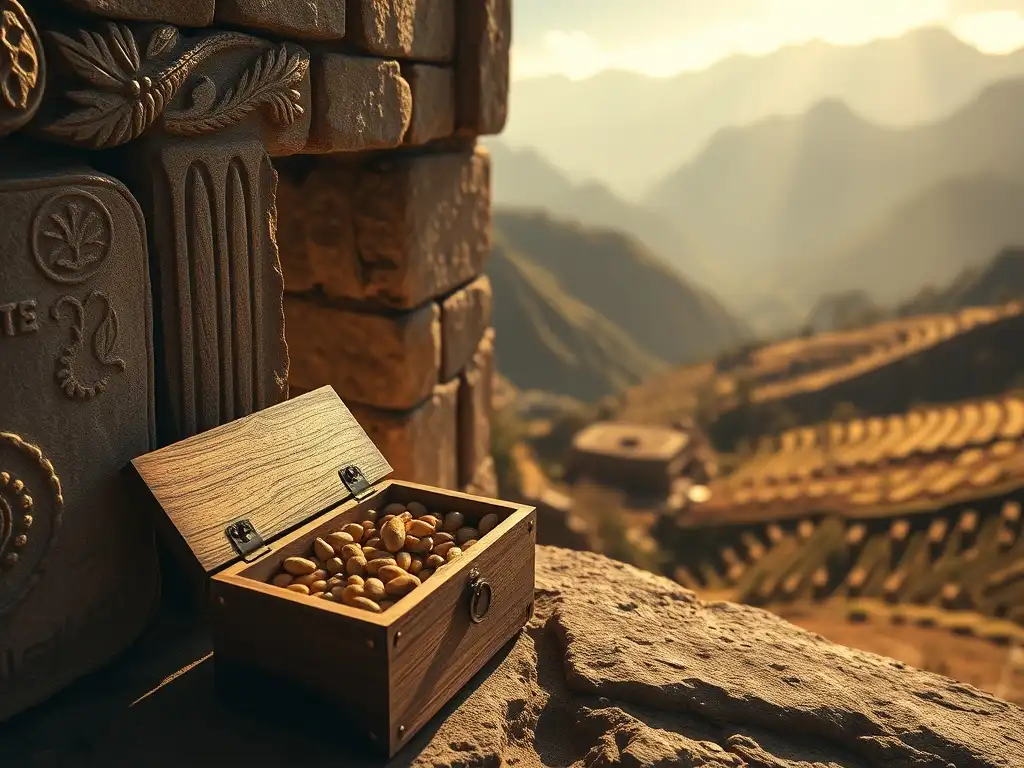
The Inca Empire, renowned for its sophisticated infrastructure and administrative prowess, also possessed a remarkably advanced system of agricultural resource management. Central to this system were their seed banks, a network of strategically located storage facilities designed to preserve genetic diversity and ensure agricultural resilience across diverse ecological zones. This ingenious system, far from being a simple collection of seeds, represented a complex interplay of ecological knowledge, social organization, and meticulous record-keeping, contributing significantly to the empire's longevity and stability.
Understanding the Inca approach to seed bank preservation provides valuable insights into their agricultural practices and offers lessons for modern-day conservation efforts. The ingenious Inca seed bank preservation techniques ensured food security and cultural continuity across generations.
What were Inca Seed Banks?
Inca seed banks weren't centralized repositories in the modern sense. Instead, they comprised a decentralized network of storage facilities, often integrated into the existing agricultural landscape. These facilities, primarily qollqas (discussed in more detail below), were strategically located throughout the empire, reflecting the incredible variety of microclimates and agricultural zones.
Each qollqa held seeds specific to its region's needs, ensuring a diverse range of crops was available. This geographically dispersed approach minimized the risk of total crop failure due to localized disasters like frost, drought, or pests. The seeds weren't simply stored passively; they were actively managed, with regular inspections, cleaning, and replanting to maintain viability and prevent genetic drift.
This active management ensured that the seeds remained suitable for planting year after year, maintaining the genetic diversity crucial for adapting to changing environmental conditions. Evidence suggests that the Inca also employed techniques like seed stratification and careful selection to improve germination rates and crop yields.
Types of Storage Used in Inca Seed Banking
The Inca utilized a variety of storage methods tailored to the specific crops and environmental conditions. While qollqas were the most prominent, other methods existed. For example, some seeds were stored in woven bags made from llama or alpaca fiber, allowing for some level of breathability and preventing moisture buildup.
These bags were often kept in cool, dry places within homes or other structures. Other seeds, particularly those requiring more specialized conditions, may have been stored in clay pots sealed with mud or other materials. The choice of storage method depended on factors like the seed type, its moisture sensitivity, and the availability of suitable storage locations within the local environment.
It's crucial to understand that Inca seed bank preservation was not a monolithic system. Different techniques were employed based on local conditions and crop specific needs, highlighting the adaptive and practical nature of their agricultural practices. The selection of the storage method was influenced by factors like seed type, climate, and availability of resources.
The Role of Qollqas
The qollqas, stone structures often built into hillsides or cliffs, played a vital role in Inca seed bank preservation. These structures, varying in size and complexity, provided a stable, cool, and dry environment ideal for long-term seed storage. Their construction, often incorporating sophisticated ventilation systems, further enhanced their effectiveness in maintaining optimal conditions for seed viability.
The qollqas weren't solely used for seed storage; they also housed other essential supplies like dried food, textiles, and tools. This multifunctional use highlights the integrated nature of Inca resource management. The precise methods of seed preservation within the qollqas remain a subject of ongoing research, but it's clear that their strategic location and construction played a critical role in safeguarding the genetic diversity of the empire's crops.
The qollqas represent a remarkable example of Inca ingenuity and foresight in the realm of agricultural resource management and Inca seed bank preservation. The careful planning and construction of these structures underline the importance the Inca placed on ensuring food security for future generations. Archaeological evidence continues to reveal new details about the design and function of these remarkable structures and their role in Inca seed bank preservation.
Inca Seed Bank Preservation Techniques
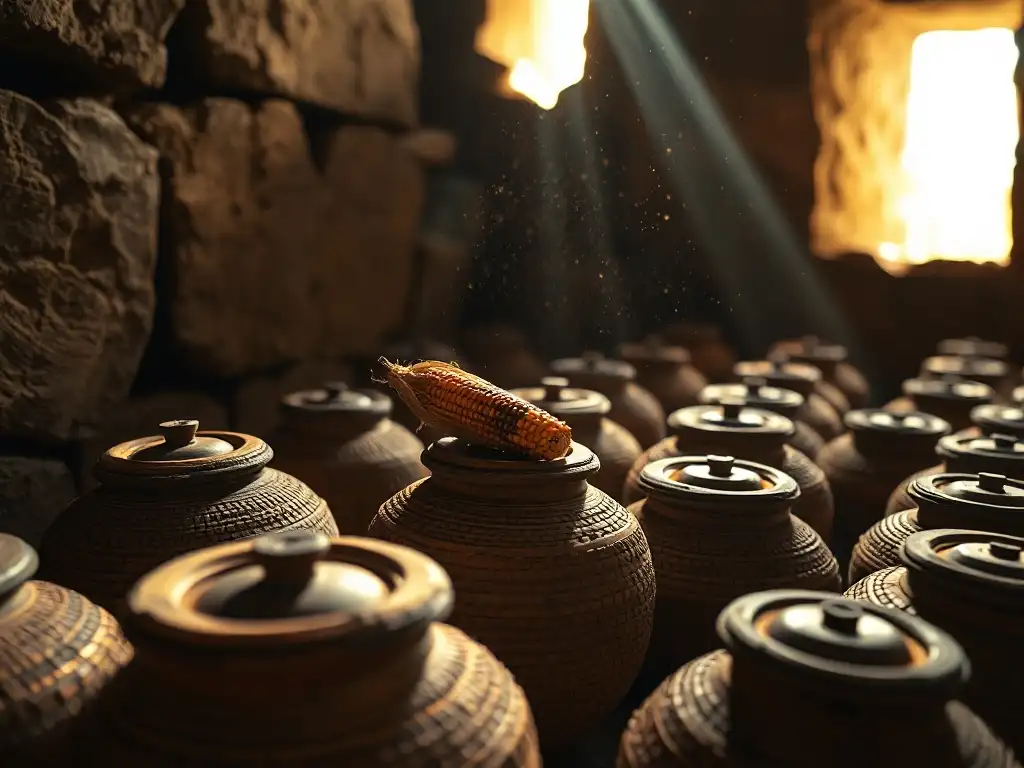
The Inca Empire, renowned for its sophisticated agricultural practices, implemented ingenious methods for preserving seeds, ensuring food security and genetic diversity across generations. Their strategies, while seemingly rudimentary compared to modern techniques, were remarkably effective in maintaining seed viability and safeguarding against crop failure. The concept of an "Inca seed bank" wasn't a centralized repository in the modern sense, but rather a decentralized network of carefully managed seed stores integrated into the ayllu (community) system.
This decentralized approach proved resilient against natural disasters and political upheavals, highlighting the ingenuity of their resource management. Understanding these techniques offers valuable insights into sustainable agriculture and the importance of Inca seed bank preservation for modern agricultural practices.
Methods for Drying and Curing Seeds
Proper drying and curing were crucial first steps in Inca seed preservation. The methods employed varied depending on the specific crop and climate. For example, maize (corn) kernels, a staple crop, were often harvested when fully mature but still slightly moist.
They were then laid out on woven mats in sunny, well-ventilated areas for several days, regularly turned to ensure even drying. This slow, natural drying process helped to reduce moisture content without damaging the kernels’ viability. Other seeds, such as those from quinoa or beans, might have undergone slightly different processes, possibly involving sun-drying followed by a period of air-drying in a cool, shaded location.
The goal was always to reduce moisture content to a level that inhibited mold growth and microbial activity while maintaining seed germination potential. Careful observation and traditional knowledge guided the process, ensuring the seeds were adequately dried without becoming brittle or losing their viability. The effectiveness of these methods is evidenced by the continued cultivation of many ancient Andean crops today, a testament to the Inca's mastery of seed preservation.
Storage Conditions to Maintain Seed Viability
Once dried and cured, Inca seeds were stored in carefully selected locations and containers to maintain their viability. Elevated, dry storage areas were preferred to minimize exposure to moisture and humidity. Storage structures varied depending on the availability of resources and the scale of the storage.
Some communities utilized underground cellars or caves, which offered naturally stable temperatures and humidity levels. Others might have employed raised granaries built from stone or adobe, designed to protect seeds from rodents and moisture. The containers themselves were often made from woven materials like chumpi (a type of basket), pottery, or even animal skins, carefully sealed to protect against pests and moisture.
The seeds were often layered with desiccant materials such as dried herbs or maize husks to further absorb any residual moisture. Evidence suggests that the Inca seed bank preservation strategies prioritized maintaining cool, dry, and dark conditions, recognizing their importance in slowing down seed deterioration. This meticulous approach to storage significantly contributed to the long-term preservation of seed viability.
Protecting Seeds from Pests and Environmental Factors
Protecting stored seeds from pests and environmental factors was paramount to successful Inca seed bank preservation. Rodents, insects, and birds posed significant threats. To mitigate these risks, the Incas employed several strategies. The use of elevated storage structures helped prevent rodent access.
Containers were often tightly sealed, and some were even coated with natural repellents. Additionally, the Incas might have incorporated natural pest control methods, such as incorporating aromatic herbs or plants known for their pest-repelling properties within the seed storage containers. The placement of storage areas in well-ventilated locations also helped to reduce the risk of mold and fungal growth.
The location of seed storage was carefully considered, taking into account factors like altitude, temperature, and exposure to the elements. The integration of these diverse strategies demonstrates a holistic approach to seed preservation, reflecting a deep understanding of the environmental factors that could compromise seed viability. This comprehensive approach to pest and environmental control was crucial to the long-term success of Inca seed preservation practices.
The Significance of Genetic Diversity in Inca Agriculture
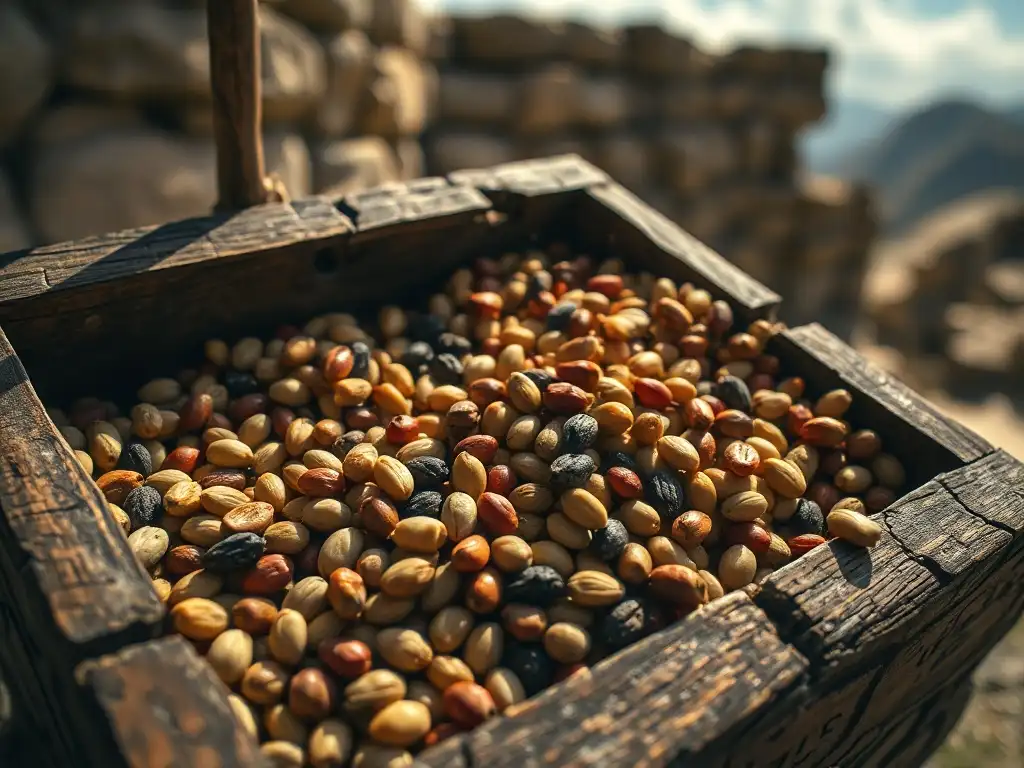
The Inca Empire, renowned for its sophisticated agricultural practices, understood the critical importance of genetic diversity in ensuring food security and resilience. Their agricultural success wasn't merely a matter of cultivating large quantities of crops; it was deeply intertwined with maintaining a wide array of plant varieties. This strategy proved vital in mitigating risks associated with unpredictable weather patterns, pests, and diseases.
Unlike modern monoculture farming, which focuses on a single, high-yielding variety, the Inca system prioritized biodiversity, a practice that directly contributed to the empire's longevity and stability. This approach to Inca seed bank preservation, though not explicitly documented as a “bank” in the modern sense, was a cornerstone of their agricultural prowess. The preservation of genetic diversity wasn't just a practical matter; it was intrinsically linked to their worldview and spiritual beliefs, reinforcing the interconnectedness of humans and nature.
Why Preserving Different Varieties was Crucial
The Inca Empire spanned diverse ecological zones, from arid coastal deserts to high-altitude Andean plains. Each environment presented unique challenges and opportunities for agriculture. Maintaining a variety of crop strains adapted to these specific conditions was paramount. For example, some potato varieties thrived in the cold, high-altitude regions, while others flourished in warmer, lower elevations.
Similarly, different maize varieties possessed varying levels of drought tolerance, disease resistance, and nutritional content. The preservation of these diverse varieties acted as an insurance policy against crop failure. If one variety succumbed to a disease or a harsh weather event, others were available to maintain food production.
This strategy, fundamental to Inca seed bank preservation implicitly, ensured the empire's food supply remained relatively stable despite environmental fluctuations. Evidence suggests this wasn't a passive process; active selection and cultivation of diverse varieties were integral to their agricultural practices. The loss of even a single variety could have had significant consequences for the empire's food security, highlighting the foresight and wisdom of their approach.
The Inca's Focus on Adapting to Diverse Environments
The Inca's mastery of agricultural techniques, combined with their emphasis on genetic diversity, allowed them to cultivate a wide range of crops in diverse and challenging environments. Their agricultural ingenuity extended beyond simply planting seeds; it involved sophisticated terracing, irrigation systems, and crop rotation techniques. These practices, in conjunction with maintaining diverse seed varieties, maximized productivity and resilience. The Inca seed bank preservation methods, though informal, were incredibly effective in ensuring the survival of their crops across generations.
Consider, for example, the potato. The Incas cultivated hundreds of potato varieties, each uniquely adapted to the specific conditions of its growing region. This remarkable diversity is reflected in the vast genetic resources available today, demonstrating the enduring legacy of their agricultural practices.
The Inca's success serves as a potent example of how a holistic approach to agriculture, integrating both environmental adaptation and genetic diversity, can lead to long-term sustainability and food security. Further research into Inca agricultural practices could reveal even more sophisticated methods of seed selection and preservation, further enriching our understanding of Inca seed bank preservation techniques. The detailed study of ancient agricultural practices, including those of the Inca, offers valuable lessons for modern agriculture facing the challenges of climate change and diminishing biodiversity.
The Legacy of Inca Seed Bank Preservation
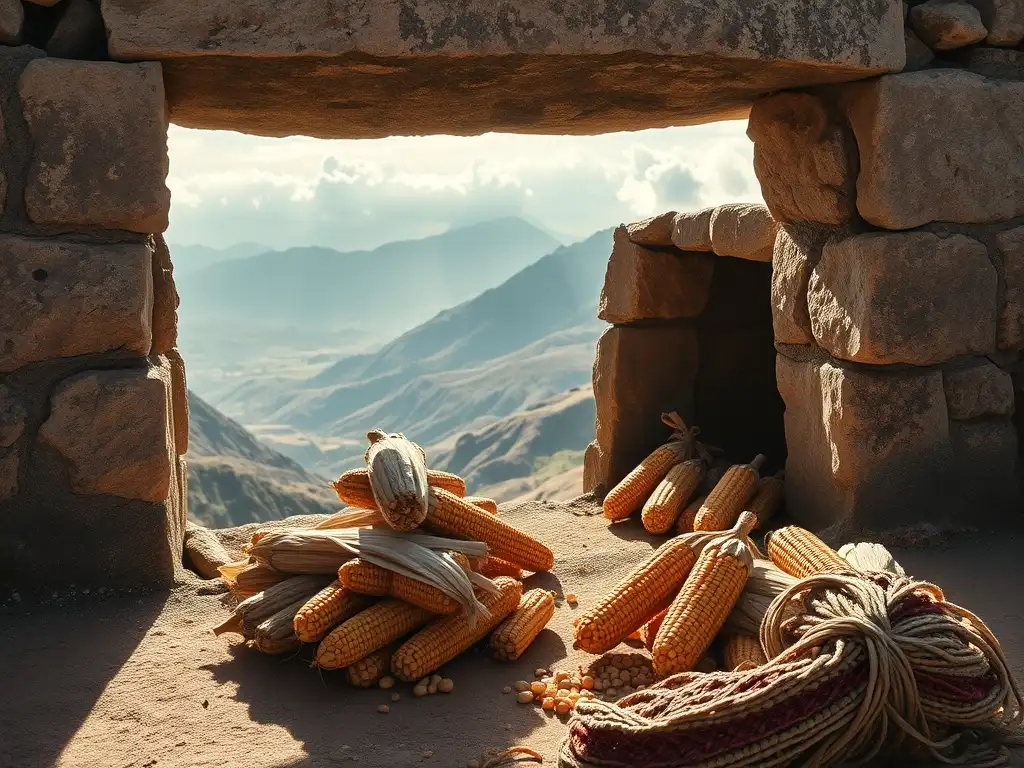
The Inca Empire, renowned for its sophisticated agricultural techniques, developed a remarkably effective system of seed bank preservation that ensured food security and genetic diversity across its vast territory. This wasn't a centralized, single location like modern seed banks, but rather a decentralized network leveraging diverse microclimates and ingenious storage methods.
The Inca's understanding of plant genetics, though not formally scientific as we know it today, was profoundly practical and effective in safeguarding crucial food crops for generations. Their success stemmed from a deep understanding of environmental conditions, careful selection of seed varieties, and the implementation of sophisticated storage and distribution networks.
This intricate system, passed down through generations of quipu (knotted-string record-keeping) and oral traditions, played a pivotal role in the empire's stability and resilience. The impact of Inca seed bank preservation extends far beyond their time; its principles continue to resonate with modern agricultural practices and food security strategies.
Lessons for Modern Agricultural Practices
The Inca's approach to seed preservation offers valuable lessons for contemporary agriculture, particularly in the face of climate change and the increasing threat to biodiversity. Their decentralized approach, utilizing diverse microclimates to safeguard against localized crop failures, contrasts sharply with the centralized nature of many modern seed banks. This diversification minimized risk; if one location experienced a catastrophic event, other locations held backups, ensuring the survival of the crop.
The Inca's emphasis on selecting and preserving locally adapted varieties is also crucial. These varieties often possess inherent resilience to local pests and diseases, traits increasingly valuable in a changing climate. Modern agricultural practices, often focused on monoculture and high-yield varieties, can lead to increased vulnerability to disease and environmental stress.
The Inca example highlights the importance of maintaining genetic diversity to ensure long-term agricultural stability. Their methods, while lacking modern technology, achieved remarkable success through careful observation, adaptation, and community involvement. Understanding and implementing these principles can contribute significantly to more resilient and sustainable agricultural practices today.
The Relevance of Inca Methods for Food Security
The Inca's seed bank system, in its decentralized and diversified nature, provides a compelling model for enhancing global food security. The current reliance on a relatively small number of high-yielding crop varieties puts global food supplies at considerable risk. A major disease outbreak or an unforeseen climate event could decimate a significant portion of the world's food production.
The Inca's approach, with its emphasis on multiple varieties and geographically dispersed storage, offers a powerful buffer against such risks. The preservation of traditional Andean crops, many of which possess unique nutritional and adaptive qualities, is also crucial for food security. These crops can offer valuable alternatives to the dominant global food staples, contributing to dietary diversity and resilience.
The Inca system's success underscores the importance of community-based seed saving and exchange, promoting local knowledge and participation in food production. By revitalizing these traditional practices and integrating them with modern techniques, we can build a more robust and resilient food system capable of meeting the challenges of the future. Further research into Inca agricultural practices could unlock even more insights relevant to modern food security challenges.
Modern Day Efforts to Preserve Traditional Andean Crops
Numerous organizations and initiatives are currently working to preserve traditional Andean crops and revive Inca-inspired seed saving practices. These efforts involve collaborations between scientists, farmers, and indigenous communities, aiming to safeguard genetic diversity and promote sustainable agriculture. These projects often focus on documenting traditional knowledge, collecting and characterizing diverse seed varieties, and developing appropriate storage and distribution mechanisms.
[Specific examples of organizations and projects pending]. The work also involves educating farmers about the importance of seed saving and promoting the use of traditional Andean crops in modern agriculture. [Specific data on the number of preserved varieties and their distribution pending].
These initiatives highlight the enduring relevance of Inca agricultural wisdom and the growing recognition of the importance of preserving biodiversity for food security and cultural heritage. The success of these efforts relies not only on scientific advancements but also on the active participation and knowledge of local communities, safeguarding not just seeds, but also the cultural legacy associated with them. These ongoing projects serve as a testament to the continued influence of Inca agricultural practices on modern efforts to ensure food security and biodiversity.
Challenges and Preservation of Inca Agricultural Knowledge
The remarkable agricultural achievements of the Inca Empire, built upon centuries of refined techniques and a deep understanding of Andean ecosystems, face significant challenges in the modern era. While the ingenuity of the qocha (artificial lakes) and andenes (terraces) is widely appreciated, the preservation of the genetic diversity inherent in their crops and the associated traditional knowledge is a pressing concern. The Inca seed bank preservation efforts, while gaining momentum, still require substantial support to ensure the long-term survival of these invaluable resources.
Understanding the threats and implementing effective preservation strategies are crucial for safeguarding this legacy for future generations. The loss of this knowledge not only represents a historical tragedy but also impacts food security and biodiversity in the Andes region. This section will delve into the specific threats and the crucial role of documentation and preservation.
Threats to Traditional Inca Seed Varieties
Several factors contribute to the erosion of traditional Inca seed varieties and the associated agricultural practices. One major threat is the introduction of modern, high-yielding crop varieties. These often lack the resilience and adaptability of indigenous varieties to local conditions, leading to a decline in the cultivation of traditional seeds.
Farmers, driven by the promise of increased yields, may abandon traditional seeds in favor of these modern alternatives, resulting in a loss of genetic diversity. This is further exacerbated by the effects of climate change, which disrupts traditional growing patterns and makes indigenous varieties less viable in some areas. Increased frequency of extreme weather events, such as droughts and floods, poses a significant risk to the survival of these less resilient crops.
Another serious challenge is the loss of traditional knowledge. As younger generations migrate to urban areas seeking better opportunities, the knowledge of traditional farming techniques, seed selection, and crop management is not being passed down effectively. This knowledge, often passed down orally through families, is crucial for adapting to changing environmental conditions and maintaining the biodiversity of crops. The lack of formal documentation of these practices also contributes to this knowledge loss.
Furthermore, the impact of globalization can't be ignored. The influx of new agricultural practices, often without considering the unique Andean context, poses a threat to traditional systems. This includes the introduction of chemical fertilizers and pesticides that can negatively impact the soil health and the genetic integrity of traditional crops. Finally, the lack of investment in research and development focused on preserving indigenous crops and techniques hinders efforts to safeguard this invaluable heritage.
The Importance of Passing Down Inca Farming Practices
Preserving Inca farming practices is not merely a historical endeavor; it’s vital for ensuring food security and maintaining biodiversity in the Andes region. Traditional Inca agricultural techniques were remarkably sustainable and resilient, adapted to the unique challenges of the high-altitude environment. These methods often involved sophisticated water management systems, terracing to minimize erosion, and crop diversification to reduce risks. The genetic diversity within these traditional crops provides a crucial insurance policy against future challenges, including climate change and pests. Maintaining this diversity is essential for adapting to changing conditions and ensuring the long-term viability of Andean agriculture.
Passing down these practices ensures the continuation of a cultural heritage deeply intertwined with the land and its resources. Traditional farming is not simply a means of food production; it's a way of life that embodies a deep understanding of the environment and a sustainable relationship with nature. The loss of this knowledge would represent a significant cultural loss, impacting community identity and traditional practices.
Furthermore, the resilience of traditional crops and farming methods offers crucial lessons for modern agriculture, particularly in the face of climate change. By studying and preserving these techniques, we can gain valuable insights into sustainable agricultural practices applicable globally. The continued practice of these methods also contributes to the preservation of the unique biodiversity of the Andean region, fostering a resilient and sustainable ecosystem.
Efforts to Document and Preserve Andean Agricultural Techniques
Several initiatives are underway to document and preserve Andean agricultural techniques and the associated seed varieties. These efforts involve a combination of in-situ conservation (preserving crops in their natural environment) and ex-situ conservation (preserving seeds in seed banks and gene banks). Organizations and researchers are working with local communities to collect and preserve traditional seeds, documenting traditional farming practices, and promoting the cultivation of indigenous crops.
This includes creating seed banks specifically dedicated to preserving the genetic diversity of Andean crops. These seed banks play a crucial role in safeguarding these valuable resources against loss and ensuring their availability for future generations.
Furthermore, efforts are being made to document traditional knowledge through interviews, participatory research, and the creation of educational materials. This documentation ensures that the knowledge is not lost and can be shared with future generations. Promoting the cultivation of traditional crops through farmer training programs and market incentives also plays a crucial role in preserving this agricultural heritage. These initiatives often emphasize the importance of community involvement, recognizing that the preservation of traditional knowledge and practices is best achieved through collaboration with local communities.
However, more resources are needed to expand these efforts and ensure the long-term sustainability of these initiatives. Further research is also essential to fully understand the genetic diversity of Andean crops and their adaptability to changing environmental conditions. The success of Inca seed bank preservation ultimately depends on sustained investment, collaboration, and a commitment to preserving this invaluable cultural and agricultural heritage.
Frequently Asked Questions
What is the significance of Inca seed banks in relation to genetic diversity?
Inca seed banks were crucial for maintaining genetic diversity within their crops. This ensured food security and resilience against environmental changes and crop failures. Their methods are still relevant today.
How did the Inca people preserve their seeds?
The Inca employed sophisticated techniques, including storage in dry, cool locations like caves and underground structures. They also used techniques like drying and processing to extend the lifespan of seeds.
What types of crops were preserved in Inca seed banks?
Inca seed banks contained a wide variety of crops essential to their survival, including potatoes, maize, quinoa, beans, and various other Andean staples. This diversity was key to their agricultural success.
Were Inca seed banks centralized or decentralized?
The system was likely decentralized, with storage occurring at both local and regional levels. This ensured resilience against loss due to natural disasters or conflicts. Community involvement was vital to the success of the system.
How does the Inca's approach to seed preservation compare to modern methods?
While modern methods utilize technology like gene banks and cryopreservation, the Inca's focus on diversity, adaptation to local conditions, and community involvement remains strikingly relevant and offers valuable lessons for contemporary conservation efforts.
Final Reflection: Echoes of the Andes, Seeds of the Future
The Inca's ingenious system of seed banks, a testament to their deep understanding of agriculture and biodiversity, resonates powerfully with the urgent challenges of our time. The alarming rate of genetic erosion in modern agriculture, coupled with the increasing threat of climate change, underscores the timeless wisdom embedded in these ancient practices. Their methods offer a crucial blueprint for sustainable food security in a rapidly changing world.
The Inca's commitment to preserving genetic diversity wasn't merely a practical strategy; it was a deeply ingrained cultural value, reflecting a profound respect for the land and its bounty. Their understanding of the interconnectedness between biodiversity and societal well-being serves as a powerful reminder of our own responsibility. The Earth provides enough to satisfy every man's needs but not every man's greed.
- Mahatma Gandhi. This quote highlights the crucial difference between sustainable resource management, as practiced by the Inca, and the unsustainable practices that threaten our planet today. We must learn from their example and move beyond mere consumption to a more responsible stewardship of our shared resources.
Consider the implications of the Inca's legacy. What steps can you take to support biodiversity conservation? Perhaps it's supporting local farmers, advocating for sustainable agricultural practices, or simply planting a diverse garden. The echoes of the Andes whisper a powerful message: the future of our food security, and indeed our planet, depends on our collective commitment to preserving the incredible genetic diversity that sustains us. Let us heed their wisdom and plant the seeds of a more sustainable tomorrow.
Preserve Our Planet's Heritage Today!
Thank you for exploring the fascinating world of Inca seed banks and their crucial role in preserving genetic diversity. Your interest underscores the importance of sustainable practices and empowers you to make a real difference. What's the next step in your conservation journey?
- Start a home garden using heirloom seeds to promote biodiversity. This is a rewarding and impactful way to connect with nature and support genetic diversity.
- Share your knowledge with friends, family, and your community. Consider organizing a workshop to discuss the importance of seed banks and conservation.
- Support local agricultural initiatives and seed banks. Your contribution helps sustain these vital resources for future generations.
What actions will you take to help preserve our planet's rich biodiversity?