
The Power of Performance: How Andean Oral Tradition Comes Alive

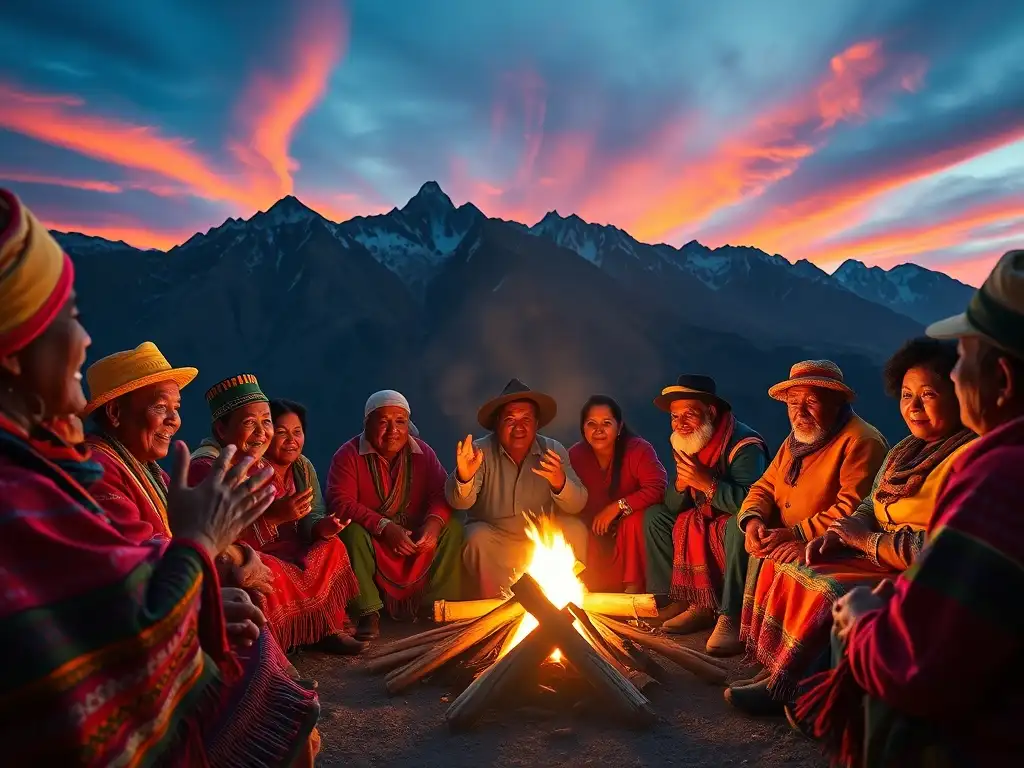
Dive into the mesmerizing world of the Andes! Prepare to be captivated by the vibrant tapestry of ancient civilizations – the Incas, Moche, Nazca, and Tiahuanaco – and their enduring legacy. But there's a story waiting to be unveiled, a secret whispered through generations… the power of performance. Discover how Andean oral tradition performance shaped these magnificent cultures, and unlock the mysteries held within their captivating narratives. Journey with us to uncover the secrets they left behind.
Andean oral tradition, a vibrant tapestry woven from centuries of storytelling, song, and ritual, represents far more than mere historical record. It is the lifeblood of Andean culture, a dynamic force that shapes identity, transmits knowledge, and fosters community.
This article delves into the captivating world of Andean oral tradition performance, exploring how these ancient practices continue to thrive and resonate in contemporary society. We will examine the crucial role performance plays in preserving and transmitting this rich heritage, highlighting its significance not just as a historical artifact, but as a living, breathing expression of Andean identity.
From the epic narratives of the Incas to the intricate chants of the Quechua people, we will uncover the power of performance in keeping the spirit of Andean oral tradition alive. Understanding the nuances of this performance is key to appreciating the depth and complexity of Andean cultural heritage, and this exploration will reveal how these traditions continue to inform and inspire modern Andean communities.
Understanding Andean Oral Tradition
Andean oral tradition is not simply a collection of stories; it's a complex system of knowledge transmission deeply intertwined with the landscape, cosmology, and social structures of Andean societies. For centuries, before the advent of widespread literacy, this oral tradition served as the primary means of preserving history, law, mythology, and practical knowledge. Information was passed down through generations via meticulously crafted narratives, songs, and rituals, often incorporating mnemonic devices such as repetition, rhyme, and symbolic imagery to aid memorization and transmission.
This wasn't a passive process; active participation and communal engagement were essential. Storytelling wasn't a solitary act; it was a shared experience, often involving the entire community.
The content of these oral traditions varied widely depending on the specific Andean culture. For example, the Incas had highly developed systems of quipus (knotted cords) to record numerical and possibly textual information, supplementing their oral narratives. Other groups, such as the Moche and Nazca, expressed their histories and beliefs through elaborate ceramics and textiles, which often served as visual aids for oral performances.
The diversity of these traditions underscores the richness and complexity of Andean cultural landscapes. Even today, many indigenous communities continue to utilize these forms of oral transmission, adapting them to modern contexts while preserving their core essence. The continued practice of these traditions demonstrates their enduring power and relevance.
The Significance of Performance in Andean Culture
The performance aspect of Andean oral tradition is paramount. It's not enough to simply know the stories; they must be lived and experienced through performance. These performances are not mere recitations; they are dynamic, engaging events that often involve music, dance, costume, and ritual. The performers are not simply storytellers; they are custodians of cultural memory, actively shaping and re-shaping the narrative through their interpretation and engagement with the audience.
Consider the significance of yaravíes, melancholic songs often dealing with themes of love, loss, and social injustice. Their performance is not just about singing the lyrics; it involves conveying the emotion, the context, and the cultural weight of the song, connecting the past to the present. Similarly, the intricate dances associated with many Andean rituals are not merely physical movements but powerful expressions of cultural identity and spiritual belief.
These performances are participatory events, often involving the active engagement of the audience, creating a powerful sense of collective identity and shared experience. The power of performance lies in its ability to transcend the boundaries of language and culture, creating a shared experience that strengthens community bonds and preserves cultural heritage for future generations.
The vibrant and enduring nature of Andean oral tradition performance is a testament to its cultural significance and its ability to adapt and thrive in a changing world. 💻
Key Elements of Andean Oral Tradition Performances
Andean oral tradition performances are not simply recitations; they are vibrant, multifaceted experiences that weave together various artistic elements to transmit knowledge, values, and history across generations. The power of these performances lies in their ability to engage multiple senses simultaneously, creating a deeply immersive and memorable experience for the audience. These performances are not static; they are dynamic and fluid, adapting to the context and the audience's response. The effectiveness of these performances relies heavily on the performers' skill and connection with the audience, fostering a shared experience of cultural heritage.
The unique blend of storytelling, music, dance, and ritual creates a powerful and lasting impact. This holistic approach ensures the preservation and transmission of cultural knowledge in a way that is both engaging and meaningful. The use of mnemonic devices, repetition, and call-and-response techniques further enhances the memorability and communal aspect of the performance.
Storytelling and Narrative Traditions
Storytelling forms the backbone of many Andean oral tradition performances. Narratives often recount historical events, mythological tales, and ancestral wisdom. These stories are not merely entertainment; they serve as crucial tools for transmitting cultural values, moral lessons, and practical knowledge. For example, the Quechua people of Peru have a rich tradition of storytelling that includes epic poems and narratives about their ancestors and their connection to the land.
These narratives often feature symbolic characters and events that resonate deeply with the audience, conveying complex ideas in an accessible and engaging manner. The use of metaphors, similes, and other literary devices enhances the storytelling, making it more vivid and memorable. The narratives are often adapted and reinterpreted by each storyteller, reflecting the evolving cultural context. This dynamic nature ensures that the stories remain relevant and engaging across generations.
Music and Rhythmic Expression
Music plays a vital role in Andean oral tradition performances, often setting the mood, emphasizing key moments in the narrative, and enhancing the overall emotional impact. The use of traditional instruments, such as the zampoña (panpipes), charango (a small Andean lute), and quena (a type of flute), creates a unique soundscape that is deeply evocative of the Andean landscape and culture. Rhythms and melodies are often closely tied to the narrative, reflecting the emotions and events being described.
The music can be used to create a sense of excitement, suspense, or reflection, enhancing the audience's engagement with the story. The musical accompaniment often involves call-and-response patterns, encouraging audience participation and creating a sense of communal experience. The rhythmic structure often mirrors the cyclical nature of Andean cosmology and the relationship between humans and nature.
Dance and Embodiment of Stories
Dance is another crucial element, serving as a powerful visual representation of the narratives being told. The movements of the dancers often symbolize key characters, events, or abstract concepts within the story. The choreography is often highly stylized, with specific gestures and postures carrying symbolic meaning. For instance, certain dance movements might represent the movements of animals, the forces of nature, or the actions of mythical figures.
The costumes worn by the dancers are also rich in symbolism, often reflecting the specific themes and characters of the narrative. The combination of music, dance, and storytelling creates a multi-sensory experience that reinforces the message and enhances the audience's understanding. The dance often involves the entire community, highlighting the collective nature of Andean oral traditions.
Ritual and Spiritual Significance
Many Andean oral tradition performances have a strong ritual and spiritual component. They are not simply forms of entertainment but are often integral parts of religious ceremonies, agricultural cycles, or community celebrations. The performances can serve as a way to honor ancestors, invoke blessings, or communicate with the spiritual world. For instance, some performances might involve offerings to deities, prayers, or invocations of ancestral spirits.
The ritual aspects of these performances reinforce the importance of oral tradition in shaping Andean worldviews and maintaining connections to the past. The setting of the performance, often a sacred space or a location with significant cultural meaning, contributes to the overall spiritual atmosphere. The performers themselves often hold a special status within the community, acting as intermediaries between the human and spiritual realms.
The Role of Performers in Preserving Andean Heritage
The individuals who perform Andean oral traditions play a vital role in preserving and transmitting cultural heritage. They are not simply entertainers but are active participants in the ongoing evolution and adaptation of cultural knowledge. Their skills and knowledge are essential for the continuation of these traditions, ensuring that they remain relevant and engaging for future generations. The dedication and expertise of these performers are crucial for the survival and flourishing of Andean cultural identity. Their role extends beyond mere performance; they are active custodians of cultural memory.
Knowledge Keepers and Storytellers
Storytellers and knowledge keepers are central figures in Andean oral tradition. They are responsible for memorizing and transmitting vast amounts of information, including historical accounts, myths, legends, and practical knowledge. Their mastery of storytelling techniques is essential for engaging audiences and ensuring that the information is passed down accurately and meaningfully.
These individuals often undergo rigorous training and apprenticeship to develop their skills. They are highly respected members of their communities, recognized for their wisdom and their ability to connect with their audiences. Their knowledge is not just about the stories themselves but also about the cultural context and significance of each narrative.
Musicians and Dancers as Cultural Transmitters
Musicians and dancers also play a crucial role in preserving Andean heritage. Their performances are not simply aesthetic displays but are essential tools for transmitting cultural knowledge and values. Their mastery of traditional instruments and dance forms is crucial for maintaining the authenticity and integrity of the traditions.
The musicians' ability to create the appropriate atmosphere and emotional tone is vital for enhancing the impact of the narratives. The dancers' movements and costumes convey symbolic meanings, adding another layer of cultural significance to the performances. Their performances often involve intricate patterns and movements that have been passed down through generations.
The Importance of Community Engagement
Community engagement is vital for the success and continuation of Andean oral tradition performances. These performances are not isolated events but are deeply embedded in the social fabric of Andean communities. The active participation of the audience, often through singing, dancing, or call-and-response patterns, creates a sense of shared experience and collective memory.
The performances often serve as opportunities for social interaction, strengthening community bonds and reinforcing social cohesion. The community's active involvement ensures that the traditions remain relevant and meaningful, adapting to the changing needs and contexts of each generation. This participatory nature is key to the vitality and longevity of Andean oral traditions.
Examples of Andean Oral Tradition Performances
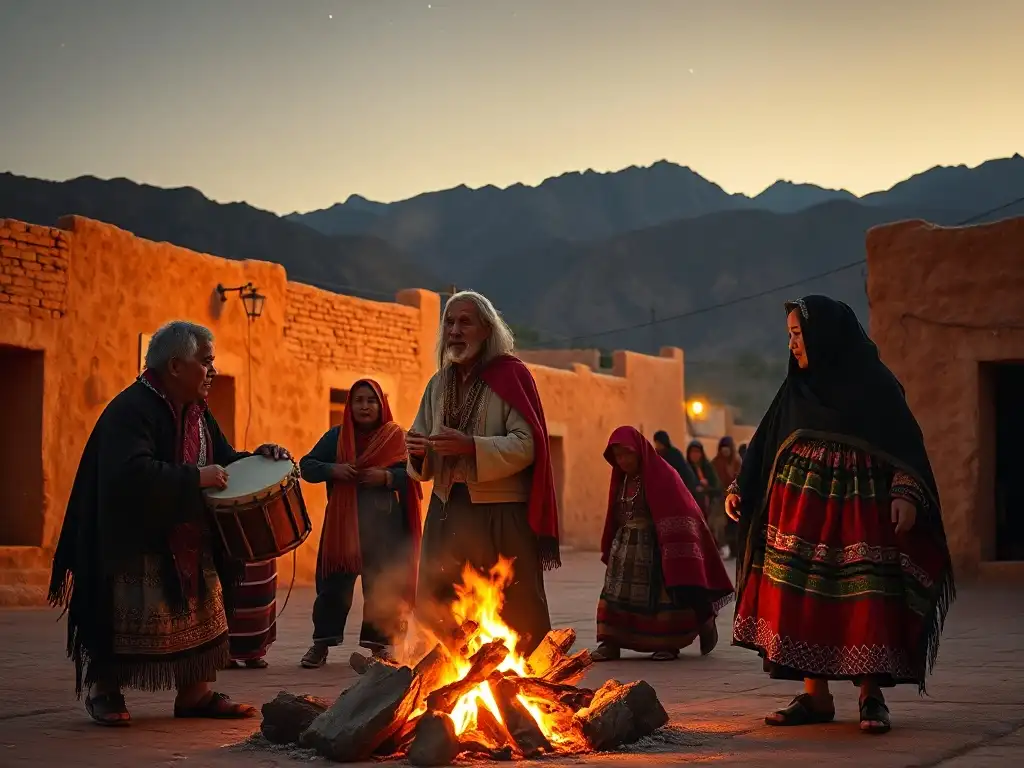
Andean oral tradition wasn't simply a method of storytelling; it was a vibrant, dynamic performance art. Performances weren't passive recitations but active engagements, often involving music, dance, costumes, and audience participation. The power of these performances lay in their ability to transmit not just information but also cultural values, beliefs, and history across generations. The effectiveness of these performances stemmed from their deeply ingrained connection to the Andean worldview, where the sacred and the profane intertwined seamlessly.
These weren't mere tales; they were living embodiments of ancestral knowledge and spiritual connection. The impact of these performances extended beyond entertainment; they served as crucial tools for social cohesion, conflict resolution, and the transmission of vital agricultural and astronomical knowledge. The intensity and emotional resonance of these performances ensured the stories, songs, and myths remained etched in the collective memory of the community.
The Inti Raymi Festival
The Inti Raymi, or Festival of the Sun, is a prime example of a large-scale performance rooted in Andean oral tradition. While a modern revival, its foundations are deeply embedded in Inca traditions. The festival, celebrated around the winter solstice, involved elaborate processions, theatrical representations of Inca mythology, and musical performances.
Actors portraying Inca royalty, priests, and commoners would recite verses and engage in dramatic enactments, bringing the stories of the Inca empire to life. The festival wasn't simply a spectacle; it was a ritual reaffirming the connection between the Inca rulers, their subjects, and the sun god Inti. The intricate choreography, vibrant costumes, and powerful rhetoric all contributed to a performance that resonated deeply with the participants and spectators alike.
The oral narratives weaved throughout the festival served to reinforce the Inca worldview and transmit important cultural values to new generations. The scale and complexity of the Inti Raymi demonstrate the significant role performance played in the perpetuation of Andean oral traditions.
The Legend of Manco Capac and Mama Ocllo Storytelling
The legend of Manco Capac and Mama Ocllo, the founders of the Inca civilization, is a cornerstone of Inca mythology. Its transmission relied heavily on oral performance. Storytellers, often skilled in dramatic recitation and imbued with a deep understanding of the narrative's significance, would captivate audiences with their renditions. The performances often incorporated musical accompaniment, enhancing the emotional impact of the story.
Variations in the narrative existed across different communities, reflecting the adaptive nature of oral tradition and the diverse interpretations of the founding myth. These variations, however, did not diminish the story's power; instead, they demonstrated its fluidity and ability to adapt to specific cultural contexts. The performance of this foundational myth served to establish a shared identity and a sense of collective history within the Inca empire, reinforcing social order and cultural continuity.
The Impact of Modernity on Andean Oral Tradition
The arrival of European colonizers profoundly impacted Andean societies, causing significant disruption to traditional ways of life, including the performance of oral traditions. The suppression of Indigenous languages and cultures led to a decline in the performance of traditional narratives, songs, and rituals. The introduction of new technologies and forms of communication further challenged the dominance of oral tradition.
The advent of written language and print media offered alternative means of disseminating information and entertainment, gradually diminishing the centrality of oral performances in Andean communities. This shift had a profound and lasting impact, threatening the survival of many unique cultural expressions and causing a significant loss of invaluable ancestral knowledge.
Challenges to Preservation
Preserving Andean oral traditions in the face of modernity presents numerous challenges. The loss of fluency in Indigenous languages is a major obstacle, as many traditional narratives are transmitted orally in these languages. The aging population of traditional storytellers and performers also poses a significant threat, as knowledge and skills risk being lost with the passing of each generation.
Furthermore, the lure of modern entertainment and the pressures of globalization often lead younger generations to prioritize other forms of communication and entertainment, resulting in a decreased interest in traditional oral performances. The lack of adequate documentation and archiving of these traditions also contributes to the difficulty in preserving them for future generations. The ephemeral nature of oral tradition, dependent on the memory and performance abilities of individuals, makes its preservation a particularly urgent and complex task.
Efforts to Revitalize Traditions
Despite the challenges, significant efforts are being made to revitalize Andean oral traditions. Community-based initiatives are working to promote the use of Indigenous languages and the performance of traditional narratives in schools and community centers. Elder storytellers are being actively sought out and encouraged to share their knowledge with younger generations.
The development of educational materials and resources, such as recordings and transcriptions of traditional performances, is also underway. These efforts are crucial in ensuring the survival of these invaluable cultural treasures. Furthermore, the integration of traditional performance arts into tourism initiatives has provided a platform for showcasing these traditions to a wider audience, generating economic opportunities for communities and incentivizing the continuation of these practices.
The Role of Technology and Education
Technology is playing an increasingly important role in the preservation and dissemination of Andean oral traditions. Audio and video recordings of performances are being created and archived, ensuring that these traditions are preserved for future generations, even if the original performers are no longer alive. Digital platforms are also being used to share these recordings with a wider audience, promoting greater awareness and appreciation of Andean oral tradition.
Educational initiatives are incorporating traditional performances into school curricula, fostering a new generation's interest in and understanding of their cultural heritage. The use of technology in education allows for more interactive and engaging learning experiences, making traditional narratives more accessible and relevant to younger learners. This combination of technology and education represents a powerful tool in safeguarding and promoting the rich tapestry of Andean oral traditions for years to come.
The Enduring Legacy of Andean Oral Tradition Performance
Andean oral tradition, a vibrant tapestry woven from centuries of storytelling, song, and ritual, continues to resonate powerfully in contemporary Andean societies. Its endurance is a testament to its inherent value and adaptability. The performance aspect is crucial; it's not simply the preservation of narratives, but the active, dynamic re-creation of cultural memory.
These performances, whether intimate gatherings or large-scale festivals, serve as vital links between past and present, connecting communities across generations. The stories themselves, often passed down through families and communities, are not static; they evolve, adapt, and reflect the changing circumstances of the tellers and their audiences. This organic evolution ensures the tradition remains relevant and meaningful, a living entity rather than a museum piece.
The power of these performances lies not just in the narratives themselves, but in the shared experience they create, fostering a sense of collective identity and belonging. The use of music, dance, and elaborate costumes further enhances the immersive nature of these performances, making them deeply engaging and memorable experiences for both participants and observers. The emotional impact of these performances is undeniable, transmitting not just information but also deeply felt cultural values and beliefs.
Connecting to Ancestral Wisdom
The performance of Andean oral traditions provides a direct connection to ancestral wisdom. Through storytelling and song, the knowledge, beliefs, and values of past generations are transmitted to the present. This isn't a passive transmission; it's an active engagement with the past, allowing individuals to understand their place within a larger historical and cultural context.
For example, the recounting of creation myths can offer profound insights into the Andean worldview and relationship with the natural environment. Similarly, the performance of songs detailing historical events can provide unique perspectives on the past, challenging dominant narratives and enriching our understanding of Andean history. This connection to ancestral wisdom strengthens community bonds, providing a shared understanding of identity and purpose.
The oral tradition isn't just a historical record; it’s a living, breathing source of guidance and inspiration, shaping contemporary values and practices. The wisdom passed down through generations offers practical advice, moral guidance, and a deep sense of connection to the land and its ancestors.
The Power of Shared Cultural Experiences
The communal nature of Andean oral tradition performances is fundamental to their power. These events are not solely for entertainment; they are opportunities for social interaction, community building, and the reinforcement of shared cultural values. The shared experience of listening to a story, singing a song, or participating in a ritual creates a powerful sense of unity and belonging.
These events often involve the entire community, bringing people together from different backgrounds and social strata. This shared cultural experience transcends age, gender, and social status, fostering a sense of collective identity. For instance, festivals celebrating specific deities or historical events often draw large crowds, creating a powerful atmosphere of shared participation and celebration.
The collective performance of rituals and songs reinforces social cohesion and strengthens community bonds. This shared experience cultivates a sense of continuity and belonging, ensuring that the oral tradition continues to thrive in the hearts and minds of the community. The emotional connection forged during these performances is a potent force in preserving and transmitting cultural heritage.
Ensuring the Future of Andean Heritage
The preservation and promotion of Andean oral tradition performances are crucial for ensuring the future of Andean heritage. Efforts to document, archive, and teach these traditions are vital. This includes not only the recording of stories and songs, but also the training of new performers and the creation of educational programs that engage younger generations. The active participation of young people is essential to the continuation of this rich heritage.
Initiatives that encourage the learning and performance of traditional songs, dances, and storytelling techniques are vital for ensuring the survival of this art form. The use of modern technologies, such as audio and video recording, can play a significant role in preserving and disseminating these traditions. However, it is important to maintain the authenticity and cultural context of these performances.
The challenge lies in balancing the need for preservation with the dynamism and organic evolution inherent in oral traditions. Careful consideration must be given to ensuring that the traditions are passed down accurately and respectfully, while also allowing for adaptation and creative expression. The continued support of communities and governments is crucial in safeguarding this invaluable aspect of Andean cultural heritage.
- Understanding Andean Oral Tradition
- The Significance of Performance in Andean Culture
- Key Elements of Andean Oral Tradition Performances
- The Role of Performers in Preserving Andean Heritage
- Examples of Andean Oral Tradition Performances
- The Impact of Modernity on Andean Oral Tradition
- The Enduring Legacy of Andean Oral Tradition Performance
Frequently Asked Questions
What is Andean oral tradition?
Andean oral tradition encompasses the rich tapestry of stories, songs, poems, and myths passed down through generations in the Andes. It's a vital part of their cultural identity, often performed through dramatic storytelling and music. These traditions helped to maintain social order and transmit knowledge.
How is Andean oral tradition performed?
Performances often involve dramatic storytelling, incorporating music, dance, costumes, and sometimes even puppets. The performers use vivid language and engaging techniques to captivate their audience and transmit the stories' meaning. It's a highly interactive and participatory experience.
What role did oral tradition play in Andean societies?
Oral tradition served as a crucial way to transmit knowledge, history, and values across generations in the absence of a widespread writing system. It helped to maintain social cohesion and played a key role in religious and social ceremonies. It was integral to their understanding of the world and their place within it.
Which Andean cultures used oral tradition extensively?
Many Andean cultures relied heavily on oral tradition, including the Inca, Moche, Nazca, and Tiahuanaco. While each had its unique style and content, the common thread was the vital role of storytelling and performance in their societies. Their unique forms of expression helped shape their identities.
Where can I experience Andean oral tradition performance today?
You can experience Andean oral tradition performances in various settings, from community festivals and cultural centers to museums and dedicated theatrical productions. Many communities continue to practice these traditions, keeping the stories alive for new generations. Research local events and cultural institutions for opportunities.
Final Reflection: Echoes of the Andes, Whispers of the Future
The vibrant tapestry of Andean oral tradition, once confined to intimate gatherings and mountain valleys, now resonates globally, a testament to its enduring power and transformative potential. Its survival, against the relentless tide of modernization, speaks volumes about the deep-seated human need for storytelling, for connection, for the preservation of cultural heritage. This enduring legacy challenges us to consider the fragility of oral traditions and the urgent need for their continued preservation and celebration.
The impact of Andean oral tradition extends far beyond the performance itself; it shapes identities, fosters community, and transmits invaluable knowledge across generations. It is a living archive, breathing with the spirit of a people. The stories we tell are not just stories; they are the very fabric of our being.
This sentiment perfectly encapsulates the profound influence of these narratives, shaping not only the cultural landscape of the Andes but also offering a powerful model for intercultural dialogue and understanding in our increasingly interconnected world. The echoes of these ancient tales continue to inspire artists, scholars, and communities alike, reminding us of the importance of preserving our collective memory.
Consider the stories you carry within you, the narratives that shape your understanding of the world. How can you, in your own life, become a storyteller, a keeper of memory, a bridge between generations? Embrace the power of performance, not just as a spectator, but as a participant in the ongoing conversation of human experience. Let the echoes of the Andes inspire you to share your own stories, to listen deeply to the narratives of others, and to contribute to a world where the voices of all cultures are heard and celebrated.
Unleash the Magic of Andean Oral Traditions!
Thank you for exploring the rich world of Andean oral traditions! By engaging with these powerful narratives, you've begun to unlock a treasure trove of cultural heritage and wisdom. Now, let's share this magic with others.
Here are some ways to bring Andean stories to life:
- **Attend a local storytelling event or workshop** to connect with fellow enthusiasts of oral traditions.
- **Share your favorite Andean tale** on social media, encouraging your friends to do the same—let the stories spread!
- **Explore Andean literature and documentaries** to deepen your understanding of these vibrant cultures.
What aspects of Andean oral traditions resonate most with you, and how will you share them with the world?