
Echoes of the Past: Reconstructing the Complexity of Andean Barter Systems

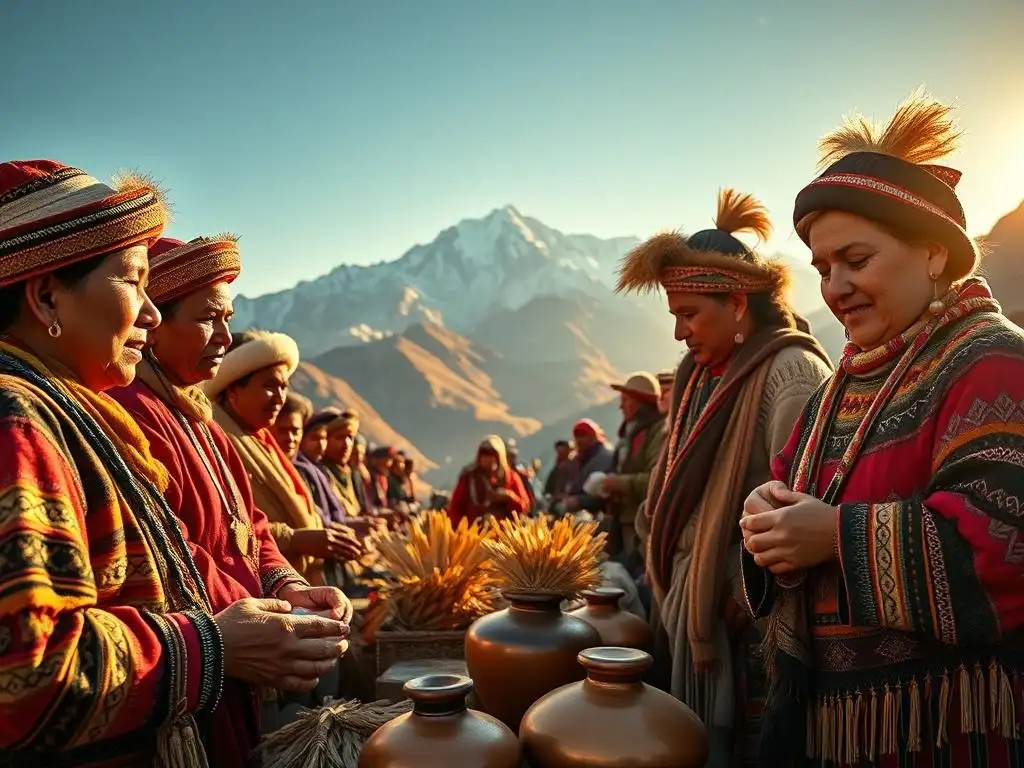
Uncover the secrets whispered on the wind across the Andes! For centuries, these majestic mountains have held the echoes of vibrant civilizations. But what truly fueled their rise? Dive into the fascinating world of Andean barter systems history, a complex network of exchange that shaped the destinies of the Incas, Moche, Nazca, and Tiahuanaco. Prepare to be amazed as we unravel the intricate tapestry of trade and economy that defined these incredible cultures. Journey with us to discover how these ancient societies thrived, leaving behind a legacy as enduring as the mountains themselves.
The Andes Mountains, a spine of towering peaks stretching along the western coast of South America, cradled a vibrant tapestry of ancient civilizations. For centuries, scholars have focused on the impressive architectural achievements, intricate artistry, and sophisticated agricultural techniques of cultures like the Inca, Moche, Nazca, and Tiahuanaco.
However, understanding the economic systems that fueled these advancements is equally crucial to a complete picture. This article delves into the fascinating world of Andean barter systems, exploring their intricate mechanisms, regional variations, and the vital role they played in shaping the social and political landscapes of these remarkable societies.
We will unravel the complexities of these ancient exchange networks, revealing how the exchange of goods and services went far beyond simple transactions, weaving a rich narrative of social interaction, political power, and economic innovation. Understanding Andean barter systems history is key to appreciating the true scope of these civilizations' ingenuity and resilience.
The Nature of Andean Barter: Beyond Simple Exchange
Andean barter systems were far more nuanced than a simple "goods for goods" transaction. They involved complex networks of reciprocal obligations, gift-giving ceremonies, and elaborate systems of credit and debt. The exchange of goods was often deeply embedded within social and ritual contexts, strengthening alliances and reinforcing social hierarchies. For example, the exchange of fine textiles, often imbued with symbolic meaning, served not only as a form of economic transaction but also as a demonstration of social status and political power.
The intricate designs and the quality of the materials used directly reflected the weaver's skill and the recipient's standing within the community. Archaeological evidence suggests that these textiles were frequently traded across vast distances, indicating the existence of well-established trade routes and networks connecting different Andean communities. These weren't just economic transactions; they were social events.
Regional Variations in Barter Practices: A Diverse Economic Landscape
The Andean region wasn't a monolithic entity. Different cultures, geographically separated by mountains and valleys, developed unique barter systems adapted to their specific environments and resources. The coastal communities, for instance, relied heavily on marine resources and specialized in fishing and shellfish gathering, while highland communities focused on agriculture, particularly the cultivation of potatoes and maize.
This diversity led to complex inter-regional exchange networks where coastal communities traded fish and shellfish for agricultural products from the highlands, creating a vibrant and interconnected economic system. Evidence from archaeological sites reveals the presence of diverse goods, suggesting a wide range of traded items, including ceramics, metalwork, and precious stones, reflecting the unique specializations and resource distribution across different regions.
The Role of Elite Control and Power Dynamics in Andean Barter Systems
The control and manipulation of barter systems often served as a means of consolidating and maintaining political power among the elites. Large-scale redistribution of goods, often orchestrated by rulers or religious leaders, played a significant role in reinforcing social hierarchies and maintaining political stability. The accumulation of prestige goods, such as gold and silver ornaments, served not only as a display of wealth but also as a symbol of political authority.
The control over the flow of these valuable goods allowed elites to exert influence and control over various aspects of society, emphasizing the intricate relationship between economic systems and political power structures. This control, however, wasn't always absolute; local communities and smaller groups often negotiated and adapted their own exchange practices within this broader framework.
The Decline of Barter and the Rise of Other Economic Systems
The arrival of the Spanish conquistadors in the 16th century marked a significant turning point in the history of Andean economies. The introduction of European goods, monetary systems, and colonial policies gradually led to the decline of traditional barter systems. However, elements of traditional exchange practices persisted, often integrated into the new colonial economy.
The impact of this transition was complex and varied across different regions and communities, leading to lasting effects on the economic and social fabric of Andean societies. Further research is needed to fully understand the nuances of this transition and the enduring legacy of Andean barter systems.
Further Research Areas [1]
More research is needed on the role of women in Andean barter systems, the impact of climate change on trade routes, and the extent to which barter persisted after the Spanish conquest.
[1] This section highlights ongoing scholarly debates and areas requiring further investigation.
- The Nature of Andean Barter: Beyond Simple Exchange
- Regional Variations in Barter Practices: A Diverse Economic Landscape
- The Role of Elite Control and Power Dynamics in Andean Barter Systems
- The Decline of Barter and the Rise of Other Economic Systems
Understanding Andean Barter: A Historical Overview
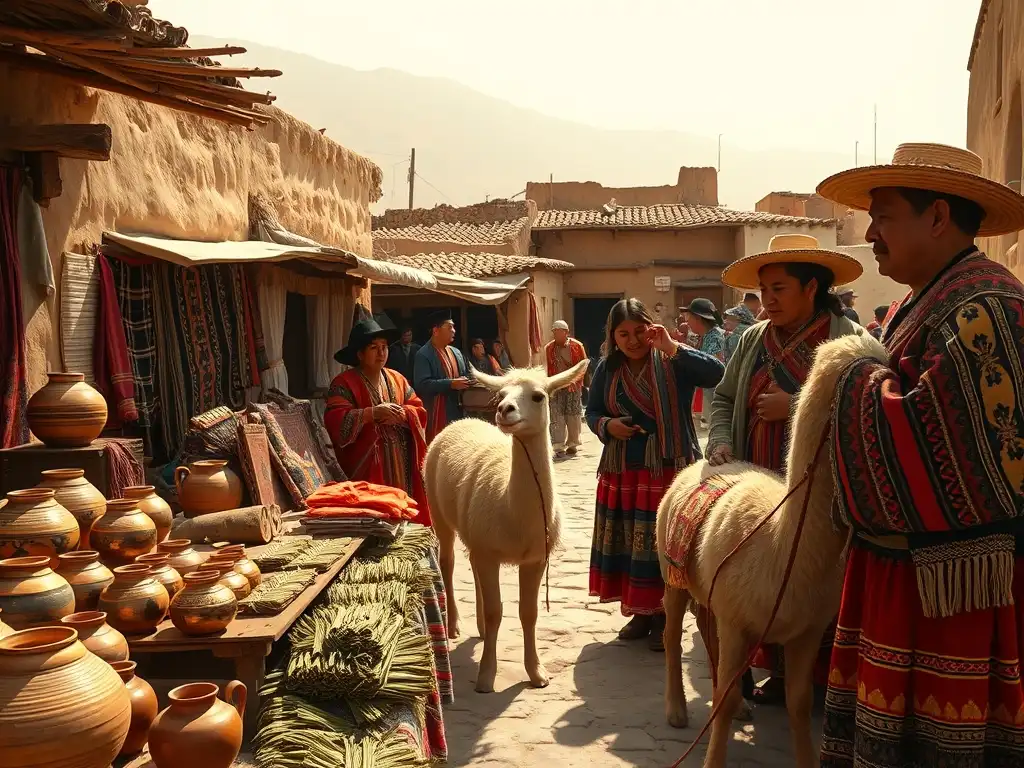
This section delves into the intricacies of Andean barter systems, exploring their evolution across different pre-Columbian cultures and highlighting the crucial role they played in shaping Andean societies. Understanding these systems requires moving beyond simplistic notions of direct exchange and appreciating the complex social, political, and economic structures they supported. The term "Andean barter systems history" itself encompasses centuries of nuanced practices, evolving alongside technological advancements and shifting power dynamics. We'll examine evidence from archaeological findings, ethnographic studies, and colonial accounts to reconstruct a more complete picture of this vital aspect of Andean life.
Pre-Inca Barter Practices in the Andes
Pre-Inca Andean societies, diverse and geographically dispersed, developed sophisticated barter systems long before the Inca Empire's expansion. Evidence suggests a wide range of goods and services were exchanged, reflecting the varied ecological niches and specialized production across the Andes. Coastal communities, for instance, might have traded fish and shellfish for highland agricultural products like potatoes and quinoa. This exchange wasn't haphazard; it was often structured by established routes and reciprocal relationships between different groups.
Archaeological discoveries of diverse artifacts in different regions provide compelling evidence of this extensive network. For example, the presence of coastal ceramics in highland settlements and vice-versa indicates long-distance trade and exchange. These exchanges weren't merely economic transactions; they also played a significant role in forging alliances and maintaining social cohesion between communities. The absence of a unified currency meant that the value of goods was determined through negotiation and often depended on factors like scarcity, craftsmanship, and social status.
The system wasn't solely based on material goods. Specialized skills and labor were also exchanged. Consider the expertise of skilled artisans, like those who crafted intricate textiles or metalwork. Their services were highly valued and formed a significant component of the barter economy, solidifying social hierarchies and facilitating the creation of prestigious objects. This intricate interplay of goods, services, and social relations represents a far more complex picture than a simple "trade-for-trade" model.
The Rise of Complex Exchange Networks
The development of complex exchange networks in the Andes wasn't a linear progression. Instead, it involved a gradual increase in the scale and sophistication of trade routes and practices. The rise of powerful regional states, such as the Moche and Nazca cultures, contributed significantly to this growth. These states controlled access to valuable resources and established centralized systems for collecting and distributing goods, often using specialized storage facilities and administrative structures. This centralized control facilitated larger-scale exchange networks and the emergence of specialized markets.
The development of improved transportation infrastructure, including roads and pack animal systems, also played a crucial role. These advancements allowed for the efficient movement of goods over longer distances, connecting previously isolated communities and expanding the scope of trade. The Inca Empire, in its later stages, would further refine these systems, creating a truly impressive logistical network. The Andean barter systems history is thus a story of adaptation and innovation, with each successive civilization building upon the foundations laid by its predecessors.
The Inca Influence on Andean Trade Systems
The Inca Empire significantly restructured and expanded existing Andean barter systems, integrating them into a vast, centralized economy. While barter continued to play a role, the Inca introduced a system of tribute and redistribution that intertwined with traditional exchange networks. Communities were expected to contribute a portion of their production to the state, which then redistributed these goods to support the imperial bureaucracy, fund public works, and maintain social order.
This system, while seemingly centralized, incorporated elements of the pre-existing barter economy. The Inca utilized a sophisticated system of record-keeping, using quipus (knotted cords) to track the flow of goods and services. This allowed for efficient management of resources and facilitated the redistribution of goods across the empire. While the Inca system introduced a degree of state control, it didn't entirely replace traditional barter practices.
Local exchange continued to thrive, complementing the imperial system of tribute and redistribution, and making the Andean barter systems history a rich tapestry of intertwined practices. The Inca integration, however, undoubtedly enhanced the scale and efficiency of the overall system, creating a truly remarkable example of economic organization in the pre-Columbian world. The impact of the Inca's system continues to resonate in the Andean region's economic and social structures even today.
Key Elements of Andean Barter Systems
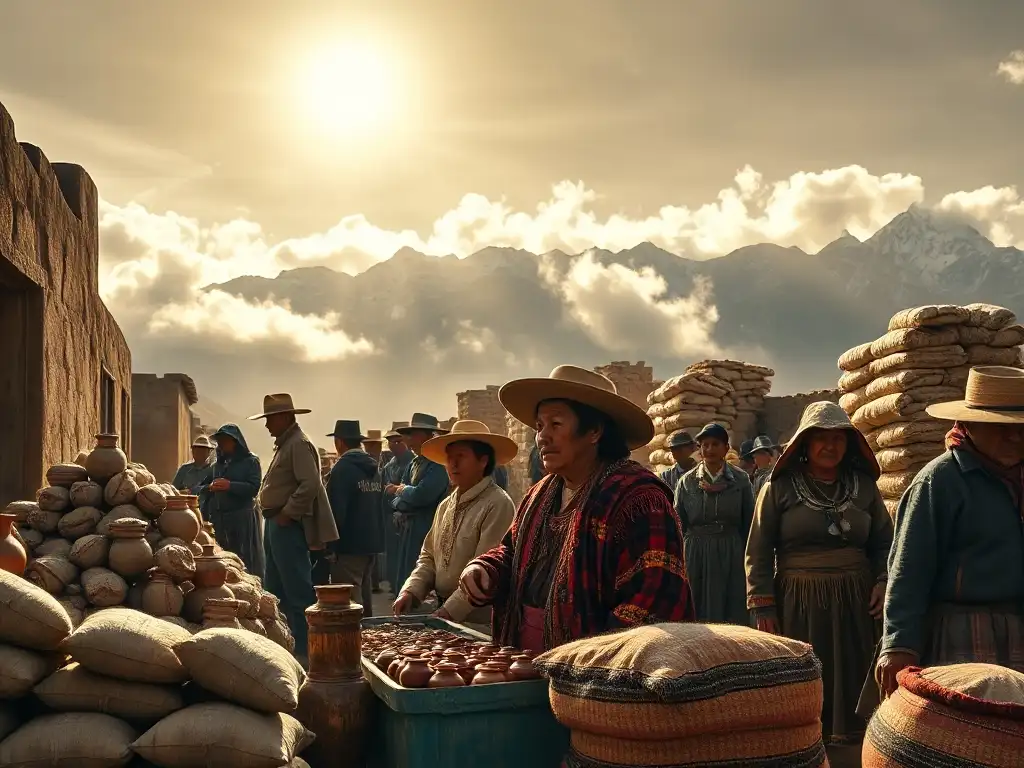
This section delves into the intricate mechanisms and significant components that characterized the Andean barter systems, a crucial aspect of the ancient Andean economies. Understanding these systems offers invaluable insight into the social structures, technological capabilities, and resource management strategies of these remarkable civilizations. The analysis below focuses on the types of goods exchanged, and the social and ritual contexts within which these exchanges occurred. Analyzing "Andean barter systems history" reveals a sophisticated system far beyond simple trade.
Goods Traded in Ancient Andean Economies
The diversity of goods exchanged in Andean barter systems reflects the rich agricultural landscape and advanced craftsmanship of the region. From essential foodstuffs to luxurious textiles and precious metals, the items traded reveal a complex network of economic interaction and social stratification.
Agricultural Products: Maize, Potatoes, Quinoa
Agricultural products formed the backbone of Andean barter systems. Maize, potatoes, and quinoa – staples of the Andean diet – were traded extensively, their value fluctuating depending on factors such as harvest yield and geographical location. For instance, coastal regions might trade surplus fish for highland potatoes, illustrating a crucial inter-regional exchange network.
The efficient storage techniques developed by Andean cultures, such as qollqas (storehouses), played a vital role in facilitating this trade by ensuring the availability of goods throughout the year. The abundance or scarcity of these crops directly impacted the economic stability and social dynamics of the communities.
Textiles and Crafts: Woven Goods and Pottery
Textiles and pottery constituted another significant category of traded goods. The intricate weaving techniques and diverse designs of Andean textiles, often made from alpaca or llama wool, indicate a high level of skill and artistry. These textiles were not simply functional; they held symbolic value, with certain patterns and colors signifying social status or ritual significance. Similarly, the beautifully crafted pottery, often decorated with elaborate designs, served both practical and ceremonial purposes, making them highly valued trade items. The diversity of styles and techniques across different Andean cultures suggests a dynamic exchange of ideas and technologies through trade.
Precious Metals and Raw Materials
Precious metals like gold and silver, along with raw materials such as obsidian and turquoise, held considerable value in Andean barter systems. These items, often associated with religious or elite contexts, were used in the production of prestigious artifacts and ceremonial objects. Their trade played a significant role in establishing and maintaining power structures and alliances between different groups. The control over sources of these precious metals and raw materials often conferred significant political and economic influence. Archaeological evidence consistently reveals the importance of these materials in Andean society, highlighting their role in both practical and symbolic exchange.
Beyond the purely economic aspects, Andean barter systems were deeply embedded in the social and ritual fabric of Andean life. Exchange was not merely a transaction; it was a process that reinforced social bonds, established alliances, and reaffirmed cultural values.
Barter as a Form of Social Reciprocity
The concept of reciprocity was central to Andean exchange systems. Barter was not always a direct, immediate exchange; it often involved delayed reciprocity, where goods or services were exchanged over time, strengthening social ties between individuals and groups. This system of reciprocal exchange fostered a sense of community and mutual obligation, contributing to the stability and cohesion of Andean societies. This system, unlike purely transactional markets, prioritized relationships and long-term commitments.
The Role of Ceremonies in Trade
Many Andean trade transactions were integrated into religious ceremonies and festivals. These events provided opportunities for large-scale exchanges, fostering interaction between different groups and reinforcing social bonds. The exchange of goods during these ceremonies often had symbolic significance, strengthening alliances and reaffirming shared cultural identities. The integration of trade into ritual contexts highlights the deep social and spiritual dimensions of Andean economic life.
Reciprocity in Ayni and Minka Labor Exchanges
The concepts of ayni and minka further illustrate the importance of reciprocity in Andean economies. Ayni refers to mutual assistance between individuals, where labor or goods are exchanged without immediate compensation, based on the expectation of future reciprocity. Minka, on the other hand, involved collective labor organized by a community for public works projects.
Both ayni and minka demonstrate the communal nature of Andean society and the importance of cooperation and mutual support in economic activities. These systems demonstrate the integrated nature of social and economic life, where cooperation and shared responsibility formed the basis of economic productivity. These practices highlight how social structures and economic activities were deeply intertwined in Andean societies.
The Mechanics of Andean Barter: How Did It Work?
The Andean barter systems history is complex and multifaceted, defying simple categorization. While we often envision a straightforward exchange of goods, the reality was far more nuanced, involving intricate networks of reciprocal obligations, social hierarchies, and sophisticated systems of valuation. Unlike modern monetary systems, Andean barter wasn't solely about immediate transactional equivalence.
It was deeply embedded within social structures and religious beliefs, shaping relationships and reinforcing social order. The successful operation of these systems relied on trust, reciprocity, and a shared understanding of value within specific communities. This value wasn't always easily quantifiable; it was often determined by factors such as the prestige of the item, its cultural significance, and the social standing of the individuals involved in the exchange.
For example, a finely crafted textile from the highlands might be exchanged for a quantity of coastal fish, the value of each determined not by weight or volume, but by the perceived social standing of the artisan and the demand for the goods. Furthermore, the exchange often involved more than just the immediate transaction; it could establish ongoing reciprocal relationships, fostering alliances and strengthening social bonds between different communities.
Regional Variations in Barter Practices
Andean barter wasn't a monolithic system. Significant regional variations existed, reflecting the diverse environments and cultures across the Andes. Coastal communities, with their abundant marine resources, engaged in different exchange networks than those in the high-altitude agricultural regions.
For instance, the Moche civilization on the north coast of Peru developed sophisticated systems for the exchange of ceramics, textiles, and agricultural products, often using large-scale storage facilities to manage surpluses and facilitate trade. In contrast, the highland communities of the Tiwanaku culture relied heavily on the exchange of potatoes, quinoa, and llama products, with trade networks extending across vast distances. These variations in barter practices highlight the adaptability and resilience of these systems, allowing for the efficient distribution of resources across diverse ecological zones.
Detailed archaeological evidence, including the discovery of diverse artifacts at various sites, supports this understanding of regional specialization and exchange. The types of goods exchanged often reflected the specific environmental conditions and technological capabilities of each region. For example, the presence of coastal shellfish in highland archaeological sites underscores the importance of long-distance trade and the interconnectedness of Andean societies.
The Importance of Andean Trade Routes
The success of Andean barter systems hinged on well-established trade routes that connected different regions and facilitated the movement of goods. These routes weren't simply paths; they were vital arteries of economic and social interaction, often strategically located to leverage natural features like river valleys and mountain passes. The efficient functioning of these routes required a complex infrastructure, including storage facilities, relay stations, and perhaps even specialized transport systems.
While the precise nature of these systems remains a topic of ongoing research, archaeological evidence suggests a remarkable level of organization and planning. The discovery of well-preserved road sections and the presence of standardized weights and measures further supports the idea of a sophisticated system for managing the flow of goods.
Furthermore, the control and management of these trade routes often held significant political and economic power, influencing the rise and fall of various Andean civilizations. The availability of resources and the ability to control their distribution were key factors in determining political dominance.
The Qhapaq Ñan and its Impact on Trade
The Incas' Qhapaq Ñan, or Great Inca Road, stands as a testament to the scale and sophistication of Andean trade networks. This extensive network of roads, spanning thousands of kilometers across the Andes, facilitated the movement of goods, people, and information across the vast Inca empire. The Qhapaq Ñan wasn't merely a transportation system; it was a crucial component of Inca administration and control, allowing for the efficient distribution of resources and the maintenance of imperial power.
The road system’s impact on the Inca economy was profound, enabling the vast empire to function as a single, integrated unit. The construction and maintenance of this extensive infrastructure required significant resources and labor, reflecting the importance placed on trade and communication within the Inca state. The integration of the Qhapaq Ñan into the broader context of Andean barter systems highlights the continuity and evolution of trade practices across different periods and civilizations.
While the Inca's system was unique in its scale, it built upon and adapted existing trade routes and practices, demonstrating the enduring importance of trade in shaping Andean societies. The legacy of the Qhapaq Ñan continues to resonate today, serving as a powerful symbol of the interconnectedness and ingenuity of Andean civilizations.
Analyzing the Impact of Andean Barter Systems

This section delves into the profound impact of Andean barter systems on the social, economic, and political landscapes of the region. Understanding these intricate networks is crucial to grasping the complexity and sophistication of pre-Columbian Andean societies. We will explore how these systems facilitated not only the exchange of goods but also shaped power structures and cultural identities. The term "Andean barter systems history" itself encapsulates a vast and fascinating area of study, revealing much about the ingenuity and adaptability of these ancient civilizations.
Economic Implications of Bartering in Andean Societies
The economic implications of Andean barter systems were far-reaching and multifaceted. Unlike a monetary-based economy, the value of goods was determined through a complex interplay of factors including scarcity, labor invested, and perceived cultural significance. For instance, highly prized textiles, often imbued with intricate designs and symbolic meaning, held significant value and could be exchanged for substantial quantities of agricultural products or even specialized tools. This system fostered a dynamic economy where specialization thrived. Communities focused on producing specific goods, whether it be pottery, metalwork, or agricultural products, and relied on barter to acquire necessities they didn't produce themselves.
The effectiveness of this system hinged upon well-established trade routes and networks. These routes, often traversing challenging Andean terrain, connected distant communities, fostering economic interdependence and facilitating the distribution of goods across vast geographical areas. The efficient movement of goods was crucial, as evidenced by the discovery of well-preserved storage facilities and sophisticated record-keeping systems in various Andean sites.
These systems, though non-written in many cases, relied on intricate systems of knotted strings (quipus) and possibly other forms of record keeping to track exchanges and maintain balance within the trading networks. Further research is needed to fully understand the sophisticated accounting methods employed. [Specific information pending: detailed analysis of quipu usage in tracking barter transactions].
Andean barter systems were not simply economic mechanisms; they were deeply intertwined with social and political power structures. Control over resources, particularly those considered rare or highly valued—like precious metals, exotic feathers, or coca leaves—often translated into social prestige and political influence. Elites, whether religious leaders, warrior chiefs, or members of the ruling class, frequently played a central role in controlling access to these resources and managing trade networks. Their influence extended beyond mere economic control; it shaped social hierarchies and reinforced existing power structures.
The exchange of goods also served as a crucial mechanism for establishing and maintaining alliances between different communities. The gift-giving aspect of barter was particularly significant in fostering diplomatic relations and solidifying political bonds. Large-scale exchanges of valuable goods could cement alliances, while the refusal or disruption of trade could signal conflict or strained relations.
This highlights the intricate interplay between economic activity and political strategy within Andean societies. The distribution of goods also highlighted social stratification, with elites often receiving the most desirable items. [Specific information pending: Case studies illustrating the role of barter in specific Andean power structures].
The Legacy of Andean Exchange Networks
The legacy of Andean exchange networks extends far beyond their historical context. The ingenuity and complexity of these systems continue to fascinate and inspire researchers today. The sophisticated understanding of resource management, the development of extensive trade routes across challenging terrain, and the integration of economic activity into social and political structures represent remarkable achievements in pre-Columbian Andean societies.
The adaptability of these systems, their ability to function effectively without a monetary system, and their contribution to the cultural richness and diversity of the Andes are all testament to the remarkable achievements of these civilizations. Understanding these systems offers valuable insights into sustainable economic practices and the complex relationship between trade, power, and culture in ancient societies. The study of "Andean barter systems history" continues to uncover new details, further enriching our understanding of these remarkable civilizations and their enduring impact.
Further research into the long-term effects of these systems on Andean societies is crucial to fully appreciating their historical significance. The impact of the Spanish conquest on these established networks also merits further investigation. 🥂
Challenges in Reconstructing Andean Barter History

Understanding the intricacies of Andean barter systems presents significant challenges to historians and archaeologists. The very nature of barter, a system reliant on direct exchange without standardized currency, leaves behind a fragmented and often ambiguous record. Reconstructing a comprehensive picture requires navigating numerous hurdles, from the limitations of the available evidence to the inherent biases in historical accounts.
This section will explore some of these key obstacles in deciphering the complex history of Andean barter systems, focusing on the difficulties in interpreting archaeological remains, historical narratives, and the ephemeral nature of perishable goods. The study of Andean barter systems history is a complex endeavor requiring meticulous analysis and a multidisciplinary approach.
Limitations of Archaeological Evidence
Archaeological evidence, while crucial, offers an incomplete and often biased perspective on Andean barter systems. The preservation of artifacts is heavily influenced by environmental factors. For instance, organic materials like textiles, food, and wood – which likely constituted a significant portion of traded goods – decompose readily in many Andean climates, leaving behind scant physical remains. This inherent bias towards durable goods, such as pottery, metalwork, and stone tools, skews our understanding of the full range of exchanged items.
Furthermore, the interpretation of archaeological finds is not always straightforward. The presence of exotic goods in a site doesn't automatically indicate direct barter exchange. Goods might have been acquired through tributary systems, raiding, or gift-giving ceremonies, rather than direct reciprocal exchange. Distinguishing between these different modes of acquisition requires careful contextual analysis, often hampered by the fragmented nature of archaeological discoveries. For example, the presence of coastal shellfish in a highland site could reflect either barter or a complex network of tribute and redistribution. Determining the exact mechanism requires further investigation and corroborating evidence, often unavailable.
Interpreting Historical Accounts of Andean Trade
Written historical accounts, primarily from Spanish colonial sources, offer a different, albeit problematic, perspective. These accounts, often biased and filtered through a colonial lens, often lack the nuance and detail necessary for a complete understanding of pre-Columbian barter systems. Spanish chroniclers, focused on their own economic and political agendas, might have misinterpreted or selectively recorded aspects of Andean trade that aligned with their preconceived notions.
For example, descriptions of Inca tribute systems often overshadow the complexities of localized barter networks. While the Inca Empire did implement a sophisticated system of tribute and redistribution, it likely coexisted with, and perhaps even built upon, pre-existing barter practices at the local level. Differentiating between Inca-imposed systems and earlier forms of exchange requires a critical assessment of colonial sources, cross-referencing them with archaeological data wherever possible. Such careful analysis is essential to avoid misrepresenting the diversity and dynamism of Andean trade practices.
Challenges in Analyzing the Exchange of Perishable Goods
The exchange of perishable goods presents a particularly significant challenge. Items like coca leaves, potatoes, maize, and various fruits and vegetables formed a crucial part of Andean economies. However, their ephemeral nature makes it extremely difficult to directly trace their movement and exchange through archaeological means. The absence of direct physical evidence necessitates reliance on indirect indicators, such as the presence of storage facilities, agricultural practices, or artistic representations depicting such goods.
Moreover, understanding the value assigned to perishable goods in different Andean contexts is crucial. Their value likely fluctuated based on seasonal availability, local needs, and social significance. Reconstructing these fluctuating values requires a deep understanding of Andean agricultural practices, social hierarchies, and ritual practices.
This task is further complicated by the lack of standardized weights and measures, further obscuring the quantitative aspects of these exchanges. The reconstruction of the role of perishable goods in Andean barter systems requires innovative methodologies and interdisciplinary collaboration. More research focusing on ethnohistorical data and detailed analysis of environmental contexts is necessary for a more complete picture.
Modern Perspectives on Andean Barter Systems
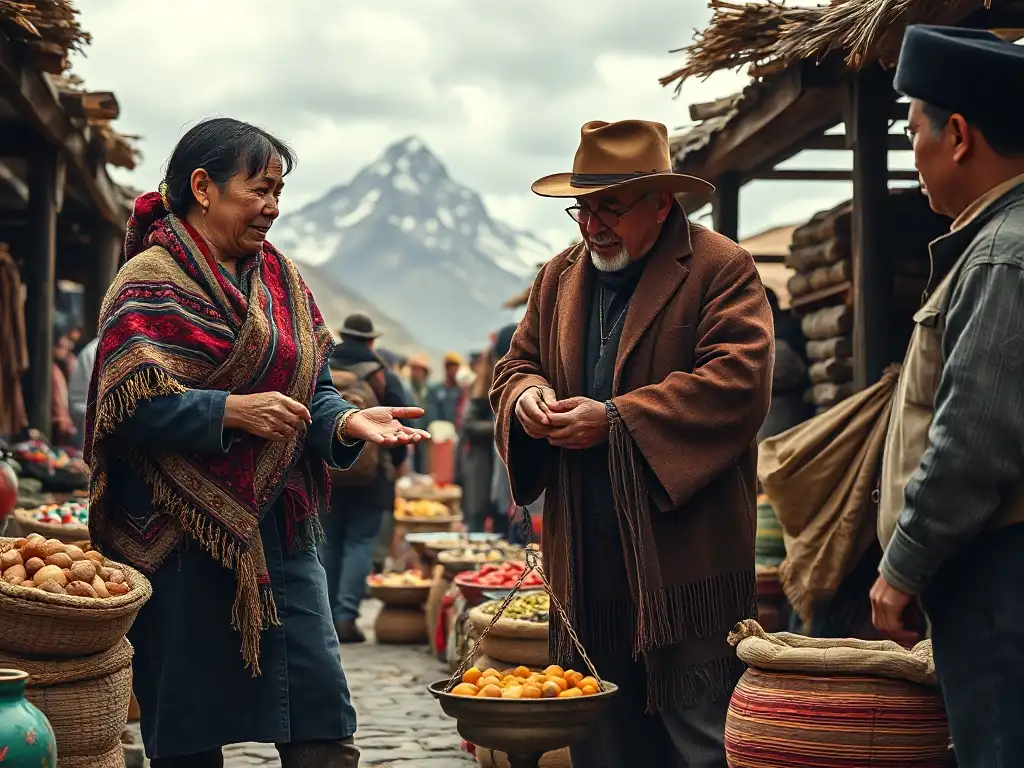
This section explores how modern scholarship interprets and recontextualizes the complexities of Andean barter systems, moving beyond simplistic narratives to uncover the nuanced social, economic, and political implications of these exchange networks. We will examine how these ancient practices offer valuable insights for understanding contemporary economic systems and challenges. The study of Andean barter systems history provides a unique lens through which to analyze alternative economic models and their potential relevance in the modern world.
Lessons from the Past for Contemporary Societies
The sophisticated Andean barter systems, far from being rudimentary exchanges, often involved intricate systems of credit, debt, and reciprocal obligations. These systems were deeply embedded within the social fabric of Andean societies, reinforcing kinship ties, political alliances, and social hierarchies. Understanding these dynamics provides important lessons for contemporary societies grappling with issues of economic inequality, sustainable development, and community building.
For example, the emphasis on reciprocal exchange and social responsibility in Andean systems contrasts sharply with the often individualistic focus of modern market economies. This contrast highlights the potential benefits of incorporating elements of reciprocity and community-based economic models into contemporary approaches to development and social welfare.
The meticulous record-keeping methods employed by some Andean cultures, such as the use of quipus (knotted cords) for accounting, offer intriguing parallels to modern digital record-keeping systems. While the specifics differ greatly, the underlying principle of maintaining accurate records for economic transactions remains consistent across vastly different historical and technological contexts. This underscores the enduring importance of efficient and transparent record-keeping for any successful economic system, regardless of its scale or complexity. Analyzing the Andean approach to record-keeping provides valuable insights into the challenges and opportunities associated with data management in both ancient and modern societies.
The Relevance of Andean Exchange Models Today
The study of Andean barter systems history is not merely an academic exercise; it holds significant contemporary relevance. Many contemporary indigenous communities in the Andes continue to practice forms of barter alongside monetary exchange, demonstrating the enduring adaptability and resilience of these traditional economic strategies. These practices often provide crucial economic security, particularly in remote or marginalized communities with limited access to formal markets. Furthermore, the principles of reciprocity and community-based exchange found in these systems offer valuable lessons for addressing contemporary challenges such as food security and sustainable resource management.
Consider the concept of ayni, a form of reciprocal labor exchange prevalent in many Andean communities. Ayni demonstrates a powerful model of collaborative economic activity, where individuals contribute their skills and labor to benefit the community as a whole. This system fosters social cohesion and reduces reliance on external resources, offering a powerful counterpoint to the often isolating nature of modern market-based economies.
The study of ayni and similar practices highlights the potential of community-based economic models to promote social equity and environmental sustainability. The enduring presence of these systems within contemporary Andean societies underscores the continued importance and relevance of traditional economic practices.
Studies on Contemporary Barter in Indigenous Communities
Recent anthropological and economic research has documented the persistence of barter systems in various indigenous communities throughout the Andes. These studies highlight the diverse ways in which these systems are integrated into contemporary life, often coexisting with monetary exchange. This coexistence reflects a pragmatic adaptation to the complexities of a globalized economy while maintaining crucial aspects of traditional economic practices. For example, researchers have documented the exchange of agricultural products, handcrafted goods, and services within these communities, often based on established social networks and reciprocal obligations.
The data collected from these studies reveal the significant role of barter in ensuring food security, providing access to essential goods and services, and maintaining social cohesion. The continued use of barter also reveals the limitations of market-based systems in reaching remote or marginalized communities. The insights gleaned from these studies challenge simplistic assumptions about the demise of traditional economic practices in the face of globalization, demonstrating the enduring relevance of barter systems in shaping the economic and social landscape of contemporary Andean communities.
Analyzing these contemporary practices allows for a deeper understanding of the historical continuity and adaptive capacity of Andean exchange networks. Further research is needed to fully understand the interplay between traditional and modern economic systems in these communities, as well as the broader implications for development policy.
Conclusion: Appreciating the Sophistication of Andean Barter
The intricate tapestry of Andean barter systems, woven over centuries, reveals a sophisticated understanding of economics and social organization far exceeding simplistic notions of simple exchange. These systems were not merely rudimentary transactions; they were complex mechanisms that facilitated the integration of diverse Andean communities, fostered political alliances, and shaped the very fabric of Andean societies. Understanding their intricacies illuminates the ingenuity and adaptability of these ancient cultures, challenging preconceived notions of their economic practices.
The detailed analysis of archaeological evidence, coupled with ethnohistorical accounts, provides a powerful lens through which to appreciate the dynamism and sophistication of Andean trade and its profound impact on the region's development. Further research into Andean barter systems history is crucial to fully comprehend the nuanced relationship between economic activity and social structures in the Andes.
A Glimpse into the Andean Economic System
The Andean economic system wasn't solely reliant on barter; it incorporated elements of tribute, redistribution, and specialized production. However, barter played a crucial role, particularly in facilitating exchange between geographically dispersed communities. Consider the vast distances involved – the movement of goods like textiles from the coastal regions to the highlands, or the exchange of llama wool for agricultural products. This required intricate networks of trust and reciprocity, maintained through established trade routes and potentially through specialized intermediaries.
The sheer scale of these operations hints at a well-organized system, with mechanisms for resolving disputes and ensuring fair exchange. Furthermore, the standardization of certain goods, like pottery or textiles, suggests a level of economic sophistication that facilitated efficient transactions. Archaeological findings, such as the discovery of standardized weights and measures in some regions, further support this idea.
The absence of a unified currency didn't hinder the development of a robust and adaptable economic framework. Instead, the Andean civilizations demonstrated remarkable ingenuity in creating a system that thrived on diverse forms of exchange. The system's resilience, adapting to changes in environment and political landscape, showcases its inherent flexibility and ingenuity.
The Enduring Importance of Studying Andean Exchange
The study of Andean barter systems holds significant importance for several reasons. Firstly, it challenges Eurocentric narratives of economic development, demonstrating that complex economic systems could thrive without the use of money. Secondly, it provides valuable insights into the social and political dynamics of Andean societies, highlighting the role of exchange in maintaining social cohesion and political power.
Thirdly, it offers lessons for contemporary economic models, demonstrating the importance of sustainable practices and community-based economic systems. Understanding the complexities of these ancient systems can inform our approach to sustainable development and equitable trade practices today. The lessons learned from studying Andean barter systems history are not confined to the past; they offer valuable insights for navigating contemporary economic challenges.
Finally, the continued exploration of these systems enriches our understanding of human ingenuity and adaptation, demonstrating the remarkable capacity of human societies to create complex and resilient economic systems under diverse circumstances. The ongoing investigation of Andean barter systems offers a rich and rewarding field of study, promising further revelations about these fascinating civilizations and their enduring legacy.
Frequently Asked Questions
What were Andean barter systems?
Andean barter systems were complex networks of exchange where goods and services were traded without the use of currency. Communities exchanged agricultural products, textiles, and precious metals based on reciprocal relationships and social obligations.
How did the Incas incorporate barter into their empire?
While the Incas utilized a system of tribute, barter continued to play a significant role, especially in local markets and between communities. The Inca road system facilitated long-distance exchange, bolstering existing barter networks.
What types of goods were commonly bartered in the Andes?
Commonly bartered goods included agricultural staples like potatoes and maize, textiles like alpaca wool cloth, and luxury items like gold and silver. The specific goods varied depending on the region and its resources.
How did altitude affect Andean barter systems?
Altitude significantly impacted Andean barter systems. Verticality in Andean geography meant that different ecological zones produced unique goods. This resulted in a complex system of inter-regional exchange based on the complementarity of resources.
How did Andean barter systems differ from other ancient trade systems?
While other ancient civilizations also used barter, Andean systems were characterized by their integration with social structures and religious beliefs. Reciprocity and redistribution played crucial roles, shaping economic and social relationships within and between communities.
Final Reflection: The Enduring Legacy of Andean Exchange
The intricate web of Andean barter systems, far from being a relic of a bygone era, continues to resonate in contemporary economic and social structures across the region. Understanding these ancient practices offers crucial insights into sustainable resource management, community building, and the enduring power of reciprocal relationships in a globalized world. The echoes of the past are not merely whispers; they are powerful calls for a re-evaluation of our current economic models.
The impact of these complex systems extends far beyond mere historical significance. They shaped the social fabric of Andean communities, fostering a sense of interdependence and shared responsibility that is often absent in modern, individualistic economies. The true wealth of a nation is not measured in gold and silver, but in the well-being of its people and the strength of its communities.
This sentiment, though not directly from an Andean source, perfectly captures the spirit of cooperation and mutual benefit that characterized these ancient barter systems. Their legacy serves as a powerful reminder of the importance of community-based economies and sustainable practices.
Consider the implications of this historical knowledge for your own life. How can we incorporate the principles of reciprocity and sustainable resource management, so evident in Andean barter systems, into our daily interactions and choices? Can we learn from the past to build more equitable and sustainable futures? I urge you to reflect on the interconnectedness of our actions and the potential for positive change when we embrace the wisdom of ancient traditions. Let the echoes of the past inspire you to create a more just and harmonious present and future.
Revive Your Connection to Andean Heritage!
Thank you for exploring the fascinating world of Andean barter systems. Your interest contributes to a deeper understanding of these rich cultures and their innovative trading practices. Ready to delve deeper? Here's how you can actively engage with this vibrant heritage:
- Dive Deeper: Research the historical context of Andean barter systems and their influence on modern trade. Explore how these ancient practices continue to shape economic interactions today.
- Join a Community: Connect with groups dedicated to Andean history and cultural exchange. Sharing insights and learning from others offers a rewarding way to expand your knowledge.
- Try It Out: Organize a local barter event, encouraging others to experience the benefits of trading skills and goods directly. This hands-on approach brings the past to life in a meaningful way.
What aspect of Andean barter systems most captivates you, and how do you see its principles reflected in today's digital economy? Let's discuss!