
The Art of Resistance: How Andean Women Shaped Their Destiny

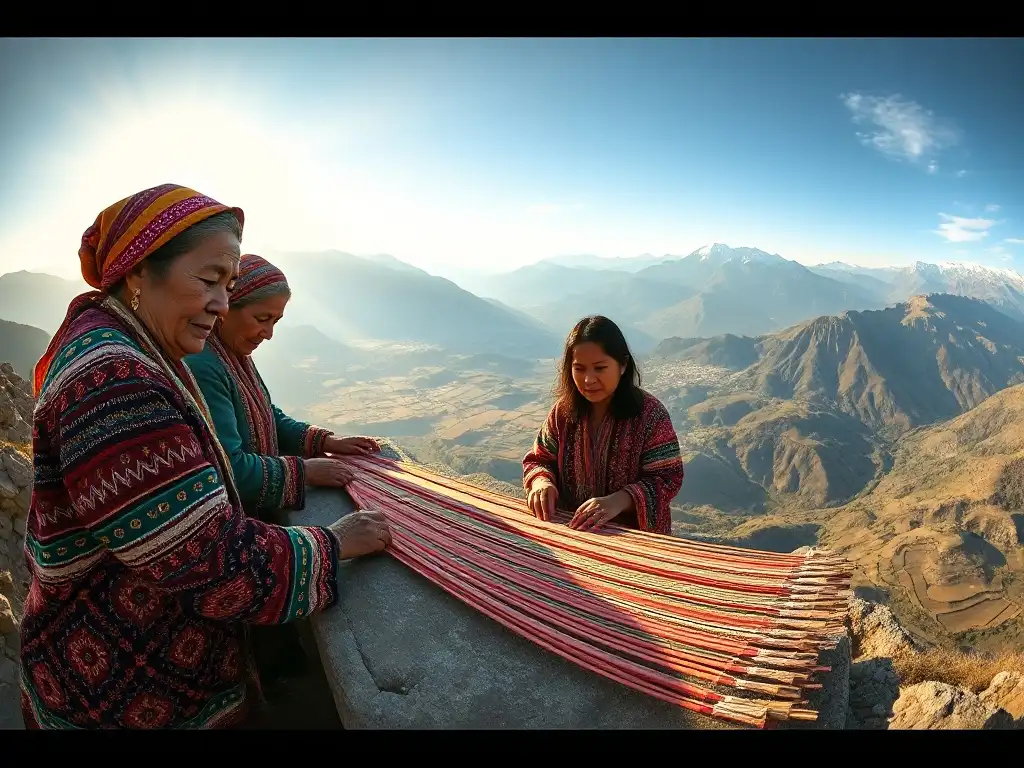
Uncover the hidden narratives of a lost world. For centuries, the grandeur of the Andean empires has captivated us, but what about the voices often silenced? Dive into the fascinating world of Andean women's history, where strength, resilience, and ingenuity defied expectations. The Art of Resistance: How Andean Women Shaped Their Destiny reveals a compelling story – one that will challenge your perceptions and leave you wanting more. Prepare to be amazed.
The history of the Andes is often told through the lens of powerful male rulers and military conquests. However, a richer, more nuanced narrative emerges when we examine the significant, yet often overlooked, contributions of Andean women. This article delves into the multifaceted roles Andean women played throughout history, highlighting their resilience, agency, and profound impact on shaping their societies and destinies.
From their involvement in pre-Inca agricultural practices and religious ceremonies to their strategic navigation of colonial rule, Andean women consistently demonstrated remarkable strength and ingenuity. Understanding their stories is crucial to gaining a complete and accurate picture of Andean civilizations and their enduring legacy.
This exploration will focus on the diverse experiences of women across different Andean cultures, emphasizing their agency and resistance in the face of societal pressures and historical challenges. We will uncover how Andean women's history is deeply intertwined with the broader narrative of Andean societies, offering a compelling counterpoint to traditional historical accounts and enriching our understanding of this fascinating region.
Introduction to Andean Women's History
Andean women's history is a vast and complex tapestry woven from diverse threads of cultural practices, social structures, and political landscapes. For centuries, their contributions have been marginalized or entirely omitted from dominant historical narratives, resulting in an incomplete understanding of these vibrant civilizations.
This section serves as an introduction to the rich and often hidden history of Andean women, setting the stage for a more detailed exploration of their lives, roles, and influences across various Andean societies. We will examine how their roles varied across different cultures and time periods, while highlighting the common threads of resilience and agency that characterized their experiences.
The exploration will move beyond simple generalizations, aiming to provide a nuanced understanding of the complexities of Andean women's lives, and their enduring impact on the societies in which they lived. This includes acknowledging the diverse experiences of women across different social classes, ethnic groups, and geographical locations within the Andes.
The Pre-Inca Era: Laying the Foundation for Female Influence
The pre-Inca period, encompassing millennia of diverse Andean cultures, provides crucial insights into the roles and influence of women long before the rise of the Inca Empire. This era saw the development of complex social structures, sophisticated agricultural techniques, and intricate religious beliefs, all of which were significantly shaped by the contributions of Andean women. Their participation extended far beyond the domestic sphere, encompassing roles that were vital to the survival and prosperity of their communities.
Diverse Roles of Women in Pre-Inca Andean Societies
Women in pre-Inca societies held diverse roles depending on their specific culture and social standing. In some societies, they were active participants in agriculture, mastering techniques of cultivation and textile production. Archaeological evidence suggests women played key roles in the production of textiles, ceramics, and other crafts, contributing significantly to the economic well-being of their communities. 1 In others, they held positions of religious authority, acting as priestesses and intermediaries between the human and spiritual worlds. Their involvement in ritual practices and ceremonies highlights their significant spiritual influence. The diversity of these roles demonstrates the significant agency and influence women wielded within their respective societies.
Archaeological Evidence of Female Leadership and Power
While historical records are limited for the pre-Inca period, archaeological findings offer compelling evidence of female leadership and power. The discovery of female burials with elaborate grave goods, comparable to those of male elites, suggests women held positions of high social status and political influence. 2 Furthermore, the presence of female imagery in art and iconography further supports the idea of powerful women in leadership roles. These findings challenge traditional interpretations of Andean societies as solely patriarchal, revealing a more complex and nuanced reality.
The Significance of Women in Andean Cosmology and Rituals
Andean cosmology often placed women at the center of life-giving forces and fertility. Their roles in agricultural practices and religious ceremonies underscore their importance in maintaining the balance of the cosmos. Women were often associated with the earth, water, and the cycle of life and death, highlighting their deep connection to the natural world and their essential role in the spiritual well-being of their communities.
Their participation in rituals and ceremonies demonstrates their significant influence on the spiritual life of Andean societies. Further research is needed to fully understand the extent of their influence in different religious traditions across the diverse Andean cultures.
1 [Specific information pending: Cite archaeological evidence of women's roles in textile production] 2 [Specific information pending: Cite archaeological evidence of female burials with elaborate grave goods]
While the Inca Empire presented a seemingly rigid patriarchal structure, Andean women's history reveals a complex reality far from simple subjugation. Inca society, like many others, was structured hierarchically, with men holding prominent official positions. However, women played crucial, albeit often unseen, roles in maintaining the empire's social fabric and economic stability.
The extent of their influence often depended on their social standing, with women from elite families enjoying greater autonomy and power than their peasant counterparts. It's crucial to understand that the available historical records, primarily written by Spanish conquistadors, often reflect a biased perspective, underrepresenting the true scope of women's contributions and agency.
Therefore, deciphering the complexities of Andean women's lives within the Inca Empire requires careful analysis and interpretation of diverse sources, including archaeological findings and indigenous oral traditions. Understanding the nuances of power dynamics within the Inca system is key to appreciating the resilience and ingenuity of Andean women in shaping their destinies.
Women's Roles within the Inca Social Hierarchy
Inca women's roles varied significantly based on their social standing. Elite women, particularly those related to the ruling class, often held positions of influence within their households and communities. They managed domestic affairs, oversaw the production of textiles and other goods, and played a significant role in religious ceremonies. Their agency was further amplified through their kinship ties and access to resources.
Conversely, women in lower social strata faced greater limitations, primarily involved in agricultural labor and domestic tasks. However, even within these seemingly restrictive roles, women demonstrated remarkable resilience and agency, contributing significantly to the empire's economic strength and cultural continuity. Their participation in community life, albeit often less visible than that of men, was essential to the overall functioning of Inca society.
The Acllawasi and the Chosen Women of the Inca
The Acllawasi represents a fascinating aspect of Andean women's history within the Inca Empire. This institution housed select young women, chosen for their beauty, intelligence, and skills. These women received specialized training in weaving, brewing chicha (a fermented corn beverage), and religious practices. They served as priestesses, textile producers, and wives of Inca officials, playing critical roles in both religious and political spheres.
While the Acllawasi might seem to represent a form of enforced servitude, the historical evidence suggests that these women enjoyed a degree of privilege and autonomy not available to other women in Inca society. Their specialized training and access to resources allowed them to exert influence and contribute significantly to the empire's cultural and religious life. The Acllawasi thus offers a complex case study of female agency within a hierarchical structure.
Andean Women's Resistance Strategies within the Inca Empire
While the Inca Empire was powerful, Andean women employed various strategies to resist oppression and assert their autonomy. These strategies were often subtle and indirect, operating within the existing social structures rather than through open rebellion. Women might use their roles in textile production and trade to accumulate economic power and influence. Control over resources, particularly textiles and agricultural products, allowed them to negotiate their positions within their families and communities.
Furthermore, women's participation in religious ceremonies and rituals provided opportunities to express their beliefs and challenge dominant narratives. Their involvement in maintaining cultural traditions and practices served as a form of resistance against assimilation and cultural erasure. These subtle yet powerful methods highlight the resourcefulness and resilience of Andean women in navigating a patriarchal system.
Queen Mama Ocllo and her influence on Inca society
Mama Ocllo, often portrayed as a mythical figure, is frequently depicted as a foundational figure in Inca mythology and the wife of Manco Cápac, the legendary founder of the Inca Empire. While the historical accuracy of her story remains debated, her legend underscores the significance attributed to women in Inca origins and the creation of their society. Her symbolic role highlights the perceived importance of female leadership and influence in Inca narratives.
Even if viewed as a symbolic figure, Mama Ocllo's legacy is a testament to the powerful imagery associated with women in the Inca worldview and how these images were used to shape societal ideals and legitimize power structures. Further research is needed to separate myth from historical reality in understanding Mama Ocllo's true influence.
Resistance and Resilience: Andean Women's Fight for Autonomy
The struggle for autonomy by Andean women extended beyond the Inca Empire, encompassing diverse pre-Columbian societies and continuing into the colonial period and beyond. Their resilience is evident in their consistent efforts to maintain their cultural identity, economic independence, and social standing despite facing numerous challenges. The fight for autonomy wasn't always a direct confrontation but often involved strategic maneuvering and adaptation within existing social and political structures.
Economic Contributions of Andean Women
Andean women's economic contributions were essential to the survival and prosperity of their communities. They played a vital role in agriculture, textile production, and trade, often controlling key aspects of the economy. Their expertise in weaving, pottery, and other crafts generated income and provided essential goods for their families and communities. This economic independence provided a foundation for their social and political agency. The control of resources and productive skills was a cornerstone of their resistance and ability to shape their own lives.
Andean Women's Role in Agriculture and Trade
Andean women were crucial to agricultural production and trade. Their knowledge of agricultural techniques, particularly in cultivating crops adapted to the challenging Andean terrain, was essential to food security. They managed agricultural tasks, from planting and harvesting to processing and storing food. Furthermore, their involvement in trade networks, exchanging goods within and beyond their communities, provided economic independence and opportunities for social interaction. This active participation in both production and exchange contributed significantly to the economic strength and resilience of Andean societies.
Maintaining Cultural Traditions and Languages
The preservation of cultural traditions and languages was a significant aspect of Andean women's resistance against colonial oppression. They played a crucial role in transmitting knowledge, beliefs, and practices through generations, ensuring the survival of their cultural heritage. Through storytelling, textile designs, and other cultural practices, they actively resisted the imposition of foreign cultures and maintained their indigenous identity. This cultural preservation was a powerful form of resistance, demonstrating their determination to maintain their unique heritage in the face of adversity.
Bartolina Sisa's Leadership in the Túpac Katari Rebellion
Bartolina Sisa stands as a powerful symbol of Andean women's resistance against colonial rule. Her leadership in the Túpac Katari Rebellion in the late 18th century demonstrates the crucial role women played in indigenous uprisings against Spanish colonial power. Sisa, a Quechua woman, actively participated in military strategies, organizing and mobilizing communities, and challenging colonial oppression.
Her leadership highlights the significant participation of women in revolutionary movements and their ability to inspire and lead others in the fight for autonomy and social justice. Her story serves as a powerful reminder of the strength and courage of Andean women in their struggle for liberation.
Colonial Era: The Impact of Spanish Rule on Andean Women
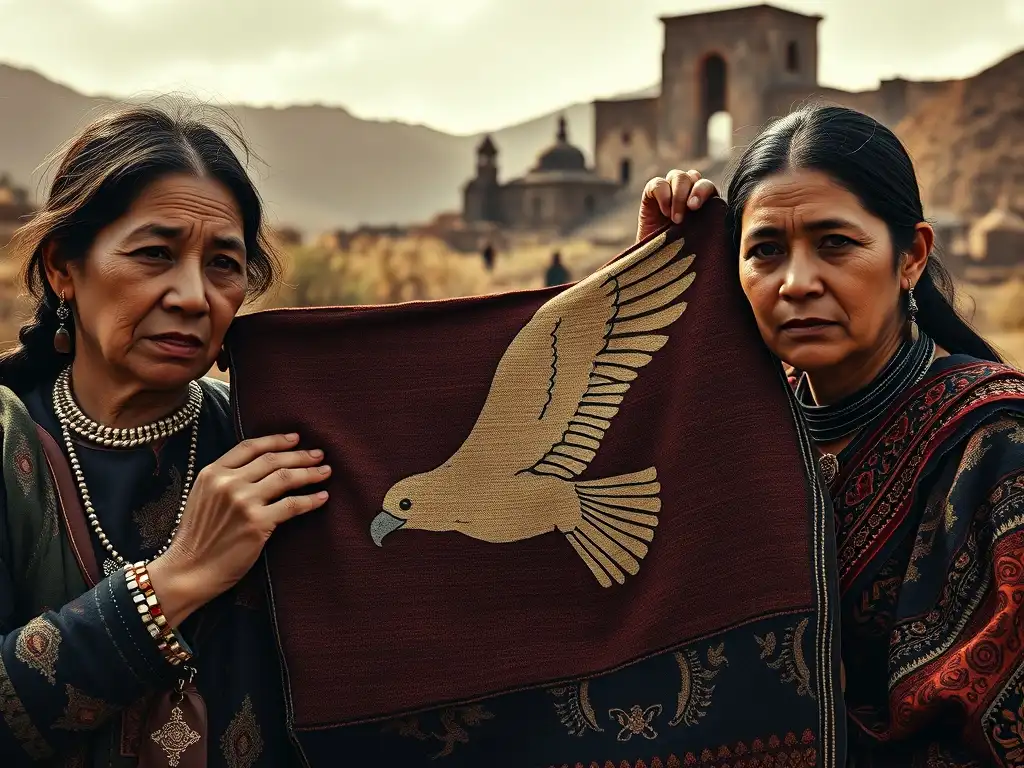
The arrival of the Spanish in the 16th century drastically altered the lives of Andean women, marking a profound shift in their social standing and autonomy. Pre-colonial Andean societies, while diverse, often afforded women significant roles in economic production, religious practices, and even political leadership, depending on the specific culture. The Spanish conquest, however, imposed a patriarchal system that systematically marginalized and oppressed women, reshaping gender roles and social structures according to European norms.
This process was multifaceted, encompassing economic exploitation, religious conversion, and the imposition of a new legal framework that often disregarded existing Andean customs and traditions. The impact of this upheaval was far-reaching and continues to resonate in contemporary Andean societies.
The Transformation of Gender Roles under Colonialism
Spanish colonialism fundamentally reshaped gender roles in Andean societies. Before the conquest, women's roles varied greatly among different Andean cultures. In some societies, women held positions of power and influence, participating in political decision-making and religious ceremonies.
However, the Spanish introduced a rigid patriarchal structure that relegated women primarily to the domestic sphere, defining their roles largely in terms of their relationship to men – as wives, mothers, and servants. This imposed model disregarded the diverse and complex roles women played in pre-colonial society, diminishing their economic and social standing. The introduction of the encomienda system, for example, further exacerbated this inequality, subjecting women to exploitative labor conditions and limiting their access to resources.
Loss of Autonomy and Increased Vulnerability
The colonial period witnessed a significant decline in the autonomy and agency of Andean women. The Spanish legal system, based on Roman law, severely limited women's rights and freedoms. They lost control over their property and their bodies, becoming increasingly vulnerable to exploitation and abuse.
The imposition of Christian morality further restricted their lives, often leading to the suppression of indigenous religious practices and beliefs that had previously empowered women. Moreover, the introduction of new diseases decimated populations, disproportionately affecting women who bore the brunt of caring for the sick and dying. This increased vulnerability coupled with the economic and social marginalization contributed to a period of significant hardship for Andean women.
Andean Women's Continued Resistance in the Colonial Period
Despite the oppression and hardships imposed by Spanish colonialism, Andean women demonstrated remarkable resilience and engaged in various forms of resistance. While often subtle and hidden from official records, their resistance played a crucial role in maintaining cultural identity and challenging colonial authority. This resistance manifested in various ways, including the preservation of indigenous languages and customs, the continuation of traditional healing practices, and the active participation in rebellions against colonial rule.
Through these actions, Andean women demonstrated their unwavering commitment to their heritage and their determination to shape their own destinies, even under the most challenging circumstances. Their contributions, though often overlooked, were instrumental in the ongoing struggle for autonomy and self-determination.
Micaela Bastidas' Leadership in the Túpac Amaru II Rebellion
Micaela Bastidas stands as a powerful example of Andean women's resistance during the colonial period. As the wife of Túpac Amaru II, she played a crucial role in the leadership and organization of the rebellion against Spanish rule in the late 18th century. Beyond her role as a wife, Bastidas was a skilled strategist and organizer, actively participating in military planning and mobilizing support among indigenous communities.
Her leadership challenged the patriarchal structures imposed by the colonial regime, demonstrating the significant contributions women made in the fight for liberation. Bastidas' legacy continues to inspire and serves as a powerful testament to the strength and determination of Andean women in the face of oppression. Her story highlights the critical role women played in shaping the course of Andean history.
Post-Colonial Era: Andean Women's Voices Today
The post-colonial era has witnessed a resurgence of Andean women's voices and activism. While the legacy of colonialism continues to impact their lives, Andean women have actively engaged in social movements, advocating for their rights and working to preserve their cultural heritage. This ongoing struggle for equality, land rights, and self-determination represents a continuation of the historical resistance that characterized their past. Their contributions are vital to the ongoing development and progress of Andean societies.
Andean Women's Activism and Social Movements
Andean women are at the forefront of numerous social movements advocating for a wide range of issues. They are actively involved in struggles for land rights, indigenous recognition, environmental protection, and gender equality. These movements often incorporate traditional Andean practices and beliefs, blending indigenous knowledge with modern organizing strategies. The collective action of Andean women has resulted in significant achievements, raising awareness of critical issues and pushing for policy changes that benefit their communities. Their activism is a testament to their resilience and commitment to social justice.
The Fight for Land Rights and Indigenous Recognition
The fight for land rights and indigenous recognition remains a central theme in the activism of Andean women. For centuries, indigenous communities have faced dispossession and marginalization, leading to land conflicts and the erosion of traditional ways of life. Andean women are actively engaged in reclaiming ancestral lands and defending their rights to self-determination. Their struggles highlight the ongoing impact of colonialism and the need for greater recognition of indigenous rights and land tenure security. Their persistent activism has significantly contributed to raising awareness and achieving legislative victories in the region.
Preserving Cultural Heritage in Modern Times
Andean women play a vital role in preserving and transmitting their rich cultural heritage to future generations. This includes the preservation of traditional weaving techniques, storytelling, and medicinal practices. They actively participate in cultural festivals and ceremonies, ensuring the continuation of indigenous traditions and knowledge. This preservation of cultural heritage is not merely a nostalgic endeavor; it is a powerful act of resistance that reinforces cultural identity and strengthens community bonds. It's a vital part of their ongoing fight for self-determination and cultural survival.
Nina Pacari and her advocacy for indigenous rights in Ecuador
Nina Pacari is a prominent example of an Andean woman who has dedicated her life to advocating for indigenous rights in Ecuador. As a political leader and activist, she has played a significant role in advancing the rights of indigenous communities and promoting their participation in political processes. Her work exemplifies the significant contributions Andean women make in shaping political discourse and advocating for social change.
Her legacy serves as an inspiration to other Andean women and activists working for social justice and equality. Her commitment to indigenous rights and her leadership in Ecuadorian politics have had a lasting impact on the lives of many.
The Enduring Legacy of Andean Women
The legacy of Andean women extends far beyond the confines of their historical context. Their resilience, ingenuity, and contributions to their communities continue to inspire and resonate today. From their mastery of textile arts, which served as both practical necessities and powerful forms of symbolic expression, to their roles in agriculture and economic management, Andean women played pivotal roles in the survival and prosperity of their societies.
Their influence shaped not only the daily lives of their families and communities but also the broader cultural and political landscapes of the Andes. The intricate weaving techniques, sophisticated agricultural practices, and complex social structures they helped create are testaments to their intelligence, adaptability, and leadership.
Understanding their legacy requires a nuanced approach that moves beyond simplistic narratives and acknowledges the diverse experiences and contributions of women across different Andean cultures and time periods. This understanding is crucial for a complete picture of Andean civilizations and their enduring impact on the world.
The Importance of Recognizing Andean Women's Contributions
Recognizing the contributions of Andean women is not merely an act of historical correction; it is essential for a complete and accurate understanding of Andean civilizations. For too long, traditional narratives have minimized or ignored the roles of women, focusing predominantly on male rulers and warriors. This skewed perspective perpetuates a distorted view of the past, failing to acknowledge the significant influence women exerted in various aspects of Andean life.
By acknowledging their contributions, we gain a richer and more nuanced understanding of the complexities of Andean societies, their resilience, and their enduring cultural heritage. This recognition also serves as a powerful tool for challenging gender stereotypes and promoting greater equality in the present day.
It allows us to learn from their strength, ingenuity, and leadership, inspiring future generations to strive for a more equitable and just world. The stories of these women, often passed down through oral traditions and woven into the very fabric of their culture, are waiting to be rediscovered and celebrated.
Lessons from Andean Women's History for Today
The lives and struggles of Andean women offer valuable lessons for contemporary society. Their resilience in the face of adversity, their innovative problem-solving skills, and their commitment to community demonstrate the power of collective action and the importance of supporting one another. Their resourcefulness in managing household economies, cultivating crops, and producing textiles, often under challenging circumstances, provides insights into sustainable practices and economic empowerment. The way Andean women navigated complex social structures and political landscapes highlights the importance of agency and the enduring human capacity to overcome oppression.
Studying their strategies for resistance and their contributions to their communities can inspire contemporary movements for social justice and gender equality. Examining their experiences can illuminate paths toward greater equity and empowerment for women worldwide. Their stories serve as a powerful reminder that progress towards gender equality requires continuous effort and a commitment to challenging ingrained inequalities.
The ongoing struggle for equality and recognition
Even today, the struggle for equality and recognition continues for women in Andean communities. While significant progress has been made in certain areas, challenges related to gender inequality persist. Many women still face significant obstacles in accessing education, healthcare, and economic opportunities. Cultural norms and traditions that perpetuate gender-based discrimination continue to exist. The fight for equal rights and opportunities is an ongoing process that requires sustained effort from individuals, communities, and governments alike. Understanding the historical context of this struggle is crucial for developing effective strategies to address these persistent inequalities. By learning from the past, we can work towards a future where all individuals, regardless of gender, have the opportunity to reach their full potential and contribute to the betterment of their communities. The ongoing fight for Andean women's rights is a testament to their enduring spirit and their unwavering commitment to a more just and equitable society.
- Introduction to Andean Women's History
- The Pre-Inca Era: Laying the Foundation for Female Influence
- The Inca Empire: Navigating a Patriarchal System
- Resistance and Resilience: Andean Women's Fight for Autonomy
- Colonial Era: The Impact of Spanish Rule on Andean Women
- Post-Colonial Era: Andean Women's Voices Today
- The Enduring Legacy of Andean Women
Frequently Asked Questions
What roles did Andean women play in ancient societies?
Andean women held diverse roles, from farmers and weavers to religious leaders and political figures. Their contributions were vital to the survival and prosperity of their communities, often exceeding the limitations imposed by patriarchal structures. Their influence is often underestimated in traditional historical accounts.
How did Andean women resist patriarchal structures?
Andean women employed various forms of resistance, including subtle acts of defiance within the existing social system, and overt challenges to authority through religious practices and political alliances. Their agency is evident in their artistic expressions and social organization.
What is the significance of textiles in Andean women's history?
Textiles were not merely utilitarian objects; they were powerful symbols of identity, social status, and spiritual power. Women's expertise in weaving and textile production gave them significant economic and social influence. The intricate designs often encoded complex narratives and histories.
How did Andean women's roles change over time?
While the specific roles varied across different Andean cultures and time periods, women consistently held significant economic and social power. Changes occurred due to factors like environmental shifts, political upheaval, and interactions with outside cultures. Their influence, however, remained a constant throughout history.
Where can I learn more about Andean women's history?
You can explore further through academic journals, museum exhibits, and books focusing on Andean archaeology, anthropology, and history. Many resources specifically highlight the contributions and experiences of Andean women, challenging traditional narratives. Look for materials that emphasize feminist perspectives and indigenous voices.
Final Reflection: Weaving the Threads of Andean Women's Resilience
The stories of Andean women, often silenced by history, resonate powerfully today, reminding us of the enduring strength found in resistance and the vital role of reclaiming narratives. Their struggles against colonialism, patriarchal structures, and economic hardship offer a potent counterpoint to dominant historical narratives, highlighting the agency and ingenuity of women who shaped their own destinies despite overwhelming odds. Their legacy continues to inspire movements for social justice and gender equality worldwide.
The impact of Andean women's resistance continues to ripple through generations, shaping cultural identities and challenging societal norms. Their contributions, from weaving intricate textiles that encoded their stories to leading community resistance movements, demonstrate an unwavering commitment to their communities and a profound understanding of the power of collective action. The past is never dead. It's not even past.
– William Faulkner. This quote perfectly encapsulates the enduring relevance of understanding Andean women's history; their experiences continue to inform and inspire contemporary struggles for self-determination.
Consider the strength and resilience demonstrated by these women. Their lives were not easy, yet they persevered, creating a legacy of resistance and empowerment. You, too, possess the power to shape your own destiny, to challenge injustice, and to weave your own unique story into the tapestry of history. Reflect on the lessons learned from these remarkable women, and let their courage inspire you to embrace your own potential for change and create a more just and equitable world.
Embrace the Spirit of Resistance and Take Action!
Thank you for exploring the remarkable ways Andean women have shaped their destinies through resilience and strength. Their stories reveal not only a rich history but also the transformative power of collective action and shared identity. Now, let's turn our attention to how we can make a difference.
Here are some impactful ways you can honor this legacy and contribute to ongoing conversations:
- Support Women's Rights Organizations: Connect with local or national groups advocating for women's rights and indigenous communities. Your involvement can significantly amplify their voices and efforts.
- Share Inspiring Stories: Discuss what you've learned with friends, family, and colleagues, or share your insights on social media using the hashtag #AndeanWomen to raise awareness.
- Deepen Your Understanding: Continue learning about Andean cultures and histories. Support authors, filmmakers, and artists who tell these vital stories.
What steps will you take today to support the legacy of Andean women and their communities?