
The Andean Concept of the "Apus": Ancestral Spirits of Mountains


Step into a world where the mountains breathe, and the very rocks whisper ancient secrets. For centuries, the Andean people have revered the Apus, powerful mountain spirits shaping their lives and beliefs. Uncover the profound meaning behind these revered entities and delve into the captivating world of Andean cosmology. Discover the fascinating story of the Andean Apus spirits meaning and unlock the mysteries of their influence on Andean civilizations – a journey awaits you.
The Andes Mountains, a majestic spine running down the western coast of South America, are far more than just a geographical feature to the Andean cultures. For millennia, these towering peaks have been considered sacred entities, imbued with spiritual power and life. This article delves into the fascinating world of the Apus, the ancestral mountain spirits revered by various Andean civilizations, including the Inca, Moche, Nazca, and Tiwanaku.
We will explore the profound significance of the Apus in Andean cosmology, their role in daily life, and the enduring legacy of their veneration, clarifying the meaning behind the term "Andean Apus spirits" and its profound implications for understanding Andean worldview. We will uncover how the concept of the Apus transcends simple mountain worship, revealing a complex system of beliefs that intertwined spirituality, nature, and social structure.
Understanding the Apus is key to understanding the heart of Andean spirituality and its enduring influence on the region's cultural identity. Prepare to journey into a world where the mountains themselves breathe and hold the secrets of a rich and vibrant past.
Understanding the Significance of Apus in Andean Cosmology
The Andean worldview is deeply interconnected with the natural world. Unlike many Western perspectives that often separate humanity from nature, the Andean cosmology views humans as an integral part of a larger, interconnected ecosystem. The Apus, as the most prominent features of this landscape, represent the highest point of this connection—a literal and spiritual apex. They are not merely geological formations; they are considered powerful, sentient beings, ancestral spirits who watch over and protect their respective territories and the people who inhabit them.
The importance of the Apus is reflected in various aspects of Andean life. Agricultural practices, for instance, were intimately tied to the rhythms of the mountains and the appeasement of the Apus. Farmers would offer pagos (offerings) to ensure bountiful harvests and to maintain the balance of the ecosystem. These offerings, often consisting of coca leaves, chicha (a fermented corn beverage), and other items of significance, were not merely symbolic gestures, but rather vital acts of reciprocity and respect.
Failure to honor the Apus was believed to result in natural disasters, crop failures, or illness. This relationship highlights the deep interdependence between the human and spiritual worlds in Andean cosmology. The Apus, therefore, were not just worshipped; they were actively engaged with in a reciprocal relationship that sustained both the spiritual and physical well-being of the communities.
The Apus: More Than Just Mountains, Spiritual Entities
The reverence for the Apus extended beyond simple agricultural concerns. They were integral to the political and social structures of Andean societies. Rulers often claimed a direct lineage to the Apus, strengthening their authority and legitimacy.
The Inca, for example, saw themselves as descendants of the mountain gods, reinforcing their imperial power and their connection to the sacred landscape. This connection was not solely symbolic; it was actively maintained through rituals, ceremonies, and the construction of impressive temples and sites dedicated to the Apus in strategic locations throughout the empire. The physical manifestation of this veneration is evident in the ruins scattered across the Andes, testaments to the enduring significance of these mountain spirits.
Furthermore, the Apus were not seen as isolated entities; they were part of a complex hierarchy of spiritual beings. Each mountain possessed its own unique personality and powers, and the interaction between different Apus played a significant role in shaping the Andean worldview. This intricate network of relationships underscores the complexity of Andean spirituality, which was not a monolithic system but a dynamic and evolving interplay of various spiritual forces.
The understanding of this network was crucial for navigating the complexities of the Andean world, both materially and spiritually. The Apus, therefore, represented not just individual mountain spirits, but also a complex and interconnected system of spiritual power that permeated every aspect of Andean life. Their enduring legacy continues to resonate today, shaping the cultural landscape and spiritual beliefs of the Andean region.
Defining Andean Apus: Sacred Mountains and Their Inhabitants
The Andean Apus, a cornerstone of Andean cosmology, represent far more than mere geographical features. They are revered as sacred mountains, imbued with spiritual power and inhabited by powerful ancestral spirits. These aren't simply any mountains; the Apus are specific, prominent peaks, often the highest in a given region, holding a unique place in the spiritual landscape of the Andes. Their imposing stature and often snow-capped summits symbolize power, permanence, and connection to the celestial realm.
For Andean communities, the Apus aren't just observed; they are actively engaged with, their moods and actions believed to directly influence the well-being of the people living in their shadow. The term "Apus" itself is Quechua, the language of the Inca Empire, and its meaning encompasses both the mountain itself and the spirit dwelling within. This inherent duality is crucial to understanding the profound reverence afforded to these majestic peaks.
Different Andean groups may have their own specific names and associated myths for individual Apus, reflecting the diverse cultural tapestry of the region. However, the fundamental concept of the Apus as powerful, sacred entities remains consistent across various Andean cultures. Their significance extends beyond simple reverence; the Apus are integral to the social, political, and religious life of Andean communities, shaping their worldview and daily practices.
The Role of Apus as Protectors and Providers
The Apus aren't simply passive presences; they actively participate in the lives of Andean communities, acting as both protectors and providers. Their role as protectors is deeply ingrained in the Andean worldview. They are believed to safeguard the people and their lands from natural disasters, illness, and malevolent forces. Prayers and offerings are regularly made to appease the Apus and ensure their continued protection.
The health and prosperity of the community are intricately linked to the favor of the Apus. A successful harvest, abundant rainfall, and the overall well-being of the community are all seen as blessings bestowed by the benevolent Apus. Conversely, natural disasters or misfortune are often interpreted as signs of the Apus' displeasure, prompting acts of appeasement and ritualistic offerings to regain their favor. This dynamic relationship highlights the crucial role the Apus play in the maintenance of social harmony and ecological balance.
The provision of resources, such as water and fertile land, is also attributed to the Apus. The life-giving waters that flow from the mountains are seen as a direct gift from these powerful spirits, sustaining both human and animal life. This understanding fosters a deep respect for the environment and underscores the interconnectedness between the spiritual and physical worlds in the Andean worldview.
Apus as Ancestral Spirits: Connecting with the Past
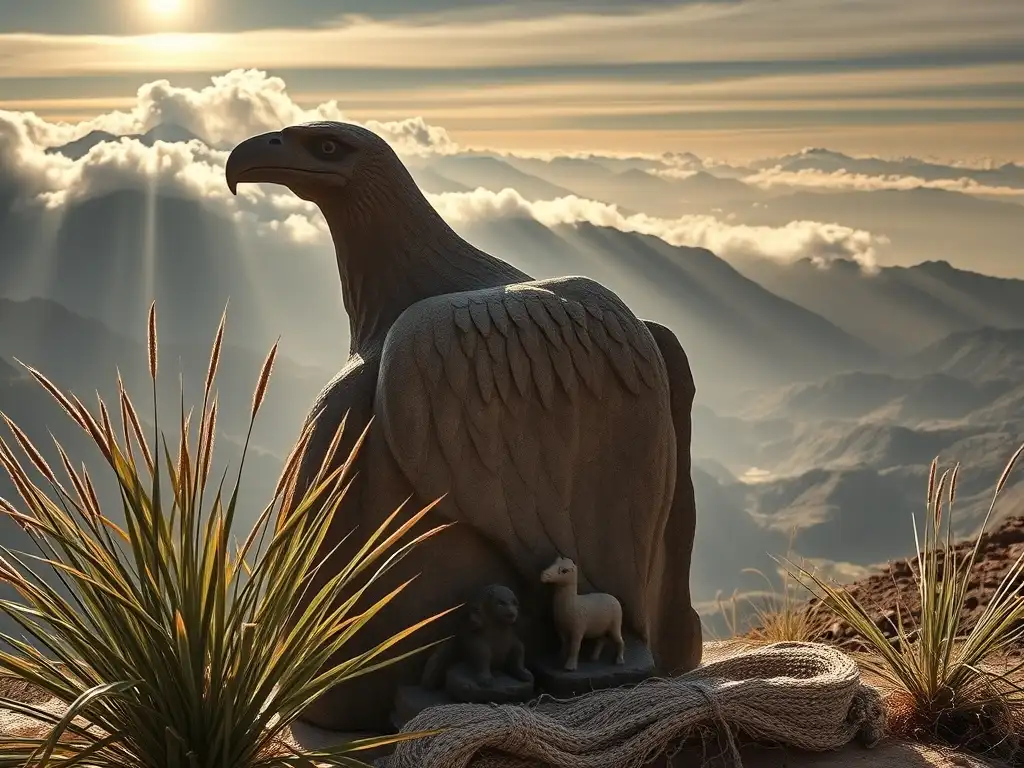
The connection between the Apus and ancestral spirits is a powerful and pervasive theme in Andean belief systems. The Apus are not merely seen as dwelling places for spirits; they are considered to be the embodiment of ancestral power, representing the enduring presence of past generations. This connection to the past provides a sense of continuity and identity for Andean communities. The spirits of ancestors are believed to reside within the Apus, watching over their descendants and influencing their lives.
This concept fosters a deep respect for tradition and a strong sense of community, linking the living with the deceased in a continuous cycle of life and death. Rituals and ceremonies are performed to honor the ancestral spirits dwelling within the Apus, ensuring a harmonious relationship between the living and the dead. These rituals often involve offerings, prayers, and symbolic gestures aimed at appeasing the ancestral spirits and seeking their guidance and protection. The importance of maintaining this connection with the past is crucial for the cultural identity and spiritual well-being of Andean communities.
The Apus, therefore, serve as tangible links to the ancestral past, constantly reminding the living of their heritage and their connection to the spiritual world. The continuity of these traditions ensures the preservation of Andean cultural identity and the ongoing veneration of the Apus, solidifying their enduring significance in Andean society. The reverence for the Apus is not just a belief system; it's a living tradition, deeply embedded in the social fabric of Andean communities.
The Connection Between Apus and Inca Culture
The Inca Empire, arguably the most well-known Andean civilization, deeply intertwined its beliefs and practices with the veneration of Apus. These mountain spirits were not merely geographical features; they were considered powerful deities, integral to the Inca worldview and cosmology. The Inca saw the Apus as intermediaries between the human world and the celestial realm, influencing weather patterns, agricultural yields, and the overall well-being of the empire. Their reverence wasn't simply a matter of superstition; it was a fundamental aspect of Inca governance, social structure, and spiritual life.
The Inca believed that maintaining a harmonious relationship with the Apus was crucial for the empire's prosperity and stability. This relationship was cultivated through elaborate rituals, offerings, and carefully constructed infrastructure, demonstrating the profound significance of these mountain spirits in Inca society. The Inca worldview was profoundly shaped by the Apus, permeating every facet of their lives.
Apus in Inca Religion and Mythology
Inca religion presented a complex pantheon of deities, with the Apus holding a prominent position. They weren't simply personified mountains; Inca mythology imbued them with rich narratives and specific roles within the cosmic order. Many Apus were associated with specific regions or valleys, becoming patron deities of those areas.
For instance, [Specific Apu and associated region pending] This localized worship fostered strong regional identities and loyalty to the Inca state, solidifying the empire's control through a blend of political and religious authority. Furthermore, many Inca myths and legends directly involved Apus, often featuring them as powerful actors in creation narratives or as guardians of sacred sites.
These stories served to reinforce the importance of the Apus and their influence on the lives of the Inca people. Detailed accounts of these myths, unfortunately, are scarce due to the destruction of Inca records after the Spanish conquest; however, surviving accounts reveal a rich and complex relationship between the Inca and their mountain deities.
The Influence of Apus on Quechua Beliefs
The Quechua people, whose language and culture were significantly impacted by the Inca, continued to venerate the Apus long after the fall of the empire. Quechua beliefs about the Apus largely mirrored those of the Inca, emphasizing their power over nature and their role as protectors and providers. This continuity underscores the enduring significance of the Apus in Andean spirituality.
The Apus remained central to Quechua agricultural practices, with rituals and offerings performed to ensure successful harvests. Even today, many Quechua communities maintain traditions associated with Apu worship, highlighting the enduring legacy of these mountain spirits in their cultural identity. The incorporation of Apus into Quechua cosmology demonstrates the resilience of Andean traditions and their ability to adapt while preserving core spiritual beliefs.
Apus and Their Manifestation in Aymara Culture
The Aymara, another significant Andean ethnic group, also incorporated Apus into their spiritual worldview. While the specific details of Aymara beliefs might differ from those of the Inca or Quechua, the fundamental concept of powerful mountain spirits remains consistent. The Apus are revered as protectors and sources of life-giving water, reflecting the crucial role of mountains in the Aymara's agricultural practices and daily life.
Aymara rituals and ceremonies often involve offerings and prayers directed toward the Apus, seeking their favor and protection. [Specific Aymara Apu and associated rituals pending] This underscores the widespread acceptance of Apus across different Andean cultures, demonstrating the fundamental importance of these mountain spirits in the region's spiritual landscape.
The Significance of Apus in Wari Society
The Wari civilization, a pre-Inca empire that flourished in the central Andes, also demonstrated a deep reverence for the Apus. Although our understanding of Wari religion is less complete than that of the Inca, archaeological evidence suggests a strong connection between Wari society and mountain worship. [Specific archaeological evidence for Wari Apu veneration pending].
The Wari likely performed rituals and offered sacrifices to the Apus, believing in their influence over the prosperity and well-being of their empire. The architectural layout of Wari cities and the location of their ceremonial centers likely reflected the importance of the Apus in their spatial organization and worldview. Further research is needed to fully understand the nature of Wari Apu veneration, but preliminary evidence indicates its significant role in their culture and society.
Rituals and Offerings to the Apus: Honoring Mountain Spirits
The veneration of Apus was not a passive act; it involved active engagement through elaborate rituals and offerings. These practices aimed to maintain a harmonious relationship with the mountain spirits, ensuring their continued favor and protection. The rituals varied across different Andean cultures, but they all shared a common thread: the desire to appease and honor these powerful deities.
The frequency and scale of these rituals depended on the perceived importance of the Apu and the specific needs of the community. Failure to perform appropriate rituals or offer sufficient tribute was believed to incur the wrath of the Apus, potentially leading to natural disasters, crop failures, or other misfortunes.
Types of Offerings to Apus: Coca Leaves, Chicha, and Llamas
The offerings presented to the Apus were carefully chosen to reflect their importance and the desires of the community. Coca leaves, a sacred plant in Andean culture, were frequently offered as a symbol of respect and appeasement. Chicha, a fermented corn beverage, was another common offering, often consumed during ceremonies dedicated to the Apus. Llamas, considered sacred animals, were sometimes sacrificed to the Apus on special occasions, representing a significant act of devotion.
The specific types and quantities of offerings varied depending on the context, the Apu being honored, and the community's resources. The act of offering itself was considered a sacred duty, reaffirming the community's dependence on the Apus and their continued support. These offerings were not simply material gifts; they represented a profound spiritual connection between the Andean people and the mountain spirits.
Sacred Sites and Ceremonies Dedicated to Apus
Specific locations, often high-altitude passes or mountain peaks, were designated as sacred sites for Apu worship. These sites frequently featured evidence of past rituals, including offerings, shrines, and ceremonial structures. [Specific examples of sacred sites and associated rituals pending]. Ceremonies held at these locations were often elaborate affairs, involving community participation, prayers, music, and dance.
These events reinforced social bonds and reaffirmed the community's shared beliefs and dependence on the Apus. The importance of these sacred sites and the ceremonies performed there highlights the deeply ingrained nature of Apu worship in Andean culture and its role in shaping community identity and social cohesion. The legacy of these sites continues to resonate today, with many remaining important pilgrimage destinations for Andean communities.
The Living Presence of Apus in Modern Andean Communities
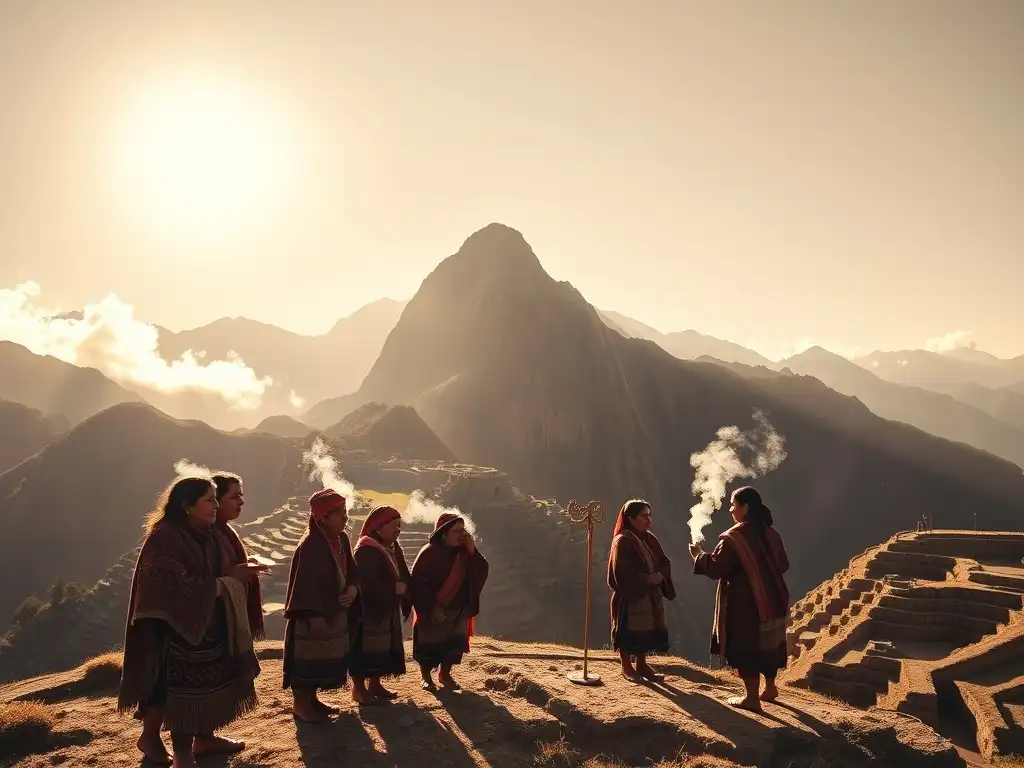
The reverence for Apus isn't confined to historical texts and archaeological findings; it's a vibrant, living tradition in many contemporary Andean communities. In the high altitudes of the Andes, from the snowy peaks of the Cordillera Blanca in Peru to the rugged mountains of Bolivia, the belief in the Apus's active presence permeates daily life. Farmers still offer coca leaves and chicha (a fermented corn beverage) to appease the mountain spirits before planting or harvesting, seeking their blessing for a bountiful yield. These offerings aren't merely symbolic gestures; they're deeply ingrained practices reflecting a profound interconnectedness between the people and their environment.
Many communities organize annual pilgrimages to sacred mountain peaks, carrying offerings and performing rituals to honor the Apus and seek their protection. These ceremonies often involve music, dance, and prayers, reinforcing the community's spiritual bond with the mountains. The vibrant colors of traditional clothing and the intricate designs woven into textiles often depict Apus, further illustrating their ongoing significance in Andean cultural identity.
The Apus are not simply distant deities; they are active participants in the lives of Andean communities, shaping their livelihoods and influencing their spiritual well-being. This enduring connection underscores the resilience and dynamism of Andean spiritual beliefs in the modern era. Moreover, the oral traditions, passed down through generations, continue to narrate stories of interactions with the Apus, perpetuating the living legacy of these powerful mountain spirits.
Andean Apus Spirits Meaning: An Enduring Legacy
The meaning of "Apus" transcends a simple definition; it encapsulates a complex interplay of spiritual, ecological, and social elements within Andean cosmology. The term itself, often translated as "mountain spirits" or "mountain gods," doesn't fully capture the nuanced understanding held by Andean communities. Apus are not merely inanimate natural forces; they possess agency, personality, and the capacity to influence human affairs. They are considered ancestral beings, embodying the power and wisdom of the mountains themselves.
Their presence is felt not only in the majestic peaks but also in the rivers, glaciers, and flora that thrive on their slopes. The Andean worldview emphasizes a profound interconnectedness between the human and natural worlds, with Apus acting as intermediaries between the celestial and terrestrial realms. Understanding the Andean Apus spirits meaning requires recognizing this holistic perspective, where the mountains are not just geographical features but living entities with spiritual significance.
The enduring legacy of the Apus is evident in the continued practice of ancestral veneration, the preservation of oral traditions, and the ongoing influence of Andean cosmology on contemporary Andean life. This deep-seated belief system shapes social structures, agricultural practices, and artistic expression, ensuring that the meaning of the Apus remains central to Andean identity and worldview. The study of Apus offers a profound insight into the intricate relationship between humans and their environment, a relationship that has shaped Andean cultures for millennia.
The Importance of Respecting the Apus
Respecting the Apus is paramount within Andean culture, as it's believed to ensure the well-being of both individuals and communities. Disrespecting the Apus, through actions such as polluting mountain environments or ignoring traditional rituals, is seen as inviting misfortune, natural disasters, or illness. This understanding underscores the deeply ingrained ecological awareness within Andean cosmology. The mountains are not seen as resources to be exploited but as living entities that must be treated with reverence and care.
Consequently, sustainable practices are often deeply intertwined with traditional beliefs surrounding the Apus. For example, the careful management of water resources, the respectful harvesting of crops, and the avoidance of excessive deforestation are all rooted in the understanding of the Apus's influence on the environment. The importance of respecting the Apus also extends to the realm of social harmony. The Apus are seen as guardians of community well-being, and their displeasure can manifest as social discord or conflict.
Therefore, maintaining a respectful relationship with the Apus is crucial for the overall stability and prosperity of Andean communities. This emphasis on respect extends beyond mere ritualistic practices; it embodies a holistic approach to life that values the interconnectedness of all living things and the importance of living in harmony with the natural world. The continuous practice of respecting the Apus acts as a powerful reminder of the enduring relationship between the Andean people and their sacred mountains.
Exploring the Spiritual Dimension of Andean Mountains

The towering Andes Mountains weren't simply geographical features to the ancient Andean peoples; they were living entities, imbued with immense spiritual power. The Apus, the mountain spirits, were considered powerful deities, deeply integrated into the daily lives and cosmology of civilizations like the Inca, Moche, and others. These weren't merely abstract concepts; the Apus were seen as direct influences on weather patterns, agricultural yields, and the overall well-being of the communities nestled in their shadows. Their moods, it was believed, directly impacted the success of harvests and the health of the people.
A displeased Apu could bring drought, floods, or illness, while a benevolent one could bestow abundance and prosperity. This deeply ingrained belief system shaped every aspect of Andean life, from agricultural practices to political structures. Rituals and offerings were performed regularly to appease and honor the Apus, ensuring their continued favor and protection.
The mountains themselves became sacred sites, imbued with a palpable sense of the divine, and were frequently the location of significant ceremonies and pilgrimages. The awe-inspiring scale of the Andes further reinforced their spiritual significance, fostering a sense of reverence and wonder among the Andean people. Their sheer presence served as a constant reminder of the powerful forces at play in their world.
Preservation of Andean Traditions and the Apus
Despite the passage of centuries and the impact of colonization, the veneration of the Apus persists in many Andean communities today. While the specifics of rituals and practices may have evolved, the core belief in the spiritual power of the mountains remains strong. Many indigenous communities continue to perform ceremonies, offer coca leaves and other gifts to the Apus, and seek their guidance on matters of importance.
These traditions are often intertwined with contemporary challenges, such as environmental protection and social justice. For example, many indigenous groups actively fight against mining projects that threaten the sanctity of the mountains, viewing such actions as a direct affront to the Apus and a disruption of the delicate ecological balance. The preservation of these traditions is crucial not only for maintaining cultural heritage but also for safeguarding the environment and promoting sustainable development in the Andes.
Efforts to document and share these practices with a wider audience are vital in raising awareness about the significance of the Apus and the importance of respecting the Andean worldview. This interconnectedness between the spiritual and the physical highlights the enduring relevance of the Apus in modern Andean life. The ongoing struggle to protect the environment often frames the continued reverence for these powerful mountain spirits.
Conclusion: The Enduring Power of the Apus in Andean Beliefs
The enduring belief in the Apus highlights the deep connection between the Andean people and their environment. The mountains are not merely geographical features but active participants in the spiritual and physical lives of the communities that live among them. The concept of the Apus, therefore, offers a valuable insight into Andean cosmology and its enduring power.
From ancient rituals to modern-day environmental activism, the veneration of the Apus continues to shape Andean culture and worldview, demonstrating the resilience of indigenous traditions in the face of profound societal changes. Understanding the meaning of the Andean Apus spirits is crucial to appreciating the rich tapestry of Andean beliefs and their lasting impact on the region's culture and environment.
The continued significance of the Apus underscores the importance of respecting indigenous spiritual practices and recognizing the profound interconnectedness between humans and nature. The legacy of the Apus serves as a powerful reminder of the enduring power of spiritual belief in shaping human societies and their relationship with the natural world.
- Understanding the Significance of Apus in Andean Cosmology
- The Apus: More Than Just Mountains, Spiritual Entities
- Defining Andean Apus: Sacred Mountains and Their Inhabitants
- The Role of Apus as Protectors and Providers
- Apus as Ancestral Spirits: Connecting with the Past
- The Connection Between Apus and Inca Culture
- Rituals and Offerings to the Apus: Honoring Mountain Spirits
- The Living Presence of Apus in Modern Andean Communities
- Andean Apus Spirits Meaning: An Enduring Legacy
- The Importance of Respecting the Apus
- Exploring the Spiritual Dimension of Andean Mountains
- Preservation of Andean Traditions and the Apus
- Conclusion: The Enduring Power of the Apus in Andean Beliefs
Frequently Asked Questions
What are Apus in Andean culture?
Apus are ancestral mountain spirits revered in Andean cultures. They are considered powerful deities, protectors of the land and its people, and deeply intertwined with the environment. Their worship is central to Andean spirituality.
How did the Incas view the Apus?
The Inca Empire integrated Apus into their religious and political systems. They built shrines and made offerings to ensure the Apus's favor, believing their blessings were crucial for prosperity and protection. Royal power was often linked to the control of Apus.
What is the significance of the Apus's connection to mountains?
The Apus are inherently tied to the mountains themselves. The mountains are not merely geographical features but living entities, inhabited by these powerful spirits. Their peaks are considered sacred and places of communication with the divine.
What kind of offerings were made to the Apus?
Offerings to the Apus included food, drink, coca leaves, and other valuable items. These offerings were intended to appease and honor the spirits, seeking their protection and blessings for communities, harvests, and other important aspects of life.
How does the belief in Apus relate to modern Andean cultures?
While Christianity has spread, many Andean communities continue to revere and make offerings to the Apus. The belief in Apus remains a significant part of their spiritual identity and worldview, often intertwined with their modern practices and traditions.
Final Reflection: Echoes of the Apus in a Changing World
The reverence for the Apus, the sacred mountain spirits of the Andes, remains a potent force, shaping not only the spiritual landscape of the region but also its environmental consciousness. Their continued significance underscores the enduring power of indigenous wisdom in a world grappling with ecological crises and the urgent need for a more harmonious relationship with nature.
The enduring legacy of the Apus is a testament to the deep connection between humanity and the natural world, a connection often lost in modern societies. Their influence extends beyond ritual and belief, shaping agricultural practices, land management, and even political structures. The mountains are not just mountains; they are the ancestors, the protectors, the source of life itself.
This sentiment, echoing through generations, highlights the profound respect and responsibility inherent in the Andean worldview, a perspective desperately needed in our time of environmental degradation.
Consider the profound wisdom embedded in the Andean concept of the Apus. It's a call to recognize the interconnectedness of all living things, to understand our place within a larger ecosystem, and to act as stewards of the land. You, too, can cultivate a deeper appreciation for the natural world, finding inspiration in the enduring reverence for the Apus and integrating this respect into your own life. Let the echoes of these ancestral spirits guide you towards a more sustainable and harmonious future.
Embrace the Wisdom of the Andes Mountains!
Thank you for exploring the rich cultural significance of the Andean mountains in indigenous civilizations. Your journey into this fascinating topic has revealed the profound connection between people and the majestic peaks that shape their heritage. Now, let's put this inspiration into action!
Here are some impactful ways to deepen your understanding and appreciation of the Andean worldview:
- Connect with Nature: Take a hike in the mountains or a nature reserve. Reflect on the sense of history and spirituality these landscapes evoke—what stories do they tell you?
- Share Your Discoveries: Discuss the importance of respecting and understanding the Andean mountains with friends, family, or online. Consider hosting a gathering to share knowledge and perspectives on ancestral beliefs and environmental stewardship.
- Engage with Your Community: Look for local workshops or events that focus on indigenous cultures or environmental conservation. Connecting with communities helps deepen your appreciation and understanding of these vital traditions.
How can the wisdom of the Andes mountains influence our relationship with nature today? We'd love to hear your thoughts!