
The Art of the Ancients: Exploring the Rock Art of Toro Muerto

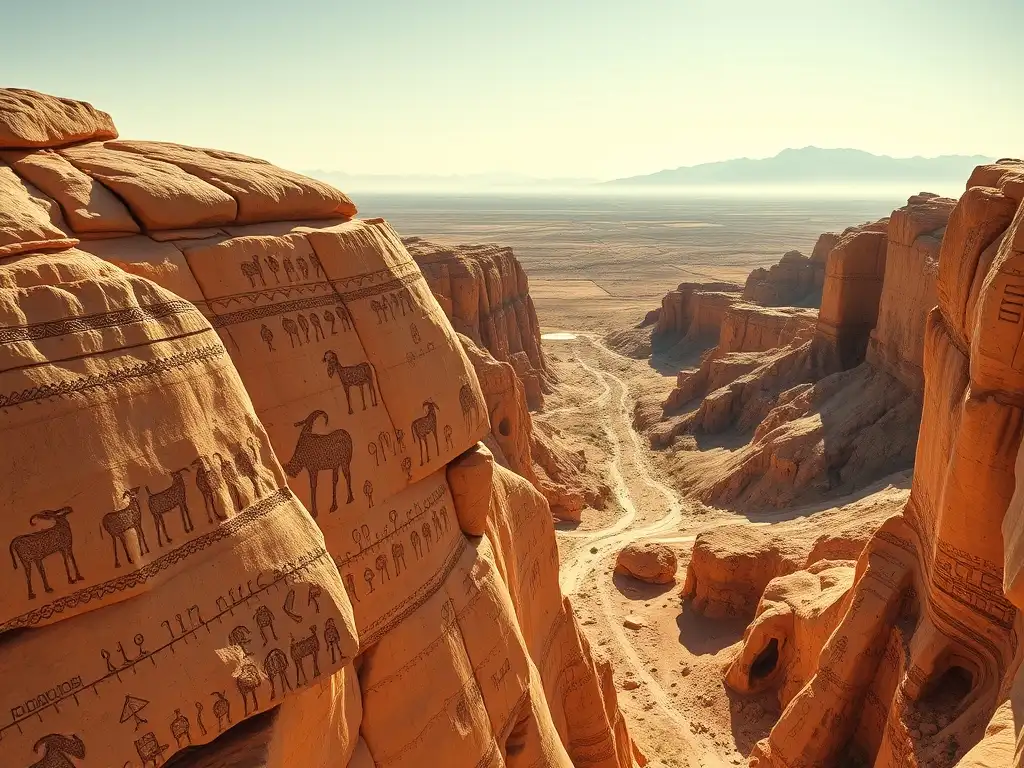
Uncover the secrets whispered on the windswept heights of the Andes! Journey with us through a captivating landscape etched with the enigmatic legacy of Andean civilizations. Prepare to be mesmerized by the breathtaking artistry of Andean rock art Toro Muerto, a testament to the ingenuity and spiritual beliefs of a lost world. What stories do these ancient carvings tell? Dive in and discover the answers…
The high Andes of Peru hold a wealth of archaeological treasures, silently whispering tales of ancient civilizations. Among these captivating remnants of the past, the rock art of Toro Muerto stands out as a particularly compelling example of Andean artistic expression.
This expansive site, located near the town of Palpa in the department of Ica, boasts thousands of petroglyphs etched onto the desert rocks, offering a unique window into the beliefs, rituals, and daily life of pre-Inca cultures. This article delves into the fascinating world of Toro Muerto, providing insights into its enigmatic imagery, practical advice for planning your visit, and essential equipment to ensure a safe and rewarding exploration of this remarkable Andean rock art site.
We'll explore the history, the art itself, and how to best experience this unique piece of Peruvian heritage, making this a definitive guide for anyone interested in experiencing Andean rock art firsthand and ranking highly for searches related to "Andean rock art Toro Muerto". Prepare to embark on a journey through time and discover the captivating stories etched into the stones of Toro Muerto.
Discovering the Enigma: Introduction to Andean Rock Art at Toro Muerto
Toro Muerto's petroglyphs are not simply decorative; they are a complex tapestry of symbols, figures, and abstract designs. Scholars believe these carvings, dating back centuries, represent a variety of themes, including astronomical observations, ritualistic practices, and depictions of animals and humans interacting with their environment. The sheer scale of the site, with thousands of petroglyphs scattered across numerous rock surfaces, makes it one of the largest and most significant examples of rock art in the Andes.
The style of the petroglyphs varies considerably, reflecting the artistic evolution of different pre-Inca cultures that inhabited the region over time. Some petroglyphs are simple and linear, while others are more complex and detailed, showcasing a remarkable range of artistic skill and expression. Understanding the context of these images requires careful observation and interpretation, and even then, much remains a mystery, adding to the site's allure and its enduring appeal for researchers and visitors alike.
The enigmatic nature of the art only enhances its captivating power and continues to fuel ongoing research and debate. The mystery behind their creation and meaning is part of the thrill of exploring Toro Muerto.
Preparing Your Journey: Essential Gear for Exploring Ancient Petroglyphs
Exploring Toro Muerto requires careful planning and the right equipment to ensure a safe and enjoyable experience. The site is located in a harsh desert environment, characterized by intense sun, rugged terrain, and unpredictable weather. Therefore, packing the appropriate gear is crucial. Below, we outline some essential items to consider for your journey:
High-Quality Hiking Boots: The Salomon Quest 4 GTX for Trekking Toro Muerto
Navigating the uneven terrain of Toro Muerto demands sturdy and comfortable hiking boots. The Salomon Quest 4 GTX, with its Gore-Tex lining for waterproofing and excellent ankle support, is an ideal choice for this type of trek. Its durable construction ensures protection against rocks and other hazards, while its comfortable fit minimizes fatigue during your exploration of the extensive site. Investing in quality footwear is paramount for a comfortable and safe exploration.
Sun Protection: La Roche-Posay Anthelios Melt-In Sunscreen Milk SPF 60 for the Andean Sun
The intense Andean sun can be unforgiving. Protecting your skin from harmful UV rays is essential. A high SPF sunscreen, such as La Roche-Posay Anthelios Melt-In Sunscreen Milk SPF 60, provides broad-spectrum protection and a lightweight feel, making it ideal for prolonged exposure to the sun. Remember to reapply frequently, especially after sweating. Sun hats and sunglasses are also highly recommended additions to your sun protection strategy.
Photography Equipment: Capturing the Beauty of Toro Muerto's Petroglyphs with a Canon EOS R6
Capturing the detail and beauty of Toro Muerto's petroglyphs requires a camera capable of high-resolution images. The Canon EOS R6, with its full-frame sensor and excellent low-light performance, is well-suited for this task. Its versatile features allow for capturing both wide shots of the landscape and close-up details of the carvings. Remember extra batteries and memory cards, as you'll likely want to take many photos!
Hydration Pack: CamelBak M.U.L.E. Hydration Pack to Carry Water and Essentials
Staying hydrated is crucial during your exploration of Toro Muerto. A hydration pack, such as the CamelBak M.U.L.E., allows you to carry ample water and other essentials, like snacks and sunscreen, without hindering your movement. The pack's comfortable design ensures you can stay hydrated throughout your exploration of this extensive site. Remember to fill your pack completely before setting out, and consider bringing additional water bottles as backup.
Toro Muerto, located in the Arequipa region of Peru, isn't just a collection of rock art; it's a sprawling landscape of petroglyphs etched across numerous boulders. Navigating the site requires careful planning and ideally, a guided tour. The sheer scale of the site—covering several hectares—means that visitors without guidance might miss significant panels or inadvertently damage the fragile rock art.
A well-structured tour typically begins with an overview of the site's history and significance, providing context for the petroglyphs you'll encounter. Guides often lead visitors along designated paths, highlighting key areas and explaining the different styles and periods represented in the rock art. This approach ensures a respectful and enriching experience, maximizing the visitor's understanding and minimizing environmental impact.
Remember to wear sturdy footwear suitable for uneven terrain and bring plenty of water, especially during the warmer months. The sun can be intense, so sunscreen and a hat are also essential. Respecting the fragility of the site is paramount; visitors should avoid touching the petroglyphs and stick to designated pathways.
Understanding the Layout: Key Sectors and Panels of the Toro Muerto Site
The Toro Muerto site is not uniformly distributed; instead, it's organized into distinct sectors, each containing numerous panels of rock art. These sectors often reflect chronological or stylistic variations in the petroglyphs, offering a glimpse into the evolution of artistic expression over time. Some sectors might predominantly feature depictions of camelids, while others might focus on human figures or abstract symbols.
Understanding this layout is crucial for appreciating the site's complexity. Many panels are clustered together, forming a kind of "gallery" effect. Others are more isolated, perhaps suggesting a specific purpose or significance.
Detailed maps and guides often categorize these sectors, helping visitors trace the chronological and stylistic shifts in the rock art. This organized approach allows for a more comprehensive understanding of the site's artistic development and the cultural practices it reflects. Careful observation of the spatial arrangement of panels within each sector can also provide valuable insights into the social and religious contexts of the petroglyphs.
Deciphering the Symbols: Common Motifs and Their Possible Meanings in Andean Petroglyphs
The petroglyphs of Toro Muerto are rich in symbolic imagery. Many motifs recur across different panels and sectors, suggesting a shared cultural understanding. Common symbols include geometric shapes like spirals, zigzags, and crosses, alongside more representational images of animals and humans. Interpreting these symbols is a complex process, often involving interdisciplinary approaches combining archaeological data, ethnohistorical research, and anthropological insights. For example, spirals might represent celestial bodies or cyclical processes, while zigzags could symbolize mountains or paths.
Crosses, often found in conjunction with other motifs, may have had ritual or religious significance. The precise meanings, however, remain open to scholarly debate and require careful consideration of the broader Andean cultural context. Further research, including comparative studies of similar rock art from other Andean sites, is necessary to refine our understanding of these symbolic languages. The complexity of these symbols highlights the richness and depth of the ancient Andean worldview.
Identifying Animals and Figures: Recognizing Camellids, Birds, and Human Representations
A significant portion of Toro Muerto's rock art depicts animals and human figures. Camelids, particularly llamas and alpacas, are frequently represented, reflecting their importance in the Andean economy and spirituality. These depictions often vary in style and level of detail, ranging from simple outlines to more naturalistic representations. Similarly, birds, possibly signifying spiritual messengers or deities, are also commonly found.
Human figures are depicted in various poses and contexts, sometimes engaged in activities such as hunting or ceremonies. Identifying these figures and animals requires careful observation of their anatomical features and stylistic characteristics. The way in which the animals and humans are depicted—their size, posture, and association with other symbols—can provide clues about their symbolic meaning within the broader context of the petroglyphs. Comparing the depictions at Toro Muerto with those from other sites can help establish regional stylistic variations and potential connections between different Andean cultures.
Interpreting the Narrative: Potential Stories and Beliefs Depicted in the Rock Art
The rock art of Toro Muerto isn't just a collection of isolated symbols; it likely conveys narratives and reflects the beliefs and worldview of the ancient Andean people who created it. By analyzing the spatial arrangement of figures and symbols within a panel, and by comparing different panels across the site, researchers can begin to piece together potential stories or narratives. For example, a sequence of panels might depict a hunting scene, a ritual, or a mythological event.
Interpreting these narratives requires careful consideration of the overall context, including the site's location, the surrounding environment, and the broader archaeological record. The potential stories depicted may relate to Andean cosmology, shamanistic practices, or social structures.
However, due to the lack of written records from this period, interpretations remain speculative, relying heavily on comparative analysis with other Andean art forms and ethnographic studies of contemporary Andean communities. Further research is crucial to refine our understanding of these narratives and their cultural significance.
Analyzing the Technique: How the Ancient Andean Rock Carvings were Created
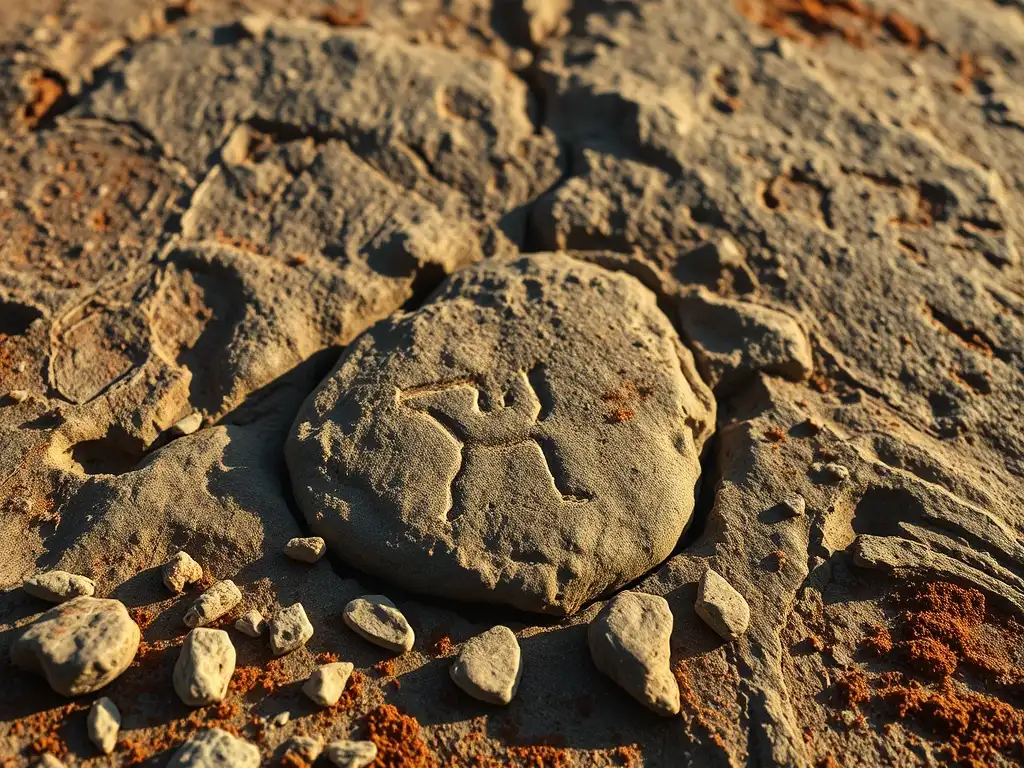
The creation of the petroglyphs at Toro Muerto involved a sophisticated understanding of stone working techniques. While the exact methods remain a subject of ongoing research, several hypotheses exist based on the observable characteristics of the carvings and comparisons with other Andean rock art traditions. The precision and depth of some carvings suggest a high level of skill and specialized tools.
The artists likely possessed a detailed knowledge of the rock's properties, choosing appropriate surfaces for carving and understanding how to manipulate the stone to achieve the desired effect. Furthermore, the consistent stylistic features across many panels suggest a degree of standardization in techniques and possibly the transmission of knowledge through apprenticeship or established practices. The creation of these petroglyphs likely involved communal effort, reflecting the collective nature of Andean societies and artistic endeavors.
The Tools of the Trade: Possible Methods Used to Create the Toro Muerto Petroglyphs
The tools used to create the Toro Muerto petroglyphs remain largely unknown, but based on similar rock art traditions in the Andes, several possibilities exist. Stone hammers and chisels, perhaps made from harder volcanic rocks, are likely candidates. These tools would have been used to chip away at the rock surface, gradually creating the desired shapes and lines. The depth and precision of some carvings suggest the use of different tools and techniques depending on the desired effect.
Some petroglyphs might have been created using percussion techniques, while others may have involved abrasion or grinding. The use of specific tools would have also depended on the type of rock used as a canvas, with harder rocks requiring more robust tools than softer ones. Further research, including analysis of tool marks on the petroglyphs themselves, is crucial for a more definitive understanding of the tools and techniques employed.
The Materials of the Art: Examining the Rock Types Used as Canvases
The rock surfaces used as canvases at Toro Muerto vary in type and texture, influencing both the carving process and the longevity of the petroglyphs. The specific geological composition of the rocks provides insights into the artists' selection criteria and their understanding of the material properties. Some rocks might have been chosen for their ease of carving, while others might have been preferred for their durability and resistance to weathering.
The variety of rock types also contributes to the diversity of the petroglyphs' appearance, with different rocks exhibiting varying degrees of texture and color. Analyzing the geological characteristics of the rocks provides valuable information about the environment in which the petroglyphs were created and the resources available to the artists. This understanding is crucial for effective preservation strategies.
Preservation Techniques: Protecting the Ancient Andean Rock Art for Future Generations
Preserving the fragile rock art of Toro Muerto is a crucial task. The petroglyphs are vulnerable to natural weathering processes, such as erosion and temperature fluctuations, as well as human-induced damage. Effective preservation strategies involve a multi-pronged approach, combining scientific monitoring and conservation techniques with community engagement and responsible tourism practices. This includes careful documentation of the petroglyphs, using techniques such as 3D scanning and photographic recording.
It also involves the implementation of measures to minimize environmental damage, such as controlling water runoff and preventing vandalism. Furthermore, educating visitors about the site's fragility and the importance of respectful behavior is essential for long-term preservation. Community involvement is crucial, as local communities have a vested interest in protecting their cultural heritage.
Exploring Digital Recreations: 3D Scans and Digital Models of the Petroglyphs
The use of 3D scanning and digital modeling is revolutionizing the study and preservation of Toro Muerto's rock art. These technologies allow for the creation of highly accurate digital replicas of the petroglyphs, providing researchers with detailed information about their form and texture. Digital models can be used for detailed analysis, facilitating the identification of subtle features that might be missed during visual inspection.
Furthermore, these digital replicas can be used for educational purposes, providing access to the rock art for a wider audience without the need for physical visits. This is particularly important for fragile or inaccessible panels.
Digital recreations also play a vital role in preservation efforts, providing a record of the petroglyphs' current state that can be used to monitor changes over time and to aid in restoration efforts. The digital models also offer opportunities for virtual tours and interactive experiences, making the rock art accessible to a global audience.
Monetization Opportunity: Books, Guides, and Tours for a Deeper Understanding
The sheer volume and complexity of the petroglyphs at Toro Muerto present a significant opportunity for the development of various products and services aimed at enhancing visitor understanding and experience. This translates directly into monetization opportunities for local communities and businesses. Careful planning and execution are key to ensuring these opportunities are both profitable and respectful of the site's historical significance.
Recommended Reading: "The Incas: New Perspectives" by Terence N. D'Altroy
While not exclusively focused on Toro Muerto, D'Altroy's "The Incas: New Perspectives" provides crucial context for understanding the broader Andean cultural landscape within which Toro Muerto's rock art exists. His detailed analysis of Inca society, its beliefs, and its artistic expressions offers valuable insights that enrich the visitor's appreciation of the petroglyphs. The book's academic rigor complements the on-site experience, encouraging deeper reflection on the historical and social significance of the art. Supplementing this with local guides and pamphlets specific to Toro Muerto's unique iconography would create a powerful learning experience.
Guided Tours: Booking a Local Expert for an Immersive Experience of Toro Muerto's History
Employing local guides is crucial. These individuals often possess invaluable traditional knowledge and intimate familiarity with the site's history and significance, far beyond what any written guide can offer. A guided tour can transform a simple visit into an immersive journey through time, revealing the stories etched into the stone. This personalized experience can command a premium price, justifying the investment in properly training and equipping local guides, thereby directly benefiting the local economy and preserving the site's cultural heritage. The opportunity exists to offer various tour packages, catering to different interests and budgets.
Digital Guides: Downloadable Maps and Interpretations of the Petroglyphs
In the age of smartphones, providing digital resources is essential. A downloadable app or website containing high-resolution maps of the site, detailed descriptions of individual petroglyphs, and their potential meanings, would enhance the visitor experience significantly. This digital guide could include interactive elements, such as quizzes, augmented reality features overlaying images onto the actual petroglyphs, and even audio commentary from local experts.
Such a resource could be monetized through a small fee or incorporated into a larger tour package, providing an additional revenue stream while also ensuring accessibility for visitors. The digital format allows for easy updates and revisions, ensuring the information remains accurate and current.
After Your Visit: Further Research and Reflection on Andean Rock Art
The experience of visiting Toro Muerto should not end at the site's gates. The intricate detail and sheer volume of the petroglyphs warrant further investigation and contemplation. This post-visit engagement can be fostered through various avenues, contributing to a more meaningful and lasting impact on the visitor.
Connecting Toro Muerto to Other Andean Sites: Understanding Regional Rock Art Styles
Toro Muerto's rock art is not isolated. By studying other Andean rock art sites—from the Nazca Lines to the petroglyphs found throughout the Andes—visitors can begin to grasp the regional variations and common threads in these ancient artistic expressions. Comparing and contrasting the styles, motifs, and potential meanings across different sites enriches the understanding of the broader Andean cultural landscape and its artistic evolution. This comparative approach encourages a deeper appreciation for the unique characteristics of Toro Muerto's art within a larger context.
The Significance of Rock Art: Its Role in Andean Culture and Cosmology
Understanding the significance of Andean rock art requires considering its role within the broader context of Andean culture and cosmology. The petroglyphs weren't merely decorative; they likely served ritualistic, social, and possibly even astronomical purposes. Further research into Andean mythology, religious practices, and astronomical observations can shed light on the potential meanings and functions of the art. This deeper understanding transforms the petroglyphs from enigmatic markings into powerful expressions of ancient beliefs and worldviews.
Continuing Your Andean Exploration: Planning Your Next Trip to Discover Other Historical Sites
Toro Muerto is only one piece of the rich tapestry of Andean civilization. Its visit should inspire further exploration of other significant archaeological sites throughout the region. This could include sites like Machu Picchu, Chan Chan, or the Nazca Lines, each offering a unique perspective on the diverse cultures and histories of the Andes. Promoting tourism to other significant sites can contribute to the preservation and understanding of Andean heritage as a whole.
Sharing Your Experience: Contributing to the Understanding of Andean Art
Visitors can actively contribute to the ongoing understanding of Andean rock art by sharing their experiences, observations, and photographs. This could involve contributing to online databases, participating in citizen science initiatives, or simply sharing their experiences with others. This collective effort can expand our knowledge of these ancient artistic expressions and ensure their preservation for future generations. Encouraging responsible and ethical engagement with the site and its art is paramount. The potential for crowdsourced data collection and analysis offers exciting opportunities for future research.
- Discovering the Enigma: Introduction to Andean Rock Art at Toro Muerto
- Preparing Your Journey: Essential Gear for Exploring Ancient Petroglyphs
- Navigating the Site: A Guided Tour of Toro Muerto's Rock Art
- Analyzing the Technique: How the Ancient Andean Rock Carvings were Created
- Monetization Opportunity: Books, Guides, and Tours for a Deeper Understanding
- After Your Visit: Further Research and Reflection on Andean Rock Art
Frequently Asked Questions
What is Toro Muerto?
Toro Muerto is a remarkable site in southern Peru featuring extensive Andean rock art. Thousands of petroglyphs are carved into the stones, depicting various figures, symbols, and scenes from ancient Andean life. It offers a unique window into their culture and beliefs.
Who created the Toro Muerto petroglyphs?
The creators of the Toro Muerto petroglyphs are still debated by scholars, but evidence suggests various pre-Inca cultures, potentially including the Wari and/or Inca, contributed to the site over a long period. The exact timeline and creators remain a subject of ongoing research.
What kind of images are depicted in the Toro Muerto rock art?
The petroglyphs at Toro Muerto depict a wide range of images, including human figures, animals (camelids, birds, felines), geometric shapes, and possibly symbolic representations. The diverse imagery suggests a rich cultural and spiritual life.
How can I visit Toro Muerto?
Toro Muerto is accessible by guided tours from nearby towns. It's recommended to hire a local guide for a more informative and respectful experience. Remember to bring appropriate clothing and footwear for the terrain.
Why is Toro Muerto important for understanding Andean civilizations?
Toro Muerto is crucial because it provides unparalleled insights into the beliefs, practices, and daily life of pre-Columbian Andean societies. The sheer volume and diversity of petroglyphs offer a vast amount of information otherwise unavailable, helping to better understand their worldview.
Final Reflection: Echoes of the Past, Whispers of the Future
The intricate rock art of Toro Muerto isn't merely a relic of the past; it's a vibrant testament to human creativity and resilience that continues to resonate deeply in the present. These ancient carvings, etched into the very fabric of the Andean landscape, offer a powerful window into the lives, beliefs, and struggles of a civilization long gone, reminding us of the enduring human spirit and the importance of preserving our shared heritage. The sheer scale and artistry of the site demand our attention, forcing us to confront the legacy of those who came before us.
The impact of Toro Muerto extends far beyond its geographical location. The site serves as a powerful symbol of cultural continuity and the enduring connection between humanity and its environment. The past is never dead. It's not even past.
– William Faulkner. This quote perfectly encapsulates the ongoing relevance of Toro Muerto; its stories, though whispered across millennia, continue to shape our understanding of Andean history and culture. The ongoing efforts to preserve and study this site are crucial not only for historical accuracy but also for fostering a deeper appreciation for the diverse cultural tapestry of our world.
Consider the profound implications of these ancient images. What stories do they tell? What beliefs did they represent? Take a moment to reflect on the enduring power of human expression and the importance of preserving these invaluable cultural treasures for future generations. Let the echoes of the past inspire you to explore your own connection to history, to art, and to the land. Let the whispers of Toro Muerto guide you toward a deeper understanding of yourself and the world around you. The journey of discovery doesn't end here; it continues within each of us.
**Unveil the Mysteries of Toro Muerto! **
Thank you for joining us on this journey through the incredible rock art of Toro Muerto! We hope you've gained a deeper appreciation for these ancient masterpieces and the cultures that created them. To further explore this fascinating subject, consider these suggestions:
- **Plan a Visit:** Research guided tours or independent travel options to experience Toro Muerto firsthand. A knowledgeable guide can significantly enhance your understanding and appreciation of the site.
- **Share Your Discoveries:** Share this article or your personal experiences on social media, sparking conversations with friends and family about the rich art and history of the Andes.
- **Dive Deeper:** Continue your exploration by researching related resources and academic studies. The world of Andean art offers endless opportunities for discovery.
What new perspectives on ancient art will you uncover on your next adventure?