
Quinoa and the Clouds: How Andean Farmers Adapted to Climate

Step into a world lost in time, yet echoing with relevance today. Discover the ingenious strategies employed by the ancient Andean civilizations – from the Incas to the Nazca – to conquer their challenging environment. How did they thrive in the face of adversity? Our exploration of Andean farming techniques and climate change, beginning with the remarkable story of quinoa, will unveil the secrets of their resilience and offer surprising insights into our own future. Prepare to be amazed.
The Andes Mountains, a spine of towering peaks running down the western coast of South America, present some of the most challenging agricultural environments on Earth. For millennia, however, ingenious Andean civilizations have thrived in these harsh conditions, developing sophisticated farming techniques to cope with unpredictable weather patterns, steep slopes, and thin, high-altitude soils.
This article explores how Andean farmers, facing the constant threat of climate variability, developed resilient agricultural practices, focusing on their strategies for dealing with the challenges posed by altitude, water scarcity, and frost, and examining how these techniques may inform modern approaches to climate change adaptation. We will delve into the ingenuity of these ancient civilizations and their remarkable ability to not only survive but flourish in one of the world's most challenging agricultural landscapes.
Understanding their methods offers valuable insights into sustainable agriculture and resilience in the face of a changing climate, making the study of Andean farming techniques crucial for addressing contemporary challenges related to "Andean farming techniques climate change".
Harnessing Altitude: Terracing and Microclimates
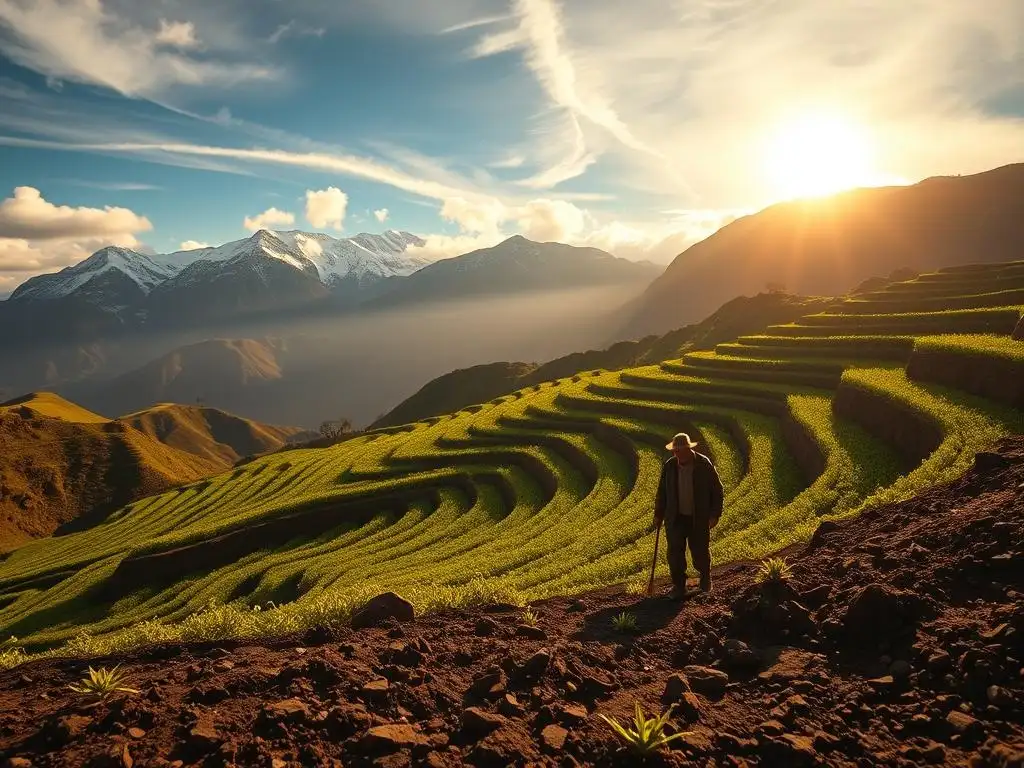
Andean farmers expertly utilized the mountainous terrain to their advantage. The construction of intricate terrace systems—a hallmark of Andean agriculture—transformed steep slopes into cultivatable land. These terraces, often supported by carefully constructed stone walls, served multiple purposes.
They slowed water runoff, preventing erosion and maximizing water retention in the soil. Furthermore, the varying altitudes within the terraced fields created diverse microclimates, allowing farmers to cultivate a wider range of crops, each suited to a specific elevation and temperature range. This diversification minimized the risk of total crop failure due to localized weather events.
The meticulous planning and labor involved in creating these terraces demonstrate a deep understanding of both the land and the climate, showcasing a remarkable level of environmental stewardship. The scale and precision of these terrace systems are a testament to the organizational capabilities and engineering prowess of Andean societies. Examples of particularly well-preserved terrace systems can be found in the Sacred Valley of Peru and other regions throughout the Andes.
Water Management: Ingenious Irrigation Systems
Water scarcity is a perennial challenge in the Andes, particularly at higher elevations. To overcome this, Andean farmers developed sophisticated irrigation systems that channeled water from rivers and streams to their fields. These systems often involved complex networks of canals, ditches, and aqueducts, some of which were remarkably sophisticated for their time. They incorporated techniques such as water storage in reservoirs and the use of gravity to distribute water efficiently.
The management of water resources was not merely a practical matter but also a social one, with communities often collaborating to maintain and manage shared irrigation systems. This collaborative approach ensured the equitable distribution of a vital resource and fostered social cohesion within the community. The careful planning and execution of these systems highlight the sophisticated understanding of hydrology and engineering possessed by Andean farmers.
Frost Protection: A Battle Against the Elements
Frost is a significant threat to Andean agriculture, particularly at higher altitudes. Andean farmers employed various ingenious methods to protect their crops from frost damage. These included the use of smoke screens, created by burning specific plants to create a layer of insulating smoke above the crops. Additionally, they developed techniques for microclimate modification, such as planting windbreaks and utilizing specific crop arrangements to minimize frost exposure.
The selection of frost-resistant crop varieties, such as quinoa, was also crucial. The development of these diverse strategies reveals a deep understanding of the environmental conditions and the specific vulnerabilities of different crops. The meticulous observation of weather patterns and the development of responsive strategies are critical aspects of Andean agricultural resilience.
Quinoa: A Climate-Resilient Crop
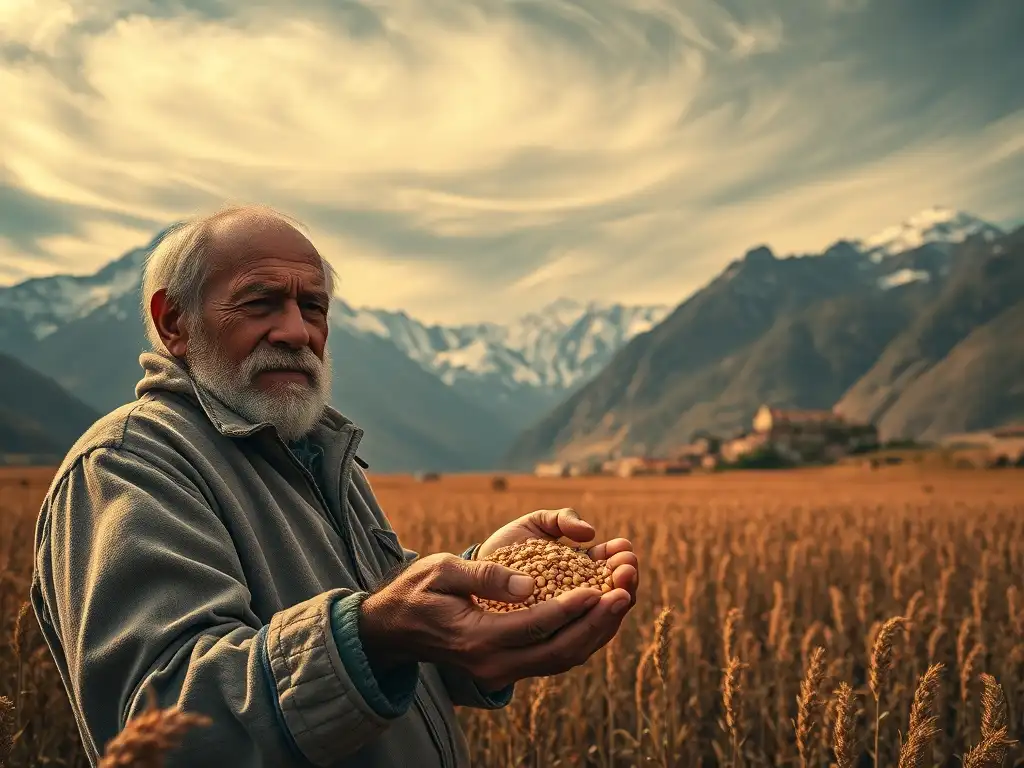
Quinoa, a grain crop native to the Andes, stands as a prime example of the region's climate-resilient agriculture. It thrives in harsh conditions, tolerating both drought and frost. Its high nutritional value and adaptability have made it a staple crop for Andean communities for thousands of years. Its resilience to climate variability makes it a particularly valuable crop in the context of climate change, and its cultivation is now spreading globally as a sustainable food source.
The successful cultivation of quinoa highlights the importance of biodiversity and the selection of crops adapted to specific environmental conditions. The resilience of quinoa underscores the long-term sustainability of the Andean farming techniques. This adaptability contributes to the continued relevance of Andean farming practices in the face of modern climate challenges.
Lessons for the Future: Andean Wisdom in a Changing Climate
The sophisticated farming techniques developed by Andean civilizations offer invaluable lessons for modern agriculture. Their emphasis on water conservation, soil management, and crop diversification are particularly relevant in the context of climate change. The integration of traditional knowledge with modern scientific approaches can lead to more sustainable and resilient agricultural practices.
By studying and adapting these ancient techniques, we can enhance our ability to feed a growing global population while mitigating the impacts of climate change. The enduring legacy of Andean farming practices serves as a powerful reminder of the importance of adapting to environmental challenges and highlights the crucial role of traditional ecological knowledge in addressing contemporary issues. The study of Andean farming provides a rich resource for developing climate-smart agriculture practices globally.
- Harnessing Altitude: Terracing and Microclimates
- Water Management: Ingenious Irrigation Systems
- Frost Protection: A Battle Against the Elements
- Quinoa: A Climate-Resilient Crop
- Lessons for the Future: Andean Wisdom in a Changing Climate
- How did Andean farmers adapt their farming techniques to the challenging Andean climate?
- What role did quinoa play in Andean adaptation to climate change?
- How did the Incas contribute to sustainable farming practices in the Andes?
- How did ancient Andean farming techniques help mitigate the impacts of climate variability?
- What are the implications of climate change on modern Andean agriculture and the cultivation of quinoa?
The Andean Highlands: A Legacy of Adaptation
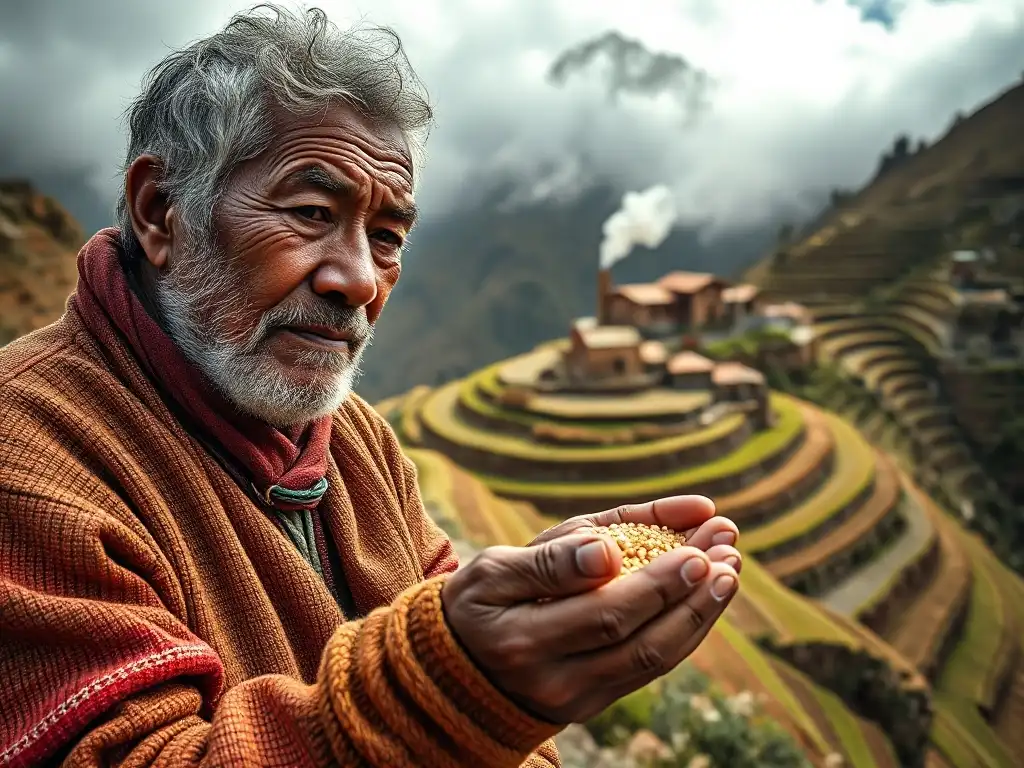
The Andes Mountains present a formidable challenge to agriculture. Their imposing peaks create a complex tapestry of microclimates, characterized by significant variations in altitude, temperature, and precipitation. This diversity, while offering a range of ecological niches, also necessitates sophisticated agricultural strategies to ensure food security.
Understanding the interplay between Andean farming techniques and climate change requires acknowledging this inherent complexity. The Andes are not a monolithic environment; rather, it’s a series of distinct zones, each with its own unique climatic pressures. This section will explore the challenges and the ingenious solutions developed by Andean farmers over millennia, highlighting the resilience and adaptability ingrained in their agricultural practices.
The impact of climate change on these established systems is a critical concern, demanding a detailed look at how traditional knowledge can inform future adaptation strategies. The keyword "Andean farming techniques climate change" is central to understanding the region's agricultural history and its future.
Understanding the Unique Climate Challenges of the Andes
The Andes' diverse geography creates a highly variable climate. Altitude is the primary factor influencing temperature and precipitation. High-altitude puna grasslands experience cold temperatures, intense solar radiation, and low rainfall, while lower valleys may enjoy warmer temperatures and more rainfall.
This variability is further complicated by the presence of distinct wet and dry seasons, varying significantly across different regions. For example, the coastal deserts receive minimal rainfall, while the Amazonian slopes experience high humidity and rainfall. These climatic variations directly impact agricultural practices, forcing farmers to adapt their techniques to the specific conditions of their locality.
Traditional Andean agriculture is not a homogenous practice; it's a mosaic of locally adapted methods, reflecting the region's extraordinary environmental diversity. These adaptations, honed over centuries, are now facing unprecedented challenges due to climate change. Increased frequency and intensity of extreme weather events, shifts in precipitation patterns, and glacier melt pose significant threats to Andean food security and the livelihoods of millions.
Ancient Andean Civilizations and their Agricultural Innovations
Ancient Andean civilizations, including the Inca, Moche, Nazca, and Tiwanaku, developed remarkable agricultural techniques to overcome the challenges of their environment. These innovations were crucial for their survival and societal development. Terracing, for example, was a widespread practice, allowing farmers to cultivate steep slopes by creating level platforms. This technique not only increased arable land but also helped to conserve water and reduce soil erosion.
The construction of intricate irrigation systems, such as canals and aqueducts, enabled the efficient distribution of water to fields, even in arid regions. The development of frost-resistant crops, such as quinoa and potatoes, was another critical innovation, allowing agriculture to flourish at high altitudes. Furthermore, the practice of waru waru agriculture, a sophisticated system of raised beds and canals, provided excellent drainage and microclimate control, enhancing crop yields and resilience to drought. These ancient Andean farming techniques showcase a deep understanding of their environment and a remarkable capacity for innovation in the face of climatic adversity.
The legacy of these techniques remains vital in understanding how to address the challenges of climate change in the Andes today. Understanding the interplay between these ancient practices and modern challenges is crucial for developing sustainable and resilient agricultural systems in the region. The impact of climate change on these ancient agricultural innovations necessitates a thorough review and adaptation of existing strategies to ensure the long-term food security of the Andes.
Quinoa: The Resilient Grain of the Andes
This section delves into the crucial role of quinoa in Andean agricultural practices, highlighting its resilience in the face of challenging climatic conditions. We will explore its historical significance and its remarkable adaptability, demonstrating how Andean farming techniques, centered around this crop, allowed for sustained cultivation even amidst environmental volatility. Understanding quinoa's contribution is key to grasping the ingenuity of Andean agricultural strategies in adapting to climate change.
The Origins and Importance of Quinoa in Andean Culture
Quinoa ( Chenopodium quinoa), a pseudocereal native to the Andes, holds a position of immense cultural and nutritional importance for Andean civilizations. Its cultivation predates the Inca Empire by millennia, with archaeological evidence suggesting its domestication in the Bolivian Altiplano as early as 5,000 years ago. For Andean communities, quinoa wasn't merely a staple food; it was deeply interwoven with their religious and social fabric.
It played a central role in ceremonies, rituals, and celebrations, representing prosperity and abundance. Its cultivation was, and remains, a source of community cohesion and cultural identity. The intricate knowledge passed down through generations regarding optimal planting times, soil preparation, and harvesting techniques demonstrates the deep-rooted connection between Andean people and their environment.
This intimate understanding of their ecosystem facilitated their impressive ability to adapt farming practices to the unique challenges presented by the Andean climate. The resilience of quinoa, mirrored in the enduring practices of Andean farmers, allowed for sustained food security across centuries.
Quinoa's Nutritional Value and Adaptability to Harsh Conditions
Quinoa's remarkable adaptability to harsh conditions is a key factor in its continued prominence in Andean agriculture. Unlike many crops, quinoa thrives in high-altitude, arid environments characterized by extreme temperature fluctuations, poor soils, and limited water availability. This resilience stems from its unique genetic makeup, allowing it to tolerate frost, drought, and salinity better than many other grains. Furthermore, quinoa boasts an exceptional nutritional profile, containing all nine essential amino acids, making it a complete protein source – a rarity among plant-based foods.
It is also rich in fiber, minerals (iron, magnesium, phosphorus), and vitamins (vitamin B, vitamin E). This nutritional density made it a crucial element in sustaining the health and well-being of Andean populations, even under conditions of environmental stress. The high altitude Andean farming techniques involved carefully selecting quinoa varieties best suited to specific microclimates and employing sophisticated irrigation systems to maximize yields in challenging conditions. This deep understanding of the plant's needs and the environment's capabilities allowed Andean farmers to cultivate quinoa successfully, ensuring food security despite the unpredictable nature of the Andean climate.
The adaptability of quinoa, coupled with the expertise of Andean farmers, showcases a powerful example of sustainable agriculture in the face of climate change. Studies on quinoa's genetic diversity are ongoing, revealing even more potential for developing climate-resilient varieties for future generations. The inherent resilience of quinoa is a testament to the effectiveness of traditional Andean farming techniques in adapting to climate variability and ensuring food security.
Andean Farming Techniques and Climate Change
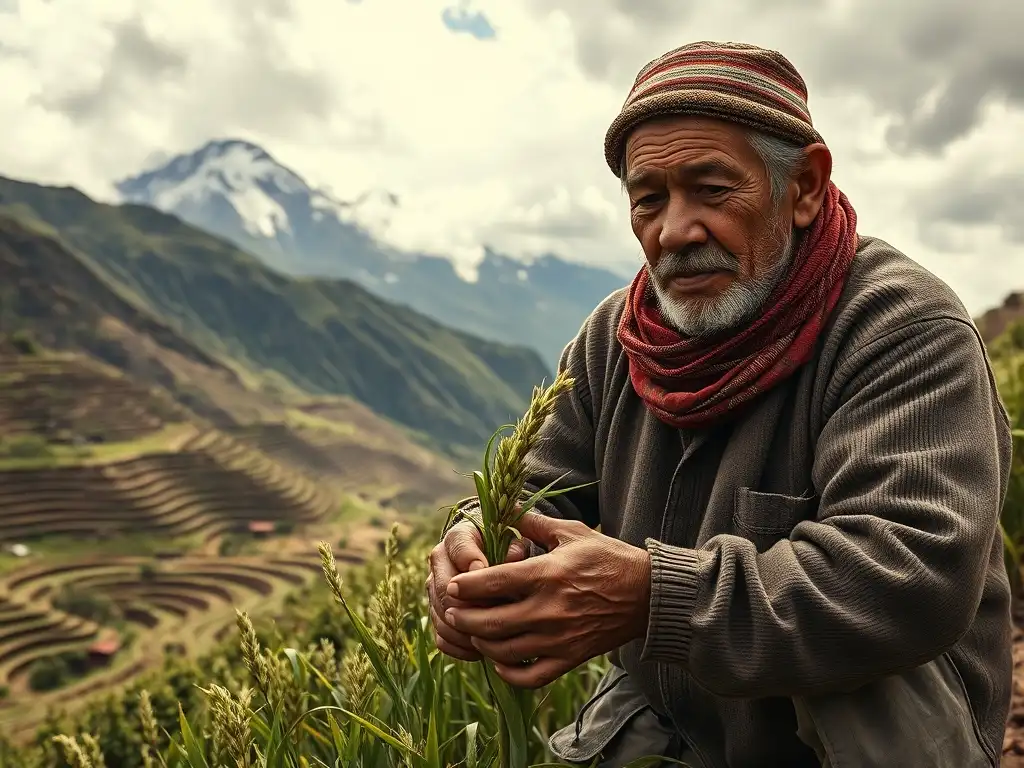
The Andes Mountains, a region characterized by extreme altitude variations and diverse microclimates, have witnessed the development of sophisticated agricultural practices over millennia. These techniques, honed over generations, allowed Andean civilizations to thrive in challenging environments, demonstrating remarkable resilience in the face of climate variability. Understanding these historical methods is crucial for evaluating the impact of modern climate change and for developing sustainable strategies for the future.
The ability of Andean farmers to adapt to shifts in temperature and precipitation patterns is a testament to their ingenuity and deep understanding of their environment. Analyzing their past successes provides valuable insights into building climate-resilient agricultural systems today. The keyword "Andean farming techniques climate change" is central to understanding this complex interplay.
Traditional Farming Practices: Terracing, Irrigation, and Crop Rotation
Andean farming techniques were far from simplistic. They involved a complex interplay of innovative strategies designed to maximize yields in challenging terrains. Terracing, for example, transformed steep slopes into a series of level platforms, reducing soil erosion and providing optimal sunlight exposure for crops.
This technique, evident in sites across the Andes from the Inca Empire to earlier civilizations like the Moche, significantly increased arable land and improved water management. Evidence suggests that sophisticated water channeling systems were in place, diverting water from rivers and streams to irrigate terraced fields. This careful irrigation was crucial, especially in drier regions, ensuring a consistent water supply for crops throughout the growing season.
Furthermore, the practice of crop rotation played a vital role in maintaining soil fertility and minimizing the impact of pests and diseases. Andean farmers cultivated a diverse range of crops, including quinoa, potatoes, maize, and beans, rotating them strategically to prevent soil depletion and improve overall productivity. This diversified approach not only ensured food security but also built resilience against climate shocks, as the failure of one crop was less likely to cause widespread famine. The meticulous planning and execution of these methods showcase a deep understanding of ecological principles and a commitment to sustainable agriculture.
The Impact of Changing Climate Patterns on Andean Agriculture
Modern climate change presents unprecedented challenges to Andean agriculture. The region is experiencing more frequent and intense droughts, floods, and temperature fluctuations, threatening the viability of traditional farming practices. Rising temperatures are altering growing seasons, impacting crop yields and increasing the risk of pest infestations. Changes in precipitation patterns, with some areas experiencing increased rainfall and others prolonged droughts, further exacerbate these challenges. The resulting impact on food security and livelihoods is significant, particularly for small-scale farmers who rely heavily on rain-fed agriculture.
Data on glacial melt in the Andes is particularly alarming. These glaciers, which have historically served as vital water sources for irrigation, are receding at an alarming rate, threatening the water supply for millions of people and impacting agricultural productivity. The consequences of this water scarcity are already being felt in many Andean communities, highlighting the urgency of addressing climate change and its impact on water resources. Studies show a direct correlation between glacial retreat and decreased agricultural yields in specific regions, underscoring the vulnerability of Andean agriculture to these changes.
Andean Farmers' Response to Climate Variability: The Case of the Titicaca Basin
Despite the challenges, Andean farmers are demonstrating remarkable adaptability in the face of climate change. In the Titicaca Basin, for example, communities are adopting innovative strategies to mitigate the impacts of climate variability. These include the diversification of crops, the adoption of drought-resistant varieties, and the implementation of improved water management techniques. The use of indigenous knowledge combined with modern agricultural practices is proving to be a powerful combination in building climate resilience.
Farmers are experimenting with new crop varieties that are better suited to the changing climatic conditions, focusing on those with higher tolerance to drought, frost, and other climate-related stresses. Furthermore, improved water harvesting techniques, such as the construction of small-scale reservoirs and the use of water-efficient irrigation systems, are helping to ensure a more reliable water supply. Community-based initiatives and government support programs are playing a crucial role in facilitating these adaptations, promoting knowledge sharing and providing access to resources and technologies.
The resilience of Andean farmers in the Titicaca Basin serves as a powerful example of how traditional knowledge and modern innovation can work together to build sustainable and climate-resilient agricultural systems. This underscores the importance of supporting local initiatives and fostering collaboration between researchers, policymakers, and farming communities to address the challenges posed by climate change in the Andes.
The Role of Quinoa in Climate Change Adaptation
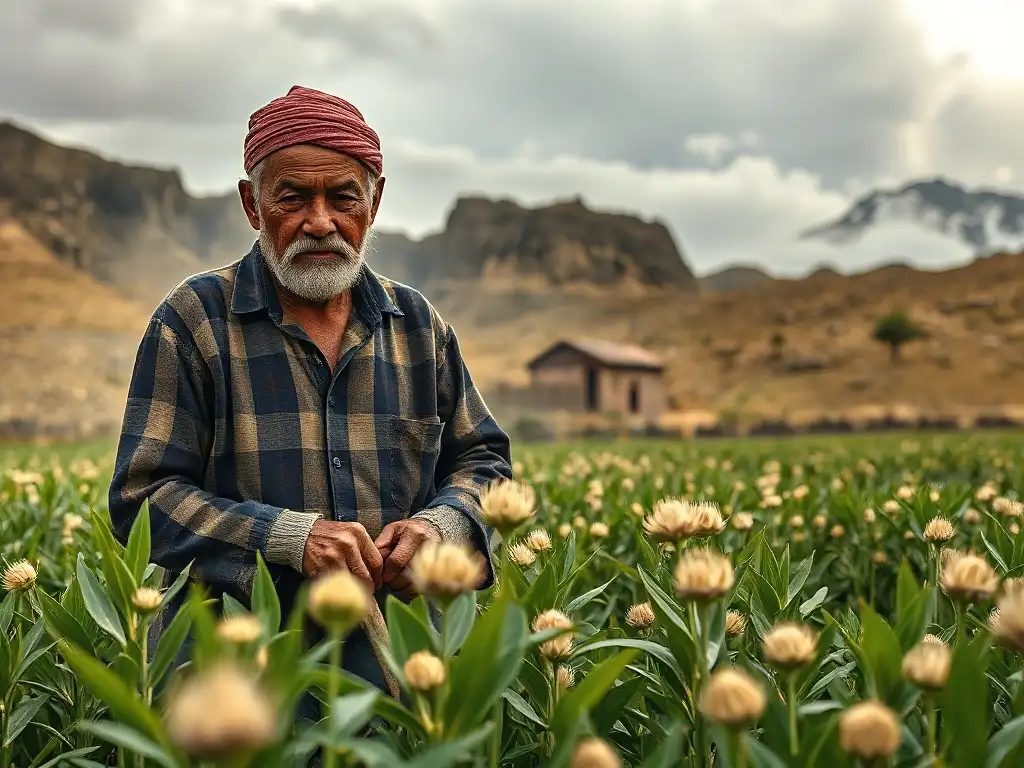
Quinoa, a staple crop of the Andes for millennia, played—and continues to play—a crucial role in Andean societies' adaptation to the challenges posed by climate change. Its resilience and adaptability to harsh environmental conditions have made it a cornerstone of Andean farming techniques for centuries, providing food security even in the face of fluctuating weather patterns. Understanding the role of quinoa in climate change adaptation requires examining its inherent properties and the ingenious farming practices developed around it.
The increasing global interest in quinoa underscores its potential as a climate-resilient crop for a world facing increasingly unpredictable weather. This section will explore quinoa's specific contributions to climate change mitigation and adaptation in the Andean region.
Quinoa as a Drought-Resistant Crop
Quinoa's remarkable drought tolerance is a key factor in its success in the challenging Andean environment. Unlike many other crops, quinoa requires relatively little water, making it a particularly suitable choice for high-altitude regions characterized by scarce rainfall and unpredictable water availability. Its deep root system allows it to access water sources unavailable to shallower-rooted plants. Furthermore, quinoa exhibits a high degree of tolerance to salinity, a growing concern in many agricultural regions due to climate change-induced desertification and irrigation practices.
Studies have shown that quinoa can withstand water stress significantly better than other cereals like wheat and barley, making it a vital crop for regions facing increasing drought frequency and intensity. This inherent drought resistance is a critical adaptation strategy for Andean farmers confronting climate change. The ability to consistently produce a reliable harvest even during periods of drought ensures food security and community stability.
Quinoa's Potential for Food Security in a Changing Climate
The nutritional value of quinoa further enhances its importance in the context of climate change adaptation. It's a complete protein, containing all nine essential amino acids, and is also a good source of fiber, iron, and other essential minerals. In regions where food security is already precarious due to climate change impacts, quinoa's nutritional density helps to ensure that populations receive the necessary nutrients for maintaining health and resilience.
Moreover, quinoa's relatively short growing season allows for multiple harvests per year in suitable climates, increasing food production efficiency and contributing to food security. This characteristic is particularly valuable in regions with short growing seasons that are becoming even shorter due to climate change.
The versatility of quinoa, which can be incorporated into various dishes and processed in multiple ways, adds to its value as a dietary staple. Its adaptability and nutritional richness make it a robust component of a climate-resilient food system.
How Andean Farmers use Quinoa to Mitigate Climate Change Effects
Andean farmers have developed sophisticated farming techniques that maximize quinoa's climate resilience. These techniques, passed down through generations, include:
- Traditional irrigation systems: Ingenious systems, often utilizing gravity and natural water sources, optimize water usage and minimize water waste, crucial in drought-prone areas.
- Terracing: Terracing reduces soil erosion and improves water retention, particularly important in mountainous regions vulnerable to landslides and soil degradation exacerbated by climate change.
- Crop rotation: Rotating quinoa with other crops helps maintain soil fertility and reduces the risk of pest infestations, contributing to sustainable agricultural practices in the face of climate change.
- Intercropping: Growing quinoa alongside other crops such as beans or potatoes optimizes land use and diversifies food production, enhancing food security and resilience to climate shocks.
These traditional Andean farming techniques, combined with quinoa's inherent resilience, demonstrate a remarkable adaptation to climate change. The knowledge and practices accumulated over centuries provide valuable insights into sustainable agriculture and offer lessons for addressing global food security challenges in a changing climate. The preservation and dissemination of these techniques are crucial for ensuring the continued success of quinoa cultivation and maintaining food security in the Andes and beyond. The integration of modern agricultural science with these traditional practices holds great potential for further enhancing quinoa's role in mitigating the effects of climate change on Andean farming communities.
Modern Challenges and Future of Andean Agriculture
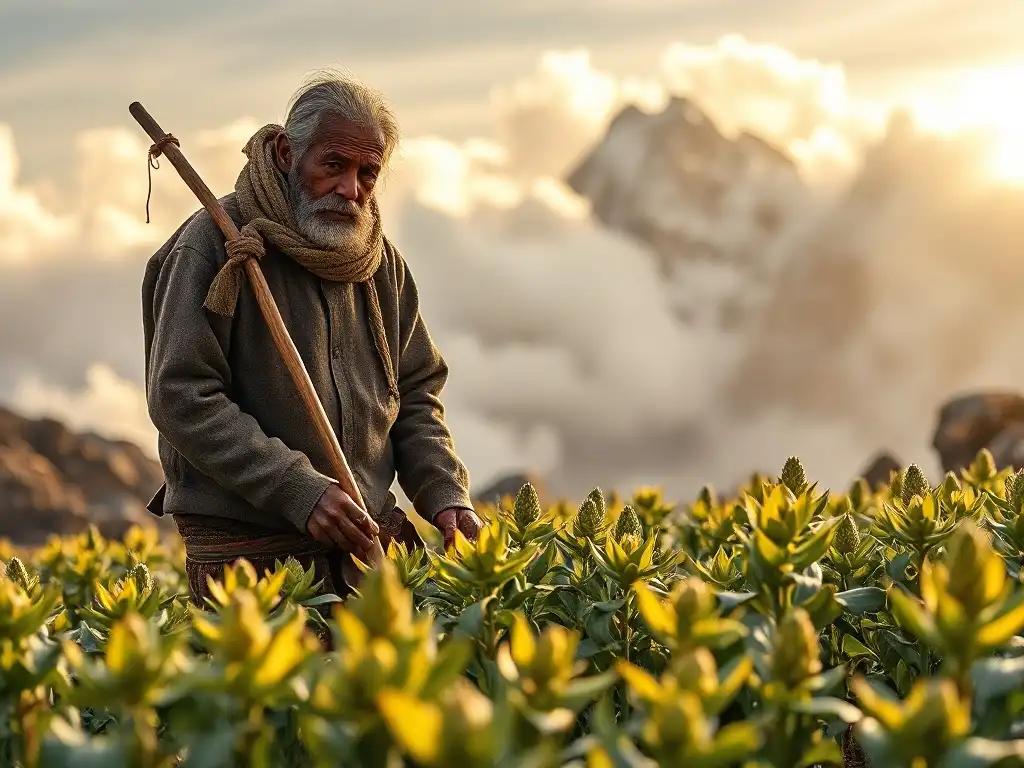
The Andes, a region renowned for its breathtaking landscapes and rich agricultural heritage, faces unprecedented challenges in the 21st century. While ancient Andean farming techniques demonstrated remarkable adaptability to the harsh climate, the modern era presents a complex interplay of factors demanding innovative solutions. The impact of climate change, coupled with the pressures of globalization and modernization, significantly alters the traditional agricultural landscape.
Understanding these challenges is crucial to ensuring the long-term sustainability of Andean agriculture and the preservation of its unique cultural heritage. This section explores the effects of modernization and the crucial need for support to maintain the resilience of Andean farming practices in the face of climate change.
The Effects of Modernization on Traditional Andean Farming
Modernization, while offering potential benefits, has also brought significant disruptions to traditional Andean farming practices. The introduction of industrial agriculture, with its emphasis on monocultures and chemical inputs, poses a threat to the biodiversity inherent in traditional Andean farming systems. These systems, characterized by crop diversification and integrated pest management, have historically proven more resilient to environmental variability.
For example, the shift towards large-scale quinoa production, while increasing yields in some areas, can lead to soil degradation and water depletion if not managed sustainably. The abandonment of traditional terracing techniques in favor of mechanized farming can also result in increased soil erosion and loss of fertile land, particularly in vulnerable mountainous regions. This modernization, while aiming for increased efficiency, often undermines the long-term sustainability and resilience of Andean agriculture, impacting its ability to adapt to climate change effectively.
The loss of traditional knowledge and expertise further exacerbates this situation. Many younger generations are migrating to urban areas, leading to a decline in the number of farmers practicing traditional methods, threatening the continuation of invaluable farming techniques passed down through generations.
Supporting Andean Farmers in the Face of Climate Change
Supporting Andean farmers requires a multifaceted approach that acknowledges the interconnectedness of environmental, economic, and social factors. One crucial aspect is investing in climate-resilient agricultural practices. This includes promoting drought-resistant crop varieties, improving water management techniques (like the revitalization of ancient irrigation systems), and implementing soil conservation methods.
Providing access to climate information and early warning systems is also vital, enabling farmers to make informed decisions about planting, harvesting, and resource management. Furthermore, strengthening farmer cooperatives and providing access to credit and markets can improve economic resilience, enabling farmers to invest in sustainable practices and adapt more readily to changing conditions. Education and training programs focused on sustainable farming techniques, alongside the preservation and promotion of traditional knowledge, are essential for empowering Andean farmers and ensuring the continued success of Andean agriculture.
Government policies and international collaborations play a crucial role in providing the necessary support and resources. This collaborative approach is key to mitigating the impacts of climate change and promoting sustainable development in the Andean region. Without such support, the unique agricultural heritage of the Andes risks being lost, along with the livelihoods of countless farming communities.
The Future of Quinoa Cultivation and its Role in Andean Communities
Quinoa, a staple crop of the Andes, holds significant potential for ensuring food security and economic development in the region. However, its future depends heavily on adopting sustainable cultivation practices that address the challenges of climate change. The increasing global demand for quinoa necessitates careful planning to prevent over-exploitation and environmental degradation. Promoting agro-ecological approaches, which integrate traditional knowledge with modern scientific techniques, is crucial.
This involves diversifying cropping systems, integrating livestock, and employing techniques that enhance soil fertility and water retention. Investing in research and development of climate-resilient quinoa varieties is also essential, focusing on drought tolerance, disease resistance, and adaptability to changing environmental conditions. Furthermore, ensuring fair prices for quinoa farmers and promoting equitable market access are crucial for supporting their livelihoods and encouraging the continued cultivation of this vital crop.
The future of quinoa cultivation in the Andes is not simply about increasing production, but about ensuring its sustainable and equitable integration into the economic and social fabric of Andean communities. This requires a holistic approach that addresses both environmental sustainability and the socio-economic well-being of the farmers who cultivate it. Only then can quinoa continue to play its vital role in the Andean food system and contribute to the region's sustainable development.
Lessons from the Andes: Sustainable Agriculture for a Changing World
The Andes Mountains, a region renowned for its breathtaking landscapes and vibrant cultures, also present a compelling case study in adapting agriculture to challenging climates. For millennia, Andean farmers have developed ingenious techniques to cultivate crops in harsh, high-altitude environments characterized by unpredictable weather patterns, steep slopes, and limited water resources. Understanding these Andean farming techniques climate change strategies offers invaluable lessons for global agriculture facing the escalating threat of climate change.
The ingenuity of Andean farmers in the face of environmental challenges provides a blueprint for sustainable agricultural practices worldwide. Their resilience, honed over centuries, offers hope and practical solutions for a future where climate volatility is the new normal. We can learn much from their success.
Insights from Andean Farming for Global Agriculture
Andean agricultural practices offer numerous insights applicable to modern agriculture. One key element is terracing. This technique, involving the creation of step-like formations on slopes, reduces soil erosion, conserves water, and creates microclimates conducive to crop growth. The impact is significant: reduced runoff means less water waste and a more stable environment for crops. Furthermore, terracing enhances biodiversity by creating diverse habitats within the agricultural landscape.
Another crucial aspect is crop diversification. Andean farmers traditionally cultivated a wide range of crops, including quinoa, potatoes, maize, and beans, minimizing the risk associated with monoculture. This approach, often referred to as polyculture, enhances ecosystem resilience and reduces the vulnerability to pests and diseases. The diverse array of crops also provides nutritional security for the farming communities.
Finally, the use of indigenous seeds is fundamental. These seeds are often adapted to specific local conditions, possessing inherent resilience to harsh weather patterns and diseases. Preserving and promoting the use of these seeds is crucial for maintaining agricultural biodiversity and fostering climate-resilient farming systems. The loss of these unique genetic resources would be a significant blow to global food security. The diversity found within Andean agriculture is a testament to its adaptability.
The Importance of Preserving Traditional Knowledge on Climate Adaptation
The preservation of traditional Andean farming knowledge is paramount for addressing the challenges of climate change. This knowledge, passed down through generations, encompasses a deep understanding of local ecosystems, climate patterns, and appropriate agricultural practices. Losing this knowledge base would be equivalent to losing a vital tool in the fight against climate change impacts on agriculture.
For example, the intricate understanding of water management techniques, such as the construction of aqas (irrigation canals) and the utilization of natural water sources, is invaluable for optimizing water use efficiency in arid and semi-arid regions. Similarly, the knowledge of selecting and cultivating climate-resilient crop varieties is critical for ensuring food security in the face of increasingly unpredictable weather patterns.
The transmission of this knowledge requires active measures, including supporting local communities, documenting traditional practices, and integrating traditional wisdom into modern agricultural education programs. This ensures that future generations can benefit from the wisdom of their ancestors and develop sustainable solutions for the challenges ahead. The preservation of this knowledge is not just a cultural imperative; it's a necessity for global food security.
Promoting Climate-Resilient Agriculture Inspired by Andean Practices
Promoting climate-resilient agriculture inspired by Andean practices requires a multi-faceted approach. This includes:
- Investing in research: Further research into Andean farming techniques can uncover additional insights and best practices applicable to other regions facing similar climate challenges.
- Supporting farmer training and education: Providing farmers with access to training programs that integrate traditional and modern agricultural knowledge is essential.
- Promoting policy changes: Governments and international organizations need to implement policies that support sustainable agricultural practices and protect biodiversity.
- Facilitating knowledge exchange: Creating platforms for sharing knowledge and best practices between Andean farmers and farmers in other regions can foster innovation and collaboration.
The adoption of climate-smart agriculture practices inspired by the Andes, along with the preservation of traditional knowledge, is not merely a regional concern; it is a global imperative. These techniques offer a powerful pathway towards building more resilient and sustainable food systems capable of withstanding the impacts of climate change, ensuring food security for present and future generations. The lessons from the Andes provide a vital roadmap for navigating the complexities of a changing climate.
Frequently Asked Questions
How did Andean farmers adapt their farming techniques to the challenging Andean climate?
Andean farmers developed ingenious irrigation systems, like canals and terraces, to manage water effectively in diverse altitudes and terrains. They also practiced crop rotation and intercropping to maintain soil fertility and maximize yields. These techniques were crucial for survival.
What role did quinoa play in Andean adaptation to climate change?
Quinoa is a highly resilient crop, capable of thriving in harsh, high-altitude conditions and tolerating temperature fluctuations. Its adaptability to diverse climates made it a staple food ensuring food security even in challenging periods.
How did the Incas contribute to sustainable farming practices in the Andes?
The Inca Empire implemented sophisticated agricultural technologies including terracing, irrigation, and storage systems. Their extensive road network facilitated the efficient distribution of resources and agricultural products across diverse regions.
How did ancient Andean farming techniques help mitigate the impacts of climate variability?
Techniques like terracing reduced soil erosion and improved water retention, mitigating the effects of droughts and floods. The diversified cropping systems ensured food security even with variable weather patterns.
What are the implications of climate change on modern Andean agriculture and the cultivation of quinoa?
Climate change threatens the delicate balance of Andean ecosystems, impacting water availability and crop yields. Understanding ancient Andean adaptation strategies is crucial for developing resilient farming practices to ensure future food security for the region, especially for crops like quinoa.
Final Reflection: A Legacy of Resilience in the Face of Change
The ingenious farming techniques of the Andes, honed over millennia, offer a vital lesson for a world grappling with the escalating impacts of climate change. Their story isn't just about quinoa and potatoes; it's a testament to human adaptability and the power of sustainable practices in the face of environmental adversity. The challenges faced by Andean farmers are a stark warning, but also a beacon of hope, showing what's possible when tradition meets innovation.
The enduring legacy of Andean farming practices continues to resonate, shaping not only the food security of the region but also influencing global discussions on climate-resilient agriculture. Their methods, passed down through generations, offer a powerful counterpoint to the often unsustainable practices of modern industrial farming. The earth provides enough to satisfy every man's needs but not every man's greed.
- Mahatma Gandhi. This quote perfectly encapsulates the delicate balance Andean farmers have maintained with their environment, a balance we must strive to emulate on a larger scale.
You, the reader, now hold the knowledge of a rich history of adaptation. Consider how the principles of terrace farming, crop diversification, and water management, so effectively employed by Andean communities, can inspire solutions in your own context. What small changes can you make in your daily life to support sustainable practices and contribute to a more resilient future? Let the wisdom of the Andes guide you towards a more harmonious relationship with our planet.
Embrace Change: Take Action with Andean Farmers!
Thank you for learning about how Andean farmers are adapting their farming practices to overcome the challenges of climate change. Your support helps preserve sustainable farming methods and the rich traditions of the Andes. Now, let's turn that knowledge into action!
- Start a garden using techniques inspired by Andean farming, such as companion planting, to make the most of your space and resources.
- Share this article with friends and family to raise awareness about sustainable agriculture and the importance of biodiversity.
- Support local organizations that promote climate-resilient agriculture. Consider volunteering your time or making a donation.
What sustainable practices can you adopt to help combat climate change?