
The Apus: Revered Mountain Spirits and Their Sacred Significance

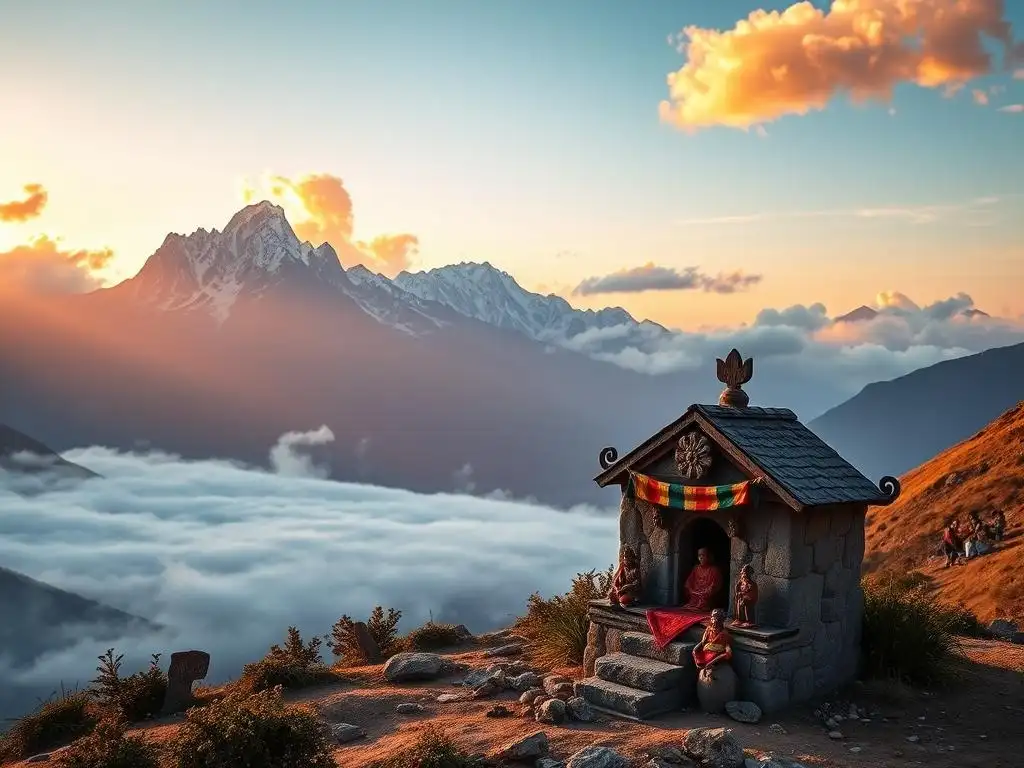
Step into a world shrouded in mystery and wonder, where the towering Andes themselves whisper tales of ancient power. For centuries, the Andean mountain spirits have held a profound significance in the lives and beliefs of the Incas and other pre-Columbian cultures. Discover the captivating story of the Apus, revered deities whose influence permeated every aspect of Andean life, and uncover the secrets behind their enduring legacy. Dare to delve deeper into the heart of this breathtaking spiritual landscape – your journey into the vibrant world of Andean religion and cosmovision begins now.
- The Apus: Revered Mountain Spirits and Their Sacred Significance in the Andes
- Understanding the Andean Worldview and the Role of Apus
- The Sacred Significance of Apus in Andean Religion
- Types of Apus and Their Specific Powers
- The Influence of Apus on Andean Culture and Society
- The Legacy of Apu Worship in Modern Andean Communities
- The Andean Mountain Spirits Significance: A Summary
- Frequently Asked Questions
- Final Reflection: Echoes of the Apus in a Changing World
- Embrace the Spirit: Connect with the Apus Today!
The Apus: Revered Mountain Spirits and Their Sacred Significance in the Andes
The Andes Mountains, a spine of imposing peaks stretching along the western coast of South America, are not merely geographical features; they are the very foundation of Andean cosmology. For millennia, the indigenous peoples of this region—including the Inca, Moche, Nazca, and Tiahuanaco—have held a profound reverence for the apus, the powerful mountain spirits believed to inhabit these majestic summits.
This article delves into the multifaceted significance of the apus, exploring their role in Andean religion, their impact on daily life, and their enduring legacy in contemporary Andean culture. We will examine how the apus's significance extends beyond simple veneration, shaping everything from agricultural practices to political structures and artistic expression.
Understanding the apus is key to understanding the very soul of Andean civilization and its enduring connection to the natural world. This exploration will reveal the deep spiritual and practical importance of these Andean mountain spirits, clarifying their influence on the Andean worldview and highlighting their continued relevance today.
The Apus as Manifestations of Power and Fertility
The apus were not simply seen as inanimate mountains; they were considered sentient beings, powerful deities with the ability to influence weather patterns, agricultural yields, and the overall prosperity of the communities living in their shadow. Their snowy peaks, often shrouded in mist, were perceived as the abode of these powerful spirits, their presence felt in the rushing rivers, the fertile valleys, and the very air itself. The apus were believed to be directly involved in the life cycle, providing sustenance and protection to those who showed them proper respect.
This respect manifested in various forms, from offerings and ceremonies to the careful management of natural resources. Failure to honor the apus could result in natural disasters, crop failures, or other misfortunes.
Many Andean communities still maintain these traditions, emphasizing the reciprocal relationship between humans and the natural world. The apus's power is not arbitrary; it is a reflection of the powerful forces of nature that shape life in the Andes.
Rituals and Offerings to the Apus: Maintaining Harmony and Balance
The relationship between Andean communities and the apus was maintained through a complex system of rituals and offerings. These practices were not merely symbolic; they were essential for ensuring the continued well-being of both the humans and the spirits. Offerings, often consisting of coca leaves, chicha (a fermented corn beverage), and other precious items, were presented to appease the apus and solicit their favor.
Ceremonies, often involving elaborate dances, music, and prayers, were performed to honor the apus and to seek their blessings for successful harvests, healthy livestock, and protection from harm. These rituals were deeply ingrained in the social fabric of Andean communities, reinforcing social cohesion and reinforcing the spiritual connection between humans and the supernatural world.
The frequency and complexity of these rituals varied depending on the specific community and the particular apu being addressed, demonstrating a nuanced understanding of the spiritual landscape. Detailed records of these practices, though often fragmented, reveal their importance in maintaining a delicate balance between the human and spiritual realms.
The Apus in Inca Mythology and Imperial Administration
The Inca Empire, at its height, incorporated the veneration of the apus into its complex imperial administration. The Inca rulers saw themselves as intermediaries between the human world and the divine realm, responsible for maintaining harmony with the apus and ensuring the prosperity of the empire. The emperors performed elaborate ceremonies to appease the apus, and the empire's infrastructure, including roads and agricultural terraces, was often strategically located in relation to significant mountain peaks.
The apus were not only objects of reverence but also powerful symbols of imperial authority and legitimacy. The Inca's control over the land was intimately linked to their ability to maintain a harmonious relationship with the apus, highlighting the intersection of religious belief and political power in the Andean world. The integration of the apus into the Inca state demonstrates the profound influence of these mountain spirits on even the most powerful human institutions.
The Enduring Legacy of the Apus in Contemporary Andean Culture
Despite centuries of colonization and cultural change, the veneration of the apus persists in many contemporary Andean communities. While the specific practices may have evolved, the fundamental belief in the power and significance of these mountain spirits remains strong. The apus continue to play a vital role in shaping the worldview, religious practices, and daily lives of Andean people.
Their enduring presence underscores the deep-rooted connection between Andean culture and the natural world, highlighting the resilience of indigenous traditions in the face of external pressures. The continued importance of the apus serves as a testament to the enduring power of Andean spirituality and the enduring relevance of traditional beliefs in a rapidly changing world. Their significance is not merely historical; it is a living reality, shaping the present and influencing the future.
Understanding the Andean Worldview and the Role of Apus

The Andean worldview, a complex tapestry woven from centuries of tradition and spiritual belief, profoundly shaped the lives and societies of civilizations like the Inca, Moche, and Nazca. Central to this worldview was the profound reverence for nature, particularly the towering Apus, the mountain spirits that dominated the landscape. Understanding the significance of the Apus requires delving into the intricate relationship between the Andean people and their environment, a relationship built on mutual respect, dependence, and reciprocal exchange.
The Apus, far from being mere geographical features, were considered active participants in the cosmic order, wielding influence over the weather, harvests, and the very fabric of Andean life. This deep-seated belief in the agency and power of the Apus permeated every aspect of Andean society, influencing their religious practices, agricultural techniques, and social structures.
The enduring legacy of Apu worship highlights the inextricable link between the spiritual and the material in Andean culture, a connection that continues to resonate today. Analyzing the Andean mountain spirits significance reveals a sophisticated system of beliefs that shaped the civilization's development and survival.
The Concept of Apu in Andean Cosmovision
The term Apu itself encompasses a vast spectrum of meaning, transcending a simple translation of "mountain spirit." It represents a complex interplay of physical geography, spiritual power, and social significance. While individual mountains could be venerated as Apus, the concept extended to encompass entire mountain ranges, perceived as interconnected entities within a larger cosmic network.
This interconnectedness is crucial to understanding the Andean understanding of the Andean mountain spirits significance; they weren't isolated entities but vital components of a dynamic, interconnected system. The Apus were believed to possess agency, capable of both bestowing blessings and inflicting punishments. Their favor was sought through offerings, rituals, and acts of deference, ensuring the continued prosperity and well-being of the communities living within their influence.
The specific rituals and offerings varied depending on the particular Apu and the needs of the community, reflecting a nuanced and highly localized understanding of these powerful entities. This rich tapestry of local beliefs and practices underscores the profound influence of Apus on daily life, shaping everything from agricultural cycles to social hierarchies.
Mountains as Living Entities: The Andean Perspective
Unlike the Western worldview, which often separates the spiritual from the material, the Andean perspective viewed mountains not as inanimate objects but as living, sentient beings. This animistic worldview infused the landscape with spiritual energy, imbuing even the most seemingly ordinary features with profound significance. The Andean mountain spirits significance stems from this fundamental belief in the interconnectedness of all things.
The Apus were not merely worshipped; they were considered vital partners in the ecological balance, their moods directly impacting the agricultural productivity of the valleys below. A successful harvest was attributed to the benevolence of the Apus, while droughts or natural disasters were often interpreted as signs of their displeasure.
This intimate relationship between human society and the natural world fostered a deep respect for the environment and a sustainable approach to resource management, strategies that were crucial to the survival of Andean communities for centuries. Evidence of this perspective can be found in the careful management of water resources, terraced agriculture, and the meticulous preservation of sacred sites located high in the mountains.
Apus as Guardians and Providers
The Apus were not only seen as powerful forces of nature but also as protective deities, guardians of their respective territories and providers of essential resources. Their role extended beyond the purely spiritual, influencing the social and political structures of Andean societies. Many communities traced their lineage and identity to specific Apus, forging a strong sense of place and belonging.
This connection fostered social cohesion and a shared sense of responsibility towards the environment. The Apus were considered the ultimate source of authority, their will reflected in the laws and customs that governed Andean communities. Their power was not only feared but also revered, shaping the daily lives of individuals and the collective destiny of entire societies.
The Andean mountain spirits significance lies in their ability to unite the spiritual and material worlds, influencing everything from agricultural practices to social structures. The enduring legacy of Apu worship reflects the enduring power of this unique worldview. The careful preservation of sacred sites and the continuation of certain traditional practices bear witness to the continuing relevance of the Apus in Andean culture.
The Sacred Significance of Apus in Andean Religion

The Andean worldview is deeply intertwined with the natural world, and nowhere is this more evident than in the reverence shown to the Apus, the mountain spirits that inhabit the towering peaks of the Andes Mountains. These aren't simply geographical features; they are powerful, sentient beings, integral to the cosmological understanding and spiritual practices of numerous Andean cultures, past and present. The significance of the Apus extends far beyond simple veneration; they represent a fundamental connection to the divine, a source of life-giving resources, and powerful protectors of the communities nestled in their shadow.
Understanding their role is crucial to grasping the complexity and richness of Andean religion and cosmology. The phrase "Andean mountain spirits significance" truly understates their profound influence on Andean life.
Apus and Their Connection to the Divine
The Apus are considered intermediaries between the human world and the celestial realm. They are not merely spirits, but powerful deities, often associated with specific geographic locations and possessing unique characteristics and personalities. Some Apus are benevolent, providing fertile lands and abundant harvests. Others are capricious, capable of unleashing devastating storms or earthquakes if displeased.
This duality reflects the unpredictable nature of the Andean environment itself. Their connection to the divine is multifaceted. For example, the Inca viewed the highest peaks as the residences of powerful gods, with the Apus acting as their earthly representatives. Many Andean creation myths involve the Apus playing a vital role in shaping the landscape and bringing forth life.
Their power is seen as a direct manifestation of the divine force that governs the cosmos. The very act of acknowledging and respecting the Apus is, therefore, an act of acknowledging and respecting the divine. This complex relationship underscores the deep spiritual connection between the Andean people and their environment, highlighting the integral role of the Andean mountain spirits significance in their religious beliefs.
Rituals and Offerings to the Mountain Spirits
Maintaining a positive relationship with the Apus was, and continues to be, of paramount importance to Andean communities. This relationship is fostered through a variety of rituals and offerings. These practices are not simply symbolic gestures; they are vital components of a living spiritual tradition.
For example, pago a la tierra, or payment to the earth, is a common practice involving offerings of coca leaves, alcohol, food, and other items placed on mountain passes or at the base of Apu peaks. These offerings are not merely gifts; they are expressions of respect, gratitude, and a request for continued protection and prosperity. The rituals often involve complex ceremonies led by paqos (shamans) who act as intermediaries between the human and spiritual worlds.
The specific rituals and offerings vary depending on the particular Apu and the needs of the community, showcasing the diversity and adaptability of Andean spiritual practices. The meticulous care taken in these rituals emphasizes the profound Andean mountain spirits significance in the everyday lives of Andean people.
The Importance of Pilgrimages to Apu Peaks
Pilgrimages to Apu peaks are a significant aspect of Andean religious life. These journeys are not merely physical treks; they are spiritual quests undertaken to connect with the mountain spirits and seek their blessings. The ascent itself is often viewed as a spiritual journey, a process of purification and transformation.
Pilgrims often fast, pray, and make offerings along the way. Reaching the summit is a momentous occasion, a symbolic union with the divine power of the Apu. The breathtaking landscapes of the Andes, with their dramatic peaks and vast expanses, contribute to the powerful spiritual experience of these pilgrimages.
The arduous nature of the journey itself underscores the reverence and respect given to the Apus. These pilgrimages reaffirm the Andean mountain spirits significance within the community, strengthening social bonds and reinforcing the spiritual connection between the people and their sacred mountains. The continued practice of these pilgrimages, even in the face of modernization, demonstrates the enduring power of the Apus in Andean culture and their lasting influence on Andean religious beliefs and practices.
Types of Apus and Their Specific Powers
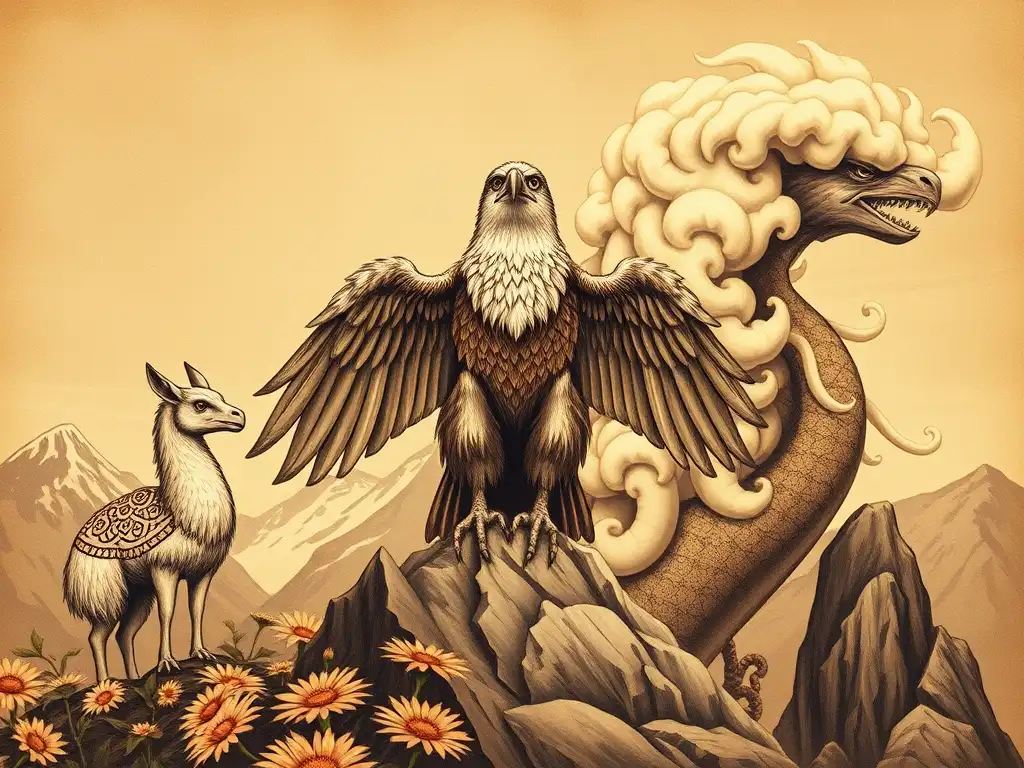
The Andean mountain spirits, or Apus, weren't monolithic entities. Their power and influence varied considerably depending on their geographical location, perceived personality, and the communities who venerated them. Understanding this diversity is crucial to grasping the nuanced relationship between the Andean people and their sacred mountains.
The significance of the Apus extended far beyond simple reverence; they were integral to the social, political, and agricultural life of the Andean civilizations. The belief system surrounding them shaped everything from daily rituals to major societal decisions. This section explores the different types of Apus and their specific powers, highlighting the complex tapestry of Andean spirituality.
Local Apus: Guardians of Specific Communities
Local Apus, often smaller mountains or prominent peaks within a specific valley or region, acted as powerful protectors and guardians of individual communities. Their influence was primarily localized, focusing on the immediate well-being and prosperity of the people inhabiting the surrounding area. These Apus were intimately connected to the daily lives of their devotees. For example, a community might associate a particular mountain with the success of their harvest, attributing good or bad yields to the Apus' favor or displeasure.
Rituals and offerings were frequently performed to maintain a positive relationship with these local deities, ensuring the continued fertility of the land and the health of the community. The specific powers attributed to these local Apus were often tied to the resources and challenges of their specific environment. A mountain overlooking a fertile valley might be associated with abundance and fertility, while one guarding a precarious cliffside might be associated with protection and strength. This localized focus highlights the intensely personal nature of the Andean relationship with the Apus.
The belief in their power was not abstract; it was directly tied to the tangible realities of daily life. Further research is needed to fully document the specific powers associated with each local Apus, as much of this knowledge was passed down orally and is not comprehensively documented. [Specific information pending: Detailed case studies on local Apus and their associated powers]
Regional Apus: Influencing Larger Territories
Unlike their localized counterparts, regional Apus held sway over much larger territories. These were typically the most imposing peaks in a given region, often forming the backbone of entire mountain ranges. Their influence extended beyond individual communities, impacting the lives of multiple villages and even entire ethnic groups.
Regional Apus were often associated with broader themes of power, control, and the overall prosperity of a wider geographical area. For instance, a particularly imposing mountain range might be seen as the dwelling place of an Apus responsible for the overall weather patterns, the success of regional trade routes, or even the political stability of the region. The veneration of these regional Apus often involved larger-scale ceremonies and public rituals, drawing participants from multiple communities.
The offerings presented to these powerful deities were generally more elaborate and significant, reflecting the broader scope of their influence and the importance of maintaining their favor. The power dynamics surrounding regional Apus were often complex, reflecting the political landscape of the Andean world. Alliances and conflicts between different communities could be mirrored in the ways they venerated their shared regional Apus, highlighting the intertwined nature of religion and politics in Andean society.
The Most Revered Apus in the Andean Region
Certain Apus rose to prominence, achieving a level of reverence that transcended regional boundaries. These were often the highest and most visually impressive peaks, commanding respect and awe across vast stretches of the Andean landscape. Examples include [Specific Apus names pending: Names of the most revered Apus and their associated regions and attributes]. These supremely powerful Apus were considered to have influence over vast swathes of land and even the weather patterns of entire regions.
They were not just protectors of communities; they were considered the very embodiment of the Andean world, embodying its power, its beauty, and its inherent sacredness. The significance of these Apus is reflected in the elaborate rituals and monumental structures built in their honor, testament to the profound respect and awe they inspired. Understanding their influence provides crucial insight into the cosmology and religious beliefs of the Andean civilizations, revealing a complex system of interconnected deities and a profound connection between humanity and the natural world.
The reverence for these mountain spirits played a fundamental role in shaping Andean culture and society. Their continued presence in Andean folklore and traditions underscores their lasting significance. The enduring power of these Apus highlights the enduring connection between Andean people and their sacred landscape.
This section has explored the diversity of *Apus*, emphasizing the varied powers and influences attributed to these Andean mountain spirits. From the localized protection of individual communities to the broader influence of regional and supremely revered *Apus*, the belief system surrounding these deities reveals a sophisticated and nuanced understanding of the relationship between humanity and the natural world. The enduring legacy of the *Apus* underscores their profound and lasting significance in Andean culture.
The Influence of Apus on Andean Culture and Society
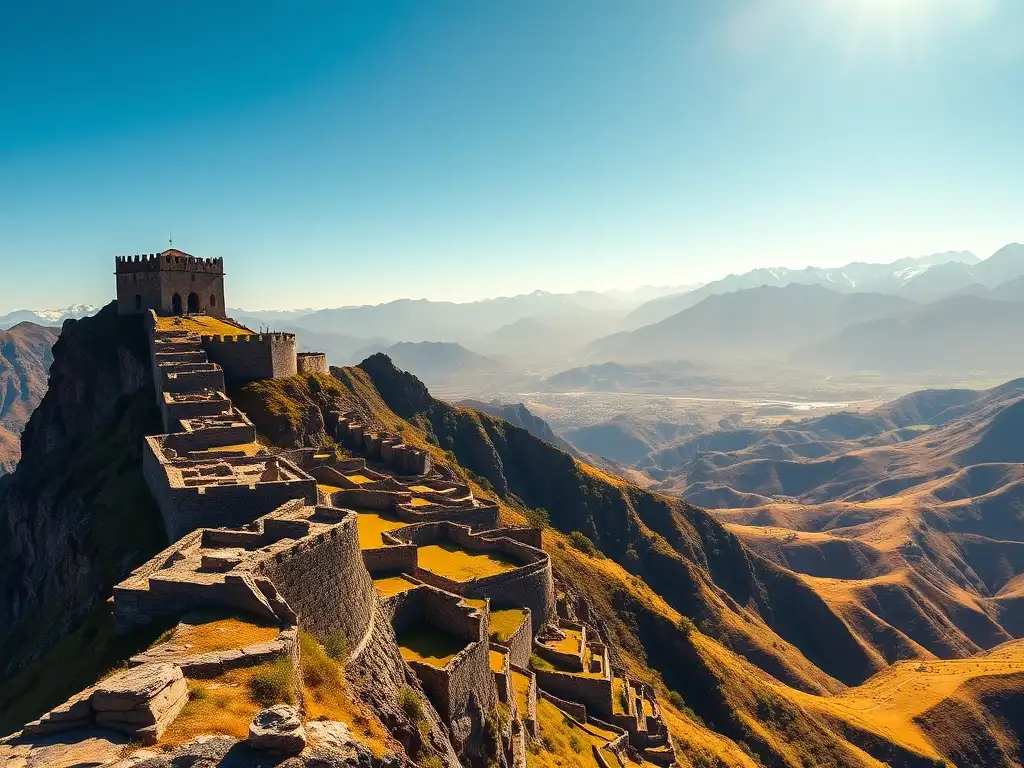
The Andean mountain spirits, known as Apus, held, and continue to hold, a profound influence on the culture and society of Andean peoples. Their reverence wasn't merely a matter of religious observance; it permeated every aspect of daily life, shaping social structures, agricultural practices, and artistic expressions. Understanding the significance of the Andean mountain spirits requires acknowledging their pervasive impact on the lives of those who inhabited, and continue to inhabit, the Andes. Their power was believed to be directly linked to the well-being of communities, making their appeasement and veneration essential for survival and prosperity.
Apus and Their Role in Agriculture and Weather
The Apus' influence on agriculture was paramount. Andean communities, dependent on the capricious nature of the high-altitude climate, viewed the Apus as the direct controllers of weather patterns, water sources, and the fertility of the land. Successful harvests were attributed to the benevolence of the mountain spirits, while crop failures were often interpreted as a sign of displeasure or neglect.
Rituals, including offerings of coca leaves, llama fetuses, and chicha (a fermented corn beverage), were performed regularly to ensure the Apus' continued favor and to secure bountiful harvests. The timing of planting and harvesting was often dictated by the perceived moods of the Apus, as evidenced by observations of weather patterns and celestial events.
For example, the appearance of specific constellations might signal the optimal time for planting potatoes, a staple crop in the Andes, reflecting a deep understanding of the interconnectedness between celestial cycles, the Apus, and agricultural success. The intricate relationship between the Andean mountain spirits significance and agricultural practices underlines the vital role these spirits played in the survival and prosperity of Andean communities.
The veneration of Apus profoundly impacted the social structures of Andean societies. Specific communities often claimed a particular Apu as their patron deity, creating a strong sense of local identity and social cohesion. This connection to a specific mountain spirit fostered a sense of shared destiny and mutual responsibility.
Leaders, often considered intermediaries between the human world and the spirit world, played a crucial role in maintaining the harmony between the community and its patron Apu. These leaders were responsible for organizing rituals, interpreting omens, and ensuring the community's adherence to the customs related to the Apu. The hierarchical structure of many Andean societies reflected the perceived hierarchy of the Apus, with the most powerful Apus often associated with the highest-ranking individuals or groups within the community.
The social order was, therefore, intricately woven with the spiritual realm, making the Andean mountain spirits significance central to the social fabric of Andean societies. Failure to respect the Apus could lead to social unrest and disharmony, highlighting the integral role of the Apus in maintaining social order.
Apus in Andean Art, Music, and Folklore
The Apus' significance is vividly reflected in Andean art, music, and folklore. Numerous archaeological finds, including textiles, ceramics, and stone carvings, depict Apus in anthropomorphic or zoomorphic forms, often adorned with symbols representing their power and attributes. Music and songs often recount stories and legends associated with the Apus, conveying their power and influence through rhythm and melody.
Folklore is replete with tales of encounters with Apus, highlighting their capricious nature and emphasizing the importance of respecting their power. These narratives, passed down through generations, serve to reinforce the enduring significance of the Andean mountain spirits in Andean culture.
The continued presence of Apu imagery in contemporary Andean art and cultural practices testifies to the lasting impact of these mountain spirits on the collective imagination and spiritual life of the Andean people. The artistic representations serve not only as aesthetic expressions but also as powerful reminders of the deep-rooted connection between the people and their sacred mountains, further illustrating the enduring Andean mountain spirits significance.
The Legacy of Apu Worship in Modern Andean Communities
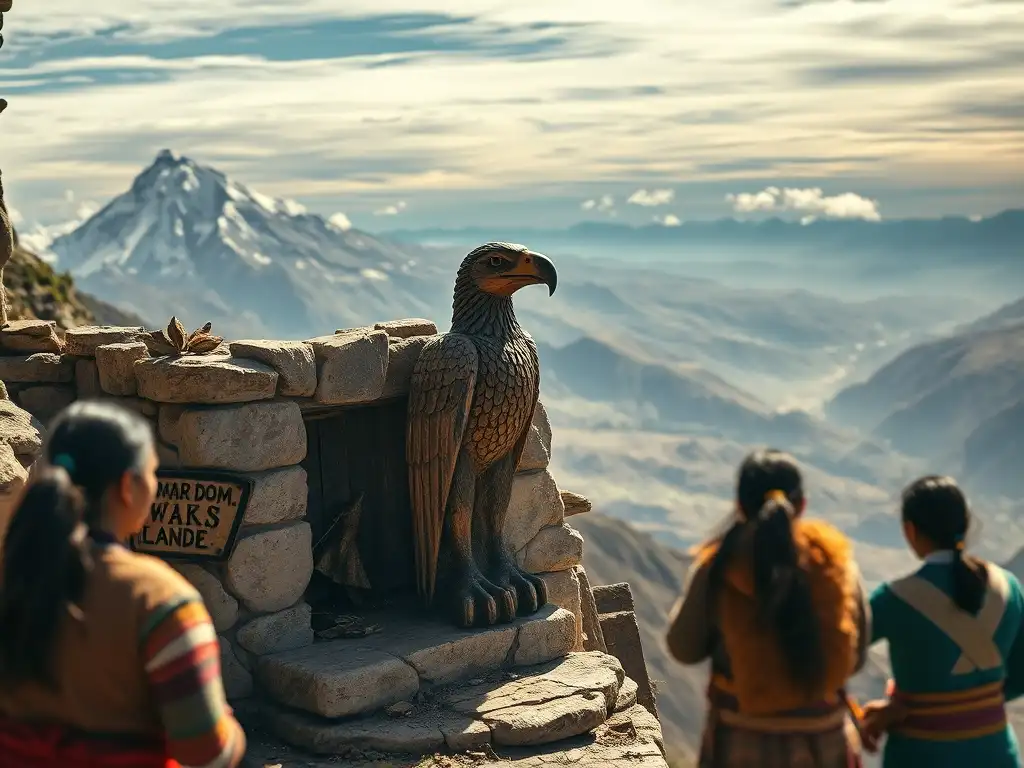
The reverence for Apus, the powerful mountain spirits of the Andes, continues to resonate deeply within contemporary Andean communities. While the forms of worship and expression have evolved over centuries, the fundamental belief in the Apus's influence on daily life, agriculture, and the overall well-being of the community remains steadfast. This enduring legacy is a testament to the profound connection between Andean peoples and their environment, a connection forged over millennia and sustained through adaptation and resilience.
Understanding this enduring legacy is crucial to comprehending the multifaceted nature of Andean spirituality and its continued relevance in the 21st century. The significance of Andean mountain spirits in modern life is undeniable, influencing everything from agricultural practices to tourism.
The Persistence of Apu Beliefs Today
Despite the introduction of Christianity and other external influences, many Andean communities have successfully integrated Apu worship with their adopted religions. This syncretism is not simply a superficial overlay; instead, it represents a complex process of cultural negotiation and adaptation. For instance, the veneration of the Virgin Mary, a key figure in Catholicism, is often intertwined with the worship of female Apus, reflecting a blending of indigenous and introduced belief systems.
This fusion is not unique; similar patterns are observable across various Andean regions, highlighting the adaptability and resilience of traditional beliefs. The continued presence of ahuayos (offerings left on mountain passes or peaks) demonstrates the enduring significance of these mountain spirits in daily life. These offerings, ranging from coca leaves and alcohol to more elaborate gifts, are a tangible representation of the ongoing dialogue between humans and the spirit world.
The frequency and type of offerings can even provide insights into the perceived mood or needs of a specific Apu, demonstrating a nuanced understanding of these powerful entities. Further research is needed to fully document the diversity of these practices across different communities and regions. [Specific information pending on regional variations in Apu worship].
Contemporary Rituals and Celebrations Honoring Apus
The reverence for Apus manifests in various vibrant rituals and celebrations, many of which are deeply integrated into the agricultural calendar. For example, papay pacha, the time of harvest, often involves ceremonies aimed at thanking the Apus for a bountiful yield and requesting continued blessings for future harvests. These ceremonies typically involve community participation, including prayers, offerings, and traditional music and dance.
The vibrant colors of the clothing and the rhythmic energy of the music contribute to the powerful atmosphere of these events. Similarly, capac raymi, the Inca New Year celebration, often incorporates rituals honoring the Apus, acknowledging their role in the cyclical renewal of life and the cosmos. The precise nature of these rituals varies across different communities, reflecting the diverse cultural landscapes of the Andes.
However, the underlying theme of gratitude, respect, and a desire for continued harmonious coexistence with the mountain spirits remains consistent. The detailed study of these ceremonies offers valuable insights into the complex interplay between Andean cosmology, social structures, and environmental practices. [Specific information pending on the detailed rituals of different communities].
The Impact of Tourism on Apu Traditions
The burgeoning tourism industry in the Andes presents both opportunities and challenges for the preservation of Apu traditions. On one hand, tourism can generate economic benefits for local communities, potentially helping to sustain traditional practices by providing financial resources for ceremonies and the maintenance of sacred sites. On the other hand, the influx of tourists can also lead to the commercialization and trivialization of sacred rituals, potentially undermining their spiritual significance.
The potential for misrepresentation and cultural appropriation is a significant concern. Responsible tourism practices are therefore crucial to ensure that the reverence for Apus is respected and not exploited for profit. Balancing the economic benefits of tourism with the need to protect the integrity of these sacred traditions requires careful planning and collaboration between local communities, tourism operators, and governmental agencies.
[Specific information pending on case studies of successful and unsuccessful tourism initiatives related to Apu worship]. Careful management and a focus on respectful engagement are critical for the future of Apu traditions in the face of growing tourism. The success of this balance will determine whether the significance of Andean mountain spirits will continue to thrive in the years to come.
The Andean Mountain Spirits Significance: A Summary
The Andean mountain spirits, known as Apus, hold a profound and enduring significance in the cultural and spiritual landscape of the Andes. Their influence permeates various aspects of Andean life, from agricultural practices and social structures to artistic expression and religious ceremonies. Understanding the significance of these revered mountain spirits requires exploring their multifaceted role in shaping Andean cosmovision and the continuing efforts to protect their sacredness.
This section delves into the enduring power of the Apus, the crucial role of indigenous communities in preserving Apu beliefs, and the ongoing challenges in safeguarding these sacred mountains and their associated spirits. The concept of Andean mountain spirits significance is deeply intertwined with the very fabric of Andean identity and continues to be a vital element of contemporary Andean life.
The Enduring Power of Apus in Andean Culture
The Apus are not merely geographical features; they are considered powerful, sentient beings, integral to the Andean worldview. Their presence is felt in the daily lives of Andean communities, influencing everything from the weather patterns that dictate agricultural success to the overall well-being of the people. This enduring power manifests in several ways:
- Agricultural Practices: Farmers offer pagos (offerings) to the Apus, seeking blessings for bountiful harvests. The timing and type of offerings are often determined by traditional knowledge passed down through generations, reflecting a deep understanding of the relationship between the mountains and agricultural productivity. For example, coca leaves, chicha (a fermented corn beverage), and other local products are commonly offered.
- Social Structures: Many Andean communities maintain a strong sense of place and identity tied to specific Apus. The mountains act as territorial markers, shaping social boundaries and influencing community organization. The concept of reciprocity – ayni – is central to this relationship, with communities reciprocating the Apus’ provision of resources through respect, offerings, and careful stewardship of the land.
- Artistic Expression: The Apus are frequently depicted in Andean art, including textiles, ceramics, and stone carvings. These depictions often showcase the majestic power and spiritual significance of the mountains, reflecting the deep reverence they inspire. The vibrant colors and intricate designs used in these artworks further emphasize the sacred nature of the Apus.
- Religious Ceremonies: Traditional ceremonies, often involving rituals and offerings, are performed to honor and appease the Apus. These ceremonies are crucial for maintaining a harmonious relationship with the mountain spirits and ensuring the continued well-being of the community. The precise rituals vary depending on the specific community and the particular Apu being honored.
The Role of Indigenous Communities in Protecting Apu Beliefs
Indigenous communities in the Andes play a vital role in preserving the beliefs and traditions associated with the Apus. They are the custodians of ancestral knowledge, responsible for transmitting this rich cultural heritage to future generations. Their efforts are crucial for the continued existence of these traditions, which face numerous challenges in the modern world. This preservation includes:
- Oral Traditions: Many aspects of Apu worship and traditions are passed down orally, through storytelling, songs, and rituals. Elders within the communities play a crucial role in safeguarding this knowledge. These oral histories are not simply narratives; they are living expressions of the relationship between the community and the Apus.
- Ritual Practices: The meticulous performance of traditional rituals and ceremonies is essential for maintaining a connection with the Apus. These practices, often involving specific offerings and prayers, demonstrate respect and reinforce the reciprocal relationship between humans and the mountain spirits. The continuity of these rituals is critical to the preservation of the Apus’ significance.
- Environmental Stewardship: Indigenous communities recognize the interconnectedness between the well-being of the Apus and the health of the environment. Sustainable agricultural practices, responsible resource management, and conservation efforts are integral to their approach, reflecting a deep respect for the sacred mountains and their surrounding ecosystems. Their actions demonstrate a commitment to preserving the environment for future generations.
Protecting the Sacred Mountains and Their Spirits
Protecting the sacred mountains and the spirits they embody is a significant challenge in the face of modernization and external pressures. Several factors threaten the integrity of these sacred sites:
- Mining Activities: Mining operations often cause environmental damage, disrupting the delicate ecosystems surrounding the Apus and impacting the communities that depend on them. The disruption of these ecosystems can directly affect the spiritual connection with the Apus.
- Tourism: While tourism can offer economic opportunities, uncontrolled tourism can lead to environmental degradation and cultural appropriation, undermining the sacred significance of the Apus. Finding a balance between economic development and environmental protection is crucial.
- Climate Change: The effects of climate change, such as glacial melt and altered weather patterns, directly impact the sacred mountains and the communities that rely on them. The changing climate poses a significant threat to the delicate balance of the Andean ecosystem and the spiritual significance of the Apus.
Efforts to protect the Apus and their sacred sites require a multifaceted approach, involving collaboration between indigenous communities, governments, and international organizations. This collaborative effort is essential to ensure the preservation of these invaluable cultural and spiritual resources for future generations. The protection of these sites is not merely an environmental issue; it is a matter of safeguarding a fundamental aspect of Andean cultural identity.
Frequently Asked Questions
What are Apus?
Apus are sacred mountain spirits revered by Andean cultures. They are considered powerful deities, deeply intertwined with the well-being of communities. Their worship is central to Andean spirituality.
How did the Incas view the Apus?
The Incas saw the Apus as powerful intermediaries between the human and spiritual worlds. They offered sacrifices and prayers to appease the Apus and ensure good harvests and prosperity. Their favor was essential for survival.
What is the significance of mountain worship in Andean culture?
Mountain worship reflects the deep connection between Andean people and their environment. The Apus provided vital resources like water and fertile land, making their reverence crucial for survival and cultural identity. This belief system is still practiced today.
What offerings were made to the Apus?
Offerings to the Apus included coca leaves, llama sacrifices, and other precious items. These offerings were a way to honor and appease the powerful mountain spirits, ensuring their continued favor and protection. The specific offerings varied between different cultures and regions.
How is the significance of the Apus relevant today?
The reverence for Apus continues to be an important part of Andean identity and spirituality. Understanding their significance provides a deeper understanding of Andean culture and its enduring connection to the natural world. Their legacy is visible in modern traditions and beliefs.
Final Reflection: Echoes of the Apus in a Changing World
The reverence for the Apus, the Andean mountain spirits, remains a potent force shaping communities and landscapes, even as globalization rapidly transforms the region. Their enduring significance speaks to the deep connection between humanity and the natural world, a connection that modern society often overlooks at its peril. The continued importance of these sacred beings highlights the need for a more holistic and respectful approach to environmental stewardship.
The Apus' influence extends far beyond the realm of traditional Andean spirituality; their presence permeates the cultural fabric, influencing art, agriculture, and even political discourse. Their power is not merely mythological; it represents a profound understanding of the interconnectedness of life and the vital role mountains play in sustaining ecosystems. The mountains are not just rocks; they are living beings, the ancestors, the protectors.
This sentiment, echoed across generations, underscores the enduring relevance of the Apus in a world grappling with climate change and environmental degradation.
Consider the stories of the Apus, their power, and their enduring connection to the Andean people. Let their legacy inspire you to reconsider your own relationship with the natural world. Embrace a deeper appreciation for the sacredness of our environment, and strive to live in harmony with the forces that sustain us, just as the Andean people have done for millennia. The future of our planet depends on it.
Embrace the Spirit: Connect with the Apus Today!
Thank you for exploring the fascinating world of the Apus—mountain spirits of immense cultural and spiritual significance in Andean civilizations. Understanding their sacred meaning reveals the deep connection between nature and spirituality. Now, let's bring this understanding to life!
Here are some ways to deepen your connection with the Apus and honor their legacy:
- Visit a Sacred Site: A visit to a local mountain or sacred site provides a powerful opportunity for reflection on the beauty and energy of the natural world. Consider bringing a small, thoughtful offering as a gesture of gratitude to the spirits.
- Share Your Journey: Share your newfound appreciation for the Apus with friends and family. Discuss the importance of nature in spiritual practices, inspiring others to connect more deeply with the world around them.
- Engage with the Community: Connect with online forums or local groups celebrating Andean culture. Participate in discussions about the Apus and share your insights.
Which mountain spirit resonates most strongly with you, and how will you integrate its presence into your life?