
Whispers of the Ancients: Exploring the Earliest Art Forms of the Andes

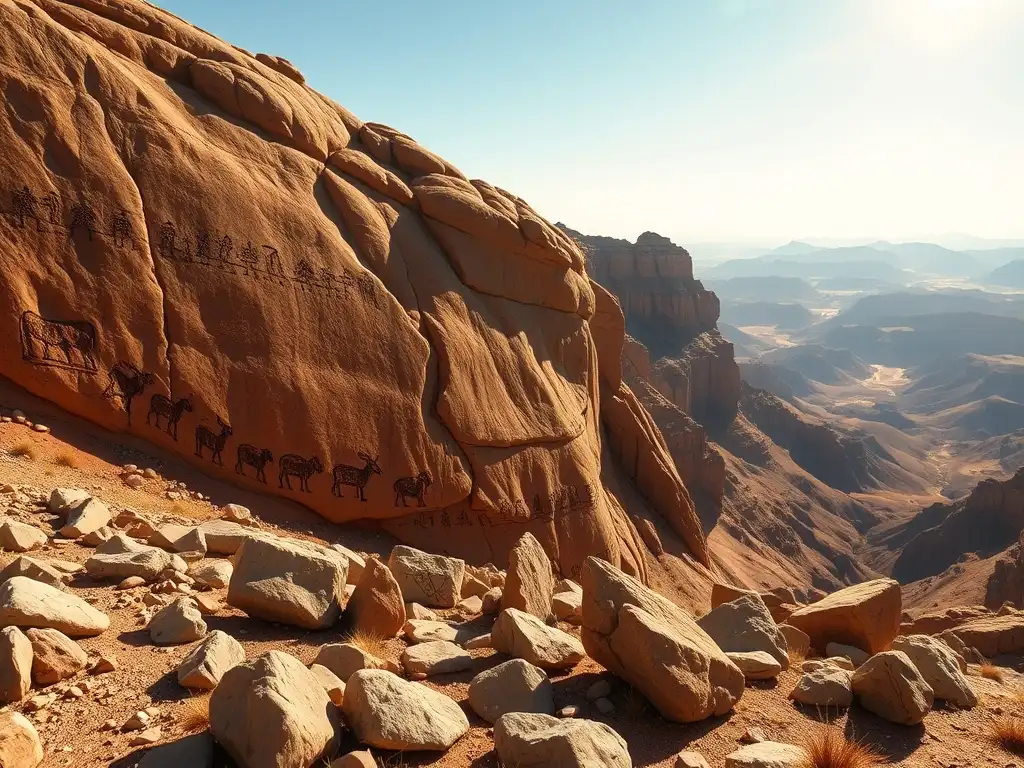
Step into a world lost to time, yet echoing with vibrant life. Imagine the breathtaking artistry of the Andes, a tapestry woven from centuries of innovation and spiritual depth. This is where the whispers of the ancients still resonate, revealing the secrets held within Ancient Andean art forms. Uncover the mysteries and marvel at the ingenuity that shaped these remarkable civilizations—prepare to be captivated.
The Andes Mountains, a spine of towering peaks running down the western coast of South America, have been home to vibrant civilizations for millennia. Long before the Inca Empire rose to prominence, a rich tapestry of cultures flourished, leaving behind a legacy of artistry that continues to fascinate and inspire.
This article delves into the captivating world of Ancient Andean art forms, specifically focusing on the earliest expressions of artistic creativity during the Pre-Ceramic period, a time before the invention of pottery. We'll explore the ingenuity and symbolism embedded in these ancient artifacts, offering a glimpse into the beliefs, practices, and daily lives of the people who inhabited this extraordinary landscape.
Understanding these early art forms provides a crucial foundation for appreciating the later, more complex artistic achievements of the Andean world, revealing a continuous thread of cultural innovation stretching back thousands of years. Prepare to be amazed by the whispers of the ancients, echoing through time in the form of remarkable artistic expressions.
Introduction to Pre-Ceramic Andean Art
The Pre-Ceramic period in the Andes (roughly 8000-1800 BCE) is characterized by a fascinating development of artistic expression, predating the widespread adoption of pottery. While the lack of easily preserved materials like clay presents challenges to our understanding, archaeological discoveries reveal a sophisticated level of artistic skill and symbolic thought.
This era witnessed the development of unique artistic techniques focusing primarily on stone carving, textile production, and the creation of intricate rock art. These early art forms weren't merely decorative; they served crucial roles in religious rituals, social structures, and daily life, reflecting a deep connection between the people and their environment.
The survival of these artifacts, often discovered in caves, burial sites, and rock shelters, provides invaluable insights into the worldview and artistic sensibilities of these early Andean communities. The themes and motifs recurring throughout these early works suggest a shared cultural heritage, despite the geographical diversity of the Andean region.
Stone Carving: The First Sculptures of the Andes
Stone carving emerged as a dominant artistic medium during the Pre-Ceramic period. Artisans skillfully shaped various stones, including volcanic rocks and obsidian, into a diverse range of objects. These ranged from simple tools and implements to intricately carved figurines and ceremonial objects. The level of craftsmanship evident in these early sculptures is remarkable, demonstrating a deep understanding of stone working techniques. Many sculptures depict human and animal forms, often stylized and abstract, suggesting a symbolic representation rather than a purely realistic portrayal. For example, [specific examples of Pre-Ceramic stone carvings and their locations pending]. The choice of materials and the stylistic conventions employed in these carvings varied regionally, reflecting the diverse cultural traditions that existed across the Andean landscape. Further research is needed to fully understand the meaning and function of these enigmatic sculptures, but their presence underscores the early development of artistic skill and symbolic thinking in the Andes.
Textile Production: Weaving the Threads of Andean Culture
The art of textile production reached a surprising level of sophistication during the Pre-Ceramic period. Archaeological excavations have unearthed fragments of intricately woven textiles, showcasing a mastery of spinning, dyeing, and weaving techniques. These textiles, often made from cotton and camelid fibers (such as llama and alpaca wool), were not only functional but also held significant symbolic value. [Specific examples of Pre-Ceramic textiles and their significance pending].
The complex patterns and designs found on these textiles suggest a highly developed symbolic language, potentially representing clan affiliations, religious beliefs, or social status. The discovery of sophisticated weaving tools further supports the advanced level of textile production during this early period. The enduring legacy of Andean textile traditions can be traced back to these early beginnings, highlighting the continuity and innovation in textile arts throughout Andean history.
Rock Art: Painting Narratives on the Andean Landscape
Rock art, found etched or painted on rock surfaces across the Andes, provides another crucial window into the artistic and spiritual world of the Pre-Ceramic period. These depictions range from simple geometric patterns to complex scenes depicting humans, animals, and abstract symbols. [Specific examples of Pre-Ceramic rock art sites and their notable features pending].
The creation of rock art often involved the use of pigments derived from natural sources, such as minerals and plant extracts. The motifs and styles found in rock art varied significantly across different regions, reflecting the diversity of cultural traditions and beliefs.
The interpretation of rock art remains a subject of ongoing research and debate, but these ancient images undoubtedly offer valuable insights into the worldview, social structures, and ritual practices of early Andean societies. The enduring presence of these painted narratives on the landscape serves as a powerful testament to the artistic expression of these early Andean communities.
This initial section provides a foundation for exploring the rich tapestry of Ancient Andean art forms during the Pre-Ceramic period. Future sections will delve deeper into specific styles, techniques, and interpretations, further enriching our understanding of these fascinating early expressions of human creativity.
- Introduction to Pre-Ceramic Andean Art
- Stone Carving: The First Sculptures of the Andes
- Textile Production: Weaving the Threads of Andean Culture
- Rock Art: Painting Narratives on the Andean Landscape
The Dawn of Artistic Expression in the Andes
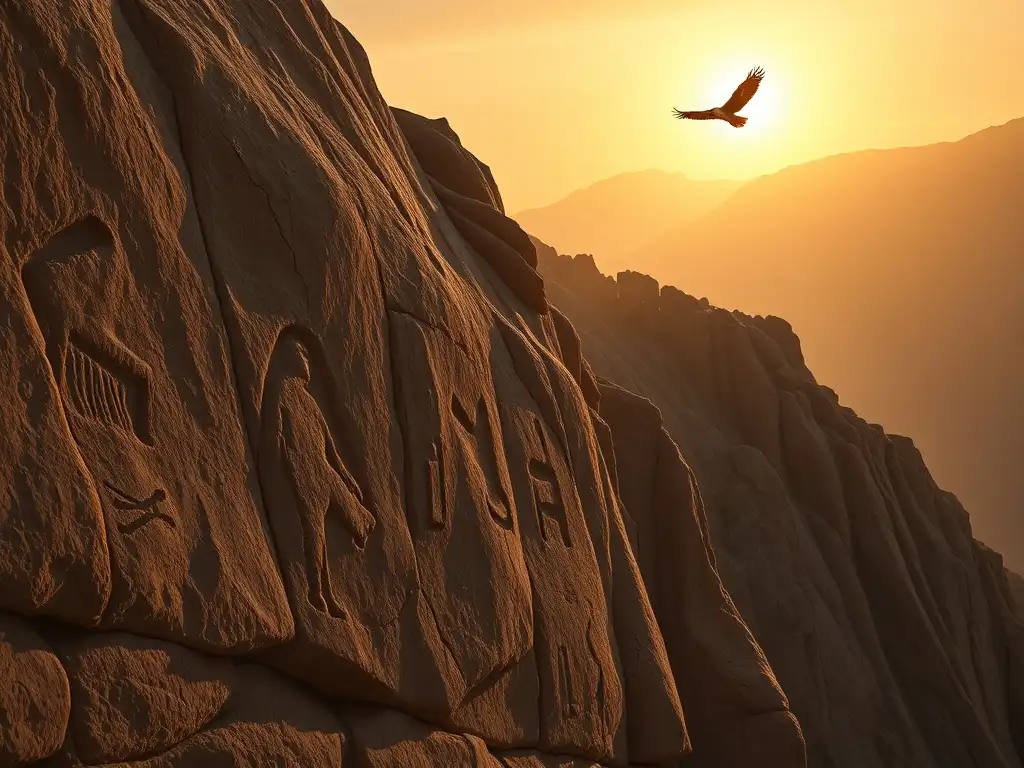
This section delves into the fascinating world of pre-ceramic Andean art, a period often overlooked but crucial in understanding the development of artistic expression in the region. We'll explore the earliest forms of artistic endeavors, predating the well-known pottery traditions, revealing a sophisticated understanding of aesthetics and symbolism that laid the foundation for later Andean artistic achievements. Understanding this foundational period is key to appreciating the full spectrum of Ancient Andean art forms. The sheer ingenuity and artistry displayed in these early works highlight the innate creative spirit of the Andean peoples.
Understanding the Pre-Ceramic Period in Andean History
The Pre-Ceramic Period in the Andes, spanning roughly from 8000 to 1800 BCE, marks a significant chapter in the region's history. It's a time of profound change, witnessing the transition from nomadic hunter-gatherer societies to increasingly sedentary agricultural communities. This shift had a profound impact on artistic expression. As people settled in one place, they began to develop more complex social structures, beliefs, and rituals, all of which found expression in their art.
This period is characterized by a gradual development of artistic techniques and motifs. Early forms were often utilitarian, integrated into everyday life. However, even these early examples demonstrate a keen awareness of aesthetics and the use of natural materials. For instance, the meticulous craftsmanship evident in woven textiles, even without the aid of advanced tools, speaks volumes about the artistic skills of the time.
The use of natural pigments for body painting and rock art further showcases their creative abilities and understanding of color and form. Analysis of these early materials reveals a deep connection to the environment, with motifs often reflecting the surrounding flora and fauna. The development of agriculture itself, a monumental achievement, is reflected in the art through representations of crops and agricultural tools.
The lack of widespread pottery during this period doesn't signify a lack of artistic talent; instead, it highlights alternative artistic mediums and creative processes. The absence of readily available clay in certain regions further encouraged the development of unique artistic styles using readily available materials like stone, bone, and fibers. These early artistic expressions, while different from later ceramic traditions, are equally vital in understanding the evolution of Ancient Andean art forms.
Early Artistic Manifestations: Beyond Pottery
While the iconic pottery of later Andean cultures often overshadows earlier artistic achievements, the Pre-Ceramic Period boasts a rich tapestry of artistic expressions. These early forms often went unnoticed until recent archaeological discoveries. Let's explore some key examples:
- Textiles: Evidence suggests sophisticated textile production, using techniques like weaving and knotting, existed long before the invention of pottery. These textiles, often made from cotton and camelid fibers, served both practical and symbolic purposes. Intricate designs and patterns, though often fragmented due to the age of the materials, reveal an advanced understanding of textile techniques and aesthetic principles. The colors utilized, derived from natural sources, are remarkably vibrant even today.
- Rock Art: Cave paintings and petroglyphs from this period depict scenes of daily life, animals, and possibly ritualistic ceremonies. These works, found across various Andean regions, provide invaluable insights into the beliefs and practices of the time. The use of ochre, charcoal, and other natural pigments suggests a sophisticated understanding of material properties and artistic techniques. The style and motifs vary regionally, reflecting the diverse cultural landscapes of the Andes. Many of these sites remain understudied, promising a wealth of further discoveries.
- Stone Carving: While less common than textile and rock art, evidence of stone carving also exists from the Pre-Ceramic Period. These early carvings, often depicting simple shapes and figures, demonstrate an early understanding of stone working techniques. The scarcity of these objects suggests that they may have held significant symbolic or ritualistic importance, further highlighting the artistic and spiritual significance of this period. Further research is needed to fully understand the techniques and cultural significance of this early stonework.
The study of these early art forms challenges the simplistic narrative of Andean artistic development, revealing a complex and multifaceted cultural landscape. The intricate textiles, expressive rock art, and rudimentary stone carvings all contribute to a richer understanding of the creative spirit that has characterized the Andean region for millennia, offering crucial context for the later flourishing of Ancient Andean art forms.
Rock Art and Petroglyphs: Visual Narratives of Early Andean Life
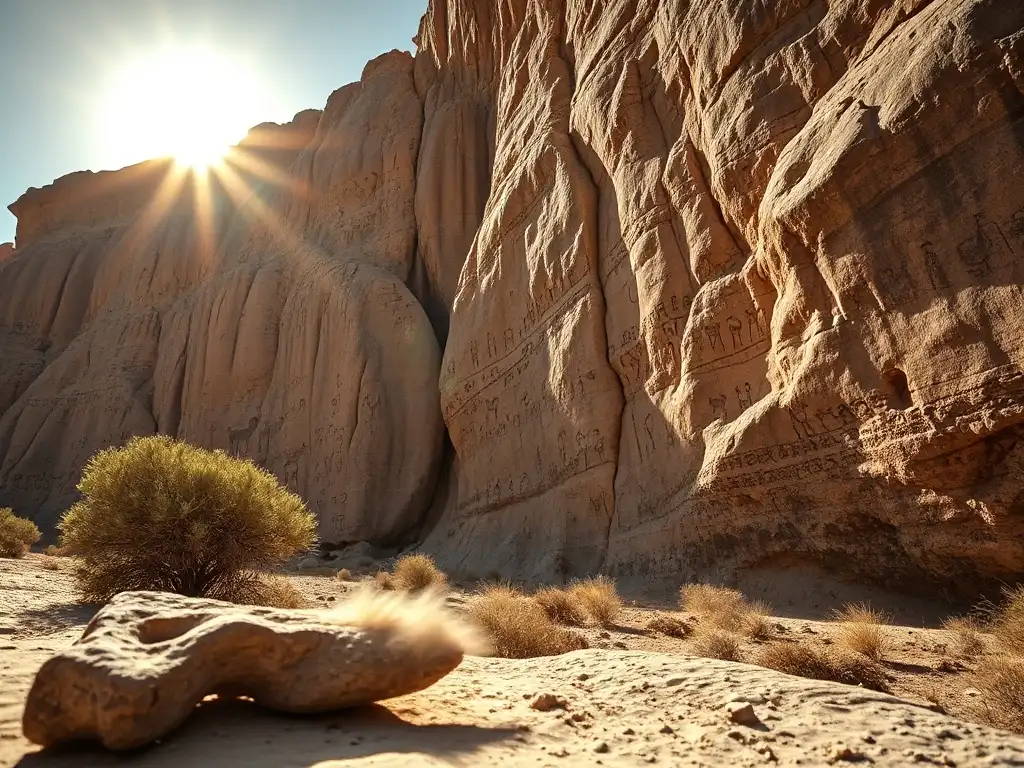
This section delves into the fascinating world of rock art and petroglyphs, providing a window into the lives, beliefs, and artistic expressions of early Andean peoples. These ancient art forms, predating even the development of sophisticated pottery, offer invaluable insights into the social structures, spiritual practices, and daily routines of these pre-ceramic societies. Studying these enduring images allows us to connect with the earliest artistic traditions of the Andes and appreciate their lasting impact on subsequent Andean cultures. Understanding Ancient Andean art forms from this period is crucial to grasping the full scope of Andean artistic development.
The Significance of Rock Art Sites
The locations chosen for rock art creation were rarely arbitrary. Many sites are situated in places of natural significance – near water sources crucial for survival, overlooking fertile valleys, or within areas with clear astronomical alignments. This deliberate placement suggests a deep connection between the art, the environment, and the spiritual beliefs of the creators.
For example, the rock art sites found in the arid coastal regions often depict marine life, reflecting the importance of the sea to their sustenance and possibly their mythology. In contrast, sites located in the highlands frequently feature camelids (llamas and alpacas), emphasizing the centrality of these animals to their economy and daily existence.
The careful selection of these locations highlights the profound relationship between these early Andean communities and their environment, underscoring the importance of the landscape in shaping their worldview and artistic expression. The preservation of these sites is crucial for continued research and understanding of Ancient Andean art forms.
Techniques and Styles of Andean Petroglyphs
The creation of petroglyphs involved a variety of techniques. Many were created through pecking, a laborious process of chipping away at the rock surface using stone tools. Other methods included abrasion, using a grinding stone to wear away the rock, and incising, carving lines into the stone using sharp tools.
The resulting images vary widely in style, from simple geometric patterns to complex depictions of animals, humans, and abstract symbols. The style of the petroglyphs often varies geographically, reflecting regional differences in artistic traditions and possibly distinct cultural groups. For instance, the coastal regions might feature more stylized depictions of marine animals, while highland petroglyphs might focus on camelids and abstract designs.
Analyzing these variations in technique and style helps researchers understand the diversity of early Andean cultures and the spread of artistic influences across the region. Further research into the tools used and the geological properties of the rocks themselves could reveal even more about the methods employed in creating these Ancient Andean art forms.
Interpreting the Symbolism in Ancient Andean Rock Art
Interpreting the symbolism in ancient Andean rock art presents a significant challenge. While some images are relatively straightforward (depictions of animals or humans), many others are abstract and their meaning remains open to debate. Scholars often approach interpretation by considering the context of the site, comparing similar motifs found across different locations, and drawing parallels with later Andean iconography and mythology.
For example, recurring motifs like spirals, zigzags, and stepped patterns may represent cosmic concepts, agricultural cycles, or shamanic journeys. Depictions of humans engaged in various activities—hunting, dancing, or ritualistic practices—offer glimpses into their social structure, beliefs, and daily life. However, it's crucial to acknowledge the limitations of interpretation and avoid imposing modern perspectives onto these ancient images.
The potential for multiple interpretations and the ongoing nature of scholarly debate make the study of Ancient Andean art forms a constantly evolving and intellectually stimulating field. Continued research, incorporating interdisciplinary approaches, is essential for a more complete understanding of these enigmatic visual narratives.
Textile Traditions in the Pre-Ceramic Andes
The Pre-Ceramic period in the Andes (circa 8000-1800 BCE) unveils a surprisingly sophisticated level of textile production, challenging previous assumptions about the timeline of Andean artistic development. These early textiles, unearthed from various archaeological sites, offer invaluable insights into the daily lives, social structures, and spiritual beliefs of these early Andean communities. The discovery of intricate textiles predating pottery highlights the significance of fiber arts in the development of Ancient Andean art forms.
Analysis of these early examples reveals a deep understanding of fiber manipulation, dyeing techniques, and symbolic representation, laying the groundwork for the later, more well-known artistic achievements of the region. The study of these early textiles provides a crucial window into the complex cultural evolution of the Andes, demonstrating the ingenuity and artistic expression of these early Andean societies.
Fiber Arts and the Beginnings of Weaving
The earliest evidence of fiber arts in the Andes involves the use of simple twining and knotting techniques. These techniques, while seemingly basic, represent a remarkable feat of human ingenuity. Archaeological findings reveal fragments of textiles made from various plant fibers, including cotton and other native species. The process of preparing these fibers—cleaning, separating, and spinning—required considerable skill and patience.
Analysis of the fibers themselves can provide clues about the environment and the available resources in different regions. For example, the presence of specific plant fibers can indicate the altitude and climate of the area where the textiles were produced. Furthermore, the discovery of specialized tools, such as spindle whorls and weaving implements, suggests a level of organization and specialization within these early communities.
The development of these early fiber techniques laid the foundation for the more complex weaving methods that would emerge in later periods. The transition from simple twining to more intricate weaving techniques demonstrates a gradual but significant technological advancement, reflective of the evolving artistic capabilities of the Andean people. The mastery of these techniques was not merely functional; it represented a crucial step in the development of Ancient Andean art forms.
The Use of Natural Dyes and Materials
The vibrant colors found in many Pre-Ceramic Andean textiles are a testament to the early Andean peoples' expertise in natural dyeing. A diverse range of plants, minerals, and insects were used to create a spectrum of hues. Researchers have identified various sources of pigments, including plants like Bixa orellana (achiote) for reds and yellows, and various minerals for browns and blacks.
The process of extracting, preparing, and applying these dyes required a detailed knowledge of botany and chemistry. The durability and vibrancy of the colors, even after thousands of years, highlight the effectiveness of these techniques. The choice of colors was not arbitrary; they likely held symbolic significance within the Andean worldview, potentially representing specific deities, events, or social status.
The careful selection and application of these natural dyes demonstrate a profound connection between the Andean people and their environment, showcasing their understanding and respect for the natural world. The sophisticated use of natural dyes significantly contributed to the aesthetic qualities of these early textiles, enriching the artistic legacy of Ancient Andean art forms.
Early Textile Patterns and Their Meanings
The patterns found on Pre-Ceramic Andean textiles are often geometric, featuring simple yet elegant designs such as stripes, chevrons, and zigzags. However, even these seemingly straightforward motifs may have held complex symbolic meanings. Anthropologists and archaeologists are still working to decipher the full significance of these patterns.
Some scholars suggest that the patterns could have been associated with clan affiliations, social status, or religious beliefs. The repetition of specific designs across different textiles from various sites could indicate the existence of shared cultural practices or belief systems. The use of contrasting colors and textures within the patterns added another layer of complexity to their visual impact.
Further research is needed to fully understand the intricate relationship between the patterns and the cultural context in which they were created. However, even with the limited information currently available, the patterns found on these early textiles offer a glimpse into the rich symbolic world of the Pre-Ceramic Andean people, showcasing the sophisticated artistic and cultural expressions that characterized these Ancient Andean art forms. The continued study and analysis of these textiles promise to reveal even more about the fascinating history and cultural heritage of the early Andes.
Architectural Beginnings: Early Structures as Artistic Expressions
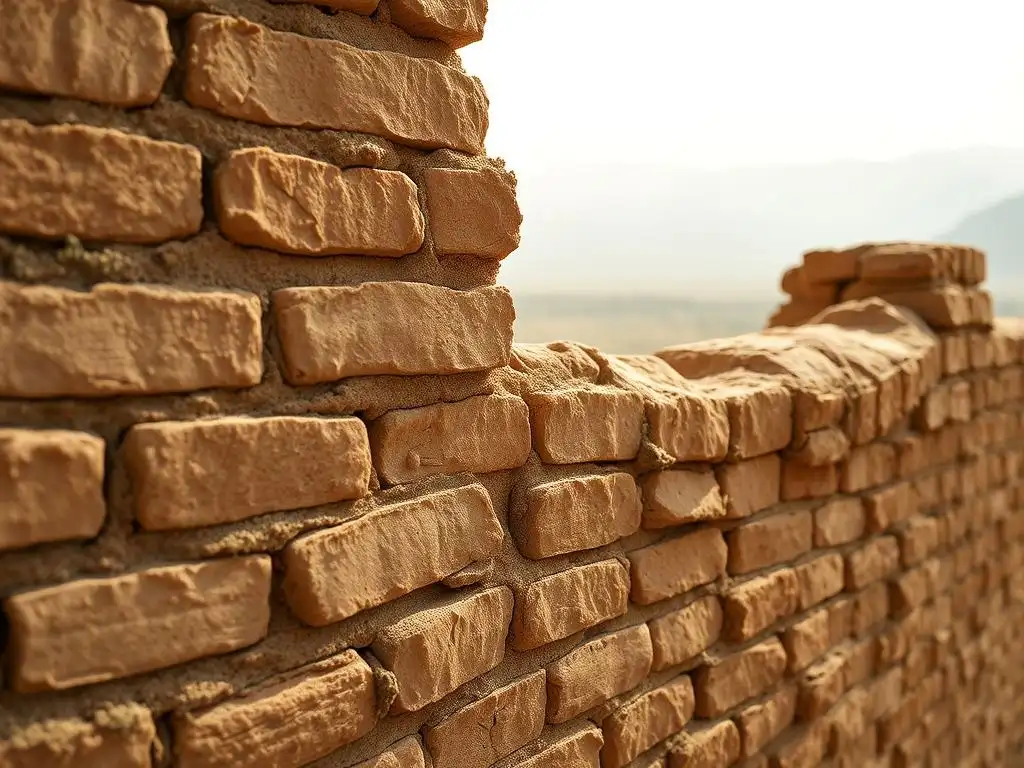
The earliest expressions of Ancient Andean art forms often go unnoticed, hidden within the very foundations of their societies: architecture. While grand monuments like Machu Picchu capture the imagination, the pre-ceramic period (roughly 8000-1800 BCE) reveals a sophisticated understanding of design, construction, and the symbolic power of built environments. These early structures, though seemingly simple, represent a crucial stage in the development of Andean artistic expression and provide invaluable insights into the worldview of these early communities.
Analyzing the surviving remnants allows us to understand not just how they built, but why, revealing a deep connection between art, architecture, and the social fabric of their societies. This period lays the groundwork for the later, more elaborate artistic achievements of the Andean civilizations, demonstrating a continuous thread of innovation and aesthetic sensibility.
The Design and Purpose of Pre-Ceramic Structures
Pre-ceramic Andean structures weren't haphazard collections of stones; they were carefully planned and executed. Evidence suggests a focus on practicality intertwined with symbolic meaning. Many early structures were circular or oval in shape, possibly reflecting cosmological beliefs or representing the cyclical nature of life and the Andean landscape.
These weren't just shelters; they served multiple purposes, acting as communal spaces for gatherings, ritual ceremonies, and storage of essential goods. The size and complexity of these structures varied depending on the size and needs of the community, ranging from small family dwellings to larger village centers. Archaeological findings reveal the presence of hearths, storage pits, and even early forms of art integrated into the architecture itself, such as painted murals on the interior walls.
The placement of these structures within the landscape also suggests a deliberate relationship with the environment, with many built strategically near water sources or on elevated points offering panoramic views. This careful integration showcases a deep understanding and respect for the natural world, a characteristic that would continue to influence Andean art and culture for millennia. Further research is needed to fully understand the symbolic significance of specific design elements in various locations, but it is clear that these early structures were much more than mere necessities.
Construction Techniques and Materials of Ancient Andean Buildings
The construction techniques employed during the pre-ceramic period reflect both ingenuity and adaptation to the environment. Early Andean builders utilized readily available materials, primarily stone, mud, and reeds. Stone, often sourced from nearby quarries, was carefully selected and shaped, showcasing an understanding of the properties of different rock types. Mud, mixed with organic materials like straw or dung, served as a binding agent, creating durable walls and floors.
Reeds, prevalent in wetland areas, were used for roofing and other structural elements. The construction techniques were not standardized; they varied based on the available resources and the specific architectural requirements. Some structures utilized dry-stone techniques, carefully fitting stones together without mortar, while others employed mud-brick construction, creating more solid and stable buildings.
This flexibility and adaptability highlight the practicality and resourcefulness of these early builders. The durability of many of these structures, considering the passage of time and environmental factors, is a testament to their masterful craftsmanship and a profound understanding of building techniques. Detailed analysis of surviving structures continues to provide new insights into these pioneering building methods.
Understanding the Role of Architecture in Early Andean Societies
Architecture in the pre-ceramic Andean period wasn't solely a practical endeavor; it played a crucial role in shaping social structures and expressing cultural beliefs. The size and complexity of buildings often reflected the social hierarchy within the community, with larger structures possibly indicating leadership roles or significant social status. The arrangement of structures within a settlement also provides clues about social organization and communal activities.
For example, the proximity of dwellings to communal spaces suggests a strong emphasis on social interaction and shared experiences. Furthermore, the presence of elaborate burial sites associated with some structures indicates a deep reverence for ancestors and the continuity of cultural traditions. These aspects of early Andean architecture highlight the intertwined nature of art, architecture, and social structures.
The way people built their homes and communal spaces was an active expression of their beliefs, values, and social organization, laying the foundation for the complex social systems that would develop in subsequent Andean civilizations. Further research, particularly in the area of social anthropology applied to archaeological findings, is crucial to fully unveil the complex relationship between architecture and social organization in this formative period. The careful study of these early structures offers a window into the very heart of early Andean societies, revealing a rich tapestry of beliefs, practices, and social structures.
The Role of Ritual and Ceremony in Early Andean Art
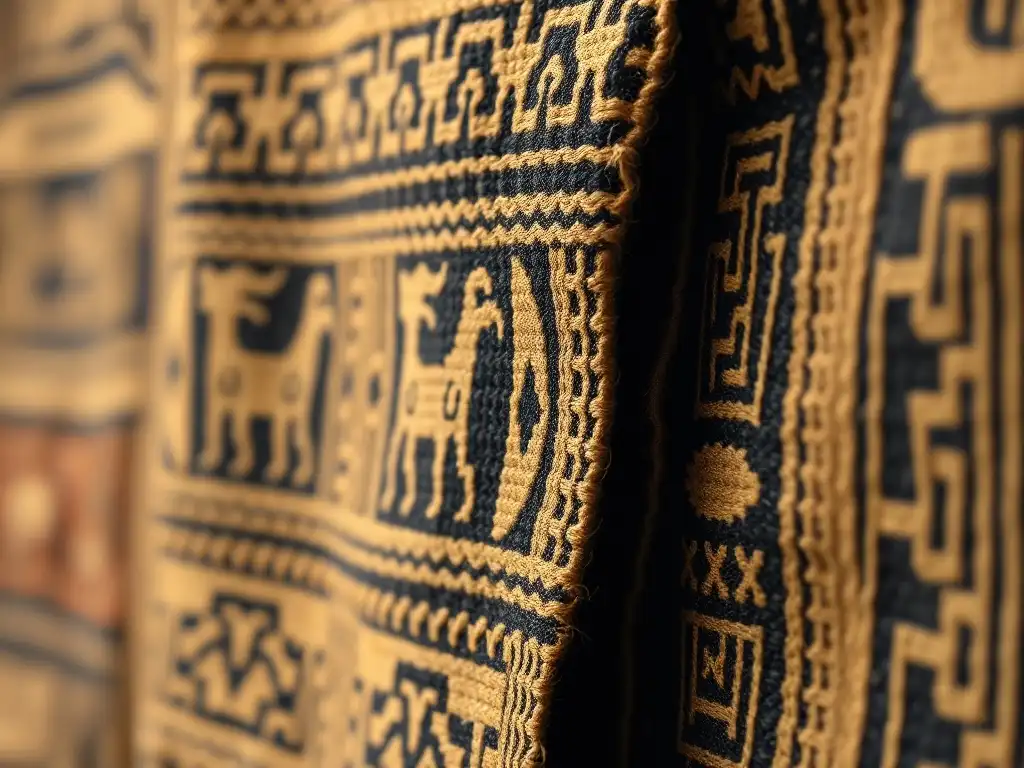
The vibrant tapestry of early Andean art wasn't merely aesthetic; it was deeply intertwined with the spiritual and social fabric of these ancient societies. Understanding the role of ritual and ceremony is crucial to deciphering the meaning and significance embedded within these remarkable artistic expressions. The creation, use, and even destruction of artwork were often integral parts of carefully orchestrated rituals, reflecting a worldview where the physical and spiritual realms were inextricably linked.
Evidence suggests that artistic creation itself was a ritualistic act, imbued with sacred meaning and performed by individuals holding specialized roles within the community. This wasn't simply about creating a pleasing object; it was about creating a conduit to the supernatural.
Art as a Form of Communication with the Spiritual World
Early Andean art frequently served as a powerful means of communication with the spiritual world. Figurines, often crafted from clay or stone, depict deities, ancestors, and other supernatural beings. These weren't simply representations; they were believed to embody or channel the spiritual power of their subjects.
The careful selection of materials, the meticulous detail in sculpting features, and the symbolic adornments all contributed to the object's spiritual potency. For example, the use of specific pigments, such as ochre or cinnabar, may have held symbolic meaning related to specific deities or rituals. Furthermore, the placement of these artifacts within specific ceremonial contexts, such as burial sites or temple complexes, further underscores their role in mediating the relationship between the living and the dead, or between humans and the supernatural.
The creation of these objects wasn't just artistic; it was a form of spiritual practice, aiming to connect with and influence the power of the unseen world. The meticulous detail in these artifacts, often including intricate headdresses, clothing, and other adornments, speaks to the reverence and respect afforded to these spiritual entities.
The production and consumption of early Andean art were not isolated activities; they were deeply embedded within the social structures of these communities. The creation of art often involved specialized artisans who held high social standing, reflecting the importance of artistic skill and knowledge within the society. The types of art produced, the materials used, and the styles employed frequently reflected social hierarchies and power dynamics.
For instance, elaborate textiles or finely crafted pottery might have been reserved for the elite, while simpler forms were used by commoners. The distribution and use of artistic objects within the community also reveal social structures. Grave goods, for example, indicate the social status of the deceased and the beliefs about the afterlife.
Analysis of these grave goods, often including finely crafted pottery and textiles, offers profound insights into the social organization and belief systems of these ancient cultures. This interweaving of art and social structure provides a unique window into the complex social dynamics of early Andean societies. The careful study of these artifacts and their context provides valuable information about social stratification, power relations, and the role of art in reinforcing social order.
How Rituals Shaped Artistic Expression
Rituals played a pivotal role in shaping the aesthetic choices and stylistic conventions of early Andean art. The forms, colors, and iconography of artistic creations were often directly related to specific rituals and ceremonies. For example, the use of specific motifs, such as stylized animals or geometric patterns, might have been linked to particular deities or agricultural cycles.
The creation of these artworks was often part of the ritual itself, with the process imbued with spiritual significance. In some cases, the artwork itself might have been destroyed as part of a ritual conclusion, emphasizing the ephemeral nature of some artistic expressions and the cyclical nature of life and death in the Andean worldview. The careful study of artistic styles and their context within specific archaeological sites provides critical evidence for understanding the role of ritual in shaping these aesthetic traditions.
Furthermore, the repetitive nature of certain motifs across different sites and time periods suggests the existence of shared beliefs and ritual practices across a wide geographical area. The understanding of the relationship between ritual and art is therefore essential for gaining a comprehensive appreciation of early Andean artistic expression and its significance within the broader social and religious landscape.
Case Studies of Key Pre-Ceramic Art Sites
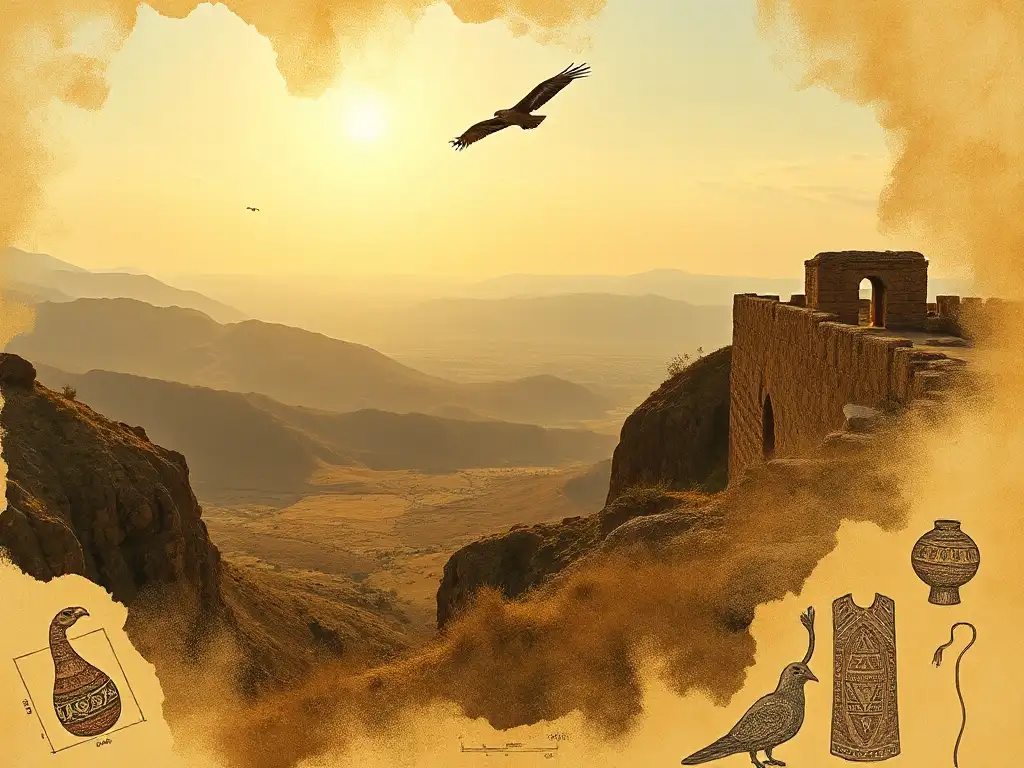
This section delves into specific archaeological sites that offer invaluable insights into the earliest artistic expressions of the Andean region, predating even the development of pottery. These sites showcase the ingenuity and sophisticated cultural practices of these early Andean communities, providing tangible evidence of their artistic sensibilities and complex social structures. Understanding these sites is crucial for a complete appreciation of the evolution of Ancient Andean art forms.
Caral: Insights from the Sacred City
Caral, located in the Supe Valley of Peru, is a remarkably well-preserved example of a pre-ceramic city. Dating back to approximately 2600 BCE, Caral is considered one of the oldest urban centers in the Americas. While not explicitly known for elaborate figurative art in the same way as later Andean cultures, Caral's artistic achievements lie in its monumental architecture and sophisticated urban planning. The city's layout, with its large plazas, pyramids, and residential structures, reveals a complex social organization and a deep understanding of engineering and construction techniques.
The artistic expression in Caral is evident in the meticulous construction of its buildings. The use of carefully cut and placed stones, the precise alignment of structures, and the creation of large-scale platforms demonstrate a significant level of skill and planning. Furthermore, the discovery of intricately woven textiles and musical instruments within the city indicates a rich cultural life that encompassed a variety of artistic endeavors.
These artifacts, though not overtly "artistic" in the traditional sense, represent the aesthetic sensibilities of the Caral culture and contribute to our understanding of their artistic achievements. The very act of creating such a complex and planned city is, in itself, a monumental artistic statement reflecting a sophisticated worldview. Further research continues to unveil more subtle artistic expressions within the site, highlighting the complex nature of Ancient Andean art forms in this early period.
La Galgada: Discoveries at a Ceremonial Center
La Galgada, situated in the northern highlands of Peru, offers a contrasting perspective on early Andean art. Unlike the monumental architecture of Caral, La Galgada is primarily known for its intricate textiles and the evidence of sophisticated ceremonial practices. Dating to approximately 2500 BCE, La Galgada's artistic expression is characterized by the vibrant colors and complex designs found in its textiles. These textiles, often made from camelid fibers, display a variety of weaving techniques and intricate patterns, suggesting a high level of skill and artistic sophistication.
The discovery of numerous ceremonial objects at La Galgada, including intricately carved stone tools and elaborate offerings, points to the importance of ritual and religious practices in shaping the artistic landscape of the region. These objects, while functional, also possess aesthetic qualities that suggest an awareness of form and design. The use of specific materials, the careful carving of details, and the placement of objects within specific contexts all contribute to the artistic significance of the finds.
Analysis of the dyes and pigments used in the textiles also provides valuable insight into the natural resources available to and utilized by the La Galgada community, demonstrating a strong connection between the art and the environment. This connection between the environment and Ancient Andean art forms is a recurring theme in early Andean artistic expression.
Kotosh: The Art and Culture of the Temple of the Crossed Hands
Kotosh, situated in the central highlands of Peru, is renowned for its early temple architecture and the iconic "Temple of the Crossed Hands." Dating back to approximately 1500 BCE, this site showcases the development of early Andean religious architecture and the emergence of more overtly symbolic artistic expressions. The Temple of the Crossed Hands, named for the famous bas-relief sculptures found within its walls, is a prime example of the religious and artistic significance of the site.
The bas-relief sculptures, depicting stylized human figures with crossed arms, are considered a landmark discovery in the study of Ancient Andean art forms. Their symbolic meaning remains a subject of ongoing debate, but they undoubtedly represent a significant step in the development of figurative art in the Andes.
The use of clay and plaster in their creation, along with the careful attention to detail in their execution, demonstrates a remarkable level of artistic skill. Beyond the famous sculptures, the site also reveals other artistic expressions, including intricately carved stone objects and evidence of sophisticated pottery production, although pottery was not yet widespread at this time.
The development of more complex religious architecture and symbolic imagery at Kotosh points towards a growing sophistication in artistic expression and a more defined religious ideology, laying the groundwork for the artistic flourishing of later Andean civilizations. The stylistic features of the sculptures at Kotosh demonstrate a unique artistic vocabulary that distinguishes it from other contemporary sites, enriching the tapestry of early Ancient Andean art forms.
The Legacy of Early Andean Art Forms
The study of early Andean art forms offers a captivating glimpse into the ingenuity and spiritual beliefs of the pre-ceramic societies inhabiting the Andes Mountains. These early artistic expressions, predating the use of pottery, laid the foundation for the sophisticated artistic traditions of later Andean civilizations, such as the Incas, Moche, and Nazca.
The enduring legacy of this early art is evident in the continuity of motifs, techniques, and artistic sensibilities that persisted for millennia. Understanding these origins provides crucial context for appreciating the complexity and evolution of Andean artistic production.
The unique challenges of the Andean environment – high altitudes, diverse climates, and limited resources – shaped the materials and techniques employed, resulting in artistic styles distinctly different from those of other ancient cultures. We see this reflected in the use of readily available materials like stone, bone, and fibers in the creation of intricate carvings, textiles, and ceremonial objects.
Impact of Pre-Ceramic Art on Later Andean Civilizations
The impact of Pre-Ceramic art on subsequent Andean civilizations is profound and multifaceted. Many motifs and artistic conventions visible in later periods can be traced back to these early forms. For example, the recurring themes of stylized animals, geometric patterns, and representations of deities found in Inca textiles and ceramics have clear precedents in Pre-Ceramic rock art and carved objects.
The sophisticated understanding of textile production, evident in the intricate weavings of the Pre-Ceramic period, continued to evolve and refine in later cultures, culminating in the exceptionally high-quality textiles produced by the Inca. Furthermore, the mastery of stone carving and the development of advanced techniques in metallurgy, which began during the Pre-Ceramic period, laid the groundwork for the impressive architectural achievements and metalwork of the later Andean civilizations. The continuity of these artistic traditions underscores the deep cultural roots and the enduring influence of these early artistic expressions.
This is not merely a matter of stylistic influence; it represents the transmission of knowledge, beliefs, and artistic practices across generations. Analysis of stylistic elements reveals a clear lineage, demonstrating the ongoing dialogue between artistic traditions across vast stretches of time.
Continuing Research and Discoveries in Early Andean Art
The field of Andean archaeology is constantly evolving, with new discoveries continually reshaping our understanding of Pre-Ceramic art. Recent excavations have unearthed previously unknown sites containing remarkable examples of early artistic production, expanding our knowledge of the geographic distribution and stylistic diversity of these cultures. Technological advancements in dating techniques and material analysis allow researchers to more precisely date artifacts and determine the materials used, providing invaluable insights into the artistic processes and the lives of the people who created them.
For example, the application of advanced imaging techniques has revealed intricate details in rock art previously invisible to the naked eye, uncovering hidden layers of meaning and complexity. Furthermore, ongoing research into the social and political contexts of Pre-Ceramic societies is shedding light on the role of art in shaping social structures and religious beliefs.
The study of early Andean art is far from complete; there is much left to discover and interpret, promising a vibrant future for research in this field. The ongoing discovery of new sites and the refinement of analytical techniques ensure that our understanding of “Ancient Andean art forms” will continue to grow and evolve.
Preserving and Appreciating the Artistic Heritage of the Andes
Preserving the artistic heritage of the Andes requires a multifaceted approach, encompassing both scientific and cultural dimensions. Careful excavation and conservation techniques are crucial to safeguard fragile artifacts from deterioration. This includes meticulous documentation of archaeological sites and the implementation of appropriate environmental controls to minimize damage caused by factors such as humidity and temperature fluctuations. Furthermore, promoting public awareness and education about the significance of Andean art is essential.
Museums and cultural institutions play a vital role in exhibiting these artifacts and providing educational programs that communicate the rich history and cultural significance of these artistic expressions to a wider audience. Community involvement is also crucial. Engaging local communities in the preservation and interpretation of their cultural heritage fosters a sense of ownership and ensures that traditional knowledge is maintained and passed down through generations.
The preservation of these sites and artifacts is not merely a matter of historical record-keeping; it is about safeguarding a vital part of humanity's artistic and cultural legacy. Protecting “Ancient Andean art forms” necessitates a collaborative effort between archaeologists, conservators, educators, and local communities. Only through such concerted action can we ensure that these precious artistic expressions endure for future generations.
Frequently Asked Questions
What are some of the earliest known Andean art forms?
Some of the earliest known examples include Textiles from the Paracas culture, pottery from the Chavín culture, and rock carvings found throughout the Andes mountains. These pieces offer valuable insights into early Andean societies.
How did the environment influence Andean art?
The Andean landscape profoundly influenced art. Natural materials like clay, stone, and textiles were readily available, shaping artistic expression. Furthermore, religious beliefs often centered around nature, reflecting in the art.
What are the key characteristics of Ancient Andean art?
Ancient Andean art is characterized by its geometric patterns, stylized figures, and use of vibrant colors. It often featured mythological themes and depicted daily life and rituals.
How did Andean art differ between different cultures?
While sharing some common threads, each Andean culture developed unique artistic styles. For example, Moche pottery is known for its realistic depictions, while Nazca lines are famous for their massive scale and enigmatic nature. Inca textiles were incredibly sophisticated.
Where can I learn more about Ancient Andean art forms?
You can explore museums with significant Andean collections, such as the Larco Museum in Lima, Peru, and research online resources dedicated to Andean archaeology and art history. Many academic publications also delve into this topic.
Final Reflection: Echoes of the Andes, Whispers of Time
The vibrant artistry of the ancient Andes isn't merely a historical footnote; it's a living testament to human creativity and resilience, echoing across millennia and speaking directly to our contemporary concerns. The techniques, the symbolism, the sheer artistry displayed in these early forms – from textiles to ceramics to monumental architecture – continue to inspire awe and provoke questions about our own relationship with the past and the natural world. Understanding these ancient expressions offers a powerful lens through which to examine our own cultural heritage and the enduring human spirit.
The enduring power of Andean art lies not just in its aesthetic beauty, but in its ability to connect us to a profound sense of place and history. It reminds us of the interconnectedness of all things, a concept deeply embedded in Andean cosmology. The mountains are our mothers, the rivers our veins, and the earth our sustenance.
This ancient wisdom, woven into the very fabric of their art, resonates deeply today as we grapple with environmental challenges and seek a more sustainable future. The intricate designs, the careful selection of materials, and the profound spiritual significance embedded within these artifacts offer a powerful counterpoint to our often-disposable, mass-produced culture.
Consider the intricate detail, the symbolic power, the sheer ingenuity displayed in these ancient creations. You, too, can find inspiration in the whispers of the ancients. Take a moment to reflect on the enduring legacy of Andean art, and allow its beauty and complexity to enrich your own understanding of human creativity and our connection to the earth. Let the echoes of the Andes inspire you to create, to connect, and to appreciate the profound beauty and resilience of the human spirit, past and present.
Uncover the Mysteries of Andean Art Today!
Thank you for joining us on this journey through the earliest Andean art forms! You've gained insights into a rich cultural heritage that has profoundly shaped artistic expression for centuries. Now, let's put that knowledge into practice and strengthen your connection with these extraordinary traditions.
- Dive Deeper: Visit a local museum or gallery showcasing Andean art. Seeing these pieces firsthand offers a transformative experience.
- Get Creative: Create your own Andean-inspired artwork. Experiment with traditional motifs and techniques to express your creativity.
- Spread the Word: Share this article with your friends and family, or post about it on social media. Let's celebrate the beauty of Andean art together!
How will you incorporate the spirit of Andean art into your life? Share your thoughts in the comments below!