
The Concept of "Ayni": Reciprocity and Harmony with the Divine

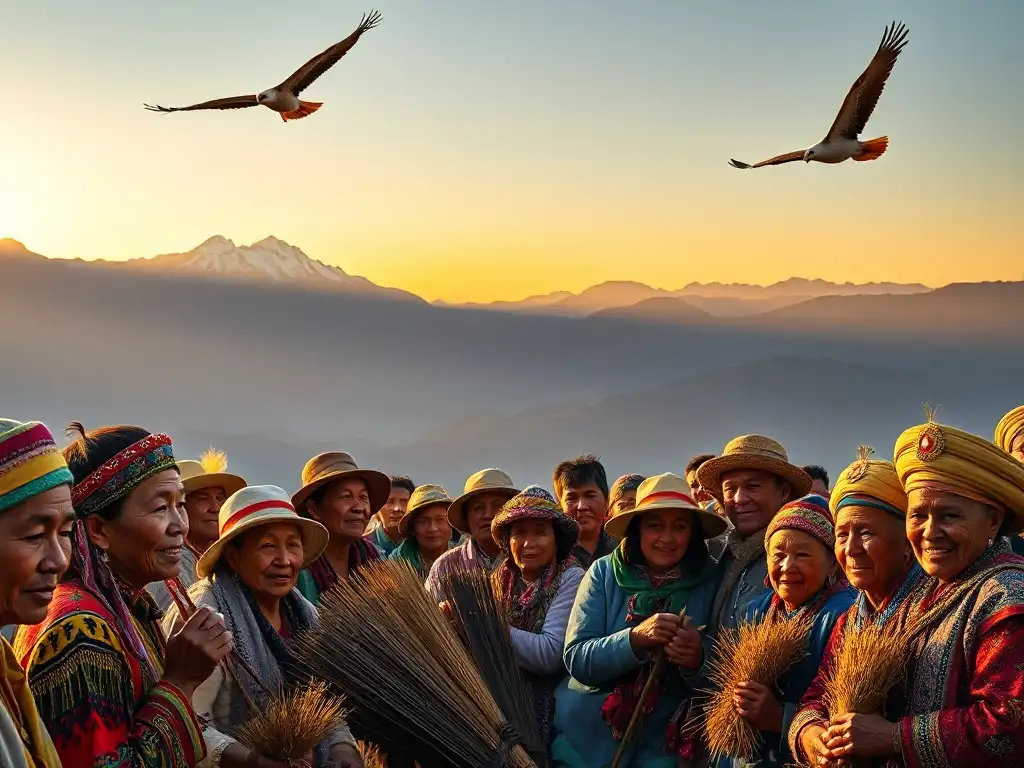
Step into a world lost to time, yet echoing with wisdom. Discover the intricate tapestry of Andean civilizations, where breathtaking artistry met profound spiritual understanding. We delve into the heart of their cosmology, exploring the Ayni concept – a principle of reciprocity that shaped their lives and their relationship with the divine. Are you ready to uncover the secrets of this ancient, harmonious way of life? Let's begin our journey…
-
The Ayni Concept: Reciprocity and Harmony with the Divine in Andean Cosmovision
- Understanding Ayni: The Core of Andean Reciprocity
- Ayni in Andean Culture: More Than Simple Exchange
- Ayni and the Andean Worldview: Connecting with the Sacred
- The Principles of Ayni: Reciprocal Relationships
- Ayni and the Concept of Pachamama in Andean Religion
- Ayni in Daily Life: Examples of Reciprocity in Andean Communities
- Ayni in Agriculture: The Cycle of Giving and Receiving from the Land
- Ayni in Community Work: Shared Labor and Collective Support
- The Spiritual Dimension of Ayni: Connecting with Andean Deities
- Ayni and Apukuna the Mountain Spirits: Reciprocal Blessings
- Ayni and Inti, the Sun God: Sustaining Life Through Reciprocity
- Ayni and Mama Quilla, the Moon Goddess: Cycles of Energy and Exchange
- The Significance of Ayni in Maintaining Cosmic Balance
- Ayni and the Concept of Sumaq Kawsay: Living in Harmony
- Ayni as an Ethical Principle: The Importance of Shared Responsibility
- Contemporary Relevance of the Ayni Concept: Applying Ancient Wisdom Today
- Ayni in Modern Communities: Fostering Collaboration and Sustainability
- Ayni and Sustainable Practices: Balancing Needs and Resources
- The Enduring Legacy of Ayni: A Timeless Andean Philosophy
- Ayni and Andean Civilizations: A Key to Understanding their Worldview
- Frequently Asked Questions
- Final Reflection: Ayni's Enduring Legacy: A Call to Reciprocal Living
- Embrace Ayni: Cultivate Harmony Now!
The Ayni Concept: Reciprocity and Harmony with the Divine in Andean Cosmovision
The Andean worldview, a complex tapestry woven from intricate religious beliefs, sophisticated social structures, and a profound connection to the natural world, is deeply rooted in the concept of Ayni. This isn't merely a system of reciprocal exchange; it's a fundamental principle underpinning Andean life, a philosophy that governs social interactions, economic practices, and even the relationship between humanity and the divine.
Understanding Ayni is crucial to grasping the essence of Andean civilizations, from the Incas to the earlier cultures like the Moche and Nazca, whose societies thrived on this principle of balanced reciprocity. This article delves into the multifaceted nature of Ayni, exploring its core meaning, its cultural manifestations, and its profound implications for understanding the Andean worldview and its connection to the sacred.
We will examine how Ayni shaped social structures, economic systems, and religious practices, revealing its enduring legacy in contemporary Andean communities. The keyword "Ayni concept Andean civilizations" is central to this exploration, as we unpack the significance of this concept within the broader context of Andean history and spirituality.
Understanding Ayni: The Core of Andean Reciprocity
At its heart, Ayni signifies a system of balanced reciprocity. It's not simply a matter of bartering goods or services; it's a deeply ingrained social obligation emphasizing mutual support and cooperation. Think of it as a social contract based on mutual benefit, where giving and receiving are intertwined in a continuous cycle of exchange.
This exchange wasn't necessarily transactional; it often involved intangible elements like labor, knowledge, and even spiritual support. The emphasis wasn't on profit or individual gain but on maintaining harmony and balance within the community and with the cosmos. The failure to fulfill one's Ayni obligations was not merely a social faux pas; it could have serious repercussions, disrupting the delicate equilibrium of the community and incurring the wrath of the gods.
This concept is beautifully illustrated in [specific examples of Ayni practices pending] which showcase the practical application of this principle in daily life. The spirit of Ayni fostered a strong sense of community and solidarity, crucial for survival in the challenging Andean environment.
Ayni in Andean Culture: More Than Simple Exchange
The practice of Ayni extended far beyond simple economic transactions. It permeated every aspect of Andean life, shaping social structures, religious rituals, and even artistic expression. For example, the mita system, a form of obligatory labor service in the Inca Empire, can be viewed as a large-scale manifestation of Ayni.
While the Inca state benefited from the labor provided, the individuals participating also received benefits, such as access to resources and protection. This isn't to say the mita system was devoid of exploitation; however, the underlying principle of reciprocal exchange, albeit unevenly distributed, remained a significant element. Furthermore, many Andean rituals and ceremonies involved forms of Ayni, with offerings and prayers made to the deities in exchange for blessings and protection.
The intricate textile designs, often depicting scenes of reciprocity and community cooperation, also reflect the importance of Ayni in Andean culture. The concept transcended mere material exchange; it was a way of life, a social contract embedded in the very fabric of Andean society. Think of it as a social glue, binding the community together through mutual obligation and shared responsibility.
Ayni and the Andean Worldview: Connecting with the Sacred
Ayni wasn't just a human-to-human interaction; it extended to the spiritual realm, forging a connection between humanity and the divine. The reciprocity observed in human interactions mirrored the reciprocal relationship between humans and the apus (mountain spirits), the pachamama (Earth Mother), and other sacred entities. Offering prayers, sacrifices, and tributes were not mere acts of appeasement; they were expressions of Ayni, a way of maintaining balance and harmony within the cosmos.
By fulfilling their obligations to the divine, Andean people sought to secure blessings, good harvests, and protection from natural disasters. This interconnectedness underscores the holistic nature of the Andean worldview, where the human realm is inextricably linked to the spiritual and natural worlds. The concept of Ayni served as a bridge, connecting humanity to the divine and reinforcing the belief in a reciprocal relationship with the cosmos.
The failure to uphold this reciprocal relationship could lead to imbalances in nature and society, highlighting the profound spiritual significance of Ayni within the Andean cosmological framework. The very fabric of Andean life was woven with this thread of reciprocity, demonstrating a profound understanding of interconnectedness and balance. 🎉
The Principles of Ayni: Reciprocal Relationships
The principle of Ayni, central to Andean cosmovision, transcends a simple exchange of goods or services. It embodies a profound philosophy of reciprocal relationships, emphasizing balance, harmony, and mutual interdependence within the community and between humanity and the supernatural realm. This reciprocal system isn't merely transactional; it's a deeply ingrained social contract built on trust, solidarity, and the shared understanding that well-being depends on collective action and responsibility.
The act of giving isn't solely about material gain for the recipient, but also about strengthening social bonds and reinforcing community cohesion. Similarly, receiving isn't passive; it creates an obligation to reciprocate in the future, ensuring the continuous flow of exchange and maintaining a dynamic equilibrium. The concept emphasizes the interconnectedness of all things, highlighting how individual actions ripple outwards, impacting the entire social fabric.
Failure to uphold Ayni was believed to disrupt this delicate balance, potentially leading to misfortune or social ostracism. The ethical dimension of Ayni is crucial: reciprocity must be offered freely and without expectation of immediate return, fostering a spirit of generosity and communal support. This wasn't simply a practical system for resource distribution; it was a cornerstone of Andean social order, reflecting their holistic worldview.
Ayni and the Concept of Pachamama in Andean Religion
The concept of Ayni is inextricably linked to the veneration of Pachamama, the Earth Mother, a central figure in Andean religion. Pachamama is not merely a passive provider; she is an active participant in the reciprocal relationship. The Andean peoples understood that the bounty of the earth—crops, minerals, and livestock—was a gift requiring acknowledgment and reciprocation.
Ayni manifested in rituals and offerings to Pachamama, ensuring her continued generosity and preventing her wrath. These offerings, ranging from coca leaves and chicha (a fermented corn beverage) to animal sacrifices, weren't considered payments but expressions of gratitude and a commitment to maintaining the balance of the ecosystem. The act of giving back to the earth was seen as essential for ensuring fertility and abundance, demonstrating the deep understanding of the interconnectedness between human actions and the natural world.
Furthermore, the concept of Ayni expanded beyond the material realm; it encompassed spiritual reciprocity, acknowledging the divine presence in all aspects of life and recognizing the need for harmonious coexistence. Neglecting Ayni with Pachamama could result in crop failure, illness, or other misfortunes, underscoring the spiritual and practical consequences of failing to honor this reciprocal relationship. This connection between Ayni and Pachamama illustrates how the Andean worldview seamlessly integrated spiritual beliefs with daily practices.
Ayni in Daily Life: Examples of Reciprocity in Andean Communities
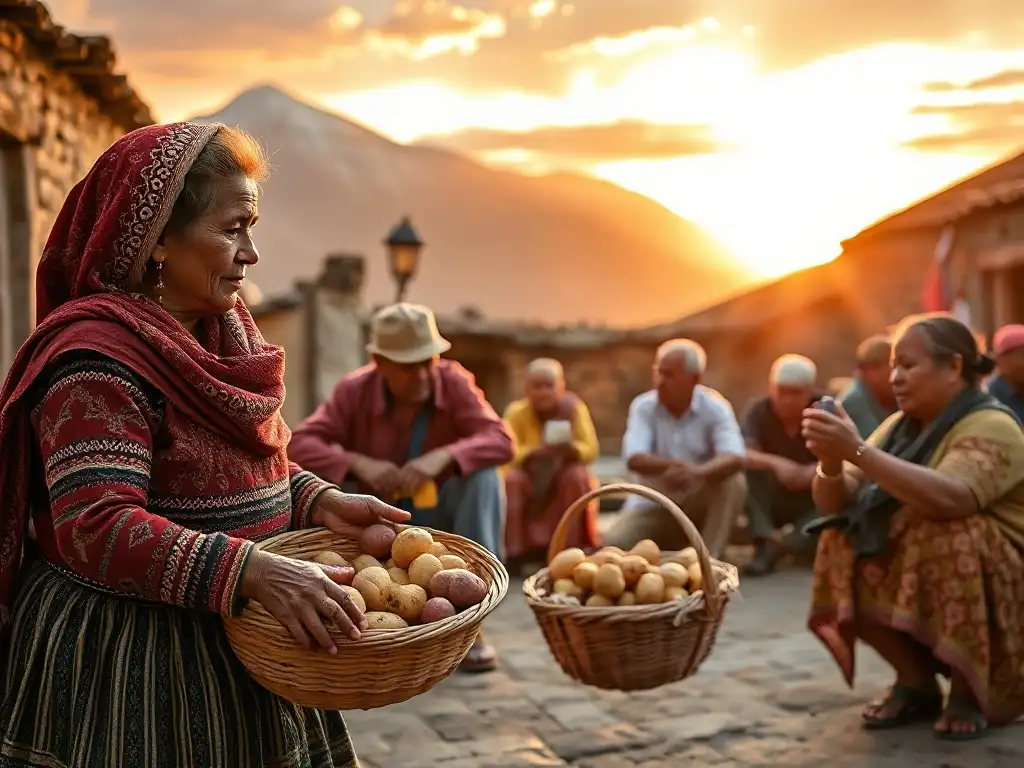
The principle of Ayni wasn't confined to ceremonial practices; it permeated daily life in Andean communities. A classic example was the ayni work party, where neighbors would assist each other with tasks like planting, harvesting, or building. Participation wasn't optional; it was a social obligation demonstrating mutual support and ensuring the collective success of the community. This wasn't a system of bartering; it was based on mutual aid and the understanding that everyone would benefit from collective effort.
Another example is the exchange of goods and services between families or communities. This might involve sharing food, tools, or livestock, creating a network of interdependence and ensuring that everyone had access to necessary resources. Even seemingly minor acts, like sharing knowledge or skills, were considered forms of Ayni, reflecting the importance of communal learning and collaboration.
These reciprocal exchanges strengthened social bonds, promoted cooperation, and reinforced a sense of community responsibility. The principle of Ayni fostered a social structure based on trust, mutual respect, and the collective pursuit of well-being, showcasing its practical application in the daily lives of Andean communities. The enduring relevance of Ayni suggests its effectiveness as a social model, highlighting its adaptability and capacity for promoting social cohesion and sustainability.
Ayni in Agriculture: The Cycle of Giving and Receiving from the Land
The Andean concept of ayni wasn't limited to human interactions; it extended to the crucial relationship between people and the land. Agricultural practices were deeply intertwined with this principle of reciprocity. Farmers understood that the earth provided sustenance, and in return, they were obligated to nurture and respect it. This wasn't merely a pragmatic approach to farming; it was a sacred duty, a form of dialogue with the Pachamama (Mother Earth).
The planting and harvesting seasons were not simply periods of work but rituals of exchange. Farmers meticulously prepared the soil, carefully selecting seeds, and planting with intention. This act of sowing was seen as a gift to the Pachamama, a gesture of trust and respect.
In return, they expected a bountiful harvest, a reciprocal gift from the earth. Failure to properly care for the land was considered a breach of ayni, potentially leading to poor harvests and incurring the wrath of the divine.
Specific ceremonies and offerings, often involving coca leaves and chicha (a fermented maize beverage), were conducted to maintain a harmonious relationship with the land and to ensure the continuation of this vital cycle of giving and receiving. Evidence of this deep connection is seen in the intricate agricultural terraces built by various Andean cultures, demonstrating a long-term commitment to sustainable farming practices rooted in the principle of ayni.
Furthermore, the concept extended beyond the simple act of planting and harvesting. The selection of crops, the use of natural fertilizers, and the careful management of water resources were all guided by the principle of ayni, ensuring a balanced and sustainable relationship with the environment. This holistic approach to agriculture highlights the profound understanding of ecological interdependence that characterized Andean societies, a testament to their sophisticated understanding of the interconnectedness between humans and the natural world, a crucial aspect of the ayni concept.
The practice of ayni was fundamental to the social fabric of Andean communities. It manifested most visibly in the organization of communal labor, known as minka. Minka involved the collective effort of community members to undertake large-scale projects, such as building irrigation canals, constructing houses, or clearing fields.
Participation in minka wasn't compulsory; it was a voluntary act driven by the principle of mutual support and reciprocity. Individuals contributed their labor, knowing that others would reciprocate in the future when they needed assistance. This system ensured that even the most demanding tasks could be accomplished efficiently, strengthening social bonds and fostering a sense of collective responsibility.
The success of minka rested on the trust and cooperation among community members. There was no formal system of payment or reward; the incentive was the inherent value of reciprocal support. This system fostered a strong sense of community and social cohesion, reinforcing the importance of interdependence and mutual obligation.
The absence of individual gain as the primary motivator contrasted sharply with many other societal structures, highlighting the altruistic nature of ayni and its significance in maintaining social harmony. The minka system serves as a powerful example of how the ayni concept translated into practical solutions for community development and problem-solving, demonstrating the power of collective action rooted in mutual respect and shared responsibility. Records from colonial-era accounts often describe the efficiency and effectiveness of minka, contrasting it with the individualistic labor systems imposed by the Spanish.
This system wasn't just about physical labor; it also involved sharing resources and expertise. If one family had a surplus of food, they would share it with others in need, expecting a similar gesture in times of scarcity. This constant exchange of goods and services strengthened social ties and ensured the community's overall well-being. The concept of ayni, therefore, transcended simple labor exchange; it represented a deeply ingrained social ethic promoting cooperation, solidarity, and a sense of shared destiny.
The Spiritual Dimension of Ayni: Connecting with Andean Deities
The ayni concept wasn't merely a social contract; it had profound spiritual implications, reflecting a worldview where reciprocity extended to the realm of the divine. Andean cosmology emphasized the interconnectedness of all things, including humans, nature, and the supernatural world. The deities were not distant, unapproachable entities but active participants in the ongoing exchange of energy and resources. Performing rituals, making offerings, and showing respect for the sacred were all expressions of ayni with the divine world.
The act of offering coca leaves, chicha, or other sacred items to the apus (mountain spirits) or other deities wasn't simply a gesture of appeasement; it was a form of communication and exchange. By offering something of value, the Andean people were acknowledging the divine's role in their lives and seeking their continued support and blessings. In return, they expected protection, good harvests, and prosperity.
This reciprocal relationship was crucial to maintaining cosmic harmony and ensuring the well-being of the community. The failure to fulfill one's obligations in this spiritual ayni could lead to misfortune, illness, or other forms of divine retribution. This belief system fostered a deep sense of responsibility and respect for the divine, reinforcing the interconnectedness of the human and spiritual realms.
Furthermore, many Andean rituals and ceremonies were designed to strengthen the ayni relationship with the deities. These events often involved communal participation, music, dance, and offerings, creating a powerful collective experience that reinforced the community's shared spiritual identity and commitment to reciprocal exchange with the divine.
The intricate details of these ceremonies, often passed down through generations, highlight the importance of maintaining a balanced and harmonious relationship with the spiritual world, a cornerstone of the Andean worldview and a testament to the profound spiritual dimension of the ayni concept. The understanding of ayni as a spiritual principle helps to illuminate the deeply religious nature of Andean society and its sophisticated cosmology.
Ayni and Apukuna the Mountain Spirits: Reciprocal Blessings
The Andean worldview deeply connects the concept of Ayni with the apukuna, the powerful mountain spirits. Mountains are not merely geological formations; they are considered sacred entities, dwelling places of deities and ancestors. The apukuna are seen as generous providers, offering fertile lands, water sources, and protection to those who live in their shadow.
However, this generosity is not unconditional. Ayni dictates a reciprocal relationship: communities must show respect, offer pagos (offerings), and participate in rituals to maintain the balance and secure continued blessings from the apukuna. Failure to uphold this reciprocal exchange could result in natural disasters, crop failures, or illness, interpreted as a withdrawal of the mountain spirits' favor.
This intricate relationship highlights the dynamic interplay between human actions and the supernatural realm, emphasizing the importance of communal responsibility and harmonious co-existence. Specific rituals, such as capac hucha (a ritual sacrifice) or the offering of coca leaves and chicha (fermented corn beverage) are common expressions of Ayni with the apukuna, ensuring the flow of blessings and preventing imbalances. The success of harvests and the overall well-being of the community were directly linked to the proper execution of these reciprocal acts.
Ayni and Inti, the Sun God: Sustaining Life Through Reciprocity

Inti, the Sun God, is a central figure in Andean cosmology, the source of life and energy. The concept of Ayni is fundamental to the relationship between humans and Inti. The sun's life-giving power, providing warmth, light, and the necessary conditions for agriculture, necessitates a reciprocal response from humanity.
Communities expressed their Ayni with Inti through elaborate ceremonies, such as the Inti Raymi festival, a grand celebration honoring the sun's power. These festivities involved offerings of food, drink, and precious objects, symbolizing gratitude for the sun's bounty and a plea for its continued benevolence. The agricultural cycle itself embodies Ayni; the careful cultivation of the land, the meticulous planting and harvesting, are acts of reciprocal engagement with Inti, acknowledging the sun's role in the growth of crops and ensuring a bountiful harvest.
Failure to properly cultivate the land or show disrespect towards Inti could be seen as a breach of Ayni, potentially leading to drought, famine, or other misfortunes. The intricate relationship between humans and Inti, governed by the principle of Ayni, underscores the deep connection between cosmic forces and human actions in the Andean worldview. The regularity and abundance of harvests were perceived as direct results of maintaining this crucial reciprocal balance.
Ayni and Mama Quilla, the Moon Goddess: Cycles of Energy and Exchange
Mama Quilla, the Moon Goddess, holds significant importance in Andean cosmology, associated with cycles, fertility, and the feminine principle. Her influence on the tides, the menstrual cycle, and the growth of plants highlights her connection to the natural world’s rhythm. The concept of Ayni plays a vital role in the relationship between humans and Mama Quilla.
Just as the moon waxes and wanes, influencing the ebb and flow of life, so too does the human response to her power need to be reciprocal. Women, in particular, often held a prominent role in rituals and offerings connected to Mama Quilla, reflecting the close association between the feminine principle and lunar cycles. These offerings, often involving agricultural products or textiles, symbolized the acknowledgment of Mama Quilla's influence and a plea for her continued support in matters of fertility and abundance.
The cyclical nature of Ayni with Mama Quilla is reflected in the cyclical nature of life itself – periods of growth, abundance, and decline, all governed by the moon's phases. Maintaining a balanced and respectful exchange with Mama Quilla was believed to ensure the continuation of these cycles and the well-being of the community, particularly concerning agricultural productivity and the health of women. The understanding of Mama Quilla’s influence and the practice of Ayni were deeply intertwined with the lives of Andean communities.
The Significance of Ayni in Maintaining Cosmic Balance
The concept of Ayni within the Andean cosmovision transcends simple reciprocity; it's a fundamental principle underpinning the delicate balance of the cosmos. Andean societies believed that the universe operated on a system of interconnectedness, where humans, nature, and the divine were inextricably linked. Maintaining this balance, crucial for the well-being of all, relied heavily on the practice of Ayni.
Failure to reciprocate—to fulfill one's obligations within the system—was believed to disrupt this cosmic harmony, potentially leading to misfortune, illness, or even natural disasters. This wasn't simply a social contract; it was a spiritual obligation, a way of acknowledging and honoring the interconnectedness of all existence. The act of giving and receiving wasn't transactional; it was a sacred act that reaffirmed the cyclical nature of life and the universe's inherent balance.
Think of it as a constant flow of energy, where giving replenishes the flow and ensures its continued sustenance. The disruption of this flow, through neglecting Ayni, was seen as a direct affront to the cosmic order.
Ayni and the Concept of Sumaq Kawsay: Living in Harmony
Ayni is deeply interwoven with the Andean concept of Sumaq Kawsay, often translated as "good living" or "living well." Sumaq Kawsay isn't simply about material prosperity; it encompasses a holistic well-being encompassing physical, spiritual, and social harmony. It's a state of equilibrium achieved through a harmonious relationship with nature, community, and the spiritual realm.
Ayni plays a crucial role in achieving Sumaq Kawsay because it fosters the social cohesion and mutual support necessary for a thriving community. By engaging in reciprocal exchange, individuals contribute to the collective well-being, strengthening social bonds and creating a sense of shared responsibility. This shared responsibility extends beyond immediate needs; it includes the collective responsibility for maintaining the environment and preserving the cultural heritage.
The practice of Ayni therefore becomes a pathway to Sumaq Kawsay, a means of achieving a balanced and fulfilling life within a harmonious community. The absence of Ayni, conversely, would disrupt the very fabric of Sumaq Kawsay, leading to social fragmentation and a diminished quality of life.
Beyond its cosmological significance, Ayni operates as a powerful ethical principle within Andean societies. It emphasizes the importance of shared responsibility and mutual obligation, promoting cooperation and solidarity within the community. This wasn't simply a matter of social etiquette; it was a deeply ingrained moral value.
The act of giving and receiving wasn't considered a favor but rather a fundamental aspect of social interaction, reflecting a sense of interconnectedness and shared destiny. Breaking this cycle of reciprocity was considered a serious transgression, potentially impacting one's social standing and spiritual well-being. This ethical dimension of Ayni is evident in various aspects of Andean life, from communal labor projects to the distribution of resources.
The principle of shared responsibility fostered a strong sense of community, ensuring the well-being of all members, regardless of their individual circumstances. This ethical framework, deeply rooted in the concept of Ayni, contributed significantly to the social stability and resilience of Andean civilizations. The enduring legacy of Ayni highlights its lasting importance as a guiding principle for fostering ethical and sustainable communities.
Contemporary Relevance of the Ayni Concept: Applying Ancient Wisdom Today

The principle of ayni, far from being a relic of the past, offers surprisingly relevant insights for contemporary society grappling with issues of social justice, environmental sustainability, and economic inequality. The emphasis on reciprocal exchange and mutual support inherent in ayni challenges the dominant individualistic and consumerist ethos of many modern cultures. In a world increasingly characterized by social fragmentation and competition, the ayni concept promotes a sense of community and shared responsibility, reminding us that our well-being is inextricably linked to the well-being of others and the environment.
Understanding ayni encourages us to move beyond transactional relationships and cultivate deeper, more meaningful connections based on mutual respect and cooperation. This shift in perspective is vital for building resilient and equitable communities capable of addressing the complex challenges of the 21st century.
The concept's enduring power lies in its adaptability; it can be applied to various contexts, offering a framework for navigating modern social and ecological dilemmas. For instance, initiatives promoting fair trade practices, community-supported agriculture, and collaborative consumption directly reflect the principles of ayni.
The modern application of ayni also transcends the purely economic realm. It serves as a powerful ethical framework, promoting a sense of social responsibility and collective action. This is especially relevant in addressing issues of inequality and social injustice, where the principles of reciprocal exchange and mutual support can be used to create more equitable societies.
By fostering collaboration and cooperation, ayni promotes a sense of shared purpose and collective efficacy, vital components in tackling complex social problems. The ancient Andean wisdom embedded within ayni thus offers valuable lessons for building a more just and sustainable future. This ancient practice encourages a paradigm shift from competition to collaboration, from individualism to community.
Ayni in Modern Communities: Fostering Collaboration and Sustainability
The practical application of ayni in modern communities is multifaceted and dynamic. Many contemporary indigenous communities in the Andes continue to practice ayni in their daily lives, illustrating its enduring relevance. For example, the practice of minga, a communal work party, exemplifies ayni in action. Communities collaborate on projects such as building houses, cultivating fields, or maintaining infrastructure, contributing their time and skills without expecting immediate monetary compensation.
The reward lies in the collective benefit and strengthened social bonds. This fosters a sense of community ownership and shared responsibility, strengthening social cohesion and resilience. The success of minga highlights the power of collaborative action based on mutual support and reciprocal exchange.
Beyond indigenous communities, ayni principles are being increasingly adopted in various initiatives promoting sustainability and social justice. Community gardens, cooperative businesses, and volunteer organizations often operate on principles of reciprocal exchange and mutual benefit, directly mirroring the ayni concept. These initiatives demonstrate the potential of ayni to create more equitable and sustainable systems.
The success of these initiatives underscores the enduring power of ayni as a model for fostering collaboration and building stronger, more resilient communities. Further research into contemporary applications of ayni could reveal numerous other examples and provide a valuable case study for building sustainable and equitable communities worldwide. The application of ayni principles provides a pathway towards a more just and sustainable future, built on principles of reciprocity, collaboration, and mutual respect.
Ayni and Sustainable Practices: Balancing Needs and Resources
The ayni concept provides a powerful framework for understanding and implementing sustainable practices. Its emphasis on reciprocal exchange and balanced relationships extends beyond human interactions to encompass the relationship between humans and the environment. Sustainable resource management, a crucial aspect of modern environmentalism, aligns perfectly with the ayni principle of giving back to the earth what is taken from it.
This means acknowledging the earth's limited resources and practicing responsible consumption and production. The Andean worldview, deeply rooted in ayni, emphasizes the interconnectedness of all living things and the importance of maintaining balance within the ecosystem. Unsustainable practices, therefore, are viewed not merely as environmental problems but as disruptions of the harmonious balance central to ayni.
The practical application of ayni in sustainable practices can be seen in traditional Andean agricultural techniques. Rotating crops, terracing hillsides, and utilizing natural fertilizers all contribute to maintaining soil fertility and biodiversity. These techniques reflect a deep understanding of the interconnectedness of the environment and the need for reciprocal exchange between humans and nature. By respecting the earth's limitations and ensuring its continued productivity, Andean communities have demonstrated the long-term sustainability of their practices.
The principles of ayni thus offer valuable lessons for contemporary efforts to create more sustainable and environmentally responsible practices. Modern sustainable agriculture, permaculture, and conservation efforts can all benefit from the insights and wisdom embedded within the ayni concept, promoting a more harmonious and balanced relationship between humanity and the natural world. The integration of ayni principles in modern sustainability efforts could lead to more effective and equitable outcomes.
The Enduring Legacy of Ayni: A Timeless Andean Philosophy
Ayni, far from being a mere historical artifact, remains a vibrant and relevant concept in contemporary Andean communities. Its principles of reciprocity and mutual support continue to shape social interactions and economic practices. The enduring power of Ayni lies in its ability to foster strong social bonds and a sense of collective responsibility.
This philosophy transcends generations, demonstrating its adaptability and resilience in the face of societal changes. Even with the influx of modern influences, the fundamental values of Ayni – cooperation, sharing, and community – persist, enriching the fabric of Andean life. The concept's longevity speaks volumes about its intrinsic value and its deep-rooted connection to the Andean worldview.
It is not simply a historical relic but a living tradition, continuously adapted and reinterpreted to meet the evolving needs of Andean societies. This adaptability is a testament to the philosophy's profound wisdom and its capacity to provide a framework for navigating the complexities of modern life while retaining its core values. The continued practice of Ayni demonstrates a profound understanding of the interconnectedness of individuals and the importance of collective well-being, a lesson that resonates far beyond the Andes.
Ayni and Andean Civilizations: A Key to Understanding their Worldview
Understanding Ayni is crucial to comprehending the worldview of the various Andean civilizations. It wasn't simply a system of exchange; it was deeply intertwined with their spiritual beliefs and social structures. The reciprocal relationship inherent in Ayni mirrored their understanding of the cosmos, where the gods and humans engaged in a continuous exchange of energy and resources. For example, the offerings made to the deities were not seen as mere gifts but as acts of reciprocity, expecting blessings and protection in return.
This reciprocal relationship extended to the community itself. Successful harvests, abundant resources, and social harmony were all seen as a result of maintaining a balance of Ayni within the community. Failure to uphold the principles of Ayni could lead to misfortune, reflecting the belief in a cosmic order that demanded balance and reciprocal actions. The intricate social structures of Andean civilizations, characterized by complex kinship systems and community obligations, were directly influenced by the principles of Ayni.
This concept provided a framework for managing resources, resolving conflicts, and maintaining social cohesion. In essence, Ayni wasn’t just an economic principle; it formed the very backbone of their social fabric and spiritual beliefs, providing a unifying force that shaped their lives and their relationship with the divine. The extent to which Ayni permeated all aspects of their lives underscores its significance as a cornerstone of Andean civilization.
Frequently Asked Questions
What is Ayni?
Ayni is a fundamental Andean concept representing a system of reciprocal exchange and mutual support within the community. It's deeply ingrained in the social fabric of many Andean civilizations and reflects a worldview emphasizing balance and interdependence.
How did Ayni function in practice?
Ayni manifested in various ways, from labor exchange (ayni-work) where people helped each other with tasks like farming or building, to the sharing of resources and goods. This system fostered strong social bonds and ensured community well-being.
What is the relationship between Ayni and the divine?
Ayni is not just a social contract; it's also deeply connected to the spiritual realm. Many Andean cultures believed that reciprocity extended to the gods, with offerings and rituals aiming to maintain harmony and receive blessings in return.
How did Ayni differ from other forms of exchange?
Unlike market-based economies, Ayni wasn't about profit or individual gain. It was about building community and ensuring everyone's needs were met. It was based on trust and social obligation rather than monetary transactions.
Why is understanding Ayni important for understanding Andean civilizations?
Understanding Ayni is crucial because it reveals the core values of Andean societies – cooperation, mutual support, and a deep connection to the land and the spiritual world. It helps us appreciate the complexity and sophistication of their social structures.
Final Reflection: Ayni's Enduring Legacy: A Call to Reciprocal Living
The concept of Ayni, far from being a relic of ancient Andean civilizations, offers a potent framework for understanding and addressing the interconnected challenges of our modern world. Its emphasis on reciprocal exchange and harmonious coexistence resonates deeply with the growing awareness of ecological fragility and the urgent need for collaborative solutions. The principles of Ayni are not merely historical curiosities; they are vital tools for navigating the complexities of the 21st century.
The enduring power of Ayni lies in its ability to transcend time and culture, reminding us of our inherent interconnectedness with each other and the natural world. It challenges the dominant narratives of individualism and competition, proposing instead a model of mutual support and shared responsibility. As the Inca proverb states, No one is born to be a burden to others, nor to live without helping others.
This simple yet profound statement encapsulates the essence of Ayni, highlighting the ethical imperative to contribute to the well-being of the community and the environment. Its influence can be seen in contemporary indigenous movements advocating for environmental justice and sustainable practices, demonstrating the continued relevance of this ancient wisdom.
Consider the implications of Ayni in your own life. How can you cultivate a spirit of reciprocity in your relationships, your work, and your interactions with the natural world? What contributions can you make to foster a more harmonious and sustainable future, guided by the principles of mutual support and shared responsibility? Let the enduring wisdom of Ayni inspire you to act, to contribute, and to build a world where balance and harmony prevail. Embrace the legacy of the Andean civilizations and weave the threads of Ayni into the fabric of your own life.
Embrace Ayni: Cultivate Harmony Now!
Thank you for exploring the enriching concept of Ayni and its profound significance in fostering reciprocity and harmony. We hope you've gained valuable insights that inspire you to integrate these principles into your life.
Now is the perfect time to put these principles into practice and embody the essence of Ayni. Here's how you can begin:
- Practice reciprocity in your daily life. A simple act of kindness, such as helping a neighbor with a chore or sharing a meal with someone in need, can make a significant difference.
- Join a community group or organization focused on sustainability or social support. Collective action amplifies our positive impact.
- Reflect on your relationships and express your gratitude. A heartfelt letter or message to someone who has positively influenced your life can strengthen your bond and spread positivity.
How will you integrate the spirit of Ayni into your daily life? Share your plans and experiences in the comments below!