
The Art of Andean Agriculture: Sustainable Practices and Ingenious Techniques

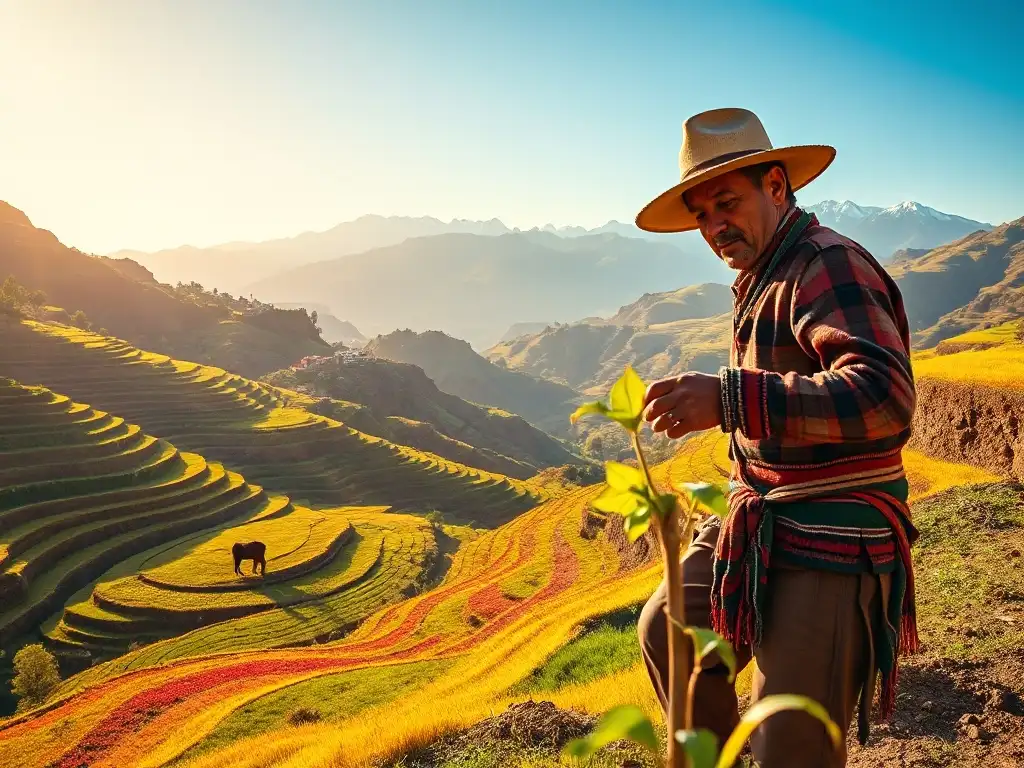
Uncover the secrets of a lost world where ingenuity blossomed in the face of adversity. For centuries, the Andes Mountains witnessed the rise and fall of magnificent civilizations, their legacies etched not only in breathtaking architecture but also in their remarkable agricultural innovations. Prepare to be amazed by the ingenuity of Andean agricultural techniques, a testament to human adaptation and sustainable living that continues to inspire today. Journey with us to discover how these ancient peoples cultivated life in the harshest environments, defying nature itself.
- Andean Agriculture: Sustainable Practices and Ingenious Techniques
- Innovative Andean Agricultural Techniques
- Key Crops of Andean Agriculture
- The Role of Andean Farmers and Community
- Challenges and Modern Applications of Andean Agricultural Practices
-
Frequently Asked Questions
- What innovative agricultural techniques did Andean civilizations employ?
- How did the geography of the Andes influence agricultural practices?
- What role did llamas and alpacas play in Andean agriculture?
- Were Andean agricultural practices sustainable?
- What crops were most important to Andean civilizations?
- Final Reflection: Harvesting the Legacy of Andean Ingenuity
- **Embrace Sustainable Farming Today! **
Andean Agriculture: Sustainable Practices and Ingenious Techniques
The Andes Mountains, a formidable yet fertile landscape, cradled some of the most innovative agricultural practices in pre-Columbian history. This article delves into the ingenious techniques and sustainable systems employed by Andean civilizations like the Inca, Moche, Nazca, and Tiahuanaco, highlighting their remarkable adaptation to challenging environments and their profound understanding of ecological balance. We will explore how these ancient Andean agricultural techniques not only ensured food security but also shaped the cultural and social fabric of these remarkable societies, leaving a legacy that continues to inspire modern sustainable agriculture practices.
Understanding these methods provides valuable insights into the ingenuity of past civilizations and offers potential solutions for contemporary agricultural challenges, particularly in regions facing similar environmental constraints. The importance of coca and other plants within this sophisticated system will also be examined, revealing their integral role in the overall agricultural strategy and cultural significance.
Introduction to Andean Agricultural Systems
Andean agricultural systems were far from simplistic; they were complex and highly sophisticated, demonstrating a deep understanding of their unique environment. These systems were characterized by a remarkable level of adaptation to the diverse altitudes, climates, and terrains of the Andes. Farmers developed a range of techniques to optimize crop production in these challenging conditions, including:
- Terracing: The iconic terraced fields, carved into mountain slopes, dramatically increased arable land and minimized soil erosion. These terraces, often intricately designed, captured rainwater and created microclimates suitable for diverse crops. The scale and precision of some terraced landscapes are truly breathtaking.
- Waru Waru: This ingenious system involved creating raised beds separated by irrigation canals. This technique improved drainage, retained moisture, and provided better temperature regulation, resulting in higher yields even in arid regions. The interconnected canals also played a crucial role in managing water resources.
- Andenes: These agricultural terraces, often built on steep slopes, represent a monumental feat of engineering and agricultural expertise. The carefully constructed walls helped to control water flow, reduce soil erosion and create ideal microclimates for different crops. Their construction required significant labor, reflecting the importance of agriculture to Andean societies.
- Irrigation Systems: Sophisticated canal systems, some extending for miles, were crucial for transporting water from rivers and streams to fields, particularly in dry areas. These systems demonstrated a deep understanding of water management and its importance for agricultural productivity. These systems were often integrated with other techniques, such as terracing and waru waru, to maximize efficiency.
The ingenuity of these systems is further highlighted by the diversity of crops cultivated, ranging from potatoes and maize to quinoa and beans. This diversification played a vital role in ensuring food security and resilience against crop failures.
The Foundations of Sustainable Andean Farming
The Andean agricultural techniques were not just innovative; they were fundamentally sustainable. These practices prioritized long-term ecological balance over short-term gains, a philosophy that resonates strongly with modern sustainable agriculture movements. Key aspects of this sustainability included:
- Crop Rotation: Farmers employed crop rotation techniques to maintain soil fertility and prevent nutrient depletion. This prevented soil erosion and maintained long-term productivity. The careful selection of crops and their rotation was crucial for maintaining the health of the land.
- Organic Fertilizers: The use of natural fertilizers, such as manure and compost, enriched the soil and promoted healthy plant growth without the harmful effects of chemical fertilizers. This practice demonstrated an understanding of soil health and its importance to long-term agricultural productivity.
- Integrated Pest Management: Andean farmers used a variety of methods to control pests and diseases, minimizing the use of harmful chemicals. These methods included crop diversification, companion planting, and biological control agents. This holistic approach prioritized ecological balance over the use of potentially harmful pesticides.
- Water Management: The sophisticated irrigation systems and water harvesting techniques not only provided water for crops but also helped to conserve this precious resource. The careful management of water was crucial for the success of Andean agriculture, particularly in arid and semi-arid regions. This efficient management minimized water waste and ensured sustainable use of this vital resource.
The Andean civilizations' deep understanding of ecological principles and their commitment to sustainable practices offer valuable lessons for modern agriculture. Their ingenious techniques continue to inspire researchers and farmers seeking to create more resilient and environmentally friendly agricultural systems. The enduring legacy of Andean agriculture is a testament to the power of human ingenuity and the importance of living in harmony with nature.
Innovative Andean Agricultural Techniques
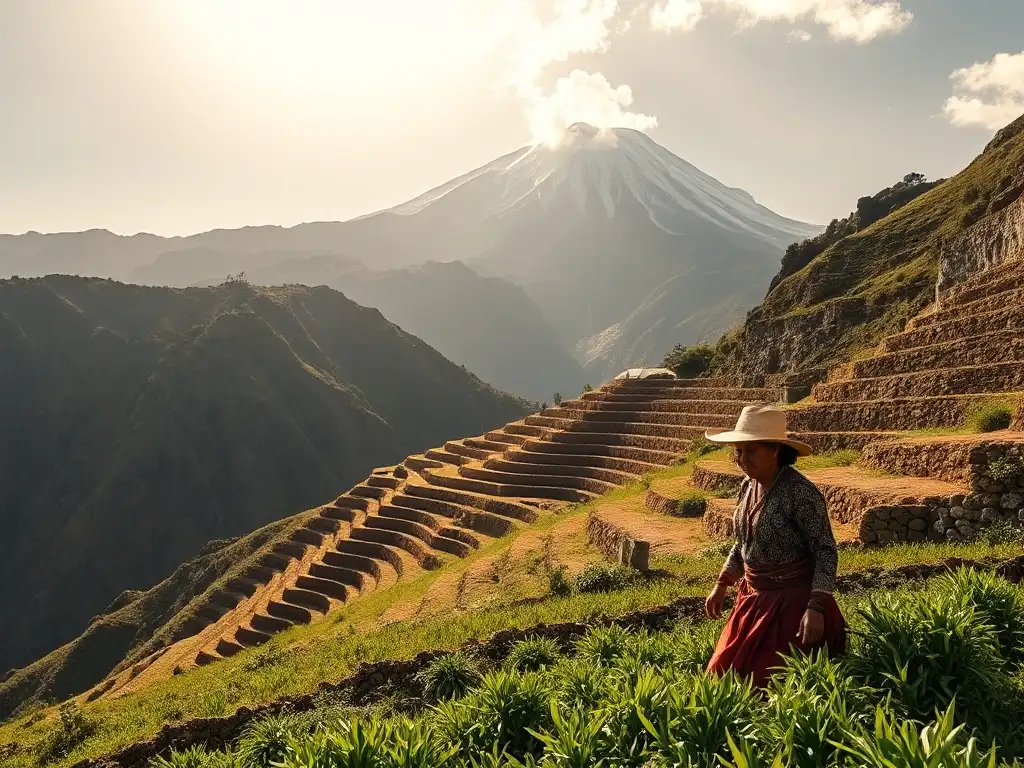
Andean agricultural techniques represent a remarkable feat of human ingenuity, allowing civilizations to thrive in challenging mountainous environments. These techniques weren't merely survival strategies; they were sophisticated systems reflecting deep ecological knowledge and sustainable practices. The success of Andean agriculture hinged on a complex interplay of factors, including meticulous land management, innovative water harvesting, and a profound understanding of the unique Andean ecosystem.
This section delves into some of the most impressive examples of Andean ingenuity, highlighting their impact on the development and sustainability of Andean societies. Understanding these techniques provides vital insight into the resilience and remarkable adaptability of Andean civilizations.
Terracing: Shaping the Landscape for Cultivation
Terracing, the creation of step-like formations on slopes, is perhaps the most visually striking example of Andean agricultural innovation. This practice dramatically increased the amount of arable land available in the steep Andean valleys and mountains. By transforming steep slopes into a series of level platforms, terraces prevented soil erosion, conserved water, and optimized sunlight exposure for crops.
The construction of terraces was a labor-intensive process, requiring careful planning, precise engineering, and the coordinated efforts of large workforces. The size and complexity of terrace systems varied considerably across different Andean regions, reflecting local environmental conditions and the specific needs of the communities.
The effectiveness of terracing is demonstrated by its enduring legacy. Many Andean terraces, built centuries ago by the Incas and pre-Inca cultures, remain in use today, a testament to their resilience and sustainability. These ancient agricultural systems continue to support food production in some of the most challenging terrains on Earth.
The precise techniques varied, but generally involved retaining walls made of stone, mud, or sod, carefully constructed to withstand the forces of erosion and gravity. This meticulous construction, combined with effective water management strategies, allowed for the cultivation of a diverse range of crops, including maize, potatoes, quinoa, and beans. The development and maintenance of these systems required a high level of social organization and cooperation within Andean communities.
Waru Waru: Raised Fields for Water Management
Waru waru, also known as raised fields, is another ingenious Andean agricultural technique, particularly prevalent in the altiplano region of the Andes. These elevated platforms were constructed from earth and organic matter, creating fertile plots surrounded by canals. This system provided several key advantages: improved drainage, enhanced soil fertility, and regulated water access. The canals acted as both irrigation channels and drainage systems, effectively managing water levels throughout the growing season. The elevated fields also benefited from warmer soil temperatures, allowing for longer growing seasons and increased crop yields, even in the cold, high-altitude environments.
The construction of waru waru systems required meticulous planning and careful execution. The precise arrangement of fields and canals was tailored to the specific topography and hydrological conditions of the site. The organic matter incorporated into the raised fields further enhanced soil fertility, reducing the need for external fertilizers.
Archaeological evidence suggests that waru waru systems were highly productive and sustainable, allowing Andean communities to cultivate crops even in areas with limited water resources. Furthermore, the presence of water in the canals also helped to moderate temperature fluctuations, protecting crops from frost damage. The system's ability to manage water efficiently was crucial in the arid and semi-arid regions where it was implemented, making it a crucial element in Andean agricultural success.
Qochas: Water Harvesting and Storage
Qochas are artificial reservoirs or ponds built by Andean communities to collect and store rainwater. These structures played a crucial role in supplementing water supplies for irrigation and domestic use, particularly in regions with limited access to reliable water sources. The size and design of qochas varied considerably, ranging from small family-sized ponds to larger community reservoirs. Their construction often involved the careful selection of locations with suitable topography and impermeable substrates to minimize water loss.
The construction of qochas demonstrates a deep understanding of hydrology and water management. Andean communities employed sophisticated techniques to ensure the efficient collection and storage of water. The materials used varied depending on local resources, but often included stone, earth, and vegetation.
The carefully designed inlets and outlets regulated water flow, ensuring that the reservoirs retained water throughout the dry season. The strategic placement of qochas within the landscape also played a role in maximizing their effectiveness. Some qochas were integrated into larger irrigation systems, while others provided a localized source of water for domestic use.
This ingenious system of water harvesting and storage was essential for the survival and prosperity of Andean communities, enabling them to cultivate crops and sustain their livelihoods even in the face of unpredictable rainfall patterns. The enduring legacy of qochas underscores the profound knowledge and ingenuity of Andean civilizations in managing their precious water resources.
Andean Irrigation Systems: Ingenious Water Distribution
Andean agricultural techniques were heavily reliant on efficient water management, given the challenging terrain and varied climates of the Andes Mountains. The ingenuity of Andean civilizations in developing sophisticated irrigation systems is a testament to their deep understanding of their environment and their ability to adapt to its challenges. These systems weren't merely canals; they were complex networks designed to capture, store, and distribute water to vast agricultural fields, often across significant distances and varying altitudes. The precise methods varied depending on the specific location and the civilization involved, but common features included carefully constructed canals, terraces, and reservoirs.
One striking example is the network of canals built by the Nazca civilization. These canals, some stretching for kilometers, channeled water from rivers and streams to irrigate the arid coastal plains. The Nazca were masters of water management, employing techniques such as subterranean channels ( puquios) to access underground water sources, ensuring a reliable water supply even during dry periods.
Their understanding of hydrology allowed them to create a remarkably sustainable agricultural system in a seemingly inhospitable environment. The precision and scale of their irrigation projects are truly awe-inspiring, demonstrating a sophisticated knowledge of engineering and surveying. This allowed them to cultivate crops like cotton and maize, vital to their economy and culture.
The Inca Empire also possessed advanced irrigation systems. Their mastery of hydraulic engineering is evident in the intricate canal networks that crisscrossed their vast empire. These networks were not only efficient in distributing water but were also remarkably resilient, able to withstand the harsh Andean weather conditions. The Inca used a combination of open canals and subterranean channels, often integrating them into their terraced agricultural fields.
This integration optimized water distribution and minimized water loss through evaporation. Furthermore, the Inca’s system included maintenance protocols and a hierarchical system of water allocation, ensuring equitable distribution among communities. The effectiveness of their system contributed significantly to the empire's agricultural productivity and population growth. The integration of irrigation with terracing further showcases their holistic approach to sustainable agriculture.
Beyond the large-scale projects, many smaller-scale irrigation systems were employed by various Andean communities. These often involved diverting water from smaller streams and springs using simple but effective techniques, demonstrating the adaptability of Andean agricultural practices to diverse geographical contexts. These localized systems highlight the crucial role of indigenous knowledge and the intimate connection between Andean communities and their environment. The collective knowledge and practices passed down through generations ensured the sustainability of their agricultural systems for centuries.
The longevity of these systems underscores their resilience and effectiveness in addressing the challenges of Andean agriculture. Understanding these diverse irrigation systems provides valuable insights into the ingenuity and resourcefulness of Andean civilizations. Their achievements continue to inspire modern sustainable agricultural practices.
Key Crops of Andean Agriculture
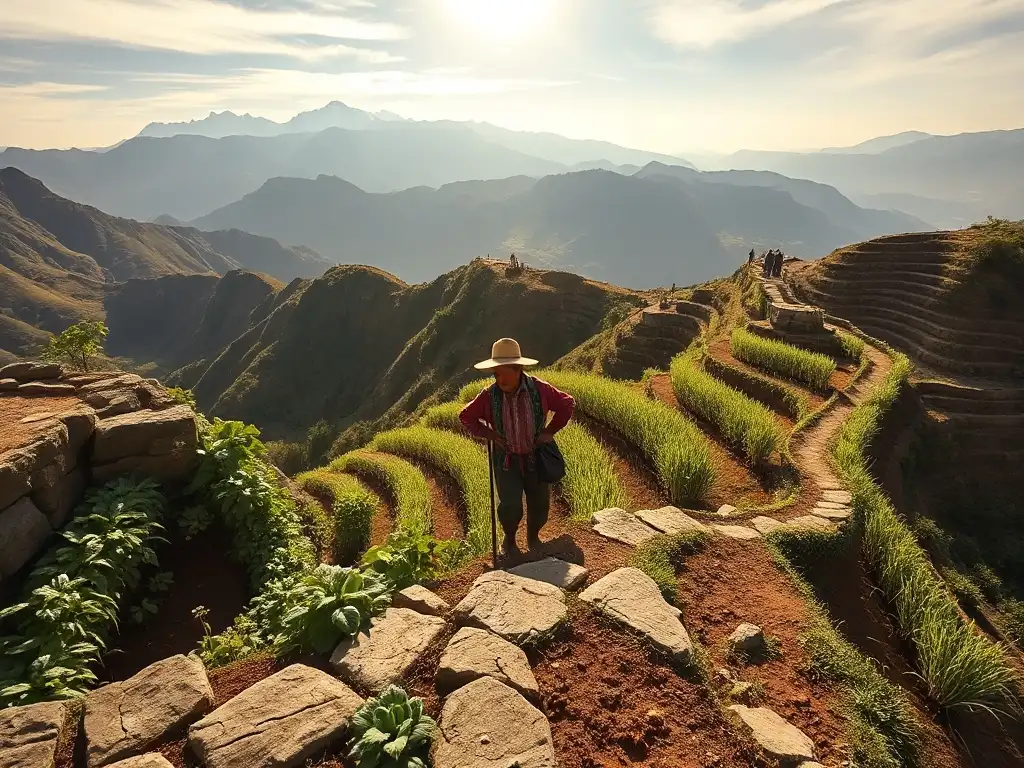
This section delves into the crucial role specific crops played in the sustenance and cultural development of Andean civilizations. Understanding the cultivation and importance of these plants is key to appreciating the sophistication of Andean agricultural techniques and their enduring legacy. We will explore the significance of potatoes, quinoa, amaranth, kiwicha, and maize – cornerstones of the Andean diet and economy. The ingenuity displayed in their cultivation reflects a deep understanding of the Andean environment and a commitment to sustainable practices. These weren't simply food sources; they were integral to religious practices, social structures, and even artistic expression.
The Importance of Potatoes in Andean Diet
The potato ( Solanum tuberosum) is arguably the most iconic Andean crop. Its importance to the Andean diet is immeasurable; it provided a staple carbohydrate source, offering crucial calories and nutrients to sustain large populations. The Andes boast an incredible diversity of potato varieties, each adapted to specific altitudes and microclimates.
Estimates suggest that thousands of potato varieties existed, demonstrating impressive genetic diversity and adaptability. Furthermore, the potato's adaptability allowed for different cultivation techniques, including terracing, waru waru (raised field agriculture), and andenes (agricultural terraces). This adaptability ensured food security even during periods of climate variability.
The potato wasn't just boiled or roasted; it was incorporated into a vast array of dishes, reflecting its central position within Andean cuisine. Its versatility and nutritional value made it a cornerstone of Andean societies for millennia, influencing their social structures and cultural practices. The potato's legacy extends far beyond the Andes; its global impact is a testament to the ingenuity of Andean agricultural techniques.
Andean Grains: Quinoa, Amaranth, and Kiwicha
Beyond potatoes, Andean agricultural techniques focused on a variety of resilient grains. Quinoa ( Chenopodium quinoa), amaranth ( Amaranthus), and kiwicha ( Amaranthus caudatus) were not only crucial dietary staples but also held significant cultural and religious importance. These pseudo-cereals are remarkably nutritious, offering a complete protein profile and essential vitamins and minerals.
Their ability to thrive in challenging environments, including high altitudes and poor soils, highlights the effectiveness of traditional Andean farming methods. These crops were cultivated using diverse techniques, often integrated with other crops in polyculture systems to enhance soil fertility and reduce the risk of crop failure. Their cultivation required careful management of water resources and soil conservation practices, showcasing the sophisticated understanding of Andean farmers.
These grains were not only used for food but also in religious ceremonies and festivals, highlighting their deep cultural significance. The continued popularity of these grains globally speaks volumes about their nutritional value and the enduring legacy of Andean agricultural techniques.
Maize Cultivation in the Andes
Maize ( Zea mays), introduced to the Andes from Mesoamerica, quickly became another vital component of Andean agriculture. Its adaptability to various altitudes and climates, combined with its high caloric yield, made it a valuable addition to the Andean diet. Andean farmers developed sophisticated techniques for maize cultivation, including irrigation systems, terracing, and intercropping.
Maize wasn't just a food source; it was also used in the production of chicha, a fermented beverage integral to Andean culture and religious practices. The integration of maize into the Andean agricultural system exemplifies the adaptability and ingenuity of Andean farmers. The development of diverse maize varieties, tailored to specific environmental conditions, further underscores the sophisticated understanding of plant genetics and environmental factors.
Maize cultivation is a powerful example of how Andean agricultural techniques successfully integrated new crops into existing systems, enriching both the diet and the cultural landscape. The legacy of maize in the Andes continues to this day, reflecting its enduring importance to the region.
Other Essential Andean Crops: Oca, Mashua, and Ulluco
Beyond the prominence of potatoes and coca, the Andean agricultural system thrived on a remarkable diversity of crops, each uniquely adapted to the challenging altitudes and varied climates. Oca, mashua, and ulluco, often overlooked in broader discussions of Andean agriculture, represent crucial elements of this sophisticated system, providing vital sustenance and cultural significance to the Andean populations for millennia. Their cultivation demonstrates the ingenuity and deep understanding of Andean agricultural techniques.
These three tubers, while visually distinct, share several characteristics. They are all relatively cold-hardy, thriving in the high-altitude regions where potatoes are also successfully grown. Their cultivation often involves similar techniques, such as terracing and the use of fertilizer derived from animal manure and other organic materials. Importantly, their staggered harvest seasons provided a vital source of food throughout the year, contributing to the resilience of Andean communities in the face of environmental challenges. This diversification was a cornerstone of Andean food security, a key aspect of their impressive agricultural prowess.
Oca ( Oxalis tuberosa), with its vibrant pink, red, yellow, or white tubers, offered a sweet and slightly acidic taste. Its versatility in the kitchen allowed for diverse culinary applications, ranging from fresh consumption to processing into jams, jellies, and even alcoholic beverages. The nutritional profile of oca is also noteworthy, offering a good source of vitamin C and other essential nutrients. Traditional Andean farming practices ensured its continued production, with careful selection of seeds and techniques optimized for the specific conditions of each locality.
Mashua ( Tropaeolum tuberosum), characterized by its small, round tubers and peppery flavor, represents another significant contribution to the Andean diet. Unlike oca, which is primarily consumed after harvesting, mashua often requires processing to reduce its pungency. However, this processing also enhanced its shelf life, making it a valuable resource for storage and consumption throughout the lean seasons. The Andean peoples developed sophisticated techniques for preserving mashua, ensuring food security even during periods of scarcity. The plant itself also has medicinal properties, further enhancing its importance.
Ulluco ( Ullucus tuberosus), with its varied colors ranging from yellow and orange to purple and red, boasts a distinctly starchy and nutty flavor. Its relatively high carbohydrate content made it a valuable source of energy for the Andean population. The cultivation of ulluco often involved intricate systems of irrigation and fertilization, reflecting the advanced agricultural knowledge of the Andean civilizations.
Like oca and mashua, ulluco played a crucial role in the diversified cropping systems that underpinned Andean food security. Its ability to thrive in diverse microclimates further contributed to its importance within the complex mosaic of Andean agriculture. The careful selection and preservation of ulluco varieties ensured the continued availability of this vital crop across generations.
Oca, mashua, and ulluco represent just a small fraction of the extraordinary array of crops cultivated by the Andean civilizations. Their cultivation, alongside potatoes and coca, showcases the remarkable ingenuity and sustainability of Andean agricultural techniques, a testament to the deep connection between the Andean peoples and their environment. These crops were not simply sources of sustenance; they were integral components of the complex social and cultural fabric of Andean societies. Understanding their cultivation reveals a sophisticated system of agriculture that deserves greater recognition and study.
The Role of Andean Farmers and Community
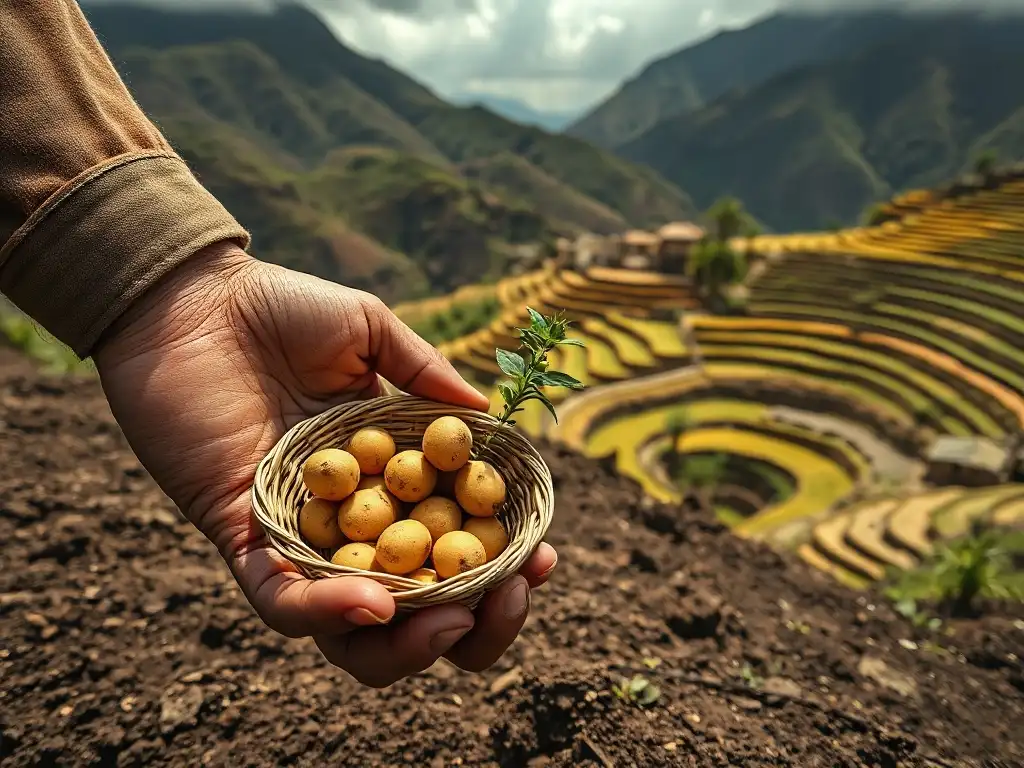
Andean agricultural techniques weren't simply individual endeavors; they were deeply intertwined with the social fabric of Andean communities. Success hinged on cooperation, shared knowledge, and a profound respect for the land. Understanding the role of the Andean farmer requires appreciating their integrated position within a complex social and ecological system. This wasn't just about growing food; it was about sustaining a way of life, a cultural identity, and a delicate balance with the environment.
The ingenuity of Andean agricultural practices wasn't solely technological; it was also deeply social, reflecting a sophisticated understanding of collective responsibility and resource management. The survival and prosperity of the community were inextricably linked to the success of their agricultural efforts. This holistic approach is a crucial element in comprehending the lasting impact of Andean agricultural practices.
Communal Work and Land Management
The concept of individual land ownership was often less prevalent than communal land management in many Andean societies. Cooperative labor, known as ayni in Quechua, was essential. This reciprocal system involved communities working together on tasks like terracing, irrigation, and harvesting. Individuals contributed their labor, receiving assistance in return when they needed it.
This system ensured that even the most challenging agricultural projects could be completed, fostering a strong sense of community and mutual support. The management of water resources, crucial in the often-arid Andean environment, was also a communal undertaking. Irrigation canals and reservoirs were meticulously maintained through collective effort, highlighting the importance of cooperation in ensuring water availability for all.
This communal approach to land management not only increased efficiency but also strengthened social bonds and fostered a sense of shared responsibility towards the land and its resources. The efficiency gains from ayni were significant, allowing for more productive use of labor and resources than an individualistic approach would have allowed. Data on specific yields boosted by ayni is unfortunately scarce, but anthropological accounts consistently highlight its crucial role in Andean agricultural success.
Traditional Knowledge and Agricultural Wisdom
Andean agricultural techniques were built upon centuries of accumulated knowledge, passed down through generations. This wasn't simply a matter of practical skills; it encompassed a deep understanding of the environment, including climate patterns, soil types, and the unique characteristics of different plant species. Farmers possessed an intimate knowledge of their land and its capabilities, adapting their techniques to the specific conditions of each microclimate.
This intricate understanding is reflected in the diverse range of crops cultivated in the Andes, showcasing a remarkable adaptation to varied altitudes and ecological niches. This knowledge wasn't written down in manuals; it was embedded in oral traditions, rituals, and practical experience. Elders played a crucial role in transmitting this knowledge to younger generations, ensuring the continuity of sustainable agricultural practices.
The loss of this traditional knowledge represents a significant challenge to the preservation of Andean agricultural heritage and sustainable farming practices in the modern era. The meticulous observation of nature and the ability to interpret its subtle cues are key components of this sophisticated system of knowledge.
The Importance of Biodiversity in Andean Agriculture
Andean agricultural techniques prioritized biodiversity, cultivating a wide range of crops and livestock. This wasn't simply a matter of dietary diversity; it was a strategic approach to risk management. The cultivation of multiple crops ensured that even if one crop failed due to disease, pests, or adverse weather conditions, other crops would still provide sustenance. This resilience was crucial in a region characterized by unpredictable climatic conditions and environmental challenges.
The Andean agricultural system also incorporated agroforestry techniques, integrating trees and shrubs into agricultural landscapes. This practice helped to improve soil fertility, prevent erosion, and provide additional resources like timber and fodder. The integration of diverse species also fostered a healthy ecosystem, supporting beneficial insects and other organisms that contributed to the overall health and productivity of the agricultural system.
The high level of biodiversity in Andean agriculture contributed significantly to the resilience and sustainability of the system, ensuring food security even in the face of environmental variability. Studies comparing the yields and resilience of monoculture versus polyculture systems in the Andes clearly demonstrate the advantages of the traditional approach. Furthermore, the genetic diversity within crops themselves provided a buffer against diseases and pests.
Challenges and Modern Applications of Andean Agricultural Practices
The remarkable Andean agricultural techniques, honed over millennia, now face unprecedented challenges in the 21st century. Climate change, population growth, and shifting market demands are placing immense pressure on these traditional farming methods. Understanding these challenges is crucial to preserving the legacy of Andean agriculture and ensuring its continued relevance. The delicate balance achieved by ancient Andean farmers, who successfully cultivated diverse crops in harsh environments, is threatened by factors beyond their control.
Adapting Ancient Techniques to Modern Agriculture
One of the most pressing issues is the need to adapt ancient techniques to modern agricultural realities. While terrace farming, for instance, remains incredibly effective in preventing soil erosion and optimizing water usage, its implementation requires significant labor investment. Modernizing these methods might involve incorporating machinery—carefully chosen to avoid soil compaction—or exploring innovative water management systems that integrate traditional wisdom with modern technology.
For example, the integration of drip irrigation into existing terrace systems could significantly improve water efficiency, especially in regions experiencing increasing water scarcity. This requires careful consideration, however, to avoid disrupting the delicate ecological balance established over centuries. Further research into the precise needs and limitations of different crops in various Andean microclimates is necessary to refine these adaptations.
Sustainable Solutions for Food Security
Food security remains a paramount concern in the Andes. The increasing demand for food, coupled with the effects of climate change—including unpredictable rainfall patterns and more frequent extreme weather events—poses a serious threat to the region's agricultural output. Sustainable solutions must address both the immediate need for increased food production and the long-term sustainability of Andean farming practices. Diversification of crops, using traditional techniques to cultivate a wider variety of plants, is crucial for resilience.
This approach mirrors the practices of ancient Andean farmers who understood the importance of agrobiodiversity. Furthermore, promoting sustainable agricultural practices, such as integrated pest management and the reduction of chemical fertilizer use, is essential for preserving soil health and minimizing environmental damage. Investing in research to develop drought-resistant and pest-resistant crop varieties tailored to the Andean environment is also vital.
The Future of Andean Farming
The future of Andean farming hinges on a delicate balance between preserving traditional knowledge and embracing innovation. This requires a multi-faceted approach involving:
- Investing in agricultural research: Funding research focused on improving crop yields, developing climate-resilient varieties, and optimizing water use is paramount. This research should actively involve local communities, ensuring that traditional knowledge is integrated into modern agricultural practices.
- Supporting smallholder farmers: Smallholder farmers are the backbone of Andean agriculture. Providing them with access to credit, training, and market opportunities is crucial for their success and for the preservation of traditional farming practices.
- Promoting sustainable tourism: Sustainable tourism can provide additional income streams for rural communities, encouraging them to maintain their traditional agricultural practices and protect their environment. This approach can tie the preservation of Andean agricultural techniques to economic benefits.
- Educating future generations: Integrating Andean agricultural techniques and their importance into educational curricula can ensure the continued transmission of this invaluable knowledge to future generations. This includes not only the practical skills but also the underlying philosophy of respecting the environment and fostering biodiversity.
The preservation of Andean agricultural techniques is not merely a matter of historical preservation; it is essential for ensuring food security and environmental sustainability in the region for generations to come. The challenges are significant, but with a concerted effort to adapt, innovate, and support Andean farmers, a sustainable and prosperous future for Andean agriculture is achievable. The ingenuity and resilience demonstrated by Andean farmers throughout history provide a strong foundation for addressing these contemporary challenges.
Frequently Asked Questions
What innovative agricultural techniques did Andean civilizations employ?
Andean civilizations developed ingenious irrigation systems, such as canals and terraces, to maximize water use in diverse terrains. They also practiced crop rotation and fertilization to maintain soil fertility.
How did the geography of the Andes influence agricultural practices?
The steep slopes and varied altitudes of the Andes forced Andean people to develop innovative techniques like terracing to create level planting surfaces. Microclimates were also exploited to grow a wide range of crops.
What role did llamas and alpacas play in Andean agriculture?
Llamas and alpacas were crucial for transporting goods and providing fertilizer (guano). Their wool was also a valuable resource, contributing to the overall economy supporting agriculture.
Were Andean agricultural practices sustainable?
Yes, many Andean techniques were remarkably sustainable. Practices like terracing and crop rotation helped prevent soil erosion and maintain productivity over long periods. Careful water management was also key.
What crops were most important to Andean civilizations?
Potatoes, maize (corn), quinoa, and beans were staple crops. The diversity of crops and their adaptation to different altitudes ensured food security and a varied diet.
Final Reflection: Harvesting the Legacy of Andean Ingenuity
The ingenious agricultural techniques of the Andes, honed over millennia, offer not just a glimpse into a rich past, but a vital blueprint for a sustainable future. Facing the escalating challenges of climate change and food insecurity, understanding and implementing these ancient practices is no longer a matter of academic interest; it's a critical necessity for global food security.
The enduring impact of Andean agricultural innovations on the cultural landscape is profound. These methods, far from being relics of the past, continue to shape the lives and livelihoods of Andean communities, demonstrating the power of adaptation and resilience. The earth provides enough to satisfy every man's needs but not every man's greed.
- Mahatma Gandhi. This quote perfectly encapsulates the ethos behind Andean agriculture, emphasizing a harmonious relationship with nature rather than exploitative dominance. The ingenuity displayed in terracing, water management, and crop diversification serves as a powerful counterpoint to modern, often unsustainable, agricultural practices.
Consider the wisdom embedded within these ancient techniques. Think about how the principles of biodiversity, water conservation, and soil regeneration, so central to Andean agriculture, can be applied to your own life, however small the scale. You can contribute to a more sustainable future by making conscious choices about your food consumption, supporting local and sustainable farming practices, and advocating for policies that prioritize environmental stewardship. Let the legacy of Andean ingenuity inspire you to cultivate a more responsible and harmonious relationship with the earth.
**Embrace Sustainable Farming Today! **
Thank you for exploring the fascinating world of Andean agriculture! You've discovered how ancient techniques and sustainable practices continue to inform modern farming methods. Now, let's put that knowledge into action.
Here's how you can get started:
- **Start a sustainable garden:** Whether you build raised beds, use companion planting, or try container gardening, even a small space can make a difference. Watch your garden thrive!
- **Support local farmers:** Shop at farmers' markets and connect with producers who prioritize environmentally friendly practices. Learn about their methods and the dedication behind their work.
- **Share your passion:** Talk to friends and family about sustainable agriculture, or share your knowledge on social media. Inspire others to explore these valuable techniques.
What sustainable farming practice will you try first? Let's work together towards a more environmentally responsible future.