
Inca Art and the Concept of Time: Cyclical and Linear

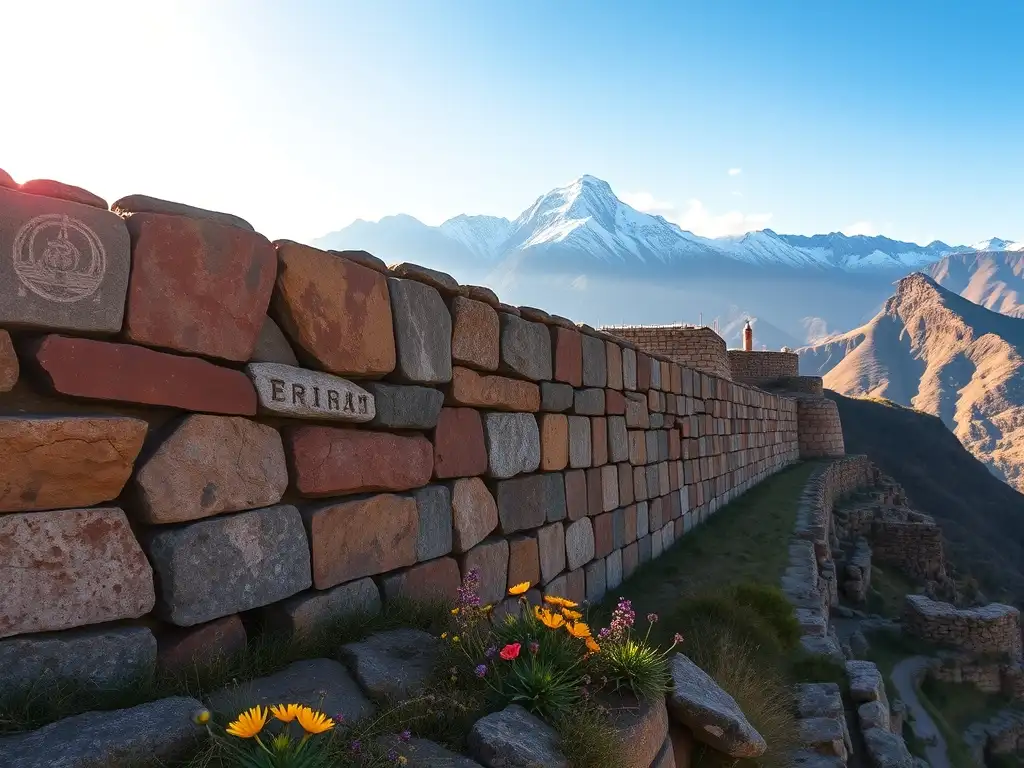
Step into a world lost to time, yet echoing with vibrant life. Dive into the fascinating intricacies of Andean civilizations, uncovering their remarkable achievements in art, technology, and societal structures. But prepare to have your understanding of time itself challenged. Our exploration of Inca art and cyclical time will reveal a perspective unlike any other – a cosmic worldview woven into breathtaking artistry. Unravel the mysteries and discover how the Incas perceived their place within the grand tapestry of existence. Continue your journey to uncover the secrets held within the heart of the Andes.
-
Inca Art and the Concept of Time: Cyclical and Linear Perspectives
- Introduction to Inca Art and Time Perception
- The Cyclical Nature of Time in Inca Culture
- Linear Time in Inca Art and Architecture
- Inca Art: Blending Cyclical and Linear Time
- The Interpretation of Inca Art Through the Lens of Time
- The Legacy of Inca Time Concepts
- Conclusion: The Complex Relationship Between Inca Art and Time
-
Frequently Asked Questions
- What is the main focus of this article?
- How did the Inca view time differently than many other cultures?
- What artistic forms reveal the Inca concept of cyclical time?
- How does Inca art depict the cyclical relationship between humans and nature?
- Where can I learn more about the Inca's concept of linear time as depicted in their art?
- Final Reflection: Echoes of the Andes: Time, Art, and Legacy
- Embrace the Rich Tapestry of Inca Heritage!
Inca Art and the Concept of Time: Cyclical and Linear Perspectives
The Inca Empire, a civilization that flourished in the Andes Mountains from the 15th to the 16th century, left behind a remarkable legacy of art, architecture, and intricate social structures. Understanding Inca art requires delving into their complex perception of time, a concept deeply intertwined with their cosmology, agricultural practices, and spiritual beliefs. This article explores the fascinating interplay between Inca art and their unique understanding of time, examining both cyclical and linear perspectives present in their creations.
We will analyze how these perspectives manifested in their artistic expressions, revealing the profound connection between their worldview and the aesthetic choices reflected in their textiles, ceramics, and metalwork. This exploration will illuminate how the concept of "Inca art cyclical time" permeated their daily lives and artistic endeavors, providing a richer comprehension of this remarkable civilization.
Introduction to Inca Art and Time Perception
Inca art wasn't merely decorative; it served as a powerful medium for expressing their worldview and societal values. Unlike many Western societies that emphasize a linear progression of time, the Inca worldview incorporated a strong cyclical element. Their understanding of time was intimately connected to the natural world, particularly the agricultural cycles crucial to their survival. The sun, the moon, and the stars dictated the rhythm of life, influencing their rituals, festivals, and artistic representations.
The cyclical nature of time is profoundly reflected in the repetitive motifs and patterns found in Inca textiles, pottery, and metalwork. These recurring symbols are not merely aesthetic choices but rather powerful expressions of their belief in the cyclical renewal of life, death, and rebirth. This cyclical perception wasn't absolute, however; elements of linear progression, particularly concerning lineage and historical events, were also present, creating a more nuanced understanding of their temporal framework.
The Cyclical Nature of Time in Inca Culture
The Inca perception of time was fundamentally shaped by their close relationship with the Andean environment. The cyclical nature of the seasons, the planting and harvesting cycles, and the predictable movements of celestial bodies all contributed to their understanding of time as a continuous loop of renewal and regeneration. This cyclical view is reflected in various aspects of their culture, including their art.
Understanding Andean Cosmovision and Time Cycles
Andean cosmovision, a holistic worldview encompassing the physical and spiritual realms, played a significant role in shaping their perception of time. The concept of pacha, encompassing the entire universe and all its interconnected elements, emphasized the cyclical nature of existence. The movement of the sun, the phases of the moon, and the changing seasons were all considered integral parts of this continuous cycle.
This cosmological understanding profoundly impacted their art, with many motifs representing celestial bodies, agricultural cycles, and the continuous flow of life and death. The repetition of these motifs in textiles and ceramics visually reinforces this cyclical perception of time.
Inca Rituals and the Repetitive Nature of Time
Many Inca rituals reinforced the cyclical nature of time. Festivals celebrating the solstices and equinoxes, for example, marked the turning points in the agricultural year, reaffirming the continuous cycle of growth and decay. These rituals, often involving elaborate ceremonies and offerings, were visually documented and celebrated through art, further emphasizing the cyclical nature of time and its profound importance in their society. The repetition of these festivals year after year visually mirrored the cyclical patterns found in their art.
The Role of Agriculture in Shaping Time Perception
Agriculture formed the backbone of Inca society. The success of their agricultural practices depended entirely on understanding and responding to the cyclical nature of the seasons. The planting, growth, harvest, and fallow periods of their crops directly mirrored their cyclical view of time.
This close relationship between agriculture and time is evident in their art, where agricultural motifs, such as maize and llamas, frequently appear in textiles and ceramics, symbolizing abundance, renewal, and the cyclical nature of life itself. The repetition of these agricultural symbols within their artwork further underscores their understanding of time as a recurring cycle of growth and regeneration. The intricate designs often represent not only the plants themselves but also the interconnectedness of the natural world and its influence on their lives and artistic expressions.
Linear Time in Inca Art and Architecture
Historical Narratives in Inca Pottery and Textiles
Inca pottery and textiles often depict historical narratives, suggesting a linear perception of time. These weren't simply decorative; they served as records of events, lineage, and achievements. For example, certain textiles showcase the progression of Inca rulers, with each ruler depicted in a specific panel, creating a visual timeline. Similarly, some pottery depicts scenes of significant battles or ceremonies, presented in a sequential manner that suggests a linear unfolding of events.
The level of detail in these representations indicates a conscious effort to document history and transmit it across generations, underscoring a linear understanding of time as a sequence of events. The careful arrangement of figures and symbols within these artworks supports the idea of a deliberate, chronological narrative. Further research into the specific iconography used in these artifacts could provide more detailed insights into the Inca's linear perception of time as reflected in their art.
Architectural Achievements as Markers of Linear Progression
Inca architecture, particularly the impressive structures at Machu Picchu and Sacsayhuamán, can be interpreted as markers of linear progression. The construction of these monumental sites spanned decades, even centuries, representing a continuous process of expansion and refinement. Each successive addition or modification to these structures can be viewed as a step in a linear progression, reflecting the growth and development of the Inca empire. The increasing complexity and sophistication of Inca masonry techniques over time further support this interpretation.
We see a clear evolution from earlier, simpler styles to the highly refined and precise stonework characteristic of later Inca constructions. This observable progression in architectural styles strongly suggests a linear perception of time, where progress and development are seen as key aspects of the Inca worldview. Analyzing the architectural plans and construction techniques across different Inca sites would help to further solidify this understanding.
The Inca Road System as a Symbol of Linear Control
The extensive Inca road system, spanning thousands of miles across the Andes Mountains, is a powerful symbol of linear control and expansion. This vast network of roads facilitated communication, trade, and military movement throughout the empire. Its construction represents a significant investment of resources and manpower over an extended period, demonstrating a long-term vision and a linear perception of time.
The strategic placement of roads, bridges, and waystations suggests a planned and controlled expansion, emphasizing the Inca's ability to manage and organize their empire over time. The road system's very existence, as a physical manifestation of Inca power and influence, embodies a linear progression of territorial control and administrative achievement. Further study of the construction phases and logistical challenges involved in building the Inca road system would provide additional evidence supporting this interpretation.
Inca Art: Blending Cyclical and Linear Time
How Inca Art Reflects Both Time Concepts
Inca art masterfully blends both cyclical and linear perceptions of time. While linear elements are evident in historical narratives and architectural progressions, cyclical concepts are equally prominent. The cyclical nature of Andean agriculture, with its dependence on seasonal rhythms, is reflected in much of Inca art through the repeated motifs of nature, such as the sun, moon, and stars.
These motifs, often interwoven with linear narratives, suggest a worldview that integrates both the continuous flow of time and the repetitive cycles of nature. The duality of these concepts wasn't necessarily a contradiction but rather a complementary understanding of time’s multifaceted nature. More research is needed to fully understand how the Inca reconciled these seemingly opposing views.
Examples of Artworks Showing Cyclical and Linear Elements
Many Inca artworks seamlessly integrate both cyclical and linear elements. For instance, a textile might depict a linear progression of events in a battle, but the overall design incorporates recurring motifs of the sun and moon, representing the cyclical nature of time and the cosmos. Similarly, some pottery features a chronological sequence of events, but the pottery itself is decorated with repetitive patterns, reflecting the cyclical rhythms of nature.
Specific examples of such artworks, with detailed descriptions of their iconography, would provide powerful evidence of this interplay between linear and cyclical time concepts. Analysis of the placement and significance of these motifs within specific artworks is crucial for a deeper understanding.
The Significance of the Combination of Time Concepts in Inca Art
The combination of cyclical and linear time concepts in Inca art reflects a sophisticated understanding of time's complexity. It suggests a worldview that acknowledges both the continuous flow of events and the repetitive cycles of nature. This integration is not merely a stylistic choice; it speaks to a fundamental aspect of Inca cosmology and their understanding of the world around them.
The cyclical aspect emphasizes the interconnectedness of events and the recurring patterns of nature, while the linear aspect highlights the importance of progress, history, and the accumulation of knowledge and experience over time. This balanced perspective on time is a testament to the richness and complexity of Inca thought. Further investigation into Inca mythology and religious beliefs could shed more light on the philosophical underpinnings of this unique perspective on time.
The Interpretation of Inca Art Through the Lens of Time
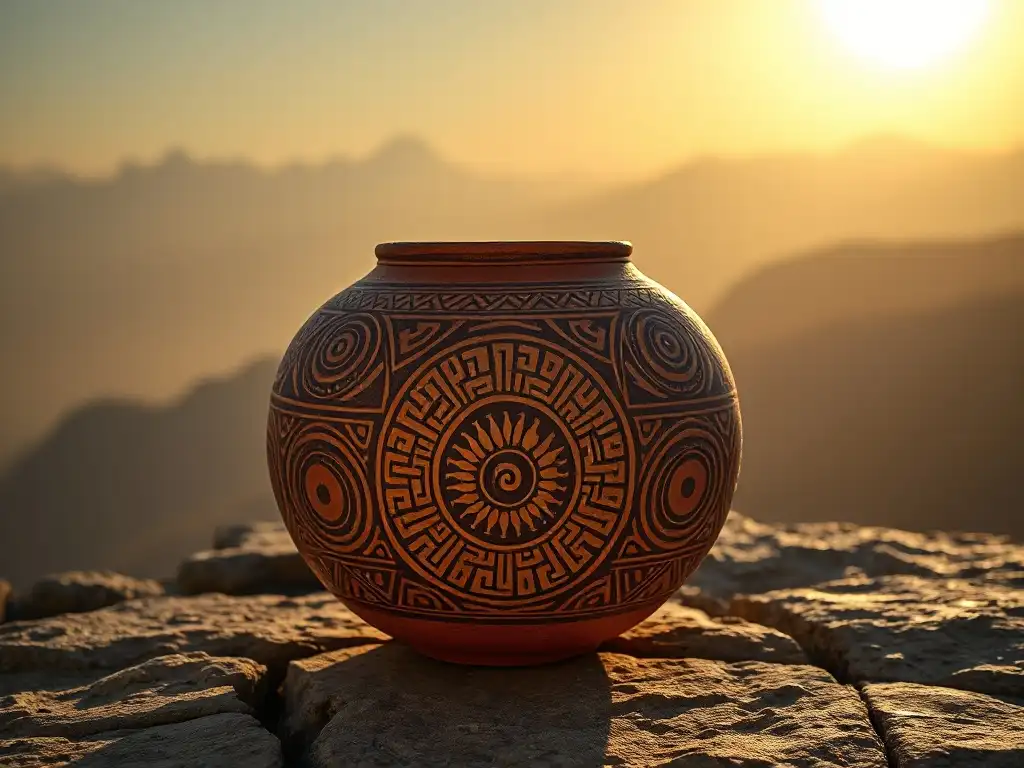
Inca art, rich in symbolism and intricate detail, offers a fascinating window into their unique perception of time. Unlike the linear progression often associated with Western cultures, the Inca worldview embraced a more cyclical understanding of time, deeply intertwined with agricultural cycles, celestial events, and the continuous renewal of life. Analyzing Inca art requires understanding this fundamental difference.
Scholars have noted the frequent depiction of recurring motifs, such as spirals, concentric circles, and the repetition of figures, all suggestive of a continuous, ever-repeating process. The Inca's mastery of textiles, metalwork, and stone carving allowed them to translate this cyclical worldview into stunning visual representations.
The vibrant colors and intricate patterns found in their textiles, for instance, often mirrored the rhythms of nature, reflecting the changing seasons and the continuous cycle of planting, growth, and harvest. This cyclical understanding wasn't simply an abstract philosophical concept; it was deeply embedded in their daily lives and religious practices.
Analyzing the Meaning of Cyclical Imagery in Inca Art
Many scholars believe that the prevalence of spirals in Inca art symbolizes the cyclical nature of time and the cosmos. These spirals, often found in pottery, textiles, and even architectural designs, can be interpreted as representations of the sun's journey across the sky, the phases of the moon, or the continuous cycle of life, death, and rebirth. The concentric circles frequently seen in Inca art further reinforce this cyclical perspective, suggesting an unending repetition of cosmic and earthly processes.
For example, the intricate patterns on Inca textiles often feature concentric circles interwoven with other motifs, creating a visually stunning representation of this interconnectedness. The precise meaning of specific cyclical imagery often depended on context and accompanying elements within a given artwork.
Further research is needed to fully understand the nuanced meanings embedded within these recurring designs. The use of specific colors within these cyclical patterns also likely held significant meaning, though deciphering these specific color codes remains a challenge for researchers.
Deciphering Linear Representations in Inca Art Forms
While the cyclical view of time dominated Inca cosmology, evidence suggests a degree of linear perception existed alongside it. This is evidenced in certain artistic representations that depict historical events or lineages. Though less common than cyclical imagery, these linear representations often involved the depiction of sequential scenes or the arrangement of figures in a manner suggesting a progression through time. For instance, some Inca pottery depicts scenes that appear to narrate historical events or mythical stories, suggesting a linear progression of the narrative.
These linear elements are often intertwined with cyclical imagery, highlighting the complex interplay between these two perspectives. The relative rarity of explicitly linear representations in Inca art suggests that the cyclical model was the dominant framework for their understanding of time. More research into the context and symbolism used in these rarer linear representations is needed to fully understand their significance.
The Sun Gate at Tiwanaku and its representation of time
The Sun Gate at Tiwanaku, while predating the Inca Empire, provides a compelling example of a pre-Inca Andean civilization's engagement with the concept of time. Its intricate carvings, particularly the central figure often interpreted as a deity, are believed by many scholars to represent the cyclical nature of time and the cosmos.
The complex interplay of figures and symbols suggests a cosmic calendar or a representation of the cyclical renewal of the universe. The Sun Gate's position and orientation also suggest a deep understanding of astronomical cycles and their importance in the Tiwanaku worldview, a perspective likely inherited and adapted by later Andean cultures, including the Inca.
Further study of the astronomical alignments and the specific iconography of the Sun Gate is crucial to fully understand its representation of time. The intricate detail and the scale of the carving suggest a significant investment of time and resources, reflecting the importance of this representation in their worldview.
The Coricancha and its temporal symbolism
The Coricancha, or Temple of the Sun in Cusco, served as the most important religious center of the Inca Empire. Its architecture and design reflect the Inca's understanding of time and cosmology. The precise astronomical alignments of the Coricancha, its orientation towards the rising sun, and its rich ornamentation all point to a deep connection between the temple, the celestial cycles, and the Inca's cyclical view of time. The temple's layout and the placement of its various structures likely reflected the Inca's understanding of the cosmos and their place within it. While much of the original Coricancha was destroyed after the Spanish conquest, surviving accounts and archaeological evidence provide valuable insights into its temporal symbolism and its role as a central point for the Inca's understanding of time's cyclical nature. Further research is needed to fully reconstruct the original design and to unravel the intricate symbolism embedded within its architecture.
The Legacy of Inca Time Concepts
The Inca's sophisticated understanding of time, encompassing both cyclical and linear perspectives, left a lasting impact on Andean culture. Their intricate calendar systems, based on astronomical observations and agricultural cycles, were highly accurate and played a crucial role in organizing their society and daily life.
Influence of Inca Time Perception on Modern Andean Culture
Elements of the Inca worldview, including their cyclical understanding of time, continue to influence modern Andean culture in various ways. Agricultural practices, religious festivals, and artistic expressions often reflect a continuity with the Inca's cyclical perception of time. Many contemporary Andean communities maintain traditions and ceremonies linked to the agricultural cycles and celestial events, reflecting a persistence of the ancient worldview.
The cyclical nature of time is often reflected in contemporary Andean art, weaving together ancient motifs and modern expressions. This continuity highlights the enduring influence of Inca traditions and their deep-rooted understanding of time's cyclical nature. Further research into contemporary Andean cultural practices is needed to fully document the extent of this enduring legacy.
Preservation and Study of Inca Art and Its Time Symbolism
The preservation and study of Inca art are crucial for understanding their unique perspective on time and its influence on their civilization. Ongoing archaeological excavations, meticulous conservation efforts, and interdisciplinary research are essential for unlocking the secrets embedded within Inca art. The development of new technologies and methodologies for analyzing Inca artifacts is crucial in advancing our understanding of their artistic techniques and the symbolism they employed to represent their concept of time.
International collaborations among scholars and institutions are crucial for the effective preservation and study of this invaluable cultural heritage. Protecting these artifacts and continuing research is essential to ensuring that future generations can appreciate and learn from the Inca's sophisticated and unique worldview.
Conclusion: The Complex Relationship Between Inca Art and Time
The intricate relationship between Inca art and their perception of time reveals a fascinating blend of cyclical and linear perspectives. While the agricultural cycle, with its emphasis on planting, harvesting, and renewal, undeniably shaped a cyclical understanding of time reflected in their art—through motifs like the repetition of geometric patterns and representations of nature's continuous rebirth—the Inca also demonstrated an awareness of linear progression. This is evident in their meticulously kept records of rulers, events, and lineage, suggesting a comprehension of time as a sequence of events unfolding in a specific order. The khipus, complex knotted cords used for record-keeping, serve as a prime example of this linear approach, showcasing a system for recording historical data and transmitting information across generations.
The integration of both perspectives within their artistic expressions highlights the sophisticated cognitive framework of the Inca civilization, capable of simultaneously embracing the cyclical rhythms of nature and the linear progression of historical events. Their art, therefore, becomes a powerful testament to their unique worldview, a rich tapestry woven from the threads of both cyclical and linear conceptions of time. Further research into specific artistic motifs and their contextual significance within Inca society could provide an even deeper understanding of this complex interplay.
The subtle nuances within their art invite further investigation, promising to reveal even more about the Inca's sophisticated and nuanced understanding of the passage of time. Understanding the dualistic nature of their perception of time provides crucial context for interpreting Inca art, moving beyond a simplistic interpretation to a more holistic and nuanced appreciation of their artistic achievements and cosmological beliefs. The cyclical and linear aspects are not mutually exclusive but rather intertwined, reflecting a complex and multifaceted worldview that continues to fascinate and inspire scholars today.
Frequently Asked Questions
What is the main focus of this article?
This article explores how the Inca civilization's art reflected their unique understanding of cyclical and linear time. It examines how these concepts are represented in various artistic expressions.
How did the Inca view time differently than many other cultures?
Unlike many cultures with a linear perception of time, the Inca viewed time as cyclical, with repeating patterns mirroring the natural world, such as the agricultural cycle and the movement of celestial bodies. This is reflected in their art.
What artistic forms reveal the Inca concept of cyclical time?
The cyclical nature of time is evident in Inca textiles, pottery, and architecture, often featuring repeating motifs and patterns symbolizing the continuous renewal of life and the cosmos.
How does Inca art depict the cyclical relationship between humans and nature?
Inca art frequently portrays the interdependence of humans and nature, showing how human life is intimately connected to the agricultural cycles and the rhythms of the Andes. This cyclical relationship is visually represented through recurring motifs.
Where can I learn more about the Inca's concept of linear time as depicted in their art?
The article discusses how, alongside cyclical time, the Inca also recognized a linear progression of history and events, often depicted through narrative scenes in their art. Further research into Inca iconography can reveal more about this aspect.
Final Reflection: Echoes of the Andes: Time, Art, and Legacy
The cyclical understanding of time, so central to Inca art and cosmology, resonates powerfully in our own era of rapid change and environmental crisis. We, too, are grappling with the long-term consequences of our actions, a perspective that the Inca's intricate weavings, meticulously carved stones, and awe-inspiring architecture forcefully remind us of. Their enduring legacy challenges us to consider the interconnectedness of past, present, and future, urging a more sustainable and holistic approach to life.
The Inca's profound connection to the cyclical rhythms of nature – the seasons, the sun, the agricultural cycle – offers a compelling counterpoint to our often linear, progress-driven worldview. Their art wasn't merely decorative; it was a tangible expression of their spiritual beliefs and their deep understanding of the natural world. The past is never dead. It's not even past,
wrote William Faulkner, and the Inca's artistic legacy powerfully demonstrates this truth. Their art continues to speak to us, prompting reflection on our own relationship with time and the environment, and reminding us of the importance of respecting the delicate balance of the natural world.
Consider the intricate details in Inca textiles, the precise alignments of their astronomical sites, the enduring strength of their stonework. These are not just artifacts of a bygone civilization; they are potent symbols of a worldview that valued harmony, sustainability, and a deep respect for the cyclical nature of existence. Let the enduring beauty and wisdom embedded within Inca art inspire you to contemplate your own place within the grand tapestry of time, and to strive for a more balanced and sustainable future. Embrace the cyclical, appreciate the interconnectedness, and let the echoes of the Andes guide your path.
Embrace the Rich Tapestry of Inca Heritage!
Thank you for exploring the fascinating world of Inca art and their unique perspective on time. You've uncovered not just an artistic tradition, but a profound cultural philosophy that enriches our understanding of history. Now, let's delve even deeper.
Here are some ways to connect more deeply with this extraordinary legacy:
- Expand Your Knowledge: Research how other Andean civilizations, such as the Wari or Tiwanaku, viewed time and art. Explore related articles on our website for a broader perspective.
- Share Your Discoveries: Discuss what you've learned with friends, family, or online communities. Spark a conversation about the diverse ways cultures perceive and represent the passage of time.
- Unleash Your Creativity: Create your own artwork inspired by Inca themes. Whether you paint, draw, sculpt, or weave, let the rich history inspire your artistic expression.
How do you see the concepts of time reflected in your own life and culture? We'd love to hear your thoughts in the comments!